Category: Fashion

Retail News Asia is committed to providing both local and global retailers with the latest Fashion news throughout the Asian market. This on a daily base.

  • Channeling Artificial Intelligence in beauty

    Channeling Artificial Intelligence in beauty

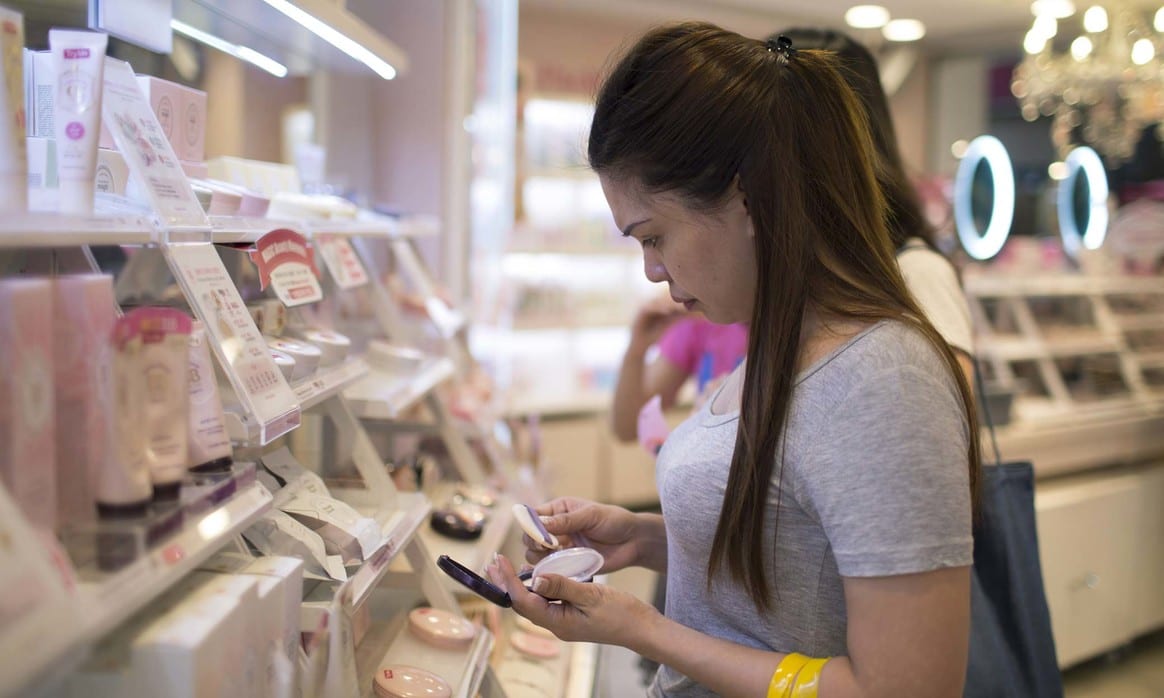
    Since time immemorial women have been using various aids to enhance their beauty. Between the ancient times and the advancement of scientific techniques, we have seen the phenomenal growth of the beauty and cosmetics business. We have seen the modernisation of beauty treatments from ancient Egypt to the present day. We have also seen and experienced the heights of product innovations, using research and development of cosmetic techniques. New ingredients are being researched and used and then promoted as the next best beauty discovery. Even ingredients from ancient texts are being combined with scientific techniques to formulate beauty products. Each product claims to be better than the previous one.

    We have also been through basic customised beauty care, formulating products for different skin and hair types. Even here, there is a kind of generalisation and the theory of ‘different skin types’ does not take into account the many differences there are between one individual and the other. Through these years, branding has become important. The customer starts believing that using a certain branded product will make her look like the brand’s ambassador. Actually, the product she uses has not really taken into account her personal characteristics and features. But, Artificial Intelligence is changing all of this.

    What is Artificial Intelligence? Actually intelligence itself is difficult to define, so one can imagine how complex the concept of Artificial Intelligence must be! In fact, the definition itself has undergone changes, since the developments have been so rapid. The basic and simple definition refers to ‘machine that imitate human behaviour’. However, this is too simple a definition, because a machine maybe made in a way that it imitates human behaviour, but can it imitate human intelligence? Experts say that computer programmes can be made to imitate human behaviour, but the programme must be such that it ‘must be able to do many different things in order to be called intelligent’.

    As far as Beauty is concerned, programming has helped to prepare a database that can take many individual characteristics into account, so that it is possible to manufacture a product that is specifically meant for an individual, rather than conforming to broader specifications of ‘skin types’. Advances in technology can help to further machine learning with Artificial Intelligence, so that it becomes possible to find a custom made product for each individual.

    When I started my first herbal salon, more than four decades ago, I followed the principle of customised beauty care, at the client card level. The details of the individual client would be noted down in the Client Card. Apart from the basic, details of allergies, history and past treatments would also be noted down. In a way, we were preparing a data base. But, now with computer programming, it is possible to create an immense data base, with more detail. The customer herself can refer to the virtual card and refer to it while searching for a custom based product.

    There are beauty brands abroad, who are adopting Artificial Intelligence to create personalised products that are specifically tailored for customers. The ‘search’ for products will also have to be detailed and specific, so that the customer can make the connection among the different categories of products, ingredients, the different key words in order to select the best suited product. Most online retailing outlets do have ‘chats’ where the customer can be helped to find the products best suited. However, machines will have to be programmed to take many other distinctions into account, like geographical location, climate, skin colour, ethnic background, and so on.

    With the help of Artificial Intelligence, the customer may be able to find a skin profile that is totally personalised and unique, so much so that it may not fit any other person. If such detailed data is taken into account by product developers, it maybe possible to make similar products, with or without a particular ingredient, which is suited to one, but not to the other. In fact, one can consider including the medical aspect to find solutions for skin problems. Medical professionals or pharmacists may also be involved to work out the different aspects of the programming.

    It seems the possibilities are limitless with further development of technology. But, I still feel that at some point, the human factor must come in. For instance, only a human being can say whether a particular product feels good or not, whether it really does all that it promises to do. We cannot rely totally on machines and Artificial Intelligence.
  • BMW to sell Fossil designed branded watches

    BMW to sell Fossil designed branded watches

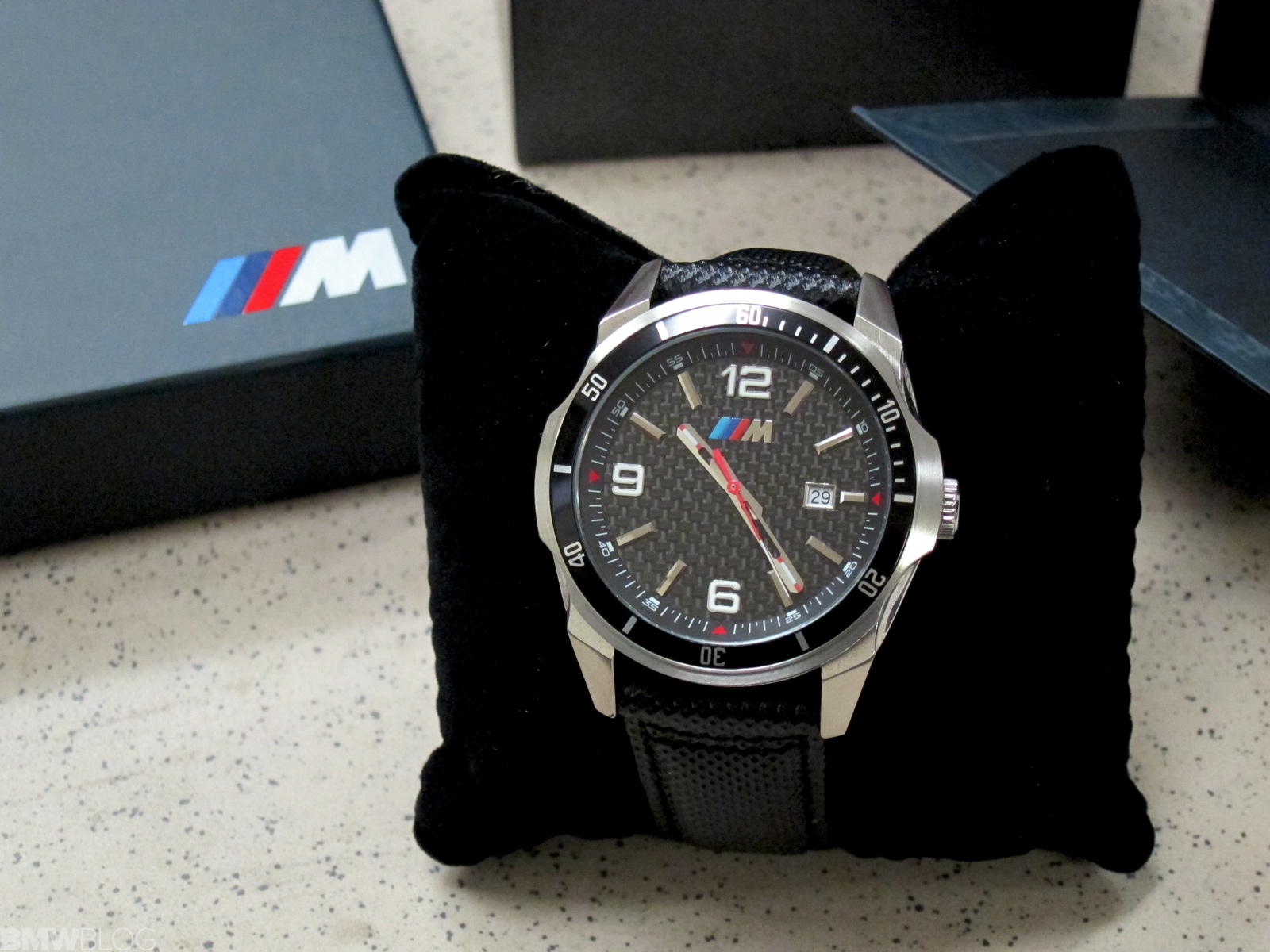
    Fossil Group has signed a global licensing agreement with BMW to design, develop and distribute BMW-branded watches and smartwatches until 2023.

    “BMW is one of the most iconic brands in the world,” said Fossil Group chairman and CEO Kosta Kartsotis. “We look forward to bringing our watch design expertise and smartwatch capabilities to BMW enthusiasts around the world.”

    The first collection of BMW-branded watches designed by Fossil will go on sale next year after a collaboration by designers from the two companies.

    The collections will be sold globally in more than 4000 BMW retail channels and key retailers in Fossil Group’s global network.

    Fossil Group already has design partnerships with licensed brands including Armani Exchange, Chaps, Diesel, DKNY, Emporio Armani, Kate Spade New York, Marc Jacobs, Michael Kors, Puma and Tory Burch.

  • JD Sports continues Australia expansion

    JD Sports continues Australia expansion

    The JD Sports Perth store in Westfield Carousel will open on 30 August and the new store in Brisbane’s city centre will open on 20 September 2018.

    In April 2017, JD Sports was brought to Australia by local retail agent Hilton Seskin, whose Next Athleisure firm also brought out from the UK Topshop and Topman, which filed for administration only a few years after, before being rescued by parent company, Arcadia Group, effectively saving it from exiting the market.

    However, JD Sports has exploded in Australia in the last twelve months and expanded rapidly on the continent, opening nine stores on the east coast, namely in bigger cities such as Sydney and Melbourne.

    The opening in Perth will see the retailer enter the west coast of Australia for the first time, already a burgeoning online market for the brand, according to Seskin, since JD Sports launched its e-commerce platform in Australia upon entry.

    “The move into Perth is highly anticipated as Western Australia has always interacted with the brand, even before we launched a physical store — it was actually the number one traffic location for online users prior to launch,” said local retail distributor, Hilton Seskin, in a statement.

    Compared to fast-fashion and apparel, the sportswear retail market is relatively unsaturated in Australia, meaning big name international chains are starting to stake their claim via physical and online store debuts.

    However, competition is heating up for JD Sports. France’s Decathlon has since launched in Australia in December 2017, prompting local retailer Super Retail Group to rebranded its sporting brands Rebel Sport and Amart stores to simply Rebel last year.

  • Lululemon’s success drives store expansion

    Lululemon’s success drives store expansion

    Athleisure is the new fad of the retail industry.

    Lululemon is one of the most iconic brand following the trend. Founded in 1998, it has flourished to empower healthy lifestyle through its innovative products and community events.

    The company’s values have been very well received by Asian consumers who blissfully adopted the brand. Thanks to its ever-increasing fan base, Lululemon has expanded its IFC store in Hong Kong which reopened the 7th of July. The new space offers an extensive range of both female and male workout apparel in a beautiful, bright and energetic space.

    Asia’s finest wellness and fitness symbols were invited along with members of the public to enjoy curated in-store experiences, including an interactive photo booth, and celebrate the grand re-opening. Guests were welcomed to enjoy a meditation class led by yoga aficionado Nikita Ramchandani or t-shirt customization by silk screening with local artist Magaga.

    Striving to spread its values among the Asian Community, Lululemon is pursuing its Ambassador Program. Nikita Ramchandani, founder of Kita Yoga, Brian Woo, founding member of Harbour Runners, and Ada Cheung, program director and spin instructor at XYZ, joined the force and partnered with Lululemon to nurture a community of driven and inspirational individuals to harness the brand’s passion.

    Mindful and committed, Lululemon has thought of their Asian customers and developed a unique line labelled Asia Fit. Specifically tailored to suit the Asian body type through various aspects including the cut, material and design, the collection is available online and at all Hong-Kong lululemon stores, in black and white.

    Throughout the years, Lululemon has never wavered from its desire to empower people to reach their full potential by providing them with the right tools and resources, and has continuously encouraged a culture of leadership, goal setting, and personal responsibility.

  • Luxury group Kering reports positive numbers

    Luxury group Kering reports positive numbers

    Fashion giant Kering’s decision to focus the business on luxury appears to be paying off.

    In what chairman and CEO Francois-Henri Pinault termed “dazzling top-line and earnings performances” during the first half year, total revenue rose 33.9 per cent on a comparable basis and operating margin rose above 30 per cent for the first time in the company’s history.

    Kering sales in Asia rose by 37.6 per cent, excluding Japan, where sales rose by 30.7 per cent. That growth rate lagged the US, (up 45.4 per cent) but was well ahead of Kering’s home European market’s 25.1 per cent. Online sales more than doubled.

    While the growth occurred across most of the company’s brand portfolio, Gucci clearly led the way with sales up 44.1 per cent on a comp basis and margin from recurring operations reaching 38.2 per cent. Yves Saint Laurent sales rose 19.7 per cent.

    Revenue from Bottega Veneta was stagnant, up just 0.9 per cent, but all the other houses collectively rose by 36.5 per cent, led by Balenciaga and Alexander McQueen.

    First-half year consolidated revenue was €6.432 billion, up by 26.8 per cent before taking into account exchange rate influences and changes to the group structure. A year earlier, Kering’s portfolio included sportswear label Puma, a majority stake of which has since been spun off.

    Net income rose 185.7 per cent to €2.36 billion, although just over half of that was a capital gain resulting from the sell-down of Kering’s Puma stake.

    Pinault said Kering’s growth was “grounded in the exclusivity and desirability of our brands”.

    “The development model we implement across our houses paves the way for increased value creation as well as profitable, sustained and consistent organic growth. While facing increasingly demanding comps and an uncertain global environment, we will once again substantially enhance our financial and operating performances in 2018.”

  • Fashion brand Cover Story targets high revenue

    Fashion brand Cover Story targets high revenue

    Indian fashion brand Cover Story is aiming to generate ₹100 crore (US$14.6 million) in sales in the ongoing financial year.

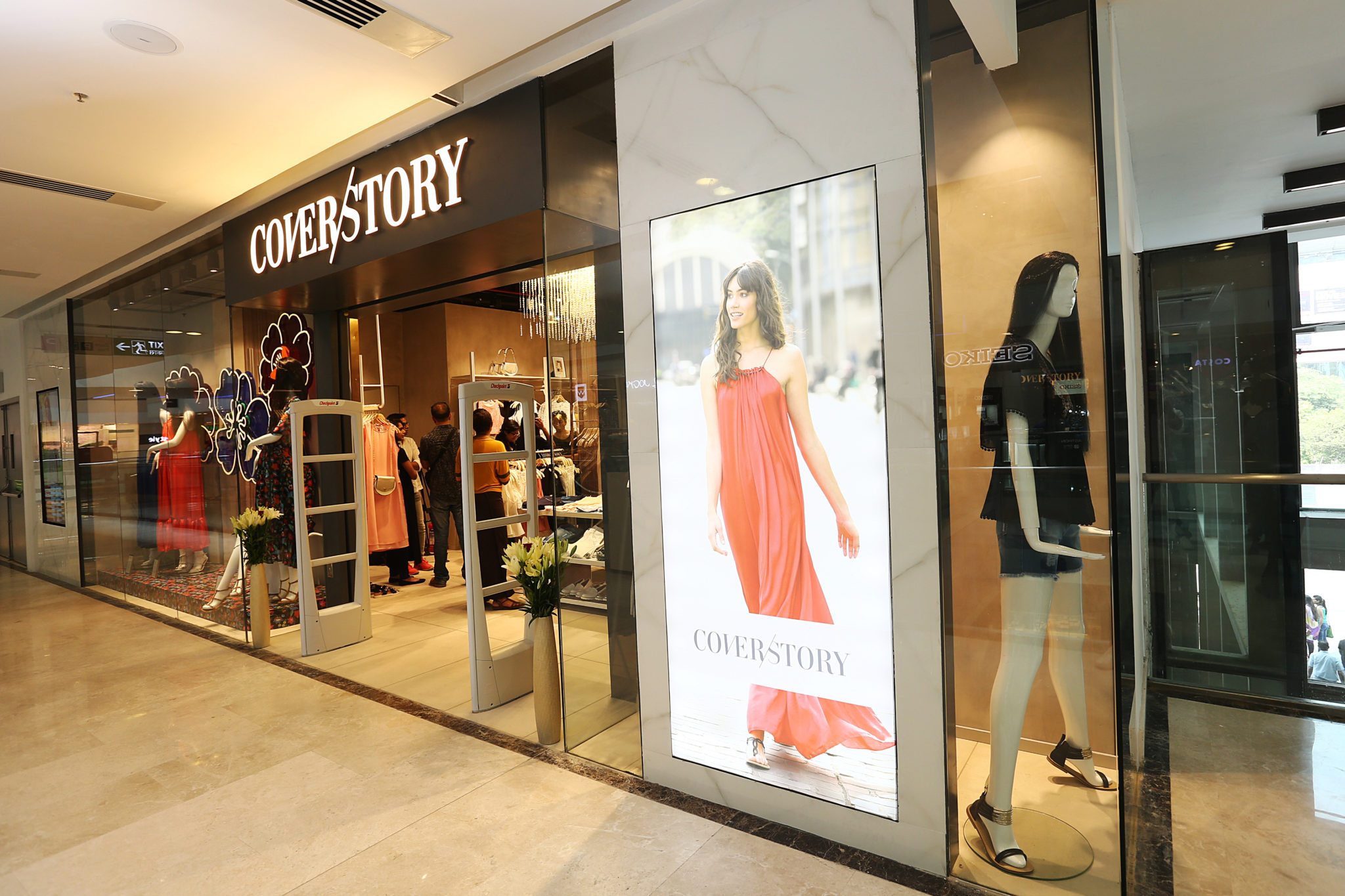
    The brand has been trading in western womenswear since 2016, targeting young Indian women with fittings matching their own ethnic body types. It is currently focused on expanding its accessories offering.

    Manjula Tiwari, the CEO of Future Group’s Future Style Labs, which owns the Cover Story brand, said, “We are looking to break even at the Ebitda level at the end of this fiscal year. We are growing at more than 100 per cent, witnessing 12 to 30 per cent like-for-like growth in our stores, indicating an increasing consumer base – consumers who are coming back to our stores.”

    The fashion brand Cover Story has seen average sales per store at ₹25 lakh (US$36,430) a year, and achieved total retail sales of ₹51 crore (US$7.43 million) in the 2018 financial year. Around 7 to 8 per cent of sales were made on e-commerce platforms.

    The brand’s stores are located in top national malls, often adjacent to international competitors such as H&M, Vero Moda and Zara to attract customers shopping in that market. It intends to open six new outlets and 50 shop-in-shop stores this year.

  • All behind the new (fake) “Supreme” store opening in Shenzhen

    All behind the new (fake) “Supreme” store opening in Shenzhen

    There are 11 Supreme stores in the world: two in New York, one in Los Angeles, one in London, one in Paris, and six around Japan. There are none in China. So what’s the deal with the new “Supreme” store opening in Shenzhen, China that no one knows about?

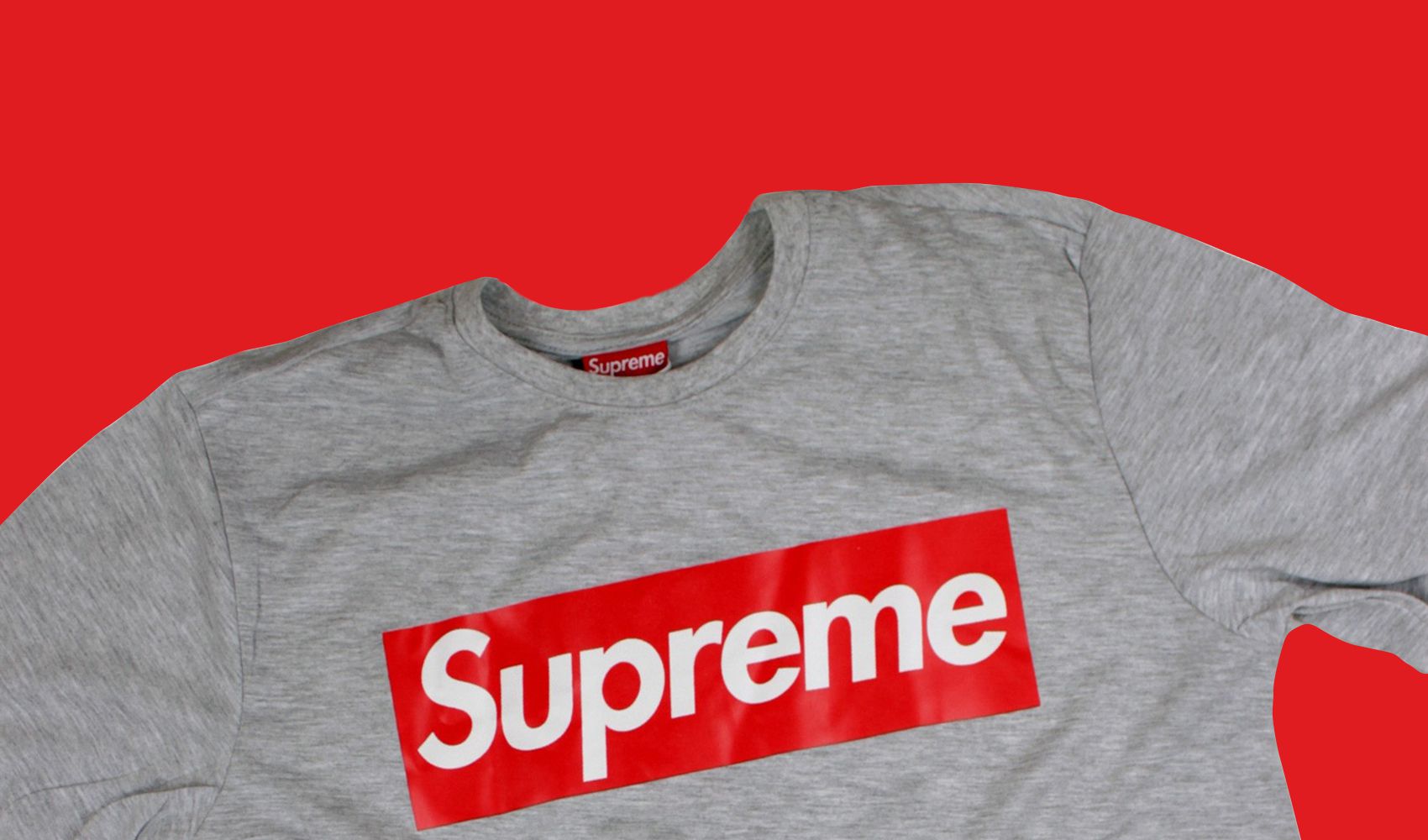
    The fake store has gone to extremes to replicate the original Supreme store experience, with identical interior fixtures, hip-hop playing, and even the same plastic bag. The only giveaway is the small logo affixed to the end of the Supreme mark, which may look like a registered trademark logo to the untrained eye, but upon closer inspection is a custom mark that reads “NYC,” further differentiating the counterfeit brand from the bona fide bogo. This mark extends to everything from the store signage to even the hangers.

    Why would a bootleg brand go through the trouble of adding an extra, inaccurate detail? Probably because the label owns the copyright to the “Supreme NYC” name in China.

    To clarify China’s unusual legal stance on trademarks, we spoke to lawyer Julie Zerbo of The Fashion Law. “In addition to the Chinese government’s relatively lax stance on instances of infringement of non-native [foreign] brands’ intellectual property rights by native [Chinese] entities, the way that trademark law operates in China allows for instances like [the fake Supreme store],” Zerbo explains. “Unlike in the United States and most other countries, where trademark rights are gained by actual use of a trademark, in China an individual gains rights merely by being the first to file a trademark application.”

    In other words, if you’re fast enough to register a trademark before anyone else, the trademark is yours.

    Unlike real Supreme stores, this one currently sells only hoodies. The wares come in an oatmeal gray, several colorblocked versions. Supreme’s “motion logo” hoodie is also aped in black and white versions. The retail price is 880RMB—roughly $130 USD. The price is pretty steep for fake goods, but it appears the brand is trying to peddle its Supreme NYC label as a middle-of-the-road alternative between expensive resell prices on legit supreme, and low-quality knockoffs that generally cost half the price.

    There are even more curious differences in how Supreme NYC brands its goods. Unlike Supreme’s 100% cotton fleece hoodies manufactured in Canada, the dubious brand makes its hoodies from a cotton/polyester blend, and denotes the clothing as manufactured in China.

    What do you think of this example of counterfeit culture? Let us know in the comments.

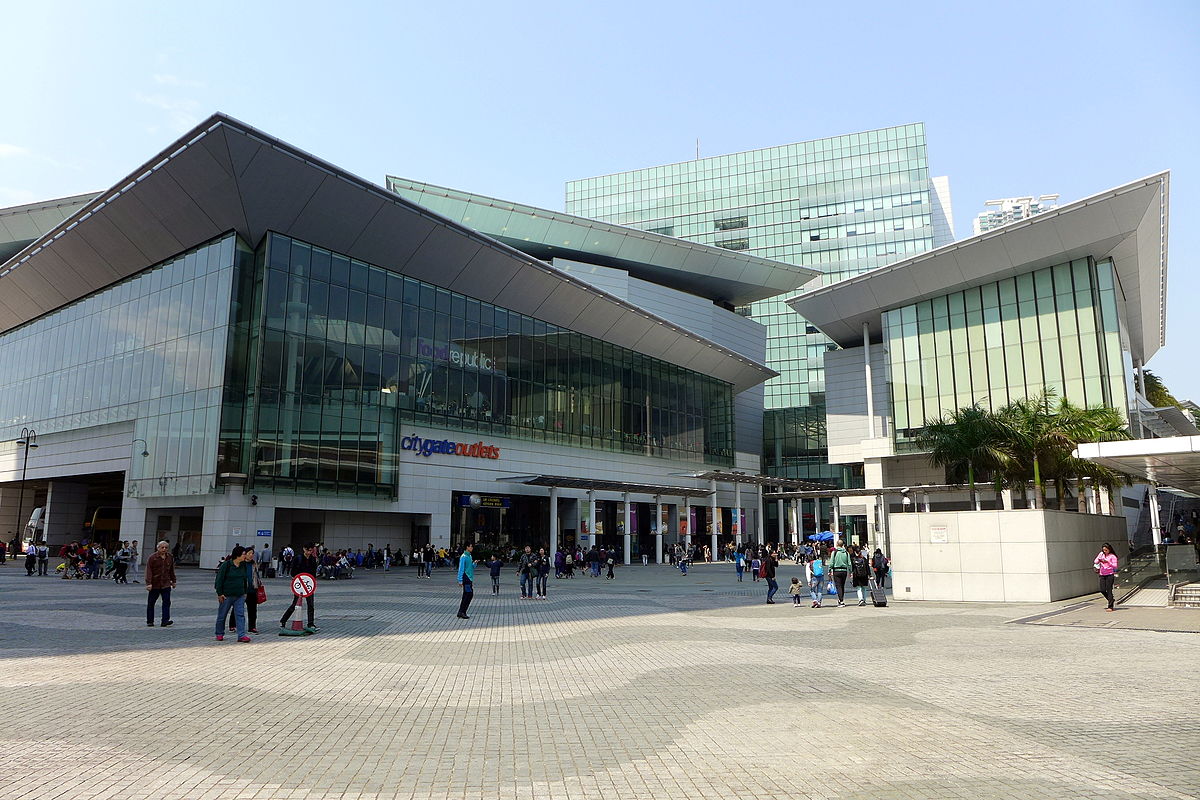
  • Citygate’s Outlets Hong Kong is ready

    Citygate’s Outlets Hong Kong is ready

    Citygate Outlets is ready for the summer.

    With over 80 international brands offering 30% to 70% discounts, the mall has collaborated with brands to bring its customers unique Summer Pop-ups, memorable experiences with special performances and rewards for its most loyal customers.

    Direction New-York for this Summer’s Pop-ups.

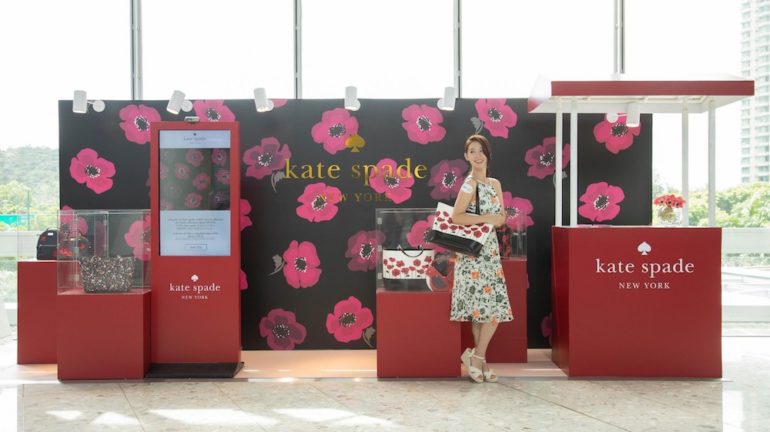
    Starting with a fresh breeze of air to break the summer heat, Citygate Outlet is showcasing Kate Spade New York’s Poppy Floral Collection in a Insta-worthy pop-up area. Following Kate Spade and its free popsicles comes Travel Destiny-themed Michael Kors’ pop-up. Popsicles will still be on the menu along with exclusive shopping privileges, heart-shaped balloons and a limited-edition gift, free with any in-store purchase.

    Malls are also engaging in customer experience.

    Citygate Outlets is bringing performers from around the world for a series of lively musical performances. From African master drummers Mamadou and Drum Jam to Japanese percussionist Kumi Masunaga or collaborations with the Ukulele Federation and Hula Association the mall is creating unforgettable instants for its customers. Shoppers will have the opportunity to give a try to playing drums and ukulele with performers and truly feel and live the beats and Hawaiian vibes.

    All the summer essentials are offered at the mall with limited discounts. Customers can get ready from head to toe with Havaianas’ flip-flops up to 40% off, Arena’s and Speedo’s pop-ups featuring swimsuits up to 65% off and all the essential summer accessories with sales promotions on Brands such as luxury watchmaker Breitling or designer sunglasses Optical 88.

    More surprises awaits the mall’s visitors. Indeed, as their shopping session comes to an end, consumers having reached a pre-defined amount of spending on the same day using their credit card or EPS during the promotion period will be eligible to redeem fashionable and practical travel gifts.

    The icing on the cake to end a memorable day.

  • Mitsui Fudosan plan to open more store

    Mitsui Fudosan plan to open more store

    Japan’s largest factory outlet operator is considering opening a similar park in Thailand.

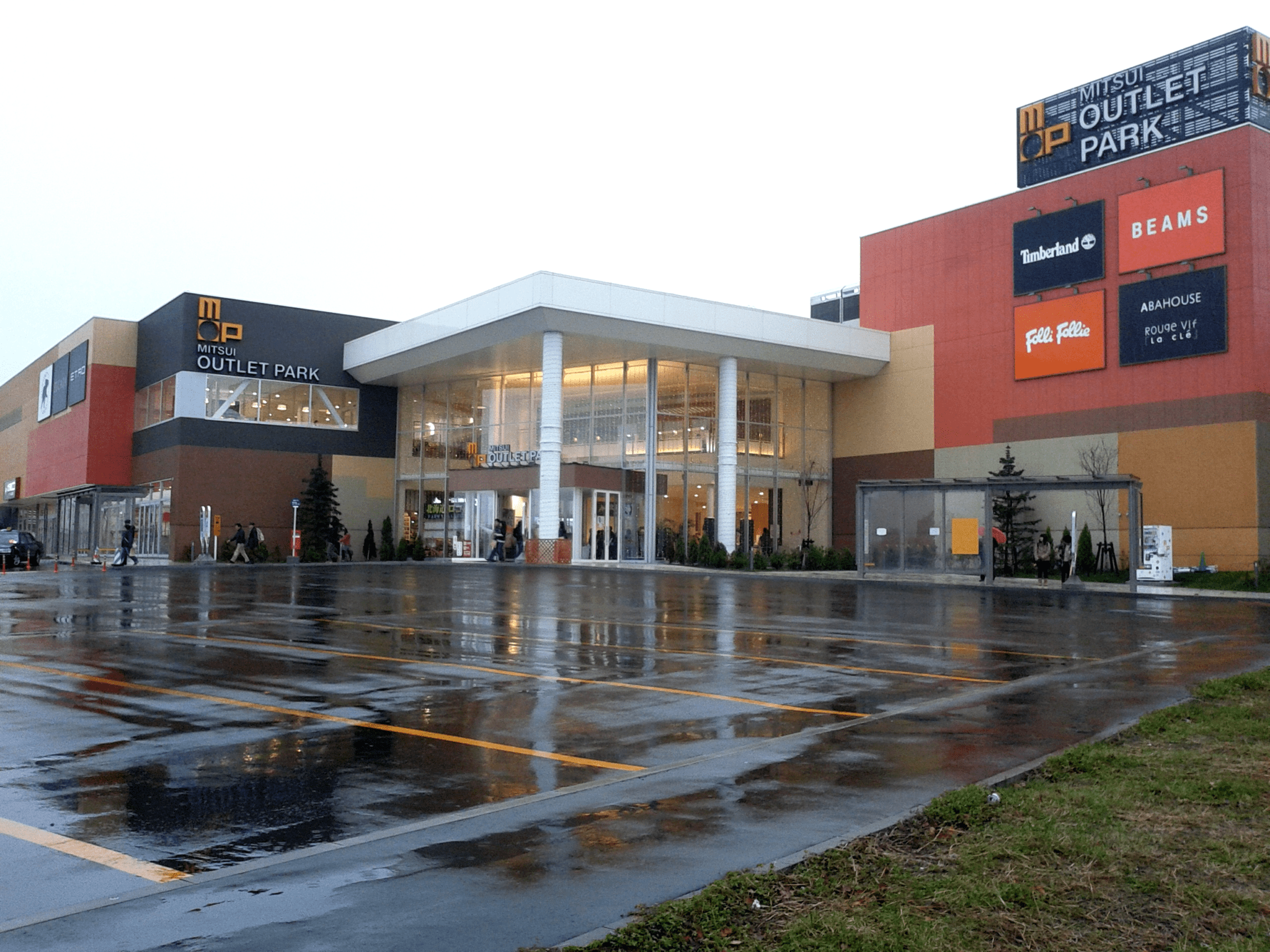
    The firm, Mitsui Fudosan Retail Management, is the developer of Mitsui Outlet Park, which attracts increasing numbers of Thai visitors each year. 120,000 Thai nationals are expected to visit the park this year, compared to 80,000 last year and 60,000 in 2016.

    Kazuo Iida, the GM for the firm’s tourism sales promotion department, said, “We’re interested in opening the Mitsui Outlet Park in Thailand, but the plan is just in the consideration process.

    “The number of Thais who visit Mitsui Outlet Park ranks fourth after China, Hong Kong and Taiwan,” he explained. “The number of Thais who visit Mitsui Outlet Park will outpace Taiwanese visitors for third place in the near future.”

    With the outlet park set to open a third-stage expansion at the end of October, it is moving towards becoming the outlet mall with the most stores in Japan, according to Iida.

    The group operates 13 outlet malls in Japan and two branches in Taiwan and Malaysia.

  • Korean beauty brands finally out of Thaad’s shadow

    Korean beauty brands finally out of Thaad’s shadow

    The top two domestic beauty companies have posted strong second quarter earnings, indicating that they are finally recovering from the loss of Chinese customers following the Thaad deployment last year.

    Both Amorepacific and LG Household & Health Care announced their earnings this week, with LG taking the lead with record-high second quarter earnings.

    Amorepacific Group’s second-quarter earnings released on July 26 showed that the beauty giant finally made a turnaround for quarterly results. It raised 170.3 billion won (US$152 million) in operating profits, a jump of 30.6 percent from the same period last year, and 1.55 trillion won in revenue, a 10 percent increase year on year.

    The company has recorded minus growth in both revenue and operating profit for the last four quarters.

    Amorepacific was hit hard by the installment of the U.S.-led Terminal High Altitude Area Defense (Thaad) antimissile system here that caused Chinese consumers to boycott Korean brands and a suspension of group tourists entering the country. Prior to the Thaad deployment, China made up 70 percent of Amorepacific’s overseas revenue.

    The incident spurred the company to diversify its global business portfolio. Second quarter results showed that efforts made last year are slowly starting to bear fruit: Operating profit from overseas businesses rose 129.3 percent on-year and revenue was up 16.7 percent.

    “The Asian market saw two-digit growth thanks to more luxury brand stores and localized products,” said Amorepacific in a statement. “The advancement of Innisfree and Laneige in the United States expanded our customer base.”

    Despite improved second quarter earnings, the company’s performance in the year’s first half retreated from last year. Revenue for the first six months was slightly down by 1.5 percent on-year to 3.22 trillion won and operating profit reduced 11.9 percent to 448.4 billion won.

    The general consensus among analysts was that Amorepacific’s earnings will improve thanks to a base effect from last year and relations with China having improved. The question is when. Some experts remarked that the speed of recovery so far has been slower than expected, partly because the number of Chinese tourists has not returned to pre-Thaad levels.

    LG Household & Health Care, announced a record result for the first half thanks to its strong luxury brands that helped maintain sales among Chinese consumers. Its revenue rose 8.7 percent year on year to 3.31 trillion won and 12 percent in operating profit at 550.9 billion won.

    It also broke a record in the second quarter with revenue of 1.65 trillion won, an 11.1 percent rise from last year, and operating profit of 267.3 billion won to represent a 15.1 percent increase.

    LG said The History of Whoo, a best seller in China, reached 1 trillion won in revenue as of July thanks to high duty-free sales. Its SU:UM and O HUI also successfully appealed to Chinese consumers as luxury brands, contributing to a 36 percent increase year on year in the company’s cosmetics sales overseas during the second quarter.

    Analysts generally had a positive outlook on the company’s strong luxury line as consumption of premium beauty brands in China is rapidly rising.

    “Luxury brands are expected to lead [LG’s] revenue growth in the second half,” said Yoo Min-sun, an analyst at Kyobo Securities. “The company’s annual growth rate for duty-free revenue in 2018 is likely to reach 40 percent year on year.”

  • Lacoste’s new travel retail store in Bangkok

    Lacoste’s new travel retail store in Bangkok

    The crocodile shifts to the South and chooses Bangkok as a prey.

    One week after the opening of its new space in Tokyo, the brand just inaugurated its latest travel retail outlet at the King Power Srivaree Duty Free Downtown Complex in Bangkok.

    Pursuing its Asian expansion, the 150sq m boutique also houses the unique and novel “Le Club” retail concept. It debuted in the Asia Pacific travel retail market with the Lotte Duty Free shop in Ginza, Tokyo, earlier this month.

    Le Club goes to the very core of Lacoste’s philosophy as it plays on a fusion of the values of the brand and its creator.

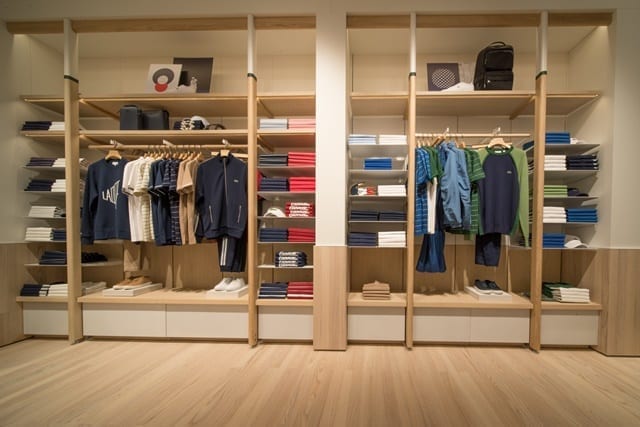
    The architecture of the store was designed and thought for customers to feel, from the second they step into the space, the peculiar tennis court atmosphere. With a green concrete panel as a nod to René Lacoste’s tennis practice wall and an open shopfront, clients can at the first sight relate to the brand’s values.

    Lacoste’s CEO Asia Pacific and global Travel Retail Jean-Louis Delamarre thanked King Power Thailand for their ongoing partnership and said they are “thrilled to open this store in Bangkok Srivaree” which further enhances their presence in Asia.

  • Lotte prepare e-commerce department launching this week

    Lotte prepare e-commerce department launching this week

    South Korean retailer Lotte will launch a new department in charge of the business group’s online businesses this week.

    The move is part of a plan to speed up efforts to cope with the rapid expansion of the country’s online market.

    Earlier in May, Lotte unveiled the plan to inject 3 trillion won (US$2.69 billion) into its e-commerce business over the next five years, integrating online malls that have been separately operated by its affiliates into one with an aim to generate 20 trillion won in sales by 2022.

    The new e-commerce department, set to launch Wednesday, August 1, will be responsible for a new platform that encompasses seven of the business group’s retail subsidiaries, including the department store business and discount store chain.

    With some 1400 employees, the new branch aims to roll out a mobile app in 2020 and plans to hire 400 additional workers by next year.

    “The new app will become a platform that provides optimised services based on our massive customer data,” Kim Kyoung-ho, who will lead the new organisation, said, noting that nearly 22 million customers are using Lotte online every month.

    Sales of 13 major online stores and marketplaces jumped 17.2 per cent on-year in May, according to government data.

    Online malls reported a 21.3 per cent spike in sales as more people opted to do their grocery shopping online. Online marketplaces, where product or service information is provided by multiple third parties, reported a 12.4 per cent surge in sales.

    Meanwhile, Lotte Duty Free, the conglomerate’s duty-free unit, said it will ramp up marketing efforts for its online, downtown and overseas businesses, as part of its operations at Incheon International Airport, west of Seoul, will be shut down at 8pm tomorrow night.

    The duty-free operator decided to return three of its four money-losing concessions at the country’s main gateway in February. The zones were reorganised into two and went to Shinsegae DF in the follow-up bidding last month.

    Lotte said it expects to save up to 1.4 trillion won of rent by 2020 following the closure of the airport duty-free business.

  • Nike x Top Dawg Launches Official Capsule Collection

    Nike x Top Dawg Launches Official Capsule Collection

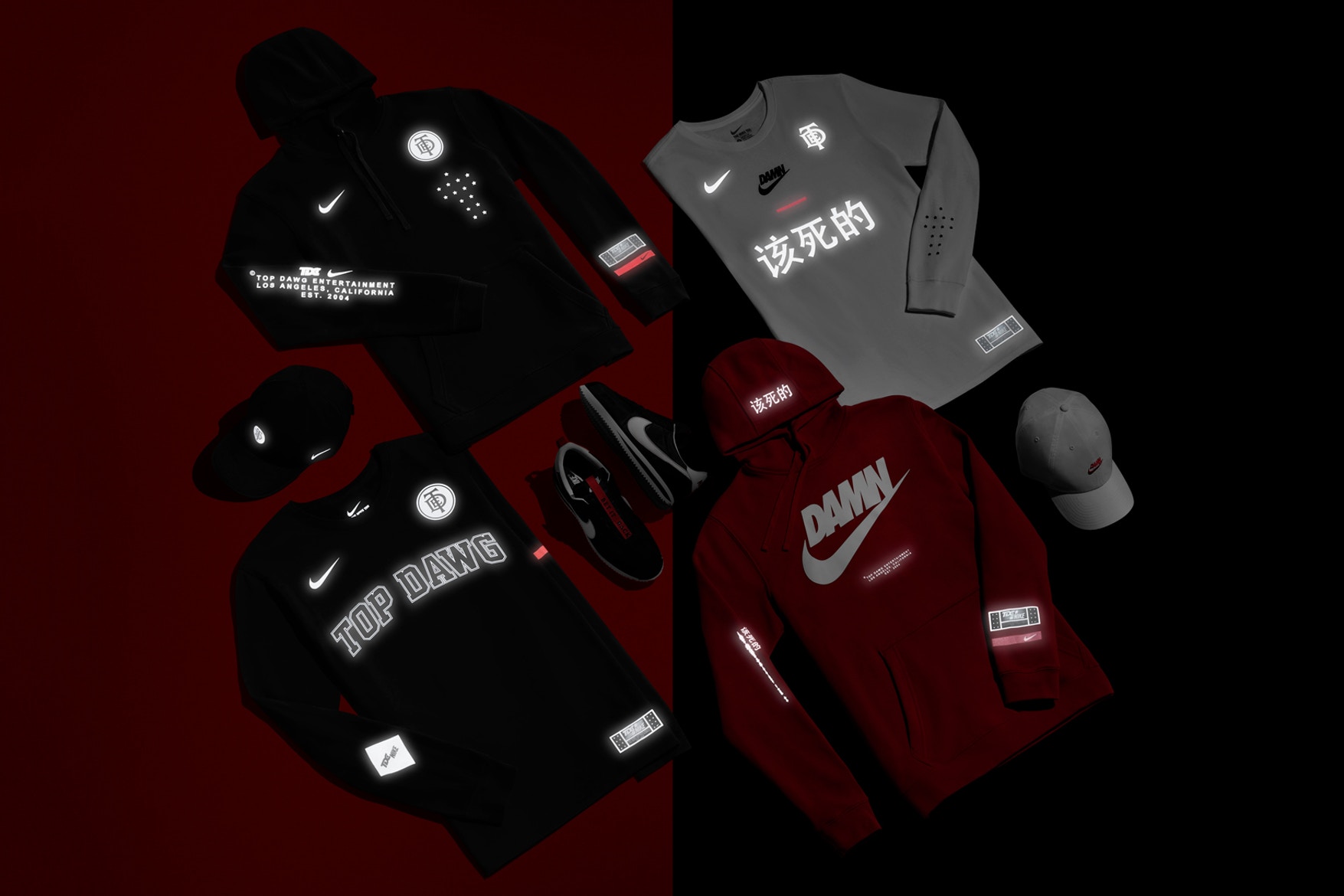
    Nike and Top Dawg Entertainment are hosting a pop-up shop in Tokyo this weekend ahead of Kendrick Lamar’s Fuji Rock Festival performance.

    To mark the occasion, Japanese clothing brand Undercover has partnered with rapper “DNA” for the release of an exclusive special collaboration capsule.

    The Damn. pop-up shop will feature a number of garments and accessories themed after K. Dot’s latest release.

    One of the capsule’s items has been previewed on Instagram, which unveiled a black T-shirt with “Damn.” written across the front chest.

    The Damn pop-up shop is set to take place at NikeLab’s MA5 location in Tokyo.

  • Off-White to open more stores in Seoul

    Off-White to open more stores in Seoul

    Fashion retailer Off-White has opened two more retail locations in Seoul.

    The standalone Off-White South Korea store in Cheondong is made with light brick with glass inlays, giving pedestrians a view into the store’s floor and displays of sneakers, accessories and other apparel. The second Miles Davis-inspired store in Hyundai Coex is blue-toned with wireframe furniture at its centre.

    Both of the new Off-White South Korea stores feature similar marbled interiors as seen in the brand’s recently opened Macau store.

  • JLO’s capsule collection cosmetic range with Inglot now in India

    JLO’s capsule collection cosmetic range with Inglot now in India

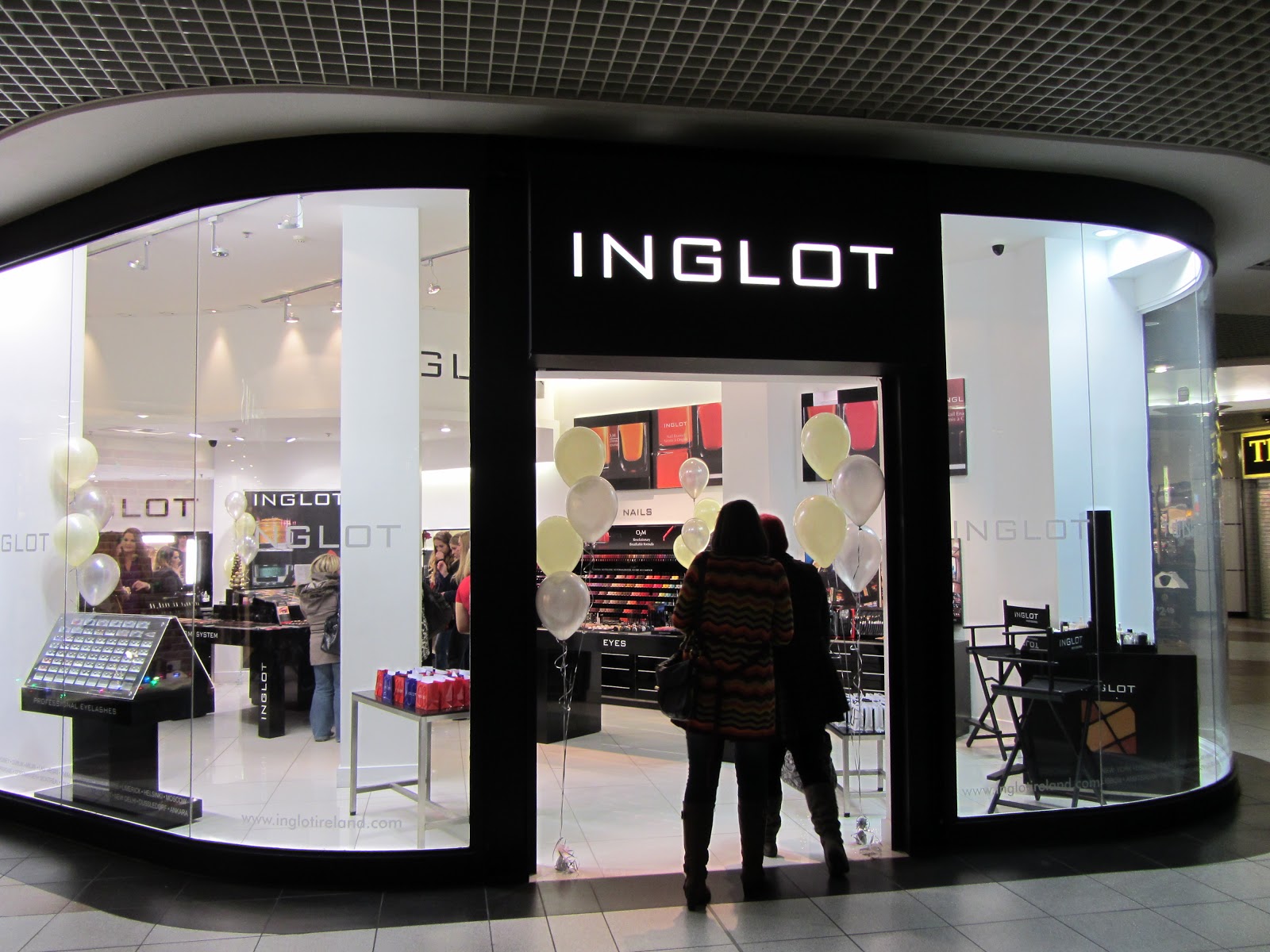
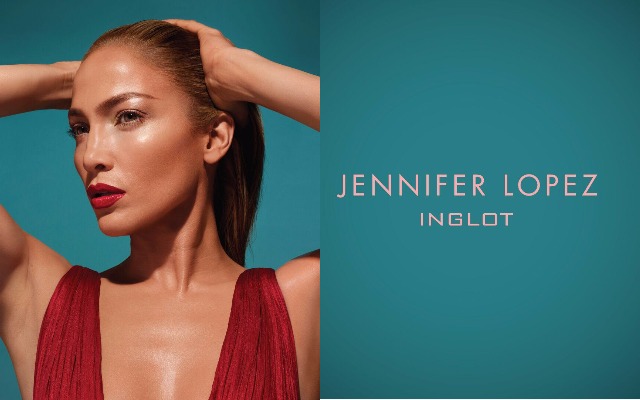
    Jennifer Lopez’s capsule collection cosmetic that she has made for brand Inglot Cosmetics is now available in India and the singer-actress says the entire range is filled with all her go-to products in her favourite colours.

    The 70-piece collection ranges from powders to lipsticks, eye shadows and mascara to eyelashes, nail enamels and cosmetic palettes.

    “The capsule collection we created with Inglot is filled with all my go-to products in my favorite colors. We have everything from mascara, lipsticks, eyelashes, blush, eye shadow and of course…bronzers.”

    “What I think is unique and exciting is our Freedom System Palette-which allows you to create your own personalized palette with the specific colors and products that you need. Now you no longer have to buy that 5-piece eyeshadow kit to get the one color you really want,” Lopez said in a statement.

    The expertly formulated products range in shades from nude to glow and add a touch of smoky glam! The products in the collection include eyeshadows, eyeliners, eyelashes, nail enamels, highlighters, bronzers, blushes, powders and matte and gloss lipsticks.

    Commenting on the association, Tushar Ved, President, Major Brands (INDIA) Pvt. Ltd. said, “Jennifer Lopez is an icon for women all over the world. With her sense of style and expertise on beauty, she remains the apt choice for Inglot to connect with its consumers. We are positive, our Indian customers will take great affinity towards the new collection considering her connect with Indian audiences as well.”

    Roy N Subramoney, Managing Director, Inglot Cosmetics, APAC & Middle East added, “It is our privilege and pleasure to collaborate with a style icon like Jennifer Lopez to launch this special collection. With the perfect formulation and products across categories, this special JLO capsule collection offers our Indian consumers the opportunity to achieve Jennifer’s authentic JLO glow.”

    The capsule collection is now available across Inglot stores in India.