Category: Fashion

Retail News Asia is committed to providing both local and global retailers with the latest Fashion news throughout the Asian market. This on a daily base.

  • Roberto Cavalli opens first flagship store in Germany

    Roberto Cavalli opens first flagship store in Germany

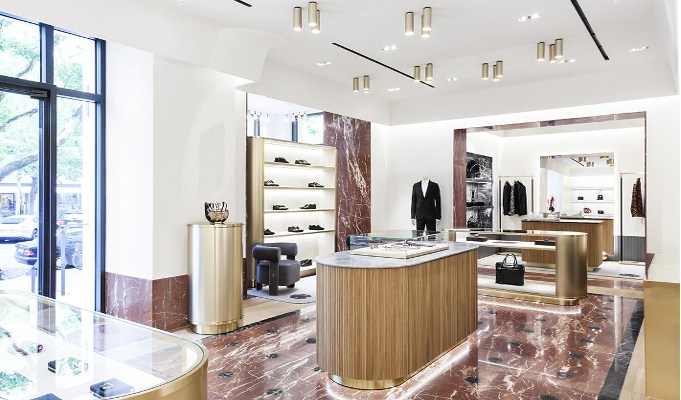
    Roberto Cavalli has opened a sleek and luxurious 2,475 sq ft flagship in Berlin’s Charlottenburg district, inspired by Florence’s Renaissance architecture and the rich tones of Tuscany.

    The concept of the store has been created by the luxury brand’s creative director, Paul Surridge. He worked with Milan-based interior firm Rodrigo Izquierdo Design Studio on the store concept.

    The airy chic flagship store is designed to welcome customers into a charming space where easily discover the brand’s full range of women’s and men’s collections, bags, shoes, fashion jewelry and accessories, eyewear, fragrances and watches next to a selection of home accessories.

    Surridge has combined precious marble floors and elegant vaulted ceilings, classic geometric shapes with brass, leather, marble and noble woods to echo the sumptuous atmosphere of a Florentine palazzo. The center of each room is highlighted by a group of three cylindrical gold pendant lamps.

  • Mr Bags x Tod’s big success in China event

    Mr Bags x Tod’s big success in China event

    The influential fashion blogger is also collaborating with Montblanc on a limited-edition collection of women’s handbags, a new category for the brand.

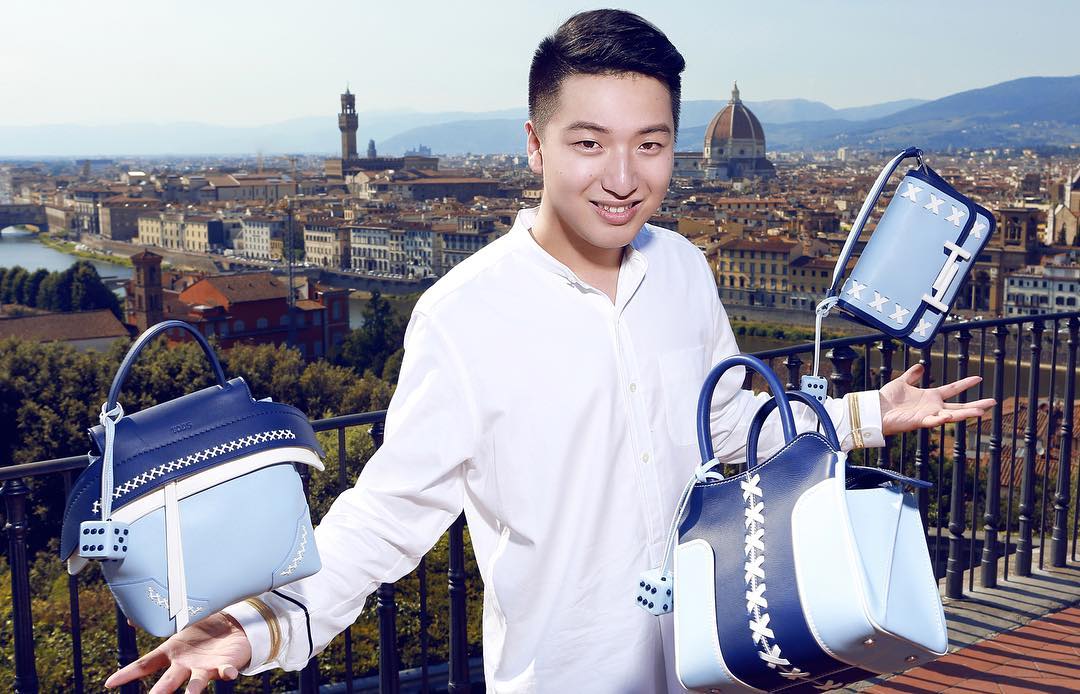
    Tao Liang has an unapologetic love for handbags. And he also knows how to sell them to his over 3.5 million readers on China’s biggest social media platform Weibo and more than 850,000 followers on WeChat, a microblogging messaging app.

    In just six minutes, Mr. Bags, as Liang is better known, helped Tod’s sell 3.24 million RMB worth of handbags on his new Mini Program shop within WeChat, called “Baoshop.” The second collaboration between the Beijing-based fashion blogger and Tod’s, 500 pieces of the limited-edition “Wave” backpacks were created — double the amount from last year’s capsule collection.

    Three-hundred of the canine-like handbags, a nod to the year of the dog being celebrated in China this year, pre-launched on Mr. Bags’ Baoshop in June. The handbags, each priced at 10,800 RMB (about $1,620), sold out within six minutes, generating 3.24 million RMB (almost $500,000) — a new record for the 26-year-old influencer. (His previous record was selling 1.2 million RMB worth of Givenchy handbags in 12 minutes in 2017.)

    “China is a key strategic market for Tod’s and Mr. Bags, with his extensive and insider knowledge of this market and its customer, is the perfect collaborator for us,” a spokesperson from Tod’s said. High-profile individuals from Zhang Zetian, China’s youngest female billionaire, to models like Liu Wen and Xiao Wen Ju and actresses Ouyang Nana, Guli Nazha, Sun Yi and Song Zuer, also wore the “Wave” backpack and posted images on social media, helping to popularise the style.

    Now, Mr. Bags is readying for his next launch: a collection of limited-edition Montblanc handbags for both men and women.

    The partnership came about, said Liang, after “many bag fans commented on social media, asking [for recommendations] for mini-backpacks that are classic, good-looking, affordable and practical.”

    It will be the first time the stationery brand, which has recently been expanding its offering of leather accessories, has introduced handbags for women. It also marks the first time the company has collaborated with a fashion blogger. The capsule is designed for the Qixi festival — commonly referred to as Chinese Valentine’s Day — which falls on August 17 this year. “We wanted to give it a modern interpretation,” said Montblanc’s creative director Zaim Kamal. A total of 497 pieces will be pre-launched on Baoshop, with prices starting at 4,800 RMB (about $717.1).

    Liang launched Mr. Bags in 2012 and quickly became an arbiter of handbag taste among Chinese readers locally and internationally. Ranked #3 on Exane BNP Paribas’ 2017 list of China’s most influential fashion bloggers, Liang uses his encyclopaedic fashion knowledge not only to keep his following informed about luxury brands and the latest handbag trends, but also to help mega brands understand what Chinese consumers are looking for in the latest “it” accessory.

    Baoshop, which Mr. Bags launched last month, only sells exclusive or customisable products, and claims to be the first WeChat Mini Program in China to work directly with luxury brands and sell handbags costing over 10,000 RMB. “For me, the success of a project is not measured by how many bags we sold in a short period of time or how much revenue we generated. It’s really about how much impact it creates,” he said.

    And there’s significant opportunity. Luxury goods purchased in China make up 8 percent of global sales, while Chinese shoppers — who make three-quarters of their luxury purchases overseas — drive 32 percent of the worldwide total, more than any other nationality, according to Bain.

    While collaborations between fashion bloggers and companies are not uncommon in China, e-commerce partnerships through WeChat are growing as luxury brands become more comfortable with hosting sales on the social media platform.

    Recently, top Weibo fashion blogger Gogoboi launched a WeChat store, called Bu Da Jing Xuan (不大精选), where he curates and sells luxury goods from online retailers like Yoox and Farfetch.

  • Sephora plans expansion in India, marks fifth store in Mumbai

    Sephora plans expansion in India, marks fifth store in Mumbai

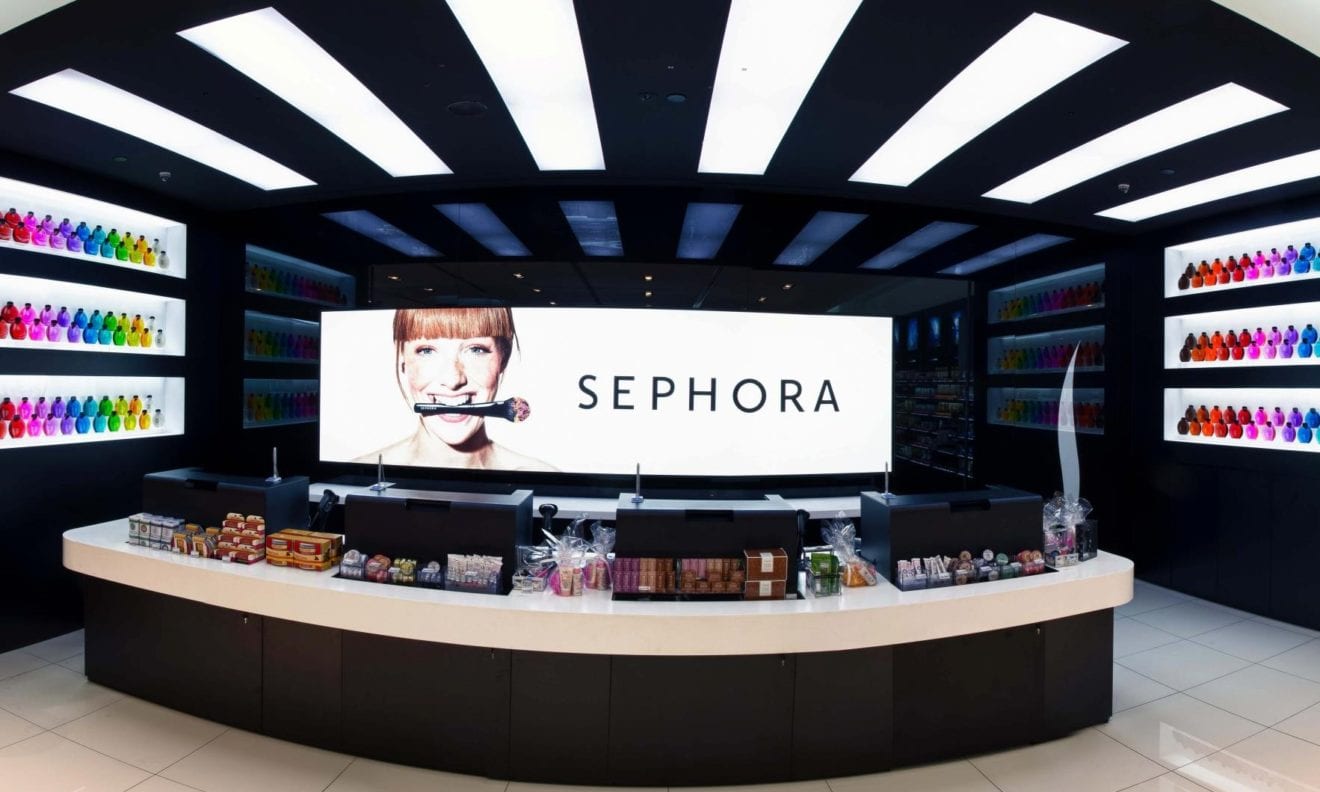
    Sephora opened its doors at Oberoi Mall, Goregaon, Mumbai recently. Spread across 3,130 square feet, the store is located on the ground level of one of the city’s buzzing retail hubs in the suburbs. With presence in cities such as New Delhi, Noida, Gurgaon, Mumbai, Kolkata, Chennai, Chandigarh, Bangalore and Pune, this is Sephora’s 17th store in the country.

    Talking about the brand journey Vivek Bali, Chief Operating Officer – Sephora India at Arvind Beauty Brands said, “It’s been a very strong journey for Sephora with a fantastic response from the millennial customers. I am very proud to say that Sephora is the No.2 searched brand for millennial. So when we opened the physical stores in India with the right assortment of brands matching the Indian skin types it brought in an overwhelming response. We are different and we have brands which nobody has. We continue to promise the customer about 6-10 new brand additions every year which we will be exclusively available at Sephora. We have started our journey in the urban centers as 60 percent of the business comes from here. Balance 40 percent comes from the Tier II and III cities which are very important. Sephora will be embarking its journey in Tier II cities this year. We are registered a double digit growth with Sephora.”

    Like all the other Sephora stores in the city, this store too carries the retailer’s popular in-house and exclusive range across make-up, skin-care, fragrances, bath and body categories as well as beauty accessories. The collections include well-known names in beauty such as Sephora Collection, Benefit, Makeup Forever, Cover FX, Becca, Stila, Smash Box, Glam Glow, Boscia, Burt’s Bees etc.  In addition to these product ranges, beauty enthusiasts are also able to shop luxe brands such as Dior, Estee Lauder, Clinique, Tom Ford Private blend, Clarins, Givenchy, Shiseido, Forest Essentials and Elizabeth Arden, making Sephora the one stop destination for all things beauty. Australian makeup brand, Klara Cosmetics with its 100 percent colour pigment range launched its collection at the store. Collections from Jo Malone and Olive will be unveiled shortly at the new store. For the discerning man, the store carries a wide range of men’s grooming products.

    The store houses the newest edition of the Beauty Studio, where shoppers are offered Mini Flash Make overs and personalized consultations from Sephora’s beauty advisors. At the beauty studio, shoppers can learn to create key makeup looks from Sephora such as Night Smokey, Diamond Lips, Perfect Brows, Dewy Foundation, Frozen Eye Shadow and Golden Frame Smoky Eyes. They can also learn the techniques for 4K contouring and how to achieve the perfect eyeliner.

    Speaking on the customer experiences and its way forward Vivek says, “We look forward in enhancing the customer experience in Sephora and we talk about the new looks. We demonstrate, promote and educate the customers for the new looks which in turn gives an experience to the customer to try the product and then buy it. This exercise will go a long way in improving the consumption in India.”

    In line with its brand ethos, the Sephora store is brightly lit with vibrant colours creating a lively atmosphere for its shoppers. The various categories of products have been divided into convenient sections enabling shoppers to pick their favourites with ease.

    Quoting on the retail numbers and its retail Omnichannel approach Vivek comments, “We have 16 operational stores and this Oberoi Mall, Goregaon, Mumbai store is the 17th store. We will be looking at opening 8 to 10 stores every year. As we evolve we have already seen the larger sizes of the stores also. On an average our stores are around 3,300 sq.ft. now and this will keep increasing with more and more brands coming in. Sephora is already a fully Omni brand where the customer can get the same experience from both online and offline. They have the choice to buy from the online store or come at the physical store and can even book the product online and pickup from the store. We operate through pour store and we deliver to the customer from the nearest store.”

  • Reliance Brands buys 8 pc additional stake in Genesis Colors

    Reliance Brands buys 8 pc additional stake in Genesis Colors

    Reliance Industries Ltd on Saturday said its subsidiary has purchased additional 8.14 percent stake in luxury fashion retail firm Genesis Colors for about Rs 34.17 crore.

    “Reliance Brands, a subsidiary of the company, has purchased an additional 8.14 percent equity stake in luxury fashion retail firm Genesis Colors Limited for about Rs 34.17 crore, taking its total stake in GCL to 9.29 percent,” RIL said in a filing.

    According to a PTI report: GCL was incorporated in November, 1998 and is in retailing and wholesale business of branded readymade garments, bags, footwear and accessories directly and through its subsidiary/ joint ventures.

    “GCL belongs to a similar industry as Reliance Brands Limited. This acquisition will add to the existing portfolio of branded fashion retail outlets,” the filing said.

    GCL’s had provisional annual turnover of Rs 86.02 crore in fiscal year 2017-18. It had turnover of Rs 80.04 crore and Rs 114.16 crore in 2016-17 and FY 2015-16, respectively, the filing added.

  • Brands are turning to influencer marketing and duty-free too

    Brands are turning to influencer marketing and duty-free too

    Fashion and beauty industries have quickly caught on to the trend that the younger generation is spending a significant amount of time on social media platforms, such as Instagram, Facebook, Twitter and YouTube, rather than traditional advertising platforms like TV.

    A 2017 survey by statistics portal Statista found that 84 percent of Koreans are active social media users.

    Another set of statistics showed that an average of 2 hours and 15 minutes per day is spent on social networks globally. As for Instagram, 90 percent of its users are younger than 35, and 68 percent are female, according to US social media marketing firm Dreamgrow.

    This has led to more brands turning to influencer marketing to lure consumers, further boosting the power of social media stars.

    “Influencer marketing has more focus on influential people rather than the target market as a whole. It identifies the individuals with influence, and orients marketing activities around these influencer,” Park Kyung-a, CEO of mobile marketing and advertising company Stella said.

    “Followers of these influencers are more than fans who like celebrities since they not only gain useful information from them but also empathize, communicate, and share common interests with influencers,” Park said.

    Paying celebrities to share branded content on social media is one of the most widely-known forms of influencer marketing.

    This kind of advertising, in which celebrities and popular Instagramers earn money by posting their experience with products, has developed globally in recent years on social media platforms.

    In the US, the social media influencer market was valued at US$1 billion (1.1 trillion won) in 2016, but is expected to reach US$2 billion by 2019, industry data showed. The US alone contributes to a whopping 85 percent of Instagram’s total advertisement revenue, according to data.

    The lucrative business is also significant in other countries. One of China’s best-known Wang Hong — a Chinese word for social media star — reportedly earns US$46 million a year. According to Forbes, top Chinese actress Fan Bingbing made about US$21 million in 2016.

    In Korea, over 2 trillion won was spent for advertising on mobile platforms last year, surpassing that of advertising on cable TV — 1.8 trillion won — for the first time.

    While Instagram influencers in the US charge up to US$100,000 for a sponsored post, industry insiders here say brands in Korea pay from 100,000 won to more than 2 million won for a single social media post, depending on the loyalty of the person’s followers.

    Beauty and fast fashion brands are at the forefront of using social media influencers who have millions of followers.

    South Korean cosmetics giant Amorepacific is one of them. Its budget cosmetics brand Etude House has seen success in influencer marketing, the company said.

    In February, it collaborated with beauty YouTuber Holy, who has some 382,000 subscribers, to promote a new cleansing water product. A video of Holy trying out the product garnered more than 630,000 views in just four days after its release. In a month, the video garnered over 3.8 million views, according to the company.

    “As these influencers try to review the product from a creative, new and different point of view, in ways that sometimes the company cannot think of, it is more appealing and more candid,” said Ahn Hyeon-jin, a public relations official at Amorepacific.

    “The rapid growth of influencer marketing shows how the ad industry is transforming as brands struggle to reach consumers in a widespread world of diverse content on the internet, which is now the biggest platform ahead of TV,” he added.

    Viral online posts have indeed raised revenue, according to Galleria Department store.

    In March, Galleria Department store collaborated with beauty influencer Sangahtube for the marketing of Tom Ford beauty products.

    Following the release of online content on Sangahtube’s social media channels, sales of Tom Ford beauty products on its online mall went up by 55 percent on-year, officials said.

    To make the most of influencer marketing, brands are testing ways to measure paid-partnership posts, industry insiders say.

    Although influencer marketing has many benefits in terms of brand awareness and winning over consumers, it can also go awry if an influencer loses public support.

    “To minimize the risks of influencer marketing, we determine the type of influencers the brand is engaging with before deciding on collaboration. While reach and engagement rates are great indicators in choosing influencers, the factors that define each influencer persona are found in influencer’s motivations and attitudes,” said Ahn from Amorepacific.

    Since there’s little that brands can do to predict whether an influencer will lose public support, brands are trying out new ways of creating sponsored content.

    “Brands are finding their own approach to transparency and authenticity, whether or not the term ‘sponsored’ has a negative impact on consumer perception,” said an agency official who has planned several offline events with social media stars.

    “Since paid partnership does not always equate high sales or explosive consumer feedback, what’s important is that the brand matches with the right influencer for its product to sincerely deliver the brand’s value — or at least what the brand wants to say,” she added.

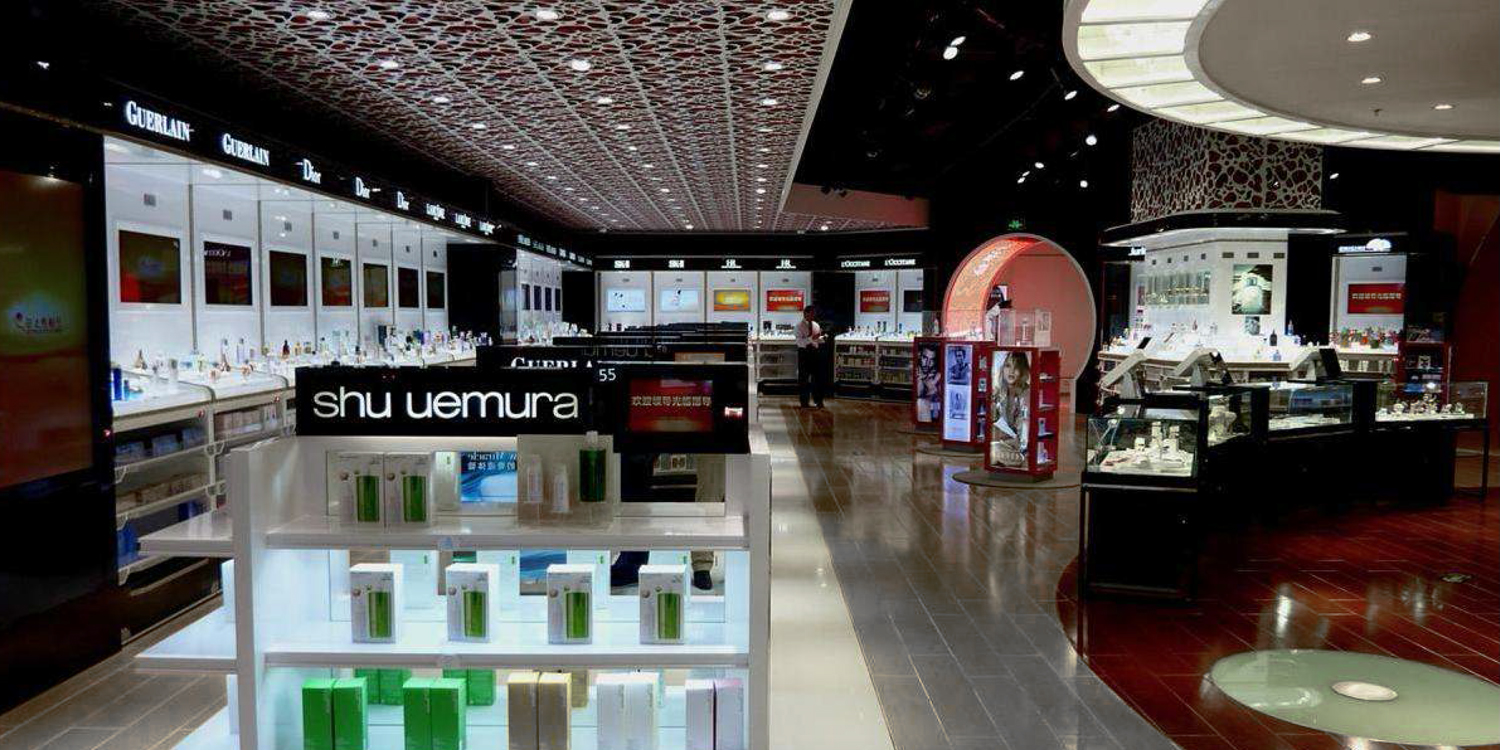
    Also Shinsegae, which opened its second city center duty-free store in Seoul at Express Bus Terminal in Gangnam on 18 July, has a dedicated area for social media users.

    The new five-story shopping space seeks to attract young and rich foreign tourists interested in Korean cosmetics and fashion. Thirty-six percent of the 13,570-square-meter space has been allotted to Korean brands.

    Inside the store, there is a space called Studio S where social media influencers can use microphones and lights for live broadcasting and filming. On the store’s launch day, Chinese online stars, often referred to as Wang Hongs, crowded the complex.

    The store is not without international luxury brands. It is the first duty-free store in the world to offer Manolo Blahnik and the first duty-free store in Korea to have Italian women’s shoes brand Sergio Rossi.

    A Shinsegae official said the store put emphasis on high-end shoes, accessories and watches.

    Other shops include Gucci, Saint Lauren, Chloe, Marc Jacobs, Kenzo and others. By September, some 350 shops will be housed in the Gangnam store. Chanel, Louis Vuitton and Hermes have not entered this store but Shinsegae is reportedly continuing to speak with the luxury brands.

    Each floor of Shinsegae’s Gangnam duty-free store is connected to the original Shinsegae Department Store, and there is a giant food court called Famille Station. It’s also close to JW Marriott Hotel Seoul.

    Shinsegae anticipates sales revenue of 500 billion won (US$441 million) for the first year of business. Its first in-city duty-free store in Myeong-dong annually records sales of 1.8 trillion won.

    Shingsegae DF Global is the third-largest duty-free operator in Korea, following Lotte and Shilla in terms of market share.
  • John Herrera made debut in the Philippines

    John Herrera made debut in the Philippines

    Fashion designer John Herrera has opened his first boutique in the Philippines, at Shangri-La Plaza mall.

    Executive VP and GM of the mall Lala Fojas said: “We are very happy to have John open his home in the Philippines with us. It is an honor…You can always assure yourself that you will have a unique, one-of-a-kind piece and Shangri-La is very much a prime mover when it comes to art and culture.”

    Herrera, who has professed a profound fondness for Shangri-La Plaza, noted: “Before, the Philippines was very centered around made-to-order, made-to-measure clothes but then I saw a trend wherein foreign companies are coming here, creating off-the-rack bridal collections (and selling them) and I realized that it’s perfect for my business now to do both things – to make clothes and sell them in London and in the Philippines because both businesses have become aligned now. I couldn’t pass it up.”

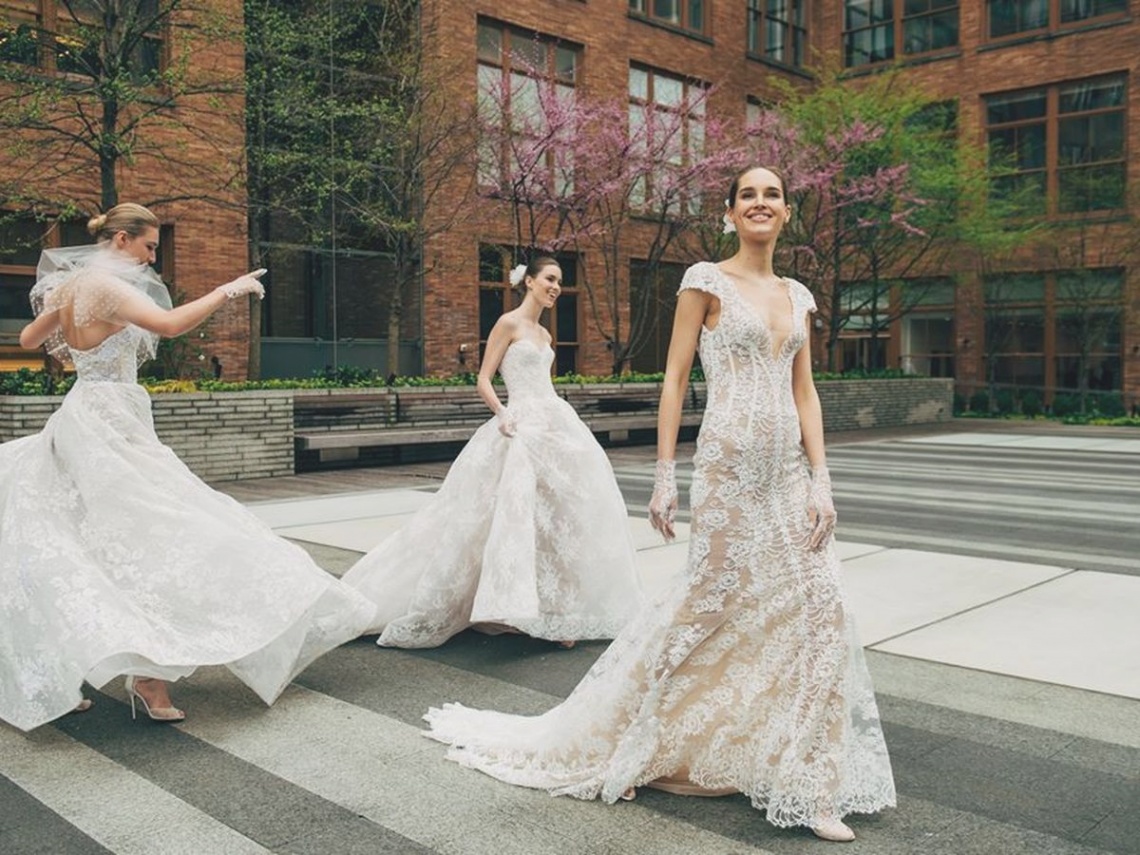
    The London-based designer is best known for evening and bridal wear.

  • Vashi redefines the fine jewellery model

    Vashi redefines the fine jewellery model

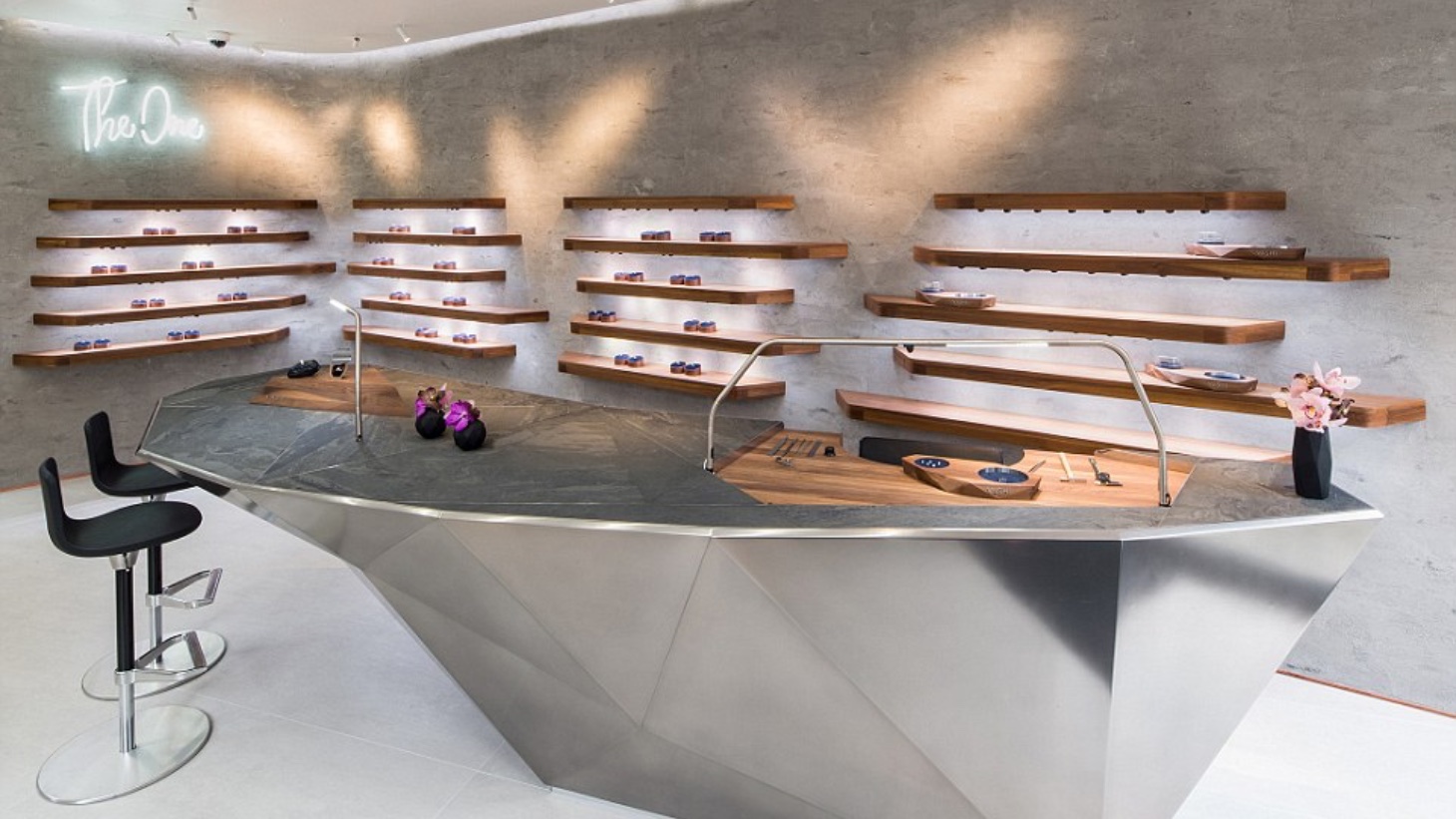
    Shopping for diamonds at Vashi is not a typical fine-jewellery purchasing experience.

    Entering the brand’s location on Piccadilly, opposite London’s famed Fortnum & Mason store, there are no security guards in sight.

    Customers are welcomed into the diamond emporium by smiling shop staff, and met by a modern, sparsely furnished shop space. Instead of pieces on display being housed in large glass units, diamond rings sit on shelves, free of any casing and ready to be touched — no white gloves required.

    The vibe is meant to appeal to Vashi’s millennial customers.

    The brand got its start selling direct-to-consumer diamonds online in 2007. Vashi.com was established in 2013, growing over the next five years as more consumers have come around to the idea of buying engagement rings and necklaces online rather than in luxuriously appointed showrooms.

    Today, bespoke or customised product makes up 70 percent of the company’s business.

    Vashi remains a minnow in the global jewellery business — its 2017 revenue of £8 million ($10.6 million) last year is less than Tiffany & Co. sells in a single day. But unlike its bigger competitors, Vashi has a relatively young clientele. It’s also growing, with the company predicting sales of £20 million ($26.5 million) this year.

    Founder and chief executive Vashi Dominguez said the company’s growing network of stores — three locations in London, a 1,200 square foot space at Selfridges London set to open in August and a US expansion in the works for next year — is meant to cement the brand’s status as an antidote to traditional high-end jewellers, which Dominguez says can often become intimidating places to make a purchase.

    “[Today’s millennial-minded customer] is looking for an experience. Great product and beautiful service are not enough,” he continued. “We are centring the experience around [the customer], versus I think most companies are centring around the product.”

    The drive to open physical locations was partly an acknowledgment that, while online fine jewellery sales are on the rise, the majority of transactions still occur in-store. Despite brick-and-mortar locations still being relatively new, Vashi sales are roughly balanced between online and in-store.

    “Retail is just an extension today, it’s just another channel,” said Dominguez. “There is the internet, there are department stores, there is mobile, there is social, and customers are going to shop however [they want to], so you’ve got to make sure you create an omni-channel experience.”

    Developing the in-store model took three years, as translating the brand’s online customisation service into an in-store experience proved a challenge, Dominguez said. “I wanted to give people access to jewellery workshops, but jewellery workshops are generally very dusty environments.”

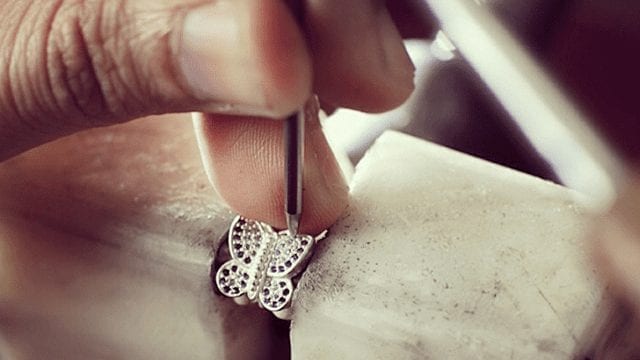
    The result: an on-site “diamond lab,” akin to a workshop where customers can be involved in the creation process — one at each location. Now, production for all online and in-store orders happens in the diamond labs, so customisation doesn’t slow down the purchasing process.

    “[Millennials are] quite impatient, they want things now,” Dominguez said. “So we engineer our supply chain and build our production in house, so that if you create something and you want to have it today, you can have it today, versus come back in three months.”

    As the majority of pieces sold are made-to-order, prime real estate space can be dedicated to furthering customer experience, rather than used to store ready-to-sell inventory.

    One such example is the Piccadilly store’s “VIP rooms,” which are, in fact, open to everyone. Plush sofas, art on the walls, plants, coffee table books and even a record player give the room a more intimate feel.

    “Even if you have just come in and you want to learn about the brand, we bring you in, you can have a Corona beer or a glass of champagne,” says Dominguez.

  • China helps Hermes sales blooms in Asia

    China helps Hermes sales blooms in Asia

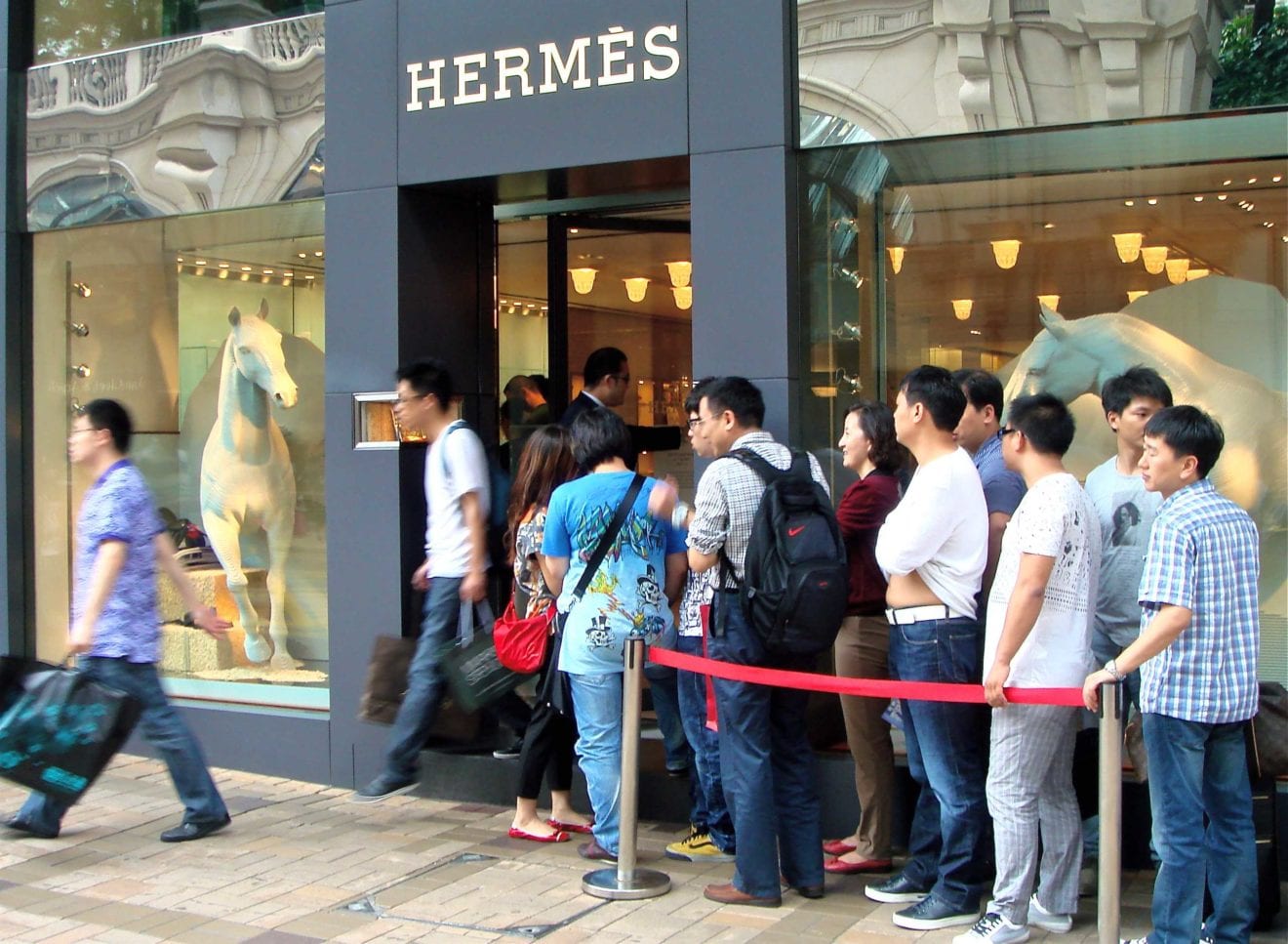
    The company has reported strong sales growth for the first half of this year with all business lines and all geographical areas all ahead of last year, and especially positive momentum in greater China and the whole Asian region. The group benefited from the opening of its Landmark Prince’s store in Hong Kong in January, and a Changsha store which opened in May.

    According to the report, figures for Asian sales (excluding Japan) showed a 15 per cent growth as opposed to an average growth across all sectors of 11 per cent.

    The group’s consolidated revenue amounted to €2.853 billion (US$3.347 billion) in the first half of 2018.

    Hermes’ final half-year results, which will be published on September 12, will include a net capital gain for the Asian region of €50 million (US$58.65 million) resulting from the sale of the former Hong Kong flagship store.

  • Inside of Victoria’s secret HK Flagship.

    Inside of Victoria’s secret HK Flagship.

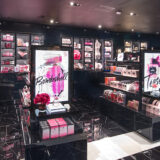
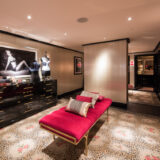
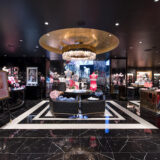
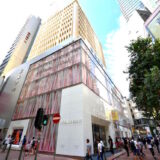
    Hong Kong Victoria’s Secret flagship store opened in Causeway Bay last week.

    The spans four floors with a total retail space of more than 50,000 sqft.

    The store opened this week, though despite heavy pre-publicity, including painted trams and street art, the opening itself was a muted affair, more like a soft launch.

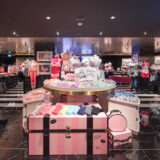
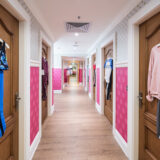
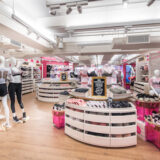
    Inside, parts of the store seem dark and a little cluttered, but others – like the Pink brand space which takes up a full floor, are brightly lit and clearly on target for its university-age customer profile.

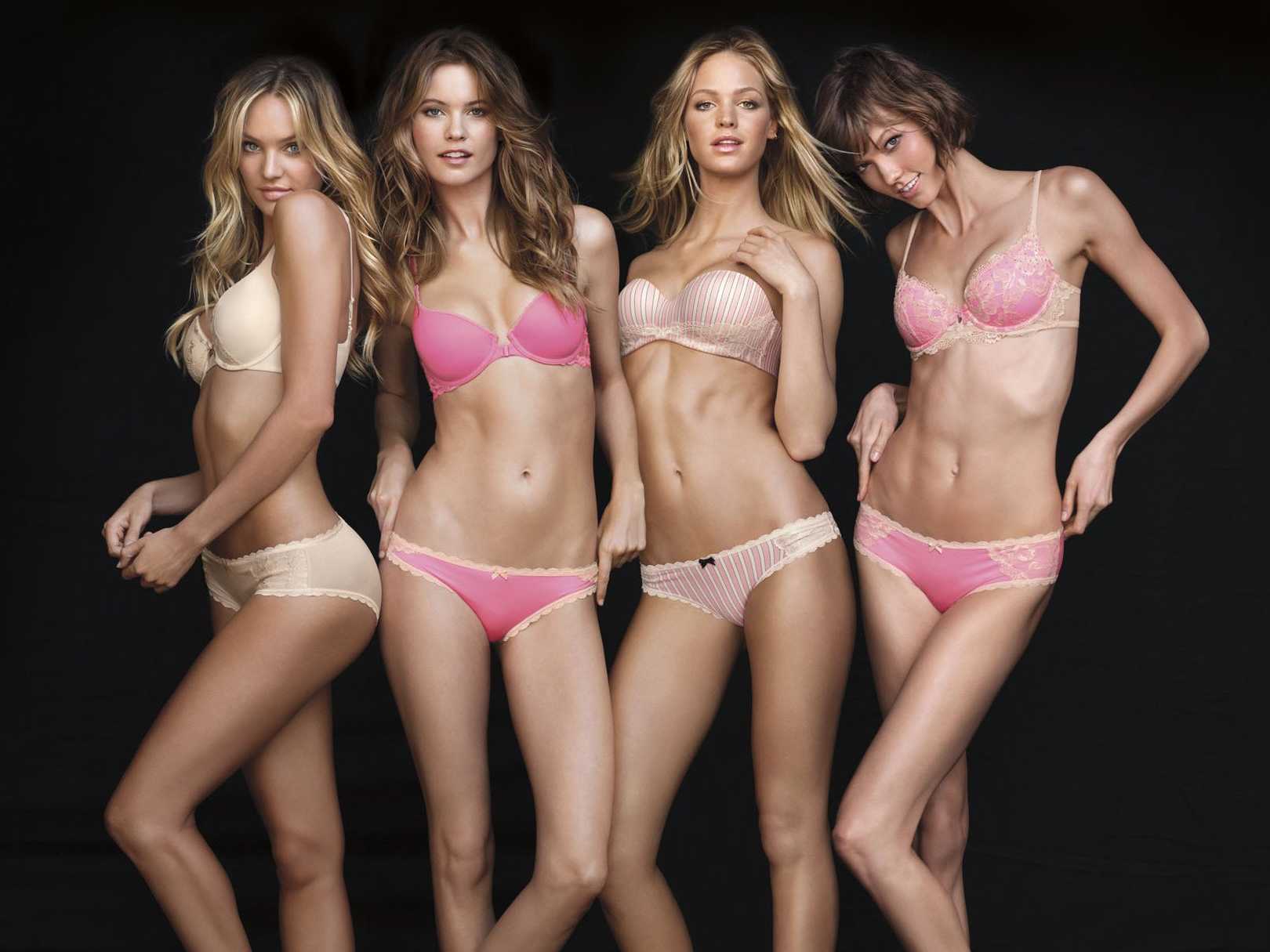
    Tomorrow, Victoria’s Secret Angels Josephine Skriver and Martha Hunt will be in Hong Kong, appearing in-store from 6pm to 8pm to “meet and greet fans”.

    Features of the multi-story store include a dedicated zone for the brand’s Pink casual range of bras, panties, loungewear and beauty and a bra-fitting service.

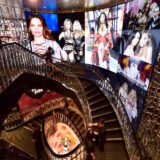
    Early photos show parts of the store have a dark and cluttered look, especially the centrepiece staircase.

    Outside, the store features a mirror-glass facade with bright lighting in the brand’s signature pink hues and a large video display facing the Times Square showing the Victoria’s Secret Angels and the brand’s latest collections.

    View the complete gallery of the interior below (10 images) :


  • CDFG/Sunrise has won a tender for Shanghai’s airports’ duty-free

    CDFG/Sunrise has won a tender for Shanghai’s airports’ duty-free


    China Duty Free Group (CDFG) has announced Sunrise Duty Free, in which it holds a 51% share, has won a tender to operate duty-free across Shanghai Hongqiao International Airport and Shanghai Pudong International Airport for a seven-year period.

    The tender was issued by Shanghai Airport (Group) Co., Ltd., Shanghai International Airport Co., Ltd. and the tendering agency Shanghai International Tendering Co., Ltd.

    The retailer hailed the competition for the tender as “fierce”. CDFG understands the existing duty-free operation at Hongqiao Airport spans 1,500sqm, which will increase to 2,088sqm with the new contract.

    The duty-free operation at Pudong Airport will increase from 6,600sqm before the tender to 16,915sqm. Sunrise has been operating at Shanghai Pudong International Airport for nearly 20 years.

    CDFG President Charles (Guoqiang) Chen said: “The [addition] of Shanghai Hongqiao International Airport and Pudong International Airport duty-free business is another important milestone in the development of CDFG. From winning the bid for Hong Kong International Airport and Beijing Capital International Airport in 2017 to winning the bid for Macau Airport and Shanghai airports this year, CDFG has experienced a remarkable leap-forward in its development.”

    In 2017, Hongqiao International Airport reached 41.88 million passengers. It is located 40km away from Pudong Airport and 13km from the city centre.

    CDFG described Shanghai Hongqiao as a “convenient airport and an important part of Shanghai’s Dahongqiao Business District, hailing its “unique geographical advantages” as having great commercial potential.

    One of the three major international airports in China, Shanghai Pudong International Airport exceeded 70 million passengers in 2017 – ranking ninth largest airport in terms of passenger numbers in the world.

    The airport is undergoing development to eventually become a large-scale composite hub integrating local capacity distribution hub functions, portal hub functions, and domestic and international transit hub functions.

    Pudong aims to eventually become an important tourist hub within the global aviation network, therefore the standard of its airport retail is very important, CDFG underlined.

    In an effort to boost Shanghai’s profile as a destination, CDFG will actively cooperate with Shanghai Airport (Group) Co., Ltd. and Shanghai International Airport Co., Ltd to enhance and enrich the shopping environment and product offer. The company’s vision is to position Shanghai’s two major airports as a window to “Shanghai’s Shopping”.

    In terms of products, CDFG will leverage its partnership with Sunrise to improve the product offer and enrich the portfolio with more brands. The line-up of brands will include international names that are popular with Chinese people.

    “In terms of price, we continue to maintain the price advantage of value for money, providing more attractive commodity prices for tourists at home and abroad. In terms of service, we pursue excellence and create a more luxurious and convenient tax-free shopping experience for consumers,” CDFG said in a statement.

    Chen added that winning the duty-free tender at Shanghai Hongqiao and Pudong International Airport proves the successful partnership of CDFG and Sunrise Duty Free. The companies have significantly strengthened following their integration, he stated.

    “I believe that through the continuous improvement of market share, enhancement of our procurement and operation capabilities, and deepening strategic partnerships with brands, we will ultimately benefit the development of China’s duty-free industry, the development of airport duty-free businesses and increase the number of consumers.

    “As the largest duty-free enterprise in China, CDFG will continue to expand in China’s duty-free industry to become stronger and better. Our goal is to attract overseas consumption and improve China’s duty-free business – as the industry’s international competitiveness continues to improve.”

  • Farfetch acquires Curiosity China

    Farfetch acquires Curiosity China

    Fashion “unicorn” Farfetch has acquired digital marketing agency CuriosityChina in a bid to boost its presence in the world’s second-largest luxury market.

    CuriosityChina will enable the fashion e-commerce platform to offer additional services to luxury brand partners operating in the country’s fast-moving and unfamiliar digital marketing environment. The terms of the transaction were undisclosed.

    “With this partnership, Farfetch can now provide plug-and-play access for luxury brands to expand rapidly in China via an integrated platform servicing Chinese consumers via web, app, WeChat store and mini-programs,” explained Farfetch founder José Neves.

    CuriosityChina’s employees will join Farfetch, including co-founders Judy Liu, Alexis Bonhomme and Arthur Shui, who will take on the titles of managing director, China; vice president of commercial, China; and head of technology innovation, China, respectively.

    The move follows a 2017 deal between Farfetch and JD.com, China’s second largest e-commerce player, which invested $397 million into the platform. Farfetch launched in China three years ago but the market currently accounts for only 10 percent of the company’s revenue, according to Cowen & Co, a financial services firm.

    In 2016, Farfetch — a technology platform which connects consumers with a curated network of fashion boutiques and, increasingly, brands — cleared $800 million in gross merchandise value, generating an estimated $150 million in revenue (Farfetch takes 20 to 25 percent commission from partners).

    The acquisition of CuriosityChina is the latest in a series of strategic moves by the Farfetch, which has raised over $700 million in funding and is seeking scale as it gears up for an IPO. Neves has been reluctant to lay out a specific timetable for the flotation, but according to a source close to the deal, the company is planning to IPO in New York in September 2018 at a valuation greater than $5 billion.

    So far this year, the platform has inked a strategic partnership with Chanel to enhance the French luxury house’s boutique experience; entered into a joint venture with Chalhoub Group, one of the biggest distributors of fashion and luxury goods in the Middle East; and struck a deal with Burberry to expand its global e-commerce distribution and launch a “show to door” London delivery service.

  • Asia boosts Swatch Group sales record

    Asia boosts Swatch Group sales record

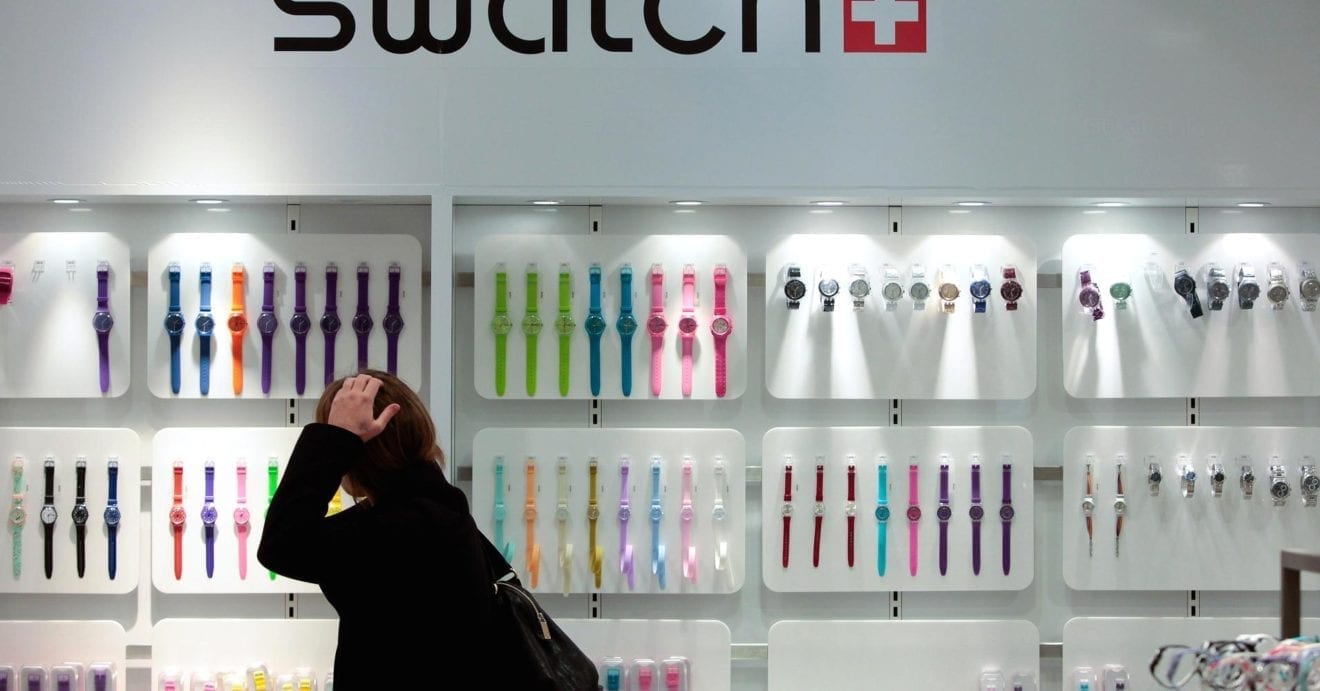
    An overview of watchmaker Swatch Group’s international business has revealed record half-year sales, largely led by Asia.

    The group’s net sales increased by 14.7 per cent during the first half of this year, with growth in all regions led by Asia and America. Its net income has increased by 66.5 per cent to CHF468 million (US$467 million), with a net margin of 11 per cent, compared to the previous year’s 7.6 per cent.

    Consumer demand, particularly from millennials, for authentic, innovative brand products is greatly increasing on a worldwide scale regardless of region or price segment. The company sees an increasing interest in pre-owned and vintage products as an immense opportunity for the 18 Swatch Group brands.

    Further growth is projected for the second half of this year.

  • The Asian side of Moncler’s Genius Project

    The Asian side of Moncler’s Genius Project

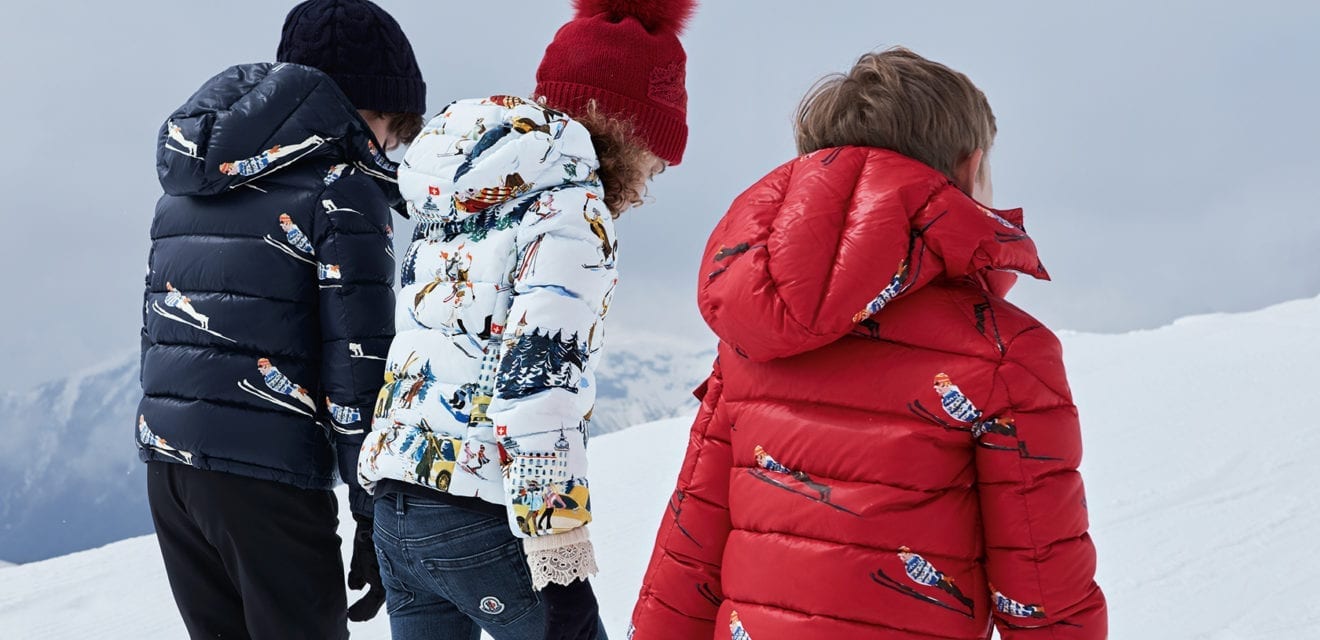
    Debuted at Milan Fashion Week during February of this year, French-Italian outerwear brand opened up eight spaces in the Moncler Genius building to exhibit their eight collaborations with makers across multiple disciplines.

    Collections that would be released from June to October 2018 were showcased from Pierpaolo Piccioli, Moncler 1952, Grenoble, Simone Rocha, Craig Green, Noir Kei Ninomiya, Fragment Hiroshi Fujiwara, and Palm Angels, and aptly referred to in totality as “a republic of imagination.”

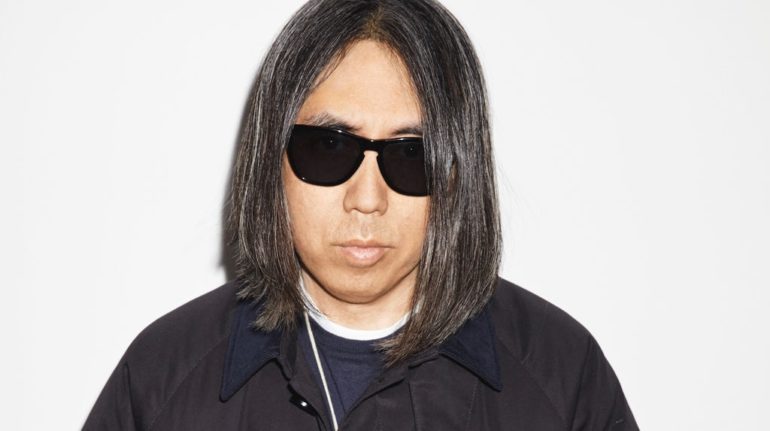
    Months later, we’re finally seeing the first release from Moncler’s Genius Project and it comes from modern renaissance man Hiroshi Fujiwara. Best known as a Japanese streetwear designer, he is responsible for Nike’s HTM designs and his own label and agency known as Fragment as well as being the first DJ to bring hip-hop to Japan and his work with brands like Supreme, Levis, Stussy, and Beats by Dre.

    For his partnership with Moncler, the once-DJ/producer and always disruptive multi-hyphenate presented the 7 Moncler Fragment Hiroshi Fujiwara collection, and with its release Fujiwara selected six individuals (plus himself) with similar interests across seven cities. With him kicking off the release in Florence, Italy, DJ Kitty Cash represented New York, a friend of Cash and equally as fashionable DJ Siobhan Bell held down London, French singer-songwriter Eddy de Pretto launched Paris, entrepreneur, singer-songwriter Chau Pak Ho was in Tokyo, singer Crush represented Seoul, and the rapper-singer Vava launched Beijing.

    Each city and individual kicked off the first of two releases of Moncler and Fujiwara’s (one now with a second in December). New York’s representative Kitty Cash put together a playlist that included “Praise The Lord” from A$AP Rocky and Skepta, “Come Over” from The Internet, and “Hater” from Key!.

    “I wanted to keep the song collection current and youthful; a mix of underground and mainstream Hip-Hop and R&B tracks. Underground was important to focus on because it kept with the tradition of introducing new artistic movements that Moncler has become known for,” Cash says.

  • Pandora shares fall on price cuts in China

    Pandora shares fall on price cuts in China

    Danish jeweler Pandora AS cut its retail prices on most of its jewelry sold in China by 15% to combat the sale of its goods through unofficial channels in the country.

    Shares traded as much as 7.2% lower on the day following the news.

    “Pandora jewelry is highly sought after, and the demand has seen a rise in the grey-market trade within China,” the company said in a statement.

    “The price reduction aims to limit this, as well as balance the retail price difference in the mainland Chinese market and other markets.”

    Since entering China in 2010, Pandora said it has grown its revenue by double or triple digits each year as the company has opened more stores, entered new cities and expanded its online presence. Presently, it has over 170 concept stores in more than 50 cities in China.

  • Innisfree teams up with Alibaba to open new concept store in China

    Innisfree teams up with Alibaba to open new concept store in China

    South Korean cosmetics giant Amorepacific’s cosmetics brand Innisfree has opened a new concept store in Hangzhou, China, in collaboration with Alibaba’s Tmall, the company said Thursday.

    According to Innisfree, its new concept store features a technology-based shopping experience, backed by Tmall’s new retail technology.

    Tmall is China’s largest B2C platform for brands and retailers, in terms of GMV.

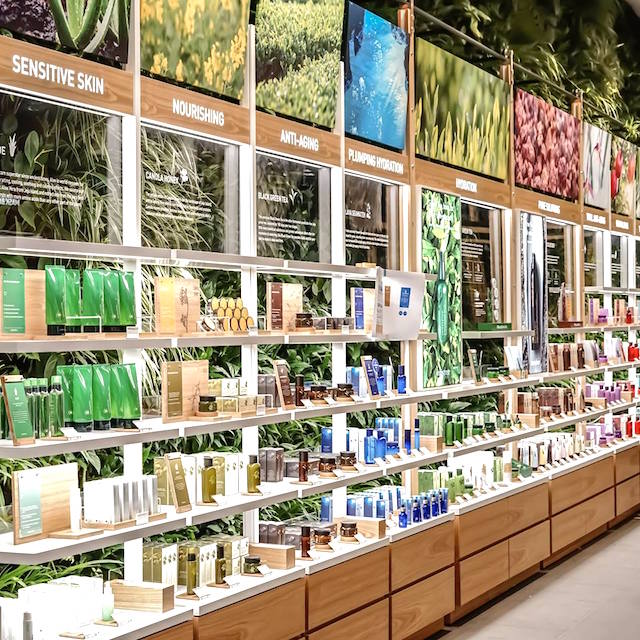
    At the store, customers can test makeup products by using Magic Mirror, which has adopted Tmall’s augmented reality technology. An automated vending machine that sells mask sheets and sample products will allow customers to easily purchase items at lower prices, the company said.

    In addition, smart shelves are installed to show each product’s information on interactive screens.

    “With the South Korean cosmetics brand acing in the Chinese market, especially with Innisfree being the only brand to have hit 1 billion RMB ($148 million) of sales, our trial with Innisfree to provide a new retail and interactive experience based on big data technology will strengthen customers’ brand experience and increase their satisfaction,” said Mike Hu, head of Tmall’s retail business division.

    Tmall also plans to collect information on real-time product availability at 61 stores in Shanghai and Hangzhou through big data technology to boost online sales and help stores digitize their operations and upgrade the supply-chain operation and offer shoppers an integrated online and offline experience.

    “Tmall is one of the most innovative and leading retail platform operators globally. We will strive to adopt digital technology and interactive content marketing from Tmall for Innisfree’s brand value,” said Filipp Cai, head of Innisfree China.

    Innisfree, which means “pure island” in Korean, is based on the philosophy of introducing beauty products with natural ingredients sourced from the Korean island of Jeju. It opened its first store in China in 2012.