Category: Fashion

Retail News Asia is committed to providing both local and global retailers with the latest Fashion news throughout the Asian market. This on a daily base.

  • Adidas pledges to use only recycled plastic by 2024

    Adidas pledges to use only recycled plastic by 2024

    Global sportswear maker adidas announced that it has committed to using only recycled plastic by 2024. The pledge to eliminate the use of virgin plastic includes using polyester, a popular material in sportswear for its sweat resistant properties and because it weighs less.

    adidas said on Monday that it would stop using virgin plastic in its offices, retail outlets, warehouses and distribution centres, a move that would save an estimated 40 tonnes of plastic per year, starting from 2018.

    It also said its apparel line for the spring and summer of 2019 will contain around 4 percent recycled polyester.

    adidas is the latest in a series of global companies that have pledged to reduce plastic use.

    In 2016, the brand had completely done away with the use of plastic bags in all its stores.

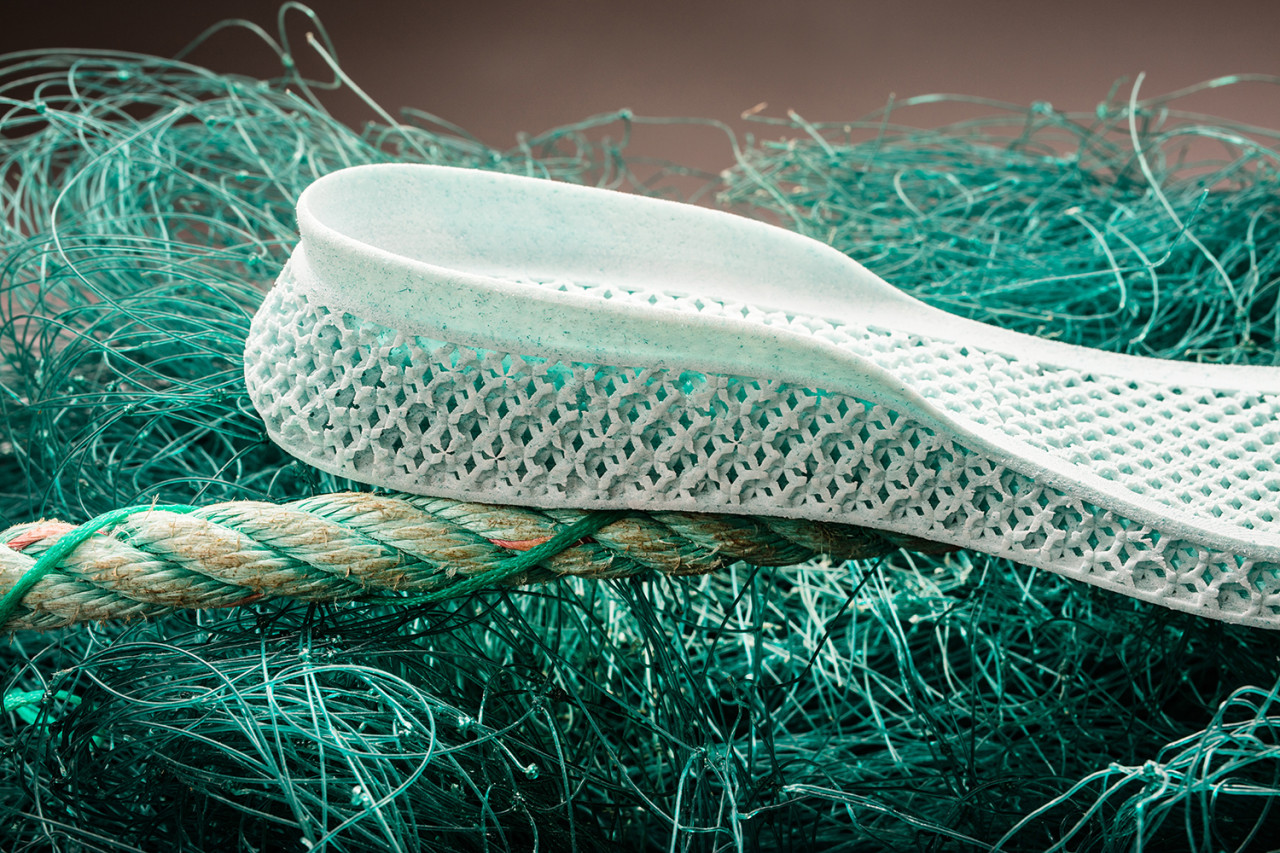
    In the same year adidas collaborated with environmental group Parley and decided to lead the way with an ‘eco-innovative’ design. They mass produced shoes made from recycled water bottles found in the world’s oceans. The shoe was named UltraBOOST Uncaged Parley, but is more popularly known as Ocean Plastic Shoe.

    This year, with awareness growing, the German company is expecting a sharp increase in sales of its Parley shoes, which are made with plastic waste that has been intercepted before it reaches the ocean.

    While still a small share of its global sales, adidas expects purchases to jump to 5 million pairs this year compared to 1 million in 2017.

    Coffee retail giant Starbucks also plans to eliminate plastic straws from its stores, and McDonald’s is trialing a similar programme in the UK and Ireland.

    Swedish furniture major IKEA is also phasing out single use plastic from its stores and restaurants.

    Global use of plastic has increased 20-fold over the past 50 years and is expected to double again in the next 20 years.

    The material is cheap and versatile, but governments and consumers are increasingly aware of its huge environmental costs.

    Research shows there will be more plastic than fish by weight in the world’s oceans by 2050. On a global basis, only 14 percent of plastic is collected for recycling.

  • De Beers to focus on smaller cities in India for expansion

    De Beers to focus on smaller cities in India for expansion

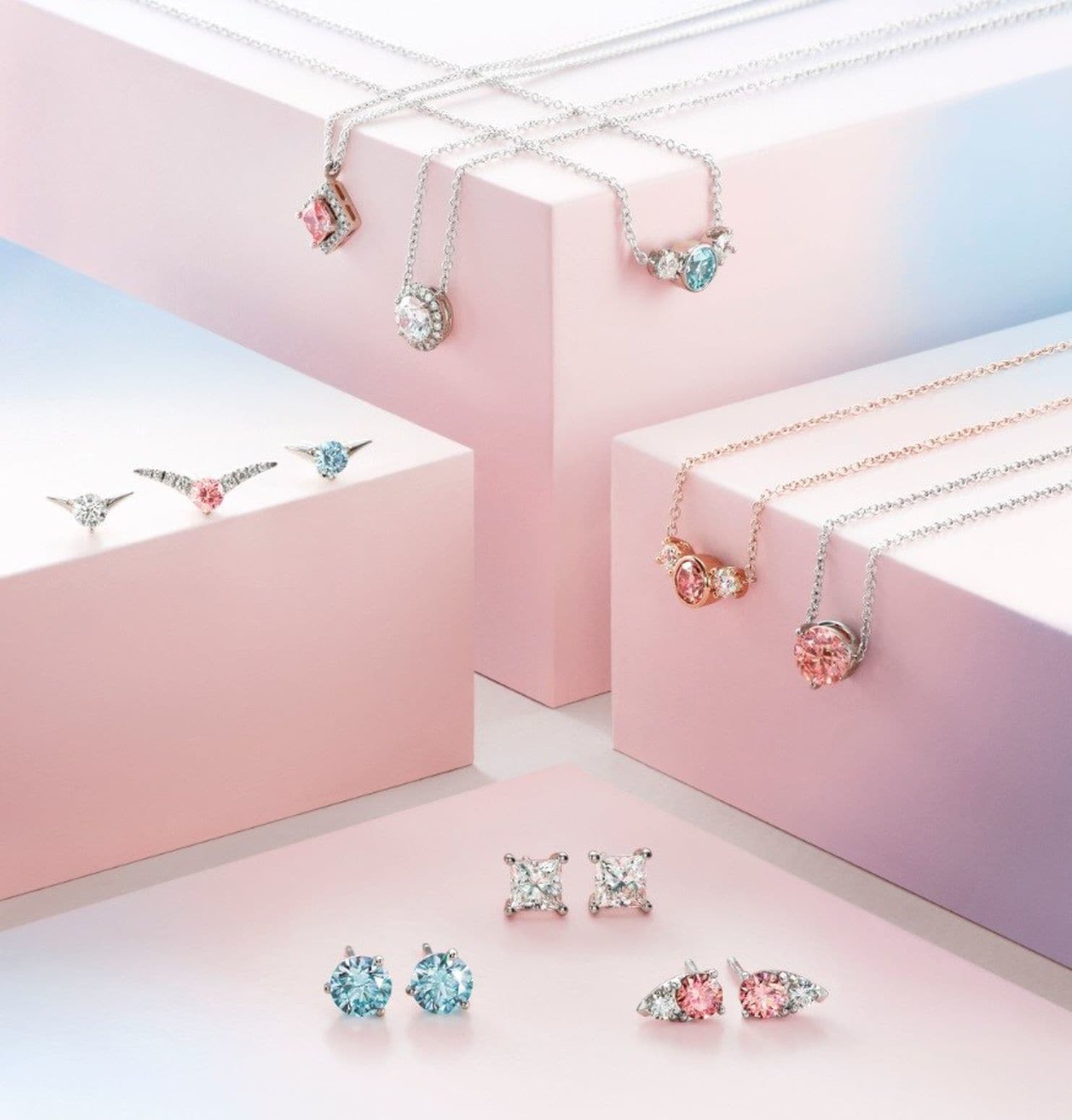
    Global diamond producer De Beers is looking to partner local retailers in smaller cities to boost sales which it claims grew at 100 percent last year.

    According to a PTI report: The company sells its diamond jewellery through 250 partnered retail stores in the country under the brand ‘Forevermark’.

    “There is a strong appetite for diamonds in smaller cities. We plan to increase stores gradually in those cities by partnering local retailers,” Stephen Lussier, Forevermark CEO and Executive VP De Beers Group of Companies told PTI.

    Sales during January-June, 2018 remained robust and the overall sales volumes may double as compared to the last year, he said.

    “We are doing much better with our brand. We had 100 percent growth in 2017. In 2018, we will double again,” he told PTI adding that the Forevermark brand has 30 per cent market share in India.

    The company is not only investing in marketing of its brand but also organising special events to equip partners with the new retail innovations, latest technology and consumer insights to help them leverage their business better and stay ahead of the consumer curve, he added.

    Stating that the fundamentals of diamond are strong worldwide, Lussier said the sale of Forevermark brand jewellery grew on a monthly basis notwithstanding the banking fraud by diamantaire Nirav Modi.

    Diamond prices are stable globally though prices of polished ones are on the rise when compared with rough diamonds, he added.

    De Beers sources diamonds from its seven mines in South Africa and Canada.

  • Cover Story to launch second flagship store at Mall of India, Noida

    Cover Story to launch second flagship store at Mall of India, Noida

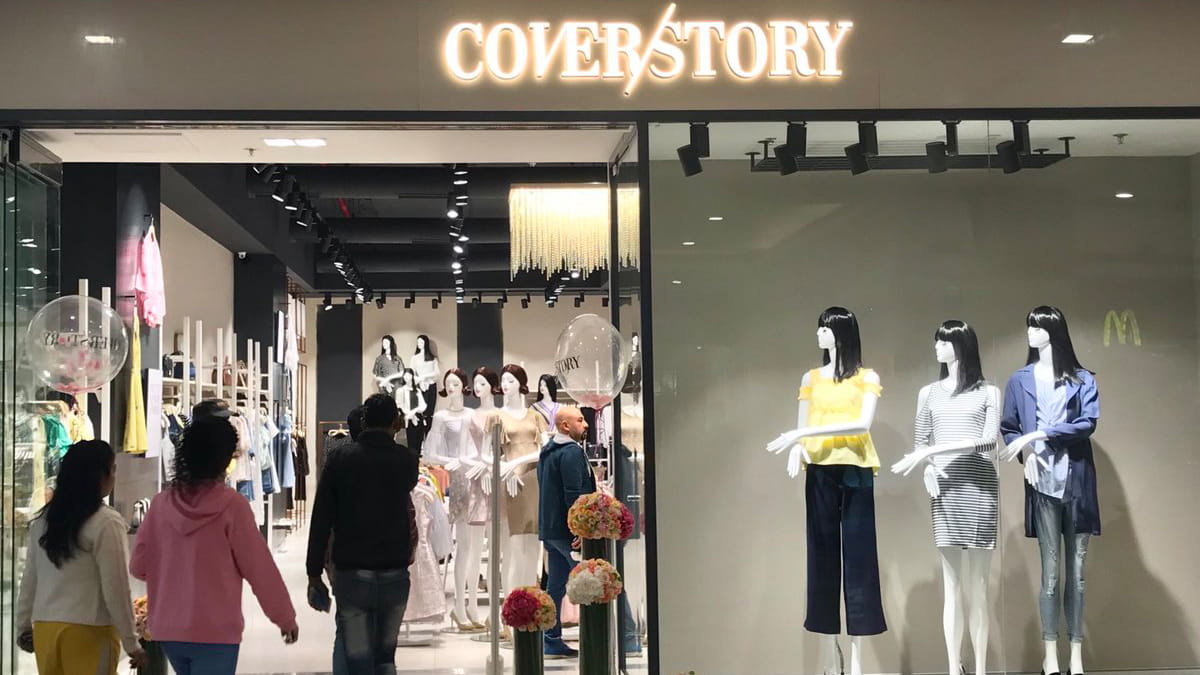
    Cover Story, a fast fashion brand for women by Future Style Lab, is set to launch its flagship store on July 20, 2018 at Mall Of India, Noida. The store will be spread across 1,420 sq.ft. of area, at a prominent ground floor location amidst the most fashionable brands around.

    The sprawling area is an apt location for Cover Story with its state-of-the-art workspaces, retail havens, entertainment zone, F&B options and signature hospitality services. With the latest in fashion trends available here at Mall Of India, Noida is every fashionista’s ultimate shopping destination.

    The new store’s stock will have the latest Spring-Summer ‘18 and Autumn-Winter’18 collection.The collection, designed at the creative headquarters in London, consists of women’s apparel, accessories and shoes. The collection is inspired by the story of two BFFs, who are bold, adventurous and ready to rock the world. Luxurious and contemporary designs make the collection versatile enough to be worn on different occasions, during the day or night, by the modern woman. The collection draws inspiration from nine unique storylines, each designed with a catwalk trend keeping form, fabric and fit in mind.

    In the past one year, Cover Story has opened many stores across Delhi NCR, Mumbai and Surat, Kolkata, Coimbatore, Kochi, Chennai etc. Apart from these stores, Cover Story has nation-wide presence in different shop-in-shop formats including Central, Kapsons, Iconic and Sohum.

    Additionally, the brand has its own online store to help cater its customer from anywhere, by simply visiting the website – www.coverstory.co.in Cover Story is retailed through online marketplaces including Myntra, Jabong , Amazon.in and Koovs.

  • Scentence debuts in Saudi Arabia

    Scentence debuts in Saudi Arabia

    E-Mart, South Korea’s largest discount-chain operator, is set to open a store in Saudi Arabia this week.

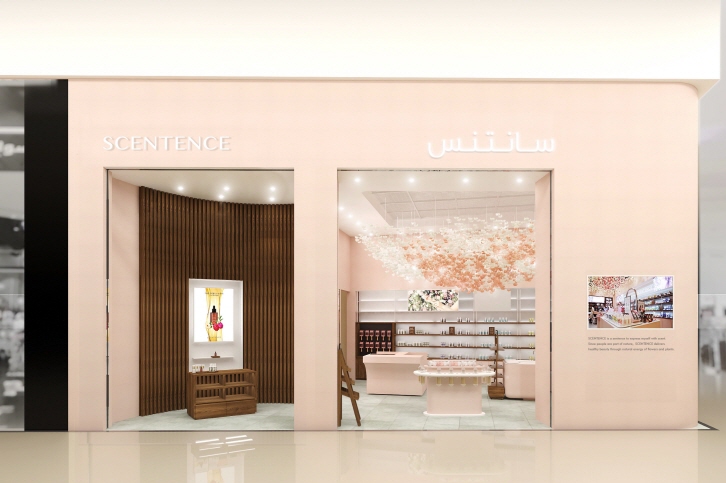
    Last November, E-Mart firm signed an agreement with the kingdom’s major retail group Fawaz Alhokair to open the beauty store Scentence at the Al Nakheel Mall operated by the Saudi company, which averages 25,000 daily visitors.

    The 66sqm store will open to the public in the Saudi capital Riyadh on Sunday, July 22.

    “Scentence is expected to post stable growth in the new market on the back of the Middle Eastern beauty market’s raid expansion and the popularity of K-beauty,” said Jung Kyung-ah, an E-Mart official in charge of the retailer’s health and beauty business.

    Saudi Arabia’s beauty market has been growing at an average of 15 per cent every year, according to E-Mart.

    The Middle Eastern foray is part of a broader plan to increase the reach of E-Mart’s brands globally.

  • Lush Malaysia KL launches soon

    Lush Malaysia KL launches soon

    A personnel recruitment tweet has revealed that the UK cosmetics brand Lush Malaysia is preparing to open in Kuala Lumpur.

    The notice, verified by Lipstiq Malaysia, was posted on July 9 to seek full- and part-time sales ambassadors, supervisors and trainee managers.

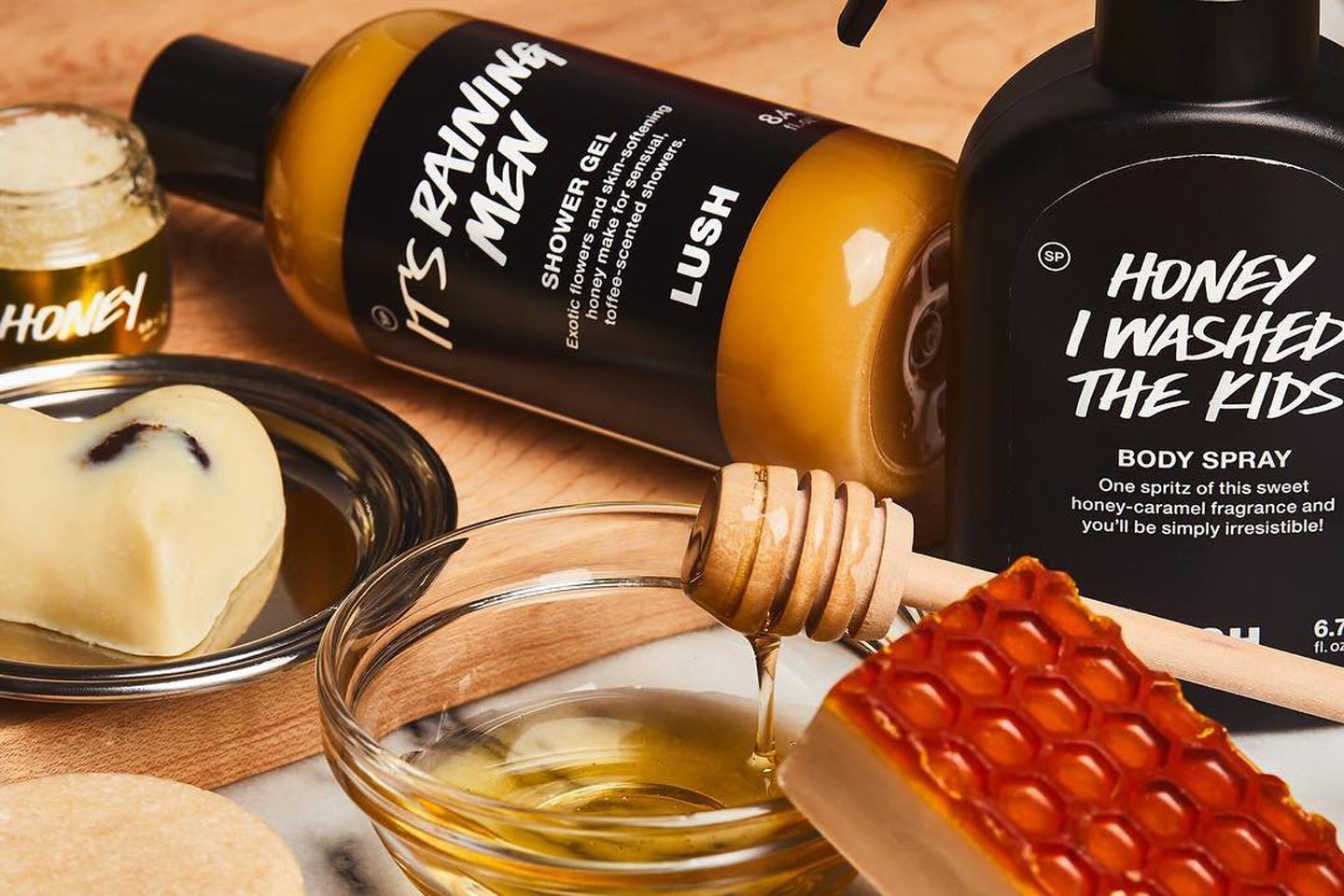
    Lush retails handmade natural bath and beauty products that it says are environmentally-friendly, 100 per cent vegetarian and cruelty-free. The items are sold without packaging or using recycled packing materials.

    The brand, which has stores in many Asia-Pacific markets, including Hong Kong and Australia, is likely best known for its strongly-scented effervescent “bath bombs”.

    There is no further information as of yet regarding where the Lush Malaysia store will be located or when its will open.

  • 6ixty8ight opens first SEA store at Singapore

    6ixty8ight opens first SEA store at Singapore

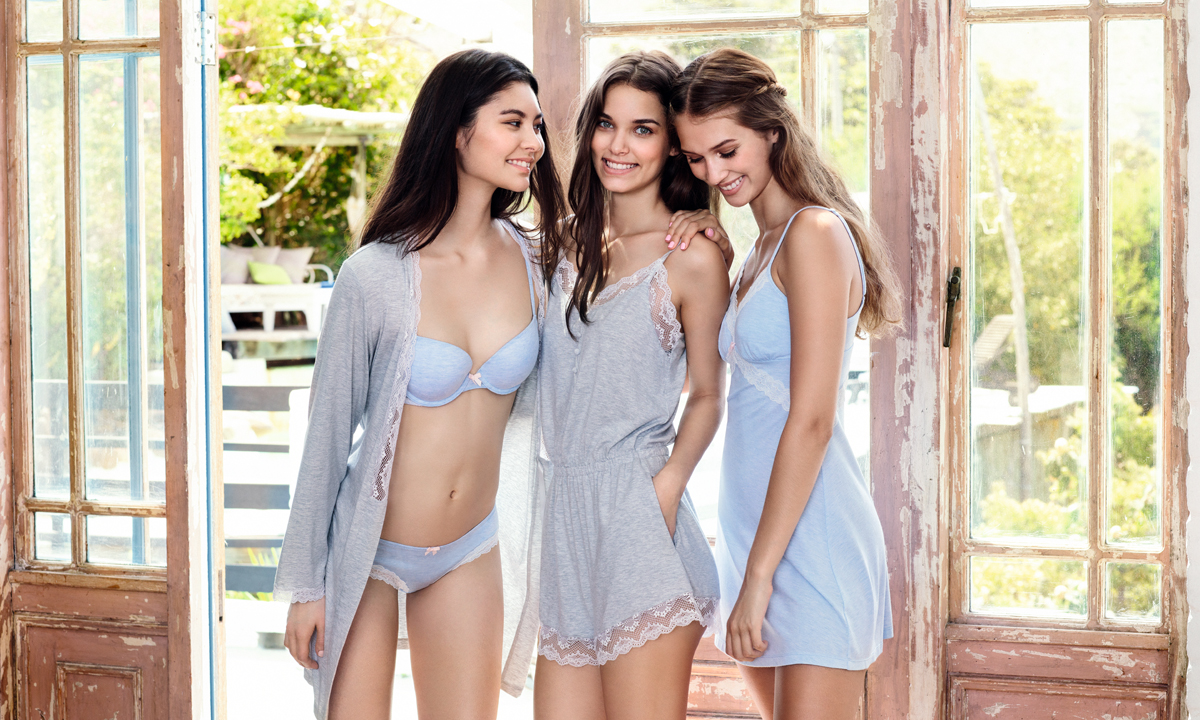
    Hong Kong-headquartered lingerie label 6ixty8ight has opened its first store in Southeast Asia, at VivoCity.

    The new 6ixty8ight Singapore store takes up more than 2000sqft on level 2 of the popular shopping centre.

    The brand was founded in 2005 by Hop Lun Group which has manufactured lingerie for many international brands for more than 25 years. Its strategy was to use its manufacturing expertise to create underwear for Chinese women. Such a course did not cannibalise sales from its manufacturing customers, which primary target western markets. It was the first time the manufacturer had developed its own label.

    Between 2014 and 2016, the company embarked on a rapid growth plan, expanding from 48 stores to 110, 20 of them in Hong Kong and the balance in Mainland China. Today it has 140 stores, having since expanded into South Korea, Taiwan and Macau. Its points of difference are carefully targeting women aged 15-30, focusing on lingerie, socks, nightwear and minimal casual wear to complement it (rather than trying to take on fast-fashion chains which offer broad ranges to both genders and children) and pricing. In Singapore the store will sell bras at S$13.90 and denim culottes for $39.90.

    The 6ixty8ight Singapore store will feature the brand’s full range, including accessories.

    To mark the opening, the store is giving away 6800 pairs of panties free to shoppers who can show instore that they follow the label on Instagram.

  • Nike new concept revealed

    Nike new concept revealed

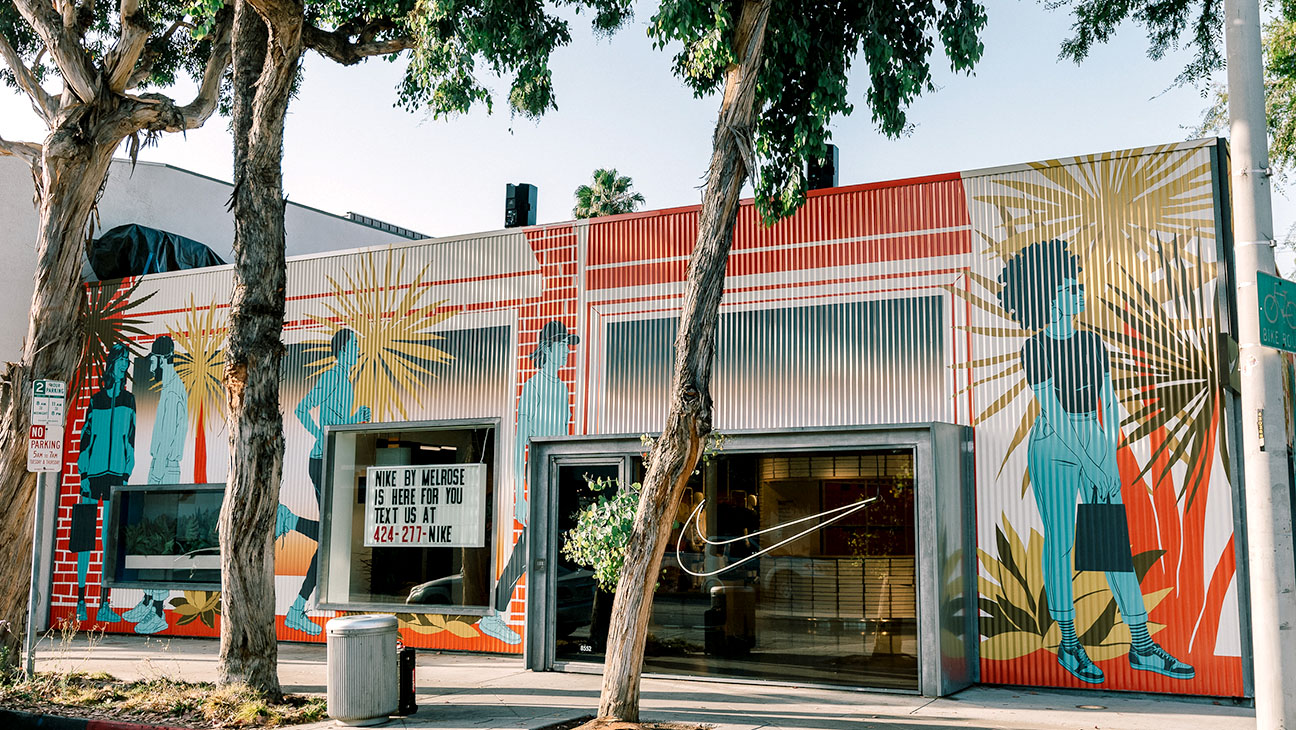
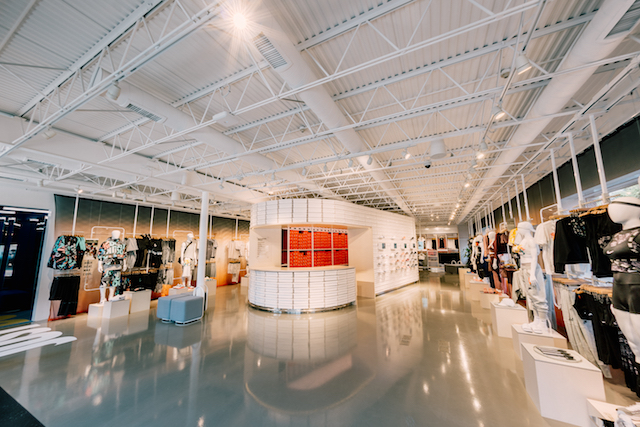
    Nike has opened its newest store concept, Nike Live, in Melrose Avenue, Los Angeles.

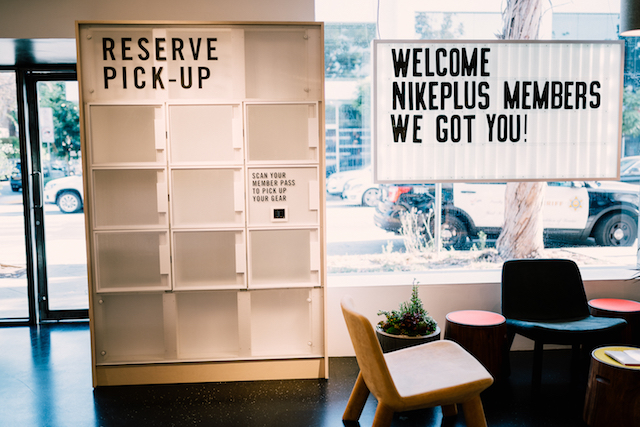
    The store, “powered” by the insights and engagement of thousands of nearby NikePlus loyalty program members, features a lockbox pick-up service where members may secure unique offerings reserved via the Nike App or through Swoosh text.

    President of NikeDirect Heidi O’Neill said: “Nike Live stores are specifically designed to be a service hub for local NikePlus members… as well as being the first Nike Live destination, we will also test services that can then roll out to other Nike stores, combining digital features with a unique physical environment to create the future of Nike retail.”

    The new concept was created in support of Nike’s efforts to unite digital and physical shopping experiences for its consumers, and to further personalise the NikePlus Member in-store journey. Both the location and the product assortment of the store was selected using insights gained from NikePlus member activity and buying patterns.

    When walking in the store, shoppers can make a first stop for service at the Nike Sneaker Bar. There they can talk with a Nike Expert about the lifestyle and performance footwear available, request to try-on an item on the spot, purchase and go.

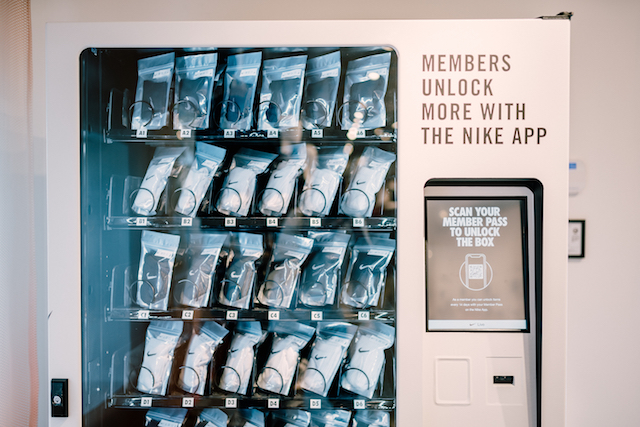
    Members have access to the NikePlus Unlock Box, where they can scan their member pass every two weeks for unique Nike products and goods. The store also uses Nike’s Nike App at Retail service, allowing them to reserve product to in-store digital lockers; scan product barcodes to learn more (i.e. product availability in nearby stores or online, and available colorways); book Nike Express Session appointments for one-to-one personal service; and access new features and content in the app.

  • Meet Yoshi, the 14-year-old Japanese Instagram fashion star

    Meet Yoshi, the 14-year-old Japanese Instagram fashion star

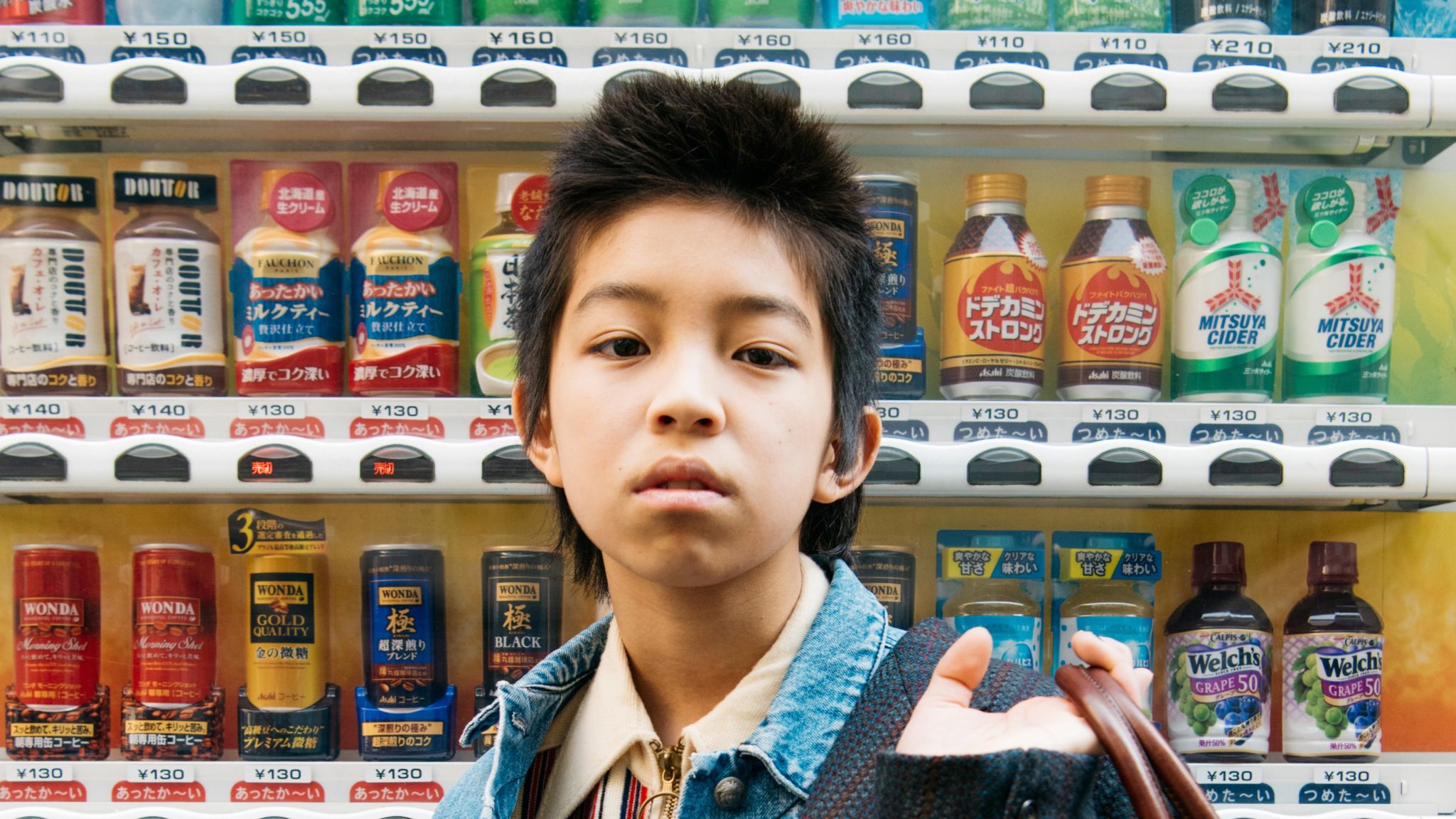
    At only 14 years old, Yoshi is an Instagram phenomenon. After getting noticed by Off-White’s Virgil Abloh, he has quickly become a style icon on the streets of Tokyo.

    Scrolling through his Instagram, there’s no doubt that Yoshi boasts an innate sense of style that stands between punk and luxury streetwear. When he is not taking lift selfies, he Is hanging out with his friends – Nicola Formichetti, Kim Jones, and LA-based artist gab3 among them.

    Now, with over 40k followers on IG, Yoshi is also a model in his own right – last year he appeared in a Helmut Lang campaign and he recently started walking on runways too.

    “The very first item I bought was at the vintage shop in (Tokyo’s district) Jujo called GBM,” Yoshi tells us in a new Dazed film. “It was a pink Marilyn Manson t-shirt. I didn’t know what it was but the owner recommended it to me and I bought it.”

    Since then, he has grown his wardrobe significantly, regularly wearing edgy looks made up of coloured biker jackets, Vetements-inspired coats and customised denim, that he finds browsing the city’s biggest vintage stores.

    Elsewhere in the video, Yoshi shops in his fave vintage stores, draws, and plays video games just a normal kid. But, unlike a normal kid, he also shoots scenes for a music video from Japanese rapper Anarchy.

    “I’m working as a model and as a designer too, so I earn money by myself,” he continues. “Right now, I don’t have an agent or manager, so I always do everything by myself – I even negotiate my fee too.” Just your regular 14-year-old model slash icon.

  • Guerlain opens first Asian ‘Parfumeur’ concept boutique in Hong Kong

    Guerlain opens first Asian ‘Parfumeur’ concept boutique in Hong Kong

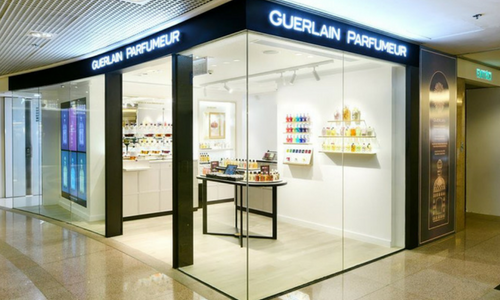
    Following the success of its first concept store which is dedicated exclusively to fragrances on rue Saint Honoré in Paris, Guerlain has open the Guerlain Parfumeur boutique in Hong Kong this month, being its first concept store in Asia.

    The store is under the signature “Guerlain Parfumeur depuis 1828” concept. The main goal is to offer a unique experience for customers revolving around completely tailor-made products and services, according to the brand.

    The new concept store shows the innovative retail concept that integrated with digital technology and usage of data. The store features 60 Guerlain fragrances which are meticulously classified into four main olfactory families, allowing customers to take advantage of a digital fragrance consultation to identify their personal olfactory profile.The algorithm helps the customers to find their very own “signature fragrance”.

    After choosing their fragrance, customers are invited to the personalisation atelier, where they can finalise their purchase by selecting every detail to make the fragrance their own – from bottle shape and colour, engraved message, to ribbons and bows for embellishing the bottles.

    LVMH group, Guerlain’s parent company, has rolled out ambitious international deployment of Guerlain’s perfume concept store since May 2017, starting with Brussels.

  • J-beauty brands to broaden their market

    J-beauty brands to broaden their market

    The flood of Chinese tourists to Japan has given a fresh uplift to the high-end beauty products market. Buoyed with success, some niche brands are now venturing beyond China.

    Nagoya-based MTG, which sells health and cosmetic tools that cost hundreds of dollars, is gearing up for further expansion abroad. The company made its stock market debut in Tokyo on Tuesday, raising 34.2 billion yen ($309 million).

    Excitement around the listing — the second largest initial public offering in Japan this year after e-commerce unicorn Mercari in June — was reflected in its share price, which ended 27% higher than the offer price of 5,800 yen, giving it a market capitalization of $2.56 billion.

    This is partly due to the stellar growth of its overseas business; revenue for its global segment more than doubled to 11.2 billion yen in the year ended September. This was driven by sales in China, mostly through Alibaba Group Holding’s Tmall shopping platform.

    “Over the next three to five years, we want to grow in Asia, centered around China,” MTG President Tsuyoshi Matsushita said at a press conference on Tuesday. The company is exploring options to enter Russia, Dubai and the Philippines, he added.

    Established in 1996, MTG designs and sells beauty and health products in collaboration with universities, medical institutions and celebrities. To stimulate interest among Chinese consumers, the company recently appointed Chinese actress Fan Bingbing as “global ambassador” for ReFa, its best-selling facial and body massage tool.

    “I have seen many Japanese brands that have great quality but lose because of branding and marketing,” said Matsushita. “Overseas sales now account for 35% of the total. We want to show that upstarts from Japan can compete globally.”

    Japan’s beauty market has benefited from a rise in foreign tourists, especially from China — with annual visitor numbers from that country tripling between 2014 and 2017. Popular products are exposed through social media to mainland Chinese consumers, who buy the products through e-commerce platforms like Tmall. This virtuous cycle enables relatively new players like MTG to succeed without having a large physical presence in a foreign country. Matsushita said that five years ago the company did not have any overseas talent.

    The eagerness to go global highlights the opportunity that MTG and its rivals see ahead: millennials willing to spend lavishly on new ideas to improve their looks. Such behavior is rare in Japan, where spending on skincare and cosmetics is already the highest in the world and led by older women.

    “The main difference [with] Japan is that users in China are very young,” said Kimiyo Yamazaki, president of high-end beauty device maker Ya-man. “In Japan our products… target seniors who want to go beyond cosmetics, but in China they are college students, or people in their 20s and 30s.”

    Ya-man makes high-end facial care devices that can cost upwards of 40,000 yen. It logged a 50% increase in net profit for the year ended March to 3.3 billion yen, driven by sales in China. The company launched its products in South Korea and Singapore last year, and recently expanded to Indonesia. It is looking to enter Vietnam before the end of this year.

    Ya-man targets 30 billion yen in annual revenue over the long term, 30% higher than its latest fiscal year. Jiro Kojima, an analyst at Daiwa Securities, estimates that half of that growth will come from East Asia and other overseas markets. “The market for products like facial rollers is continuing to expand in Asia,” he wrote in a research note to clients in June.

    Other companies are also expanding their product lines. Fancl, a smaller cosmetics rival to Shiseido and Kose, has seen overseas sales for its supplements grow faster than its core cosmetics business. The company recently unveiled plans to sell supplements in China as early as 2020, pending approval from local regulators.

    Some observers warn that the current boom in Japanese brands might cool. The growth in exports of South Korean cosmetics products to China is said to have slowed last year amid tensions over the deployment of the U.S. THAAD anti-missile system in South Korea, to which Beijing has strongly objected. Another challenge is preventing copycat products — MTG has partnered with Alibaba to protect its intellectual property.

    “We need to create a system that doesn’t rely on a single brand or product,” said MTG’s Matsushita. “We made some progress. Now we need to prove the high expectations by shareholders with numbers.”
  • Converse x KASINA Capsule launched

    Converse x KASINA Capsule launched

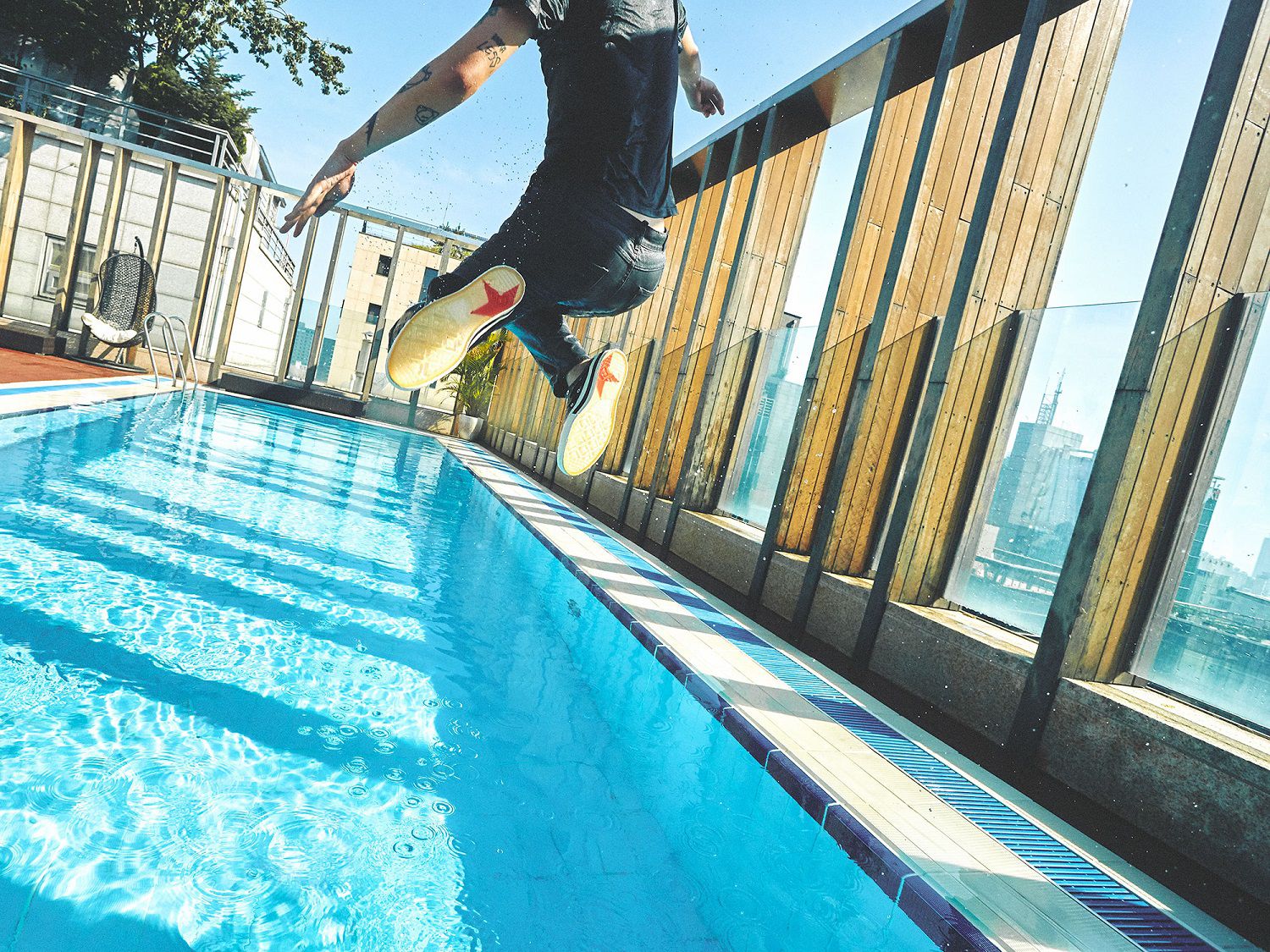
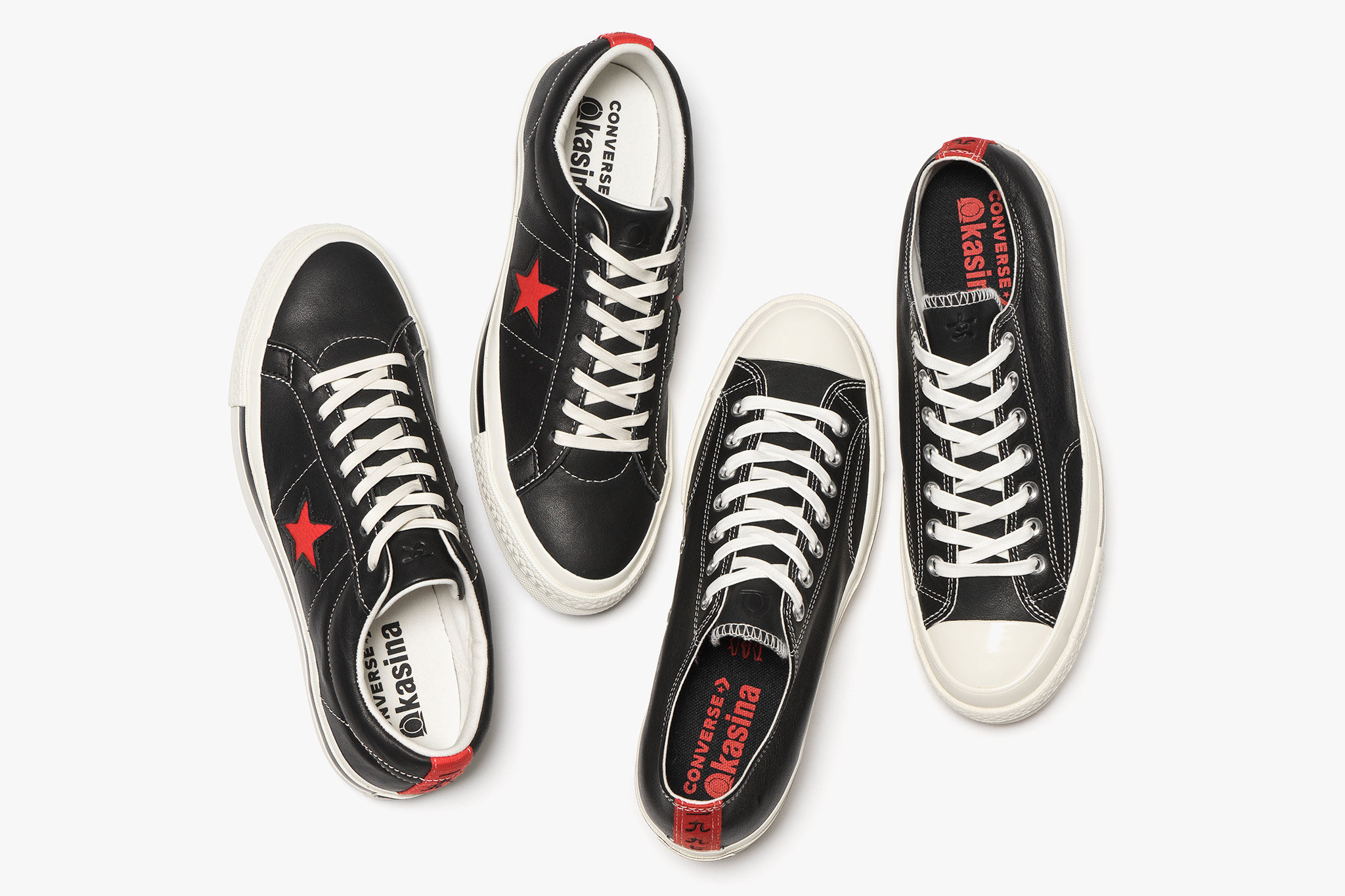
    Popular footwear label Converse has partnered with South Korean streetwear brand Kasina to release a collaborative capsule collection.

    Today’s Kasina x Converse global release on converse.com and in Kasina stores will feature Chuck 70 Ox and One Star silhouettes, an homage to Kasina’s urban styles and the iconic Korean fashion staples of recent decades.

    Kasina started trading in 1997 as a skateboarder garment label that blossomed as its image found favour with KOLs in Korean entertainment. The shoes bear the firm’s inaugural year on the heel along with the brand’s symbol – the Chinese character for “woman”.

  • Les Georgettes by Altese debuts in Malaysia

    Les Georgettes by Altese debuts in Malaysia

    French jewellery brand Les Georgettes by Altesse has opened in Malaysia.

    Renaissance Luxury Group Apac sales director Elsa Pages said Les Georgettes, with an international distribution network of eight subsidiaries worldwide and premier distributors in more than 60 countries along with 3000 points of sale, considers Malaysia one of the main, mature markets to set the brand presence towards developing the brand throughout South-East Asia.

    Les Georgettes by Altese debuted in 2015 in France, and had 600 kiosks across France within its first six months of trading. It pairs high-quality heritage-brand Altesse jewellery with interchangeable Breton leather bands by Texier. Bracelets are the brand’s main products.

    The brand’s first kiosk opened at Bangsar Village 2 at the mall’s ground floor under Habib Jewels, whose MD Datuk Seri Meer Sadik Habib said that the kiosk’s gallery-like atmosphere allowed customers to walk around casually.

    “We travel a lot to learn the latest trends globally and selectively bring in the best brands to offer world class jewellery items at an affordable price to the market, which is our core value,” he added.

    Habib plans to open at least three to five Les Georgettes by Altesse stores within this year, starting in Klang Valley and potentially extending to Johor Baru, Penang and East Malaysia. The total investment for one kiosk is between RM500,000 to RM1 million (US$124,000 to $248,000).

  • Victoria’s Secret flagship store in HK to open soon

    Victoria’s Secret flagship store in HK to open soon

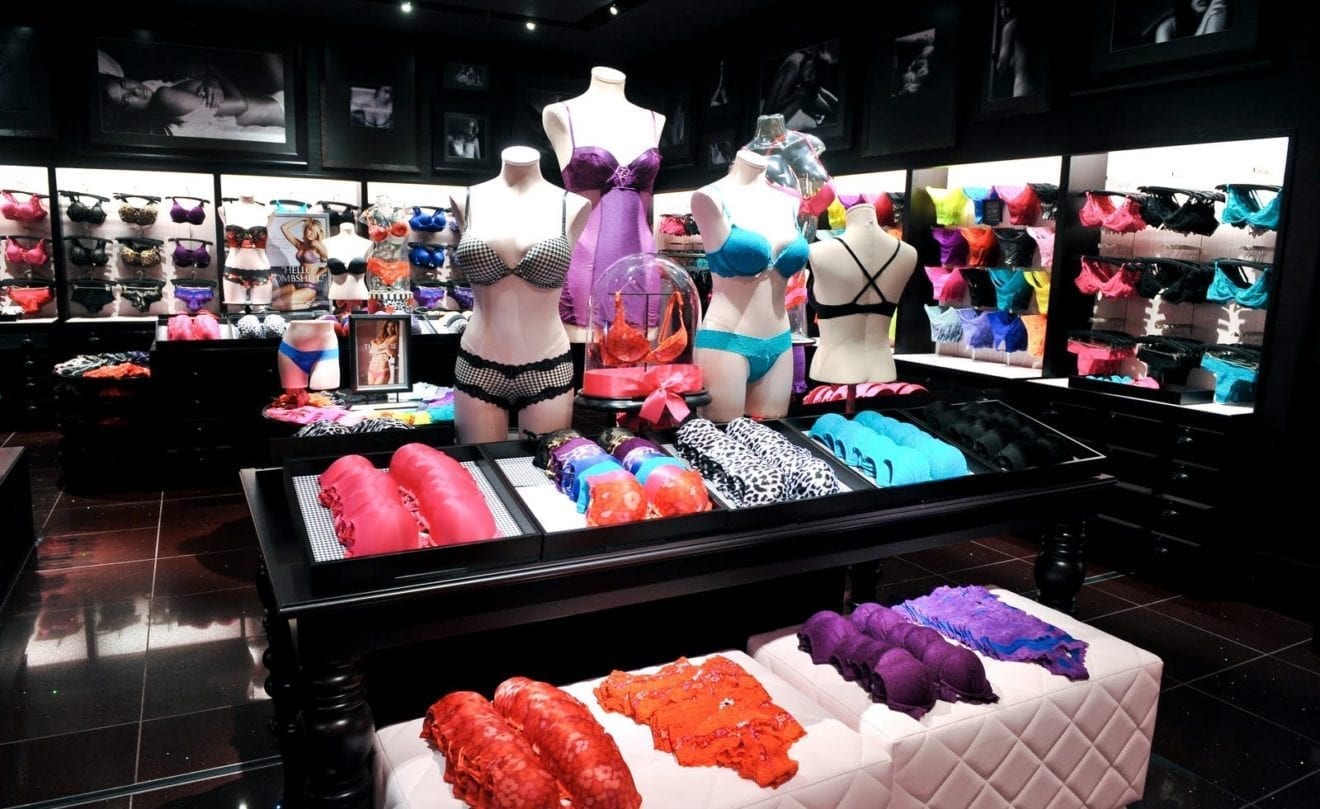
    Lingerie label Victoria’s Secret will open its first flagship store in Hong Kong on Tuesday, July 17.

    The Victoria’s Secret Hong Kong flagship has been under construction for more than a year since fast-fashion label Forever 21 exited the prime Causeway Bay site, opposite Hysan Place and a busy MRT exit.

    The new Capitol Centre store represents part of the brand’s moves towards general expansion globally. It will feature a broad range of lingerie collections as well as perfumes and body care products.

    An art project and photo competition for social media is being organised to celebrate the opening. The brand has collaborated with two local artists to create angel wing murals at Central and Sheung Wan, representing its signature runway props. Passersby who instagram themselves by the mural will be eligible for a chance to meet the Victoria’s Secret Angel models in person.

  • Virtual influencers : what about moral and legal issues?

    Virtual influencers : what about moral and legal issues?

    We all know that spokespeople and endorsers can be erratic. Wild antics can generate negative PR and damage brands. What if you could eliminate the threat of a spokesperson going rogue while still tapping into the massive influencer audiences?

    Although swapping the Kardashians for virtual influencers might sound like a dream come true, the reality is that virtual influencers and their creators bring their own set of PR and legal challenges.

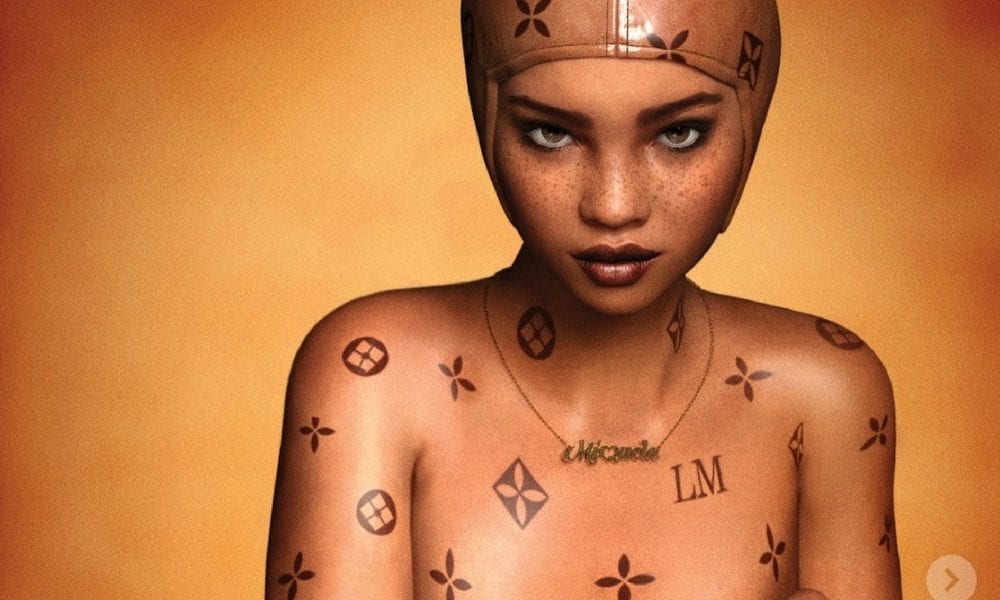
    Meet Shudu Gram and Miquela Sousa. Shudu is billed as the world’s first digital supermodel while Miquela, also known as Lil Miquela, is a virtual influencer. As unreal as Max Headroom, they are merely online personas fashioned out of the imaginations of artists. Shudu was invented by a photographer, and Miquela’s creators are cloaked in secrecy.

    In a matter of months, they have collectively amassed more than a million followers on Instagram. Shudu is being positioned more as a piece of art like a mannequin, but Miquela is put forward as a normal girl. “She” (through her creators) posts pictures of herself with purported friends on Instagram, claims to support Black Lives Matter and participates in media interviews.

    Virtual influencers operate online much like real-life ones do. Brands want to team up with them to tap into their fan base. Even if they aren’t originally designed to be a brand ambassador, with enough popularity, they will almost surely attract companies seeking endorsement deals. Shudu recently rocked Rihanna’s Fenty Beauty lipstick in an Instagram post that went viral, and Miquela pushes Prada and Chanel, among other brands.

    You are probably asking yourself: If virtual influencers are so lifelike and intriguing that they are going viral, do I really need to hire human influencers to market my products?

    Whether this trend has staying power or whether virtual influencers will prove boring in the long run is one issue. After all, it’s the unattainable assets mixed with the fatal flaws in real-life human beings that sustain the public’s interest. Celebrity has a cycle. Consumers are known to lift them up, tear them down and cheer their comeback. It’s the imperfection that ultimately creates connection.

    But, setting aside longevity issues, there are many business and legal issues to consider before we can declare that virtual influencers will put the humans out of business.

    Substituting digital constructs for real-life people simply creates different challenges, as we are seeing with Shudu and Miquela. If you want to experiment with creating your own digital construct or if you want to tap into an existing creation, here are some of the business and legal issues you need to consider.

    Virtual influencers are the expression of an idea in the form of a product. As such, whoever created the intellectual property will want to protect it as well as anything generated by the virtual influencer. For example, Miquela is promoting Prada and has her own music on Spotify.

    With serious money on the line, questions need to be considered in contracts, such as who owns the creation? Is it the brand whose product the virtual influencer is pushing or the artist who dreamed up the virtual influencer? If the IP was created internally, will that affect how legal agreements take shape versus it being created externally? You should consider the intellectual property issues when deciding whether to work with an outside artist or hire someone in-house.

    You still need to include morals clauses in contracts, which may cover not only the virtual identity but also the creator (even if they haven’t been publicly identified at the time of entering into the contract). Amongst other things, these clauses help provide protection and recourse related to PR issues of reputation, tarnishment (blurring), appropriation and authenticity.

    Issues of anonymity are particularly important to address contractually, especially in this information age. Trust, privacy and transparency are issues that are top-of-mind for today’s consumers. The creator’s anonymity or lack thereof will likely impact the virtual influencer’s value, and you should build these considerations into related contract rights and obligations. For example, no one currently knows who created Miquela. What if her cover is blown and consumers don’t appreciate who is behind the curtain? The backlash could damage the brands involved, and that risk needs to be accounted for.

    Shudu’s creator is a white male whose digital creation was inspired by real-life African American models. Already, he is facing cries of cultural appropriation as people point out that he is profiting off of an image of a black woman without paying one. Bad PR costs money. Will Rihanna’s brand be affected? He has named models who inspired him. Does he owe them a percentage of proceeds? These imaginary people could pave the way for real innovation in IP law.

    As of the time of writing, the Federal Trade Commission (FTC) and other regulators have yet to weigh in specifically about virtual influencers. Yet, we can expect that the existing rules, such as the FTC Endorsement Guides, will apply—at least to the extent they can.

    After all, how can a virtual identity have an opinion based on actual experience? Is the creator’s or operator’s experience relevant? You should consider what disclosures are needed under the existing FTC guidance, for example, regarding the “material connection” it has with a virtual influencer. You might as well familiarize yourself with the existing guardrails to get ahead of what seems to be inevitable enforcement or additional regulation down the road.

    In summary, getting practical-minded and creative attorneys involved early (and often) is important when embarking on technological innovation, and that’s especially true with this new frontier of virtual influencers. From the outset, there are business and legal issues to consider before even a single pixel is laid down. From ideation to promotion, you’ll need to protect your brand’s reputation and your company’s bottom line.

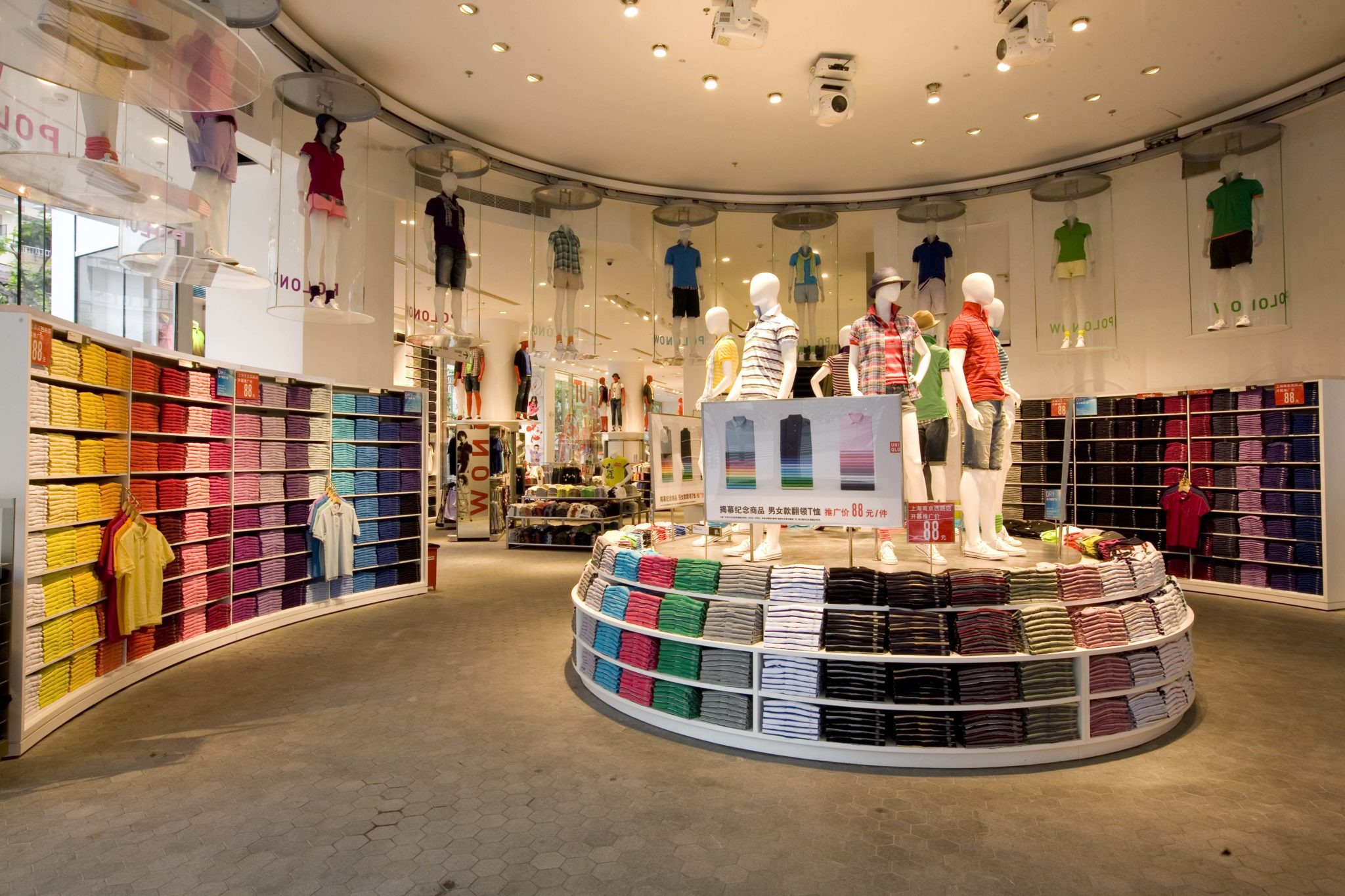
  • Uniqlo Asia helps the parent’s sales power record quarter

    Uniqlo Asia helps the parent’s sales power record quarter

    Solid overseas growth helped Japanese apparel retailer Fast Retailing post a record quarterly profit.

    Uniqlo Asia sales proved the star of the business.

    For the three months to May, Fast Retailing’s operating profit was 68.4 billion yen (US$608 million), 37 per cent ahead of a year ago. Overseas sales exceeded domestic sales for the third consecutive quarter.

    For the first nine months trading, overseas sales rose 28 per cent year on year and overseas operating profit lept 65 per cent, driven largely by Asian sales of its largest retail brand, Uniqlo.

    In Japan, sales rose 8 per cent for the first nine months of the year, despite a static store count of just over 800. Online sales there rose 33 per cent and now account for 7.8 per cent of domestic sales.

    Fast Retailing’s relatively new value chain GU increased sales by 6 per cent in the nine months, but discounting saw operating profit fall by 20 per cent in the latest quarter.