Category: Fashion

Retail News Asia is committed to providing both local and global retailers with the latest Fashion news throughout the Asian market. This on a daily base.

  • Chinese tourists help boost Burberry sales

    Chinese tourists help boost Burberry sales

    Rising ranks of Chinese tourists helped luxury brand Burberry achieve modest first-quarter sales growth despite soft demand in other regions.

    Burberry sales in Mainland China grew “and Hong Kong, Korea and Japan all benefited from Chinese spend shifting more to Asian tourist destinations within the region”. Precise sales data was not released by region, but globally, Burberry sales rose 3 per cent on a comparable basis. The company said only that Asian sales rose “in the mid-single digits”.

    While Asia and the US performed strongly, Burberry said sales in Europe, Middle East and Africa declined by a low single-digit percentage due to softer tourist demand in the UK, Continental Europe and Middle East. Total retail revenue was flat at £479 million.

    “We are pleased with our progress in the quarter,” said CEO Marco Gobbetti. “The team has embraced (incoming creative head) Riccardo Tisci’s vision and is working well together as we prepare for his debut collection in September, the next step in our journey.  While we know it will take time to achieve our ambitions, our progress to-date and the energy in and around the company give me confidence for the future.”

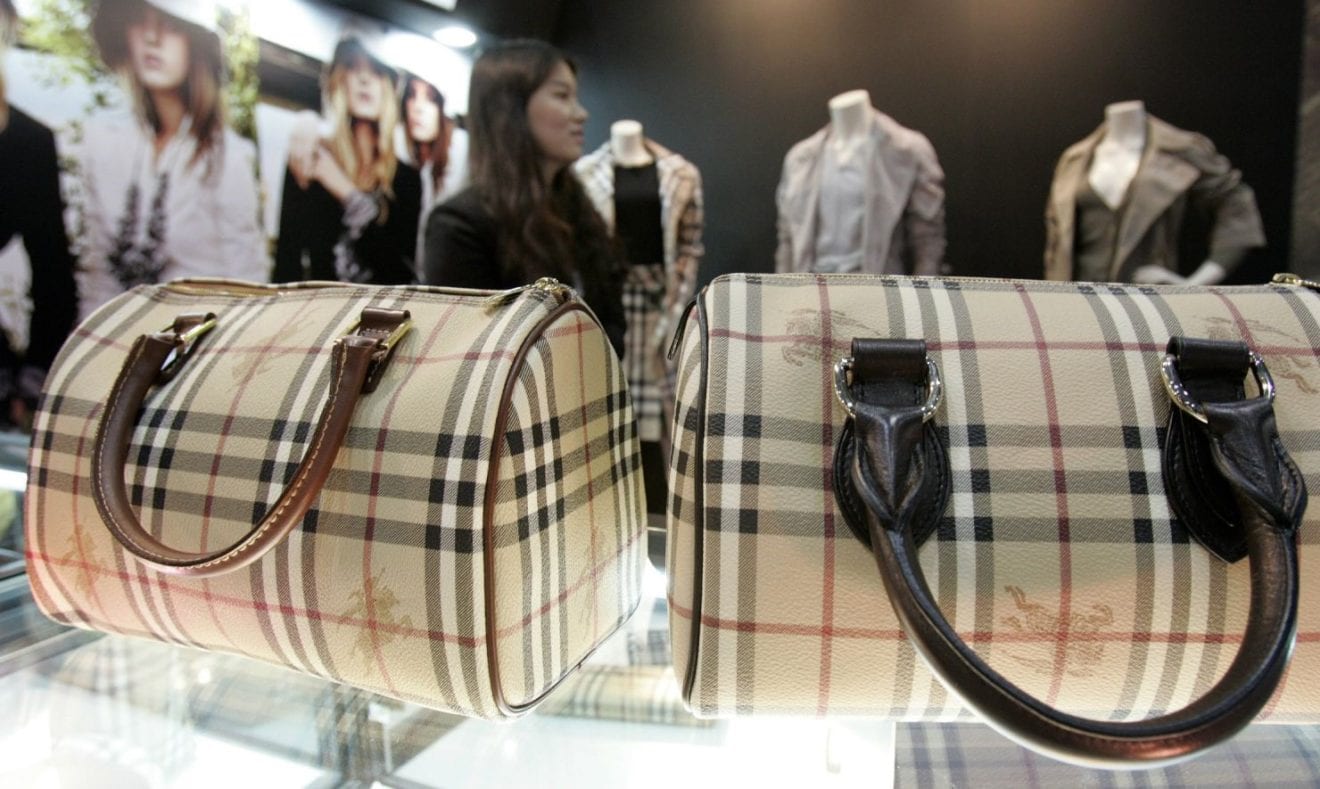
    Highlights for the quarter included opening pop-up stores showcasing new handbags in Beijing, Seoul, Dubai and New York, and a collaboration with Farfetch which is outperforming expectations.

  • Parfois to expand in Asia and other country

    Parfois to expand in Asia and other country

    Portuguese accessories brand Parfois is planning an expansion into Asia and Eastern Europe.

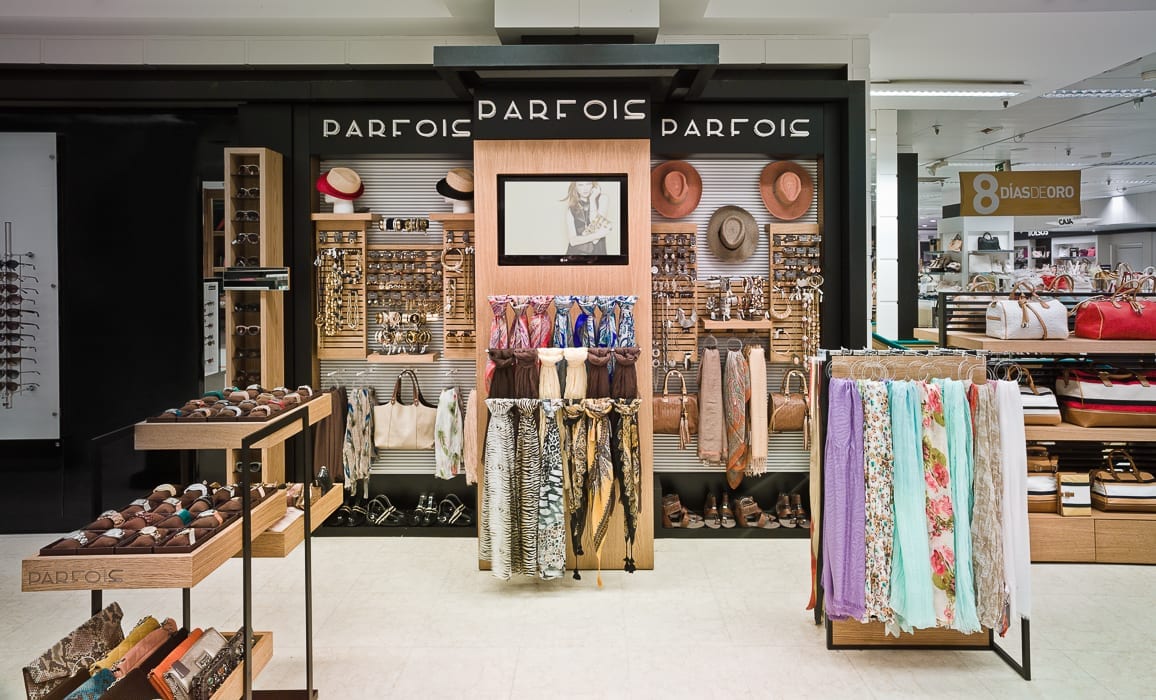
    Parfois, founded in 1994, currently operates 900 stores in 65 countries and is seeking to reach its 1000th by the end of this year. The brand opened in around 10 new markets this year – including joining Alibaba’s Tmall Global platform – and while immediate plans are focusing on building its presence in Latin America, it has already begun to explore options in Asian and Eastern European countries.

    Parfois’ director of marketing and communications Susana Coerver said sales in Portugal and Spain represent more than half of the firm’s revenue, with Spain by far the biggest market, prompting expansion into smaller municipalities within the country. The company also aims to expand its product range with a venture into apparel.

    The brand closed the 2017 financial year with €306 million in sales, with growth expectations for the current year aiming at 20 per cent.

  • Ermenegildo Zegna invests in India’s Raghavendra Rathore

    Ermenegildo Zegna invests in India’s Raghavendra Rathore

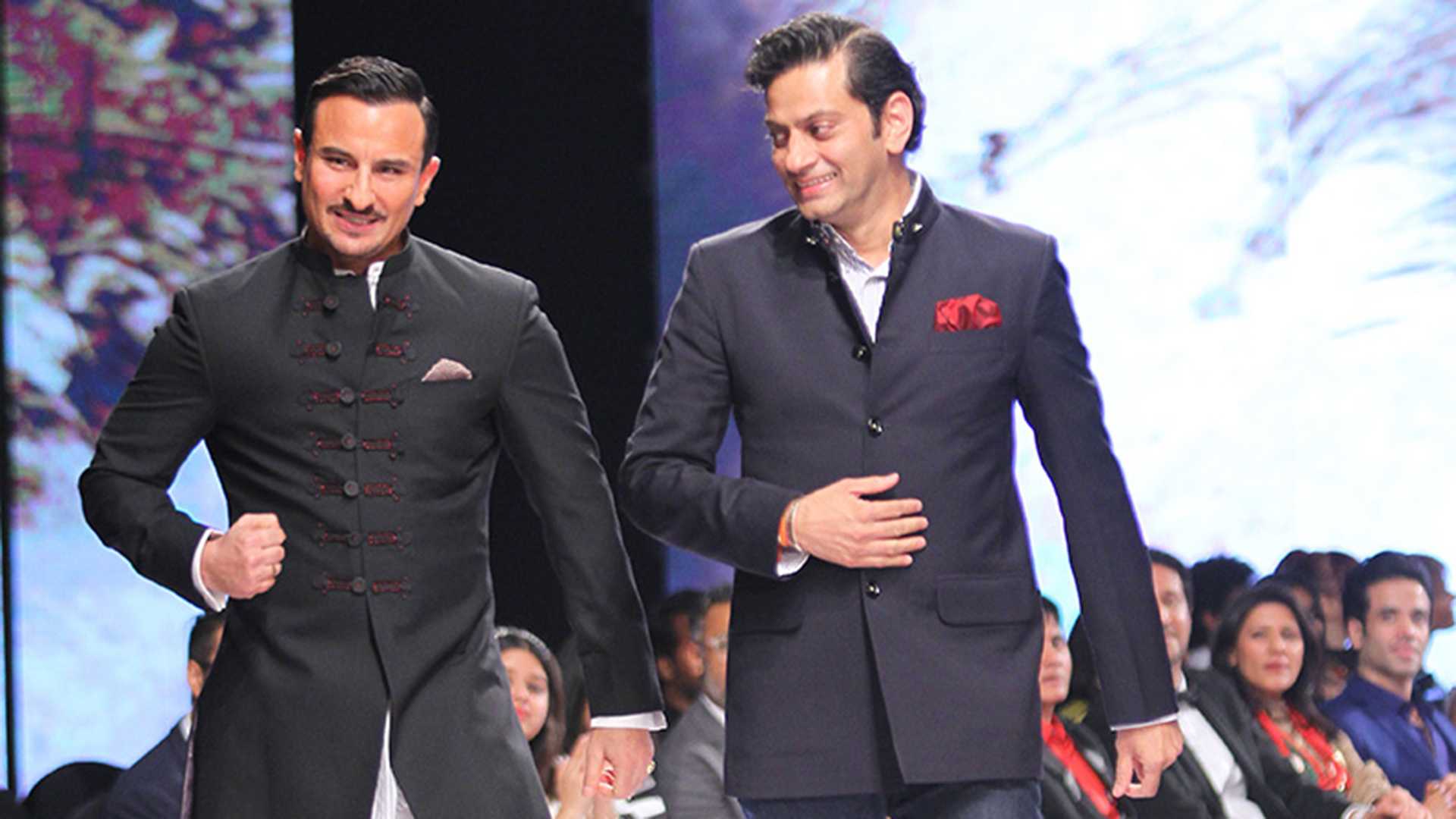
    Italy’s Ermenegildo Zegna has purchased a minority stake in Raghavendra Rathore, as the Italian suit maker looks to expand the luxury men’s brand and mature India’s luxury fashion market.

    In partnering with Reliance Brands for a collective stake, Zegna’s equity investment is set to elevate Raghavendra Rathore as a business and brand, putting it on an international playing field.

    While information was not disclosed of the partnership, there is huge potential for the Indian label to grow its custom menswear and accessories, its ability to enhance customer engagement, as well as to get more sourcing and back-end support. That’s in addition to opening more stores.

    “Like Reliance, we are strategic and not merely financial investors,” Ermenegildo Zegna, CEO, Gildo Zegna told the Press Trust of India.

    “As regards the investment in Raghavendra Rathore, it is significant as it is a first for a global fashion house making a strategic investment in the business of an Indian designer. In some sense, it heralds the coming of age and maturing of India’s luxury fashion business.”

    Rathore, the Indian menswear designer famous for his Jodhpur Bandhgalas, currently has seven standalone stores in India.

    Ermenegildo Zegna, which has its own menswear brand, retails through three stores in India, all run by Reliance Brands.

    Reliance Brands has a portfolio of over 40 international brands that span across the luxury, bridge-to-luxury, high-premium and upscale-street lifestyle segments. Brands include Gas, Diesel, Marks & Spencer and Steve Madden.

    Last year, Reliance Brands acquired a 46.6% stake in Genesis Luxury Fashion, which operates brands such as Armani, Canali and Michael Kors.

  • Fabletics by Kate Hudson make debut in Philippines

    Fabletics by Kate Hudson make debut in Philippines

    Fabletics, the activewear brand co-founded by Kate Hudson, has chosen the Philippines for its first foray into Asia.

    This fall, the brand will launch with local retailers through free-standing stores, shop-in-shop concepts and an online shopping platform.

    After the Philippines, Fabletics will continue its international partnerships as well as company-owned expansion into new territories throughout this year and next.

    Co-founded in 2013 by Hudson, an American actress, TechStyle Fashion-owned Fabletics currently has 24 stores across the US and a presence in 10 European countries.

    The brand continues to see more than 20 per cent increase in same-store sales year-on-year.

    “Fabletics has succeeded beyond our expectations under Kate’s vision and our new team members, and I’m confident Fabletics will continue on its incredible growth trajectory,” said Adam Goldenberg, TechStyle Fashion Group Co-CEO and co-founder.

  • H&M’s Nyden founder leaves

    H&M’s Nyden founder leaves

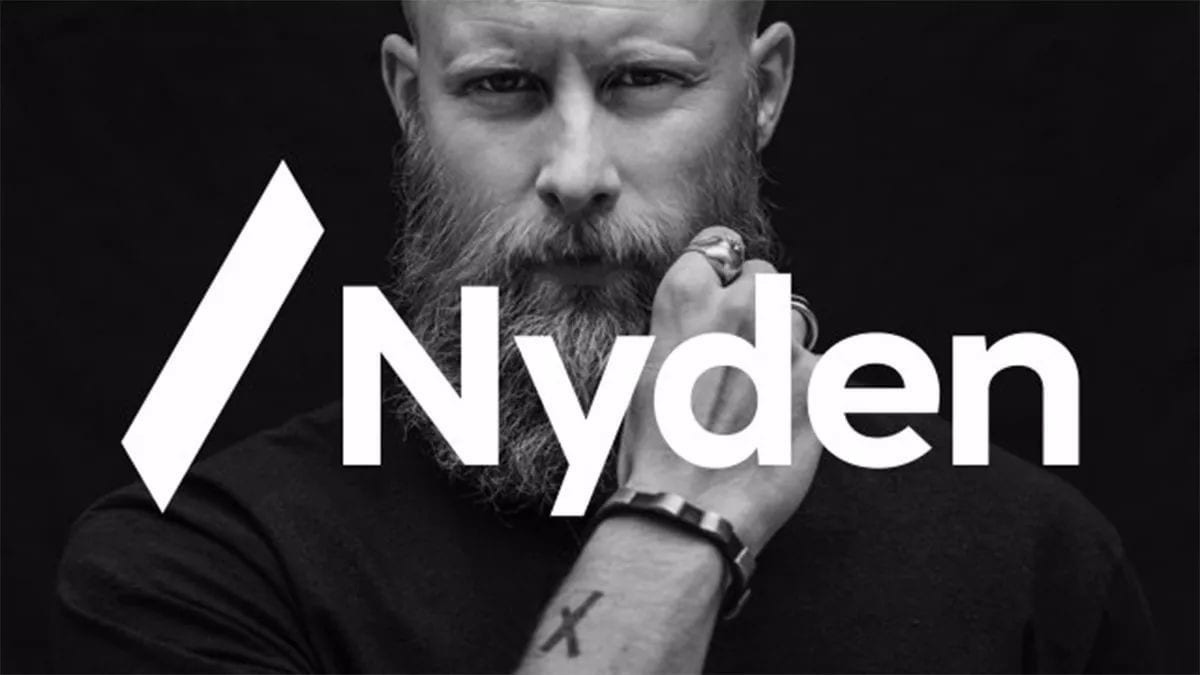
    Oscar Olsson, managing director of Nyden, H&M‘s latest brand start-up, is leaving the organisation to pursue other projects, according to the Business of Fashion.

    As confirmed by Olsson’s LinkedIn profile, the entrepreneur has moved on from the Millennial-targeted venture, putting the strategy and future of the Swedish project in serious doubt.

    Despite Olsson being the central person of Nyden, it is understood that the existing leadership team will assume his duties until a replacement is found.

    Olsson started his journey with H&M in 2013, serving as Global Controller. Soon after, he became Head of Expansion in Switzerland for the Swedish group, before taking charge of the group’s expansion for the region comprising France, the Netherlands, Austria, Belgium and Switzerland.

    In January 2017, he created and directed H&M’s innovation lab, which grew in the summer of 2017 to become Nyden. In April 2018, Nyden released its first capsule line. The collection was made up of a series of five t-shirts for women and four for men.

    Self-described as “not a traditional fashion brand,” Nyden avoids dropping seasonal collections but instead enlists the creative talents of ‘co-creators’ to develop capsule collections for its customers.

    Four celeb collaborators already tapped by Nyden include Justine Skye, Dua Lupa, Dr Woo and Jerome Boateng. According Nyden’s website, there remain three more big-name collaborators “to be announced.”

    Nyden’s collections are all designed from its Los Angeles studio.

    For the six months ending May 31, H&M group, which also operates Monki, Cheap Monday and & Other Stories, said sales including VAT were SEK 114.017 billion (US$13.11 billion), up from SEK113.907 billion a year earlier.

    The group did not disclose sales figures for its individual brands.

  • Michael Kors Launches Graffiti Capsule

    Michael Kors Launches Graffiti Capsule

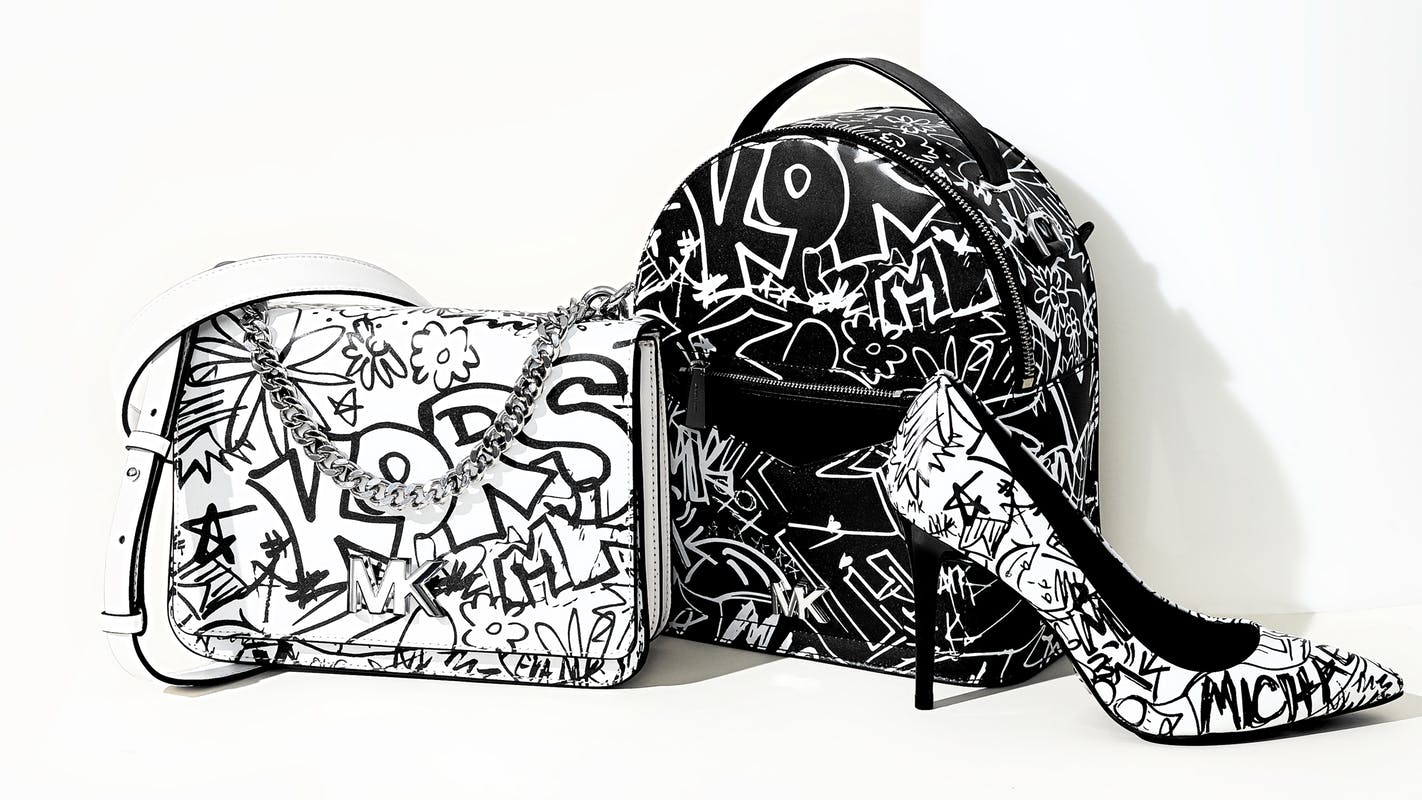
    Accessories and apparel designer Michael Kors has released a new limited-edition graffiti capsule of jackets, shoes and bags, taking inspiration from the street art of Eighties-era New York City.

    The Michael Kors graffiti collection launch has been marked by an elaborate window display installation created by two fashion professionals who lived in New York during the period. The displays will appear in the Michael Kors stores at Mandarin Gallery in Singapore, the Jing’An Kerry Centre in Shanghai, and in Ginza, Japan following exhibitions in New York, London and Milan.

    The displays are the result of a collaboration between Candy Pratts Price and hair stylist Christiaan, both iconic figures of their generation. They feature a floor-to-ceiling screen print of Kors in his aviators, as well as rotating mannequins in selfie-snapping poses wearing the graffiti merchandise and sculptural wigs.

  • Pomelo Fashion to open first-ever physical store

    Pomelo Fashion to open first-ever physical store

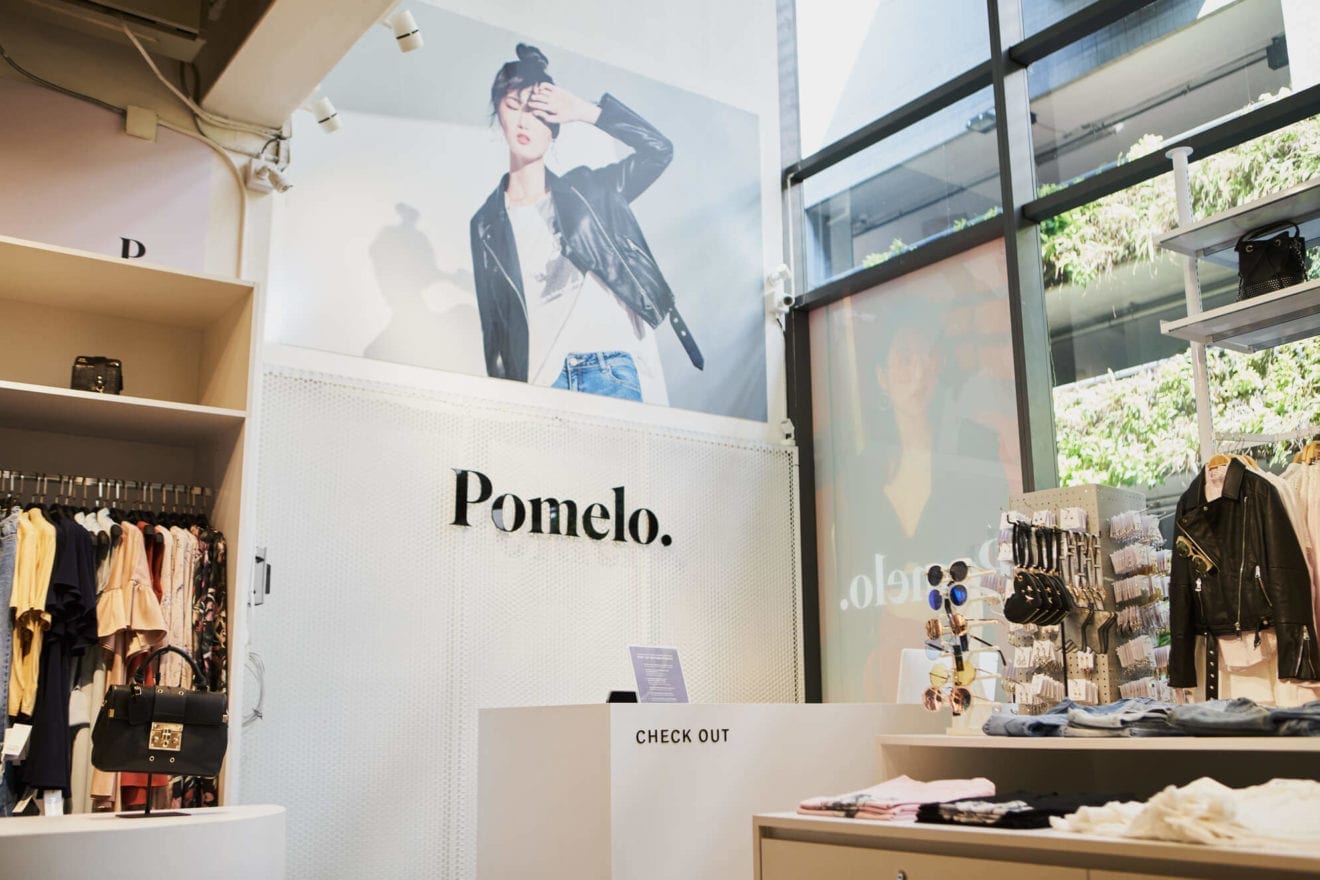
    Thai online fashion retailer Pomelo Fashion will open its first physical store location outside of Bangkok, as it seeks to expand its online-to-offline business model in Southeast Asia.

    Marking the JD.com-backed company’s online-to-offline commerce international debut, Pomelo will open a micro-retail store in Singapore. The company has previously operated a pop-up store in the city and is now looking for a space to open its first permanent site there. Exact details have not been given.

    The move means Pomelo shoppers will be able continue to browse online and send their top choices to the physical store to try on, before purchasing, significantly cutting down on the number of returns.

    In addition, the smaller retail space means the cost of rent in high-profile shopping districts is reduced. And without stocking all the products known to Pomelo online, the retailer avoids cannibalising its online sales with offline stores.

    “Discovery for fashion is going online, where you’re not constrained by having to display the entire catalogue,” David Jou, Pomelo co-founder and CEO, said last month.

    “But e-commerce for fashion is plagued by the problem of returns because the clothes don’t fit or they don’t look good. Having the online-to-offline model cuts down returns because the consumer only buys what they have tried on.”

    The micro-site is the firs international one for Pomelo, after opening its first two in Bangkok, one at Interchange 21 at Asok and the other at All Seasons Place in the central business district. The company said it has identified 800 locations for potential micro-retail sites in Thailand.

    Chinese e-commerce operator JD.com led a US$19 million investment round last year into Pomelo, which also counts investors like 500 Startups, Hong Leong Group and Jungle Ventures.

    Founded in 2013 by David Jou – the former managing director of Lazada Thailand – Pomelo Fashion delivers to over 50 countries globally from its studios in Bangkok.

  • DIP clothing by US’s Kroger launched

    DIP clothing by US’s Kroger launched

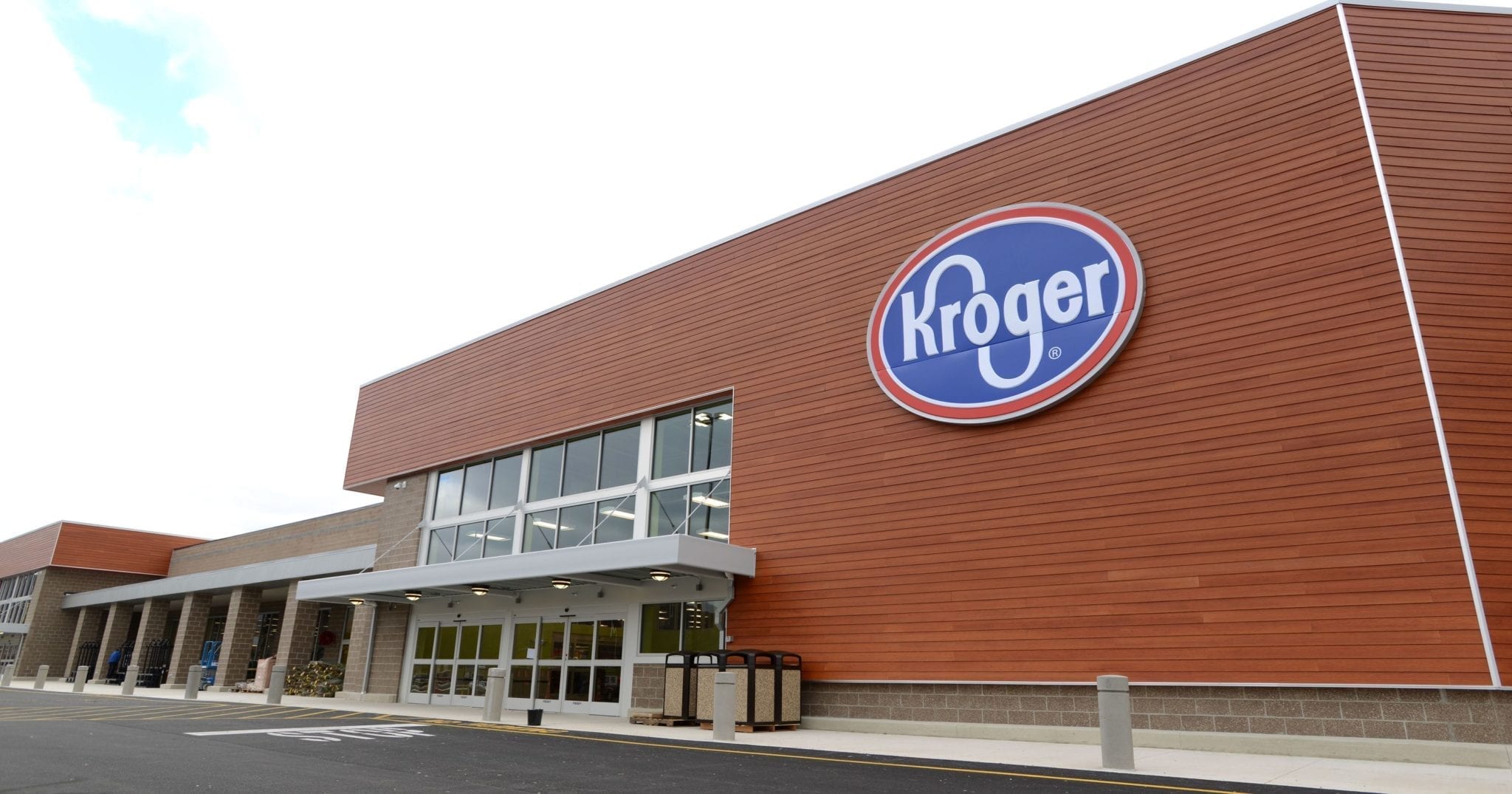
    US supermarket giant Kroger is to roll out a new apparel label, called Dip.

    The new brand will be sold through stores-in-stores in about 300 Fred Meyer and Kroger Marketplace stores across the US, a fraction of its 2779-strong network.

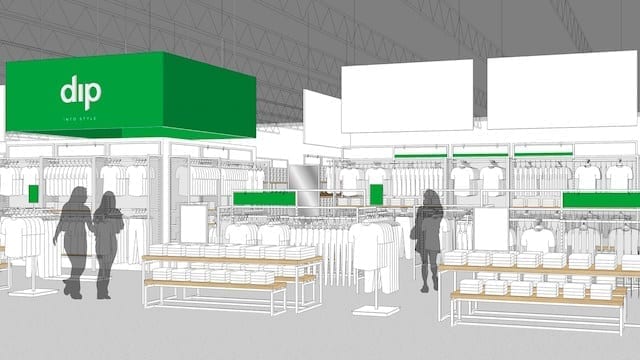
    The company released an artist’s impression of how the Dip space will look, (above). It will replace more than a dozen of the company’s private-label clothing brands.

    Kroger has tapped fashion designer Joe Mimran to create what it bills as “a new and exciting apparel brand” and which will launch with men’s, women’s, juniors, kids, and baby collections.

    Mimran previously launched Club Monaco, Joe Fresh and Pink Tartan during a 30-year career in fashion design. His brief was to develop a clothing line for Kroger which “makes effortless style easy and affordable to achieve”.

    “We’ve worked closely with Joe and his team to develop a line of clothing that works for today’s times – easy to buy, easy to wear, and easy to love,” said Robert Clark, Kroger’s senior VP of merchandising. “Effortless style, every day of the week.”

    “Style should be fun,” said Mimran. “We believe good design can be affordable. It should fit into your life, not the other way around.”

    Mimran says the name Dip was chosen after looking at Kroger’s heritage in food. “We thought about the fun, easy energy of the clothes. We thought about what makes every gathering better. And it just kind of clicked – Dip.”

  • Fashion Tech explores application at HK Fashion Week

    Fashion Tech explores application at HK Fashion Week

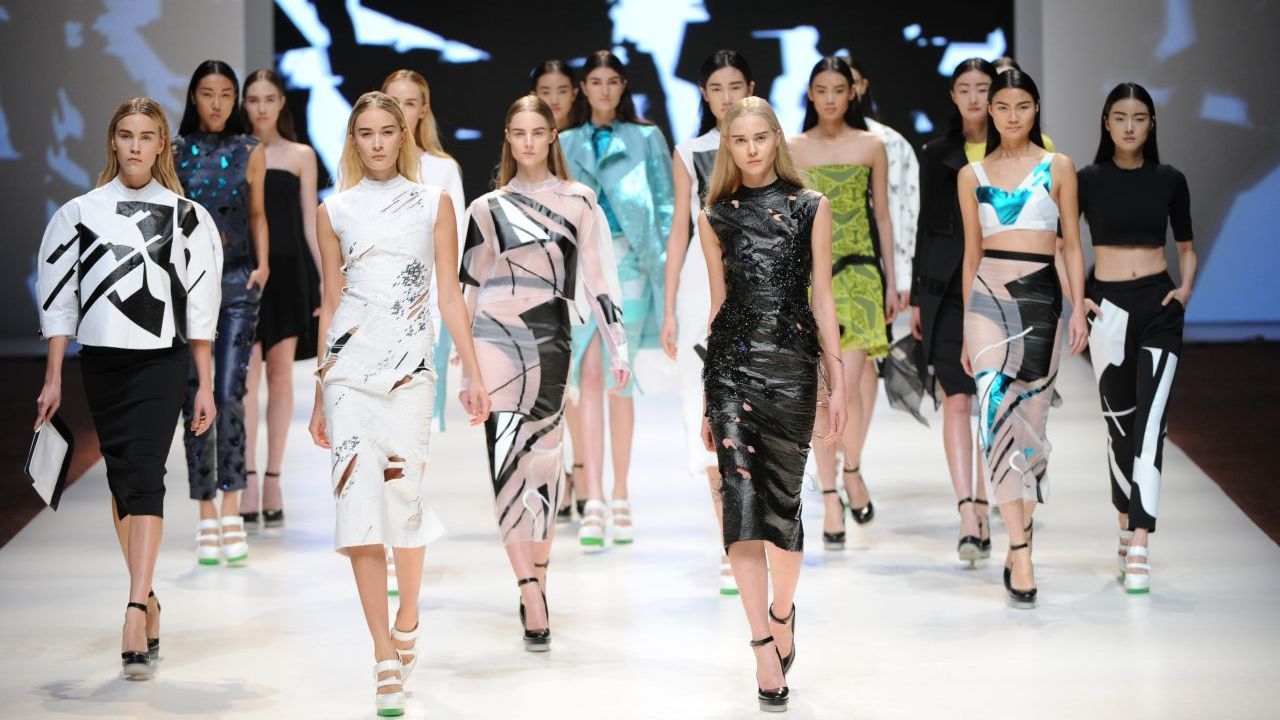
    Fashion Tech zone explored the latest technological application on the 1st day of the ongoing Hong Kong (HK) Fashion Week. Going forward, the corporate fashion and uniforms zone also debuted at the four-day fashion event. As many as 1,100 exhibitors from 14 countries are participating in the international exhibition that will run till July 12.

    Exhibits at the Fashion Tech zone include luminous fabrics made with an innovative trademarked technology from first-time exhibitor Lumisonata; an application from Hong Kong exhibitor Key Links that monitors clothing qualities across various production lines; a 3D human modelling application from another Hong Kong exhibitor TOZI Technology that provides accurate body measurement with just two pictures uploaded by the user; Konica Minolta is also presenting their cutting-edge clothing printer and MiR (Mobile Industrial Robots).

    The fair this year, introduced corporate fashion and uniforms zone to provide a wide range of choices for the hospitality, food and beverage, retail and security industries. A fashion parade will be held on Wednesday to showcase fashionable workplace uniforms. The popular ‘World of Fashion Accessories’ section presents fashion accessories such as bags, accessories, belts, footwear, socks, leggings, gloves and scarves. The ‘Fashion Gallery’ features about 85 high fashion brands. The ‘Clothing Accessories, Fabrics & Yarn’ zone showcases quality raw materials. In addition, the show has once again set up an hktdc.com Small Orders zone, featuring nearly 100 showcases and garment racks with about 300 products available for orders in minimum quantities of between five and 1,000 pieces.

    In the coming days, a number of runway shows will be staged, including a fashion parade held today by students from the Chinese University of Hong Kong’s School of Continuing and Professional Studies. For product launches, four designers from Sri Lanka presented their latest collections which combine traditional local fabrics with modern designs at today’s first ‘International Fashion: On Parade’ session. In addition, Macau Productivity and Technology Transfer Centre will host an international fashion parade on Tuesday to showcase the latest collections from budding designers.

    Under the theme ‘Happy Collage’, about 15 fashion events are being held during the fair, including fashion shows, trend forecasting seminars, buyer forums and a networking reception, presenting the latest market intelligence and fashion items. This year’s show also features new exhibitors from Singapore, Sri Lanka and the United States along with 9 pavilions including India’s Apparel Export Promotion Council and The Synthetic & Rayon Textiles Export Promotion Council, the Chinese mainland’s Haining, Humen and Keqiao, Japan, Sri Lanka and Thailand’s Department of Industrial Promotion and Thailand Textile Institute.

    To create more business opportunities for exhibitors, the HKTDC has organised 90 buying missions from 45 countries and regions to the show, including buyers from over 3,600 companies. A series of seminars and forums will be held during the show, including a presentation by international trend forecasting group Fashion Snoops on their Autumn/Winter 2019/20 fashion forecasts for women’s and men’s wear and accessories. A seminar titled Online Shopping Reshapes the Fashion Industry will feature seasoned industry experts discussing recent online retailing market’s development and opportunities, while a seminar on Essential Testings and Ratings for Textiles and Garments will see experts detail testing requirements for textile chemistry, restricted substances for green textiles, as well as introduce a new rating system that can improve the purchasing practices and achieve sustainable supply chains.

  • Replay seals the deal with Reliance brands to enter India

    Replay seals the deal with Reliance brands to enter India

    Replay, Italian leader in the premium denim segment, has announced a strategic distribution partnership in India with Reliance Brands Limited.

    The agreement signed with Reliance Brands Limited for the distribution of Replay apparel, footwear and accessories will start with a Spring-Summer 2019 collection.

    Reliance Brands Limited will have the exclusive distribution rights to the Replay brand in the country. The first two flagship stores are targeted to open in Delhi and Mumbai in 2019.

    Matteo Sinigaglia, CEO and owner of Fashion Box S.p.a. — the company that owns Replay — said: “In the brand’s ongoing internationalisation process, India represents a strategic country, and joining forces with Reliance Brands Limited, leader in the fashion and casual wear segments, will allow us to take a premium positioning in the Indian market.
    “I am very excited to start our cooperation. The first flagship store in Delhi is scheduled to open next year.”

    Darshan Mehta, President and CEO, Reliance Brands Limited, added: “Denim is the most versatile garment. It’s a way of life and Replay has been a synonym for the highest standards in the denim sector for more than 30 years now. Our young population, well-travelled consumers and increased purchasing power are perfect catalysts for Replay’s growth in India.”

  • The evolving Indian luxury market

    The evolving Indian luxury market

    India – every year is a growth story, despite complaints and gripes, the market grows! In the past 5 years, India has seen the beginning of a new cultural emergence from the prospective of retailers, manufacturers and the customer and consumer. The span 2017-2020 appears to be the decade quarter of evolution. There are number of small yet critical factors which clearly demonstrate the decade quarter of evolution that has continued in India and more importantly the way the luxury fashion market is developing on a fiscal and cultural prospective.

    There was a time when purchases in fashion were either need based or one off aspirational purchases. As we have seen, especially since 2015, fashion purchases have evolved to a more desire and aspiration based activity. Across the luxury pyramid 4 categories are seen as more than a basic need. The items worn reflect the consumer’s personality, and is perceived by them as a status symbols. With the growth of international influence and more correctly put, the emergence of a pan-global target audience, each brand, regardless of its Tier, price and country of manufacturing, represents an aspirational value.

    Its not just international brands we are referring to, the growing demand and redefined allocation of flexible income towards fashion, along with the newly restored pride in ‘Made in India’, has opened the doors for domestic brands today. With three of the largest department stores launching their own private labels, while not all are a luxury to the better travelled among us, nearly 28 percent of retail clothing sales from structured retail today comes from the department store segment including Shoppers Stop, Pantaloons and Westside among others. These department stores have effectively offered home grown alternatives to international high street fashion brands such as Zara and H&M. With Westside planning to expand beyond Indian borders, the coming years could very well give a much needed impetus to manufacturing in India.

    The currency advantages, higher quality of manufacturing and lower manufacturing costs in India, provide a key advantage to all brands that are manufacturing in India and selling globally today.

    KK Shirts launched in 2014, is a small outfit selling a limited run of 1,000 shirts globally every year, proudly ‘Made in India’, matching the quality of ready-to-wear shirts provided by far more established European brands. The shirts are priced modestly between Rs 6,000 to Rs 18,000 (45 GBP to 200 GBP) whereas a big boxed store would sell a similar quality and care for at least 2.5x, using sustainable textiles and environmentally friendly dyes and prints. The brand, in 2017, was sold out of all its shirts in a record 8 months period. It’s surprisingly good for a brand which neither banks on social media nor advertises, but just relies on the word-of-mouth from its customers and targets consumers who want a shirt from a brand which is different and cares as much about the process and the end creation as much as the consumer does about the taste of the food they eat.

    International brand launches are not to be left behind, while we have H&M open up across the country in the premium affordable market, we have also seen brands such as Ted Baker, which back in London, is a common department store and non-luxurious brand, in India’s newest luxury mall, The Chanakaya. Ironically ultra luxury or haute luxury niche shoe brand, EL Chaussure decided that malls in India are not yet luxurious enough to match their other stockists such as Harrods in London and chose to continue to offer their designed-to-desire shoe service online and through a partnership with Excedo Luxuria in India. They allow customers to design and order their own shoes online and then have them hand made by craftsman in Great Britain, Italy and Spain.

    The latest launches clearly show the consumer and customer of today is ever willing to look at newer brands and they are open to new brands, both international and domestic, which can provide value for money (that’s different from being cheap), support in defining a social status, is globally appealing and most importantly, is fashionable and in season.

    With the increase of foreign investment as well as local investment, local businesses infrastructure continues to develop driving down the mid-term cost of operations, logistics and even top level manufacturing costs.

    Given the glocal opportunity, e-commerce shopping continues to grow specifically when looking at the Omnichannel strategy. Investments in retail will continue largely focused on providing the customer an unbeatable personalised customer service. It was estimated that Rs 2,00,000 crore was invested in retail in 2016 and by 2020 its expected to double. With core and inter-market consolidation such as Reliance Brands’ acquisition of 40 percent of Genesis Luxury, it is making way for the original founders to pursue wider opportunities and growth, and giving Reliance the ‘influence’ to align benefits and market strategies.

    With investments being made in retail, we can expect the contribution of Tier -II and -III cities’ towards total luxury fashion spending increase, though in our experience, many key buyers are driven by the psychology of buying the best and buying better than those in the metropolitan cities, a higher status symbol and far better value for money. This mind set gives way to a list of haute luxury brands such as Swiss Luxury, Laurent Ferrier, along with higher end industrial luxury brands such as Kiton, a luxury made-to-measure clothing from Italy. These niche labels entice new customers and educate them in their own brands’ prospectives; without them being over exposed to Massitige and mass luxury fashion brands advertising such as Louis Vuitton or Christian Dior.

    The least obvious but one of the most critical evolutionary points, is the definition of luxury fashion. Fashion, till recently, was limited largely to clothes and immediate clothing accessories. As time progressed, categories such as shoes, jewellery, watches and accessories have been included, in the truest term. Today, the luxury fashion market includesa full wardrobe from innerwear to watches like Versace or the more niche Lytt Labs. With a variety of options and each design bearing in mind the modern day buyers’ wardrobe, lifestyle and functionality; the interchangeable straps on a Lytt Labs represents this exact mindset, with over 300 different straps available, from black leather to green, red and blue tartan, all changeable within a minute at home.

    Overall, the immense growth charted for the luxury fashion segment in India is nothing short of exciting; but with all enticing opportunities come challenges. There are not in surmountable challenges though. Consolidation is a wise move and I would expect to see further mergers and some inter-market investments reducing the competition domestically and increasing competition for international brands, providing the end customer and consumer with better service.
  • Korea’s M Corset listing for IPO to boost awareness

    Korea’s M Corset listing for IPO to boost awareness

    South Korean underwear retailer M Corset is going public on the Kosdaq secondary bourse.

    The IPO has been announced as a move to improve the firm’s brand awareness in Asia. Its initial share price is being set at KRW10,100 to KRW11,500 (US$9–$10.35) per share, or up to 29 billion won (US$26 million) based on the top-end price.

    A spokesperson for the company at the press conference for the IPO said “We will use our IPO momentum to make inroads into Asian markets, including China.”

    The brand, which has an almost 20-year history, made the leap from TV home-shopping channels to brick-and-mortar stores through the success of its 19 underwear brands for men and women under 19 – the most popular of which is Wonderbra, which made up 43 per cent of its total sales of KRW124.3 billion (US$112 million) last year.

  • RM Williams coming to China

    RM Williams coming to China

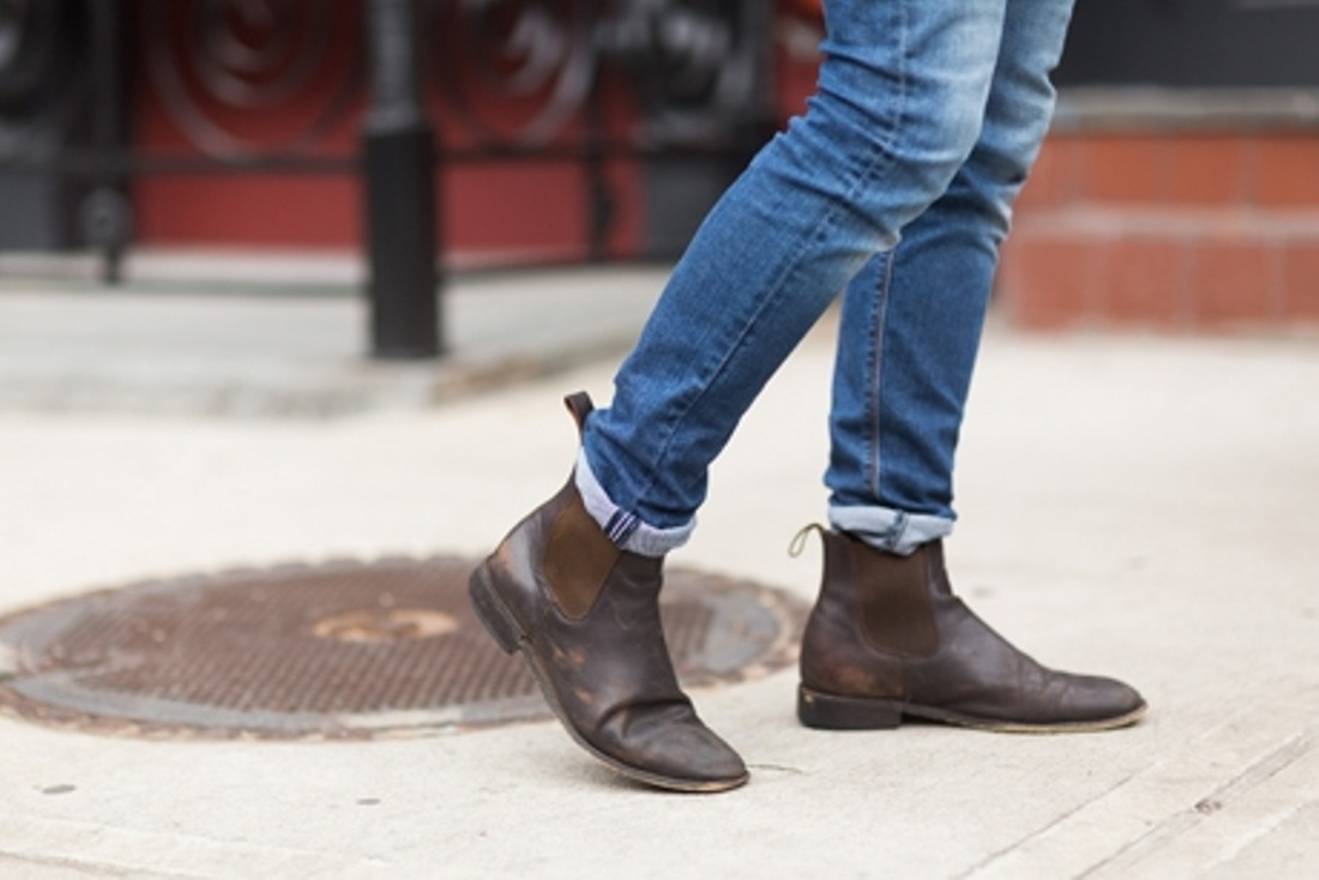
    Boot retailer RM Williams will open stores in China later this year, according to a report by the Australian Financial Review.

    The decision to expand into the fast growing consumer market was made by brand-owner L Catterton Asia, with chairman Ravi Thakran telling the AFR he expected at least a 50 per cent lift in earnings and a 40 per cent increase in sales supported by the expansion.

    The Chinese market has been rapidly proving its worth to retailers, with Starbucks China vowing to double its store-countover the next five years and Prada sales slipping in every market barring China, where it saw a modest 4.6 per cent growth.

    A recent report by Azoya Consulting and Frost & Sullivan found that 87 per cent of local brands view the market as a lucrative opportunity – with over 500 million online shoppers in China.

    The study found that Australian retailers are moving to invest in their owns paths to the Chinese market, hoping to sell directly to the consumers rather than through e-commerce platforms.

  • United Nude Philippines debuts in Manila

    United Nude Philippines debuts in Manila

    Dutch shoe retailer United Nude Philippines has announced its first store will be at Resorts World.

    The brand was established in 2003 by architect Rem D Koolhaas and Galahad Clark. Without any fashion experience, Koolhaas applied his existing design experience to creating new, avant-garde shoes.

    According to Koolhaas, “We ended up breaking the rules of shoe design, not for the sake of breaking them, but simply by not knowing them.”

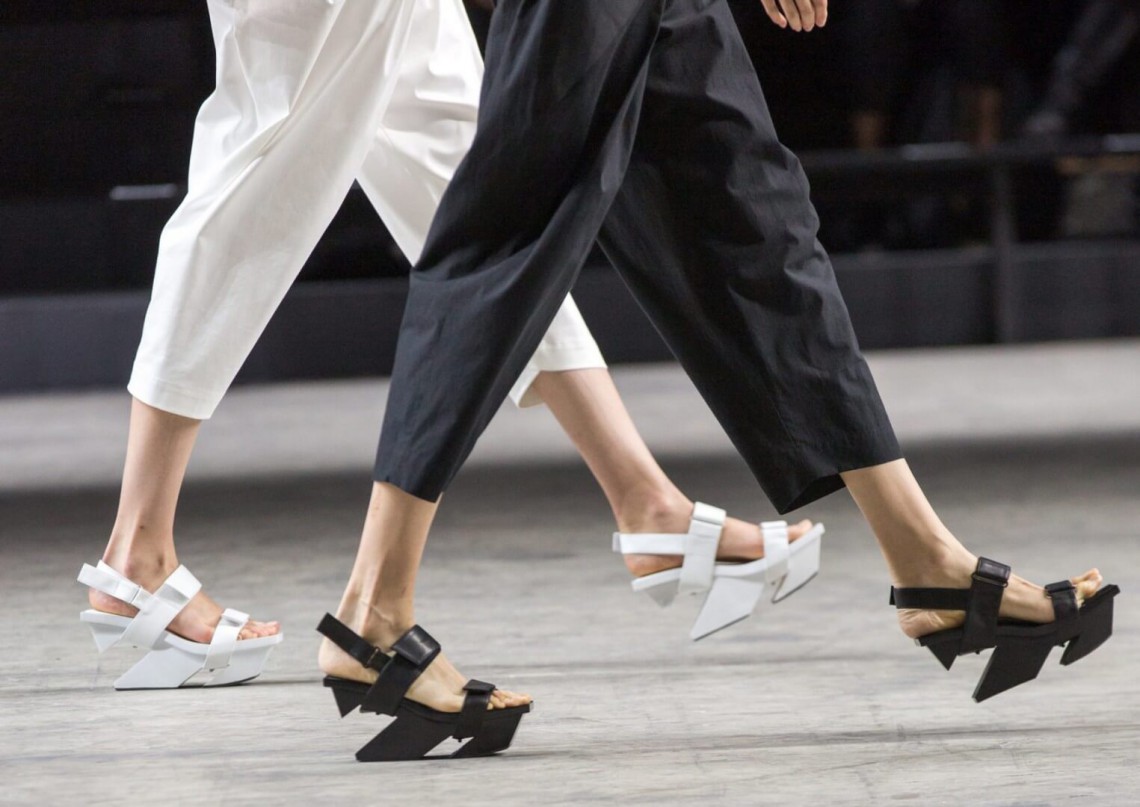
    The brand’s most successful product is the Mobius shoe, with a single contiguous strip for the sole and heel. Similar architecture-inspired design features are now the brand’s trademark style.

    “From the beginning, something that’s very important for us is that we design for a much larger group of people who have great interest for design, and not so much for trends or following trends but for people who have their own style,” says Koolhaas.

    “As designers, we do our best to (at the same time) innovate and experiment. But on the other hand just to create something that’s good enough to last for longer.”

    United Nude Philippines will open at Newport Mall, Resorts World, in Manila in September.

  • Mothercare plan after CVA approved

    Mothercare plan after CVA approved

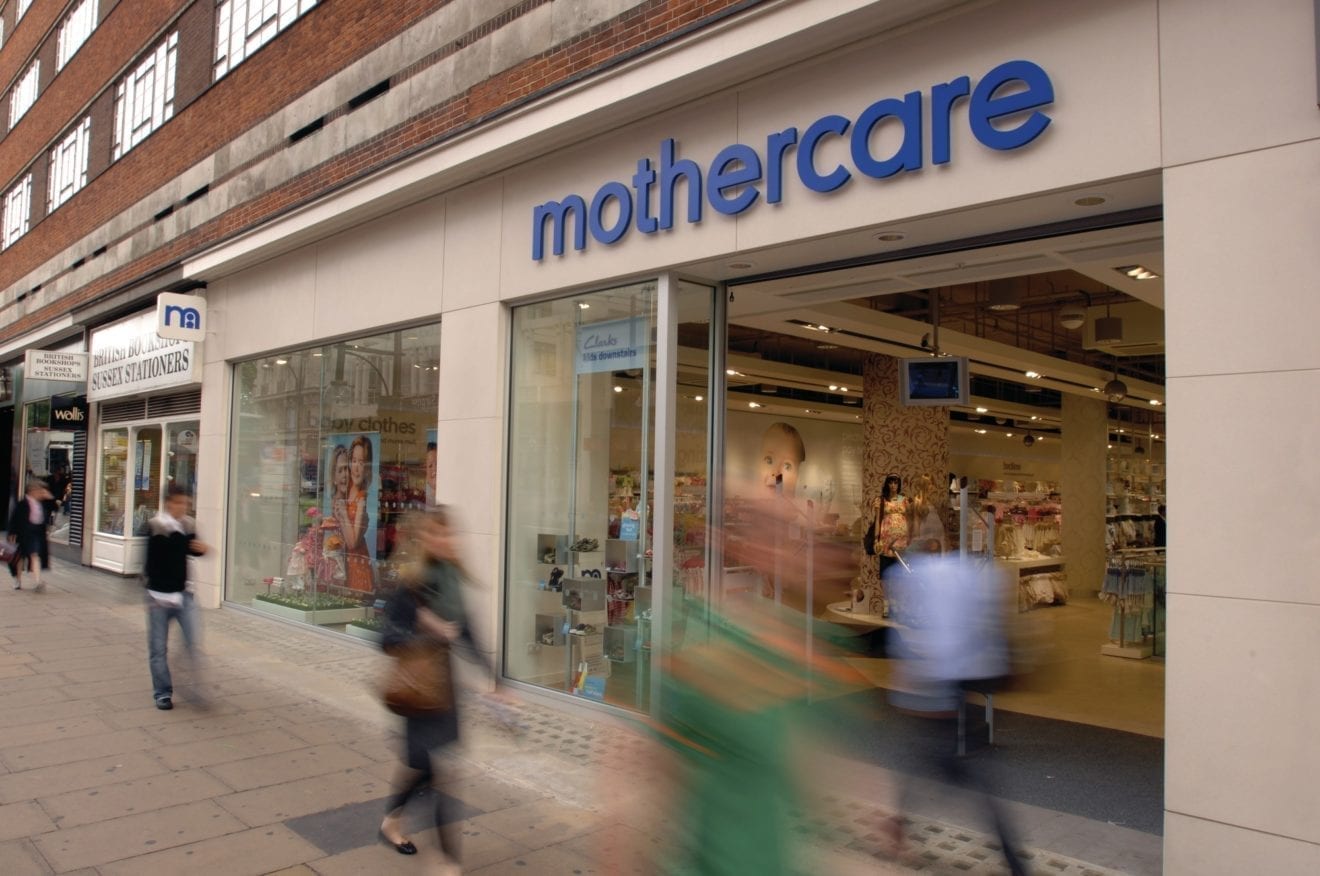
    Mothercare is set to raise £32.5 million from its existing shareholders as part of a restructuring plan to secure its long-term future.

    The embattled retailer of baby and childrens goods has set July 27 as a deadline for raising the additional capital. Conditional on the share issue being fully subscribed, the company’s existing lenders have agreed to a revised debt facility of £67.5 million.

    A Company Voluntary Agreement (CVA) for the restructure of the business was largely approved, the exception being a plan to save Childrens World. In a statement, the company said it received insufficient support from creditors for the CWL plan, and as a result that business has been placed into administration, with 13 of its 22 stores to be transferred to other Mothercare group companies to continue trading.

    Combining the exit of CWL and other aspects of the Mothercare CVA, the company will close 60 UK stores, leaving it with just 77 by June next year. Of those, 19 will be on reduced rent.

    Clive Whiley, interim executive chairman, said when he joined the business just three months ago, Mothercare faced “a bleak future with growing and pressing financial stresses”.

    “We have worked tirelessly as a team to get to where we are today and this fully underwritten equity issue marks the end of this initial phase, returning the group to financial stability. This could not have happened without the support of all of our stakeholders for which we are very grateful.”

    He said that while the lack of full approval for the Childrens World CVA was disappointing, the company has found a solution which allows it to go “further and faster” with the right-sizing of its store portfolio.

    “We have also identified significant areas for further efficiencies and cost savings, which will underpin our return to a sustainable future.”

    The company said current trading continues to follow the patterns seen in the second half of the last financial year, with challenging conditions in the UK balanced by “some stability” in its international operations

    The group has identified cost savings totalling £19 million together with £10 million cash realisation arising out of the CVA plan and other initiatives.

    CEO Mark Newton-Jones said the group has gone through an “unprecedented period for UK retail”.

    “We have not been alone in facing a number of strong headwinds. However, we are now in a position to re-focus on our customers and improve the Mothercare brand both in the UK and across the globe. We have exciting plans ahead to revitalise the brand through enhancing our product ranges, improving our design and value, developing our digital and multi-channel proposition and investing in our people.

    “Our goal remains clear, to be the leading global specialist for parents and young children,” he concluded.