Category: Fashion

Retail News Asia is committed to providing both local and global retailers with the latest Fashion news throughout the Asian market. This on a daily base.

  • New York brand Theory opens a flagship store in Seoul

    New York brand Theory opens a flagship store in Seoul

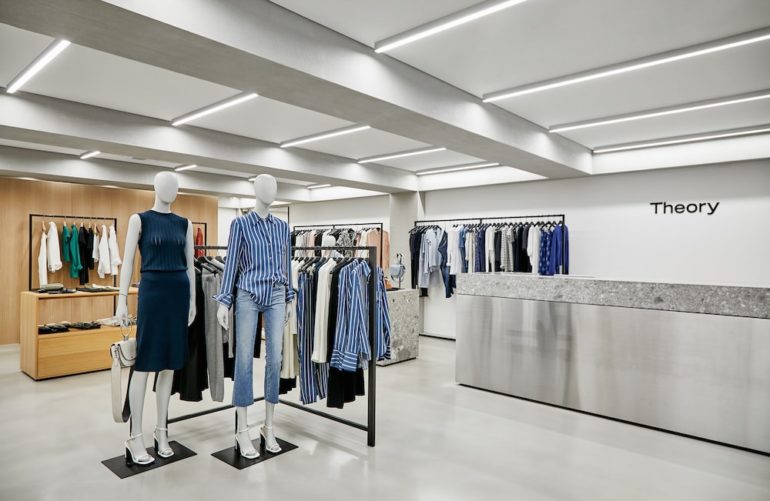
    New York contemporary brand Theory opened a flagship store in Hannam-dong, Yongsan-gu on 4th July.

    The company plans to establish a new “trendy place” in Hannam-dong to enhance brand-customer interaction and raise brand awareness.

    The Theory Flagship Store is a five-story building with a total area of 743 square meters (about 225 pyeong), which offers fashion, music, and café in one place, and features a modern and minimalist brand identity.

    On the basement, there are several collections which rotate from time to time.

    On the first floor, it showcases a ‘Theory 2.0’, featuring a young sensibility as well as trendy men’s and women’s casuals and denim.

    On the second and third floor, there is a 100 seats performance hall called Stradeum run by iriver so that customers can experience classic, jazz.

    Through collaboration with iriver, Theory flagship store is planning to offer a unique customer experience through movies and music performances, but also professional lectures and mentoring programs.

    On the fourth floor, Steven Smith’s pop-up cafe and and iriver’s professional audio player Astell & Kern is set up as a space for listening, creating a trendy space where fashion and music coexist.

    “We have opened a flagship store in Hannam-dong, a young and trendy place, in order to solidify the brand identity.” said Park Young-mi, brand manager of Theory. “We are trying to provide differentiated brand experiences to young customers who are pursuing culture and lifestyle as well as fashion.

  • Indonesia’s Textiles Exporters Brace for Trump’s Trade War

    Indonesia’s Textiles Exporters Brace for Trump’s Trade War

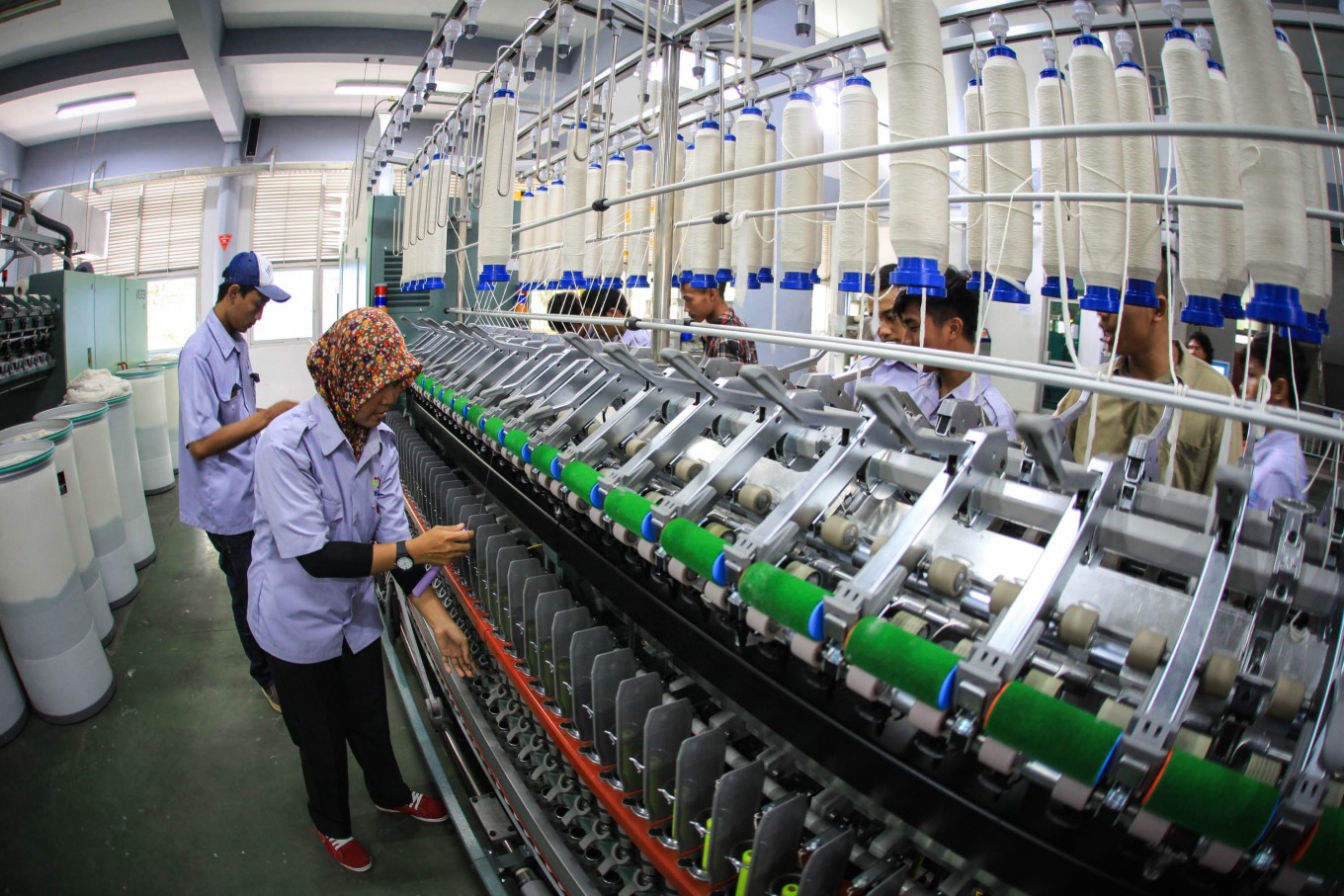
    US President Donald Trump has warned that he may revoke special trade tariffs for Indonesia, especially on textiles, in a bid to reduce his country’s trade deficit, an official said on Thursday (05/07).

    The United States was Indonesia’s second-largest export destination last year, at 11 percent of total exports, or $17 billion. Indonesia enjoyed a surplus of $9.59 billion.

    “[Trump] is now doing as he wishes, including to us. He has warned us that we cannot export more than the United States. He has warned that there are several special tariff arrangements that will be revoked, especially on textiles,” Sofjan Wanandi, chief advisor to Vice President Jusuf Kalla, said during a discussion on Thursday (05/07).

    Indonesia exported textile products, both knitted and unknitted, worth a total of $4.12 billion to the United States last year.

    According to Industry Ministry data, the United States currently imposes import tariffs of between 5 percent and 20 percent on Indonesian textile products, while there are no tariffs on textile imports from Vietnam.

    Sofjan, who recently visited the United States to meet with officials, said it is uncertain what Trump will do in the near future as “no one understands what he actually wants,” he said.

    According to Sofjan, who is also advisory board chairman at the Employer’s Association of Indonesia (Apindo), the US economy is currently thriving, which enables Trump to create and change trade policies as he considers most beneficial.

    “We don’t know when Trump will start the trade war; maybe tomorrow, maybe never,” Sofjan said.

    Retaliation

    Ade Sudrajat, chairman of the Indonesian Textile Association (API), emphasized that Southeast Asia’s largest economy needs to retaliate soon if a higher tariff is enforced.

    “If [a higher tariff] is imposed, it will be a huge obstacle for the textile industry, so it must be countered. If we keep quiet, then we become the losers,” Ade said, adding that Indonesia’s large imports of agricultural products from the United States could be used as a bargaining chip.

    Indonesia imported agricultural products worth $1.27 billion – mainly seed oil, fruits and medicinal plants – from the United States last year, followed by equipment and machinery, animal feeds and cotton.

    Indonesian textile exports rose 4.4 percent to $12.4 billion last year, exceeding the API’s target of $11.8 billion and the Industry Ministry’s $12 billion.

    The ministry has set a textile export target of $13.5 billion for this year and $15 billion for next year.

    The number of people employed in the textile industry increased 17 percent last year to 2.73 million, compared with 3.3 million in the processed food and drinks industry and 3 million in the automotive industry. The ministry seeks to increase the number of people employed in the textile industry to 2.95 million this year and 3.11 million next year.

    According to the Trade Ministry, total investment in the nation’s textile industry amounted to Rp 10.9 trillion ($758 million) in 2017. Indonesia produced about 2 percent of the world’s textile supply, which earned the country $11.87 billion in foreign exchange.

    “It will be unfair for us if the textile industry is targeted and the government prefers to do nothing,” said Ade of the API.

  • Australia’s Volley expands in China market

    Australia’s Volley expands in China market

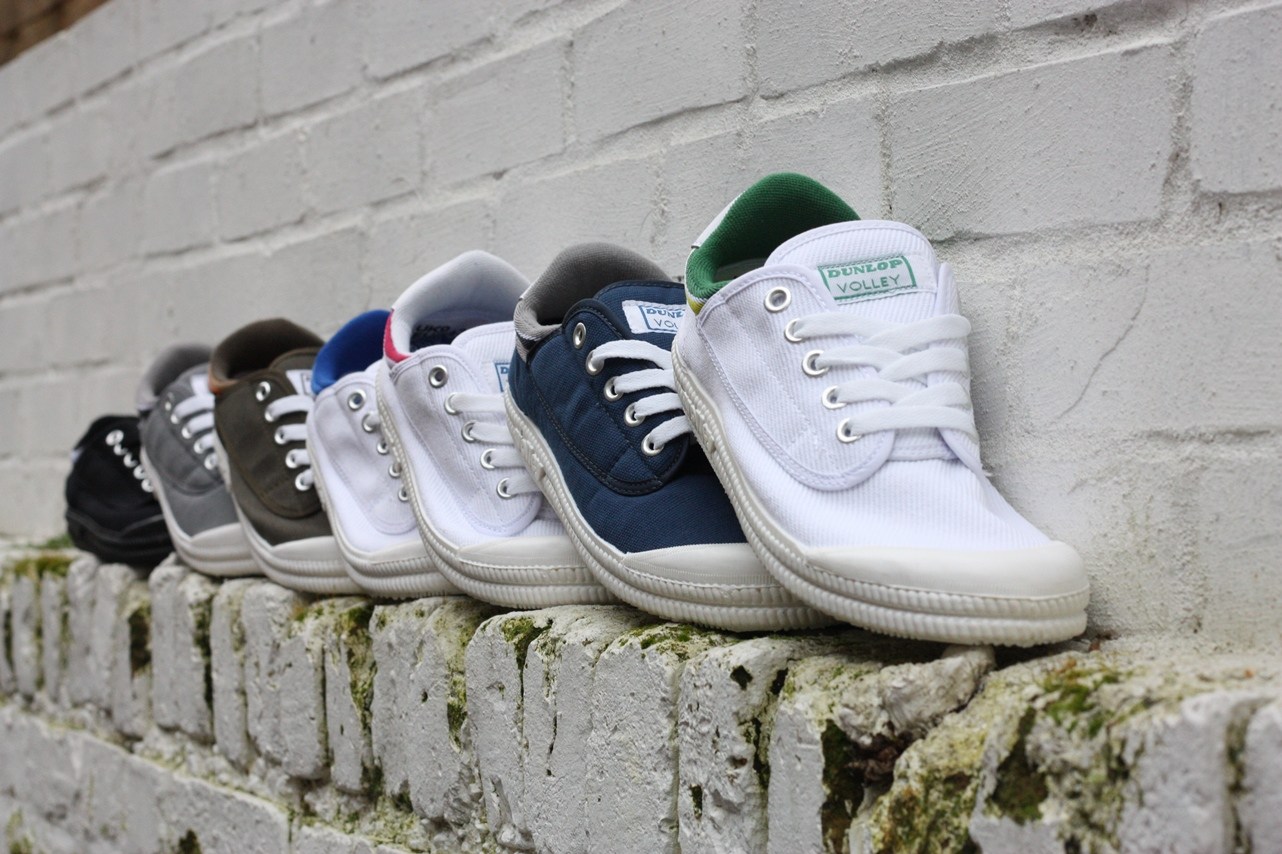
    Australian shoe brand Volley will open 50 stores in China following a surge in online demand.

    The 79-year-old brand became unexpectedly popular after Mandopop diva Faye Wong was photographed wearing then at Hong Kong International Airport. Subsequent orders online crashed the company’s e-commerce platform.

    With the success of a trial pop-up store in Beijing, the brand’s first shop will open in Shanghai later this month.

    Collective brand manager John Szwede said the celebrity focus was a major factor in deciding to open the stores. In a discussion, he said: “Since opening the pop-up store in May, we’ve had our biggest growth month in China ever. The split between online and physical store sales is almost 50-50. It’s remarkable how big the market is.”

    Szwede added that 70 per cent of the brand’s wholesale sales are now going to China.

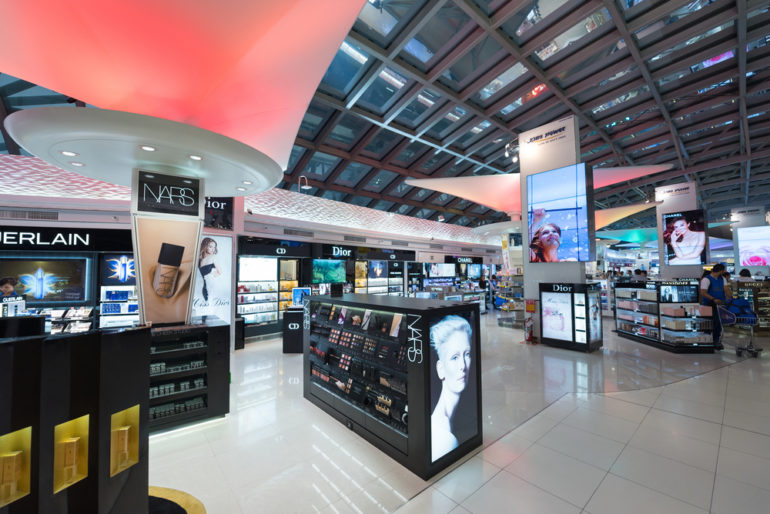
  • Beauty&You : The ultimate customer experience

    Beauty&You : The ultimate customer experience

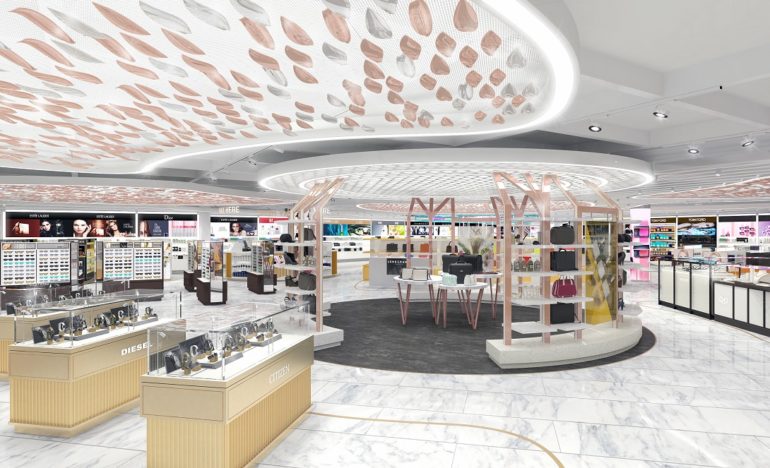
    The Shilla Duty Free, one of the world’s leading travel retail companies, has unveiled their new retail stores at Hong Kong International Airport (HKIA) following a successful six-month soft launch period.

    The Grand Opening Ceremony featured the unveiling of the full Beauty&You concept store and a spectacular K-celebrity guest line-up to commemorate the special occasion.

    Attended by esteemed VIPs including Shilla’s senior management, representatives of the Airport Authority Hong Kong, brand and business partners, as well as media, the elaborate event began with the official ribbon cutting ceremony at the main East Hall outlet, followed by guided tours introducing the new store experience.

    Guests were then invited to attend a special showcase by KPop sensation Highlight, Shilla’s new brand ambassador for 2018-2019. Highlight brought their energy and enthusiasm on stage through a series of performances and interactive games with fans.

    “We are very pleased to announce the grand opening of The Shilla Duty Free’s brand-new retail stores at one of the busiest airports in the world,” says Alice Woo, Managing Director of Shilla Travel Retail Hong Kong Limited, “With the highly-anticipated launch of Beauty&You, we hope to redefine the airport retail experience and customer journey with a comprehensive brand profile presented in an interactive and engaging environment. Our aim is to deliver the ultimate shopping experience to a diverse audience in one of the most robust travel markets in the world.”

    The Shilla Duty Free’s Beauty&You concept symbolises the brand’s commitment to deliver a comprehensive beauty retail experience and be at the forefront of the experiential retail trend.

    ‘Beauty’ and ‘You’ together represent beauty tailored to each individual customer and the infinite combinations available through the multitude of brands and experiences. Crafting the notion that beauty retail can surpass the limitations of cosmetics and skincare products and become associated with fashion and accessories, this retail concept gives room for all definitions of beauty.

    With around 200 brands on offer, The Shilla Duty Free will also bring a list of premium brands new to HKIA, including David Beckham’s global grooming brand HOUSE 99; the best of Korean and Japanese brands like The History of Whoo, su:m37º , THREE, ReFa; image-maker NARS; Italian crafted luxury leather goods labels and accessory brands Bresciani, Maglia Francesco, Victrix; as well as fashion accessory brands like Alexander McQueen and Didier Dubot, just to name a few.

    More than 60 new brands will join our extensive brand selection in offering an innovative and enjoyable shopping experience for customers.

    Furthermore, the new concept revolves around curated hospitality on par with the superior product offerings to create a seamless retail experience. Designed to provide “journeys of discovery” for every customer, the engagement zones together with the stores’ professional beauty and fashion advisors, all offer personalized recommendations. Customers will explore a space meant not only for shopping, but also for retailtainment, in discovering their very own beauty preferences.

    Representing how modern and travel-savvy customers shop, the new retail stores have
    incorporated a blend of branded and non-branded counters, as well as engagement zones where brands and categories come together under a single umbrella. These special lifestyle and themed areas are designed to enhance the retail experience through engaging customer interactively into immersive experience spaces.

    They include Elements – an area dedicated to gentlemen-specific products, New Generation – a section showcasing the best of Korean and Japanese cosmetics and
    perfume brands, and a dedicated Curated Zone, where Shilla will collaborate with different brands each month to feature themed selections and trendy looks with perfume, cosmetics and fashion products on display. In the grand opening month, Lancôme will be presenting a selection of their best-selling items through their “Pink Time” showcase. SK-II and The History of Whoo will also be featured in the Curated Zone, with different interactive elements in visually striking displays to appeal to customers.

    In these engagement zones, The Shilla Duty Free has incorporated the use of digital technology to offer an enhanced shopping experience. Our own Shilla Beauty Selfie makeup app in New Generation invites customers to virtually try on looks from various brands such as Anna Sui, Innisfree, KATE, Etude House, THREE, Ladurée, NARS and Urban Decay. More animated features such as “Get the Look” and “Magic Mirror” are designed to communicate the most updated beauty and fashion trends, promising fun and informative tips.

    Other in-store activities during the opening period highlight Shilla’s brand partners, such as Atelier Cologne’s engraving service, M.A.C.’s interactive ‘selfie’ machine, which allows users to simulate different lip colours and instantly print out photos. Cartier Eyewear and Perfume have also partnered up for the first time to introduce their Panthère range in a stunning display.

    All Beauty&You stores offer Arrival Pick-Up services for a hassle-free traveler’s shopping experience. Customers can visit and purchase at any Beauty&You stores before departure and collect the goods at the pick-up counter in the Arrivals Hall store upon their return to Hong Kong International Airport.

  • Givenchy Beauty debuts in Korea with Hyundai

    Givenchy Beauty debuts in Korea with Hyundai

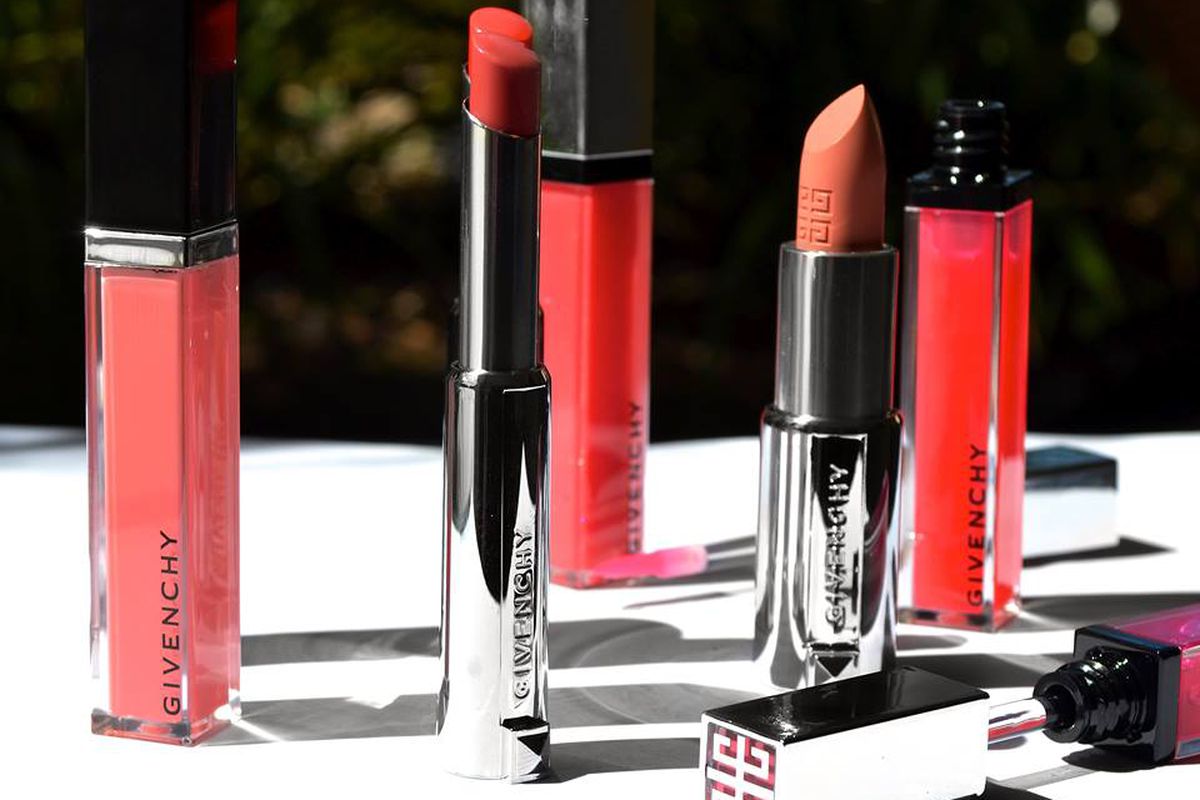
    Givenchy Beauty will open its first South Korean store this month.

    The cosmetics and skin-care line of the French luxury fashion house Givenchy has taken space in the Hyundai Department Store in the trendy southern Seoul district of Apgujeong.

    The first store will open on July 31 and a second, at another Hyundai Department store in Sinchon, northern Seoul, will open next month.

    With the huge growth of the Korean beauty industry over recent years, Givenchy Beauty believes its broad range of makeup, skincare and perfume products will appeal to local women comfortable spending on premium solutions.

    Once the Givenchy Beauty stores are open, Hyundai Department Store will become the first Korean retailer to host stores from five global premium beauty brands, the others being Dior, YSL, Chanel and Tom Ford.

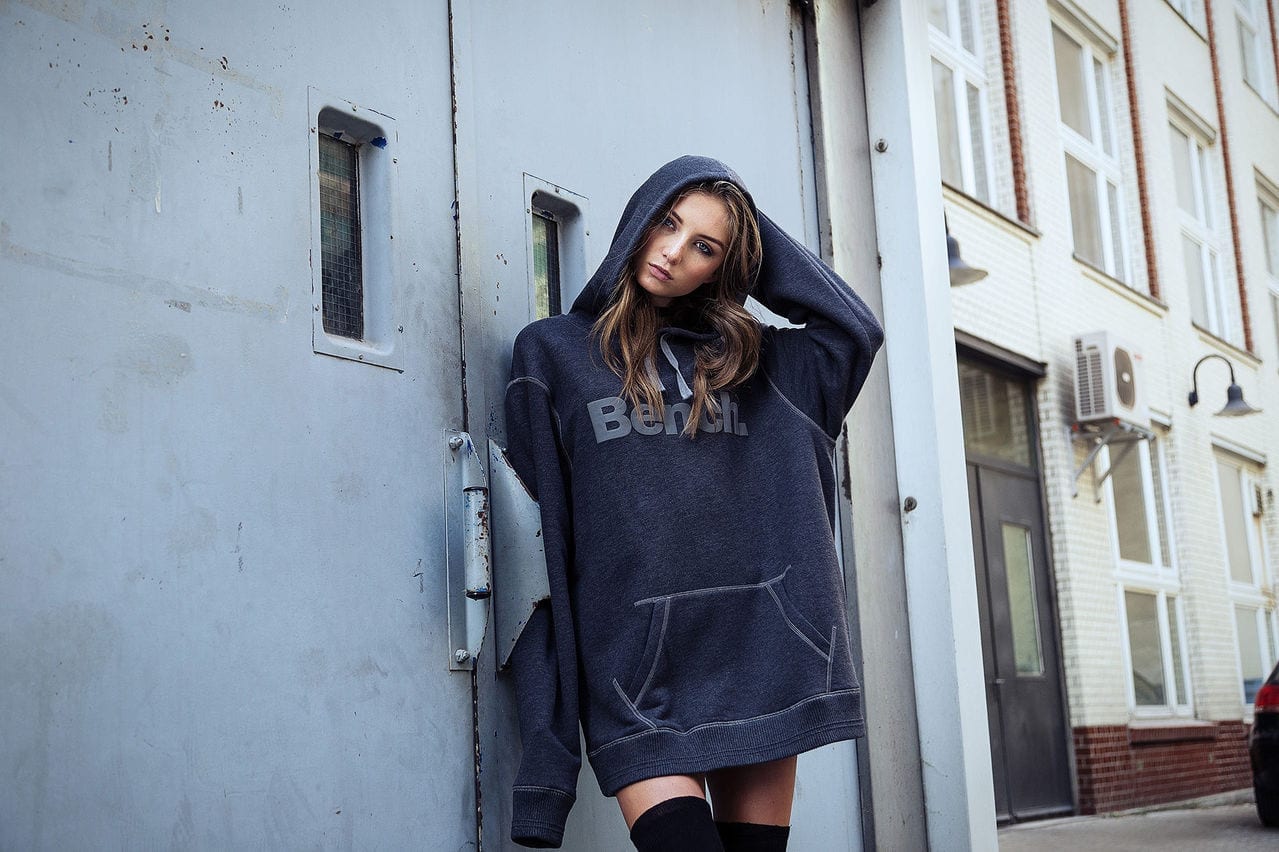
  • Gordon Brothers acquires Bench brand

    Gordon Brothers acquires Bench brand

    US-based investment company Gordon Brothers has bought troubled UK fashion label Bench and all its related IP assets.

    Gordon Brothers has an established history of reinvigorating wounded fashion labels and retailers. It was a partner in the joint venture that bought Aeropostale out of Chapter 11 bankruptcy in the US several years back, and it relaunched the Wet Seal brand as an e-commerce business.

    Bench has about 80 single-brand stores in Europe and North America and more than 2000 wholesale points of sale. The company recently commenced insolvency proceedings in the UK, which subsequently affected its German service companies in Munich.

    In a statement announcing the deal, Ramez Toubassy, president of Gordon Brothers’ brands division, said: “Streetwear has never been hotter than it is today. We are excited to be able to acquire an authentic pioneer in the category and bring our thoroughly modern branding, marketing and business model to bear in reestablishing Bench as a streetwear powerhouse.”

    The new owner says it will focus on “re-establishing the brand’s European e-commerce presence while it methodically re-builds the business’ wholesale footprint in that territory”.

    In North America, Gordon Brothers will continue the brand’s long-standing partnership with Freemark Apparel Brands Group.

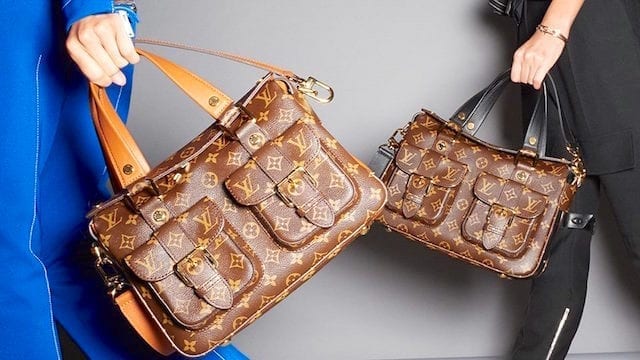
  • Louis Vuitton is lowering its retail prices in China

    Louis Vuitton is lowering its retail prices in China

    LMVH maison Louis Vuitton is lowering its retail prices in China. In a statement issued by the maison to the newspaper Jing Daily, the brand announced that it had decided to “lower prices on a wide range of products to support the government’s efforts to reduce the cost of luxury goods sold in China”.

    The Ministry of Finance in Beijing, starting from the first of July, has lowered taxes on imports for an average of 20.7 percent, with a view to favoring purchases in the country. In 2011, luxury goods sold outside of China were about 68 percent cheaper than those same products sold in China; thanks to the measures adopted over time, in 2017 the difference decreased to 16 percent.

    The new prices of Louis Vuitton would have already been updated on the Chinese e-commerce of the brand and in stores. The estimate is that of a cut between 300 yuan (about 40 euros) and 1,500 yuan (just under 200 euros) on different products; the average price reduction, according to the headline, would therefore be between 3 and 5 percent.

    It is still unclear whether other luxury fashion houses will follow the same strategy as Louis Vuitton, but a chain effect is expected. For example, since 2015, Chanel has adopted a “harmonized” pricing policy, with the aim of reducing the price gap in China and abroad, and thus encouraging purchases in the country.

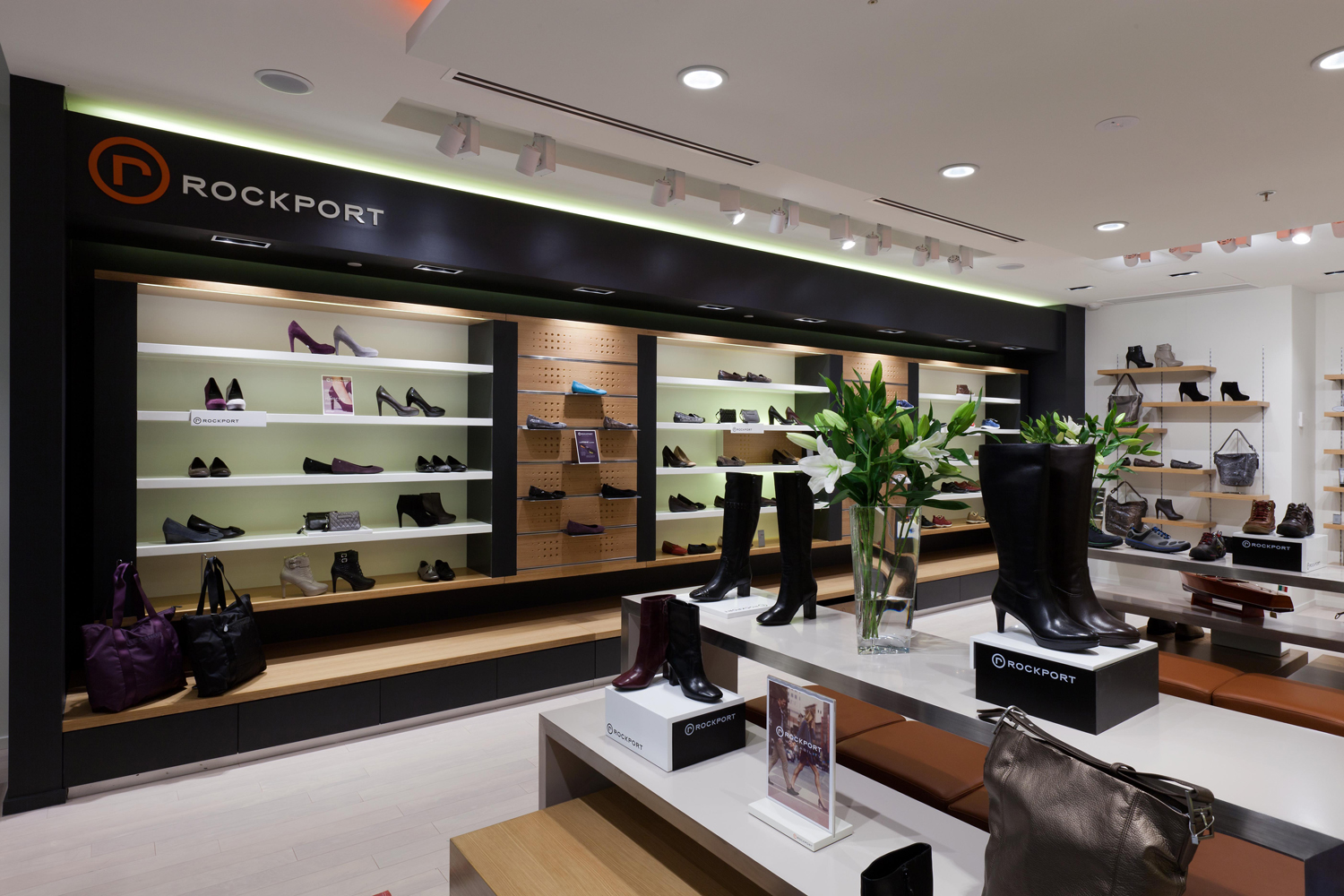
  • Footwear company Rockport saved from bancruptcy

    Footwear company Rockport saved from bancruptcy

    Struggling footwear retailer Rockport Group has been rescued from Chapter 11 bankruptcy by private equity company Charlesbank Capital Partners.

    Subject to approval by the US Bankruptcy Court of Delaware, Charlesbank’s subsidiary CB Marathon will acquire substantially all of Rockport’s assets, including the global wholesale, independent and e-commerce operations and all of its Asian and European operations and retail stores. However, as part of its ongoing Chapter 11 process, Rockport has begun the orderly wind down of its North American retail operations, which will be completed by July 31.

    Boston-headquartered Rockport has been designing and selling mens and womens footwear since 1971, its product range skewed to outdoor sports shoes. The company said in a statement the sale to Charlesbank “will enable Rockport to ensure the continuation of its deep heritage and great brands and enhance its focus on its global wholesale, independent and e-commerce businesses”.

    “Throughout this process and following the sale to Charlesbank, Rockport customers can continue to shop Rockport’s… brands and diverse assortment of footwear at leading department stores and specialty retailers around the world, as well as through the company’s e-commerce platform.”

    The company said the financial strength of Charlesbank will better position Rockport in today’s evolving retail landscape. Following the sale, Rockport will have significantly less debt which will help position it for growth.

    Charlesbank was named as the so-called “stalking horse bidder” during Rockport’s court-supervised sale process under the Bankruptcy Code. However, the court required an open bidding process before approving the takeover offer.

    After the bidding deadline last Friday, Rockport talked to “a number of potential buyers” but did not receive any bids competitive with Charlesbank’s so a proposed auction was cancelled.

    Alvarez & Marsal served as restructuring advisor through the process.

  • Is beauty going to save department stores?

    Is beauty going to save department stores?

    For a brief window, customers at Saks Fifth Avenue can see beauty’s past and — the department store chain hopes — its future.

    Starting Tuesday, shoppers entering the chain’s Manhattan flagship will walk through the original beauty floor, a dark enclave of branded counters that’s in the process of being shut down, to take an elevator one floor up to “Beauty 2.0.”

    They’ll emerge into a brightly lit, white marble-clad space, with products scattered across a maze of shelves and displays, as well as treatment centres offering facials and body-slimming massages. Mini-storefronts devoted to brands like Gucci and Kiehl’s line the periphery.

    Saks is the latest department store chain to put the beauty counter at the centre of its survival strategy. US beauty sales rose 6 percent last year to $17.7 billion, according to NPD Group, and cosmetics displays still draw in crowds at a time when foot traffic in malls and shopping districts is falling. Saks and peers like Bloomingdale’s and Barneys New York count on busy beauty counters to drive sales even as revenue from categories like footwear declines due to intense online competition. Hudson’s Bay Co., which owns Saks, reported declining same-store sales for the chain in 2016 and 2017, though it partially rebounded in the first quarter of this year.

    At Saks, high-end skincare has been an “explosive” market in recent years, said Kate Oldham, the company’s senior vice president and general merchandise manager of beauty, jewellery and home. But department store beauty counters are losing traction with consumers, many of whom find the maze of display cases and polished attendants inaccessible and overwhelming. According to NPD, 37 percent of makeup consumers today shop in specialty stores like Sephora and Ulta, compared to 28 percent who rely on department stores.

    “The world of beauty has changed — everybody is getting into the business and there are a lot of new players coming in,” Oldham said.

    The new department store template is to entice consumers with exclusive services, products and events. Nordstrom and Barneys New York, have introduced natural and wellness categories to their line-up to court health-conscious consumers. Bloomingdale’s targets more niche and independent brands in its millennial-focused Glowhaus section, as does Neiman Marcus with its Trending Beauty Shop.

    Stores are also creating new attractions beyond the usual samples and makeovers. Last year, Harrods debuted its Wellness Clinic, which provides treatments ranging from cryotherapy to bespoke DNA-driven skincare. Nordstrom collaborated with the beauty website Byrdie on a standalone pop-up shop and event space featuring talks and masterclasses with buzzy industry figures like Jen Atkin and Joanna Vargas. In February, Barneys launched a similar event series hosted by brand founders like WelleCo’s Elle Macpherson and a Sally Hershberger salon at its Madison Avenue flagship.

    The goal is to give customers a “sense of discovery” and a reason to repeatedly return to the store, said Gemma Lionello the executive vice president and general merchandising manager of accessories, beauty and home at Nordstrom.

    At Barneys, novel product categories like conscious beauty and masks are “attracting a new customer that might not have shopped with us before,” said Jennifer Miles, the company’s senior vice president of cosmetics.

    With so much competition swirling, the Saks team decided a total revamp of its beauty counter was needed. That included moving the section up to the second floor, a break with the department store tradition to keep beauty front of house, but the space was bigger (32,000 square feet) and had more natural light. New white fixtures and installations spotlight a wider selection of brands — 122 in total, including 61 that hadn’t been previously sold at Saks, like Aesop, Care/of and Givenchy. While, some, like Aesop, have been given their own boutiques, many of the new brands are relegated to a separate “Apothecary” section in the middle of the store, a concept already in place at other Saks locations.

    The floor includes space for events, including fragrance mixing and master classes, as well as 15 spa treatment rooms. A handful of those rooms are dedicated to exclusive branded treatments by the likes of Dior and La Mer. Other highlights include natural face lifting from London-based FaceGym, a flower shop from EB Florals and organic manicures from Sundays Nail Studio. A beauty concierge is available to help locate products and schedule service appointments, and an advisor is on hand to dole out personalised skincare advice.

    Not all of these concepts are new: Nordstrom, for example, also employs beauty concierges and stylists, while Target has had brand-agnostic beauty experts working its floors since 2013. The new layout is blatantly reminiscent of a Sephora, though the boutique aspect offers a point of difference.

    The goal was to make the space more “fluid,” said Oldham, so that customers could easily shop between categories. The walls are at a low height, so customers can see across the floor, and there’s less counter space so customers can better view the products.

    “We felt that if we were going to do something it had to really be a destination,” Oldham said. “We really wanted to have a Saks point of view, so that it’s not just a box of brands.”

    Attracting younger customers is also a priority. In addition to a traditional marketing blitz that includes ads on top of taxis and displayed on digital screens across the city, Saks hired digital influencers, including YouTube star Kelsey Simone, to promote Beauty 2.0.

    While Saks doesn’t break out sales by product category, analysts estimate the new floor’s first-year sales could reach $90 million. That’s a fraction of Hudson’s Bay Co.’s $14.3 billion in sales last year. But the company, which said last year it would cut 2,000 jobs, is counting on Saks to drive growth, investing $250 million in remodelling the 5th Avenue flagship store.

    At Nordstrom, beauty has been a “top-performing category” for several years, Lionello said. But same-store sales grew by less than analysts had anticipated in the first quarter, the company said last week.

    “It’s better late than never,” said Larissa Jensen, the executive director and beauty industry analyst at NPD. “[Saks] seems to be elevating it and making it more of a destination and less of a department, which is key.”

    Still, these retailers have their work cut out for them to claw back business. Ulta’s sales shot up 21 percent to $5.9 billion in the fiscal year ending in February, and LVMH, which owns Sephora, said the chain gained market share, with particularly strong growth in North America.

    Fragrance, however, is still a stronghold for department stores. Fourty-six percent of consumers still shop for fragrance at department stores, compared to only 30 percent at specialty stores, NPD said. This could explain why Saks doubled the space of its fragrance section on the new floor, and why Harrods expanded its Salon de Parfums with seven exclusive new boutiques last year.

    It could take more than sprucing up the shopping environment to ward off competition, especially as online juggernauts like Amazon invest in beauty. One problem: the department store concept as a whole falls flat with some consumers.

    “[These stores] are set up incorrectly, down to how they’re named,” said Christopher Skinner, the founder of School House, a creative branding and retail design agency that works with clients like LVMH. “Shopping by department is just not how people work anymore, we’re all about breaking down barriers now.”

    NPD’s Jensen said stores could organise merchandise into sections that appeal to different categories of consumer, like those who value environmentally friendly products.

    “A consumer who cares about health and wellness, and the environment, shouldn’t have to go to the shoe department to get a sustainably-made shoe or the bag department to buy an ethically-made purse,” said Jensen. “Wouldn’t it be great if it was just all one section?”

    Department stores are also giving their websites’ beauty sections a refresh, even as they invest in their in-store experiences. While in-store sales have been flat or declining at many of these chains, including Hudson’s Bay, their online sales are for the most part growing.

    Although many of these retailers now offer the Amazon-era requirements of speedy shipping and free returns, their online beauty presence often lags specialty store competitors. Sephora, for example, has its Beauty Insider Community, where customers share tips and tricks on message boards and rack up points for shopping. Its Sephora app offers exclusive previews and promotions, as well as virtual product try-on.

    Saks launched its SaksFirst BeautyRewards programme in August, and the company, as well as competitors like Neiman Marcus, is deploying new technology like virtual try-on mirrors in stores. However, unlike at Sephora, customers have to spend $250 to join, and the program lacks the community aspect that has helped to popularise Beauty Insider.

    The Canadian department store Holt Renfrew has gone a step further, giving associates the ability to track consumers who shop both online and in person, and regularly incentivises them to stop by a store. It also equips associates with iPads to give customers additional information about products and make checkout easier.

    SEE ALSO : Luxury cosmetics brand Hera opens store in Singapore

    Department stores will need to ensure both their online and in-store beauty counters keep pace with changing shopping patterns, said Karen Moon, the founder of retail forecaster Trendalytics.

    “[Even if changes like Saks’] bring higher volumes of foot traffic through the door today, retailers should ensure that their in-store and digital presences are prepared to take on the emerging trends of tomorrow,” she said.
  • Malin + Goetz debuts in Hong Kong IFC Mall

    Malin + Goetz debuts in Hong Kong IFC Mall

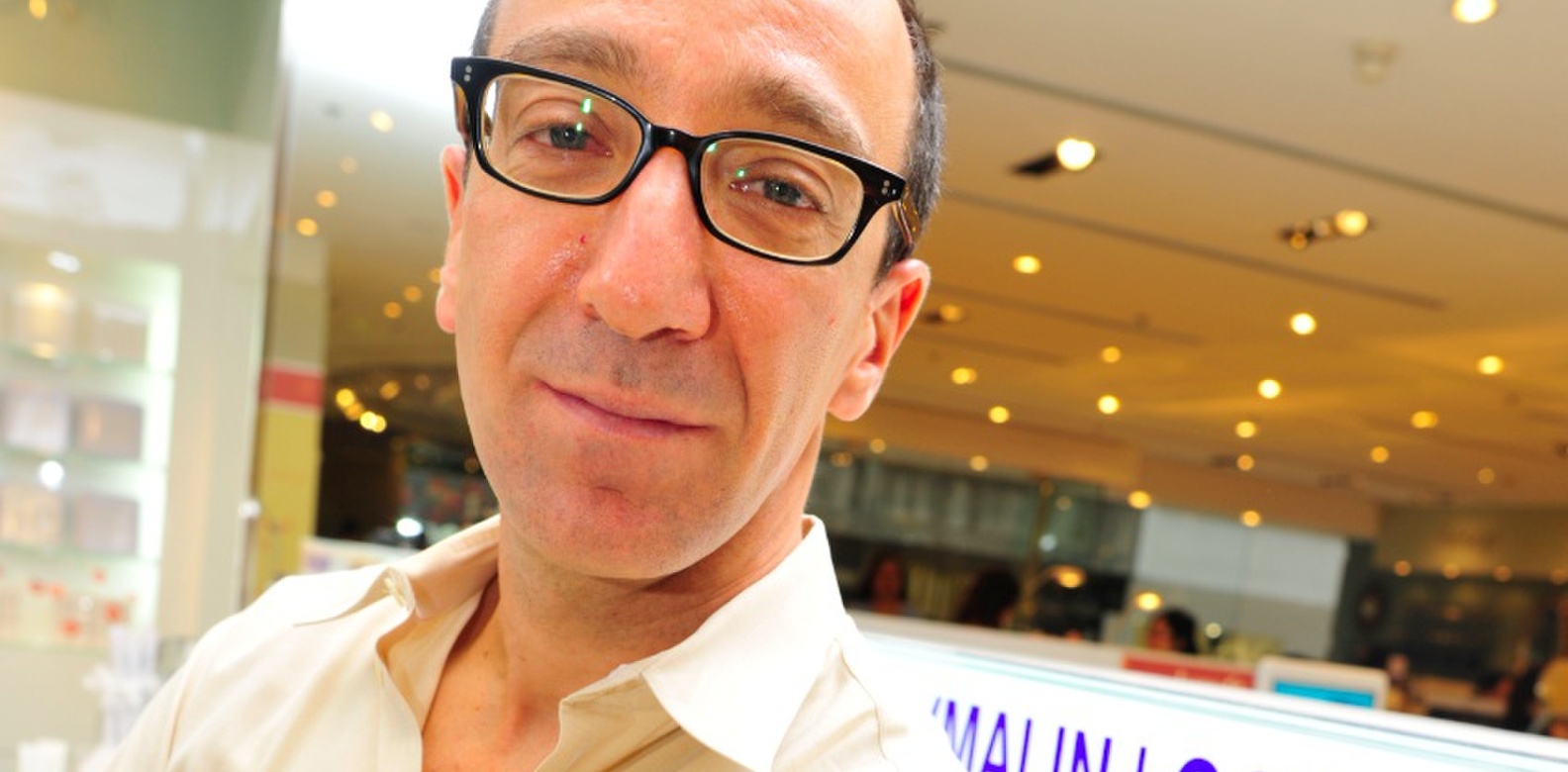
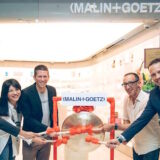
    Skin-care brand Malin + Goetz has opened its first store in Asia, located in Hong Kong’s IFC mall.

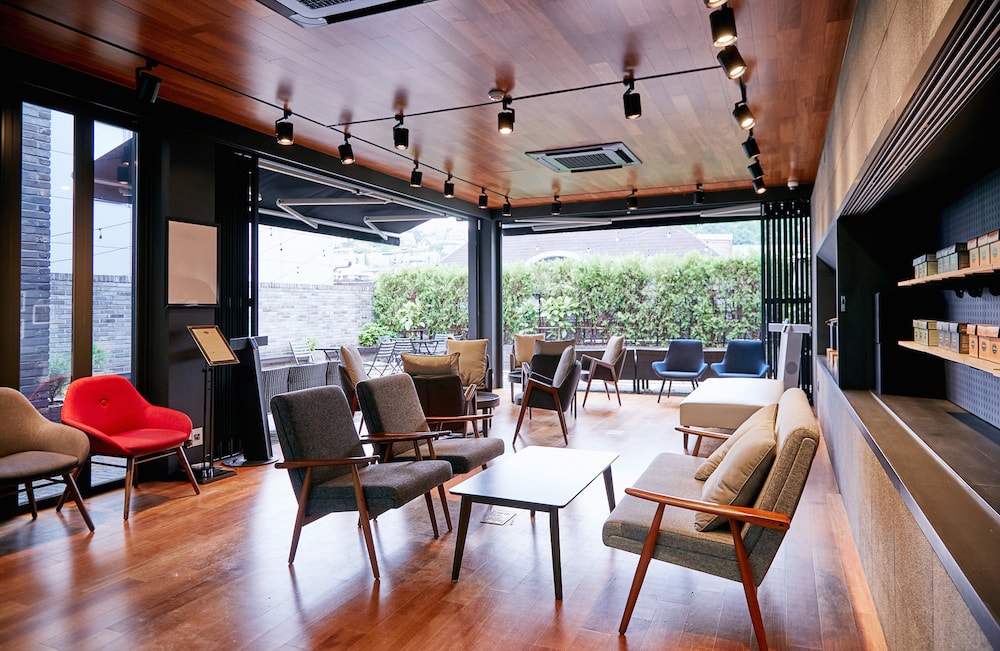
    Selling high-quality, small-scale production items, the new 400sqft location is the firm’s 11th store worldwide, with other locations limited to New York (where the company launched in 2004), Los Angeles, and London. The store’s design, by New York-based architect Andrew Bernheimer, is unlike any of the brand’s other outlets, which each have their own unique look to reflect local features. The Hong Kong fit-out is influenced by the city’s 1970’s architecture and its “Blade Runner” apartments with their prominent air-con fans.

    According to co-founder Matthew Malin, who was present at the Hong Kong launch, “We have a very cosmopolitan, international customer, and they’re traveling all over the world, and we see a lot of people from Hong Kong in all of our US and UK stores, and it just made a lot of sense… People here take beauty very, very seriously, and they take shopping very seriously, so we would be remiss not to be here.”

    The company’s founders are continuing research the Hong Kong market and are already planning a second location in the city.

  • Luk Fook Malaysia expands into opening of third store

    Luk Fook Malaysia expands into opening of third store

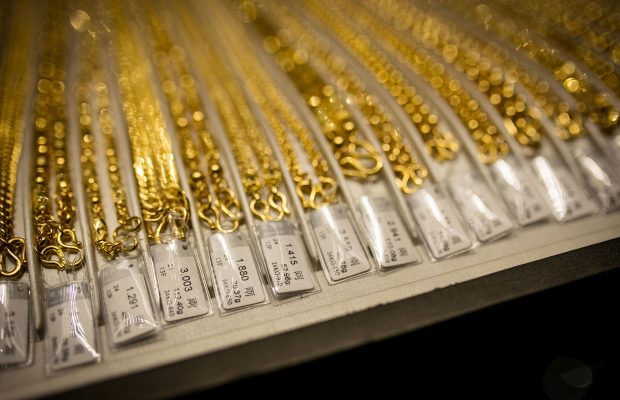
    Luk Fook Malaysia has opened its third shop, at the Genting Highlands Resort.

    The Hong Kong-based jewellery retailer expanded into Southeast Asia in 2010 and now operates 1660 locations through nine countries and regions, including greater China. The Genting Highlands shop will give the brand access to a well-established tourist market that frequents the high-altitude attraction that features casinos and theme parks.

    Luk Fook Holdings’ chairman and CEO Wong Wai Sheung said the group is dedicated to providing global customers with high-quality jewellery products, unparalleled shopping experiences, as well as caring and professional services.

    “With the drive for the Belt and Road Initiative, together with booming tourism in Southeast Asia, the group is optimistic about the prospects for the region. Following the opening of two retail shops at Pavilion Elite and Suria KLCC in Kuala Lumpur in 2016, the group has established a new retail shop at the 6000-foot highland famous casino and tourist spot – Genting Highlands of Malaysia – to further expand our retail footprint, which fulfils the corporate vision of ‘Brand of Hong Kong, Sparkling around the World’”.

    The opening ceremony was attended by multiple dignitaries and celebrities, while Rilakkuma-branded gold coins were distributed among guests.

  • India aim to open 50 Bath & Body Works stores in 5 years

    India aim to open 50 Bath & Body Works stores in 5 years

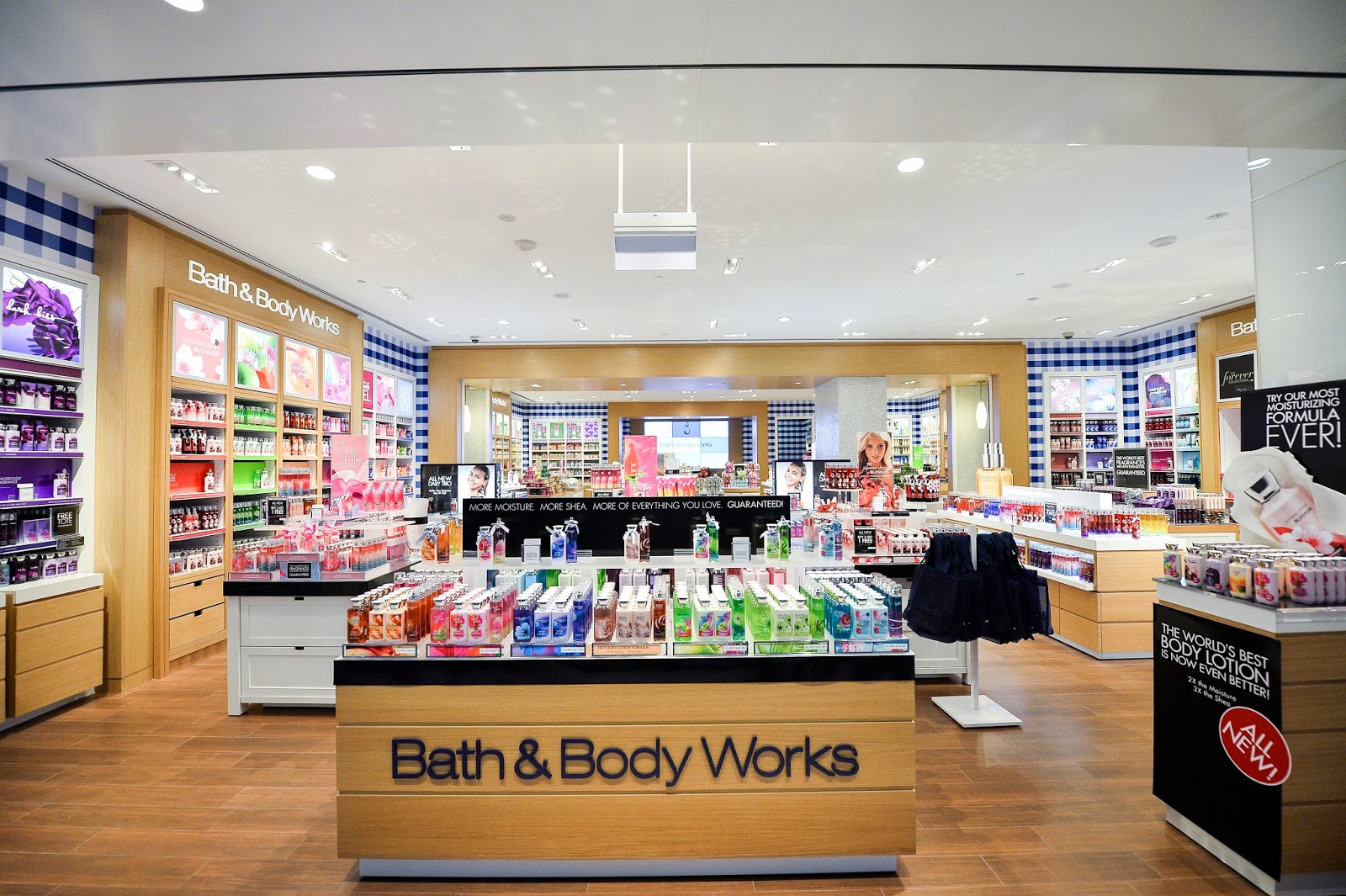
    Major Brands India, a leading retailer for premier international fashion apparel, accessories and beauty brands, has added yet another exciting brand to its portfolio: Bath & Body Works – one of the world’s leading specialty retailers of fragrant products for the body, hands, and home.

    The first Bath & Body Works store opened in June in India in New Delhi at Select CityWalk, followed closely by its second store in DLF Mall of India, Noida.

    At the launch, Tony Garrison, Senior Vice President, Bath & Body Works International said, “Bath & Body Works is a 25-year-old brand. We opened our first store in the Boston and have grown up to 1,600 stores in the US. About seven years ago, we decided to go international, so we opened first store of Bath & Body Works in Canada and since then there has been no looking back. Today, we are present in 34 countries. Now, India is a next big step for us.”

    “Rising awareness of premium personal care products, growing disposable incomes, changes in consumption patterns and lifestyles, promise exciting times for Bath and Body Works in India,” added Renu Karumsi, Associate Vice President, Bath & Body Works International.

    The Bath & Body Works Select CityWalk store is spread across approx. 1,300 square feet while the Mall Of India store covers approx. 1,500 square feet area. Both locations present an exciting and new experiential environment that will allow customers to explore an extensive array of fashion fragrances for the bath, body and home.

    From fun and flirty scents to sophisticated and exotic fragrances, Bath & Body Works offers a wide range of world-class fragrances to suit every personality and occasion.

    Hallmark collections of the brand including the Signature Collection Body Care, Bath and Body Works and White Barn Home Fragrance, Bath and Body Works Hand Soap, Sanitizers and Aromatherapy, will be available at the store.

    According to Karumsi, “The Indian stores are 100 percent replica of our stores in global markets. What we do is that we launch with the consistent assortment and then as we learn more about the customer we fill the store accordingly. About 80 percent of our range stays the same globally and rest 20 percent keeps on changing based on preferences.”

    “We are very price competitive and we have 1,500 SKUs at Bath & Body Works,” added Tushar Ved, President Major Brands India.

    Launched in 1990, the brand’s portfolio today comprises over 200 different private label scents, including the iconic Sweet Pea and Japanese Cherry Blossom, award-winning A Thousand Wishes and soothing Eucalyptus Spearmint as well as seasonal new releases. At Bath & Body Works, customers are invited to sample luxurious lotions, hand soaps, fragrances and more to discover their favourites.

    “All our products are made in US and we have something for everybody,” said Garrison.

    Karumsi added, “We are eyeing mist and candles to be fastest moving categories.”

    Bath & Body Works, which has come to India with expansion plans of Rs 80 crore in the next two years, is looking forward to harness the reach of social media and influencer marketing in order to resonate with today’s millennials who consume news largely via digital platforms and are excited to share new discoveries.

    The brand’s immense portfolio and product categories will be presented in dynamic, new age digital formats, with engaging content to not only reach out to users familiar with the brand, but to also engage with and induce experimentation with newer audiences across demographics.

    “We have no immediate plans to go online in India. First we want to make connections with the consumers and once the customers experiences and understand the product then it will be easy to go online,” said Karumsi.

    Bath & Body Works will be opening its next two stores in Delhi – Ambience Mall Gurugram and Vasant Kunj and then will be heading to Mumbai.

    “Our strategy has been to own a market, understand how the model works and then enter the other regions,” revealed Garrison.

    After Mumbai, we also plan to open Bath & Body Works stores in the best malls of Bengaluru and Chennai. We are looking to open 50 Bath & Body Works stores in 5 years but we will follow a cluster strategy,” added Ved.

    Over the past few years, Major Brands has been instrumental in introducing blockbuster brands to the Indian market like Aldo, Aldo Accessories, Charles & Keith, Inglot, La Senza, Promod, Beverly Hills Polo Club, Call it Spring and New Balance.

    “Since 2001, Major Brands has continually introduced a selection of premium brands from across the world, giving Indian shoppers the best of high street in the country. With the launch of Bath & Body Works, the most awaited brand in India, we are sure our customers will love the experience of the line of bath and body products including home fragrances. We are excited to add yet another international category leader to our portfolio. The market size of India’s beauty, cosmetic and grooming market is expected to reach US $20 billion by 2025 from the current US $6.5 billion. A rising aspiration among Indians to look better, groomed to feel good has led to this market’s rapid growth of more than 42 percent in the last five years,” said Ved.

    In keeping with international formats, the Bath & Body Works stores in India will showcase latest trends as well as the newest, freshest fragrances for body, hand, and home, giving consumers exciting, luxurious, and indulgent new experiences.

  • Tod’s debuts a product on ‘Baoshop’

    Tod’s debuts a product on ‘Baoshop’

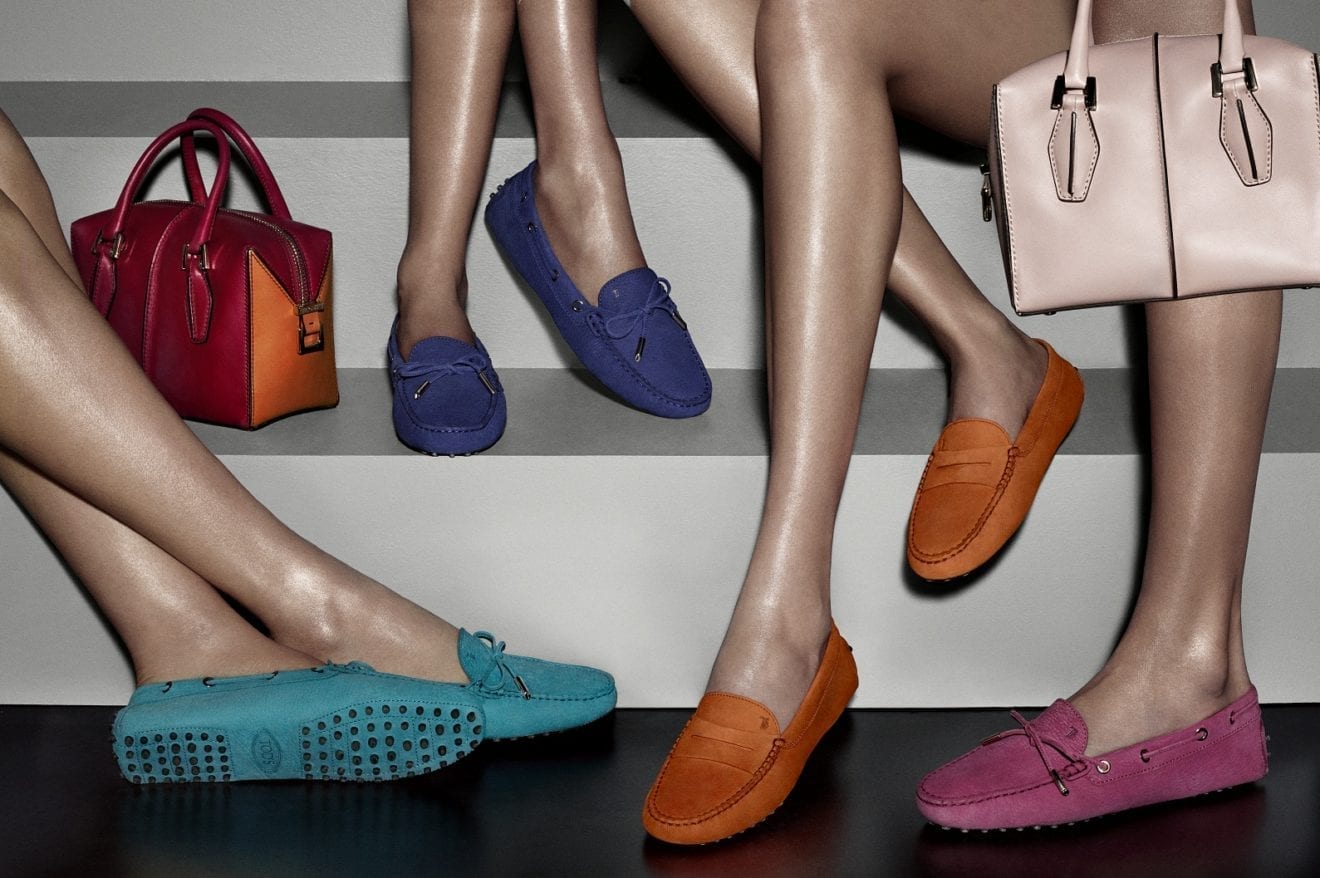
    Tod’s debuts a product on WeChat’s mini programme, called ‘Baoshop’. It is a limited-edition handbag co-designed by Chinese fashion blogger Tao Liang, better known as Mr. Bags.

    The dog-like handbag was available first from the ‘Baoshop’ within the WeChat ecosystem, before it is rolled out to selected Tod’s boutiques globally and the Tod’s own WeChat mini programme.

    The exclusive ‘Baoshop’ pop-up store, allows for a more personal touch and a seamless “reading-to-shopping” experience said Liang in a press release, while also allowing shoppers to learn more about the product as well as purchase directly via WeChat Pay.

    Liang is one of the most powerful influencers in China, boasting more than four million followers, and he states that the “convenience and asset-light weight of the mini programme perfectly fits with user expectations,” as it provides users with a more reliable, convenient and high-quality shopping channel.

    These mini programmes are becoming an important part of the Chinese e-commerce market in connecting luxury brands with shoppers, and they are seen as good conversion platform for the new economic model that is emerging in China, referred to as the fans economy.

    The limited-edition handbag features dog-like details in a reference to the year of the dog being celebrated in China this year. The collaboration has 500 handbags, 300 of which will be offered first on Liang’s ‘Baoshop’.

  • Under Armour reorganises international executive team

    Under Armour reorganises international executive team

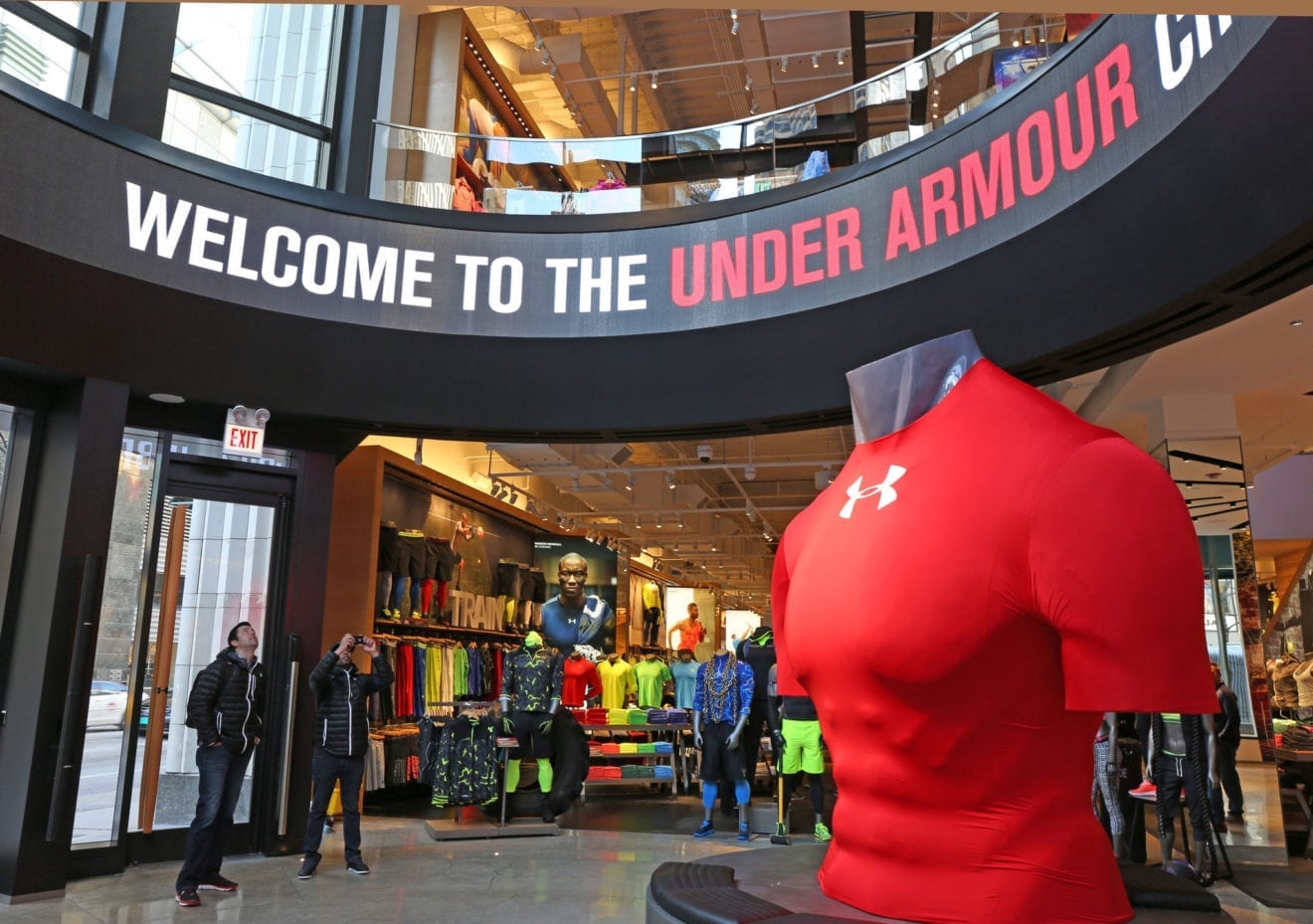
    Athletic apparel retailer Under Armour has announced new executive appointments for their international markets as it expresses plans to make its international sales grow even more.

    The company’s international sales have been growing fast and make up 24 per cent of its total revenue. In the first quarter, the sportswear retailer’s total sales were $1.19 billion.

    Under Armour has announced the appointments of Jason Archer as managing director for Asia Pacific; Manuel Ovalle as managing director for Latin America; and Massimo Baratto as managing director for Europe, Middle East & Africa.

    The company also announced that its Hong Kong office will be expanded to serve as its Asia Pacific headquarters.

    “As we work to scale our international business, we remain focused and measured in our evolution across our entire portfolio to ensure that we are driving toward long-term return for our shareholders,” said Patrik Frisk, Under Armour president and chief operating officer.

    Archer, who has been with Under Armour for six years, became vice president and managing director in 2016 with primary oversight of the company’s Latin American business. Before joining Under Armour he spent 11 years with adidas in Latin America and six years with PwC on assignments in Canada and Europe.

    Ovalle, who joined Under Armour in 2013, will now be based in Panama and be responsible for the company’s entire Latin America business from Mexico through the Southern Cone. Prior to Under Armour, Ovalle spent nearly 20 years with adidas with roles of increasing responsibility as the company grew its Latin American business.

    Baratto, who joined Under Armour in May, will now oversee the entire Europe, Middle East and Africa region. He brings nearly 30 years of international experience from a variety of industries, brands and regions – most recently as the CEO of the Oberalp Group.

    Erick Haskell, who joined Under Armour in 2015 as managing director for Greater China has announced plans to leave the company later this month to pursue a new opportunity.

    “We are grateful for Erick’s leadership and the strong foundation he set over the past few years, which has positioned us for strong, balanced growth as we enter our next chapter in this important region,” Frisk said.

    All regional leads report directly to Frisk.

  • Pomelo to have first offline store in Singapore

    Pomelo to have first offline store in Singapore

    Bangkok-based online-to-offline retailer Pomelo Fashion is to open its first physical store in Singapore.

    Pomelo Fashion, founded by former Lazada Thailand MD David Jou and which includes JD and Central Group on its shareholder register, sees the move as a logical step in its Southeast Asia expansion ambition.

    The vertically integrated business sources its own materials and contracts manufacturing partners to produce the clothes it designs and retails. It allows customers to view and choose a product online before it is shipped direct, or to a store for trying on the fit, thus merging the convenience of online shopping with offline, in-store service.

    Despite being headquartered in Bangkok, Pomelo Fashion sees itself as”a global fast-fashion brand for a digital world,” always on-trend and affordable.

    Currently, Pomelo Fashion has just two “micro-retail sites” in Bangkok – at Interchange 21 in Asok and at All Seasons Place in the CBD. But it has identified 800 potential sites for such stores in Thailand in the long term. It has also opened short-term pop-up stores in prime shopping areas to help raise the brand’s profile, including a space inside Tang’s department store on Orchard Road. With its buy-and-try business model, the company does not have to shoulder the expense of leasing the larger-footprint stores its offline rivals require to display broad ranges.

    “Discovery for fashion is going online, where you’re not constrained by having to display the entire catalogue,” Jou said in a media interview last week. “But e-commerce for fashion is plagued by the problem of returns because the clothes don’t fit or they don’t look good. Having the online-to-offline model cuts down returns because the consumer only buys what they have tried on.”