Category: Fashion

Retail News Asia is committed to providing both local and global retailers with the latest Fashion news throughout the Asian market. This on a daily base.

  • Avon expands on digital world

    Avon expands on digital world

    Beauty & home goods direct seller Avon has announced advancements in its digital sales tools.

    Avon’s digitised mobile-enabled shoppable brochure has now gone live in 12 countries, attracting 500,000 users in the first 48 hours of trading. The company has launched a new global sales centre to support 6 million of its registered beauty entrepreneurs, and set up a new team to integrate insight-led digitisation across Avon’s business model.

    After refinement, the program will be expanded into other markets, including in Asia.

    Sales representatives for the firm will use the tools to create personalised digital shopping carts that are directly shareable to targeted buyers’ mobile phones. Real-time consumer analytics will be used to refine product offerings according to customer needs and preferences, as well as to tweak the training and incentives for representatives.

    According to CEO Jan Zijderveld, “Digitisation is at the heart of our strategy as we build a new, modern and relevant Avon that is both high-touch and high-tech.

    “We are working intensely to build the right tools to support our 6 million-strong network of beauty entrepreneurs to help them provide a personal service to their customers that is underpinned by strong digital capability. This pilot is off to a promising start with huge potential as we implement more broadly.”

  • The Shilla officially launches Beauty&You

    The Shilla officially launches Beauty&You

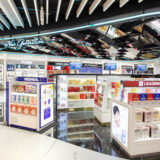
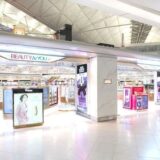
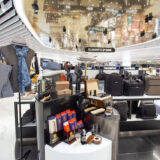
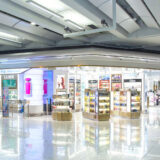
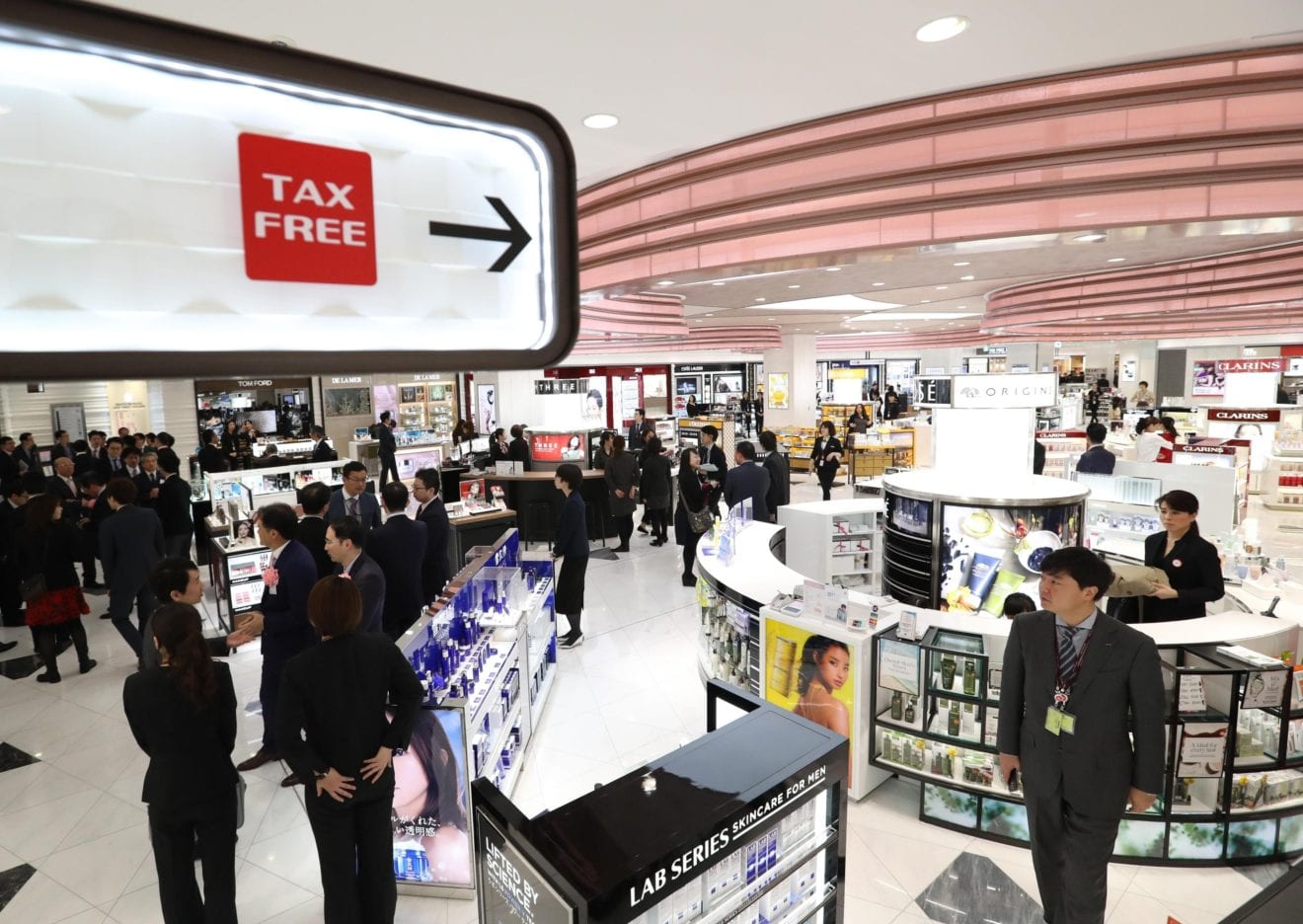
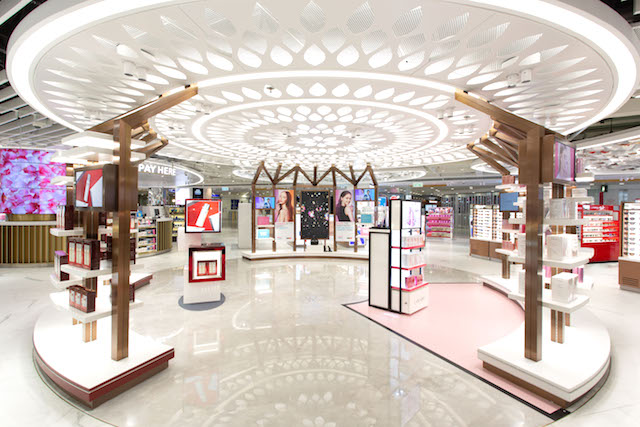
    Korean-headquartered travel retailer The Shilla has officially launched its Beauty&You concept stores in Hong Kong International Airport (HKIA) after a six-month soft launch.

    At the launch, Shilla Travel Retail Hong Kong MD Alice Woo said: “We hope to redefine the airport retail experience and customer journey with a comprehensive brand profile presented in an interactive and engaging environment. Our aim is to deliver the ultimate shopping experience to a diverse audience in one of the most robust travel markets in the world.”

    In line with experiential retail trends, Beauty&You offers curated hospitality with high-end product offerings to attempt seamless retail experiences. In a statement, the company said the store is designed to provide “journeys of discovery” for every customer, with professional beauty and fashion advisors placed in engagement zones with both branded and unbranded counters, offering personalised recommendations.

    The retail space is not only designated as a shopping environment, but also for “retailtainment” where customers may explore their own beauty preferences by experimenting with combinations of multiple brands and experiences – involving digital elements such as virtual makeup apps and VR headsets, as well as instant photo printing and even a ‘lucky claw machine’.

    The store will stock around 200 brands, including premium labels not otherwise available at HKIA. These include David Beckham’s House 99; Korean & Japanese beauty brands The History of Whoo, su:m37o, Three, and ReFa; image-maker Nars; Italian-crafted luxury leather goods and accessory brands Bresciani, Maglia Francesco, Victrix; and accessory brands such as Alexander McQueen and Didier Dubot.

    To mark the official launch and the 20th Anniversary of HKIA, in-store promotions and discounts will be held throughout July.

    View the images of the newly launched villa below :

  • H&M reports 21 pc fall in second quarter net profit

    H&M reports 21 pc fall in second quarter net profit

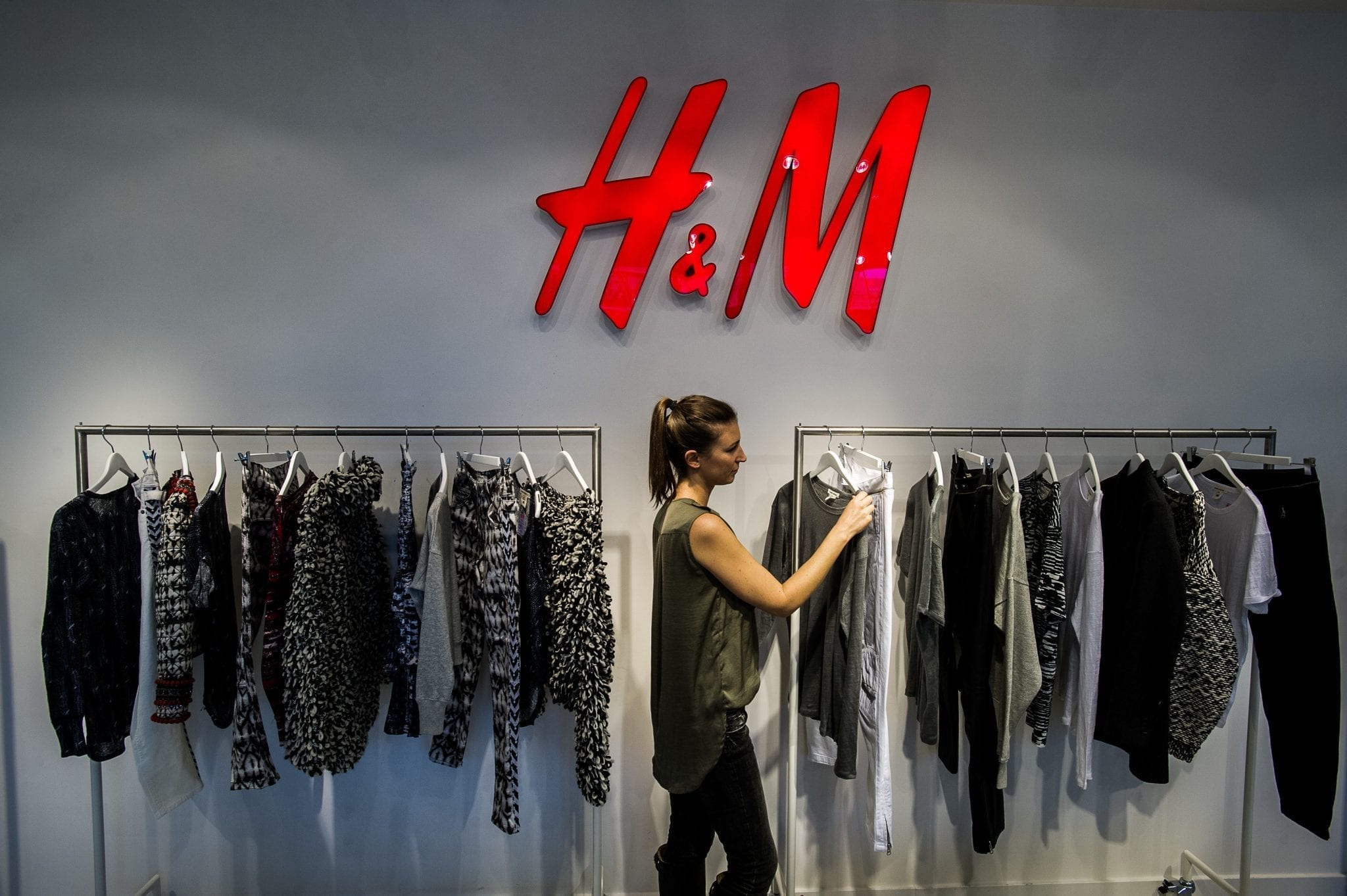
    Hennes & Mauritz AB on Thursday reported a 21 percent fall in second quarter net profit, missing estimates, as the retailer increased clearance sales to shift unsold stock and experienced logistical problems in it shifts to a more efficient supply chain.

    The Swedish fashion retailer said it entered the second quarter carrying too much stock, blaming imbalances in its product ranges, combined with interruptions to its flow of goods in a number of its major sales markets.

    The high inventory level will mean increased markdowns in the third quarter 2018 compared with the same quarter the previous year, it said.

    According to the release, The H&M group is going through a period of transformation to make the company even more customer-driven, efficient and flexible. This includes necessary transitions to new logistics systems that will allow even better availability, speed and transparency. However, sales and profits were temporarily affected by interruptions in connection with such transitions carried out in the second quarter in major markets such as the USA, France, Italy and Belgium.

    According to Karl-Johan Persson, CEO “The rapid transformation of the fashion retail sector continues, and we are in a transitional period that is both exciting and challenging. Challenging because it is complex, extensive and the pace of change is fast. Exciting because we can see positive trends and big potential in connection with our improvement work and investments.”

    Persson further added, “As we signalled previously, it was going to be a tough first half-year. We went into the second quarter carrying too much stock and we still had some imbalances in the H&M assortment – something that we are gradually correcting. As part of our transformation work we are transitioning our logistics systems to make our supply chain even faster, more flexible and more efficient. These transitions are complicated and can result in temporary interruptions, as unfortunately occurred during the second quarter in some of our major sales markets. This negatively impacted sales in the USA, France, Italy and Belgium, as well as online sales in the Nordic region.”

    H&M Home will broaden its product range in the second half of 2018 to include lamps and furniture.

    For 2019 Bosnia-Herzegovina is planned to become a new H&M store market and Mexico a new H&M online market.

    “Yet in a number of markets sales developed positively; in Sweden, Norway, Denmark and Eastern Europe we grew considerably faster than the market. This shows that we are on the right track and that our digital investments and improvement work are starting to have results. Overall, however, total sales for the quarter were not satisfactory, which meant that inventory levels were still too high at the end of the period,” said Persson.

  • Breitling opens first flagship boutique in Asia in Beijing

    Breitling opens first flagship boutique in Asia in Beijing

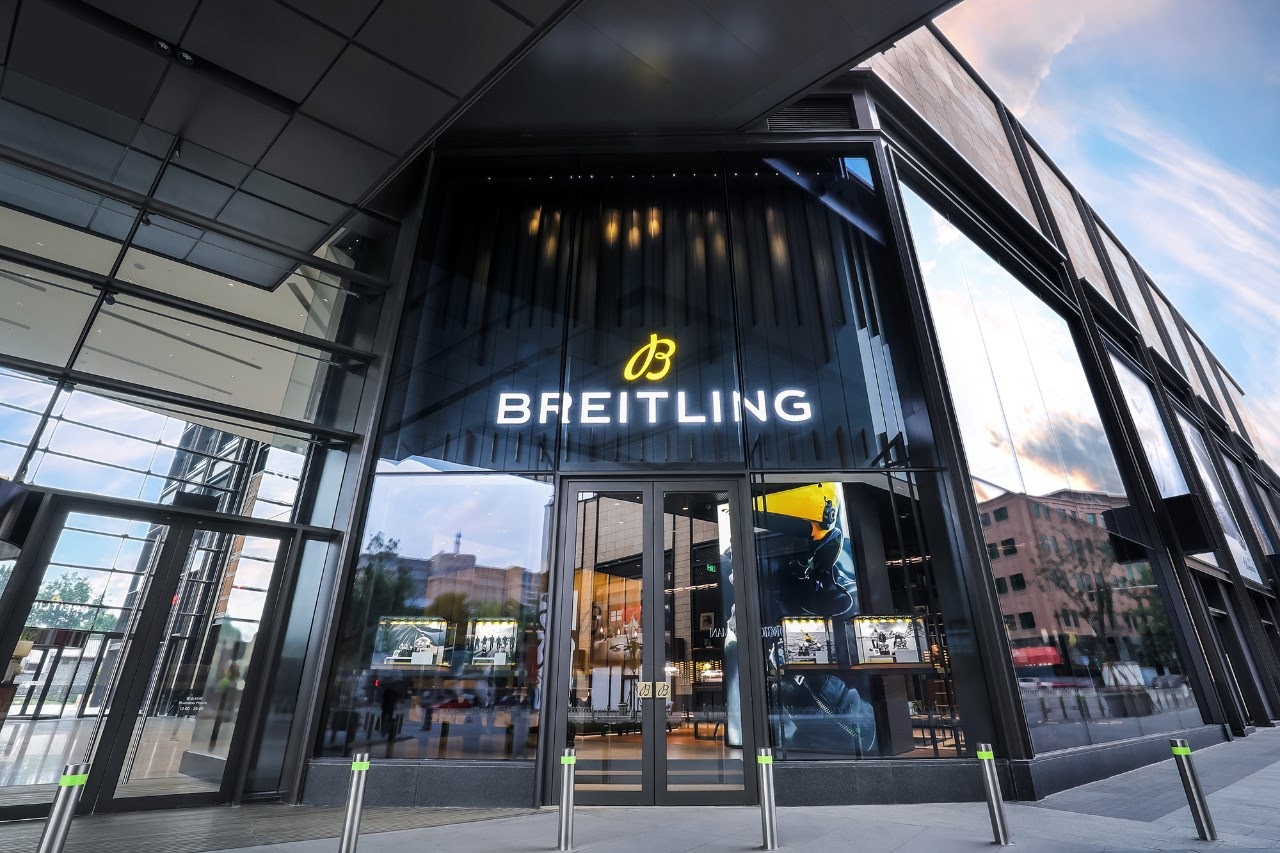
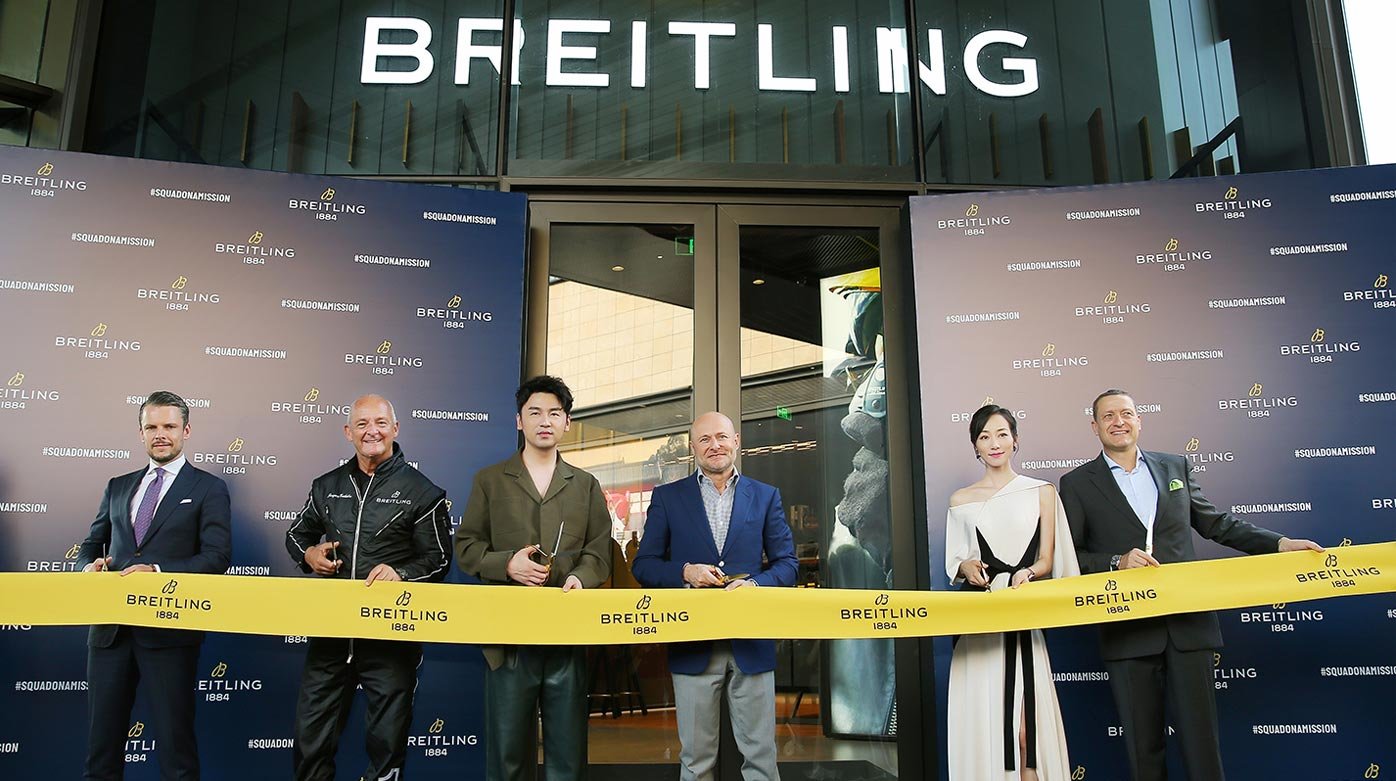
    Swiss luxury watchmaker Breitling has opened its first Asian flagship boutique in Beijing’s WF Central.

    The 152sqm Breitling Beijing boutique’s design features display space for more than 200 timepieces representative of the brand’s entire product range, including some exclusive limited editions. The interior is styled to present an artful, modern interpretation of mid-twentieth-century industrial loft interior design.

    More than 10,000 Japanese bricks were used in its construction to build a prominent wall display of the brand’s 1960s-era logo. It also features waxed concrete and American walnut flooring. An entrance bar doubles as a watch display area and includes a professional pool table for visitors to the store.

    Breitling’s design director Guy Bove said: “With our redesigned boutiques, we are respecting our long, impressive heritage, but are doing so by creating a relaxed, stylish environment. We are opening our doors to a new generation of Breitling enthusiasts”.

    CEO Georges Kern said launching the new Breitling Beijing flagship underscores the importance of Asian markets – particularly China – to the brand.

  • John Lewis announces business focus renewal

    John Lewis announces business focus renewal

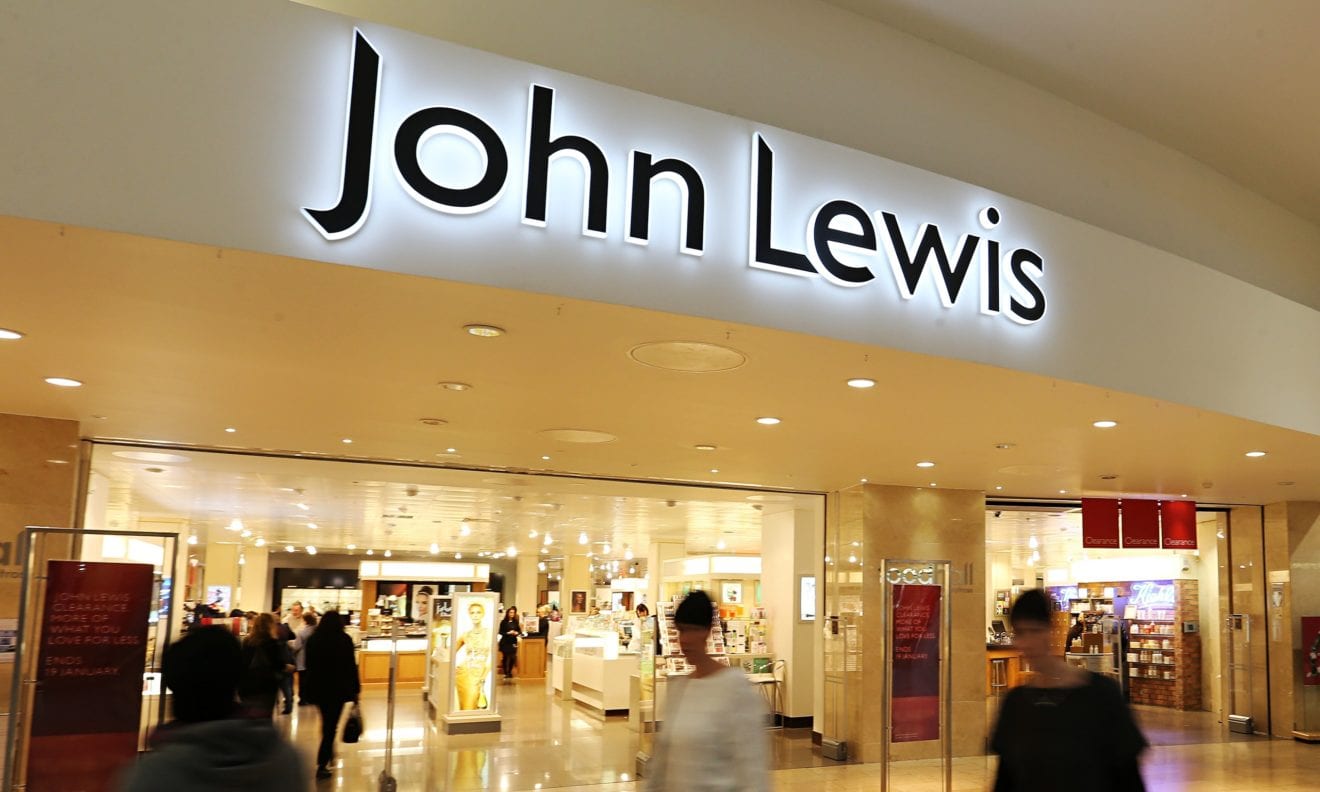
    UK-based company The John Lewis Partnership has announced a renewed business focus on differentiation and innovation.

    The company operates both the fashion, home and technology retailer John Lewis as well as the convenience-chain Waitrose.

    Chairman of the John Lewis Partnership, Sir Charlie Mayfield, said “as retail changes we need to tread a path that enables us to thrive as a business while building on the qualities that make us different.”

    “For us, the relentless pursuit of greater scale is not the right course.”

    The announcement release notes “clear plans to build on our strengths and to sharpen our points of difference in both Waitrose and John Lewis.

    “These plans include further investment in and development of unique products and service, together with a greater emphasis on own brand and innovation.”

    Waitrose will renew its focus on core customers, and plans to extend further the range of “exclusive products while continuing to raise the quality”, including a greater focus on health and well-being.

    The chain is also committing to a higher level of customer service with “an increase in the number of specialists to advise customers” in store.

    John Lewis will focus on three key areas; unique products, personal service and expansion into new services.

    “At the heart of the strategy is developing a curated and targeted assortment, which is increasingly unique to John Lewis,” reads the announcement.

    “Key to this is supercharging women’s fashion, acquiring new niche brands, securing exclusives with international brands and significantly growing design capability”.

  • Lotte Duty Free to open its second store in Vietnam

    Lotte Duty Free to open its second store in Vietnam

    Lotte Duty Free said Sunday that it has opened its second store in Vietnam at Nha Trang Cam Ranh International Airport as it strives to expand its presence in the Asian market and better serve Chinese and Russian visitors.

    The company, a major player in the duty-free business, said its new store started operating Saturday, as the new passenger terminal at the airport opened for business. It said Lotte has the sole rights to operate the duty-free store at the airport until 2028.

    The airport serves the Nha Trang area in the central part of the Southeast Asian country, with both domestic and international flights being offered to users.

  • Sephora Korea to open door next year

    Sephora Korea to open door next year

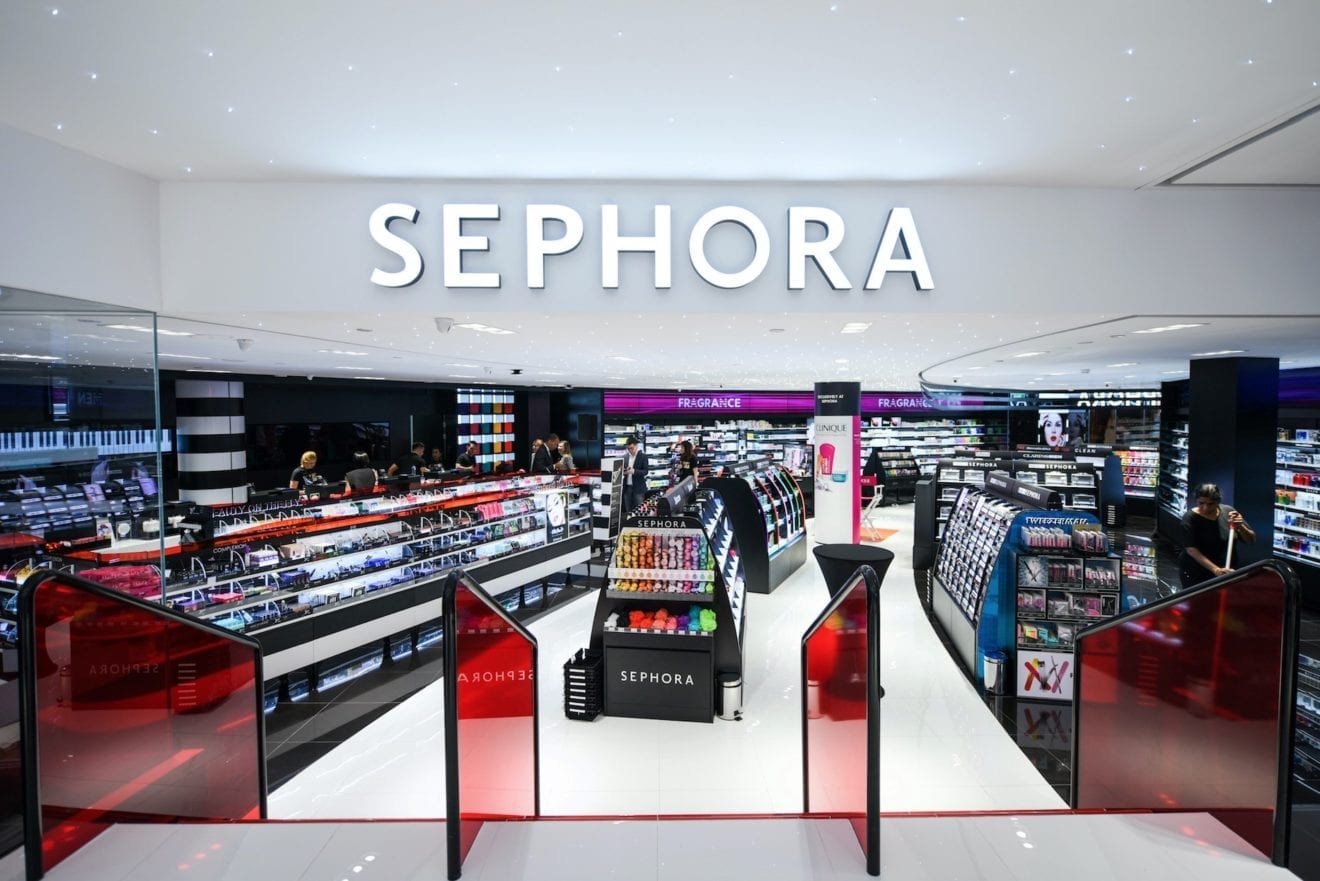
    A situations vacant post has revealed French beauty brand Sephora’s plans to launch in Korea next year.

    The job posting for a human resources manager with Sephora Korea included an announcement that the personal and beauty care store chain will be opening an outlet in Korea in the third quarter of next year.

    While this is the brand’s first venture into the South Korean market, it already operates a network of 2300 stores worldwide since being acquired by luxury conglomerate LVMH in 1997. It has operated in China since 2005, where it has 222 outlets.

    Sephora Korea is likely to face tough competition from the local brands dominating the domestic market.

  • JD Sports expands retail footprint with 36 new stores

    JD Sports expands retail footprint with 36 new stores

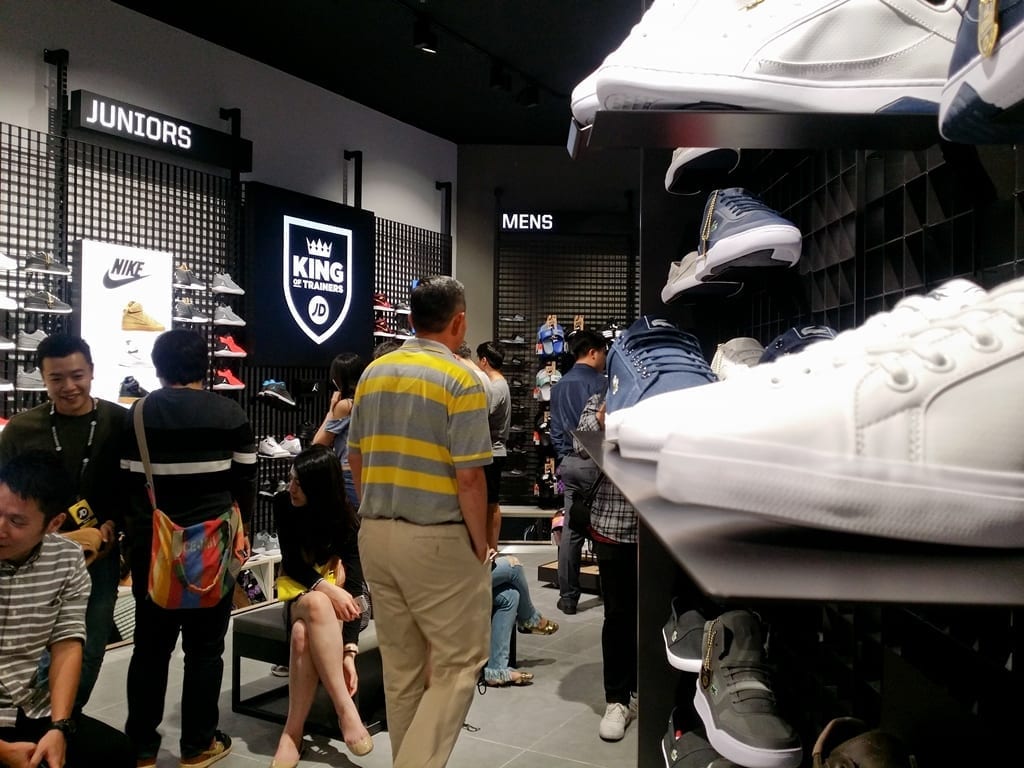
    Ahead of its annual general meeting, JD Sports Fashion Plc said in a statement that the Group announced record results for the year ended February 3, 2018 and its board believes that the company continues to be on track to deliver a result for the full year in line with consensus market expectations. The company also opened doors to 36 new stores starting this fiscal year to June 23, 2018.

    “There has been a further expansion in the JD store estate with a net increase of 36 stores in the period to June 23, 2018. As expected, the emphasis has been on international development with 18 new stores to date across Europe. There has also been an increase of 16 stores in the Asia Pacific region with additional stores in both Malaysia and Australia and the first JD stores in both South Korea and Singapore. The 16 new JD stores in the Asia Pacific region include 12 conversions from other fascias operated by our partners in these territories,” said Peter Cowgill, the Executive Chairman of JD Sports in a statement.

    “Overall, we remain encouraged about the progress that we are making internationally and, following the recent acquisition of the Finish Line business, are excited by the opportunity ahead of us in the United States,” Cowgill added.

  • Innisfree & Dimensi build Asia airport beauty presence at KLIA

    Innisfree & Dimensi build Asia airport beauty presence at KLIA

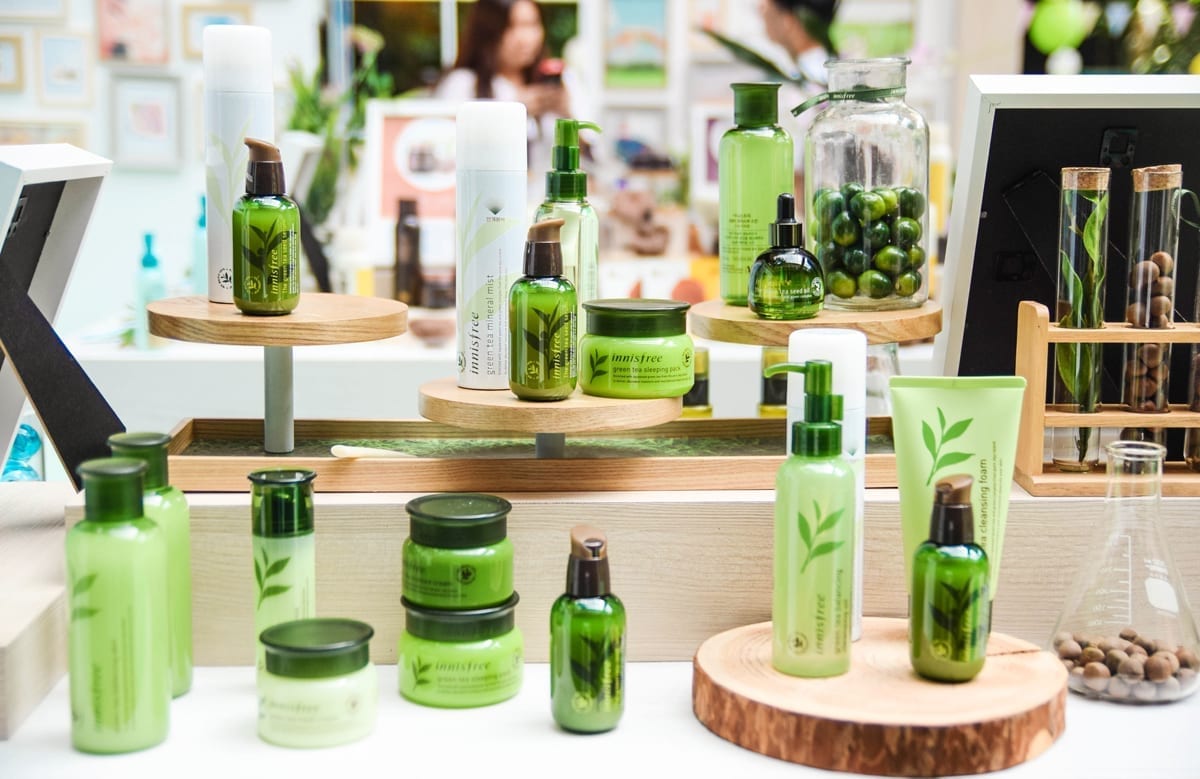
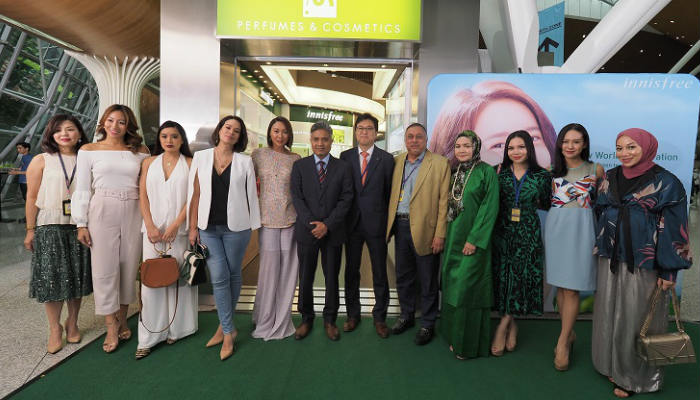
    The opening at the Malaysian gateway, in association with travel retailer Dimensi Eksklusif, consolidates the Amore Pacific-owned beauty firm’s airport influence in Asia, having already established a footprint at Hong Kong International and Singapore Changi.

    Earlier this month, Dimensi revealed that it had secured a one-year contract extension at the airport, as operator Malaysia Airports Holding Berhad concludes plans for an overhaul of its passenger facilities.

    TRENDING BRANDS

    Speaking at the official opening of the store, Amorepacific Global Travel Retail Senior Vice President David Park said: “Innisfree is one of the fastest-growing brands in the Amorepacific Group and Korea’s number one natural beauty brand.

    “Apart from Singapore Changi International Airport and Hong Kong International Airport, KLIA is our latest Innisfree airport store outside of Korea. We look forward to great success of the brand at this wonderful airport.

    Dimensi Managing Director Tan Sri Zainul Azman says the travel retailer is constantly searching for ‘trending brands’ and is delighted to partner with Amorepacific to showcase leading Korean names at KLIA.

    P&C SALES GROWTH

    Meanwhile, Malaysia Airports Senior General Manager for Commercial Services Nazli Aziz predicts an increases in sales of perfumes & cosmetics linked to wider product choice and rising Chinese passenger arrivals.

    “In the first quarter of this year, sales of products under the perfumes and cosmetics category grew by 29% against the figures recorded in the corresponding period of last year,” he stated.

    “Our strategy of collaborating with famous brands like Innisfree is part of an ongoing initiative to enhance the total airport experience of travellers at our airports.”

    Innisfree and several other global brands are expected to provide entertainment for travellers in the coming weeks when the annual Malaysia Airports Shopping Campaign begins in July.

    “We hope all the activities and campaigns which we have undertaken and those we are planning to implement will eventually lead to the infusion of a sense of place among travellers, making KLIA an ideal and joyful place to shop,” added Nazli.

  • Why fast-fashion brands like H&M are losing millennial customers in Malaysia and Singapore

    Why fast-fashion brands like H&M are losing millennial customers in Malaysia and Singapore

    Melissa Chi, 30, remembers when her wardrobe was full of H&M clothing and accessories. After discovering the Swedish brand during an internship in Washington, the Singaporean, who runs an online healthy lifestyle store, quickly became a fan of its smart design, decent quality and affordable prices.

    Today, however, Chi rarely wears fast-fashion items, H&M or otherwise. Since she became a convert to sustainable living two years ago, she has learned just how damaging the fast-fashion industry is for the environment.

    “The whole mentality that we should buy more because it’s cheap just didn’t seem right any more,” she says.

    It was a 180-degree sartorial turn for Chi, one that many other young Singaporeans and Malaysians are going through.

    More than 1,000 shoppers queued outside H&M’s Singapore flagship store when it opened in 2011, excited to become its first customers. The following year, about 1,500 people did the same at its Kuala Lumpur flagship on its first day of business. And when H&M collaborated with luxury brands Balmain and Kenzo, launching the collections in 2015 and 2016 respectively, similar frenzies occurred.

    Fast forward and H&M’s quarterly report ending February 28 indicates Asian millennials’ appetite for the brand’s trendy apparel may be on the wane. Malaysia recorded a 1 per cent drop in sales over the quarter, while the Singapore operation saw sales fall by 10 per cent.

    A similar downward trend is being seen in other parts of Asia, including China. That’s after two decades of strong growth globally during which the company regularly reported double-digit sales increases.

    In the three months to February 28, H&M’s operating profit fell by 62 per cent, causing its shares to hit a 13-year low on Stockholm’s bourse. A US$4.3 billion stockpile of clothing and accessories had accumulated in thousands of warehouses and stores around the world, the company reported.

    What had happened? Business analysts say the company failed to adapt to fierce competition from the boom in online retail and lower prices offered by a growing number of similar fast-fashion outlets. Chi agrees that these have been factors in Singapore and Malaysia.

    “I definitely think the demand [for fast fashion] is cooling off and not just because of the growing awareness that fast fashion is bad,” she says, referring to allegations of abuses against workers and environmental concerns. “It is also because of intense competition from all sorts of brands online, globally.”

    Abby Wee, communications manager for H&M Singapore and Malaysia, said that 2018 is a “transitional year” for the brand, adding that the fashion retail landscape is changing rapidly.

    “While there is a decline in sales in Singapore and Malaysia, we don’t see that as an indication that we are not one of the top fashion destinations for our customers,” she says in an email.

    Wee points to last year’s launch of the online store hm.com, and the positive reviews that it has been getting in both Singapore and Malaysia, as proof that its “omnichannel presence” is expanding.

    However, hm.com is competing in a crowded online market of brands that have had a web presence for years. Singapore government data shows that as early as 2011, 50 per cent of the country’s internet users aged 15 years and older were already shopping online. In 2012, regional e-retailer Zalora set up operations in both Malaysia and Singapore. Other e-retailers, such as Asos and American Apparel, had been targeting Singaporean shoppers by offering free shipping long before hm.com came along.

    Sarah Kok, a 22-year-old broadcast journalism student in Malaysia, says she no longer shops at H&M for several reasons. Since Uniqlo, the Japanese mass-market clothing brand, expanded in Malaysian malls several years ago, Kok now does most of her shopping for daily work outfits there. She says it offers more comfort, better quality and greater diversity than H&M.

    Environmental sustainability and a fair supply chain matter, too. These are Kok’s main reasons for shunning H&M today, she says.

    H&M has been accused of using prison labour in China, employing children in Myanmar, firing Cambodian women who got pregnant, suppressing unions, and causing environmental damage, among other issues.

    “If you can sell things at such a cheap price overseas, that means you’re getting it cheap as well,” Kok says. “So, that equals cheap labour.”

    Uniqlo may not be entirely innocent, either. A report by anti-poverty charity War on Want asserted in 2016 that Chinese factories making clothes for Uniqlo were abusing workers’ rights. Despite the brand’s commitment to “corporate social responsibility” and “making the world a better place”, undercover investigations by Students and Scholars against Corporate Misbehaviour said it found excessive overtime, low pay, dangerous working conditions and oppressive management practices in Uniqlo’s supplier factories in China.

    In an emailed statement, Wong Xinyi, sustainability manager for H&M Southeast Asia, points out that the company has signed a “global framework agreement” with workers’ organisations based in Sweden aimed at improving workers’ rights in the supply chain.

    It is also one of a number of global brands that have initiated the ACT (action, collaboration and transformation) agreement, which aims to ensure fair wages and better working conditions in the supply chain.

    Wee claims that the supplier factories H&M works with the most through long-term partnerships – representing 50 per cent of its product volume – have democratically elected representatives who can speak on behalf of the workers, achieving one of the company’s 2018 goals.

    To address the issue of environmental pollution, Wee points to the brand’s collaboration with the Zero Discharge of Hazardous Chemicals Programme to raise awareness and industry standards, and its partnership with the organisation Changing Markets to implement the “road map towards responsible viscose and modal fibre manufacturing” within its existing sourcing policy.

    H&M has also set 2030 as a target date to have all products made from recycled or otherwise sustainably sourced materials. By 2040, it aims to become “climate-positive” throughout its value chain.

    “Our customers in Malaysia and Singapore trust our brand and they have also responded positively towards our sustainability initiatives,” Wee says. “Therefore, it is clear to us that our customers expect us to operate our business responsibly and we are determined to exceed their expectations in this area.”

    However, whether all this means we are seeing a new dawn for fashion in Southeast Asia, with fast-fashion companies complying with a more sustainable and ethical framework in their production lines, is questionable. So, too, is whether there is really enough demand for more conscionable clothing among Malaysian and Singaporean millennials – known for being materialistic – to encourage companies to follow more sustainable practices.

    Both are highly unlikely, according to Nicholas Harrigan, a senior lecturer in sociology at Sydney’s Macquarie University.

    “Unfortunately, not enough young people in Singapore and Malaysia are conscious enough about ethical fashion for it likely to make much of an impact on sales,” says Harrigan, who previously lectured at Singapore Management University.

    Google “sustainable fashion in Malaysia and Singapore” and a few brands with limited offerings will pop up. Biji-Biji Design, arguably Malaysia’s most prominent eco- and labour-friendly company, sells bags and accessories made using discarded advertising banners, car seat belts and even old kimonos, with some products at prices comparable to H&M. Such companies, however, are few and far between.

    Harrigan believes other factors could be at play, such as the growing influence of blogshops – retailers operating on blogging platforms – on Singaporean youth, which provide more variety and are more convenient than going out shopping.

    Price could be another issue. Harrigan posits that despite H&M’s products being cheaper than brands such as Zara, they are still expensive given the quality.

    Still, sceptics note that the relatively low prices of fast-fashion brands will continue to be attractive to young people.

    Norashahera Hakem, head of fashion at Biji-Biji, remains optimistic. Although it is difficult for a brand like hers to survive in Malaysia, there are signs of a shift in mindset. People are starting to care more about quality and the effect of their unused piles of clothes on the environment, she says. Price is no longer the sole factor, as millennials are looking at the stories behind a product.

    “It is possible to survive with a lot of hard work and determination, as the concept is still quite new in this region,” she says. “People need to realise that quality and sustainability have an extra cost and [be] willing to pay for it.”
  • Tomas Maier to close down

    Tomas Maier to close down

    After more than twenty years of operation, Tomas Maier is no more. The luxury fashion label, founded in 1997 by the German designer of the same name, will cease operations by year-end.

    French luxury conglomerate Kering, which acquired the women’s wear brand in 2013 via a jointly owned company of which it was a major shareholder, confirmed this week it “is ending its partnership with the label, which is ceasing operations.”

    The label has between 20 and 30 employees, and “in the next few months, [Kering] will make every effort to protect their jobs, coordinating with the label’s local employee representatives,” read a press release.

    Furthermore, writing appointments for the resort 2018 and men’s spring 2019 collections have been cancelled and it is understood the next collection probably will not be produced.

    Earlier in the month, Tomas Maier resigned from his role as creative director of Bottega Veneta, which is also part of Kering.

    With a resume that reads Guy Laroche, Sonia Rykiel and Hermès, Maier was pivotal in making Bottega Veneta’s sales go from €50 million to €1 billion in 17 years.

    However, the brand lost momentum in recent years, and Kering changed its creative leadership. Daniel Lee, most recently director of ready-to-wear at Céline, succeeds Maier from 1 July.

    Parent of luxury brands including Gucci, Balenciaga, Saint Laurent and Boucheron, Kering has been selling-off its stake in less profitable fashion brands. It recently disclosed it is in talks to sell its shares in Christopher Kane back to the namesake designer and bid adieu to sports brand Puma earlier in the year.

  • Jeweller Luk Fook time to shine after years of decline

    Jeweller Luk Fook time to shine after years of decline

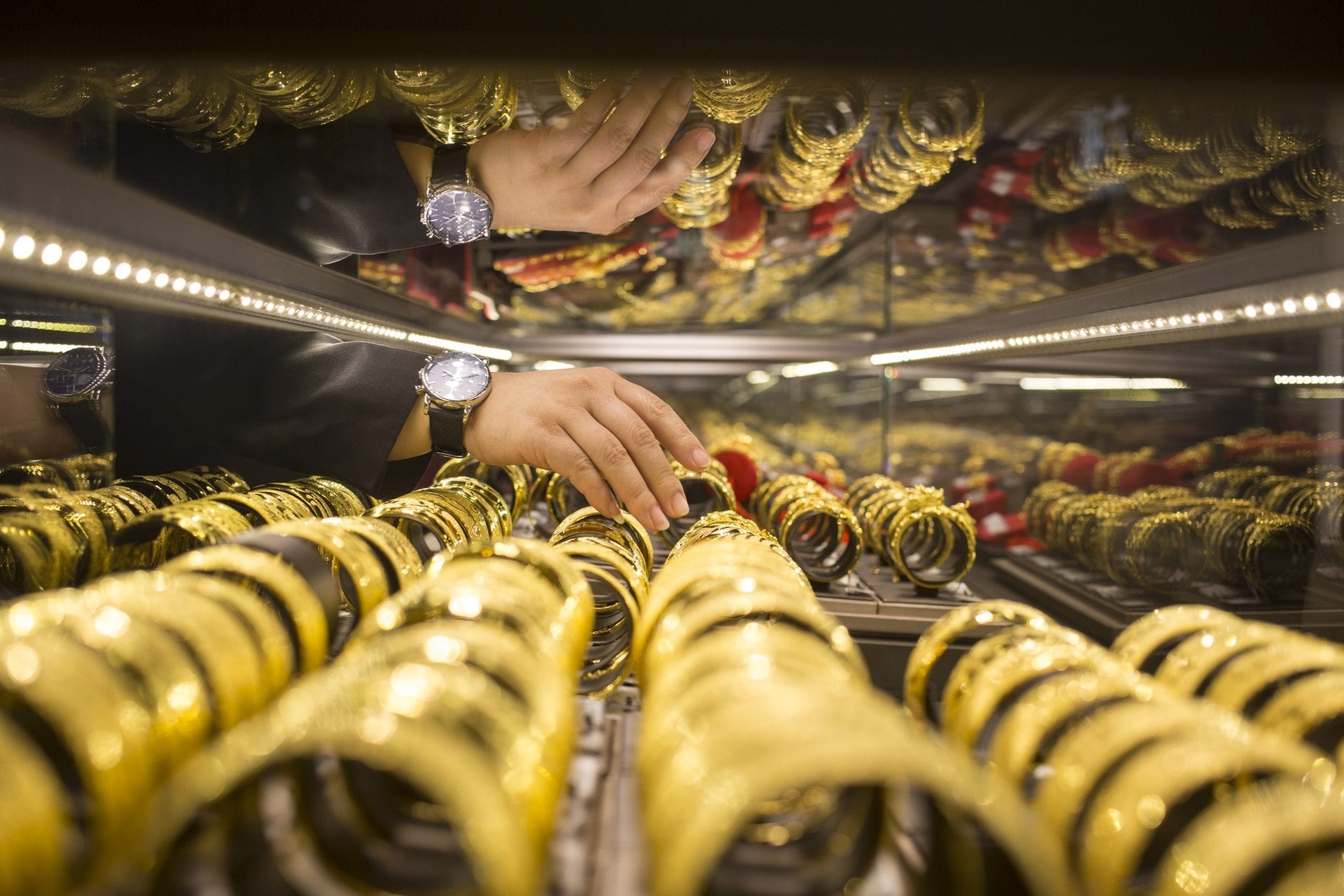
    Jeweller Luk Fook has reversed a three-year trend of declining revenue in its latest financial year, boosting sales by 13.8 per cent to HK$14.578 billion (US$1.857 billion).

    Releasing its results for the year to March 31, the company said the turnaround was the result of improved retail sentiment, especially in its largest market of Hong Kong-Macau. Profit attributable to shareholders grew 34.7 per cent to $1.4 billion.

    Luk Fook finished the year with 1642 stores globally, 137 more than the previous year with almost all of the new stores on the mainland.

    Wong Wai Sheung, group chairman and CEO,, said that despite the impact of the slowdown in economic growth in Mainland China and the changes to the Individual Visit Scheme, there was gradual improvement in spending per capita.

    The retail business, the group’s primary source of revenue, improved 14.3 per cent to $10.995 billion. Within that, sales of gem-set jewellery increased 24.2 per cent. Sales of gold and platinum products increased by 10.2 per cent.

    Luk Fook reported same-store growth in Hong Kong and Macau of 9.4 per cent last year, a huge contrast to the 19.5 per cent decline of the previous year. Mainland China same-store sales grew by a more modest 4.6 per cent, compared to a 4.8 per cent drop the prior year.

    Besides adding 132 new stores in Mainland China, Luk Fook opened its first licensed store in Cambodia and one store in each of Hong Kong and San Francisco.

    Rebound continues

    Wong Wai Sheung said the improved overall economic environment and increased visitor arrivals in Hong Kong and Macau is reflected in ongoing positive retail sentiment since April this year.

    Same-store sales growth continued to run in the double digits this year and sales of gem-set jewellery in the mainland market had returned to positive growth.

    “However, under the influence of US-China trade war and geopolitics, there are still many uncertainties around.”

    That aside, he said the continuing growth of the mainland’s middle-class population  fuelled optimism about Luk Fook’s mid- to long-term business prospects.

  • Chanel opens Kuala Lumpur pop-up

    Chanel opens Kuala Lumpur pop-up

    French luxury label Chanel has opened a pop-up store in Kuala Lumpur this month, as its KL flagship location undergoes renovations for relaunch in late 2018.

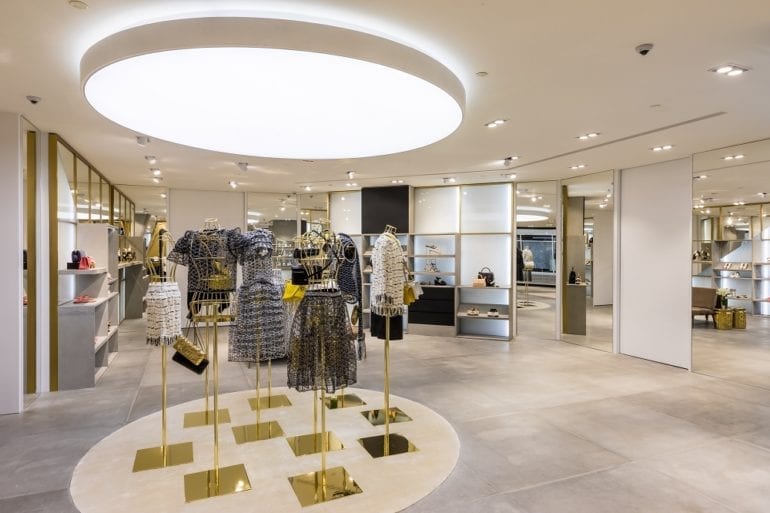
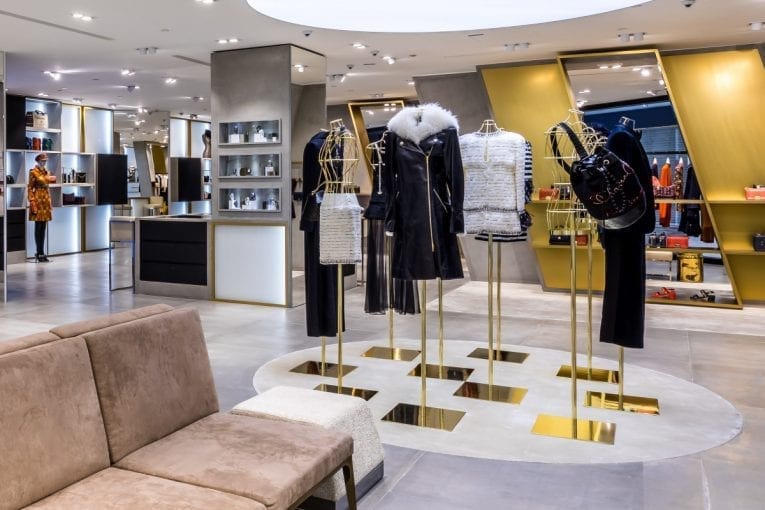
    Located in Suria KLCC, the 400 square-metre temporary store stocks Chanel’s range of product, including its spring/summer 2018 collection featuring opulent fashion, accessories and shoes.

    The pop-up is also home to the recently launched Métiers d’art Paris-Hamburg 2017/18 collection that showcases the exquisite craftsmanship of the fashion house’s Maisons d’art.

    The store has been designed in the je ne sais quoi elegance known to the Parisian house, found in the minimalist colour palette of beige, cream and tan, spotted with more graphic décor like dark gold fixtures and concrete modules.

    Key retail fixtures include a vast handbag wall, with the grid-ish shelves girded by neon tubes of light, and licked by champagne gold trim. A modular outlay showcases the latest shoes and then, in a separate area, there’s a place for customers to find the costume jewellery.

    Finally, concrete displays hoist Chanel’s ready-to-wear, including textural tailoring and more flowing pieces.

    A VIP dressing room and bespoke furniture are designed to make the customers shop in comfort and at their leisure.

    In April this year, Chanel successfully bowed an arcade-inspired beauty pop-up store in Kuala Lumpur. Dubbed “Coco Game Center”, the event encouraged shoppers to experiment with endless makeup and beauty products. Now closed, it ran from 8 April  to 13 May.

    More recently, Chanel released full year earnings for the first time. The label posted revenues of $9.62 billion for 2017, an 11 percent rise from a year earlier at constant currencies, helped like its peers by a strong performance in Asia Pacific especially, where sales grew 16.5 percent.

    Profit rose 18.5 percent from a year earlier to $1.79 billion.

  • Global Brands to Sell US Licensing Businesses to Differential Brands

    Global Brands to Sell US Licensing Businesses to Differential Brands

    The move, announced at the release of its annual results yesterday, will allow it to cut debt, pay a modest special dividend to shareholders and free capital to grow “a more focused business”, the company said. It will also result in about half of its 7000 staff leaving the company.

    Global Brands Group is currently carrying about $1.1 billion of debt, much of it related to its 2014 spin-off from Li & Fung and subsequent listing.

    The assets to be transferred include licences for Disney, Star Wars, Calvin Klein, Under Armour, Tommy Hilfiger, Bebe, Joe’s, Buffalo David Bitton, Frye, Michael Kors, Cole Haan, Kenneth Cole and the BCBG Max Azria label which it bought last year for $27.4 million after the company filed for bankruptcy.

    CEO Bruce Rockowitz said the sale was the outcome of a strategic review of the business.

    “We concluded that divesting the portion of our business that has a high present-day value, was the way to move forward. With this transaction, the group will be able to improve our balance sheet significantly and simplify our organisation, while focusing on the less established lines of business where we see high growth potential going forward.”

    Subject to shareholder approval, the deal will see Global Brands Group become “simpler, flatter and more nimble”.

    The company said that on the branded product side, the group’s European and Asian businesses will remain as before, while its US business will now focus on footwear and its remaining fashion business. Brand Management will continue to be managed on a global basis.

    “Looking ahead, we will continue to attract new licenses to our portfolio with a tighter and deeper focus on our businesses,” said Rockowitz. “At the same time, we will continue to improve the efficiency of our existing businesses, delivering synergies across our platforms. In addition, we have embarked on a significant cost reduction program across the organisation and we are committed to improving our cash flow via a combination of tighter working capital management, and even stronger cost discipline.”

    Revenue up but write-downs cost

    For the year to March 31, Global Brands Group increased its revenue by 3.4 per cent to $4.023 billion.

    However sales were impacted by Coach taking its footwear business in-house after their licence expired in June last year, and the cessation of the Quiksilver kids fashion licence when the company declared bankruptcy.

    Total margin increased from 28.5 per cent to 31.2 per cent, however operating costs increased by 37.3 per cent to $1.254 billion, driven largely by transition costs for new licenses in men’s and women’s fashion and additional operation expenses for running the new brands.

    The group also made one-off, non-cash adjustments in relation to impairments from the write-off of a receivable arising from a loan made by the company, and various intangible assets, which totalled $94 million.

    “In addition, taking into account this strategic divestment, the external market condition and business performance, the group performed an impairment test and recognised a non-cash goodwill impairment of $1.05 billion during the financial year,” the company said. That resulted in a net loss of $887 million for the year, however earnings before interest, taxes, depreciation and amortisation was steady at $379 million.

  • Tod’s And Mr. Bags Take Luxury Retail Omnichannel

    Tod’s And Mr. Bags Take Luxury Retail Omnichannel

    Luxury retail has run into a conundrum as digital channels and eCommerce continue to edge out brick-and-mortar shopping venues. Although eCommerce may not be replacing traditional retail just yet, it’s a channel that merchants can’t afford to ignore. Despite this widely accepted reality, many luxury brands have been doing just that: ignoring it.

    For many luxury brands, the in-store experience and presentation are part of the package. This has kept them from embracing omnichannel retail in the same way as some of their more affordable counterparts – which has been to their detriment, as shoppers are gravitating toward brands that meet them where they’re at, not the ones that require them to go find the brand in a retail setting.

    But all that may be starting to change as marketplace and eCommerce functions become more common across social channels such as WeChat, Instagram and Snapchat. Luxury is now beginning to find its way into the spheres where consumers are spending their time.

    Tod’s and Tao Liang Join Forces in Baoshop

    Exhibit A? Luxury brand Tod’s has jointly designed a limited-edition bag with Tao Liang, a.k.a. Mr. Bags: one of China’s most popular fashion bloggers and a powerful style influencer with 4 million social media followers. The product made its world premiere through a WeChat mini program called “Baoshop” on Tuesday, June 26.

    Baoshop is a limited-time exclusive pop-up shop customized by Liang just for shoppers. It’s designed to give them information about the product and a funnel to completing the purchase via WeChat Pay. In a press release about the bag’s world premiere, Liang said the mini program offers convenience and efficiency for shoppers while preserving the high-quality luxury experience.

    That could provide a major assist for luxury as a category as it looks to move sales from the physical to the digital world. There are definitely takeaways from Liang and Tod’s Baoshop that could be applied to any other market – though of course, each market has its own unique advantages and challenges that will factor into the success of such an approach.

    What it Means for the Worldwide Luxury Market

    The omnichannel evolution is underway in China’s luxury sector. Mini programs like the Baoshop by Liang and Tod’s have already become key elements as brands step up their digital game to connect with shoppers – but they are by no means the only ingredient in Chinese luxury’s recipe for success.

    The market has given birth to a unique economic model called the fans economy. Essentially, what happens in the fans economy is that influencers like Tao Liang act as middlemen between consumers and luxury brands. This gives luxury brands a lens into what potential shoppers are looking for and what their buying habits are like, enabling them to refine their interactions with consumers.

    Whether that can translate outside of China remains to be seen, but it’s definitely not out of the question. Every country has its fashion influencers, and every influencer has fans who will follow their style idols not only with their likes and re-posts, but with their dollars. So in that sense, a fans economy could be possible anywhere.

    However, it’s also important to consider the role WeChat has played in creating this economy. The company says it’s continually working to provide more and better digital toolboxes for brands, merchants and influencers, empowering them to serve their buyers and fans ever more directly.

    The soil may be fertile for a fans economy in the U.S., Europe, or elsewhere, but it may take efforts by a company like WeChat to truly make it grow.