Category: Fashion

Retail News Asia is committed to providing both local and global retailers with the latest Fashion news throughout the Asian market. This on a daily base.

  • It is sneaker time for luxury fashion

    It is sneaker time for luxury fashion

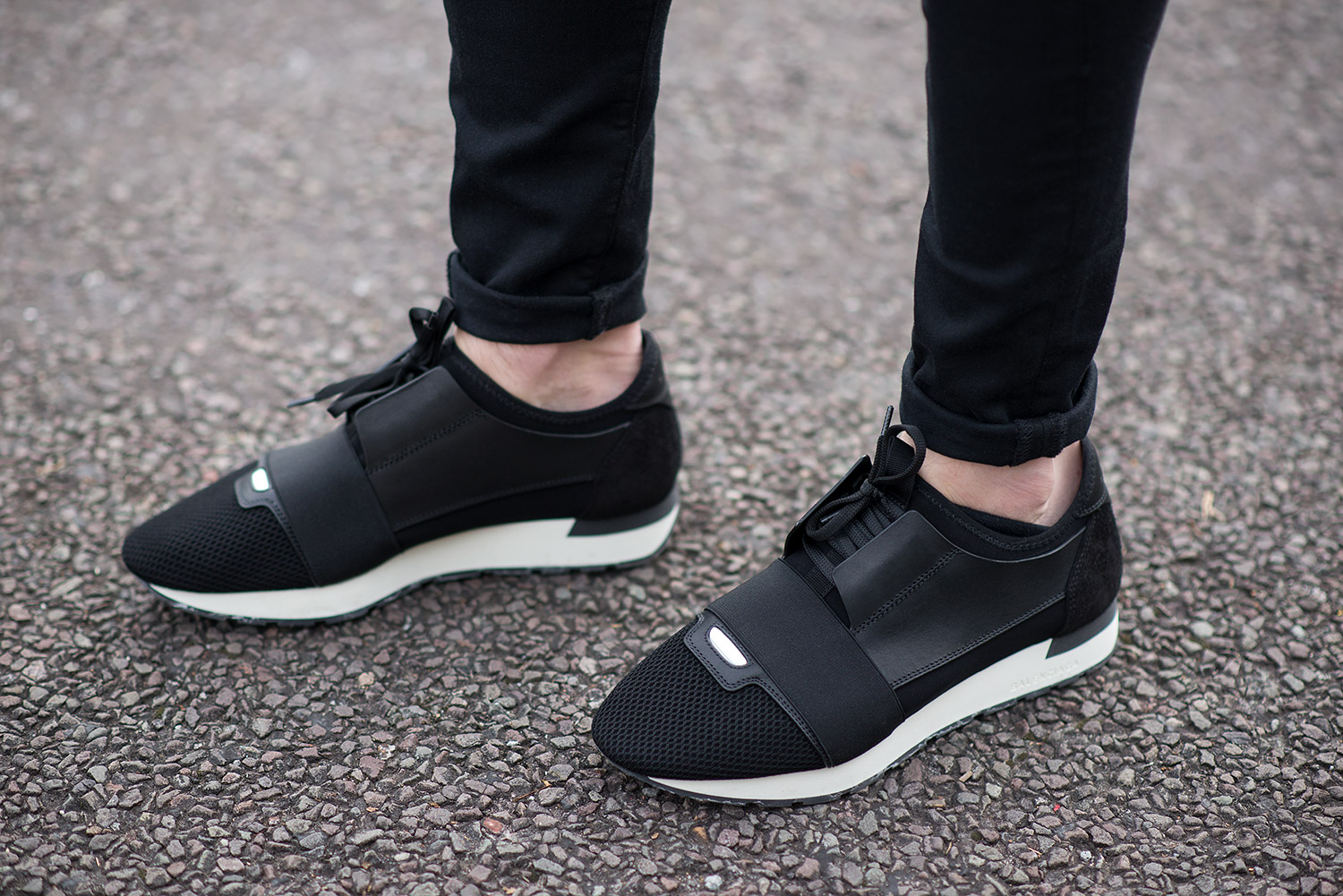
    What do you get when luxury fashion meets sport? $10,000 sneakers.

    High-end brands such as Kering’s Gucci, Prada and Balenciaga are increasingly looking to sneakers for growth, putting them in direct competition with sportswear giants like Nike, Puma PMUG.DE and Adidas, and giving rise to ever-more striking and expensive designs.

    Luxury groups say they are now increasing investments and marketing budgets to face down their new opponents.

    “When I saw sneakers were going to be a thing, I fought it for a bit,” Salvatore Ferragamo’s (SFER.MI) designer Paul Andrew said at a conference. “We’re definitely now investing heavily in that category, getting in very specialized people”.

    Global sales of sneakers – or trainers – rose 10 percent to 3.5 billion euros last year, outperforming a 7 percent rise in handbags, according to consultancy Bain & Co.

    “It’s not really even a trend anymore – it’s become a category,” said Bruce Pas, Men’s Fashion Director at U.S. department store Neiman Marcus.

    Both luxury groups and sports companies are looking to cash in on a booming market. Premium sneakers can start at around $400 but can easily rise as high as $3,000, for a pair of Christian Louboutin’s leather, crystal-embellished sneakers.

    Limited editions can sell for well over $10,000, including the Chanel X Pharrell Hu Race Trail or Nike’s Air Jordan 3 Retro DJ Khaled Grateful.

    Sneakers are a big driver of the luxury shoe business, which accountancy firm EY says is the fashion industry’s fastest-growing area.

    The rise of luxury sneakers is part of the growing influence of casual and streetwear in high-end fashion, where it is now acceptable to team sneakers with a tailored suit.

    Upmarket brands are tapping into street style to refresh their looks and young buyers are driving the shift. “Millennials” – born between the early 1980s and mid-90s – already represent a third of the luxury market, according to Bain.

    Several luxury group executives recently noted the importance of sneakers for their business and the need to step up their game to face the rising competition.

    Emilio Macellari, finance chief of Italian luxury goods company Tod’s – a pioneer in the sector, having launched its first Hogan luxury sneaker in 1986 – said “there is no brand that is not currently considering its (sneaker) offer”.

    Pointing out how times are changing, he said luxury brands were now “under attack” from sportswear companies, on top of the usual competition from their luxury peers.

    But so-called “sneakerisation” could steal market share from more traditional and formal-looking footwear, industry operators say.

    “What has changed is competition, with a clear overlap,” said Claudia D’Arpizio, partner at Bain & Co. “Luxury consumers are buying Nike and Adidas and vice-versa”.

    “If (luxury groups) go the sports way… it is only positive,” said Puma Chief Executive Bjorn Gulden said. “If that is a trend that pulls the sneaker market up, we can only be happy.”

    Analysts also say the intensifying competition is unlikely to erode profit margins because the market is expanding.

    “There is large space for prices moving up,” said Erwan Rambourg from HSBC. “The ‘luxurisation’ of sneakers could possibly impact margins positively”.
  • Tse Sui Luen Jewellery to open 100 new stores in China

    Tse Sui Luen Jewellery to open 100 new stores in China

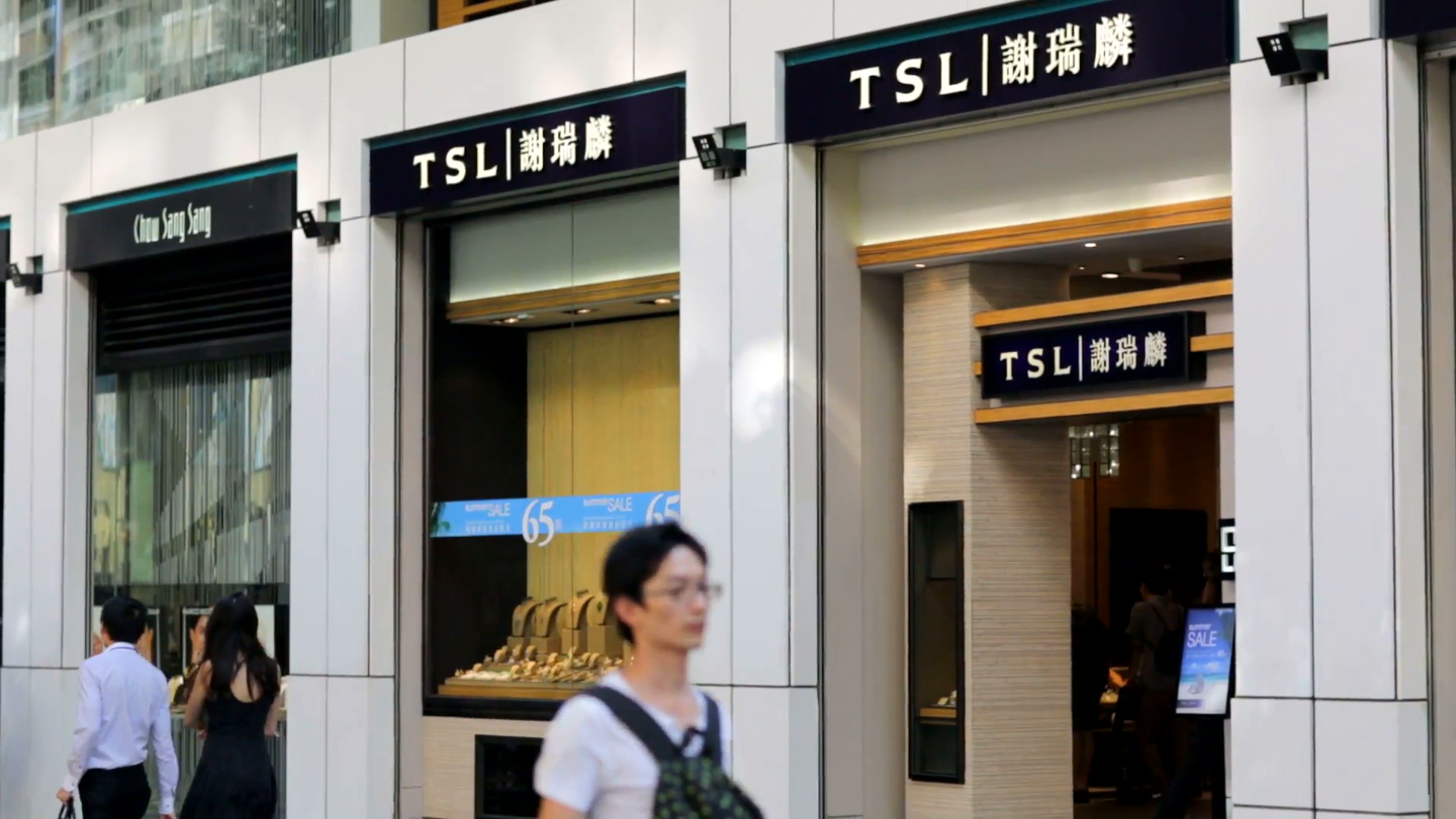
    Hong Kong jewellery retailer Tse Sui Luen (TSL) plans to open 100 stores in China over the next two years after solid growth in its existing store network.

    It currently has 380 stores on the mainland, including 193 self-operated stores and 187 franchised shops. As well as planning new sites, TSL says it is focusing less on department stores there and more on malls in line with consumer shopping patterns.

    Announcing a 21.3 per cent increase in sales group-wide for the last 13 months, and a 113.2 per cent increase in profit attributable to shareholders, TSL said it was also open to expanding its store network in Hong Kong as suitable opportunities presented themselves.

    “Continued expansion of our retail network in all our operating regions is one of our key objectives both now and going forward,” the company said in its results announcement.

    “With a cautious approach to monitoring the rental level and identifying appropriate business partners for our franchising business, we were delighted by the healthy growth in our store network in Hong Kong and Mainland China.”

    Total sales for the 13 months (the group changed its financial year-end date from February 28 to March 31 this year) were HK$14.137 billion. Profit was $49 million.

    In its home market of Hong Kong and Macau, TSL achieved a 19.5 per cent overall increase in same-store sales as tourists from the mainland returned to the territories.

    Thanks to gold product promotions and enrichment of the brand’s product assortments, the average amount per sale increased by 20.3 per cent. TSL opened two new stores in Hong Kong, in New Town Plaza in Sha Tin and Yoho Mall in Yuen Long.

    Mainland China

    TSL says a growing demand for “daily jewellery products” and the continuing emergence of the middle class creates an opportunity to continue to develop its Mainland China business.

    “Our self-operated stores continue to play a significant role as the group’s growth engine accounting for 39.3 per cent of the group’s turnover. However, … due to the shift of consumers away from department stores to shopping malls, we are undergoing a transition in the repositioning of our retail network to focus more on shopping malls and less on department stores.”

    Despite the change, the company managed to maintain its sales at similar levels to last year and same-store sales growth was 10.4 per cent, (including the effect of an extra month in the figures).

    Malaysia

    The company also operates four stores in Malaysia, where sales grew 48 per cent. “We remain positive about this business and will continue to expand further in appropriate locations when opportunities present themselves,” the company said.

  • Esprit HK suffers a huge loss

    Esprit HK suffers a huge loss

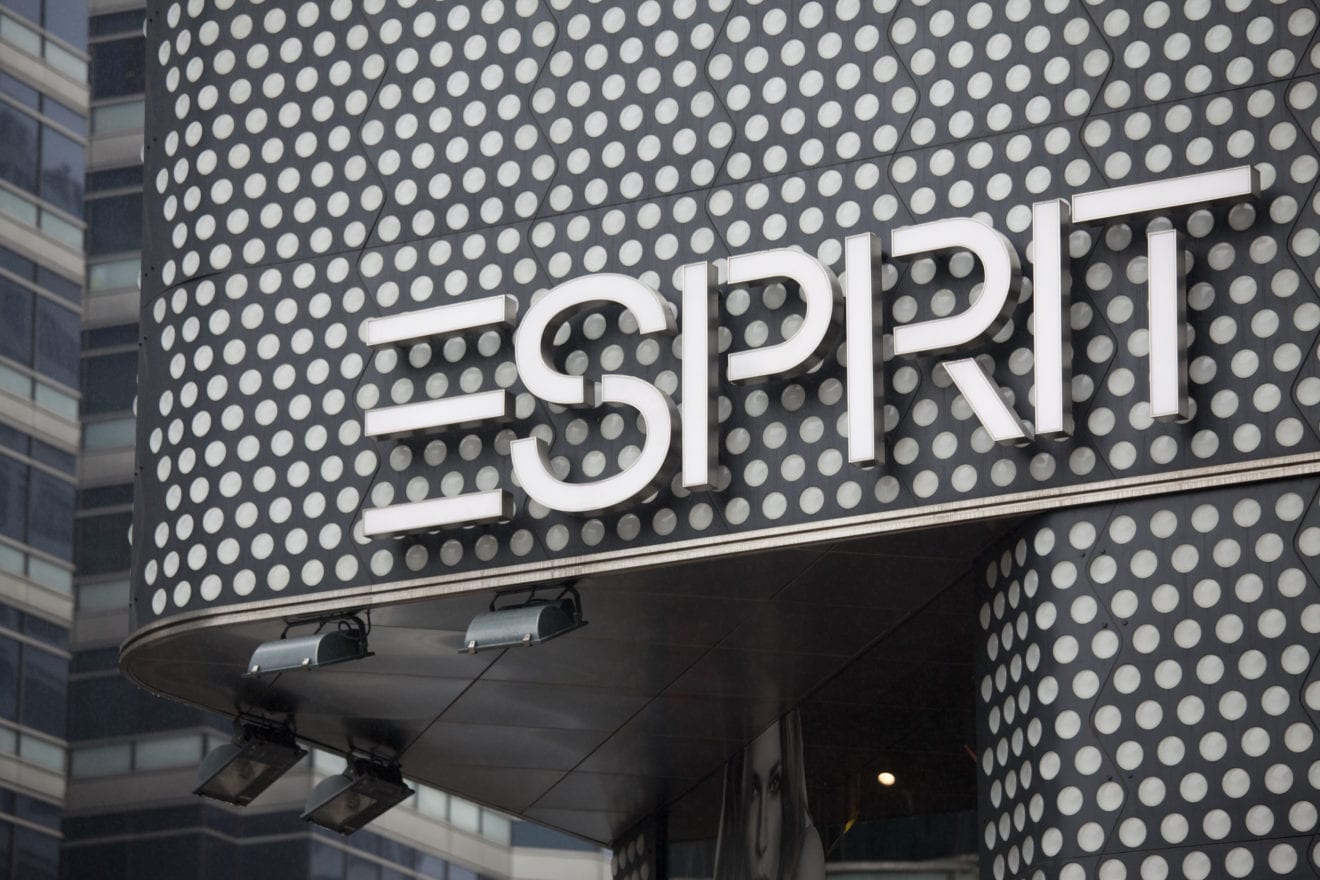
    Distressed fashion chain Esprit has warned of a massive HK$2.2 billion (US$280 million) loss based on write-downs, exit costs – and a continuation of falling sales.

    The Hong Kong-listed company filed a profit warning with the Hong Kong Stock Exchange in which it said, based on the first 11 months figures for the year – it expected a loss before interest and taxes of between $2.170 billion and $2.270 billion for the full financial year to June 30. Last year, Esprit lost $102 million.

    A just over half the Esprit loss results from non-cash items and one-off costs due to store closures, the company says it expects to post an operating loss as high as $950 million due to plummeting sales. It reported a “decline of customer traffic” to its brick-and-mortar stores, higher than it projected.

    The one-off costs listed were:

    • A full impairment and write-down of the value of the China business, of HK$ 794 million before taxation.
    • The divestment of its stores in Australia and New Zealand, which will cost between $180 million and $200 million in provision for store closures and impairments.
      • Additional provisions and impairments due to the weaker than expected sales performance of directly managed retail stores for the year, including provisions for store closures and onerous leases, ($175 million to $185 million) and impairment of fixed assets of directly managed retail stores, ($11 million to $16 million).
    • A write-down in the value of inventory of between $80 million and $90 million arising from a change in the way it estimates the value of aged inventory.
    • Impairment of between $30 million and $35 million associated with obsolete SAP applications.

    The company said it would present final results for the year in September.

    Esprit has been struggling to achieve profit for the several years. In late April it warned shareholders its third-quarter performance was “well below expectation” and announced it would not renew the lease on its Causeway Bay flagship store.

    In March, it announced Jose Manuel Martínez Gutierrez would step down as group CEO and executive director of the company on June 1. Anders Kristiansen has since officially taken over the role.

  • Lacoste Raffles City brings new Le Club style to the store

    Lacoste Raffles City brings new Le Club style to the store

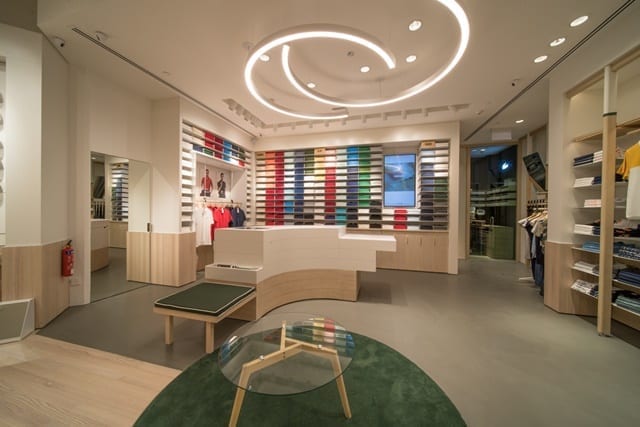
    The new Lacoste Raffles City store is the first of the French retailer’s Southeast Asian outlets to feature its latest concept ‘Le Club’.

    The new style reflects “the synthesis of the brand and its creator Rene Lacoste in one location: the club”, said a Lacoste spokesperson.

    Just opened on the street level of Raffles City, behind Robinsons department store, the 1873sqft space is reminiscent of a tennis court, with vintage design elements that Lacoste sees as a nod to the brand’s heritage. The fitting rooms are designed to look like locker rooms.

    The store offers Lacoste’s complete range of apparel, leather goods, fragrances and footwear – and, of course, the famous polo ‘colour wall’ shoppers have come to expect from Lacoset stores all over the world.

    The Lacoste Raffles City store will also carry runway collections and special collections including the 85th anniversary range created to celebrate both the heritage and innovation of the brand.

    An embroidery workshop features inside the store to offer customisation options for shoppers wishing to have their initials embroidered on their purchase.

    The Le Club concept is part of the Lacoste’s strategy to create a stronger brand identity and to strengthen the brand’s premium status throughout its global markets.

    View the gallery below (3 images) :

  • Japan’s ‘LB’ targets Korean market

    Japan’s ‘LB’ targets Korean market

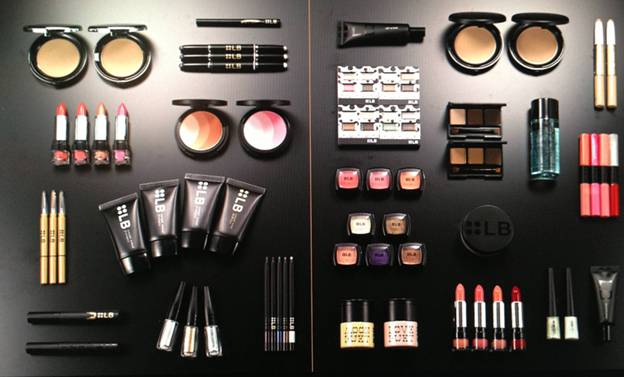
    Japanese makeup brand ‘LB’, known as Japan’s No. 1 eyeliner brand, entered Korean Market.

    LB was launched in the health and beauty store ‘LOHB’s’ in March 2018 and became immediately popular among Koreans.

    LB is sold in 14 countries including Japan, Taiwan, Hong Kong, Thailand, Vietnam, Singapore, Philippines, Australia, USA and China.

    LB is an abbreviation of LadyBird. It comes from an ancient European story about a LadyBird considered lucky. The brand name was chosen to suggest that luck will come when all women in the world use LB products.

    LB has already been recognized as a well-received brand from many beauty creators, including domestic and foreign influencers.

    It features a variety of trendy colors and a wide range of products that are easy to use for beginners. It mainlyprovides eyeliner, eyeshadow, blush, and lipsticks; all supplied at reasonable prices to target urban millennials.

    LB plans its full expansion in Korea by March 2019. The brand is also planning to open duty-free shops in Korea. In addition, through the make-up school run by Sosan Pacific, it will propose “LB style” and raise awareness.

    Representative of Soosan Pacific said: “we will actively promote the brand awareness of LB to consumers through diverse on-line and off line distribution.”

  • Sasa Hong Kong and Macau profits soar

    Sasa Hong Kong and Macau profits soar

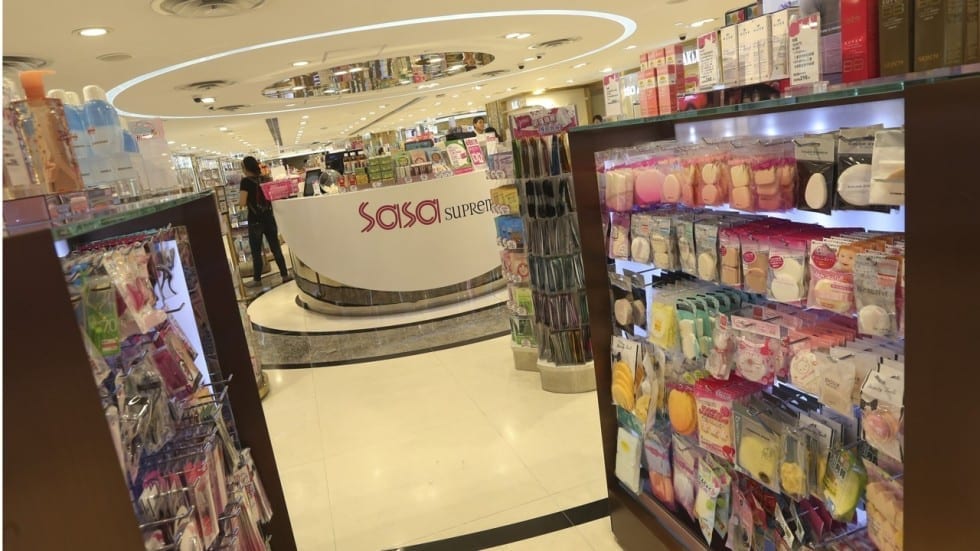
    Sasa profits soared 34.7 per cent in the last financial year, as sales at Hong Kong and Macau stores posted solid gains.

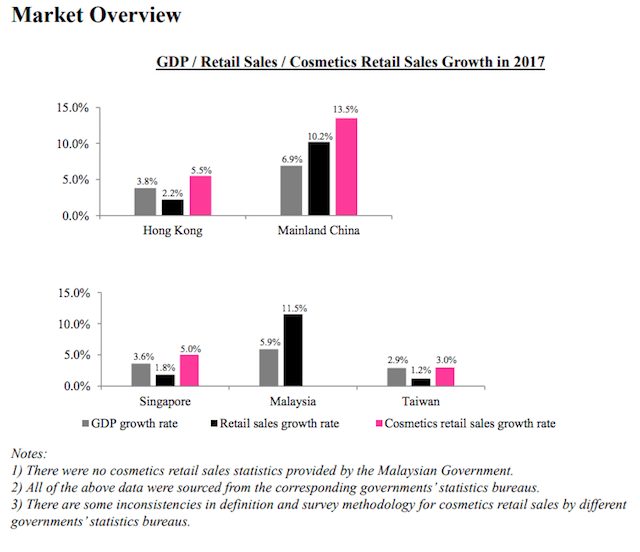
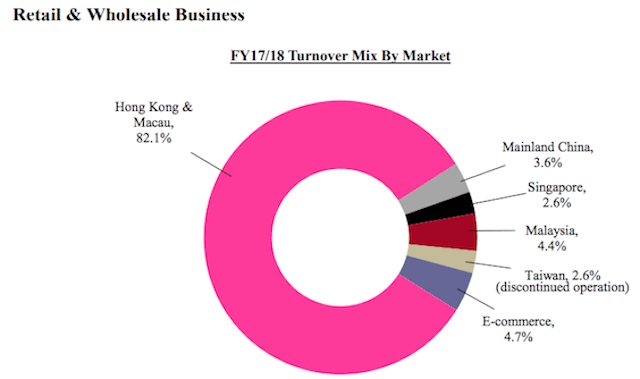
    Sasa’s parent Sa Sa International says group sales rose 6.2 per cent to HK$8.018 billion (US$1.022 billion), driven by a 7.9 per cent increase in Hong Kong and Macau, which accounts for 82 per cent of its business. Profit for the year was $440.1 million.

    The increased profit and sales were achieved despite the closure of the Taiwan business, with all 25 stores closed by year end, March 31 resulting in a loss of $25.1 million.

    Hong Kong and Macau

    In its results announcement, Sa Sa International said the reasons for the recovery of Hong Kong sales were various. “The satisfactory economic environment, high employment rate, stable property and stock market, and bullish local consumer sentiment are all driving robust growth.”

    The company said demand for middle- and high-end cosmetic products in Mainland China is soaring on the back of strong retail growth driven by the improved purchasing power of Mainland residents living in the third and fourth-tier cities.

    “This, in combination with a weak US Dollar and the strengthening of the Renminbi, is encouraging outbound travel and greater consumption by mainland tourists.”

    When those tourists visit Hong Kong, they typically shop at Sasa and its rivals. The growth rate of total transactions to Mainland Chinese visitors shopping at Sasa during the full year was 4.6 per cent, well ahead of the 3.3 per cent to local shoppers. But tourist transactions rose 8.5 per cent in the second-half year alone.

    With same-store growth up 3.9 per cent, a review of locations clearly paid off. Sa Sa’s sales rose in every quarter, by 21 and 23 per cent in the first two and by 28 per cent in each of the last two.

    Mainland China

    Sa Sa International’s Mainland China sales, measured in local currency, increased by 5 per cent to $298.7 million.

    Thanks to better cost control and increased store contributions, the group’s loss for this market reduced to $10.2 million. Group sales in the mainland rose by 6 per cent in the second half, compared to 3.9 per cent in the first half.

    Singapore

    Sa Sa Singapore sales rose 1.9 per cent for the year to HK$211.5 million, measured in local currency terms, but rose by 8.7 per cent on a same-stores basis.

    Sales declined in the first quarter because of three store closures near the end of the previous financial year, however, same-store sales turned into positive territory in the second quarter, improving further in the second half.

    Malaysia

    Sa Sa Malaysia sales rose 6.1 per cent to HK$362.5 million, but same-store revenue declined 1.2 per cent.

    The company said the more traditional brick-and-mortar retail market in Malaysia has been affected by the rapid development of digital media and e-commerce. “In addition, many new shopping malls have opened, diluting the traffic to the group’s existing stores, especially in the capital Kuala Lumpur, and indirectly affecting stores’ turnover.”

    The group’s turnover growth declined from 9.2 per cent in the first half to 3.4 per cent in the second half.

    Store network

    At the end of March, Sasa had 265 retail outlets, including 118 in Hong Kong and Macau, 55 in Mainland China, 20 in Singapore and 72 in Malaysia. But within Hong Kong and the mainland, 22 stores were closed and 23 opened as the company moved to improve locations and reduce rents.

  • Hyundai presents Kelly Park and Démoo together

    Hyundai presents Kelly Park and Démoo together

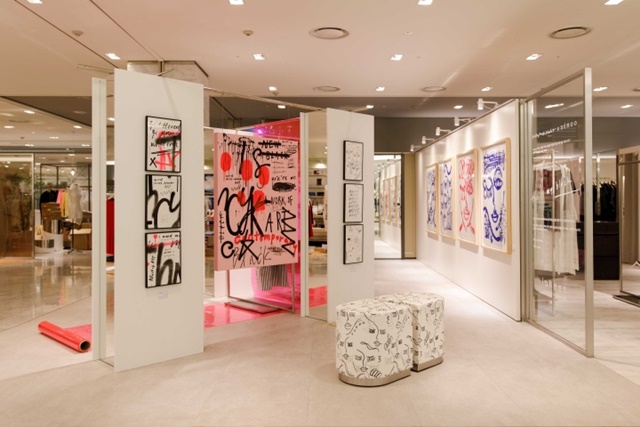
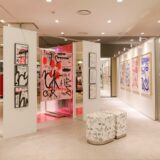
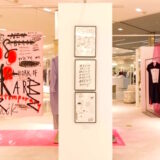
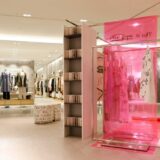
    Hyundai Department Store in Seoul has opened a shop-in-shop that brings together Kelly Park and Démoo in the first use of its new Artspace installation dedicated to brand and artist collaborations.

    Artspace, by multi-disciplinary design studio NBDC, is inspired by the temporary lifespans of pop-up shop formats and has been conceived to enhance the department store’s regular environment with conservatively-balanced experimental displays. Hyundai says the space attempts a convergence of artistic exhibition with the sale of product.

    The current Kelly Park x Démoo, themed “Expanding the Image”, showcases a range of offerings by both brands and is marked by the calligraphic visual styling of the Kelly Park Studio artworks on display, as well as the avant-garde Démoo fashions by designer Demi Choonmoo Park.

    The installation is built to resemble a gallery setting, allowing visitors to view artworks, fashions and patterned furniture pieces as they move through the exhibition.

    Gallery of the event can be viewed below (5 images) :

  • Memebox eyes to return the US after a year pending

    Memebox eyes to return the US after a year pending

    Memebox, a Korean beauty startup founded in 2012 as a subscription-box service, is relaunching its e-commerce business in the US after a year on hold.

    The company has remained active in Asian markets while awaiting its window to return to the US. Founder and CEO Dino Ha identified a rise in Asian beauty-brand awareness among American consumers as being the key factor in the relaunch.

    Memebox recently contracted with beauty retailer Sephora to launch a new line of cosmetics to come out this autumn. Its in-house brands are already available in the US on its new online platform, which has been reconfigured to include review and community features designed to bolster consumer education. The company’s community-building efforts to encourage sharing of product information have resulted in an increase in user engagement from three to 25 minutes spent on its platform.

    The firm maintains a database that lists the skin types, preferences and consumer trends of its 5 million active users. According to product manager Danielle Zhu, this is central to Memebox’s short product development cycle and trend-forecasting efforts.

    Memebox maintains a close relationship with social media influencers as a core strategy since first trading, and is now developing an affiliate program to encourage users to register as ambassadors of the brand. The program serves in part to address recent criticism accusing the firm of only targeting very light-skinned women, excluding many potential users with darker skin tones.

  • Bulgari’s Flagship in KL gets a Roman Makeover

    Bulgari’s Flagship in KL gets a Roman Makeover

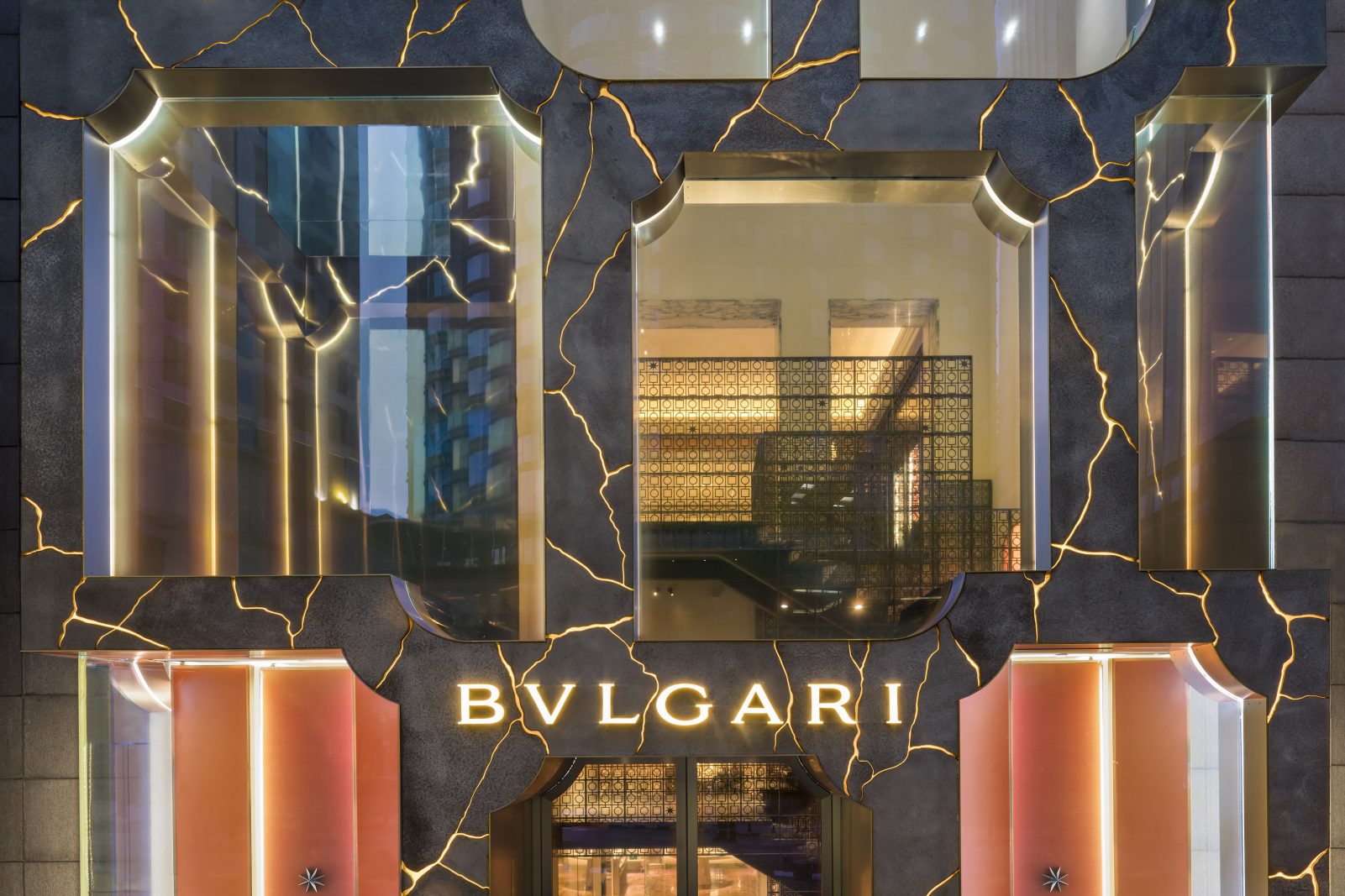
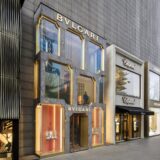
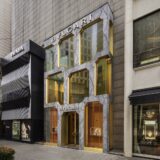
    Bulgari Malaysia has opened a flagship store in Bukit Bintang district, Kuala Lumpur.

    Built in the same style as the Via Condotti store in Rome, the 103sqm space sees the Italian brand experimenting with new ways to convey the luxury brand’s heritage.

    The designer, Netherlands-based MVRDV, used rough concrete with resin veins to create a sense of historic Italian architecture. The store space is permeated with gold light.

    Bulgari plans to adopt the new storefront facade in all of its global stores.

    The brand also recently launched a new design concept in Hong Kong.

    For more pictures, view the gallery below (4 images) :


  • Jins Philippines opens first store

    Jins Philippines opens first store

    Japanese eyewear retailer Jins has opened its first store in the Philippines.

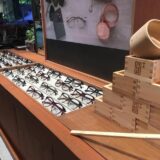
    Located at SM Aura Premier in Taguig, the Jins Philippines store will offer up to 1000 styles of frames and match them with lenses within about 30 minutes.

    Jins has about 350 stores in Japan and has recently started to expand into Greater China and the US.

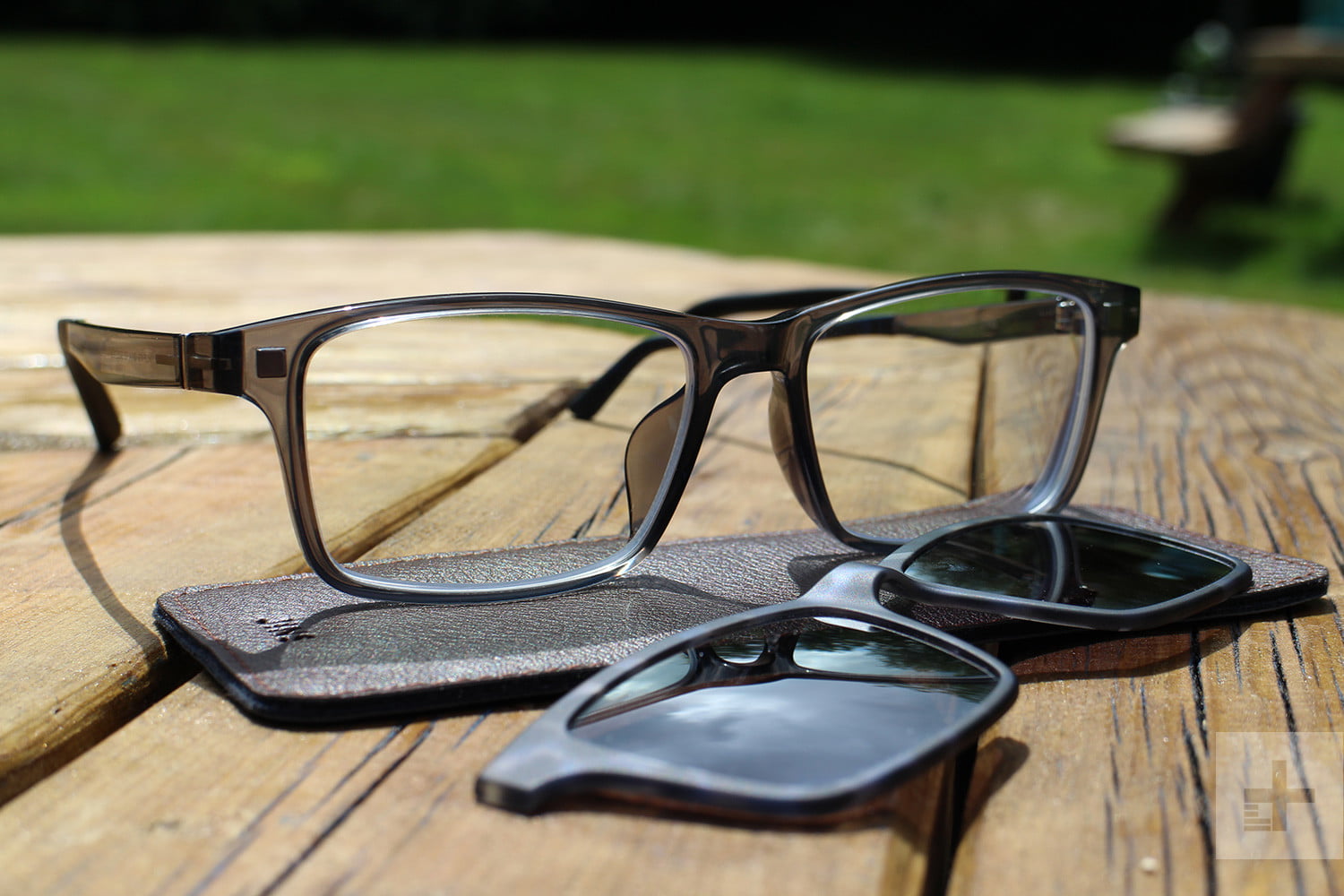
    The company pioneered the use of a new, lightweight material for glasses in its patented ‘Airframe line,’ as well as functional eyewear such as blue-light cut glasses, popularly known as Jins Screen.

    The brand has been brought to the Philippines by Suyen Group, the parent of fashion brand Bench.

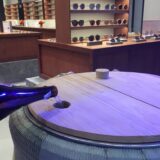
    At a formal launch ceremony this month, a traditional sake barrel-breaking ceremony was led by Suyen Corp’s chairman Ben Chan, Taguig City mayor Lani Cayetano, Carol Sy of SM Supermalls, Dr Takeo Okada, first secretary of the Japanese embassy in Manila, Steven Tan, senior VP of SM Supermalls, Hitoshi Tanaka, CEO and president of Jins and Virgilio Lim, president of Suyen Corp.

    “The breaking and partaking of sake from the sake barrel symbolizes prosperity and fruitful partnership between parties,” said Lim.

    Jins Philippines offers a visual experience with stores designed like a pop-art gallery, collaborating with graphic artists and architects from Japan and other countries in designing both the eyewear line and their stores.

    Recent collaborators include British product and furniture designer, Jasper Morrison, and Japanese graphic artists and architects Teruhiro Yanagihara and Sou Fujimoto.

    View the gallery below (3 images) :

  • KLASSE14 celebrates time in its one-of-a-kind concept store

    KLASSE14 celebrates time in its one-of-a-kind concept store

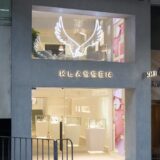
    KLASSE14 has officially landed in Hong Kong with its one-of-a-kind concept store.

    KLASSE14 retail space incarnates the value for time, key element that defines the brand ordinarily unique experience.

    KLASSE14 is a fashion & lifestyle brand with an Italian soul fed by Mario Nobile’s creativity. The brand, established in 2014, has rapidly enchanted millennials across different markets such as Japan, Korea, China, Taiwan, Hong Kong, Macau, Australia, and also Italy and Switzerland through hundreds point of sales and kiosks with major retail partners.

    In 2018, the brand decided to open its first concept store Ciao Hong Kong in HK to pay homage to the city, where the company started its journey and it is still headquartered.

    The store is the result of years of activity that forged the brand identity and personality of the brand, which found its ultimate materialization into a bright white canvas in Wyndham Street aimed to host dreams and love for its aficionados.

    The retail concept has been created by Paolo Giannelli, Founding Partner at Area-17 exclusively for KLASSE14, in close collaboration with Mario Nobile, the Creative Director of the brand.

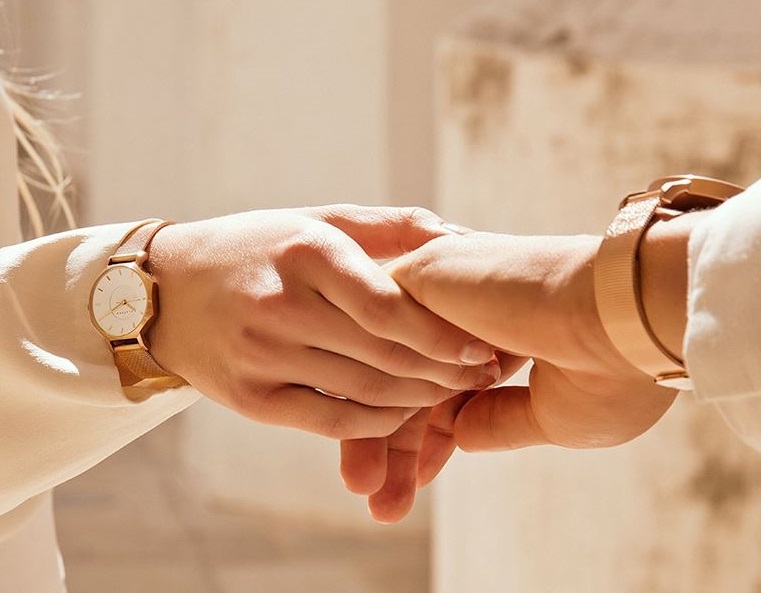
    Shiny “winged hands”, KLASSE14’s emblem, welcome the visitors. KLASSE14 logo has its root in a photo with a couple shaking hands and wearing “Volare”, the brand’s top item. The photo became viral on the Internet and couples started sharing the same photo as symbol of their love, so that KLASSE14 decided to transform it into its symbol in order to highlight the important role that the community of fans has played in the brand development.

    The store resembles a museum space, where timepieces are exhibited in a series of elements distributed diagonally in a narrow and deep room. The inspiration of the retail concept comes from KLASSE14 watches. The layout of the store is conceived as a canvas to host the visionary and essential product design, which led the research of materials, colours, shapes and lights that work as a natural extension of the products.

    The store is divided into two levels. The ground floor is dedicated to the product, with showcases inspired by the design of the flared dial of the watches, with cuts of light on the edges display the products. The two plain walls, deliberately left free to let the products stand out, host very unique elements, such as the wall-mounted showcases, mixed with a lighting-box and a series of electronic devices that enable the customer to interact directly with the brand and use social media to share the moment, a touchscreen grafted in the wall also enables the visitors to explore the brand content online while waiting to be served.

    Walking up to the second floor visitors’ attention is caught by split monitor tiles, on which the photos of the advertising campaign are looped, making a coloured waterfall that descends from the first floor to the ground floor. The first floor is an experiential space, where the brand invites its customers to a small lounge to know them better. The same space is also dedicated to packaging, which becomes a ritual as customers can personalize cards for their beloved ones.

    The store is overall a celebration of white colour and light, and features as interior design elements masterpieces such as Tolomeo lamps by Artemide and Colubi armchairs by Viccarbe.

    As the store is conceived as museum space, it will host different workshops to engage HK community. KLASSE14 is a very young brand which finds its muses in young tech-savvy generations setting fashion trends. The brand owes its popularity to its community of fans that post after post built a strong branding discourse around it made of moments of shared happiness.

    KLASSE14 is positioned in the market as a fashion brand releasing different collections throughout the year inspired by global fashion trends, but also its community of fans’ new needs. KLASSE14 is a gifting company, its watches celebrate moments and are chosen to be a symbol of togetherness and connection with the beloved ones.

    View the gallery below (4 images) :

  • Samsonite for Her opens First Store in Singapore

    Samsonite for Her opens First Store in Singapore

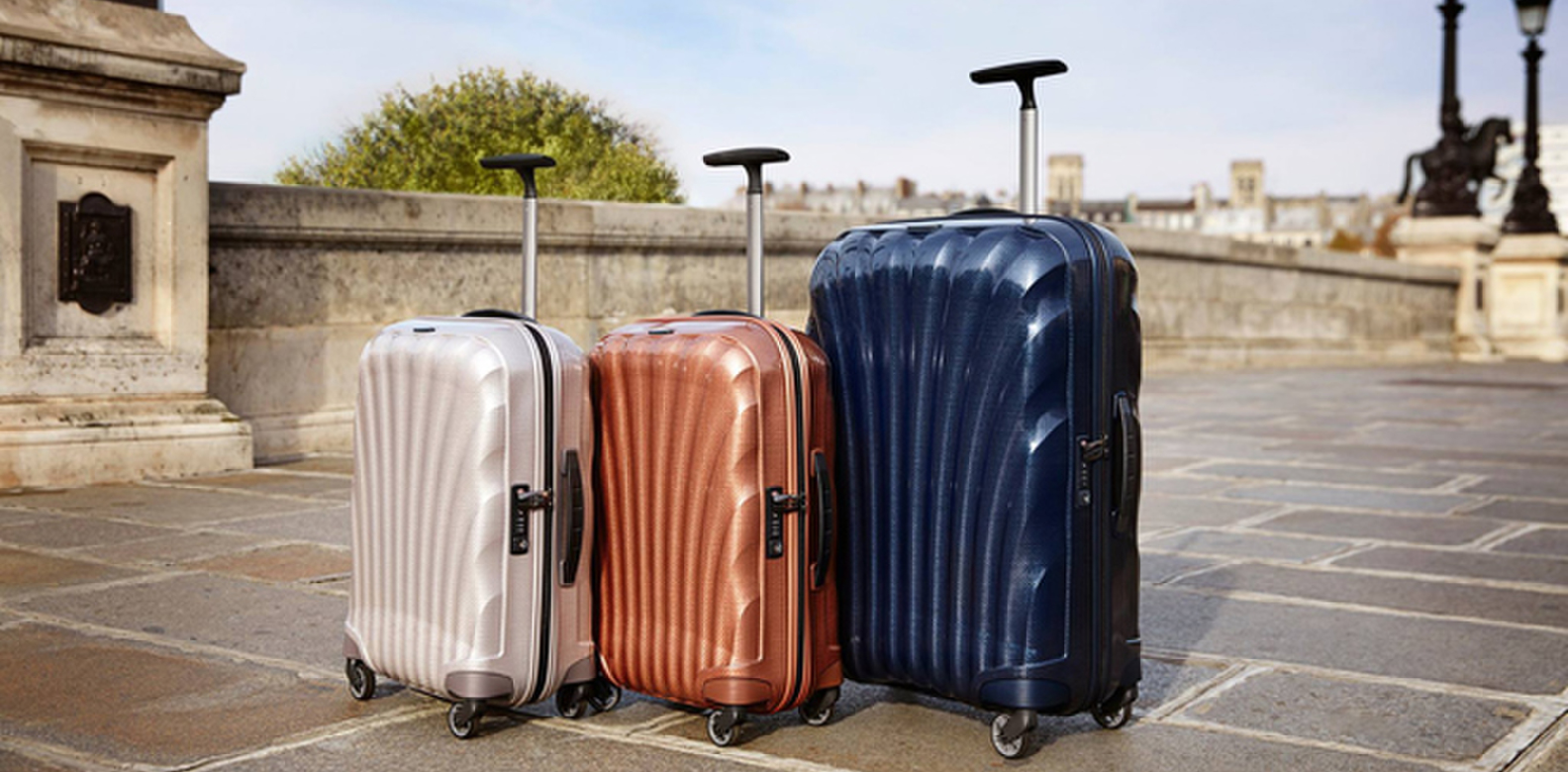
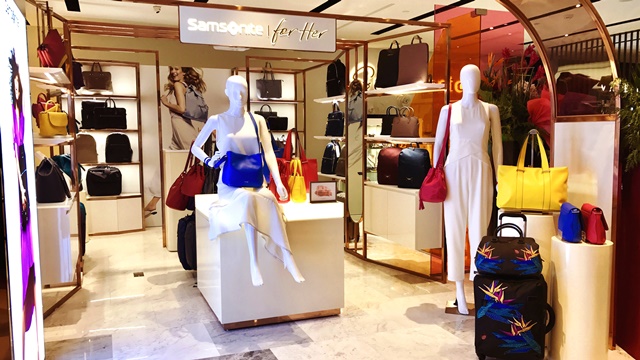
    Travel luggage firm Samsonite has launched its first-ever concept store for ladies, Samsonite for Her, now open in Orchard Road’s Paragon shopping mall.

    The space has been designed to showcase curated product lines under the Samsonite, Samsonite Red, and Lipault Paris brands that each target specific demographics of women shopping for bags, accessories and luggage.

    The new store also serves to kick off Samsonite’s inaugural omnichannel retail platform, allowing customers to shop for options beyond the collections available on shelves. The initiative is designed to direct visitors to the brand’s entire digital catalogue online using an interactive tablet in store. The service offers free delivery of purchased goods regardless of sale size, leaving purchasers at ease to continue shopping without needing to carry their items around the mall.

    The move represents a new direction for the firm in the wake of recent accusations made against Samsonite by activist investment firm Blue Orca Capital, in a report that called the company a “mid-level brand masquerading as a premium luxury player”. The accusation resulted in the resignation of CEO Ramesh Dungarmal just weeks after Samsonite had reported first-quarter double-digit growth across all regions, which Dungarmal had attributed in part to its acquisition of eBags.

  • Food companies enjoy the help of fashion

    Food companies enjoy the help of fashion

    As they wage a marketing war for consumers’ attention and appetites, food companies are increasingly teaming up with fashion brands, leading to a boom in “food merchandise.”

    Brands see the collaborations as an entertaining experience for customers that increases opportunities to create a synergistic marketing effects to increase sales.

    Quirky, humorous and sometimes odd marketing has often been a successful public relations strategy for food companies. The fashion foray is the latest such tactic, as it helps to draw customers with limited-time offerings, according to industry insiders.

    Local food giant SPC Group is one of the companies that has been experimenting with the food-fashion convergence.

    It has launched collaborative merchandise targeting young consumers in their 20s and 30s who want unique and eye-catching “Instagram-worthy” items.

    SPC Group, which operates the local unit of US burger chain Shake Shack, has teamed up with Case Study, a brand operated by Shinsegae Group’s premium fashion store Boon The Shop.

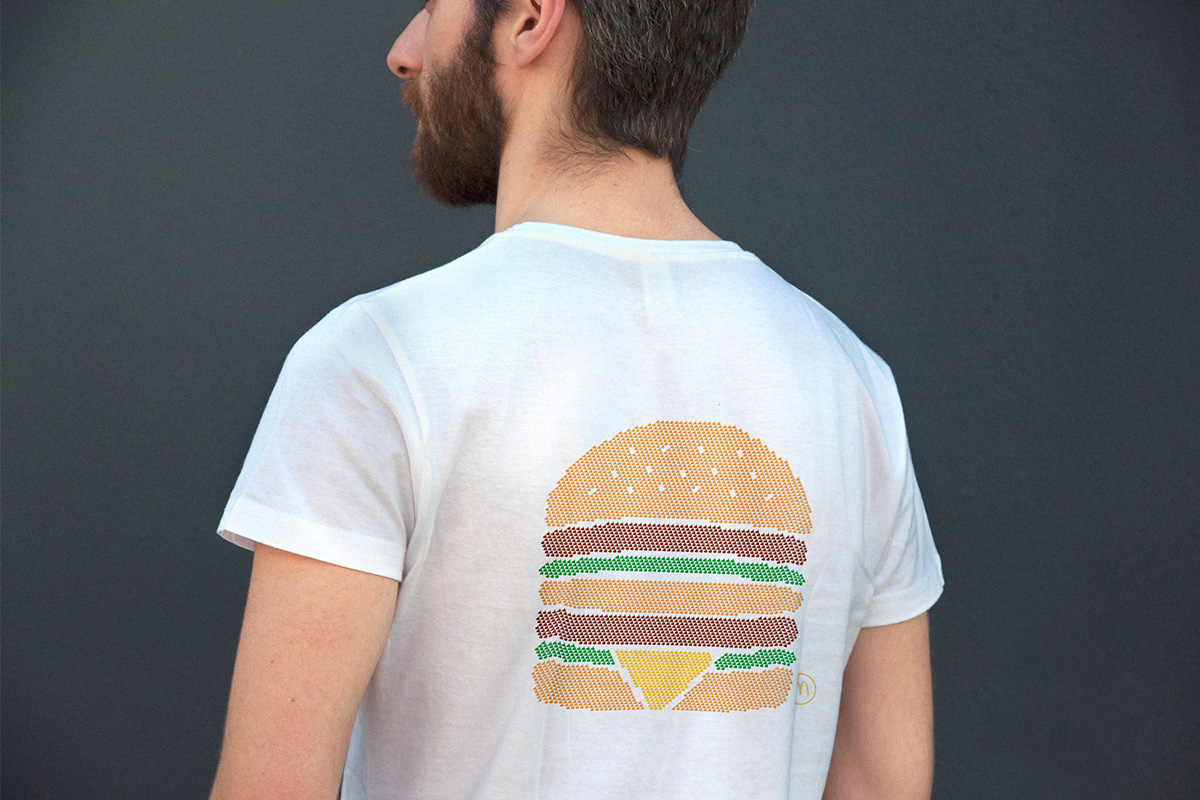
    It launched T-shirts, caps and bags printed with characters of the Shake Shack burger, fries and hot dog, designed by Case Study’s Creative Director Mike Sherman.

    All items sold out within days, according to SPC.

    “Collaborations between unexpected fields such as food and fashion usually bring positive feedback from consumers. Such creative brand experiences can provide an opportunity for a company to evoke a new brand image,” said an official in charge of brand marketing at a fashion company.

    Shake Shack has picked local sportswear brand Barrel as its next collaboration partner. From June, limited menu items such as Surf and Fries will be added, along with sales of Shake Shack-Barrel collaboration summer fashion items such as a beach towel and badge.

    “If it is a rare collaboration, the brand can quickly go viral on social media. This normally works as an opportunity for new brands to increase the level of awareness through collaboration marketing,” the official explained.

    Collaboration marketing is not an opportunity limited to “hip” companies.

    Dongwha Pharmaceutical, which has been selling indigestion drink Gas Whalmyungsu for 120 years, collaborated with global jeans brand Guess in May.

    The very first collaboration between a pharmaceutical company and a fashion brand quickly went viral. Some 4,000 T-shirts, jeans and denim bags bearing Gas Whalmyungsu’s signature folding fan logo sold out from Guess Korea’s online store within three days.

    “The millennial customers particularly enjoy our collaboration and buy items which are reasonably priced. They are limited editions, easy-going and can be used in everyday life,” said a Dongwha Pharmaceutical official. A Guess T-shirt with Gas Whalmyungsu’s logo sold for 28,000 won ($26) at Guess Korea’s online and offline stores.

    This was not the first collaboration project by Dongwha Pharmaceutical, which has been working since 2013 with non-food brands like Kakao Friends as well as TV series “Show Me the Money,” launching limited editions of Gas Whalmyungsu products to raise brand awareness among younger consumers.

    Customers these days prefer products that have a trendy first image as well as a sense of humor,” the official said.

    Coca-Cola’s recent collaboration with cosmetics brand The Face Shop also scored record sales, selling over 300,000 limited package cosmetics items such as Coca-Cola concept lipstick, foundation and eye shadow in 50 days from its launch.

    “Collaboration marketing often leads to increased product quality since two brands join to make synergy. Customer satisfaction is normally high as well. With brands from different categories breaking down the boundaries, companies should continue to research and develop creative products, moving away from an idea that collaboration marketing is a one-time campaign,” said an industry insider.

  • Dries Van Noten sells a majority share to Puig

    Dries Van Noten sells a majority share to Puig

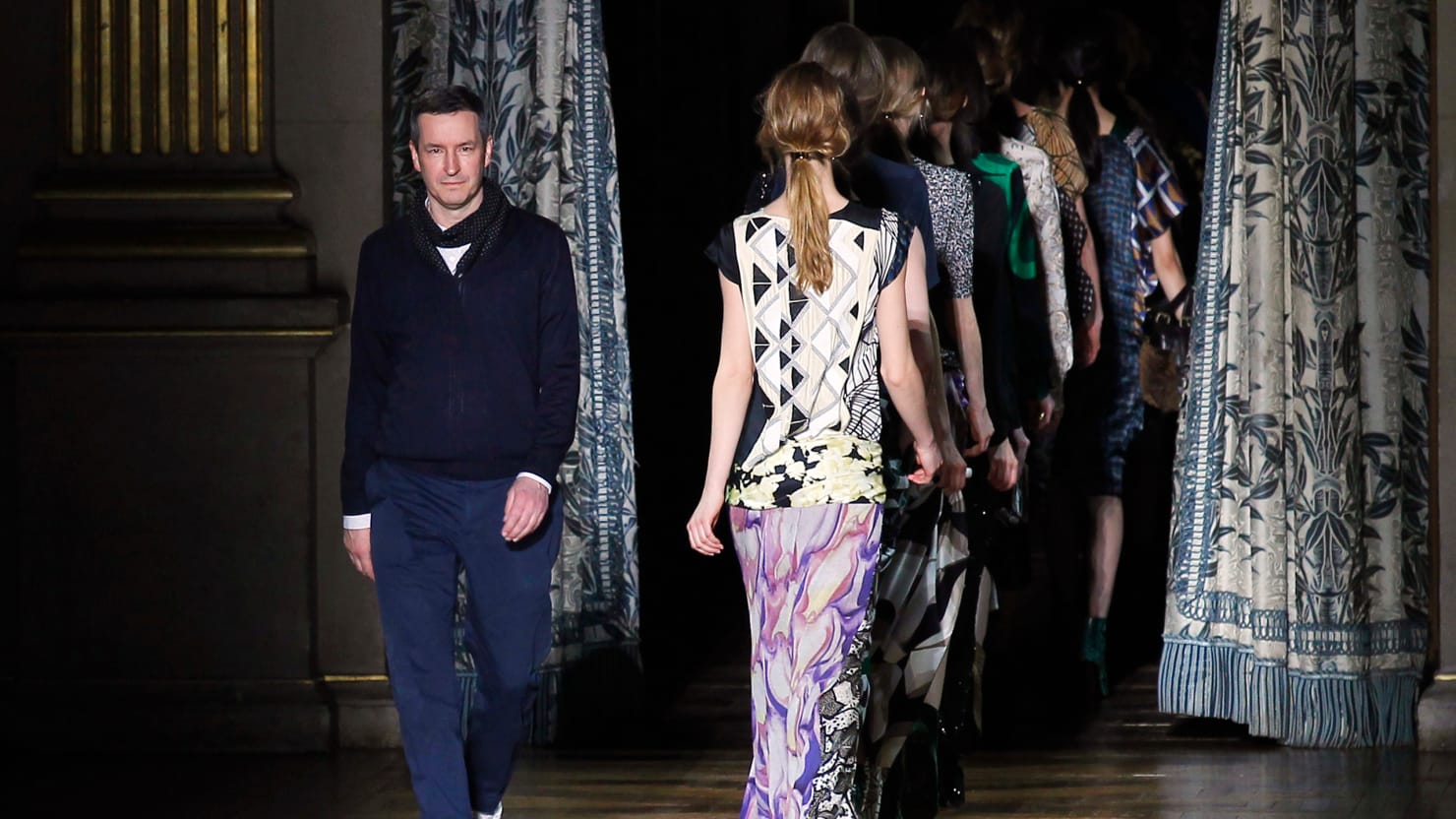
    Dries Van Noten, one of the last independent luxury fashion houses, has sold a majority stake to Spanish group Puig.

    Van Noten will remain a “significant” minority shareholder, as well as chief creative officer and chairman of the board, according to the companies. The team will remain in Antwerp, where the designer established his business in 1986. The financial terms of the deal were not disclosed.

    “As an independent house, Dries Van Noten has, over the years, built an exceptional reputation with its avant-garde fashion collections,” said Marc Puig, chief executive and chairman of the group, which also owns Carolina Herrera, Jean Paul Gaultier, Nina Ricci and Paco Rabanne. “Our entry today into the capital structure of Dries Van Noten proves yet again our strategic commitment to developing the Puig fashion business.”

    To some, Puig may be an unexpected partner for the Belgian designer. For its first 80-some years in existence, Puig dealt only in fragrance. Fashion, while complementary, has a completely different business model. Perfume is a high-margin, high-volume business that serves as a size-free, affordable entry point into a brand. Ready-to-wear is lower volume, with a more complex supply chain and unreliable margins.

    However, Puig’s interests have been shifting. In 1987, the group acquired the French fashion house Paco Rabanne, whose fragrance it had been producing since the late 60s. Its other major ready-to-wear business is Caroline Herrera, which it acquired from Venezuelan businessman José de Armas in 1995.

    Today, Puig owns 100 percent of both the Carolina Herrera fragrance and ready-to-wear business, which was projected to generate $1.2 billion in retail sales in 2016. There is also the secondary line, CH by Carolina Herrera, which launched in 2003 and has become popular in parts of Europe and South America. The line generated $359 million in retail sales in 2015.

    While it has had some success with accessories — in particular, shoes — Dries Van Noten is one of few fashion companies for which ready-to-wear is a major driver of revenue, accounting for more than 90 percent of sales, according to reports. (His apparel is by no means affordable, but it is known to be fairly priced when compared to competitors.) The company doesn’t publish or reveal sales figures, although market sources estimate that 2018 revenue will be under $100 million.

    Given the brand’s potential — and its unique positioning in the market — Van Noten likely entertained offers from various investors. Joining Puig — known for giving their designers creative independence — will offer the infrastructure Dries Van Noten needs to enter new, more scalable categories. While Van Noten has yet to release a signature fragrance, he did collaborate on a limited-edition scene with the perfumer Frédéric Malle.

    “Puig sees an opportunity to develop the beauty business of Dries Van Noten,” said Luca Solca, head of luxury goods at Exane BNP Paribas. For Puig, Dries Van Noten also offers a new level of fashion relevancy that will help to further establish it as an apparel player set to compete against the likes of Mayhoola, LVMH, Richemont and Kering.

    And Van Noten’s core business is still growing. In a 2017 interview with the Financial Times’ How To Spend It, the designer said his business experienced double-digit growth for three years straight. “Independence is that you don’t have to copy an existing business model,” he said onstage at VOICES, BoF’s annual gathering for big thinkers, last December. “We achieved what we achieved often by coincidence. We grabbed opportunity in an organic way.”

  • Perry Ellis International founder launches buy-back

    Perry Ellis International founder launches buy-back

    The founder of Perry Ellis International is leading a US$437 million privatisation of the company.

    George Feldenkreis will buy all the outstanding common shares of the company not already owned by members of his family.

    “I believe that Perry Ellis’ ability to invest and innovate is limited by the short-term pressures of being a public company,” said Feldenkreis in a statement.

    “I am confident that as a private company, Perry Ellis will be best positioned to make investments in digital innovation, artificial intelligence and marketing, that support our long-term strategy to grow the company’s powerful global lifestyle brands, while expanding into higher-margin businesses and channels of distribution, including international, direct-to-consumer and licensing.”

    Once the purchase is complete, Feldenkreis will return to an active management role within the company, but oscar Feldenkreis will continue as CEO.

    “The completion of this transaction will enable Perry Ellis to preserve the integrity of its infrastructure and business units across the US and abroad. Our partners should benefit from our enhanced ability to make long term investments in brands, technology and innovation while continuing to remain focused on executing on our long-term growth strategy,” said Oscar Feldenkreis.

    Perry Ellis International manages a large portfolio of brands in fashion, fragrances and accessories, including Jag, John Henry, Jantzen, PGA Tour and Girlstar. The company was founded in 1967 and previously known as Supreme. It bought the Perry Ellis brand in 1999 and subsequently took on the name.