Category: Fashion

Retail News Asia is committed to providing both local and global retailers with the latest Fashion news throughout the Asian market. This on a daily base.

  • Hugo Boss Men Vietnam introduces new concept

    Hugo Boss Men Vietnam introduces new concept

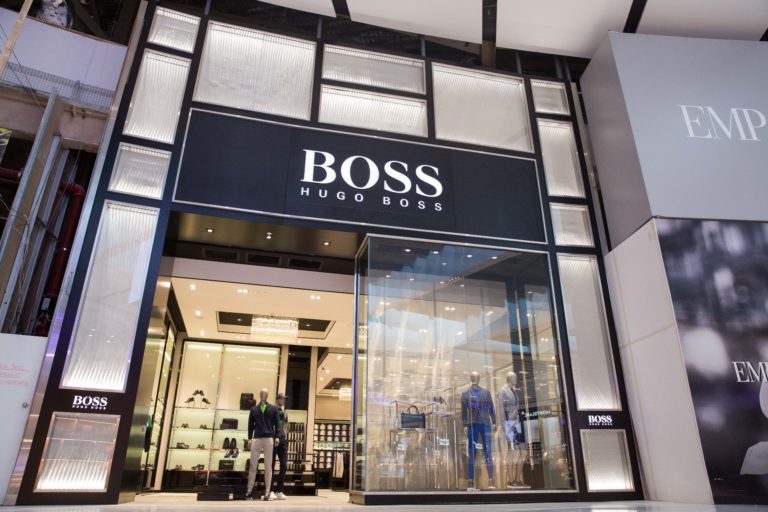
    Hugo Boss Vietnam has opened its first standalone store for men – Hugo – at Vincom Ba Trieu, Hanoi.

    Located at the front of the Vincom shopping centre, the 100sqm store displays basic items from the brand’s business and casual collections, along with Hugo’s Spring-Summer 2018 range.

    According to insider, Vietnam is the first market to get this new concept, with Singapore to follow in September.

  • Colourmix axes stores to stop losses

    Colourmix axes stores to stop losses

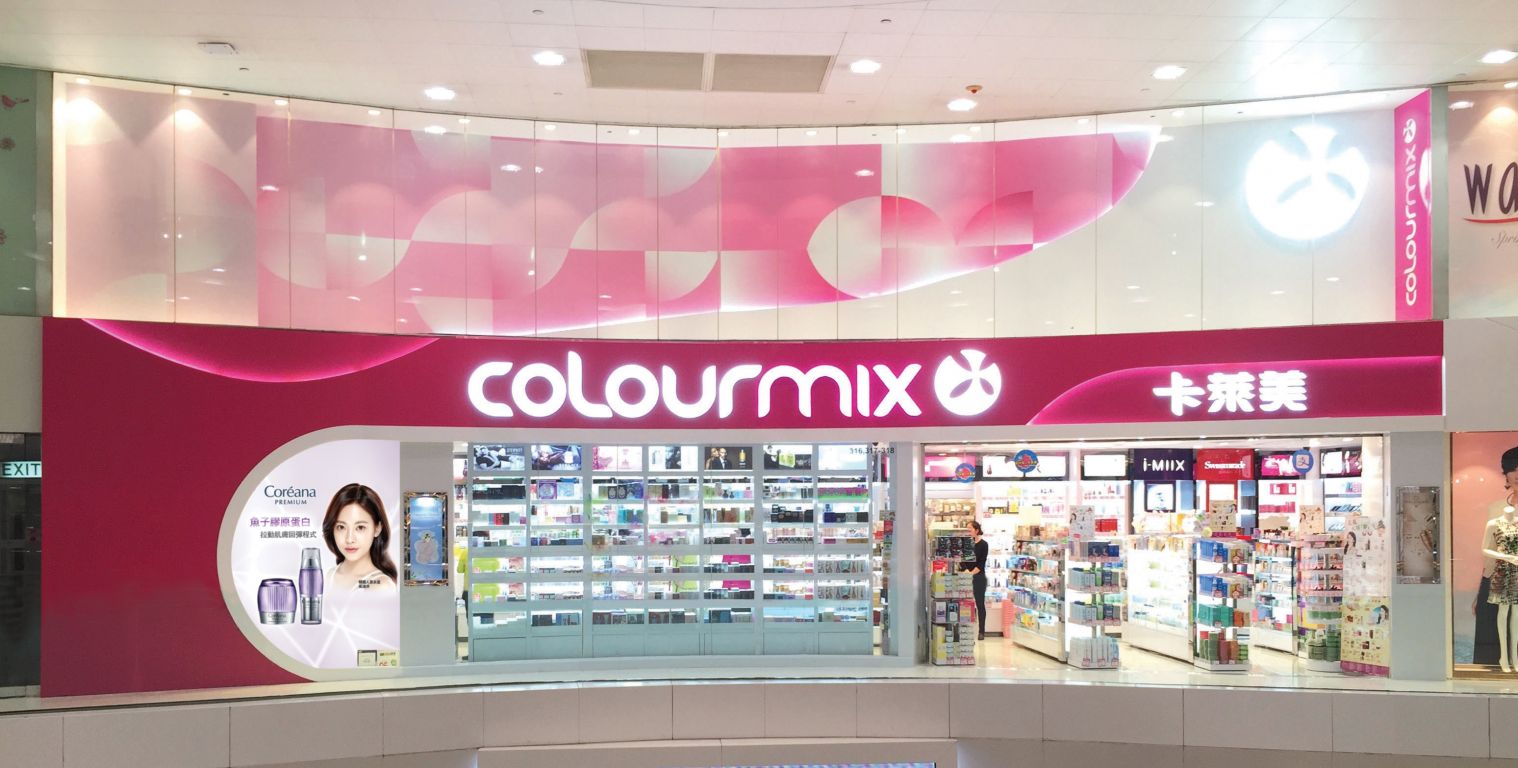
    Colourmix parent and fashion retailer Veeko has seen its sales fall 4.4 per cent in the last year, to HK$1.928 billion.

    But it posted a $5.26 million profit, a turnaround for the previous year’s $25.9 million loss – all due to an increase in the value of investment property.

    Veeko said its cosmetics division’s sales, which accounted for 82 per cent of group revenue, slipped 1.9 per cent, with gross profit margin easing 1.1 per cent to 31.7 per cent.

    Sales in its fashion division slumped 14.2 per cent to $354.45 million, but gross profit margin improved to 70.1 per cent.

    The cosmetics business lost $6 million for the year and the fashion business lost $8.2 million, but an increase in fair value of investment properties of $31.6 million pulled the overall business to a paper profit.

    At the end of March, Veeko operated 84 Colourmix stores, six fewer than a year earlier, and eight Morimor stores, (up one). The Colourmix stores are primarily in Hong Kong, with five in Macau and one in Mainland China. It opened the first Morimor store outside Hong Kong in November, at The Venetian Macao Resort.

    “It is expected that the market presence and popularity of Morimor stores will be further enhanced through its brand new image in quality and trendy cosmetics,” the company said in its results announcement.

    Fashion business

    As at the end of March, Veeko had 101 fashion stores trading under the Veeko and Wanko banners in Hong Kong, Macau and Mainland China, a reduction of 18. This was partly due to the company exiting Singapore, closing its five stores there.

    The group has 25 stores in Mainland China where it closed four underperforming outlets during the year. It also has a presence on Tmall.

    Looking ahead, Veeko says it expects the Hong Kong retail market to continue to improve gradually.

    “Under the challenging environment, the group is cautiously optimistic about its future development, and will continue to seek opportunities for growth and monitor closely the changes in market trends.”

    The company says it will continue to adjust its store portfolio and review rental levels.

    “Given the downward adjustments of rental rates for certain stores in the market, the rental pressure for stores with expiring lease terms will be reduced, and the group will achieve better results in controlling rental costs. Meanwhile, the group will close down underperforming cosmetics stores and identify prime locations with lower rents for new stores in order to improve overall operation efficiency.”

  • Casino teams with L’Oréal to launch Paris wellbeing stores

    Casino teams with L’Oréal to launch Paris wellbeing stores

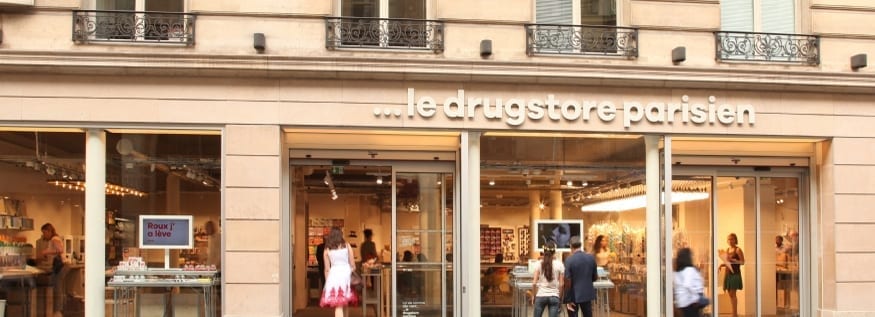
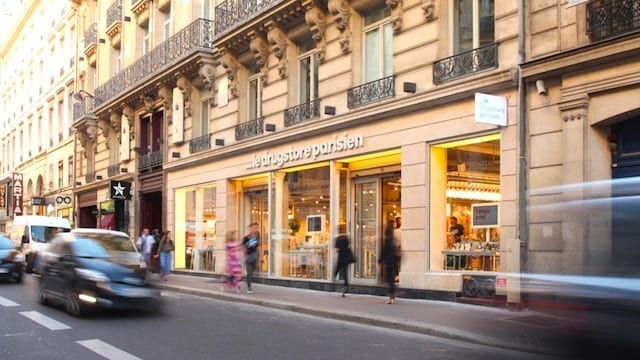
    French retailer Casino Group has teamed with cosmetics company L’Oreal France to launch Le drugstore Parisien, a new retail concept targeting city-dwellers in the heart of Paris.

    The two companies boldly claim the concept will “revolutionise the beauty and well-being shopping experience in the French capital”.

    Operated under Casino Group’s Franprix banner, Le Drugstore Parisien is positioned as “the urban store for beauty from within, practical treats and serendipity [the art of making unexpected discoveries].”

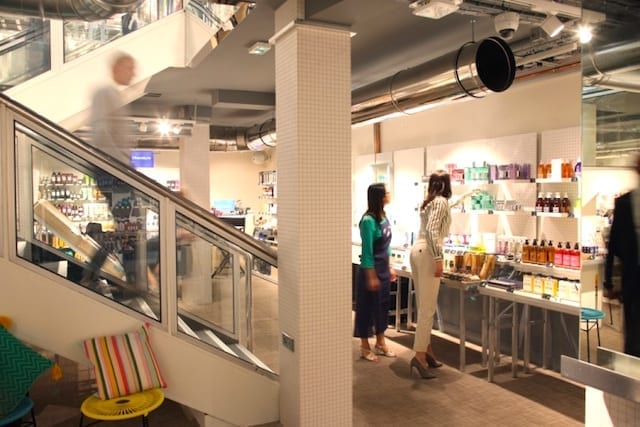
    The store will offer beauty and well-being products alongside over-the-counter pharmaceutical products, sewing kits, accessories and healthy snacks and treats.

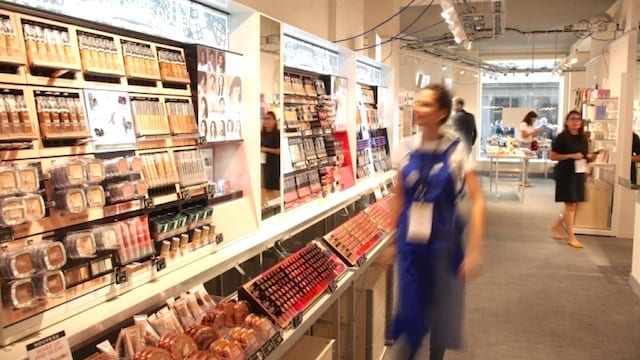
    A number of L’Oreal brands will be available, including L’Oreal Paris, Maybelline, Garnier, NYX Professional Makeup, Essie and Sanoflore, as well as exclusive, expert brands so that shoppers can discover something new with every visit.

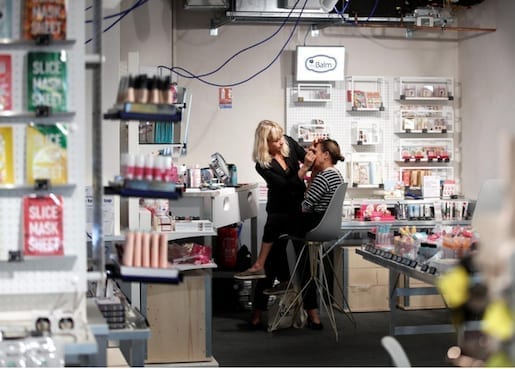
    Amenities designed specifically for urban consumers will also be on hand, such as free Wi-Fi, mobile-phone charging points, water fountains, shoe-shining machines, sinks and dressing tables, dry cleaning, parcel pick-up points, light therapy areas, key exchange, and one-hour delivery for certain products.

    Jean Paul Mochet, CEO of convenience banners at Casino Group, said the company has for several years been working to find ways of helping convenience stores connect better with customers.

    “In cities, we have been paying particular attention to the new ways space and time are used, which are radically changing consumer behaviour. The lines between work, culture and fun are being blurred, creating a new way of living. So city-dwellers need tailored products and services to make their lives easier. This goal was exactly what we had in mind when designing Le Drugstore Parisien – a unique, laid-back place that celebrates joy, pleasure and well-being amidst the hustle and bustle of Paris life.”

    The first two Le Drugstore Parisien sites opened last weekend at 66, Rue de la Chaussee d’Antin and 122, Rue du Bac in districts 9 and 6, respectively. They will be trade seven days a week, from 10am to midnight Monday to Saturday and from 11am to 8pm on Sundays. One day a month, they will open for 24 hours to offer Parisians exclusive events and well-being services.

  • Uniqlo Philippines global flagship launch is happening

    Uniqlo Philippines global flagship launch is happening

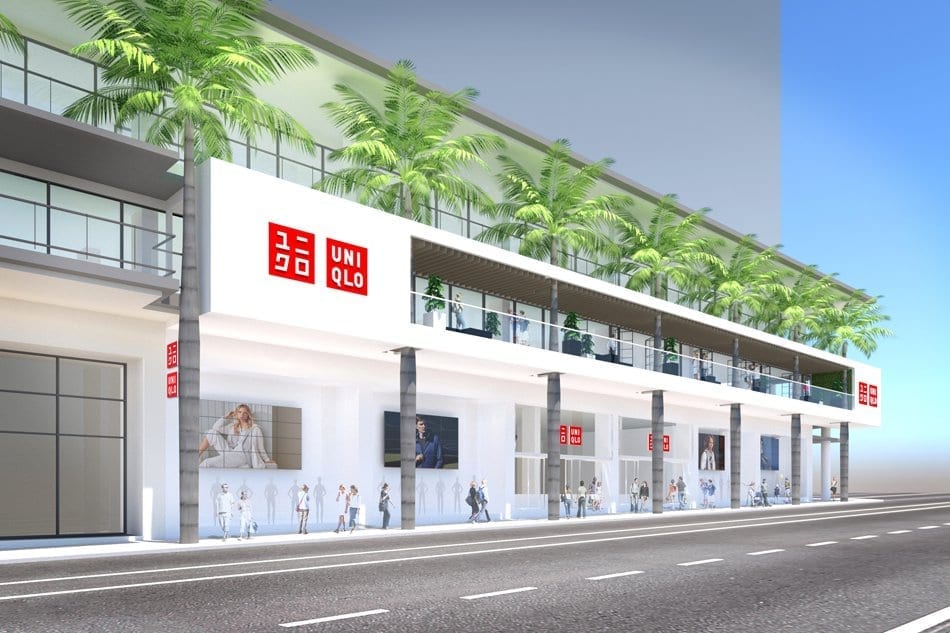
    Uniqlo Philippines has set the opening date for what will be the Japanese brand’s largest store in Southeast Asia.

    The new store will open on October 5 in Glorietta 5 at Makati City, in Metro Manila.

    Uniqlo says the store will have a sales area of 4000sqm and is designated a “global flagship”.

    “The new store will offer local and international customers a huge shopping area and a world-class immersive shopping experience featuring large visual displays and state-of-the-art design concepts,” Uniqlo said in a statement. “As with other global flagship stores, it will also showcase the full lineup of LifeWear for men, women, kids and babies.”

    Uniqlo has launched a nationwide campaign as a lead-up to the store’s launch, called ‘Our Future Is Here’. The fast-fashion retailer is inviting customers to nominate Filipinos who they believe are leaders in sports, film, music, culture, design, and other disciplines, influencing the nation’s future.

    “The great success of Uniqlo Philippines is thanks to our customers here. The Our Future Is Here campaign is an exciting opportunity to deepen our connection with the city of Manila through our global flagship store, to engage communities and celebrate the innovators who will shape its future,” said John Jay, president for global creative at Uniqlo’s parent, Fast Retailing.

    Denmark foray

    Meanwhile, Uniqlo has announced plans to launch in Denmark, opening its first store in Copenhagen in the second quarter of next year.

    The 1400sqm store will be located on the Stroget, one of Europe’s longest pedestrian streets, in Louises Hus, a historical building dating back to the mid-1700s.

  • New York-based Russian label J.Mendel files for bankruptcy

    New York-based Russian label J.Mendel files for bankruptcy

    After fighting creditors in court for several months now, fashion label J.Mendel has filed for bankruptcy, in a last minute bid to restructure debts and continue operations.

    The U.S-based womenswear brand has officially filed for Chapter 11 protection in bankruptcy court in New York.

    According to J.Mendel’s controlling investor Stallion Inc. and its John Georgiades — who has been at the helm of the Russia-founded firm since Marc Durie’s leaving as CEO in early 2016 – the company plans to “move forward” despite the news.

    “Restructuring the company’s debts will allow J.Mendel to face the current challenging luxury retail environment, and I am confident that this will allow the company to move forward with renewed financial stability, allowing us to focus on crafting the best designs for our devoted clientele,” said Georgiades.

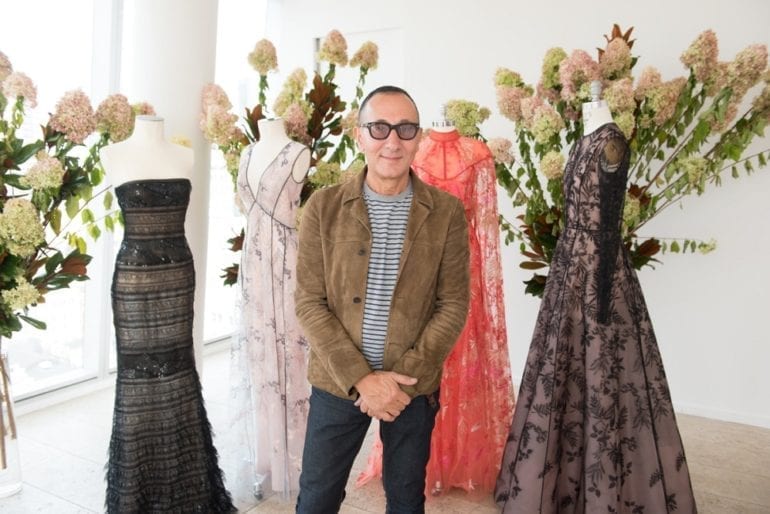
    With bills owing to landlords and modelling agencies, among other firms, J.Mendel’s creative director and brand scion Gilles Mendel, revealed that he continues to work on the label’s upcoming collection.

    “I am actively designing our spring 2019 collection and look forward to presenting it in September during fashion week,” said Mendel.

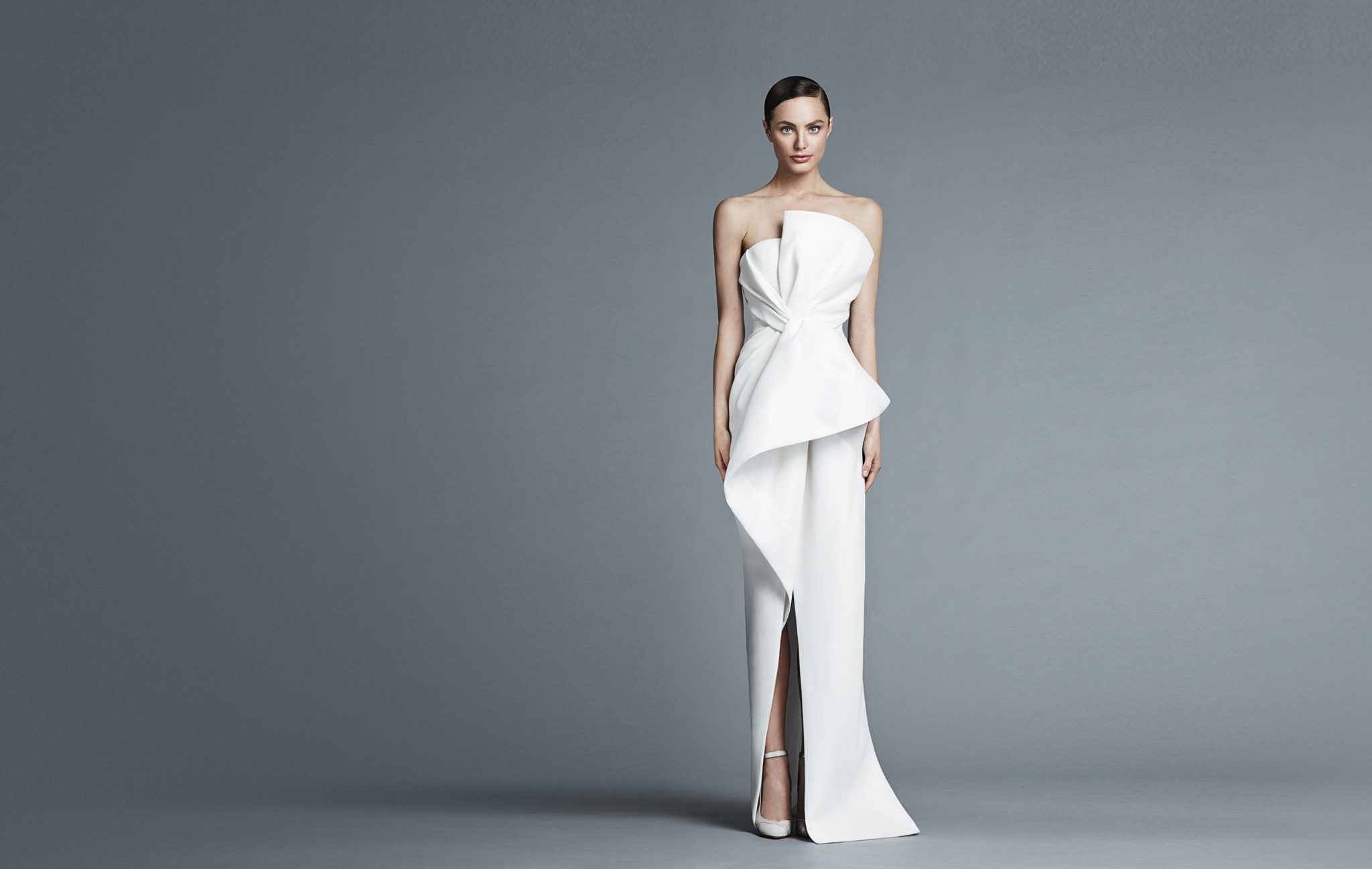
    Founded in St. Petersburg, Russia, in 1870 before moving to New York in the 1980s under Mendel’s guide, J.Mendel is known its formal women’s wear and gowns that often appear on red carpets.

    In 2015, J.Mendel reportedly made some $30 million a year in sales from its ready-to-wear, couture, bridal and accessories lines.

    According to recent U.S. press reports, the brand owes real estate firm The Arsenal Co. $1.1 million relating to the lease of an entire floor in a Midtown building, where the brand previously kept its headquarters, which is left early and has since stopped paying.

    Earlier this year, public relations firm Karla Otto said the brand owed $260,000 for its work putting on J.Mendel’s first couture show in July 2016 in Paris.

    The New York Times is also suing J.Mendel for $28,000 owed for advertising. DNA Model Management is owed close to $60,000 in unpaid modelling fees while Er Fur Trading Corp. requires $107,500 for animal fur skins.

    It also owes e-commerce platform management company Acadaca LLC some $60,000.

  • Valextra opens flagship in Chengdu China

    Valextra opens flagship in Chengdu China

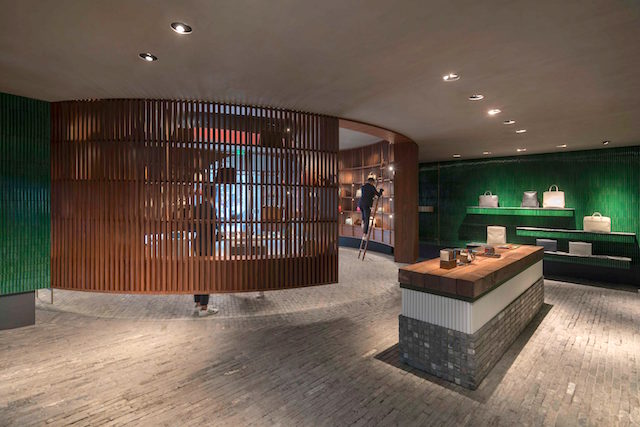
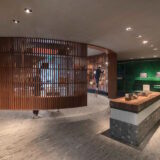
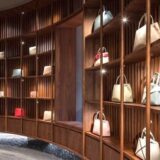
    The new Valextra flagship store in China’s Chengdu, designed by Neri&Hu, features hovering walls and a conical light funnel modelled on the Pantheon in Rome.

    The Italian accessories brand’s 160sqm store is divided into two connected spaces: a library and a reading room.

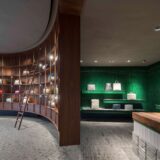
    When customers enter the store, they are greeted with a grid of walnut shelving, on which merchandise is displayed.

    Like a library, ladders are used to access the merchandise placed on the upper shelves.

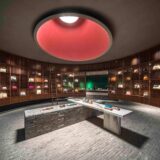
    Reclaimed grey bricks are laid on the floor, sliced and twisted in a circular motion, reflecting the deep conical light funnel in the ceiling above – a design element that Neri&Hu says was used to recall the oculus of the Pantheon in Rome.

    Lit like a museum, the space uses both artificial spotlighting and natural light, which penetrates the space from the deep facade windows. At the centre of the library the grey brick rises from the floor plane to meet a slab of solid white marble that forms a merchandise display table.

    Through the library screen, customers enter the ‘reading room’, which is clad in vertically placed rectangular, green tiles. The tiles’ curved glazed surface create a reflective undulating effect that the designers said adds “texture and depth”.

    Imposing facade

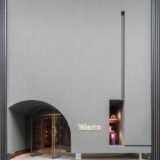
    To create the store, the pre-existing shopfront which was designed to match its shopping centre neighbours was demolished, replaced with an imposing solid wall of dark concrete that spans two stories.

    A strip of glass runs around the bottom of the black wall, making it appear as if it is hovering above the ground.

    Narrow vertical and horizontal windows are carved into the thick wall to provide glimpses of the store within, while a deep set arched entrance with a curved glass door detailed in brass and curved green tile is positioned off centre.

    View the gallery below :

  • Christopher Kane in talks with Kering to take back his brand

    Christopher Kane in talks with Kering to take back his brand

    Kering is announcing that discussions are underway with Mr. Christopher Kane about the conditions in which the British designer could take back full control of the eponymous brand.

    In 2013, Kering had acquired 51% of the brand created by Christopher Kane in 2006.

    Christopher Kane, the label, launched in 2006 and began almost immediately upon Kane’s graduation from Central Saint Martins, capitalizing on the success of his award winning MA collection that had already garnered much media attention.

    The designer has always been acknowledged as both a precocious and truly gifted talent. Christopher Kane has quickly matured and grown to become one of the powerhouse labels of British fashion with one of the biggest International profiles.

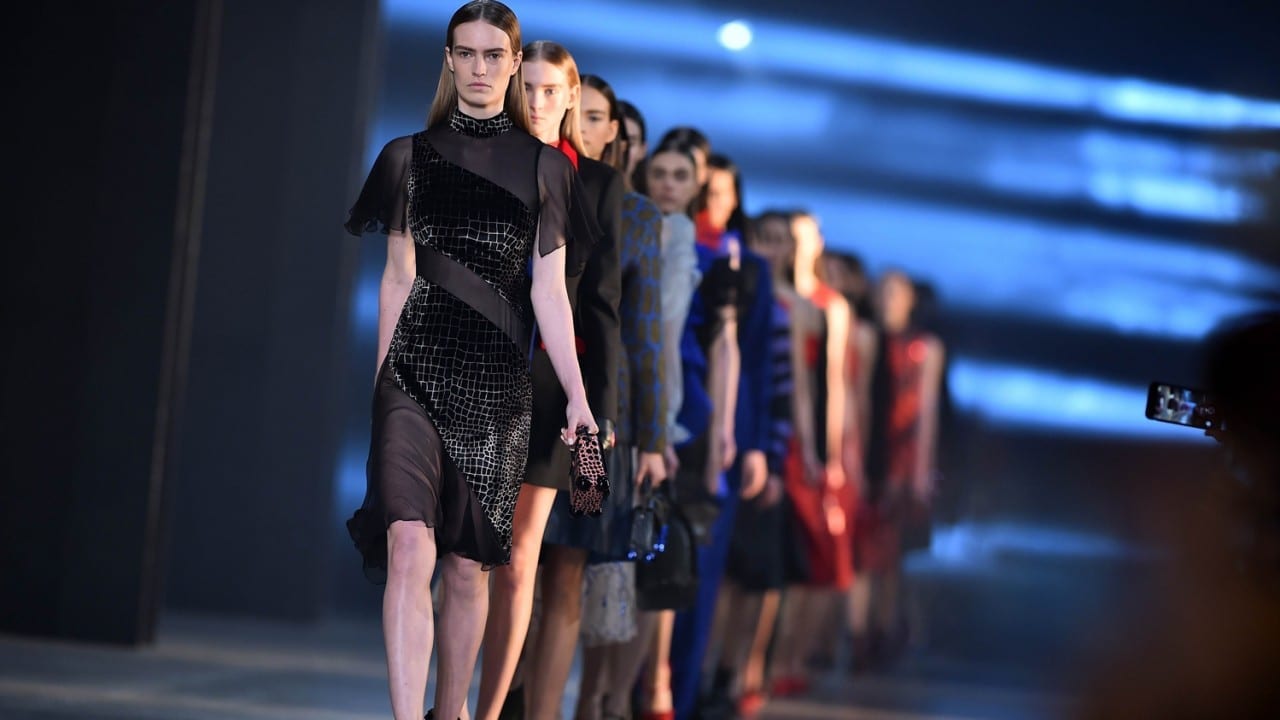
    The catwalk shows, held during London Fashion Week, are a widely acknowledged highlight of the International fashion calendar.

    Developing his playful signatures of constant innovation, rebellious femininity and extraordinary skill, his clothes continue to surprise and seduce with their ineffable sense of chic.

    Christopher Kane and Kering wish to continue to collaborate with the aim of achieving a gradual and harmonious transition.

    As an accounting consequence of the talks underway, the Group will apply IFRS 5, Non-current Assets Held for Sale and Discontinued Operations to this asset in its half-yearly accounts to 30 June 2018, which will be published 26 July.

    The brand is currently consolidated according to the full consolidation method.

  • Celine Dion to sell her Collection via Tmall

    Celine Dion to sell her Collection via Tmall

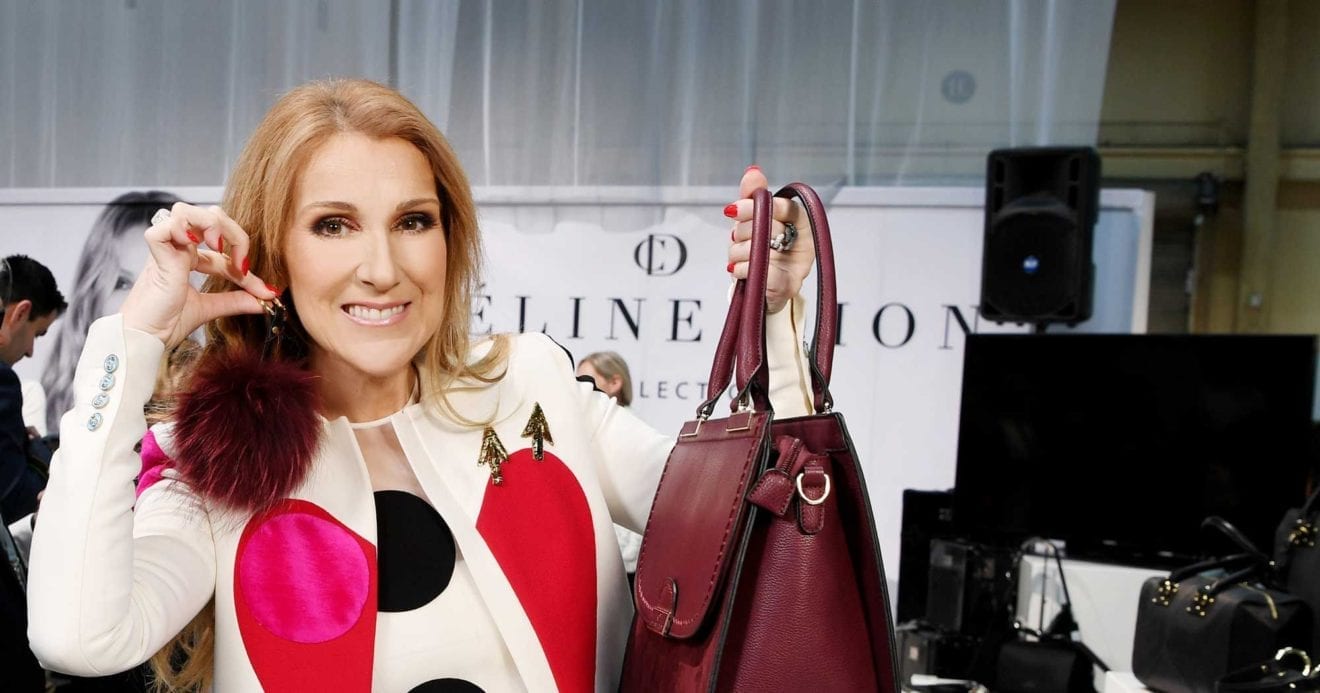
    Alibaba Group’s Tmall is now distributing the Celine Dion Collection in a new partnership with Canadian handbag, luggage and accessories manufacturer The Bugatti Group.

    The partnership will make the popular brand available to Tmall’s 500 million-plus consumers located in Mainland China, Hong Kong, Macau and Taiwan. It is the largest B2C platform in the region.

    The Bugatti Group North America CEO Andrew Hattem called the partnership “a big step to the growth of our global distribution” for the celine Dion Collection brand.

    He said China will be the largest global market for its flagship brand.

    An exclusive leather collection, “Harmonic”, was released to mark the Tmall launch.

  • L’Oréal completes its Stylenanda takeover

    L’Oréal completes its Stylenanda takeover

    French cosmetics giant L’Oréal has completed its takeover of Korean fashion and makeup company Stylenanda just 50 days after it first announced that it would acquire 100 percent of the company.

    L’Oreal said on June 19 that it will operate Stylenanda separately from L’Oreal Korea’s four existing divisions.

    L’Oreal explained that it intends to encourage the creativity of Stylenanda’s fashion business and its makeup brand 3CE.

    Stylenanda’s new CEO will be Shin Ji-eun, 37, a general manager at L’Oreal Korea. Shin joined L’Oreal Korea in 2004, has worked various positions within the company in both Korea and France, and most recently worked as the general manager of marketing operations in Indonesia, one of the key emerging markets to the company.

    Kim So-hee, 35, the founder and former CEO of Stylenanda, will serve as its chief creative executive. “Kim will continue to contribute to the success of Stylenanda by providing major input in both the fashion and makeup divisions of the brand, “ said a L’Oreal official.

    L’Oréal did not disclose the exact amount it paid to take over 100 percent of the fashion brand, but considering that Stylenanda originally planned to sell 70 percent of its shares for 400 billion won (US$361 million), industry sources estimate the company was sold for between 570 billion won and 600 billion won.

    L’Oréal’s focus in acquiring Stylenanda was its makeup brand 3CE. Although Stylenanda started out as a clothing business in 2004, ever since it launched 3CE in 2009, makeup has propelled the brand’s growth. 3CE is popular both domestically and in China and Southeast Asia, and makeup products now account for 70 percent of Stylenanda’s total sales. L’Oréal believes that it can effectively target Asian markets, including China, using 3CE.

    Unilever bought Carver Korea, which owns the Korean cosmetics brand AHC, for 3 trillion won last year for a similar reason. L’Oreal, which has been criticized for its relatively poor competitiveness in makeup relative to skincare, is planning to solidify its position in color cosmetics through 3CE.

    The beauty industry has high expectations for growth in the Asian cosmetics market. The Asian makeup market is expected to account for more than 30 percent of the global makeup market in the future, and the Chinese market, particularly, has huge growth potential.

    According to Euromonitor, a global market research provider, the Chinese color cosmetics market is expected to reach 6.6 billion dollars in 2020. Between 2013 and 2016, its average annual growth was 11.3 percent, higher than the global color cosmetics market average of 6 percent.

    L’Oréal anticipates that if it sells 3CE products through its current distribution networks, it will be able to increase its influence in Asia as well as the North American and European markets.

    L’Oréal’s also hopes the acquisition will help boost its brand image, as 3CE’s main customer base is Asian millennials.
  • Castore to open in Hong Kong soon

    Castore to open in Hong Kong soon

    Private investors have contributed £3.2 million to Chester, UK-based sportswear brand Castore to support its expansion into Asia and the US.

    The firm’s co-founders – brothers and former pro athletes Tom and Phil Beahon – plan to use the funds to set up a dedicated Asia website, and are in the early stages of planning their first store in Hong Kong.

    Among the investors are Robert Senior (formerly head of Saatchi & Saatchi), Arnaud Massenet (previously husband of Natalie Massenet, founder of Net-A-Porter), and Tom Singh (founder of New Look).

    Castore’s mission is to build “the lightest, most durable, highest-performing sportswear in the market,” achieved through testing products in competitive environments.

    “All our garments have been tested on elite athletes to ensure they excel at the highest level, worn for 100 consecutive days before being approved for full production,” the company explains on its website.

  • Balabala debuts in Hong Kong

    Balabala debuts in Hong Kong

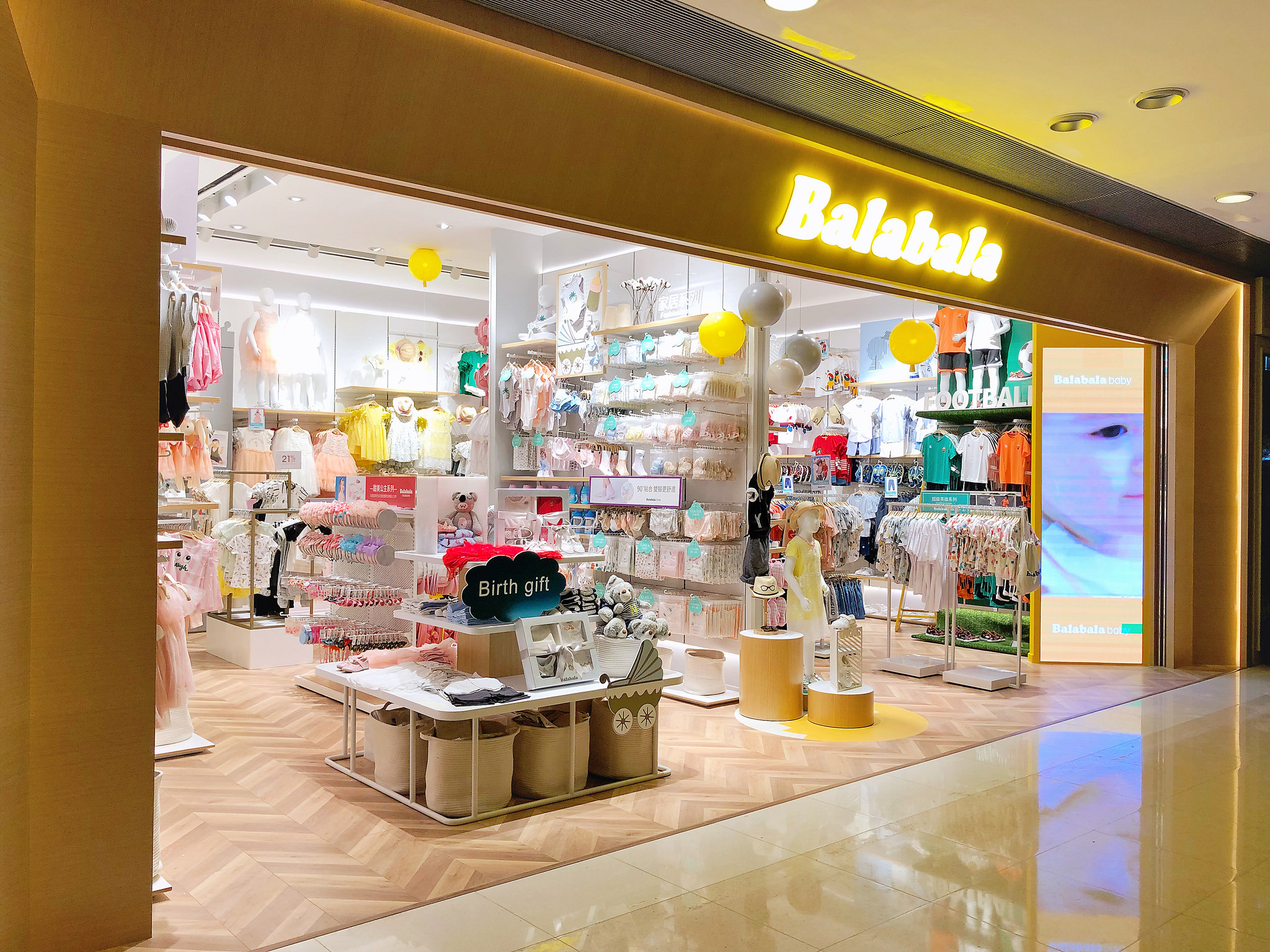
    Chinese children’s apparel brand Balabala has opened its first store in Hong Kong.

    A niche brand operating under Chinese fashion firm Zhejiang Semir Garment Co, Balabala’s Kowloon location will retail casual kidswear for all ages.

    Leeky Li, deputy GM of Semir International Group (HK), described the move as an opportunity to bring the company to the world stage.

    “Hong Kong is an international and well-developed city offering an ideal platform for us to enter the global market,” she said. “The retail market here is also very established, which means a lot of convenience for us when we set up and grow from here.”

    She also noted that the Hong Kong branch will serve as a major bridge and contact point to execute the firm’s global expansion plan in terms of acquisition, joint venture and overseas franchising.

    “The city is also a key sourcing centre for our group. Therefore, Hong Kong offers us numerous strategic advantages,” she said.

  • Iconic fashion house Chanel declares earnings first time in 108 years

    Iconic fashion house Chanel declares earnings first time in 108 years

    Luxury fashion house Chanel has released trading figures for the first time in its 108-year history.

    Total sales for last year were US$9.62 billion, up 11 per cent from the previous year on a constant-currency basis. Asia-Pacific and Chanel’s home market, Europe, were the primary drivers of the growth. Operating profit reached $2.69 billion.

    The New York Times said the results prove Chanel is among the largest luxury brands in the world based on sales, ahead of Gucci ($7.1 billion in sales last year) and on a par with Louis Vuitton (analysts estimate between $9.3 billion and $11.6 billion). Chanel’s sales growth is strong, the company is boosting investment and has a net debt level of just $18 million.

    “The announcements are, however, more important for their symbolism,” observed the NYT.

    “At a time of heightened competition in high-end retail and of persistent rumors that Chanel could be a takeover target, the storied French fashion house said it had opened up its books to show that it had the size, and the willingness, to fend off any approaches.”

    Chanel’s CFO Philippe Blondiaux said that even though the company is privately owned and had no need to release financial figures, it wanted to demonstrate to the market how strong it was when there was speculation about a takeover bid.

    “We realised it was time to put the facts on the table as to exactly who we are: a $10 billion company with very strong financials, plus all the means and ammunition at our disposal to remain independent,” Blondiaux said.

    Chanel also plans to restructure its operations, bringing all division under the one umbrella and adopting the new name Chanel Limited.

  • Shinsegae wins Incheon duty-free license

    Shinsegae wins Incheon duty-free license

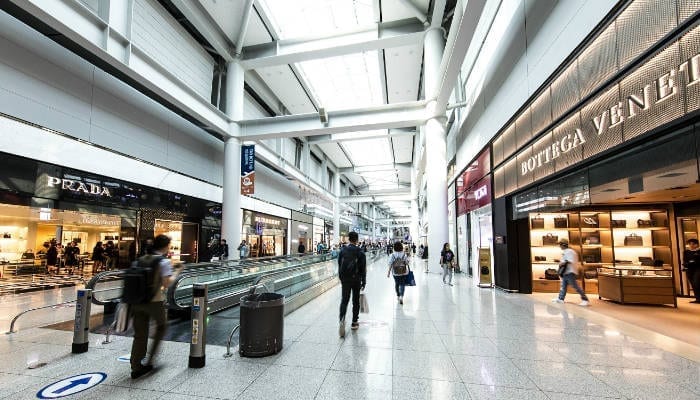
    Shinsegae Duty Free won two licenses to operate at Incheon International Airport’s Terminal 1 on Friday, beating out Shilla Duty Free in the competitive battle for lucrative slots at one of the world’s most trafficked airports.

    The Korea Customs Service said Shinsegae will be allowed to operate stores in the DF1 and DF5 zones of Terminal 1 from next month until July 2023. In total, Shinsegae now occupies four out of eight duty-free zones allocated to major conglomerates. The other four are run by Lotte Duty Free and Shilla Duty Free. Another four are reserved for smaller operators.

    “DF1 and DF5 are significant spots in terms of size and items they’re allowed to sell,” said a spokesman for Incheon International Airport Corporation, which determines what types of products can be sold in each zone. “DF1 is for cosmetics and perfume, while DF5 is for leather accessories and fashion.”

    The two zones combined occupy more than 8,000 square meters (86,000 square feet), nearly half of Terminal 1’s total duty-free space. Lotte Duty Free, the market leader, initially held the fort but decided to give up the license in February after failing to secure lower rent from Incheon International Airport. It later re-entered the bid after the airport offered cheaper rent.

    Combined, DF1 and DF5 stores used to generate 800 to 900 billion won ($720 to 810 million) a year, equivalent to 6 to 7 percent of the Korean duty-free market’s total sales.

    Shinsegae and Shilla were the final competitors among four bidders that submitted applications to Incheon International Airport Corporation last month. Lotte Duty Free and Doosan Duty Free were ruled out in the first round of evaluation.

    The final round pitted two retail giants run by conglomerate family daughters: Chung Yoo-kyung of Shinsegae Department Store and Lee Boo-jin of Hotel Shilla. Chief executives from the two companies – Han In-kyu for Shilla Duty Free and Son Yung-sik for Shinsegae Duty Free – presented their business plans to customs officials at the Customs Border Control Training Institute in Cheonan, South Chungcheong, on Friday. Officials then assigned each plan a grade.

    Industry sources speculate that Shinsegae’s higher bidding price did the work. Among a total of 1,000 points in the customs office’s grading scale, bidding price took up 400 points. Shinsegae offered 337 billion won for the two zones, while Shilla offered 269.8 billion won.

    In the duty-free industry, the bid upended a market long dominated by Lotte and Shilla. Shinsegae is a relative newcomer in the game, entering in 2012 after acquiring the duty-free business of Paradise Hotel.

    As of last year, the market share of the three major operators was 41.9 percent for Lotte, 29.7 percent for Shilla and 12.7 percent for Shinsegae.

    Shinsegae’s bid win on Friday, though, raises its share to 19 percent, while Lotte’s falls to 36 percent because of the lost space at Incheon. Shilla’s share remains unchanged at 29.7 percent.

  • One and only Limelight Stella watch

    One and only Limelight Stella watch

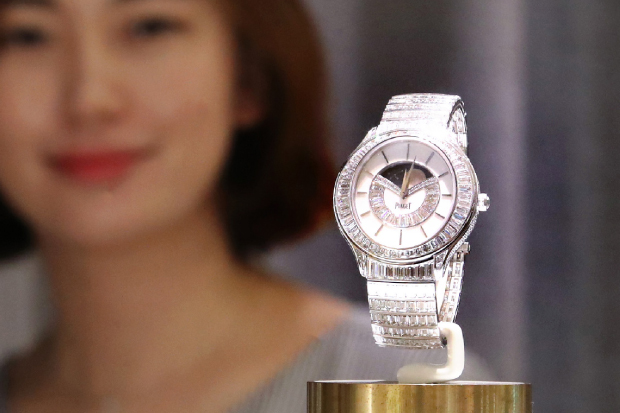
    A staff member at the Piaget boutique in Hyundai Department Store’s World Trade Center location introduces the 1.1 billion won ($985,340) Limelight Stella watch from the brand’s Exceptional Pieces collection. The watch’s dial and bracelet are encrusted with 577 diamonds with a total of 42.17 carats. Only one of this particular model was brought to Korea.

  • Cosmax opens factory in Thailand to tap market in Asean

    Cosmax opens factory in Thailand to tap market in Asean

    Cosmax’s manufacturing facilities in Thailand recently started up, the company said Monday, with the goal of tapping into Asean’s largest beauty market.

    An original design manufacturer for big-name beauty brands worldwide, the company announced that the 9,000-square-meter (836-square-foot) facility in Bangplee, Thailand, started running on Wednesday.

    With 150 employees, the facility has the capacity to produce 30 million units of skin care and cosmetics products per year.

    Cosmax set up an office in Thailand last year to tap into the beauty market of it and other neighboring countries in the Asean region.

    “Thailand has the biggest beauty market among Asean countries-it’s also an influential market that leads trends in the region,” said a Cosmax spokeswoman.

    Thailand is a rising target for global beauty brands. Johnson & Johnson, P&G and Unilever manufacture there. The research firm Euromonitor estimated the country’s beauty market at 5.6 billion won ($5.01 million) in 2016 and a Kotra report predicted it to reach 7.2 billion won in size by 2021.

    “Thailand has big market potential: It’s at the center of the hallyu wave and has a high level of interest in Korean cosmetics,” said Lee Geon-il, head of Cosmax’s Thailand corporation.

    “There’s also a wide perception that Korean beauty brands have good quality.”

    The spokeswoman added the company hopes to sign more deals with beauty companies in Thailand and other nearby countries.

    The Thai factory completes a two-track plan that Cosmax has for tackling the Asean beauty market. It already has one factory in Indonesia that manufactures halal-certified products.

    Combined, the two facilities will be able to make products for both Muslim and Buddhist populations in the Asean region.

    Cosmax now has six overseas factories in total, including the United States and China.