Category: Fashion

Retail News Asia is committed to providing both local and global retailers with the latest Fashion news throughout the Asian market. This on a daily base.

  • HBX announces an official partnership with G-SHOCK

    HBX announces an official partnership with G-SHOCK

    HBX announces an official partnership with G-SHOCK for their 35th Anniversary pop-up starting 30th June at SHOP B30, LANDMARK MEN, LANDMARK ATRIUM, 15 Queen’s Road Central, Hong Kong.

    The G-SHOCK 35th Anniversary Pop-up will display an array of G-SHOCK’s 35th Anniversary collection, which has re-imagined the first G-SHOCK ORIGINAL DW500C from 1983.

    Model DW-5000MD, one of the 5 newest collections, is specially collaborated with the fashion brand MADNESS.

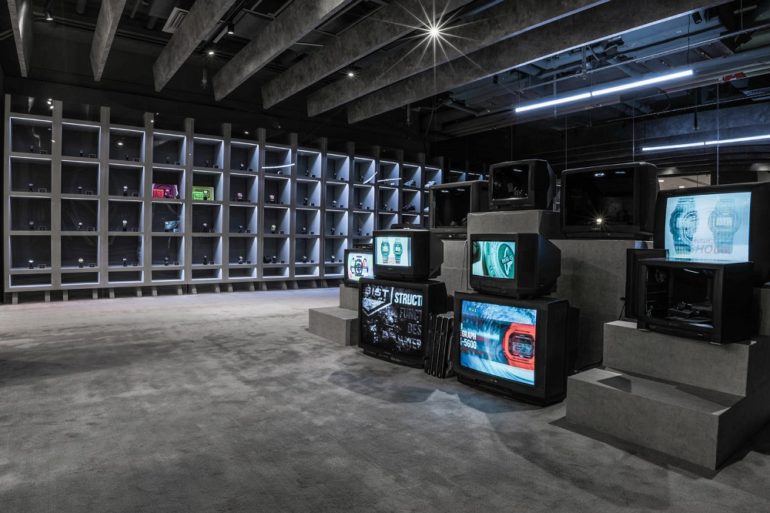
    To bring out G-SHOCK’s youthful and trendy designs at all times, the store is designed to accommodate the stylish mix of its old and new models displaying 44 highly collective watches throughout history together on the acrylic wall aside, along with a series of display blocks to showcase the current 5 newest models at the storefront.

    In addition, a highlighted installation is placed at the centre of the store, built from a range of vintage TV’s from the 80s, displaying a series of branded showreels, and nicely placed on top of a set of concrete sculptures at the bottom to indicate a comeback of the classic vibe.

  • HIJUP UK debuts at London Eid Festival

    HIJUP UK debuts at London Eid Festival

    Malaysian-owned Hijup UK made its debut in London’s modest fashion scene at the recent London Eid Festival.

    Participating in the year’s largest international modest fashion showcase coincided with the launch of the Hijup UK online store.

    Hijup UK will follow this up with the opening of its first brick-and-mortar concept store and a fleet of mobile stores in London to make modest fashion more accessible to women.

    At the London Eid Festival, the fast-fashion and lifestyle brand showed off its latest collection by Indonesian designers Dian Pelangi, Vivi Zubedi, Jenahara and Ria Miranda and displayed its range of clothing and scarves in mobile stores set up on site.

    Along with its own brands handpicked from popular designers from Indonesia, Malaysia, Australia, the UAE, US and the UK, Hijup UK will be retailing popular and versatile Aidijuma hijabs and luxury modest fashion labels carried by Haute Elan.

    The company says it will adopt the online-to-offline business model in the UK, complementing e-commerce with personal retail experiences in both concept and mobile stores to provide a seamless experience for consumers wherever they are.

    Hijup UK is owned by Hijup, the world’s first Islamic fashion e-commerce and modest fashion brand, and Aidijuma Colors Group of Companies from Malaysia.

    “Hijup UK will be the first modest-retail group to create retail revolution through the online merging offline platform which includes the breakthrough concept of having a mobile store to complement the consumer shopping experience,” said Norjuma Habib Mohamed, founder and CEO of Aidijuma Colors Group, which holds the majority stake in Hijup UK.

    “We have a clear vision and that is to bring fashionable modest wear to women wherever they are, through multiple retail platforms and at competitive prices.

    “There is a growing market for modest wear and we are making it even more accessible and mainstream in more and more markets to cater for the needs of women while developing the brand,” added Norjuma.

  • Coty and DKSH join forces in Asia

    Coty and DKSH join forces in Asia

    DKSH’s Business Unit Consumer Goods, Asia’s leading Market Expansion Services provider for fast moving consumer goods of international and local brands, is the partner of choice for Coty Professional Beauty, to enhance its distribution capability to a wide base of Asian consumers.

    Part of one of the leading beauty companies worldwide, Coty Professional Beauty is geared towards servicing salon owners and professionals.

    The partnership will enable an improved delivery schedule and better inventory visibility, while expanding the availability of Coty’s international brands to consumers in Singapore and Malaysia.

    DKSH will provide distribution, logistics and sales order processing for Coty’s Professional Beauty division across the salon channel.

    The agreement covers popular consumer brands in the category professional haircare, such as Wella Professionals, System Professional, Nioxin and Sebastian Professional. Partnering with Coty gives DKSH the opportunity to showcase its full competence in Market Expansion Services, while the collaboration allows Coty Professional Beauty to reach an even wider audience in Asia.

    In Thailand, DKSH has already been successfully working with another division of Coty, Consumer Beauty, to distribute brands like Adidas body care & fragrances.
    Rui-Yuan Chen, Business Unit Lead, South East Asia and Korea, Coty Professional Beauty, said: “With this strategic partnership, we will improve Coty Professional Beauty’s service level to more salons across Asia. We rely on DKSH’s efficient distribution network to deliver our products faster, more accurately, with quality after-sales services in Singapore and Malaysia.”

    Martina Ludescher, Chief Commercial Officer and Head Business Unit Consumer Goods, DKSH commented: “Through this partnership with DKSH, Coty Professional Beauty is entrusting the distribution to a regional expert with more than 150 years of experience in the Asian markets and an omni-channel approach that offers a one-stop regional solution for its clients. DKSH provides customized services and a deep capillary distribution network that guarantees the direct-to-store distribution of Coty’s international brands in the two Asian markets.”

  • Federer moves to Uniqlo after leaving Nike

    Federer moves to Uniqlo after leaving Nike

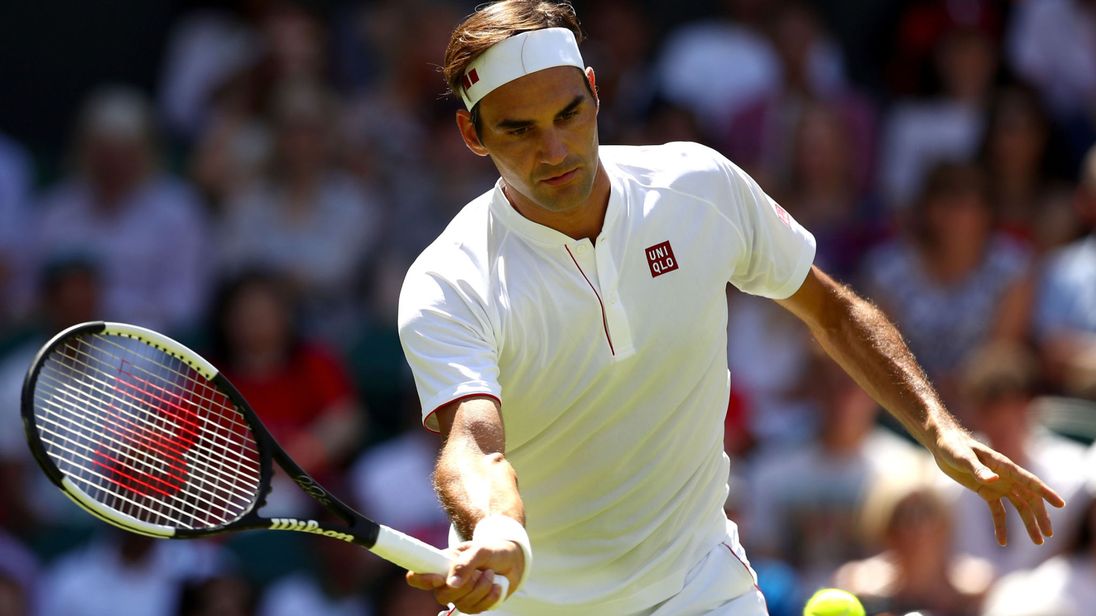
    20-Grand-Slam champion Roger Federer has walked away from a decade long partnership with Nike, signing on to a new deal with Japanese fashion retailer Uniqlo.

    Federer will represent Uniqlo at all tennis tournaments throughout the year, starting with The Championships at Wimbledon 2018.

    Mr Federer is one of the greatest champions in history; my respect for him goes beyond sport,” said Tadashi Yanai, Uniqlo founder and chairman, president and CEO of fast retailing.

    “Our partnership will be about innovation on and off court. We share a goal of making positive change in the world, and I hope together we can bring the highest quality of life to the greatest number of people.

    “Uniqlo will help Mr. Federer continue taking tennis to new places, while exploring innovations in a number of areas including technology and design with him.”

    Federer noted that he was deeply committed to tennis, but also shared Uniqlo’s values.

    “We share a strong passion to have a positive impact on the world around us and look forward to combining our creative endeavors,” said Federer.

    It is interesting to note that Uniqlo is not a sports company, but describes itself as a life company that creates LifeWear, “apparel that comes from the Japanese values of simplicity, quality and longevity.”

    In addition to Federer, the Uniqlo global brand ambassadors are Kei Nishikori (tennis), Shingo Kunieda and Gordon Reid MBE (wheelchair tennis) and Adam Scott (golf).

  • HK’s first ever Lipstick Tasting Bar at Harbour City

    HK’s first ever Lipstick Tasting Bar at Harbour City

    Women use lipstick as a statement; Lipstick Lex as a tool to create art.

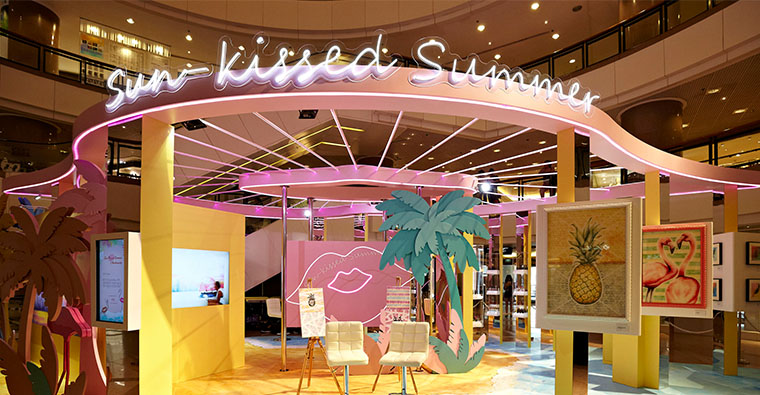
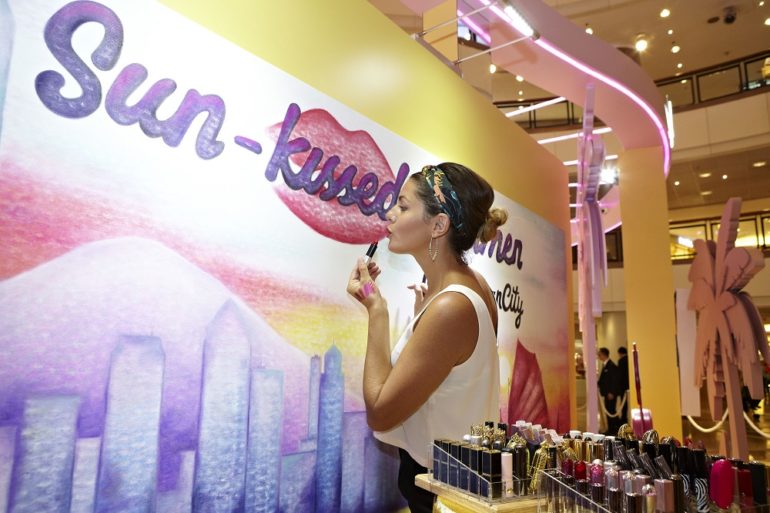
    Until 22 July, Harbour City presents “Sun Kissed Summer – lipstick art exhibition” in the Atrium II of Gateway Arcade.

    The renowned American lipstick artist Lipstick Lex is holding her first solo exhibition in Hong Kong.

    Lex demonstrates how to use over ten thousand kisses to create her largest piece of kiss print “Victoria Harbour Sunset” in Harbour City.

    Harbour City, as the mall with the largest number of beauty brands (over 320 brands) in Hong Kong, also holds the first ever “Lipstick Tasting Bar” which have 34 brands and over 200 shades of lipsticks in one stop for trial.

    To create a better customer experience, Harbour City is using Facebook Chatbot and digital panel to make an interactive game for customers try on the desired lip colors according to the game result.

    “Sun Kissed Summer – lipstick art exhibition” will now exhibit 22 pieces of Lex artworks of which more than half is newly created for this exhibition.

    The inspiration behind this new series comes from the animals and plantations in Florida’s tropical environment such as Flamingo, Sea Turtles, Plum trees and pineapples etc. Her artwork combines the colorful lipstick colors and kiss prints in order to spread a positive message of love, merriment, beauty and feel-good vibes all around.

    Besides, Lex is using the theme of “Victoria Harbour” to tailor make her giant artwork – “Victoria Harbour Sunset” for this exhibition. This is the largest piece which she has ever created, 3-meters long, made by more than ten thousand kiss prints and lipsticks from over 20 brands. The drawing is about a beautiful sunset scene with a sailboat sailing to Victoria Harbour.

    Alexis Fraser, a.k.a. Lipstick Lex, is an artist from the United States, Florida. Starting at an early age, Lex enjoyed and excelled at creating art in fun and interesting methods. Back in 2012 Lex was challenged to create a portrait of Marilyn Monroe, utilizing a non-traditional method that would still correlate with Marilyn.

    Utilizing 100% lipstick and her fair share of kiss prints, Lex soon launched her alternative contemporary art brand, “Lipstick Lex”. Videos showing her unique lipstick painting skills have also gone viral in Youtube and other social media platforms. Lex has previously exhibited her works in Japan, Europe, Canada and the United States; and has held speaking engagements discussing her artworks mission.

  • Vietnam textile firm bets on eco-friendly products

    Vietnam textile firm bets on eco-friendly products

    For price conscious Vietnamese consumers, an organic product more expensive than its normal version is not an attractive option, but one firm has decided to be persistent.

    The Phong Phu Textile and Garment Company introduced its made-in-Vietnam eco-friendly towel brand last December, attracting media attention as one of the first firms in the country to produce an organic textile product.

    The Mollis Organic towels are made from 100 percent organic cotton. No genetically modified organism, chemical fertilizer or pesticides are used in the making of this product, the company asserts.

    The company would strive to bring organic products to its customers although their production costs are high and profits uncertain, Pham Xuan Trinh, CEO of the Phong Phu Textile and Garment Company said.

    The company prices its organic towels from VND60,000-250,000 ($2.62-$10.91) depending on the size, about 20 percent higher than conventional products, while made-in-China towels are sold for just VND15,000 ($0.65).

    Since awareness of the importance and advantages of organic products is relatively low among a majority of Vietnamese consumers, Phong Phu is struggling to sell its organic towels to local customers.

    “We’ll continue to invest in organic products despite low profits with the hope that one day Vietnamese customers will see the true value of organic products,” he said.

    The company spent VND4 billion ($174,600) last year on research and development for its organic products.

    As Vietnam’s conditions are not currently suitable for growing organic cotton, the company imports its material from Bangladesh, India and Israel. The processing and manufacturing processes happen in Vietnam.

    The company has so far exported its organic towels to Japan and South Korea, aiming at the high-income customers in these countries.

    Phong Phu recorded a profit of VND149 billion ($6.5 million) in the first half this year, a growth of 7 percent from the same time last year, but most of it came from conventional non-organic products, including towels and denim jeans.

  • Gucci to launch limited-edition tattooed handbag

    Gucci to launch limited-edition tattooed handbag

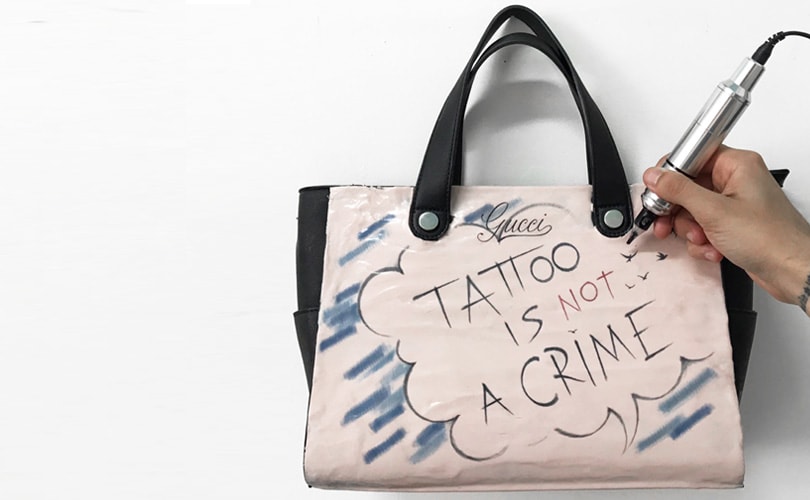
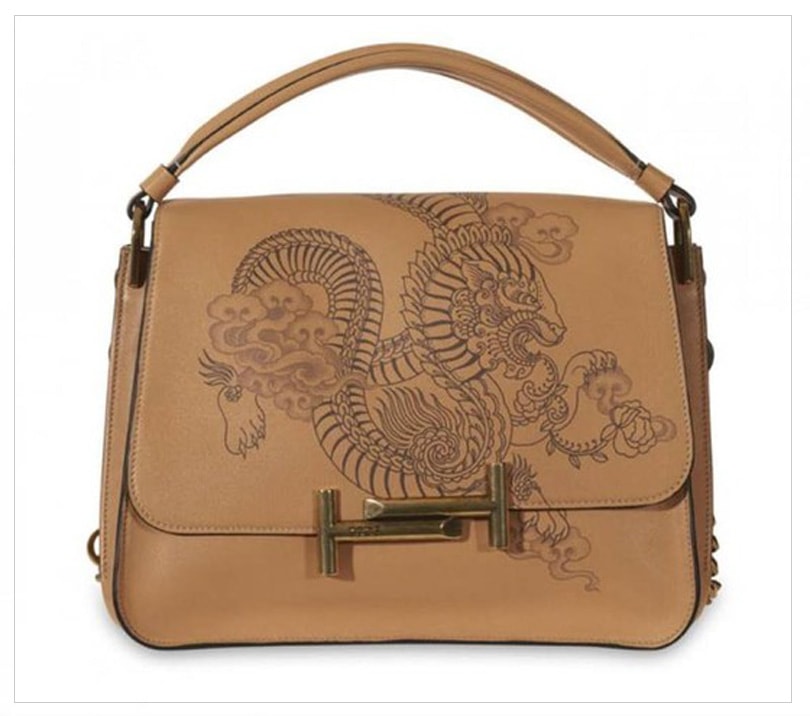
    Gucci is launching a faux-leather tattooed handbag collection with Italian artist Gabriele Pellerone, best known for his cutting-edge paintings.

    The fashion house will take orders for 100 handbags from next January.

    Customers will be able to choose from a set of designs developed by the Gucci design team with Pellerone and displayed on Gucci’s website.

    Prices have not yet been disclosed.

    There will be a demonstration of the tattooed handbags at the “Autumn Equinox: Collective Visions in Abstraction and Figuration” exhibition on September 21 at the Agora Gallery in New York City.

  • Alibaba and Guess’ FashionAI Concept Store unveiled in HK

    Alibaba and Guess’ FashionAI Concept Store unveiled in HK

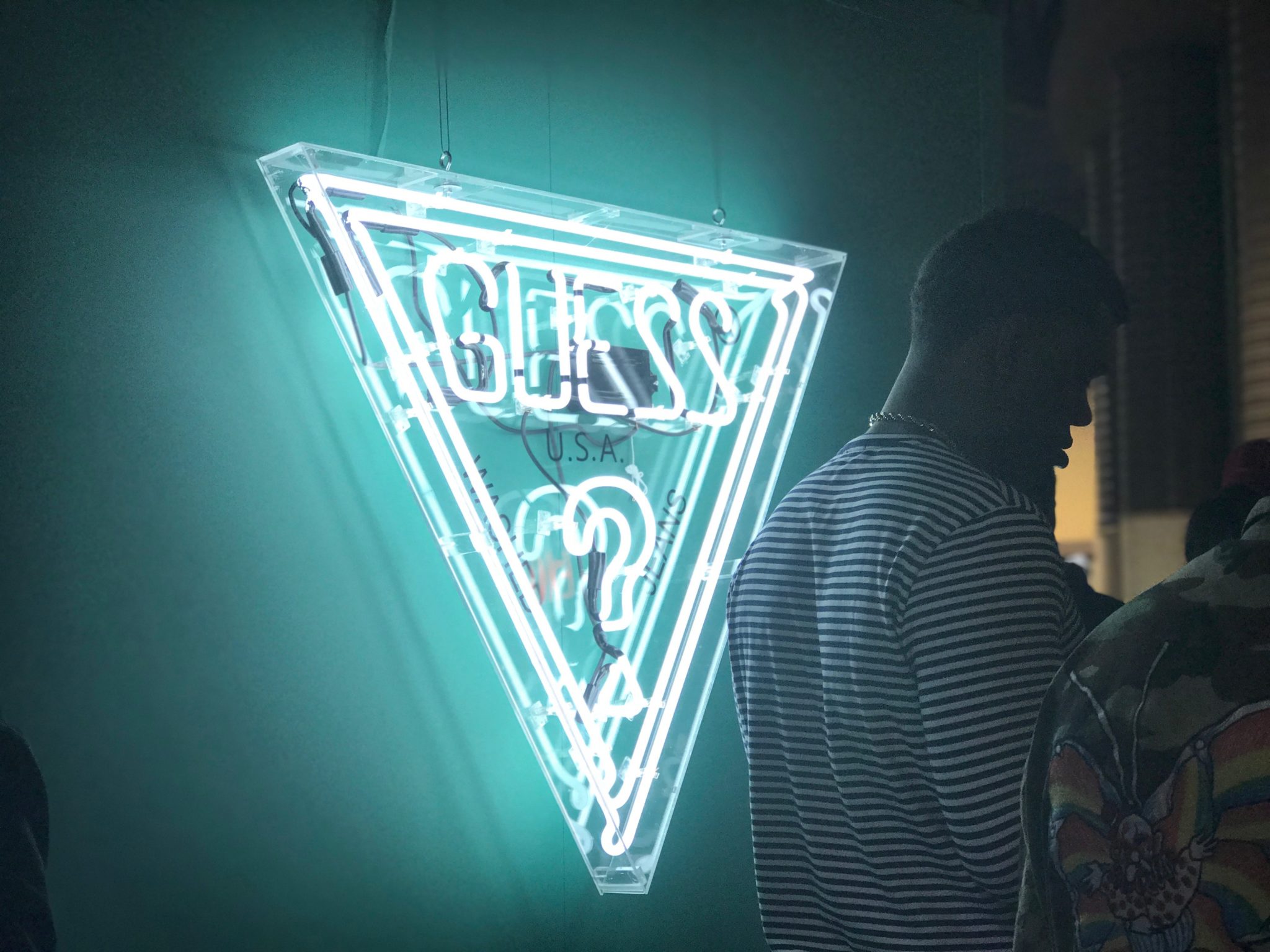
    GUESS is global strategic partner of Alibaba’s FashionAI project, an initiative to give shoppers a glimpse of what the future of fashion retail will look like.

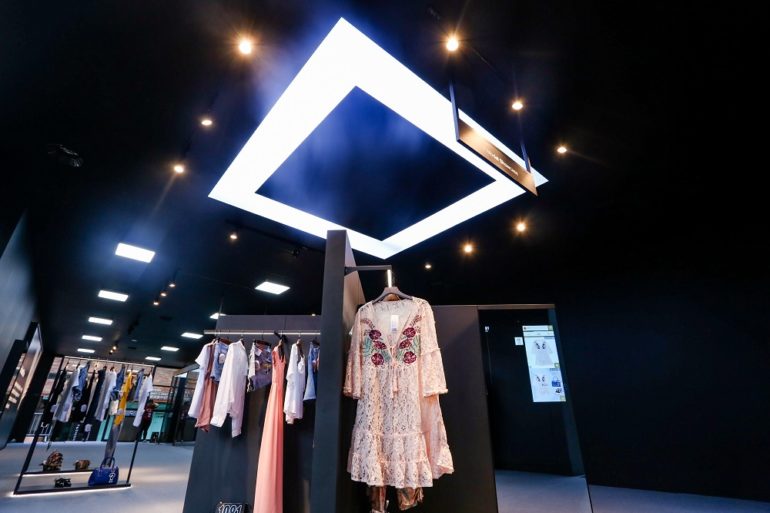
    Alibaba rolled out a pilot FashionAI concept store on the Hong Kong Polytechnic University (PolyU) campus pairing GUESS’ retail knowledge and latest collections with advanced Alibaba AI and other technology.

    “By partnering with Alibaba, a dominant technology leader, we are changing the retail experience as our customers also evolve,” said José Blanco, CEO of Greater China for GUESS. “It is important that we continuously invest in new technology and platforms. This entire project came together in just five months thanks to a strong partnership between our two companies. At GUESS, we believe in the need to innovate in real time. We plan to extend this project in the region as the future of retail.”

    Besides the FashionAI concept store’s futuristic appeal, the project is aimed at providing a better retail experience for shoppers and to use analytics to help brands be smarter in ordering and maintaining inventory.

    “GUESS and Alibaba share the same vision to understand customer behaviors through technologies, ” said Zhuoran Zhuang, Vice President, Alibaba Group. “With GUESS’ retail expertise, we are able to train and refine our FashionAI system, and marry technology with fashion in a way that’s never been done before. We are looking forward to deepening our partnership to innovate personalized services offered in retail shops.”

    The FashionAI concept store features smart racks, smart mirrors and next-generation fitting rooms.

    Alibaba’s FashionAI system underpins the stores, offering up mix-and-match clothing and accessory suggestionsfor customers from the GUESS line, as well as items sold by others on Tmall and Taobao, China’s biggest B2C and C2C platforms, respectively.

    GUESS launched its store on Tmall at the end of 2013 and the brand has been one of the most popular brands in the fashion apparel category. GUESS’ store has achieved more than 100% growth over the last 3 consecutive years.

    GUESS collaborates with Alibaba closely in the New Retail concept since 2016 with the
    implementation of the O2O project in both online and offline stores.

    The FashionAI concept store, located at the Logo Square of PolyU campus, will be open to the public from July 5-7. It is being set up on the sidelines of the Artificial Intelligence on Fashion and Textile Conference 2018, co-hosted by Alibaba and PolyU.

  • Korea’s cosmetics exports in January-May up 36.7 percent on year

    Korea’s cosmetics exports in January-May up 36.7 percent on year

    South Korea’s beauty exports remain unfazed, gaining nearly 40 percent in the first five months of the year against a year-ago period.

    According to data released by the Korea Customs Service on 28 June, K-beauty exports between January and May this year amounted to US$2.06 million, up 36.7 percent against a year ago and showing little signs of softening.

    Last year, cosmetics exports reached an all-time high of US$3.92 billion, nearly quadrupling from US$1.05 billion in 2013 and overwhelming imports of US$1.17 billion.

    The bulk went to ethnic Chinese – 37.4 percent in the mainland and 24.6 percent in Hong Kong. Of the remainder, 9.4 percent was consumed by Americans, 5.0 percent by Japanese, and 3.4 percent Thais.

    Chinese have been the biggest non-Korean consumers of K-beauty products since 2000. Exports reached US$1.47 billion last year alone, also helped by a sales tax cut on cosmetics in China.

    Korean beauty products are rapidly gaining ground in Vietnam. Exports to Vietnam hit US$123 million last year, up a whopping 109.5 percent on year. Shipments to traditional beauty powerhouses of France and the United Kingdom have also been on a steady rise.

    Basic skin care products accounted for the largest 50.7 percent of the country’s total cosmetics exports last year while makeup products made up 9.5 percent, those for eye makeup 3.6 percent, and lipsticks 3.2 percent.

    The Korea Customs Service forecast cosmetics exports to extend strong growth this year, fueled by renewed popularity of K-pop and Korean entertainers.

  • Innisfree Vietnam, Malaysia to go bigger

    Innisfree Vietnam, Malaysia to go bigger

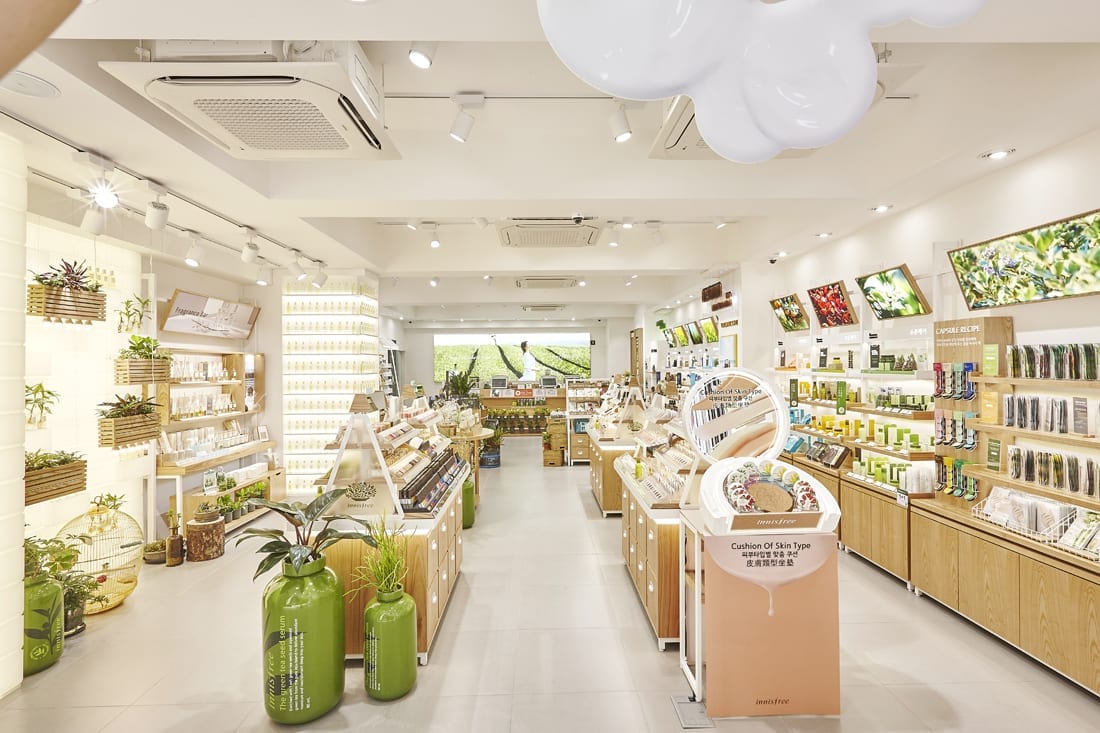
    Amorepacific-owned Innisfree Vietnam has opened its first store in Hanoi, the brand’s fifth in the country.

    Located at 290 Ba Trieu Street, Innisfree Hanoi ranges skincare and makeup products for men and women.

    Opening day saw long queues of the brand’s fans who had been looking forward to the brand having a Hanoi presence for two years.

    In Malaysia, Innisfree has teamed with travel retailer Dimensi Eksklusif to make its debut at Kuala Lumpur International Airport.

    KLIA is Innisfree’s latest airport store outside Korea after Singapore’s Changi and Hong Kong International Airport.

    Sales of perfumes and cosmetics at KLIA in the first quarter of this year grew by 29 per cent and are expected to continue to grow, attracting more world-renowned brands to open there.

    Innisfree has nine stores in Malaysia.

  • Uniqlo unveils plans to open in Denmark in 2019

    Uniqlo unveils plans to open in Denmark in 2019

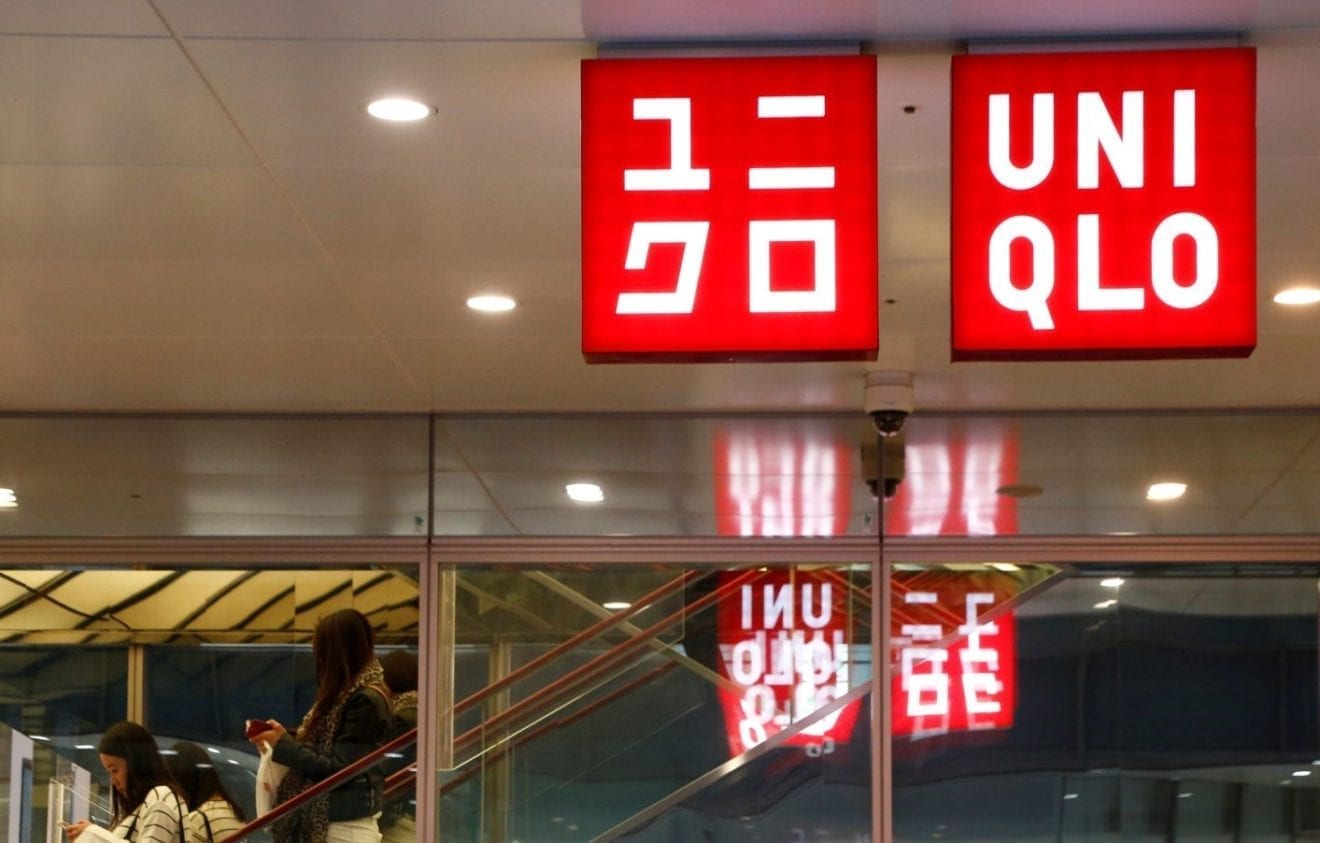
    Uniqlo has been working hard on expanding its presence across Europe, and will arrive in Sweden and the Netherlands in fall 2018.

    The next new market for the casualwear label will be Denmark, where a new store is expected to open Strøget, one of Europe’s longest pedestrian streets, in Copenhagen in the spring of next year.

    The company has chosen a historical building dating back to the mid-1700’s, once occupied by clothier Louise Christine Rasmussen, for its first Danish store, which will occupy a space of approximately 1,400 square metres across three levels. Elements from the original classic style architecture will feature throughout the interior of the store and on the façade.

    “We are pleased to be announcing our next phase of growth in Scandinavia with the launch of our first store in Denmark next year, on the renowned Strøget in Copenhagen. We look forward to introducing the Uniqlo brand and our LifeWear concept to Danish customers, who appreciate well designed, functional and high quality clothes,” said Taku Morikawa, chief executive officer of Uniqlo Europe.

    Denmark will become Uniqlo’s 9th country in Europe, joining the UK, France, Russia, Germany, Belgium and Spain and new markets Sweden and the Netherlands.

  • China, Millennials and Men are revitalizing luxury retail

    China, Millennials and Men are revitalizing luxury retail

    Attracting Millennials has been key for retailers, but the consumer population, characterized by rapidly shifting expectations in light of digital transformation, has remained elusive to many traditional retailers and buying categories, resulting in piles of literature on how to appeal to this influential group.

    And recently, marketers have all the more reason to focus on Millennials: they are integral in luxury retail’s comeback.

    The 16th edition of the Bain Luxury Study found the luxury market grew by a whopping 5 percent to €1.2 trillion globally last year. Luxury sales grew in a broad array of industries including cars, food and wine, travel, hospitality, clothing, and accessories – and much of the growth is thanks to Millennials.

    Despite the comeback, it’s clearly not your mom’s luxury shopping climate. Jewelry brands are still working to find their stride with younger cohorts and high-end department stores are scooping up Amazon employees to focus on digital growth. Here are some pointers for thriving as a luxury brand in today’s retail environment.

    According to the study, while the boom in luxury sales is primarily led by economic growth in China, demand for personal luxury items is also increasing worldwide. Japan, Europe, and the U.S. are standout markets for luxury retailers, growing at 4 percent, 6 percent and 2 percent, respectively. It is worth noting that tourism had a part in luxury’s rebound: “Globally, the share of personal luxury goods purchased by Chinese nationals reached 32 percent in 2017.”

    The study focused largely on Millennials as a key demographic, but also on the “millennialization” of luxury shoppers, referring to a shifting consumer mindset. In addition to Millennials, Gen Z and men are contributing to the sector’s recovery, and brands are taking notice, adapting to changing customer profiles.

    Menswear has become a focus area for high-end fashion brands. Conglomerates like LVMH (including the brands Louis Vuitton, Bulgari, and Dior, among others) and Kering (including the likes of Gucci, Yves Saint Laurent, and Girard-Perregaux) have focused marketing efforts on mens fashion. Louis Vuitton, for example, is exploring high-end streetwear to tap the male Millennial zeitgeist, and Saks Fifth Avenue says their menswear has gone “from just category addressing to…designers looking at how they’re going to wardrobe a man’s lifestyle,” according to Saks Fashion Director Roopal Patel.

    Moreover, to appeal to younger cohorts, many luxury brands have expanded their product lines to include footwear, hoodies, purses, t-shirts and other more affordable items. Understanding the key demographic purchasing trends will allow retailers to tap into new segments and capitalize on timely opportunities.

    According to Valérie Moatti and Céline Abecassis-Moedas of ESCP Europe Business School, the luxury retail sector has been uniquely reluctant to embrace digital technology. But 2017 saw some luxury brands, including Chanel, successfully embrace a social media presence.

    Although Chanel was one of the last luxury brands to sell online, they now have a Paris-based Instagram team churning out 3-4 posts per day. The success of their Instagram presence earned them 9.6 million new followers last year, making them the platform’s most followed luxury brand. Over half of Instagram’s 1 billion users are under 35, making it a prime platform for reaching the luxury-purchasing cohorts, Millennials and Gen Z.

    “Instagram is well-suited to fashion brands to whom the visual and ‘community’ dimensions are essential,” Moatti and Abecassis-Moedas write. “This generation has a different relationship to brands, placing emphasis on use rather than possession and proving more sensitive to the power of the image.”

    Aligning with meaningful influencers can be effective, as well. Yves Saint Laurent struck social media gold last year by partnering with influencers to promote their fragrance, “Y.” Their strategy focused less on their own social accounts and more on product placements with edgy and notable personalities. The campaign earned them a 69 percent boost in followers and over $16 million in earned media value.

    Of course, any one campaign is not enough to build a relationship with customers. Research by Deloitte shows that Millennials are listening to multiple channels at once, making an omni-channel approach to communication and branding all-the-more essential.

    In-person shopping still has an appeal, particularly with younger cohorts and luxury shoppers. Deloitte’s research shows 43 percent of American Millennials still prefer to buy luxury items in person. They cite the abilities to touch, feel, compare, and try products as key benefits.

    The brands that are making physical retail work for them are using an experiential approach. Ibrahim Al-Haidos, founder of luxury handbag brand Fursan, built a storefront with an environment he describes as being dedicated to opulence and consummate beauty. “We want people to feel special when they enter our store,” Al-Haidos said. “The environment we have created is one of high luxury. It’s important that people begin to feel luxurious from the moment they enter our store.”

    The notion of inviting customers into aspirational lifestyle is common among successful luxury retailers. Many are looking less like traditional storefronts and more like lifestyle touchpoints, sometimes reminiscent of an open house or a ‘permanent pop-up.’ Inviting customers to participate in a lifestyle defined by a brand’s ethos allows them to actually contribute to a brand’s narrative, blurring the line, and strengthening the relationship, between retailer and consumer.

    Partnerships with other brands and influencers that reflect a retailer’s particular ethos can also be effective. Take Ferrari, for example. Their brand aligns closely with Formula 1 racing, surrounded by those passionate about high-performing cars.

    Or look at Max Mara’s partnership with street artist Shantell Martin. The pair collaborated on limited edition sunglasses, using sunglass frame-shaped cut-outs from a custom piece of art by Martin to create a one-of-a-kind product for each purchaser. Reflecting Martin’s whimsical and uplifting stream-of-consciousness style that focuses on the interplay of audience and creator, the limited edition pieces invited their purchasers to effectively participate in the art.

    “I’m always looking for great non-traditional canvases to spread my message out into the world to a new demographic and in a new way,” says Martin. “This collaboration was a great example of that done well.”

    The partnership shows the brand’s acute awareness of what their customers like outside of Max Mara, enabling them to capitalize on the sentiment of Martin’s art and alluding to a broader narrative in which they are a key fixture.

    The luxury retail sector does not look like it did in the days of Elizabeth Taylor.

    But new channels are opening and new markets emerging to support high-end retail.

    Creative approaches to social media, an innovative brick-and-mortar presence, and meaningful lifestyle partnerships will put your luxury brand in the coveted crosshairs of young spenders.

    Millennials may be a tricky market in their ad-proof armor, but the luxury brands who can strike the right chord will find promising returns.
  • Thailand’s Mistine launches in Korea

    Thailand’s Mistine launches in Korea

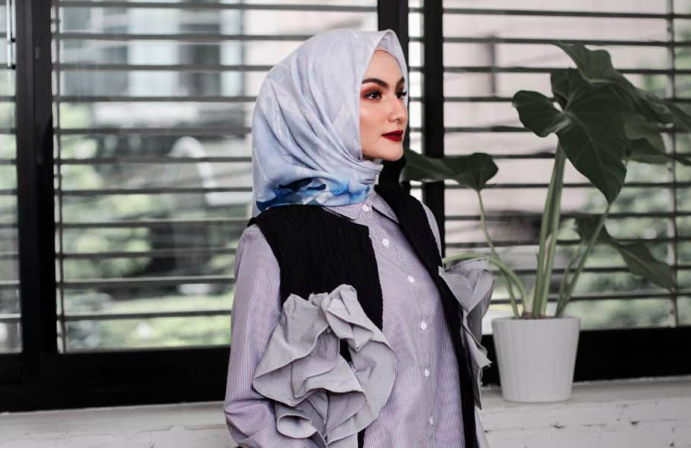
    Better Way Thailand, trading as cosmetics brand Mistine, is aiming to establish itself as an Asian brand by 2020.

    From this coming August, Mistine products will be exported for retail in Korea’s Incheon airport and in downtown Seoul, in the hope of attracting the destination’s annual 10 million Chinese visitors.

    Mistine already has a strong online presence in the Chinese mainland, where it is also available over the counter at Watsons health and beauty stores. It will launch its own flagship store in Beijing next year.

    These moves will constitute part of an effort to increase export volumes from 10 per cent to 20 per cent of its stock in the face of lagging demand at home.

    The company’s president Danai Derojanawong said Better Way needs to rely more on technology to make its logistics more efficient for customer satisfaction. “Direct sales may be disrupted by the rise of online shopping,” he said, “but we still believe they will not disappear from Thai society, because direct sales is a social business.”

    Currently 60 per cent of Mistine products are sold via direct sales, which Danai expects will drop to 30 per cent over the next five years.

    Danai said there is huge potential in the Chinese market. “We’ve only penetrated four cities, including Shanghai, Guangzhou and Shenzhen. We plan to expand our business into two new cities next year, Chengdu and Beijing. With those plans, we aim to enter the top five for regional colour beauty brands in Asia by 2020.”

    Mistine’s sales in China totalled THB3 billion (US$90.47 million) last year, and are expected to reach THB5 billion (US$150.78 million) this year.

  • Is plus-size fashion is the new black?

    Is plus-size fashion is the new black?

    The so-called “plus-size” market (typically size 14 and up) has been an under-served opportunity for as long as I’ve been in retail. Historically there were some good reasons for this.

    Traditionally, the main thing retailers optimized was physical space and inventory.

    Accordingly, the breadth and depth of the merchandise carried in a store would, more or less, follow a statistical distribution of sizes, adjusted by color ranges carried and constrained by inventory budgets and the literal store-by-store physical limitations of tables and racks. From a short-term financial perspective this made sense.

    Unfortunately it’s also true that many parts of the fashion industry exhibited both overt and unconscious bias against images of women that did not conform to their unrealistic–and often unhealthy–“ideals” of feminine beauty. As a result it’s clear that the industry has been painfully slow to represent an appropriate spectrum of customers in advertising, design and product offering.

    At long last this appears to be changing, primarily owing to a few key factors:

    The long tail of e-commerce. The inherent economics of a direct-to-consumer business model allows different capital dynamics to be at play. E-commerce warehousing has important advantages over physical store distribution (much lower real estate cost, greater ability to flex space, economies of scale in centralizing inventory), making it considerably more economically feasible to carry a wider range of products.

    Indisputable demographic changes. It has been true for some time that Americans are getting larger and, by all indications, this isn’t likely to change. While it would have been wise for retailers to have taken this market more seriously years ago, perhaps the most recent data makes it painfully obvious how significant the incremental growth opportunity is.

    Growing cultural awareness and acceptance. Numerous sociological factors, among them the overall ‘body positive movement’, heightened (and well deserved) criticism of the fashion and advertising industries’ obsession with rail thin models and the growing social media popularity of certain key celebrities and influencers have all contributed to subtle but important shifts in perspectives.

    Demonstrated “mainstream” success. Special size catalogs and stores (think Lane Bryant and Avenue) have been around for a long time, and collectively they represent a large market segment. Yet somehow they were seen as niche or unusual situations operating outside of the mainstream. In recent years, however, brands like Aerie have launched winning “real women” marketing campaigns. Major traditional retailers, from Kohl’s to Charlotte Russe to JC Penney and beyond, are seeing success as they invest in the plus-size opportunity. Newer online-only brands like Eloquii are realizing strong growth.

    As is well documented in this excellent report from Coresight Research, the simple truth is that the plus-size sector is already large and growing faster than the overall market. Despite this momentum, however, many opportunities to eliminate areas of customer dissatisfaction and amplify the overall experience remain. Retailers that wish to take full advantage of this growth area would be wise to keep a few things in mind:

    Saying you are customer-centric and being customer-centric are two different things. Most retailers say they are customer-centric and strive to be innovative. And yet the vast majority have thus far failed to seize the plus-size opportunity. It’s well past time to stop paying lip service and get into action.

    Treat different customers differently. It has always been a good idea to move toward greater personalization. No customer wants to be average, but more importantly in the anytime, anywhere, anyway world of today, no customer has to settle for being treated that way. The future of most retail will be determined by those retailers that have the greatest level of customer insight and are able act on it in relevant and remarkable ways.

    Fix it in the mix; silos belong on farms. One of the reasons so many retailers missed the plus-size opportunity is due to their relentless focus on silo-ed performance analysis.

    Apparel buyers consistently under represented plus-size dresses in their assortments (as just one example) because they don’t get any credit for the handbags, cosmetics, kids apparel or whatever else that customer might buy when they are in the store (or on the website). If you are not thinking cross-shopping, market basket size and lifetime value you are going to keep making some dumb decisions.

    Here comes Amazon. Amazon already has a stable of plus-size private brands. They will have more. They currently lack the fashion credibility and physical store presence to fully prosecute this opportunity. That is almost certain to change in the not too distant future.

    There is really no such thing as plus-sized. Representation is vitally important. The industry can, and absolutely should, do a better job of depicting a spectrum of body types in media–and in other aspects of how they do business. In a different light, when it comes to how sizing is presented to the consumer, does it ultimately help anybody to make this increasingly arbitrary distinction, particularly when the average (American) woman wears between a size 16 and 18? Ultimately it’s all just sizes. And different fits. And colors. And patterns. And styles. And on and on.

    The retailer’s job is to understand the rich tapestry of differences, to curate their unique point of view and to deliver an intensely rich, relevant and differentiated experience at scale for all the customer segments they choose to serve.

    With growth so hard to come by for most retailers these days, it is worth asking why so many have ignored this opportunity for so long?

  • Stripe enlists Alibaba for ‘smart store’

    Stripe enlists Alibaba for ‘smart store’

    Japanese clothing chain Stripe is partnering with online retail giant Alibaba to open a “smart store”.

    The 60sqm physical store, stocked with Stripe’s Earth Music & Ecology branded garments, will feature enhanced technologies to use pooled customer data collected from online stores to equip staffers with information about shop visitors. The data, which could potentially include a store visitor’s online purchasing history, could help device-wielding workers make product recommendations and assist a customer in finding garments they are more likely to prefer. Purchases will be made via digital payment services.

    Data collected from the store could influence Stripe’s future product lineup, including information from “smart hangers” that can detect when an item is purchased or just shown interest in. Smart mirrors allow customers to see garments in alternative colours while facial recognition systems will be parsing for gender and age.

    Alibaba’s Tmall digital storefront, combined with its mobile payment platform Alipay, serves 550 million customers annually. The provision of the technology will allow Alibaba a unique opportunity to gather data from the physical retail realm.

    Stripe International, which runs 1400 stores worldwide, is predicting total sales this year of around RMB100 million (US$15 million) from the 20 stores it operates in China.