Category: Fashion

Retail News Asia is committed to providing both local and global retailers with the latest Fashion news throughout the Asian market. This on a daily base.

  • Mon Purse Launches New Retail Strategy

    Mon Purse Launches New Retail Strategy

    Design-your-own handbag business Mon Purse is revamping its bricks-and-mortar presence in the US market.

    After a much-publicised expansion to America through a deal with Bloomingdale’s in November 2016, the Australian e-commerce company has pulled out of the upmarket department store chain, and is gearing up to launch its first standalone store in New York City in a matter of weeks.

    Mon Purse last year opened a store at a mall in New Jersey, which was billed as the company’s first standalone store in the US, according to a press release at the time. But COO Andrew Shub said the store was actually a pop-up. It closed in January.

    Shub refuted the suggestion that Mon Purse has exited the US, although no mention of US stores appeared on the website at the time of this writing.

    The e-commerce company currently lists its concessions in Selfridges in the UK and Myer in Australia, alongside its boutique in Paddington.

    Shub said the company is “evaluating” its strategy in the US, the company’s biggest online market outside Australia, but was not willing to discuss it publicly.

    “It’s not something we want cited for our competitors,” he said, “but we are very much committed to the US market.”

    Shub said Mon Purse is about to open a new store in New York City, which will be listed on the website in the next few weeks.

    He added that the business is committed to its concession model.

    “It’s all part of the strategy as to how one rolls out. I wouldn’t want to create any misconception that we’re not committed to our concession business,” he said.

    The revamp comes two months after Mon Purse founder Lana Hopkins announced her intention to step down as co-CEO and cease running the day-to-day operations of the company. She is still on the board and holds a minority stake in the business.

    Hopkins said she made the difficult decision to step down to pursue other ventures, but according to an April report in the AFR, some shareholders believe she was pushed out. The value of the company has plunged from more than $30 million to $5 million.

    “I cannot share any of those financial details from that point of view,” Shub said.

    “All I can say is that we continue to grow and have very exciting times ahead both from a digital and bricks-and-mortar strategy.”

    Toni Fourie, who was recently named as the new chairman of Mon Purse, is reportedly leading the search for a new CEO.

  • Mulberry Group looking for a JV Parter in Korea

    Mulberry Group looking for a JV Parter in Korea

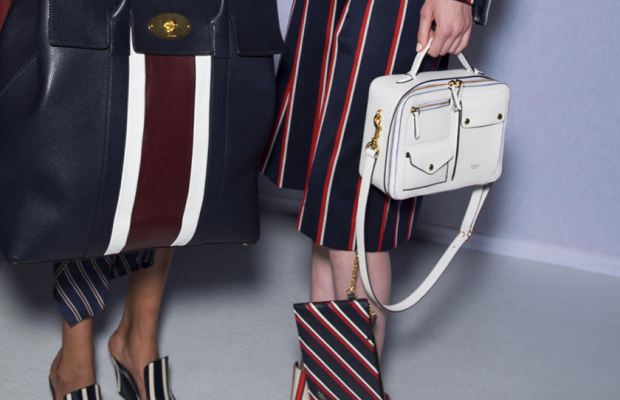
    Despite a profit decline for its latest year, UK luxury leathergoods company Mulberry Group plans to form a JV to develop its business in South Korea.

    It says it has signed an agreement with SHK Holdings to form Mulberry (Korea) Co. It will own 60 per cent of the new entity and the two companies will invest £4.6 million (US$6.1 million) to buy assets and to develop the business in South Korea.

    Mulberry last year had plans to launch an equal-share JV with another company as well as plans to launch into Hong Kong.

    Meanwhile, for the financial year to March 31, Mulberry made a profit of £6.9 million, down from £7.5 million the year earlier.

    Revenue rose 1 per cent to £169.7 million, it said. Retail sales grew 3 per cent, with UK sales broadly flat and international sales up 20 per cent. Digital sales grew 14 per cent, making up to 17 per cent of group revenue, the company said.

    For current trading, Mulberry says retail like-for-like sales fell 7 per cent in the 10 weeks to June 2 with international sales up 1 per cent. However, UK sales were down 9 per cent because of lower footfall.

  • Guess Jeans taking Farmers Market bigger

    Guess Jeans taking Farmers Market bigger

    Guess Jeans is expanding its Farmers Market concept to global stores until the end of next month.

    Created by Guess and vintage streetwear collector Sean Wotherspoon, the collection features reworked items from the Guess archives developed in the ’80s and ’90s, with a colour palette derived from the Californian landscape.

    Key pieces include hoodies, denim jackets and tracksuits, with original Guess graphics featuring the classic logo on T-shirts and accessories.

    Launched in central Los Angeles last month, the limited-edition merchandise are available through key retailers and pop-up stores. In Asia, expect pop-up stores in Singapore’s Dover Street Market, Tokyo’s GR8 and Hong Kong’s Juice. Items can also be bought through the Chinese Innersect App.

  • The rise and rise of Spendless Cosmetics in China

    The rise and rise of Spendless Cosmetics in China

    In just five years, Singapore-based Leza Parker (pictured)’s life has transformed from stay-at-home mum to being the founder/CEO of a US$50 million company selling 15,000 beauty products online.

    Her Spendless Cosmetics has evolved into a world-first social e-commerce business platform, empowering women all over Asia to earn money working from home with no technology or retail skills.

    At first the venture was a straightforward e-commerce site, selling beauty products and cosmetics. Then she expanded it by developing a world-first concept: empowering women at home or social-media enthusiasts seeking a secondary income to open their own sites drawing on her brand’s stock and distribution system and selling to family and friends in their social circles. She called it the SC Beauty Network.

    “Right now you are a student, a mother, an individual struggling to pay bills… and you think: I need to make money right now. You can go into our website and sign up as an SC seller. Our system automatically creates your website in 30 seconds, personalised for you, with your picture, your name, integrating the social media of your choice, using your own personal domain. And you control this website with 15,000 beauty products.

    Share the link

    “You can share that domain with your friends and families, so when someone tells you they are looking for a hair straightener you can share them the link of a hair straightener on your e-commerce site that we maintain for you, and then that person will start shopping on your website.”

    An SC seller can wake up each day to 10 orders on their site. They can immediately go to their back office online to see the customer details, the transactions and the commission they are about to earn. Spendless Cosmetics fulfills the order, not the SC seller.

    The whole concept is based on relationship-building by the sellers. SC Beauty does not advertise or send email newsletters.

    “So if you want to buy any makeup product, you have to select a reseller,” says Parker. “And you have a reseller you like, because it’s your sister you’re trying to support, or your neighbour, so you’re going to keep on buying because you know that person.

    “So now the suppliers can stop pumping so much money into macro influencers. They start to believe in micro influencers – online distributors that can build closer engagement with smaller circles because the conversion of sale is much higher than that of a paid advertisement.”

    Free webinars

    Would-be sellers can take free webinars run by sister company SC Academy to upskill in social-media skills and boost their customer traffic. Similarly, SC Academy trains small brands in marketing and even has a creative studio to help with digital branding.

    “We are trying to develop an ecosystem, which is still the first in the world, and we are pioneering technology in Southeast Asia. We’re big particularly in the Philippines, Indonesia, Malaysia and Singapore, but the thing we’re so proud of is that people we don’t know in countries we’ve never been to can now earn money from us.”

    Brands that Spendless Cosmetics works with include Bobby Brown, Christian Dior, Issey Miyake, L’Oreal and Revlon.

    Parker says the real challenge for everyone in the retail industry moving into the future is that finding, acquiring and retaining customers does not get easier.

    “The fact that technology has already been around in our lives for while means it’s so easy to be compared with online competitors you don’t even know. Your customer knows who your competitor is, trust me. They see you and they go to Google, which is going to give them five other competitors, direct-pricing competition, yet you actually have better customer service. You work harder than your competitors, but who gets the sales? Someone else, because technology allowed that comparison to happen.

    “So lastly, the real challenge for an entrepreneur is to constantly and consistently instill personal touch despite transacting more than 1000 orders a day. That is going to be the real challenge of businesses.”

    Value beyond monetary

    Parker advocates creating a business that offers value beyond monetary returns and offers people a long-lasting effect more than short-term gratification.

    And, says Parker, constantly refine your business and its offer, because the world is ever changing…

    “When I started my business from home five years ago, I did not think I’d be a CEO. I did not think I would own a $50 million company. We weren’t thinking we were going to penetrate globally, but we did – not because we’re experts, but because every day we paid attention to small things then we tweaked our strategies to match exactly what was demanded. And then we continued to do the same thing again and again and again, and the business made only good decisions from them on.”

    Meanwhile, Parker cautions against an over-reliance on data, because people tend to change. “Data tells you what the customer thought in the past. Although it helps you with future campaigns, it’s less significance than current data.

    Parker wants retailers to think more laterally about the sort of information they seek from their customers and what they do with it.

    “This is why engaging with your community is best. What is the point of knowing what a person bought the last 10 times when I can just ask her what she wants to buy now? She is going to tell me, for instance, that tomorrow she intends to buy a pink top. So as a retailer, what do I do? I am going to show her a pink top. But the last five times she wasn’t buying a pink top – she was buying blue, she was buying red, she was buying purple. If I follow all the past data to tell me what she’s going to buy tomorrow, guess what? It doesn’t help.”

    Works both ways

    Parker believes there are two things that will drive customers to retailers. For short-term customers, interest and interest alone. For long-term customers, interest that builds into trust. “That is the future of shopping or customer behaviour.”

    Trust, says Parker, runs both ways and is grounded in mutual understanding. “So when you want to build a community where you interact with people, where they know your brand, they should not feel forced into giving you their information then regret it later, because they’re going to hate you. They have to feel that they want to do it.

    “If  go to a bar you’re not asked for your age, name or email address. So why are you asking your customers these questions?

    “That’s why people don’t want to tell – you could be a stalker. So people start to reserve more data, and in the end you get nothing out of them, absolutely nothing. They don’t even want to tell you their favourite colour. They don’t want you to waste their energy. So when you want to ask, ask in an engaging way, because not everybody is into perks, rewards or remunerations.”

  • Giorgio Armani Beauty launches in Thailand

    Giorgio Armani Beauty launches in Thailand

    High-end fashion brand Giorgio Armani Beauty has launched its first boutique for southeast Asia, at Central Lat Phrao.

    Part of the L’Oreal Group, the store stocks Luminous Silk Foundation, Maestro Foundation and My Armani To Go Cushion, as well as the Lip Maestro line. Also available are skincare products and floral fragrances.

    On the second floor of Gaysorn Village, the first Jurlique Concept Store in Thailand offers skincare products and treatments including the all-natural creams and lotions for which the ingredients are grown at Jurlique’s organic farm in Australia’s Adelaide Hills.

    Spanning 170sqm, the store uses natural materials in its five full-scale treatment rooms.

    Also in stock are Pandora’s new necklaces in sterling silver and leather. And, for the first time ever, the collection includes tassels combined with sterling silver inspired by Native American culture, plus handcrafted feather earrings in sterling silver finished with turquoise enamel.

    As it celebrates the 10th anniversary of the first Cosmolite case, Samsonite is releasing an exclusive gold/silver limited edition to mark this milestone. It has golden embellishments and special executions.

    The pull handle, the zipper pullers and details are accentuated by traces of gold and it has a black embossed lining.

  • JD-G-Star Raw limited-edition jeans sold out in just minutes

    JD-G-Star Raw limited-edition jeans sold out in just minutes

    Going on sale at midnight on JD, 50 pairs of limited-edition JD-G-Star Raw jeans were sold out in just three minutes.

    Exclusive G-Star Raw (x) JDX jeans, the were part of crossover fashion project JDX’s push into sustainable fashion.

    With its June 18 anniversary approaching, the e-commerce giant teamed up with Dutch denim label G-Star Raw to launch a limited-edition pair of sustainably produced jeans. Each pair came packaged with G-Star Raw (x) JDX T-shirt and canvas bag, as well as G-Star Raw Bluetooth speakers.

  • Redesign looms for Bulgari Hong Kong flagship

    Redesign looms for Bulgari Hong Kong flagship

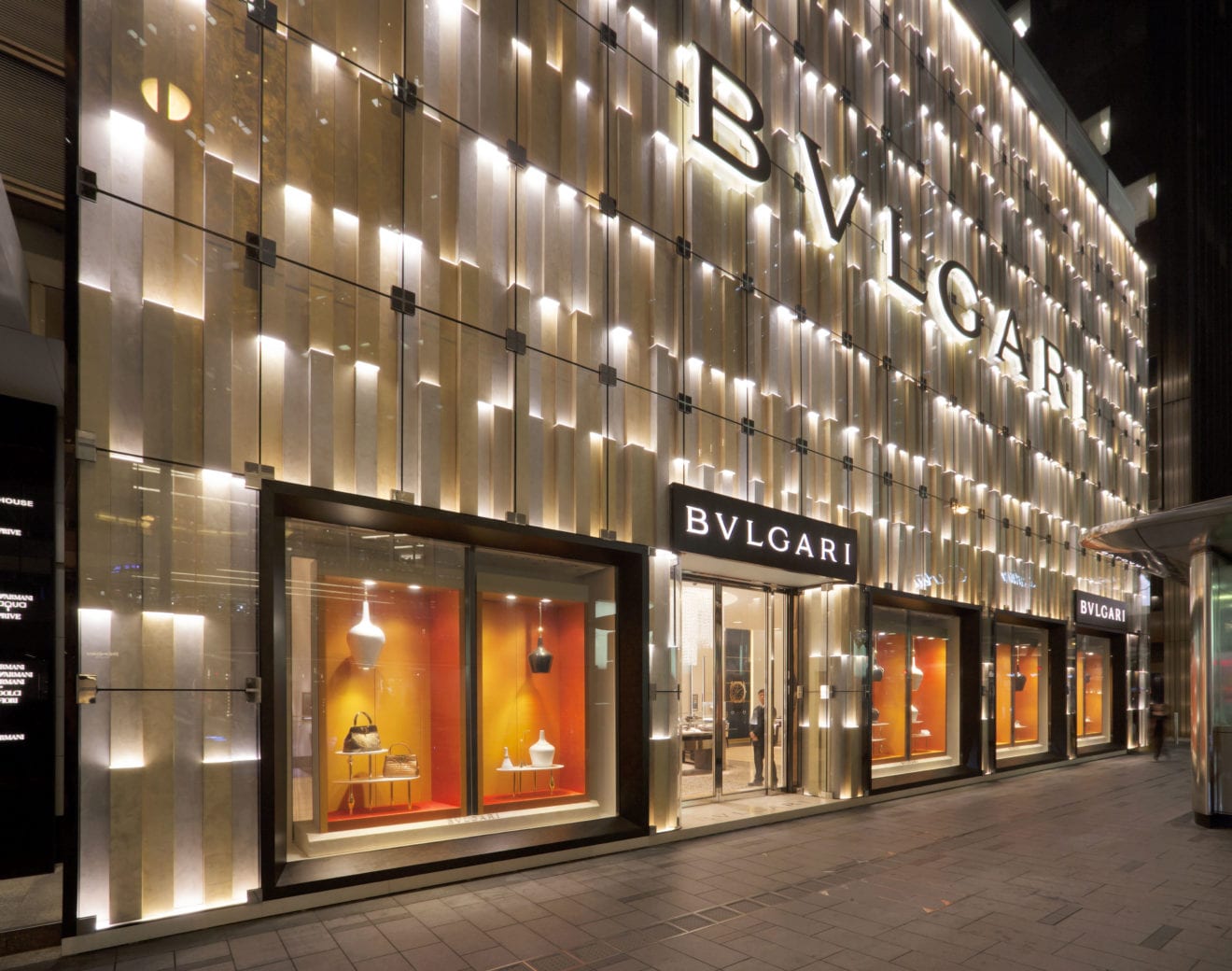
    Bulgari has reimagined its Hong Kong Landmark Chater flagship with a design concept specially developed by American architect Peter Marino.

    Opened in 2002, the flagship has been restyled to now occupy more than 3000sqft of the facade of the Landmark Chater.

    The design draws inspiration from architectural elements of the brand’s flagship store on Via Condotti in Rome, including a reproduction of the iconic door complete with a hand-crafted replica of the lantern that hangs over the entrance.

    Incorporated in the floor at the entrance is the brand’s signature eight-pointed Condotti star in red porphyry – a universal symbol of balance, harmony and cosmic order, and also a graphic representation of the saying “Roma caput mundi” (all roads lead to Rome).

    “Entering the store is like a walk in the city of Rome, kissed by the sunlight; with a central main ambiance that resembles a promenade or Italian piazza, then opening up the view to other spectacular rooms,” says Bulgari. “The round ceiling vault pays homage to the Pantheon dome, as well as to the cupolas of typical Baroque churches.”

    In the main entrance, a light bronze oval-shaped counter in galvanized iron, inspired by the Italian architect Carlo Scarpa, is an invitation to browse the store and to explore Bulgari’s iconic collections.

    Jewellery is presented on original Eros marble tables designed by Angelo Mangiarotti. The High Jewellery Room, custom-designed by Marino himself, is enriched with Imperial Saffron silk.

    A stairway in Pavonazzetto marble leads to the Happening Lounge, a VIP area that echoes the lounge originally dedicated to Elizabeth Taylor, where the Hollywood actress would spend hours after escaping from the paparazzi through a secret door to chat with Gianni Bulgari. Today, Hong Kong shoppers can have aperitifs in the lounge.

    On the other side of the store, the Bridal Room welcomes couples in an intimate atmosphere.

    Meanwhile, the High Jewellery Room, designed specially by Marino, features windows covered with saffron-coloured silk to recreate the earthy colours of Italy, and four majestic marble columns that divide the interior, reminiscent of Rome’s baroque architectural style.

    Until August 31, Bulgari has Aperitivo at the store, offering complimentary Italian beverages and snacks.

  • Mulberry FY profit falls; to form South Korea JV

    Mulberry FY profit falls; to form South Korea JV

    Mulberry Group PLC (MUL.LN) said Wednesday that fiscal 2018 pretax profit declined 8% and that it will form a new majority-owned joint venture to develop its business in South Korea.

    The luxury leather-goods company said it has signed an agreement with SHK Holdings Ltd. to form a new entity called Mulberry (Korea) Co.

    Mulberry said it will own 60% of the new entity and the two companies will invest 4.6 million pounds ($6.1 million) to buy assets and to develop the business in South Korea. Mulberry expects to incur around GBP3 million of costs in the current financial year for the joint venture.

    Meanwhile, for the financial year ended March 31, Mulberry said it made a profit of GBP6.9 million compared with GBP7.5 million the year earlier.

    Revenue rose 1% to GBP169.7 million from GBP168.1 million, it said. Retail sales grew 3%, with U.K sales broadly flat and international sales up 20%. Digital sales grew 14% making up to 17% of group revenue, the company said.

    For current trading, Mulberry said retail like-for-like sales fell 7% in the 10 weeks to June 2 with international sales up 1%. However, U.K. sales were down 9% due to lower footfall in the period, it said.

    London-listed Mulberry maintained the dividend at 5 pence a share.

    “Following another period of cash generation, our balance sheet is strong. Although the U.K. market remains challenging, we will continue to invest in our strategy to develop Mulberry into a global luxury brand to deliver increased shareholder value,” Mulberry Chief Executive Thierry Andretta said.

  • Reebok names new global creative director

    Reebok names new global creative director

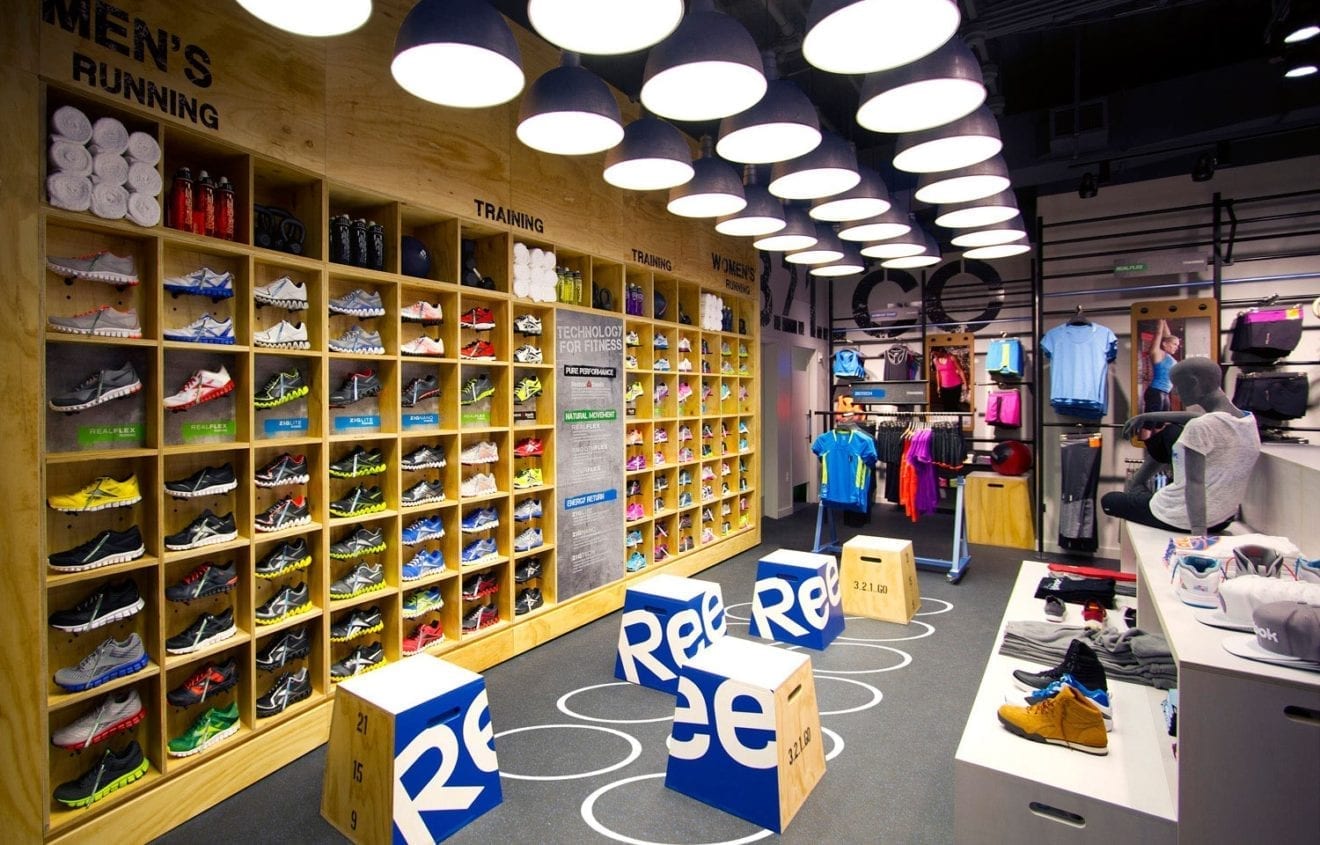
    U.S. sporstwear brand Reebok has recruited Nike alumni Karen Reuther to be its global creative director.

    The Adidas-owned Reebok has tapped Reuther to replace Thomas Steinbruck, who exited the company earlier this year.

    With 12 years brand creative experience at Nike, Reuther was appointed global creative director at the rival U.S. sports company during her multi-year tenure. She has also served as VP creative at VF Corporation and director of consumer insights and trends at Ziba Design.

    Most recently, the executive served as creative director and brand psychologist at Cast Collective, a Boston-based group of consultants specialising in design, innovation and technology.

    Clients included Puma, Vans, Timberland, Pantone, Piaggio Fast Forward, TJX Cos. Inc., Everybody Fights and Ideo.

    “Karen brings a wealth of experience, both in our industry and from the outside,” commented Reebok President Matt O’Toole.

    “Her expertise, clear vision and leadership skills will guide our design excellence, inspire creative rigor and craft and deliver a unified global design strategy for Reebok.”

    Reuther will lead all aspects of design and brand identity across all of Reebok’s brands and channels, working in conjunction with the company’s product and marketing teams.

    “I am incredibly excited to join Reebok,” said Reuther in a release. “

    “This is a brand with a heritage that is unmatched, with some of the most iconic footwear silhouettes in the industry. But beyond this great heritage is an authentic fitness brand, with a unique and powerful purpose. I am particularly excited to help Reebok merge the past and the present–bringing fitness and fashion together to create the very best products on the market.”

    In its latest earnings release in early May, Adidas said sales at loss-making fitness brand Reebok fell 3% due to declines in the training and running categories.

    Overall, Adidas said group sales rose 26% in greater China for the same period.

  • Red soles are Christian Louboutin’s trademark

    Red soles are Christian Louboutin’s trademark

    World-famous designer Christian Louboutin has won a legal battle to protect his brand’s distinctive red soles.

    In 2012, Louboutin sued rival firm Van Haren for selling high-heeled shoes with scarlet soles, reports bbc.com.

    Under EU law, companies cannot trademark common shapes of products such as the soles of shoes and Van Haren argued that applying red to a shoe sole came under the law and, as a result, Louboutin did not have trademark protection.

    However, the European Court of Justice said shape trademarks do not apply to Louboutin’s red sole, reports bbc.com.

    Louboutin first designed his trademark shoe in 1993, using an assistant’s red nail polish.

    The luxury brand said it “warmly welcomes” the judgement.

    “For 26 years, the red sole has enabled the public to attribute the origin of the shoe to its creator, Christian Louboutin. This case will now be referred back to The Hague court, which is expected to confirm the validity of the red sole trademark,” said a statement from the company.

  • More Japanese renting clothes and bags

    More Japanese renting clothes and bags

    • Millennials do not care much for car or home ownership, but for smaller purchases like fashion they have tended to follow the habits of generations past.
    • With mobile technology making sharing so much easier and the practice more familiar, more are turning to fashion rental services, and now major retailers like Marui and Aoki are adding their weight to the trend.
    • With one site claiming 70% of customers are new to the brand, renting offers clear marketing benefits to brands too.

    Fashion rental services are proliferating in Japan. For a fixed fee, they offer consumers the chance to rent a set number of clothes and accessories over a month or longer. The new services emulate those in the West, such as Rent the Runway in the US, which claims 6 million users and sales of US$100 million, and there are numerous start ups in this area.

    There are two main types of fashion subscription: one where customers choose the items themselves, and the other where the rental service selects product based on preferences.

    Start Today’s Omakase Teikibin, which launched last month, uses the latter model, with stylists selecting new items based on customer profiles that are sent automatically to subscribers on a regular basis.

    Customers can then choose to buy or return the items they receive. Whatever the type, almost all services offer customers the chance to keep renting an item in their possession.

    Fashion rental services offer brands a great way to attract new customers who might be afraid to invest in a purchase, particularly if it is a high ticket item, or just because it is a new type of style they are not used to.

    For true fashion lovers on a limited budget, renting means being able to wear many more brands than would be possible by purchasing, and, for busy mums/working women, renting via online services is quick and almost risk free, obviating time spent in shop changing rooms.

    In Japan, there are also many other categories of product being offered for rent. Recent new services include Flect from Dinos-Cecile, which rents furniture for periods of up to three years, and Rentio, which specialises in rentals of high end cameras and scanners, with pick up and returns via convenience stores.

    Stripe International has been offering fashion rentals through its Mechakari service since September 2015. Its claim that, since starting, 70% of customers are new to Stripe brands shows just how beneficial fashion subscriptions can be as a marketing tool for a retailer or brand – a marketing tool that consumers pay for to boot. There have been 600,000 downloads of the Mechakari app to date although only around 10,000 users pay for the ¥5,800 a month subscription.

    Stripe can even rent items that are hard to sell, such as pure white coats and jackets which customers would normally baulk at buying for fear of getting dirty. Since rental services include cleaning fees, this doesn’t seem to be a problem. Unlike other services, Mechakari only rents out new clothes – returned items are cleaned and then sold on Stripe’s website as used clothing.

    Laxus and Karitoke are two of the most well-known fashion rental services, with Laxus specialising in high end bags and Karitoke in watches. Although the core customers are in their 30s, both firms see a significant number of younger subscribers on lower incomes signing up for the chance to own a slice of luxury even if only for a month – thereby also creating potential customers for luxury brands in the future.

    Both services claim they are able to rent the much gaudier items that luxury brands say sell in much smaller quantities, and often the gaudier the better – i.e. the lack of long-term commitment makes consumers much bolder.

    Laxus’ app was downloaded 400,000 times in 2017, and garnered gross transaction values of ¥15 billion. For a flat monthly fee of ¥6,800 it now rents 25,000 products from 54 brands ranging from Louis Vuitton to Jimmy Choo, and claims a bag can be rented in 20 seconds using its mobile app. A new idea is to encourage users to send in their own luxury bags to rent out to others; Laxus cleans them up and then gives owners ¥2,000 a month for each bag rental.

    Air Closet, which launched in February 2015, offers a styling service like Omakase Teikibin, each month sending a package of items selected from 100,000 SKUs covering 300 brands. 70% of its customers are women in their 20s to 40s, and 40% have an average income of more than ¥7 million a year.

    Most are typical select shop customers, but Air Closet’s surveys of its customers suggest around 80% like items or brands sent to them that they wouldn’t normally consider if they were purchasing.

    Air Closet now claims 150,000 members, but does not reveal paid subscribers – although to encourage more subscriptions, from February it offered a money-back guarantee to customers who are not satisfied after one month.

    Edist.Closet is similar to Mechakari, but with the added benefit of having professional stylists in place to select the merchandise offered, although customers retain control of what they rent. It has 10,000 members, mostly non-paying subscribers, of which 50% are mothers. While not revealing how many paid subscribers it has, Edist claims 90% of those who do subscribe remain after three months.

    Businesswear retailer Aoki Holdings launched its own take on the rental market In April. Called Suitsbox, the service offers subscribers Aoki suits along with shirts and ties, with a minimum monthly fee of ¥7,800, but rising to ¥15,800 and ¥24,800 – not a bad return given the top priced suit on Aoki’s online store is only ¥79,000.

    The basic service includes one suit, shirt and tie, while the most expensive service delivers three suits, four shirts and two neckties a month. As with other services, cleaning is included in the price.

    As rental services have increased in scale, they are becoming a fund of useful data. Air Closet for example makes it easy for customers to give feedback on items rented, sometimes encouraging them with points, helping Air Closet build a database of consumer opinion on brands and items. Stripe International does the same with Mechakari, passing the customer comments back to its product planners.

    SC developers and major retailers are also interested. As reported recently, Marui is a firm believer in the sharing economy and wants to see 5-10% of its sales from such services longer term. It also wants a slice of the fashion rental market, and has started opening up corners in its stores for rental services like Laxus and Karitoke. SC developers are also offering tenancies to Laxus and Air Closet – the latter has created a styling store in Harajuku where customers can get advice from shop stylists, which it intends to roll out to SCs .

    All of which is very positive, but with many services still reluctant to reveal the number of paid subscriptions they have, it is hard to gauge the sustainability of these businesses longer term. Even Stripe International admits much more growth is needed to make services offer a decent return.

    Even so, with the likes of Marui and Aoki on board, fashion rental subscriptions look like they are here to stay. They are particularly suited to those millennials with a lower propensity and desire to own stuff, and are another sign of the increasing assimilation of the sharing economy in mainstream society.


  • Suitsupply still has plans for Asia after its 100th store

    Suitsupply still has plans for Asia after its 100th store

    European men’s fashion brand Suitsupply has opened its 100th international store, in Boston, and plans to expand in Asia.

    Founded in 2000 as a vertically integrated, direct-to-consumer brand that offers customers high-quality menswear at attainable prices, Suitsupply already has stores in Hong Kong and Singapore.

    While the brand started as a webstore, it soon after expanded into brick-and-mortar. It created spaces where customers could feel the brand’s products and have alterations made while they waited.

    “People are drawn to Suitsupply because of the energy and flair we bring to tailoring,” says Suitsupply founder/CEO Fokke de Jong. “They want to experience our brand and product both in person and online.”

    While no specific details were revealed about which Asian markets are a priority for the company, it is thought to favour a push in greater China.

  • Tomas Maier exits Bottega Veneta

    Tomas Maier exits Bottega Veneta

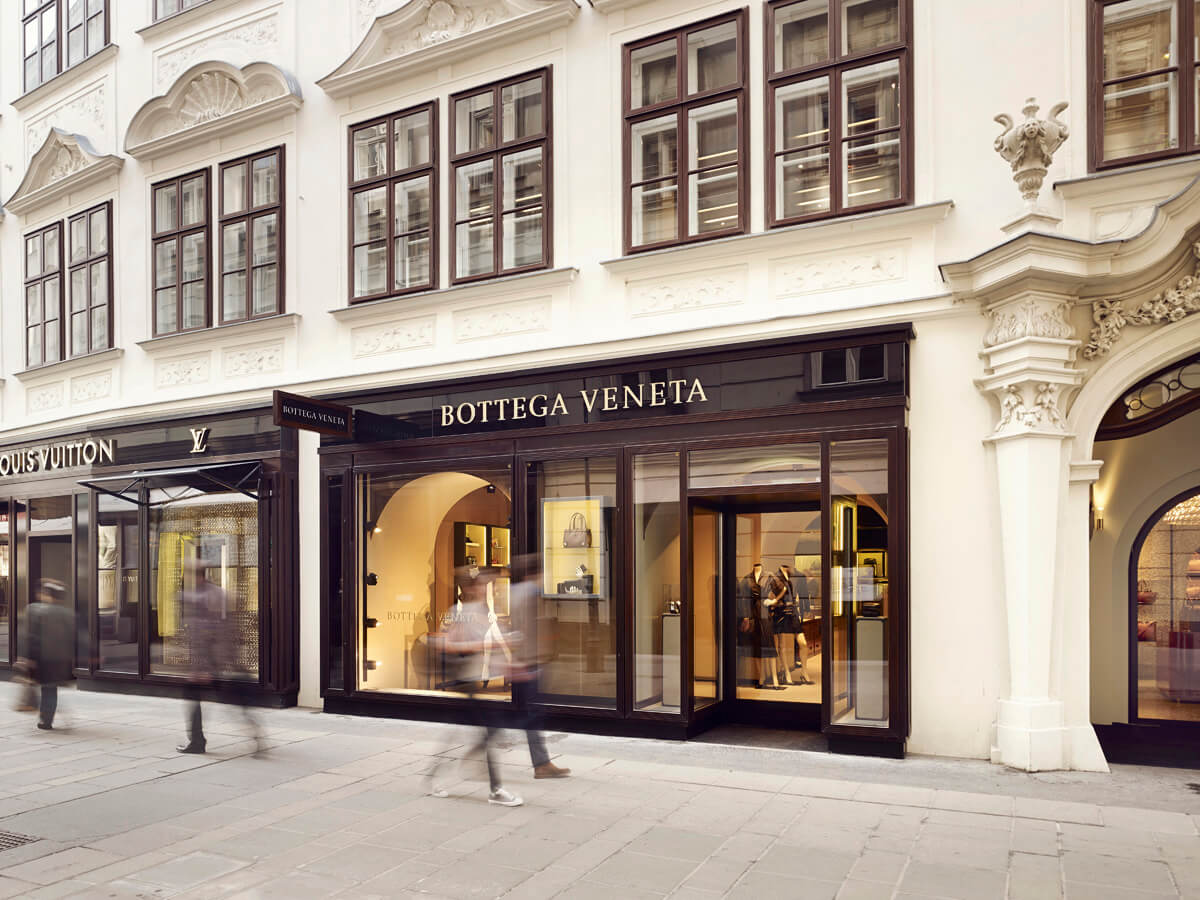
    Bottega Veneta announces the departure of its creative director Tomas Maier, who joined the Italian House in 2001.

    Tomas Maier crafted its renaissance by drawing on the exceptional know-how of the House. Thanks to his creative vision, Bottega Veneta today embodies the quintessence of understated and sophisticated luxury.

    Mandatory Credit: Photo by Billy Farrell/BFA/REX/Shutterstock (6118543kh)
    Tomas Maier
    Hammer Museum Gala in the Garden, Los Angeles, USA – 08 Oct 2016

    “It’s largely due to Tomas’s high-level creative demands that Bottega Veneta became the House it is today. He put it back on the luxury scene and made it an undisputed reference. With his creative vision, he magnificently showcased the expertise of the House’s artisans,” stated François-Henri Pinault.

    I am deeply grateful to him and I personally thank him for the work he accomplished, and for the exceptional success he helped to achieve,” he continued.

  • Missha and Disney launched make-up collection

    Missha and Disney launched make-up collection

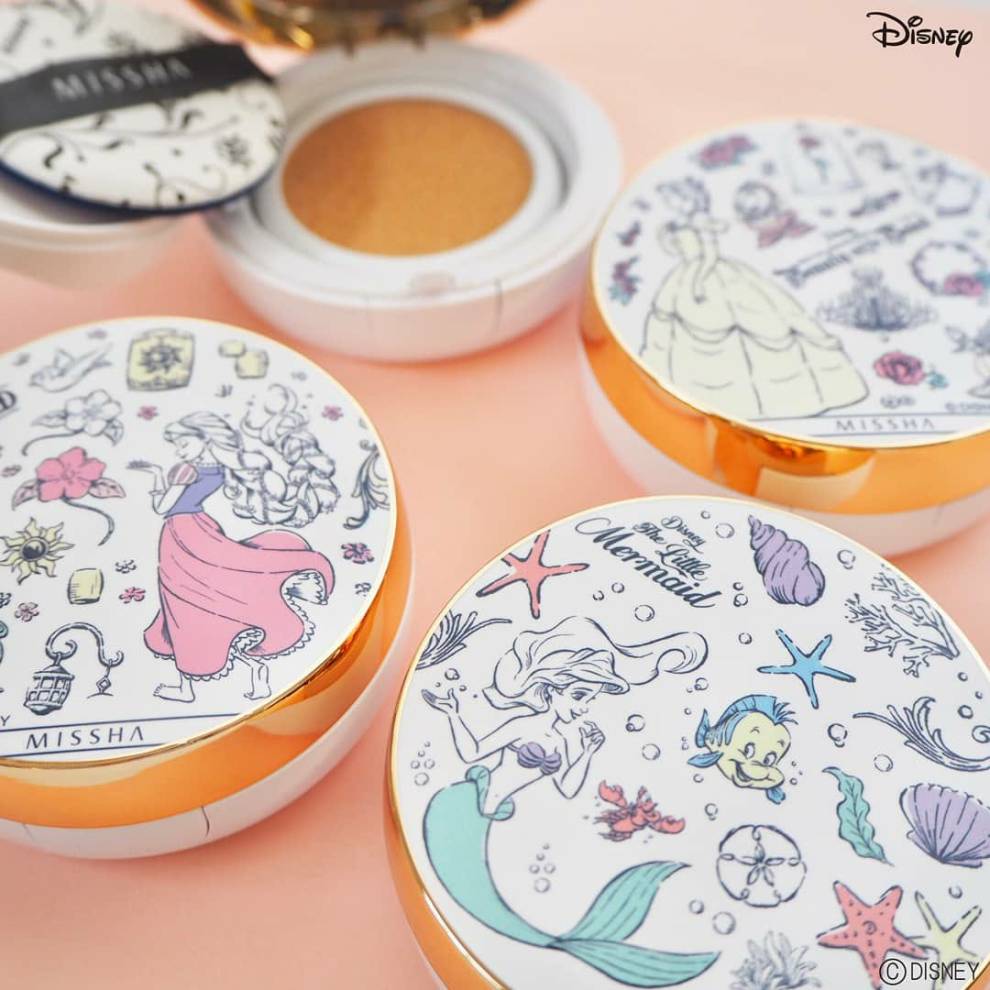
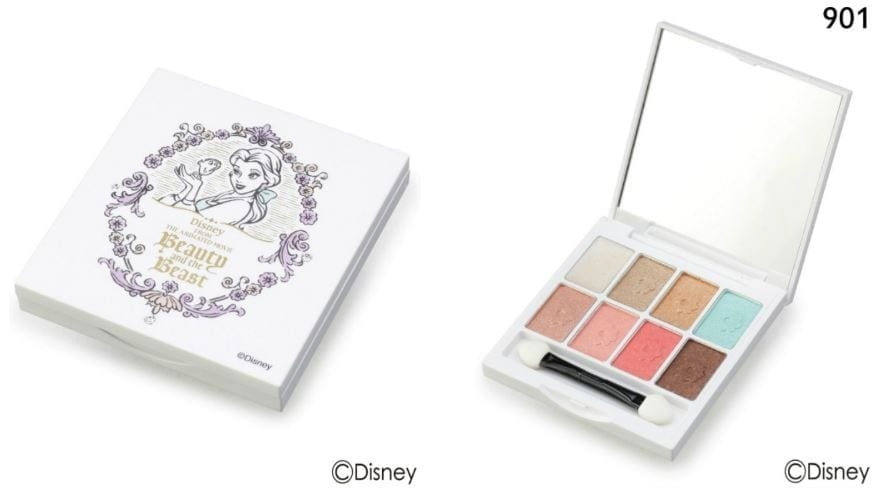
    Missha and Disney have teamed up to create a Princess-inspired collection “It’s Demo Missha x Disney Makeup”.

    The collection includes four princess designs – Belle, Rapunzel, Ariel or Snow White – for both cushion BB creams and the eight-shade FAB eyeshadow palettes.


    The collection is only available in Korea stores and the company only ships online to the US. However, customers can purchase via third-sellers on Amazon.

  • GenieTech closes agreement with Indonesian retail giant

    GenieTech closes agreement with Indonesian retail giant

    company Genie Technologies Inc. (GenieTech) bagged a deal for the rollout of its omnichannel solutions to the retail distribution system of Indonesian firm Kanmo Group in a bid to provide quality customer experience.

    “Our team is more than excited for this project. From our end, we look forward to supporting Kanmo Group’s vision and digital journey through this partnership,” said Mahesh Gopinath, COO of GenieTech.

    Claiming their nondisclosure agreement with Kanmo, the company did not divulge any amount when pressed on the project cost.

    GenieTech said that their new client is a retail giant in Indonesia, the most populous Muslim nation in the world.

    This project is aimed at accelerating the latter’s productivity by upgrading its current platform in integrating retail tools and application using Retail Pro Prism that gives control and flexibility in tailor-fitting the product to the business needs, processes and brand.

    Kanmo Group Omnichannel Director Bhavin Patel said their company recognizes the booming e-commerce market in Southeast Asia.

    This development is encouraging for online retail players like them to build an omnichannel that puts seamless customer experience at the center, whether live or offline.

    “To truly yield from our omnichannel strategy, the group has to look just beyond engaging customers through offline and online means. When you look at the customer behavior in Southeast Asia, you will know that people love creating ‘basket’ online. However, they still prefer doing the actual purchase in physical stores instead,” the executive said.

    “We want to enable our customers to walk in stores where they can collect and check out the basket they created by communicating with either a salesperson or through a POS [point-of-sale] system that runs in real time,” he added.

    Through Retail Pro Prism, Kanmo’s current platform will be replenished to have a real-time interface with customers, as well as their employees, helping them to react instantly to their business needs.

    It also allows a quick access to precise data from across the enterprise need to enhance decision-making process.  Another feature the group requires for its omnichannel boost is the flexibility to integrate all systems in one platform.

    Patel said they have been using Retail Pro solutions for the function, yet they needed an upgrade to meet their new level of customization.

    “Our vision was a bit higher than what Retail Pro Prism can do so, we knew there would be loads of customization needed to be done,” he said.

    “GenieTech, as our implementing partner for this project, fully understands this perspective. They already know how we work and understands our expectations when we came in.”

    The Retail Pro Prism rollout for the group has already gone live. The upgrade was made in just six months to seven months, as opposed to the usual process that generally takes about five years.

    Currently, it is undergoing system stabilization. The solution’s impact on Kanmo’s business is now being monitored.

    “As a business, this project is dedicated to bringing more convenience and better experience to our customers,” Patel said. “GenieTech and other partners helped us in this endeavor and made it right for our customers.”

    GenieTech was established in 1999, mainly offering a retail management software solution for the retail industry in the Philippines.

    It is now recognized as a highly specialized information technology firm providing world-class business solutions, consulting and support services to a number of small, mid-sized and large enterprises from various industries in Southeast Asia.

    Kanmo Group was formed in 2005 as the retail subsidiary of the K .Aloomall Group focusing on retail distribution in Indonesia and the Indian subcontinent.

    Within 13 years of operations, it now operates nearly 200 stores in Indonesia with a market leadership position in the kids and baby segment serving tens of thousands of customers monthly.

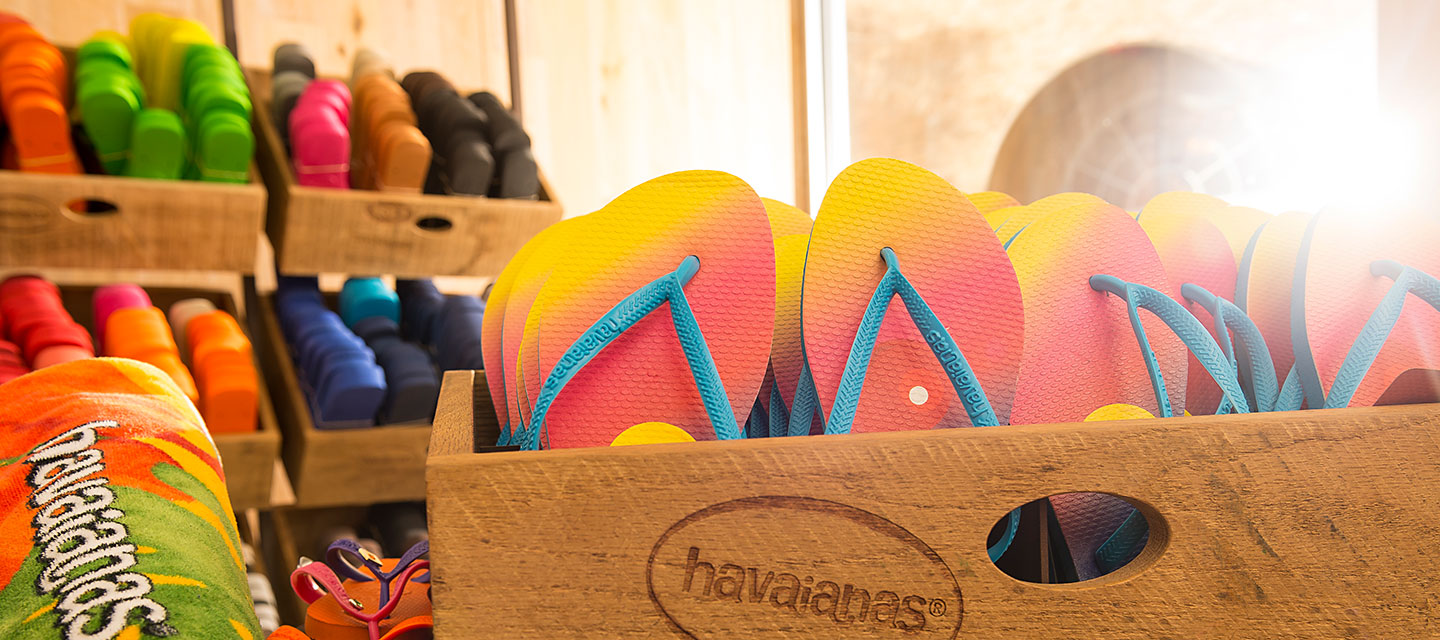
    In 2017 Kanmo expanded its retail footprint in footwear by acquiring sole distributorship of the global brand Havaianas and launch of the concept footwear store for kids, Wilio.