Category: Fashion

Retail News Asia is committed to providing both local and global retailers with the latest Fashion news throughout the Asian market. This on a daily base.

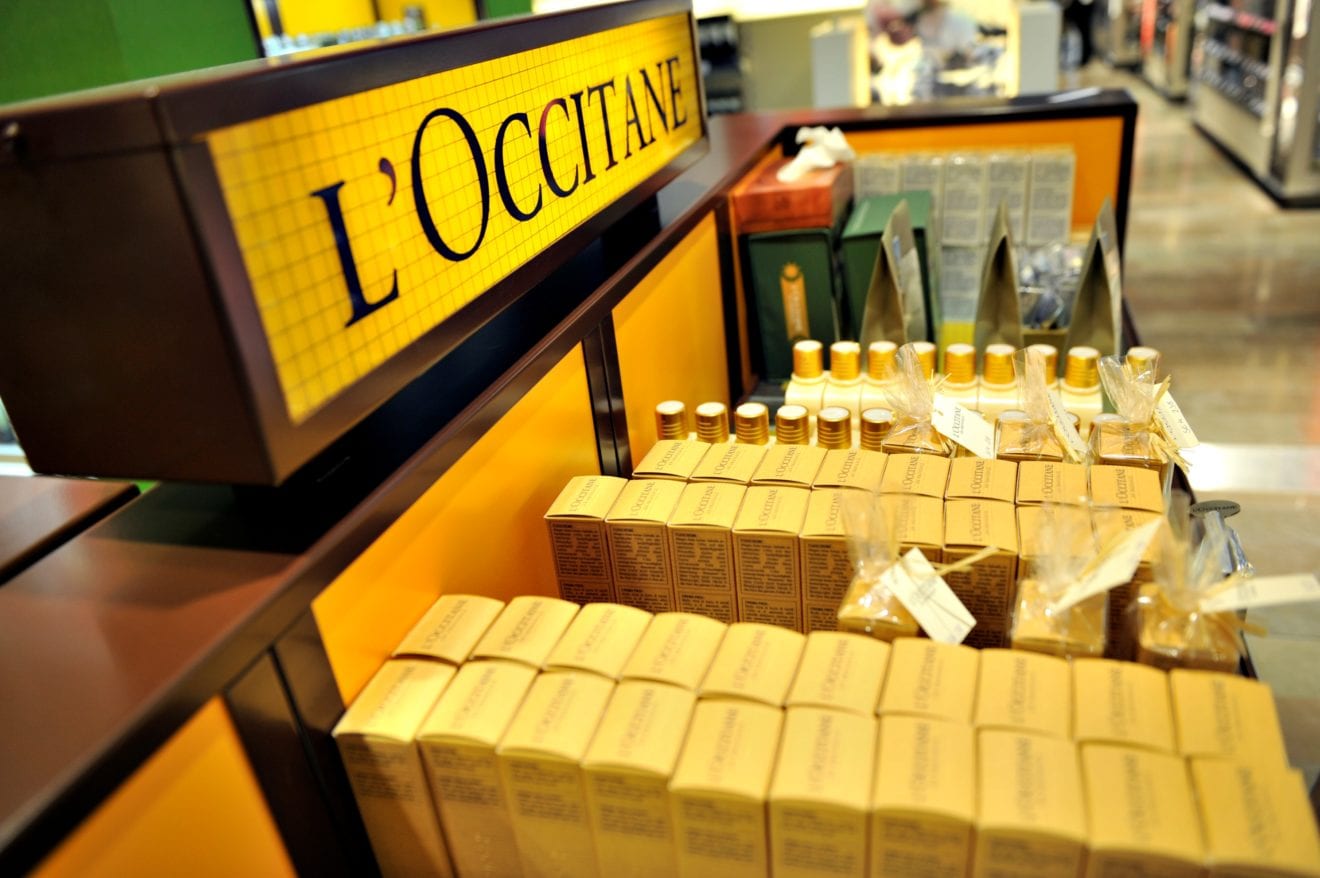
  • China, Hong Kong boost up L’Occitane sales

    China, Hong Kong boost up L’Occitane sales

    China and Hong Kong were among the key contributing markets to overall growth in L’Occitane sales for its year to the end of March.

    The Hong Kong-listed, French fragrance group’s net sales were €1.31 billion, up 4.6 per cent at constant exchange rates and a slight decrease of 0.3 per cent at reported rates. Gross margin remained high at 83.3 per cent.

    Operating profit and net profit were €141 million and €96.5 million respectively, both down on last year thanks to unfavourable foreign-currency translation rates and tax reform in the US. However, the operating margin was strong at 10.7 per cent.

    Net sales in sell-out and sell-in segments (representing 74.9 and 25.1 per cent of total net sales respectively) increased by 4.8 and 4 per cent.

    The company increased the total number of retail locations by 8.2 per cent to 3285 as at March 31. It grew its own retail stores to 1555, up 2.7 per cent.

    During the year, the company added 41 own stores, including 10 in Japan (seven of them Melvita stores). China had five closings (including three Melvita stores) because of lease end and underperformance. There were four net closings in Taiwan.

    Marketplace driver

    The sell-out segment contributed 78.4 per cent to overall growth, mainly driven by the marketplace platforms in China and Korea. Web channels (including own e-commerce and marketplaces) grew 19.2 per cent at constant exchange rates.

    The group’s same-store sales growth was mainly driven by the strong market in China together with stabilisation of same-store sales in Hong Kong.

    The sell-in business segment, at €331.6 million, was primarily driven by dynamic growth in travel retail, B2B, web-partner and distributor channels.

    Japan’s net sales, at €218.9 million, were down 8.3 per cent, impacted by a sluggish retail market in the second half of the financial year, plus the closing of two large underperforming stores.

    Japan also closed its mail-order business, which was more than offset by double-digit growth in web sell-out channels.

    Hong Kong’s net sales were up 8.3 per cent at constant exchange rates, reaching €124.6 million and contributing 17 per cent to overall growth. Sell-in sales grew by 15.6 per cent at constant exchange rates, driven by the region’s dynamic travel retail business.

    China’s net sales at €159.1 million grew 14.5 per cent, or 20.5 per cent at constant exchange rates, contributing 46.6 per cent to overall growth. Sell-out sales growth was 21.6 per cent at constant exchange rates, with same-store sales growth at 15.1 per cent and marketplace growth at 75 per cent.

    At the end of the period there were 197 stores, five fewer than 12 months earlier.

    Taiwan’s net sales fell 5.1 per cent to €39.4 million against the backdrop of a challenging and competitive retail market. Four stores were closed during the year.

    However, says the company, Taiwan is one of the markets with highest repurchase rates in the group.
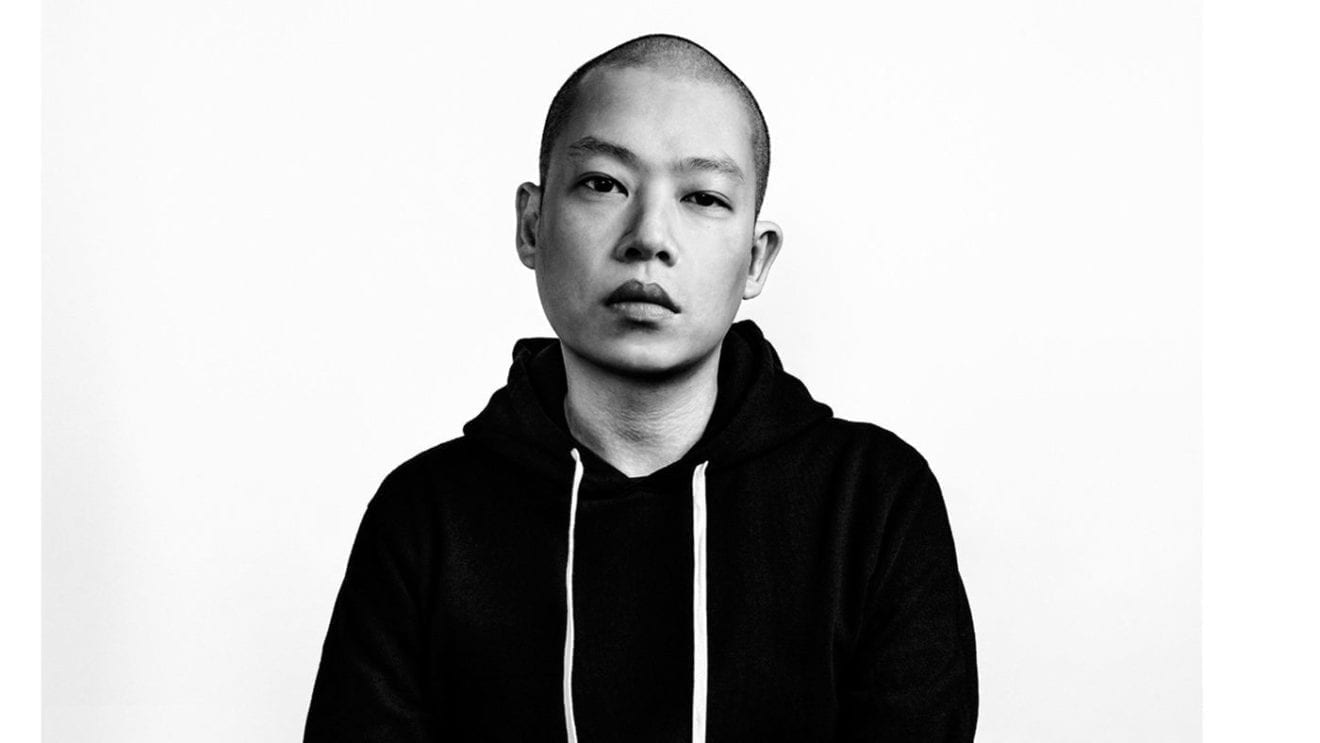
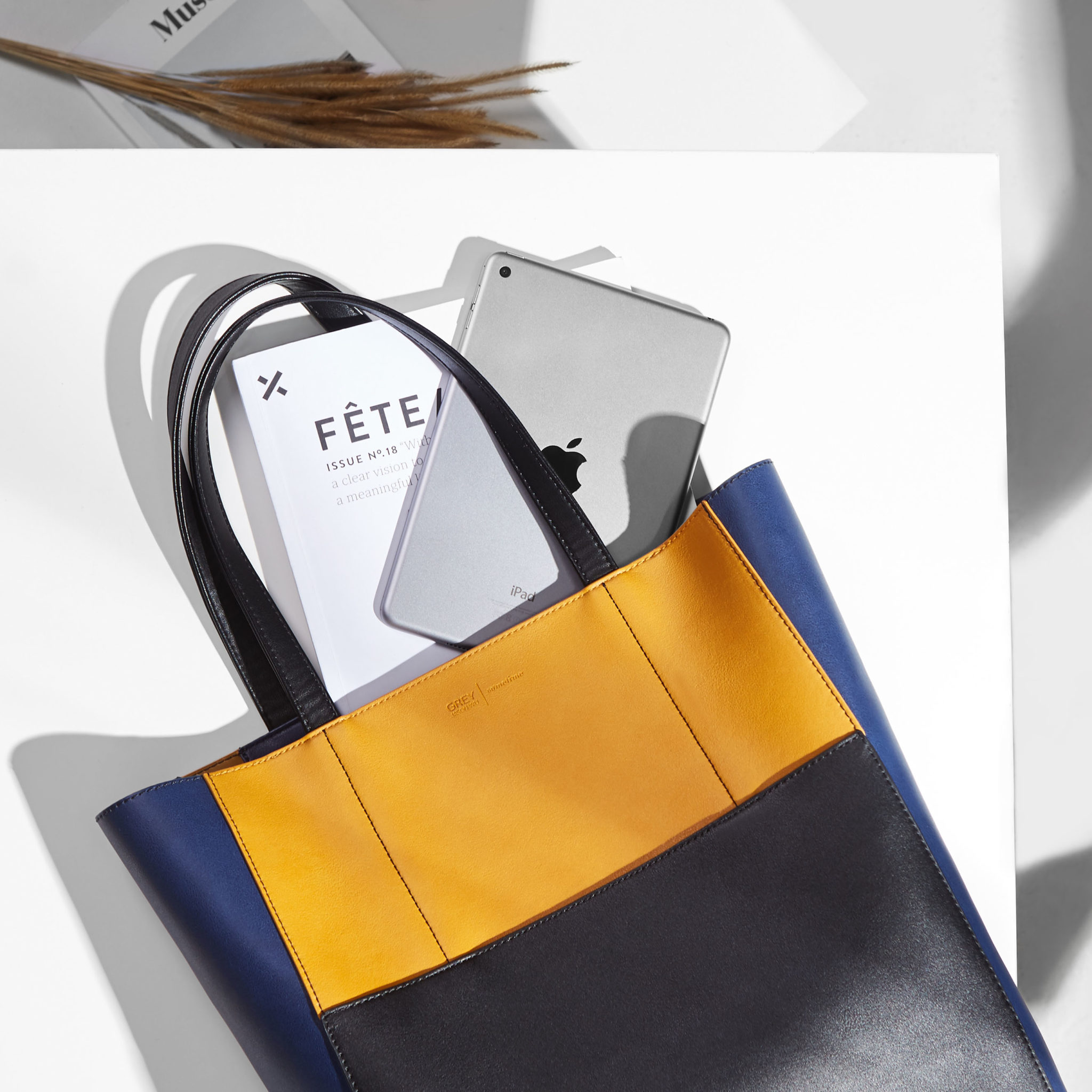
  • Bag collection by Jason Wu GREY, Sometime by Asian Designers, and ZALORA

    Bag collection by Jason Wu GREY, Sometime by Asian Designers, and ZALORA

    Zalora has been working towards the creation of exclusive collections to provide its customers with a unique experience. Zalora holds its own fashion labels, values local designers and culture in the markets, where it operates, and recently launched its first international collaboration.

    ZALORA has launched the exclusive Jason Wu GREY x Sometime by Asian Designers Edie tote bag on 4th June 2018.

    Available only via the fashion ecommerce platform in Malaysia, Singapore, Indonesia, Taiwan, Hong Kong, and the Philippines, it is the first international designer collaboration by ZALORA and Sometime by Asian Designers.

    Designed with practicality in mind, the Edie is crafted vertically with three additional compartments. It closes up with a concealed magnetic hardware, ensuring accessibility and convenience. The tote comes in two sizes and is available in six colours ranging from Slipper, Soft Pink, Creme, Orange, Mustard, and Ultramarine. The Edie tote in Ultramarine , will be exclusive to Taiwan to honour Jason Wu’s birthplace.

    Jason Wu, who is based in New York, cites the bag’s bold colour block details as reflections of Josef Albers’ square paintings. “The inspiration for the Edie tote comes from my love of mid-century art and architecture,” he said. Pairing the old and the new, he also said that the modern silhouette of the bag truly reflects the timeless sensibility of the collection.

    Bringing the design to life, Sometime’s Head of Product, Nicole W. said that, “Jason Wu is an extraordinary burst of creative energy in the fashion industry. It was our job to make sure that his design continues to inspire bag lovers and at the same time, for our clientele to own exceptional quality bags”.

    In a private dinner held in Malaysia to announce the collaboration recently, Wu shared his goals to engage with more collaborations in his home, the Asia-Pacific region. He hopes to help fellow Asian fashion designers and fashion companies to come into prominence. “I agreed on this project on so many levels. I love collaborations, and I’ve done many in my career. With this, it’s not just about Jason Wu GREY, Sometime by Asian Designers, and ZALORA. Everyone knows we know how to buy, but what they need to know is we also know how to make. That is something I am proud to share with the world. It’s very impressive, and that is my goal,” says Wu.

    Commenting on its first regional collaboration with an international designer, Nicole W. added that, “The brand speaks on celebrating the magic of Asian designers and the launch of Edie truly reflects what we advocate. We are honoured to have Jason Wu on board and there is no better partner than ZALORA to help spearhead our expansion into new markets, making everyone a style icon in their own rights!”

    Saskia de Jongh, ZALORA’s Chief Commercial Officer added, “This collaboration is a milestone for ZALORA, Sometime and Jason Wu, as we worked together to offer consumers in the region a product that celebrates Asian creativity and innovation.

    Supporting the region’s fashion industry has always been a key focus for us at ZALORA, and we see this collaboration as another exciting opportunity to enable our partners to access a much wider audience in the region through our innovative platform and expansive logistics network. It’s also a great opportunity for us to excite fashion customers in Asia with sought after fashion products available exclusively to them.”

  • Skincare gadgets becoming household necessity in Korea

    Skincare gadgets becoming household necessity in Korea

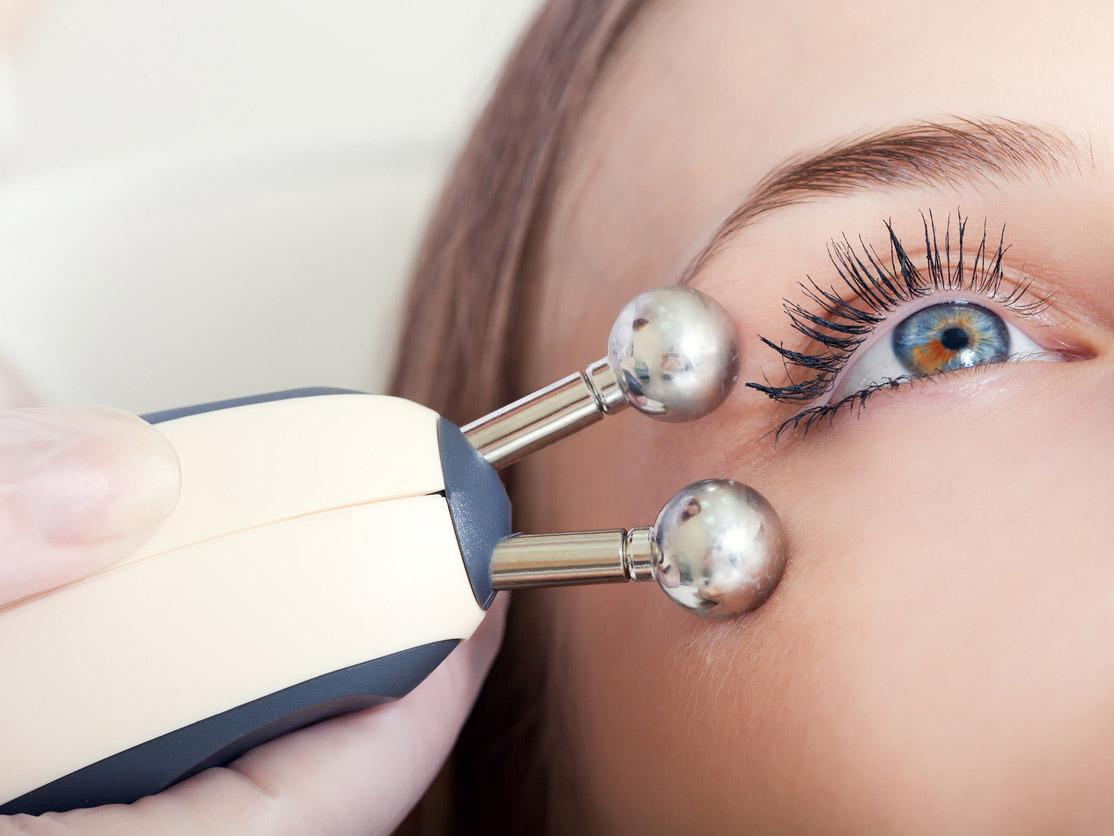
    The demand for electronic skincare devices is growing as consumers seek more affordable and time-efficient options to use at home rather than visit a dermatologist clinic.

    Electronics firms have been promoting a wide array of products, claiming they improve skin tone and suppleness using various light frequencies, sonic waves, and ion charges.

    Online retailer GS Shop recorded over 5.7 billion won (US$5.3 million) in sales with LG Electronics light-emitting diode (LED) masks this year. On June 3, the retailer sold 3 billion won worth of LED masks made by a smaller local firm named CellReturn in just one hour.

    The products are not cheap and prices vary widely depending on the brand or product model. Some cost 200,000 won (US$190) but higher-end products advertised by top actresses such as Kang So-ra can cost up to 1.7 million won.

    Even the latter price, however, is considerably lower than regular treatments at the dermatologist.

    The appeal seems to be greater for older women with increasing skin problems and working women or mothers who need quick, hassle-free remedies. The mask _ like other recent skincare devices _ simply needs to be switched on and placed over the skin for a few minutes each day.

    “Regular treatments at a dermatology clinic are too expensive,” said a 62-year-old housewife surnamed Kim who lives in Uijeongbu, Gyeonggi Province. Kim recently bought an LED mask for 200,000 won.

    “It’s light and convenient to use, so I leave it by my bedside and use it before I go to sleep,” she said. “About two months after I started using the mask, people said my skin looked brighter.”

    “But I’m not sure why the LED masks by bigger companies are so expensive,” she added.

    Before LED masks, there was the electronic cleanser brush, which became well-known here in 2013 with the popularity of L’oreal’s Clarisonic face cleanser. A similar device launched the following year by Eyesel Creative, a local firm, was also well received by consumers.

    Companies are capitalizing on the recent boom of the home skincare market with a diverse array of products.

    A local brand, introduced a vacuum face massager for relieving muscle tension and getting rid of dirt from pores. The handheld light therapy device by Makeon, a daughter brand of cosmetics giant Amore Pacific, has three different wavelength settings to address different types of skin concerns.

    The homecare beauty equipment market, already estimated at 450 billion won, is growing by 10 percent every year.

  • Supreme and Nike sneaker collaboration is launched

    Supreme and Nike sneaker collaboration is launched

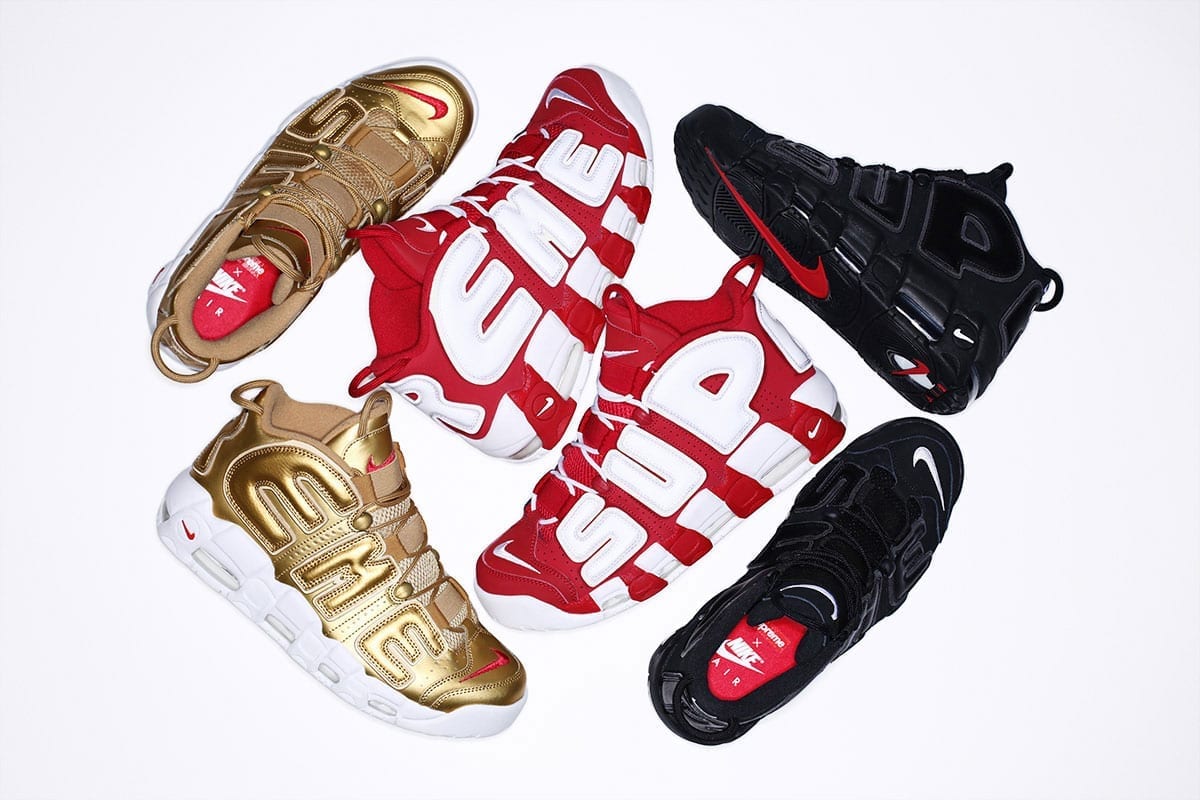
    Supreme and Nike have teamed up to release one of the highest-profile sneaker collaborations this year.

    The cross-branded release updates Nike’s road racing Air Streak Spectrum Plus, originally released back in 2003, with a new version in black with lime and blue flames “Black/Volt”. Another variant is the original white and red colourway “White/Habanero-Red”.

    Both designs are upgraded with a mesh upper, Phylon midsole, and a mesh tongue carrying the Supreme logo. The insoles are dual branded.

    The Supreme x Nike Air Streak Spectrum Plus Spring 2018 collection will be released on June 14 (June 16 in Japan) exclusively at Supreme stores and on its website.

  • Nine West, Bandolino brands sold for $340m

    Nine West, Bandolino brands sold for $340m

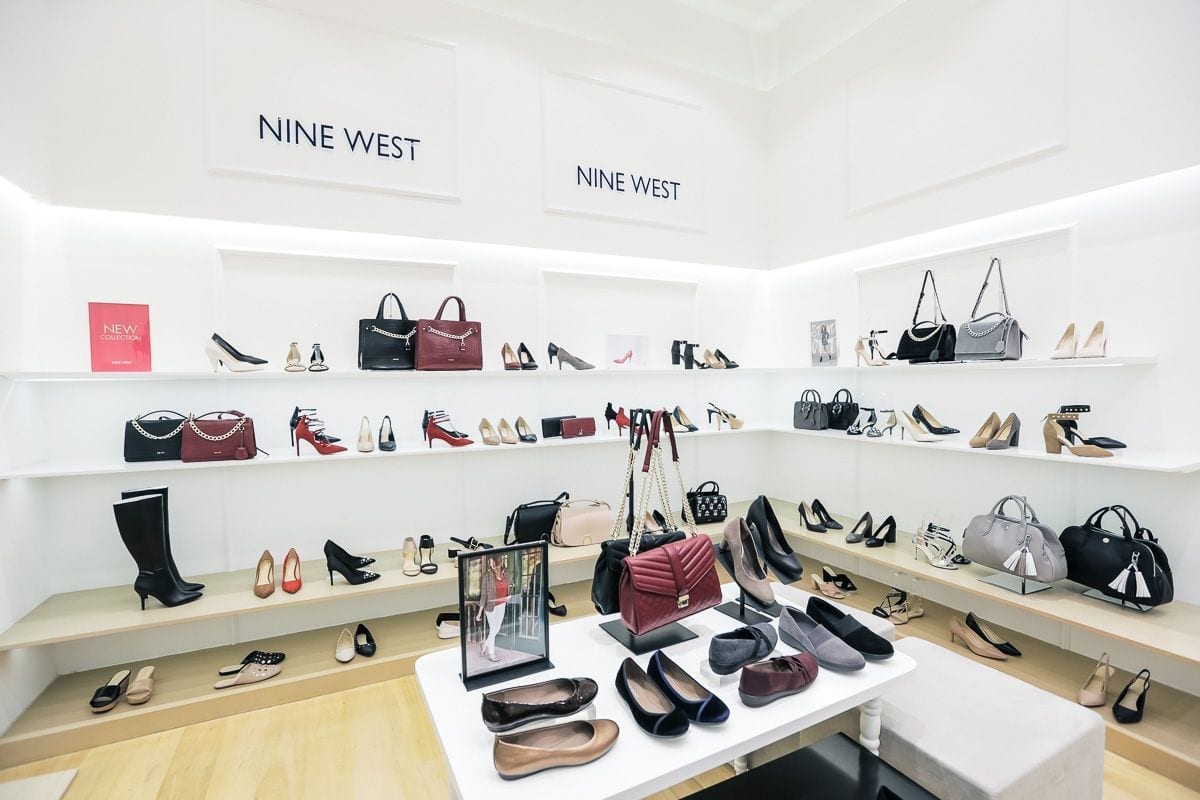
    Nine West Holdings Inc. has sold its Nine West and Bandolino footwear and handbag businesses at a court auction to Authentic Brands Group for $340 million.

    Nine West Holdings Inc. has sold its Nine West and Bandolino footwear and handbag businesses at a court auction to Authentic Brands Group for $340 million.

    The brand management firm won the auction by bidding more than $140 million over its initial stalking horse bid.

    Ralph Schipani, chief executive officer of Nine West, said, “We are pleased to have completed this important step in our restructuring and are now focused on moving forward with the reorganization of our remaining businesses with the support of our key stakeholder groups.”

    ABG chairman and ceo Jamie Salter said, “The addition of these two brands enhances ABG’s growing lifestyle portfolio, while launching our global footwear platform. We see incredible opportunity to expand the brands beyond footwear and handbags, specifically in the apparel and home categories as well as in new markets around the world.”

    Once the sale is approved by a Manhattan bankruptcy court and the deal has closed, ABG will assume all the licensing partnerships and marketing initiatives for both brands. ABG named Marc Fisher Footwear as operator of the footwear businesses and Signal Products as operator of the handbag businesses. A court hearing is scheduled for June 18 and a closing date is slated for July 15.

    Nick Woodhouse, president and chief marketing officer of ABG, said, “This purchase elevates ABG’s footwear and accessories business to over $2 billion in global retail sales and brings our portfolio to nearly $8 billion.”

    Nine West Holdings filed for Chapter 11 bankruptcy court protection in April in a Manhattan bankruptcy court.

    Nine West Holdings sold the two businesses so it can recapitalize its balance sheet. The sale will help the bankrupt firm restructure operations so it can focus on its profitable businesses — One Jeanswear Group, its Jewelry Group, the Kasper Group and its Anne Klein business. The company has said it plans to exit bankruptcy court proceedings around September.

  • Amorepacific loses a cushion compact patent

    Amorepacific loses a cushion compact patent

    The Supreme Court dismissed Amorepacific’s patent on cushion compacts, putting an end to a three-year legal battle, according to the company on Tuesday.

    Amorepacific appealed a Patent Court of Korea ruling in February that invalidated the company’s patent for cushion compacts on the grounds that the product lacked “inventiveness.” This meant that its manufacturing didn’t have innovative technology not found elsewhere in the industry.

    The Supreme Court decision, which came on May 31, concludes a three-year legal struggle between the beauty giant and six domestic beauty companies, including Cosmax, an original design manufacturer for well-known local and global brands.

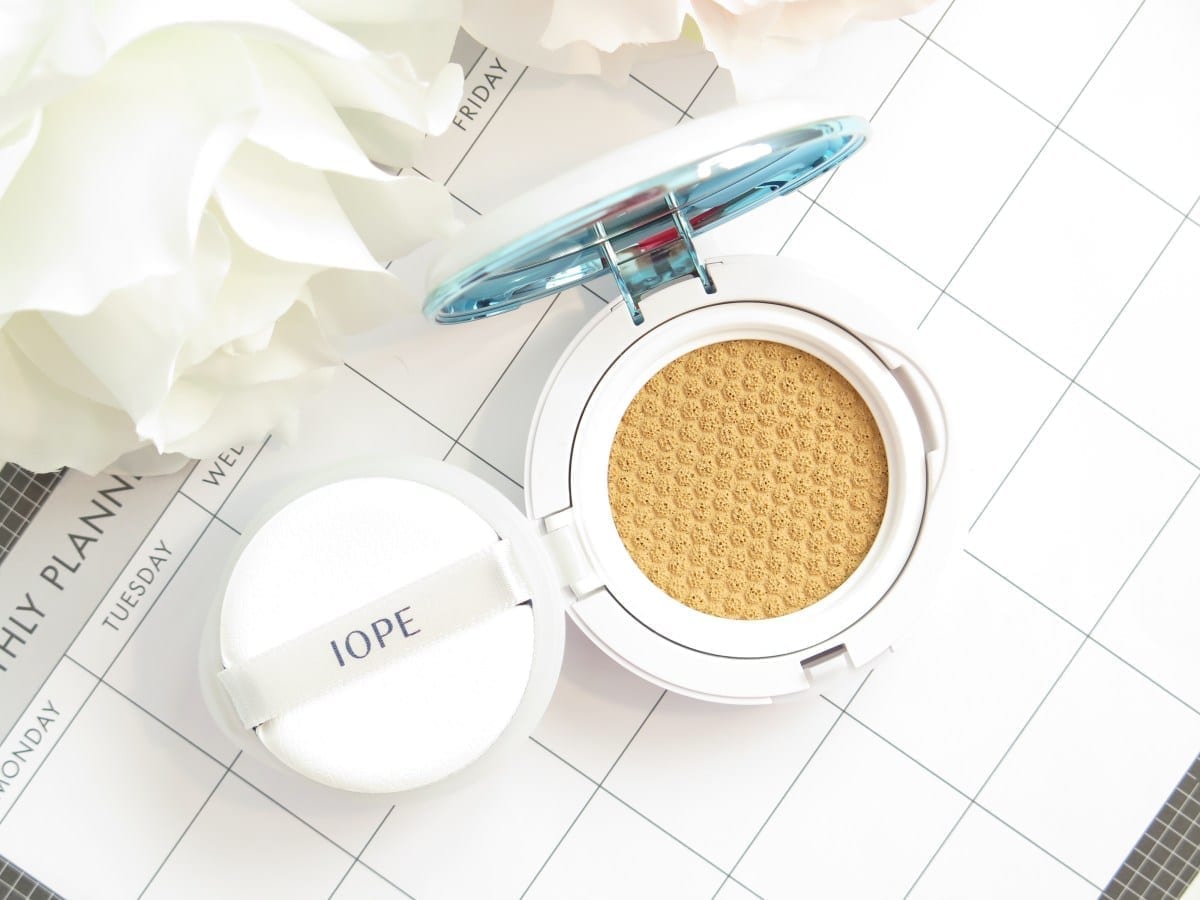
    Cushion compacts contain liquids like color foundation or sunscreen in a case, which was first used for skin powder. A sponge inside the case holds the liquids so they don’t flow out. Cushion compacts were first released by Amorepacific’s Iope brand in 2008, and became one of the company’s biggest successes. Now, cushion compacts are released by global names like Chanel, Yves Saint Laurent and L’Oreal.

    In 2011, Amorepacific registered a local patent for cushion compacts, which it described as a “cosmetic that includes urethane foam soaked with product.”

    In 2015, the six smaller beauty companies filed a suit in the patent court to annul Amorepacific’s patent on the grounds that urethane foam has been used in beauty products in the past. Cosmax was also sued by Amorepacific the following year for patent infringement.

    Amorepacific possesses more than 400 patents worldwide related to cushion compacts, but the one related to the usage of urethane foam as the sponge that holds the liquid is especially important. Manufacturers like Kolmar Korea and Cosmecca Korea paid loyalty fees to use the technique.

    Many beauty companies have since developed their own methods and materials to use in cushion compacts, but in the products’ early days, most followed Amorepacific’s model. If the court had ruled in favor of Amorepacific, this would have given the company grounds to ask for compensation for patent infringement.

    The patent court’s first ruling was in favor of Amorepacific, but the second one annulled the patent, so the beauty giant appealed to the Supreme Court but failed to receive a nod.

    “The domestic patent was annulled, but the same patent is still effective abroad, so we will continue exercising our rights to protect our technology in overseas markets,” said an Amorepacific spokesman.

  • MCM Opens First Southeast Asia MCM HAUS at Paragon

    MCM Opens First Southeast Asia MCM HAUS at Paragon

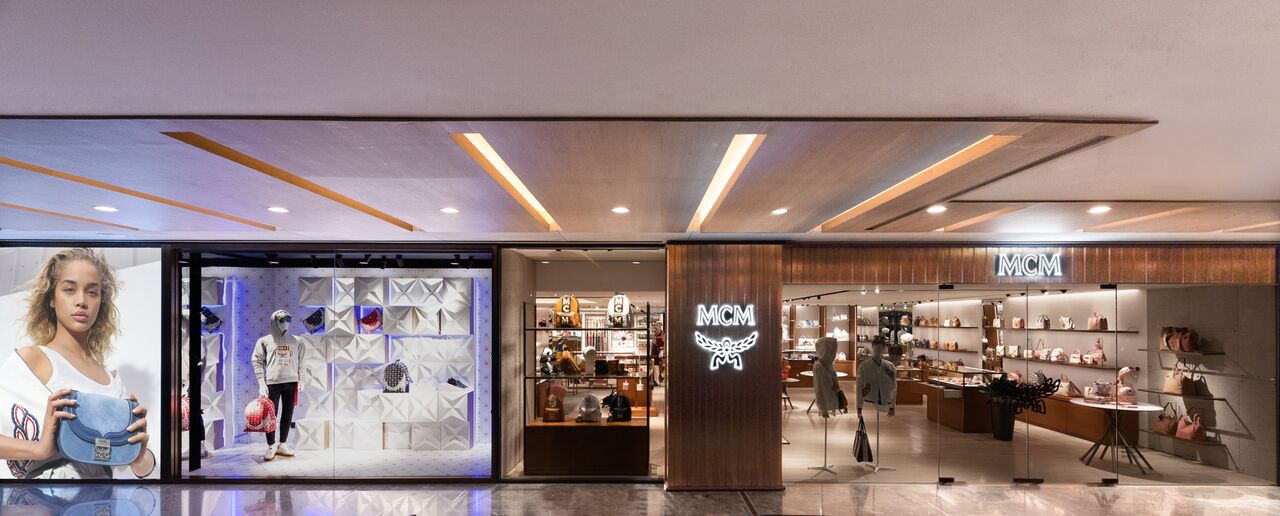
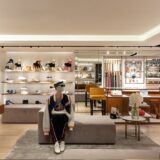
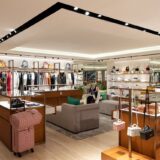
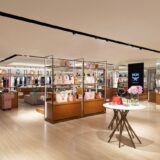
    German luxury brand MCM is pleased to announce the opening of its first Southeast Asia MCM HAUS in Paragon on 12 May 2018. The 2,160 sq. ft. store offers a full range of products including leather goods, ready-to-wear apparel as well as shoes and accessories. Located in the heart of Singapore’s main shopping belt on Orchard Road, the second boutique in Singapore will invite a wider range of shoppers to experience MCM’s bold, irreverent and aspirational world.

    Always on the pulse of the new in art, music, technology and travel, MCM centers on revolutionizing classic design with futuristic materials, translating its DNA into its product offerings and store experience.

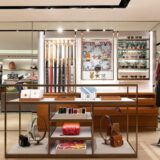
    The new MCM HAUS elevates the brand’s existing contemporary luxury design concept and introduces new materials such as honed travertine stone flooring, brushed brass metal fixtures and display tables with genuine marble tops. An effective lighting system harmonizes the color tones and finishes of the store’s interior and range of products. A large seating area provides a warm welcome and comfort to customers, enhancing their shopping experience. Drawing on Singapore’s status as a Garden City, natural plants and exotic flowers spruce up various parts of the store.

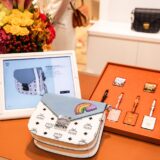
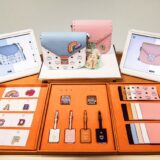
    The brand’s Made-to-Order Patricia service is also available exclusively for the first time in Southeast Asia at MCM HAUS. The service allows customers to design their exclusive piece of the Patricia bag by mix-and-matching patterns and materials on the brand’s new interactive digital application. Revived from the MCM Green Book archives, the Patricia bag takes inspiration from the classic MCM ‘Patty’ bag, and continues to be a timeless iconic purse for women today.

    The Made-to-Order Patricia is available in 2 material options including the brand’s classic Visetos and Park Avenue calf leather, each available in 5 colours.  A range of seasonal details, as well as a variety of sticker options in embroidery and crystal is also available. To add a personal touch, consumers can monogram up to four initials on the tag of their new creation. Every made-to-order Patricia will be marked with its unique MCM certification.

    See the stores interior below (7 images) :

    See Made-To-Order Patricia product below (4 images) :

  • Foot Locker is opening in Singapore

    Foot Locker is opening in Singapore


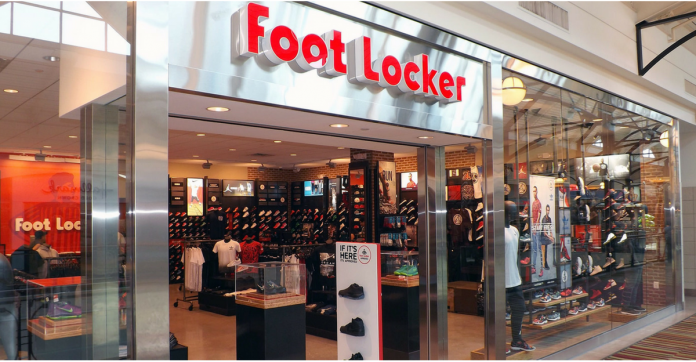
    Freshly renovated, Century Square Mall in Tampines will house the first Foot Locker Singapore store.

    This follows the opening of the first JD Store at Jurong Point, with a second to open at Ion Orchard next month.
    From the US, Foot Locker provides apparel and footwear, including limited-edition shoes from such athletic brands as Adidas and Nike. Its Singapore store is part of the company’s efforts to open 40 more Foot Locker outlets worldwide. However, it is closing about 110 stores this year.

    Century Square mall officially re-opened last week after a nine-month revamp. Its new-tenant line-up also includes home-grown fashion label M)phosis.

  • Chloé opens first global pop-up concept in Singapore

    Chloé opens first global pop-up concept in Singapore

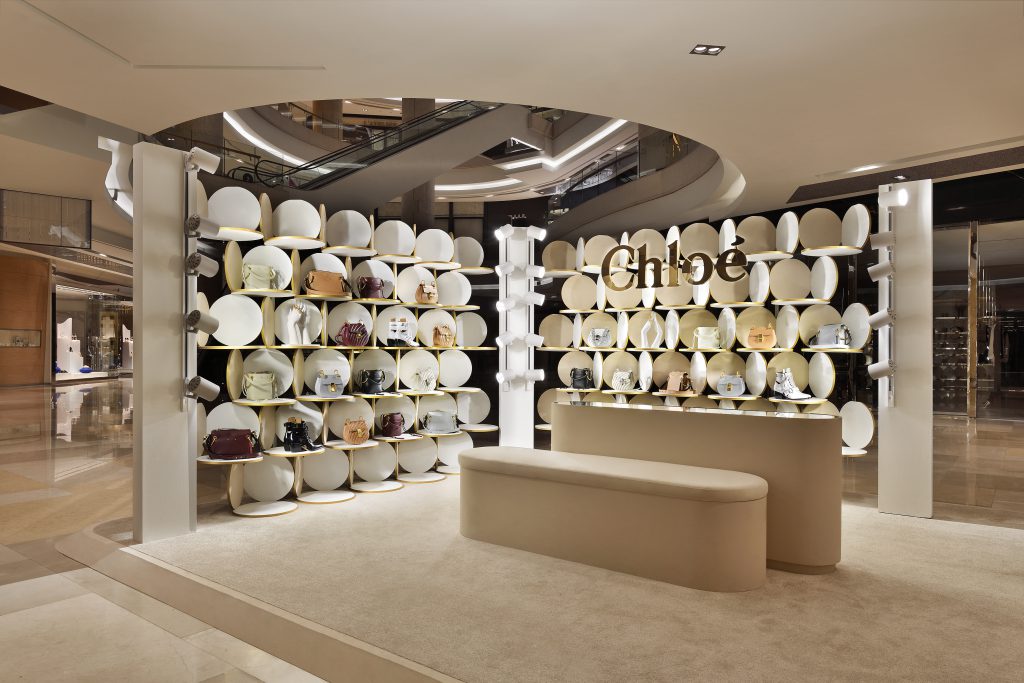
    French luxury fashion house Chloe has opened its first-ever pop-up concept in Singapore.

    At Ion Orchard’s atrium, the store curates 20 exclusive Chloe products ranging from the classic Drew Bijou and Roy bags to dainty small leather goods and even sunglasses.

    The space is fashioned in the Chloe girl cool-yet-feminine signature aesthetic: whites, powdery beige rose and natural brass. Pop-up exclusive items are displayed on a wave structure of spheres.

    The pop-up will be open until June 30.

    Check the gallery of some collections displayed (4 images) :

  • Gentle Monster looks beyond sunglasses

    Gentle Monster looks beyond sunglasses

    Among the foreign luxury brands filling the eyewear section at local duty-free shops and department stores, the Korean-based brand Gentle Monster stands out.

    Getting its initial fame among the Korean public as “Jun Ji-hyun sunglasses” after the actress wore a Gentle Monster product in hit TV series “My Love From the Star” in 2014, the brand is solidifying its place in a market heavily dominated by foreign luxury brands.

    The brand’s founding story is not so typical, as its two co-founders weren’t exactly in love with sunglasses. Originally in English education, they looked into what kind of market they could stand the chance to be profitable.

    “The eyewear market has a long history, but it has not been changing in Korea. It was pretty much the same, controlled by a few major giants who have factories and retail shops,” Jay Oh, one of the two founders, said at an event hosted by the French Korean Chamber of Commerce and Industry in central Seoul on 29 May.

    “We thought, if we make something special and unique, people might love us,” he said.

    Oh and Kim Han-kook founded I.I Combined, the owner and operator of Gentle Monster, in 2011. The name stands for the combination of ultimate imagination and interpretation of the world.

    “The brand has a specific customer role model — a gentle monster. We want our customers to look gentle but have great passion and enthusiasm inside,” Oh said. “Our beauty concept is weird beauty.”

    Gentle Monster produces three types of sunglasses, categorized as first-generation, second-generation and third-generation products. Each generation has a different purpose and concept.

    “Third-generation products are hard to wear in real life, but they are attractive on Instagram and to celebrities,” Oh said. “We are developing 50 models every season and 20 of them are in the third generation. We are not really seeing this as profitable but this is fun, a part of our ultimate imagination.”

    “Second generation is a little bit less challenging, fashion leaders can wear this. Most of the sales come from the first-generation products. It is where we see mass customers. But still the third generation is leading the fashion industry,” he said.

    The brand is represented by its unique, artistic flagship stores, which more resemble art exhibitions than stores.

    Oh stressed that flagship stores are not just about selling products. “We are not really making the space to sell something, but to deliver our spirt,” he said about the six branches across the nation and 10 more around the world. While the concept for the stores changes each year, this year’s concept is about the universe and aliens.

    French luxury goods giant LVMH Moet Hennessy Louis Vuitton has seen the value in the brand’s flagship store strategy. In August, L Catterton Asia, backed by the French giant, invested around 60 billion won (US$53.17 million) in Gentle Monster, becoming the second-biggest shareholder of the firm.

    “Flagships are what Gentle Monster is, it’s a whole ‘starting with experience’ idea. The same product, but the experience and the strategy are different. This is where the future of luxury retail is at. It’s not only about products,” Cho Hyun-ock, president of LVMH Korea, said at the event.

    “The investment is not just to earn money, but to learn from Gentle Monster — the creativity and the innovation,” he added.

  • JD sets to launch JDesigner Boutique, offers designer items

    JD sets to launch JDesigner Boutique, offers designer items

    JD is ramping up its experiential retail services with the introduction of a direct-to-consumer online fashion store, JDesigner Boutique.

    This follows a series of launches from the e-commerce giant including self-driving trucks, car trunk delivery and the introduction of Muji’s online flagship store.

    JDesigner Boutique will stock a range of designers and brands by JD’s own team of retailers. To coincide with the launch, designers Haizhen Wang, Simon Gao and Wanning will provide the boutique with more than 200 sku’s. Wang and Gao will continue their partnership and collaborative effort with JD.com’s JDX platform, the company’s in-house innovation lab.

    The online boutique said it is planning to stock “trending fashion apparel directly from designers and brands to sell to the country’s growing number of fashion-savvy consumers”.

    “Today it’s hard to believe there was ever an image of an unstylish Chinese consumer,” says JD.com VP of corporate affairs John Gartner. “Now the country boasts millions of fashionistas who present their own unique styles—and that’s the market we are serving with this.”

    A pop-up store will open in Beijing’s Sanlitun area next week to support the launch.

    Mintel says China’s online market is expected to reach a value of RMB1.3 trillion (US$16 billion), with 73 per cent of Chinese consumers shopping from local e-commerce sites.

  • Innisfree makes Australian debut

    Innisfree makes Australian debut

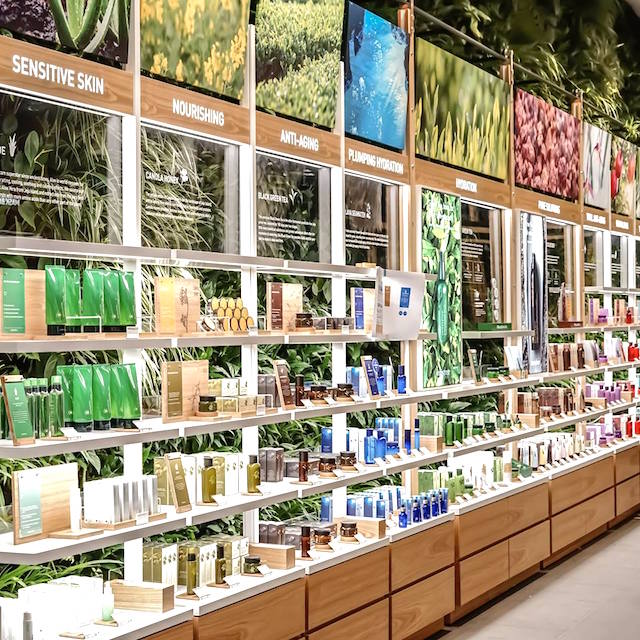
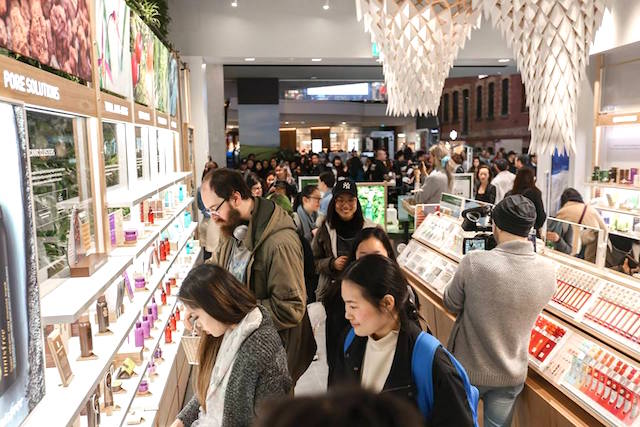
    Innisfree Australia has opened its first outlet, inside Melbourne Central shopping complex.

    This is Amorepacific’s second foray to promote its Korean cosmetics brand in Australia after Laneige launched in March.

    The company also expanded its Etude House brand in the Middle East this month.

    Innisfree, known for its green-tea lines, now has 12 stores in overseas markets including China, Thailand, Vietnam and the US.

  • Luxury goods market to grow up to 8% in 2018

    Luxury goods market to grow up to 8% in 2018

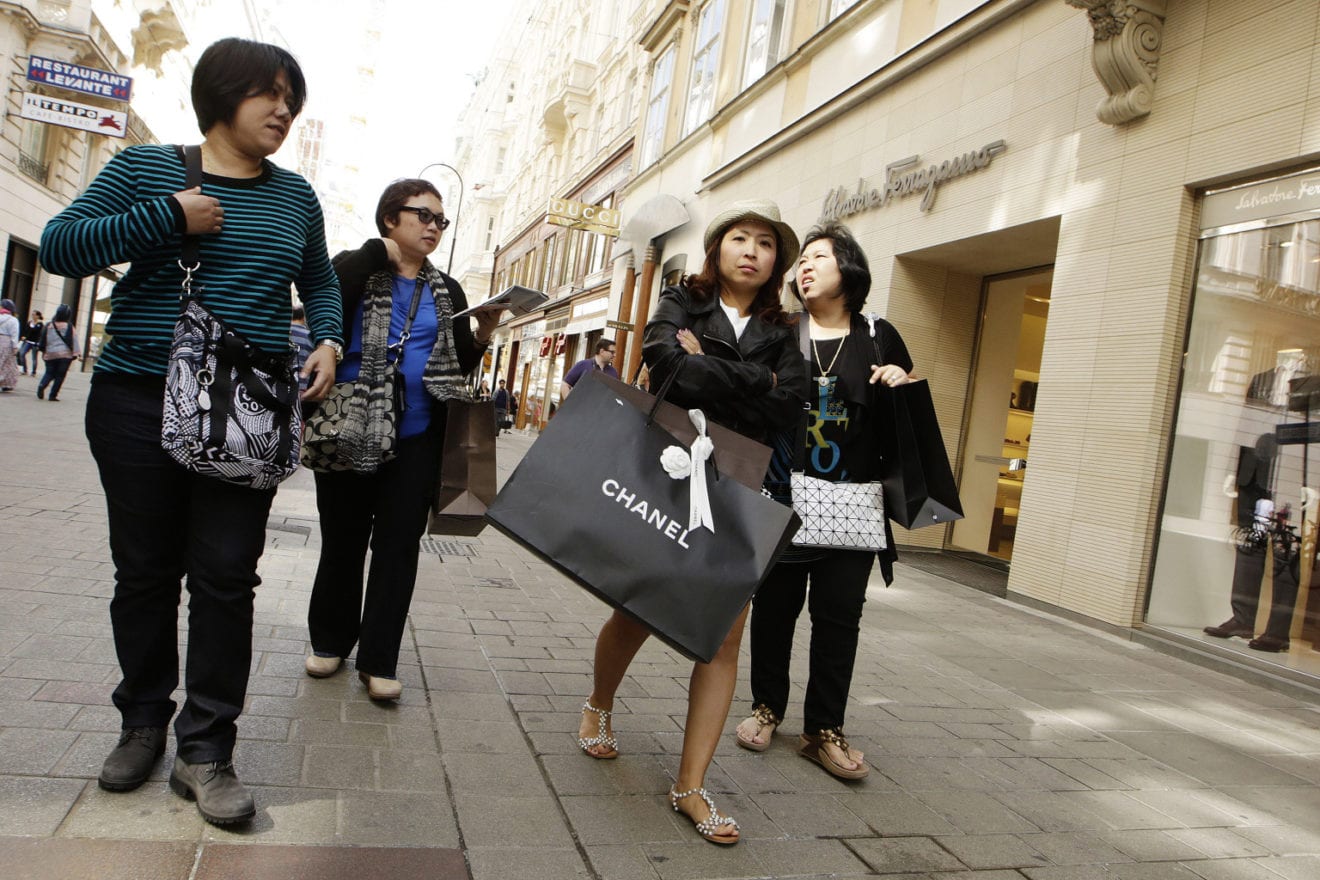
    The personal luxury goods market is set to grow as much as 8% globally in 2018, according to a recent report, pushed on by double-digit sales growth in Asia and the accessories and footwear categories worldwide.

    Data issued by the Altagamma Worldwide Market Monitor and by a Bain & Co. study has forecast personal luxury goods will fetch revenues of 276 billion euros to 281 billion euros this year, a jump of 6-8%, on 2017.

    In October last year, it was first predicted that the market would witness 5% growth for this year.

    Expectations for average growth in earnings before interest, taxes, depreciation and amortisation in 2018 are up to 10% compared to the figure released in October, which was 7%.

    By category, sales of accessories, jewellery and cosmetic goods will lead this year’s positive performance, witnessing 7%, 7% and 6% growth, respectively.

    Shoes sales will also continue to play a major role, kicked on by sneakers, while apparel growth will slow, despite a lift of 4% for the year.

    By region, Asia will the most key, up 12% compared to the 10% increase forecast in October. Chinese tourism will bolster sales abroad, however, preferring travel to the US rather than Europe, where the strengthening of the euro negatively impacts tourists’ flow and spending.

    North America, which in October was forecast to grow by 4% this year, is now seen expanding by 6%, while Europe, last predicted for a 4% uptick in 2018, is set for 3% growth, hurt by currency conditions and sluggish spending in Germany and the UK. Japan, Latin America and Middle East will see personal luxury goods expand 5%, 3% and 2%, respectively.

    Back to China, domestic spend is also set to change, said the report.

    “Starting from July, China will reduce a series of import duties for a range of product categories, including apparel, fashion accessories and some categories related to furniture,” said report authors.

    “In particular, for these goods, duties will be halved, which will impact their pricing in China.”

    Looking further forward, the study predicts that the luxury market could reach 390 billion euros by 2025, registering a 4 to 5% compound annual growth rate.

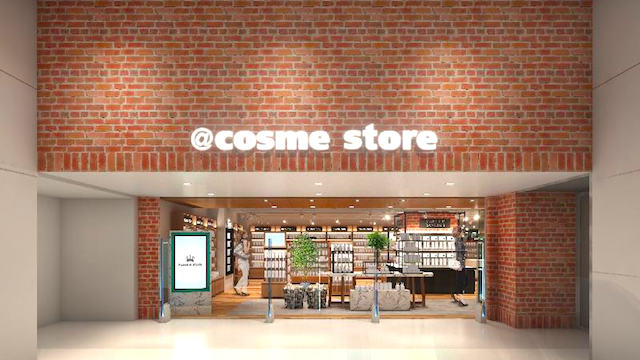
  • @Cosme arrives in Hong Kong

    @Cosme arrives in Hong Kong


    Japan-listed cosmetics review media and retail company Istyle Inc today opened its first cosmetics @cosme Store in Hong Kong.

    In Tsim Sha Tsui, the outlet offers Japanese cosmetic brands with rankings and testers for almost all products.

    Istyle executive officer Hajime Endo, who is also president of Istyle Retail (Hong Kong), says the Hong Kong store follows the model of Japanese stores with event and salon space allowing for makeup demonstrations and the opportunity for customers to meet with the brand owners.

    Founded in 1999, Istyle Inc owns the @cosme beauty portal sites and cosmetic stores. The first @cosme Store opened in Shinjuku, Tokyo, in 2007. Istyle Inc has 25 outlets in Japan and four outlets offshore. Its move into Hong Kong was made possible through Invest Hong Kong.

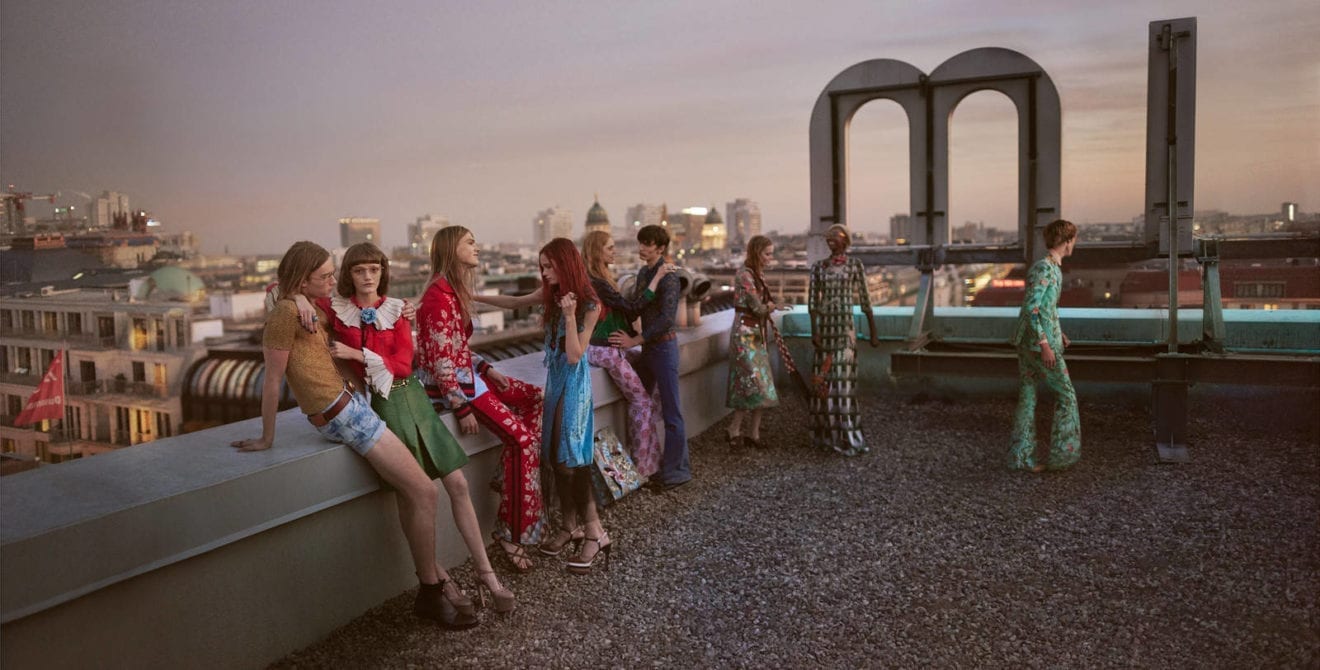
  • Gucci unveils Gucci Equilibrium

    Gucci unveils Gucci Equilibrium

    Gucci has its finger right on the pulse of the fashion industry, as its latest initiative, Gucci Equilibrium, solidifies its position as a sustainable, responsible as well as highly-desirable luxury fashion house.

    Today, on World Environment Day, the Italian fashion house launches its new online destination at Equilibrium.gucci.com, “designed to connect people, planet, and purpose,” as ideas surrounding what it means to be luxury continue to evolve.

    The initiative is part of Gucci’s mission to balance the creation of luxury fashion with a radical sustainability agenda, as its parent company Kering continues strives to offer the best products, made in the best way out of the best materials while taking the best care of the planet and its inhabitants.

    “Gucci is not a company where you must leave your values at the door, but one where they are enhanced, challenged and amplified,” said Marco Bizzarri, Gucci President and CEO in a statement. “Gucci Equilibrium is about us spreading that energy and that positive intent to everyone who loves our brand.”

    The new platform shares curated content which showcases the stories, ideas and the science behind Gucci’s environment and social impact change, all while highlighting the luxury fashion house’s perspective on some of the key issues within the industry.

    The launch is part of Gucci’s wider 10-year plan to embed a comprehensive sustainability strategy into its brand, one which will be governed by a Culture of Purpose.

    In turn, this Culture of Purpose dictates Gucci’s operations on a daily basis, which are held in place by three pillars that include the environment, people and new models of sustainable innovation. Under the first pillar, Environment Gucci highlights its commitment to reduce its environmental impacts by setting targets to develop a new standard in luxury.

    For example, on the new platform readers can learn more about Gucci’s aim to guarantee the traceability of 100 percent of its raw materials by 2025 – a tall order for any brand.

    People, the second pillar, sees Gucci recognizing the value of its employees and working to enhance the lives of the individuals who make its products by supporting local communities. For example, Gucci is committed to fighting gender inequality through its Chimes for Change for Girls’ and Women’s Empowerment campaign.

    Gucci Equilibrium also shines a light on I was a Sari, a social enterprise which works with women from marginalised communities in Mumbai, teaching them new skills to bring in recurring income.

    At the same time, Gucci also underlines its use of technical innovation to improve efficiency in its production and logistics under its third pillar, New Models. For example, its newly opened Gucci ArtLab, offers a start-up environment for innovation, craftsmanship and experimentation.

    “These are critical times when we can all play our part in helping to deliver on the UN Global Goals and the Paris Climate Agreement,” added Bizzarri. “The only way to do that is by bringing people together, sharing ideas, innovation, and experiences. This is the objective we have set for Gucci Equilibrium.”