Category: Fashion

Retail News Asia is committed to providing both local and global retailers with the latest Fashion news throughout the Asian market. This on a daily base.

  • MR PORTER Launched “The Luxury Watch Guide” A Global Destination For Luxury Watches

    MR PORTER Launched “The Luxury Watch Guide” A Global Destination For Luxury Watches

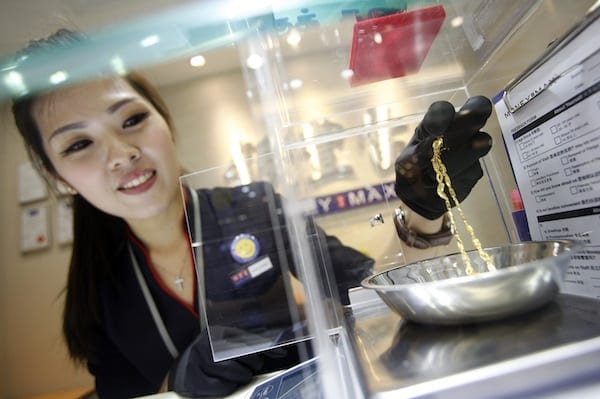
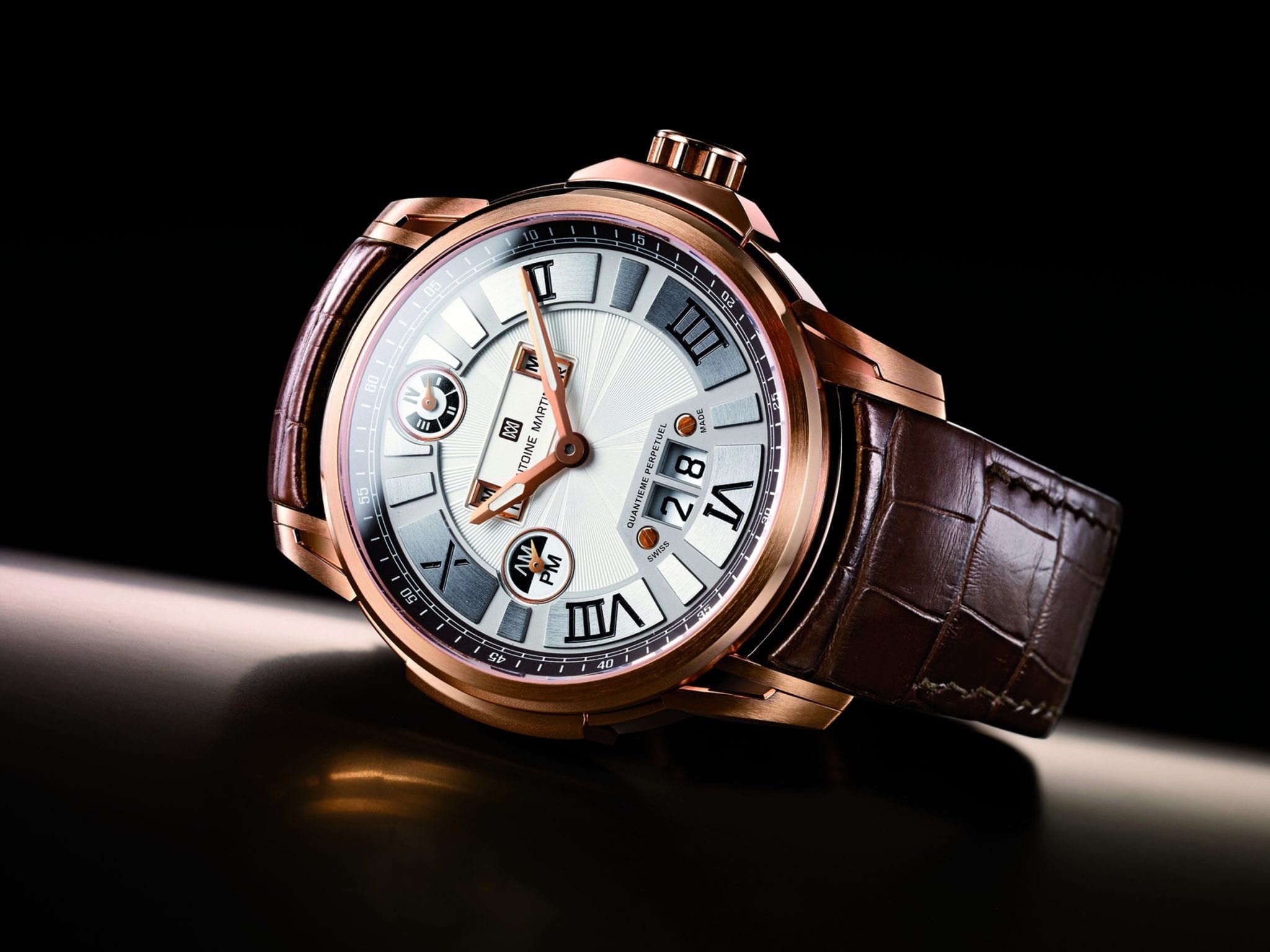
    MR PORTER launched The Luxury Watch Guide, a new online destination for its ever-expanding selection of the world’s leading watch brands, including IWC Schaffhausen, Jaeger-LeCoultre, Breitling, TAG Heuer, Officine Panerai, Ressence and more. The Luxury Watch Guide will showcase curated content, educational features, and style advice, alongside details on how best to select and maintain your luxury timepiece through MR PORTER.

    The Luxury Watch Guide establishes MR PORTER as the leading global online retailer for customers to shop luxury timepieces alongside MR PORTER’s vast offering of menswear and lifestyle items, further bolstering its commitment to providing the best in product, content and service across all of its categories.

    The Luxury Watch Guide features:

    • Dedicated pages for customers and readers to gain insight into each brand’s story, alongside each of their current product offerings onsite.
    • Shoppable content aimed to inspire, educate and advise customers during their purchase experience, including: “The Knowledge”, covering topics such as “how to choose the right watch” and “how to take care of your watch”; MR PORTER’s Tick Talk video series, which dives deep into a brand’s heritage; specific product focused stories on discovering a particular novelty; and lifestyle features of inspiring men highlighting the relationship they have with their own timepieces.
    • Direct access to MR PORTER’s team of dedicated Personal Shoppers and first-class service propositions, including: same-day delivery in London and New York; “Try Before You Buy”, a service allowing customers to try product before purchasing; 24/7 customer service; and, secure hand delivery available for all luxury watches.

    “We are thrilled to launch our new Luxury Watch Guide – a dedicated online home for all things watches at MR PORTER. This was a natural next step in our continued growth of the category and not only delivers an engaging platform for both novice and enthusiast watch customers, but also allows us to better serve and inspire them.”, said Mr Toby Bateman, Managing Director, MR PORTER

    For each luxury watch purchase online, MR PORTER has also established a unique aftercare programme, which includes a five-year warranty for all working parts and manufacturing faults. (More than twice as long as the industry’s standard two-year warranty.)
  • Korean retailers to focus on men

    Korean retailers to focus on men

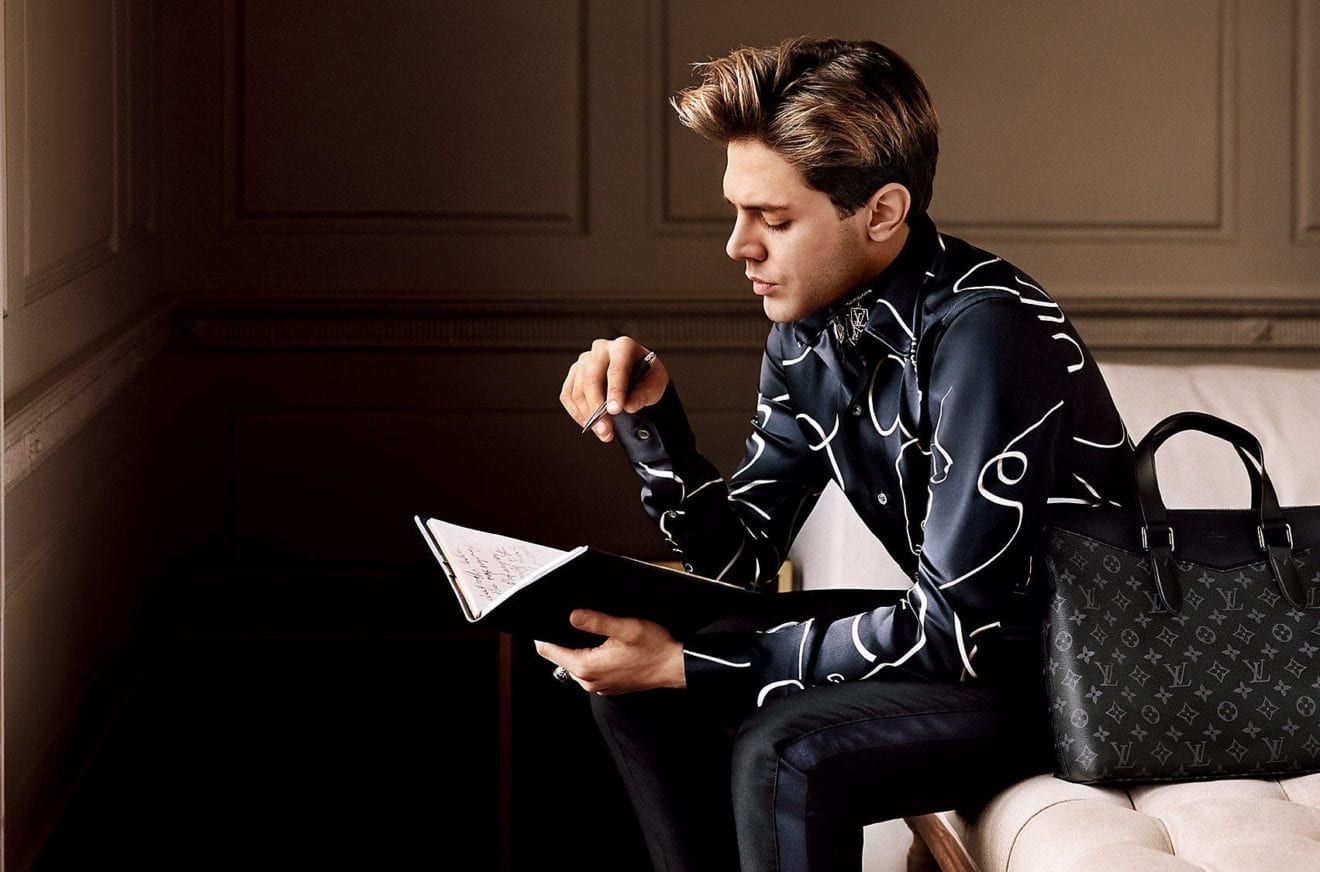
    Shinsegae Department Store will open a Gucci Man and Dior homme in June and July.

    Lotte Department Store is also promoting ‘Louis Vuitton Man’ and ‘Gucci Man’ in line with the reorganization of stores this fall.

    Korean retailers are actively targeting men’s luxury goods market as men’s luxury market is growing faster than other fashion segments in the market.

    Luxury goods in Shinsegae Department Store this year increased by16.5 percent, which is much higher than that of women’s wear (2.4 percent) and men’s wear (7.5 percent). Men’s luxury goods rose by 39.2 percent.

    The same goes for Lotte Department Store. In the first quarter of this year, sales of luxury goods grew 10.7 percent, much higher than general men’s wear (0.9 percent) and women’s wear (1.5 percent). Hyundai Department Store’s sales of luxury men’s grew 24.2 percent this year.

    In addition to exclusive luxury stores, there is also a fierce competition to attract men’s multi shops. It is a strategy to increase the number of different multi shops to aim at the younger generation who are looking for a unique product.

    In 2013, Lotte Department Store opened its first ‘Eli’den men’, targeting to male consumers in their late 20s and 30s. The ‘David Collection’, which is multi shop specializing in men’s apparel and articles in 2014, and ‘Men issue’, a men’s shoe editing shop in 2015 are attracting a mania.

    Shinsegae Department Store has men’s exclusive multi shops “BOONTHESHOP” in Gangnam store, Busan Centum City store, and Daegu. Sales of over 100 brands such as vêtement, ‘Lardini’, ‘Off White’ and ‘Marni’ were higher than expected, which is 31.7 percent up from the same period last year.

    According to an industry officer, “Grooming men who open their wallets for their own looks and fashion, mainly in their 30s and 40s, are increasing,” he said. “We plan to expand contemporary men’s products “He added.

  • Shinsegae and Shilla to fight out Incheon T1 duty free bids

    Shinsegae and Shilla to fight out Incheon T1 duty free bids

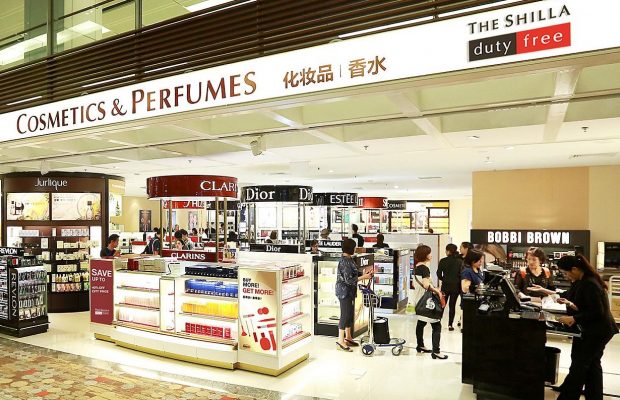
    Shinsegae Duty Free and The Shilla Duty Free will fight out the contest for two Incheon International Airport Terminal 1 duty free contracts on offer, despite rival Lotte Duty Free tabling the highest bids in each case.

    The tenders followed incumbent Lotte Duty Free’s resignation from both concessions in February.

    As reported, four retailers – Lotte Duty Free, The Shilla Duty Free, Shinsegae Duty Free and Doota Duty Free – bid for the two packages, DF1 and DF5.

    While Lotte Duty Free submitted the highest offers for both packages (see figures below), Incheon International Airport Corporation opted to shortlist only Shilla and Shinsegae. The two retailers must now table their business plans to Korea Customs Service and Incheon International Airport Corporation by 5 June. A winner will be selected in mid-June.

    A Shinsegae Duty Free spokesperson confirmed the shortlist to The Moodie Davitt Report. A Lotte Duty Free spokesman said the company was “despondent”, given that it had tabled the highest bid.

    Lotte’s DF1 bid was +1.6% higher than Shinsegae’s and +27.2% higher than Shilla’s. On DF5, Lotte’s offer was +13.2% better than Shinsegae’s and +38.8% above that of arch-rival Shilla.

    Some Korean duty free market sources expressed shock at the result. One veteran retailer told The Moodie Davitt Report, “Lotte must have been penalised for dropping the [former] concession in the mid-term. Yet as evaluations are based 60% on the business plan and 40% on the monetary offer, it is not easy to understand that Lotte did not qualify… especially as it had paid a KW187 billion penalty (for its premature exit).

    “There is no specific regulation or degrading for a company which gives up a government concession in the mid-term.”

    One source told The Moodie Davitt Report, “The most probable scenario is that the licence evaluation committee of Korea Customs Service will award DF1 to Shinsegae and DF5 to Shilla in order to avoid potential monopoly issues [as Shilla also holds the rest of the airport’s P&C business reserved for major retailers -Ed].”

    Not surprisingly, Shilla is known to dispute that position. Korea’s Fair Trade Commission will not have a problem with the proposed structure, sources close to the company believe. Shilla could reasonably point to many other international airports which have a single retailer for one category (or in fact for all categories), the sources contend.

  • Jatenergy announces flagship retail store in China

    Jatenergy announces flagship retail store in China

    Monetising Chinese retail shoppers is turning from a distribution to direct shopper experience for cross-border goods company Jatenergy (ASX: JAT).

    Jatenergy has signed a binding agreement to open a retail outlet, which it intends to call ‘JAT Maternity and Children’ within the 80,000-square metre Hui Yue Shopping Mall, to open “in the next few months.”

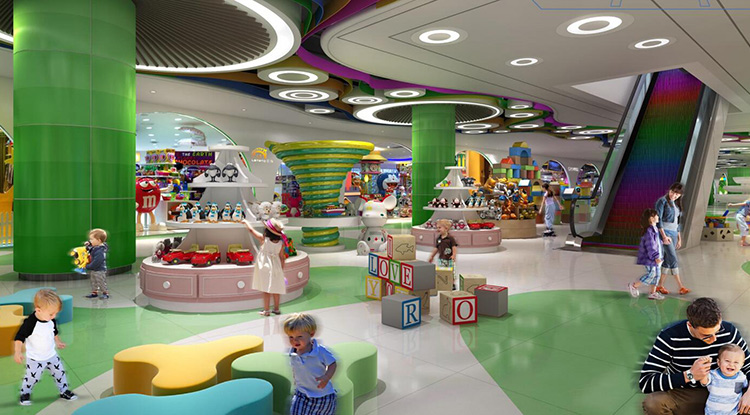
    Jatenergy says the kid’s section of the shopping complex will be the largest indoor children’s themed shopping centre in Zhengzhou spanning 18,000 square meters over three levels, called “Kid’s City”.

    The expansive Chinese-based company has said it intends to open a “cornerstone retail outlet” within the shopping complex, that caters for mums and children within ‘Hui Yue Kid’s City’, a dedicated “one-stop shopping destination” in Zhengzhou, the capital city of Henan province which is home to around 100 million people.

    The Hui Yue shopping complex is owned by the Henan Sheng Rung Holding Group, a Chinese company owned by current Jatenergy Director Mr Xipeng Li. As part of the close ties with Sheng Rung, Jatenergy will obtain a “three-year rent-free period” with a negotiated term expected to be agreed thereafter, sometime in 2021.

    Jatenergy will still need to spend an uncertain amount to set up and equip the store but says there are “no conditions precedent contained in the agreement with no other payments to be made”.

    “This is an unsurpassed opportunity for JAT to build its China presence and generate revenue,” said Mr Wilton Yao, Director of Jatenergy.

    In 2021, Jatenergy expects to establish a “flagship store agreement” with sales volumes being measured and used to gauge whether further stores will be opened in other parts of China at other Henan Xipu shopping centres. If the upcoming retail store is successful, Jatenergy is likely to expand its retail store footprint in China by opening stores in other cities.

    Just last week, Jatenergy revealed its intention to acquire a controlling interest in Green Forest International, a Sydney-based wholesaler, distributor and exporter to Hong Kong and mainland China. Today’s announcement of a retail store in China is likely to supplement the deal and is likely to stock many of the brand names marketed and sold by Green Forest.

  • Brooks Brothers reveals China retail rebrand

    Brooks Brothers reveals China retail rebrand

    Iconic American brand Brooks Brothers has revealed it plans to reposition retail efforts in China, a market which currently ranks third in revenue value behind the U.S. and Japan.

    In a recent visit to China, Brooks Brothers CEO Claudio Del Vecchio said he would like Chinese consumers to be reintroduced to the US heritage men’s brand, which turns 200 years old this year.

    “I think within less than two years, [China] will be our number-two country,” Del Vecchio told reporters, while speaking at one of the brand’s global bicentennial celebration parties, held in Shanghai, after events in Florence and New York this year.

    “We’ve been in Japan for 40 years and it’s still very strong and growing, but not growing as strongly as China. It’s certainly our biggest opportunity for the next 10 years.

    Within 10 years, it might actually be our number-one country,” he added.

    As part of its celebrations, Brooks Brothers inaugurated its store at the HKRI Taikoo Hui mall, inviting brand ambassador Louis Koo, to celebrate.

    With 20 retail stores and 20 outlets in mainland China, Brooks Brothers is looking to tweak its key store locations and rebrand, by positioning stores alongside recognised luxury retailers in China, not necessarily brands with the same price-point.

    “Today in China, our biggest challenge is actually that customers don’t know us, [so] they might judge the quality by the price. Because our price is not that high they might not have the perception of quality that we actually have,” said Del Vecchio.

    “There is a disconnect,” he added. “Our prices are so good, they don’t believe it.”

    The retail shift compliments the firm’s recent efforts to attract more Chinese custom, by shifting distribution partners and tapping online marketplaces.

    In 2016, Brooks Brothers shifted its China distribution from Dickson Concept, which was more of a licensee model, to being more directly operated. Still in retail partnership, Brooks Brothers changed to a new regional partner, working with Walton Brown, part of the Lane Crawford Joyce Group.

    In the same year it signed an agreement to stock its namesake suits and apparel on Alibaba’s Tmall, as well as its more affordable line, Red Fleece.

    “There are other opportunities we want to explore,” Del Vecchio added.

  • Abercrombie and Hollister lead A&F path to recover

    Abercrombie and Hollister lead A&F path to recover

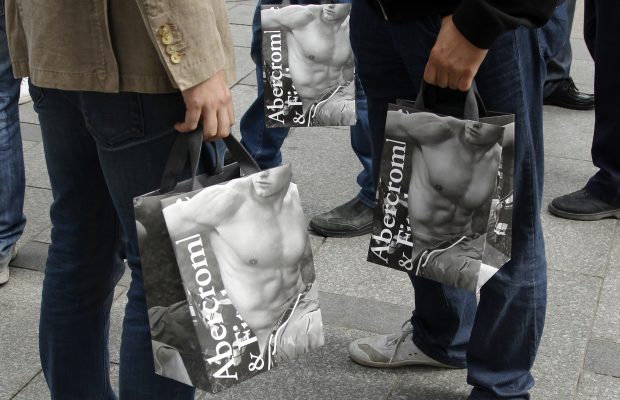
    Following on from a robust fourth quarter, Abercrombie & Fitch has continued its run of success with another solid set of sales numbers. Although growth has come off the back of soft prior year comparatives, the positive comparable sales numbers are an indication of momentum at both the Abercrombie and Hollister brands.

    Under the leadership of Fran Horowitz and her team, the business now has a much clearer sense of direction and a strategy that is producing results.

    Last quarter the Abercrombie brand delivered its first positive comparable sales number in five years, an advancement that has continued into this period with the division reporting a 3 per cent uplift. While this represents something of a bottoming out of sales declines, we also believe that Abercrombie is benefitting from the many improvements that have been made over the past year.

    One of the biggest shifts at Abercrombie has been the change in tone of the business. It has moved from a brash brand to a somewhat confused brand to a brand with a much clearer and more focused identity.

    While we would argue that this reinvention is still a work in progress, we think that the more authentic tone and the coalescing around an effortless American casual theme has paid dividends.

    A key part of the reinvention has been a focus on the product. There are two things we particularly like here. The first is the more disciplined approach to merchandising, which has involved having fewer items in the assortment but making sure that the pieces stocked are a mix of staples and on-trend garments.

    This has made the range much easier to shop. Alongside this, there have been significant improvements to quality and styling. Most of this is subtle and seen in small details like stitching, discrete monograms, or the design of buttons and zippers. The net effect is a range that is more mature and sophisticated, with many more ‘must have’ elements.

    Although it has traditionally been a stronger business, Hollister has also benefited from a more focused approach. Its carefree casual position resonates with the target audience and this is helping to differentiate it and drive sales in a crowded marketplace.

    Across both brands, there are some impressive changes which are supporting sales growth. Marketing efforts are much more comprehensive, with social channels and influencers being used to gain attention.

    Importantly, the company is now marketing where its customers are rather than just through traditional channels, using platforms like Snapchat and app-based games to create brand awareness and affinity.

    Stores have also been an area of focus and we applaud the continued efforts to rightsize the chain.

    Moreover, we remain impressed with the new store formats of both Abercrombie and Hollister. These represent an enormous shift in thinking and allow customers to see and experience the new face of the brands. Digital has not been neglected and we equally welcome changes made to the websites and the development of more omnichannel services.

    Admittedly, all of this has added to costs, which contributed to this quarter’s loss. That said, the company is a lot less in the red than it was this time last year, which represents progress.

    Abercrombie & Fitch’s work is not yet complete. The past couple of years were about stabilising and transforming the business, something we think has been achieved.

    In the year ahead, the focus must be on accelerating growth.

  • The $1,290 Balenciaga “T-shirt shirt” goes viral

    The $1,290 Balenciaga “T-shirt shirt” goes viral

    Pushing all those social media buttons and getting everyone het up to such an extent that they have just become complicit in making an item in the men’s collection a veritable phenomenon simply on the back of an Instagram post.

    When will we stop swallowing the bait? One moment there’s a picture online, and the next it has spawned 1,000 memes — all of which lead back to the source, and all of which play right into the hands of the very canny designer Demna Gvasalia.

    He understands as well as anyone how to ride the hype cycle and bend the free-floating and often indiscriminate desire of the digisphere to use fashion as target practice to his own advantage.

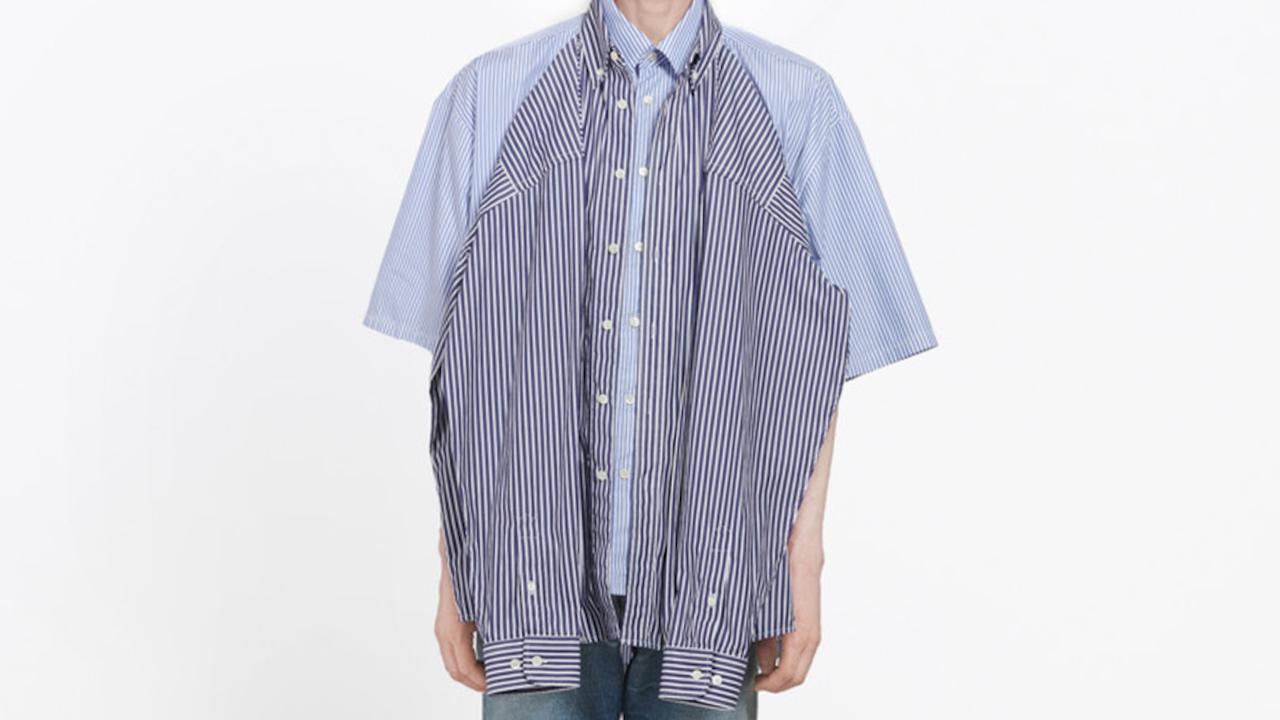
    It is, of course, of the T-shirt shirt, a men’s wear product from the Balenciaga fall 2018 collection that is exactly what it sounds like: a cotton T-shirt twinned to a cotton button-up shirt in complementary colors that can be worn with the long-sleeved shirt draped on the front, or the T-shirt draped off the back.

    It costs $1,290 and is currently available to order. It’s not quite two-for-one, but close. It’s in the same family as the Double Shirt (a short-sleeved button version with the long-sleeved one that costs $1,490) and has a sibling in the spring women’s collection (a version that costs $1,690 is sold out at the Balenciaga store online), though no one seems to have registered any outrage about that one yet.

    In collection context, the T-shirt shirt could be seen as smart, pointed commentary on our conflicted relationship with the whole idea of smart casual dressing and obsession with becoming the next Mark Zuckerberg by shedding the corporate uniform.

    But on its own in various Instagram posts, with a young man looking serious and pouty while draped in multiple empty sleeves, it went viral on tides of self-amused commentary about fashion’s ridiculousness.

    The Twitterati had a field day! The Daily Mail weighed in! So did Perez Hilton. Fortune and CBS did stories. Those are just a few of the reactions, which have come from India, Mexico, Germany, Britain and Canada, among other places. Most of them could be summed up as: Look at everyone freaking out about the crazy fashion types making weird stuff.

    Though Balenciaga declined to comment on the reactions, this is not the first time the brand has turned the potential of social media mockery over what is perceived as a silly product into a strategy.

    It began just over a year ago, when a leather version of the classic IkeaFrakta shopper that cost $2,145, instead of the original’s 99 cents, sent the internet into a similar frenzy about apparent fashion excess — and then sold like hot cakes.

    That may have been a fluke, but then came the embellished platform Crocs for $850, which again produced shock and horror online — and were sold out on some sites before they even arrived, thanks to the number of pre-orders engendered by all that chat. And now we have the T-shirt shirt.

    Are you seeing the same pattern I am seeing? With both Balenciaga, where Mr. Gvasalia has been creative director since October 2015, and his own brand, Vetements, the designer has made something of an art form out of appropriating the basic clothing (or high fashion) common denominators that we have long taken for granted and twisting and torquing them into new forms that demand a rethink. Now he is doing exactly the same thing with our reactions.

  • MINISO looks to expand in Vietnam market

    MINISO looks to expand in Vietnam market

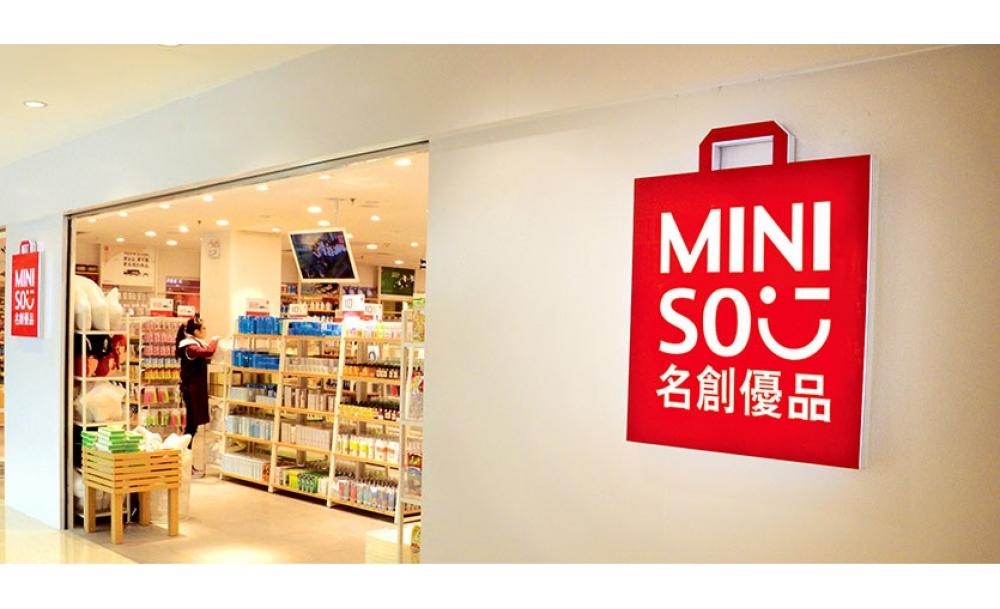
    Miniso Vietnam plans to open 50 more stores by the end of this year and reach 400 by 2022.

    The discount retail chain plans to enhance its distribution system in Vietnam with a 10,000 sqm warehouse in Ho Chi Minh City which will open within a few months. That will provide strong support for stores and a planned online operation.

    Miniso Vietnam also has boosted its brand-name awareness among young consumers by having local singer Son Tung M-TP as its first brand ambassador.

    The company entered Vietnam in September 2016 and has already opened 40 stores there – 17 in Ho Chi Minh, 19 stores in Hanoi, and four elsewhere. It is rapidly rolling out stores to cash in on Vietnam’s current 10.9 per cent annual retail sales growth, which makes the country one of the fastest-growing retail markets in the world.

    The company says it recognises Vietnamese shoppers are moving from high-street shops to shopping centres and so it is adjusting its expansion strategy to include more malls.

    It has reached an agreement with Vincom to open stores in the mall operator’s future developments in major commercial and shopping centres.

    Products are priced between VND43,000 (US$2) and VND500,000, predominantly targeting consumers aged 18 to 35.

    The brand has been accused of misleading consumers by describing itself as a Japanese brand when it is a Chinese company, owned by Chinese and selling products made in China with no apparent Japanese connection.

    But that has not stopped it from opening more than 2600 stores worldwide, covering more than 62 countries and regions. Last year, its sales topped US$1.8 billion.

    The company plans to open 10,000 stores throughout the world by 2022.

  • Watches, jewellery boosts Hong Kong retail sales growth

    Watches, jewellery boosts Hong Kong retail sales growth

    Booming trade in watches, jewellery and gifts are flattering the overall performance of Hong Kong retail sales this year.

    For the first four months combined, retail sales are up 13.9 per cent year on year.

    But while the consistent double-digit increases in sales over the first four months of this year serve as an encouragement for the broader retail market – not to mention nervous landlords – high-price goods are dominating the numbers.

    Due to their sheer value, fluctuations in sales volume of the “jewellery, watches and clocks and valuable gifts” category, (as defined by the Census and Statistics Department), always has the greatest impact on the overall figure. Thus it is difficult to get a sense of the more mainstream, locally driven retail sales market.

    April’s 12.3 per cent rise in total Hong Kong retail sales followed an 11.5 per cent rise in March and a 15.7 per cent gain in combined January-February, traditionally combined to allow for true year-on-year comparisons due to the timing of Lunar New Year.

    In January-February, jewellery, watches and valuable gifts sales rose 21 per cent, in March by 23.1 per cent and in April by 24.6 per cent. So that category is growing by a faster rate each month so far this year.

    Arguably, apparel sales may well be a better bellwether of the broader market, despite being influenced by the climate. In January-February, apparel sales rose 19.5 per cent, in March by 11.2 per cent and in April by 6.3 per cent – figures which paint a very different trend to watches and jewellery.

    Medicines and cosmetics, usually one of the other categories with strong influence over the total figures, grew by 17.4 per cent in January-February, by 16.5 per cent in March and by 17.9 per cent in April: very stable growth.

    Clearly, Hong Kong’s overall retail sales growth is being driven by the rising number of mainland visitors, after a significant lull in that market for the three years or so until mid last year.

    A government spokesman says the sustained double-digit increases this year have been underpinned by strong local consumer spending as well as buoyant inbound tourism. There is every indications those tourist numbers will hold up in coming months.

    Other categories with a strong performance in April included electronics up 17.1 per cent, department stores up 12.6 per cent, footwear and accessories up 9.4 per cent, and optical shops by 8 per cent.

    But it was a far less spectacular month for supermarkets, where sales rose just 1.1 per cent, furniture stores – up 1.4 per cent – and books and stationery retailers who pretty much stood still at 0.3 per cent.

    So while the luxury sector is booming again, the golden era has not yet returned for many retail categories.

  • OnTheList lands in Hong Kong

    OnTheList lands in Hong Kong

    OnTheList is a pioneer concept of Members-Only Flash Sales in Hong Kong, wherpremium and luxury brands offer past-seasons items at exclusive prices for a limited number of days.

    After delighting its customers in Central since March 2017, this June, OnTheList is popping up right in the heart of Tsim Sha Tsui.

    OnTheList strives to offer members an authentic premium flash sale experience in just 2-5 days from 8am-8pm, just like a treasure hunt,  a wide range brands and amazing fashion finds will be available in both locations in HK.

    Members will have the option to shop on either side of the harbour and many shoppers in Tsim Sha Tsui will be able to experience a new style of shopping at OnTheList.

    First brand to kick-off the Spanish Desigual.

  • Kate Spade committed suicide

    Kate Spade committed suicide

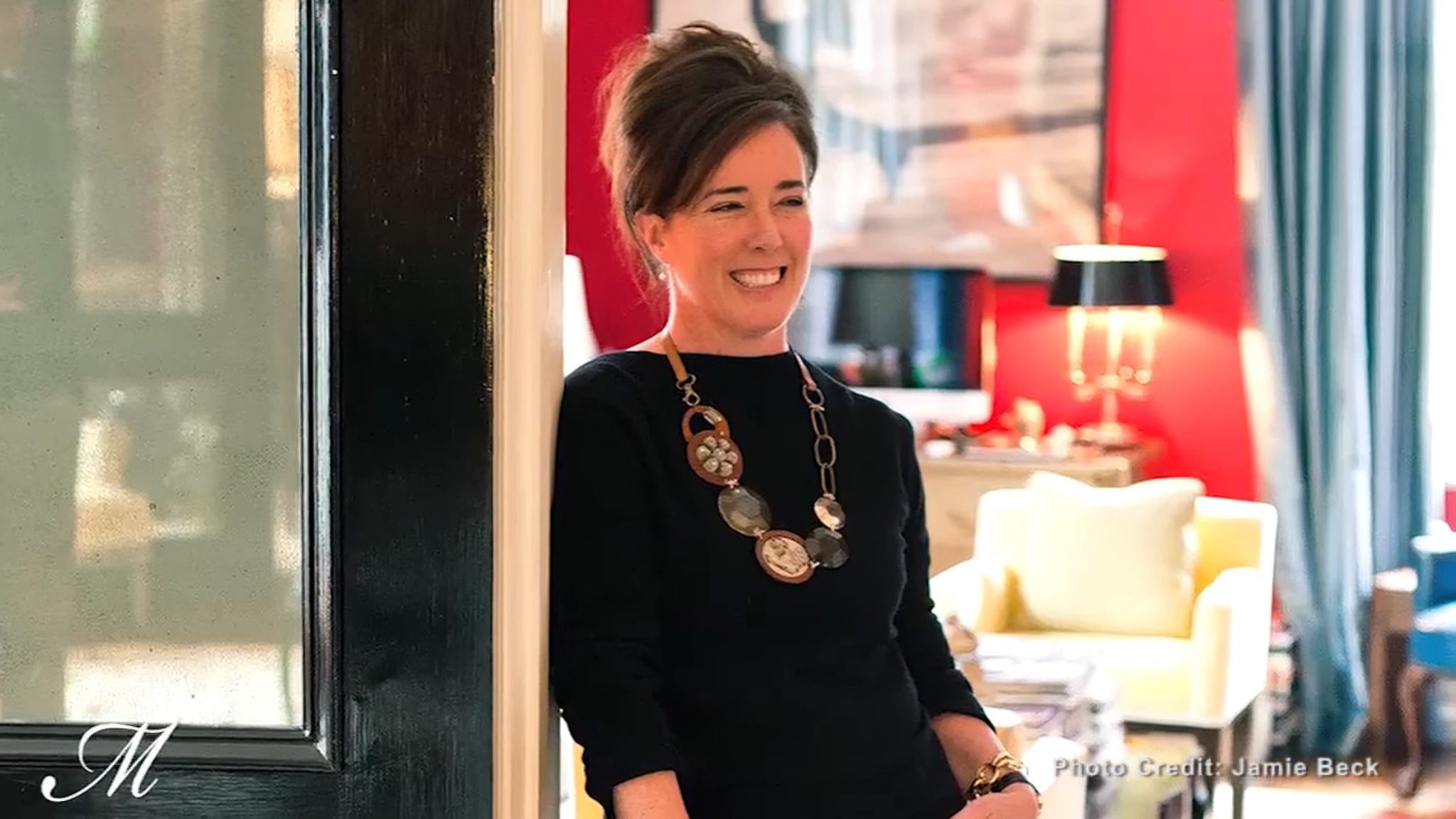
    Kate Brosnahan Spade, who created an iconic, accessible handbag line that bridged Main Street and high-end fashion, hanged herself in an apparent suicide Tuesday at her Manhattan apartment, according to New York Police Department sources.

    Police responded at 10:10 a.m. after Spade was found by her housekeeper, NYPD Chief of Detectives Dermot Shea said. A suicide note was found at the scene, he said. Spade addressed her daughter in the note, according to two NYPD sources. Spade’s husband also is referenced in the note, according to one of the sources.
    The designer, 55, started Kate Spade New York in 1993 and opened her first shop in the city three years later, the company’s website states.
    Best known for its colorful handbags, Kate Spade New York has more than 140 retail shops and outlet stores across the United States and more than 175 stores internationally, the site states.
    Over time, she distanced herself from her business.
    In 1999, she and her husband, Andy Spade, sold 56% of the brand to Neiman Marcus for $33.6 million. Liz Claiborne acquired the company in 2007, and Spade left her namesake brand. The luxury fashion company Coach announced plans in May 2017 to buy Kate Spade for $2.4 billion.
    Kate Spade New York issued a statement confirming the “incredibly sad news” of their eponymous founder’s death.
    “Although Kate has not been affiliated with the brand for more than a decade, she and her husband and creative partner, Andy, were the founders of our beloved brand,” the statement said. “Kate will be dearly missed. Our thoughts are with Andy and the entire Spade family at this time.”
    “We honor all the beauty she brought into this world,” the company said in a tweet.
  • Etude House and Nature Republic debut in Saudi Arabia

    Etude House and Nature Republic debut in Saudi Arabia

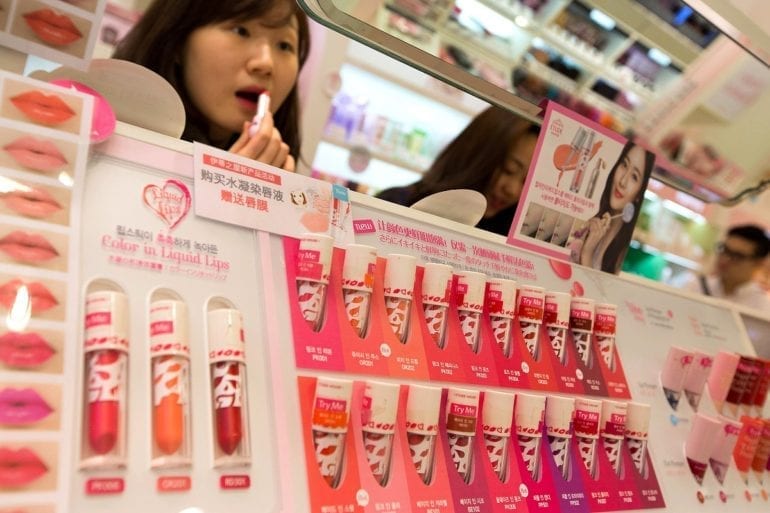
    Two Korean cosmetics brands Nature Republic and Etude House have opened their first outlets in Saudi Arabia.

    Nature Republic has signed an agreement with local retailer Fawaz Alhokair to open the first store in the capital city of Riyadh, the first of up to five outlets in the country. Saudi Arabia is the brand’s 19th market.

    Etude House has also made it to Riyadh with the first store at the Granada Center after a successful launch in UAE and Kuwait earlier this year.

    The Middle East’s cosmetics market is expected to reach US$36 billion by 2020 while Saudi Arabia’s cosmetics market has grown 15 per cent annually in recent years and is the largest beauty market in the region.

  • Trend of ‘ugly’ summer collection

    Trend of ‘ugly’ summer collection

    From mop shoes to bejewelled crocs, ‘ugly fashion’ is 2018’s most pervasive trend.

    In fact, it has popularised items that are so deeply uncool, wearing them proves, ironically, just how cool you are.

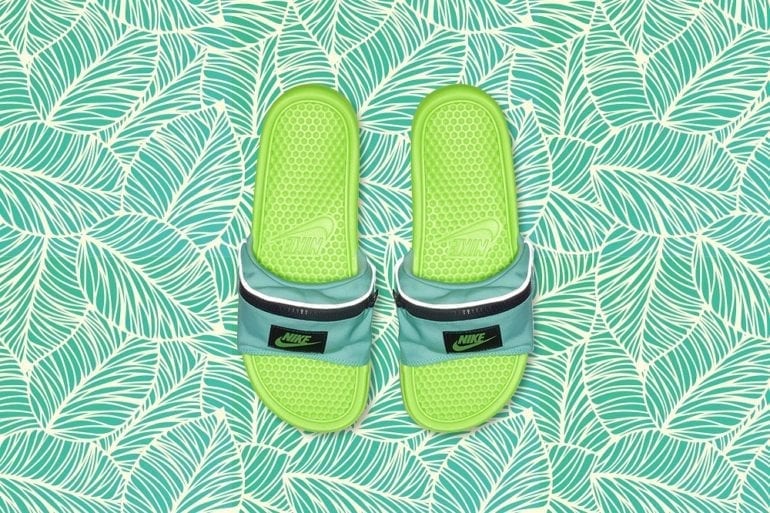
    The latest addition to the trend: Nike’s ‘fanny-pack’ – or as we call them in the UK, ‘bum bag’ – Benassi slides. They are sandal slides with a handy zip pouch for you to keep your… well, we’re still trying to figure that part out.

    The shoe might not be available yet, nor do we know how much this reworked Nike classic is going to cost, but having a bumbag on your foot has sent the Twitterverse into a frenzy.

    The latest addition to the trend: Nike’s ‘fanny-pack’ – or as they are called in the UK, ‘bum bag’ – Benassi slides. They are sandal slides with a handy zip pouch for you to keep your some of your belonging, not sure what yet.

    The shoe might not be available yet, nor do we know how much this reworked Nike classic is going to cost, but having a bumbag on your foot has sent the Twitterverse into a frenzy.

    But mostly, people have just been wondering what to do with this extra pocket space. The truth about ‘ugly fashion’ is that it definitely creates quite a buzz online, and cascades of UGC.

    But they are not the only shoes in the ugly fashion universe. In fact, sported by the likes of Gigi Hadid and Kendall Jenner, ‘ugly’ footwear companies like crocs have enjoyed a higher market value thanks to the effect of the trend.

    Basically, ugly fashion is here to stay.

  • SK-II experiential concept store features AI and face authentication

    SK-II experiential concept store features AI and face authentication

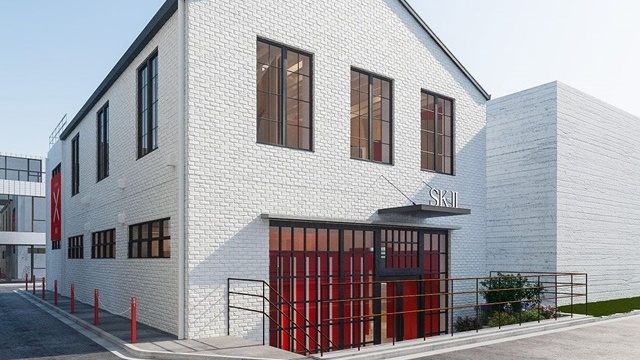
    An experiential concept store opened by beauty brand SK-II in Tokyo incorporates face authentication technology and AI.

    The Future X Smart Store by SK-II will trade in the trendy Harajuku district until June 28. (Scroll down for a video of the store from BuzzFeed).

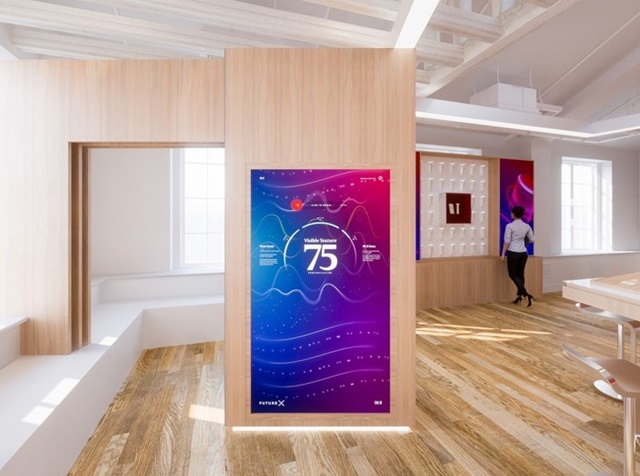
    According to SK-II, customers can look into and touch digital screens which recognise them and help recommend beauty treatments based on their specific skin tones and types.

    “We aim to offer comprehensive skincare experiences that connect customers and SK-II in a bi-directional manner at the time of customer’s choosing,” said an SK-II executive in a Japanese press release.

    SK-II believes the technology and AI can create “a unique dialogue” between store and customer.

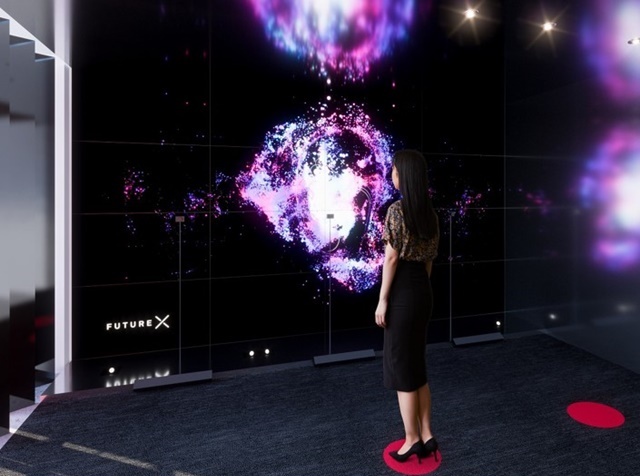
    At the pop-up’s entrance, customers are welcomed by digital art that changes according to the facial expressions and body movements of the customer.

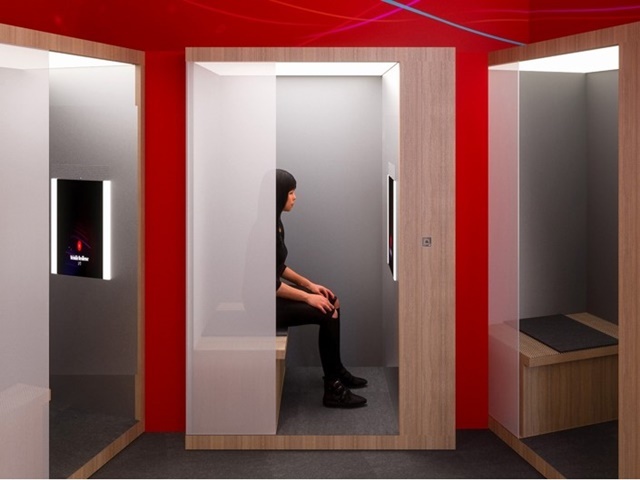
    They can then move into a cubicle where they sit before a mirror which analyses their skin condition in an instant. But unlike ordinary skin analysis machines, the machine does not touch the skin directly – it simple scans the skin and uses AI to calculate treatments.

    On the store’s second floor, a Smart Beauty Wall with a digital touch screen automatically recognises the customer from the earlier scanning process below. It displays the results of the skin analysis and provides skin care advice.


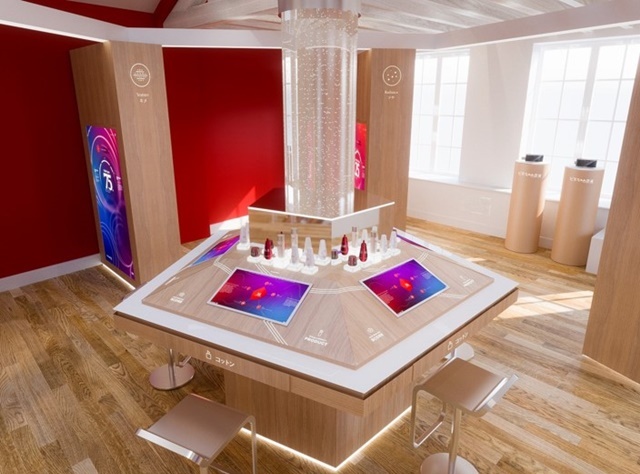
    And a Smart Beauty Counter in the centre of the floor reacts to the customer, automatically displaying suggested products according to the analysis result. Customers can then try as many products as they wish while watching product information on screen.

  • Rossignol Group Partners With IDG Capital to Seize Growth In China

    Rossignol Group Partners With IDG Capital to Seize Growth In China

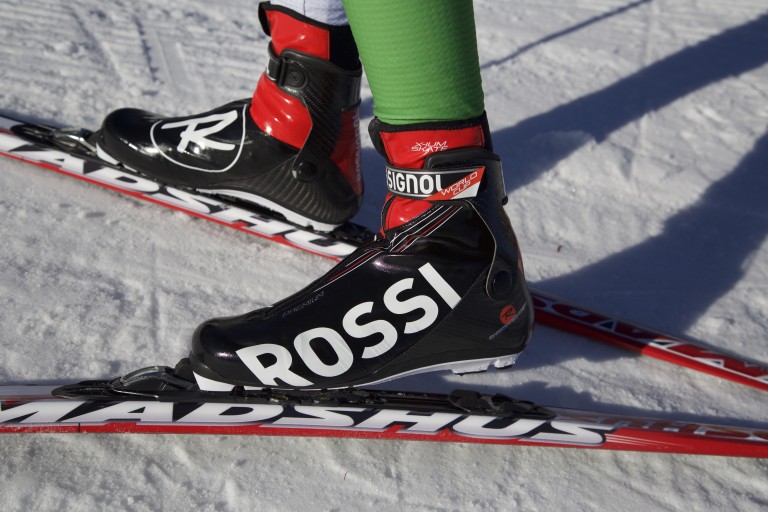
    Skiing brand Rossignol Group has signed an agreement with IDG Capital, a US-based, China-focused investment firm, to launch the brand through Chinese retailers.

    China’s sports tourism market has had double-digit growth since 2011, and growth forecasts over the next five years are in the order of 30 per cent, according to a PWC study. Introduced in 1995 in China, skiing is the spearhead of this exponential development, particularly since the announcement of the 2022 Olympic Winter Games in Beijing.

    The winter sports market in China should reach RMB100 billion (€13.7 billion by 2025). The equipment alone would represent RMB16 billion for the same period.

    Through a capital increase leading to a 20 per cent ownership in the company, IDG Capital will use its expertise to support the development of the French group in the Chinese market. Founded in 1992, IDG Capital was the first foreign investment firm to enter the Chinese market. It has contributed to the growth of more than 700 major companies in China, including Baidu, Tencent and Xiaomi, as well as to the development of international companies such as Moncler, Farfetch, Olympique Lyonnais FC or InFront.