Category: Fashion

Retail News Asia is committed to providing both local and global retailers with the latest Fashion news throughout the Asian market. This on a daily base.

  • Shinsegae bets strong to replace Lotte’s Incheon duty free

    Shinsegae bets strong to replace Lotte’s Incheon duty free

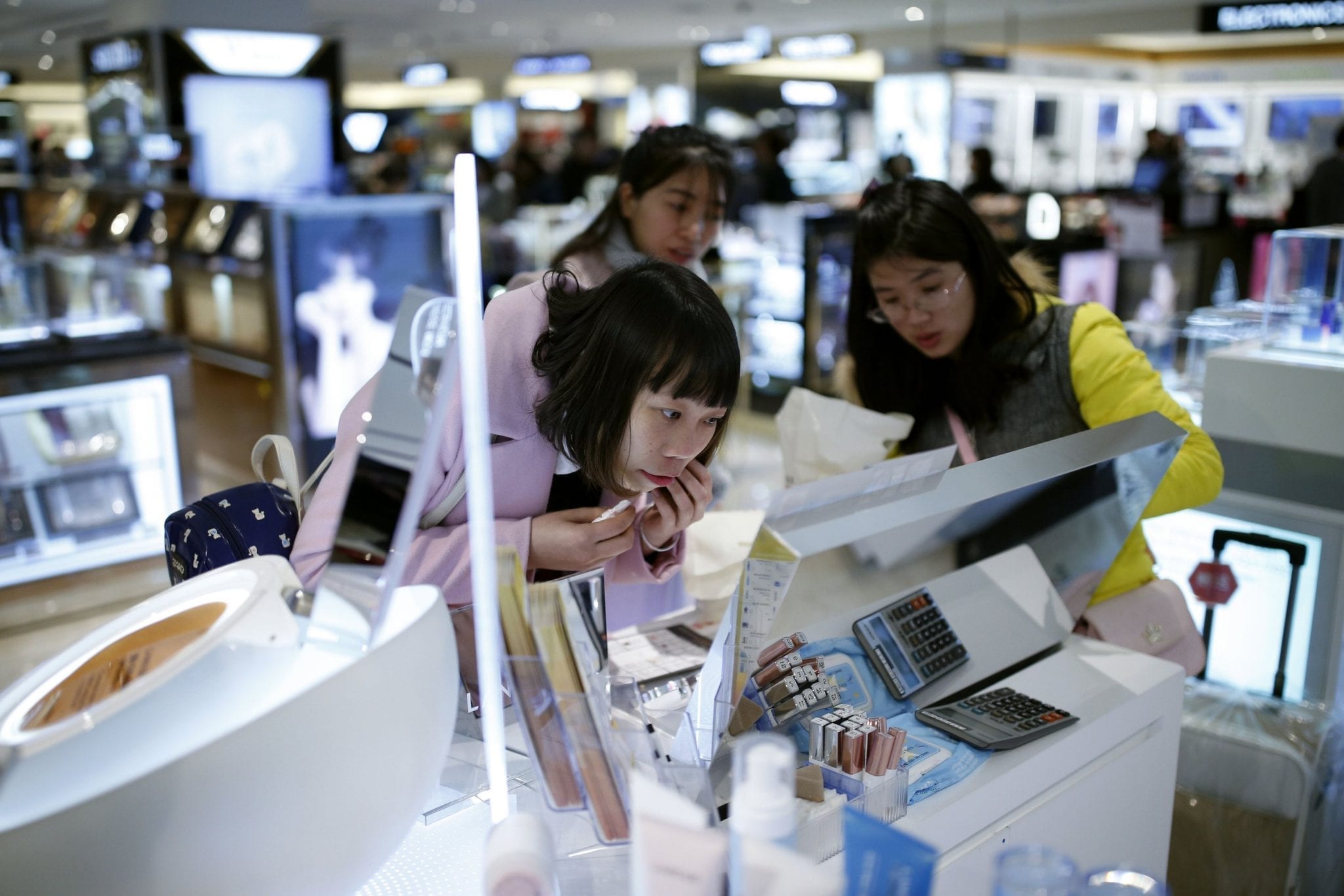
    Shinsegae is going all out to acquire licenses to operate duty free shops at Incheon International Airport after its rival Lotte’s bid fell through.

    The bid is understood by many as Shinsegae‘s aim to expand its presence in the still lucrative and growing duty free industry.

    According to industry officials, the Incheon International Airport Corp. (IIAC) has narrowed the candidates for the licenses to Shinsegae DF and Hotel Shilla. The two filed their intent to operate duty free outlets at the DF1 bloc for cosmetics and perfumes and DF5 bloc for clothing in the airport’s Terminal 1.

    Lotte and Doosan also vied for the operating licenses, but failed to make it to the final list. The Korea Customs Service will review the bids and select the operators for each of the blocs next month.

    Lotte Duty Free previously ran those blocs, but in February it gave up its licenses citing high rent, standing at around 800 billion won (US$743.5 million) a year.

    Lotte’s move was interpreted as an attempt to lower its rent for the blocs by renegotiating the deal, as it continued to accumulate losses due largely to the high rent it agreed to pay in its previous deal. The 800 billion won rent for the blocs is nearly four times higher than the minimum guarantee the IIAC wants this time for those blocs, which is 200 billion won.

    According to sources, Lotte made the highest bid at 280 billion won for DF1 and 69 billion won for DF5 in the four-way battle.

    Following were Shinsegae with 276 billion won for DF1 and 61 billion won for DF5, Shilla with 220 billion won for DF1 and 50 billion won for DF5. Doosan’s Doota Duty Free bid 192.5 billion won for DF1 and 53 billion won for DF5.

    Despite Lotte placing the highest bid, it lost points in other criteria, such as management ability and its withdrawal from the previous duty free license deal driving the airport authority to lose faith in Lotte, industry officials said.

    As Lotte failed to make the final list, the final selection next month will bring a fundamental change to the domestic duty free industry.

    As of last year, Lotte was Korea’s largest duty free operator by sales with a 41.9 percent market share. It was followed by Shilla with a 26.8 percent share and Shinsegae with a 12.7 percent share.

    The combined sales of DF1 and DF5 blocs in 2017 stood at 900 billion won, which was approximately 6.4 percent of Korea’s total duty free sales last year.
    This means Lotte’s market share will drop to 36 percent. If Shilla wins the licenses for both blocs, its market share will go over 30 percent, or if Shinsegae wins it will reach a 20 percent market share.

    Shinsegae’s surge

    Depending on the customs service’s selection, Shinsegae will operate up to four outlets at the airport. It currently has the DF7 bloc in the first terminal and DF3 bloc in the second terminal.

    Though the duty free business does not have many chances to expand because of regulatory issues and five-year licenses, Shinsegae has expanded its presence rapidly in the domestic market, encroaching on the market shares of Lotte and Shilla.

    Shinsegae’s market share stood at 2.8 percent in 2014 but quickly rose to 12.7 percent last year, increasing by 10 percentage points during the period.

    Its surge was largely attributable to the solid numbers from its Myeong-dong branch, which brought in 1.35 trillion won in sales last year. The branch opened in May 2016 but quickly hit its stride thanks to luxury brands such as Dior, Cartier and Fendi.

    The branch is also expected to house Rolex and Chanel in the near future, casting a rosy outlook for its sales. Shinsegae’s strategy to focus on Japanese and Southeast Asian customers also served its growth well.

    While other duty free outlets were hit hard by the decline of inbound Chinese customers last year due to the diplomatic friction between Korea and China over a U.S. Terminal High Altitude Area Defense (THAAD) battery, Shinsegae managed to post high numbers thanks to their relatively low reliance on Chinese customers.

    “Shinsegae’s intent to make the airport a world famous tourist attraction seemed to earn points in IIAC’s review,” a Shinsegae official said. “Also, the company’s portfolio in Myeong-dong contributed to its shortlisting.

  • Athleisure brand Bandier to open NoHo store with fitness studio

    Athleisure brand Bandier to open NoHo store with fitness studio

    One of the boldest real estate deals in the Big Apple was recently inked by an athleisure shop that made a name for itself selling $300 leggings in tony Southampton, LI.

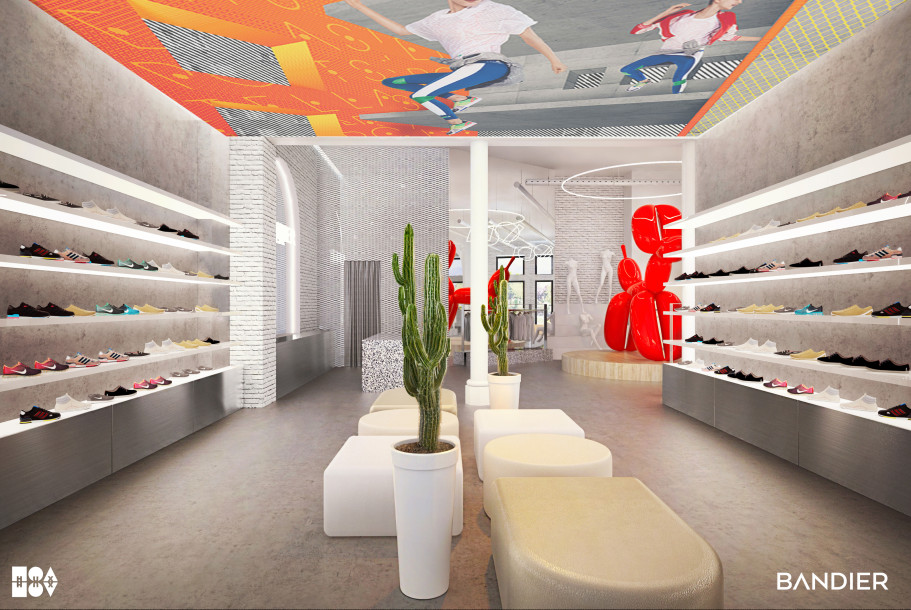
    In August, 5-year-old Bandier is opening a massive 27,500-square-foot flagship in NoHo — about the size of a fitness center — that will not only sell its pricey duds from $68 crop tops to $98 sweatshirts and $108 yoga pants — but will also feature a fitness studio, a health-focused cafe and sneaker shop.

    A second flagship will open simultaneously in Los Angeles, bringing the number of Bandier boutiques to seven.

    “We think we have an opportunity,” said co-founder Neil Boyarsky, who owns the business with his wife, Jennifer Bandier, a former music executive like her father, Martin. “You have to roll the dice and take some chances.”

    After raising $10 million last fall led by Hong Kong-based investor Adrian Cheng — whose family owns real estate and retail in China — Bandier is already eyeing other markets, like Chicago and Boston, for flagships.

    As the athleisure trend continues its march, with fashion sneakers and body-hugging spandex gear becoming ubiquitous, Bandier is riding the wave led by 500-pound gorilla Lululemon, whose shares spiked 15 percent on Friday after reporting that comparable sales in its 400 stores rose 20 percent in the most recent quarter.

    Bandier’s growth was fueled in part by its celebrity clientele, including the Kardashian sisters, Liv Tyler, Jennifer Aniston, Emma Stone and Bella Hadid, who have all been spotted either wearing its apparel or taking a fitness class in its studios.

    But celebrities are only part of the story.

    Bandier’s existing stores, including in The Americana in Manhasset, Long Island, and in Dallas, are generating comparable sales growth of more than 20 percent, according to Boyarsky.

    “There will always be some market for this kind of apparel, but whether this growth is sustainable over time remains to be seen,” said retail analyst Craig Johnson, president of Customer Growth Partners.

    There has already been a slight dip in the performance wear sector’s growth from the high teens to about 12 percent — not including sneakers — according to Johnson.

    In the meantime, Bandier is betting that its mix of food, exercise and apparel will draw a steady stream of customers through its doors.

    Its list of customer amenities ranges from moisturizing face masks to showers in its fitness studios to a treadmill in the sneaker department for test runs.

    Bandier recently launched four private-label brands that will occupy up to 20 percent of the sales floor this year.

    “Our revenues have exceeded our expectations by a long shot,” Boyarsky said, declining to disclose Bandier’s sales.

  • Huobi Launches Cryptocurrency ETF

    Huobi Launches Cryptocurrency ETF

    Crypto trading venue Huobi Pro has launched what it says is the world’s first cryptocurrency exchange-traded fund (ETF) targeted at retail investors.

    Announced on Friday, the Singapore-based exchange’s new product — called HB10 — allows investors to purchase shares in a basket of cryptocurrencies based on the firm’s recently launched benchmark index, the Huobi 10.

    Investors can subscribe to the cryptocurrency ETF using bitcoin, ether, USDT, or Huobi tokens. The fund has a minimum investment of roughly $100, depending on the current prices of each asset.

    There is some debate about whether HB10 should truly be called a cryptocurrency ETF since it does not trade on a regulated securities exchange as conventional ETFs do and cannot be held in conventional brokerage accounts.

    Nevertheless, Huobi is the latest in a growing list of investment firms that have launched funds that track an index of cryptocurrencies, a group that includes Grayscale Investments, Coinbase, and Bitwise Asset Management.

    What sets HB10 apart is that it can be purchased by retail investors with a very minimal initial investment, while the others are restricted to accredited investors willing to plunk down tens of thousands of dollars — or more. Coinbase, for instance, currently requires an initial contribution of $250,000 for its index product.

    Shares of the fund will initially trade against USDT on Huobi Pro, though the website suggests that the exchange will open up trading pairs against other coins in the future. Investors will also be able to swap shares of the fund for the underlying assets in real time, which should help ensure that the value of the fund remains linked to its net asset value (NAV).

    In the US, numerous fund providers have attempted to list cryptocurrency-based ETFs on regulated securities exchanges, but the Securities and Exchange Commission (SEC) has thus far refused to approve any of these proposals.

    A Huobi spokesperson confirmed to CCN that the product would have the same regional limits as the wider trading platform, meaning that investors in some countries — including the US — will not be able to invest until Huobi Pro launches in those jurisdictions.

  • Play for your makeup at Chanel’s Coco Game Center

    Play for your makeup at Chanel’s Coco Game Center

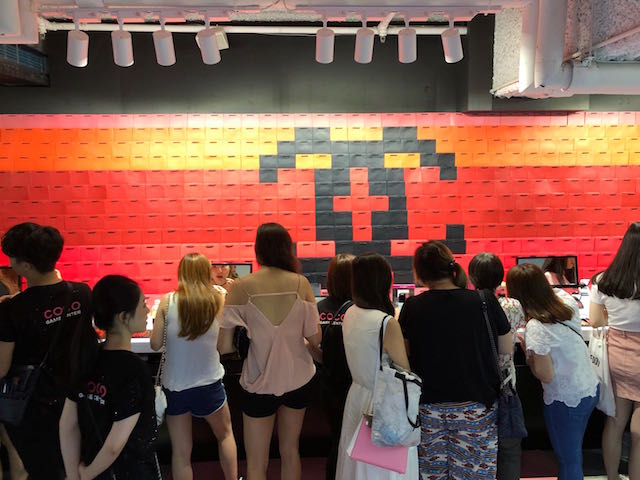
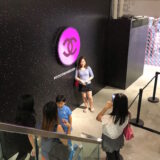
    Retro games such as Pacman and Pong take on a new twist at the Coco Game Center in Pacific House until June 18.

    After last year’s hit Coco Cafe, Chanel Beauty has followed up with another fun beauty concept.

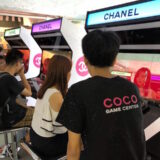
    With previous stops in Seoul, Tokyo, Shanghai and Singapore, the Coco Game Center has arrived in Hong Kong. Inspired by Japanese arcades, the pop-up features games that highlight Chanel Beauty collections.
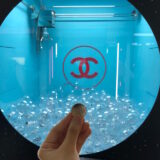
    The Bubble Game features the Hydra skincare line, while Beauty Ride features the latest range from Rouge Coco. The Beauty Lounge offers six new shades of Rouge Allure Ink.

    Visitors can also find out what happens when they put moisturiser on Mario or lip rouge on Pac-Man.

    Check the gallery of the event below (6 images) :

  • Pull&Bear opens flagship store at VivoCity with new face

    Pull&Bear opens flagship store at VivoCity with new face

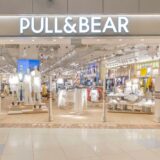
    Pull&Bear, the young fashion brand run by the Inditex Group (owners of Zara, Pull&Bear, Massimo Dutti, Bershka, Stradivarius, Oysho, Zara Home and Uterqüe), presents its refreshed store image in an improved location in VivoCity, Singapore.

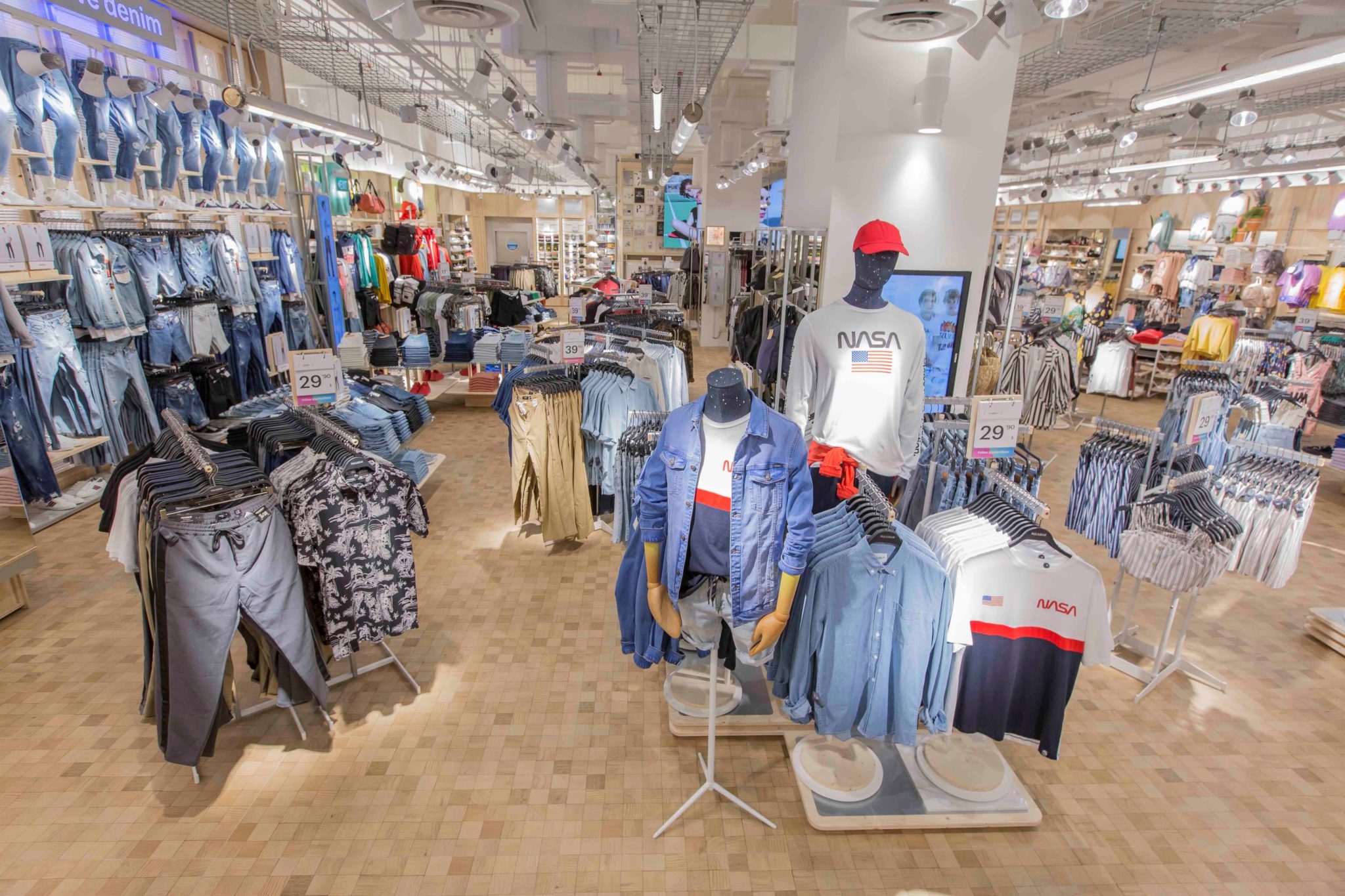
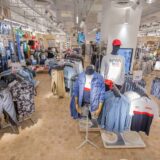
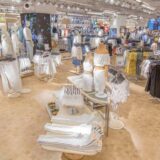
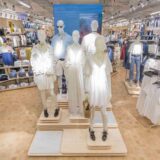
    This new point of sale presents Pull&Bear’s latest store image for the first time in the Singapore market, where the brand has two more stores in ION Orchard and Bugis+. The store displays the young fashion brand’s latest collections over a wide 465 square-metre-commercial space.

    The new store takes to a new level the California concept, which draws inspiration from the iconic atmosphere of Palm Springs and other scenarios from the American West Coast. On top of this trademark store style, some new features have been implemented for a higher product visibility and a more useful and pleasant shopping experience.

    By and large, the decoration has been simplified and the furniture is now lower, which provides for a wider view of the space. The store welcomes visitors with a warmer feel, created by the mix of three different types of finishing – white textures, wood and galvanized metal. Designed to provide a sensory shopping experience, the lighting in-store provides comfortable and soft ambient lighting which allows shoppers to focus on the clothes, while the store’s exterior features large LED screens which lends it a vibrant appeal.

    Sustainability is also paramount. All the wood used for visual merchandising comes from certified forest productions which guarantee 100% traceable timber.

    See the inside of the store in the gallery below (4 images) :


  • KAWS x Uniqlo UT ‘Sesame Street’ Collection Has an Official Release Date

    KAWS x Uniqlo UT ‘Sesame Street’ Collection Has an Official Release Date

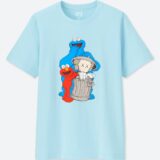
    UNIQLO last week announced that it will begin rolling out the special KAWS x SESAME STREET UT (UNIQLO T-shirt) collection on Friday, June 29. Items will be available at all UNIQLO stores and UNIQLO.com. The collection showcases contemporary artist KAWS’s uniquely whimsical take on characters from the internationally beloved children’s television series. The UT range features carefully selected examples of celebrated pop culture graphics from around the world, transforming T-shirts into canvases of art expressing the individuality and tastes of wearers.

    KAWS initiated the idea of this special collection, which features graphics of iconic Sesame Street characters such as Big Bird, Elmo, and Cookie Monster. The range will be available in 23 colours and patterns for people of all ages. Unisex items for adults will be in sizes XS through 2XL at $19.90. The 2XL size will be available only through the online store. Kids’ items will be sold in sizes 100 through 150 at $14.90.

    Check the gallery below (4 images) :

  • L’Oréal and Valentino announce a worldwide license agreement for fine fragrances and luxury beauty

    L’Oréal and Valentino announce a worldwide license agreement for fine fragrances and luxury beauty

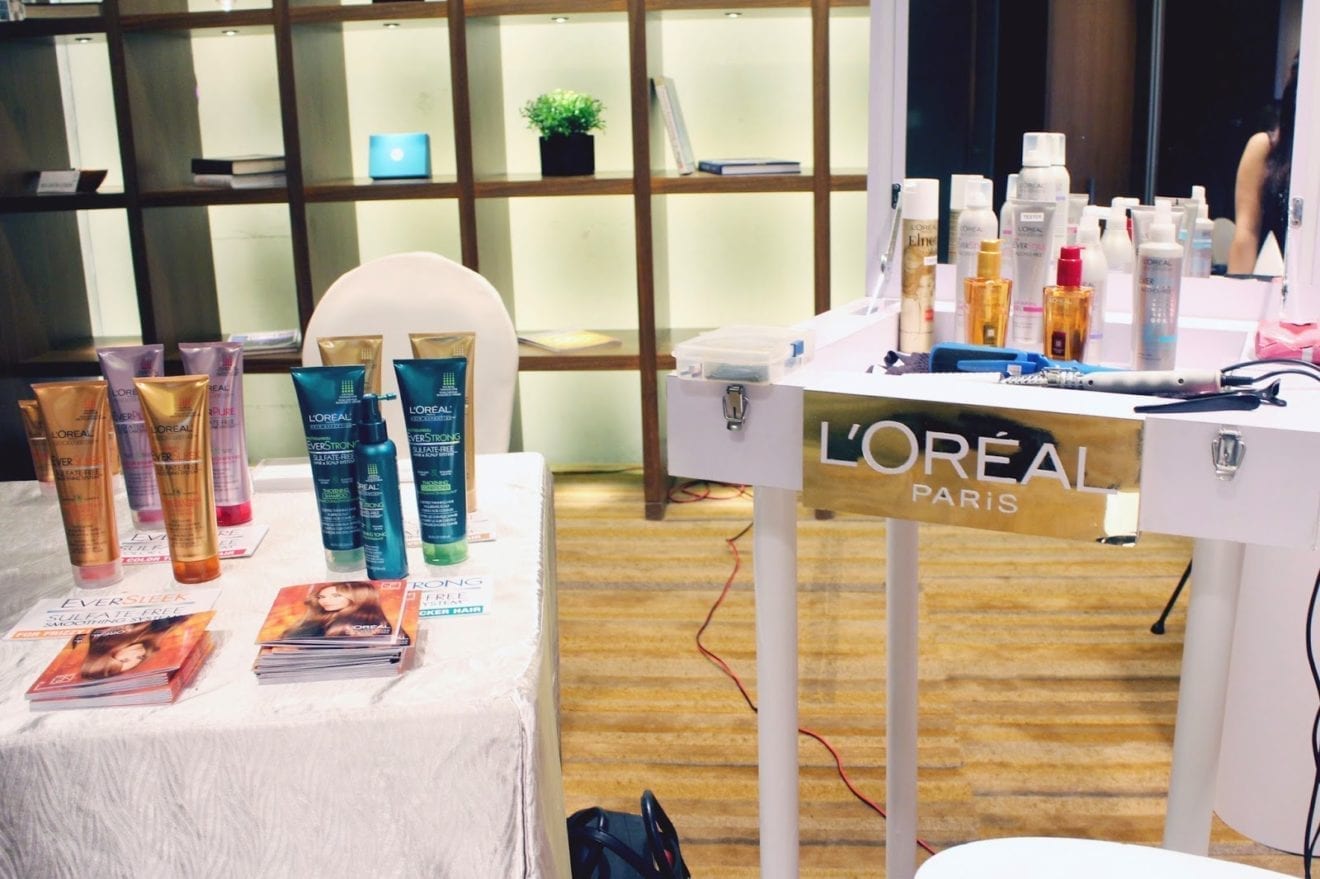
    L’Oréal and Valentino announce the signature of a worldwide long-term license agreement for the creation,  development and distribution of fine fragrances and luxury beauty under the Valentino brand.

    Founded in 1960 in Rome, Maison Valentino holds a unique role in the luxury universe thanks to its long standing tradition in Haute Couture and the innovative contemporary vision of Creative Director Pierpaolo Piccioli. Under the successful direction of CEO Stefano Sassi and Creative Director Pierpaolo Piccioli, Valentino today embodies the image of beauty, of the extraordinary and of modernity, and as such, provides a strong inspiration for fragrance and beauty creation. The top three most popular fragrances today are Valentino Donna, Valentino Uomo and Valentina.

    The agreement will be effective as of 1 January 2019, after customary regulatory approvals, if any.

    Nicolas Hieronimus, Deputy CEO of L’Oréal, said “We are thrilled to have been granted the license of Maison Valentino. With its unique combination of prestige and modernity, Valentino definitely will appeal to millennial consumers around the globe and ideally complements our brand portfolio.”

    Stefano Sassi, CEO of Valentino, said “We are very excited to start this new venture together with L’Oréal to further develop our beauty business. We believe Valentino has great potential within the category and that with L’Oréal’s unparalleled expertise in the sector, we will be able to realize that potential.”

  • JD Sets Foot In Singapore With Its First ‘Undisputed King of Trainers’ Store at Jurong Point

    JD Sets Foot In Singapore With Its First ‘Undisputed King of Trainers’ Store at Jurong Point

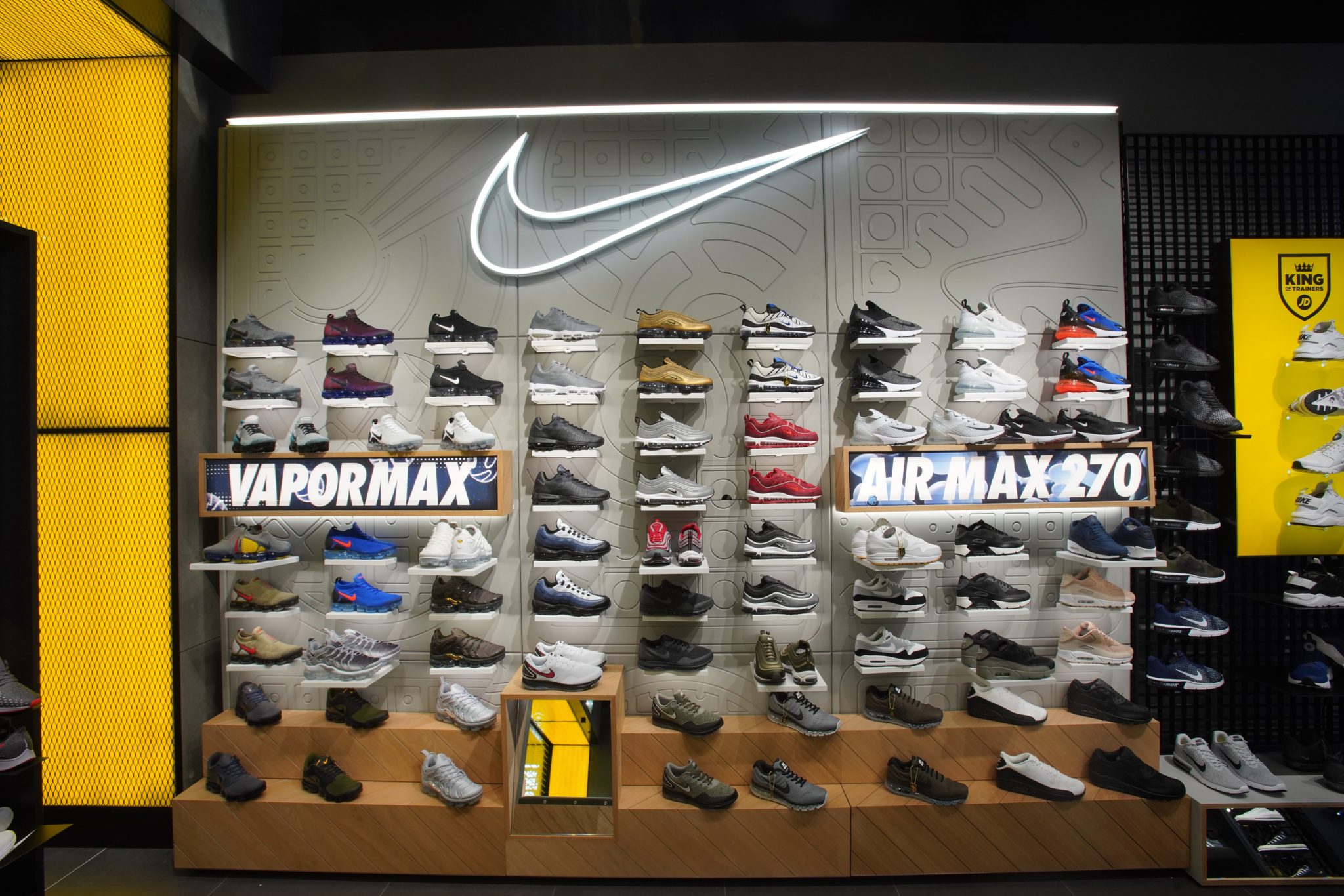
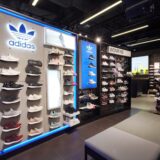
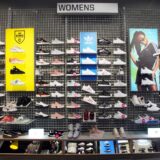
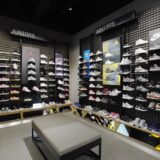
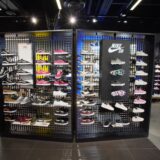
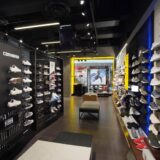
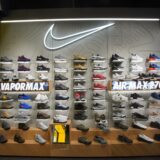
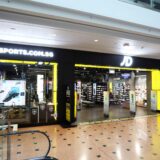
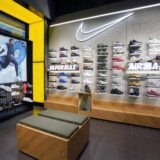
    Hailing from the United Kingdom, JD, the well-known, multi-branded sports footwear and apparel retailer, has finally made its highly-anticipated debut in Singapore with its first store at Jurong Point Shopping Centre on 24 May 2018. Spanning 2,900 sq ft, the ‘Undisputed King of Trainers’ store, as the name implies, carries a wide range of sneakers of over 10 brands, including adidas, Nike, Puma, New Balance, amongst others, as well as a selection of accessories, such as bags, sandals and caps.

    The brightly-lit sneakers haven is set out in a neat and organised manner to allow for easy browsing of the footwear available. The vibe is upbeat and convivial with personable, attentive service that makes the shopping experience a walk in the park.

    “We are happy and excited that JD has opened its first store in Singapore. With the discerning demand and sophisticated preference for trainers by Singaporeans, JD aims to be the ultimate onestop destination for the whole family – from adults to teens to even kids and infants – for buying their favourite pair of trainers, be it for leisure, performance or fashion” said Justin Lim, Chief Executive Officer, JD Sports Singapore.

    What sets JD apart is the availability of the Western European range of trainers that are part of the Global Range collection that might not necessarily be readily available in the South East Asian market. This means that Singapore shoppers will be have a wider range of trainers to choose from, even more than their international counterparts.

    JD also boasts a selection of trainers that is exclusive to the store. Tagged with “ONLY AT JD” metal tags, these trainers come in materials or colourways that shoppers will not be able to purchase anywhere else.

    A 7,200 sq ft JD flagship store, that will retail the full range of trainers, apparel and accessories, is scheduled to open at ION Orchard in July/August 2018.

    See how it looks inside in the gallery below (10 images) :

  • Bag maker Samsonite’s CEO resigns after short-seller report

    Bag maker Samsonite’s CEO resigns after short-seller report

    Samsonite CEO Ramesh Tainwala has resigned with immediate effect “in the best interests of the company” as the fallout from a short-seller report on the company’s reputation and share price continues.

    Tainwala will be replaced immediately by CFO Kyle Gendreau.

    Hong Kong-listed Samsonite’s stock value plummeted more than 20 per cent during two days last week, before trading was suspended, leaving it with a valuation of about US$4.8 billion.

    That followed the release of a report by Blue Orca accusing the world’s largest luggage maker and retailer of questionable accounting practices and questioning its engagement in third-party related transactions with entities owned by Tainwala.

    But in a statement issued overnight, chairman Timothy Parker said the Samsonite CEO was stepping down due to issues with his academic qualifications.

    “While the board notes that since the company’s IPO in 2011, its disclosure of Ramesh’s educational background has been accurate, the board also takes seriously the allegation that has been made about his academic credentials. Ramesh tendered his resignation, citing personal reasons. In considering such resignation, the board thoroughly reviewed the facts related to this allegation and has determined that accepting Ramesh’s resignation is in the best interests of the company and its shareholders.”

    Tainwala has overseen solid growth of Samsonite in recent years, including the acquisition of luxury travel brand Tumi.

    Parker paid tribute to Tainwala’s “dedication and many contributions to the success of Samsonite” over the years. “During his tenure the company has continued to achieve strong revenue and earnings growth.”

    Gendreau takes over

    Kyle Gendreau has served as an executive director of Samsonite since March 2011, previously serving as CFO and an executive director of the consolidated group since January 2009.

    “Having served as a senior executive of Samsonite for many years, Kyle possesses a strong understanding of our industry, significant financial management experience across retail and consumer products, as well as deep institutional knowledge of Samsonite,” said Parker.

    “Samsonite has a proven record of solid growth and value creation since its initial public offering in 2011, and Kyle has played an instrumental part in achieving these results. The board is confident that under Kyle’s leadership, the company remains well-positioned to continue executing on its multi-brand, multi-category and multi-channel global strategy to capitalise on the growth opportunities ahead and to enhance long-term value for shareholders.”

    Gendreau’s appointment can be interpreted as the ultimate endorsement of its position on the Blue Orca report, given his long tenure overseeing Samsonite’s financials.

    “One-sided and misleading”

    In a separate statement overnight, Samsonite formally responded to the damaging report, opening with a warning to shareholders that Blue Orca is “a self-proclaimed activist investment fund that is focused on short selling”.

    “In the short-seller report, Blue Orca cautions investors that it has a “short interest in Samsonite’s stock and therefore stands to realise significant gains in the event that the price of Samsonite stock declines”.” It has declined by 20 per cent since the report’s release.

    The luggage giant’s board said it had thoroughly reviewed the allegations in the report and determined that they are “one-sided and misleading” and that conclusions drawn regarding its financial results are incorrect.

    On the allegations of irregular third-party related transactions, Samsonite’s board said continuing connected transactions are entered into in the ordinary and usual course of business of the group and are either on normal commercial terms or on terms that are no less favorable than available with any other third party.

    “The company has robust internal procedures to ensure that all continuing connected transactions have been identified, and appropriately reviewed and disclosed, in accordance with the Stock Exchange’s listing rules. Those transactions have been subject to annual review and approval by the company’s disinterested directors and independent non-executive directors in compliance with the requirements of the listing rules, and review by the company’s internal audit department. This process, which is performed in connection with the publication of the company’s financial results, helps to ensure that all continuing connected transactions have been identified and properly disclosed. In addition, the company’s external auditors, KPMG, perform annual limited assurance procedures related to continuing connected transactions.”

  • Guess narrows losses in first quarter, revenues lift 14% on Asia earning

    Guess narrows losses in first quarter, revenues lift 14% on Asia earning

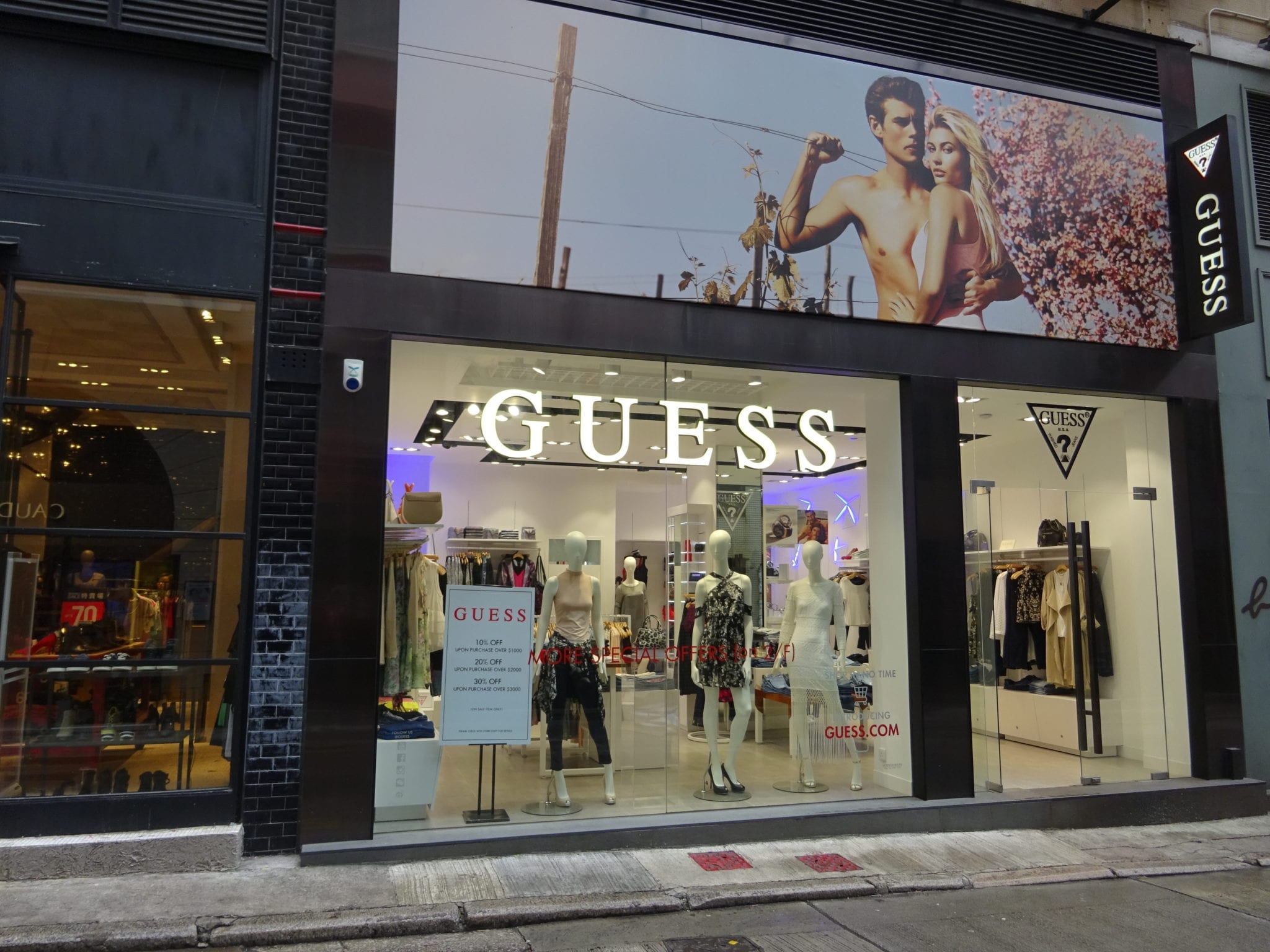
    Continued momentum in Asia has helped boost revenues for US clothing brand Guess Inc for its first quarter, to May 5.

    As the company continued to take advantage of its infrastructure investments in China and Japan, its operating margin in Asia improved by 430 basis points.

    Asia revenues increased 32.6 per cent in US dollars and 25.1 per cent in constant currency.

    Operating margin for the company’s Asia segment increased 430 basis points to 4.8 per cent in the quarter, compared to 0.5 per cent. This was driven mainly by higher gross margins.

    CEO Victor Herrero says company revenues overall grew 15 per cent in US dollars and 8 per cent in constant currency. “We were also able to expand the company’s operating margin, despite cost pressures related to our transition to our new distribution centre in Europe.”

    At the same time, the company had a GAAP net loss of $21.2 million, a 0.3 per cent improvement on the first quarter a year earlier. An adjusted net loss of $17.8 million was 7.9 per cent better than the same period 12 months ago.

  • Footwear giants shift outsourcing from China to Vietnam

    Footwear giants shift outsourcing from China to Vietnam

    Major brands in the footwear industry are shifting their outsourced work to Vietnam instead of China, but experts doubt this will be a good thing in the long run.

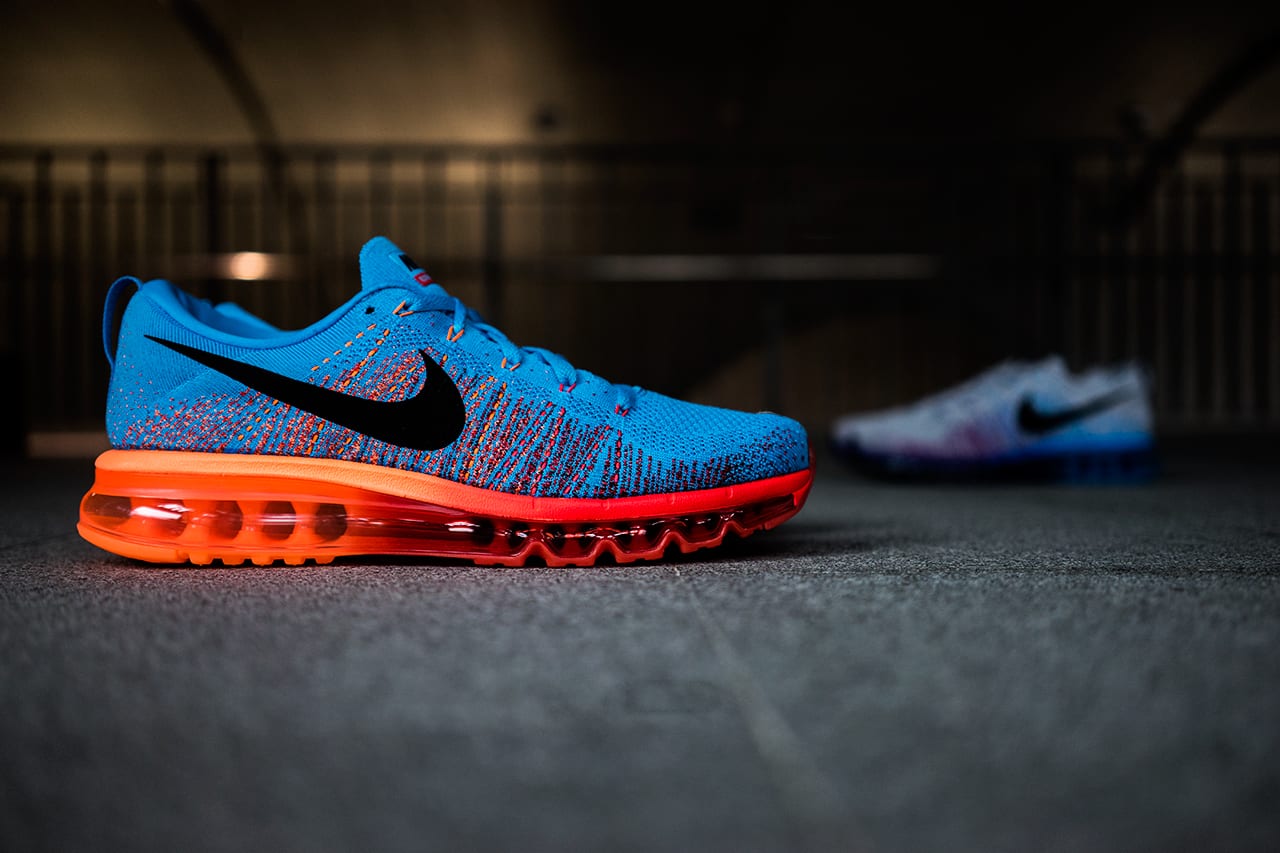
    Sneaker giant Adidas last year had 44 percent of its footwear produced in Vietnam, more than double the 19 percent made by suppliers in China. This figure also marked a 31 percent increase from 2012 for Vietnam and a 30 plus percent decrease for China.

    A similar move can also be seen at Adidas’ rival Nike, which had 46 percent of its footwear made in Vietnam last year, against just 27 percent in China.

    While China remains the top supplier in the fashion industry, Vietnam is now seen by major brands as a solid and critically important supplier in second place, according to survey results released by the United States Fashion Industry Association.

    “We are reporting a change in the sourcing trend, from ‘China Plus Many’ to ‘China Plus Vietnam Plus Many,’” the association said.

    The typical sourcing portfolio today is 30-50 percent from China, 11‑30 percent from Vietnam, and the rest from other countries, it added.

    According to experts in the industry, China manufacturing has become more focused on high value, and with workers’ wages rising, low-cost manufacturing is no longer its priority.

    This explains why Vietnam, Indonesia and Bangladesh are producing more shoes and apparel for export.

    However, while this trend can yield short-term benefits to Vietnam, long-term consequences will be severe, Professor Nguyen Van Nam, former director of the Institute of Trade Research under the Ministry of Industry and Trade said.

    Since advanced technology is not widely applied in Vietnam, the manufacturing sector exploits labor and pollutes the environment, he said.

    “Vietnam needs to push for the newest technologies in manufacturing, otherwise we will be a ‘landfill’ of other countries,” he added.

    Nguyen Duc Thuan, president of the Vietnam Leather Footwear and Handbag Association (LEFASO), highlighted another challenging aspect of the shift at a conference earlier this year.

    As workers in other countries are assisted by machines in the production process, each of them can make 1.2 pair of shoes in an hour, while their Vietnam peers can only manage 0.7, he said.

    “Labor productivity obviously increases when technology and high management skills are used, and this is a challenge that Vietnam needs to meet,” Thuan said.

    Vietnam’s footwear export value has been growing in recent years, from $8.4 billion in 2014 to $14.65 billion in 2017, a 42 percent increase. The country contributed a billion pairs of shoes to the 27 billion pairs produced globally last year.

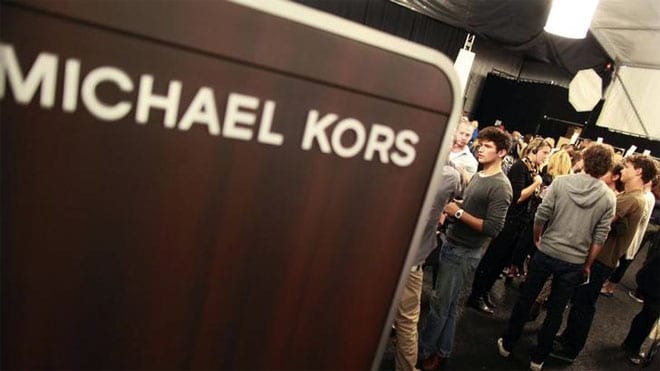
  • Asia safes Michael Kors performance

    Asia safes Michael Kors performance

    Asia proved the strongest growth market for premium apparel and accessories retailer Michael Kors last year, offsetting ongoing weakness in its largest market, the Americas.

    Asian sales increased 17.5 per cent to US$137.7 million in the fourth quarter and were up 33.7 per cent to $469 million for the year.

    Michael Kors sales and profit numbers released overnight included a better than expected fourth quarter, but flat forecasts for the year ahead disappointed analysts.

    Net income for the three months ended March 31 was $44.5 million, a significant improvement over a $26.8 million loss during the same period last year.

    Fourth-quarter comparable Michael Kors sales were up 2.3 per cent on strength in accessories, footwear and men’s categories, but fell 1.7 per cent on a currency-corrected basis.

    Michael Kors has been investing heavily in transitioning its business model following the acquisition of Jimmy Choo last year, with chairman and CEO John D Idol saying a solid foundation had been created.

    “We created a global luxury group with the acquisition of Jimmy Choo and completed the first year of our Runway 2020 strategic plan for the Michael Kors brand, ending the year significantly ahead of our expectations,” he said.

    “Looking to fiscal 2019, we have a number of initiatives planned to drive growth in both of our luxury brands.

    The company expects building momentum to deliver first quarter revenue of around $1.13 billion, with a $140-$145 million contribution from Jimmy Choo’s 182 stores.

    Neil Saunders said the addition of Jimmy Choo had masked weakness in Michael Kors sales figures for last year.

    “While the headline growth number from Michael Kors looks strong … it is flattered by the addition of Jimmy Choo sales; when these are stripped out, the growth plummets to a lacklustre 0.6 per cent,” Saunders said.

    “This anemic underlying growth rate comes off the back of a dire performance last year when revenues plunged by 11.2 per cent. Taking account of all these things, the fashion brand is ending its fiscal year with soft growth.”

    Store renovations, expansion into new luxury concepts, a renewed focus on e-commerce and the launch of a new loyalty program have emerged as key pillars of the company’s 2020 strategic plan.

    In comparison, Americas sales declined by 2.5 per cent to $342.8 million in the fourth quarter and by two per cent to $1.67 billion for the year.

    “Perhaps the most damning figure is the Americas retail sales number,” Saunders said.

    “A particularly worrying outcome given the 18 per cent decline posted in the prior year. In our view, this number clearly indicates that Michael Kors is not back to full strength and still has a lot of work to do on its proposition.”

    Encouragingly, retail growth and the addition of Jimmy Choo bolstered margins, resulting in a 14.5 per cent increase in gross profit.

    Jimmy Choo sales were $107.9 million worldwide in the fourth quarter and $222.6 million for the full year, with Europe and the Middle East driving turnover.

    There were 1011 stores in Michael Kors business as at March 31, including 829 Michael Kors stores.

  • Canada Goose announces long-term growth strategy in China

    Canada Goose announces long-term growth strategy in China

    Canada Goose announced its expansion plans for Greater China, including establishing a regional head office in Shanghai and appointing Scott Cameron as President, Greater China.

    To meet growing consumer demand, Canada Goose will also launch its direct-to-consumer business including opening two retail stores — in Beijing and Hong Kong — with operating partner ImagineX Group, and e-commerce operations via Alibaba Group‘s Tmall, China’s largest consumer platform for brands and retailers, in fall 2018.

    “As the world’s largest luxury market, the opportunity for Canada Goose in China is massive. We have already seen exceptional demand from Chinese consumers — locally and internationally — for years, and we are excited to bring our authentic and immersive retail and e-commerce experience directly to our fans there,” said Dani Reiss, President & Chief Executive Officer. “We are making significant investments and putting the right people and partners in place now, to drive long-term brand affinity and a sustainable business for years to come.”

    Establishing a Foundation for Success, Expands Operational Footprint

    To grow national market development efforts, Canada Goose has appointed Scott Cameron to President, Greater China and will open a regional head office in Shanghai, which will be home to a cross-functional business unit, with local expertise and capabilities in marketing and commercial operations.

    Scott previously served as EVP, eCommerce, Stores and Strategy where he was responsible for all operational elements of the Canada Goose direct-to-consumer business, and led the Strategy team. Under his leadership, the company successfully established and grew its direct-to-consumer channels globally, including the launch of the company’s first six retail stores and opening e-commerce in 9 new markets. Scott joined Canada Goose from McKinsey & Co., where he was a principal focused on luxury and apparel retail brands.

    Bringing the Canadian Arctic to Asia, Launches DTC Channel

    With strategic wholesale distribution partners in the market, Canada Goose has seen positive local demand for its authentic heritage, premium craftsmanship, and timeless, function-first designs for a number of years. To build on that and enable consumers to experience the brand’s full assortment, Canada Goose will open a flagship store in Beijing in the prestigious Taikoo Li Sanlitun North Mall. The company will also open a store in ifc mall, a world-class business and leisure destination in Hong Kong. Both stores will open in fall 2018.

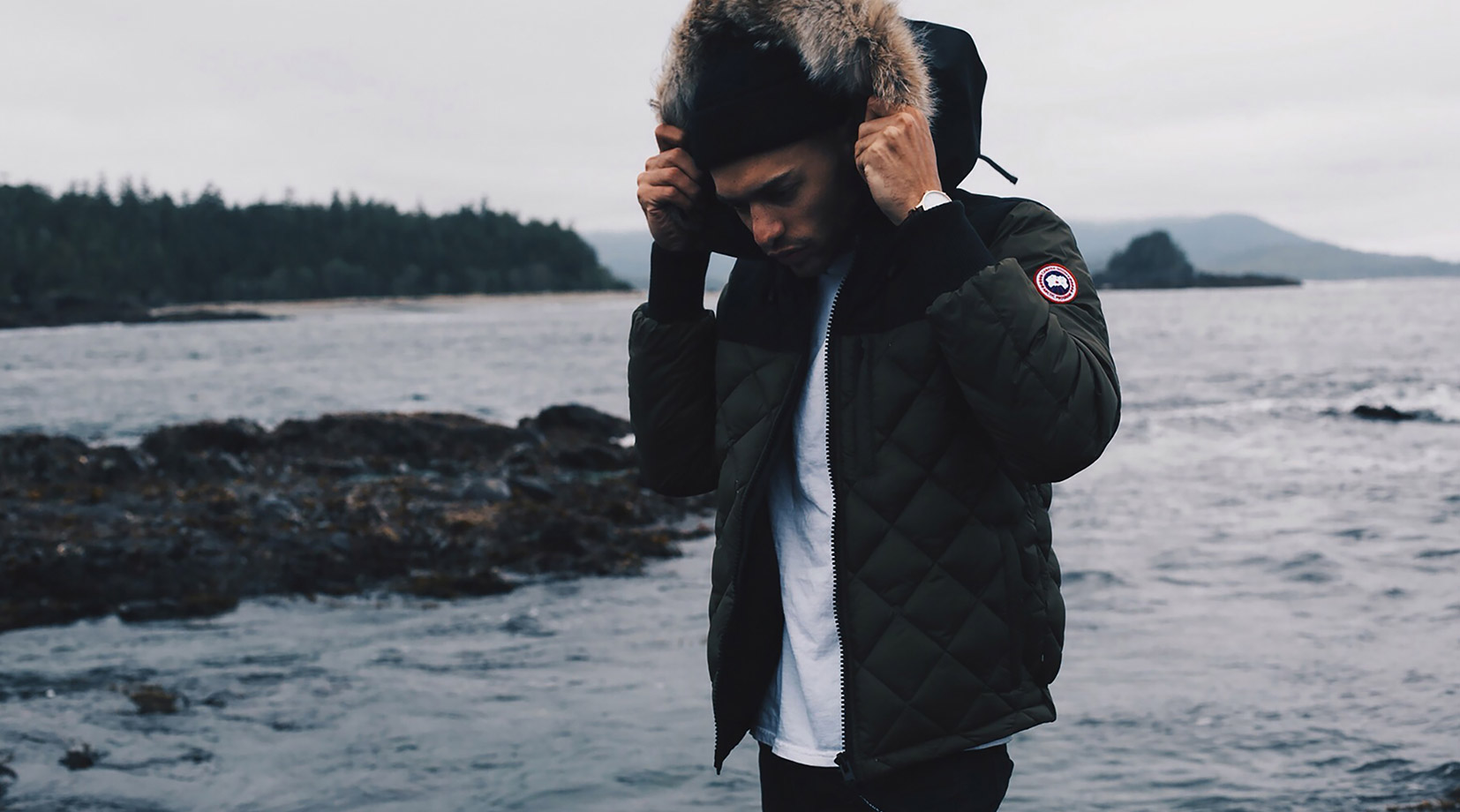
    With premier locations, curated store assortments and high touch personal service, the stores will serve as gathering places for fans to explore the company’s rich heritage and discover the latest collections through the brand’s unique and unfiltered lens. Canada Goose has selected ImagineX, a retail brand management and distribution company that is part of The Lane Crawford Joyce Group — Asia’s pre-eminent luxury lifestyle group specializing in fashion retail, brand management and distribution, to support the operational buildout of its retail presence. ImagineX will be responsible for staffing world-class retail brand ambassadors and managing day-to-day retail operations.

    Building on the successes and learnings of its cross-border e-commerce pilot project in China, Canada Goose will transition its online Chinese distribution to a flagship store in the luxury pavilion of Alibaba Group’s Tmall platform, in fall 2018.

    The Company intends to provide additional details regarding these initiatives and investments when it releases fourth quarter and fiscal year results.

  • Lotte unifies all fashion labels under single business

    Lotte unifies all fashion labels under single business

    Lotte, the South Korean retail giant, has announced the unification of all its fashion businesses under the group’s apparel affiliate to secure competitiveness in the local fashion industry.

    This new approach to pursue the efficiencies derived from centralised management received a nod of approval from the company’s investors, confirmed the retailer. Lotte Shopping Co., the operator of the conglomerate’s department store chain, said shareholders of its fashion business unit NCF Co. approved the company’s decision to change the corporate name to Lotte GFR (Lotte Global Fashion Retail) on Thursday.

    “We will be able to create synergy by combining the capabilities of a retailer and a fashion company,” Seol Poong-jin, head of Lotte GFR, said.

    As a result of this move, NCF, the department store’s global fashion business unit has been transferred to the new company. Founded in 2003, NCF was acquired by Lotte for 19 billion won (18 million dollars) in 2010.

    The new company explained that it now expects to generate 1 trillion won (924 million dollars) in revenue by 2022 through the development of new labels, imports of renowned overseas brands and active mergers and acquisitions.

    The two units’ combined sales currently stand at around 200 billion won (185 million dollars), with some 300 stores under operation at Lotte’s outlets.

  • Revlon appoints first-ever female CEO

    Revlon appoints first-ever female CEO

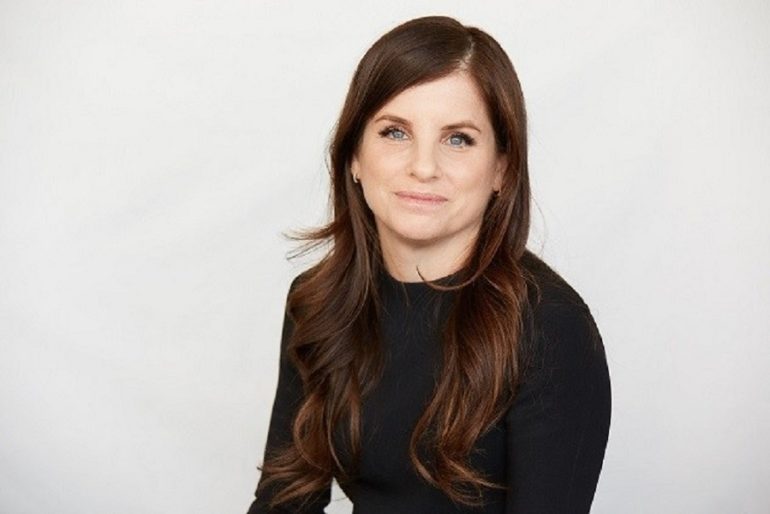
    Revlon Inc. has appointed Debbie Perelman as its new chief executive officer, in move that sees the U.S. cosmetics company welcome in its first female CEO.

    Perelman, who was also named president, is the daughter of Revlon board chairman Ronald Perelman and has spent more than 20 years at the company.

    She replaces Paul Meister, who has been overseeing daily operations at Revlon. Meister will stay on as executive vice-chairman of the board.

    Previously chief operating officer of Revlon, a role that commenced in January, Perelman has worked in a varying capacity for Revlon, across finance, distribution, sales and marketing, and as a board member, for the last two decades

    The 44-year-old has also served as a board member and executive vice president of strategic and new business development at Revlon’s majority owner, MacAndrews & Forbes.

    In her new role, Perelman will continue to oversee the company’s digital transformation, after successfully forming a data and analytics group developed to facilitate and boost Revlon’s e-commerce business.

    She has been pivotal in the training of several hundred Revlon employees globally, as well as making key hires for content creation, search-engine optimization and search-engine marketing, plus shifting content creation in-house, and fostering a culture of innovation.

    “Revlon is a brand of firsts — the first to match lips and fingertips, the first to be inclusive, the first to develop colour stay technology and the first brand to embody women empowerment in the beauty industry,” Ronald Perelman, chairman of the board and Perelman’s father, said in a statement.

    “Debbie’s global perspective, financial acumen and holistic approach to brands, consumers and technology will help Revlon reclaim its leadership position. I have always trusted Debbie to bring fresh vision, innovation and success to companies, and I have no doubt she will do the same for Revlon. Debbie’s extensive experience at both MacAndrews & Forbes and Revlon, as well as her track record for innovation and breaking paradigms to compete in today’s digital and consumer-first environment, make her the ideal leader for Revlon. She is thoughtful, team-oriented and decisive, and I can think of no better way to express MacAndrews & Forbes’ support of Revlon and belief in its future than by appointing Debbie to lead the company.”

    Founded in 1932 in New York, Revlon Inc. today operates brands Revlon, Elizabeth Arden, Almay and Sinful Colors.