Category: Fashion

Retail News Asia is committed to providing both local and global retailers with the latest Fashion news throughout the Asian market. This on a daily base.

  • De Beers Sees The Light, Launches Lab-Grown Diamond Line

    De Beers Sees The Light, Launches Lab-Grown Diamond Line

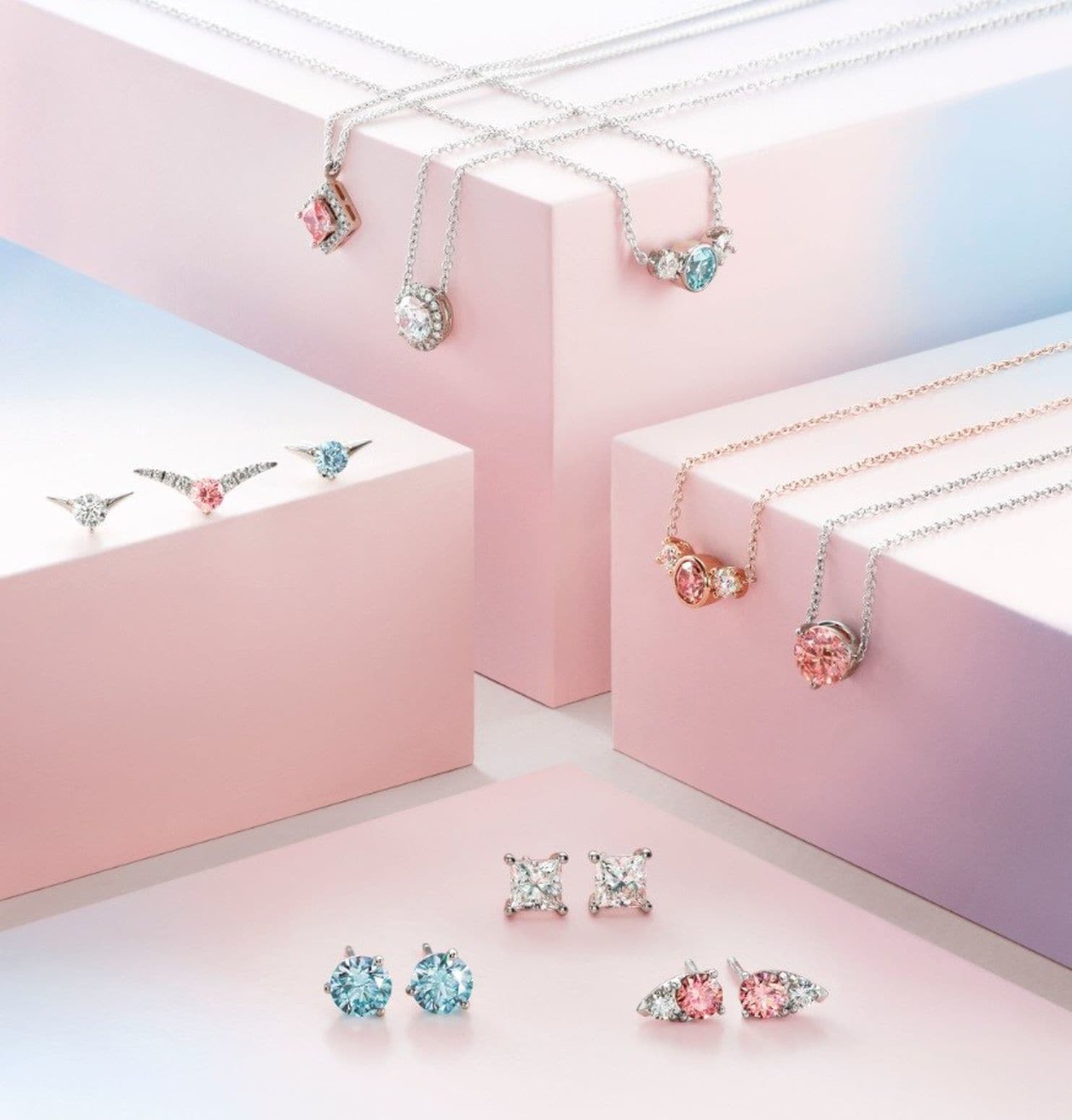
    After years of disavowing the authenticity of man-made diamonds grown in a laboratory, De Beers has suddenly seen the light and responded to consumer demand by offering a lab-grown diamond alternative under the Lightbox Jewelry name.

    That is what the company would have you believe in its announcement yesterday that advancements in technology have now made it possible for De Beers to offer a more affordable alternative to mined diamonds.

    “Lightbox will transform the lab-grown diamond sector by offering consumers a lab-grown product they have told us they want but aren’t getting: affordable fashion jewelry that may not be forever, but is perfect for right now,” Bruce Cleaver, CEO of De Beers Group said in a statement. “Our extensive research tells us this is how consumer regard lab-grown diamonds – as a fun, pretty product that shouldn’t cost that much – so we see an opportunity that’s been missed by lab-grown diamond producers.”

    Adding to the fun element in the Lightbox Jewelry line will be an emphasis on colored pink and blue stones to compliment the traditional clear-white diamonds. Prices will start at $200 for a quarter-carat stone to $800 for one-carat. These prices, however, don’t include the cost of the jewelry setting, which will initially include earrings and necklace designs, not rings.

    Lightbox Jewelry will be available starting in September on the Lightbox website, with retail partnerships “to be announced in due course,” the company said.

    To jump start its entry into the lab-grown market, De Beers will invest $94 million over the next four years in a new Element Six production facility near Portland, Oregon, which will join Element Six’s existing U.K.-based operation. Element Six has been the production of arm of De Beers Group producing lab-grown industrial diamonds for over 50 years.

    Disrupt yourself

    In opening its doors to lab-grown diamonds, De Beers is giving credibility to a product that it has for years claimed is not the real thing. “De Beer’s focus is on natural diamonds,” Simon Lawson, its head of research and development, said to Bloomberg in 2015. “We would not do anything that would cannibalize the industry.”

    This is a classic “disrupt yourself before you are disrupted” move. While the jewelry-quality lab-grown diamond industry is small today, estimated by Morgan Stanley to represent less than 1% of the global market for rough diamonds, with sales between $75 to $200 million, it predicts lab-grown diamonds could account for 15% of the gem-quality melee diamond market by 2020, (defined as less than a half carat in rough form that can be ready for jewelry mounting by using industrial drill bits, saws and sanding equipment), and 7.5% of the larger diamond market.

    In its mined-diamond business, De Beers has a lot to lose as laboratory-diamond sales grow. The Economist reports that De Beers accounts for about one-third of global mined-diamond sales, down from 45% in 2007.

    Among the many factors disrupting De Beers mined-diamond business, which declined from $6.1 billion in 2016 to $5.8 billion in 2017, are millennials’ concern about the environmental and human toll associated with extracting diamonds out of the ground. Laboratory-grown diamonds answer this objection.

    “Millennials are even more concerned with the human factor impacted by mining industry than their environmental concerns, which are great as well,” Marty Hurwitz, CEO of MVI Marketing, told me. His company recently conducted a study that found nearly 70% of millennials would consider a lab-grown stone for an engagement ring.

    Disrupt the disrupters

    By embracing lab-grown diamonds and calling it their own, De Beers is disrupting the industry’s stance against the numerous startup disruptors eating away at their market dominance. These brands include Ada Diamonds, ALTR, Diamond Nexus, Diamond Foundry, New Dawn Diamonds and Pure Grown among others, though no market-share leader has emerged as yet.

    The diamond industry has been arguing for years that laboratory-produced diamonds are not “real.” In a new study from the Diamond Producers Association conducted by Harris Poll, it reports, “A clear majority of American consumers recognize that diamonds created in a factory (also known as ‘synthetic’ or ‘laboratory-grown’) are not ‘real’ diamonds.”

    Pushing back on the lab-grown industry’s narrative that the stones it produces are chemically and structurally the same as a mined diamond, DPA CEO Jean-Marc Lieberherr said, “At a time when everything ‘artificial’ aims to compete with, and replace, ‘natural’ and ‘real’, these results show consumers care about inherent value, authenticity and symbolism that a diamond carries.”

    While the De Beer’s Lightbox Jewelry announcement doesn’t address the “real” versus “fake” controversy, it does distinguish between its mined-diamond offering as “forever,” as in “A Diamond Is Forever,” to its Lightbox alternative as for “right now.”

    It also is notable that it calls Lightbox “fashion jewelry,” positioning it as the lesser, more affordable alternative to “fine jewelry” quality defined by a natural, mined-diamond selection.

    The official industry distinction between fine and fashion jewelry is that fashion doesn’t have precious gemstones or precious metals (other than plating) while fine jewelry is made with precious metals and precious gemstones. In other words, lab-grown diamonds are not “precious” whereas mined diamonds are.

    This suggests the direction that De Beers will take as it moves Lightbox Jewelry into the market: “If you want fashion jewelry, Lightbox is your choice. If you want precious fine jewelry, then Forevermark and De Beers Jewellers is for you.”

    Go big or go home

    Rather than fight the rising tide against laboratory-grown diamonds which has found a consumer market ready, willing and able to embrace it, De Beers is getting in early to take a leadership position in an emerging category with no clear-cut leader.

    Now it will have one, with De Beers’ mighty marketing muscle moving in to define the category and establish its positioning against the lab-grown upstarts, as well as elevating its mined-diamond precious jewelry offering.

    De Beers single-handedly made diamonds what they are today. Next De Beers is going to make laboratory-diamonds what they will be tomorrow: a fun fashion pretender to the real, rare, precious, natural, “forever” diamond.

    And as it did with diamonds throughout its 130-year history, De Beers is going to use its power to establish prices for both the mined and laboratory-diamond markets. Its Lightbox Jewelry prices are way below current levels in the industry today, and given advances in technology and production processes, the costs to produce man-made stones will only fall.

    Likewise, by establishing a low-price alternative to the real thing, De Beers will be able to drive up the prices for its natural stones. It’s a very smart and bold move that would make Cecil Rhodes proud.
  • Lululemon Athletica reports solid first quarter earnings

    Lululemon Athletica reports solid first quarter earnings

    Canadian athletic apparel maker Lululemon Athletica Inc posted first-quarter profit that beat expectations on Thursday as revenue jumped 25 per cent, sending the company’s shares to an all-time high in after-hours trade.

    Second-quarter earnings are expected to be between 46 and 48 cents per share on revenue of $660 million to $665 million, the Vancouver-based company said in a statement. That compares with per-share adjusted earnings of 39 cents on revenue of $581.05 million a year earlier.

    The stock surged 6.2 per cent to $111.51 in after-hours trading, surpassing an intraday record set on Tuesday. That followed a 0.55 per cent decline during the day, as the broader S&P 500 index dropped 0.7 per cent.

    Lululemon, which popularized “athleisure wear” by turning pricey women’s yoga wear into mainstream fashion, is navigating a move by consumers to online shopping and growing competition from rivals including Under Armour Inc and Nike Inc . It has fought back by investing in its e-commerce platform and expanding its men’s offerings.

    A 62 per cent increase in revenues from its direct-to-consumer business, which includes online sales, helped drive earnings to 55 cents per share in the quarter ended April 29, compared with analyst estimates of 46 cents, and up from 23 cents a share a year earlier.

    Revenue increased to $649.7 million, up from $520.3 million a year ago. Analysts had expected $617.7 million.

    The company did not provide an update in the statement about its search for a new chief executive officer following Laurent Potdevin’s abrupt departure in February on undisclosed charges of misconduct.

  • Hugo Boss Debuts Pineapple-Leather Vegan Sneakers

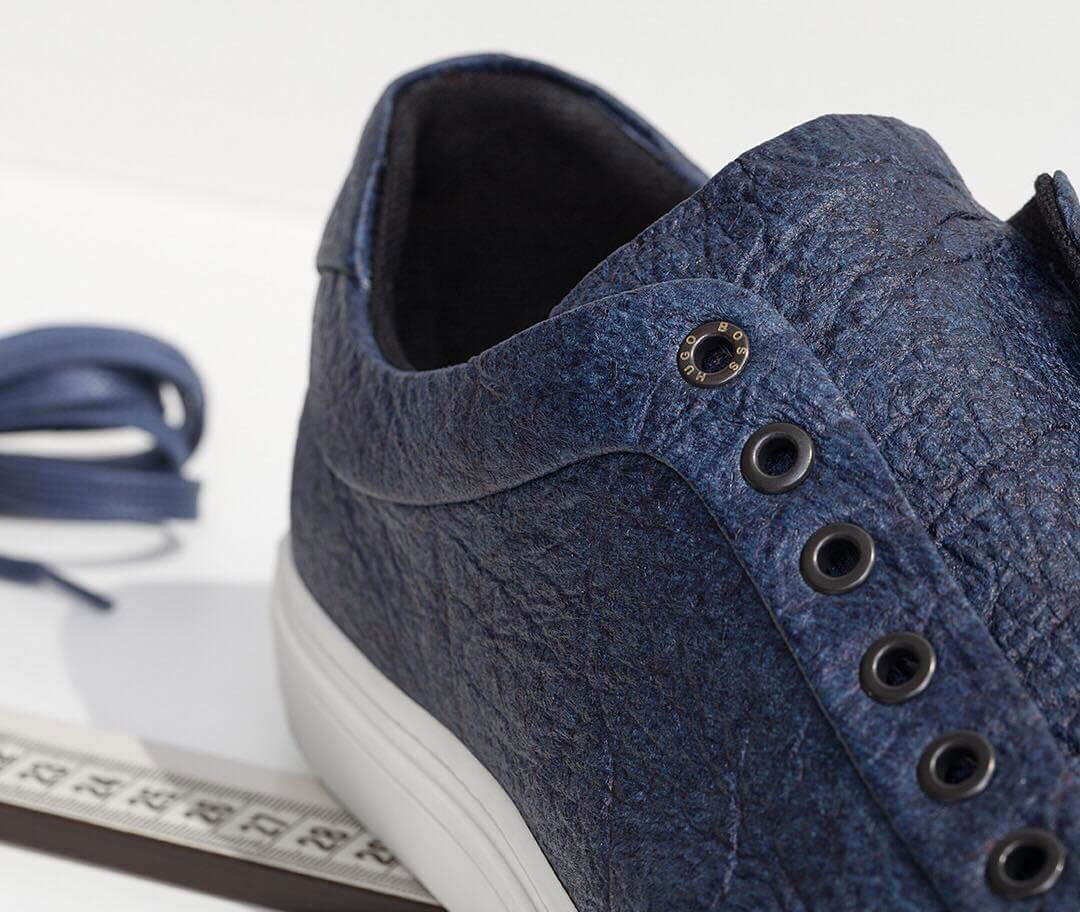
    Hugo Boss Debuts Pineapple-Leather Vegan Sneakers

    Fashion label Hugo Boss is about to launch its first line of vegan footwear – sneakers for men crafted from pineapple leaf fibre.

    The pineapple sneakers have been created in response to rapidly growing consumer demand for more sustainable and cruelty-free fashion.

    Piñatex is an innovative, sustainable and 100 per cent cruelty-free material that substitutes for leather. The leaves are sourced from the Philippines following the pineapple harvest. Designed by Dr Carmen Hijosa over the course of seven years, it is an ideal material for footwear, accessories, clothing, indoor furniture or even automobile upholstery.

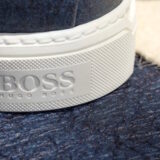
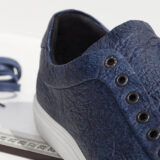
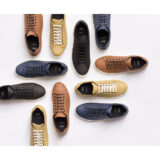
    The Hugo Boss pineapple sneakers feature soles crafted from recycled TPU (thermoplastic polyurethane), a 50/50 cotton and linen lining, and organic cotton shoelaces. Even the four different coloured dyes are plant-based.

    While many emerging and sustainable designers have their own Piñatex collections (shoes, watches and handbags), Hugo Boss is one of the first mass-market retailers to use the new innovative leather alternative.

    Available in London and online, the Boss pineapple sneakers are priced at US$295.

    More pictures of the vegan shoes can be viewed below :


  • BA&SH to have more stores in Asia

    BA&SH to have more stores in Asia

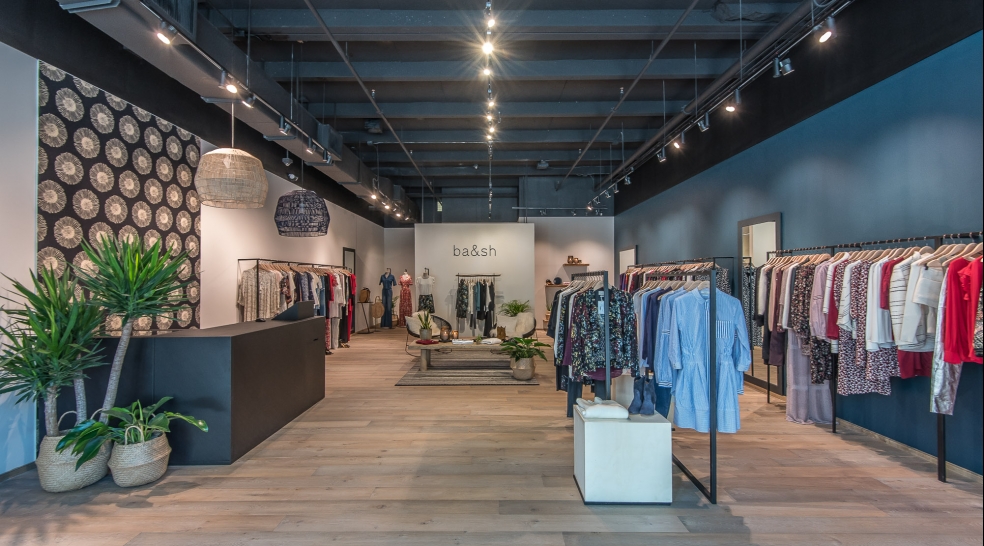
    French label BA&SH is planning to open more stores in China, Hong Kong and Macau.

    Since December the label has been planning to grow is retail network by a third including its 200 monobrand stores and department-store concessions.

    L Catterton investment fund acquired a 50 per cent stake in the label in 2015, with Pierre-Arnaud Grenade being appointed GM.

    BA&SH landed in Asia and the US last year, setting up two subsidiaries. By the end of last year, the label had 130 stores in Europe, the US and Asia.

    As well as further openings in Asia (three stores in Hong Kong, seven in China and two in Macau), BA&SH is planning to open another shop in New York. BA&SH says it has outgrown its original business model, which relied on wholesale distribution, and now 80 per cent of its revenue is generated via department-store concessions and its monobrand stores.

    Meanwhile, the label has set up a direct-to-consumer team in New York working on all aspects of e-commerce. It has launched e-commerce sites in various languages and currencies (nine so far in total) and has also started working with Tmall.com in China.

    In June last year, BA&SH chose Hong Kong for its first stores in Asia, and within five months was considering ramping up its Asia presence.

  • What’s the new luxury?

    What’s the new luxury?

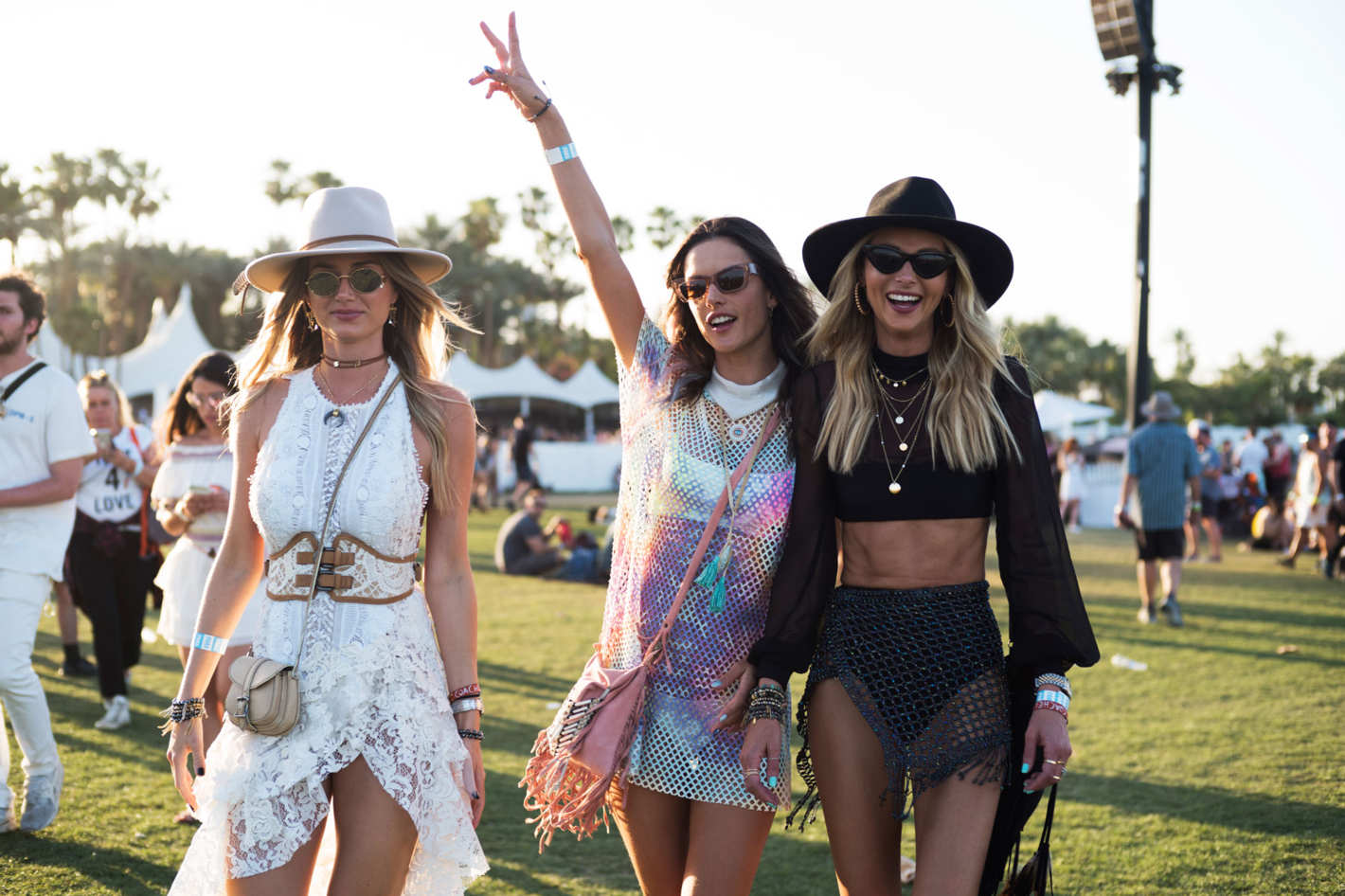
    Luxury brands are increasingly leveraging music festivals to turn young and affluent attendees into customers, with some going as far as to run their own events and concerts.

    Luxury brands would have once distanced themselves as far as possible from the mud and grime of a music festival. Today, however, they cannot get enough of the summer festival season with some even running their own concerts and events. What has caused this change in tune? And how can luxury brands best position themselves alongside music and festivals?

    Why Festivals Matter
    Luxury consumers can be found in abundance at racecourses, regattas and other seasonal sporting events. Every year brands compete for sponsorship rights in the hope that some of their attendees will turn into customers.

    Younger generations spend their time differently, however. While some of their forebears would not be seen dead at a music festival, a growing number of affluent millennials and Gen Z attend several festivals and concerts every year.

    Most of the 14 million people in the UK (OnePoll) and 32 million in the US (Billboard) who have attended a festival in the past two years fall into these age brackets and luxury brands can no longer ignore them: Bain & Co predicts that by 2025 millennials will count for 40 percent of the global luxury market and Gen Z five percent; figures that will only build beyond 2020.

    Festival Fashion and Instagram Installations
    Coachella traditionally kicks off the annual festival season and, in the build-up to April’s big event, luxury fashion houses ready seasonal festival fashion lines. Their target audience is less about the quarter of a million attendees at Coachella than the quarter of a billion reached through social media.

    Through social media, the music festival becomes a little more than a backdrop to the involuntary catwalk that is beamed across the world to millions. Influencers and celebrities are clad in the latest lines for the occasion and countless others coaxed into branded installations designed for maximum Instagram-ability.

    This year saw Swarovski send Chiara Ferragni to Coachella in a new jewellery line, Gigi Hadid announced a new Moschino collaboration with H&M and Revolve styled over 450 influencers for the festival.

    Music Matters
    For most festival goers, however, music is more important than fashion. Unexpected hits between live music and luxury include Burberry Acoustic, a series of performances and recordings of young British artists pioneered by former CEO Christopher Bailey. As well as accompanying catwalks, Burberry Acoustic acts as another social media channel, attracting nearly 3 million views on YouTube.

    Luxury department stores have also used music to get more young consumers through their doors, picking up on research that millennials prefer experiences over goods. Macy’s hosts ‘mini-concerts’ in New York, Selfridges has ‘Music Matters’ in London and Galeries Lafayette hosts ‘Music Machines’ in Paris. These live performances are often run in-line with other festival-esque experiences such as yoga classes, cookery courses and other pop-ups.

    Beyond the Music
    One major change to festivals over the past decade has been a focus on other attractions to appeal to a wider audience. Whereas food and drink were merely prerequisites to performances, their roles are now often reversed.

    This provides another avenue for luxury brands to gain exposure at festivals. Mulberry have hosted picnics at Wilderness Festival in the UK, an event that spends and promotes as much on its food as music. The same event hosts a Veuve Clicquot bar while other champagne houses are touring the country this year: Laurent Perrier is at Cornwall’s Great Estate Festival and Bollinger at Hay Festival.

    Branded Festivals
    Few luxury brands have managed to marry the commune-spirit with the commercial by running their own festival. Krug Champagne pioneered the luxury festival with their 2016 ‘Krug Island’ and 2017 ‘Into the Wild’ one-day festivals in the English countryside which paired little known artists with big name chefs and, of course, Krug Champagne. With no plans for a 2018 event, however, Krug seems to have abandoned the concept.

    It is not only luxury brands who have struggled to get their own festivals off the ground. Drinks brand Innocent have dropped their ‘Un-plugged’ festival series, Apple their Apple Music Festival and Virgin their V Festival among countless others. Organisers have cited low ticket sales and high start-up costs among the reasons for ceasing these events.

    Getting the Balance Right
    The dichotomy of a festival organiser is to balance commercial forces against the bohemian utopia that runs deep in every festival. When one outweighs the other – as it often does at a branded festival – it puts people off.

    But the same forces apply to existing festivals. Attendees of Coachella recently felt it had become overly commercial and started the #Nochella movement boycotting the event. Though tickets prices and the personal views of its billionaire backer were blamed, major retail outlets on the festival grounds did it for some.

    These successes and failures show the careful balance that luxury brands need to strike when it comes to music and festivals. Like traditional sponsorship, however, the best results will come when a brand is paired with an event of similar values.

  • How are luxury brands leveraging gamification in China?

    How are luxury brands leveraging gamification in China?

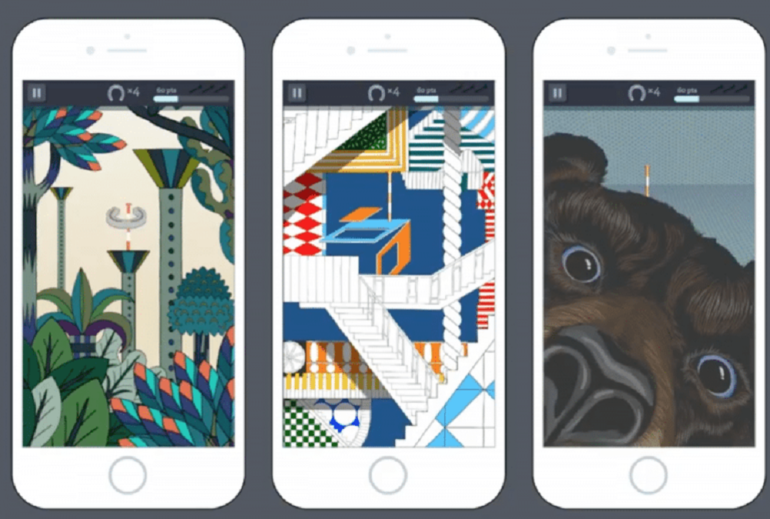
    This year, we have witnessed a surge in the number of luxury brands leveraging gamification to engage with Chinese consumers. From Hermès to Dior, a bevy of major luxury players have jumped on board, launching playful interactive games on their official WeChat accounts.

    What’s behind the trend?
    The growing domination of online gaming comes as no surprise when one considers the context in which Chinese millennials came of age. For many who grew up in single children homes, gaming was a way to fulfill a need for social connection and to forge an identity. Online gaming offers a way to connect to a larger community, the rules are clear and results are often celebrated and broadcast to millions of other users.

    It is estimated that the millennial generation (defined as those born between 1983 and 1997) will make up 65% of China’s consumption growth through 2020. A recent study by Bain reveals that Chinese millennials purchase luxury items more frequently and have more spending power than previous generations had at their age. As the highest potential consumer segment for luxury brands, it was only a matter of time before industry leaders introduced gaming to attract the millennial shopper.

    Curiosity China’s picks

    • Best Branding – Hermès

    The storied French fashion house looked to their roots for inspiration for this popular WeChat game. “H-pitchhh” is a virtual version of the classic horseshoe toss game which has been around since ancient Roman times. The game serves as nod to Hermes’ beginnings as a harness maker and makes great use of the smart phone’s interactive features.

    • Best O2O – Dior

    In celebration of the brand’s new store opening at Plaza 66, Dior launched a widely successful WeChat campaign that invited users to collect items from the latest collection via an interactive treasure hunt. Those users that successfully completed the game could launch a virtual hot air balloon for a chance to win tickets to the opening event.

    • Best Viral – Guerlain

    In partnership with Sunrise Duty Free, the French cosmetics brand launched a Tetris-inspired WeChat game. This highly addictive game attracted 18,582 page views and 10,000 players

    What’s in it for brands?

    • Education : Gamification opens up a whole new way to educate users about your brand history in an engaging and highly shareable manner.
    • Engagement : Their highly shareable nature not only increases follower engagement, but encourages viral sharing thereby growing the follower database.
    • Collect data : Online games present the perfect opportunity for brands to collect data from users. In the case of Guerlain, users were asked to share their personal info for a chance to win a lipstick.
    • Drive conversions : Games like those from Guerlain and Dior were designed to drive conversions. Guerlain selected 300 users to win a KissKiss lipstick to be picked up in store. By bringing users to the point of sales, there is a great opportunity to upsell additional items.
  • I.T Limited sales goes up in China and Japan, but down in HK

    I.T Limited sales goes up in China and Japan, but down in HK

    Solid growth in Japan and China compensate for subdued sales in Hong Kong for fashion retailer I.T Limited.

    While Hong Kong sales slipped 5.1 per cent to HK$3.28 billion, much of that was related to store network rationalisation, with like-for-like sales down just 0.9 per cent. Mainland China sales rose by 10.9 per cent to HK$3.837 billion and in Japan, sales soared 29.3 per cent in Hong Kong currency, or 31.6 per cent in local currency, to HK$945.8 million.

    Total group turnover was up 4.8 per cent to HK$8.383 billion and net profit by 37.1 per cent to HK$431.9 million.

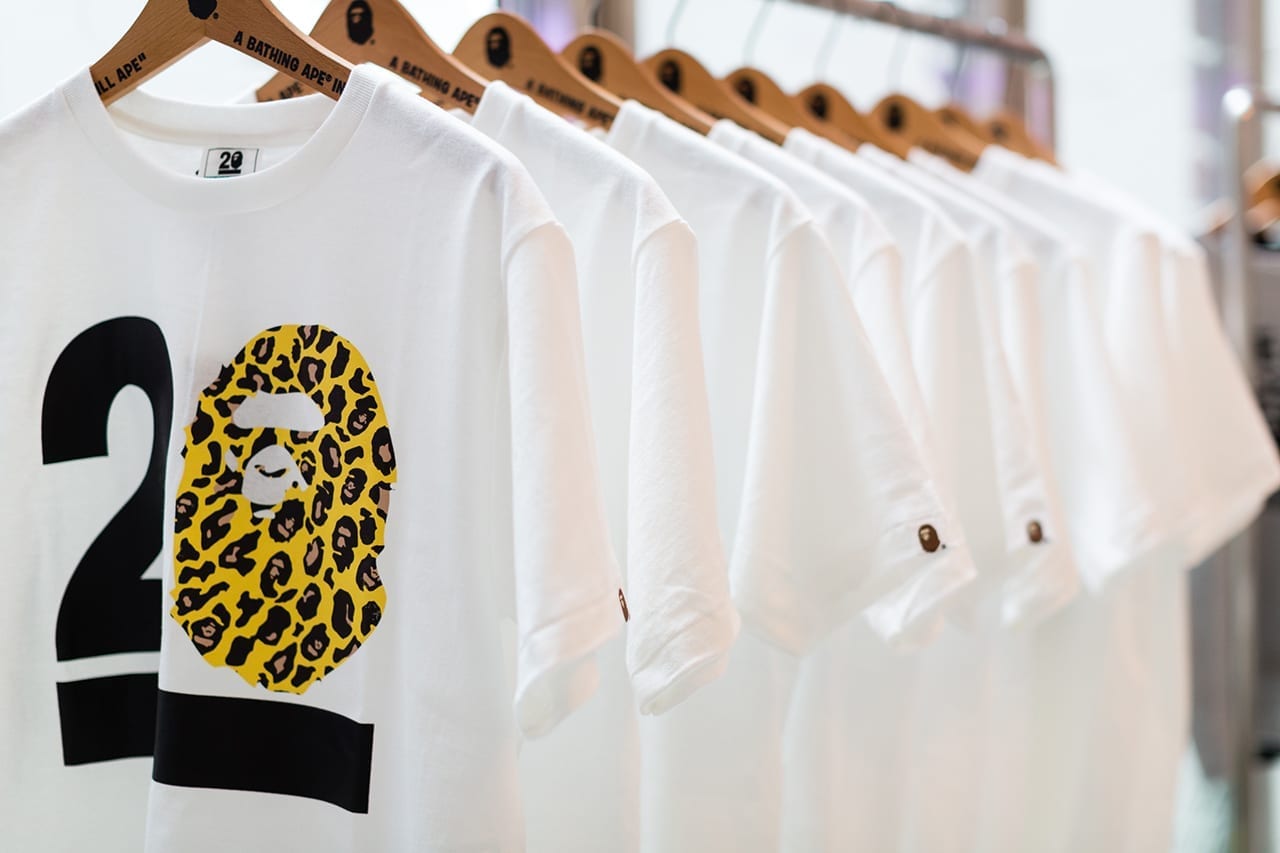
    I.T Group operates its own brands, including Chocolate and 5cm, concept stores Izzue and Double-Park; international brands it has local licences for including Kurt Geiger and Camper; and A Bathing Ape, which the company rescued from Japanese owners in 2011.

    I.T Limited’s total trading area shrunk by just 0.3 per cent in Hong Kong, reflecting the sheer size of its various brands’ network. But the company said the consolidation exercise and controlled discounting initiatives helped profitability. Same-store sales growth turned positive in the second half of the year.

    “The results in our Hong Kong and Macau segment are particularly noteworthy,” said chairman Sham Kar Wai.

    “They are not only due to the fact that Hong Kong is the home of the group and is one of the leading fashion marketplaces in Asia. They also reflected the determined efforts we made to move the business in our Hong Kong and Macau segment into positive territory in the second half of the financial year. We are also particularly encouraged by the recent relevant data showing signs of gradual recovery in the fashion retail industry in Hong Kong.”

    On the mainland, the group now has 492 stores and an online business. While same-store growth of less than 1 per cent was far lower than the previous year’s 17 per cent, it was against an unusually high base.

    I.T Limited is also experiencing solid growth in the US,m where it opened two new stores in Los Angeles.

    “Our business in Japan and the US continued to outperform, and we are particularly gratified that the responses to the two new Los Angeles shops have been overwhelmingly positive.”

  • Tmall and Intersport launch interactive megastore in Beijing

    Tmall and Intersport launch interactive megastore in Beijing

    Tmall and Intersport unveiled a co-branded store in Beijing yesterday, complete with interactive features that offer consumers in China a more engaging and informative shopping experience.

    Under the new name “Tmall x Intersport,” the two-story, 1300sqm space that sits in Beijing’s tourist hotspot Qianmen has been transformed into a futuristic megastore. The revamp underscores that more global brands are recognising the power of New Retail—tech-driven retail model pioneered by Alibaba that captures the best of online and offline shopping experiences.

    “We believe Tmall is the ideal partner in our endeavour to further our engagement with Chinese consumers by providing them the best-quality and most-fashionable sports goods in the market,” said Victor Duran, CEO of the Switzerland-based sportsgoods retailer Intersport.

    Established in 1968, Intersport has more than 5000 branches in 44 countries. It sells sports brands such as Nike, Puma, Reebok, Adidas, North Face and Dynatour. Intersport made its foray into China in 2013 and opened its Tmall flagship store in September 2016.

    “These new in-store technologies provide consumers in China an unprecedented shopping experience that is both entertaining and educational so they can have fun while shopping for the exact products that meet their unique demand,” the CEO said.

    Currently, Intersport has 24 stores in China with the goal of expanding to at least 100 – a combination of larger flagship stores in major cities and smaller specialty stores – during the next couple of years. “It makes sense to have Tmall technologies to be the link to connect all the stores together,” Duran said.

    New Retail is the new solution

    Many industry watchers have pointed to New Retail as the solution for brick-and-mortar retailers feeling the squeeze from e-commerce. By harnessing engaging technologies, store owners can attract more customers through both online and offline channels. Moreover, these technologies can generate insights to help businesses gain a more-precise view of China’s market trends and customer preferences.

    “We are excited to see an extensive range of Tmall’s New Retail technologies and features under one roof in Intersport’s store,” said Jessica Liu, president of Tmall Fashion and Luxury. “What’s even more encouraging is to see our merchants embracing the New Retail concept and exploring its potential. When customers try out these features firsthand, we are confident that they will see the convergence of online and offline shopping as the future of retail.”

    The Tmall and Intersport store is the latest example of how Alibaba’s New Retail technology is helping brands build up and reimagine their business in China since the push began in late 2015. To date, Tmall Fashion has collaborated with over 400 brands, including top names such as Burberry and Zara, and upgraded more than 50,000 storefronts all over China. Liu said the goal is to increase the collaboration to 1000 brands and help digitise 200,000 storefronts nationwide in the next year.

    Educate your customers

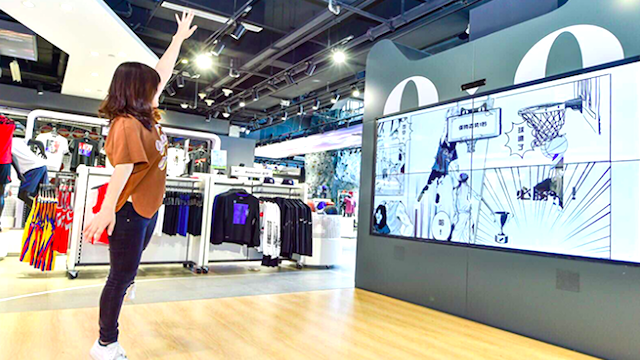
    At the grand reopening yesterday, customers were welcomed by an array of state-of-the-art technologies and augmented reality-powered interactive games. For example, the Smart Shelf and the Smart Shoe Mirror can instantly tell customers all the information they need about a certain shoe they pull from the shelf. This way, the customer can make a more-informed decision on whether or not the products fit their individual demands.

    Education on how a product suits an individual’s needs is an especially crucial element in the sportswear and gear market in China, said Tom Birtwhistle, director of China digital strategy at PricewaterhouseCoopers.

    With a government-led mandate to become more physically fit, and as China gears up to host the 2020 Summer Olympic and the 2022 Asia Games, Chinese customers are becoming more interested in adopting an active lifestyle, he added.

    “Chinese consumers are massively curious in learning about new brands and products. For new sports they want to be educated on the activity and understand how technical features can enhance their performance,” said Birtwhistle.

    His research indicates growth in the athletic fashion category is outpacing China’s overall fashion market. The segment is forecast to see 9 per cent growth annually in sales between 2017 to 2020, versus just 4 per cent for men’s and women’s fashion.

    At the smart megastore, shoppers can also get wardrobe tips from an AI Shopping Assistant – an interactive mirror that recommends related accessories or items that complement the article of clothing they are trying on.

    Can’t find what you want in the store? No problem. The megastore is equipped with Cloud Shelf technology, a virtual shelf that quadruples the volume and production selection customers can choose by simply tapping on the touchscreens, according to Tmall.

    A 24-hour interactive window display at the store’s main entrance means people can shop at the megastore around the clock. By using motion-sensor technology, the giant screen wall can distinguish the gender and approximate age of the passersby and recommend the best type of shoes for that person.

    Those who don’t want to lug heavy shopping bags or bulky shoe boxes around the streets of Beijing can opt to have their purchases delivered to a designated address anywhere in the country. Cainiao, Alibaba’s logistics service, can make the delivery in as quickly as two hours for locations within 5km of the store. Next-day delivery is also available for locations outside of Beijing.

    By scanning the QR code of a product on their phones, customers of the Tmall and Intersport store can also place the products in their Virtual Shopping Bag, so they can still buy the item online after they leave the store.

  • Rivieras brings South of France lifestyle to HK

    Rivieras brings South of France lifestyle to HK

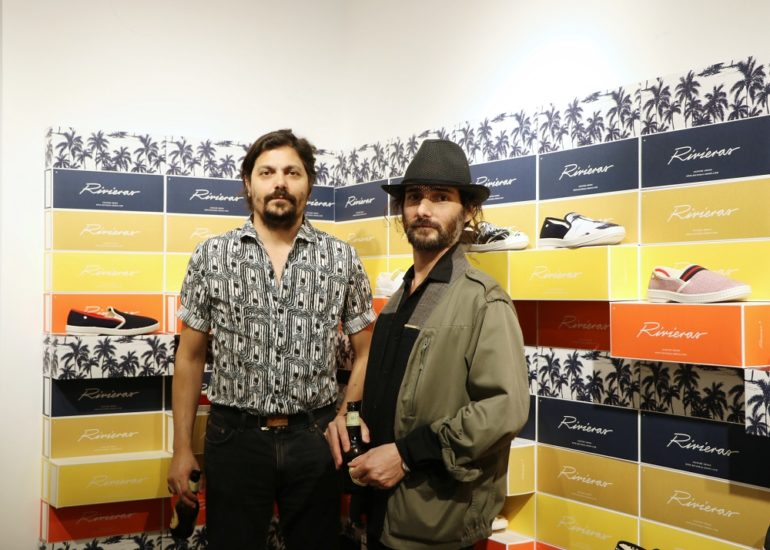
    The French Riviera has long been the bastion of chic and as such has inspired countless fashion brands that promise to recreate its jet-set look, from Vilebrequin swimwear to K. Jacques sandals and APM Monaco jewellery.

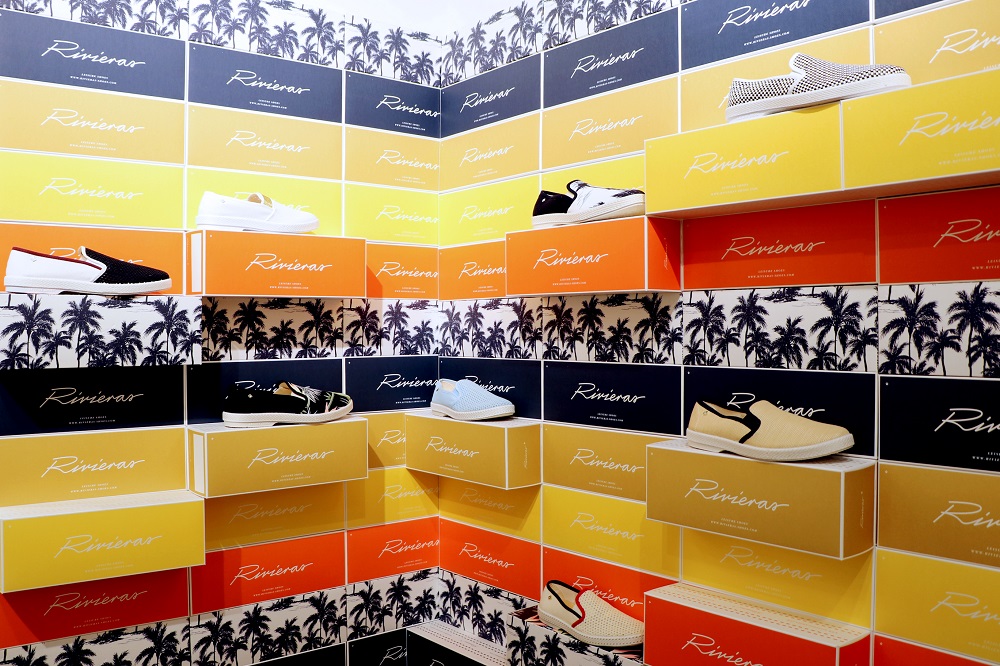
    The one that carries its name, however – a footwear brand that recently opened its first pop-up store at Kapok in Hong Kong – isn’t about emulating the style of its rich and famous residents.

    “It’s more about recreating a lifestyle, or a feeling. Our products are not aspirational – we want our customer to be able to buy more than one pair because it not only looks good, but it’s easy to wear with everything,” Rivieras co-founder Fabrizio Corveddu says.

    Former marketing executive Corveddu founded the brand with his creative director cousin Dan Amzallag almost a decade ago. Interestingly, the inspiration for its first and most popular style didn’t come from France, but from a popular shoe worn in Spain in the 1950s that resembles a moccasin.
    To bring it into the 21st century, the duo altered the silhouette slightly and added functional details including a leather sole, before launching it in three colours. Within a year it was picked up by cult retailers, including Dover Street Market, Colette and Opening Ceremony.

    Since then Rivieras have become a summer essential for hipsters looking for a more stylish alternative to flip-flops. While the simple, no-fuss shape of its shoes is still a major draw, the brand focuses on fashionable details to keep customers coming back.


    For example, the classic comes in single colours as well as three subcategories – called 10°, 20° and 30° – which refer to the amount of foot coverage the shoe provides.

    “The 10° provides full coverage, meaning the back and front of the shoe are made from a solid fabric, while a 30° style will feature an open weave fabric so it looks lighter and more summery,” Corveddu says.

    In addition to the classics, which take up most of the collection each season, the duo has added new series such as the Tour du Monde (Around the World), which plays with different colour blocks inspired by different countries, as well as new silhouettes including the Smoking style, which comes with an adjustable elastic bridle.

    With any specialist brand, however, there is the risk of being pigeonholed, which is why Riviera has collaborated with other brands and designers – including Christophe Lemaire, Clot and St James – on capsule collections. They also experimented with more wintry ranges, before realising that being season specific is what gave their products an edge over competitors.

    “There’s a space for everybody, which is why we stick to our proposal. Fashion is a constant cycle, things come back so quickly then they disappear. Sometimes we lose attention and then people come back. I feel this summer, people are coming back to this look, style and feeling,” Corveddu says.

    That’s not to say that he doesn’t have big ambitions for the brand. He recently launched a small accessories collection in the Paris store featuring summer essentials such as towels, bags, hats and swimming shorts, although his ultimate goal is much bigger.

    “I want to create a Rivieras resort that will completely embody the lifestyle that we represent,” he says.

  • Spanish handcrafted leather brand Lottusse opens flagship store in Hong Kong

    Spanish handcrafted leather brand Lottusse opens flagship store in Hong Kong

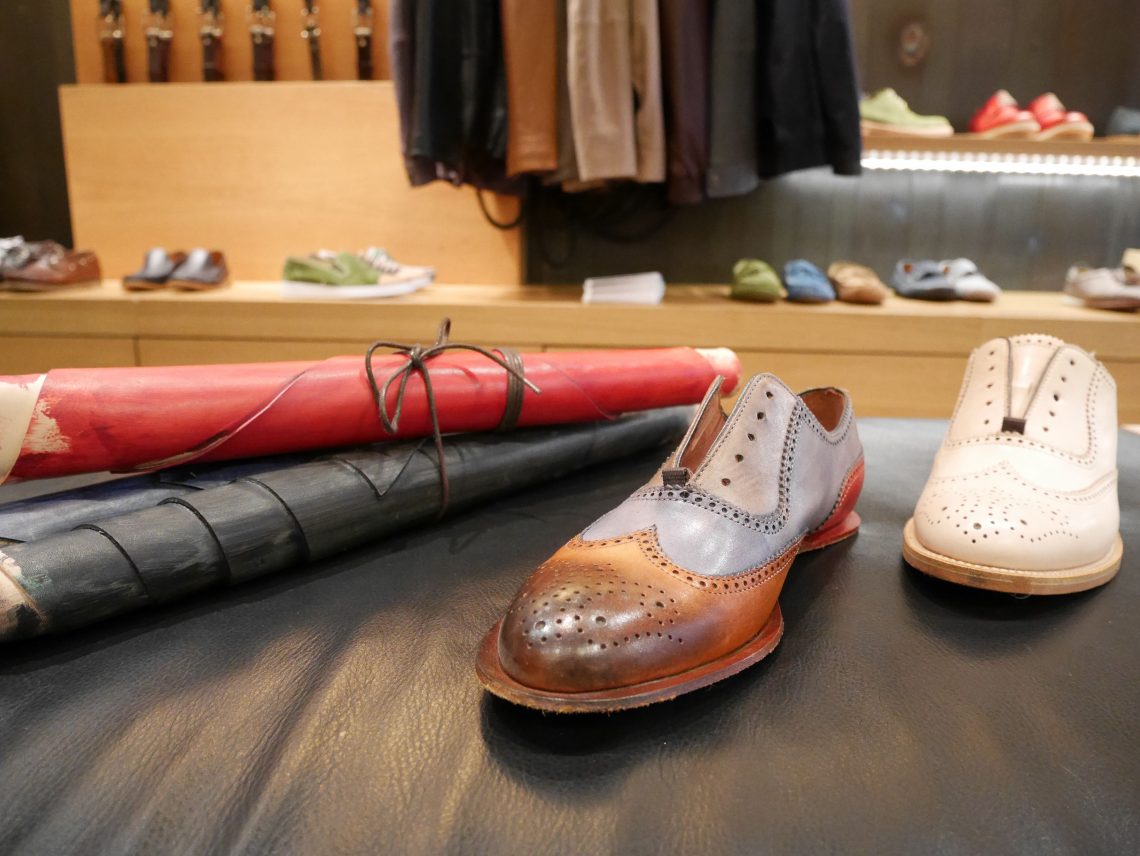
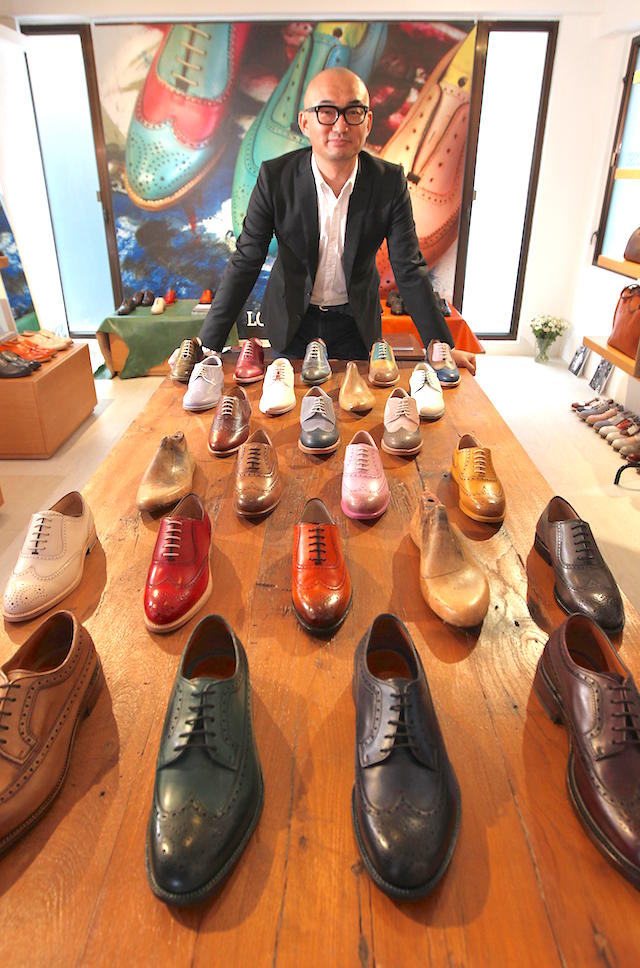
    Spanish footwear brand Lottusse has opened its first flagship store in Hong Kong, at the newly reopened heritage site of the former Central Police Station and Victoria Prison compound.

    Lottusse, with a heritage dating back to 1877, sees the new store as an integral part of a regional business expansion via Hong Kong, following successful showrooms in the city.

    A Fluxa family-owned handcrafted leather brand, Lottusse takes quality at the heart of its business philosophy, according to the company’s Asia area manager, Yuji Yosumi.

    Customers can order Lottusse shoes with personalised options, which will then be handcrafted by masters at Lottusse’s factory in Mallorca, Spain, ensuring the family craftsmanship tradition is strictly followed. Customers can also buy ready-made shoes in a wide range of designs.

    In 2014, the brand opened a showroom in Hong Kong where personalised shoes can be ordered. Yosumi said the company sees good timing now to commence retail operations with the new shop in Central to tap Hong Kong’s growing status as an international retail hub in the region.

    “Hong Kong, as the gateway to Asia, is the ideal place for us to test the markets in the region. We initially set up a showroom in the city four years ago and from there we have developed solid clientele from Japan, South Korea, Taiwan and Singapore through Hong Kong. It is the right time in the right place for us to move to the retail business with this new shop.

    “Hong Kong’s retail industry is sophisticated with a good diversity of discerning clientele in terms of both locals and visitors from around the world. Our Hong Kong retail store not only manages the city’s retail operations but also will develop wholesale business across Asia.”

    Associate director-general of investment promotion Dr Jimmy Chiang welcomed the opening of Lottusse’s flagship store in Hong Kong. “It shows a vote of confidence in our retail industry.

    Apart from participating in the vibrant retail sector in Hong Kong, the brand can also make good use of the city’s advantages including a free port, a low tax base and the absence of sales tax to expand its business in the region.”

  • supreme’s new brooklyn store features a giant skate bowl

    supreme’s new brooklyn store features a giant skate bowl

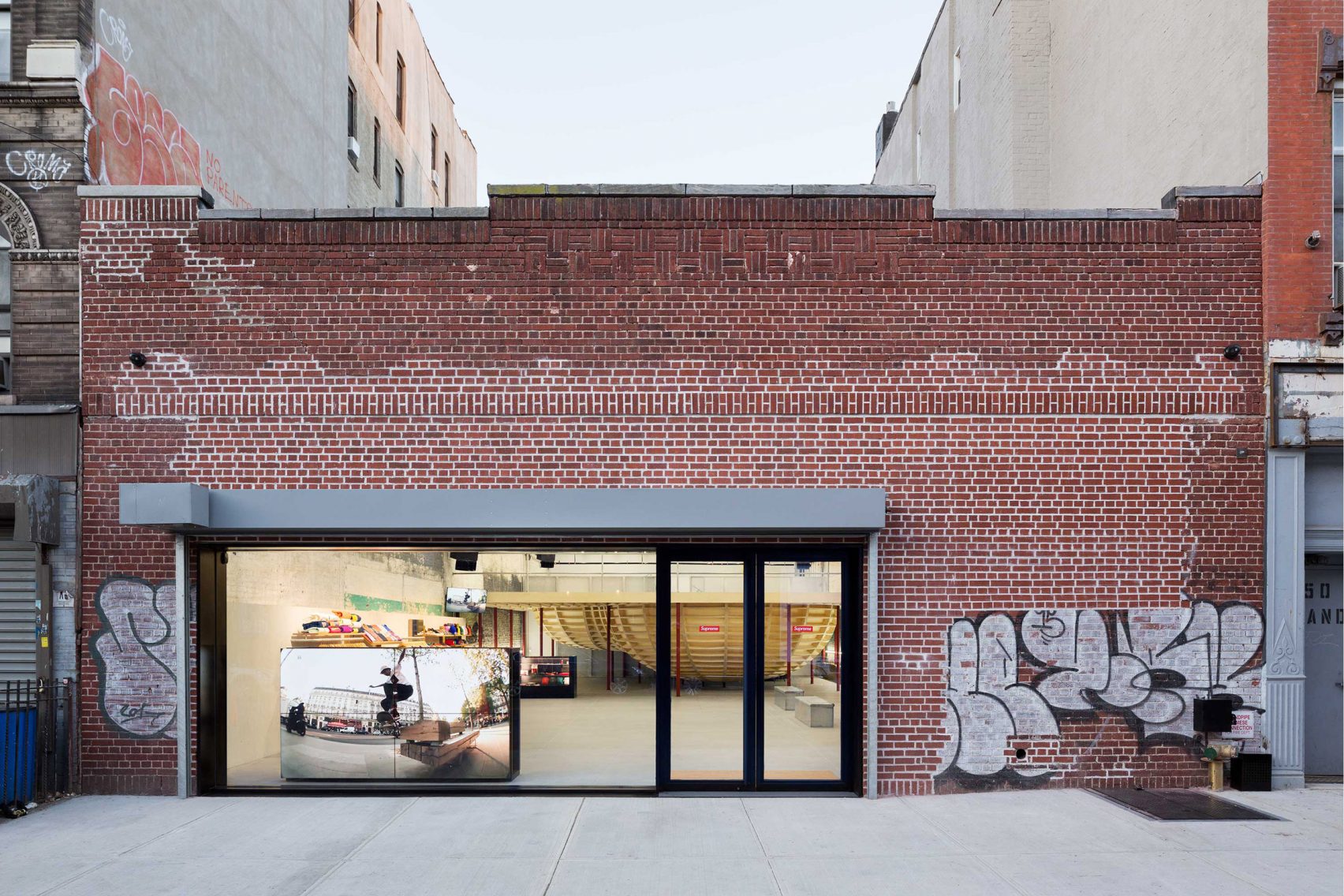
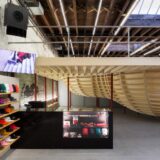
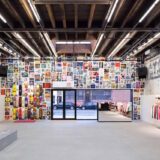
    The new Supreme Brooklyn store features a free-standing skate bowl, merging leisure and retail for the famous streetwear brand.

    The space was designed by New York firm Neil Logan Architect and is located inside a retrofitted warehouse, once used for parking delivery trucks, as reported.

    As Dean Kaufman’s photographs show, the architects left the brick walls exposed and large industrial-style skylights bathe the space in natural light.

    Supreme is an edgy skate, fashion and apparel brand founded in New York in 1994, which gained massive international brand exposure in a collaboration with Louis Vuitton last year.

    The Supreme Brooklyn store store-cum-skatepark spans 2938sqft, with an open-plan retail area at the front, and a section for storage and skateboarding towards the rear.

    The free-standing skate bowl was designed by Steven Bladgett of American art collective Simparch and custom-built with Baltic birch plywood. The structure is supported by a series of red poles around its perimeter, providing enough height for skateboarders to drop into the bowl and for fitting rooms to be housed underneath.

    Images of the store can be viewed below :


  • Manolo Blahnik strengthens its expansion in Asia with Bluebell Group

    Manolo Blahnik strengthens its expansion in Asia with Bluebell Group

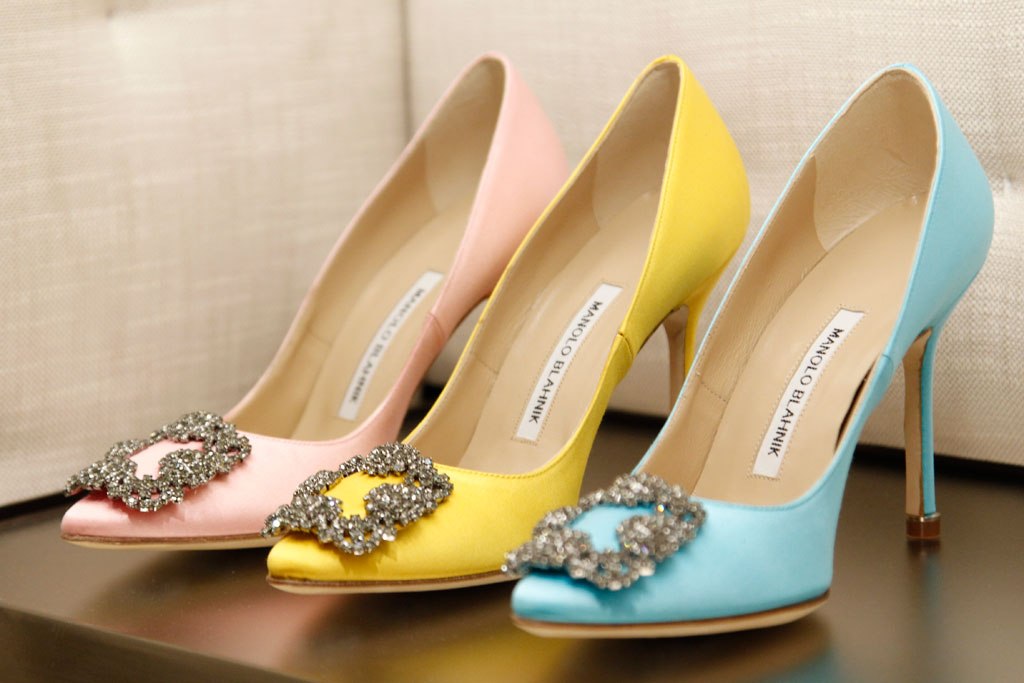
    In May 2018, Manolo Blahnik has opened its doors to the public at the triple tower complex Marina Sands Bay in Singapore, strengthening its presence in Asia with Bluebell Group.

    “Marina Bay Sands is one of the most recognized places in Singapore. It has been at the forefront of uniquely combining innovative architecture, luxury shopping and leisure, so I am very excited that now Manolo Blahnik will be part of this special concept,” said Kristina Blahnik, the label’s chief executive officer.

    The retail space was designed by the architect Nick Leith-Smith, who has signed several collaborations with the brand. For this store, Nick has blended Blahnik’s identity with local architecture, materials and elements of the cultural context. The aim was to create a retail space that could communicate with locals in their own codes. The store incorporates a mix of architectural styles seen around Singapore.

    The opening follows a series of activities to expand the brand’s presence in Asia. The partnership with Bluebell Group aims at “optimizing and restructuring” Blahnik’s distribution in the region. Previous retail developments included the opening of two new locations in Tokyo and Kuala Lumpur, Malaysia. The Marina Bay Sands store will be the brand’s only standalone location in Singapore.


  • Levi’s Indonesia Presents Special Collections for Ramadan and Idul Fitri

    Levi’s Indonesia Presents Special Collections for Ramadan and Idul Fitri

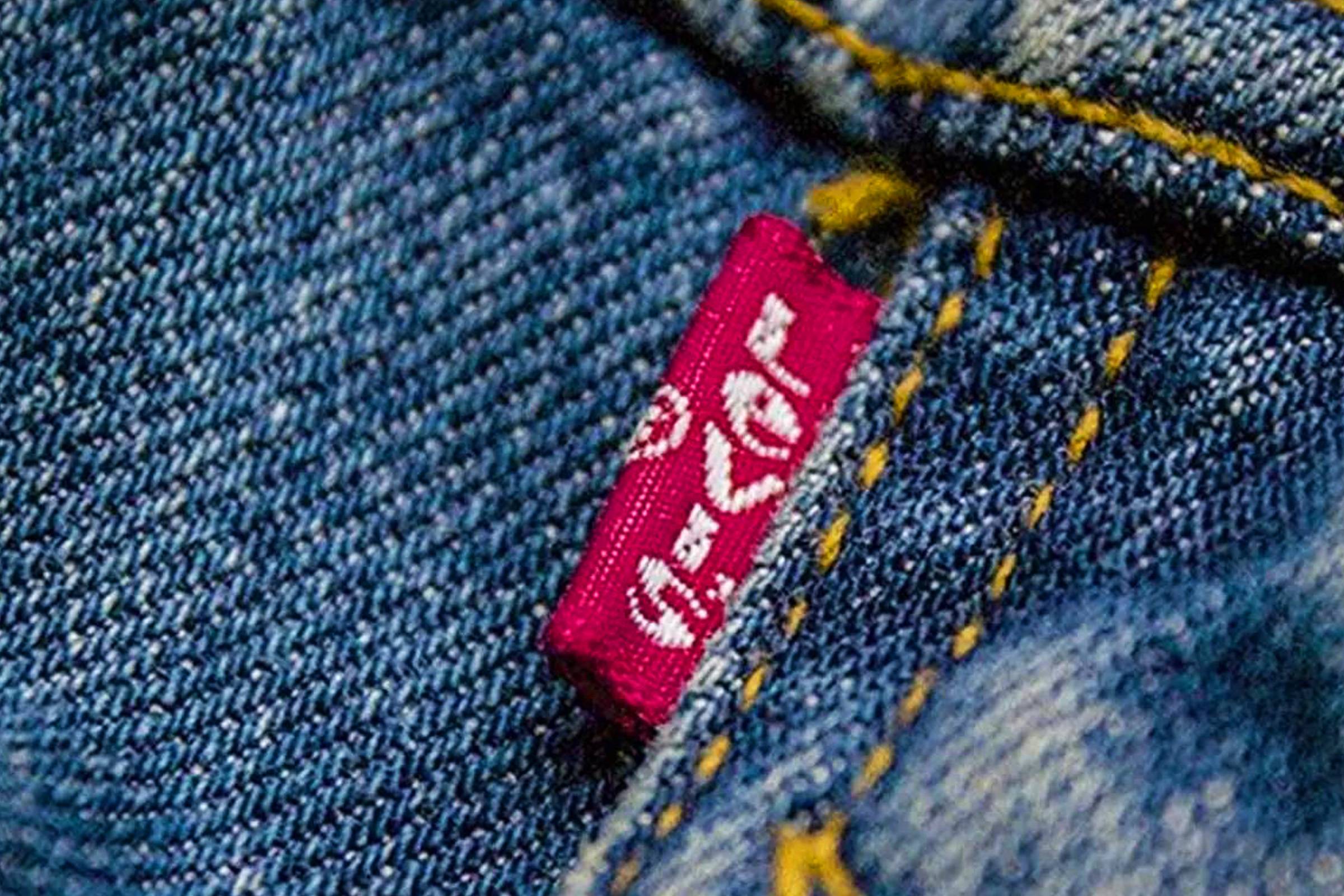
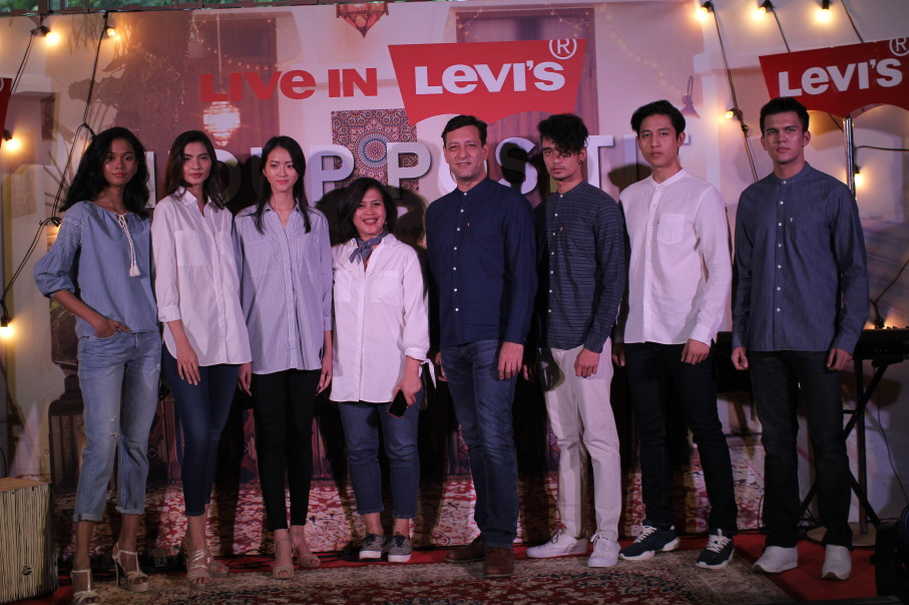
    Denim jeans might not be the first thing that pops into our minds when we prepare our wardrobes for Ramadan and Idul Fitri. But let’s admit it, these are among the most versatile clothing items, which we can easily mix and match and wear to almost every occasion.

    Pioneering jeans brand Levi’s presented its special collections for Ramadan and Idul Fitri in Jakarta on Tuesday (22/05).

    “Ramadan and Idul Fitri are among the most important moments for Indonesia’s fashion industry,” said Adita Idris, head of marketing at Levi’s Indonesia. “And that’s why we’re now launching new collections specially for this season.”

    The collections are named after three main activities usually associated with Ramadan and Idul Fitri, which are Buka Puasa (Iftar), Mudik (Homecoming) and Lebaran (Idul Fitri).

    In the Buka Puasa collection, Levi’s features casual looks that combine regular and slim-fit denim pants with button-up shirts for men and women in a variety of indigo hues.

    Classic plaid patterns enhance some of the shirts in the collection.

    “People usually go straight from their campuses or offices to restaurants for iftar, so [in this collection], we’re presenting something that they can easily wear from day to night.”

    Levi’s presented more relaxed looks in its Mudik collection.

    Presenting this collection, the female models wore light cotton tank-tops and loose-fitted blouses with floral prints, matched with Levi’s 710 skinny cropped jeans that extended to just above their ankles.

    The male models on the other hand, wore a combination of regular-fit denim pants, T-shirts with simple graphics and trucker jackets. A scarf tied around the neck added a macho touch to the overall look.

    “All denim pants in this collection are made with our latest Performance Cool technology, which makes the jeans lightweight and breathable,” Adita said. “The fabric also moves perspiration away from the skin, keeping it cool and comfortable all day.”

    In the Lebaran collection, female models sported elongated and oversized tie-cuff shirts in hues of white and gray, which were matched with black and dark-blue skinny denim pants.One of the outfits in the Lebaran collection.

    “Simple dark-wash denim pants are more suitable to wear during respectful occasions, such as silaturahmi [visiting relatives’ homes] on Lebaran day,” Adita said.

    In the Lebaran collection, the male models presented long-sleeved shirts with Mandarin collars in plain white and denim hues, which were paired with Levi’s 505 regular-fit jeans.

    “As you can see, with our rich variety of clothing items, we can surely accommodate your every need for this festive season,” the head of marketing said.

    These special Ramadan and Idul Fitri collections are available in Indonesia and Malaysia.

    “In Indonesia, these items are available at all original Levi’s stores, as well as Sogo and Matahari Department Stores,” Adita said.

    ‘Hidup Positif’ Campaign

    Levi’s also used the occasion to launch a video campaign titled “Hidup Positif” (Positive Lifestyle).

    “Ramadan is a moment for introspection,” Adita said. “Therefore, in this special moment, we would like to encourage our customers to see things from a positive point of view and to always choose love, rather than hate.”

    The video campaign features a song with the same title by Yogyakarta-based band Batiga, which won last year’s Levi’s Band Hunt, and Malaysian actress-singer Daiyan Trisha.

    “I think the song is especially good and necessary, especially in the light of recent incidents in Indonesia,” said Riosa Oktaf, the band’s vocalist. “And it’s also in line with our vision as a band, which is to touch the hearts of our listeners and encourage positive values among them.”

    The video campaign is currently aired on Levi’s social media accounts, as well as by various TV channels and in cinemas.

    As winner of last year’s Levi’s Band Hunt, Batiga is also entitled to a record deal with Universal Music Indonesia.

  • Antony Morato forays into India

    Antony Morato forays into India

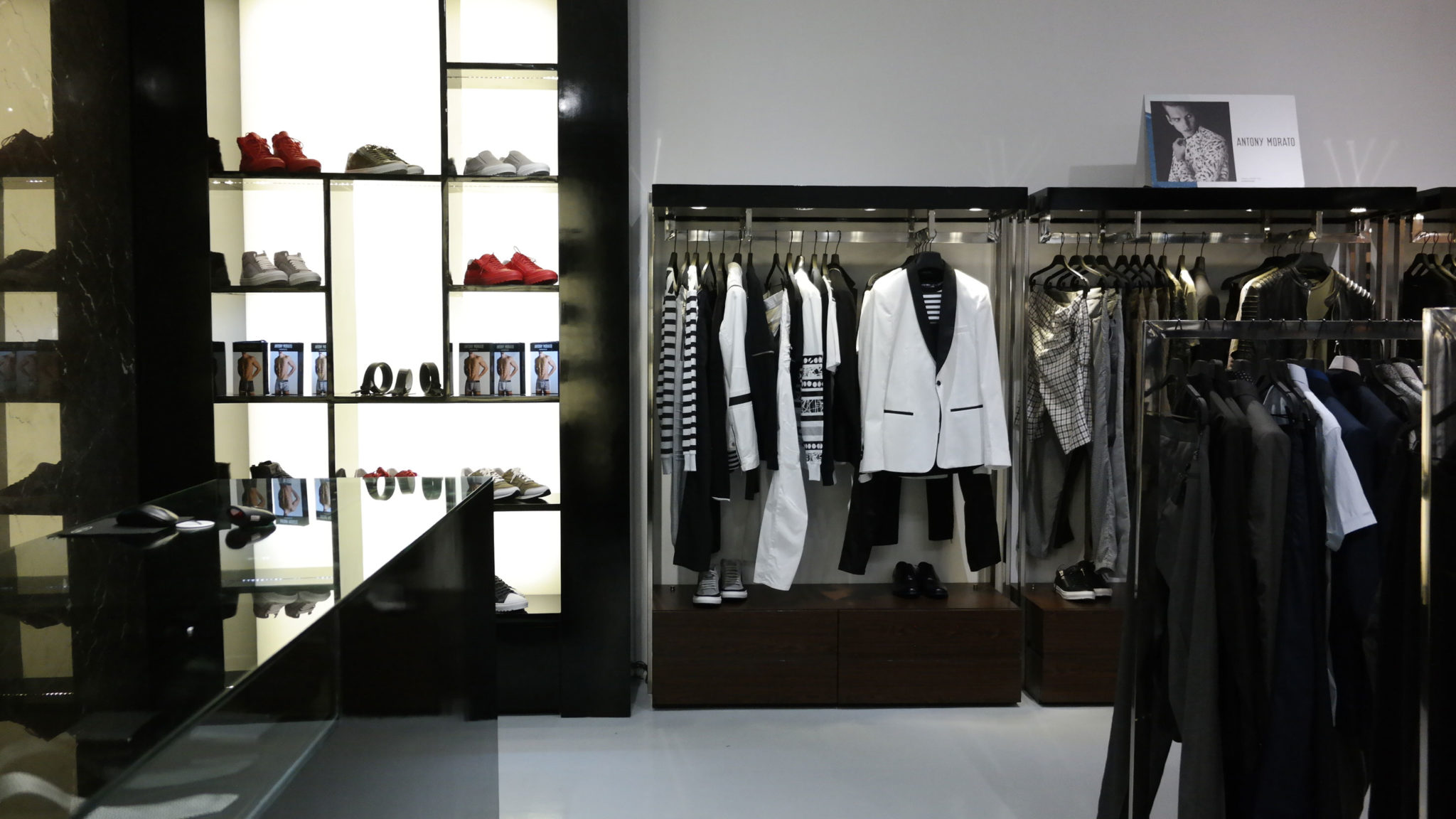
    Antony Morato India has opened its first exclusive store, in Palladium Mall, Mumbai.

    The Italian menswear brand has tied up with Gurugram-based Iconic Fashion Retailing for its India journey.

    Covering more than 160sqm, the store features furniture and interiors designed in line with the brand’s aesthetic codes. It reinterprets traditional materials and industrial elements with a contemporary approach. Founded in 2007 and led by Raffaele Caldarelli, Antony Morato has stores in Europe, Asia and South America, and offices in Germany, Spain and France.

    Antony Morato merchandise is also sold in Iconic stores across India, with 18 outlets spanning key cities such as Ahmedabad, Bengaluru, Bhopal, Delhi, Gurgaon, Hyderabad, Jaipur, Jodhpur, Noida and Udaipur.

    The brand is also available online in India via Jabong and Myntra.

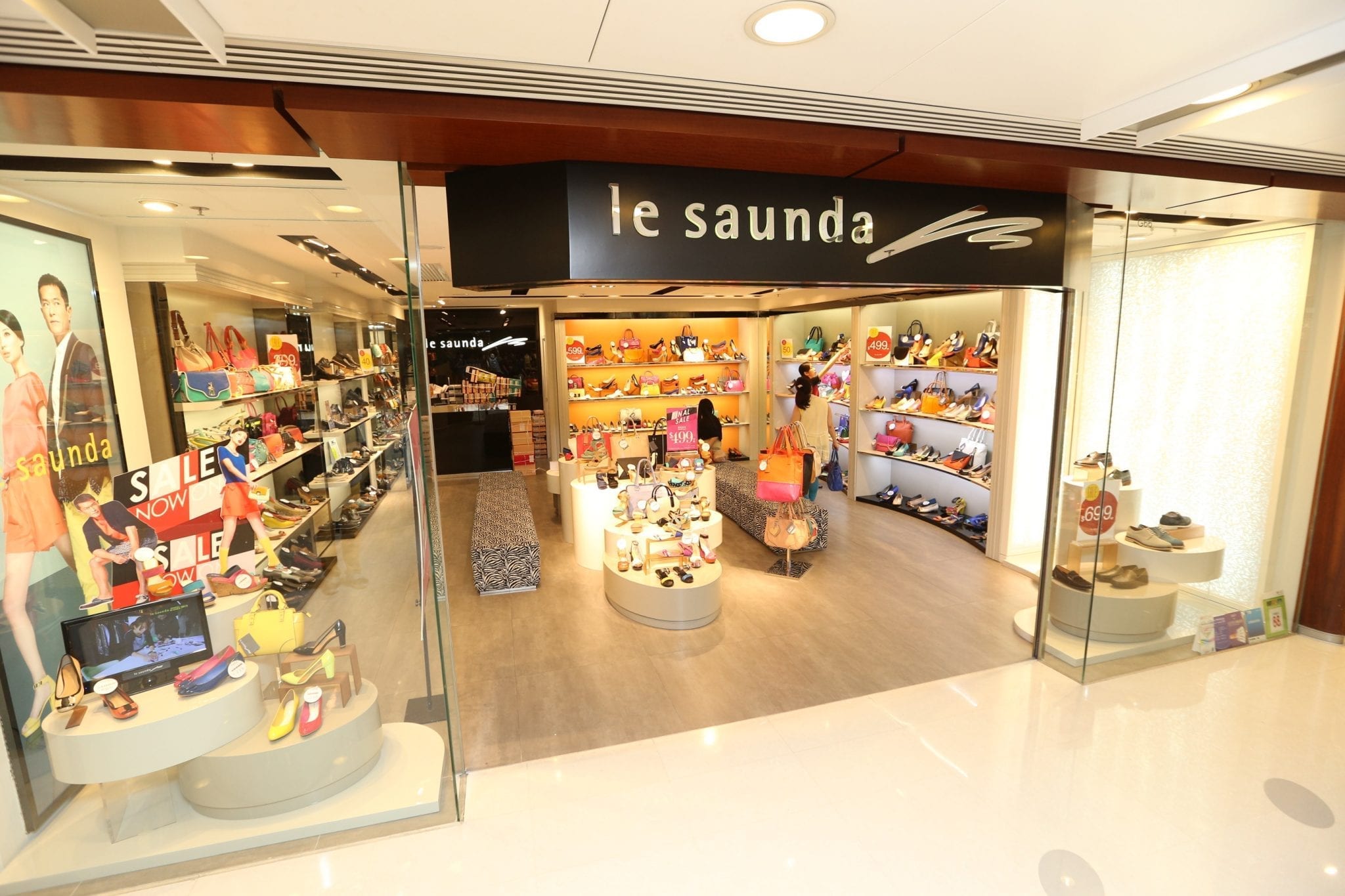
  • Le Saunda sales continues to fall

    Le Saunda sales continues to fall

    It has been a year of losses for fashion group Le Saunda Holdings, which designs, develops, makes and retails women’s and men’s footwear handbags and accessories.

    Total Le Saunda sales fell by 17.2 per cent for the year ended February 28, reaching RMB1.13 billion (US$176 million), while consolidated gross profit dropped by 18.1 per cent to RMB743.5 billion.

    During the year, the retail channel through department stores in Mainland China remained feeble, says the group. Both topline Le Saunda sales and like-for-like sales fell. The group recorded a gross profit of RMB743.5 billion, a decline of 18.1 per cent, while the gross profit margin shrank to 65.8 per cent, down 0.7 points.

    The company sells in Mainland China, Hong Kong and Macau, its major proprietary brands being Le Saunda, Le Saunda Men, Linea Rosa, Pitti Donna and CNE.

    ‘Many challenges’

    During the year, the group initiated a series of promotional and brand marketing campaigns to mark its 40th anniversary. It also launched online leisure brand Pitti Donna.

    Le Saunda says the growth of total retail sales on consumer goods slowed down in China during the year, still presenting many challenges for traditional retail businesses.

    “In particular, the rapid development of e-commerce posed the greatest threat, and the fierce competition among traditional retail businesses resulted in extensive close-downs and tenancy surrenders.

    Because of the economic challenges, the group adjusted its strategy to close down low-profitability stores and re-adapted the e-commerce model. At the end of the year, the group had a retail network of 687 stores in Mainland China, Hong Kong and Macau, a net reduction of 109 outlets. The number of self-owned stores dropped by 101, while the number of franchised stores decreased by eight.

    At year-end, there were 493 core brand Le Saunda stores and 35 Le Saunda Men stores,
    representing net reductions of 70 and 17 stores respectively. There were two fewer stores for its high-end fashion brand Lina Rosa, taking the total to 72 stores, while there was a 21 drop in CNE stores, ending up with just one.