Category: Fashion

Retail News Asia is committed to providing both local and global retailers with the latest Fashion news throughout the Asian market. This on a daily base.

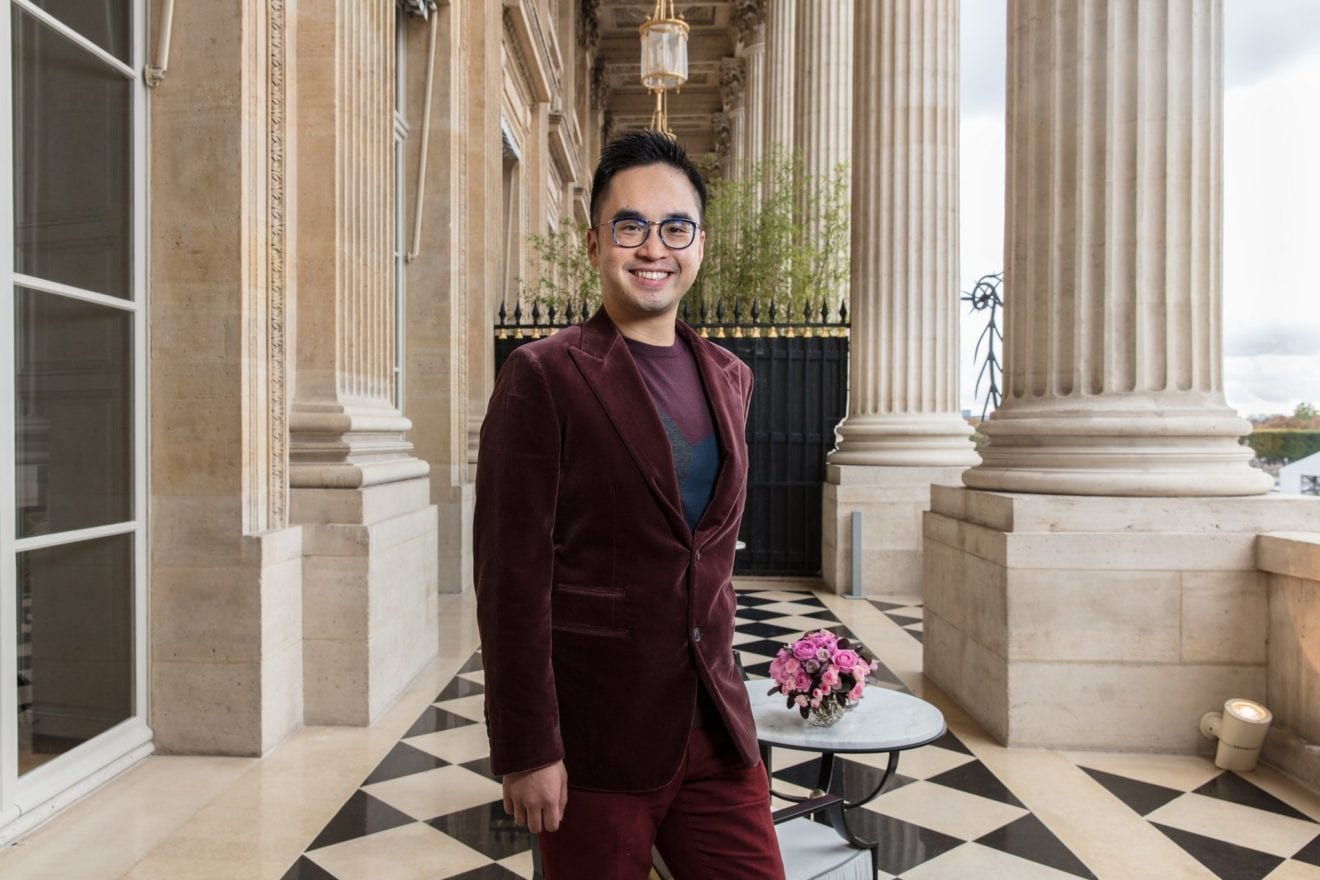
  • Adrian Cheng plans China rollout for Flont, Moda Operandi, and Bandier

    Adrian Cheng plans China rollout for Flont, Moda Operandi, and Bandier

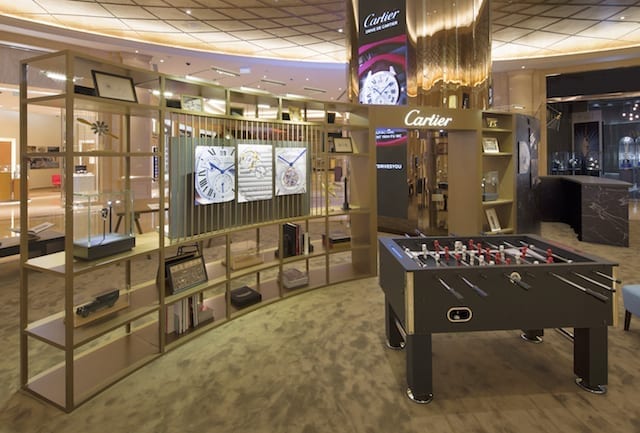
    Cheng, who has bought stakes in publications, luxury retailers and fashion tech companies over the last decade, is bankrolling fine jewellery rental service Flont’s expansion into dozens of malls owned by Chow Tai Fook, his family’s conglomerate.

    He is also funding luxury e-commerce play Moda Operandi’s planned showroom and a store for upscale athleisure retailer Bandier.

    Flont, Moda and Bandier will all open locations in Hong Kong by the end of 2019, in Cheng’s planned 3 million-square-foot Victoria Dockside mall development.

    The venture capitalist has stakes in the three companies through his C Ventures fund, a six-month-old investment vehicle for millennial-centric brands. Cheng said he wants to serve as the bridge between Western retailers and Chinese consumers. He’s also bought stakes in technology companies that help US and European players expand into the Asia-Pacific market, and is eyeing US media firms that would appeal to Asian audiences.

    “The reason we have access to all these deals is because we’re not just going to give them the money. We get the Asia rights and we help them strategically expand,” Cheng said. “There are a lot of hurdles [for Western businesses] going into China, because it’s a new rule of game, a new ecosystem and a new way of thinking.”

    Despite a slump in 2016, Chinese luxury consumption grew by 15 percent last year to a market size of $24 billion, in part due to the country’s aggressively growing middle class, according to a December Bain report.

    “Luxury consumers are willing to pay premiums in China [because of] the sheer size of the market,” said Ricardo Rubí, partner at retail consultancy Simon-Kucher, adding that there is still very low market share penetration for luxury brands in China as compared with other countries.

    Flont’s expansion in Asia is funded by a $12 million joint-venture led by Cheng through C Ventures and Chow Tai Fook. The rental service will open a members’ lounge in Hong Kong in September, and a second location in Shanghai. At least 50 Flont service counters will follow in Chow Tai Fook malls by the end of 2019.

    Moda Operandi, which raised $165 million in a December funding round led by Cheng and private equity firm Apax Partners, will be opening a brick-and-mortar location in Hong Kong in the third quarter of 2019. According to chief executive Deborah Nicodemus, Asian customers make up 8 percent of Moda’s total sales. She expects the number to exceed 20 percent in “very short order,” she said. Following the Hong Kong opening, Moda is looking to expand to Shanghai and Seoul as part of its five-year international plan.

    Bandier, in which Cheng invested in October, will also have a presence in China, as will Beautycon, the beauty festival company and online hub that Cheng bought a stake in around the same time.

    Bandier chief executive Neil Boyarsky told BoF that the location in Hong Kong will be the start of the brand’s potential rollout in China.

    “There’re other properties that we’re exploring in several cities. Definitely Shanghai would be the next one,” he said. “Being in China was part of our long-term framework, but that was accelerated based on the partnership we’ve developed with C Ventures.”

    Plans for Beautycon are less definitive, as the company is still in negotiations to debut in China, according to Cheng.

    While most of his holdings cater directly to consumers, Cheng is also interested in technology companies that provide omnichannel solutions, which allow retailers to sell to customers both online and in physical stores. One of his latest investments is an e-commerce platform, D1M, according to sources familiar with the matter. The sources said LVMH is among D1M’s customers.

    About 600 million people in China participated in its $500 billion sharing economy in 2016, as reported by the Chinese government. Chinese millennial consumers are especially receptive to rental platforms like Flont, Cheng said, because their habits are primed for change in the coming decade, as more of their disposable income will go toward family and parenting. “Millennials will grow older and need to support their parents, and the idea of ownership will change,” he said.

    The 39-year-old entrepreneur, who created C Ventures to address the demands of millennials and Gen Z consumers, said he’s investing in companies that recognise younger shoppers’ preference for unique items and personalised content over broader trends. This set of criteria is why Cheng invested in e-commerce companies like Moda Operandi and Galore magazine.

    Cheng added he is now seeking to buy stakes in media companies, and said he was recently in Los Angeles exploring entertainment companies.

    Already, C Ventures backs Dazed Media, the British company that publishes Dazed magazine and AnOther, as well as Skybound Digital, an entertainment platform that caters to fandoms.

    Having a stake in such publications will help build the fund’s online-offline “ecosystem,” he said. For instance, an online magazine like Dazed could host a pop-up shop or themed party that feature products supplied by Moda or Bandier.

    “We’re trying to connect all the dots,” he said, pointing to additional investments in the pipeline. “We have big ones coming up.”
  • Tokyo’s Brand Off launched in Siam Square Bangkok

    Tokyo’s Brand Off launched in Siam Square Bangkok

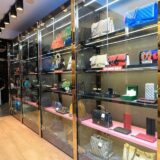
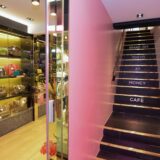
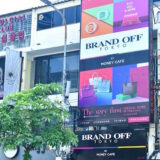
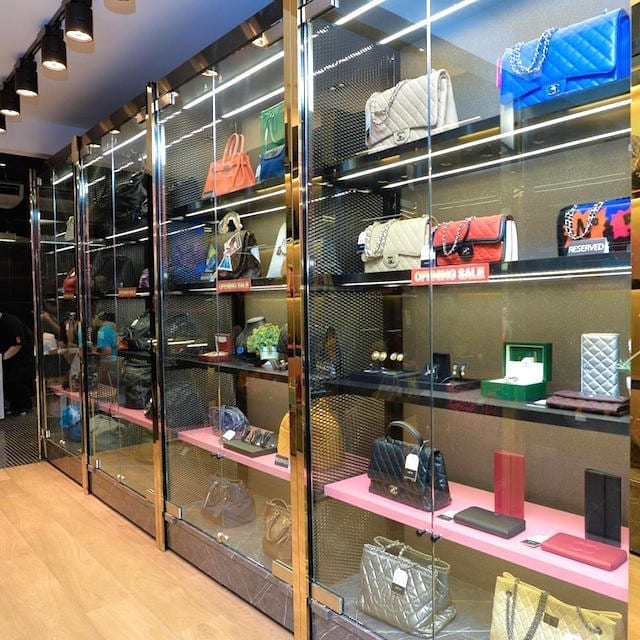
    Second-hand branded designer products retailer Brand Off Tokyo is about to open its first flagship store for Thailand.

    It will be run by Money Cafe Company, which owns Money Pinkoo Pawn Shop.

    Brand Off Tokyo has more than 60 branches (50 in Japan, eight in Hong Kong and four in Taiwan), with its Thailand outlet offering more than 300 designer bags, watches and jewellery items that are all 100 per cent guaranteed authentic. The 200sqm store is in Siam Square Soi 3.

    To expand its family business, Money Cafe looked into buying and selling used designer and branded goods, so it contacted Brand Off Tokyo, says CEO Shusak Tanglertsamphan.

    Gallery of the store can be viewed below :

    “We feel that using second-hand products and resources is a social responsibility that leads to waste reduction. Sharing high-value products and product satisfaction at lower costs is not only good for our customers, but also for our society and environment.” says Tanglertsamphan.

    Brand Off Tokyo is one of three original second-hand trading stores in Japan but the only one to have expanded overseas. It has product specialists on staff and is a member of the Association Against Counterfeit Product Distribution (AACD).

  • Givenchy opens WeChat store in China

    Givenchy opens WeChat store in China

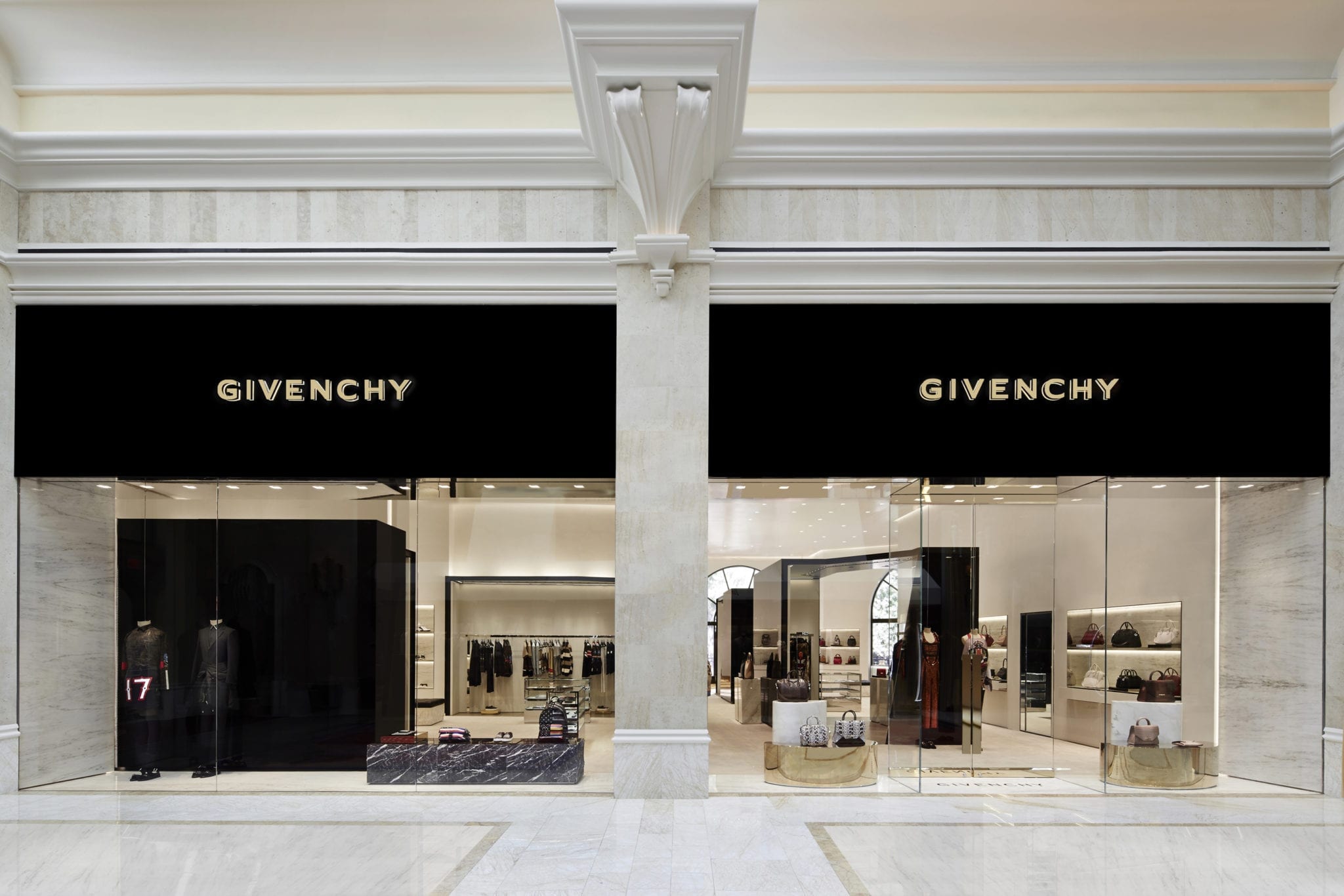
    France’s Givenchy is revamping its retail reach in Asia, with the rollout of a WeChat store in China.

    Bowing 15 May 2018, the new WeChat boutique store is an extension of Givenchy’s premium offline service, and aims to offer a convenient yet immersive shopping experience for wealthy Chinese consumers, according to a statement from the Paris brand.

    Via WeChat, Chinese users can now browse through an exclusive, limited-edition collection, with pieces from ready-to-wear apparel and leather goods to accessories, allowing shoppers to place orders directly on the app.

    The WeChat store was designed by the newly appointed Creative Director, Clare Waight Keller, who was also named the couturier behind the bridal gown worn by the newly crowned Duchess of Sussex, Meghan Markle, commemorating her marriage to Prince Harry.

    The LVMH Group-owned maison becomes the latest in a slew of stellar brands to open a WeChat store for Chinese customers, following the digital footprint of rivals Christian Dior and Gucci.

    Prior to WeChat, Givenchy targeted offline shoppers in Chian through collaborations with the country’s top-tier fashion KOLs – gogoboi and Mr.Bags.

    WeChat’s monthly users figure hit 1 billion per month in March this year and the app has become a marketing must-have for international luxury brands looking to build a connection with Chinese consumers.

    LVMH group has been witnessing solid sales growth in Asia. Demand from Asian shoppers has boosted makers of high-end handbags, clothing and watches the past year, thanks in particular to thriving Chinese demand.

    In 2017, shopping, food, and travel increased exponentially, up 22.2 percent to 333.9 billion RMB (approximately $52.22 billion).

  • Victoria’s Secret store model need refreshment: Analyst

    Victoria’s Secret store model need refreshment: Analyst

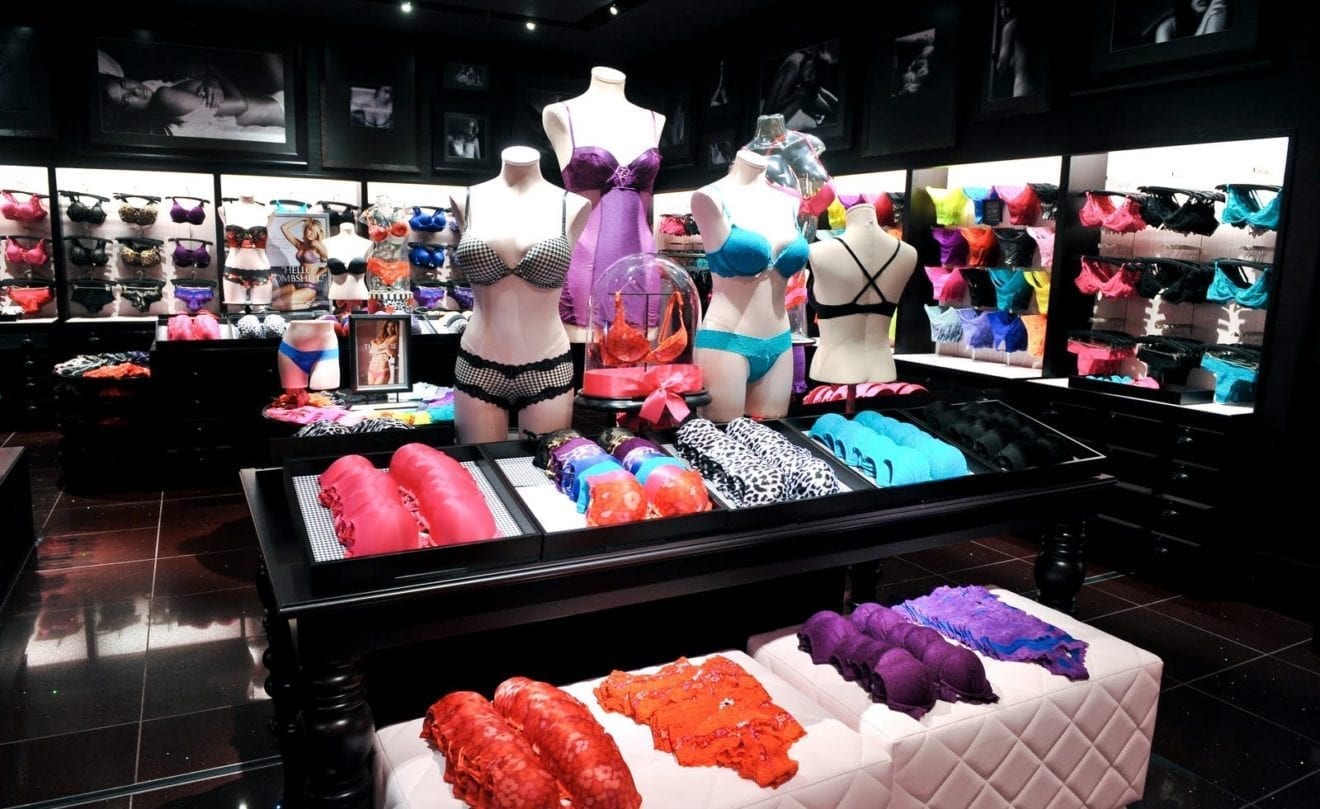
    L Brands needs to revise the Victoria’s Secret store model, according to retail analyst Neil Saunders.

    “The dark store environment, the conspicuous sexuality of the offer, and the brash marketing are increasingly out of step with what modern consumers want. As much as we appreciate that the heritage of Victoria’s Secret is hard to change, we think more action is needed if the brand is to recover,” said New York-based Saunders, MD of GlobalData Retail.

    He was commenting after the release of L Brands’ first quarter figures which showed an 8 per cent increase in net sales to $2.626 billion. Comparable sales were up 3 per cent – but the company reported a 49 per cent decline in bottom line profit, from $94.1 million last year to $47. 5 million.

    After a long run of declines, sales at Victoria’s Secret rose by 1 per cent, but it failed to impress Saunders, who believes the brand has structural issues to address.

    “As good as it is that the brand is back in positive territory, it earns no applause – mainly because the increase came off the back of a 14 per cent comparable decline in the prior year. Moreover, comparable sales in physical stores fell by 5 per cent, following a 12 per cent decline last year.

    “To be fair to Victoria’s Secret, the work done to reset the business has likely helped to stem the tide of decline. A rebalancing of the bra offer, for example, which now includes more options that have benefits around fit and comfort as well as the traditional fashion bras, has helped to create interest.

    “Equally, there has been some growth – in terms of both sales and customer numbers – from categories like sleep and loungewear. These adjacent products are helping to lift interest in Victoria’s Secret and give the brand more firepower in terms of what it has to offer shoppers.”

    Saunders says he has issues with the tone and image of the brand, especially the dark design of stores.

    “We do not feel that Victoria’s Secret has made anywhere near enough effort to remedy the problems.”

    Rival brands like Aerie are more subtle in their store design and marketing approach and that is resonating with consumers, delivering strong growth, he says.

    “A further threat comes from the rise of specialists like Adore Me and Third Love. The latter in particular has gained a lot of ground by focusing on comfort. It is also a model that works well online because its focus on fitting means returns are low which, in turn, supports good margins. These niche players may only have a small market share compared to Victoria’s Secret, but their innovative approaches mean they are nibbling away at its market share.”

    Bath & Body Works “vibrant and fun”

    Although it is a sister brand, Bath & Body Works is almost entirely different from its sibling, says Saunders.

    “Its proposition is welcoming, vibrant and fun. This helps to drive loyalty and repeat custom. With beauty sales still growing, BBW does operate in a more robust part of the market but it is still outperforming and growing its share on both a total and comparable basis.

    “Two things underpin its success. First, its strong range development which means assortments are constantly changing. This encourages regular visits to online and stores.

    Second, good marketing and promotions which help to drive volumes through the business. In our view, both of these things stem from the fact that the BBW team is much more attuned to the market and consumers than is the case at Victoria’s Secret.”

    Saunders says he believes Victoria’s Secret will continue to struggle in the year ahead.

    “With more investment needed in the brand and some cost pressures, we think the outlook remains soft for the L Brands group.”

  • SportSG partners Decathlon to house their Singapore Lab

    SportSG partners Decathlon to house their Singapore Lab

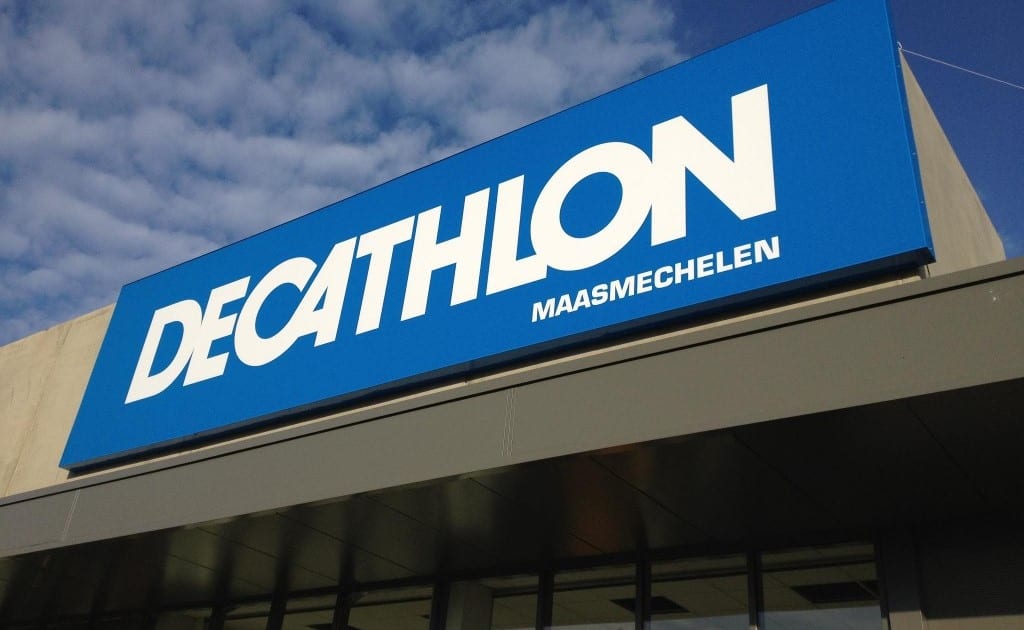
    In a collaboration with national sports agency Sport Singapore (SportSG), sporting goods retailer Decathlon Singapore is preparing to open its biggest store yet.

    In Stadium Boulevard in Kallang, the Decathlon Singapore Lab will pioneer the use of technology like virtual simulations and augmented reality in Asian retail. The brand’s fourth outlet will cover about 5000sqm when it opens in January.

    A memorandum of understanding has been signed by Decathlon Asia chief executive Yves Claude and his SportSG counterpart Lim Teck Yin.

    “Traditional retail is in trouble … customer expectations are changing very quickly,” says Claude. “They will not come just for the store’s layout.”

    For example, customers trying out shoes at Decathlon Singapore Lab will be able to have foot scans.

    “We want to do something different here, and that’s why we need the space. The experience will not be perfect immediately, but that’s why we are calling it a lab,” says Claude.

    The store has a 15-year lease from SportSG, which owns the land, and as part of the agreement to promote participation in sport the store will also feature events and clinics for customers in its free-to-play areas, as well as an Active Health Lab. These SportSG labs provide free health screenings.

    Decathlon will also continue to provide equipment and apparel to the 10 ActiveSG academies and centres throughout SIngapore. ActiveSG has more than 1.4 million members.

    The French company launched into Singapore with a store at Bedok in January 2016. It now has outlets at City Square Mall and the Fairprice Hub in Joo Koon, with the three stores attracting foot traffic of two million annually.

    Worldwide, the company has more than 1300 stores in more than 40 countries, up from around 1000 in 30 countries two years ago.

  • Giordano faces backlash over ‘sexist’ clothing line

    Giordano faces backlash over ‘sexist’ clothing line

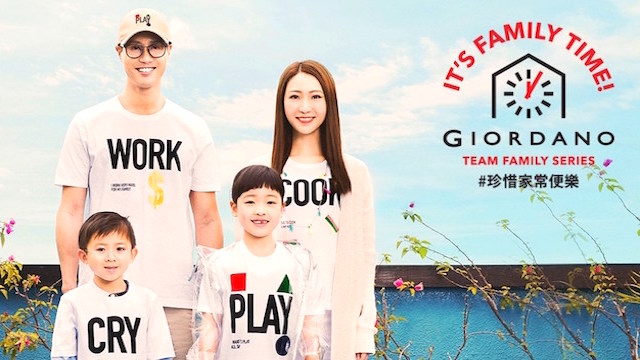
    Hong Kong fashion brand Giordano is scrambling to remove an advertising campaign slammed as “sexist” on social media.

    Promoting the “Team Family Series”, the advert shows a family posing together with the man wearing a t-shirt emblazoned “Work” while the wife’s shirt proclaims “Cook”. When posted on social media last week, it outraged dozens of users, some of whom threatened to boycott the store.

    One user wrote that it was an “absolute disgrace” and unforgivable for a modern brand to stereotype men and women.

    Giordano has responded with a statement on social media saying the advertising materials would be removed “where physically possible”.

    “The spirit of the campaign is to celebrate the power of the family, with the corresponding merchandise using words to depict different, random aspects of life,” says the statement.

    “Stereotyping and sexism, or any kind of prejudice, however unintentional or passive, has no place at Giordano or in society.”

    Removing the ads is unusual for Hong Kong, which does not have any laws against sexist or gender-specific advertising.

    Lisa Moore, senior research and advocacy manager at Hong Kong-based non-profit The Women’s Foundation, says the city is overloaded with examples of such advertising. “Whether on billboards, buses, in print or on television, gender stereotyping in advertising is still quite prevalent in Hong Kong,” she says. “From financial loan commercials to ads for household products, women are often depicted in domestic roles.”

  • Duty-free operators to get licenses for a decade

    Duty-free operators to get licenses for a decade

    Retail giants like Lotte and Shinsegae don’t have to worry about getting their duty-free licenses renewed every five years anymore.

    A task force on improving duty-free regulations decided on Wednesday to propose the government extend duty-free licenses for conglomerates to a maximum 10 years. Additionally, duty-free stores managed by small and medium-sized companies will be allowed to have their licenses renewed two times.

    Under the current law, conglomerate have to bid for duty-free licenses from scratch every five years. Small and medium-sized duty-free operators are allowed to renew their licenses once.

    If the government and lawmakers accept the proposal, it will undo the regulation changes made by the previous Park Geun-hye administration in November 2013, which cut the contract terms from 10 years to five.

    According to Yoo Chang-jo, a business professor at Dongguk University who is leading the task force, the goal is to make the changes effective from Jan. 1.

    “Currently, those with duty-free licenses have until next year or three years from today before their licenses expire,” Yoo said on Wednesday. If the revised regulation passes the National Assembly, “they will be allowed to renew their licenses once” for another five years.

    There have been complaints in the industry that extending licenses to a maximum 10 years is still too short and harms the duty-free operators’ competitiveness by limiting investment and contributing to uncertainty.

    The task force claimed that it limited the maximum to 10 years for a reason.

    “If the license is renewed after 15 or 20 years, there will be criticism that [the government] is favoring existing operators, which will not be accepted by the public,” Yoo said.

    He said the possibility is high for duty-free operators that are competitive to be picked again.

    The task force was formed last July after the Board of Audit and Inspection of Korea came to the conclusion that license reviews by the Park government lacked transparency and fairness.

    Park was accused of influencing the government to strip the duty-free license held by Lotte Group in 2015.

    Lotte regained its license in a revaluation the following year after allegedly complying to several demands from the Blue House.

  • Adidas India to open 4-5 stadium inspired outlets this year

    Adidas India to open 4-5 stadium inspired outlets this year

    After opening its first stadium-format store in Delhi, Adidas India plans to roll out four or five more of the outlets this financial year.

    Designed to showcase the brand’s performance wear, the format will become standard in India from next year. Already used in Japan and South Korea, the format features interactive zones for customers to showcase product benefits, says Adidas India senior director for sales and retail Manish Sapra.

  • DFS X Estee Lauder Create The Essential Travel Beauty Experience With The Chic Never Sleeps Campaign

    DFS X Estee Lauder Create The Essential Travel Beauty Experience With The Chic Never Sleeps Campaign

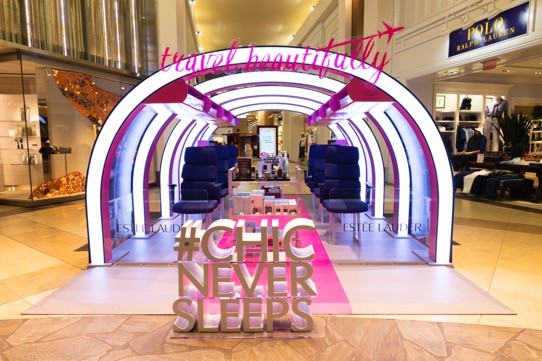
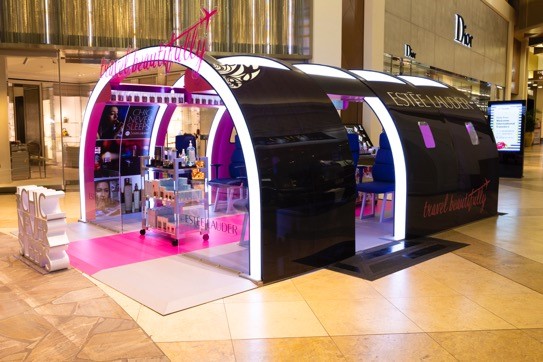
    DFS Group, the world’s leading luxury travel retailer, and Estée Lauder are inviting fans to travel beautifully this May with the launch of the exclusive Chic Never Sleeps campaign.

    Inspired by travelers’ desire to look their best while enjoying the best in life, the Chic Never Sleeps campaign tells the story of two young friends, Natalie and Elise, who share a love of travel and use the Estée Lauder “Beautiful Skin Travel Collection” to stay rehydrated and refreshed. Available exclusively at DFS stores until May 31, the “Beautiful Skin Travel Collection” features Estée Lauder’s beauty essentials created especially for traveling millennials.

    The new collection of Estée Lauder’s best sellers includes Advanced Night Repair Synchronized Recovery Complex II, the Advanced Night Repair Eye Synchronized Complex II and the Revitalizing Supreme + Global Anti-Aging Cell Power Soft Crème, all now available as a DFS travel set.

    Customers can share their own Chic Never Sleeps look at exclusive pop-ups when visiting T Galleria by DFS, Hong Kong, Canton Road, T Galleria by DFS, Macau, City of Dreams and T Galleria by DFS, Hawaii. Designed to mirror a luxury in-flight experience, the Chic Never Sleeps pop-ups feature a suite of beauty essential services to supercharge your skincare and makeup looks when you fly. Shoppers can also immerse themselves in the campaign with a 360-degree localized photo booth so they can share their Chic Never Sleeps look on social media from each destination.

    For added digital fun in store, at T Galleria by DFS, Hawaii, T Galleria by DFS, Hong Kong, Canton Road, T Galleria Beauty by DFS Hong Kong, Causeway Bay, T Galleria by DFS, Singapore, and DFS, Los Angeles International Airport, fans can virtually try-on their favorite Pure Color Love lipstick or discover the best shade for that destination using Estée Lauder’s augmented reality program, YouCam Makeup X Estée Lauder.

    Discover the Chic Never Sleeps campaign and the DFS exclusive “Beautiful Skin Travel Collection” at the following DFS stores until May 31:

    T Galleria by DFS Hong Kong, Tsim Sha Tsui East

    T Galleria Beauty by DFS Hong Kong, Causeway Bay

    T Galleria by DFS, Hong Kong, Canton Road

    T Galleria by DFS, Macau, City of Dreams

    T Galleria by DFS, Macau, Shoppes at Four Seasons

    T Galleria Beauty by DFS, Macau, Galaxy Macau

    T Galleria Beauty by DFS, Macau, MGM Cotai

    T Galleria Beauty by DFS, Macau, MGM Macau

    T Galleria by DFS, Macau, Studio City

    T Galleria by DFS, Singapore

    T Fondaco dei Tedeschi by DFS

    T Galleria by DFS, Saipan

    DFS, San Francisco International Airport

    DFS, Los Angeles International Airport

    T Galleria by DFS, Hawaii

  • LF Beauty’s Creative Days envisions the future of beauty in China

    LF Beauty’s Creative Days envisions the future of beauty in China

    LF Beauty, a one-stop shop partner and supplier of product solutions for fragrance, skincare, color cosmetics, interactive POS displays and beauty instruments for world-class brands, retailers and direct marketers, today launched its Creative Days concept event at LiFung Plaza in Shanghai. The event followed a successful first launch in 2016.

    As the largest and fastest-growing beauty market in the world, China is one of LF Beauty’s key markets. According to Euromonitor, the Chinese beauty and personal care market was forecasted to grow by 30% between 2016 and 2021 to a total value of 434 billion RMB, equivalent to 69 billion USD. Premium beauty and personal market was expected to grow even faster at an astonishing rate of 53%. The China consumer today, especially millennials, wants personalized products and innovative formulations. Millennials in China are placing increased importance on skincare and skin protection from external factors such as UV light and pollution.

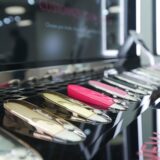
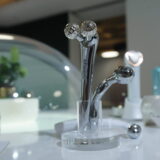
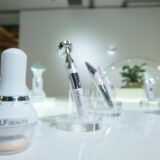
    At this year’s Creative Days, LF Beauty showcased a wide array of innovative skin care, color cosmetics and fragrance products and solutions, as well as interactive point-of-sale (POS) displays to close to 30 top international and local beauty brands, demonstrating how LF Beauty can create extra value to them and co-create innovative products and solutions that meet the rapidly evolving needs of digital-savvy Chinese consumers.

    Mario Salvatori, Executive Vice President of LF Beauty, said, “Today’s consumer is always looking for something new and fresh to update their image. This makes it a very exciting time for LF Beauty. The future of beauty is about collecting consumer insights both online and offline, providing personalized shopping experiences, developing innovative technology and promoting sustainable beauty. LF Beauty, which brings in-depth experience working with numerous well-known international beauty brands, is well-positioned to help beauty brands in China to meet the ever-changing needs of the Chinese consumers.”

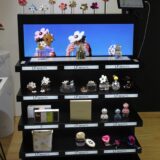
    A key focus of the event was how LF Beauty could provide relevant data insights to help beauty brands spot trends in different age groups and markets, ultimately enabling those brands to achieve better sales performance through more informed product development and purchase decisions, as well as reduced inventory. Beauty brands who attended the event could see first-hand how leading brands are using the latest interactive point-of-sale (POS) displays to obtain customer intelligence.

    In response to the emphasis on skin protection, LF Beauty showcased anti-blue light products, targeted at millennials who are frequently on digital devices, and anti-pollution skin care products.

    William Mark, Senior Vice President of LF Beauty, said, “We have developed formulas and some are ready to go to address the anti-blue lights and anti-pollution skin maintenance needs, I am really excited about this market needs and trend in China and LF Beauty is uniquely positioned to supply end-to-end solutions in this front.”
    “We really see LF Beauty as a convener to bring brands, retailers and players in the industry together and co-create innovative products and solutions as well as provide consumer insights to help brands making more informed decisions– and that is what the future of beauty is going to look like,” said Mario.

  • Sephora Named Retailer Of The Year

    Sephora Named Retailer Of The Year

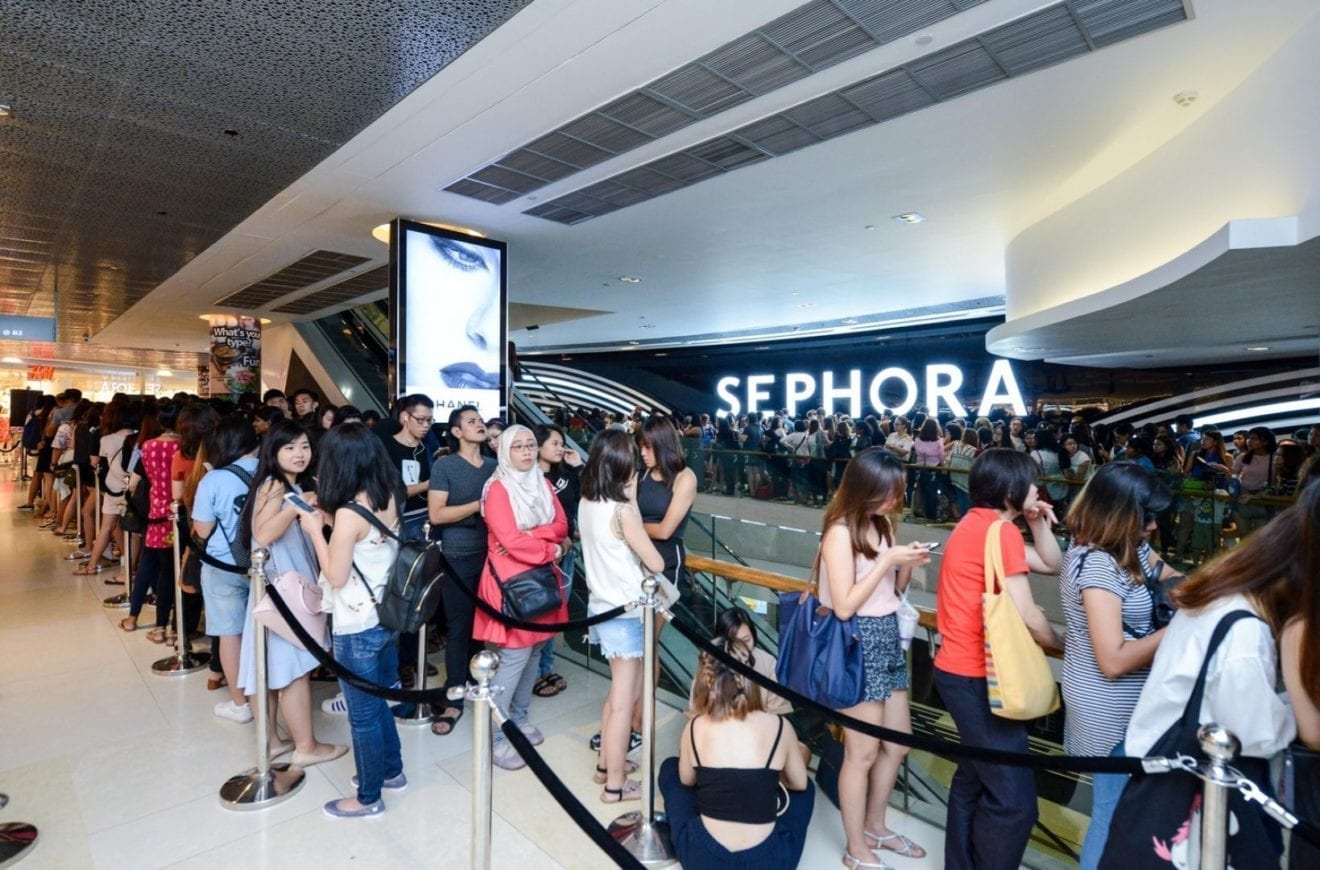
    At the 2018 World Retail Congress, Sephora was named Retailer of the Year.  The award reflects Sephora’s exceptional growth over the last decade, which has been driven by rapid expansion globally. This type of sustained performance is a testament to the superior differentiated experience Sephora offers its clients and the innovation it has brought to the prestige beauty industry.

    “Sephora has seen wonderful global growth over the last ten years and now operates in 34 countries with more than 2,500 stores, “ says Chris de Lapuente, Sephora Worldwide CEO. “We are very proud to be named ‘Retailer of the Year’, which confirms that the Sephora concept enjoys appreciation on a global scale. As a brand we win best when we win together and this award recognizes and touches all the tens of thousands in the Sephora family who have made us successful all over the world.”

    This is the premier category in the World Retail Awards. It recognizes a retailer that the Grand Jury believes to be a truly world-class operator, with outstanding results across a number of important areas. With retail becoming ever more complex and demanding, the Retailer of the Year award demonstrates that Sephora is not only delivering exceptional financial performance and sales growth, but also reflects the changes that are taking place across the industry and around the world.

    To be an outstanding retailer today, the business reflects how it has adapted to the realities of the digital world by transforming its approach to retail and the way that it is preparing for the future. If it has international operations, the judges saw that it is also executing this to the highest standards. Above all, this is a retailer setting new standards for the whole industry to admire.

  • Marks and Spencer set to close 40 more stores

    Marks and Spencer set to close 40 more stores

    British department store retailer Marks & Spencer will close a further 40 stores in its home market as it struggles to improve its bottom line.

    According to reports, M&S will announce which of its 140-strong full-store network will close on Wednesday UK time, adding to the 20 already shuttered. The full stores stock both fashion and food.

    Rationalising the store network was a key plank of a turnaround program announced 18 months ago by CEO Steve Rowe, which also included retrenching from overseas markets. Since then, the company’s Mainland China operations have been closed down and its profitable Hong Kong business divested to Middle East-based Al-Futtaim under a franchise arrangement.

    The decision to accelerate the closure program was prompted by early results from the closure of a store in Warrington town centre which led to increased sales in a newer off-high-street store nearby.

    “We have been clear about our plans to accelerate our store closure program and the action we must take to build a business with sustainable, profitable growth,” an M&S spokesperson said.

    On Wednesday, M&S is expected to report further under performance in its food arm, with analysts projecting a drop in sales, but an improved bottom line.

  • Young Consumers, Bridal, and Self-Purchasing Expected to Drive 2018 Platinum Jewellery Market

    Young Consumers, Bridal, and Self-Purchasing Expected to Drive 2018 Platinum Jewellery Market

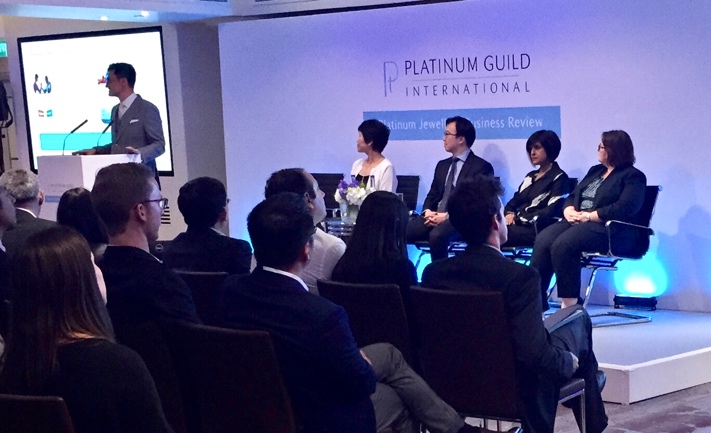
    Platinum Guild International (PGI) yesterday published the findings of its 2017 Platinum Jewellery Business Review revealing that three key trends – young consumers, bridal and self-purchasing – are emerging to contribute to platinum demand growth in 2018. Compiled by independent platinum market experts and industry analysts, the survey reports strong consumer retail sales growth in the U.S., Japan and India for 2017, even outperforming gold in some areas.

    “We saw above-market growth for platinum jewellery in three out of four key markets in 2017. This trend is tied to a robust global economy and historically low platinum prices, which together with an increasing preference for platinum among younger consumers, indicates growth potential in the platinum jewellery sector in 2018,” says CEO Huw Daniel of Platinum Guild International.

    Young Consumers

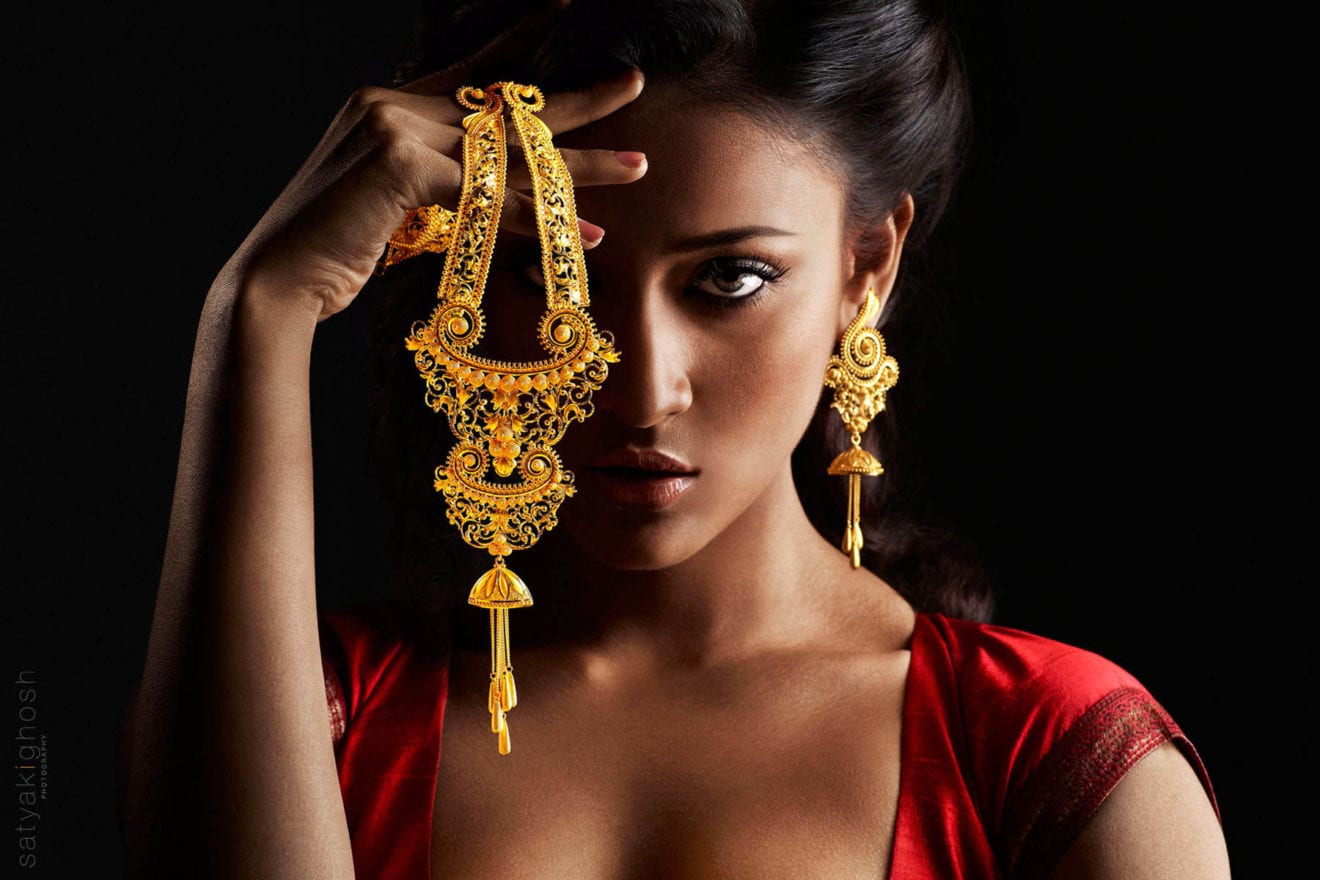
    India has become the engine of platinum jewellery growth globally. Despite continued challenges from new legislations, the industry has seen retail sales reported in platinum ounces up 21% year-on-year for the Platinum Guild International program and fabrication ounce demand growing at 34% year-on-year compared to 14% year-on-year demand growth for gold jewellery (according to World Gold Council). A strong preference for platinum among young consumers is one of the strongest contributors to the growth of platinum jewellery demand in India. For young India, PGI has created a distinct positioning for platinum versus gold, tapping into modern couples’ desire for jewellery that better represents the bonds of love in a modern relationship between equals. Through the Platinum Days of Love Campaign, platinum has become the metal of choice among today’s young Indian consumers shaping the country’s culture and fashion.

    Bridal Market

    Bridal markets around the world have become strongholds for platinum jewellery across China, Japan, the U.S. and newly emerging in India.

    In China, despite continuing market challenges at the total market level, PGI has seen strong growth in platinum acquisition in the core bridal category. According to a consumer study covering 55 cities in Tier 1 to 3, platinum bridal acquisition volume has increased by 22% compared to 2014. Platinum has become the dominant precious metal for wedding rings. However, with the industry facing continuous structural transitions and declines in marketing investment, China’s demand for platinum jewellery is likely to have another year of decline in 2018. China annual brand tracking survey shows that consumers strongly associating love with platinum and far ahead of other metals. Bridal jewellery is a gateway purchase leading to subsequent platinum jewellery purchases for anniversaries, birthdays and milestone occasions, which provide opportunities for growth to be further explored in 2018. China’s strongest growth is fueled by the rising consumer affluence of Tier 2,3 and 4 cities where a new generation of middle class consumers is acquiring taste for Platinum Pair Rings exchanged during wedding ceremonies.

    In India, the market is led by love-gifting with local organised retailers finding footholds for platinum within the gold-dominated wedding category. The introduction of a new branded segment, Platinum Evara, a modern platinum jewellery collection gifted to the bride and groom before the wedding day has carved out a distinctive niche for platinum and created a new jewellery segment for the industry.

    In the mature platinum jewellery market of Japan, platinum holds an astonishing 92% share of the engagement ring market and 82% share of wedding rings.

    Strong results for platinum in bridal are also mirrored in the West. In the U.S., the economic recovery and a bullish consumer sentiment has benefited the total jewellery industry, leading to the 5th consecutive year of growth for platinum jewellery consumption at 11%. The growth mainly comes from strong sales in bridal jewellery including engagement rings and wedding bands. In 2018, additional growth is expected to derive from initiatives promoting the use of platinum crowns that hold diamonds more securely, regardless of the choice of metal for the rest of the ring, along with increasing demand from the self-purchase category, which is likely to generate 8-11% of total growth in the U.S.

    Self-purchasing

    Although the majority of the platinum jewellery sold is bridal, PGI USA has also introduced a new platinum collection of platinum-only, chain-based necklaces as part of the Platinum Born collection, to target women buying jewellery for themselves, in order to continue to optimise local market growth opportunity.

    With the highest per capita consumption of platinum jewellery globally, in Japan platinum accounts for over 50% of total jewellery sales value. Growth is driven by a strong self-purchasing market led by females that have a strong affinity for platinum. Women generally control household finances and are increasingly staying in work after marriage and child birth. The resulting higher disposable incomes combined with historically lower metal prices, have led Japanese retailers to continue substituting white gold stocks for platinum, leading to an overall increase of 2% in retail ounce consumption. Retail demand growth is forecasted to continue at 1-2% in 2018 driven by moderate growth in self-purchasing category, especially for heavier products such as Kihei chains and religious objects.

  • Fragrances are not Instagrammable

    Fragrances are not Instagrammable

    Digital media has upended the beauty business, lowering barriers to entry for new brands built not on department store distribution and traditional marketing tactics, but on e-commerce and digital influence.

    In recent years, a slew of new digital-first beauty businesses — armed with venture funding and offering artisanal or “clean” formulations and niche identities that consumers find more authentic — have mounted a challenge to the ubiquitous luxury-brand beauty products made by licensing giants Estée Lauder, L’Oréal and Coty. (Of course, some of these smaller entrants have been snapped up for undisclosed sums by these very giants: Estée Lauder has acquired Le Labo, Frederic Malle and By Killian, while L’Oréal has bought Atelier Cologne.)

    And yet, in recent years, the fragrance business hasn’t seen the same kind of digitally driven, explosive growth as colour cosmetics and skincare. In 2017, the US prestige fragrance market grew 4 percent, trailing makeup (6 percent) and skincare (9 percent), according to NPD Group.

    According to Tribe Dynamics, a marketing technology firm that quantifies the dollar-value of digital content, or earned media value (EMV), fragrance only represented two percent of the total EMV generated in the beauty business in 2017, even after growing by 20 percent year on year. Fragrance also has far fewer digital ambassadors, who posted sponsored social media content far fewer times than digital ambassadors in other beauty categories.

    The biggest challenge is the very nature of the product itself: no matter how powerful the brand, how beautiful the bottle and how compelling the marketing campaign, a fragrance is selling scent — and we can’t smell the internet. But more and more fragrance brands are finding savvy ways to connect with digital consumers and shift product online.

    For a player like Diptyque, a niche fragrance brand with major ambitions, creating digital content and staging Instagram-friendly experiences is a new focus. “In the past, we were more used to communicating who we are with words, and now we are working much more with visuals and images and videos,” explains Fabienne Mauny, global brand chief executive of Diptyque and Byredo, which are both owned by Manzanita Capital, a private equity firm founded in 2001 by William S Fisher.

    The first thing one sees upon entering Diptyque’s new Mercer Street pop-up shop in Manhattan is a wall lined with rows and rows of the French brand’s oval illustrated perfume bottles — 364 to be exact. It is dense and impressive, much like the store itself, which manages to tell 50 years of Diptyque’s fragrance history, despite its relatively small scale. We follow from the brand’s first release, L’Eau, in 1968 — brought to life by news clips capturing the tumult of the era — to 2018’s launches, Tempo and Fleur de Peau, introduced by videos playing inside two closet-sized spaces.

    Everything inside the installation-heavy store, from a postcard-covered wall to a jungle-themed photobooth, connects to the history of the brand and its founders — their inspirations, travels and artistic endeavours — and is practically begging to be Instagrammed. And the artists who illustrated each of the two new fragrance bottles gets just as much attention as the perfumer.

    It’s not just about social media-friendly visuals, however. The traditionally seductive and heteronormative fragrance marketing message so prevalent in the fragrance business doesn’t play as well online, where a newly awakened activism is reshaping culture. “Typically, what we used to see in the glossies was always a semi-naked woman, probably with a man, and there would be some sort of expensive accessories around them,” says Saisangeeth Daswani, head of advisory in fashion and beauty at the trend research firm Stylus.

    But when the old-school beauty giant L’Oréal launched Proenza Schouler’s first fragrance, Arizona, in February, the campaign’s main theme was not overtly sexual, but about a physical escape to a stunning landscape. “Arizona is about her and how she feels,” says Laura Azaria, vice president of marketing for fine fragrances at L’Oréal USA. “It was definitely part of the positioning: she is very empowered. It’s not this classic, ‘I’m going to seduce.’”

    And to effectively deliver their message, many fragrance brands are adopting the digital marketing tactics that work elsewhere in the beauty business: gifting product to influencers, commissioning content from them, staging social media-ready events and press trips, playing with Snapchat augmented reality lenses. “Technology enables us to tell a much more interesting and multi-faceted story,” explains Coty’s chief marketing officer Simona Cattaneo. “It’s an ongoing conversation, we communicate every day.” Coty launched Gucci’s In Bloom — the first fragrance under Alessandro Michele — and Tiffany’s first fragrance, in 2017. “This is something that has completely changed our way of working.”

    “Fragrance is obviously a little bit trickier because it’s not very tangible,” says Chriselle Lim, an influencer with 1 million followers on Instagram and founder of the creative agency CINC Studios, which has worked with L’Oréal and Coty to promote their fragrances. Instead of “flat lay” images of a fragrance bottle, she prefers video. “You can do amazing storytelling that you can’t do with just photos,” she says, citing a video about the connection between scent and memory that she produced for a scent from Maison Margiela’s series Replica. Recently for Proenza Schouler’s Arizona, she published a soft-focus video of herself holding the bottle on an overcast day in Central Park. “A whole new world is just a dream away…” she wrote in the caption.

    For Diptyque, the SoHo pop up is an experiment with an interactive and social media-driven retail experience. The brand even launched an Instagram contest, through which a winner who posts the best drawing of a “scent memory” will receive a custom perfume inspired by the illustration.

    “We wanted it to be an immersion within our universe,” says Julien Gommichon, president of Diptyque and Byredo Americas. Still primarily known in the United States for candles and home goods, Diptyque is focusing on fragrance to keep up its recent revenue growth trajectory — more than 20 percent each year for the past six years. “There are still so many people who don’t know who we are,” says Mauny. “The potential is huge.”

  • Asia helps boost Richemont sales

    Asia helps boost Richemont sales

    Double-digit growth in Mainland China, Hong Kong, Korea and Macau have helped boost sales for Swiss luxury goods group Richemont.

    Results for the year to the end of March show Richmont sales grew by 3 per cent at actual rates and by 8 per cent at constant rates to €10.9 billion (US$12.8 billion).

    Richemont’s brands include A. Lange & Sohne, Baume & Mercier, Cartier, Chloe, Dunhill, IWC Schaffhausen, Lancel, Jaeger-LeCoultre, Montblanc, Officine Panerai, Piaget, Purdey, Roger Dubuis and Vacheron Constantin.

    Excluding the impact of exceptional inventory buy-backs, sales grew by 7 per cent at constant rates, with a strong retail performance reflecting solid jewellery and watch sales.

    An improved macroeconomic environment, steady progress on Richemont’s transformation agenda and a mixed currency environment marked the year, says the company.

    Sales were driven by high single-digit growth in retail and double-digit growth in Asia Pacific, with particular strength in the main markets of China, Hong Kong, Korea and Macau.

    Strong overall retail performance reflected solid jewellery and watch sales, says chairman Johann Rupert.

    Asia Pacific sales were strong, with the region accounting for 40 per cent of group sales.

    Japan had a 6 per cent rise in sales, thanks to more tourism purchases.

    Also beneficial were softer comparative figures and the full-year contribution from the reopened Cartier and the new Piaget and Van Cleef & Arpels flagship stores, all in Ginza.