Category: Fashion

Retail News Asia is committed to providing both local and global retailers with the latest Fashion news throughout the Asian market. This on a daily base.

  • What’s behind Style Nanda’s success?

    What’s behind Style Nanda’s success?

    When Style Nanda announced last month that French beauty giant L’Oreal will be snapping up a majority stake, it sent shockwaves across the industry.

    Sure, the company was doing fabulously well and had created quite a stir with its success, but then it was soon forgotten — although not by investors — before being lurched back into the spotlight with the latest news.

    Style Nanda was established in 2005 amid a boom of boutique-sized internet fashion businesses. Out of the throng of budget fashion shopping websites — most of whom sold products they bought wholesale from Dongdaemun fashion market — Style Nanda stood out. Below are the three reasons why.

    1. My way or the highway 

    Style Nanda founder Kim So-hee had a nickname in Korea: Bold Lady. She earned it due to her preference for bold colors and styles. Kim is also famous for her brutal honesty, which became evident when she refused to remove the tags off her Dongdaemun goods to hide their origin. She said she didn’t mind because she was confident about her merchandising choice. She also didn’t want to lie to her customers.

    A spokesperson for cafe24, which first provided a sales platform for Style Nanda, put it this way: “Style Nanda successfully formed its own unique style appealing to younger customers. That’s Style Nanda’s core competitiveness.”

    2. Bravo Hallyu 

    Style Nanda also benefited from the popularity of K-pop and Korean dramas when celebrities began to don Style Nanda items on air.

    “It was a trickle-down effect, and Style Nanda definitely benefited from it,” Seo Yong-ku, a professor of business management at Seoul’s Sookmyung University said.

    Whenever anyone famous appeared wearing Style Nanda items, it was cheap, instant promotion. Later on, Style Nanda paid celebrities on popular dramas to promote stuff to an even wider audience.

    3. She stayed hungry, stayed stupid 

    Style Nanda never settled, and the present was never enough.

    After successfully launching the company’s cosmetics brand 3CE, it launched Speak Undervoice, a new brand selling limited products personally selected by the founder.

    Style Nanda was also constantly trying out new marketing styles. For instance, it recently used a so-called “product truck” to promote its 3CE brand. Employees handed out free makeup products to university students from a vehicle resembling an ice-cream truck — the first for a cosmetics firm.

    Despite these recipes of success, some industry watchers believe Style Nanda should spend more money on research and development. They say more experts should get onboard to grow the brands, especially those like 3CE — currently designed by Style Nanda and produced by ODM companies like Korea Kolmar and Cosmax.
     

  • Marni names new CEO

    Marni names new CEO

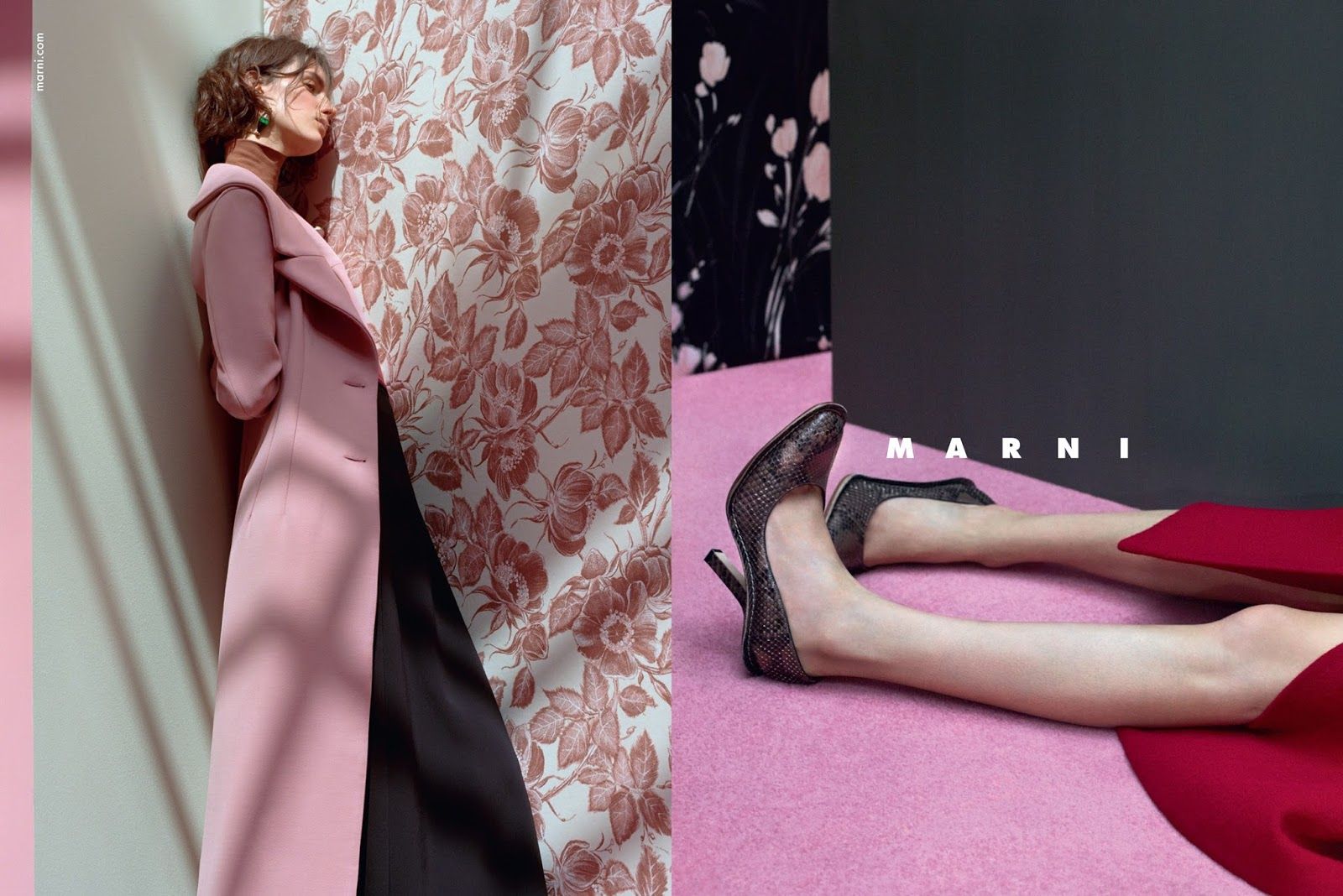
    Italian fashion major Marni has announced the appointment of Stefano Biondo to chief executive officer, effective 15 May 2018.

    The OTB Group-owned luxury label poached Biondo from eyewear company Safilo, where he served as chief brand officer.

    He succeeds Ubaldo Minelli, who was promoted to CEO of OTB in January. Biondo will report directly to Minelli.

    In speaking with WWD, Minelli expressed his confidence in Biondo’s helming of the Marni brand, which has been under management reconstruction globally.

    “Marni has a precise and recognisable identity with incredible potential for growth,” said Minelli.

    “In recent years, we have built a solid foundation for the brand’s future and it is now on the launchpad for true development and success.”

    One of the biggest turning points for the label was in 2016, when Marni appointed a new creative director, Francesco Risso, to replace Marni founder, Consuelo Castiglioni.

    In 2017, Marni’s turnover exceeded 180 million euros, experiencing double-digit growth worldwide, especially in Asia.

    It also highlighted a growth in accessories, specifically handbags, which soared on some 90% in certain markets. Millennial sales were also up, said OTB.

    Marni is present in 54 countries with a wholesale channel of 470 stores and 70 mono-brand stores, with 22 boutiques operated with local partners. Most recently, Marni opened a flagship store in Florence, with several planned for China.

    In 2017, the OTB group quadrupled its Earnings Before Interest and Tax (EBIT) to €21.5 million, despite suffering a 2.4 percent decline in group revenues

    OTB controls Marni, Diesel, Maison Margiela, Viktor & Rolf, Paula Cademartori, Staff International and Brave Kid.

  • Designer Parfums acquires Cerruti 1881 fragrance licence

    Designer Parfums acquires Cerruti 1881 fragrance licence

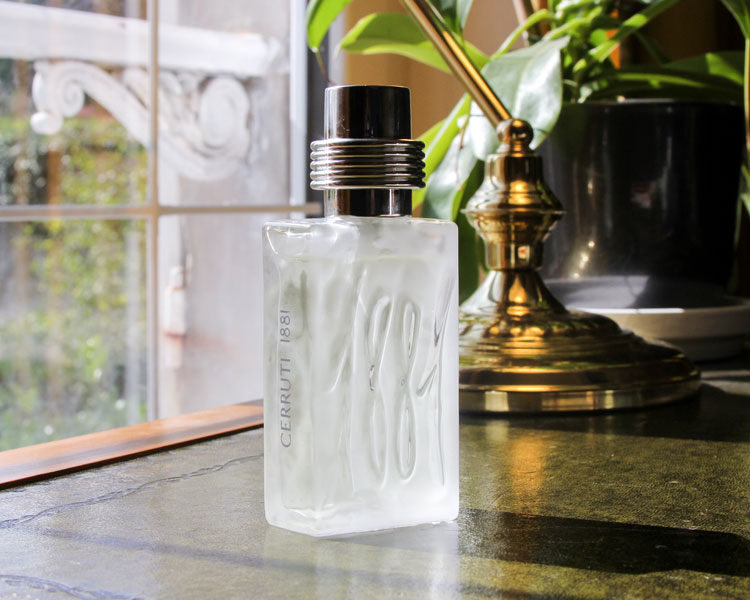
    UK Designer Parfums has acquired the fragrance licence of the Cerruti 1881 brand, chairman/CEO Dilesh Mehta has announced.

    Nino Cerruti founded the brand in Paris in 1967, which is known for its quality products in the world of fashion, accessories and fragrance.

    Cerruti 1881 executive VP Laurent Grosgogeat says scents have been a major category for the brand in the past 40 years. When the Cerruti brothers founded the house in Biella, Italy, in 1881, they were known for making quality wools and textiles.

    Twenty-year-old Nino Cerruti took up the baton in the 1950s and in 1967 founded Cerruti 1881 with its focus on men’s ready to wear. Today, the brand has nearly 100 directly run stores globally and is stocked by leading retailers.

    It launched its first fragrance in 1978, and since April 2011 has been part of Hong Kong-based Trinity Limited, which specialises in high-end men’s pret a porter. Jason Basmajian was appointed chief creative officer in October 2015.

    Designer Parfums offers a range of premium fragrances and beauty products either wholly owned or run under licence. Covering more than 80 countries, its portfolio includes such brands as Aigner Parfums, Ghost, Jean Patou and Jean-Louis Scherrer.

  • Angie Lau X Isabella Wren

    Angie Lau X Isabella Wren

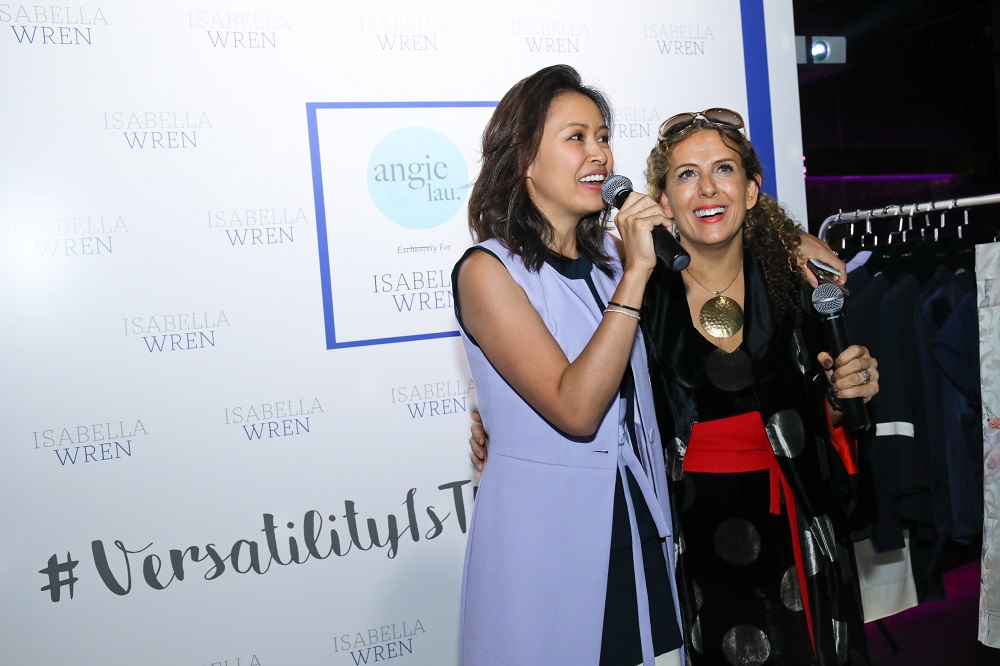
    More than 200 of Hong Kong’s most fashion forward women (and their supporting men) crowded into CÉ LA VI, in the heart of Hong Kong, to celebrate the launch of Isabella Wren’s first capsule collection ever.

    Collaborating with Angie Lau, former TV anchor and style star, Isabella Wren launched the exclusive luxury line Angie Lau x Isabella Wren for Spring/Summer 2018.

    Angie has made an impressive career in television fraternity with being an anchor with an experience of over 16 years. She is an award-winning anchor who has hosted several top personalities, business leaders and influential figures like Li and Fung Chairman, William Fung, Chairman of the Franklin Templeton Mark Mobius, Chief Secretary of Hong Kong’s Bloomberg Anson Change among much more.

    A launch party that offered fashion-seeking crowd its pop-up fix; complete with a measurement station, pieces from the exclusive Angie Lau x Isabella Wren Capsule collection, and of course goodie bags complete with a $100 USD gift certificate to use on www.isabellawren.com for a tailored, made-to-measure, bespoke pieces from Angie’s collection.

    As Angie remarked to the crowd, “This was inspired by all the women I know, at every stage of their lives: mother, mid-career, fresh graduate, jet-setter, traveler.This collection is all about versatility and colour. It’s powerful!”.

    Sarah Chessis, CEO of Isabella Wren, couldn’t agree more, “It’s why I didn’t think twice about working with Angie. Isabella Wren is all those things to women and more! We use innovation to make it easy for our clients to always look good, because it fits perfectly.”

    Fashion sustainability was also top of mind for the socially-minded guests in the crowd.With unique innovation, Isabella Wren whips up each piece only as it is ordered.

    That means there is no waste, no excess inventory, and no guilt.This was welcomed wholeheartedly by Hong Kong’s fashion industry leaders who also came out to support the collection: Clover Group, Under Armour, HKTDC, Lane Crawford, Li & Fung, just to name a few.Some of Hong Kong’s top stylists along with media friends were also on hand to check out the collection which all go together that highlighted the philosophy behind the line: #VersatilityIsTheNewBlack.

    In exquisite Italian wool, jackets lined in silk, beautiful silk jacquard prints — the pieces are as comfortable as they are glamorous. In short: all the things a well-dressed woman wants for Spring/Summer for any and every occasion. It’s luxury redefined: bespoke, stylish, versatile, and sustainable.

  • Amorepacific Q1 net profit plunges 21%

    Amorepacific Q1 net profit plunges 21%

    Amorepacific Corp., South Korea’s leading cosmetics maker, said on its first-quarter net profit declined 20.9 percent from the previous year, due mainly to a sharp drop in the number of Chinese tourists.

    Net income came to 176.7 billion won (US$163 million) in the January-March period, compared with 223.5 billion won tallied for the previous year, the company said in a regulatory filing.

    Operating profit fell 25.5 percent to 235.9 billion won, and sales declined 8.8 percent to 1.43 trillion won during the cited period, it said.

    The company attributed the weak performance to the decrease in inbound tourists from China, which followed the Beijing government’s ban on sales of Korea-bound package tours amid a diplomatic row over the deployment of a U.S. missile system here.

    China has been gradually lifting its travel ban by region, but the effect has yet to be felt by the South Korean retail and tourism industries, according to market sources.

    The combined net income of Amorepacific Group, which includes smaller brands like Innisfree and Etude, reached 216 billion won in the first quarter, also down 18.9 percent from a year ago.

    Total operating profit was down 26.5 percent to 278.1 billion won, and sales decreased 10.3 percent to 1.66 trillion won during the cited period, it said.

    Amorepacific Corp is steadily pursuing the global market with five global champion brands in order to improve its earnings and become a truly global company.

    Laneige entered the Australian market by being launched in Sephora last March and Mamonde entered the US market in the US ‘ULTA’, and Innisfree and Etude opened their first stores in Japan and the Middle East respectively. The company is also concentrating its efforts on developing new global markets.

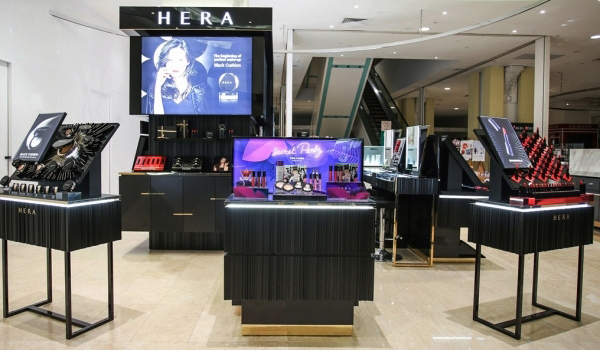
    Hera also plans to enter the ASEAN market (Singapore) for the first time in May.

  • Etam Sells China Ready-to-Wear Operations to Hong Kong Investor

    Etam Sells China Ready-to-Wear Operations to Hong Kong Investor

    The majority of the crippled Etam China retail business has been transferred to a Hong Kong investor.

    While the terms of the sale agreement have not been disclosed, French media refer to the Chinese business as being “ceded” and financial incentives may have been included to help offload the business.

    The deal includes the local businesses of brands Etam Weekend, ES and E & Joy, as well as a license agreement for the use of trademarks using the name Etam. However, the French textile company will retain its lingerie business, which is trading well, internationally, including in China.

    Etam China’s sales slumped 28.7 per cent in the second quarter of last year, to €48.4 million. Globally, Etam’s turnover for the first half of last year was €600 million, down 5.3 per cent. Since then, the company has delisted from the Paris stock exchange, so the current status of the business is unclear.

    Zhou is the founder and CEO of Jaoboo Fashion Group and is described as “a distribution expert in China,” according to French newspaper Le Figaro. He takes control “with immediate effect”.

    In a statement, Etam Group said the transaction reflects its strategy to focus on its core business internationally, the development of its lingerie brand.

    “Thanks to Mr Zhou’s experience, Etam’s ready-to-wear brands will continue to grow and win new customers throughout China,” said Laurent Milchior, CEO of Etam Group.

    Zhou added: “The Etam RTW brands are well known to consumers across China and I am excited to have reached an agreement with Etam Group to take the brands and business forward. With Etam’s strong customer base, its brand heritage and our expertise in China, I am confident we have a bright future ahead of us.”

    The transfer follows the an “exceptional” action plan implemented in July last year to put Etam China back on track, including closing outlets, reorganising logistics to a single warehouse, cutting costs and accelerating the sale of off-season products.

    Etam China closed 154 shops in the first six months of last year, leaving it with 2442 points of sale.

  • Mothercare to close 50 stores in survival bid

    Mothercare to close 50 stores in survival bid

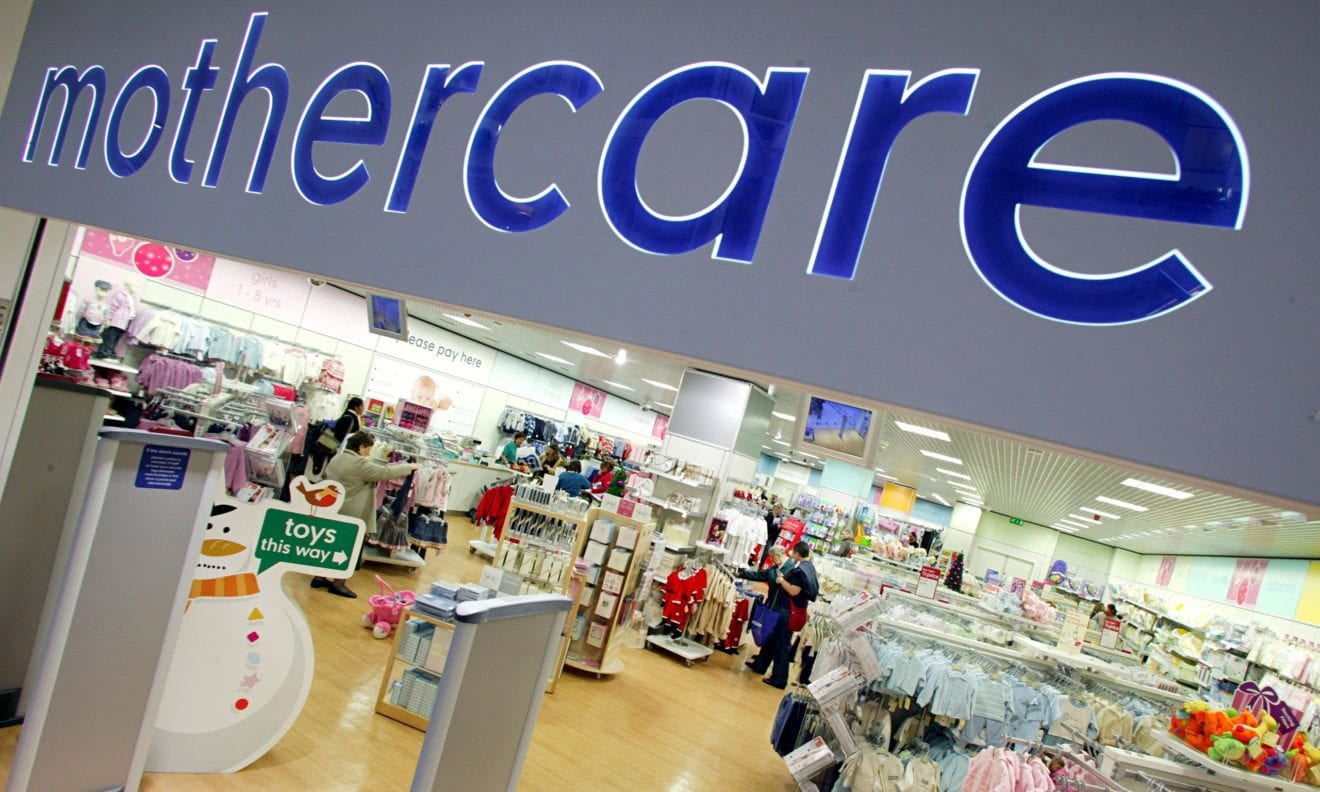
    Embattled UK baby goods retailer Mothercare is to close 50 stores and seek rent reductions on a further 21 as part of a plan to stay viable.

    The company has produced a Company Voluntary Arrangement (CVA) which also proposes axing hundreds of jobs.

    After posting a £72.8 million loss in its last financial year, and having already closed more than half of its stores in the last five years, the company has admitted it is in a “perilous” position.

    GlobalData said while the CVA gives hope for the chain’s survival, its problems run deeper than store leases.

    ‘‘Even if this CVA is approved the company’s future is not assured given greater issues in its business than an overambitious store estate: namely its inability to entice younger parents to its stores, something that value retailer, Primark, has been extremely successful at.

    ‘‘Mothercare is a household name in the babycare and baby equipment market, however over the past few years it has struggled to keep pace, losing market share to the grocers and the rising dominance of online players, with Amazon primarily, threatening its position,” said Mills.

    ‘‘While Mothercare was slow to move online, its website now drives almost half of its sales, though, as it has acknowledged, it requires further investment, and this rather than stores, is where it plans to spend the bulk of the cash it hopes to raise.”

    Mills said the stores which will remain trading if the CVA is accepted by creditors and landlords, need “a lot of attention”.

    “Effort is needed to make them more engaging, creating a sense of community through classes and events among its shoppers to ensure loyalty and repeat purchases.”

    If the CVA is approved – which is likely – mothercare would have just 73 stores trading by 2023.

  • Burberry makes a move to boost its handbag business

    Burberry makes a move to boost its handbag business

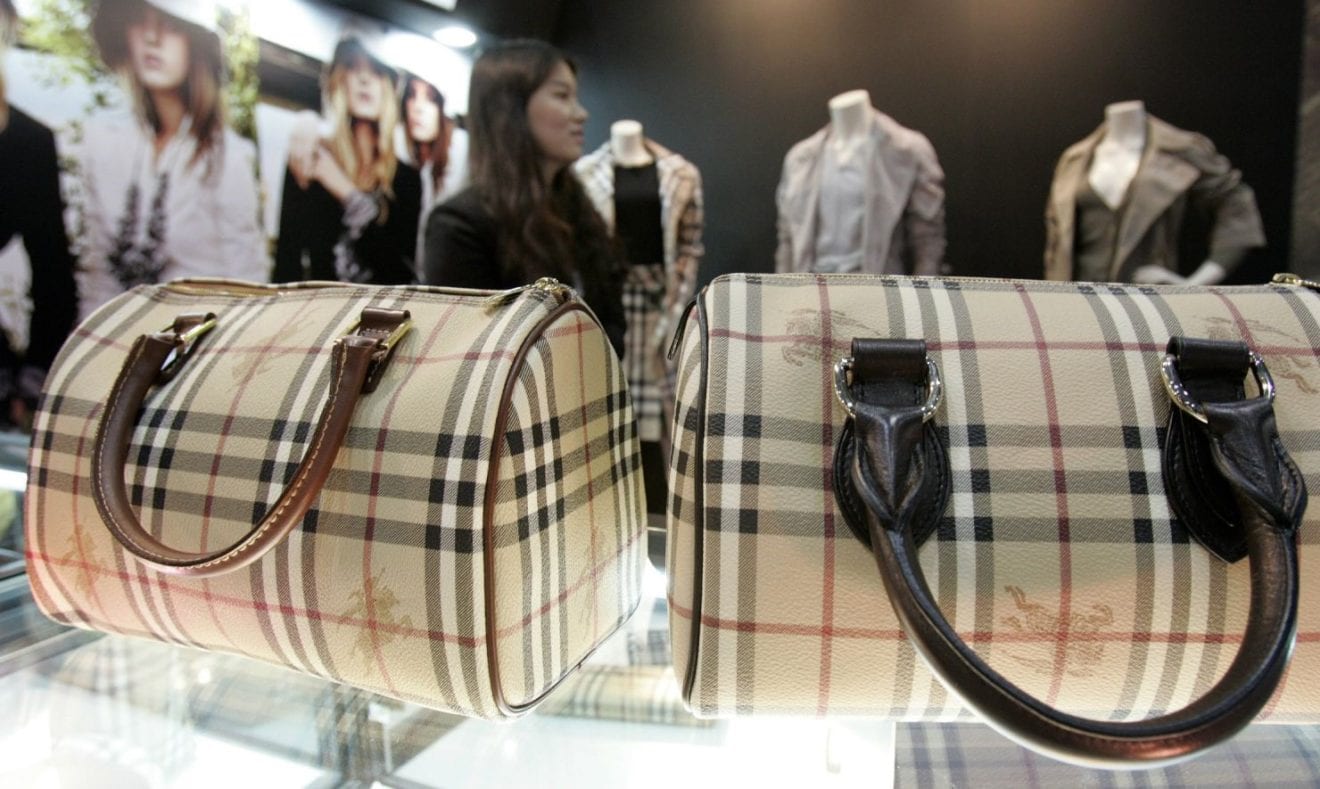
    Burberry, which is seen as punching below its weight in handbags and leather accessories compared to its peers, said it will be taking a team of around 100 leather goods specialists in-house as part of the deal agreed with CF&P, one of its longstanding suppliers.

    It did not say how much it would pay for the deal.

    Luxury goods firms tend to make the largest chunk of revenues from high-margin leather accessories, and many seek where possible to cut out the middle-man, giving them more control over costs and turnaround times.

    CF&P, which is based in Scandicci just outside Florence, focuses on developing propotypes and works with other brands. A small part of its business will remain independent following the deal with Burberry.

    The acquisition comes as Burberry Chief Executive Marco Gobbetti pushes to transform the brand known for its camel, red and black check designs into more of a top-end luxury player, in part by shaking up the product range.

    “The challenge for Burberry in launching its new medium-term strategy to climb back up the luxury pyramid has been the fact that it is inherently weak in a core product area: leather goods,” analysts at Jefferies said in a note, adding that the Italian deal was a welcome move.

    Burberry, which reports preliminary results on Wednesday, has also brought in a new designer, former Givenchy star Riccardo Tisci, and overhauled several layers of management.

    The brand does not break out how much of its manufacturing process is internal, though it is known to produce some of its trademark items, like its trench coats, in Britain.

    Rivals are also making similar moves to tighten control over suppliers. Italy’s Gucci, owned by the Kering luxury conglomerate, earlier this year inaugurated a vast leather goods facility in Tuscany, with some 800 employees.

    The Gucci ArtLab will be focused on prototyping as well as research into new materials and techniques.

    Some other brands like LVMH’s Louis Vuitton or Hermès have long had full control of their leather goods manufacturing, but are also looking to cut lead times as they look to meet thriving demand.

  • ZARA Reopens Its Renovated Flagship Store at Vivocity

    ZARA Reopens Its Renovated Flagship Store at Vivocity

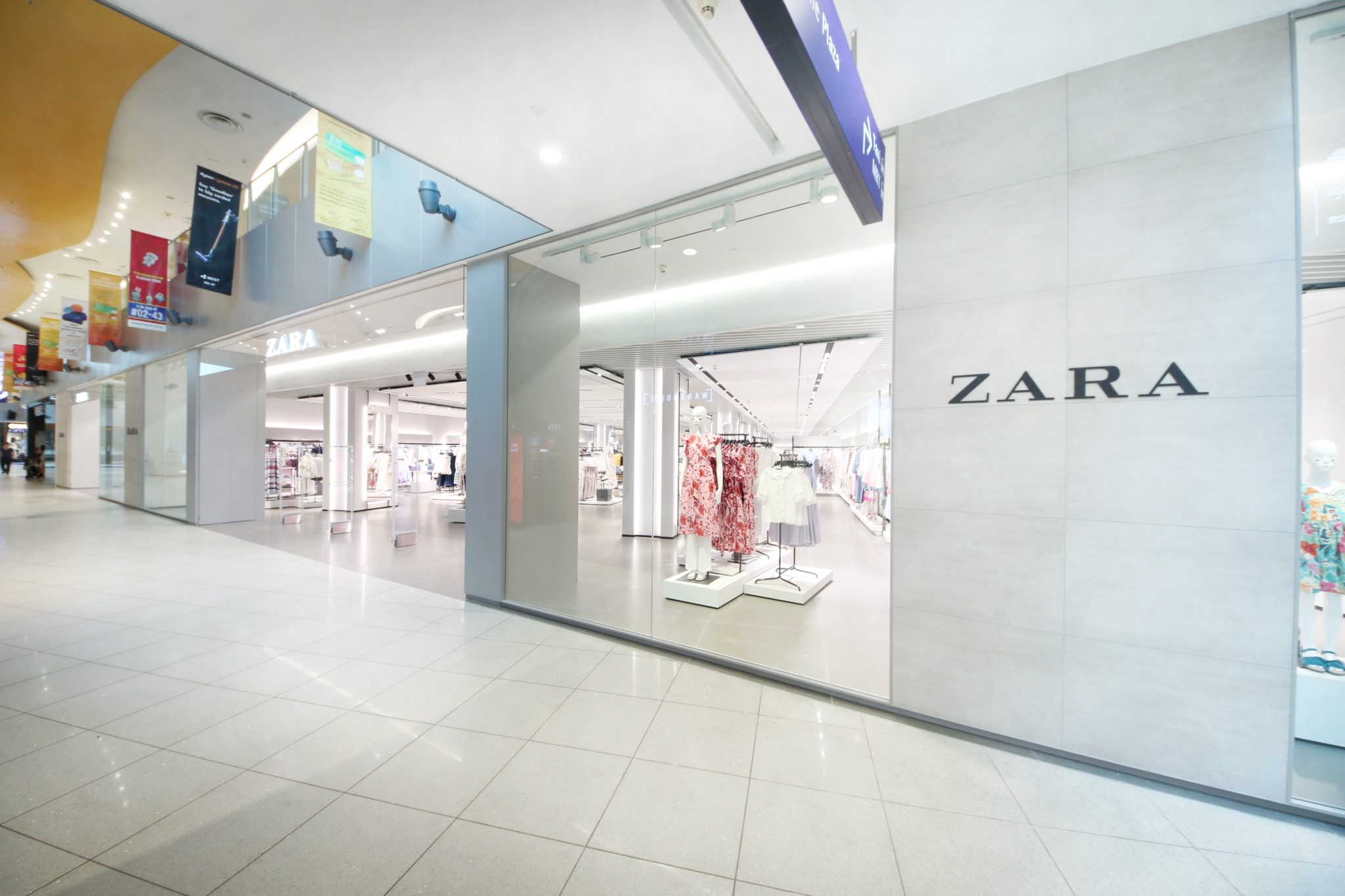
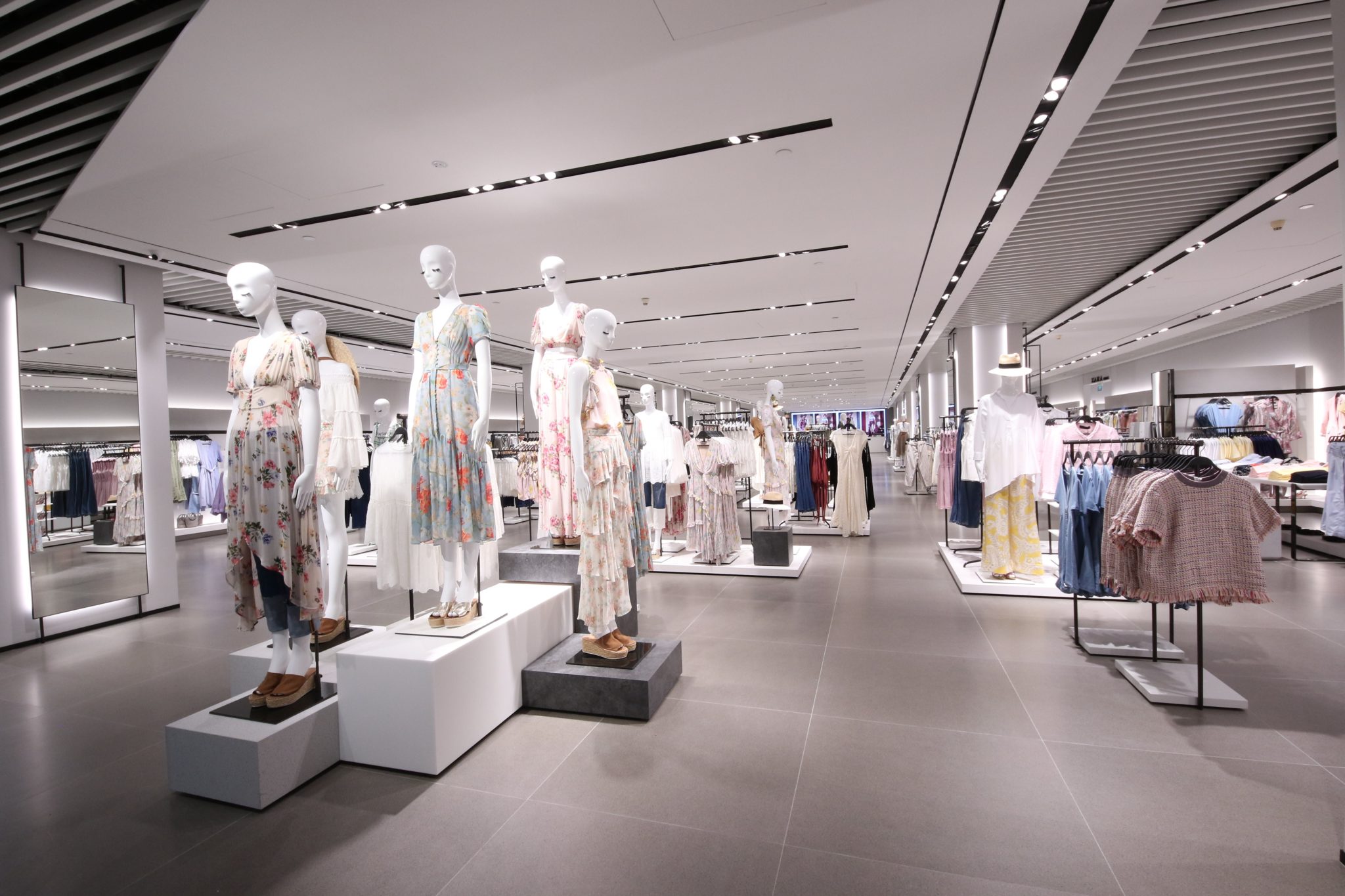
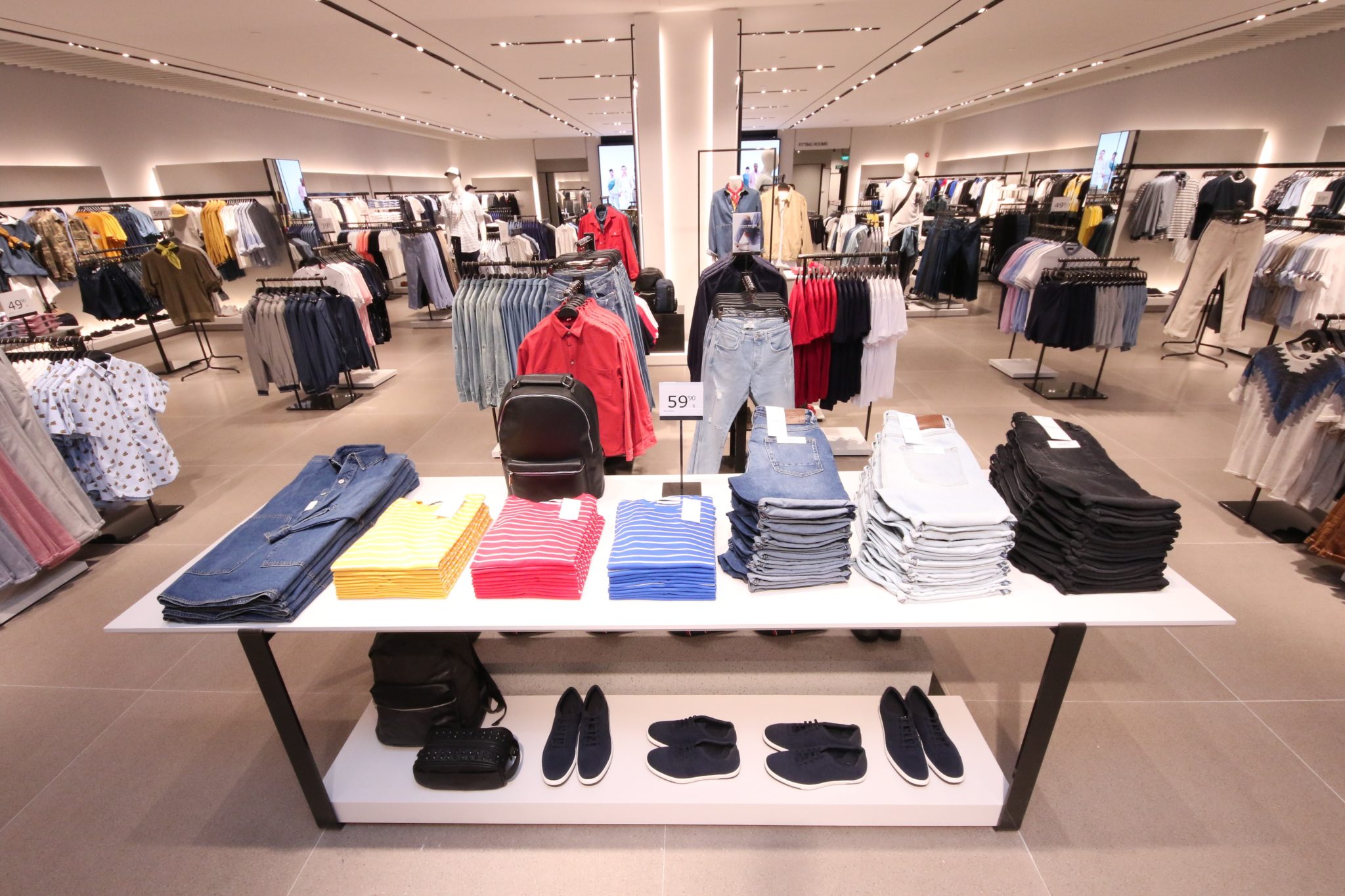
    Zara has reopened its flagship store in VivoCity, Singapore. This newly refurbished establishment showcases the brand’s latest global concept with its 2,700 square meters sales area – approximately doubling the area it had before the refurbishment. It will be distributed in two stores, with the latest collections of Woman, Basic, TRF, and Kids housed under one roof, and a separate store dedicated to Man.

    The store, which features a new interior design, stands out for its façade without windows, providing a transparent view of the store’s architectural features, collections and instore mannequins. Designed to provide continuous and comfortable light, the back-lit ceiling provides soft ambient lighting which contributes to a sensory shopping experience. The space invites the customer to enjoy as never before the experience of feeling, touching, observing and interacting with the merchandise.

    This store also incorporates the green-building criteria stipulated by Zara’s parent group Inditex. As an eco-efficient store, it consumes 20% less energy and 40% less water compared to a conventional store. To ensure the store continues to meet these energy reduction targets, its energy use is regulated by a central control center at Zara’s headquarters in Arteixo, northwest Spain.

    As part of Zara’s commitment to improve the quality of service and shopping experience for customers, the new store introduces the Group’s latest technological developments. This includes Radio Frequency Identification Technology (RFID) which helps to track the location of garments quickly and precisely to make the products most in demand by customers rapidly available on the shop floor, ensuring customers’ shopping needs are fulfilled.

  • Fast Retailing’s Gu to enter South Korea

    Fast Retailing’s Gu to enter South Korea

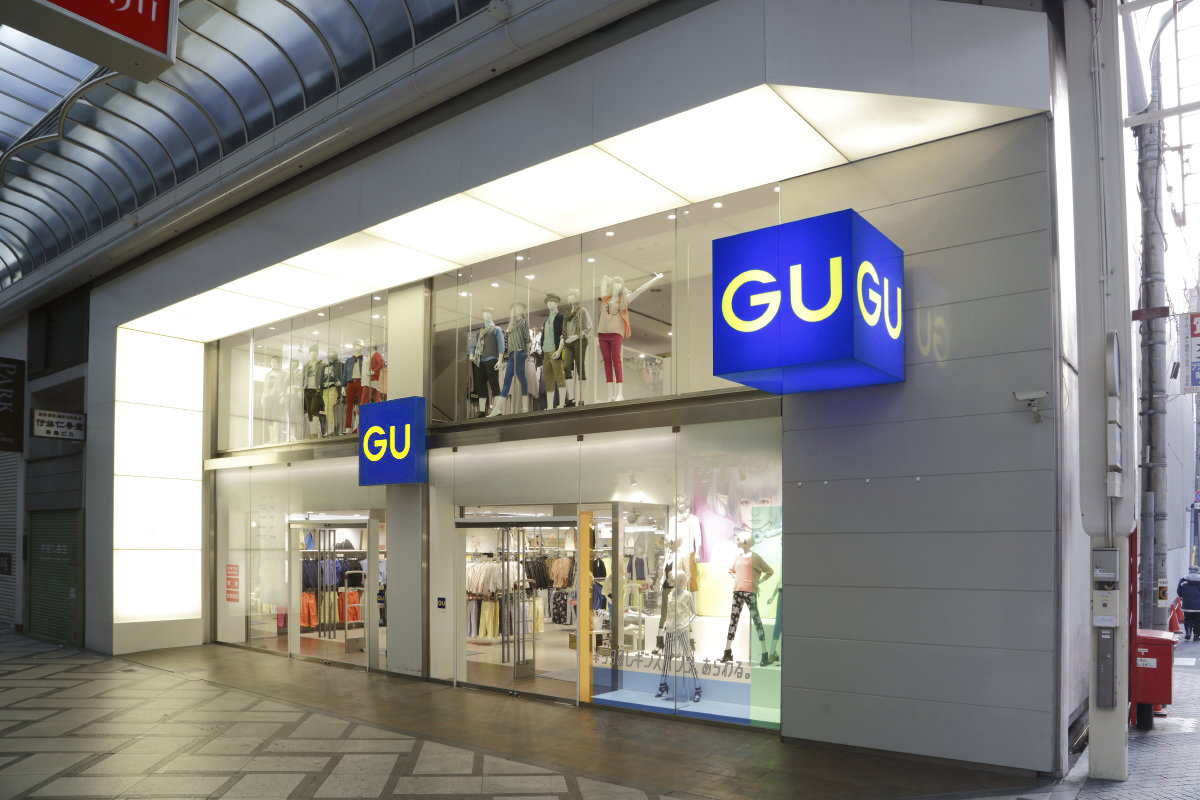
    Fast Retailing Group brand Gu plans to launch in South Korea this year with a store in Lotte World Mall in Jamsil, Seoul.

    With the brand message “Your freedom”, the Japanese clothing store will have a sales floor area of 1400sqm and offer items for women, men and children.

    “Launching in such a fashion-conscious country as Korea is a big step,” says Gu CEO Yunoki Osam.”

  • Balinese jeweller John Hardy plans US store rollout

    Balinese jeweller John Hardy plans US store rollout

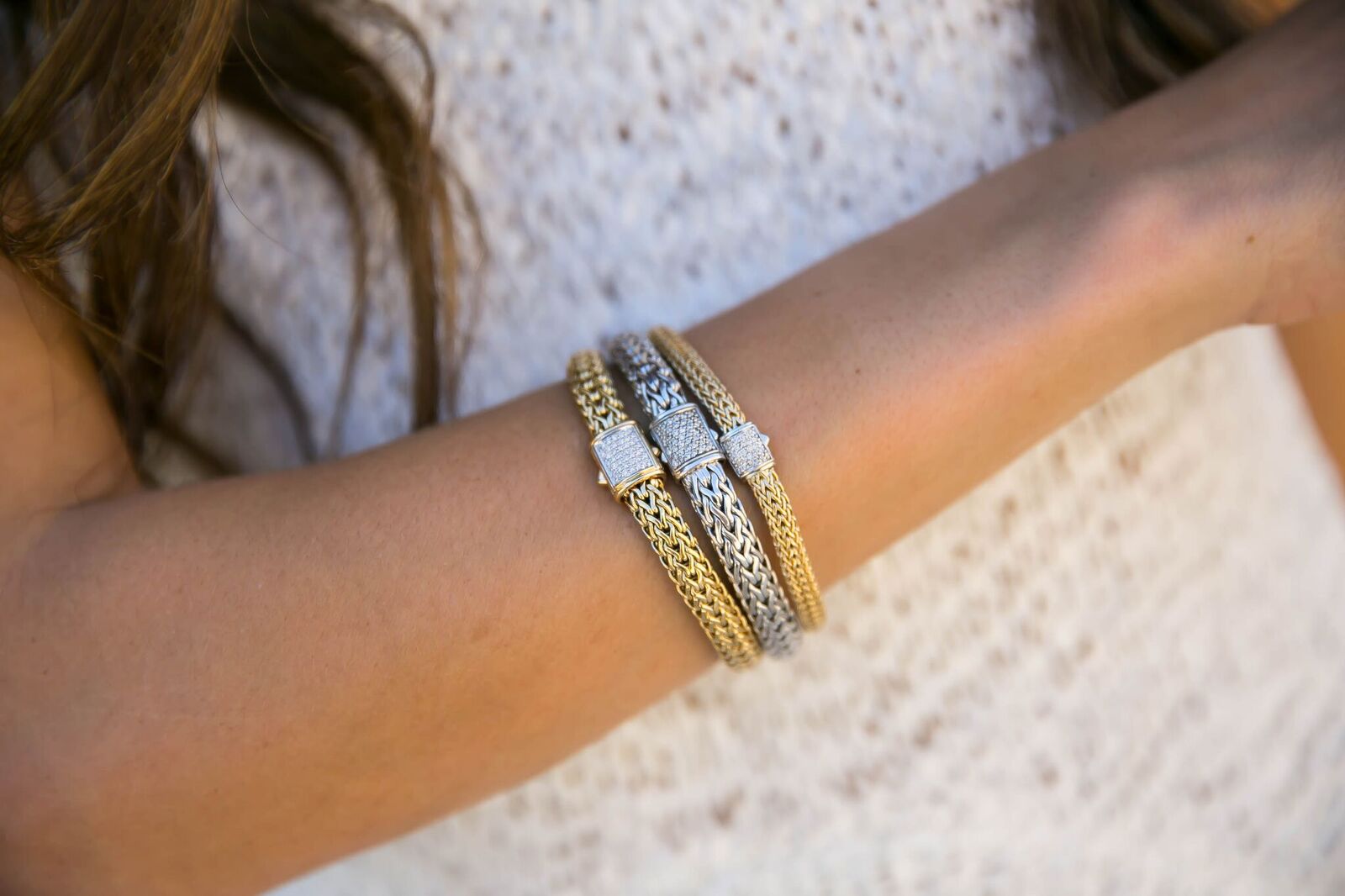
    Indonesian jewellery brand John Hardy has inaugurated a new Miami flagship store, signalling the Made in Bali-brand’s retail strategy shift toward the US.

    The New York-headquartered brand has opened a boutique inside Florida’s Aventura Mall, much like its SoHo flagship store in New York, thus taking its store count in America to four.

    Stocking the brand’s unique jewellery collections for women, the Miami store will also feature a work area dedicated to the brand’s ‘Artisan in Residence Program’.

    In an interview with WWD, John Hardy CEO, Robert Hanson – who joined took the brand’s helm around the time private equity firm L Catterton took a stake in luxury jewellery brand — said the company has an “expansion” strategy in place, with a focus on the US.

    “We’ve identified domestically all A and A+ locations we would like to be in, maybe over the next two years 12 to 15 in A+ locations. We could expand beyond to 25 locations including the U.S. and Canada over time,” said Hanson, adding that company is in negotiations for two more locations for early 2019, with a possible third outlet store opening due in October on the West Coast.

    John Hardy already has stores in Houston and Los Angeles and two US outlets; one at Woodbury Commons in New York and the other at Desert Hills Premium in Riverside County, California.

    Outside Indonesia, the firm has three stores in Hong Kong at Gateway, Sogo and Landmark.

    In the last four years, John Hardy revenues have grown 25%, made up of U.S. wholesale (60%), Caribbean sales (10%), direct-to-consumer sales (20%) and international sales (10%).

    Canadian jeweller John Hardy founded the brand in 1975 in Bali. The company has its corporate headquarters in New York, as well as design studios in Bali and Thailand.

  • Richemont launches a new product to target millennials

    Richemont launches a new product to target millennials

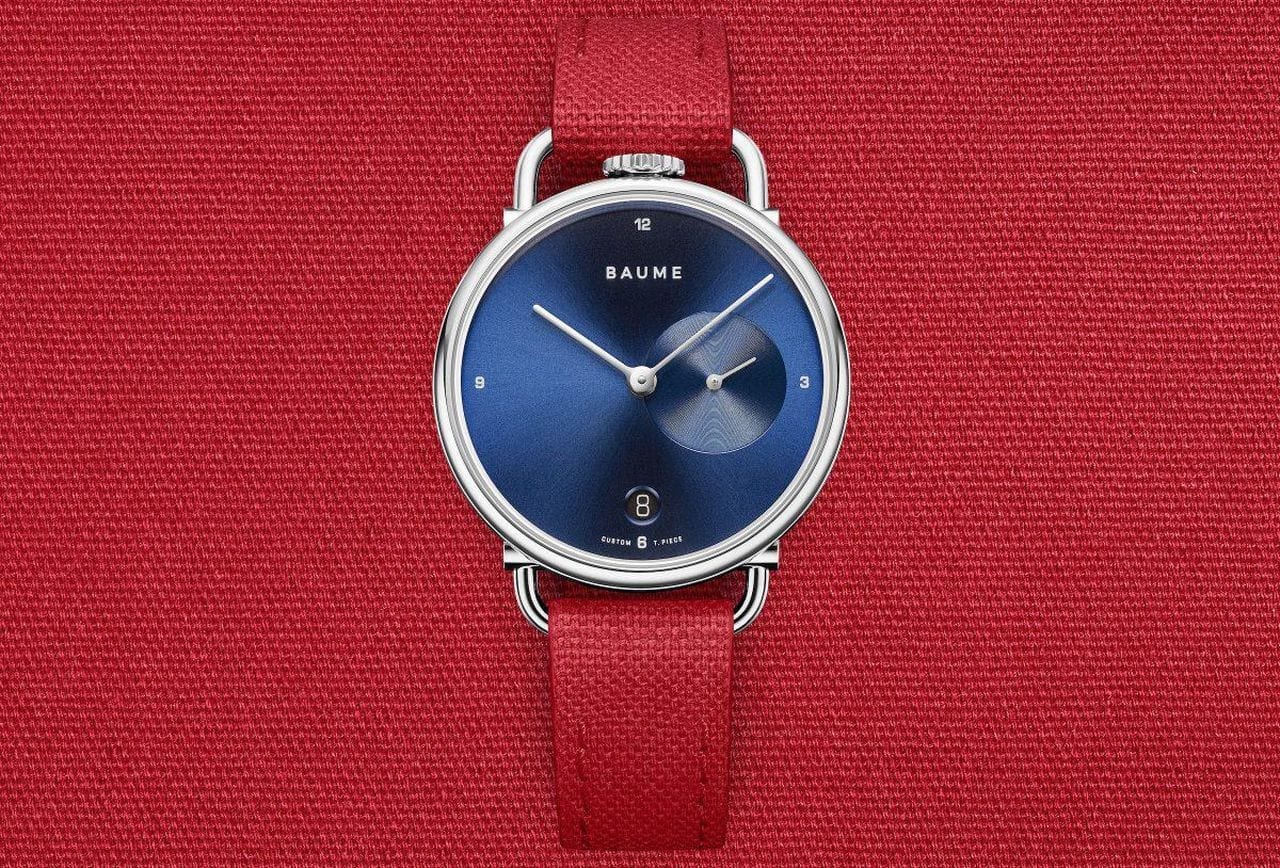
    Luxury goods group Richemont has launched a new watch brand, Baume, offering trendy time pieces priced in the hundreds rather than the thousands of dollars to lure young people away from their smartphones for reading the time.

    Swiss watchmakers have seen sales improve recently, after a prolonged downturn, but are struggling to reach young people who wear no watch at all or a connected Apple Watch and want online services luxury watchmakers have been slow to embrace.

    The new Baume brand will be sold exclusively online with prices starting at $560, a clear indication it is aimed at younger customers. It will also try to appeal to their “green” conscience by using no animal-based or precious materials and only paper and cardboard for packaging.

    Richemont’s watch business consists of high-end brands, such as IWC or Jaeger-LeCoultre, that cost thousands or even tens of thousands of dollars and are still mostly sold in traditional brick-and-mortar stores.

    Luxury watch brands have only belatedly embraced digital marketing and distribution and are still seeking answers to the emergence of smartwatches such as the Apple Watch and the younger generation’s dwindling interest in traditional watches.

    The Baume brand, officially launched on Tuesday, offers unisex watches in a minimalist design with watch straps made of recycled materials. There is also a customizable series where users can choose from over 2,000 permutations through an online configurator, the brand said in a statement.

    Baume said it was “drawing experience and insight from the rich watchmaking history across the Richemont group” and was focused on “encouraging individuals to participate in a design-led global conversation”.

    “Maybe they want to try and become relevant for younger consumers,” Exane BNP Paribas analyst Luca Solca said.

    “They are using selling themes that should resonate well with millennials, at first sight. This could serve as the ‘access step’ into the category,” he said.

    Richemont reports full-year results on Friday.

    The group recently made an offer to acquire online retailer Yoox Net-a-Porter and has started selling more luxury timepieces online.

  • Giordano International sales boost by online sales

    Giordano International sales boost by online sales

    E-commerce has helped boost the first-quarter bottom line for Hong Kong-based clothing retailer Giordano International, particularly in China.

    Unaudited figures for the three months to the end of March show Giordano’s overall e-business generated HK$81 million (US$10.3 million) in revenue, representing a year-on-year increase of 44.6 per cent. Of this, Mainland China accounted for 87.9 per cent, with sales growth of 28.9 per cent.

    Giordano says growth momentum continued for the mainland. “The development of the two strategic channels of e-commerce and franchising were on track and will continue to be our growth drivers in the medium term.”

    Same-store sales (CSS) rose by 16.7 per cent despite 30 non-performing stores being closed in the past 12 months.

    A decline in gross margin by 1.3 points can be attributed to greater sales contribution from e-business, says the company.

    In Hong Kong and Macau, sales for the first quarter increased by 3.8 per cent, resulting from same-store sales growth of 9 per cent partly offset by the closure of a major non-performing store. Gross margin was down by 0.9 points as a result of a longer promotion period for the late Chinese New Year.

    In a rebound since last year’s second quarter, Taiwan grew same-store sales by 19.6 per cent and comparable store gross profit (CSGP) by 25.1 per cent.

    In the rest of Asia Pacific, sales increases mainly came from store expansion in Indonesia and the acquisition of its Vietnam business since July, which contributed to 5.9 per cent of the region’s sales.

    Despite a tough macro environment, other Southeast Asia markets delivered stable sales growth. Excluding the Vietnam acquisition, gross margin would have dropped by one point.

    South Korea – a 48.5 per cent JV under an independent management team – continued to deliver positive CSGP growth.

    “Inventory rationalisation and lower product costs through shared sourcing have contributed to a substantial gross margin improvement.”

    Overall, group sales for the quarter rose by 13.4 per cent to $1.4 billion while group gross profit grew by 12.5 per cent. Same-store sales and CSGP for the quarter grew by 9.5 and 8.7 per cent respectively.

    As at the end of March, the group had a network of 2414 outlets, of which 1271 were standalone stores – an increase of 40.

  • Shilla Duty Free outperforms in Q1 with record-high sales

    Shilla Duty Free outperforms in Q1 with record-high sales

    Hotel Shilla’s airport retailer Shilla Duty Free has posted record-high first-quarter sales of KRW1.14 trillion (US$1 billion).

    Korean-headquartered Shilla Duty Free earned KRW47.6 billion in operating profit in the quarter, mainly because of increased sales at its overseas duty-free shops.

    Sales last year hit KRW600 billion, and the company expects sales to hit KRW1 trillion this year.

    Shilla Duty Free opened its first overseas duty-free shop at Singapore’s Changi Airport in 2013, and in December opened its fifth overseas outlet at Hong Kong International Airport to become the first company to manage duty-free stores in the three largest airports in Asia – Incheon, Singapore and Hong Kong. It also has outlets at airports in Macau, Phuket and Tokyo.

  • Luxury cosmetics brand Hera opens store in Singapore

    Luxury cosmetics brand Hera opens store in Singapore

    Luxury beauty brand Hera under South Korea’s largest cosmetics conglomerate Amorepacific Group has opened its first store in Singapore that is expected to serve as the Korean beauty brand’s gateway to neighboring countries in Southeast Asia.

    According to Amorepacific on 11 May, Hera was officially launched in Singapore with the opening of its standalone boutique store inside Takashimaya Department Store.

    The move comes as luxury cosmetics brand Hera has been putting out efforts to expand its global business by entering into Association of Southeast Asian Nations (ASEAN) countries. Hera that entered China in 2016 plans to use Singapore as a bridgehead to venture into other markets in Southeast Asia.

    Hera expects the store in Singapore where hallyu, or Korean wave, is still catching on and consumers chase trendy lifestyle would help to accelerate its advance into other ASEAN markets.

    Amorepacific plans to mainly introduce skin care and beauty products that can help maintain fresh look against high humidity and temperature at its first store in the Southeast Asian country.

    In addition to the boutique store in Takashimaya Department Store, Hera plans to open a flagship store in the country before launching the brand in other neighboring countries.

    Amorepacific ventured into China immediately after Korea and China established diplomatic relations in 1992. The beauty powerhouse that has been seeking to drive the growth through overseas operations made a foray into Vietnam with its mid-tier Laneige brand in 2003 and now manages 20 direct outlets in the country.

    It also has been aggressively expanding its presence in other countries in Southeast Asia and the Middle East including Indonesia, Thailand, Singapore, and Dubai.