Category: Fashion

Retail News Asia is committed to providing both local and global retailers with the latest Fashion news throughout the Asian market. This on a daily base.

  • Italy’s Ermanno Scervino comes to Hong Kong

    Italy’s Ermanno Scervino comes to Hong Kong

    Ermanno Scervino has opened its debut store in Hong Kong, with inauguration of an Ocean Centre Harbour City store last Saturday.

    Partnering with retail distributor Requing for the launch, the store is located inside the luxury mall and carries the Italian brand’s ready-to-wear and accessories collections, for men and women.

    “Over the years, customers in the Far East have learned to fully appreciate that Italian unique artisanal luxury which I offer with my collections,” Ermanno Scervino creative director Ermanno Daelli, told the press at the opening.

    “I’m happy to be in Hong Kong to attend the inauguration of this important boutique — Hong Kong is a dynamic city with an international soul, it’s the ultimate place-to-be for those who like me consider fashion a way to break national boundaries.”

    The store boasts the brand’s retail design codes, described as “refined and elegant.” This translates distinctively into tinted windows, mirrors, grey stucco and black Belgian marble.

    Ermanno Scervino founded his namesake brand in 2000. In 2016, the Florentine brand recorded revenues of 100 millions euros, with 70% of total sales witnessed overseas.

    The company operates 48 stores globally. In Asia, it has outlets in Tokyo, Japan and Shanghai, China, as well as in mega cities outside the region such as Paris, Paris and London. It most recently opened a store in the ritzy Monte Carlo.

  • Vietnam cosmetics manufacturers face thorny path to develop organic products

    Vietnam cosmetics manufacturers face thorny path to develop organic products

    A report on the cosmetics market released by Kantar Worldpanel shows that 80 percent of urbanites buy at least one beauty care product a year, with one-fourth of consumer spending on personal care items reserved for beauty care products.

    Oriflame, the brand from Sweden, reported a growth rate of 18 percent. L’Occitane doesn’t make public its revenue, but the presence of its products at nearly all shopping malls show its prosperity.

    Multinational conglomerates with factories in Vietnam such as Unilever, Kao and P&G have been thriving with products made of natural materials from Vietnam, such as green tea, cucumber, algae, aloe, honey, ginseng, lemon and pomelo peel.

    Analysts say that though foreign brands are dominating the market segment, Vietnamese cosmetics manufacturers still have opportunities to earn money in the field because they understand the functions of Vietnamese traditional herbs and can take initiative in the material supply.

    Vo Thi Lieu, director of the Vinh Tan Technology Company, which makes skin care products from trom tree (Sterculia foetida) resin, said in the first months after the products were marketed, the company sold VND300 million worth of products and now the sales growth rate is at least 20 percent.

    The company has spent big money to import a production line from Japan meeting GMP standards, with capacity of 43 million products per annum, because it believes the natural cosmetics market in Vietnam has great potential.

    Doan Van Khanh, director of Long Thuan Private Enterprise, said the company earns VND1 billion at least from the sales of pomelo blossom essential oil through online channels alone.

    Meanwhile, Christine Nguyet, director of Skina Cosmetics, said the sales of the company were growing 10 percent monthly.

    Though business has been thriving, Vietnamese manufacturers complain that they find it difficult to scale up their production scale.

    Nguyet said Skina only has enough materials for small production scale. To expand production, the company would have difficulties because it still cannot develop organic material areas, and imports of raw materials will increase the production cost.

    Pham Minh Thien, director of Co May Company, said he harbored a plan of making high-end products such as rice bran essential oil and lotus essential oil. However, the plan is still on paper.

    “In order to make organic products, we will have to find a stable supply of organic rice bran. But it is very difficult to find supply sources,” he said.

  • The Shilla Duty Free set to come off MAG in Changi as business improves

    The Shilla Duty Free set to come off MAG in Changi as business improves

    The Shilla Duty Free’s burgeoning reputation as an Asian travel retail powerhouse in beauty is being underscored at Changi Airport, where the company expects this year to start contributing a percentage of revenues rather than the Minimum Annual Guarantee (MAG) it has been paying until now – a sure-fire indicator of improved business.

    “That means we have made a great improvement,” said Hotel Shilla President of Travel Retail Division Ingyu Han. Han said that Shilla has driven a much-improved passenger spend rate as well as implementing various operational improvements at its key Singaporean operation.

    Shilla was awarded the Changi perfumes & cosmetics concession ahead of red-hot competition in late 2013. Although it got off to a difficult and heavy loss-making start, business has improved substantially since. The victory – and learnings – laid the platform for further international expansion in ensuing years.

    That development included the beauty business at Macau International Airport in partnership with Sky Connection and, notably, the key beauty & accessories contract at Hong Kong International, which it won ahead of intense competition last year. Shilla will celebrate the Grand Opening of its multi-store network at Hong Kong International, where it trades as Beauty & You, on 28 June.

    Shilla is also the dominant beauty retailer at Incheon International Airport T1 and T2.

    As reported, Shilla posted outstanding results for the first quarter. Hotel Shilla’s travel retail division posted a +30 percent surge in revenues for the first quarter of 2018, to 1,013.7 billion won (US$950 million), while operating profit in the division surged by +182 percent year-on-year, hitting 47.6 billion won (US$44.5 million).

    The company’s airport duty free business delivered a +41 percent revenue rise, while in downtown duty free the increase was +22 percent.

    Regina Hahm Equity Analyst (Cosmetics, Household goods, DFS) at Mirae Asset Daewoo Research Center said: “The overseas duty free business delivered a strong performance in terms of both growth and profitability. Revenue surged +76 percent year on year, bolstered by more meaningful sales from the Hong Kong International Airport operation. Operating loss declined to 42 percent of the 1Q17 level with the help of efficiency gains in the Singapore Changi Airport operation.”

    Commenting on the wider results, Ms Hahm said, “The stellar results were attributable to strong growth and margin improvements across all businesses. The domestic duty free business (key to profits) posted record revenue of 771.5billion won (+19.6 percent year-on-year) and OP margin of 6.5 percent, the highest quarterly level since 3Q15. We believe the main drivers were: 1) the stabilization of travel agent commissions (which became unduly high due to intensified competition); and 2) cost efficiency gains resulting from the company’s enhanced merchandising capabilities.”

  • Hyundai Department Store offers high-tech make-up

    Hyundai Department Store offers high-tech make-up

    Hyundai Department Store’s online mall has launched an augmented reality (AR) service so its customers can virtually try on make-up products.

    It covers more than 20 products from eight beauty brands, including Benefit, Estee Lauder and Shu Uemura. Using an AR image of their face, customers can try on different colour variations. Hyundai says it plans to expand the number of brands to 20.

    “With the virtual make-up service, customers can simply choose items through our app,” says the retailer.

    On its website or app, cosmetics products offering the virtual service appear with a camera sticker on the product page. One click leads the user to the Makeup Plus app, which uses a live video feed to enable customers to see how the product would look on their face from different angles.

    The Makeup Plus virtual make-up app has been downloaded more than 200 million times since its launch in 2015. In Korea alone, the app is used by 500,000 people each month. It was developed by Chinese tech company Meitu.

    “Customers of online shopping malls want fun services and products rather than making a purchase 100 to 200 won cheaper,” says Hyundai Department Store’s e-commerce executive Lee Hee-jun. “We plan to use thehyundai.com to create new shopping experiences that combine offline retail and IT.”

  • The history of Sasa

    The history of Sasa

    Simon Kwok Siu-ming, chairman and CEO of Hong Kong’s biggest retailer of cosmetics and skincare products, does not hide his tricks to look younger than his 64 years.

    He said: “I use masks [on my face] when I’m watching football. I care about my hair, as hair loss worries men the most. I use quality shampoo, conditioner, and face and body wash, which make me look younger,” says Kwok, who is also a daily user of eyebrow pencils, concealer, sun block and moisturising foundation.

    Kwok is not alone. “Thirty per cent of our eyebrow pencils are bought by men,” he says. This growing obsession with appearances and rising affluence mean Sasa’s customer base now includes, well, almost everyone.

    “In the past, mothers brought their 17- and 18-year-old daughters to our shops, but only allowed them to buy lipsticks and rouge. Eye shadow and heavy make-up were forbidden. Forty- to 50-year-olds did not even use make-up. But now, 11- to 12-year-olds come to buy nail polish themselves, and everyone from teenagers to 70-year-olds is wearing beautiful make-up.”

    And that is good news for Sa Sa International Holdings, a HK$14.7 billion (US$1.87 billion) cosmetics empire with 270 stores selling more than 17,000 products in Hong Kong, Macau, China, Singapore and Malaysia.

    Sasa outlets are a cornucopia of colourful make-up, fragrant perfumes and flashy cosmetics bottles, and the flagship is Sasa Supreme, a snazzy, 20,000 sq ft lifestyle concept store that opened in the prime shopping district of Causeway Bay in 2013.

    Sasa Supreme’s glitz and glamour is a far cry from the first Sasa store – a 40 sq ft outlet in the basement of a Causeway Bay shopping mall. Kwok’s wife, Eleanor Kwok Law Kwai-chun, was working in the store as a saleswoman for Japan’s Kanebo Cosmetics in 1978 when the couple were offered the business for HK$20,000.

    Kwok listened to the advice of his wife, and his devotion to her paid off handsomely.

    “Our entire story started from her decision to take over this small shop,” he says. “We lived in the same building above the shop. She got financial help from her mother and, without any experience [in running a business], we bought it. Within six years, we had rented all the shops in the basement to sell cosmetics.”

    So how did the name Sasa come about? It was what the original business was called.

    “We did not do much business at the beginning and we wanted to change the name. But this would have cost HK$1,000, which was a month’s rent at the time, and we couldn’t afford it. But the name turned out to be perfect, as it’s pronounced the same all around the world.

    “Whether you speak Russian, French, Italian or any dialect in China, it is always pronounced ‘sasa’.”

    When Japanese cosmetics brands first went on sale in Hong Kong in the 1970s, they were not seen as chic enough to be sold in the city’s big department stores, and this provided the Kwoks with an opportunity.

    “Three Japanese brands – Kose, Shiseido and Kanebo – took up half the shelves when my wife worked in the store, so she knew Kanebo products very well. When we took over Sasa, the first brand which supported us was Kanebo, so we devoted half our shelves to their products.”

    At first, Kwok helped his wife run the shop until 10pm before going to his regular overnight job as a parking meter repairman for the government. He would care for their baby girl in their store and listen in as his wife sold beauty products to women.

    “I did not have the guts to sell cosmetics [in the beginning] … But my wife asked me to help her out when the shop was busy. At first I blushed [when selling perfumes and cosmetics], but discovered that women valued my opinions,” he says.

    “If I thought a perfume smelled nice, I realised that their boyfriends would like it as well, so I gained confidence. The opinions the customers gave me during the first few years helped nurture my instincts [for this business] – and money can’t buy this.”

    Despite going to bed every night at 3am and only taking a break during the Lunar New Year, Kwok says he was happy working alongside his wife. “I was with her the whole day. We were both workaholics and spent little time with our kids.”

    Sasa is now a household name and shorthand throughout Asia for affordable, discounted cosmetics. It’s a magnet for Hong Kong and Chinese women shoppers in particular, and an essential stop on the itinerary of countless tourists. Kwok attributes the public’s affection for their brand to the company’s sharp eye for a trend.

    “We were the first to introduce Korean brands. My wife and I started watching Korean soap operas a decade ago. We thought the Korean stars were very beautiful, but Korean brands were not popular then.”

    Korean companies now produce some of the world’s most popular cosmetics and, from management and buyers to frontline salespeople, all of Sasa’s 5,000 staff have to keep abreast of the latest Korean make-up trends, identifying the top sellers online and in South Korea’s department stores.

    With the tsunami of e-commerce buffeting bricks-and-mortar retailing, Sasa launched Sasa.com in 2000 and has entered into partnerships with online marketplaces such as Alibaba’s Tmall and JD.com.

    Although Sasa.com has not yet turned a profit, Kwok says losses were reduced last year on the back of improved logistics operations.

    “We have achieved 50 per cent year-on-year savings in logistics costs using big data. We hope [Sasa.com] can break even in two years.”

    With visitors from China accounting for 70 per cent of Sasa’s sales in Hong Kong and Macau, the chain’s fortunes are closely tied to the Chinese government’s tourism policies. The company saw a boom in sales after it introduced the Individual Visit Scheme in 2003, under which travellers from China were, for the first time, allowed to visit Hong Kong and Macau as individuals rather than members of tour groups. This brought an influx of visitors from China to the two special administrative regions.

    Chinese travellers spend an average of HK$700 per store visit, and their spending meant Sasa outlets mushroomed in Hong Kong – its pink and white storefronts dot streets in busy shopping districts like convenience stores.

    The flood of visitors receded in 2015 when it was announced that permanent residents of Shenzhen, the Chinese city bordering Hong Kong, would only be allowed one trip to Hong Kong per week. This led to what Kwok refers to as a “retail slump”.

    However, Kwok sees bright prospects for Hong Kong’s retail sales due to the imminent opening of a cross-border high-speed rail line and the Hong Kong-Zhuhai-Macau bridge – which will make travel from the western Pearl River Delta to Hong Kong much quicker – and the development of the Greater Bay Area, a Chinese government scheme to link Hong Kong, Macau, and nine cities in Guangdong province in an integrated business hub.

    Kwok says that, while the number of visitors from China to Hong Kong has risen in the past few months, as people in China become more affluent they have more travel choices and, during China’s “golden week” national holidays, are more likely to “head to Thailand, Bali and Europe instead” of Hong Kong or Macau.

    However, he believes day trippers, attracted by the improved cross-border transport infrastructure, will boost Hong Kong’s retail industry.

    This is far from the first time Kwok and his wife have faced turbulence. Their first big setback came in 1989 when they lost the original Sasa basement store in Causeway Bay.

    “Our landlord increased the rent from HK$8,500 to HK$45,000. We were earning enough to cover this, but the landlord then rented the store to a business rival. This was around the same time as [the] June 4 [Tiananmen Square crackdown].”

    Dejected, he decided to take a break in Canada, but quickly became bored, and after only three days flew back to Hong Kong to continue the cosmetics business. Then came the true turning point in the Sasa story – Kwok made the risky decision to rent their first street-level shop for HK$120,000 a month.

    “It was a big bet, as the rent was so much higher. We moved into the new place six months before the lease expired on the Causeway Bay shop because we didn’t want to lose our customers to the new tenant. We closed that shop, switched off all the lights, put up relocation notices and stationed part-time staff there to escort customers to the new premises.”

    Business boomed and a stream of street-level Sasa outlets soon followed.

    With global retailers salivating over China, Kwok sees Sasa’s next challenge as conquering the vast Chinese market.

    “We have to combine retail with e-commerce and make good use of technology. Even if Chinese customers don’t come to Hong Kong, we can contact them through WeChat and mail the goods to them. We are doing that now. It’s not very successful [yet], but this is certainly the way to do business in the future.”

  • Luxury brand Burberry boosts profit as turnaround grows momentum

    Luxury brand Burberry boosts profit as turnaround grows momentum

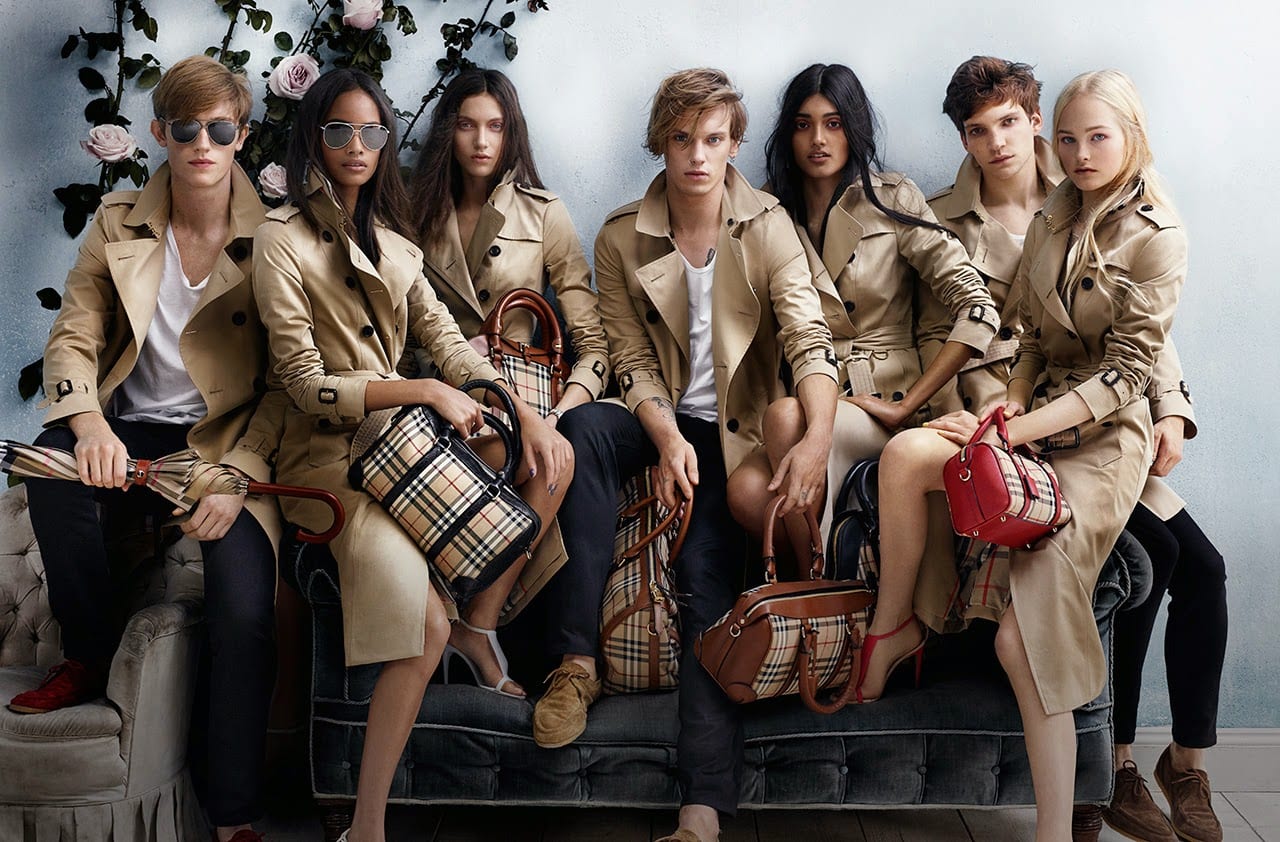
    Christopher Bailey’s last collection for British luxury brand Burberry helped lift the company’s profits by 5 per cent, exceeding analysts’ expectations and signalling a turnaround program is already bearing fruits.

    Bailey has stepped down as chief creative officer – and earlier as CEO – and his swansong for the brand, a rainbow-tinted collection released in February, received rapturous reviews from the fashion press.

    Incoming CEO Marco Gobbetti paid tribute to Bailey, praising his final collection and saying the designer had left the company with an “incredible legacy”.

    The new head of design, Riccardo Tisci, will reveal his inaugural offer in autumn.

    Stronger domestic sales underpinned a 2 per cent rise in Burberry’s global revenue to £2.66 billion (US$3.6 billion).

    Gobbetti said the results showed his strategy to revitalise Burberry was paying off.

    “In November, we set out our multi-year plan to re-energise our product, our communication and the experiences customers have of our brand to deliver sustainable long-term value.  We have made good initial progress, our plans are on track and we are seeing positive early signs from our retail and wholesale customers.”

    In the new 2019 financial year, Gobbetti is on track to achieve a cumulative £100 million in cost savings.

    “In a year of transition, we are pleased with our performance as we began to execute our strategy.

    While the task of transforming Burberry is still before us, the first steps we implemented to re-energise our brand are showing promising early signs.  With Riccardo Tisci now on board and a strong leadership team in place, we are excited about the year ahead and remain fully focused on our strategy to deliver long-term sustainable value.”

  • The secret to Savage x Fenty’s success

    The secret to Savage x Fenty’s success

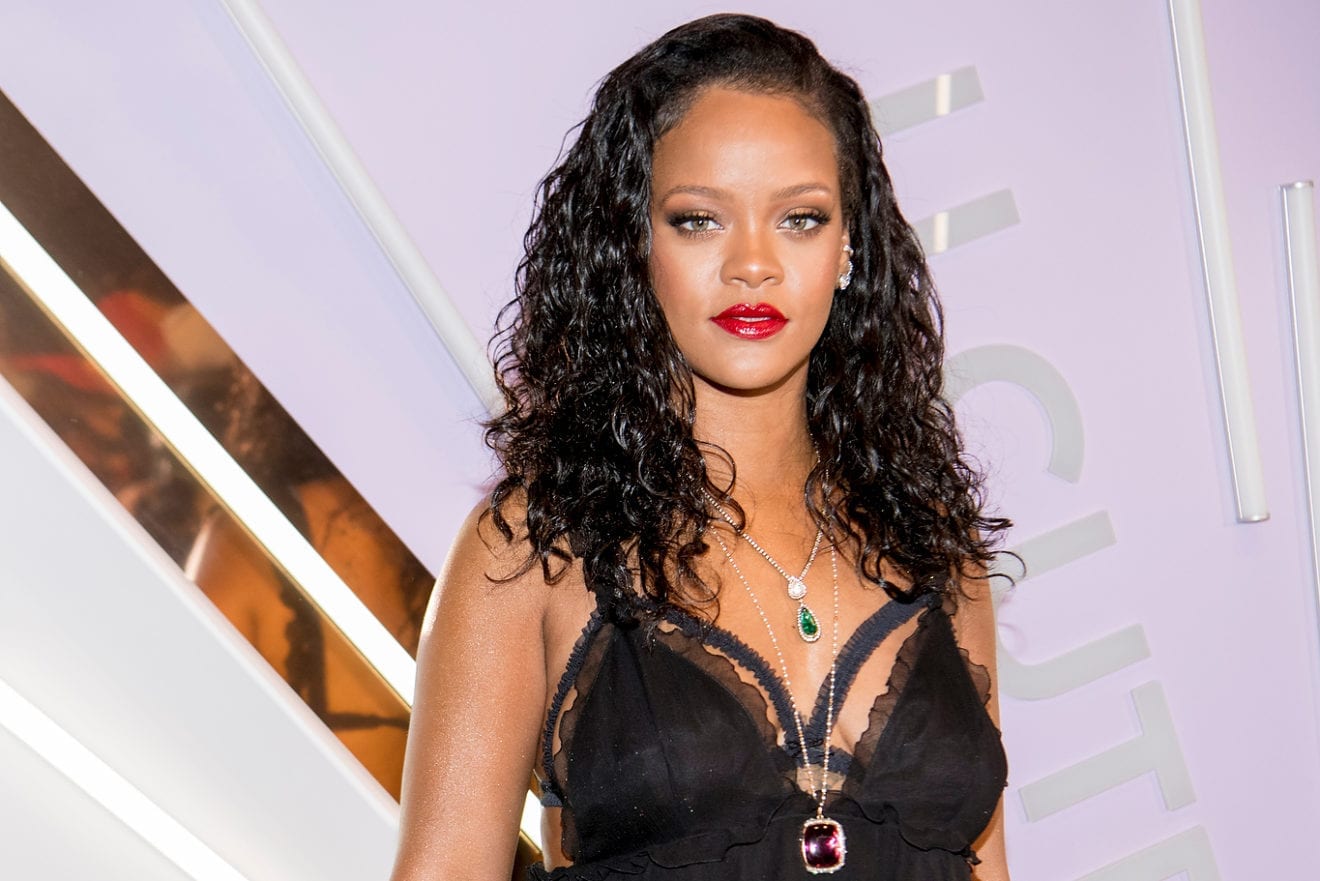
    Rihanna’s highly-anticipated, size-inclusive lingerie line Savage x Fenty marked the latest addition to the superstar’s sprawling fashion and beauty empire.

    Avid buyers who visited the Savage x Fenty site at midnight were placed in a queue system that could not keep up with demand: fans had to wait as long as two hours and/or enter the queue multiple times before they could freely browse and purchase products from the collection.

    Developed in partnership with TechStyle — the subscription-oriented parent company behind Kate Hudson’s Fabletics and Kim Kardashian’s ShoeDazzle — Savage x Fenty features 90 pieces of lingerie, sleepwear, and accessories in multiple shades and sizes, including four themed capsule collections titled On the Reg, U Cute, Damn and Black Widow.

    All items are priced under $100 apiece, with the option to sign up for a $50 annual subscription program for exclusive early access to product launches and limited-edition items.

    “Savage is really about taking complete ownership of how you feel and the choices you make,” Rihanna told Vogue last week. “Basically making sure everybody knows the ball is in your court.”

    From her multimillion-dollar cosmetics line Fenty Beauty to her iconic collaborations with Puma and now her Savage brand, the singer is setting new standards for brand partnerships in the music industry — all while working on a new reggae album. Forbes estimates that the star banked $12 million in 2017 (one-third of her pre-tax earnings that year) from her fashion ventures.

    Fenty Beauty — notable for featuring 40 different shades of foundation to accommodate different skin tones — racked up $27 million in earned media value within just one month of launch. Annual revenue for Fenty Beauty is on track to surpass those of rival lines like Kylie Jenner’s Kylie Cosmetics and Kim Kardashian’s KKW, according to Slice Intelligence.

    Is the business backed by her music success? A rep for Rihanna declined to comment, but sources tell Billboard that Roc Nation’s CEO/co-founder Jay Brown is one of her secret weapons, overseeing her deals.

    Rihanna first signed with Roc Nation’s management arm in 2010, and later joined the firm’s in-house label imprint in 2014; Roc Nation hired new president of management Phil McIntyre just a few weeks ago, allowing Brown to turn even more of his focus on Rihanna, sources say.

    But because Rihanna is leveraging her own brand to sell her products, she is directly involved in every step of the design and manufacturing process, and goes above and beyond to pull back the curtain for her fans — visiting facilities, picking out color palettes, filming DIY makeup tutorials and regularly seeding previews of upcoming products on her Instagram account, which boasts 62.5 million followers as of press time.

    “One thing that’s always stood out to me is how unapologetically human Rihanna is,” Aleesha Smalls-Worthington, senior brand director, marketing & e-commerce at Scotch Porter and former digital marketing exec at Iconix Brand Group and Roc Nation, tells Billboard. “Whether in person or on social media, that element of humanness is still missing from a lot of relationships and interactions. Many celebrities set up their business objectives based on the 10 million views or $10 million in sales they want in return. Rihanna’s ‘return’ is simply what her fans want from her: inspiration, aspiration, a piece of Ri. That in all-caps spells HUMAN.”

    A huge competitive advantage for Rihanna in the current brand landscape is her focus on diversity and inclusiveness in her products. According to Slice Intelligence, African-American, Hispanic and Asian shoppers comprise the largest proportions of Fenty Beauty’s customer base, while white shoppers are the brand’s smallest consumer group.

    Rihanna’s successful launches with brands like Puma and TechStyle also highlight a key discrepancy between the high-end fashion brands that artists tend to cite in their lyrics — e.g. Gucci, Louis Vuitton, Valentino — and the types of deals that actually lead to meaningful, sustained revenue for artists and a closer, more accessible relationship with fans.

    “Every single artist I’ve talked to wants a Gucci deal,” Marcie Allen, president of music experiential agency MAC Presents, tells Billboard. “Guess what? Unless you’re The Rolling Stones, your fans can’t afford Gucci. Most of the artists coming up today are younger, and their key fan demographics are Gen-Z and millennials. Last time I checked, my stepdaughter who’s Gen-Z is not going out and buying a Gucci bag. I tell these artists, you can wear Gucci all you want, but you also need to work with brands your fans can afford.”

    In fact, for artists with avid online followings, making products more affordable could actually lead to more aggregate spending and income, not less. According to Slice Intelligence, Fenty Beauty consumers spend an average of $471 annually on makeup, outpacing shoppers of Kat Von D who spend $371, KKW shoppers who spend $278 and Kylie Cosmetics shoppers who spend $181 — a testament to how an eye for diversity and accessibility, plus unparalleled cultural clout, equals an unstoppable driving force for business.

    Normally, music partnerships with fashion brands involve the artist and their team receiving a flat fee or commission to license music for advertising, and/or to be featured in official ambassador programs that brands already have in place. Depending on the turnaround time, payments can start as low as $10,000 for one to two days of production and social posts.

    But deeper, more integrated deals like the ones Rihanna and Roc Nation are brokering also involve equity and royalties on unit sales, in addition to steep upfront fees. Sources tell Billboard that A-level artists can command advances as high as $2 million for each branded clothing and footwear line, plus anywhere from a 7- to 15-percent cut of gross sales.

    “If I can do your job better than you, I can’t hire you. That’s a waste of my money and time,” Rihanna said at Vogue’s Forces of Fashion conference in October 2017. “But if you have something to offer, I know there’s an expertise that I can respect and I put people in place based on what their strengths are … I’m only as great as my team, and I pay very special attention to that.”

    Rihanna was first appointed as Puma’s creative director and global ambassador for the brand’s women’s collections in Dec. 2014. Her first branded sneaker, launched in May 2016 for $140 a pop, sold out in just 35 minutes.

    Though Rihanna’s appointment with Puma arrived amid a flurry of other corporations hiring celebrities as creative directors and chief creative officers, in a mutually desperate attempt to increase brand exposure — Lady Gaga and Polaroid (2010), will.i.am and Intel (2011), Alicia Keys and BlackBerry (2013), Justin Timberlake and Bud Light Platinum (2013), Nick Cannon and RadioShack (2015) — Rihanna retained her branding power even as most “creative directorships” proved to be unfeasible and shut down within just a few years.

    “From the artist’s perspective, the title of ‘creative director’ is actually very limited,” Mara Frankel, senior creative director, brand partnerships at Atlantic Records, tells Billboard. “Brands aren’t going to change their entire media-buying strategy to suit what artists are looking for, and artists are not really meant to work for brands in that way because they want to focus on being in control of their own music and art. This can lead to a less authentic relationship, which could be why some of these deals didn’t work out in the long term.”

    Part of Rihanna’s outsized branding success comes from her reputation and devoted following online. According to Nielsen Music’s N-score talent tracker — which assesses endorsement potential for U.S. celebrities across 10 attributes, and which brands rely on to maximize ROI on their campaigns — Rihanna outranks the average music celebrity on marketability with an overall N-Score of 78, compared to the music average of 65. On the “Stylish” and “Trendsetter” attributes in particular, Rihanna outranks much of her competition at 48 and 35 respectively, compared to the music norms of 26 and 19.

    In addition, Rihanna fans are 3.7 times more likely to purchase from Rihanna herself than from other celebrities, according to research from The NPD Group — which reflects a wider trend across the industry of artists becoming the new influencers of note for retailers. “It used to be that all these fashion houses were seeding their products only with social-media and YouTube influencers, but now, there’s a huge paradigm shift towards artists,” says Allen. “You used to see an actor or model like Kate Moss as the face of a Gucci campaign, not Harry Styles.”

    The major labels are growing their own brand partnership teams, which are dedicated to securing strategic deals for their artists that drive both visibility and market share. The types of deals range from product placements in music videos and sync licenses for commercials to private events and tour sponsorships. Fashion has become one of the hottest partnership targets, as clothing and beauty brands naturally cover an expansive amount of real estate, from social media and TV campaigns to billboards and brick-and-mortar stores — compelling some industry experts to call retail “the new media.”

    While some in-house label departments handle merchandising and e-commerce directly for their artists, like Universal Music’s Bravado, third-party fashion deals continue to flood the marketplace like never before. SZA, Metro Boomin, Future and Cher have all appeared in Gap commercials over the last nine months.

    Justin Timberlake debuted his branded Air Jordans during his Super Bowl Halftime Show performance in Feb. 2018; just this week, Nike launched another special-edition Air Jordan shoe with Travis Scott. Gucci recently tapped Harry Styles as the face of its upcoming tailoring campaign, while Lil Yachty, A$AP Rocky and Joey Bada$$ all have their own capsule collections with Nautica, Guess and Urban Outfitters, respectively.

    “The landscape is extremely competitive right now,” says Allen. “I am pitching artists to brands every single day and telling them, ‘Listen, in two months, you won’t be able to get this artist for less than half a million dollars. If you don’t jump on this artist now, you will not be able to afford them down the line.’ My biggest advice to brands is to listen to your peers in the industry, and not to underestimate the importance of being part of an artist’s career when they are on the rise.”

    Of course, no one celebrity or even a large management company like Roc Nation can pull off an entire product launch alone, which is where TechStyle comes in as an invaluable partner for Savage x Fenty.

    In a similar vein, Fenty Beauty is tapping into Kendo Holdings, a division of French conglomerate LVMH that has incubated products with other celebs like Kat Von D, for manufacturing and distribution.

    In the fragrance world, Parlux Fragrances handles manufacturing and distribution for Rihanna and Jay-Z, while Elizabeth Arden handles logistics for the likes of Shawn Mendes and Britney Spears — the latter of whom still makes an estimated $50 million from fragrances alone every year.

    SEE ALSO : Off-White opens second Hong Kong store, launches capsule line

    “What Rihanna’s doing right now is creating a dominating mix of products that she knows she has the right to be a resource and creative authority for,” says Smalls-Worthington.

    “You have a lot of celebrities trying to put a square peg in a round hole, but Rihanna’s going wide and deep in a smart way: carefully studying her consumers and how they express themselves across multiple touch points, and delivering on that expression in an inclusive way, without forcing anything. Her products are empowering people to express their best versions of their best selves — to get a piece of Rihanna without sacrificing who they are as individuals. She’s set herself up in a way such that she is it, and her consumers also want to be it. And I don’t think she’s done yet.”
  • Cellini Jeweler and High Horology Salon Opens New Flagship on Park Avenue

    Cellini Jeweler and High Horology Salon Opens New Flagship on Park Avenue

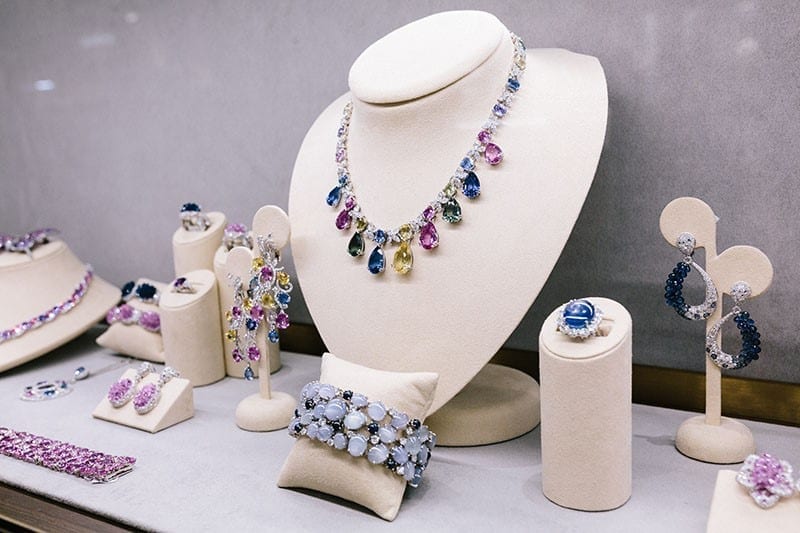
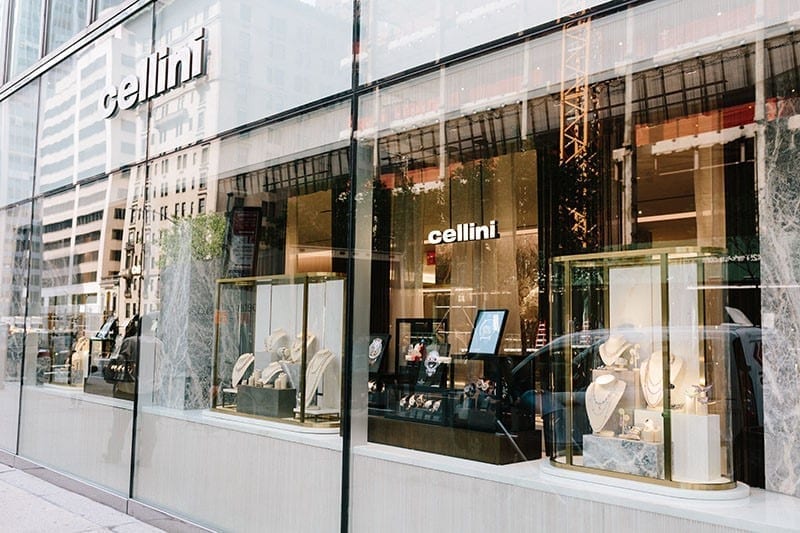
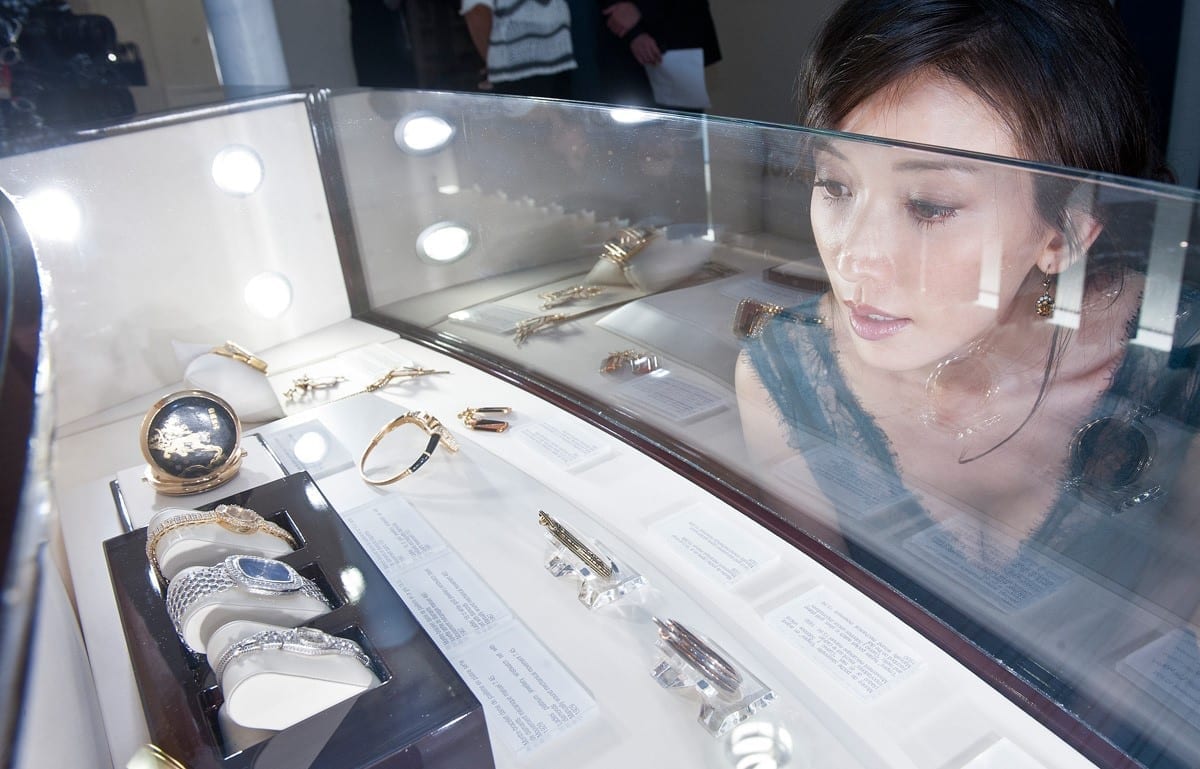
    Cellini, a New York landmark and one of the world’s leading independent jewelers, celebrated the grand opening of its new Park Avenue flagship store on Tuesday, May 15th with an intimate private reception. Located at 430 Park Avenue, the inviting new store opened its doors to customers, VIPs, and influencers. Greeted by Cellini Founder and President Leon Adams and his team, guests were welcomed to discover the beautiful salon-like space, filled with the most precious jewelry, gems, and timepieces from more than 30 of the world’s top watchmakers.

    The grand opening event represented only the latest chapter in the 40-year history of Cellini. The impressive new 2,300 square foot midtown location echoes the grandeur of the store’s beginnings in 1977, when Leon Adams opened his first showroom in the famed Waldorf-Astoria Hotel. It was here that Cellini established its reputation as New York’s premier jeweler.

    Cellini, always a true visionary retailer, has chosen an unparalleled midtown location that promises to bring together the next generation of the world’s most discerning shoppers in New York’s emerging new luxury corridor. In its new, expanded Park Avenue flagship, Cellini retains the impeccable quality, elegance, and gracious service that have long defined this independent store, translated into an immersive new location.

    “Our goal is to offer the very best in one location, so our patrons can compare and discover jewelry and watches that they simply can’t get anywhere else. And if our customers don’t see the jewelry they are looking for, we are equipped to make it for them. We have access to some of the rarest gems on Earth: diamonds and gems of all shapes, sizes, and colors. We regularly create Cellini signature jewelry pieces incorporating these important gems, tailored to meet and exceed our customer’s dreams,” remarked Leon Adams.

    Cellini’s visitors marveled at the multitude of lustrous pearls and the dazzling array of important color gemstones like Burmese rubies, Kashmir sapphires, and color-changing alexandrite. Guests were also treated to a glimpse of one of the most prized gems on Earth, Cellini’s extremely rare, radiant-cut chartreuse diamonds. In their new flagship store, Mr. Adams and the Cellini team will continue to offer custom jewelry design services, from selecting the right stone to designing a custom jewelry setting that best complements the gem’s most scintillating attributes.

    Guests took in the extraordinary scope of the store’s jewelry collections, which extends beyond Cellini’s signature creations to exceptional jewelry crafted by some of the world’s top jewelry designers. The array of designs offers something to satisfy every taste, from the Old-World craftsmanship of Carrera y Carrera, Fabergé, and Wellendorff, to the modern artistry of Pippo Perez, Sutra, and Victor Velyan.

    Budding watch aficionados, seasoned timepiece collectors, and enthusiasts all experienced the breadth of Cellini’s phenomenal horological collection. The elite watch brands on display included historic watchmaking maisons such as Girard-Perregaux, Jaeger-LeCoultre, and Vacheron Constantin, as well as independent watchmakers who first got their start in America at Cellini, such as A. Lange & Söhne and De Bethune. Guests of the grand opening event also got the first glimpse of rare new timepieces, including the US debut of the Bovet Recital 22 “Grand Recital,” as well as new pieces by MB&F, Greubel Forsey, Urban Jürgensen, Laurent Ferrier, H. Moser & Cie, and Urwerk.

    “Quality is foremost in everything we do at Cellini,” remarked Adams, a statement that defines the next chapter for Cellini at its new Park Avenue flagship. Irresistible jewels, sophisticated horology, dedicated staff, and an inviting new venue ensure that this venerable New York jeweler will redefine the standard of quality on Park Avenue.

  • Stelux Holdings warns of annual loss

    Stelux Holdings warns of annual loss

    Stelux Holdings International has warned shareholders of an impending loss due to slow sales through its store network and narrower margins.

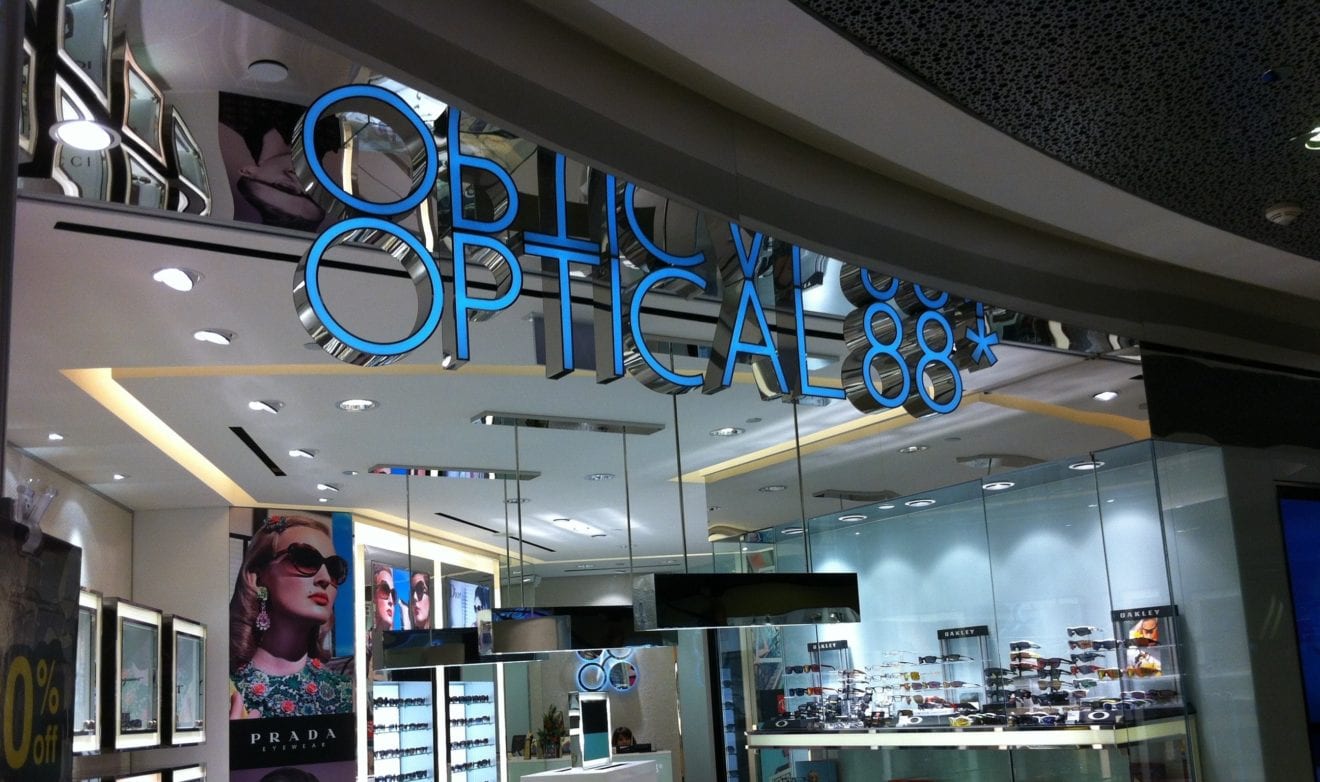
    The Hong Kong-listed retail company, which operates the Optical 88 and Egg eyewear chains and City Chain jewellers, said the closure of underperforming stores and a reduction of overheads has eased the loss, which it expects to be less than that recorded last financial year.

    It did not release an estimate.

    In the company’s half-year results, reported last November, Stelux’s turnover was down by 6.9 per cent to HK$1.3 billion (US$166.4 million) and gross profit margin fell from 59.6 to 58.1 per cent. Its first-half loss was down 15.2 per cent to $62 million.

    Stelux says it will report its full, March-year figures on June 21.

  • Luxottica sales hit by China restructure

    Luxottica sales hit by China restructure

    Luxottica announced a decrease in first-quarter sales for fiscal 2018, hurt by a slump in European revenues due to bad weather, and distribution restructuring in China.

    The maker and distributor of luxury eyewear said first-quarter revenue plummeted 10.7 percent to 2.13 billion euros, compared with 2.39 billion euros in the same period the previous year. With the effect of currency swings, sales were down 0.8 percent.

    For the three months ended March 31, the Italian firm’s wholesale channel recorded an 11.1 percent to 830 million euros, or 4.2 percent at constant exchange rates, hurt by bad weather in Europe, which delayed orders by several weeks.

    For the quarter, retail sales were down 10.4 percent to 1.3 billion euros, but grew 1.3 percent at constant exchange rates, while comparable-store sales decreased 0.6 percent, said the firm.

    By region, Asia-Pacific sales declined 9.3 percent to 279 million euros, representing 13 percent of total sales for the quarter.

    The dive was driven by China’s negative performance, as Luxottica continues to restructure its distribution channel, taking it to a more direct-to-consumer model.

    The overall China downfall was offset by Australia, Japan and India, as well as travel retail, benefitting from stellar retail performances at Sunglass Hut at OPSM in Australia and LensCrafters and Ray-Ban stores in China.

    By comparison sales in North America were down 13 percent to 1.19 billion euros, accounting for 56 percent of total revenues; Europe retail sales decreased 5.5 percent to 489 million euros, after twelve consecutive quarters of growth; and sales in Latin America decreased 9.8 percent to 131 million euros.

    Looking ahead, the Italian company confirmed its full-year guidance and remains in the process of merging with French lens maker Essilor. The merger has been cleared by antitrust authorities in 18 separate countries but awaits approval from China still.

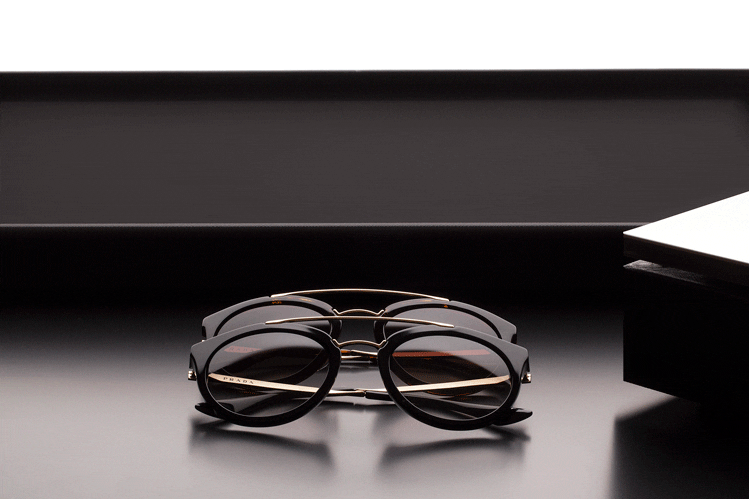
    Luxottica is licensed to make eyewear frames for luxury fashion brands such Armani, Michael Kors and Prada, and is the owner and maker of sunglass brands Ray-Ban, Oakley and Oliver Peoples.

  • ‘Healthy’ sales for Macy’s physical stores

    ‘Healthy’ sales for Macy’s physical stores

    “Healthy” physical store sales for US department store have  exceeded expectations, prompting the retail giant to lift its business outlook for the year.

    Macy’s posted an overall sales increase of 3.6 per cent increase for the quarter compared to the same period last year to $5.5 billion.

    The company has raised its outlook for 2018 and is now expecting earnings to be between $3.75 and $3.95 a share, which is five per cent more than in 2017.

    “Macy’s Inc.’s results for the first quarter of 2018 reflect continuing momentum in the business,” said Jeff Gennette, Macy’s, Inc. chairman and chief executive officer.

    “We exceeded our expectations and saw strong performance across all three brands—Macy’s, Bloomingdale’s, and Bluemercury—as well as across all geographic regions and families of business. We are maintaining a healthy inventory position, which helped us deliver improved gross margin.”

    Gennette said the winning formula for Macy’s, Inc. is a healthy brick and mortar business, robust e-commerce and a great mobile experience.

    “While we have more work to do, the continuing improvement in our stores is encouraging and we once again achieved double-digit growth in the digital business,” he said.

    “Our best customer is responding well to the improvements we’ve made to her experience in our stores, on .com and through the Macy’s app.”

    Neil Saunders, managing director of GlobalData Retail, said Macy’s results showed a positive answer to the question on whether Macy’s could continue to deliver a recovery.

    “The sales uplifts are particularly impressive, with a 3.9 per cent rise in comparables (4.2 per cent on an owned plus licensed basis) suggesting that Macy’s recovery is gaining momentum,” Saunders said. “That said, there are a few caveats that need to be addressed in order to provide a balanced view.”

    Saunders said the first of these is the shift of the Friends and Family promotion to this period; last year this fell into the second quarter.

    “This event is a big driver of sales and added 250 basis points to the comparable numbers. Stripping this out means that comparables rose by a respectable, but more modest, 1.7 per cent on an owned plus licensed basis,” he said.

    “To be fair, this still represents progress from the 1.4 per cent increase Macy’s posted last quarter.”

    The second consideration, according to Saunders, is the very weak prior year comparative when sales dropped by 5.2 per cent on a comparable basis and by 7.5 per cent on a total basis. While beating prior year sales was never guaranteed, with a little effort it has been relatively easy for Macy’s to engineer a better performance. This is especially so given that many underperforming stores which dragged down the same-store figures have been shut.

    The third point relates to the general consumer economy which has been strong over the period. Tax cuts, bonuses and good tax refunds have all been a windfall to consumers who have responded by increasing spending.

    “This rising tide has floated most retail boats, Macy’s among them,” he said. “This does not mean that Macy’s deserve no credit for its advancement, but it does mean that the process of re-engineering the business is being carried out against a favorable backdrop.”

    The future danger, Saunders said, is that many of these dynamics will not hold as Macy’s moves through the fiscal year.

    “Prior year numbers become tougher, the second quarter will lose an important event, and the consumer finances will likely tighten,” he said. “Taken in concert, this suggests that performance may well deteriorate.”

    Saunders said the reason for their pessimism is that they believe Macy’s still has many fundamental issues that it needs to work through. These include sub-optimal ranges, a store experience that leaves a lot to be desired, and many locations where traffic is likely to decline over the medium term. On top of all of this, competition remains tough.

    “There are many tempting raw ingredients in Macy’s strategy,” he said. “Our main concern is that these need to be mixed together into a more coherent dish. And this dish needs to be served up at more of Macy’s stores across the country. In short, progress is being made, but Macy’s needs to up the pace if it is to maintain momentum.”

  • Belle International sells sportswear division

    Belle International sells sportswear division

    The private-equity owners of Chinese women’s shoe retailer Belle International Holdings are considering a spinoff of its sportswear distribution business.

    Hillhouse Capital and CDH Investments, which took Belle private in a US$6.8 billion deal completed in July, are weighing a Hong Kong IPO of the unit as soon as next year, insiders say. A listing could raise about $1 billion, reports Bloomberg.

    With more than 20,000 retail outlets, mostly in Mainland China, Belle sells such brands as Adidas, Nike and Puma. The Shenzhen-based company also makes shoes under its own labels including Belle, Millie’s and Staccato, and its separate sportswear and apparel business sells sneakers and clothing under other brands.

    Belle was taken private last year as Chinese shoppers went increasingly online. The buyout gave Hillhouse a 57.6 per cent stake, while CDH holds 11.9 per cent and management members own the balance.

    Hong Kong-based Hillhouse, led by founder Lei Zhang, oversees more than $25 billion while CDH, established in 2002 by former China International Capital Corp. dealmakers, invested in Belle before the shoe company’s IPO.

  • Tory Burch Asia launches its brand in Indonesia

    Tory Burch Asia launches its brand in Indonesia

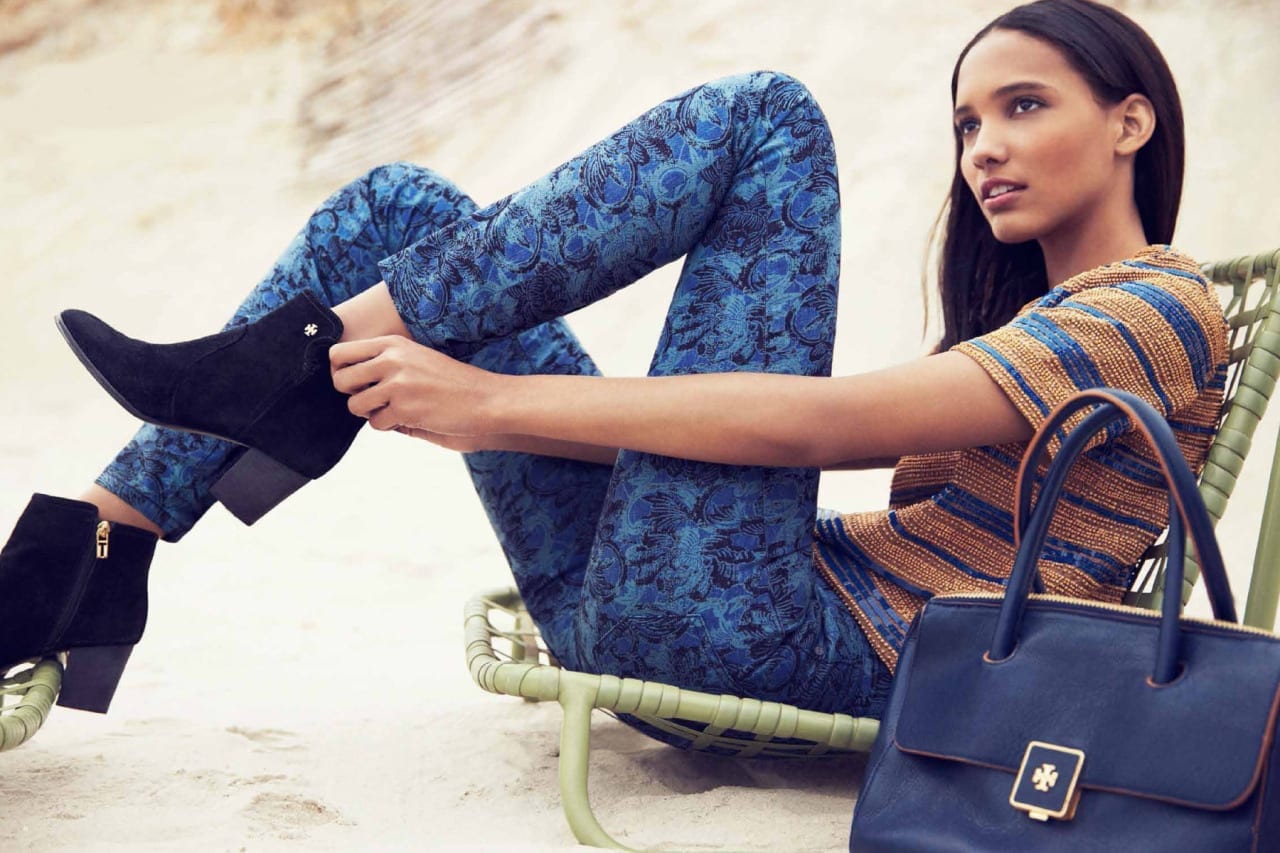
    With its exclusive retailer Time International, US lifestyle brand Tory Burch Asia has launched its first boutique for Indonesia at Tunjungan Plaza 4 in Surabaya.

    Joining a champagne toast for the occasion were Time International president/CEO Irwan Danny Mussry, Tory Burch Asia president Michel Gonzalez and Time International VP Shannon Hartono. More than 150 guests attended an in-shop cocktail party.


    Combining chinoiserie and Art Deco decor, the boutique has gold accents and amber lighting as a backdrop to the Tory Burch collection including shoes, bags, jewellery and watches. The design of the space was inspired by Burch’s home.

    The store launched with an assortment from Tory Burch’s latest collection, including Spring/Summer 2018 shoes, bags, jewellery and watches.

  • Longines opens a new flagship store

    Longines opens a new flagship store

    Luxury watchmaker Longines is the latest international retailer to secure a flagship store on Melbourne’s Collins Street after striking a deal with the landlord to modify the property’s façade to meet its global standards.

    The property at 256 Collins Street is set at 148sqm of ground space and additional 138sqm of basement space.

    The retailer initially turned down the space due to the store frontage not meeting the brand’s global requirements but later took a second look after CBRE leasing agents Zelman Ainsworth and Tan Thach worked closely with architecture firm Meiter 3 and the building landlord to draft designs that unlocked the store’s frontage potential and showed Longines what was possible.

    According to CBRE, the heritage building had significant limitations, making it challenging to modify the building. Eventually, they and Meiter 3 curated a council and heritage approved strategy, which also spoke to Longines’ sensitive design identity.

    The draft scheme included removing awnings, amplifying the building’s original architecture – circa 1950 – and mirroring the appearance of other Longines flagship locations across the globe; a classic, bright and timeless store front.

    Longines subsequently secured a 10-year lease over the property at a market rent.

    Ainsworth said there are more opportunities than ever for landlords to work with retailers to reposition their properties and stay relevant.

    “There are endless opportunities for landlords to reposition their real estate to ensure their properties suit a changing retail market,” he said. “Today, retail stores must provide brands with the platform and exposure they need to remain competitive on a global scale and engaged with their customer base.”

    “Ultimately if the shop on offer is one dimensional with no flexibility to adapt to the changing market – it will be difficult for retailers to see any value,” he added.

    Other international retailers who have leased spaced on Collins St over the past 26 months include Gucci, Bottega Veneta, Versace, Fendi, Berluti, TAG Heuer, Coach, Mercedes Me, Omega, Cartier, Burberry and Hour Glass.

  • Burberry agrees to buy Italian leather business

    Burberry agrees to buy Italian leather business

    Burberry says it has entered into an agreement to acquire a luxury leather-goods business from longstanding Italian partner CF&P.

    CF&P employees, including the craftsmen who have worked with the British luxury fashion house for more than a decade, will transfer to the company once the transaction is complete, expected late this year.

    “This acquisition is a major milestone for us and a statement of our ambition in this strategically important category,” says CEO Marco Gobbetti. “It will create a centre of excellence for Burberry’s leather goods, covering all activities from prototyping, product innovation, engineering and the co-ordination of production.”