Category: Fashion

Retail News Asia is committed to providing both local and global retailers with the latest Fashion news throughout the Asian market. This on a daily base.

  • Japan to host Chaumet exhibition

    Japan to host Chaumet exhibition

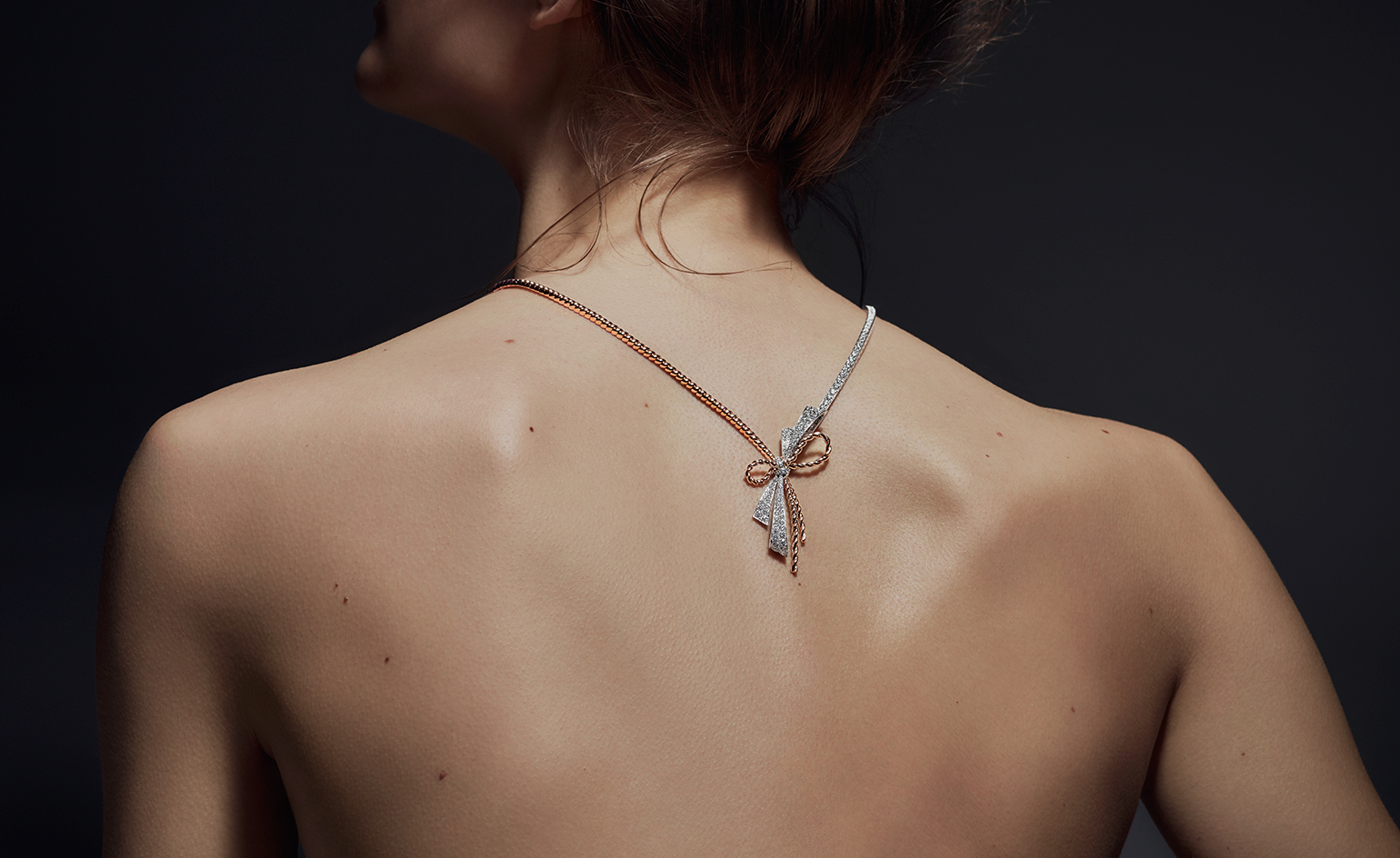
    Parisian fine jewellery house Chaumet has opened its The Worlds of Chaumet exhibition in Tokyo.

    The exhibition, held in the Mitsubishi Ichigokan Museum, presents a broad overview of the history and work of the heritage jewellery brand, emphasising its ties with Japan and the influence of the late-1800’s-era Japonisme movement on Chaumet’s creations.

    Exhibition co-curator Henri Loyrette, honorary president of the Musee du Louvre, said: “For more than two centuries since its founding, Chaumet has shown a curiosity for everything, for all the ‘elsewheres’ in the world, whether historic or exotic. This curiosity has included a special interest in Japan, a country that continues to inspire contemporary creation.”

    Many of the around 300 exhibits on display were loaned by prestigious museums and institutions.

    The exhibition will run through to September 17.

  • Farfetch prepares for IPO

    Farfetch prepares for IPO

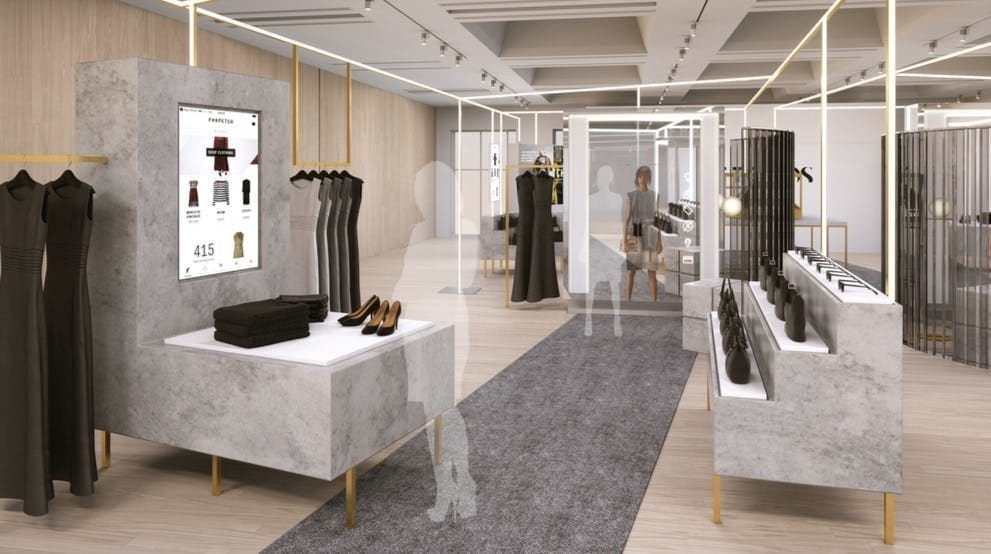
    Fashion marketplace Farfetch has filed an F-1 form with the US Securities and Exchange Commission with the intention of proceeding with a public flotation of its Class A ordinary shares on the New York Stock Exchange under the ticker symbol “FTCH.”

    The number of shares to be offered and the price range for the proposed offering have not yet been determined.

    Goldman Sachs & Co., J.P. Morgan, Allen & Company and UBS Securities are acting as joint lead book-running managers for the proposed offering. Credit Suisse Securities (USA), Deutsche Bank Securities Inc. and Wells Fargo Securities are acting as joint bookrunners. Cowen and Co. and BNP Paribas Securities Corp are acting as co-managers.

    Reports of the company’s plans to IPO first surfaced in June 2017. Farfetch founder and chief executive Jose Neves had been reticent to lay out a timetable for an IPO, but he acknowledged that it was the logical next step for the company.

    The listing could value the company at up to $5 billion.

    The fashion e-commerce platform, which connects consumers with a curated global network of boutiques and brands, cleared $800 million in gross merchandise value in 2016, generating an estimated $150 million in revenue (Farfetch takes 20 to 25 percent commission from partners).

    So far this year, the platform has acquired a Chinese digital marketing agency in a bid to boost its presence in the world’s second-largest luxury market; inked a strategic partnership with Chanel to enhance the French luxury house’s boutique experience; entered into a joint venture with Chalhoub Group, one of the biggest distributors of fashion and luxury goods in the Middle East; and struck a deal with Burberry to expand its global e-commerce distribution and launch a “show to door” London delivery service in a drumroll of announcements designed, in part, to prime the market in advance of its IPO.

  • Chanel to debut brand’s first makeup line for men

    Chanel to debut brand’s first makeup line for men

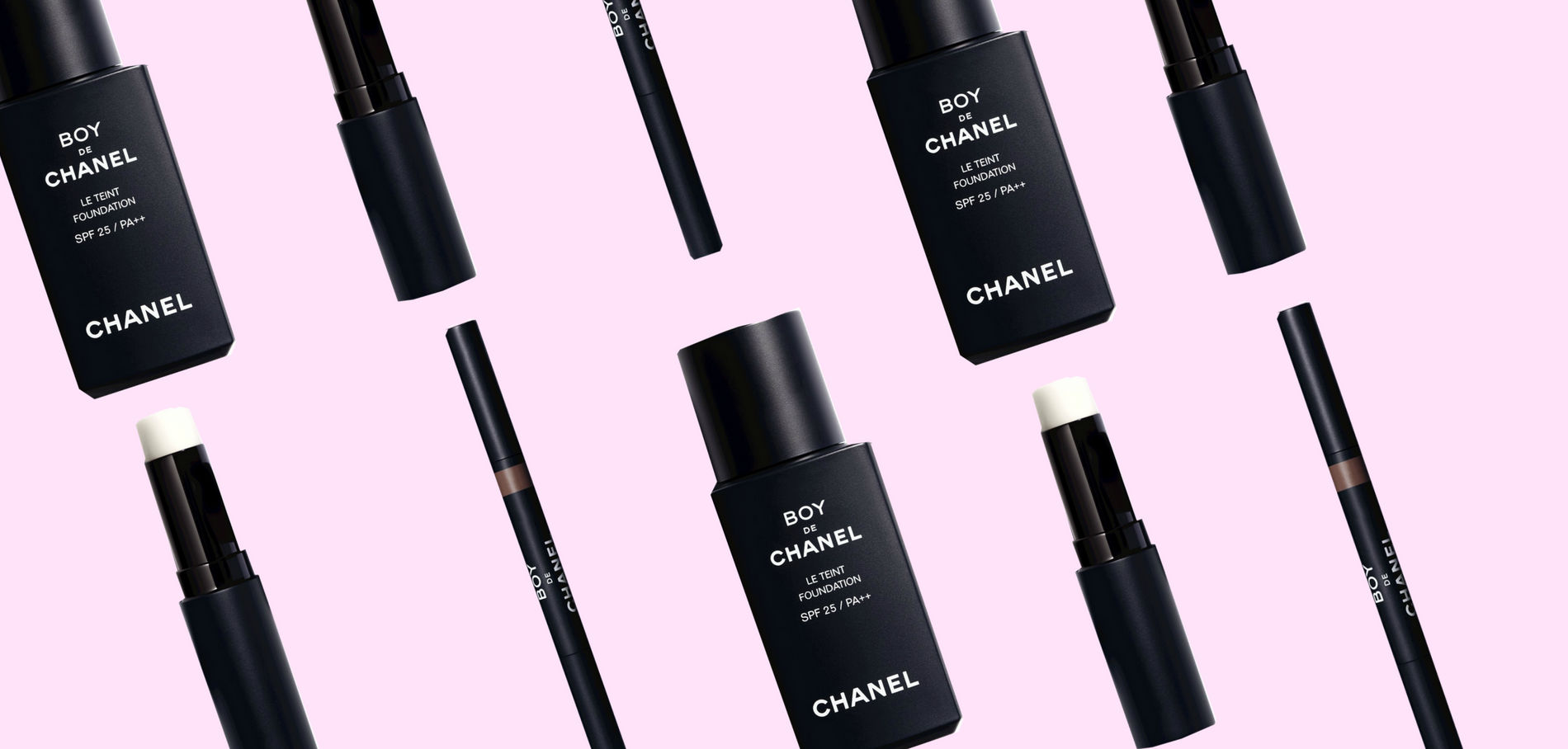
    Diving into the swelling men’s grooming trend, Chanel is launching its first makeup line for guys, a three-product range, starting in South Korea on September 1.

    The collection includes a tinted fluid, coming in four colors, a matte moisturizing lip balm, and four shades of eyebrow pencil.

    The fashion house already has a signature handbag and unisex fragrance named Boy. Though you might assume the name is a gender reference, it is actually the name of Gabrielle Chanel’s first—and tragic—love Boy Capel.

    “By creating Boy de Chanel, its first makeup line for men, Chanel reaffirms the ever-changing codes of an unchanging vision: Beauty is not a matter of gender, it is a matter of style,” the company said.

    “Just as Gabrielle Chanel borrowed elements from the men’s wardrobe to dress women, Chanel draws inspiration from the women’s world to write the vocabulary of a new personal aesthetic for men,” the company said in a statement. “Lines, colors, attitudes, gestures… There is no absolutely feminine or masculine prerequisite: Style alone defines the person we wish to be.”

    The tinted foundation is called Boy de Chanel, and it’s SPF 25 and comes in eight sheer and hyaluronic acid-infused shades. Though Chanel offers hundreds of foundation options in its main beauty line, we imagine both men and women will be running to their nearest Chanel boutique to get their hands on the sleek black bottle. The lack of shades likely means it’s an extremely sheer and adaptable formula.

    The line also includes Boy de Chanel brow pencils in four shades. The final product is a clear, moisturizing lip balm with a matte finish.

    “By creating Boy de Chanel, its first makeup line for men, Chanel reaffirms the ever-changing codes of an unchanging vision: Beauty is not a matter of gender, it is a matter of style.”

    The collection will be rolled out to the rest of the world in November on the house’s e-commerce platforms and in January 2019 in Chanel’s boutiques.

  • Estee Lauder Hong Kong, China show good numbers

    Estee Lauder Hong Kong, China show good numbers

    Cosmetics giant Estee Lauder says it achieved sales growth in every global market last financial year, led by strong double-digit increases in China and Hong Kong.

    Every single category posted growth as well.

    Globally, Estee Lauder sales reached $13.68 billion, a 16 per cent increase on last year.

    Operating income of $2.05 billion, was up 21 per cent from the prior year, while net earnings of $1.11 billion, was down 11 per cent.

    President and CEO Fabrizio Freda said the results reflect, in part, the company’s strategy to drive growth by targeting its investments to shifts in consumer and market dynamics across product categories, geographic regions, brands and distribution channels. That strategy positioned the company well for the resurgence in global prestige skin care growth as well as the strong increase in demand among Chinese consumers.

    “Sales climbed in virtually all our brands and we hit milestones along the way. Among the top four brands, our flagship Estee Lauder brand achieved record global sales and grew 22 per cent in constant currency, demonstrating the amazing equity of the brand. La Mer became the fourth brand in our portfolio to contribute well over $1 billion in net sales, and we increased sales at Mac and Clinique globally.”

    He said product innovation and creativity were strong across brands and boosting investment in digital advertising helped accelerate sales growth.

    Freda concluded: “In fiscal 2019, we will continue to create products that appeal to a more diverse and growing middle class around the world.”

  • DFS stores launches Meitu Magic Mirrors

    DFS stores launches Meitu Magic Mirrors

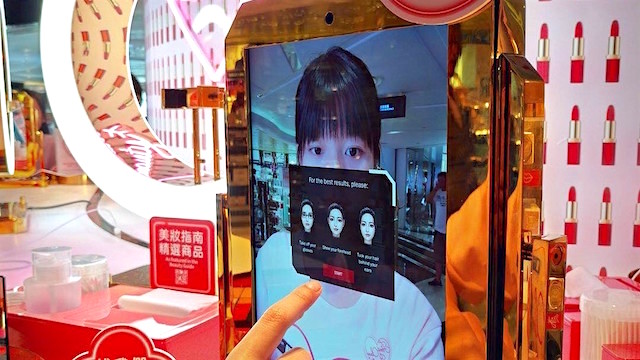
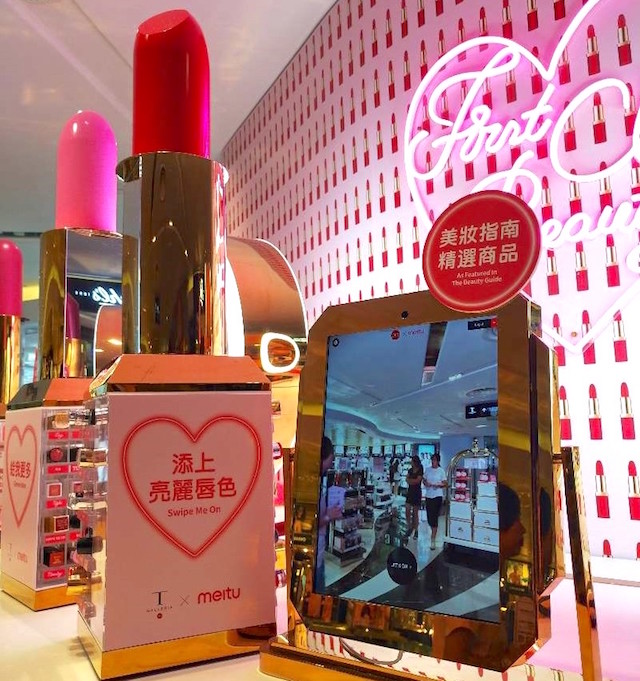
    DFS stores in 16 international cities – including Hong Kong and Macau – will be featuring Meitu Magic Mirrors for the next year.

    The connected device allows customers to see their desired makeup style applied directly to their face, just as if they were standing in front of a mirror. An AI algorithm is used to make personalised recommendations based on customers’ facial features. Photos taken by the device can be shared on social media.

    The Meitu Magic Mirrors will be installed in 22 stores, in cities including Macau, Singapore, Indonesia, Japan, Australia, the UAE and the US.

    According to reports, the effect is true-to-life and product colours and textures are accurately displayed. It is designed to drastically lower the time shoppers spend trying out products, while preventing sanitary concerns that can arise when sampling items in a public venue.

    Previously, the Meitu Magic Mirror has been used to promote Lancome, Nars Cosmetics, Make Up Forever, Sephora, and Dolce & Gabbana.

    Meitu is a Chinese AI-driven photo/video editing and sharing company that also produces smartphones.

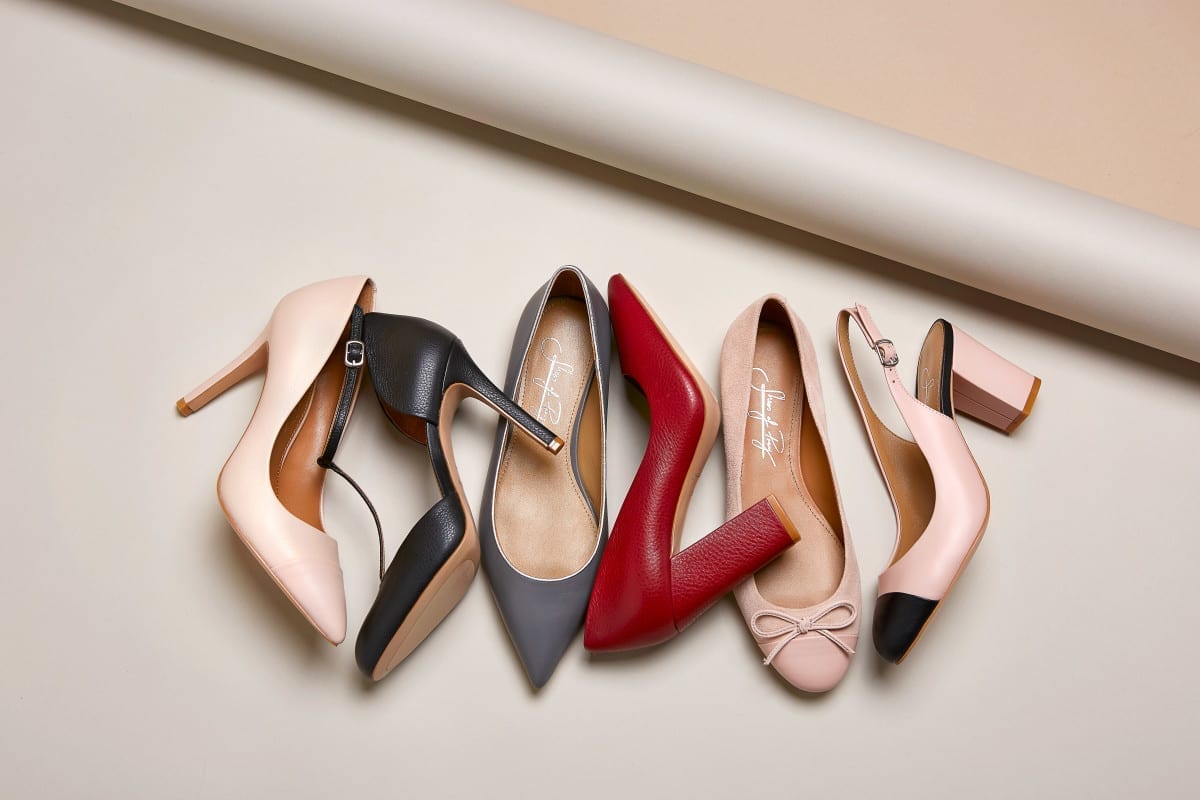
  • Luxury shoes are never enough for Chinese consumers

    Luxury shoes are never enough for Chinese consumers

    As the Chinese economy slowly exits the slumber of recent years — and as the anti-corruption campaign implemented by President Xi Jinping subsides — the retail industry is seeing remarkable growth across first- and second-tier cities, as well as the autonomous territory of Hong Kong.

    The development is part of a larger trend, according to a recent report from the consultancy Bain & Co. The firm noted that sales of luxury goods in mainland China are forecast to grow by 20 to 22 percent this year, and that has piqued the interest of Western shoe brands, both big and small.

    Thibaud André, senior consultant and marketing manager of Beijing-based market research company Daxue Consulting, pointed out that luxury shoes are a booming sector in the region.

    “A survey we ran in 2016 indicated that footwear was worth an estimated RMB 370 billion ($54 billion),” he said. “We expected it to increase to an average rate of 7 percent yearly, but I am quite confident that rate will soon hit the double-digits realm instead.”

    Although shopping overseas is still very important for Chinese buyers, the gap between domestic and international purchases is not as wide as it used to be. “The reason for that is a reduction in the price differentials between outside and home markets,” André explained. “Consumers aren’t as averse to spending their money here anymore, which means sales are looking rather robust.”

    And though the trade war between the U.S. and China continues to escalate, André predicted it will have little impact. “Big spenders don’t care about tariffs. They are well-versed in price differences across the globe, and if they want to buy something, they’ll just go for it.” Also working in their favor: Many luxury shoe brands are based in or produced in Europe, so they have escaped the import tax increases — at least for now.

    Chasing Exclusivity

    Experts said a combination of factors are driving sales. Evolving taste is one of them, according to Chloe Reuter of Reuter Communications, an intelligence, digital, communications and marketing agency with offices in Hong Kong and Shanghai that connects luxury brands with Asia’s well-heeled consumers.

    “The luxury sphere has become incredibly sophisticated in China,” she said, “and that applies to high-end footwear, too. There’s an undeniable thirst for [uniqueness], and increasingly, consumers are moving away from the more obvious names of the industry and shifting toward more niche labels.”

    Specialized footwear brands such as René Caovilla, Gianvito Rossi and Nicholas Kirkwood are decidedly becoming the go-to names for many shoe enthusiasts in place of fashion powerhouses peddling a wider gamut of items.

    “Chinese wealthy shoppers are really hard to excite these days,” Reuter said. “Indie or heritage brands with a long history of craftsmanship have a competitive edge because they feel truly different and original.”

    Amy Gu, GM of JD Footwear, a subsidiary of online retail giant JD.com, agreed: “Whereas traditionally, Chinese women focused mostly on big-name brands, we are now seeing an increasing interest in niche brands.”

    Irene Yu, senior director of merchandising at Lane Crawford, which is present both in mainland China and Hong Kong, noted that the specialty department store has seen a change in shopping habits over recent years.

    “Chinese luxury consumers are global, fashion-savvy, well-traveled,” she said. “They have access to a lot of information through social media, and that means they are very educated when it comes to luxury brands. They know their Gianvito Rossis and their Manolos. Of course, they are still very much willing to spend on the more established brands but are also looking for something that feels more prestigious. They are craving newness, and that’s opening the market to a wider net of players.”

    Getting Younger

    While older shoppers — usually categorized as Gen X — are still playing a significant role in the luxury market, millennials and Gen Z account for the larger growth in the footwear category (85 percent, according to another Bain report from last year).

    That has led to the rise of new spending habits: faster, more frequent, trend-driven — and mostly geared toward online shopping and influenced by digital social media platforms.

    “More and more consumers outside of China’s top-tier cities are using e-commerce to access guaranteed-authentic luxury products,” said Gu, noting that luxury shoe sales on the platform have grown continuously year over year. “Customers who buy high-end shoes are generally 18 to 35 years old and are largely brand-conscious. They focus on fashionable footwear.”

    The footwear segment is performing equally well for Lane Crawford, particularly online. “[Customers] still come to the stores to try on shoes, but it’s online that we get a lot of purchases,” said Yu. “To that end, the whole in-store visit is adapting to complement the digital sphere. It’s becoming more experiential to offer a 360-degree approach to the products.”

    Lane Crawford’s business strategy relies on collaborations, exclusive capsule collections and pop-ups, as well as a highly curated floor design. “We make sure each brand is presented in a way that reflects its ethos: cool urbanite for Nicholas Kirkwood, party girl for Aquazzura, for instance,” said Yu. “Clients are very receptive to that. And they do like coming in to check out limited-edition collabs: Off White x Yeezy 350 did very well for us. But we are always thinking of the link between online and offline.”

    Similarly, JD.com has hosted online pop-up stores by brands such as Fendi and Christian Louboutin to engage its young audiences. It also launched JD Delivery Express, a service in which specially trained JD employees hand-deliver packages while wearing distinctive uniforms, complete with white gloves, and they drive environmentally friendly electric vehicles rather than the company’s usual tricycles and scooters. “[Luxury] consumers place tremendous value on the shopping experience,” Gu said.

    Changing Trends

    A change in lifestyle — from unashamedly opulent to more wellness-oriented — is another key element in the country’s booming footwear sector.

    “The rise of the athleisure movement has been particularly significant for shoe retail,” Yu said. “Only a few seasons ago, it was all about the stilettos and the high-heels. Now designer sneakers make up a really big chunk of the market. Models like Balenciaga’s Triple S — we can’t keep them in stock. They are constantly sold out.”

    But again, it’s the smaller brands such as Golden Goose and Comme des Garçons that are drawing the attention of shoppers. “They are considered younger and a bit cooler compared with the Valentinos and the McQueens,” said Yu. “They speak directly to the consumers’ demographic.”

    Outside the sneaker realm, female buyers are going for chunkier block heels, slides and mules. “[Those looks are] less casual than a trainer but not as committing as a stiletto,” Yu explained.

    It is in the fashion arena in particular that the quest for distinctiveness shines brightest. And labels such as René Caovilla are tapping into that opportunity.

    “We tell a story, and our Chinese clients appreciate that,” said Edoardo Caovilla, the third-generation creative director and COO. “They are yearning for high-quality and long-lasting gratification, and they know they can get it with a company that’s been making only shoes since it was first established 90 years ago. They also respect our philosophy. That’s the essence of why we’re doing so well in the country: We’ve gained the trust of the market.”

    The brand has accomplished this feat without opening a standalone store; instead, it is distributed through Lane Crawford, where it is one of the best-selling labels. Helping to build buzz are high-profile endorsements — Caovilla shoes have been seen on the feet of Gigi Hadid, Rihanna and Jennifer Lopez, as well as Chinese stars such as Yao Chen, Shu Qi and Ming Xi.

    “For lasting success, it’s essential that we collaborate with the right kind of public figures,” Caovilla said. “Buyers are picky. They want to feel understood and for their wardrobe to express a very specific kind of luxury.”

    High-end French footwear label Robert Clergerie also has found a welcoming audience in the region. Though the brand is available only in department stores in China, it is performing remarkably well among consumers, particularly with tourism shopping.

    “[Chinese] millennials have a sense of independence and a unique style. They value heritage, quality and provenance,” said CEO Perry Oosting.

    He added, “We are working to improve all the touch points with Chinese clients traveling abroad across all our stores, such as integrating WeChat in the retail shopping experience. We also have our own WeChat platform, for which we create localized content and work with [key opinion leaders] in China to build engagement and relevance among our target audience.”

    Collaborating with influencers is an increasingly important strategy for brands if they aim for long-term sales results in the country. “KOLs are the most effective product marketing here. And they can help with sales abroad, too, if the brand hasn’t entered China yet,” said André of Daxue Consulting. “Besides exclusivity, social media is the biggest determinant for success.”

    Reuter believes that the country’s young, digitally savvy consumers are painting a new landscape for the global luxury industry. “Chinese shoppers are five years ahead of their counterparts,” she said. “The way they approach shopping is set to become the norm for the rest of the world’s wealthy.”
  • Wikipedia launched clothing line with LA label

    Wikipedia launched clothing line with LA label

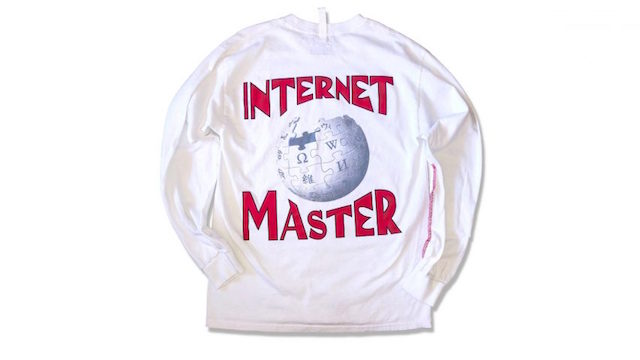
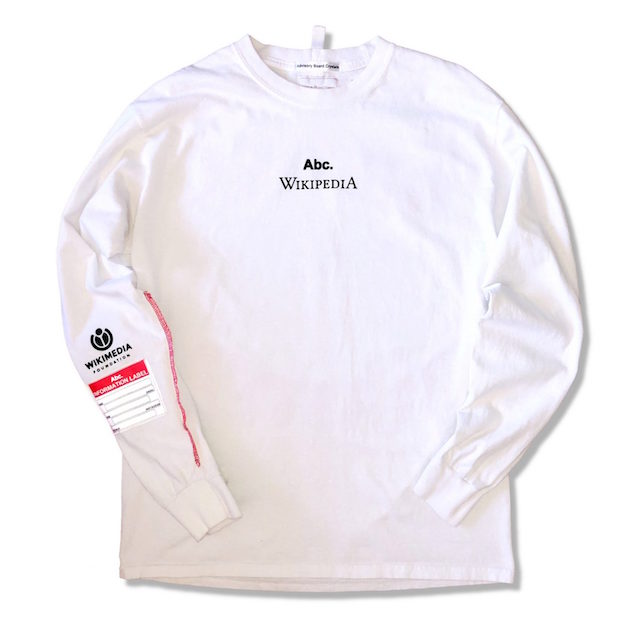
    Online encyclopedia Wikipedia has partnered with Los Angeles-based fashion label Advisory Board Crystals to launch a Wikipedia fashion item.

    The Wikipedia x Advisory Board Crystals collaboration features a long-sleeved tee with iconography from the website, retailing for US$85. All proceeds from sales will be donated to the Wikimedia foundation in support of free information.

    The fashion label’s website reads: “As a nonprofit, Wikipedia and the Wikimedia Foundation’s related free knowledge projects are powered primarily through donations. Help us keep knowledge free.

    “Knowledge is power and awareness is survival. In addition to being a large source of inspiration and information for our projects, Wikipedia leads us to a place in which you can imagine a world where every single human being can freely share in the sum of all knowledge.”

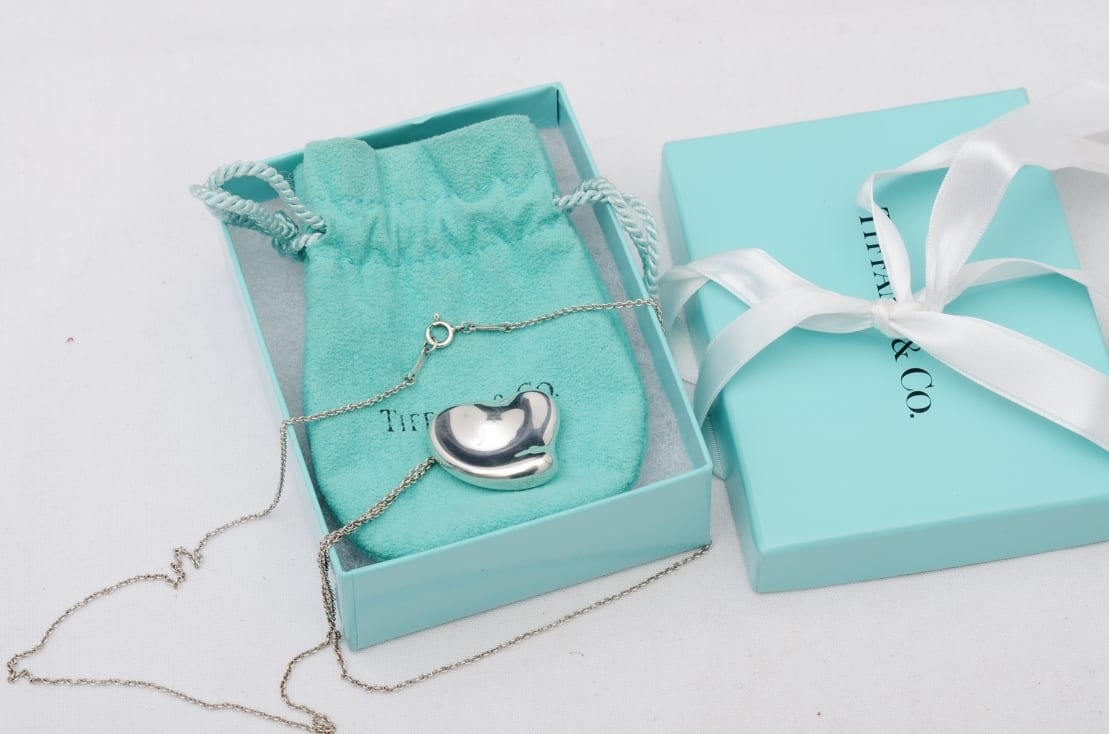
  • Tiffany & Co to launch a pop-up store on Luxury Pavilion

    Tiffany & Co to launch a pop-up store on Luxury Pavilion

    Iconic jewelry house Tiffany & Co. will release its latest “Tiffany Paper Flowers” collection in China exclusively on the Luxury Pavilion, Tmall’s invite-only platform for luxury brands.

    New York-based Tiffany will launch a virtual pop-up store on the Pavilion, with pre-sales beginning Aug. 16, the Alibaba Group-owned B2C marketplace said. That will give Pavilion shoppers a two-week head-start to purchase the new collection before it hits brick-and-mortar stores in China on Sept. 1.

    During the pop-up, Tiffany will leverage augmented reality-powered technology to engage China’s tech-savvy consumers, as well as offer perks to top shoppers in the platform’s loyalty program, the Luxury Pavilion Club.

    Select members can receive rewards, including a high-end delivery experience and an invitation to an exclusive party in Shanghai to celebrate the collection’s official launch next month, with complimentary stays at the St. Regis Shanghai hotel.

    The Pavilion pop-up is the latest experiential campaign Tiffany has rolled out globally to engage younger consumers. The brand gave New York bodegas, taxis and steps to the NYC Metro a “Tiffany blue” paint job and opened a new concept shop in London that features a fragrance vending machine and a personalization bar for on-the-spot jewelry engraving.

    “Today’s Chinese consumer has many choices when purchasing luxury goods,” said Philippe Galtié, executive vice president of global sales at Tiffany & Co. “[We are] embracing China’s digital innovation as we continue to seek new platforms to deliver a seamless experience to customers in China and around the world.”

    The brand’s platinum-and-diamond range, designed by new Chief Artistic Officer Reed Krakoff, includes necklaces, pendants and bracelets inspired by the idea of flower petals cut from paper and delicately pinned back together.

    Catering specifically to the Pavilion’s high-end Chinese consumers, Tiffany has selected eight pieces from Krakoff’s new collection to launch on the platform. Prices range from RMB 22,400 ($3,253) to RMB 673,000 ($97,926).

    Tiffany reported a strong first quarter, which it said was fueled by China-led growth in Asia and strong sales in North America. Worldwide net sales rose 15% to $1 billion, with sales growth in the Asia-Pacific market growing 28% to $329 million.

    Chinese consumers, particularly millenials, currently account for the lion’s share of sales growth for an industry that is expected to reach $444 billion globally in 2025, according to a June report from management consulting firm Bain & Company.

    “Chinese consumers continue to stand out as a growth-driver for the industry and are more fashion-savvy and digitally advanced than ever before, accelerating the shift of the industry to the millennial state of mind,” wrote lead author of the study, Claudia D’Arpizio.

    Last year, Chinese consumers represented 32% of global luxury consumption, Bain estimated.

    Nearly half of Pavilion shoppers were born after 1990, with millennials making up its core consumer base, said Lili Chen, general manager of the Luxury Pavilion.

    “The Pavilion is not only a shopping platform for luxury goods, but a unique, single destination for luxury, high fashion and lifestyle,” she said. “It is the ideal platform for brands to speak to younger customers.”

    Launched in August last year, the Luxury Pavilion now offers nearly 70 brands, including Burberry, Versace, Moschino, Marni, Tod’s, Giuseppe Zanotti, Qeelin, MCM, La Perla, La Mer, Maserati, LVMH-owned Guerlain, Givenchy, Tag Heuer and Zenith. Products range from apparel and beauty items to watches and luxury cars.

  • Dior Backstage pop-up for KLIA

    Dior Backstage pop-up for KLIA

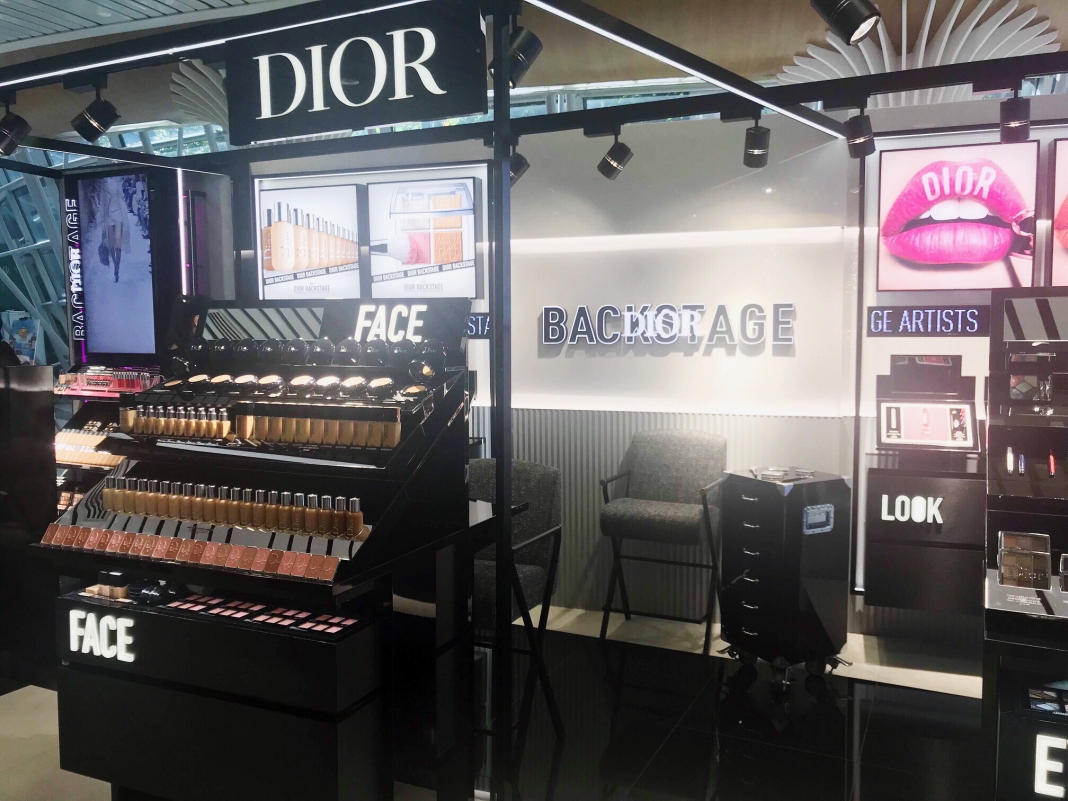
    A Dior Backstage pop-up store is being opened at Kuala Lumpur International Airport (KLIA).

    A partnership between Malaysia Airports, Parfums Christian Dior and Colour & Fragrances, the signature black lacquer store is positioned at KLIA’s international departures as a novel cosmetics concept inspired by the theatre backstage setting.

    It is the first Dior Backstage in Southeast Asia.

    Malaysia Airports senior GM for commercial services Nazli Aziz said: “It is very much in line with our mission of enhancing the total airport experience by continuously introducing unique products and services for travellers.”

    He added that the continued introduction of prestigious and international brands at KLIA will boost the overall retail revenue per passenger.

    Sales revenue for perfumes and cosmetics is forecast to reach RM450 million (US$109.7 million) this year.

    The pop-up will be staffed by a Dior stylist and a team of beauty consultants.

  • Gentle Monster starts its European expansion

    Gentle Monster starts its European expansion

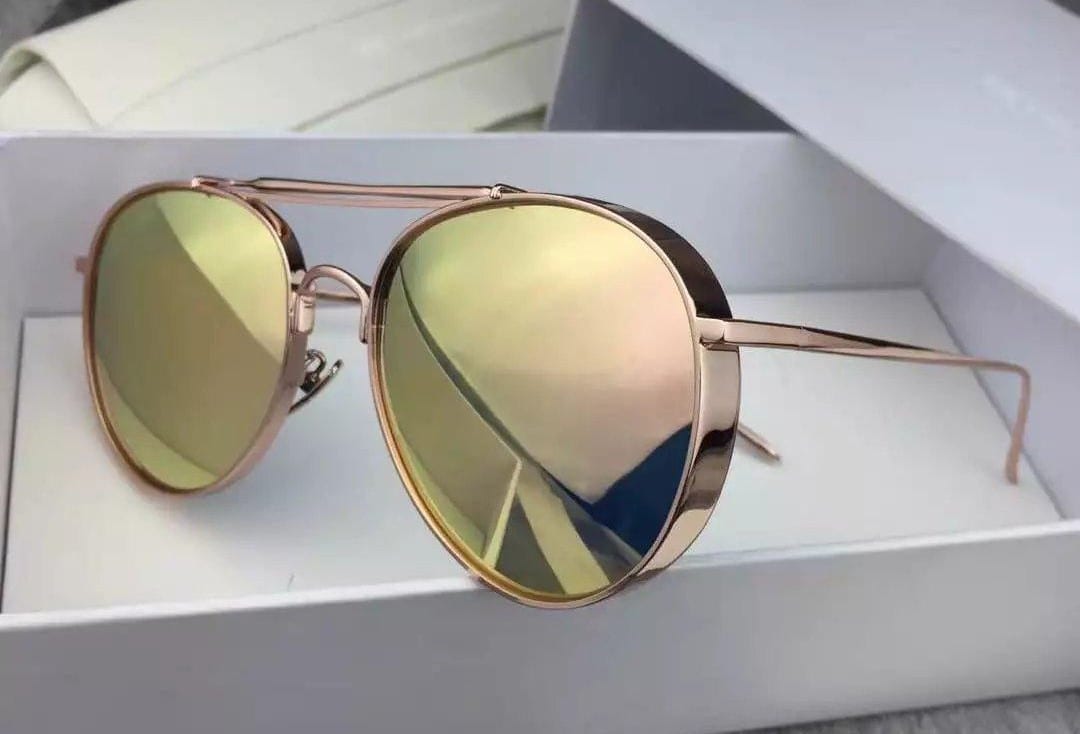
    South Korean eyewear brand Gentle Monster began the first phase of a major European expansion plan when it opened a 450 sq m store in the heart of London’s West End.

    Celebrating the opening at a party, the company’s UK and Europe managing director, Gary Bott, also talked about its Selfridges concession opening Monday and detailed plans for further stores in the EMEA region, including Paris and Dubai.

    The company is riding an eyewear wave in which sunglasses and frames are one of the most dynamic growth categories in the fashion sector at present.

    And that growth means the category is seeing plenty of style and technology innovation, as well as offering opportunities for brands with a strong point of difference to expand into new markets.

    Gentle Monster is known for its unusual frame designs and its powerful creative collaborations and that’s a compelling USP.

    It needs to be compelling too as it’s in a location with plenty of competition. The flagship opening, on Argyll Street, puts it in a prime retail and tourist spot (it’s a stone’s throw away from Liberty and is exactly opposite the London Palladium.) And the Selfridges concession sees it taking its place as one of the anchor brands in the latest phase of the Accessories hall.

    Its UK (and later on, its European) expansion comes on the back of news last September that L Catterton Asia invested in IICombined, the owner and operator of the brand.

    Gentle Monster had been founded in 2011 by Jay Oh and Hankook Kim, and expanded steadily in recent years, although its standalone store numbers had only just edged into double-digits by last autumn. However, the pace has speeded up in recent months with the company having 17 stores before the London opening.

    The faster opening pace will be kept up from now as the company targets the EMEA region, with Gary Bott telling Fashion Network that the brand will open six new stores later this year and into 2019. “We’re looking at Paris first and then Dubai,” Bott said, adding that London was the choice for the first European location because it’s “a platform into Europe.”

    The permanent Selfridges location comes after the company opened a pop-up at The Corner Shop there on June 4 with Bott adding that the temporary store gave the brand valuable experience of the London market.

    Bott said “the feedback and sales especially have gone beyond our expectations. We’ve doubled effectively what we hoped we’d do.”

    The new Argyll Street location underlines just why the brand is so appealing to retailers such as Selfridges as it concentrates on the retail experience as much as the products. Bott said: “We are very much focused on creating a sensory experience for the customer, even down to the individual fragrance for each of our flagship stores.”

    With this in mind, the London flagship follows a completely different design scheme to the brand’s other stores and ‘experience’ really is at the heart of the layout. The firm’s in-house robotic’s team created the concept that mixes aliens with martial arts, focusing more on the visual appeal of Kung Fu than on its ability to cause serious physical damage. The idea is that extra-terrestrials were “captivated by the beauty of Kung Fu, presented in the most unexpected client point-of-view throughout the two floors.”

    Of course, we don’t get aliens or martial artists at the much smaller Selfridges store but experience and a striking visual impact are no less priorities there. An ‘active volcano’ and another robotic installation certainly add an interesting element to the Accessories hall.

    As you can see, robotics really makes up a key part of the company’s store strategy and so it’s no surprise that it invested in a robotics factory in Korea.

    The robotics specialists there work in cooperation with the Gentle Monster store designers with Bott adding that “everything’s half assembled in HQ. And then it travels around the world to whatever destination we’re opening up in our flagships stores, and then our spatial design teams fully assemble everything on site.”

  • Baia Baia launches in Australia

    Baia Baia launches in Australia

    International fashion and accessories brand Baia Baia, known for its playful and spirited approach to custom creation, made its Australian debut with the opening of its first Australian flagship store in Sydney’s Queen Victoria Building late July.

    Baia Baia is a bespoke charm concept, where fashion and creativity collide, designed to offer infinite possibilities that represent happiness, uniqueness, free spirit and style.

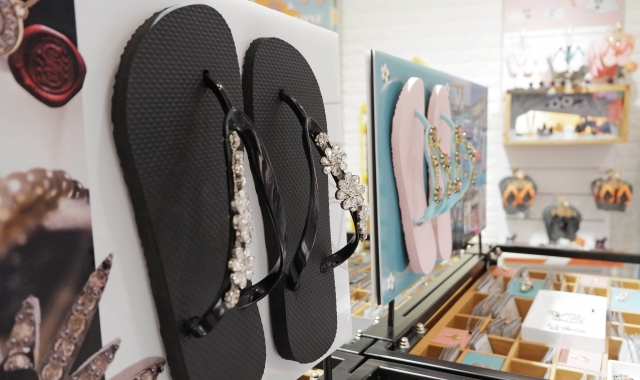
    The brand was founded in France by Steve and Chiara Rosenblum. Baia Baia’s philosophy is based on an ethos of togetherness, fun, and casual chic, embracing the idea of a Baia Baia Tribe, where personality shines with confidence through customised DIY creations of thongs, jellies, furries, bags, stationery and other fashion accessories.

    At the helm as collection director is Parisian-born Chiara, a renowned contemporary art collector, editor-at-large for French magazine Be Contemporary and mother to three young girls.

    Chiara, who with her husband also co-founded a 1500sqm art museum designed by esteemed architect Joseph Dirand, draws on her global aesthetic, design and artistic influences to craft Baia Baia’s ranges, each heroing the brand’s DNA of fun and accessible fashion for all ages, focusing on personalisation and entertainment.

    Presenting hundreds of charms categorized into 12 distinct fashion tribes, the in-store and online Baia Baia experience allows customers to embark on an expressive journey, offering a template of creativity to craft fashion accessories that is uniquely your own. The charms, like a tattoo, tell personal and unique stories.

    At the avant-garde of a revolution of empowerment, Baia Baia provides the environment and tools to achieve fashionable self-creation, ensuring no two persons wear the same, where fashion meets and mingles with one’s own personal sense of style, fun and memories.

  • Second Cos Malaysia second store opened

    Second Cos Malaysia second store opened

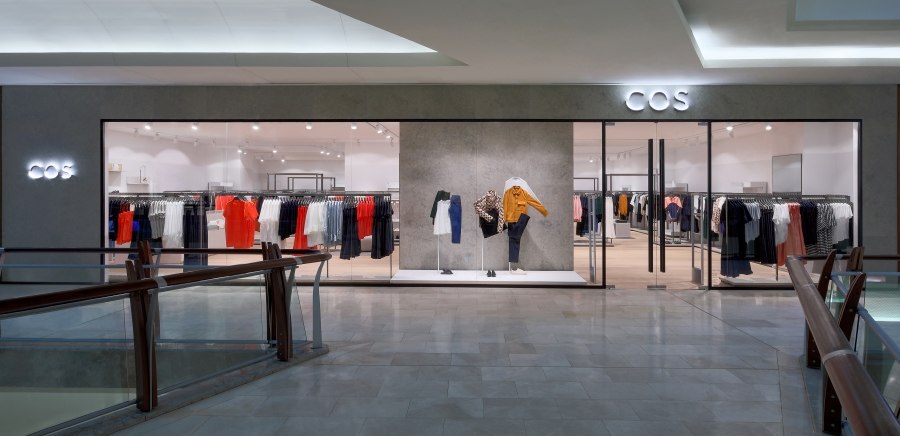
    Swedish fashion brand Cos has opened a second Malaysian store at The Gardens Mall in Klang Valley.

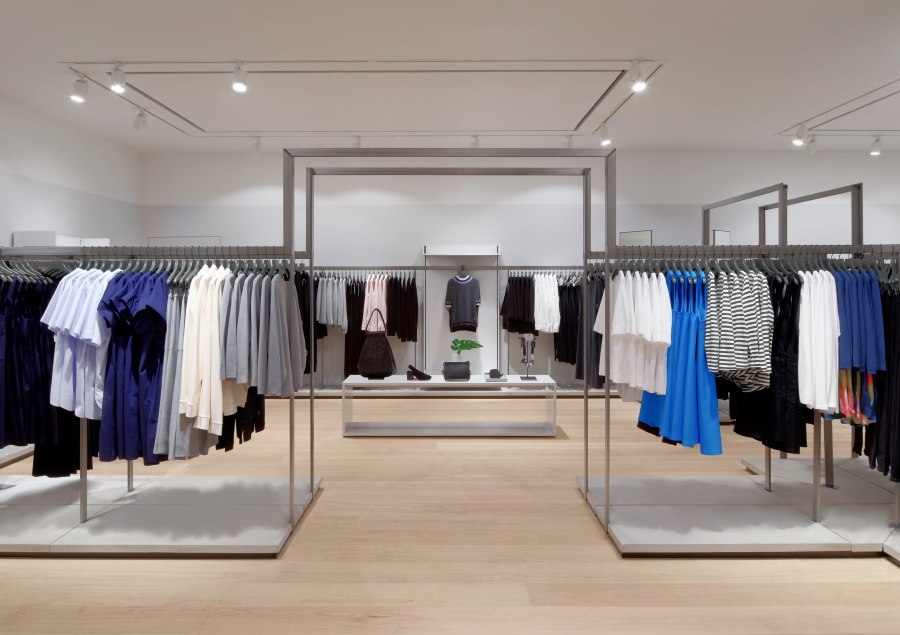
    The launch of the spartan 306sqm Cos Malaysia store comes just 18 months after the brand’s first opening at Pavilion Elite shopping centre. The store’s minimalist decor features Vicenza stone surfaces set off by the brighter tones of the fashions on display.

    Cos Garden Mall has opened with its existing Spring/Summer collection, but will follow the change of season shortly with Autumn/Winter 2018 coming soon.

    An H&M sister brand, the home website describes its fashion aesthetic as merging “lasting quality with timeless design; clean silhouettes, innovative techniques and functional details inspired by art, technology and architecture.”

  • Shiseido sales fueled by travel retail

    Shiseido sales fueled by travel retail

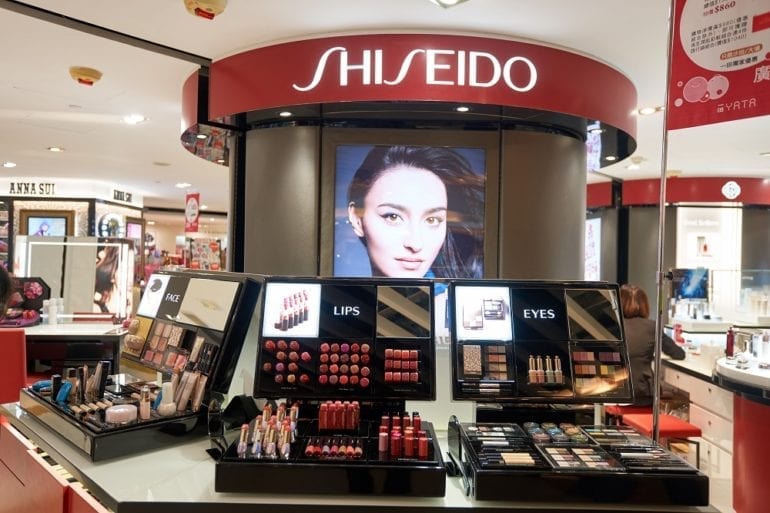
    Japanese beauty giant Shiseido Group has revealed strong sales revenue boosted by travel retail in its mid-year results.

    Shiseido sales reached ¥532.6 billion (US$4.8 billion), with ¥47.66 billion ($430.56 million) net income attributable to the business owners, 153.5 per cent above figures for the same period last year.

    A major influence on the group’s performance this year has been the 40.3 per cent increase in sales across the firm’s travel retail business.

    “In the travel retail business, the benefits derived from active investment in marketing, which included further increase of advertising and promotion in airports around the world, led to continued growth in sales of Shiseido, Cle de Peau Beaute, Nars, and Anessa that far outperformed last year, mainly in Asia,” the company reported.

    The company’s sales performance during this period has encouraged management to expect to achieve its “Vision 2020” goal of ¥100 billion ($904 million) in operating income and an operating margin of 10 per cent two years ahead of schedule.

  • Fred Segal plans expansion in India

    Fred Segal plans expansion in India

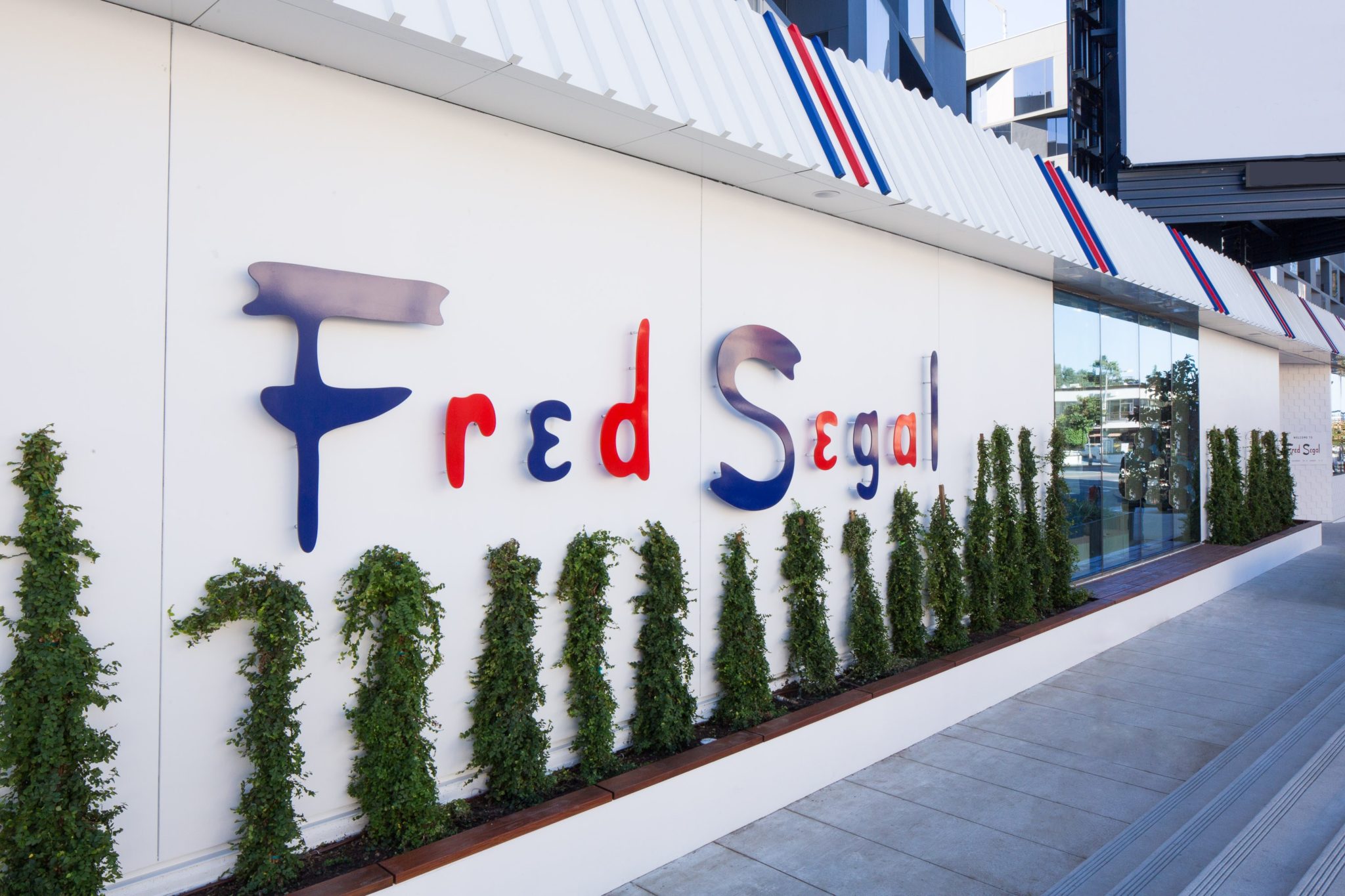
    US luxury fashion retailer Fred Segal is planning to expand its business in Asia with new stores opening in Taiwan and Malaysia.

    The move picks up on previously delayed plans to grow internationally that were announced four years ago. New CEO Allison Samek is launching the new stores after an austerity period during which several outlets were shuttered.

    The 3200sqft store in Kuala Lumpur will be set up in the 1 Utama shopping center and include a cafe, retailing a mix of established labels. The Taipei store will be a Frierson-branded flagship spanning two floors across over 7000sqft of retail space. Both locations will open next month.

    “We really looked to the local operating partner to give us feedback on what works in their marketplace and then bought specifically for that demographic,” said Samek.

    The firm is simultaneously establishing its first presence in Europe with outlets in Switzerland.

  • Bugatti Shoes walks in to Iconic

    Bugatti Shoes walks in to Iconic

    AstorMueller, global maker of Bugatti shoes, has appointed Iconic Fashion Retailing as exclusive India retail partner. Bugatti is one of the leading premium shoe brands in Europe, with over 4.5 million pairs sold annually, all designed and crafted by AstorMueller.

    Iconic Fashion Retailing is a prominent multi-brand premium fashion retail chain present in 17 cities. Apart from owned stores, Iconic will distribute and retail Bugatti through various other premium retail destinations, including those exclusively for footwear. Following the rollout of the first group of shop-in-shops will be exclusive Bugatti brand stores in key markets, supported by the strength of Iconic’s distribution. Iconic also has plans to present the collection on keye-commerce platforms, via the marketplace model.

    Iconic will now offer to its customers with the range of Bugatti shoes. Designed by Spanish, German and Italian designers, Bugatti offers a wide range of styles designed for everyone from the traditional businessman to the fashion oriented cosmopolitan and the dynamic sports fashion buyer. The collection features shoes for both men and women and come with many advanced features such as the genial insole, flexcity and the very special hand finished leather. Bugatti MAN includes formal and dress shoes, moccasins, boots, sneakers and casual shoes. Bugatti WOMAN offers pumps, boots, sneakers, dress shoes and ballerinas. Prices range from Rs 4,000 to Rs 10,000.

    Speaking on the introduction of Bugatti, Pawan Khandelwal, Managing Director of Iconic Fashion, says, “We are happy to partner with AstorMueller to present one of Europe’s most successful shoe brands to India. Bugatti is a perfect fit to our premium fashion brands, and we look to take the brand across all main and emerging markets, through various retail partners across India. The first step, though, was to introduce Bugatti into our own Iconic stores, and that’s what we are doing very swiftly this quarter. Iconic is a proven destination for those seeking trendsetting fashion, uncompromising quality and premiumness, and our steady focus on our promise has made the brand solid and aspirational. Bugatti is priced just right for those who demand avant garde fashion.”

    Tim Mueller, Chairman of the AstorMueller Group, which crafts Bugatti shoes, says, “We appreciate Iconic Fashion growth vision for the brand in the Indian market. In 35 countries across Europe and the world, Bugatti is one of the most successful shoe brands of the last decade. Our shoes are recognised for their excellent fit, craftsmanship and attention to detail. The Indian market has been patiently waiting for us to launch in physical retail, and with our trendsetting collections featuring the latest styles from the streets of Europe, we hope to give the Indian consumer the very best.”

    The Autumn Winter 2018 collection is now being introduced ahead of time. Although the launch collection is moderate by Bugatti’s European standards, the entire range will be introduced on par with Europe.

    Says Ewen Campbell, Export Director of the AstorMueller Group says, “We launch numerous styles every season, and we actually also have a fantastic, limited pre-season collection. All these will be introduced to India as well. Many of these go on to become benchmarks in shoe fashion.”

    Says Khandelwal, “The Indian luxury market is worth US $14.5 billion and is rapidly growing. Iconic is positioned as a prestige brand for true fashion enthusiasts with high living standards to upgrade their wardrobes from ordinary mass lifestyle brands to exclusive and premium international brands. Bugatti is precisely one such brand and we have big plans for it.”

    The first shop-in-shop, which offers both Bugatti MAN and Bugatti WOMAN collections, is at the Iconic store in the prominent Ambience Mall, Gurugram, which caters to people across age groups from Gurugram and parts of Delhi as well. Other cities will follow in the course of coming weeks, first in Iconic stores and then in other key fashion and footwear retail stores.