Category: Fashion

Retail News Asia is committed to providing both local and global retailers with the latest Fashion news throughout the Asian market. This on a daily base.

  • Shiseido recently started buying up tech start-ups

    Shiseido recently started buying up tech start-ups

    Japanese personal care company Shiseido has started buying up tech companies as a gambit to cater to a younger generation of buyers.

    Shiseido last year sold ¥1 trillion (US$9.3 billion) worth of beauty products last year, mostly in traditional stores. However, CEO Masahiko Uotani says consumers in their teens and 20s often prefer to shop online, which is why the brand is seeking to invest in expertise in such technologies as artificial intelligence and augmented reality.

    Uotani’s ambition is to help shoppers replicate online the experience of trying on cosmetics in a store, and use data from smart devices to create personalised make-up for customers.

    He says the younger generation does not often go into stores. “The way they buy, the way they share their excitement with their friends, is completely different from older generations.”

    Shiseido has already acquired for an undisclosed sum of the R&D team and other assets of Olivo Laboratories, a US start-up specialising in artificial skin technology, and earlier bought MatchCo, a California start-up that develops software customers can use with their smartphones to create customised foundation products matching their skin tones.

    Another acquisition has been Giaran, a startup that develops AI technology.

  • Watch inspires Tag Heuer’s Ginza Store

    Watch inspires Tag Heuer’s Ginza Store

    In a world-first concept, every aspect of the store is modular from the digital façade and displays to the decor. It offers customers immersion in the brand universe with its omni-channel buying experience.

    A highlight are the iTags, the brand’s connected displays. With just a few clicks on an iPad built into the display, the customer can browse watch models. When they make a choice, the watches, on a pivoting support, are instantly lit up on the display. Customers can also transfer their selection to a mobile device, allowing them to extend their experience outside of the store through linking into My Tag Heuer.

    Customers have total independence with a host of options, such as online ordeing with instore pick-up or a more comprehensive introduction to the piece in a traditional store on the second floor. The Tag Heuer sales team, connected to the iTag via a watch, know directly if a customer wishes to try on a particular model.

    American model Bella Hadid and Kabuki actor Shido Nakamura together broke open the lid of a sake barrel as part of the traditional opening ceremony for the Tokyo boutique.

  • Sales starts to pickup for China Dongxiang

    Sales starts to pickup for China Dongxiang

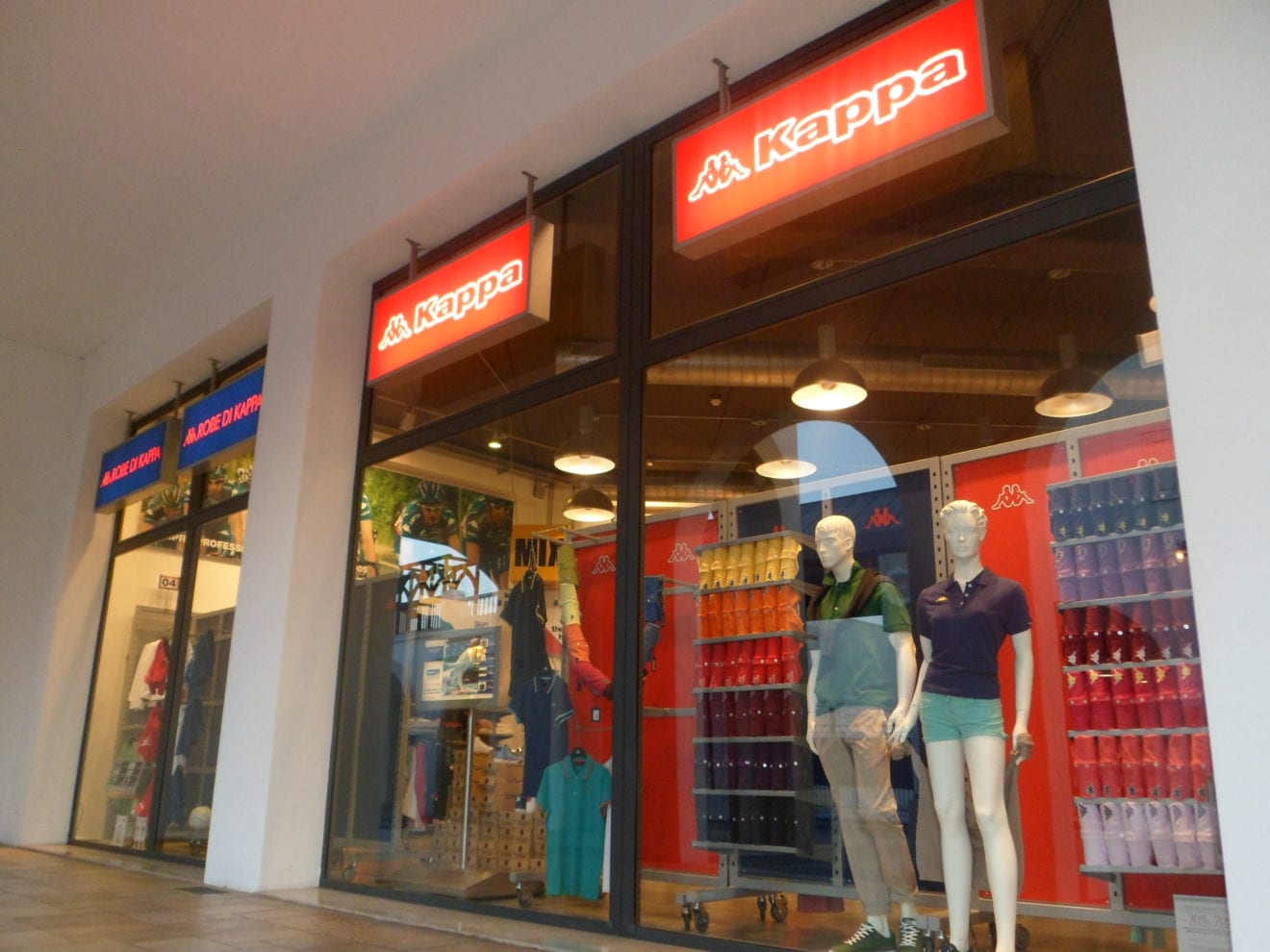
    First-quarter growth has been reported by sportswear company China Dongxiang Group, which owns all rights to the Kappa brand in China, Macau and Japan.

    Same-store sales, excluding the Kappa Kids and Japan businesses, achieved “mid-to-high” single-digit growth year on year, while the retail performance saw high single-digit growth.

    “The retail performance of Kappa stores for the overall offline platform is recovering,” says executive director/CEO/president Zhang Zhiyong.

    The group designs, develops, markets and wholesales branded sportswear in China.

  • LuxLexicon launches offline flagship store to attract customers

    LuxLexicon launches offline flagship store to attract customers

    In a switch from business online, handbag reseller LuxLexicon has unveiled its first flagship store at The Centrepoint.

    Founder Florence Low describes her company as the largest purveyor of Hermes Birkins and Kellys outside Hermes stores in Singapore, and a leader in authenticated luxury consignments for Hermes.

    Previously Low ran a boutique custom-publishing business and a luxury flash-sale e-commerce website before starting to sell Hermes handbags via her Instagram account @luxlexicon in 2016. She sold 1500 Hermes handbags through LuxLexicon last year, with the biggest sale being a new Himalayan Birkin 30 handbag fetching nearly $130,000.

    “Just as cars and timepieces are status symbols for men, handbags are seen to be the status symbols for women,” says Low. “Of all the handbag brands, the Hermes appeal is very strong because women everywhere recognise that these handbags make for good investments. They appreciate in value over time and are highly liquid when one decides to sell.”

    Her flagship store has more than 300 pieces in stock, while her clientele ranges from female professionals and socialites in their 30s to 50s, to men who buy them as gifts.

    While LuxLexicon continues selling online, but has done away with private viewings, Low believes a physical showroom will enable customers to interact with her so they can feel comfortable making a purchase.

    “When it comes to selling luxury goods, nothing beats seeing my customers in person before they make a purchase. It is hard for someone to part with a five-digit figure based on pictures alone. For that reason, the store is meant to offer buyers the chance to assess an item in person before buying it.”

  • Nike’s head of diversity steps down in New Zealand

    Nike’s head of diversity steps down in New Zealand

    Antoine Andrews, Nike Inc’s vice president of diversity and inclusion, has resigned just weeks after the announcement of broad changes to the company’s HR policies.

    Nike confirmed the departure, but declined to comment on the circumstances behind Andrews’ departure.

    Andrews is the third high profile departure within a month, coming shortly after Nike conceded it had “failed” in promoting and hiring women and other minorities to senior-level positions within the business and would renew its efforts to address this disparity “with immediate effect.”

    “While we’ve spoken about this many times, and tried different ways to achieve change, we have failed to gain traction,” said Nike’s human resources chief Monique Matheson.

    “Our hiring and promotion decisions are not changing senior-level representation as quickly as we have wanted.”

    The departure comes just weeks after the president of Nike Trevor Edwards resigned, followed shortly by Jayme Martin, vice president and general manager of global categories.

    Nike, during Edwards’ exit, had flagged “conduct inconsistent with Nike’s core values and against our code of conduct,” though there were no direct allegations of misconduct against Edwards.

    Of Nike’s ‘several hundred’ vice president’s only 29 percent are women while in the US only 16 percent are people of colour.

    Andrews joined Nike in 2015, prior to which he was the director of global diversity and inclusion for Symantec.

  • JD Sports Australia to expand logistics capabilities

    JD Sports Australia to expand logistics capabilities

    British sports fashion retailer JD Sports has issued a vote of confidence in its fledgling Australian operation, revealing that it is expanding its local logistics capabilities to facilitate “anticipated future growth”.

    Delivering its financial results for the 53 weeks ended 3 February in the UK on Tuesday, JD’s executive chairman Peter Cowgill said work to bolster its fulfilment in Australia was ongoing and that initial trading from its first five stores Down Under was “encouraging”.

    “Our initial performance in these markets [including Malaysia] is encouraging and it has given us the confidence to investigate options in other territories,” Cowgill said.

    “A smaller scale project to expand our logistics capabilities in Australia to facilitate anticipated further growth, both in stores and online, of the JD fascia is also ongoing,” he said.

    The comments come just a week after JD’s local arm, which is being shepherded by Rebel founder Hilton Seskin, announced three new stores (bringing its total to 9), one of which is already open in Macquarie, Sydney.

    JD has worked with the local veteran on slowly laying the bedrock for its Australian expansion over the last few years, launching about a year ago.

    As of 3 February JD had 12 stores in Asia Pacific and 52 stores across other businesses in the region, such as Glue in Australia.

    The listed British business does not separate its sales figures from individual markets outside of the UK, but revenue from operations outside of its home market and Europe increased by 46.6 per cent to £31.5 million (AUD$58.01m) during the year.

    Record profit

    Group-wide JD reported a record increase in its before tax profit for the year, up 24 per cent to £294.5 million (AUD$524.32m).

    Group revenue was up by 33 per cent to £3.16 billion (AUD$5.82bn) on the back of 187 store openings, including a net increase of 70 stores in the UK and Europe alone. The business has 1237 locations globally.

    Cowgill said he had been “very encouraged” by the result, which brings total profit growth since 2015 to more than 200 per cent.

    “The investments we have made over a number of years in developing our multichannel proposition and driving improved buying, merchandising and retail discipline have ultimately led to the creation of a world class sports fashion business which combines the best of physical and digital retail on an increasingly global scale,” he said.

    We are very encouraged by the progress that we are making internationally, and we continue to look for further opportunities to bring our dynamic multichannel proposition to new markets around the world with the support of our key brands”

    JD is currently finalising a yet-to-be-approved deal to purchase American footwear chain The Finish Line for $558 million, a move that will supercharge its expansion into the US.

    JD provided no specific outlook, but said it is satisfied with its progress and remains confident about the prospects for the current financial year.

  • Olivia Burton launched a concept store in Ion Orchard

    Olivia Burton launched a concept store in Ion Orchard

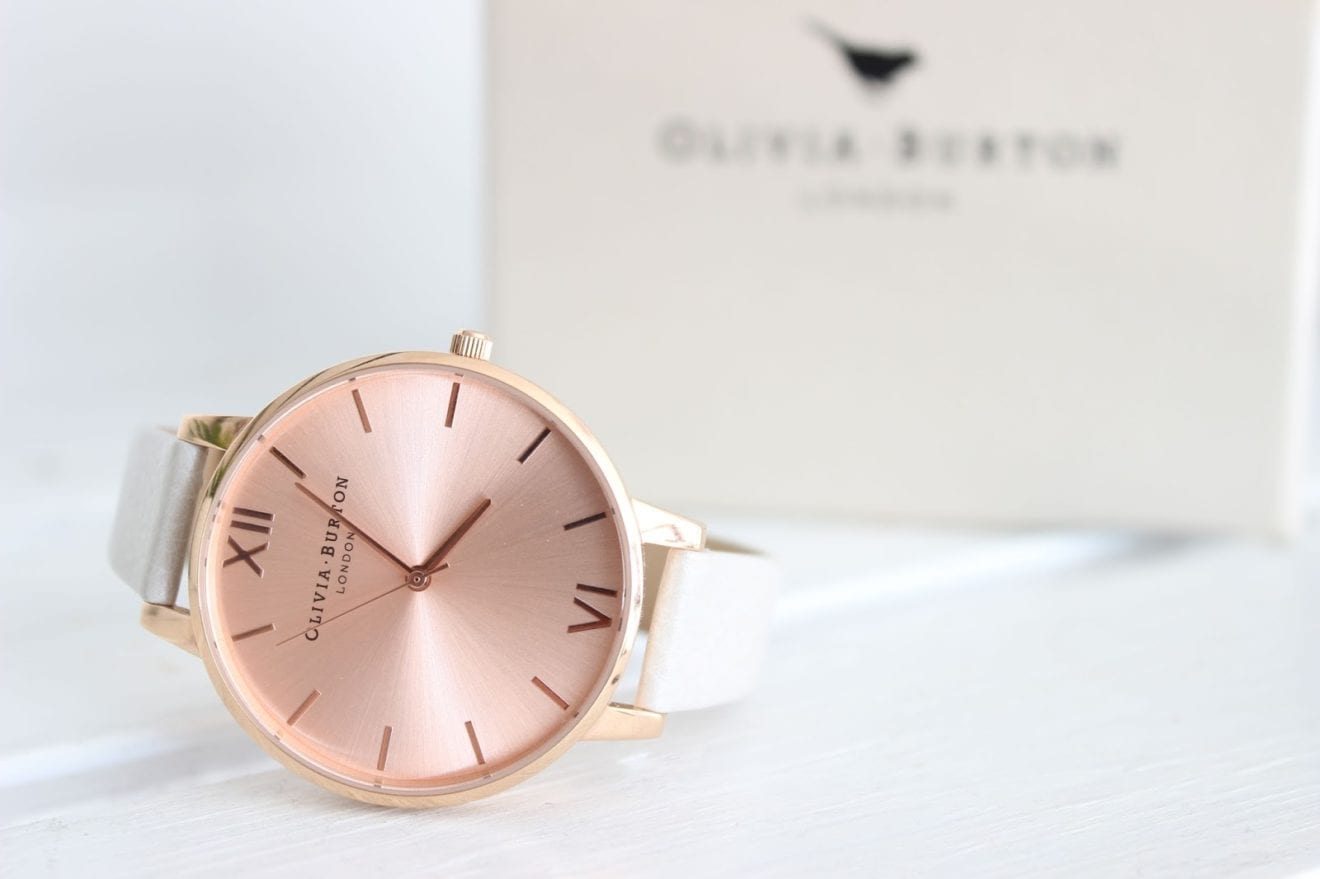
    British accessories brand Olivia Burton, together with Asian retail specialist Norbreeze Group, has launched a concept store in Ion Orchard.

    For the first time in Singapore, the brand’s fashion jewellery collection and personalisation services are being offered at the flagship store. Its signature vintage-inspired watches have been available in Singapore since October.

    Olivia Burton was founded by best friends Lesa Bennett and Jemma Fennings in 2012 and named after Bennett’s great aunt. Its London studio creates detailed watches and jewellery inspired by nature.

    Norbreeze Group co-founder Anne Trads Juel Sauerberg describes Olivia Burton’s accessories as “fashionable and affordable luxury”.

    To celebrate its opening, the store will host experiential activities on Saturday. Guests and customers will be able to create floral crowns and be offered floral cupcakes. The first 20 shoppers will each receive limited-edition exclusive merchandise.

  • Hera Singapore plans more boutique stores

    Hera Singapore plans more boutique stores

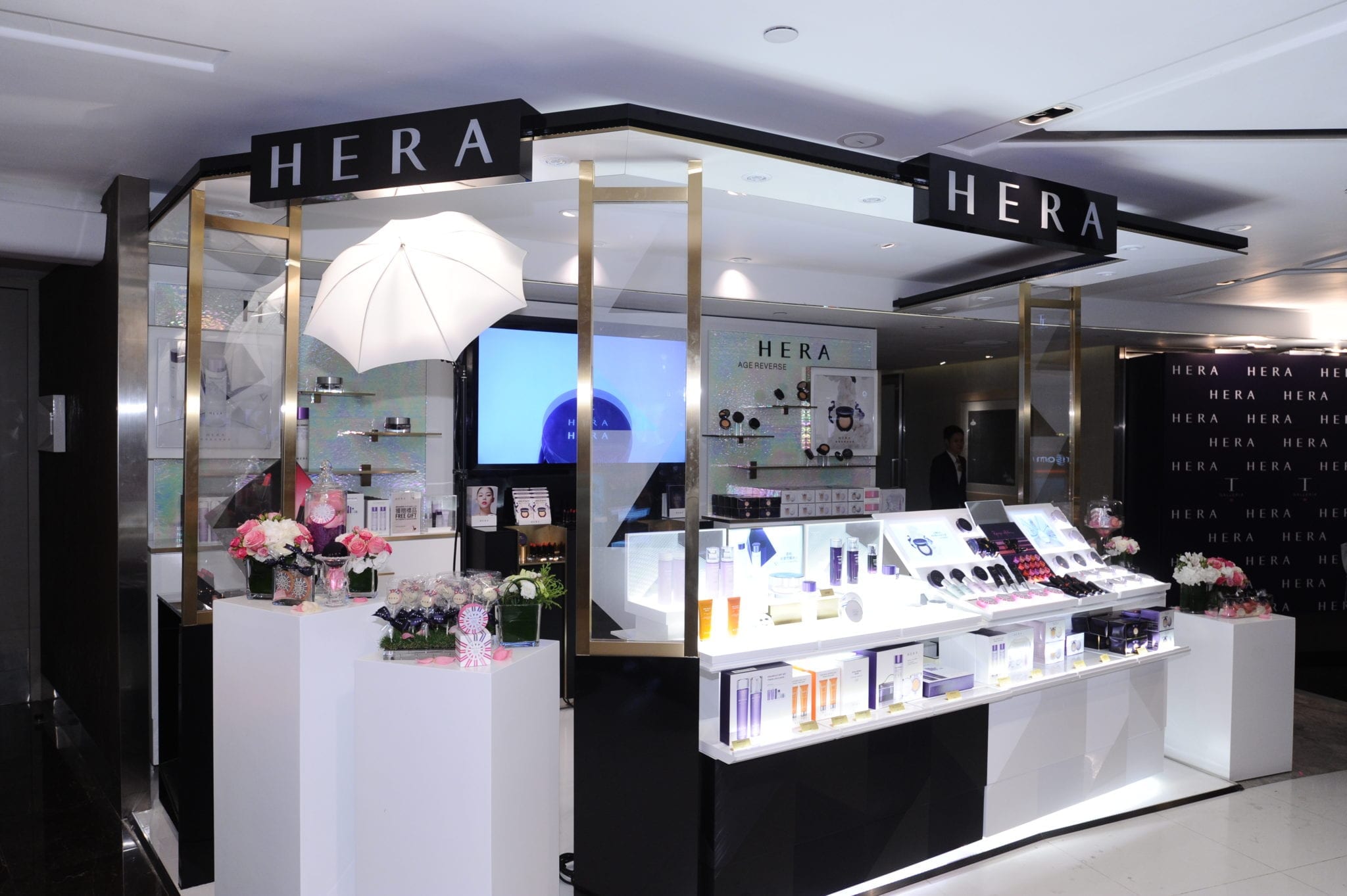
    Korean cosmetics brand Hera Singapore will officially launch at Takashimaya Department Store on May 10.

    And the brand will also open a standalone boutique store within the second half of this year.

    Hera’s parent company Amorepacific considers Singapore a strategically important market for international expansion, due to consumers’ strong demand for global brands and their interest in trends.

    Hera  launched in China, its first overseas market, in 2016.

    Amorepacific also plans to bring its haircare brand Amos to Singapore this year.

  • Kathmandu raises $50 million

    Kathmandu raises $50 million

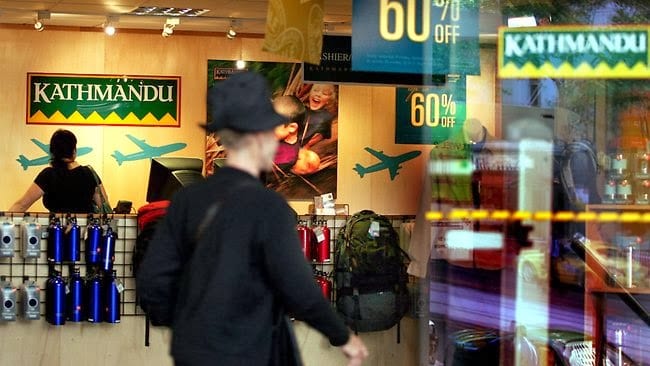
    Kathmandu Holdings will take up the full oversubscription in a share purchase plan, raising $50 million to help fund its purchase of US footwear supplier Oboz Footwear.

    The Christchurch-based company on Wednesday said it accepted $2 million in oversubscriptions for its share purchase plan, taking total subscriptions to $10m.

    That’s on top of $40m raised from institutional investors in a placement.

    Shares were sold in both offers at $2.16 apiece, a 10 per cent discount to where the shares traded before the announcement.

    The shares fell 0.4 per cent to $2.55 today.

    “We are delighted with the extent of support, both for our institutional placement last month and for the share purchase plan, and the affirmation by our shareholders of our growth plans for the business,” chair David Kirk said in a statement.

    “The board would like to thank all those shareholders who participated in the SPP for their continuing support of Kathmandu.”

    The capital injection will be used to help pay for the US$60m upfront purchase of Oboz, which Kathmandu pursued to expand its presence in the North American outdoor market.

    If the acquisition meets certain earnings targets in calendar 2018, Kathmandu will pay up to US$15m more.

    Some 1516 Kathmandu shareholders of its 3514 investors sought to participate in the share purchase plan, offering $14.5m, meaning their offers will be scaled.

    Briscoe Group, which made a failed takeover bid in 2015 when it built up a 19.8 per cent stake, participated in both the institutional placement and share purchase plan.

  • Primark sales rise despite winter

    Primark sales rise despite winter

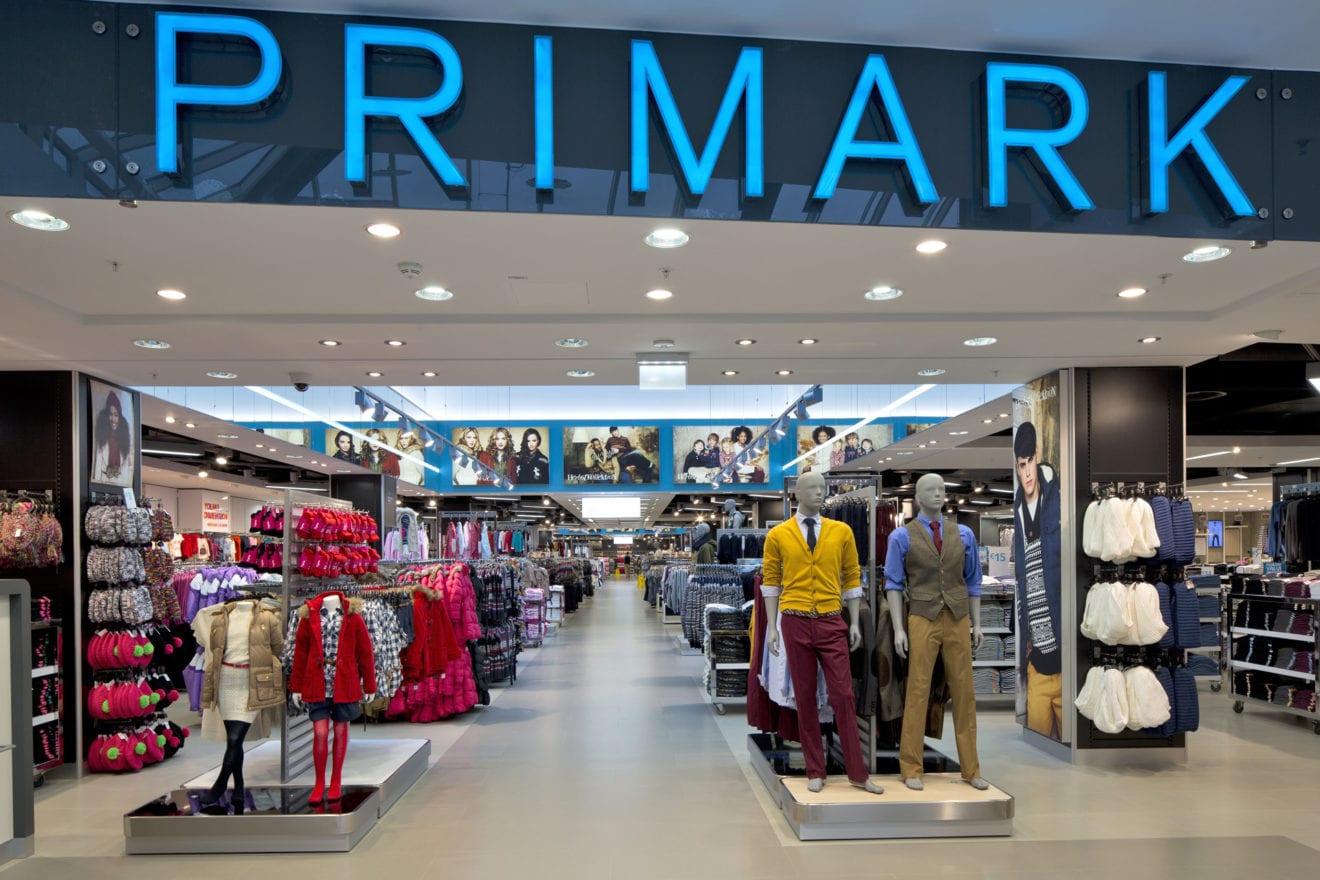
    Primark sales and profits are on the rise as the UK-headquartered fast-fashion retailer shrugged off a chilly northern winter.

    Parent Associated British Foods (ABF), says Primark achieved a 7 per cent increase in revenue for the first half year and a 4 per cent improvement in profit, despite on the coldest winters on record in Europe.

    However, the growth was all down to a growing European store network, with like-for-like sales down a marginal 1.5 per cent.

    The retailer plans to open new stores at Westfield and Burnley and seven more outside the UK as it continues to grow both its footprint and its market share.

  • Alexachung expands with Tokyo pop-ups

    Alexachung expands with Tokyo pop-ups

    British womenswear label Alexachung has marked its Asian expansion with a series of Tokyo pop-ups, starting earlier this month.

    Alexachung hopes the pop-ups will build brand awareness and boost sales thanks to a “very loyal” Japanese customer base.

    “Our goal is to build a reliable, constant presence and hope to develop retail when [we] are ready to,” said Alexachung CEO Edwin Bodson.

    Hong Kong-based Bluebell Group is the exclusive distribution for Alexachung in Japan.

    Korea and Taiwan are also considered to have strong potential thanks to solid retail and wholesale volumes last season.

    The brand also plans to open a London store by 2020.

  • MSGM China opens a new Beijing boutique

    MSGM China opens a new Beijing boutique

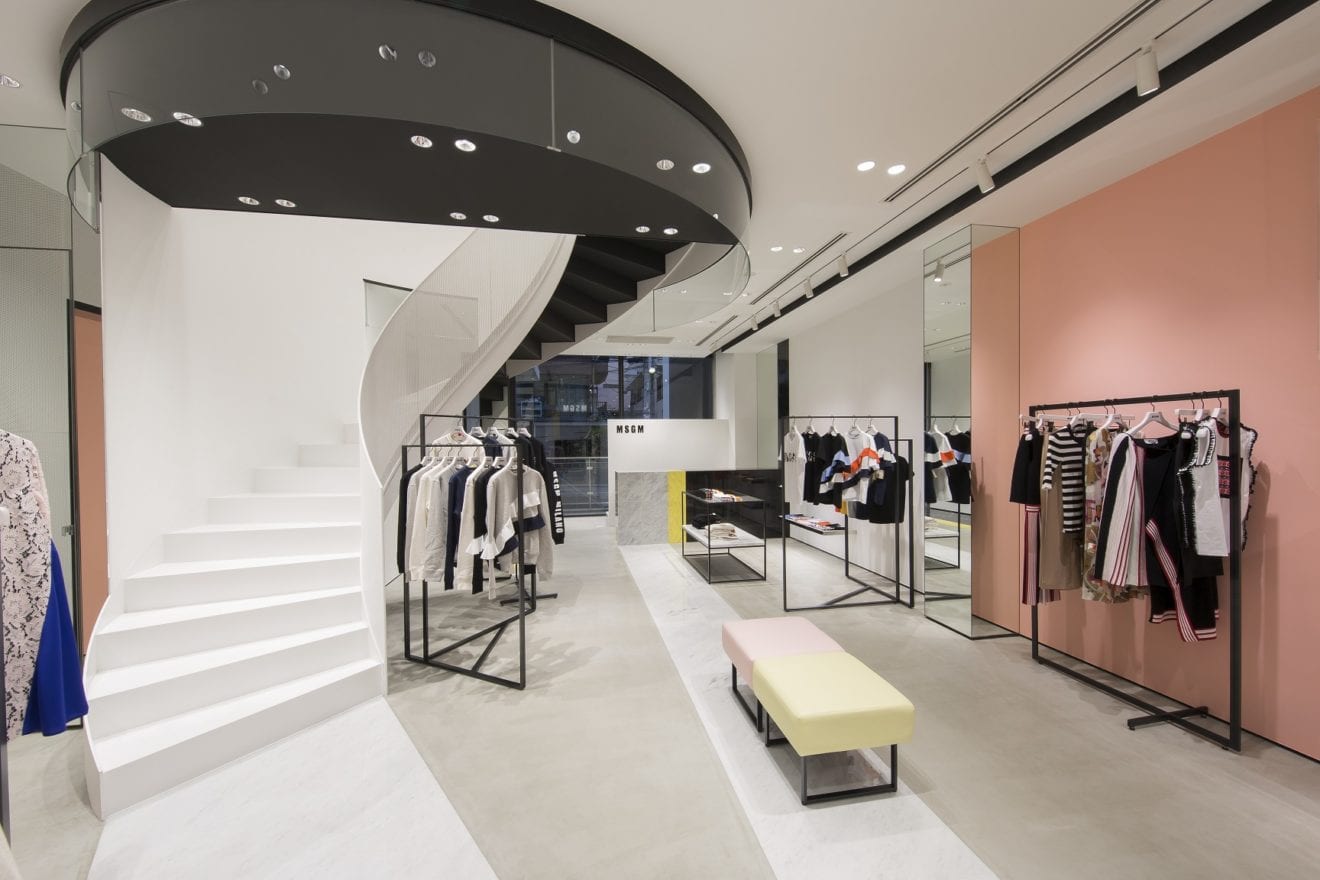
    MSGM China has opened its second store, a boutique in SKP Beijing.

    The Italian fashion label’s 15th store, it offers menswear, womenswear and accessories. The 100sqm space features flexible iron display structures, geometric neon lighting and Carrara and black Marquina marble surfaces interrupted by a fluorescent yellow stripe, a hallmark of the brand.

    MSGM China’s first store opened in Shanghai last year, when the brand also opened a space in Seoul.

  • The DNA of Zalora Explaned

    The DNA of Zalora Explaned

    Alibaba and JD.com may be embracing brick-and-mortar retailing in a move offline, but Southeast Asia’s fashion-focused Zalora still considers itself a pure-play online retailer and has no plan to change.

    In an interview, Zalora Group CEO Parker Gundersen, who will step down from the role at the end of May for personal reasons, says digital pop-ups in various markets across Asia should not be mistaken for a move offline.

    “I would consider ourselves a pure-play digital-commerce provider. The pop-up shops for us are largely for marketing. I love them because it is a great way to introduce consumers to Zalora and the products we sell, and to our technology [interface], so they can see how easy it is to shop on our platform.”

    Fashion-focused Zalora has a growing presence in Hong Kong, sourcing orders here from its Malaysian warehouse.

    Romain Voog, outgoing CEO of Zalora parent Global Fashion Group, (pictured below) says the company treats Hong Kong as part of a cluster of markets that also includes Malaysia, Singapore and Taiwan.

    “I think we can see a lot of progress in Hong Kong, especially if we are getting products that are more geared toward Hong Kong customers. It is surprising there is not more Chinese influence selling into Hong Kong. We’ve been surprised by the results we have seen of basically just organising a shipping route into Hong Kong.”

    Growth ahead

    Voog sees a lot of opportunity for Zalora to increase its Hong Kong presence, especially if it can source a better assortment of product.

    “We don’t share our growth rate in Hong Kong, but it is above our overall market growth rate. We are starting to invest more into it in terms of marketing and assortment, so we should see improvement in growth reflecting that.”

    Gundersen is not tempted to copy the massive investment by Alibaba and Amazon into traditional retailing formats via acquisitions and moving offline, albeit with heavy technology behind the scenes.

    “Those two players are in a unique position in this world in terms of the size of their portfolios, their capabilities and what they can do. I can only speak for myself and this business that we run – our DNA is technology and agility, and if I look at our supply chain, it is about efficiency, especially in markets where you have consumers spread out, big populations of consumers who are nowhere near high street. It is such a sensible alternative to have an e-commerce platform where you can consolidate one warehouse and distribute the product to wherever there is demand – it is a far more efficient way to go.

    “So for us, I want to stay focused on that model. But there are ways we can partner with the offline world, because if you think about it, 95 per cent of retail today – probably more like 98 per cent in most markets – is still happening offline. So we have a very small share of the overall market.

    ‘So much opportunity’

    “It is interesting to see the big players making these moves, but I think there is still so much opportunity for a company like Zalora because we have that really focused perspective. We love fashion, we love beauty and we love what that does for our consumers. Not all fashion is the same. There is a big spectrum of fashion, but the ability to have a viable channel for brands around the world here in Southeast Asia is still unique.”

    That said, the online market is growing fast and Gundersen is excited to see how much more share e-commerce takes. “We’re still limited in terms of size right now, so we maximise our coverage and try to get as much face in this region as possible, reaching as many consumers and potential customers as possible who are now coming online.”

    He is speaking about the entire Zalora Asia business, of course, which stretches from the Philippines through Malaysia, Singapore, Indonesia and up to Taiwan and Hong Kong. Forays into Thailand and Vietnam were less successful and sold off to local players, allowing the company to focus on its stronger markets.

    Voog will not rule out a return to either market long term, but believes there is greater opportunity through not dispersing resources too thinly in too many markets.

    “If you look at the Philippines, Indonesia, Singapore and Malaysia, these markets are at a very early stage. E-commerce penetration is like 5 or 6 per cent, so that means 95 per cent of the business is not online yet. The results are clear: if we double down in these markets, and get the right partner on board where we need one, you can see the results.”

    Misinterpreted

    In the Philippines, Zalora partnered with shopping mall/banking/telco giant Ayala, which took a 49 per cent shareholding. Gundersen says the partnership – since misinterpreted by some commentators as a partial exit from the market – will allow customers to move between physical and digital channels seamlessly. The two companies can share data, and use that information to improve customer touch-points.

    “The partnership creates a special opportunity to align the country’s leading commercial mall company, telecom provider (Globe) and consumer bank (BPI) with the region’s leading online fashion retailer to create a first-of-its-kind retail partnership that focuses on the customer journey,” he says.

    “We have very ambitious plans to connect our respective consumer-facing businesses to create some ‘seamless journeys’ for customers in the Philippines and across our markets. The idea is simple: leverage our combined customer-facing business and our digital capabilities to create a far more connected shopping experience for Filipinos.”

    Immediate benefits include click-and-collect, allowing online shoppers to have their purchases delivered to an Ayala mall, This gives the mall a strong e-commerce face to consumers, including space for tenants to join Zalora’s ranks of vendors.

    As Gundersen explains, “My first responsibility is ultimately how do I please my customer by getting the right product? If I have product the customers don’t really want, it is just going to be left over. You’re not really going to build a brand that way, or a profitable retail company, Partnering with places like Ayala and helping them to invest in creating an e-commerce solution like we have is unlikely for most offline players, unless they are really in a unique position. There are a few out there who are making those acquisitions to bring in that kind of capability.”

    Voog says critics alleging the company is divesting misunderstand the Philippines strategy. “It is totally the opposite. We are actually overinvesting, but we are investing in a way where every investment is going to double the result because of the partnership.”

    Relationships essential

    Gundersen sees strong relationships with brands as essential to Zalora’s success.

    “A couple of years ago, few brands were willing to take a shot [with Zalora]. But we are sitting in a unique position because the brands are really now starting to come in and say, ‘Hey, I like what you guys are doing – I like the adjacencies, I like the brands, I like the way you represent brands in your channel and I want to come in’.”

    He believes Zalora is attractive to brands because they can achieve incremental sales from customers not initially seeking them out.

    “Zalora is like a shopping mall whereas the monobrand website is like a small shop in one location – they just can’t get the traffic we can. And we have that customer relationship, so we can introduce new brands to people. They may come in and buy a Mango or Topshop item, but we can introduce them to Adidas or Nike.”

    Is it is a challenge convincing brands they are not cannibalising their own direct-to-consumer sales by listing on Zalora?

    “We have the data, so we can show why e-commerce makes so much sense in Southeast Asia,” says Gundersen. “A lot of consumers just don’t have access to offline stores. I think the local distributors are much more concerned, so over the years we have really had to work with them and build confidence and trust. At the end of the day, this is a net positive thing for the overall business.

    “With our local distributor partnerships – in some markets we still work closely with those distributors – we really try to focus on how to uplift their performance as well.”

    Distributors, he says, are often being pushed by the brands to develop their own country-specific e-commerce site, so partnering with Zalora is sometimes less of a threat and more of an opportunity to appease the brand.

    “I’m very focused with my team on how we build stronger relationships with the brands and understand what they need as well, because not all product is the same. There are brands that give only the best products to the best partners. That’s the status I want to get into.”

    Profit question

    Meanwhile, Zalora’s struggle to become profitable in Asia has attracted a significant amount of media attention in recent years. Never mind that it took Amazon decades to return a profit, the financial press is less forgiving with Zalora. Voog is candid when asked about the timeline for the company making it into the black.

    It is totally different in different markets. Some of our regions, the Middle East for example, are profitable. It really depends on the market maturity and the level of competition there.

    “Our view is simple: we want to build the largest, highest-growth and profitable operation, focused entirely on fashion product. We want to be the fashion platform in each of our countries in each of our regions. We want to be the largest, highest-growth and obviously most-profitable fashion platform.

    “We’ve seen from our overall GFG result that we are making progress on the path to profitability and we are now in single-digit EBITA negative results, which is a steep improvement to the minus 40 we were three years ago. I am not interested in being a profitable small business – I am interested in being a large, high-growth business, so I think the priority will always be to make sure we stay the leader and reinforce that leadership position. Sometimes that might mean delaying break-even point to make sure you reinvest in acceleration of growth. That is fine.

    “The real indicator of success is being profitable on viable cost. Once you cover your viable result, any extra growth will help build your bottom line and help pay for your fixed costs.”

    Voog does not believe Zalora has made many major mistakes since entering Asia. “Maybe the only one was to go too broad too quickly, going into too many countries and being subscale and spreading ourselves too thin. That’s why we exited Thailand and Vietnam. If there was one thing I’d do differently, it was probably this one. The rest, we have been lucky.”

    That said, there have been many lessons along the way.

    “I think we have developed as a company the ability to be agile. We test a lot of things, then we try and humbly measure the results, and if we fail, we stop. It is a huge mistake when you start to do things and you don’t act when you fail and you keep on doing it.

    “We don’t do that. If we fail, we stop and we move on.”
  • Online boost for Chow Tai Fook Jewellery

    Online boost for Chow Tai Fook Jewellery

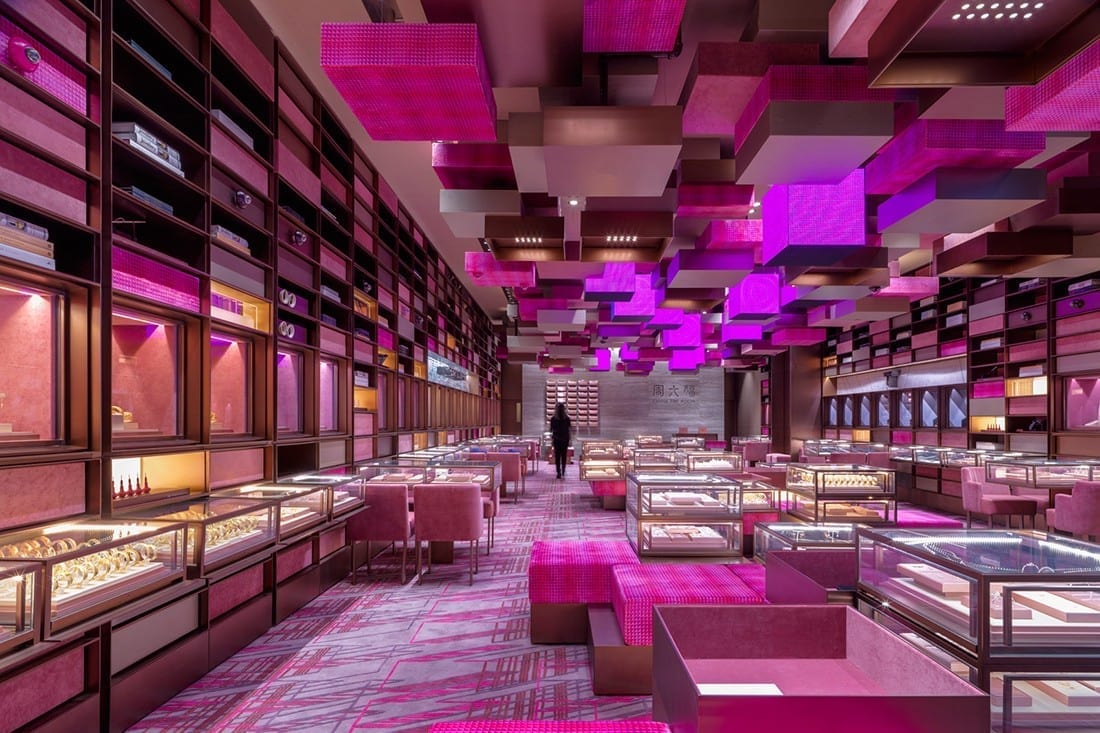
    Chow Tai Fook Jewellery Group’s fourth quarter saw e-commerce business soar in Mainland China.

    Retail sales value grew at the rate of 38 per cent year-on-year accompanied by a volume boost of 34 per cent.

    During the three months to the end of March, the percentage of retail sales value settled by Alipay, China UnionPay, WeChat Pay or RMB in the Hong Kong and Macau market – a proxy for sales contribution from mainland tourists – improved to 51 per cent from 44 per cent for the same period last year.

    Both the value of retail sales and same-store sales continued to improve in both the Mainland China and Hong Kong/Macau markets. Hong Kong/Macau had relatively stronger growth during the quarter thanks to improved consumer sentiment and a revival of visitor numbers from the mainland.

    In Mainland China, same-store sales of gem-set jewellery declined while retail sales value stayed positive. The same-store average selling price improved to HK$7100 (US$905) from $6500 a year earlier.

    In Hong Kong/Macau, both volume and average selling price at same-store level increased during the quarter. There was double-digit growth in same-store volume while the average selling price improved to H$13,000 from $12,400.

    An increase in volume drove same-store sales performance of gold products in both markets. The average selling price improved with an increased gold price (up an average 9 per cent) and higher-value purchases.

    The same-store average selling price was $4400, up from $3900, in China while the figure for Hong Kong/Macau rose to $7900 from $7000.

    Chow Tai Fook ended the quarter with 20 more points of sale. This included 17 outlets opening in China, one in Hong Kong/Macau, one in Taiwan and two in Korea. One point of sale closed in the US, taking to total of outlets to 2585.

  • Gucci adds some coolness to cassette tapes

    Gucci adds some coolness to cassette tapes

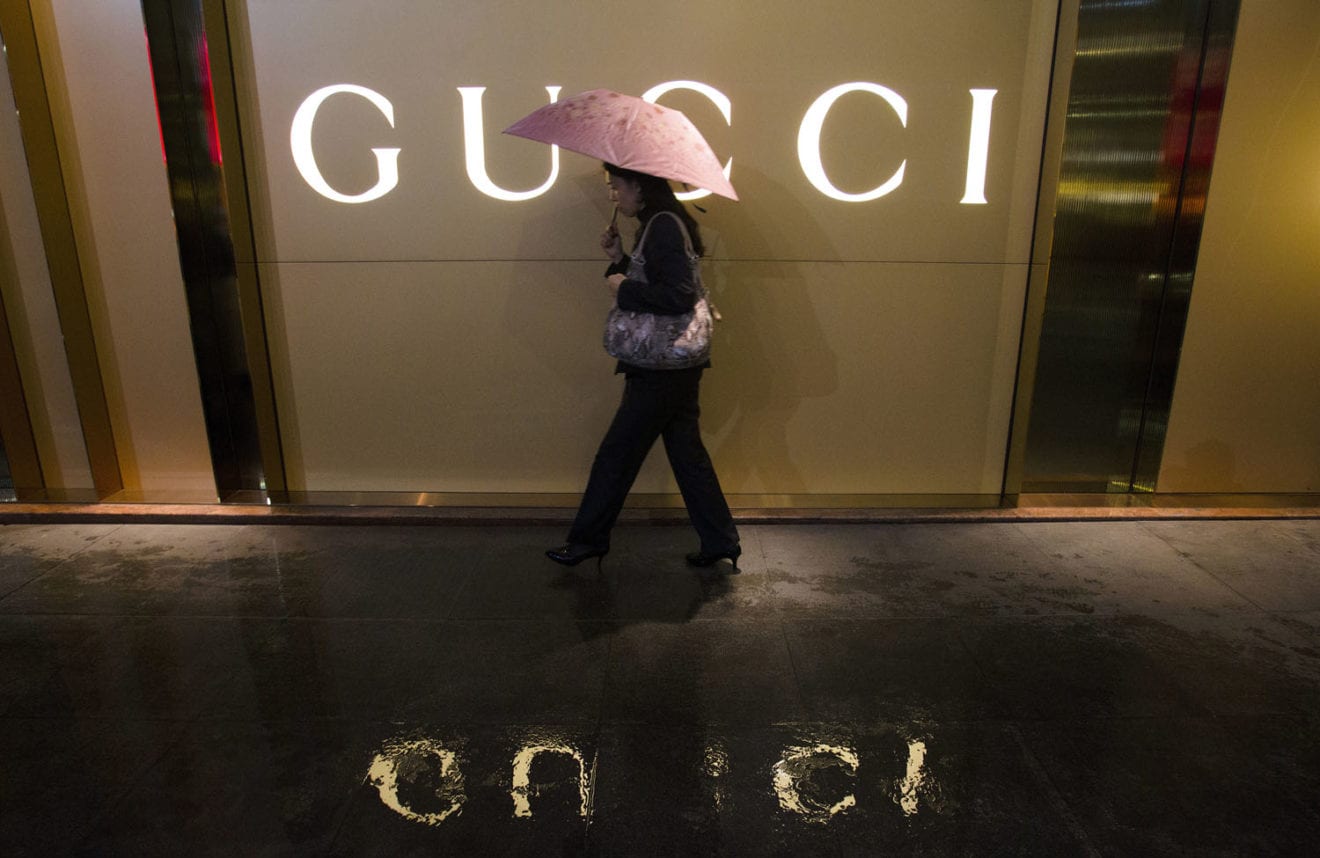
    Luxury Italian fashion brand Gucci is helping make cassette tapes cool again in a collaborative collection with the Waltz shop in Tokyo’s Nakameguro district.

    Special Waltz-inspired patches are featured on six products, including a Boston bag, shoulder bag and wallet, which are available at the cassette tape specialist. The Gucci Aoyama flagship will also start selling the products this month.

    Intended to support the shop’s cassette tape activities, the collaboration is one of an exclusive series based on Gucci’s Courier collection. Waltz is one of seven international locations named as “Gucci Places” that reflect the contemporary aesthetic sense of the brand’s creative director, Alessandro Michele.

    “Almost no-one thinks the cassette-tape business will grow, but tapes have created a new trend,” says Waltz owner Taro Tsunoda.