Category: Fashion

Retail News Asia is committed to providing both local and global retailers with the latest Fashion news throughout the Asian market. This on a daily base.

  • Bensimon Japan opens its first concept store

    Bensimon Japan opens its first concept store

    Bensimon Japan has opened a concept store in Tokyo, the fourth international outlet for the French label.

    Launched with its two local partners, Itochu and Look, the unconventional store in the Daikanyama district covers about 100sqm on several floors and conceived as a little house dedicated to the French art of living and to the label’s love of colour.

    Bensimon says the same concept may be replicated in other prime Japanese shopping locations, with a second opening already being planned, reports Fashion Network.

    In the longer term, the label is also thinking about China.

    Meanwhile, Bensimon has taken on a new designer, Geraldine Dufour, who debut with the label’s latest autumn/winter collection.

    “I’ve worked with the same designer for 15 years so we didn’t want a comprehensive overhaul,” says co-founder/creative director Serge Bensimon. “However, we needed a fresh take on our ready-to-wear and accessories collections, to try to appeal to a younger clientele.”

    “Currently, our customers are mature, modern women,” says Dufour. “We want to broaden our target market, first with women in their early 40s, then with the next generations. We want to be able to appeal to mothers and their daughters.”

    By recalibrating the womenswear range, Bensimon is seeking to bolster its expansion, notably driven by Rudy Achache, the first GM appointed by the two founder brothers, Serge and Yves Bensimon, nearly two years ago.

    Bensimon has about 50 stores, most of them in France.
  • Welden handbags flies high in China

    Welden handbags flies high in China

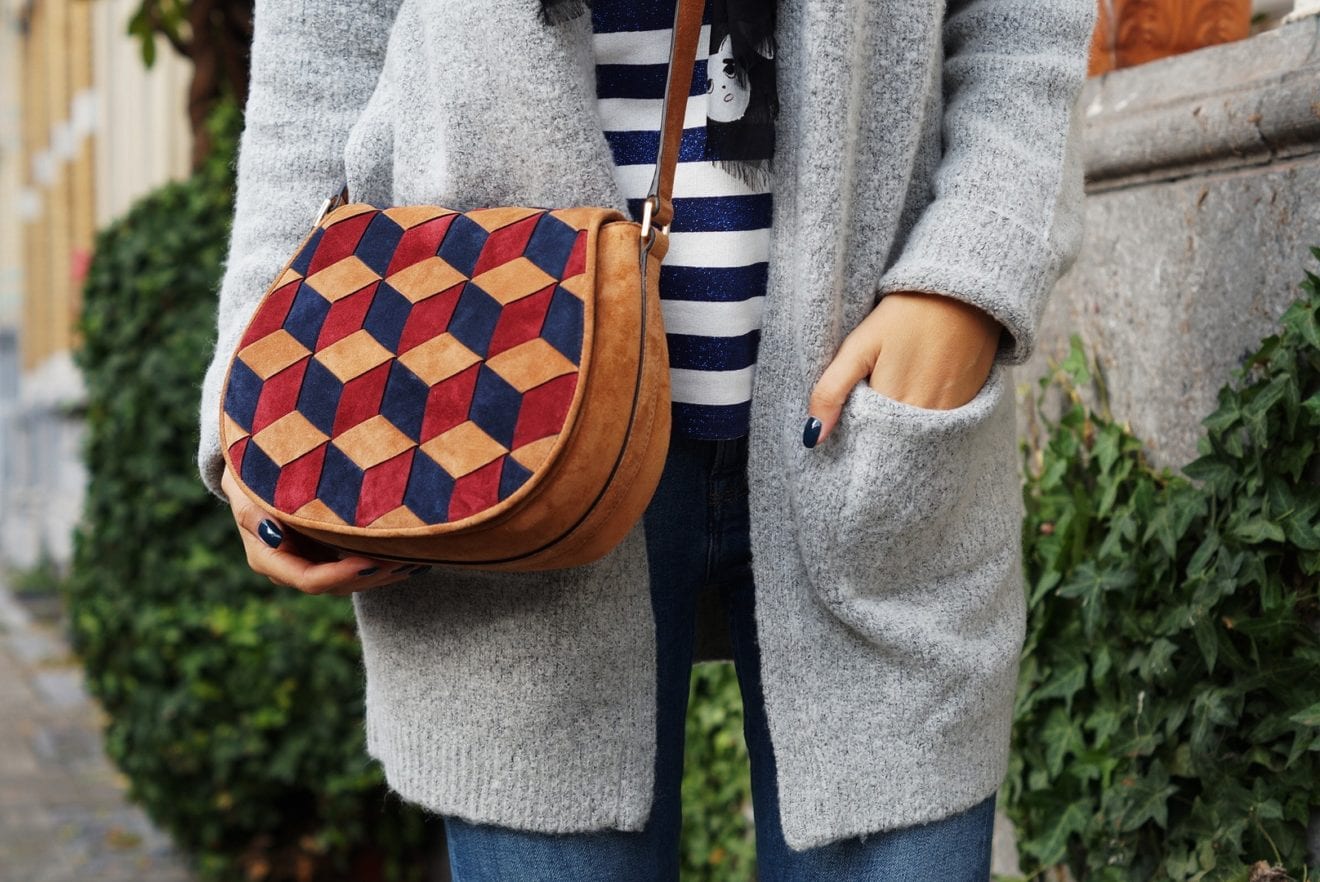
    Sandy Friesen’s small and young handmade handbag company Welden generated nearly US$300,000 in gross merchandise volume during a two-day live-streaming event in China.

    On Alibaba’s C2C marketplace Taobao, the campaign was the New York brand’s first foray into China. It became an instant hit, attracting 808,000 views and 4.06 million likes on the first day.

    By the end of the two days, Welden had sold nearly 1000 bags priced from $195 to $595, with a combined 1.7 million livestream views.

    Friesen says the success of Welden’s China debut far surpassed her expectations. The Welden co-founder says China had not been on her company’s radar until only few months before the campaign.

    “We were a US brand that had been trying to expand to Canada. We’ve been really just going with what we know. It’s truly amazing this has happened so quickly.”

    Friesen started Welden in 2015, its designs being easily recognisable by their signature hexagon weave.

  • Nike reveals Fabjacks collaboration

    Nike reveals Fabjacks collaboration

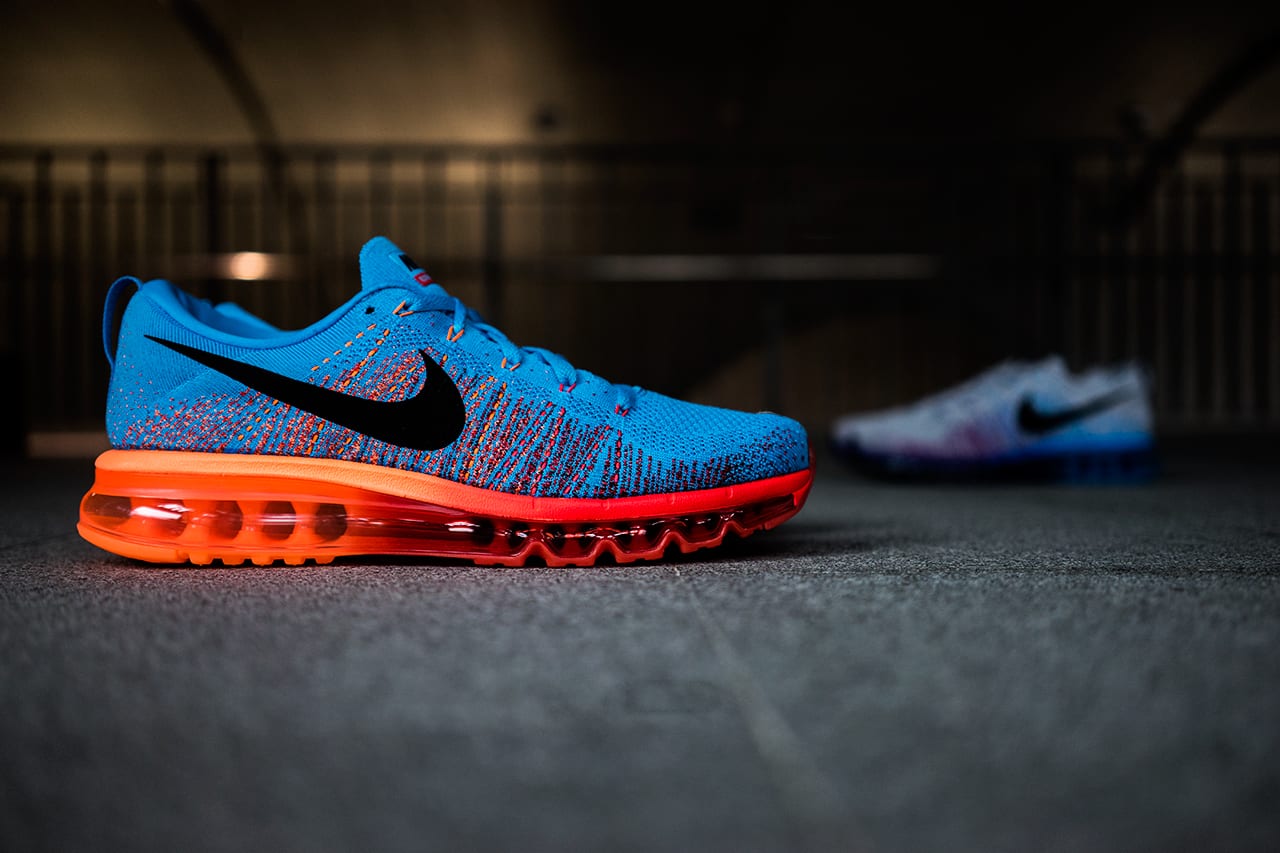
    Nike continues the Free RN’s “Free Expression” artist series with Shanghai-based Hong Kong artist Ton Mak, better known as Fabjacks.

    Following Korean artist Novo’s DIY-take on Free RN, Flabjacks opts for a more vibrant approach with a rainbow-like range of hues, alongside her trademark friendly creatures.

    Ton began creating characters and narratives after graduating from University College London as an anthropology student. Tying together her love for art, ethnography and storytelling as Flabjacks, her work spans art toys, paintings, large sculptures and international artist collaborations.

    The Free Expression series asks artists “what it means to be free in the cities in which they live”, and for Mak it is Shanghai’s flaws that make the city special. “Like wildflowers, it is bright and constantly growing and changing.”

    The Flabjacks x Nike Free RN series is available at select Nike retailers and Nike.com in both men’s and women’s sizes.

  • Asia fastens L’Oreal first-quarter sales

    Asia fastens L’Oreal first-quarter sales

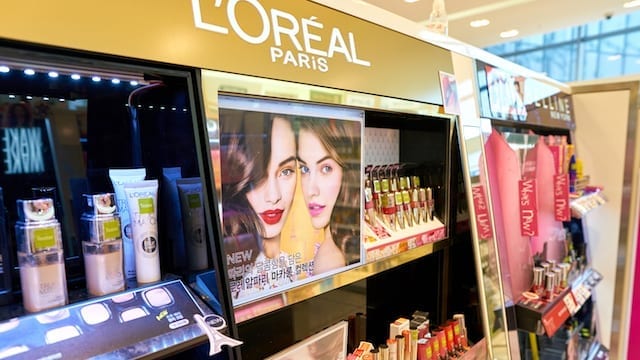
    With dynamic markets in China and Hong Kong, Asia has driven L’Oreal first-quarter sales.

    Asia Pacific also shone among new markets for the French cosmetics company, where sales grew by 14.9 per cent overall.

    Chairman/CEO Jean-Paul Agon describes the return to strong growth in new markets, especially Asia Pacific, as the highlight of the first quarter.

    He says consumer aspirations for iconic brands remains just as strong in China, which again delivered an outstanding performance in the brand’s consumer products division.

    “Growth is being driven by northern Asia, thanks to the strong dynamism in China and Hong Kong where all the divisions are growing, with a strong performance by the major brands such as Lancome, Yves Saint Laurent and L’Oreal Paris, the number-one beauty brand in China.”

    In southern Asia, particularly India, the active cosmetics division’s skincare brands have been performing well.

    Asia Pacific posted growth of 21.1 per cent like-for-like and 10 per cent based on reported figures, with first-quarter sales reaching €1.8 billion.

    Again, the region drove acceleration for L’Oreal Luxe and active cosmetics with new markets seeing 14.9 per cent growth.

    Rapid increase

    E-commerce sales continue to increase rapidly, says L’Oreal, with 33.8 per cent growth to now account for 8.8 per cent of sales.

    Overall, the group’s sales grew 6.8 per cent like-for-like, or 7.4 per cent at constant exchange rates.

    Based on reported figures, sales reached €6.78 billion, down 1 per cent, excluding The Body Shop. The disposal of The Body Shop was completed in September. The group’s reported sales for the first quarter of last year included The Body Shop sales amounting to €197.2 million.

    For the first quarter, the consumer products division had growth of 2.6 per cent like-for-like but dropped 4.9 per cent based on reported figures. L’Oreal Paris has good momentum in China and India while maintaining strong growth in e-commerce.

    At the end of March, L’Oreal Luxe achieved growth of 14 per cent like-for-like and 4.4 per cent based on reported figures, driven strongly by Asia, especially China and Hong Kong, as well as by travel retail.

    The active cosmetics division began the year strongly with growth of 10.2 per cent like-for-like and 9.1 per cent based on reported figures. All zones contributed to growth, with “striking acceleration” in Asia.

    SkinCeuticals sales posted “outstanding” growth figures with sales doubling in Asia.

  • Superdry Vietnam launching first Hanoi flagship store

    Superdry Vietnam launching first Hanoi flagship store

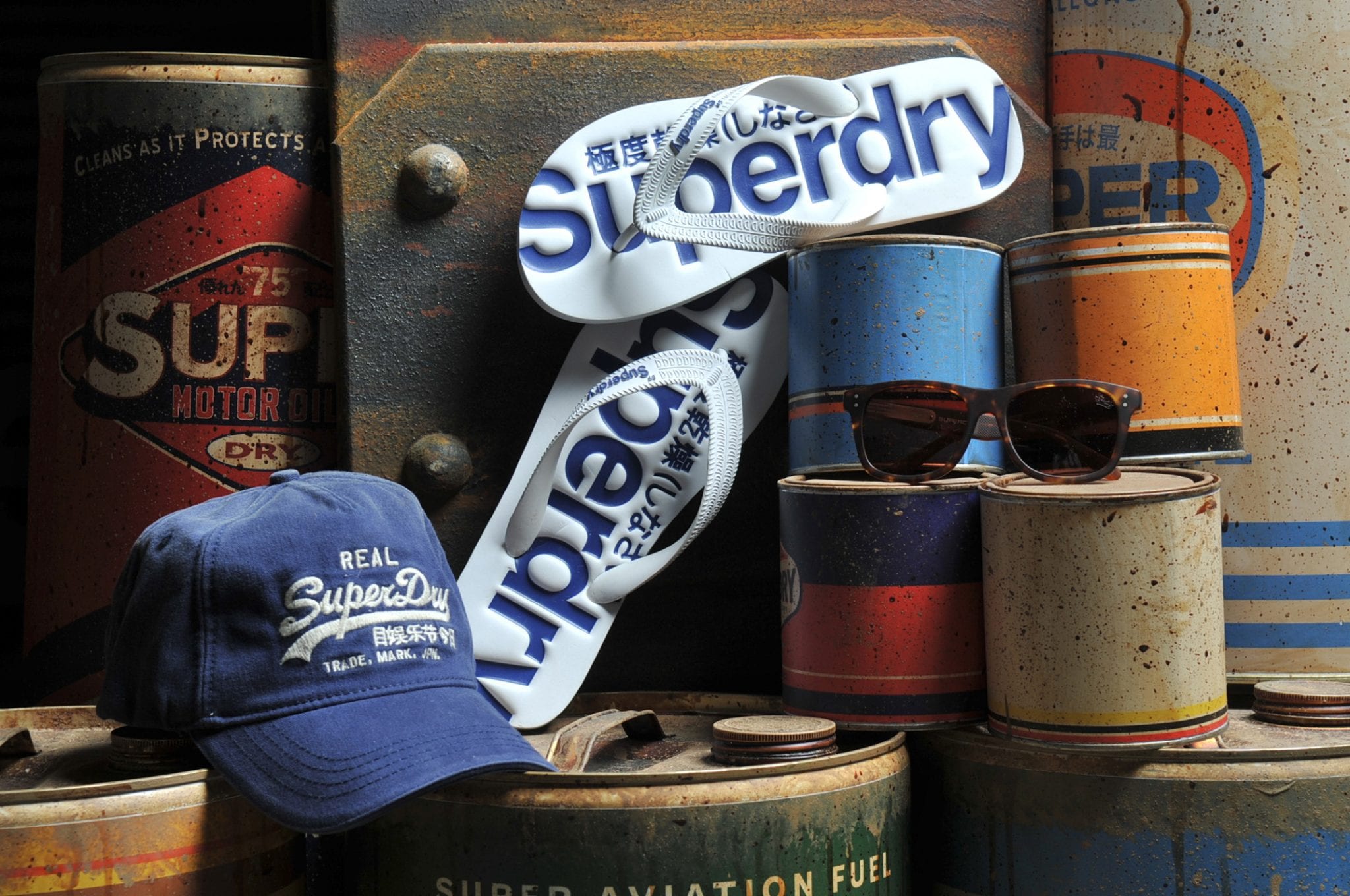
    Superdry Vietnam will open first flagship store on Saturday, at Hanoi’s Trang Tien Plaza.

    It will showcase the British fashion brand’s latest menswear, women’s and children’s casualwear, sportswear,  footwear, undergarments and accessories.

    For its Vietnam debut, Superdry will also introduce its latest perfume collection, Superdry SS18.

    On opening day, the first 100 customers will each be given a Superdry shirt.

    Superdry comes to Vietnam via Jaspal Group, which owns the Vietnam rights to such brands as CC Double, CPS Chaps, Lyn, Misty Mynx and Santas.

    Superdry has 515 locations in 46 countries.

  • Unexpected revelation by H&M and Moschino

    Unexpected revelation by H&M and Moschino

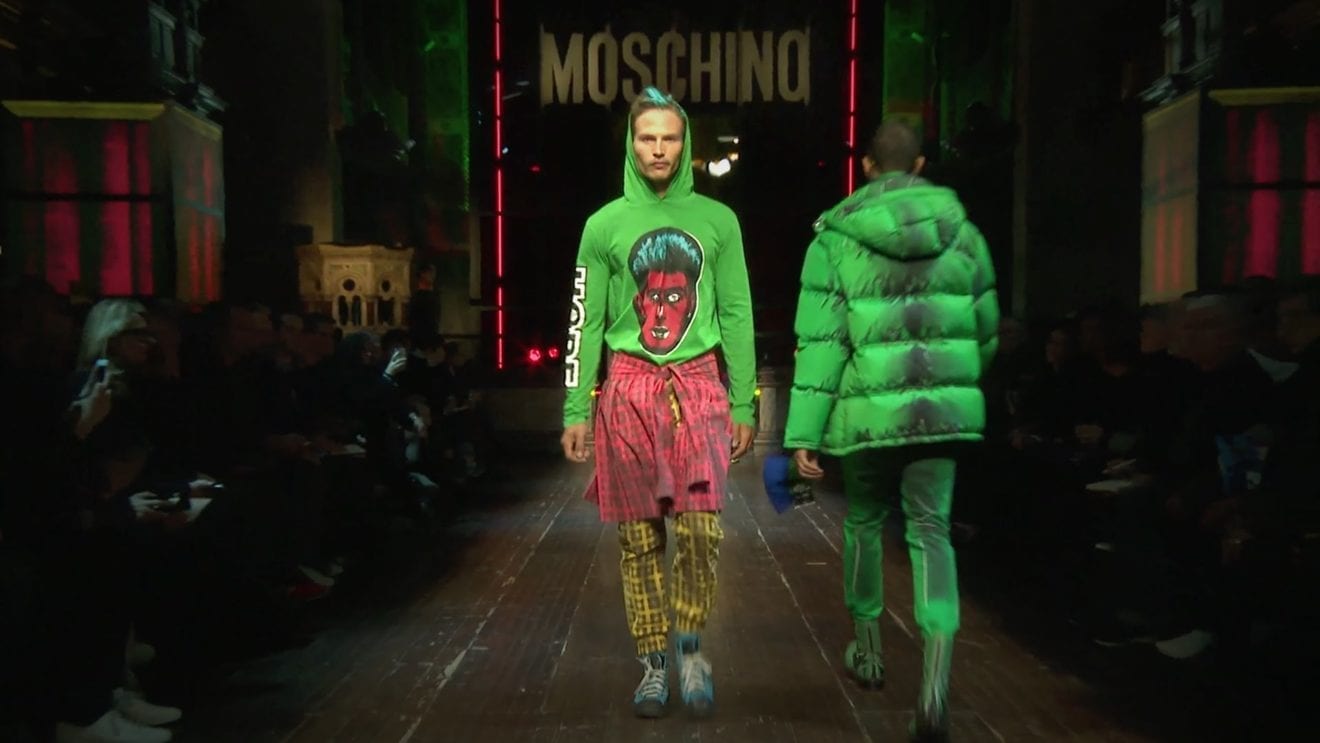
    An Instagram call has revealed a designer collaboration by Swedish fast-fashion brand H&M and Moschino.

    Projected on digital screens at the Italian fashion brand’s annual party in Coachella, California, the Instagram conversation was between US model Gigi Hadid and her friend Jeremy Scott, creative director at Moschino.

    They discussed the release of the Moschino + H&M collection online and in selected H&M stores worldwide from 8 November.

    Hadid’s call and the news surprised guests at the event. The two friends were dressed in the first looks from the collection, designed by Scott for both women and men, as well as a full range of accessories and extra surprises.

    “It is the perfect collaboration for fashion right now, mixing together pop, street culture, logos and also glamour,” says H&M creative adviser Ann-Sofie Johansson. “Jeremy Scott is amazing – he knows how to have fun with fashion.”

    An innovative TV concept is being used for the collection’s campaign, enmeshing social and traditional media.

  • La Chapelle group buys Naf Naf

    La Chapelle group buys Naf Naf

    A Chinese investment group led by Shanghai La Chapelle Fashion has paid €52 million (US$64 million) to acquire French fashion chain Naf Naf, part of the Vivarte group.

    European clothing retailer Vivarte has owned Naf Naf since buying it from Parisian brothers Patrick Patrick and Gérard Pariente, who founded the brand in 1973, for €200 million.

    It is the first foreign investment for La Chapelle, China’s largest cheap women’s apparel retailer, which has 9448 stores, 37,544 employees and a €1.2 billion turnover in China itself.

    Vivarte says La Chapelle will open 500 Naf Naf stores in China over the next five years and another 30 in Europe. Naf Naf now has 474 points of sale and 1200 employees.

    The Naf Naf sale is part of a major restructuring program for Vivarte. The French retail group needs to clear a €600 million debt and already sold shoe chains Andre and Pataugas and women’s clothing brand Kookai. It is also ready to sell Besson (shoes) and Chevignon (men’s fashion).

    CEO Patrick Puy wants to turn Vivarte’s attention to five core brands: Caroll, Cosmoparis, La Halle, Minelli and San Marina. The money from the Naf Naf sale will go toward its most important asset, La Halle, which generates €1 billion in turnover (on overall €1.8 billion group turnover), but faces competition from H&M, Primark and e-commerce outlets.

  • Amway Global launches app for Artistry brand

    Amway Global launches app for Artistry brand

    Multi-level marketing health-and-beauty company Amway has launched a mobile app for its beauty brand Artistry in partnership with technology company Perfect Corporation.

    The global rollout starts in Korea this month, with Japan, Thailand, and the US to follow.

    Using YouCam Makeup’s award-winning AR beauty technology, Artistry Virtual Beauty App users will be able to find products and see how they would look. The virtual experience draws on more than 150 global makeup SKUs that shoppers can test and instantly buy, along with the brand’s top-selling skincare products.

    Personalised product recommendations based on user skin concerns will be available through the integration of YouCam’s AI technology and the Artistry skin assessment tool.

    Amway VP of global beauty for Artistry Kelli Templeton describes the app as a fun and engaging way for Amway business owners and their customers to explore Artistry products.

    “It puts the beauty counter right in their hands for personalised beauty recommendations.”
    The app can be downloaded free in the App Store and Google Play.

    Amway is a US$8.6 billion global direct-selling business based in Michigan, while Artistry was founded in 1958 by an entrepreneurial husband and wife team, its portfolio featuring skincare, make-up and holistic beauty products. The brand has an advisory network of more than 900 scientists and skin doctors from universities.

    Perfect Corporation has had more than 550 million downloads globally of its beauty apps.

  • Sa Sa International going uphi

    Sa Sa International going uphi

    Retail sales in Hong Kong and Macau had continuous positive growth for cosmetics retailer Sa Sa International Holdings throughout its latest fiscal year.

    Releasing its unaudited sales updates  for the fourth quarter to the end of March, the group says the upward momentum was mainly driven by increased in-store traffic and consumer consumption.

    Benefitting from the retail market recovery, Sa Sa says it remains optimistic about the Hong Kong and Macau markets and will continue to optimise product offerings and enhance
    the shopping experience for customers in the fast-changing markets.

    On a year-on-year basis, the group’s turnover grew by 14.4 per cent. The turnover in Hong Kong and Macau increased by 17.8 per cent, while same-store sales rose 15.1 per cent.

    Sa Sa says the sales performance was in line with expectations and was mainly driven by the 12.1 per cent growth in transactions. Local and mainland tourist transactions increased by 7.9 and 17.3 per cent respectively, while the average sales per transaction grew by 5.1 and 3.6 per cent respectively.

    In other markets (including Mainland China, Malaysia, Singapore, Taiwan and Sasa.com) turnover had a marginal increase of 0.8 per cent.

    At the end of the quarter, Sa Sa had a total 275 stores and counters, down from 288 at the same time a year earlier. Hong Kong and Macau, which each have a single-brand store, had two fewer stores at 118, while China lost one to end the quarter with 55. Singapore was steady with 20 outlets, while Malaysia gained one for a total of 72.

    In February, the group announced it would close all its stores in Taiwan. It had 10 at the end of the quarter compared with 25 a year earlier.

  • Nanda sells shares to L’Oreal

    Nanda sells shares to L’Oreal

    Korean fashion and cosmetics company Nanda has chosen L’Oreal as the preferred bidder for a 70 per cent stake, with the balance of shares staying in the hands of Nanda founder Kim So-hee.

    The French cosmetics giant is reportedly paying KRW400 billion (US$375 million) for the deal with the hopes of strengthening its presence in the Asian cosmetics market, especially China.

    Nanda late last year decided to sell the stake so it could expand further internationally.

    Founded in 2005 as an online retailer, Nanda now has physical stores in Korea, Hong Kong, Indonesia, Thailand and Tokyo with its clothing line StyleNanda and cosmetics line 3CE.

  • Vision Direct to open it’s first flagship store

    Vision Direct to open it’s first flagship store

    Vision Direct is pulling a Warby Parker. The local online glasses business on Thursday announced plans to open its first bricks-and-mortar store in Melbourne on 1 May.

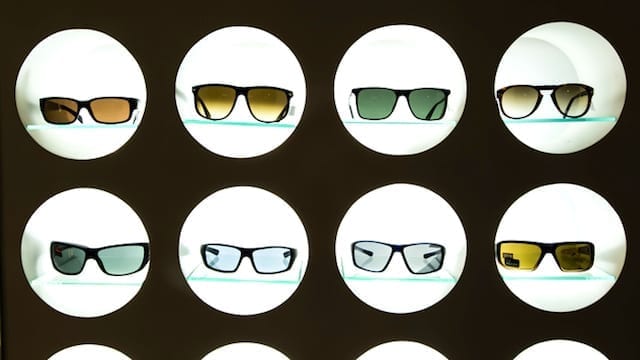
    The 90-square-metre space on Bourke Street will be a one-stop-shop, offering access to designer eyewear at online prices, eye testing and examinations, as well as a showroom featuring visual and interactive displays.

    “The Vision Direct Optical Centre is a first of its kind for physical brand experience,” Vision Direct CEO and co-founder David Menning said.

    “The world-first centre will not only offer visual and interactive displays to deliver a more holistic, seamless and stress-free shopping experience, but also offer the best professional optometry advice, latest products, style trends and innovation,” he added.

    To launch the flagship store, the online retailer partnered with Melbourne-based Chester Eyeware, a family-run business known for offering free eye tests and luxury, quality frames.

    “Chester Eyewear share key values with Vision Direct when it comes to community support and expanding into online and offline channels, this was a perfect match,” Menning said, referring to Vision Direct’s buy-one-give-one initiative, which gives a pair of glasses to someone in need for every pair purchased.

    The world’s largest range of designer glasses online

    Vision Direct’s offline move comes 10 years after Menning and co-founders Doron Kalinko and Tony Zhuang started the business as an online-only retail outlet in 2008.

    By sourcing products from factories in Italy and having in-house optometrists create new prescription lenses to order, they were able to offer low prices on designer glasses brands.

    And by making delivery and returns quick, easy and transparent, they were able to convince customers to buy glasses online without trying them on first.

    Over the years, Vision Direct has continued to go from strength to strength, offering extras like a free 24-month warranty against manufacturers’ defects on sunglasses and glasses and a free three-month warranty on all contact lenses, as well as 3D virtual try-on tools to make it even easier for customers to pick out the right pair of frames online.

    Today, the site claims to have the largest range of designer eyeware online in the world, with more than 80,000 products on offer.

  • Mulberry looks into Australia

    Mulberry looks into Australia

    Luxury leather goods retailer Mulberry has flagged Australia as one of its next international targets and has inked a deal with Luxury Retail Group to help it oversee its local expansion.

    Three stores have already been leased, including a 244-metre squared corner site in Melbourne’s renowned Emporium centre, which will open in July and serve as a design concept.

    It will be the second run at the Australian market for the British business, which bought back its distribution rights from a previous partner last year and has been trading out of a single store on Sydney’s Pitt Street since 2010.

    Under its exclusive distribution deal with LRG that store will be closed, and new stores will be opened in Melbourne’s Chadstone shopping centre and Sydney’s Queen Victoria Building.

    “We are incredibly excited by this new partnership,” said LRG managing director, Nelson Mair. “And

    look forward to achieving strong growth results and new customer reach within the market.”

    Mair had previously signaled that LRG was looking for a new luxe brand to work with Down Under after selling back local distribution rights to Furla and Follie Follie Group in Australia last year, the business is also distributing Kering Group’s Balenciaga brand in Australia and owns online footwear retailer Sneakerboy.

    Mulberry, headquartered and publicly listed in the UK, already sells its range of menswear, womenswear, accessories and footwear in 24 other markets around the world, including China, South Korea, The United States and Japan.

    “I am pleased to announce our partnership with LRG in Australia. We look forward to seeing significant growth and opportunity for Mulberry in this market,” Mulberry chief executive Thierry Andretta said of the expansion in a statement.

    Mulberry’s long-term strategy is to define itself as a global luxe brand, but the company has fallen under a cloud in recent years, suffering an 80 per cent decline in profits since 2012 amid disruption within the global retail market.

    Andretta, who was appointed in 2015, has been working to improve the fortunes of the business by moving to a direct to customer model and last year oversaw the company’s first revenue increase in several years, increasing sales by 7.7 per cent to £168.1 million (AUD$308m).

    LRG said that additional store leases are already being considered for the brand in Australia, with the initial slate of stores to serve as an indication of how local customers respond to the business.

  • Levi Strauss Asia growth slows down

    Levi Strauss Asia growth slows down

    Levi Strauss Asia growth last quarter was solid – but well behind the US and Europe rates.

    Higher profit in all three regions reflects improved margins.

    Levi Strauss Asia sales were up 9 per cent compared to a 46 per cent rise in Europe and 14 per cent in the Americas. But operating income in Asia rose 13 per cent, while in Europe it surged 79 per cent and in the Americas by 23 per cent.

    “The momentum and growth trends we saw in the back half of last year not only continued but accelerated in the first quarter,” says president/CEO Chip Bergh. “Our results clearly show our strategies are working and that the incremental investments we are making in marketing, direct-to-consumer expansion and our more diversified portfolio are paying off.”

    Excluding favourable currency effects of US$10 million, net revenues in Asia grew 5 per cent, reflecting direct-to-consumer expansion and performance.

    Net revenues overall grew 22 per cent on a reported basis and 16 per cent excluding $55 million in favourable currency translation effects, driven by broad-based brand growth in all regions and channels.

    Direct-to-consumer revenues grew 24 per cent on the improved performance and an expansion of the company’s retail network, as well as e-commerce growth. The company had 56 more self-run stores at the end of the first quarter than 12 months earlier.

    Net income fell $79 million because of a $136 million provisional non-cash tax charge. Excluding this, adjusted net income was $117 million, nearly double last year’s $60 million.

    Gross margin for the first quarter was 54.9 per cent of revenues, compared with 51.2 per cent in the same quarter last year, reflecting the margin benefit from revenue growth in the direct-to-consumer channel and international business, lower product-sourcing costs and favourable currency exchange rates.

    Operating income of $174 million was up 61 per cent for the first quarter while operating margin increased to 13 per cent.

  • UNIQLO Presents Doraemon UT Featuring  Works by Master Contemporary Artist Takashi Murakami

    UNIQLO Presents Doraemon UT Featuring Works by Master Contemporary Artist Takashi Murakami

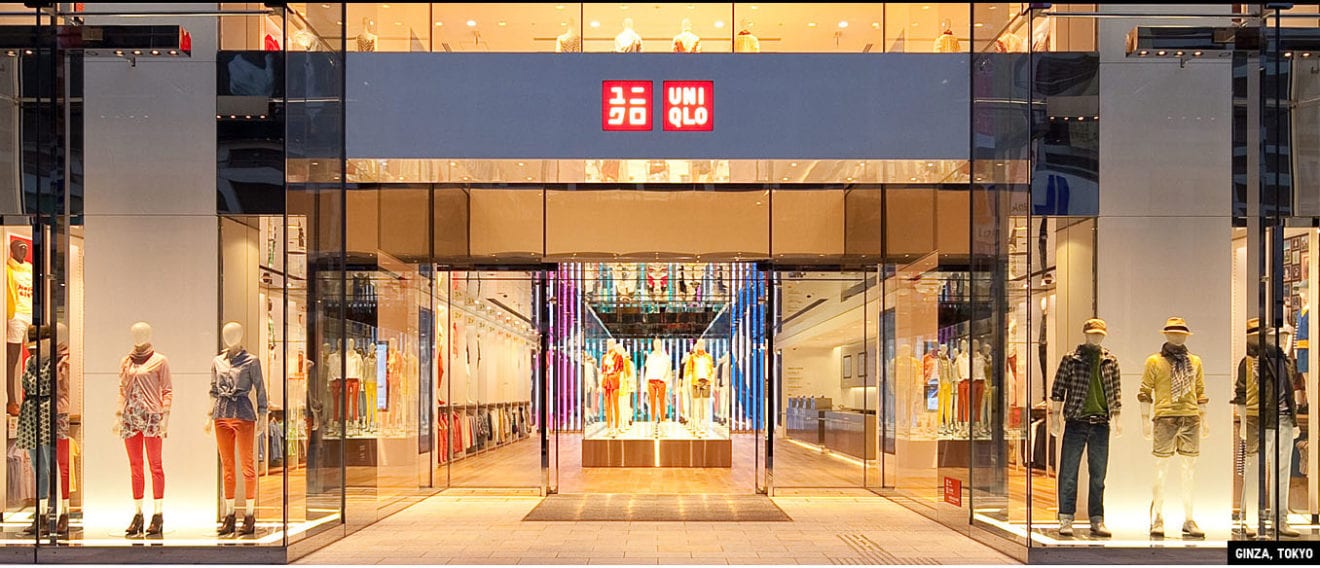
    UNIQLO T-shirt brand UT is launching “Doraemon UT” with designs featuring Doraemon, the animated character beloved throughout the world. This season’s Doraemon UT comprises two main designs, one incorporating artwork exhibited by artist Takashi Murakami at THE DORAEMON EXHIBITION TOKYO 2017, along with designs from the Doraemon comic. A total of 13 items will be available, including men’s and kids’ T-shirts, as well as a Doraemon plush toy with artwork by Mr. Murakami. The full collection will be available at UNIQLO Orchard Central (Global Flagship Store) and online from May 28 (Monday). Prices range from $14.90 for Kid’s Graphic Short Sleeve T-shirt to $49.90 for a Plush Toy.

    UT carefully selects cultural properties from around the world and creates new content from them. Depicting views of the world as art on the canvas of a T-shirt, UT allows wearers to express their individuality and values. This series features for the first time Doraemon artworks from renowned contemporary artist Takashi Murakami. UT continues to evolve as LifeWear that generates excitement and ensures everyone can find something to wear to express who they are.

    Doraemon as you’ve never seen him before

    The main visual for this special project is Murakami’s artwork, “Anna koto iina dekitara iina”, created for the Doraemon exhibition, incorporated into T-shirts and a plush toy. This colourful work featuring the main characters Doraemon and Nobita, Doraemon’s secret gadgets, and Murakami’s characteristic flowers, is now being expressed on the UT canvas. The special new line enables UT fans to enjoy Doraemon as they’ve never seen him before.

    The Doraemon UT lineup also includes T-shirts with designs from the Doraemon comic. The designs depict the world of Doraemon, including a humourous scene of Nobita begging for Doraemon’s help, and shirts printed with familiar secret gadgets such as the “Take-copter” and “Small Light”.


  • Columbia Sportswear China under bid

    Columbia Sportswear China under bid

    Columbia Sportswear Company is moving to take over Columbia Sportswear China JV partner Swire Resources.

    The US brand holds a 60 per cent shareholding, and the acquisition is subject to conditions, including regulatory approval in China. The transaction is expected to be completed in January.
    Columbia president/CEO Tim Boyle says Swire Resources has been an exceptional partner “and we look forward to continuing our strong relationship in Hong Kong and Macau”.

    He says Columbia was pleased with the performance of the JV, formed in 2014. “We have positioned the Columbia brand for long-term sustained growth in the crucial Chinese market. The acquisition is consistent with our strategy to accelerate investment as a brand-led, consumer-first business in the areas of highest growth potential for our brands”.

    While the JV had an initial term of 20 years, there was a provision for the purchase or sale of the minority interest after the fifth year. Its sales in China last year totalled about US$168 million, generating low-teens operating margin.

    Future plans include continued investments in building the Columbia brand in China, as well as expansion of direct and dealer-run retail locations. “We also intend to maintain the management team, staff, dealers and distribution networks that have helped the Columbia brand flourish in China,” says Boyle.

    Jason Zhu will continue as GM of Columbia Sportswear Commercial (Shanghai) Company.

    At the end of last year, the JV ran 86 retail stores in China, and was selling through brand-specific e-commerce sites in China across multiple platforms. It has distribution relationships with about 50 wholesale dealers running about 750 retail locations.

    Swire Resources will continue as exclusive independent distributor of Columbia Sportswear in Hong Kong and Macau.

    Founded in Portland, Oregon, in 1938, Columbia is selling its brands in about 90 countries.