Category: Fashion

Retail News Asia is committed to providing both local and global retailers with the latest Fashion news throughout the Asian market. This on a daily base.

  • KUHO’s flagship store combines fashion and art

    KUHO’s flagship store combines fashion and art

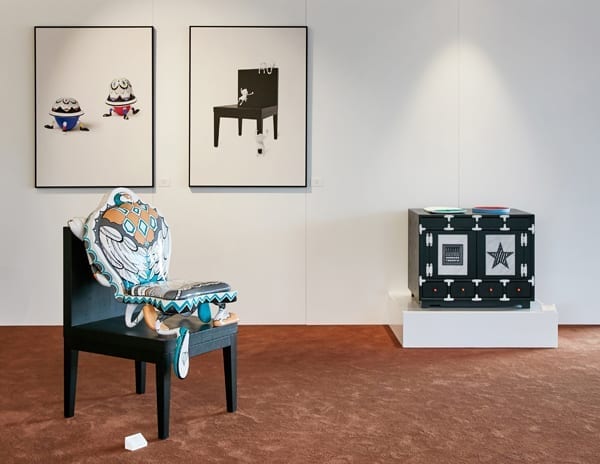
    Samsung C & T’s womenswear “KUHO” showcases the exhibition and collaboration line “Artisan” with Doha, a furniture designer to build its image of a lifestyle brand.

    Ham-Doha Collaboration is held under the theme of “Sentiment” in the showroom on the second floor of the flagship store in Hannam-dong, Seoul, until the 31st of this month.

    Hannam-dong, a lively neighborhood in central Seoul near Itaewon, is becoming a popular spot for all kinds of cultural experiences, including fashion.

    It is in this area full of designer stores and galleries that KUHO, a Korean fashion label, launched its first flagship store, called “The House of KUHO”.

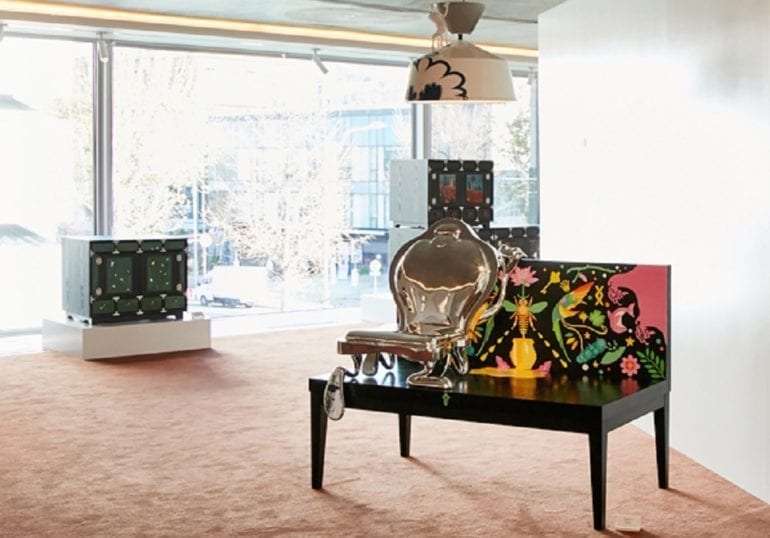
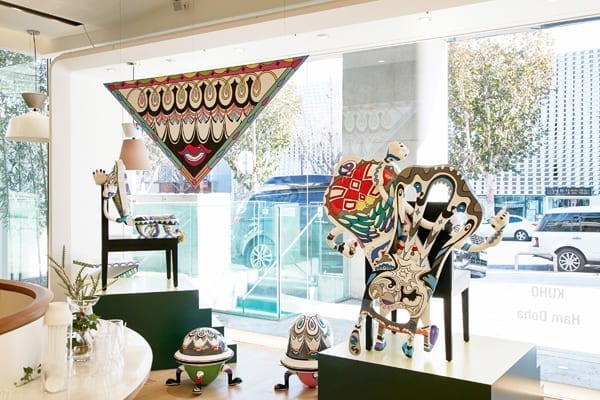
    KUHO introduced ‘Artisan’, an exclusive line to attract young customers. This line is combined with Ham Doha, a famous furniture designer, and artwork with distinctive colors and curves. It has a limited edition including sweatshirts, eco bags, pouches and brooches.

    The exhibition displays 31 works including furniture, lighting, and painting.

    The designer creates a personalized work by projecting the concept of ’emotion’, which is accompanied by all the acts that people feel and sympathize with, in  their interaction feel  furniture.

    Visitors can feel various subjective interpretations about the meaning and expression of the household and change the emotion.

    Park Ji-na, director of “KUHO” said “We have organized exhibitions to share a brand identity that pursues total lifestyle beyond clothing and enhance customer communication. We will strengthen brand identity through the works of Ham designer and Artisan line to deliver differentiated values.”

  • Hye Kyo is now the new face of Sulwhasoo

    Hye Kyo is now the new face of Sulwhasoo

    Sulwhasoo, a brand of AMOREPACIFIC, selected Song Hye-kyo, Asia’s leading actress, as its brand ambassador.

    Song Hye-gyo will play a role in delivering the story of the brand to customers through various global campaigns of Sulwhasoo.

    Song Hye-kyo is a Korean celebrity leading the Korean Wave, also official PR ambassador of ‘Korea-China Economic Trade Partnership’.

    Sulwhasoo brand official said “Song Hye-kyo is a talented actress who is able to communicate with consumers around the world and express her unique personality”.

    “In addition, Sulwhasoo is a brand that has conveyed Korea’s unique cultural beauty. Through Song Hye – kyo, we will be more solidly aroused by the true aesthetics found in the philosophy of tradition, modernity, harmony and balance.”

    The artist Song Hye-kyo, who is loved all over Asia, will show off her timeless beauty and tit will be associated with Sulwhasoo.

    Sulwhasoo pursues the balance between internal and external beauty by gaining wisdom from nature and cultivating beauty as a precious gift.

    Sulwhasoo is indeed made of aunique ingredients of Asian wisdom which are ‘Jiemdan’ and ‘Ginseng.’

    As of 2017, Sulwhasoo has expanded into 12 countries worldwide including Korea, China, Singapore, Hong Kong, Thailand, Indonesia, Malaysia, Taiwan, Vietnam, USA, Canada and France and it is a true global brand not only in Asia and the Americas but also in Europe. It is strengthening its position by conveying Korean beauty and values throughout the world.

  • Olive Young unveiled new store experience in Korea

    Olive Young unveiled new store experience in Korea

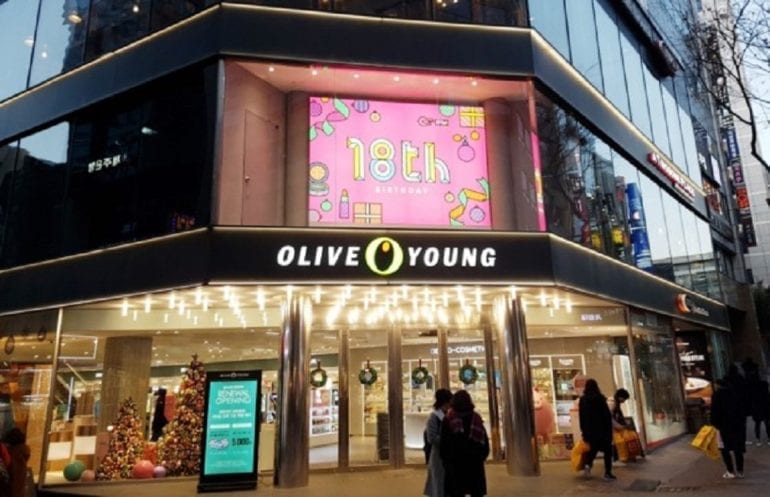
    The Olive Young Myeongdong flagship store reopened in December to celebrate the 5th anniversary of its opening, offering customers a unique and personalized shopping experience.

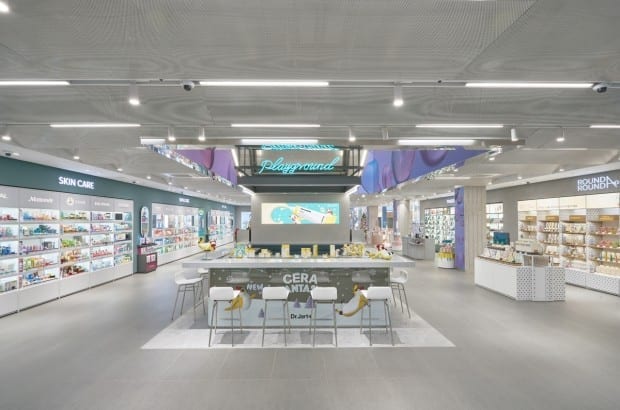
    The store presents a different experience on each floor.  The first floor is a specialized space for skin care with the Derma cosmetic specialty corner. Derma Cosmetics is one of the core products of Olive Young, along with Dr. Jart, CNP, Cell Fusion, and Eucerin.

    On the same floor also a space dedicated to fragrances.

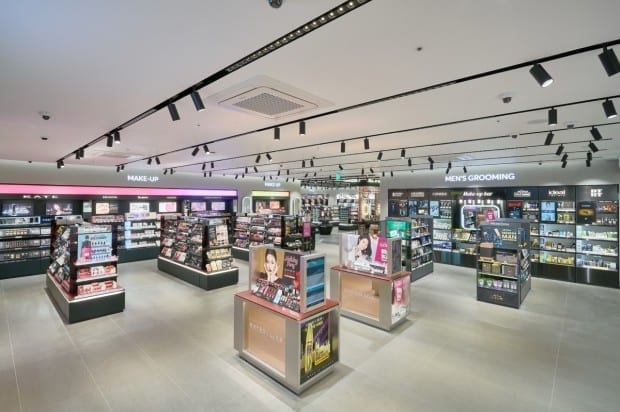
    The second floor dedicated to colours and style is dominated by a large mirror. Consumers can product freely in front of the mirror, talk to friends in the make-up bar, and compare various brands. Olive Young said that the renewal aimed to enhance customer experience and make them staying.

    Another area on the same floor is dedicated to nails with various brands, namely dashing diva, Incoco, Nail’s nail.

    Surprisingly, nail polish is not the king product, following the trend Olive Young focuses on the popular nail sticker types  easy to put on.

    In addition, a key role is played by the so-called “Beauty Advisor”, who helps consumers choosing products. Most of them are fluent in foreign languages, Chinese and Japanese, specifically, and are trained to quickly respond to customers’ requests.

    Olive Young said, “The store is designed based on the trends we found in the data collected from the 5 years of operations of the store. Our aim is to make K-Beauty the mecca for foreign customers as well as the first place to learn about lifestyle trends for domestic customers.”

  • B. by BANILA opens a concept store in Seoul

    B. by BANILA opens a concept store in Seoul

    B. by BANILA has opened a flagship store at COEX Mall in Starfield, Seoul, Korea.

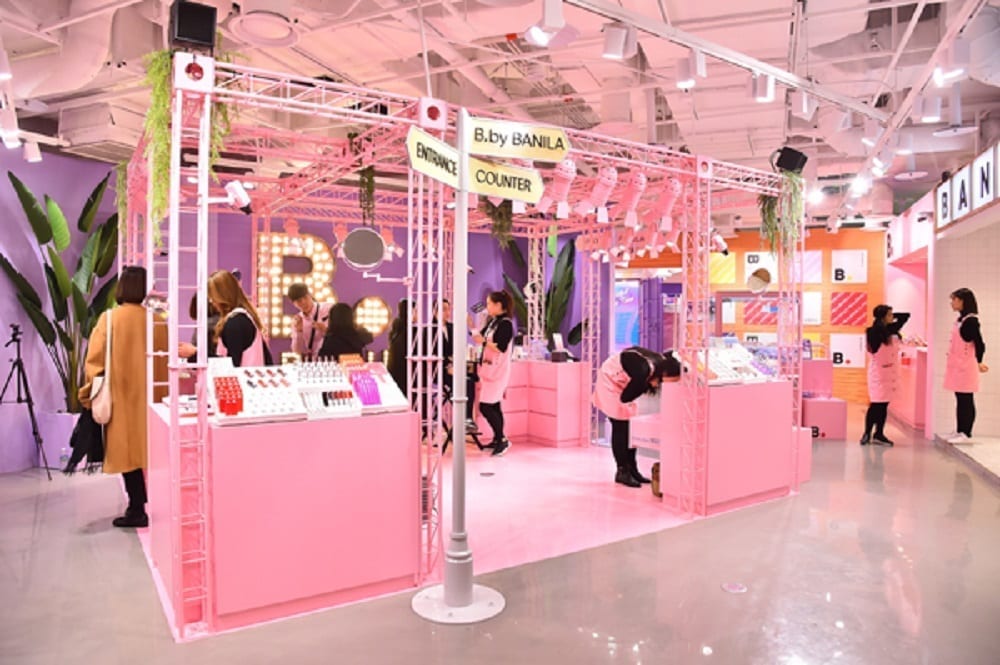
    B. by BANILA flagship store, located on the first floor of the COEX Mall in Starfield, is the first concept store for Banilaco’s new make-up brand ‘B. by BANILA’.

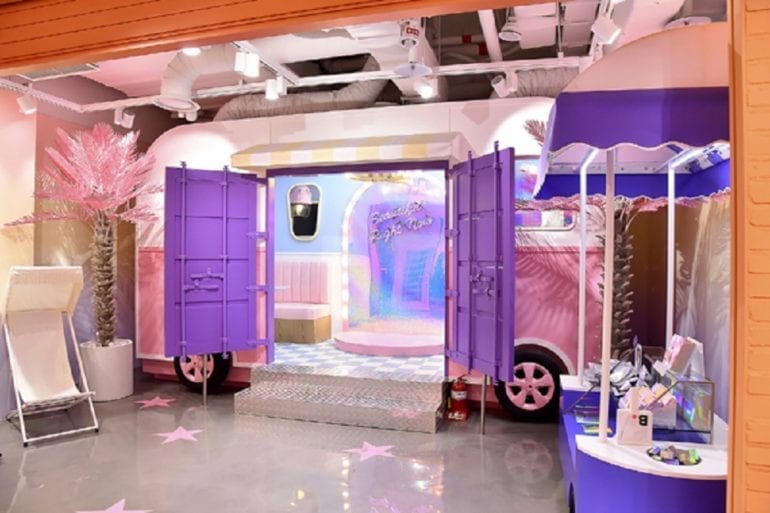
    B. by BANILA flagship store is designed as a space for conceptual beauty festivals where visitors can experience makeup products beautifully made with ‘FFFUN, EASY & QUICK’ and take pictures.

    The entire space of the flagship store is created for selfie from the trailer to the photo wall of the pink neon. Both sides of the store have a studio space with pink photo wall and pink neon sign, and a lip-like lip-slip test zone and a self-catering space to create a festival atmosphere including mirror balls and shiny curtains.

    Additionally, there is space to complete the make-up look by looking at the makeup tutorial video.

    In the middle of the store, there is a truss-like stage and a camping trailer and a movable pink mini stall that are moved around to give a feeling of being in an actual outdoor festival.

    Moreover, objects such as telephone boxes, and trees are decorated to provide a special and enjoyable experience.

    The center stage, the stalls and the camping troller are all designed to allow the customers to experience their own make-up items. In the café-style concept space, customers can also find vanilla cosmetic products.

    “The new store is a sensible and trendy space where customers want to enjoy themselves and their photographs,” said B. by BANILA marketing manager. “I hope customers will find pleasure here, not just for shopping, but also for fun.”

    B. by BANILA will open a second flagship store in Daegu Dongsungro in February 2018.

  • What SFI says about 2017 Korean fashion performance

    What SFI says about 2017 Korean fashion performance

    Last year was “a year to forget” for the South Korean fashion industry according to the Samsung Fashion Institute (SFI) which blamed a depressed economy for slow sales and shrinking margins.

    After peaking in 2013, fashion goods’ share of the total retail market has declined for three straight years. In the third quarter of last year, fashion accounted for 70 per cent of department stores’ revenue, down from 78.6 per cent in 2012. Department stores have traditionally been the primary movers of apparel and other fashion goods in South Korea.

    Divergent consumer trends have emerged this year, one of them being the increased popularity of homewear such as pajamas.

    Apparel stores in newly opened multiplex shopping malls have begun to tap into a shifting consumer emphasis from product to experience by incorporating lifestyle products into their stores. Forecast to become more widespread next year, retail brands are investing in creating stores in which customers can get a better feel for the idea behind their brand via product experience, reported the SFI.

    The political drama involving the country’s presidency that engulfed South Korea earlier this year created a cultural disposition more open to expression of personal views and opinions.

    Apparel with political or social slogans became more popular globally, and the role of companies in contributing to societal goodwill and harmony will play a larger part in determining their success with consumers going forward.

    Online shopping burgeons

    Online shopping in 2016 grew by 21 per cent on-year to reach approximately 10 trillion won and that trend continued last year with online transactions reaching 930 billion won by October, roughly 20 per cent higher than during the same period in 2016. Meanwhile, the struggles encountered by traditional offline retail outlets signalled a shift in shopping behaviour.

    Influencers on Instagram and bloggers became widely followed by consumers in their teens and 20s, with some of the most prominent moving from online to offline during the year.

    Though no one style or product was the standout star throughout the year, long padded coats or “long padding” as referred to in South Korea have become a massive hit in latter weeks.

    With the economy projected to rebound in 2018, the SFI believes consumers will seek more personalised offers by retailers this year, taking into account the store’s design and layout, the shopping process, and the thoughts and emotions evoked by brands.

    The SFI warns that companies which fail to take the changing consumer climate into account and differentiate themselves will find it difficult to attract customers.

  • Japanese multi-brand ‘Atmos’ to enter Korean market

    Japanese multi-brand ‘Atmos’ to enter Korean market

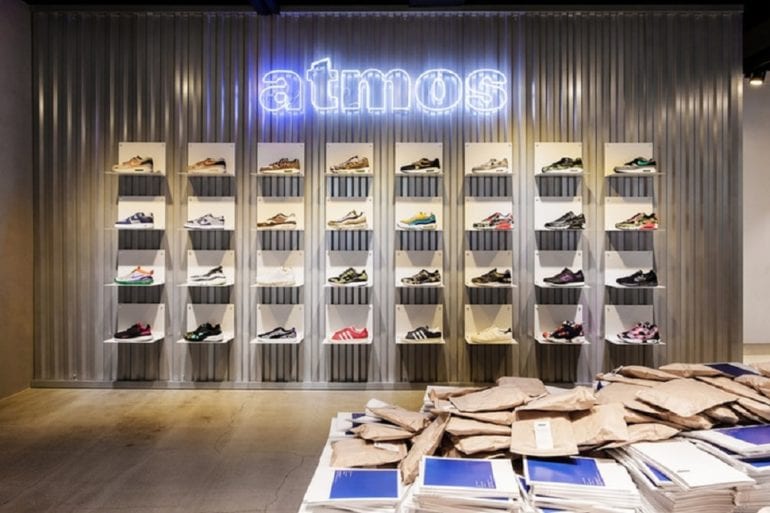
    Japanese’s famous multi-brand ‘Atmos’ opened its first store in Korea.

    Atmos is a fashion multi-brand store currently running 30 outlets in Japan. Seoul is its second overseas store after New York. Atmos is Tokyo’s iconic street boutique established in 2000.

    It is the first shopping destination for footwear brands because of its ability to catch the latest trends and spread them in the market. Currently, it distributes a wide range of products, however street and sportswear are its core business.

    Atmos is mainly dealing with limited edition products of famous brands such as Nike, it is mainly leading in the shoe market.

    What is unique is that Atmos employees work as designers and collaborate with brands to develop collaborative products as limited editions.

    Currently, there are more than 30 stores in Japan, one in New York and the other in Seoul. Annual sales are around 150 billion won and it is 5 billion won per store.

    Starting with the first store in Apgujeong, Seoul, Atmos plans to open stores in key areas such as Daegu, Busan, and Gwangju. It aims to build seven to eight stores more within 2 years.

    Atmos is very popular among Japanese sneaker enthusiasts, so a good response in Korea is expected as well. It will be a space where you can see products that you could not easily see in Korea.

    Meanwhile, US street sensibility lifestyle brand ASICS Tiger released ‘GREEN CAMO’ and ‘GORE-TEX’ which are collaboration products with Atmos.

    As a leading brand of youth culture, Asics Tiger’s both products are expected to kickoff a hipsterism mania which values personalities rather than fashion.

    ASICS Tiger x atmos Collaboration ‘GREEN CAMO’ and ‘GORE-TEX’ products is available at the recently opened ‘Atmos Seoul Flagship Store’.

  • M&S sells Hong Kong business to Dubai conglomerate Al-Futtaim

    M&S sells Hong Kong business to Dubai conglomerate Al-Futtaim

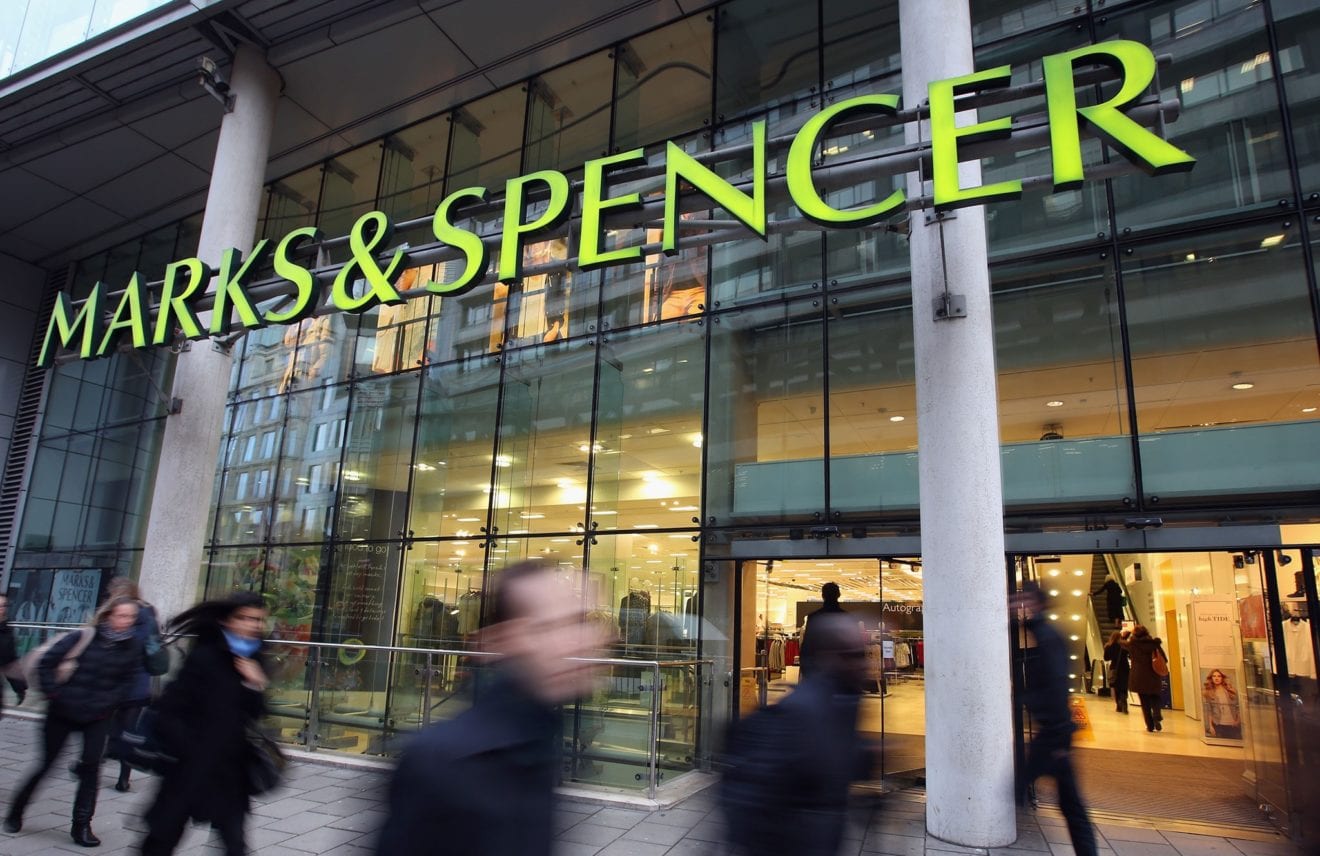
    Marks & Spencer has confirmed the sale and franchise of its retail business in Hong Kong and Macau to its long-established franchise partner Al-Futtaim.

    The two companies all but confirmed the sale in August  and settlement took place on December 30.

    Al-Futtaim is now the sole franchisee for Marks & Spencer Hong Kong and Macau, but the deal does not extend to the mainland where M&S has a presence on Tmall, having closed its department stores there.

    The two companies have a partnership dating back to 1998 when Al-Futtaim opened Dubai’s first M&S store in the UAE.

    The addition of 27 Marks & Spencer Hong Kong and Macau stores takes Al-Futtaim’s M&S network to 72 shops in 11 markets in Asia and the Middle East.

    “We have substantially reshaped our International business, which has improved profitability and positioned us for growth,” observed Paul Friston, Marks & Spencer’s international director in a statement confirming the sale.

    “As one of the world’s leading retail operators, with strong logistics capabilities and local expertise, Al-Futtaim is the ideal partner for us to develop and grow our business in Hong Kong and Macau.”

    Stephen Rayfield, VP of M&S and sports & lifestyle with Al-Futtaim said the company is looking forward to “enriching our customers’ lives and aspirations through the provision of quality products and services in Hong Kong and Macau”.

    Pascal Martin, partner with OC&C Strategy Consultants, said the decision to sell and franchise the Marks & Spencer Hong Kong business is consistent with the shift to an asset-light business model that the UK company has adopted for its international business.

    “It did not make sense to support only Hong-Kong and Macau as directly operated international businesses after having pulled out from all other direct markets, such as China and France. By selling its Hong Kong and Macau business to Al-Futtaim, M&S can also raise cash to continue to invest in its core, including product quality, the UK market and e-commerce.”

    At the same time, Al-Futtaim has a strong track record in operating M&S stores in many other markets and a solid investment capacity to continue to expand the M&S international store network, said Martin.

    “Another key factor is that Al-Futtaim’s M&S business is led by ex-M&S’ senior executive, Stephen Rayfield, who knows the business inside-out and can fully optimise daily operations between Al-Futtaim and M&S.”

    M&S now has a simple homogeneous international business: all wholesale to local partners, with the exception of a joint venture in India with Reliance.

    “The brand will be able to leverage Al-Futtaim’s strong investment capacity to accelerate the International expansion. Al-Futtaim can benefit from adding a strong profitable business (HK and Macau) to its already strong international M&S portfolio. They may be able to exert more control on M&S Asia logistics network to achieve better integration across Singapore, Malaysia, Hong Kong and Macau. Al-Futtaim will likely have increased negotiation power with M&S on product, store format, pricing and more,” said Martin.

  • Chanel cosmetics opens its first boutique in Seoul

    Chanel cosmetics opens its first boutique in Seoul

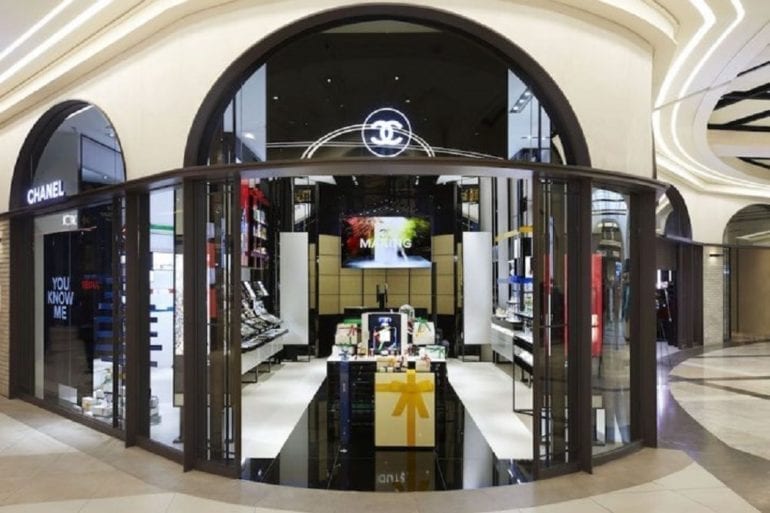
    Chanel opened its first independent beauty boutique ‘Chanel Famille Boutique’ in Shinsegae Department Store, on 15th Pamier Street in Gagnam.

    Chanel Famille Boutique is Chanel’s first beauty flagship store in Korea, where customers can experience different displays, make-up services, beauty classes and exclusive collections.

    Famille Boutique showcases products such as fragrances and makeup in a new way  inspired by Korea’s unique Taegeuk pattern to celebrate the opening of Korea’s first cosmetics boutique.

    In addition, the boutique shows the creative spirit of Chanel, which blends with the trendy Korean latest k-pop music, and a new system to quickly find your own lip color.

    There are 5 make-up classes in Chanel Famille Boutique. Particularly, “Coco Friends” is a small beauty class with 3 guests for 30 minutes, so customers can learn from custom make-up to the latest trend make-up.

    A variety of exclusive collection items are available in Korea, including the boutique exclusive’ Le Signe du Lion ‘, inspired by the Lion, Mademoiselle Chanel’s constellation.

    Chanel launched with a variety of events from 15 December to 21 December to celebrate Christmas, including Christmas cards, calligraphy services, and ribbon tree making.

  • Aigle opens Manila flagship store

    Aigle opens Manila flagship store

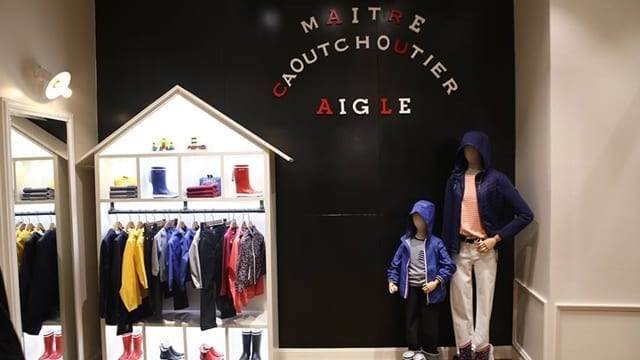
    French outdoor lifestyle brand Aigle has arrived in Southeast Asia – with a flagship store in Uptown Mall, Taguig City in Metro Manila, the Philippines.

    “Filipinos are very fashion-forward, and Aigle marries both style and reliability in outdoor wear,” says Andrew Naval of local representative Noble House Distribution Enterprise.

    Aigle’s latest collection was unveiled at the store launch, attended by TV host/model Mari Jasmine as well as representatives from Aigle Asia.

    Aigle PH

    Aigle PH 3

    Aigle PH 2

    Aigle PH 1

    While the store’s decor has a French accent, vintage Aigle posters and accordion music added to the atmosphere for the opening event. The occasion was used to introduce the brand ambassadors – actress/model Andi Eigenmann, organic produce farmers Gippy and Hindy Weber-Tantoco, and actor/TV host Victor Basa.

    An outdoor adventure photography online contest was held in conjunction with the store’s arrival, with six winners receiving their prizes at the launch event. They all won an Aigle shopping spree and an outdoor adventure at Aquascape Lake Caliraya.

    Sixty steps are involved in making Aigle’s rubber boots, with its craftsmen having up to two years of training before making their first official pair.

  • Forever 21 investigating POS security breach

    Forever 21 investigating POS security breach

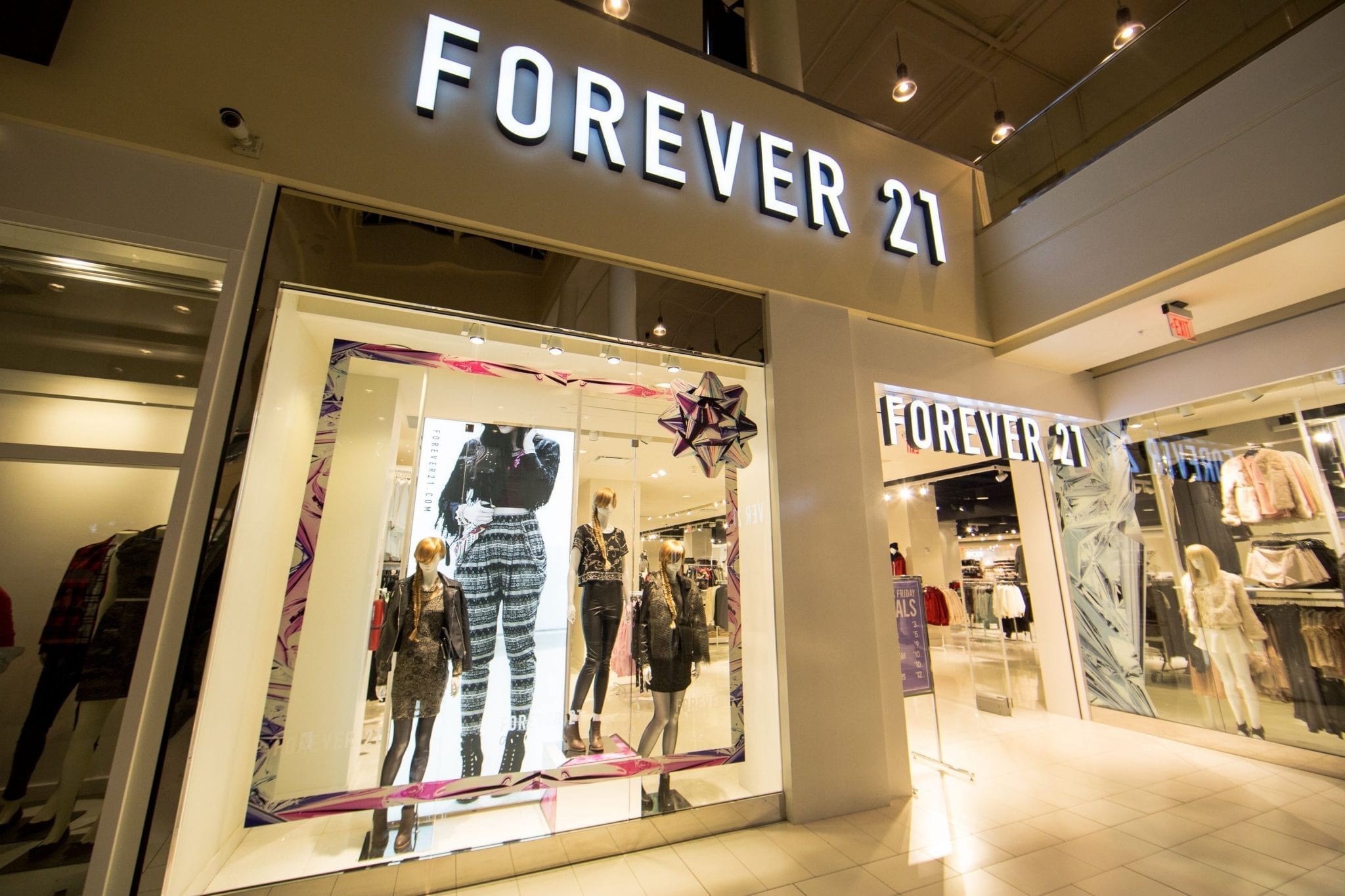
    A Forever 21 data breach uncovered last November has prompted the fashion retailer to boost security at its checkout counters.

    In the security scare, hackers installed malware on point-of-sale machines at store checkouts in the US.

    A two-month long investigation has revealed that encryption technology on some POS devices at an unspecified number of stores was not always on and that malware had been installed by criminals looking to mine the system for customer payment data.

    The breaches occurred between April 3 and November 18 last year, lasting between a few days and in some cases the entire period, the company has admitted. Forever 21 stores use multiple POS devices and in most cases only one or a few of the POS devices in a store were affected.

    The malware searched for data on cards used for payments at the point-of-sale. In most cases, the data did not include the cardholder’s name, so was of no use to the hackers, but in a minority of instances, the cardholder’s name was found.

    Forever 21 said it has been working with its payment processors, hardware suppliers and independent consultants to improve the encryption systems on the POS devices in all Forever 21 stores.

    “We also continue to work with the payment card networks so that the banks that issue payment cards can be made aware of this incident,” the company said in a statement. “Lastly, we will continue to support law enforcement’s investigation of this incident.”

  • Shinsegae’s beauty multi-shop ‘CHICOR’ opens the largest store

    Shinsegae’s beauty multi-shop ‘CHICOR’ opens the largest store

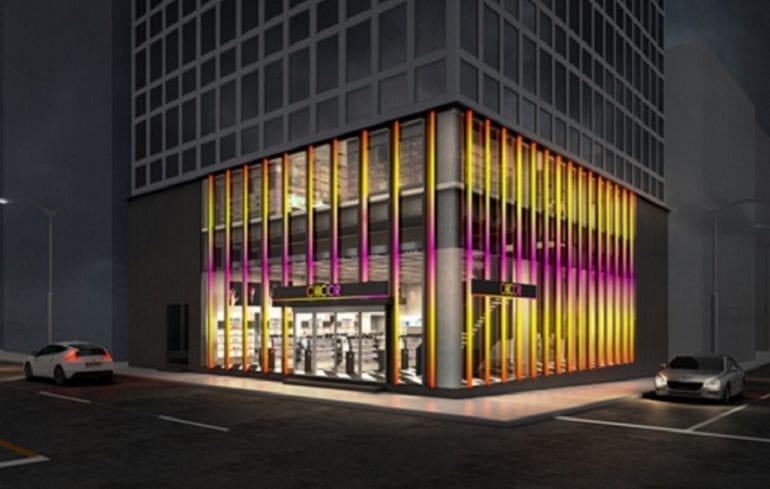
    Shinsegae Department Store Beauty multi-shop ‘CHICOR’ opens the largest flagship store in Gangnam Station. Gangnam is the 6th store and the first road shop after Daegu, Gwangju, and Goyang. CHICOR Gangnam is opened in the main street of Gangnam Station which is one of the representative commercial supremacy.

    It is located in the Kumkang Shoe building near Sinnon Hyun Station.

    It provides a space for experiential activities through beauty shopping, play, culture, and service, rather than a simple cosmetics sales space.

    The store is the largest of CHICOR stores with 1061 square meters (321 pyong). The three-story store has over 250 beauty brands.

    Categories have more segmented and specialized from existing line make-up, skin, body, hair, and men to beauty tools, kids, and room fragrances.

    This flagship store has a clear concept for each floor and seeks differentiation from other beauty shops. The first floor is decorated with an Extreme Beauty theme.

    Professional makeup, nail care and beauty tools are available on the first floor. The second floor is a beauty recipe theme that provides a full recipe for skin-care, body-care and perfume for your skin.

    The first floor of the basement is a beauty solution that provides expert solutions in skin care and hair care rooms.

    In addition to this, store is also organized hair care, men’s care and lifestyle products. In particular, the lifestyle section introduces a beauty item zone for children, and the beauty of the whole family can be found in one place.

    CHICOR plans to provide customers with various events such as makeup lecture event on Beauty Yu Tuber ‘Risabae’ in commemoration of the opening of the flagship store.

    CHICOR said, “Gangnam is a gathering place where people come for various purposes such as language study, shopping, and play.” “It will be a flagship store that will position itself as a landmark for resting with beauty.”

  • Capitalizing on the perceptive abilities of AI “Odd Concepts”

    Capitalizing on the perceptive abilities of AI “Odd Concepts”

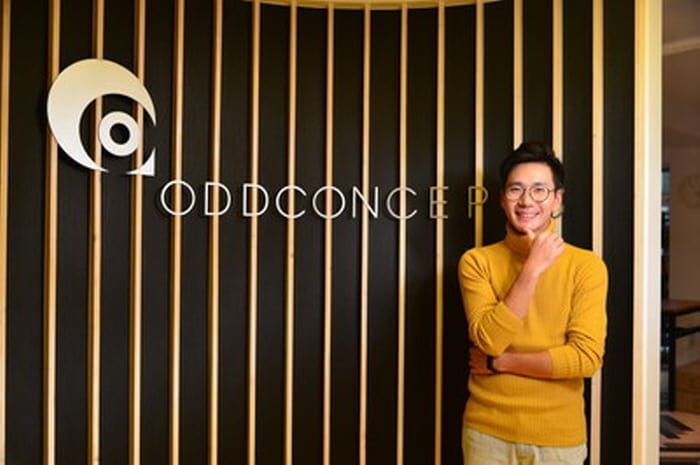
    Korean company Odd Concepts is using artificial intelligence to help consumers broaden their search for fashion items to match their tastes – even if the clothes are hanging in a store.

    Used by fashion e-commerce sites, its cloud-based image-search program works by allowing shoppers to choose clothes online that match their taste, then with its DeepLook search engine it finds similar clothing.

    Odd Concept

    A member company of the Korean government startup agency K-ICT Born2Global Centre, Odd Concepts draws on its expertise with image and video search. This enables shoppers to not only find clothing of a particular style, but also compare prices with similar items on other sites, says CEO Kim Jeongtae.

    Since its launch 11 months ago, the company has seen its monthly users rise to 4 million, he says. Of these, 15 to 20 per cent are from Japanese e-commerce sites.

    “We chose Japan as our first market because, unlike other east Asian countries, it has a unique closed-off fashion ecosystem,” says Jeongtae. “After three months of knocking on doors, traffic increased by more than 70-fold in six months, which eventually enabled us to secure an investment from a Japanese venture capital firm.”

    As well as DeepLook, the company plans to develop an extra search engine that focuses on content.

  • Lancôme Tour Eiffel decorated Hong Kong Airport

    Lancôme Tour Eiffel decorated Hong Kong Airport

    LANCÔME Travel Retail Asia Pacific, leading French luxury beauty brand, held a monumental finale celebration of its ‘Declaring Happiness’ campaign with the launch of an unforgettable Holiday Wonders pop-up concept at Hong Kong International Airport (HKIA) on 14 December 2017.

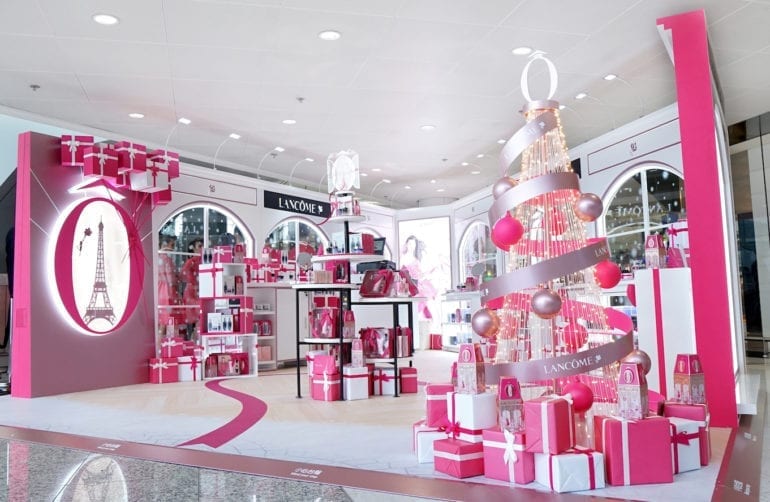
    Rounding off the celebrations with a festive flourish, LANCÔME brought a little piece of Paris to the heart of bustling HKIA with a pink dazzling 5-metre high LANCÔME branded Eiffel Tower and a joyous pop-up store inspired by the City of Love, complete with a digital ‘Journey of Holiday Wonder’ game for travelers to receive a digital boarding pass for an opportunity to experience LANCÔME Miracle Secret fragrance right at the feet of the Eiffel Tower.

    Opened from 12th Dec 2017 to 15th Jan 2018 at HKIA Departure Central Concourse, the Holiday Wonders pop-up concept at HKIA is the latest event, which concludes LANCÔME Travel Retail Asia Pacific’s successful run of ‘Declaring Happiness’ events across Asia. The global campaign saw an unprecedented level of brand engagement through exciting events that previously took place in Singapore, South Korea and China.

    Finally landing in Hong Kong, the LANCÔME Holiday Wonders pop-up store celebrates the inaugural partnership of The Shilla Duty Free, commemorating the retailer’s first entry into one of the busiest airports globally. Leading the celebrations, the LANCÔME Holiday Wonders pop-up store brings to life the brand’s manifesto by sharing moments of happiness with all women through its immersive retail-tainment elements.

    Towering over the concourse at an impressive 5 metres in height, the pink holiday-themed LANCÔME Eiffel Tower is a sight to behold and acts as the backdrop for the opening flash mob dance performance during the official launch ceremony for the LANCÔME Holiday Wonders pop-up store.

    Hosted by actress and beauty queen, Sarah Song, dancers dressed in chic pink outfits kickstarted the event with a lively number that entertained both VIPs, guests and airport travellers alike. Guests were also treated to a memerising light showcase at the LANCÔME Eiffel Tower following the official ribbon cutting ceremony.

    Much like the original Eiffel Tower, the LANCÔME Eiffel Tower will continue to sparkle for 30 seconds at each 15-minute interval daily, creating incredible photo-worthy moments for travellers. Creating digital buzz for the event, three beauty KOLs, namely Sharon Yung, Giann Chan and Alice Ha, were also invited for a photo opportunity at the Eiffel Tower and to share their most memorable travel moments with the ‘#travelwithLancome’ hashtag.

    “It has been extremely heartwarming to witness the success and the immense support that women from all over Asia has given our ‘Declaring Happiness’ global campaign over the past three months.

    There is no better way to conclude this campaign than right here in Hong Kong, with this spectacular Eiffel Tower and Holiday Wonders pop-up installations,” says Emmanuel Goulin, Managing Director of L’Oreal Travel Retail Asia Pacific. He further adds, ‘Much like how the Eiffel Tower is a Parisian icon, LANCÔME is also a quintessential luxury French beauty leader that has been making women’s lives more beautiful over the past 80 years through our quality skincare, makeup and fragrances.

    In the years to come, it is our hope that LANCÔME will continue to channel the spirit of the Eiffel Tower by offering the best in beauty to all women, and growing in strength to become the largest French beauty brand worldwide.”

    The fun does not stop at the LANCÔME Eiffel Tower as a series of immersive retail-tainment awaits travelers at the LANCÔME Holiday Wonders pop-up store. Beginning at the Eiffel Tower, a digital map will lead guests to discover the beautiful LANCÔME Holiday Wonders pop-up store and the perfect holiday gifting experience.

    Reminiscent of a LANCÔME Parisian home with classic Parisian windows and chimney, the pop-up is decorated in romantic pinks and whites, complete with a sparkly Christmas tree at its entrance that is fully decked out with Christmas baubles, ribbons and gift boxes.

    Having participated in the ‘Journey of Holiday Wonder’ digital game at the Eiffel Tower, guests were also able to redeem their complimentary gift of Miracle Secret sample at the LANCÔME Holiday Wonders pop-up store.

    Further adding vibrancy to its lineup of retail-tainment, a ‘Fly Me To Paris’ instant print photo booth allowed guests to capture their best Parisian memories. An interactive digital game situated at the storefront kept guests entertained throughout the event, as they took turns playing an opportunity to win LANCÔME’s bestselling L’Absolu Rouge lipstick samples.

    To make gifting effortless this festive season, the LANCÔME Holiday Wonders pop-up store also features a wrapping station with complimentary gift wrapping and personalized greeting cards by the in-store calligrapher.

  • Farfetch’s Store of the Future

    Farfetch’s Store of the Future

    In a brick-walled basement in Hackney, amidst rails hung with Balenciaga and clusters of technology developers, “The Store of the Future” was almost ready.

    Here, billion-dollar fashion “unicorn” Farfetch has been staging a test run of the tech-powered retail experience the company is set to unveil later today at the debut FarfetchOS conference at London’s new Design Museum in a move that further extends the platform into physical stores.

    The announcement comes at a critical time for Farfetch, which is reportedly preparing for an IPO. The company, which connects consumers with a curated network of boutiques and brands, is now the world’s top luxury e-commerce destination measured by traffic, outperforming competitors including Yoox Net-a Porter and Neiman Marcus, according to data from web analytics service Alexa.

    And though Farfetch is not yet profitable (market reports suggest it lost around $40 million last year), it surpassed gross sales of $800 million in 2016, up 60 percent from 2015, with estimated annual revenues in the region of $150 million. (Farfetch is said to take a 25 percent commission on net revenues from partners.)

    But Store of the Future could prove to be one of the company’s most important moves yet. While luxury e-commerce is growing fast, the portion of personal luxury goods purchases that happen online — now about 7 percent of total — is expected to plateau at about 20 percent by 2025. This means that, for the foreseeable future, the vast majority of sales will still take place in physical stores, which have yet to really benefit from the digital revolution.

    From fitting rooms equipped with photo booths to mannequins with screens on their foreheads, most in-store technology has been gimmicky stuff that’s more likely to drive short-term PR than actual sales. By contrast, Farfetch’s Store of the Future aims to dramatically improve retail productivity by capturing invaluable customer data and enhancing human interactions between shoppers and sales associates.

    The concept is also modular, meaning brand and boutique partners can pick and choose the components that make most sense for their businesses. And while Farfetch has developed the core operating system on which Store of the Future runs, the initiative is conceived as a platform, meaning the majority of innovation will ultimately come from third-parties, who build new services on top of it.

    For the time being, Farfetch has developed a few key applications to demonstrate the power of the platform: a universal login that recognises a customer as she checks into the store; an RFID-enabled clothing rack that detects which products she is browsing and auto-populates her wishlist; a digital mirror that allows her to view her wishlist and summon items in different sizes and colours; a mobile payment experience similar to what exists in Apple Stores; and, of course, the underlying data layer that connects these services with each other and the Farfetch platform.

    Store of the Future is still in beta. But the concept will launch this autumn with London-based boutique Browns, which Farfetch acquired in 2015, and Thom Browne, which will join the Farfetch platform and deploy the technology in its New York flagship. A full commercial roll out is planned for 2018, although the business model has yet to be tightly defined.

    Ahead of its official unveiling, Farfetch founder and CEO José Neves explained to BoF more about the vision and business logic behind Store of the Future.

    Neves talked about the beginning of this journey and says: “We started roughly two years ago and we were really thinking about: five years out, 10 years out, how are people going to shop for fashion? Today, over 90 percent of transactions take place in brick-and-mortar stores. By 2025, it will be around 80 percent, which is still eight out of 10 sales. Although digital is already influencing most consumption behaviour — and that’s where the eyeballs are; it’s the new TV, it’s the new print, it’s the new everything — when it comes to actually purchasing fashion, there will be a plateau in online sales. Fashion is not downloadable, which makes it very different from movies or music”.

    Three were the key facts presented by Neves: number one, digital is completely influencing consumer behaviour and the creation of desire; number two, online is growing much faster than offline; but three, offline is still — and will be — where the vast majority of transactions take place.

    Neves explained that the project is really about creating the luxury experience of the future. We’ve been omnichannel from day one. From the very start, we essentially connected physical inventory to a digital platform. The first step is a single view of inventory. Then we launched more omnichannel propositions, like same-day delivery in 10 cities, click and collect in store. The Store of the Future is the next step, using the physical store as a service point. It’s post-omnichannel, or what we call “augmented retail.”

    The physical store is going to survive and is going to remain the centre-stage of shopping, but it is not going to be a physical store as it exists today. This has been a shared comment among different stakeholders in the retail industry.

    “The disconnected store — as opposed to the connected store — won’t be around. Period. And the biggest evidence of this is actually Farfetch itself, because once we connect a boutique to the platform, we account for about 45 percent of sales. It is like an OpenTable for boutiques — they know every empty table, we know every shoe that is sitting on every shelf unsold. We know how much offline is moving and how much online is moving. And just by making your physical inventory available 24-7 to a global audience, you massively boost your economics”, Neves explained.

    The store of the future’s built on three principles.

    The first is human touch. If you go into a store today, the sales staff are doing things machines should do: they’re checking if they have your pair of shoes in the backroom; or they are asking your name and looking you up in the database. Is this empowering human touch? Not at all. The store of the future is fundamentally about releasing customers and shop assistants to focus on the human side of the interaction. It’s about empowering the staff in the shops to stop being inventory controllers and start being in-store influencers. Right now, they are inventory controllers.

    The second principle is being modular. Neves says: “We absolutely do not believe there is one store of the future. There will be 1,000 stores of the future. Think about the way a brand commissions an interior designer and differentiates the space, the smell, the experience, the merchandising. What we do not want is cookie-cutter experiences. So some components will be suitable for some brands and not for others”.

    And the third is open architecture. Neves unveils: “We don’t want to come up with all the innovation ourselves. The idea is to create a “Store of the Future” platform and then invite start-ups and brands themselves to come and build on top of it”.

    Data is the common denominator. What’s built on top of this can be built by Farfetch, by a cool startup or by a brand. Farfetch is working with RFID companies, and with hologram companies.

    One essential component is  the “Shop Floor” app. That’s the app that shop assistants will have. With this one, we will tend to do everything in-house, because it is what handles all the data from all the various points.

    On the customer side, there is Farfetch app, which works with Store of the Future. But in the future, there will also be white-label apps for brands or just provide the API, so they can integrate this into their own apps themselves.

    It is all a very millennial-style negotiation: I will give you my data if you give me something in return. That is what we do every time we open Instagram, every time we open Facebook. We know those guys are gathering all this data, but the exchange makes sense. Data is currency and I expect something back. This needs to be absolute practice for the “Store of the Future.”

    But once you get a consumer to [share her data], it is gold dust… You have asked permission from the customer to drop a cookie. It is a brick-and-mortar cookie. And you will be able to know everything: how long the consumer was in the store, which products were picked up, what did she try, what were the sizes that fit and the sizes that did not fit, what are her preferred payment methods, does she have it delivered to her house, her hotel… and that cookie will be linked to the online cookie as well. So then you have a real single view of a customer.

    What you can do with that data is offer a super-personalized experience, both online and offline, it also makes your company much more efficient. Take marketing; imagine targeting a customer on Instagram because you know that five hours earlier they have been to your shop and they’ve picked up a certain bag. And let’s remember, this is currently where 90 percent of the action is happening.

    The commercial model is not defined yet. The philosophy of Farfetch has always been win-win. Our platform is a pure revenue share model. There is no minimums, no set-up fee. Black & White is mostly a revenue share model as well. Store of the Future obviously involves physical hardware, which involves set-up costs and stuff like that. But we will never be a hardware company; we will never be a software licensing business. We are in the business of revolutionizing retail and being a positive force for the industry. If we do that, there will be money to be made for everyone. And then how we split it needs to be win-win for both sides.
  • Phoebe Philo Steps Down from Céline with No Plans to Join Another Brand

    Phoebe Philo Steps Down from Céline with No Plans to Join Another Brand

    Celine creative director Phoebe Philo has told her team she is leaving the French luxury leather brand after its autumn presentation.

    There were reports she could join her former chief executive Marco Gobbetti at Burberry when chief creative officer Christopher Bailey leaves at the end of March, but market sources say she has no plans to move immediately to another house and may simply take a break from fashion, reports BOF.

    “Working with Celine has been an exceptional experience for me these past 10 years,” says Philo.

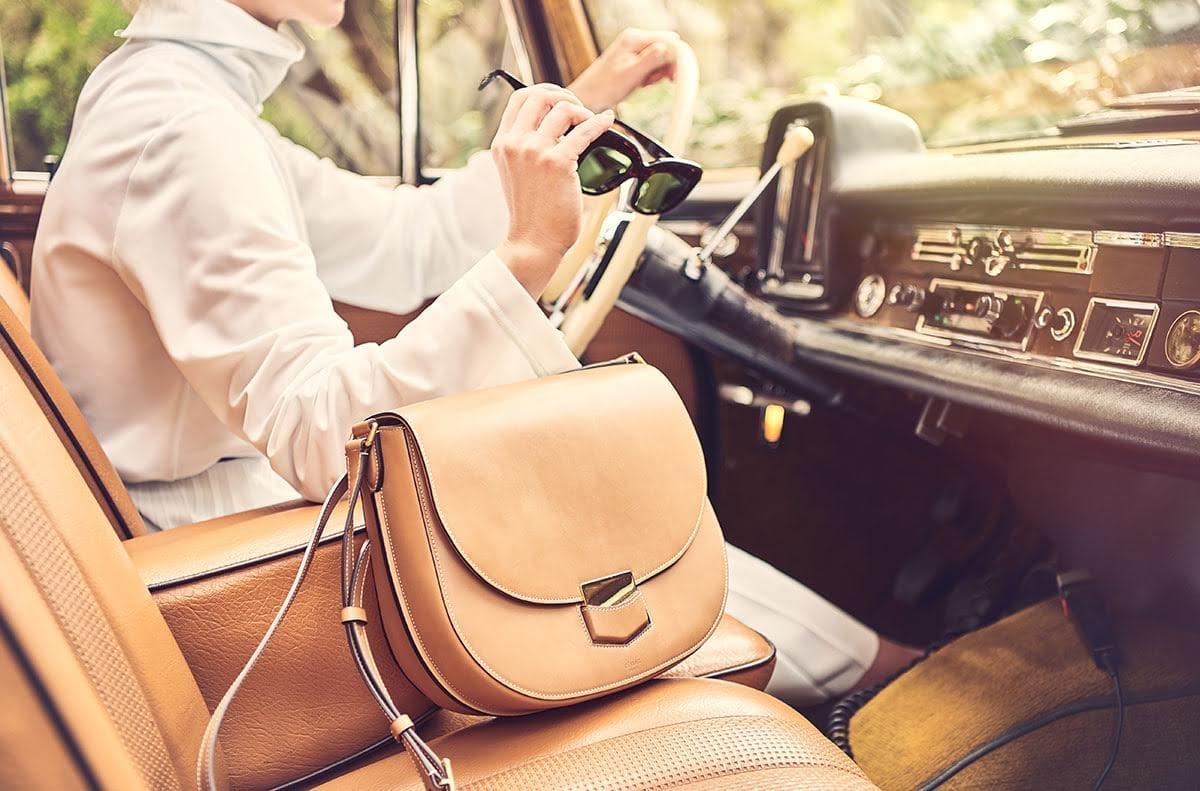
    Bernard Arnault, chairman and CEO of LVMH, Celine’s parent company, describes Philo’s accomplishments as a “key chapter” for the brand with her minimalist designs and emphasis on tailoring. She was behind many of Celine’s hit bags, including the Phantom, Trapeze and Trio.

    The London-born designer won British Designer of the Year at the British Fashion Awards in 2010 for the second time, and the following year received the International Award at the CFDA Fashion Awards.

    Over the past decade, Celine’s annual sales grew from €200 million (US$236 million) to more than €700 million, analysts say (LVMH does not break out figures for the label).

    Philo studied with Stella McCartney at Central Saint Martins in the late 1990s, following the designer when she took over from Karl Lagerfeld as creative director at Chloe in 1997. After McCartney left to set up her own label, Philo was appointed as her replacement.