Category: Fashion

Retail News Asia is committed to providing both local and global retailers with the latest Fashion news throughout the Asian market. This on a daily base.

  • Amorepacific bets on luxury cosmetics for Europe push

    Amorepacific bets on luxury cosmetics for Europe push

    After launching in France last year, South Korean cosmetics company Amorepacific aims to introduce one of its luxury brands in Britain this year and in Germany next year.

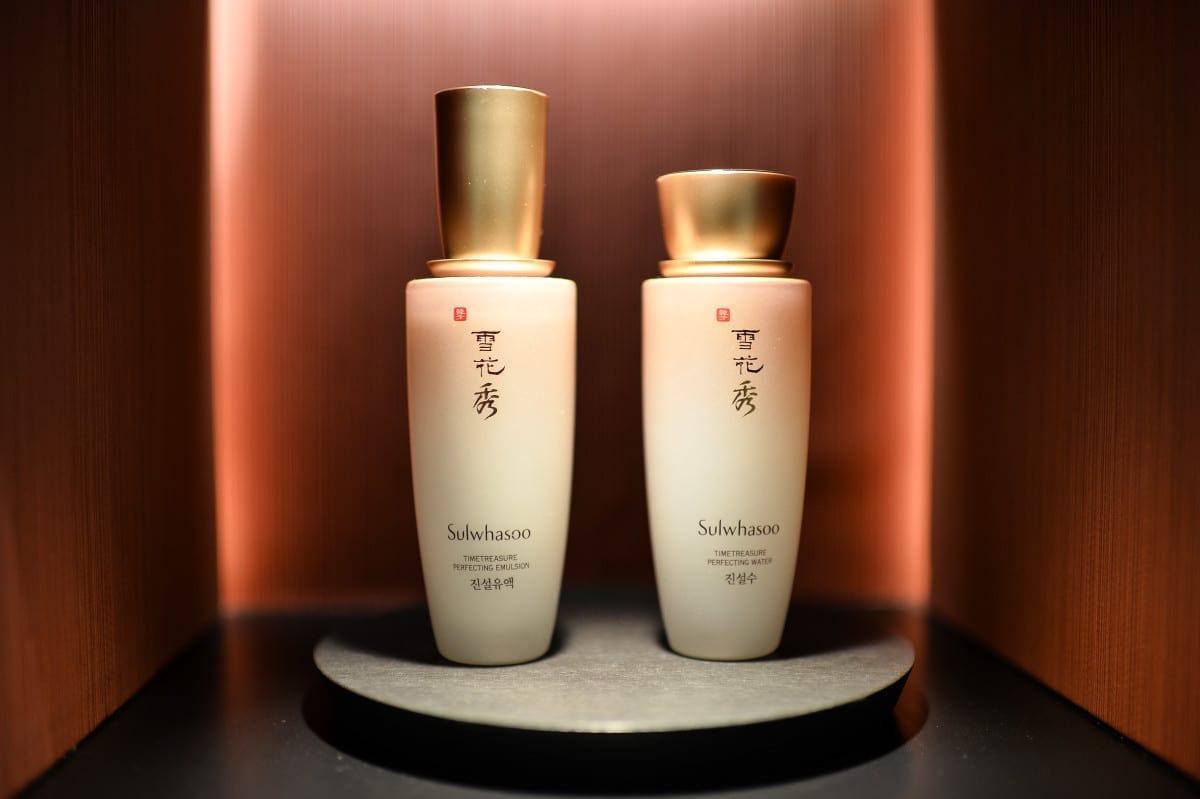
    It began selling its luxury Sulwhasoo brand of creams and other cosmetic products in Galeries Lafayette department store in Paris in September.

    Amorepacific Europe head Thierry Maman, hired in 2015 from the perfume and beauty arm of LVMH’s Givenchy, says the Paris outlet is a good testing ground.

    The group first tried to break into the French cosmetics market 30 years ago but withdrew after just two years because of poor sales. It bought French perfume house Annick Goutal in 2011.

    Maman says France is a tough market, but Sulwhasoo is betting on drawing customers with its traditional herbal-inspired formulas.

    Amorepacific’s European revenues, including Goutal, are less than €50 million (US$60 million) annually but are expected to rise by 20 per cent is year, he says.

    Sales were hit last year when diplomatic tensions with China cut back Chinese tourists to South Korea. Relations are now on the mend, but Amorepacific’s sales fell 8 per cent to about KW4 trillion (US$3.76 billion) in the year to September.

  • H&M to open its third store in Vietnam

    H&M to open its third store in Vietnam

    H&M Vietnam is opening its third store, at Ho Chi Minh City’s Vincom Mega Mall Thao Dien.

    The fast-fashion outlet will open on January 27 with limited-edition gifts for its first customers.

    The Swedish brand arrived in Vietnam four months ago, launching at Vincom Dong Khoi in Ho Chi Minh City. A second store followed at Vincom Mega Mall Royal City Hanoi, with more planned to open across Vietnam in the next two years.

    H&M has more than 4500 stores in more than 63 countries.

  • Asia Keeps Swiss Watch Recovery on Track

    Asia Keeps Swiss Watch Recovery on Track

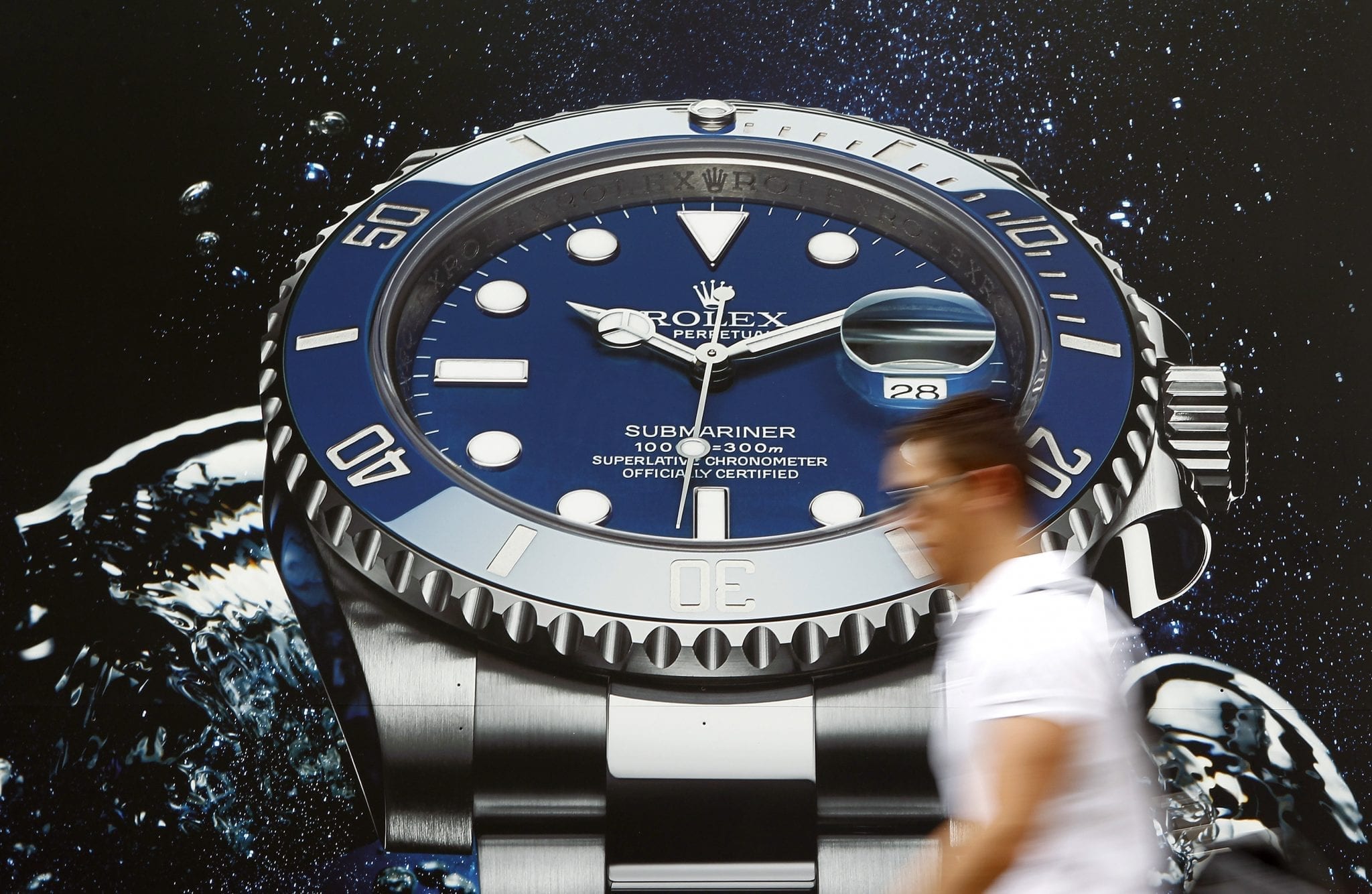
    China and Japan continue to grow as key markets for Swiss watches, reports the Federation of the Swiss Watch Industry.

    China had its strongest growth for 30 months at 39.8 per cent, while Japan, up 22.5 per cent, showed strong growth for the second month in succession.

    Hong Kong has confirmed its recovery with its eighth positive month, exports there rising 4.4 per cent, while exports to Singapore, Switzerland’s seventh-largest market, rose 10.6 per cent.

    Export growth has continued over the seven months to the end of November, says the federation. The total value of exports reached nearly FRF2 billion francs (US$1.9 million), equivalent to 6.3 per cent growth over the figure for the previous November.

    Electronic watch exports were down by more than 1 million units to 15.6 million, a drop of 6.3 per cent. By contrast, mechanical watch exports rose 4.6 per cent to 6.59 million pieces.

    All groups of materials shared in the value growth, in particular steel, up 7.9 per cent. While the other materials category grew 32.3 per cent, the number of pieces fell 1.1 per cent.

    Watches priced at less than FRF200 (export price) fell substantially in November, says the federation, while the other price segments advanced in terms of both value and volume. The FRF200-500 category had the best performance with growth, up 20 per cent.

  • BAPE Celebrates Lunar New Year With Year of the Dog Collection

    BAPE Celebrates Lunar New Year With Year of the Dog Collection

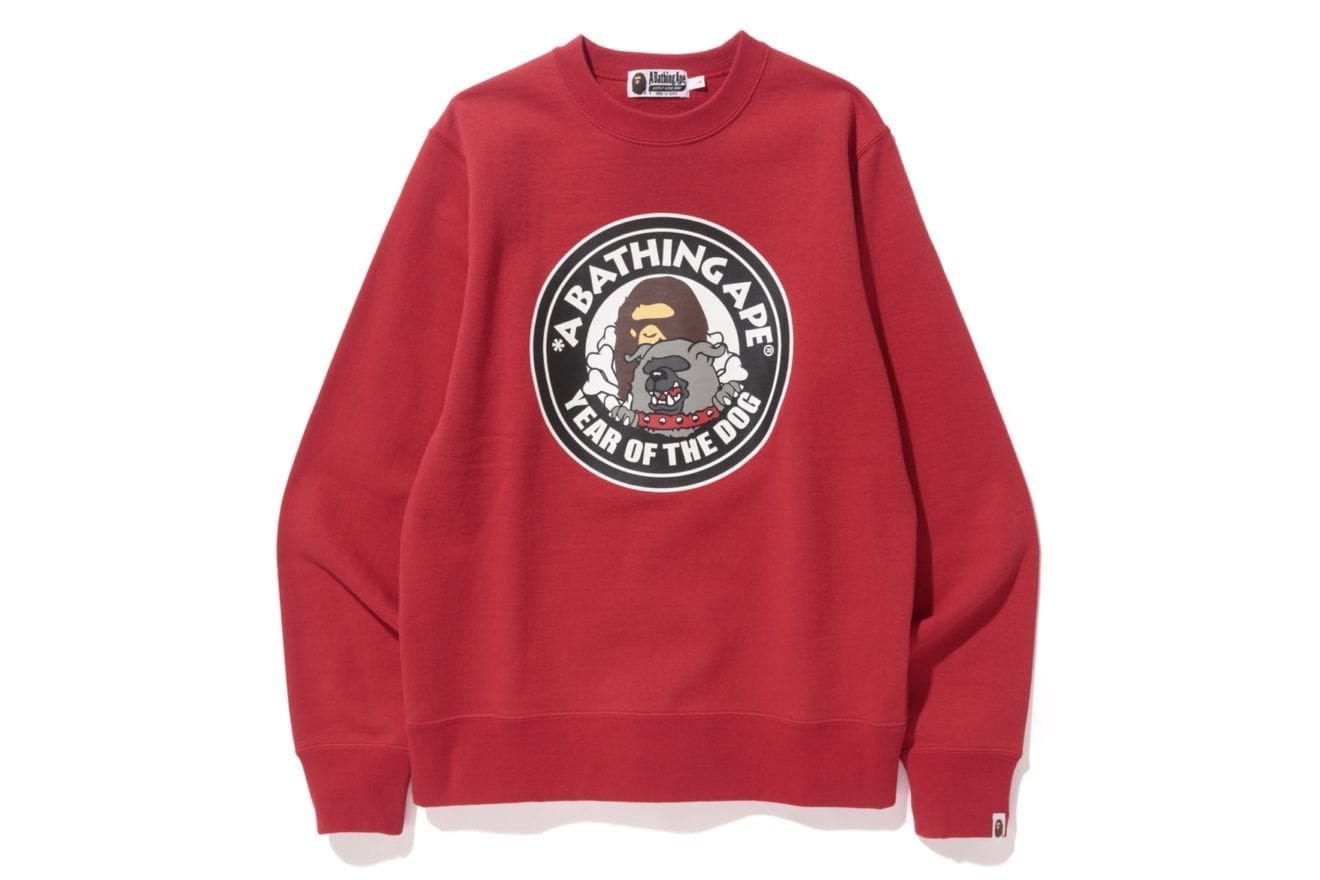
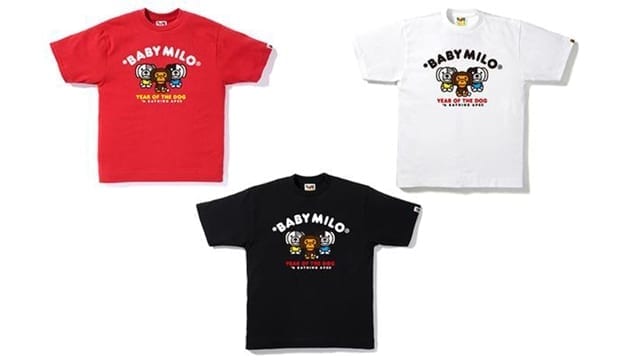
    2018 is just around the corner with Lunar New Year celebrations to follow in February. To commemorate the upcoming holiday, Japanese magnate BAPE is once again dropping its Chinese zodiac designs to celebrate the “Year of the Dog.” The collection features the label’s iconic APE head motif alongside a dog spread across black, red and white tees and crewnecks. The capsule will also include apparel decorated with BAPE’s sidekick Baby Milo dressed like dog on hoodies and tees in both adult and kids sizing.

    The items will land in BAPE retailers and online on Saturday, January 6 ranging from ¥4,600 JPY for a kids T-shirt to ¥19,800 JPY for the pullover hoodie (approximately $41 USD to $175 USD). In case you’ve missed it, BAPE’s Double Shark Hoodie is a game changer.

  • Incheon Airport DF sales notch $2.1bn in 2017

    Incheon Airport DF sales notch $2.1bn in 2017

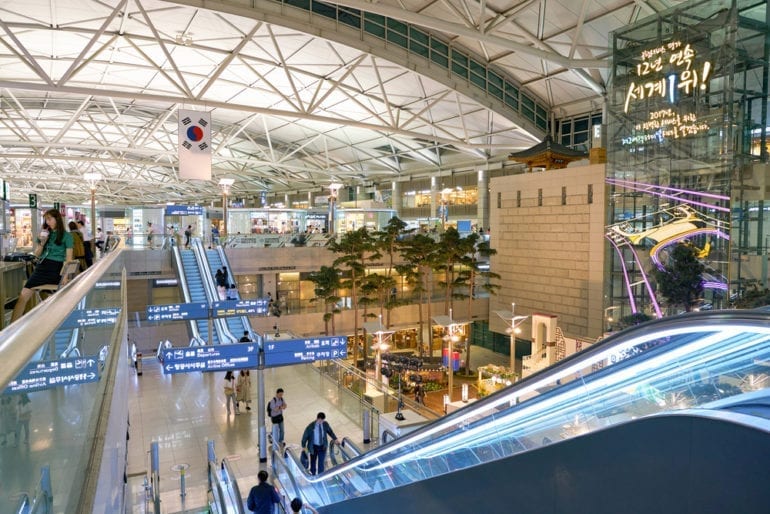
    As anticipated, the ‘record-breaking’ figure surpasses the $2bn registered in 2016. The result places Incheon ahead of Dubai Duty Free, which recently reported duty free sales of $1.93bn in 2017.

    Many had viewed the THAAD crisis and security issues surrounding North Korea as tempering the South Korean airport’s annual revenue.

    “Incheon Airport Duty Free, however, did pretty well tackling those security issues recording the highest duty-free sales figure, beating previous records,” Bum-Ho Kim, Deputy Executive Director of Incheon Airport Corporation’s (IIAC) Concession Development Group said.

    “Moving into 2018, Incheon Airport expects further growth with our humble prospects of reconciliation with North Korea as well as the end of THAAD crisis with China.”

    In a statement, IIAC confirmed perfumes and cosmetics as the best-selling category with sales of $774m, accounting for 38% of total annual sales.

    Liquor and tobacco took second place with $459m, while leathergoods clocked in sales of $301m.

    The $2.1bn return has to be regarded as impressive given IIAC’s acknowledgement said on frequent occasions that the situation concerning THAAD on the fortunes of South Korea’s duty free market remains a challenging one.

    However, it is worth noting that rising numbers of Korean and international passengers have helped the airport to offset the impact of diminishing Chinese passenger spends in recent times.

    In reaction, Incheon has moved to diversify its retail offer over the past few years, confirmed Kim in an in-depth interview in the Top 10 Airport’s report in August.

    IIAC confirmed these sentiments in a statement, stating it has ‘confronted these challenges by diversifying [its] customer demography, offering customer-friendly promotions with first-hand experiences, and inviting global and local brands, not to mention increasing passenger traffic’.

    Five-year concession contracts were awarded in 2015 to SM Duty Free, City Plus Duty Free, Samick Duty Free and Entas Duty Free with Shinsegae Duty Free, which operates a 2,856sq m fashion store in T1, also adding new luxury brands such as Moncler.

    As reported, Lotte Duty Free and Shilla Duty Free secured the eight-year liquor, tobacco and food and perfumes and cosmetics concessions, respectively, for the the new T2 last year, with Entas Duty Free, SM Duty Free and City Plus scooping the SME lots.

    Meanwhile, the 4,889sq m re-tendered fashion & accessories concession was secured by Shinsegae Duty Free.

    Terminal 2’s retail area covers an impressive 9,597sq m, boasting a number of flagship stores offering unique shopping experiences.

    These include make-up showcases from the likes of Chanel, Dior, Sulwhasoo, Lancome, SK2, and Estée Lauder and liquor & tobacco areas featuring tasting bars and new concepts from Ballentine’s, Johnnie Walker, Royal Salute, Hennessy, KT&G and IQOS.

    “In 2018, Incheon Airport is hoping to see further increases in our passenger traffic thanks to the opening of Terminal 2 and better political circumstances,” Kim added.  “Incheon Airport Duty Free is set to embark on new leap with T2, as well as T1, to satisfy passengers visiting Incheon Airport and lead with the best airport shopping environment.”
  • Korea cosmetics industry eyes growth recovery in 2018

    Korea cosmetics industry eyes growth recovery in 2018

    South Korea’s cosmetics industry is looking to regain growth in 2018 after taking a big hit from China’s retaliation against Seoul over a missile row in 2017.

    In March 2017, China banned sales of group tours to South Korea in retaliation against Seoul’s decision to deploy an advanced US missile defense shield, which Beijing sees as a security threat.

    The move has dealt a big blow to South Korean cosmetics manufacturers and retailers, whose main customers were Chinese tourists.

    Top cosmetics maker AmorePacific Corp. was hit hardest. In the third quarter of the year, its operating profit plunged nearly 40 percent on-year to 132.4 billion won ($123 million), with sales falling 14.2 percent to 1.4 trillion won.

    The dismal records marked a drastic turnaround from its stellar performances over the past years. The company had registered double-digit growth in sales and operating profit in recent years.

    LG Household & Health Care Ltd., South Korea’s No. 2 cosmetics and household goods maker, was no exception. In the wake of China’s retaliation, its sales edged down in the second quarter after renewing records each quarter.

    But its sales climbed 2.9 percent on-year to 1.6 trillion won in the third quarter and operating income gained 3.5 percent to 252.7 billion won as the portion of cosmetics to its business portfolio is low.

    Industry watchers predicted cosmetics companies to recover their growth pace in the coming year thanks to efforts to diversify markets and launch new products.

    AmorePacific and other industry players have resumed their marketing activities in China by rolling out new products and ramping up efforts to meet the diverse needs of Chinese customers.

    Sources said South Korean cosmetics makers’ efforts to tap into new markets, such as Vietnam, the United States and Europe, may boost their competitive edge down the road.

    In contrast to the slump of the cosmetics industry, local health and beauty stores, the local version of drugstores, have posted solid growth this year.

    The health and beauty sector has been growing at an annual average rate of 22.5 percent over the past five years, with the market size expected to reach 2 trillion won this year. Market leader Olive Young, run by CJ Group, saw its sales jump to 1.1 trillion won last year from slightly over 300 billion won in 2012.

  • Topshop poised for bricks-and-mortar debut in China

    Topshop poised for bricks-and-mortar debut in China

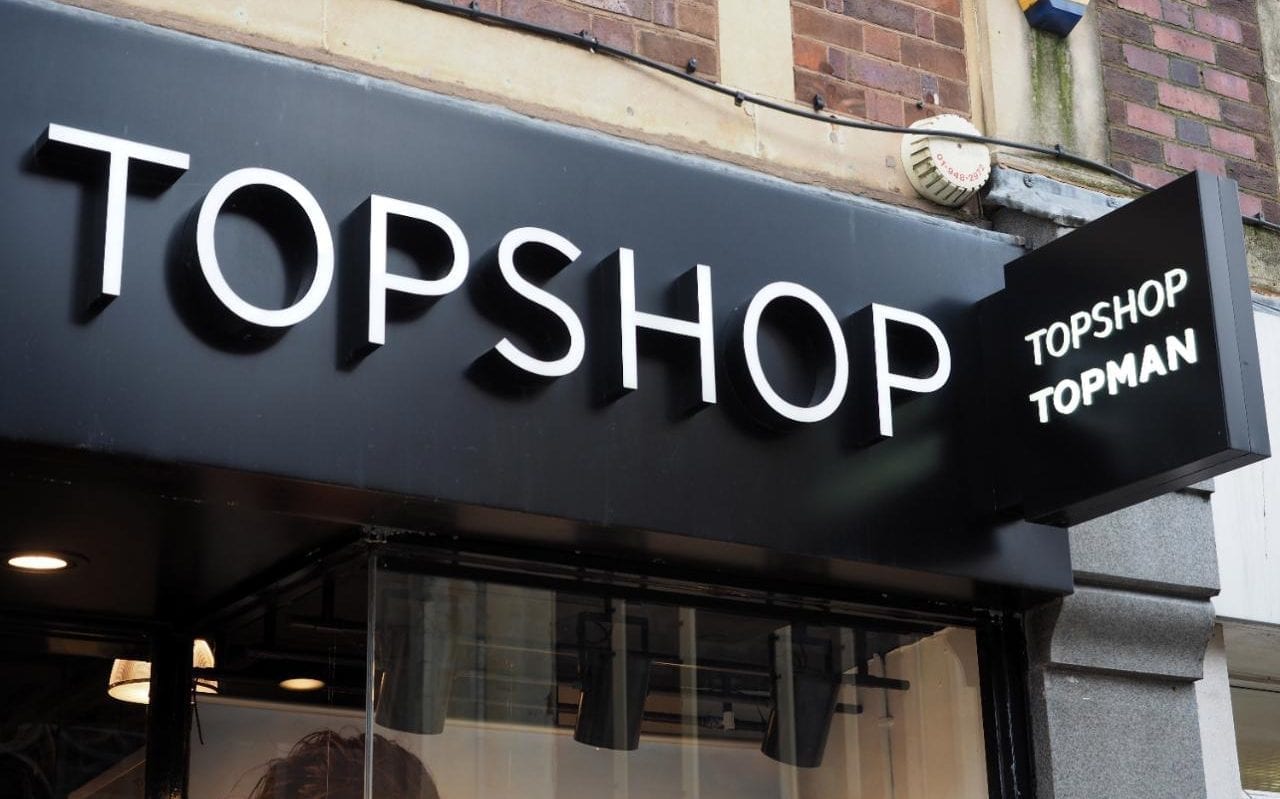
    British retailer Topshop is about to make its Mainland China debut – opening its largest store in the world in Shanghai.

    To date, the fashion chain has opened just three stores in greater China – all of them in Hong Kong, where it made its debut in 2012. While the company has recently been closing stores in Australia, Spain and other markets, the company sees huge potential in China, despite its late arrival there. (Brands like H&M and Zara have had a China presence for a decade).

    A three-story flagship Topshop China store will open on Middle Huaihai Road offering more than 3400sqm of selling space. Huaihai Road is Shanghai’s most prominent retail high street strip featuring giant flagships from Uniqlo and Victoria’s Secret along with smaller maisons for luxury brands.

    While Topshop China has lacked a brick-and-mortar presence on the mainland until now, Topshop has maintained an online presence, forming an exclusive partnership with luxury-oriented e-commerce venture ShangPin.com in 2014.

  • Macy’s sales performance gets better

    Macy’s sales performance gets better

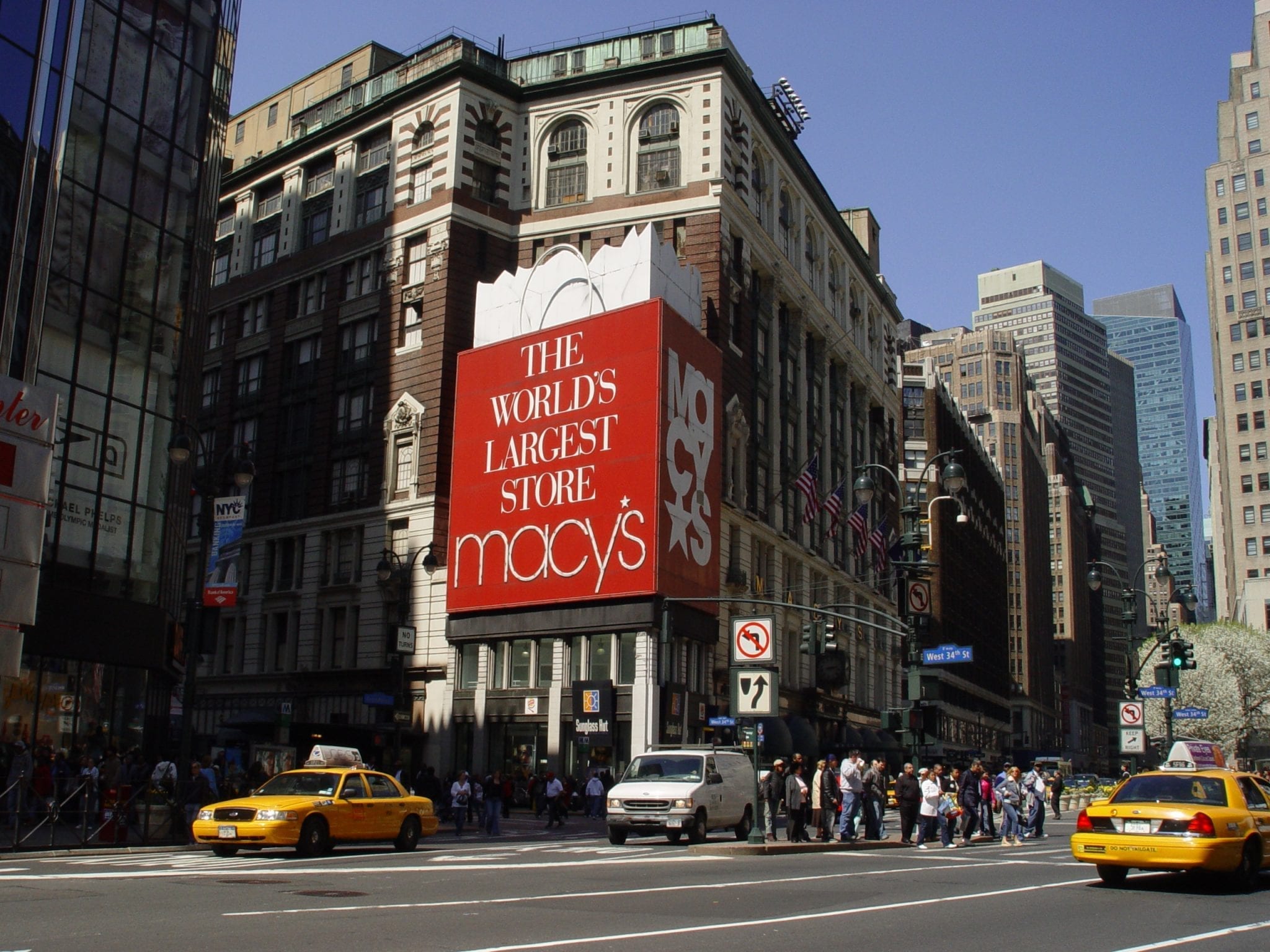
    US department store retailer Macy’s has reported positive sales for the festive trading season, after improved sales on and offline.

    Macy’s comparable sales on an owned basis increased 1.0 percent in the months of November and December 2017 combined, compared to the same period last year. On an owned plus licensed basis, comparable sales increased 1.1 percent in the combined November/December period.

    “Macy’s had a solid holiday shopping season, and we are pleased that our November/December performance resulted in positive comp sales for the period, setting us up for a positive fourth quarter,” said Jeff Gennette, Macy’s CEO.

    “Consumers were ready to spend this season, and we delivered with solid execution, fresher inventory, a curated gift assortment and a focus on customer experience.

    “We saw improved sales trends in our stores and continued to see double-digit growth on our digital platforms. We intend to close the fourth quarter in a good position and head into 2018 with momentum.”

    Macy’s has completed 81 of its approximately 100 planned store closures announced in August 2016. The company intends to close approximately 19 additional stores as leases or operating covenants expire or sale transactions are completed.

    “These closures are part of a multi-year effort by the company to ensure the optimal mix of brick & mortar stores and digital footprint,” the retailer stated.

    Neil Saunders, managing director of data and analytics firm GlobalData Retail said the holiday sales growth at Macy’s is a welcome change from the red numbers it usually posts and sends a positive signal that other retailers are on course for a solid holiday season.

    “That said, in our view, Macy’s success comes with a few caveats,” he said.

    “The first is that growth remains relatively weak and comes off the back of soft prior year comparatives when comparable sales fell by 2.1 per cent. The second is that while Macy’s grew, it did so by far less than the overall sector; as such it is still losing market share both in total and within a number of key categories. The third is that the growth is more a function of a robust market where consumers were willing to spend than a consequence of the various actions Macy’s has taken to-date.”

    “Indeed, the company’s announcements of further store closures and more cost-streaming underscore the need for more surgery to restore the business to health.

    “In our view, Macy’s still has an enormous amount of work to do here. In short, these results are a step in the right direction, but Macy’s has a very long journey ahead of it before it can declare itself to be on the path to prosperity.”in

  • Calvin Klein unveils new campaign featuring Gerber siblings

    Calvin Klein unveils new campaign featuring Gerber siblings

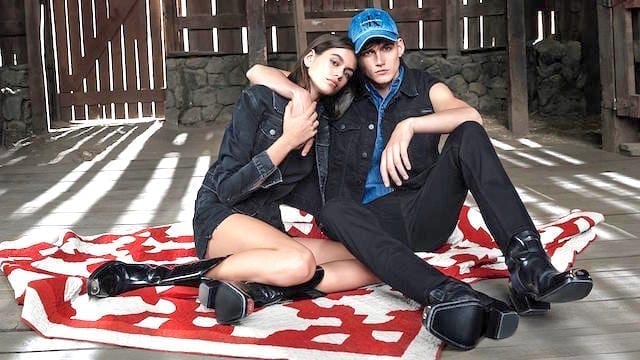
    Calvin Klein has unveiled a global advertising campaign featuring sibling models Kaia and Presley Gerber.

    The multimedia Calvin Klein campaign will have a heavy social media component in what the fashion label describes as “the latest iteration of the evolution in the brand’s globally recognised call to action: Our Family”.

    Shot by photographer Willy Vanderperre, the campaign features the Gerbers wearing core styles of Calvin Klein Jeans available in stores and online already.

    “The Our Family. #MYCALVINS campaign embraces a digital first, socially powered mindset in communicating the evolution of the globally successful #MYCALVINS campaign originally launched in 2014,” the company says in a statement

    “The #MYCALVINS campaign leverages influencers’ and existing consumer behavior to express themselves, and maximises the cultural ‘selfie’ and viral image-sharing phenomenon. With dedicated digital support in 12 countries and high impact outdoor in several key markets, the Our Family. #MYCALVINS initiative will be communicated to a global audience.”

    At the core of the concept is family – “a display of unity between strong individuals, further emphasised by the symbolism of the traditional American quilt”.

    “This campaign captures these bonds and brings to life different ways we can inspire families – both born and made – to connect with one another, and celebrate the things that unite us.”

    The new campaign follows on from one launched in November featuring an array of musicians.

  • Hong Kong Recovery Boosts Jewelry Sales

    Hong Kong Recovery Boosts Jewelry Sales

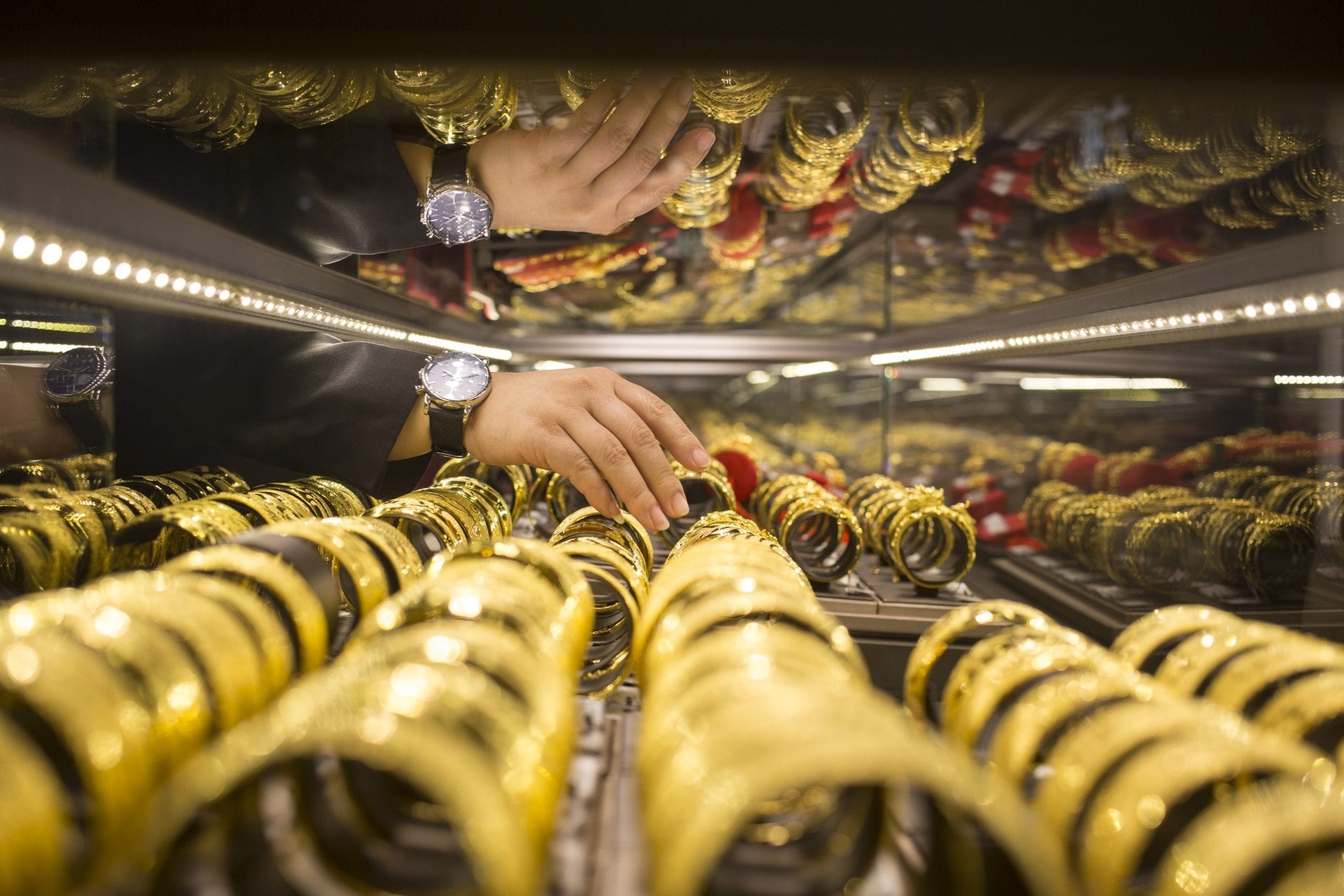
    Sales of jewelry, watches and other luxury items in Hong Kong rose in the first 11 months of 2017 as tourists returned and local consumer sentiment recovered, the city’s official data authority said.

    Retail sales for the category grew 5% year on year to $8.49 billion (HKD 66.35 billion) for the January-to-November period, Hong Kong’s Census and Statistics Department said in a statement Wednesday. November proceeds jumped 8% to $783.1 million (HKD 6.12 billion), it added.

    Sales across all retail products rose 1.8% for the first 11 months, and climbed 7.5% in November, reflecting the “visible growth in visitor arrivals and the [optimistic] consumer sentiment during the period,” a spokesperson for the Hong Kong government said.

    Hong Kong’s luxury retail sector is largely reliant on purchases by tourists from mainland China. A slump in visitors from that location hit Hong Kong’s retail industry over the last two to three years, with sales of jewelry and other luxury items sliding 17% in 2016. However, the tourist sector recovered this year: Visitors from mainland China rose 3.6% from January to November, to a total of 40.2 million, according to the Hong Kong Tourism Board.

    Meanwhile, the total number of tourists arriving in Hong Kong from all locations jumped 7% to 5 million in November compared with the same month last year. During the first 11 months of 2017, the figure climbed 3.1% to 52.9 million.

    As a result, Hong Kong jewelry retailers saw significant improvements in their 2017 performances. Chow Tai Fook’s same-store sales jumped 9.5% in Hong Kong and Macau in the six months ending September 30, while Luk Fook recorded 13% growth in retail sales for the same region.

    “The near-term outlook for retail sales remains positive, as consumer sentiment is buttressed by the favorable employment and income situation, and as inbound tourism continues to recover,” the government spokesperson noted.

    The upturn in 2017 also affected the diamond trade, with imports of polished stones into Hong Kong growing 7% to $14.07 billion in the first nine months.


  • Top 10 streetwear retailers

    Top 10 streetwear retailers

    This year was an exceptional one for independent luxury stores and the biggest names were at the top of their game, creatively outdoing one another each step of the way.

    Most notably, with streetwear strongly part of the high-fashion vernacular nowadays, it is no longer a surprise to see shops place astronomically-priced brands next to mid-range streetwear labels.

    It all comes down to a careful curation and not only did some of our favorite spots refine their stock list but they also went a step above by delivering exciting activations and must-have collaborations.

    Whether it was a pop-up shop partnership with a music artist, an in-store art installation or a well-aligned product collaborations, it was evident that the most focused boutiques had the goal in mind to bring hordes of customers through their doors. While selling out product was a plus side to it all, the more important factor was continuing to bolster their reputation as elite purveyors of quality goods. And for some, especially the names we have listed below, they continued to make their mark with class and an undying commitment to their customer base.

    These are the top 10 retailers of 2017, in no particular order.

    1. Maxfield LA
    Los Angeles’s Maxfield and Maxfield Gallery crushed the competition in terms of pop-up installations. They were already a cut above the rest when they partnered up with Vetements in January for a Dry Cleaning-themed space, then Fear of God followed suit as well as a team-up with music acts such as Daft Punk and Guns N’ Roses. Needless to say, Maxfield was the king of pop-ups in 2017.

    2. colette
    It will be hard to see colette go as it closes its doors this December. Despite this, the iconic French retailer continued to show love for indie labels possessing great potential. Considered as “the trendiest store in the world,” colette brought us a slew of special activations and collabs this year including a Balenciaga takeover, a Chanel partnership that produced one of the most coveted Pharrell adidas Hu NMDs ever made and a Saint Laurent pop-up for its grand and final opus.

    3. KM20
    Olga Karput is a true visionary and her newly-opened mega store, KM20 in Moscow, has without a doubt cemented the city and the country of Russia as a true force in fashion. It’s an outpost for the coolest of the cool with the likes of Gosha, Virgil and Heron having had a helping hand in putting it on the map. But with Olga’s continued focus, KM20 is poised to make some even bigger waves this upcoming year.

    4. Dover Street Market London
    No other retailer in the world can add whimsy and wonder to a shopping experience quite like Dover Street Market. Its London flagship had a monumental 2017 spearheading a number of collabs ahead of its competitors. The brand forges on as a formidable name in fashion and this year was just another impressive milestone for its creators Rei Kawakubo and Adrian Joffe.

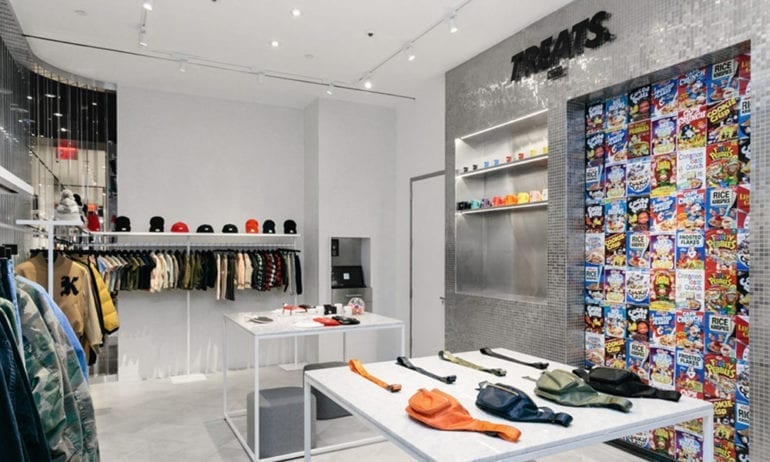
    5. KITH Manhattan
    Ronnie Fieg had another big year with the grand opening of the new Manhattan KITH store in Soho. In addition to his long list of collaborations in 2017, Fieg also brought something new to his shop’s latest outpost — an art gallery in partnership with friend and collaborator Daniel Arsham. KITH’s name continues to expand globally but Fieg’s quest for domination will always be rooted in this particular New York location.

    6. HAVEN
    HAVEN was another store that relocated and reopened — it’s now a bigger and brighter space located at 190 Richmond Street East in Toronto. HAVEN’s rep has always preceded itself as a first-rate curator of fine Japanese streetwear and sneakers. Now, it has an even better outpost to house these hard-to-find gems. In addition to celebrating its 10th anniversary this year, HAVEN also debuted an in-house line of garments and accessories.

    7. SSENSE
    SSENSE has firmly established itself as a top online shopping destination. The retailer does have an outpost in Montreal but most of its efforts are dedicated towards its web presence. With that said, much praise should be given to how SSENSE has transformed itself to become a triple threat in 2017, as a quality online shop, a cutting edge brick and mortar space and a must-read editorial site, all this thanks to founder Rami Atallah and 032c’s Joerg Koch.

    8. END.
    Online and offline shoppers will always be lucky to have END. The U.K. shop, which also has a newly-opened Glasgow outpost, had a massive 2017 with its unforgettable sneaker and fashion collaborations. END.’s brand list continues to grow and more careful consideration is being taken to assure customers not only get the best products but the finest service, whether that’s fast shipping times or the not-to-be-missed discount codes and sales.

    9. Slam Jam Socialism
    Globally, Slam Jam has defined the cool allure of streetwear for decades. 2017 brought the brand plenty of collaborations with some of the industry’s most respected brands, like 032c, NEIGHBORHOOD and Carhartt WIP. It also upped its editorial game through behind-the-scene stories and interviews alongside important street culture figures. SJS’s stock lineup remains healthy and its special events continue to give strength to the surrounding community.

    10. GR8 Tokyo
    Japan has always been at the forefront of streetwear and GR8 is one of the retailers in Tokyo making some groundbreaking moves. For one, its brand list is made up of all the who’s who in streetwear today. There’s a progressive mindset to the curation and it trickles down to the shop’s ultra-hip brand identity and special store activations. 2017 was a breakout year for GR8 and it’s an establishment worth paying attention to in 2018.

  • Alberta Ferretti opens new store in Shanghai

    Alberta Ferretti opens new store in Shanghai

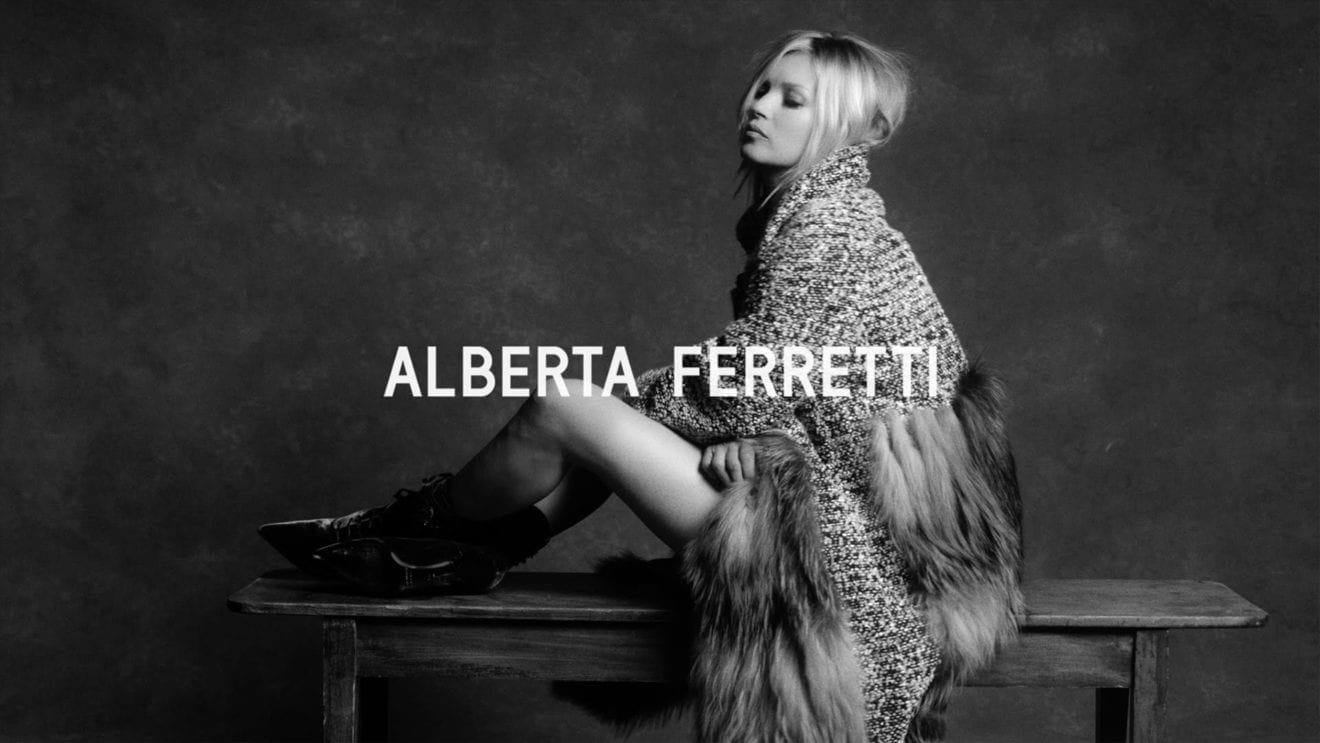
    Italian fashion label Alberta Ferretti, part of the Aeffe group, has opened its first monobrand store in Shanghai.

    Covering 350sqm over two floors, the China flagship store is in the Shanghai Center in the Jingan district.

    Designed by Milan’s Storage Associati architectural firm, the boutique has two feature windows overlooking Nanjing West Road. Inside, the two levels are connected by a veined-marble staircase and pink glass. The space is characterised by pastel-coloured seats and rounded glass benches embellished with myrtle briar and golden metal.

    The store offers ready-to-wear collections and accessories, plus a limited-edition line of cocktail and evening dresses.

    Guests at the official opening of the store included actresses Chen Ran and Liu Tao, and supermodel You Tianyi.

    Aeffe also controls the fashion houses Moschino, Philosophy by Lorenzo Serafini and Pollini.

  • MCM stores become art hubs

    MCM stores become art hubs

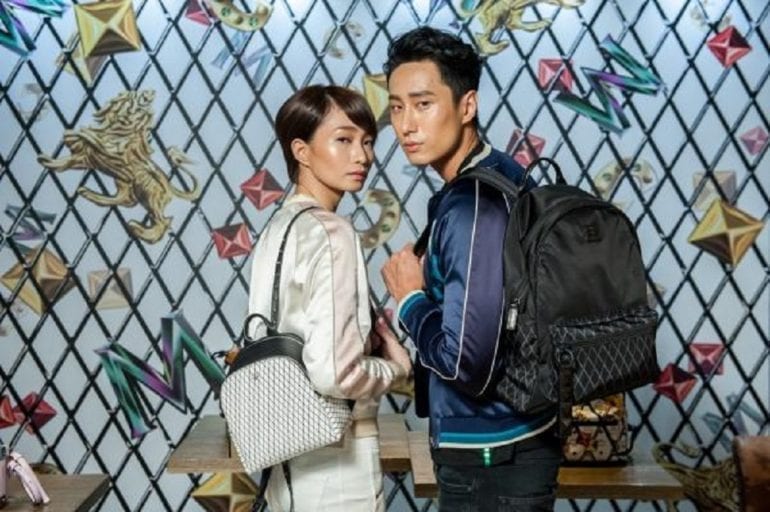
    MCM offers a harmony of art and fashion, introducing works of art and artists.

    MCM starts art activities in ‘MCM House’ store, Hongdae ‘MCM Popup’ store located in Hongdae youth street in Mapo-gu, and other flagship stores in Seoul.

    All activities take inspiration from the brand’s identity, and the 70s, years in which the brand was established  in Munich, Germany.

    Germany in the 1970s, when art culture flourished, and at the same time, combined with modern cutting-edge materials and design are att he core of the brand. Music, art, travel, and technology are the four priorities, giving Millennials a lifestyle experience that goes beyond fashion.

    The ‘MCM House’ in Cheongdam-dong allows customer to meet art by decorating the 5th floor and the 1st basement floor as a sole art space. The MCM Culture Program, which was launched in July 2017, is a representative example.

    This program is a lecture program of first-generation interior designers and representative photographers in Korea. It is a place where content creators can communicate with the public and meet with their audience.

    As the ‘MCM House’ is being used as a cultural space, the simple structure in which visitors experience the exhibition is transformed into a virtuous cycle structure in which visitors who visit the store look at the products as they were artworks.

    The ‘Kunst Project’, which is currently holding a photo exhibition at Hongdae’s MCM pop-up store, is a representative cultural and artistic campaign for MCM. Kunst means art and has been steadily opening 3-4 projects a year since 2014.

    In the meantime, it collaborated with artists from various art fields such as tattoo, toy art, molding art, sculpture, photography, installation art, graffiti, digital neon art and pop art.

    MCM will continue to carry out arts and cultural activities in the future.

    The ‘MCM Culture Program’ will host the remaining 5 lectures in the MCM House in the first half of 2018. The Kunst Project is also expected to continue throughout the year and is looking for the 12th collaborative artist.

  • Gucci’s smart KOL strategies in China

    Gucci’s smart KOL strategies in China

    Google announced the top 10 most searched fashion brands of 2017, among which Gucci claimed the number one spot. What kind of smart strategies has it applied so far?

    The company has chosen three different methods to help itself expand its presence in China, through the WeChat mini program platform, through advertising campaigns, and through ambassador branding.

    Gogoboi: Take advantage of WeChat mini programs
    Gogoboi (Ye Si, 叶嗣) partnered with Gucci earlier this month to launch his 2017 Holiday Collection on his official WeChat account. This is the first time when Gucci offered exclusive online sales via a third-party platform – specifically a WeChat mini program – with a KOL in China. The outcome was remarkable: within 5 days, all of the promoted items were sold out, which was comparable to that of Givenchy’s sales in July 2017.

    Originally a features editor for Grazia China, Gogoboi rose to fame in the fashion world by running his own Weibo account, where he writes style guides and criticizes cultural icons in China. Contrary to other fashion critics who tend to praise all brands regardless of their quality and design, Gogoboi’s comments are usually snarky and negative. However, this does not stop him from being popular among Chinese consumers as he chipped away at the mainstream fashion media and was adored by more and more Gen Z customers. Eventually, Gogoboi gained national recognition for his strong point of view, and his remarks are usually seen as a top “fashion guide” resource in China.

    In April, Gogoboi launched a mini program for his own high-end e-tail store, dubbed Bu Da Jing Xuan (不大精选), which allows customers to shop luxury brands through WeChat on their mobile phones. A mini program is an app used within the WeChat app itself, with no additional downloads. Blurring the lines between sales and critiques, Gogoboi curates a recommendation list for all luxury brands that Bu Da Jing Xuan tries to sell, and Gucci’s 2017 Holiday Collection is one of them.

    Zhou Fenxia (周芬霞): Connecting with ordinary customers
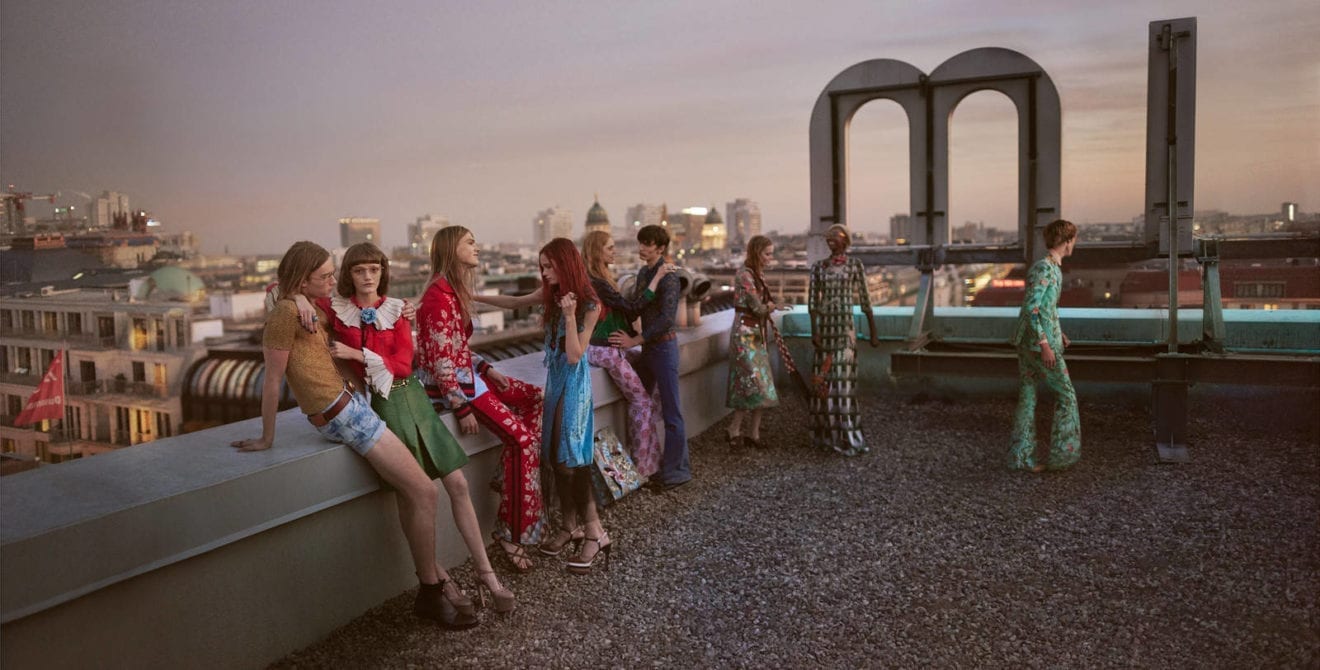
    Gucci unveiled its “Roman Rhapsody” advertisement campaign in September, which features models in different neighborhoods of Rome. The promo video quickly went viral in China not only because of the eye-catching pieces from Gucci’s upcoming collection, but also because a Chinese immigrant, Zhou Fenxia, starred in the promo video. “This is the first time that an ordinary Chinese woman was selected for a high fashion promotional video in three decades, and her personal video clip has gathered the most likes on Gucci’s Instagram,” according to CGTN, an English-language news channel of China Central Television.

    Zhou is neither a professional model nor a TV personality. She is the owner of a Chinese restaurant in Rome, indeed. Zhou met Alessandro Michele, Gucci’s creative director, when he was dining in her restaurant, and Michele quickly realized that Zhou would be a good fit for the “Roman Rhapsody” campaign. “[The reason Gucci came to me was] Probably because of my Chinese identity,” Zhou told Netease (网易) during an interview. “Gucci wants to expand its Chinese market and I think they would like to star Chinese people in their campaigns.”

    Chinese customers are by far the most important national cohort of luxury consumers, accounting for about 30 percent of all luxury purchases in Italy, according to a recent report by ouliannews (欧联网). Choosing a non-celebrity model likely helped Gucci better connect with ordinary customers in China, and this may even be revolutionizing the fashion industry. Michele, who is known for his creativity and originality, does not conform to the chic aesthetic currently dominates the fashion industry, and starring Zhou in “Rome Rhapsody” may signal a new strategy Gucci will use cater to the Chinese market.

    Li Yuchun (李宇春): Redefining fashion icons in China
    Li Yuchun is a Chinese pop singer, songwriter, and actress. In 2016, she obtained another role: the brand ambassador for Gucci in China. Li has broken the stereotype of Asian women being sweet and gentle, and showcases a style of androgyny that has proven a good fit for Gucci.

    Li’s fame in China was also a significant factor in Gucci’s decision to make her its brand ambassador. Li won the national singing contest Super Girl (超级女声), in 2005. Ten years later in 2015, she was picked as one of Business of Fashion’s 500 Global Fashion Leaders. For Gucci, Li represents feminism in some way – to set loose women from the shackles that traditional Chinese culture imposes on them, which is a kind of spirit Gucci would like to convey and continuously uphold.

  • H&M activewear goes sustainable

    H&M activewear goes sustainable

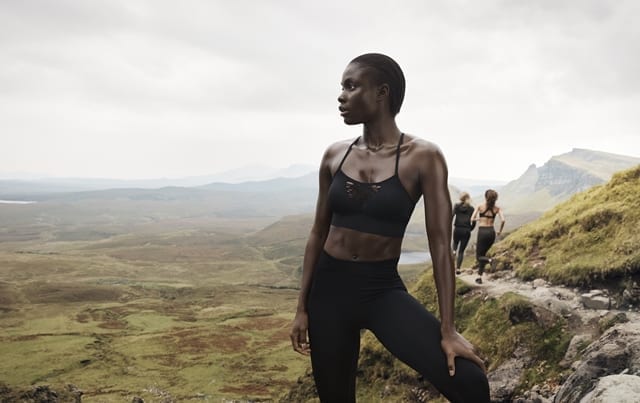
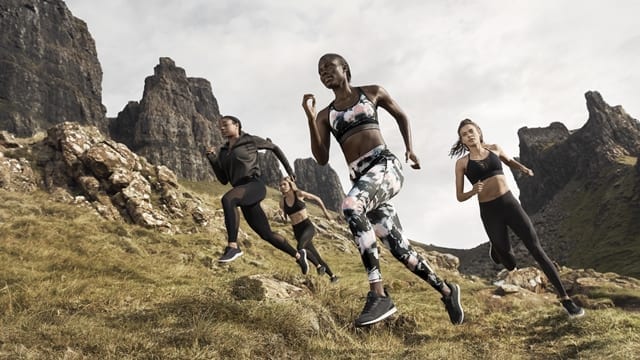
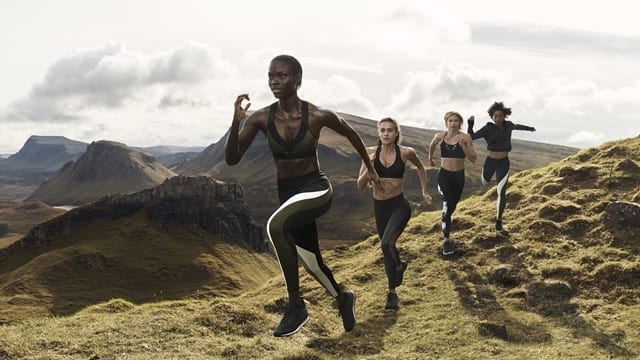
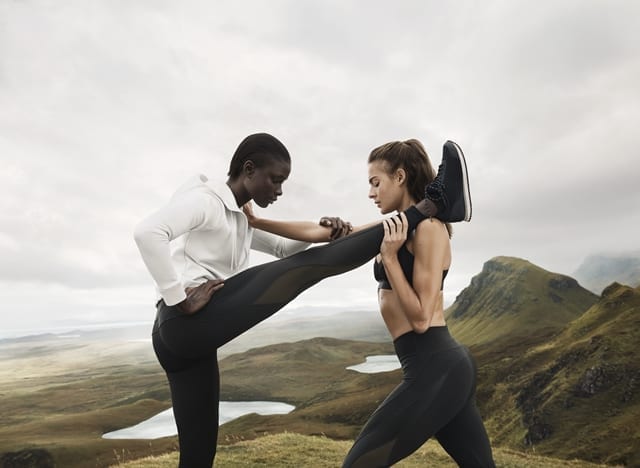
    Blending fashion and practicality, H&M activewear is using sustainable materials in its latest collection.


    With the theme “In it for the long run”, the Swedish fast-fashion brand’s collection includes tights, sports bras, hoodies and tops for training, running and yoga. As well as nature and sustainability being underlined through the prints and colour palette of green tones, black and beige, every piece predominantly uses recycled polyester and elastane.

    The garments are quick-dry and seamless for maximum comfort, offering built-in support and ventilation. The designs feature contrast panelling, criss-cross backs and decorative webbing.

    “By bringing together the functional and feminine, the aim is to give customers a stylish, eco-conscious sports collection,” says H&M head sportswear designer Petra Smeds. “We used a new knitting technique that creates seamless garments using less yarn and producing less fabric waste.”

    Ultimately, H&M aims to create a closed loop for textiles in which unwanted clothes can be reused or recycled.