Category: Fashion

Retail News Asia is committed to providing both local and global retailers with the latest Fashion news throughout the Asian market. This on a daily base.

  • Camel is the new black : Max Mara’s exhibition in Seoul

    Camel is the new black : Max Mara’s exhibition in Seoul

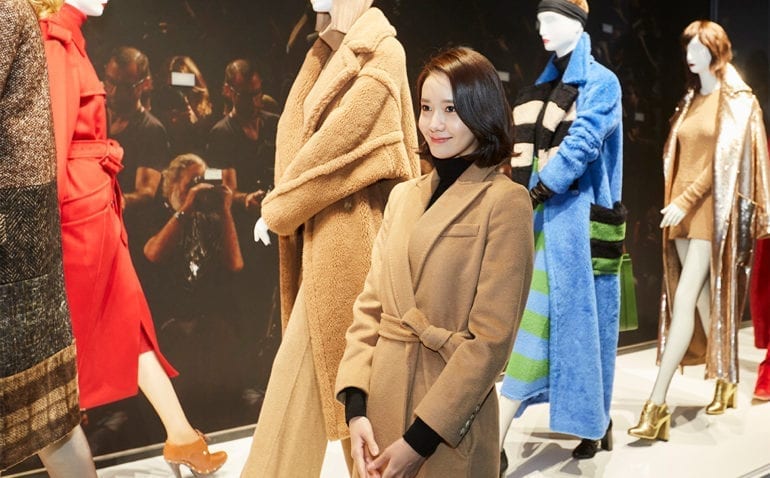
    Italian fashion house Max Mara opened its exhibition named “Max Mara, Coats!” at the Dongdaemun Design Plaza in Seoul on 28 November 2017. The brand’s representative product, ‘Coat’, provides a new perspective on their history and tradition.

    This exhibition was held in Seoul at the Dongdaemun DDP six years after Berlin, Tokyo, Beijing and Moscow.

    Many of the stars wore camel-colored coats for this occasion, the signature item of the brand. Many celebrities and influencers such as Um Jeong Wha, Oh Yeon Seo, Yoona of girl’s generation, Son Na Eun of A-pink, Gi EunSe attended the event.

    Various coat collections representing “Max Mara”, including Manuela coat, have changed since the 1950s, with themes of each era. The exhibition space consists of seven themed spaces, allowing visitors to have a unique experience.

    For this exhibition, artist Lee Dae-hyung who is the curator of the Korean Pavilion of the Venice Biennale and artist Kang I-yeon who worked as an artist at the London Victoria & Albert Museum of Art joined forces to celebrate Max Mara’s iconic product.

    A special dome structure ‘deep surface’ that reinterprets the boundary between technology, human and space is also a point of observation which adds a modern touch to the traditional item.

    In particular, for this exhibition, Ian Griffith, creative director of Max Mara, presented a look inspired by the traditional organic bowls used by the royal family of the Joseon Dynasty.

    He created ‘Seoul Special Look’ which combines one button tailored coat with pure camel material, a shirt with a cuff detail and a pencil skirt.

    This ‘Seoul special look’ has been launched in major domestic and international stores starting from the 29 November 2017, opening day of exhibition.

    The exhibition is free and can be booked through the official Max Mara Korean website.

    The exhibition will be held from 29 November to 12 December 2017 at the Dongdaemun Design Plaza (DDP).
  • Ex Stuart Weitzman CEO launches new line of luxury sneaker

    Ex Stuart Weitzman CEO launches new line of luxury sneaker

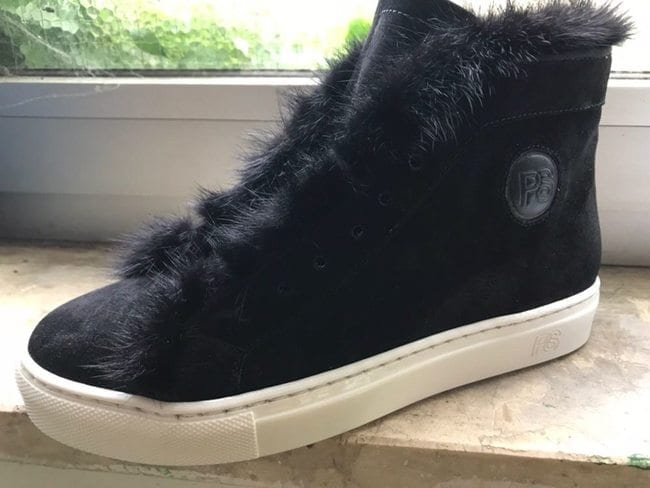
    Former Stuart Weitzman CEO Wayne Kulkin has launched a new brand to take advantage of the fast-growing luxury sneaker category.

    StreetTrend is a partnership between Kulkin and Hilco Global, which is better known in retail circles for managing the liquidation of failed retail businesses, including HMV, Blockbuster and Linens N Things.

    Kulkin says he is confident that luxury sneakers is a trend with staying power. “Consumers are passionate about the growing trend of wearing sneakers in all settings – from the gym to the office, from the park to the bar,” he says.

    “The demand for multiple pairs of shoes is a natural extension of the shift to casual dress at the workplace. People want to make a statement about their personal style from head to toe.”

    Kulkin founded the company early this year, working at first on developing product designs

    “I’ve been a sneakerhead since I was a teenager. Anyone who’s ever met me will tell you that I am always in sneakers, whether it’s with a suit, jeans, or sweatpants.”

    The first products are expected to ship to luxury retail stores in North America and Europe, including Neiman Marcus, Nordstrom, Shopbop and The Shoebox NYC, in Spring/Summer 2018.

    StreetTrend will manufacture its shoes in Italy and retail them under three brands: p448, Meline, and P.S.821.

    “StreetTrend LLC will design and market Italian-made luxury sneakers that are fresh and innovative,” says Kulkin. “The entire collection is made with the finest materials and handcrafted in Italy. Our goal is to completely exceed consumer expectations on style, comfort, and fit, all at a democratic price point.”

    Kulkin will leverage his deep industry experience in marketing, supply chain and global consumer trends as CEO of the new venture.

    “I’m excited to build something from the ground up. I love the power of ideas and the creative process, and I’m certain we’re tapping into a very exciting consumer need for sneakers that look and feel fantastic.”

    Kulkin spent more than 20 years at Stuart Weitzman and served as its CEO both before and after the company’s acquisition by Coach, (now Tapestry). He started his shoe career as a buyer at Nordstrom, and has been involved with every aspect of the footwear industry over his career.

    Hilco Global’s activities are not restricted to dissolving businesses. The company has invested in many fashion and consumer brands in the past, including Polaroid, Halston, Haute Hippie, Madaluxe Eyewear, Le Tigre, Caribbean Joe, Ellen Tracy and Altec Lansing.

  • Burberry celebrates its flagship store in Seoul with the artist Danny Sangra

    Burberry celebrates its flagship store in Seoul with the artist Danny Sangra

    Burberry held a special event with British illustrator and artist Danny Sangra from 28 to 29 November 2017 to celebrate the new Doodle collection in Cheongdam flagship store, Seoul.

    ‘Doodle’ means ‘playful graffiti’. The Doodle Collection is a playful scribble with a felt marker pen from reversible canvas tote bags, sneakers, silk and cotton blend scarf, wallets, pouches, belts and other small accessories.

    In January, 2018, Burberry will show men’s and women’s wear such as dress, trench coat and sweat shirt by adding gorgeous neon color.

    Burberry official said, “We have grafted a variety of British design elements such as red, white, blue, dark storms, rainbows, stripes and polka dots into the British flag as well as graffiti patterns.”

    Doodle collection products are currently available at Burberry flagship stores and Online (Burberry.com).

    At this special event, Danny Sangra presented his exclusive collection of sketches.

    Danny Sangra, who visited Korea for the Burberry Doodle Exclusive collection, explained how he created a unique illustration for the Burberry flagship store.

    In addition, Danny Sangra’s work station, which is set up separately at the store, allows him to customize the bag directly to the dog’s back.

    Danny Sangra also showed the process of customizing the Doodle bags.

    During the event, both the window and the internal display of the store were transformed into a ‘Doodle Concept’, and a photo booth was also installed to create the artwork design of Danny Sangra into a photo.

    The event will be showcased in five cities in Tokyo, Seoul, Beijing and London starting from New York on 16 December 2017.

    Danny Sangra is also an English director and writer, graduating from Central Saint Martins, and an artist, illustrator, and photographer. He already had collaboration with Burberry’s archival project “Now Then” last summer.

  • LVMH and Céline to launch e-commerce venture

    LVMH and Céline to launch e-commerce venture

    Céline, the only LVMH-owned fashion label without its own e-commerce business, will start offering online sales from a new website next week, two sources close to the matter said.

    The French brand joins a growing line of luxury goods players belatedly pushing into e-commerce, shrugging off long-held concerns such an avenue would hurt their image.

    Artistic director Phoebe Philo’s minimalist, avant-garde designs have turned Céline into one of fashion’s most sought-after labels over the past 10 years.

    Céline will test the water with its clothing collections, shoes and leather “it-bags” usually costing well over $2,000, one of the sources said.

    “The website will launch in France over the course of the coming week,” the source said, adding that the e-commerce business would then be rolled out to the rest of Europe and the United States in 2018.

    Owner LVMH, the world’s biggest luxury goods conglomerate, does not break down sales of individual brands, but analysts estimate Céline’s annual revenue at 700 million to 800 million euros (705.1 million pounds).

    Online sales of luxury goods are set to grow 24 percent in 2017 and make up close to 10 percent of the market, according to consultancy Bain. It forecasts they will represent 25 percent of all luxury sales by 2025.

    Online sales have helped fuel revenue growth at brands such as Kering-owned Gucci.

    Gucci and rival Louis Vuitton, an LVMH brand, launched new sites in China in recent months, while leather handbag specialist Hermes has recently revamped its online business. LVMH set up a multi-brand e-commerce website earlier this year.

    But France’s privately owned Chanel remains a major outlier. The label said last week it had no immediate plans to try to sell its famed tweed jackets or quilted leather bags online.

    LVMH recently denied an October report that Philo may be close to leaving Céline, though the news has fuelled speculation that she could be one of the favourites to replace Burberry’s departing designer Christopher Bailey.

  • Safilo signs distribution deal for Thailand and Cambodia

    Safilo signs distribution deal for Thailand and Cambodia

    Safilo continues to expand internationally, boosting its presence in Asia.

    The Italian eyewear manufacturer has signed an exclusive distribution agreement for Thailandand Cambodia, adding to its international distribution network, now extending to 42 countries.

    Safilo, which is controlled by Dutch investment fund Hal, issued a press release announcing the signing of the deal with Supreme Eyewear, a major local distributor with a 40-year presence in the business. The term of the agreement was not indicated.

    “The distribution agreement for Thailand and Cambodia marks a further step in the development of the Asia Pacific region. It supports the acceleration in the growth of Safilo’s Emerging Markets unit, as per Safilo’s 2020 Strategy,” wrote the group, which hopes as a result to earn “significant market share in highly interesting countries.”

    Supreme Eyewear will distribute all of the brands featured in Safilo’s portfolio – more than 30 labels – from the most accessible ones, like Polaroid and Havaianas, to premium names such as Elie Saab, Dior, Fendi, Jimmy Choo, Givenchy and soon also Moschino.

    Through this geographic redeployment, Safilo is seeking to compensate for the loss of the Gucci license, which still weighs heavily on its financial performance, as shown by the third quarter 2017 , which recorded a revenue of €245.1 million, equivalent to a 14.9% shortfall (-12.3% at constant exchange rates) compared to the same period a year earlier.

  • Mamonde flagship to open at Takashimaya

    Mamonde flagship to open at Takashimaya

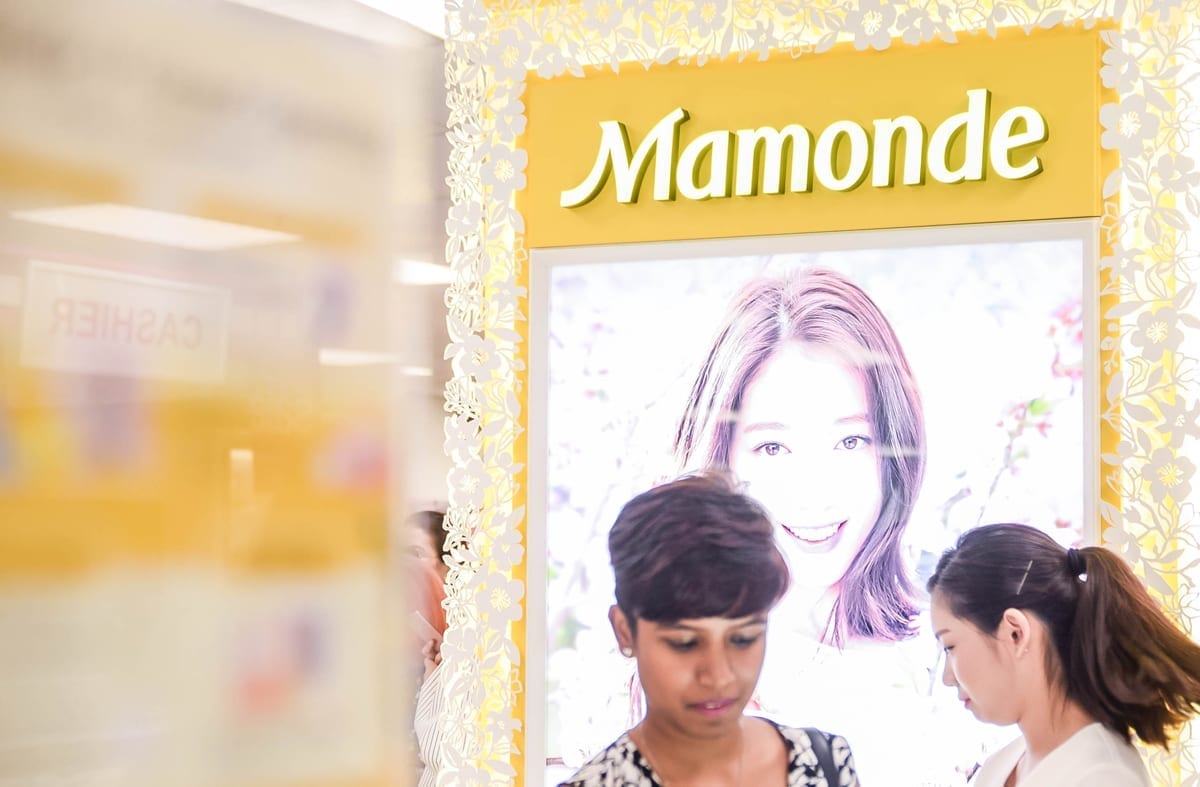
    After launching into Singapore via e-commerce this year, Korean beauty brand Mamonde has opened its first-ever global flagship store at Takashimaya Shopping Centre.

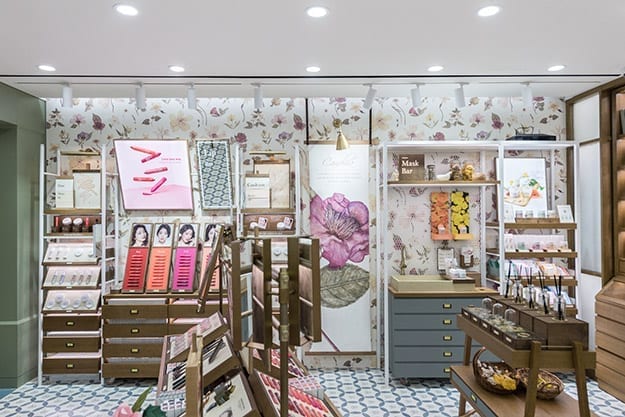
    It is decorated with blooms (both real and illustrated) giving it the air of a sensorial floral studio, as reported. The design inspiration comes from the Mamonde Garden in Korea where the brand harvests its organic ingredients.

    As well as wooden shelves and counters stocked with makeup and skincare products, there is a corner Mask Bar complete with a sink where customers can try out Mamonde’s specialty clay packs or sleeping masks. There is also a Korean eyebrow makeover service.


    Owned by AmorePacific, the skincare and cosmetics brand was launched in 1991.

  • Uniqlo seeks single brand retail licence in India

    Uniqlo seeks single brand retail licence in India

    Uniqlo has applied to open stores in India, in a bid to rival fellow fast-fashion retailers Zara and H&M, two global firms that are already dominating the Indian retail landscape.

     The Japanese fashion brand, owned by Fast Retailing Company, has officially submitted its proposal to the Department of Industrial Policy and Promotion (DIPP), which will allow it to set up single brand retail stores in India.

    As per India’s foreign direct investment (FDI) policy, 100% equity investment is allowed in single brand retail trading. FDI of up to 49% is permitted automatically, however in respect of proposals involving FDI beyond 51%, it is mandatory to source 30% of the value of goods purchased from India.

    In regards to Uniqlo, it remains unclear how much the Japanese firm will be investing, but India is intent on expanding its global reach via India and was expected to enter the Indian market this year. The firm has delayed its launch, citing location issues to set up their stores.

    “Fast Retailing believes India is a market with great potential, and can confirm that the company has taken the first step towards a later introduction of Uniqlo to customers in India. At the moment, we are awaiting word from the government, and we will be able to discuss potential future steps at a later date,” a spokesperson of Fast Retailing in Tokyo told the Economic Times.

    Fast Retailing had record net profits of 119.2 billion yen (895.5 million euros) in the financial year ended in August, up 148% on the previous year according to the company’s accounts. Revenue increased by 4.2% to 13.9 billion euros.

    However, Uniqlo’s local Japanese market has softened due to poor consumer sentiment in the region, and as a result, Fast Retailing has had to look elsewhere – mostly in Asia and the US – to garner revenue growth. The firm more recently launched apparel vending machines as a soft-launch in the US, to test the retail waters.

    In November 2017, the group said Tadashi Yanai, the founder and president of Fast Retailing, would retire in 2019.

  • JD Sports Fashion moves to influence marketing as strategy

    JD Sports Fashion moves to influence marketing as strategy

    UK company JD Sports Fashion has engaged influencer marketing firm Rocketfuel Entertainment to help develop digital content for its brand in Malaysia.

    JD carries brands such as Adidas, New Balance and Nike as well as in-house labels Brookhaven, Pink Soda, Sonneti, and Supply and Demand.

    A JD spokesperson says it is eyeing growth in markets such as Singapore and Thailand, and aims to open 25 outlets by end of next year.

    Its senior brand marketing manager Jaclyn Tan says the biggest draw for its customers is the “extensive range of sneakers from multiple brands, including Western Europe exclusives available only in our stores”.

    CEO Justin Lim says the content will enable JD Sports Fashion to engage with its audience on its social platforms.

    Rocketfuel claims to have a social-media reach of more than 36 million in the region with influential personalities in beauty, fashion, lifestyle, automotive and parenting.

    The sports lifestyle retailer launched a flagship store for Asia last year at Pavilion Elite Kuala Lumpur, and this week opened a store at Putrajaya’s IOI City Mall. It also has outlets at Aeon Mall Tebrau City (Johor Bahru), Mid Valley Megamall, Sunway Pyramid and Sunway Velocity Mall, with another five stores to follow “very soon”.

  • Duchess & Co Pop-Up Store Opens in Singapore

    Duchess & Co Pop-Up Store Opens in Singapore

    Duchess & Co, one of Asia’s fastest-growing ecommerce
    and retail fashion womenswear label, is proud to announce their foray into the
    Singapore market with a new showroom boutique at 313@Somerset Mall, located along the
    prestigious Orchard shopping belt. Following the 4-year-old label’s immense success and
    popularity in Peninsula Malaysia, the opening of the Singapore showroom boutique marks a
    new milestone for the brand’s expanding footprint in the South East Asia region.

    The 900 square feet new showroom boosts the brand’s signature modern contemporary
    interior and a cozy shopping ambience. It offers an extensive range of women’s apparel,
    shoes, and accessories. Each Duchess & Co creation is meticulously designed in-house and
    carefully crafted with curated fabrics.

    “We started out as an online fashion portal but quickly opened our first retail store within 4
    months of the Duchess & Co launch, and subsequently opened another store north of
    Malaysia. We then spent the following 2 years building & developing the brand identity as
    well as constantly improving both our in-store and online shopping experience. We are
    proud to have built a strong foundation in Malaysia. Singapore is an important fashion hub
    and gateway to the rest of South East Asia. Opening a pop-up showroom boutique in
    Singapore is a significant achievement as it marks our first overseas venture and elevates us
    to the ranks of many international fashion brands in the vibrant local fashion scene. We also
    wish to pay homage to our Singaporean fans and hope to offer them a unique experience at
    their doorstep,“ said Wendy Tai, Co-founder, who overlooks the business operations and
    international expansion.

    “Opening a pop-up showroom boutique in Singapore will allow us to connect and share our
    brand’s ethos and designs better with our VIPS and new customers. We believe it also helps
    us showcase the quality and cut of our designs,” adds Phang Ju Nn, Co-founder and
    Creative Director of Duchess & Co.

    To celebrate this new milestone, Duchess & Co will be presenting two (2) new lead ready-towear
    collections for the upcoming festive season: DAWN collection as well as ‘Made of
    Stars’. Key limited edition pieces from the Feather series in the ‘Made of Stars’ collection
    will premiere first at the Singapore pop-up showroom boutique for a week, commencing on
    8 December 2017.

    A private celebratory cocktail featuring a star-studded guest list will be held at the showroom
    on Friday, 8 December 2017.

    The pop-up showroom boutique is open now until the end of September 2018.Prices range from SGD59 to SGD399 and new collections will be introduced every 2 months
    in the showroom boutique.

  • Swiss watch exports rise 9% on strong Japan, China and Hong Kong

    Swiss watch exports rise 9% on strong Japan, China and Hong Kong

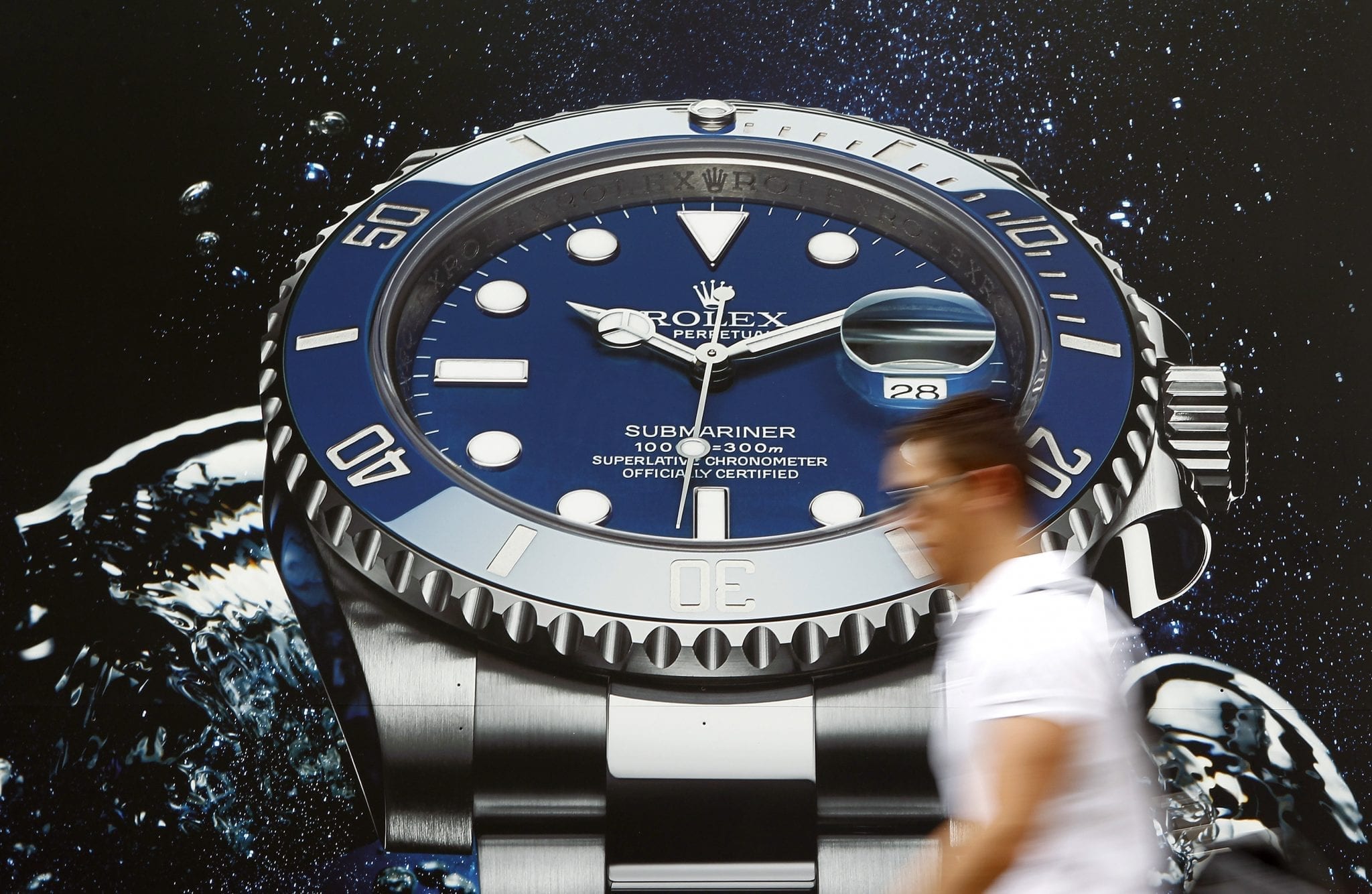
    Swiss watch exports jumped 9.3 percent in October 2017, on strong sales in Hong Kong and China, despite a lag in U.S. imports, according to the Federation of Swiss Watches.

    For the month-period, sales of Swiss watches totalled 1.85 billion Swiss francs, or $1.86 billion. The federation said that the monthly result confirms a solid improvement in the watch industry, with consolidated growth for the past ten months sitting at 2.4 percent.

    In September 2017, sales rose 3.7 percent and 4.2 percent in August.

    In October 2017, Japan recorded the fastest growth, where exports leapt 21.7 percent. Exports to China were up 18.2 percent, while Hong Kong, which is also the industry’s largest market, rose 15.8 percent.

    Outside Asia, the U.S. market remained dire, down 7.3 percent. Growth in Europe was a placid 5.9 percent, hurt by a 0.7 percent decline in Italy. Big player Britain inched forward 1.2 percent, showing signs of a slow down in October, said the federation.

    By watch category, exports of watches worth between 500 Swiss francs and 3,000 Swiss francs grew the fastest, up 20.3 percent in value terms, while watches priced between 200 Swiss francs and 500 Swiss francs rose 10.4 percent.

    The most expensive range, above 3,000 Swiss francs, rose 6.3 percent. Meanwhile, timepieces priced at below 200 Swiss francs dropped 3.4 percent, said the federation.

    Looking forward, the federation noted a “declining medium-term trend” in Japan.

    Analysts also fear that the ongoing weakness in exports of cheaper watches could prompt the resurgence of smartwatch domination over the longer term.

  • When Tiffany gasps chasing in modern luxury retail

    When Tiffany gasps chasing in modern luxury retail

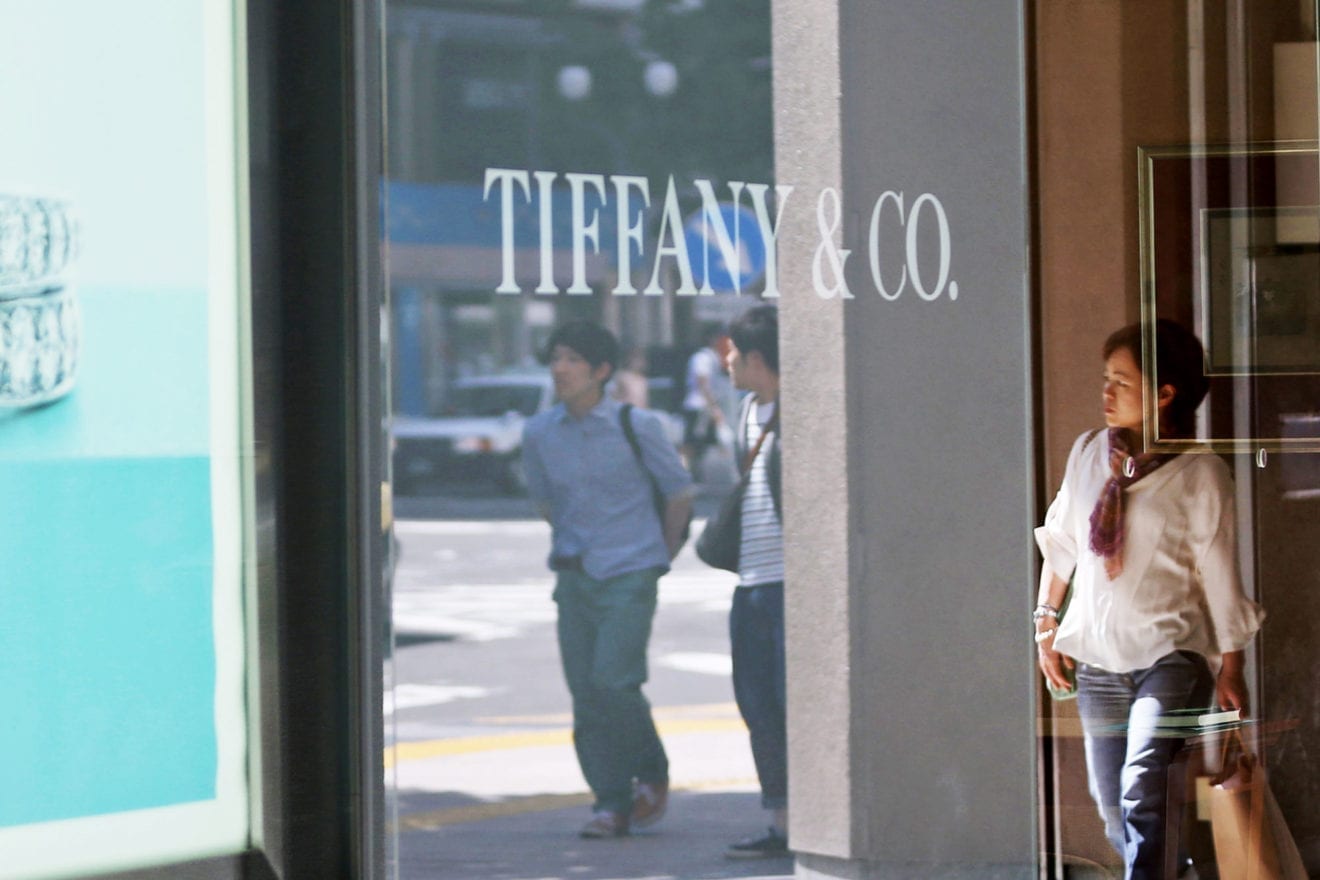
    At this time of year, New York City’s Fifth Avenue is a sparkling sea of holiday lights. There’s Cartier with its illuminated Panther; Harry Winston with its diamond-shaped orbs; and then there’s Tiffany, which seems to have decked its store with lights that Las Vegas discarded in the 1970s. It is a small point, but it is one that underscores the fact that parts of the Tiffany business remain firmly out of step with the modern world of luxury retail.

    Yet there is progress: only parts of the group are behind the curve. A year or so ago, the whole organisation appeared to be struggling to keep up, but a raft of initiatives have since helped to pull elements of the proposition into the 21st century.

    This work shows up in the latest numbers which continue along an improved trajectory. Total sales are up by a respectable 3 per cent, and while comparable sales remain in decline, it is encouraging to see this is no longer because of weakness in the North American market. On the bottom line, net income rose by 5.4 per cent.

    What has Tiffany done to engineer this improvement?

    The product has to be the starting point, with the greater emphasis on fashion and designer collections generating interest among younger consumer segments. The urban Tiffany HardWear range has performed particularly well, while Elsa Peretti’s assortment of pieces has added a gentler contemporary edge to the offer.

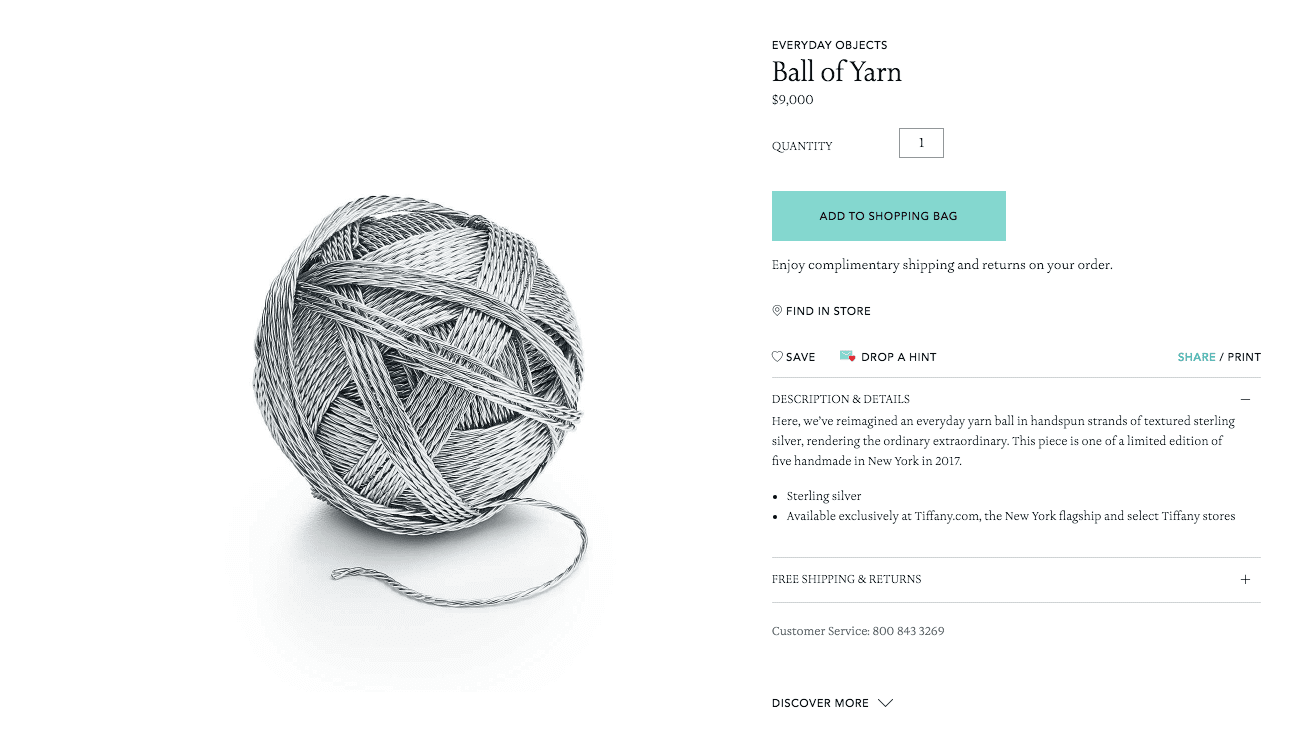
    Tiffany has recently followed up this success with the whimsical Everyday Objects collection of decorative accents. It is unlikely that the $9000 sterling silver ball of yarn nor the $1000 silver tin can will be to everyone’s taste or budget, although they generated some favorable publicity for the brand.

    Behind these headline items, more accessible pieces like the bone china ‘paper’ cups at $95 are likely to attract more interest. The point is that Tiffany is trying something new and is grabbing the attention of shoppers.

    As well as using its products to showcase the brand, Tiffany has also upped its game in general marketing and advertising. These have been more in vogue than past campaigns, and the use of celebrities like Janelle Monáe, Zoë Kravitz, & St. Vincent (Annie Clarke) is helping consumers to see the brand in a new, more modern light.

    Moving online

    One interesting consequence of this gentle repositioning is that many of the younger shoppers Tiffany is starting to attract are going online rather than into stores. This has resulted in some robust e-commerce numbers. It is to Tiffany’s credit that it has responded by improving the website experience and by increasing the amount of content across its platforms.

    This outperformance of online is likely to continue, which presents a dilemma to Tiffany. Many of its stores are in desperate need of refurbishment and ideally, need to be brought up to the same standard as the new Union Square shop in San Francisco. This is an expensive undertaking and one that the group may struggle to justify if more sales are migrating online.

    The new Blue Box Cafe in the New York flagship is a smart way of pulling people into the store, but this initiative can’t be easily replicated across the estate. Moreover, it is a shame to draw people into a shop that still feels dated and fusty.

    Despite all the progress, further change, especially in stores, is essential. For as much as Tiffany has made strides, it has not yet regained that full youthful vigour that so many of its peers exhibit. The gaudy, old-fashioned lights on its New York store underscore that there is much more thinking, and much more work, to do in the reinvention of this heritage brand.

  • Victoria’s Secret Tries ‘See Now, Buy Now’ at Shanghai Show

    Victoria’s Secret Tries ‘See Now, Buy Now’ at Shanghai Show

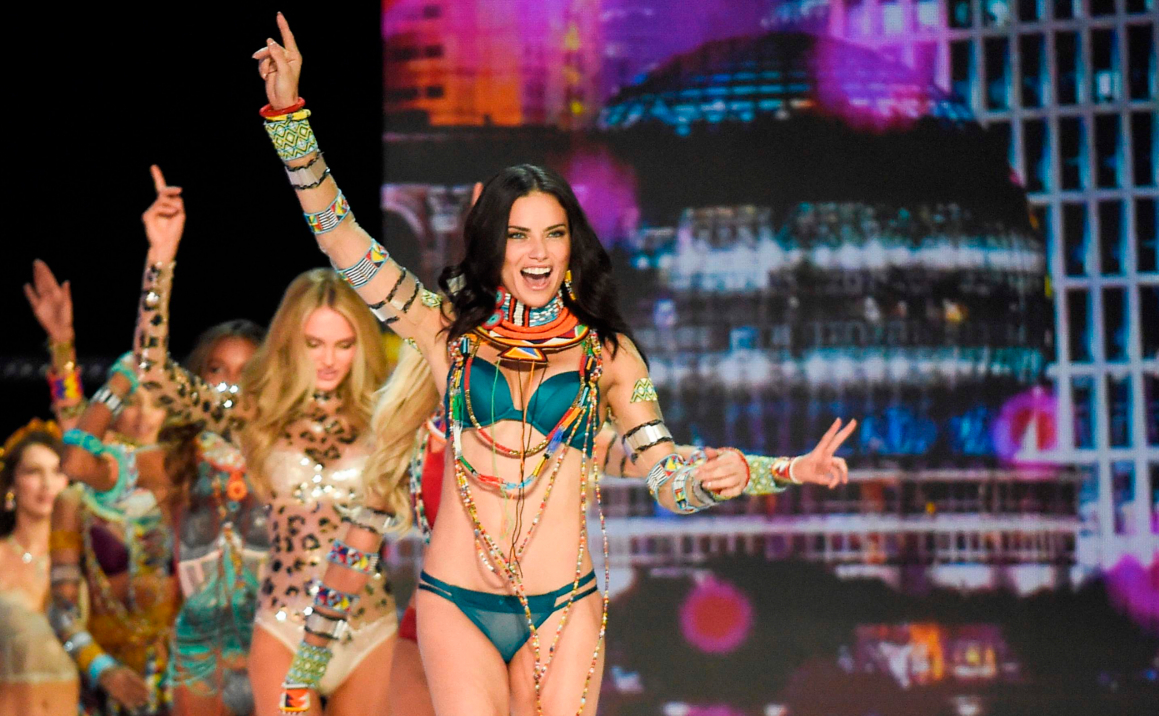
    Victoria’s Secret, the global lingerie name known as much for its “Angel” supermodels and its “Bombshell” branded products, has brought its iconic fashion show to Shanghai, with Alibaba Group’s Tmall and Taobao marketplaces and video-streaming site Youku used as broadcast channels to reach the world’s most sought-after consumers.

    In addition to locating the event in the world’s second-largest economy—the first time it has been held outside of the U.S. or Europe—the company is leveraging the “See Now, Buy Now” format made popular in China by Alibaba. All items seen on the runway, aside from those not yet released in the market, will be available for immediate purchase as Chinese shoppers watch the show.

    Alibaba’s See Now Buy Now fashion show kicks off the 11.11 Global Shopping Festival season every year. Last month, the show mixed the latest clothes and accessories from international names such as Ralph Lauren and MAC with performances by Chinese female rap sensation VaVa and pop icon Chris Lee to create a retail-as-entertainment experience for viewers.

  • Nike shapes announces a new era for retail

    Nike shapes announces a new era for retail

    Recently, Nike chief executive Mark Parker fired a reverberating shot across the bow of the entire retail industry.

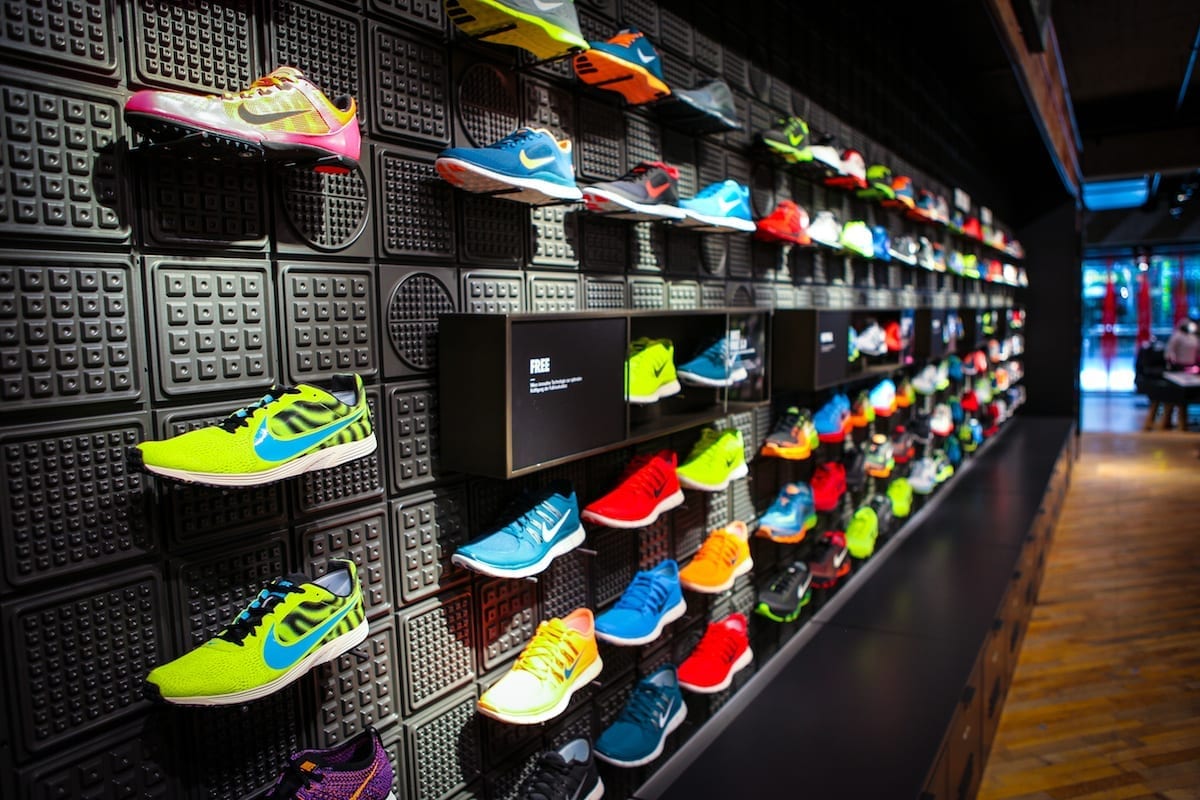
    He announced that out of Nike’s global universe of more than 30,000 retail partners the brand would, going forward, focus its time, attention and capital on forty — FORTY — retailers that Nike calls “strategic wholesale partners.” Partners, he explained, which are willing and able to build out unique and dedicated Nike spaces within their store environments.

    With this one brief announcement, Parker had not only given tens of thousands of merchants around the world a Tony Soprano-style kiss on the cheek, but he  also made the same sweaty-palmed decision that thousands of other brand CEOs secretly wrestle with on a daily basis: whether to abandon the intoxicating volume of the mass market in a sober effort to save their brands from almost certain ruin.

    The power-merchants that made these brands household names were now the very things rendering them commoditized hostages in a high-speed chase to the bottom.

    Once the salvation of many a fledgling brand, mass merchants have increasingly become like kryptonite. In a world constantly seeking what’s next, new or special, mass retail has become toxic in its overexposure. For consumers, to whom shopping experiences matter as much, or more, than products, mass merchants are bringing nothing to the table.

    Nike is merely one in a growing list of labels rethinking their distribution strategies. Earlier this year Coach announced it would leave the floors of over 250 department stores. Michael Kors also made a similar decision. And high-end outerwear brand Canada Goose, a brand that has traditionally been sold through wholesalers, now has a long-term goal of generating at least half its profits from its direct-to-consumer business. One by one, brands are fleeing the mass market and their absence will weigh heavily on all mass merchants.

    However, more important in Nike’s announcement was the bold declaration that only one tenth of one percent of their retailer network — those retailers who could deliver on the brand promise and experience — were even worthy of the brand’s time and attention. The remainder of Nike’s resources, according to Parker, would be dedicated to growing the brand’s direct-to-consumer business through its owned stores and websites, which currently represent about 30 percent of Nike’s total sales.

    This is by no means a minor shift. In fact, what it portends is a complete reformation of the retail market and a breakdown of the wholesale-retail model for revenue.

    Where today the retail market is largely divided by luxury, mid-tier, and discount, the coming decade will see the market more clearly bifurcate into two distinct retail approaches.

    The first will encompass an ever-swelling number of vertically-integrated brands that focus on serving individual consumers at scale and in a manner that best befits the brand. The second will be a new class of “experiential merchants” that use their physical stores and online assets to perfect the consumer experience across a category or categories of products.

    They will define the ideal experiential journey, employing expert “product ambassadors” and technology to deliver customer experiences that are truly unique, remarkable and memorable. So memorable that they leave a lasting, positive experiential imprint on the shopper’s psyche.

    Nike’s announcement was not merely communicating a new brand strategy but more clearly than ever before, foreshadowing an entirely new and revolutionary era of retail.

  • Luk Fook Holdings gets back up to grow

    Luk Fook Holdings gets back up to grow

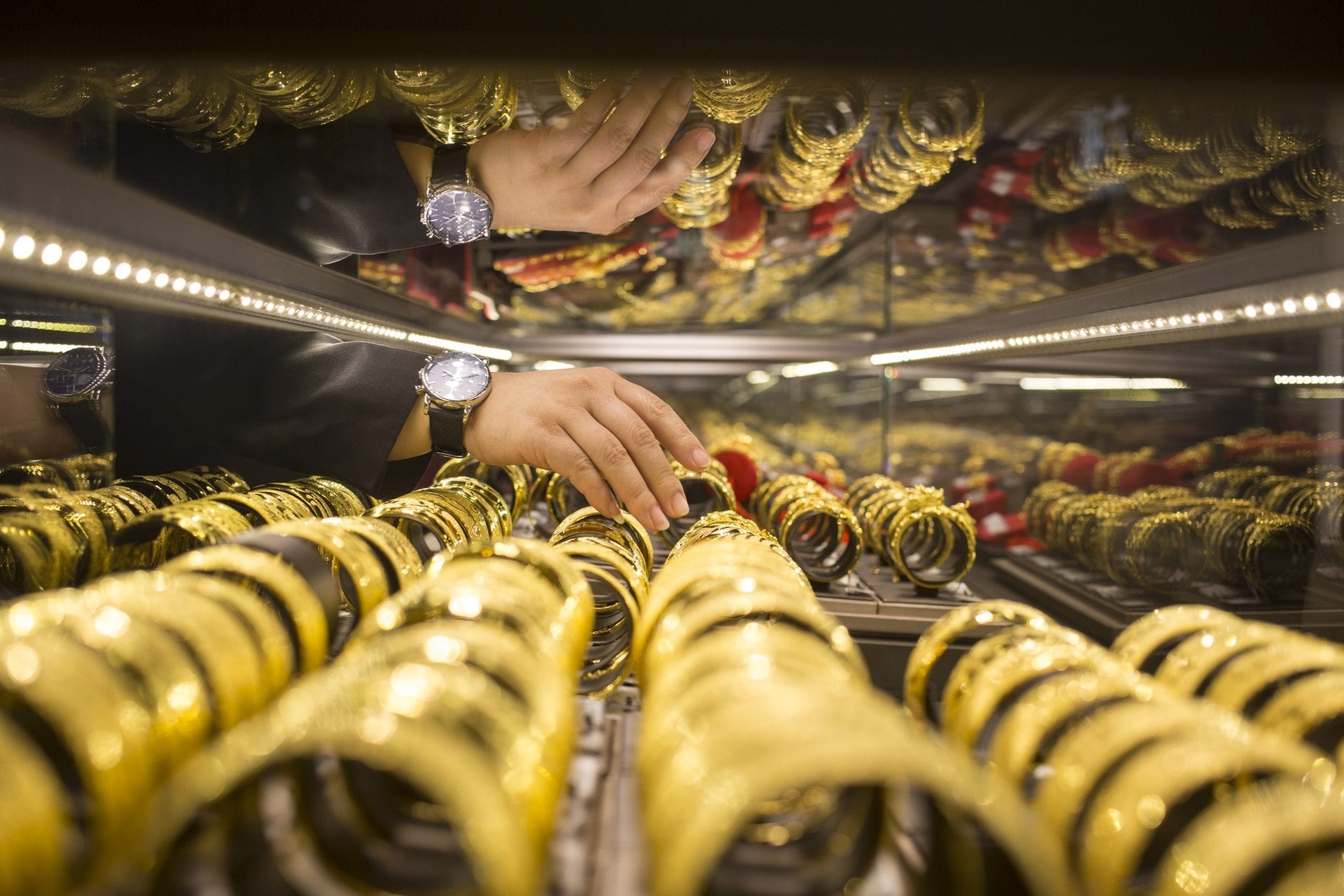
    In a golden first half, jewellery group Luk Fook Holdings (International) saw revenues and profits rise as it continued to expand its retail outlets.

    As well as a return to growth for same-store sales and a doubling of e-commerce sales, its interim results show a 14.9 per cent rise in revenue to HK$6.2 billion (US$794 million) for the six months to the end of September.

    A relatively stable gold price resulted in the group’s overall gross margin dropping to 26.2 per cent from 28 per cent a year earlier, but gross profit rose by 7.5 per cent to $1.6 billion. Profit attributable to equity holders grew by 21.3 per cent to $520.3 million.

    During the six months, the group added 46 Lukfook shops worldwide – 47 (29 licensed) in Mainland China and one in San Francisco, with two closures in Hong Kong. This took its global network to 1542 Lukfook shops (up from 1455 shops a year earlier), spanning Australia, Canada, China, Hong Kong, Korea, Macau, Malaysia, Singapore and the US. It also had 10 3D-Gold shops in China (an addition of one).

    Retail was the group’s primary source of revenue, which grew by 17.1 per cent to $4.7 billion, accounting for 75.1 per cent (up from 73.7 per cent) of total revenue.

    Slide reversed

    Back on track after three years of decline, first-half overall same-store sales growth was 11.2 per cent (minus 31.5 per cent a year earlier). There was double-digit growth in both Hong and Macau and Mainland China at 10.5 per cent (-32.3 per cent last year) and 16.7 per cent (-23.7 per cent) respectively.

    Hong Kong was the key market for the Group with the recovery of both retail sentiment and visitor arrivals. In terms of tourist spending, sales of jewellery, watches, clocks and gifts rose about 4.3 per cent, according to the Census and Statistics Department of Hong Kong. This was reflected in an 8.4 per cent lift in the group’s retail revenue in Hong Kong to $2.8 billion.

    Similarly, official figures in Macau show a 17.5 increase in tourist spending while the group’s revenue grew by 18.8 per cent to $790 million for the half-year.

    Meanwhile, retail revenue from the Mainland China market grew by 43.6 per cent to $924 million, attributed to an improved retail environment and more self-run shops. It accounted for 14.7 per cent of the group’s total revenue, up from 11.8 per cent a year earlier.

    Revenue from e-commerce in China jumped by 104.7 per cent to $136.6 million, accounting for 14.8 per cent of retail revenue, up from 10.4 per cent.

    Overall, first-half revenue from China grew by 25.5 per cent to $2.1 billion, accounting for 34.4 per cent of total revenue (31.5 per cent a year earlier).

  • My Beauty Atelier concept in Seoul

    My Beauty Atelier concept in Seoul

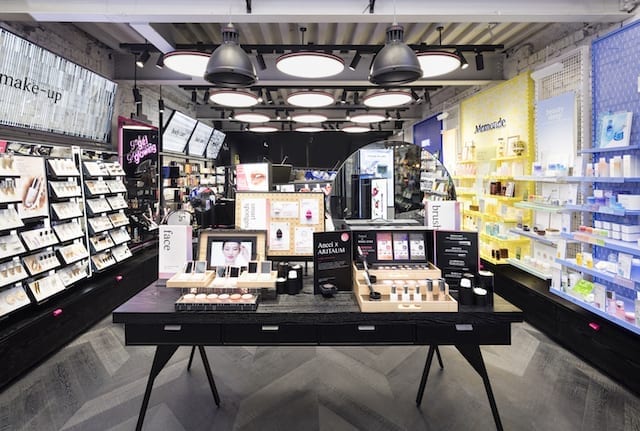
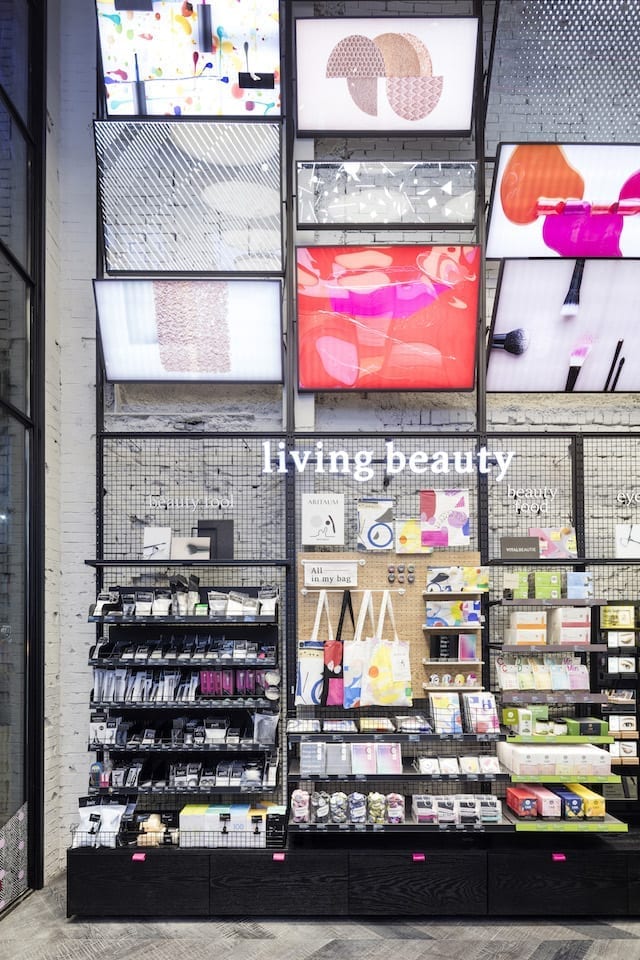
    London-headquartered Dalziel & Pow has created AmorePacific’s latest beauty concept store, My Beauty Atelier in Seoul.

    The design house describes the new store as AmorePacific brand “Aritaum’s “new benchmark for beauty retailing” in South Korea.

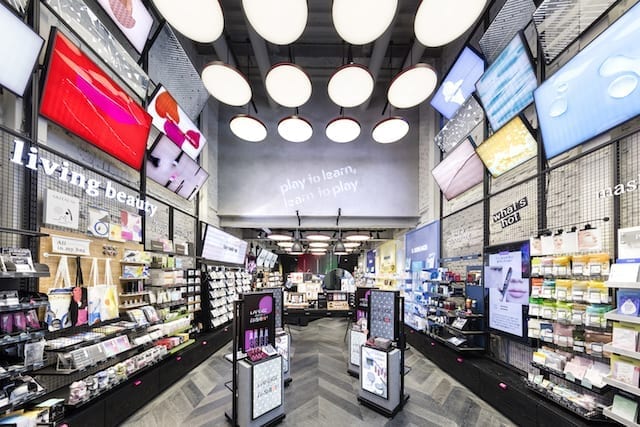
    “It is a playground for inspiration and guidance,” said the company, of the 90sqm boutique which opened in October in Seoul’s Myeong-dong district.

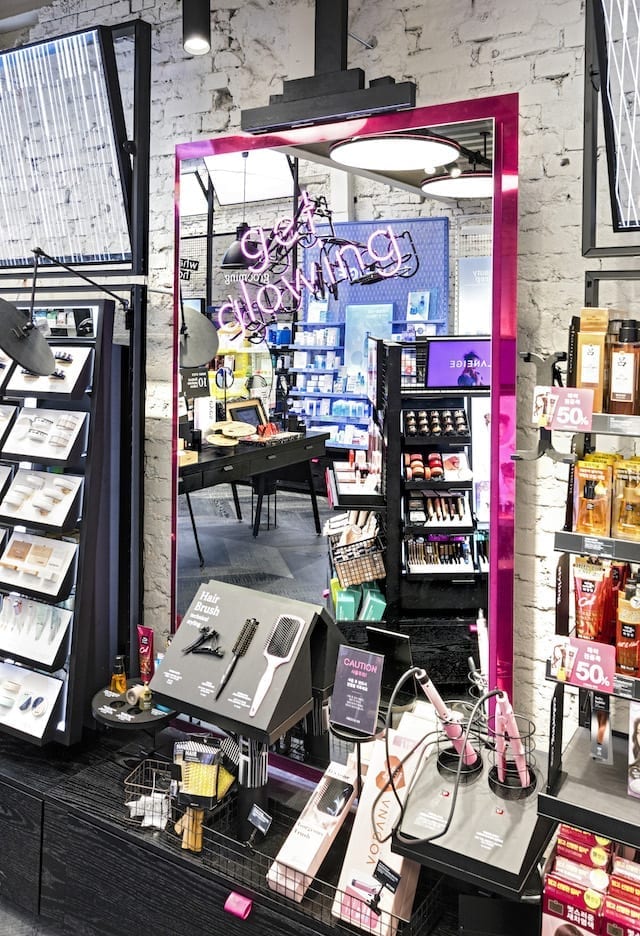
    “The store presents a sense of energy, play and education. It empowers customers to become their own makeup artists with editorial displays offering ‘top 5′, ‘best sellers’ and ‘new crushes’, along with ‘how-to’ guides. The brand talks to the customer as a trusted friend, with an in-the-know voice throughout the communications and bold art direction,” said a Dalziel & Pow spokesperson.

    The offer is structured around key categories, each featuring distinctive colour palettes and expression. Core skincare brands Iope, Laneige, Mamonde and Hanyul – created by Aritaum’s founder  – have a real presence with their own dedicated bays.


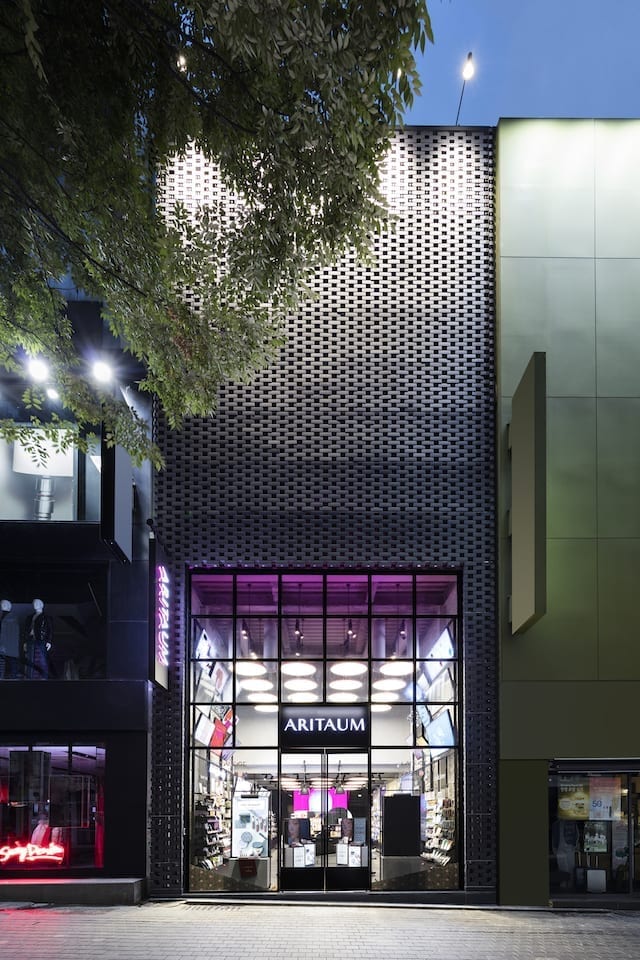
    An architectural shopfront features 12m-tall black brickwork backed with mirror cladding and a splash of pink to create a stand out space.

    “On entering, the initial triple-height space with inspirational images and a bespoke lighting installation creates a strong statement. The store’s raw, glamorous Manhattan-inspired tone ensures an edgier and more sophisticated brand aesthetic. A focal table provides a place to play and experiment, integrating iPads that share video tips, alongside an Instagram wall with changing backdrops for selfies using the #aritaumflipcreate,” said the Dalziel & Pow spokesperson.

    “As part of the new experience vision, we created a brand stamp logo, new packaging and redesigned the staff uniforms in the striking monochrome and pink palette.”

    The My Beauty Atelier concept represents a new direction for Aritaum and will be applied to up to 300 stores with the product offer tailored to each location – such as a make-up focus in student areas or a high-end skincare focus in more mature neighbourhoods.

    Aritaum is one of AmorePacific’s 33 health, beauty and personal care brands, a portfolio which also includes Innisfree, Etude House, Laneige, Lolita Lempicka and Annick Goutal.