Category: Fashion

Retail News Asia is committed to providing both local and global retailers with the latest Fashion news throughout the Asian market. This on a daily base.

  • Calvin Klein Vietnam opens Hanoi store

    Calvin Klein Vietnam opens Hanoi store

    Fashion house Calvin Klein Vietnam has opened a store in Vincom Ba Trieu, Hanoi.

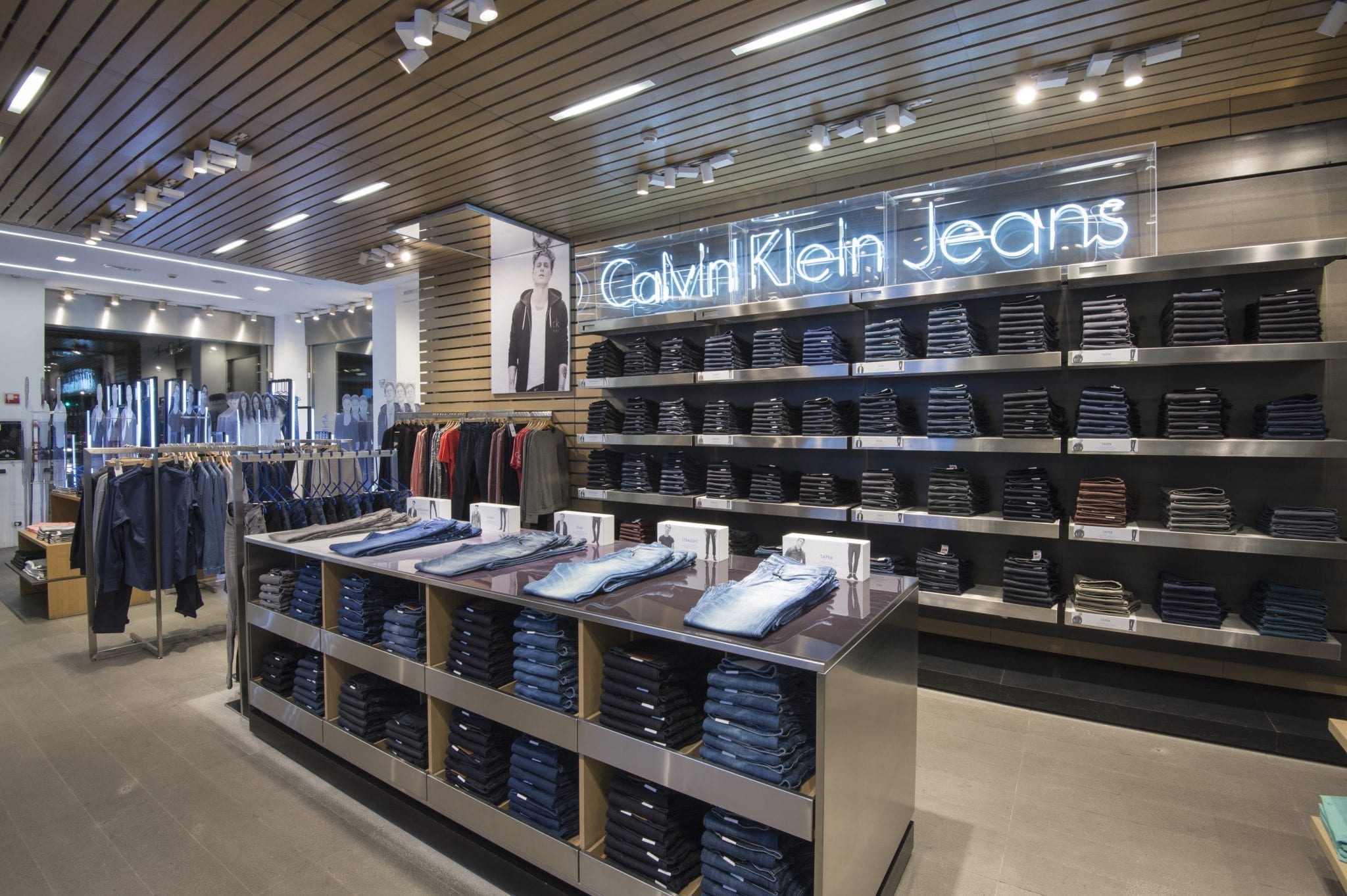
    The store is located on level two of the shopping centre, and offers items from latest collections including jeans, underwear and accessories for women and men.

    Calvin Klein store Ha Noi Vietnam

    Inside the 147sqm shop, the interior is designed with neutral colors and “Simply as possible” spirit of the brand.

    Calvin Klein was brought to Vietnam in 2009 by IPP’s subsidiary ACFC.

    It now has 20 stores nationwide.

  • Lotte Duty Free plans expansion in Nha Trang

    Lotte Duty Free plans expansion in Nha Trang

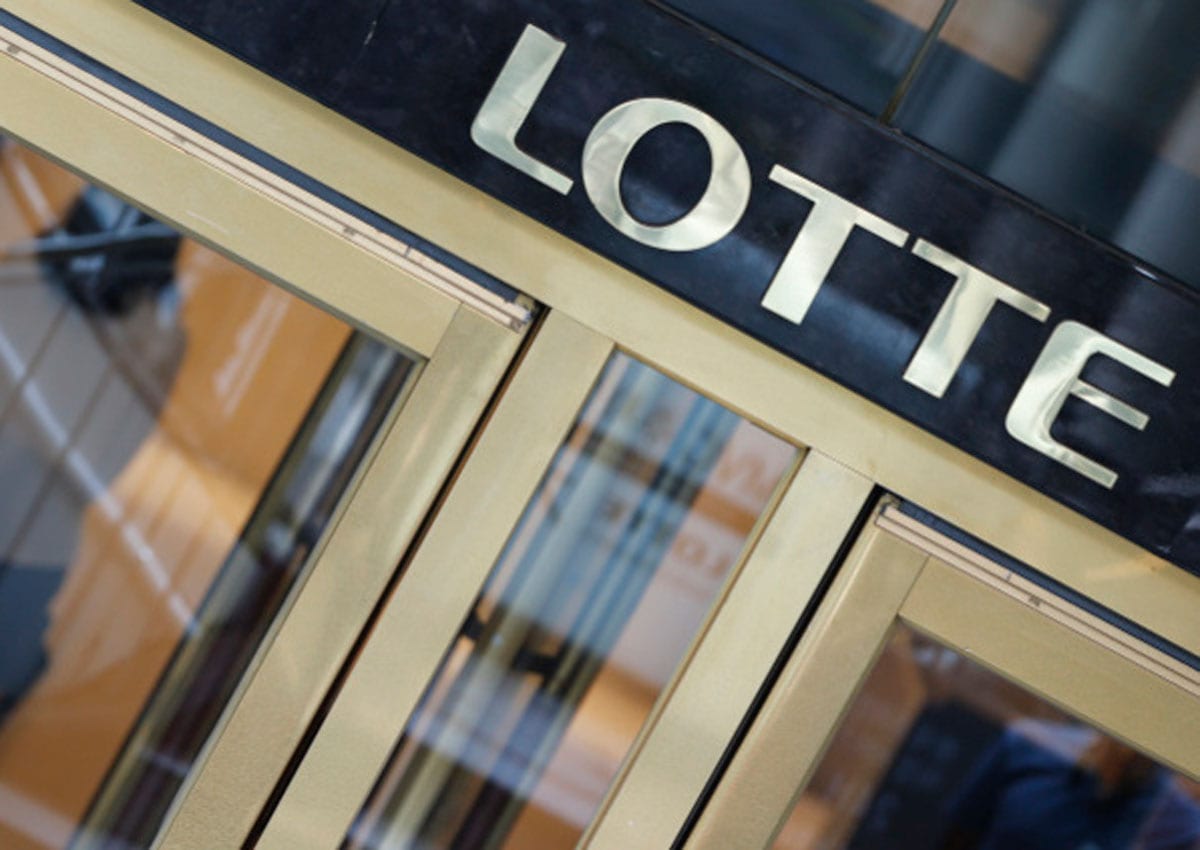
    Korea’s Lotte Duty Free will open its second Vietnam airport store in Nha Trang next year.

    The store is set to locate at Cam Ranh International Airport’s new terminal which is now under construction, and on track to be complete in first half of 2018.

    The operator expects to gain US$644 million in sales from the new store over the next 10 years.

    The operator has recently completed its first airport store in Da Nang, with a part re-launched in May.

  • Unique Airstream trailer pop-up store by Aether

    Unique Airstream trailer pop-up store by Aether

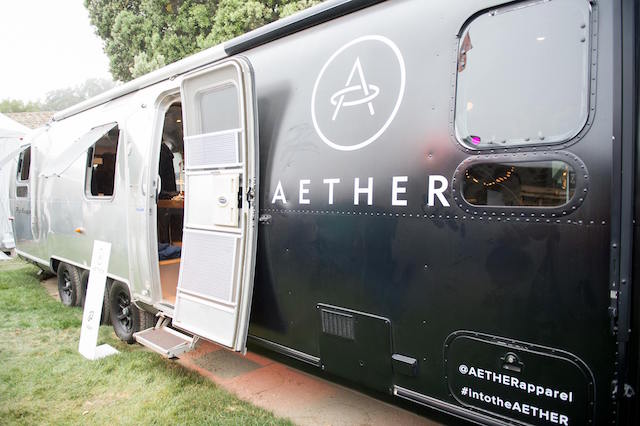
    High-end clothing company Aether has converted an Airstream trailer into a store that can travel and stop at locations chosen by customers.

    The mobile popup has already visited several cities near the brand’s home in Los Angeles.

    Trend monitoring website Springwise.com reports the fashion company wanted to find something which had the ease and portability of a pop-up, but was also reusable.

    Aether 2

    Working with designer Thierry Gaugain, the company created the Aetherstream, an Airstream trailer transformed into a travelling storefront complete with a wood burning stove, custom built sofas, furnishings and decorations from Parisian flea and antique markets.

    Destinations for the mobile store are selected by customers who are invited to email the company to suggest a stop.

    Springwise says the converted trailer is just one example of how small and independent companies are innovating to compete with online retail giants.

    “Other examples include modular, customisable street carts and a new gadget and platform that helps local shops rise to the top of area internet searches.”

  • In a bold and surprising move CHANEL debuts capsule of €1000 sneakers

    In a bold and surprising move CHANEL debuts capsule of €1000 sneakers

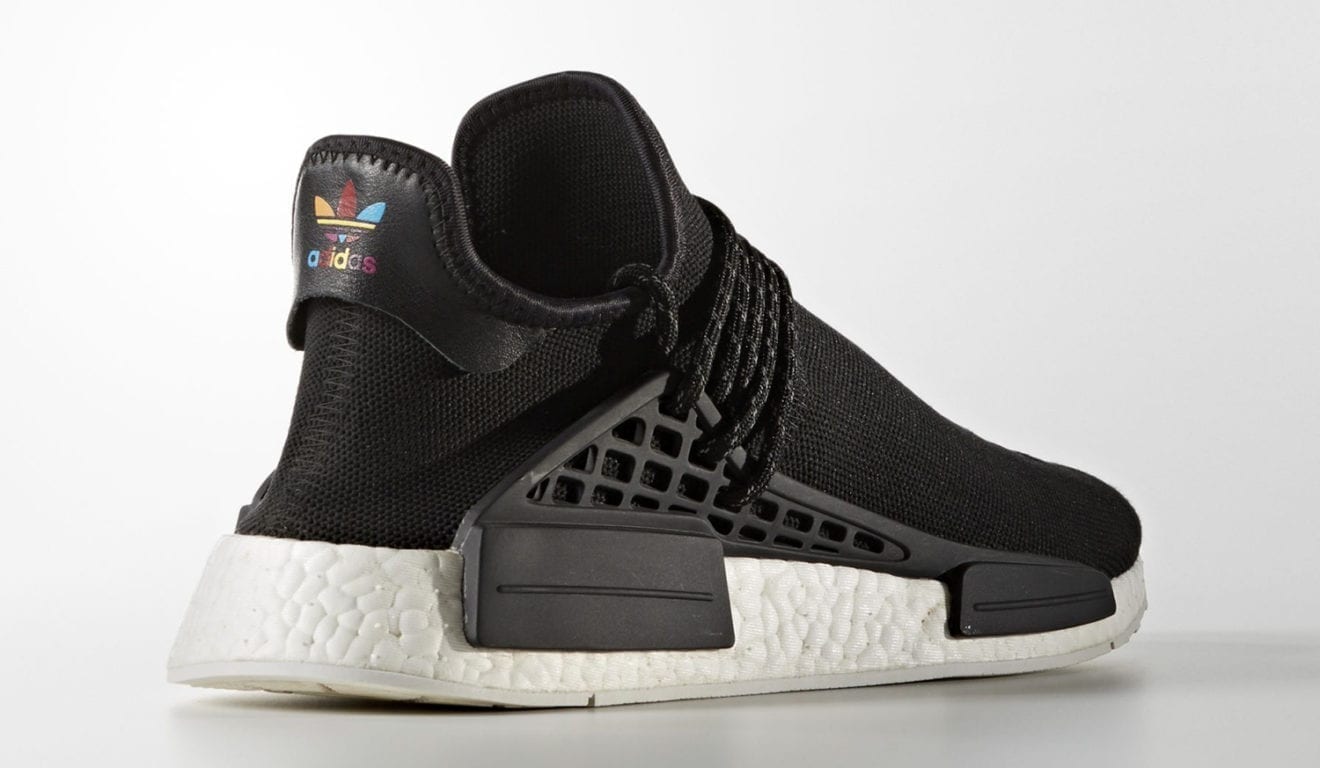
    French luxury brand Chanel has launched a capsule featuring 500 pairs of €1000 (US$1185) sneakers to celebrate its takeover of French high-fashion streetwear retailer Colette.

    Courtesy of Karl Lagerfeld, the sneakers are part of singer Pharrell Williams ongoing collaboration with Adidas Originals.

    The resale value of the sneakers have shot up to $32,000 after 120,000 shoppers registered to buy them. The 500 buyers will be chosen by an independent ballot process.

    Williams says he expects the resale value of the sneakers to go up to $40,000 as any of his merchandise is known to resell for multiple times its value. For example, his Adidas collaboration with his band Nerd is now going for up to $10,000.

    There is also a philanthropic twist to the collaboration as Williams and Chanel plan on donating profits to the Chanel Foundation, which supports women’s empowerment.

    It is one of the final collaborations for Colette with the department store set to close on December 20.

  • Stelux Holdings slows down the bad trend

    Stelux Holdings slows down the bad trend

    While turnover and gross profit margin slid for watch/optical company Stelux Holdings International for its first half, it managed to cut back on its net loss.

    Group turnover was down by 6.9 per cent (6.3 per cent foreign-exchange neural) to HK$1.3 billion (US$166.4 million) and gross profit margin fell from 59.6 to 58.1 per cent. Group net loss reduced by 15.2 per cent to $62 million.

    Given the fragile retail environment, the group says it continued with consolidation measures to improve shop productivity. While group turnover fell by 6.9 per cent, largely because of an 11.3 per cent drop in shop number, same-store sales improved, particularly in Mainland China. Sales also stabilised in Hong Kong and Southeast Asia. Gross profit margin remained under pressure at 58.1 per cent, compared to 59.6 per cent in the same period last year.

    City Chain Group

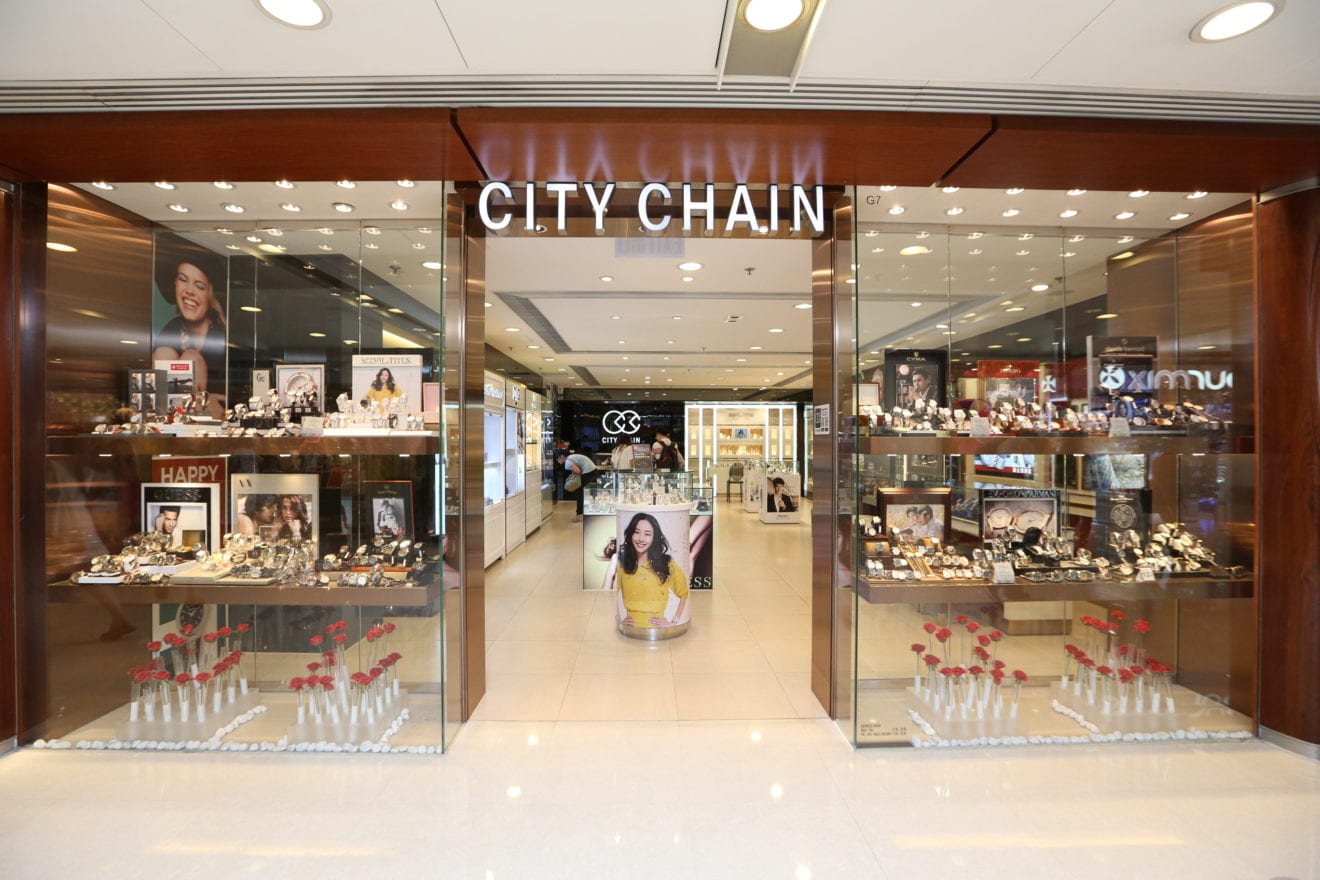
    Turnover fell 11.1 per cent for the City Chain Group, with a loss before interest and tax (LBIT) of $37.7 million from $49.4 million. The group has about 260 stores in Hong Kong, Macau, Mainland China, Malaysia, Singapore and Thailand together with three online stores.

    The drop in turnover from $668.5 million to $594.4 million was because of a 17.9 per cent decrease in shop numbers.

    In response, the chain is undergoing a major transformation to attract both a younger and local clientele. New store layouts have been introduced in Hong Kong, Guangdong, and Thailand.

    Turnover for the chain in greater China fell by 12.5 per cent to $439.8 million while LBIT was down 11 per cent to $34.8 million.

    Same-store sales growth has also resumed in Hong Kong and Macau since August with a freshed store image and enriched brand portfolio. The closure of loss-making shops and the positive impact from the expiry of high rental leases contributed to a 19 per cent fall in operating costs. City Chain tapped into the e-commerce business in Mainland China a few years ago, with the turnover of its watch e-commerce business increasing by more than 60 per cent compared to the corresponding period last year.

    With store consolidation in Southeast Asia, turnover fell 7 per cent to $154.5 million. There was a 16.5 per cent drop in shop numbers. Nonetheless, LBIT narrowed significantly to $2.9 million from $10.3 million.

    EBIT for Malaysian stores more than tripled while LBIT in Singapore fell by 79 per cent. With sustained recovery in Thailand, both turnover and same-store sales growth were “satisfactory”.

    Optical 88 Group

    Optical 88 Group turnover decreased by 2.9 per cent with EBIT rising to $32 million from $15.2 million. The group has 194 shops throughout Hong Kong, Macau, Mainland China, Malaysia,  Singapore and Thailand delivering professional eyecare/eyewear products and services, as well as hearing products and services.

    Turnover eased by 2.9 per cent to $504 million with 7.6 per cent fewer shops. EBIT more than doubled from $15.2 million to $32 million.

    In greater China, Optical 88 had a marginal 0.7 per cent decline in turnover to $414.2 million, with 4.1 per cent fewer shops. EBIT rose by 16.8 per cent to $38.2 million.

    Southeast Asia business had a 11.7 per cent drop in turnover to $89.8 million with 10.2 per cent fewer outlets delivering a narrowed LBIT of $6.2 million.

    Turnover rose 13.5 per cent of Egg Optical Boutique with LBIT widening from $7.1 million to $13.6 million. There are more than 80 stores in Hong Kong, Mainland China and Southeast Asia
    together with an online store.

  • Franck Marilly, new President and CEO for Shiseido EMEA

    Franck Marilly, new President and CEO for Shiseido EMEA

    Japanese cosmetic giant Shiseido has named its new CEO for the Europe, Middle East and Africa (EMEA) region, after it confirmed earlier in the month that Louis Desazars is set to leave the company to “pursue other interests.”

    Franck Marilly has been appointed as President and CEO of Shiseido Group Europe, the Middle East and Africa (EMEA), effective January 1, 2018. Marilly will report to Shiseido Group President and CEO Masahiko Uotani.

    Marilly previously served as Managing Director Europe at Chanel’s Fragrance & Beauty division.

    At Shiseido, he takes over from Louis Desazars, who has served in the role since 2015.

    “Along his tenure at Shiseido Group, Louis made significant achievements and contributions such as initial development of BPI in Europe and in the United States and the successful brand development of Nars during his years in New York. Under his chairmanship in EMEA, he led the Shiseido Group EMEA new organization bringing the entities and brands within the region into ‘One Shiseido’ and directed the signature of a license agreement with the Italian fashion house Dolce & Gabbana,” said the company in a statement.

    Frank Marilly will oversee all of the countries and local affiliates that make up the Japanese cosmetic group’s EMEA region. He will also take charge of the perfume labels Dolce & Gabbana, Fragrance Designer Brands (made up of Alaïa Paris, Elie Saab, Issey Miyake, Narciso Rodriguez, Zadig & Voltaire) and Serge Lutens.

    Earlier in month, Shiseido published a third quarter net loss, despite notable growth for the first nine months of 2017. Shiseido said combined turnover over the nine months rose 17.4% to 731.2 billion yen, close to 6 billion euros.

    While the company recorded strong Asia revenues, particularly in Japan and China, European growth remained weak and sales slowed in the Americas, making up just 13.5% of total turnover.

    Shiseido CEO Uotani announced that the company is aiming to be one of the top five players in the luxury sector in the EMEA region, and wants to achieve 9% global market share of the perfume industry in the next five years.

  • Fast Retailing to launch in India

    Fast Retailing to launch in India

    Uniqlo parent Fast Retailing has applied to open stores in India.

    The Japanese fast-fashion giant has filed an application with India’s Department of Industrial Policy & Promotion to do business in the country under the Uniqlo brand.

    “India is a market with great potential,” says Fast Retailing spokeswoman Pei-Chi Tung. The company has long been interested in entering India, but has been beaten by H&M and Zara which are already established in the apparel market Euromonitor International has predicted will grow 29 per cent to INR3.76 trillion (US$58 billion) by 2021.

    Zara owner Inditex opened a flagship in Mumbai in May, which CEO Pablo Isla says has had a strong reception. It has just started online sales as well in India.

    Fast Retailing last month reported its biggest jump in annual earnings in more than a decade, driven by a near doubling of operating profit at Uniqlo stores outside of Japan. Operating profit for the brand in China jumped 37 per cent for the year ended August 31, compared with a 6.4 per cent slump in Japan.

  • Oriental Watch Holdings sales back up

    Oriental Watch Holdings sales back up

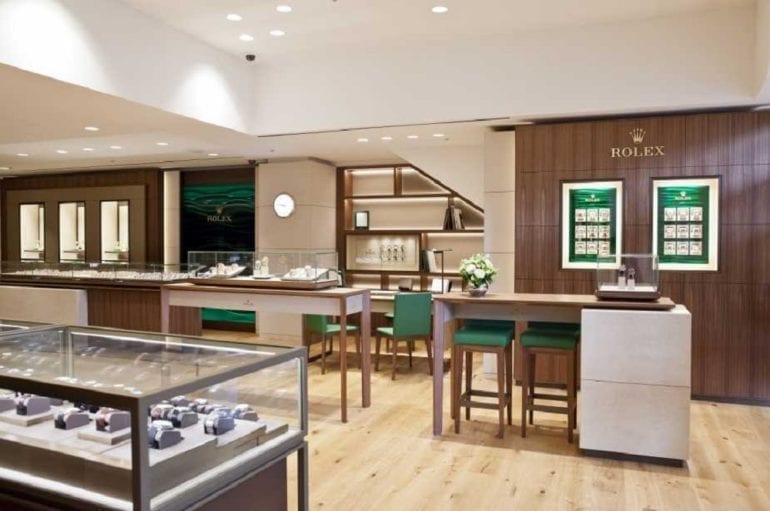
    Easing rents, the closure of unprofitable stores and a trimmed-down inventory all helped Oriental Watch Holdings record a 10-fold increase in profit in its latest quarter.

    In the six months to September 30, Oriental Watch increased its post-tax profit from HK$4.12 million last year to $45.93 million, on sales down marginally from $1.545 billion to 1.508 billion. Same-store sales rose 14 per cent year on year.

    At the end of the period the luxury watch retailer operated 63 retail and wholesale points (including associate retail stores) in greater China: 47 in Mainland China, 12 in Hong Kong, three in Taiwan and one in Macau.

    Chairman Yeung Ming Biu said the return of mainland tourists and improving business confidence.

    “Most importantly, the stabilising sales performance along with rent adjustment has also become one of the key drivers for the group this year, which provided greater improvement in profitability with less rent burden suffered compared to the past few years.”

    During the quarter, the company’s rent costs fell by 26 per cent to $84 million, now accounting for 36 per cent of overall operating expenses, compared with 45 per cent in the same period last year.

    “The group has successfully negotiated better rental rates and more flexible leasing terms for the lease renewal,” he said. “In addition, regular internal assessment on the performance of all retail stores and closedown of high-rent yet non-performing stores are also the group’s strategy for better resources allocation.

    “The group will continue to closely monitor the store performance and its efficiency and hope the above measures together with the rent adjustments can improve profitability of each store in the forthcoming years.”

    Inventory management

    Yeung Ming Biu said careful monitoring of inventory of high-ticket items and reordering only when predetermined stock levels were reached had seen inventory cut by 10 per cent over six months.

    Meanwhile, Swiss watch exports by value increased by 4.1 per cent into Hong Kong and by 17.2 per cent into Mainland China between January and September, indicating that demand for luxury watches has rebounded.

    “Looking ahead, the group remains cautiously optimistic on the business outlook of the luxury goods market and expects retail sales in Hong Kong will hold stable amidst the sustained recovery in visitor arrivals and the resilience of local consumption demand,” he said.

    Same-store sales growth in China rose 14 per cent increase during the quarter.

    “On the other hand, the retail market in Hong Kong has begun to turn up after having bottomed out and these have provided good preconditions for the group’s development in Hong Kong,” he concluded.

  • Dutch chain Topshelf to close down

    Dutch chain Topshelf to close down

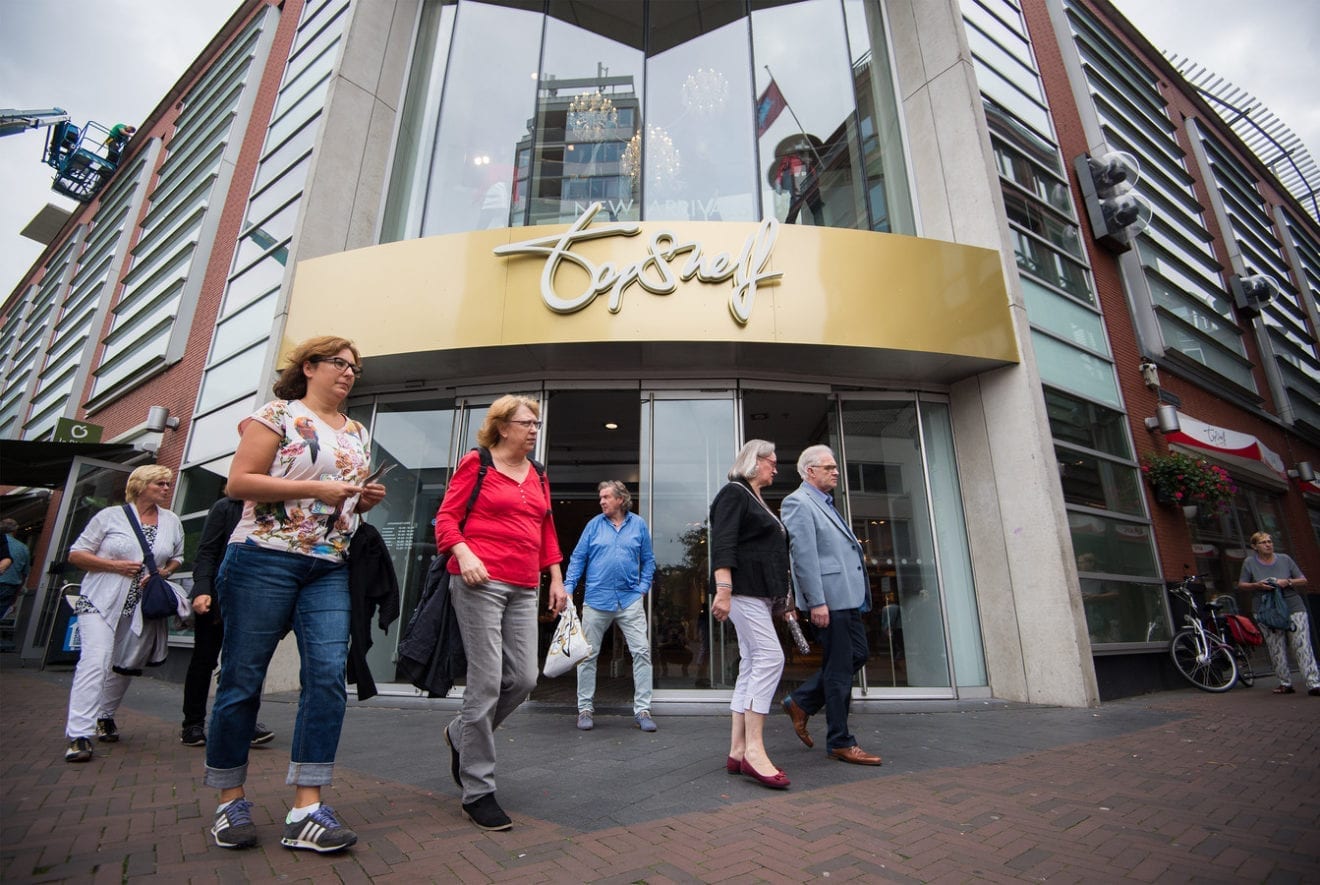
    Dutch department store operator Topshelf appears to be closing down.

    The company has announced its last store in Alkmaar will close in mid-January, following the shuttering of stores in Arnhem, Nijmegen and Groningen.

    The company has not filed for bankruptcy and it says it will continue to employ existing staff as it quits remaining stock. Disappointing sales were cited as the reason for the closure.

    Topshelf – no relation to the UK-headquartered Topshop and Topman retail brands – was launched in 1995 as a megastore, focusing on sports and outdoors wear, called Sportsworld. At the end of 2015, it opened stores in premises occupied by collapsed department store chain V&D, expanding further in April last year into Arnhem and Nijmegen en Groningen.

    With sales remaining weak last December, the company decided to convert the city stores – Arnhem, Nijmegen, Groningen and Alkmaar – to Topshelf, continuing to operate other branches in Beuningen, Leerdam and Cruquius, outside the city, as Sportsworld.

    The Topshelf stores stocked luxury gifts, fashion and homewares and ranged products from brands including Versace, Guess, McGregor, Superdry, Lacoste, Tommy Hilfiger, Speedo, Calvin Klein, Ray Ban, O’Neill and Atomic.

  • J Crew best bet to slow down the losses

    J Crew best bet to slow down the losses

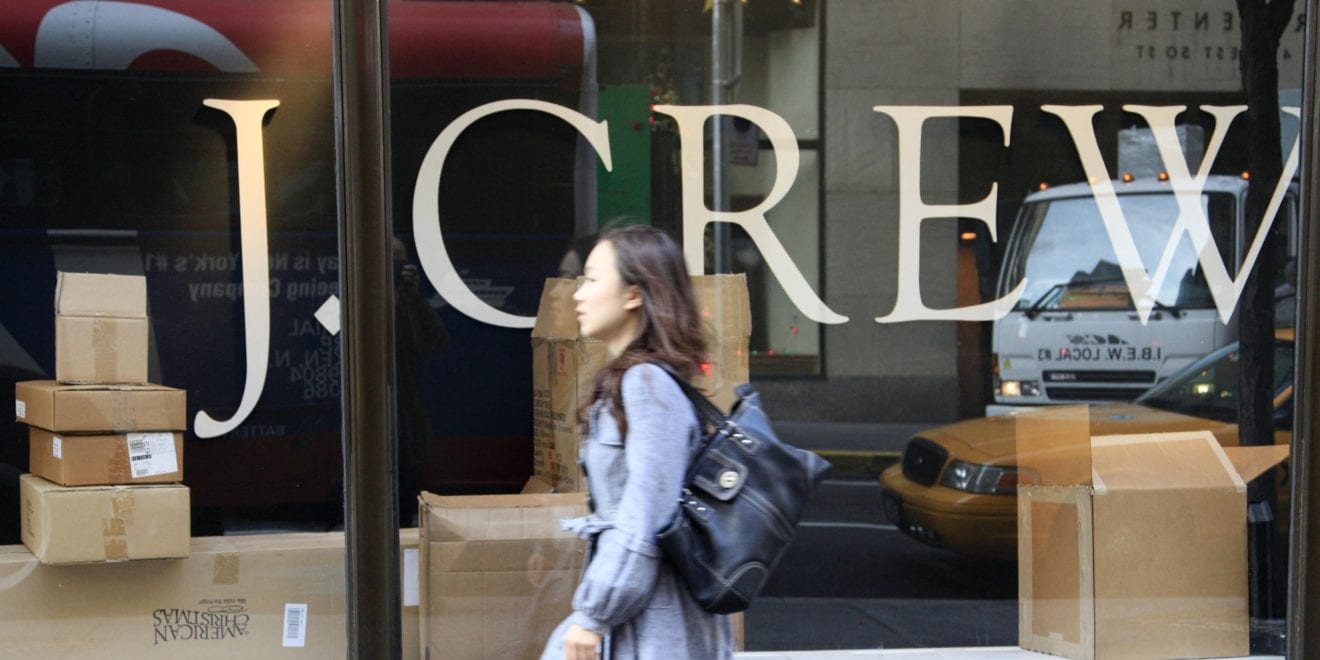
    US listed fashion retailer J Crew’s woes are worsening, with the company’s namesake brand dragging the business towards a significant loss.

    As a result the company will shutter another 39 stores in the final quarter, taking the total closed for the year to 50.

    In the latest quarter, J Crew group-wide comparable sales slid 9 per cent to $566.7 million, a figure made worse by poor figures for the same quarter last year, when sales were down 8 per cent.

    The flagship brand’s sales slumped 12 per cent, following a 9 per cent decline in the same quarter last year.

    A 22 per cent increase in sales by Madewell, largely down to an expanded store network, failed to stem the damage. J Crew lost $17.6 million in the quarter, compared with $7.9 million last year.

    In the nine months year-to-date, the company has accumulated losses of $126.1 million compared with operating income of $34 million in the same period last year, but it says most of that figure is the result of non-cash impairments and restructuring costs.

    Jim Brett, who took over as CEO from founder Mickey Drexler earlier this year, put a brave face on the figures, promising to “reinvigorate the J Crew brand to reflect the America of today and to continue to drive strong momentum in the Madewell brand”.

    However, complicating any recovery plan is a massive $2 billion debt the company is in the process of restructuring.

    “The numbers for the year so far are painful,” observed Retail Dive writer Ben Unglesbee.

  • Farfetch yearly sales surge 74%, 2016 losses widen on investments

    Farfetch yearly sales surge 74%, 2016 losses widen on investments

    British online fashion retailer Farfetch said global revenue grew at a record speed in 2016, while losses widened for the year, on the back of increased investment in technology, customer acquisition and hiring.

    For the twelve months ending December 31, 2016, Farfetch said after-tax losses widened to 34 million pounds from 28.7 million pounds, while operating losses grew to 33.5 million pounds from 26.5 million pounds.

    The losses come despite Farfetch.com revenues growing 74 percent to 151.3 million pounds.

    In a statement to Companies House in London, the company reported “strong growth in both demand for, and supply of, products through the Farfetch platform. The company is confident in its future outlook, and well placed to manage its business risks successfully despite the current uncertain economic outlook.”

    Addressing the press post-earnings, founder and chief executive officer Jose Neves called Farfetch “a fast-growing company at an exciting stage in its journey, with over 21 million visits to our websites every month and relationships with over 500 partner boutiques and 200 brands.”

    He added, “the trajectory of rapid growth and substantial investment continued in 2016, and we are pleased to have seen 81 percent growth in gross merchandise value, as well as strong growth of 74 percent, in revenues.”

    Farfetch Group owns Farfetch.com and Browns. The aforementioned results pertain to Farfetch.com, the sales platform for luxury boutiques worldwide.

    Moreover, Browns saw its revenue more than double to 36.9 million pounds, while losses widened to 6.4 million pounds from 369,330 pounds in the 17 months to December 31, 2016.

    Looking ahead the group’s CEO was upbeat about the London-based retailer’s position moving forward.

    “We have very strong foundations in place and will continue to invest and grow our business as we build the definitive technology platform for the luxury industry,” Neves said.

  • The Newly Renovated T Galleria By DFS Sydney Opened Door

    The Newly Renovated T Galleria By DFS Sydney Opened Door

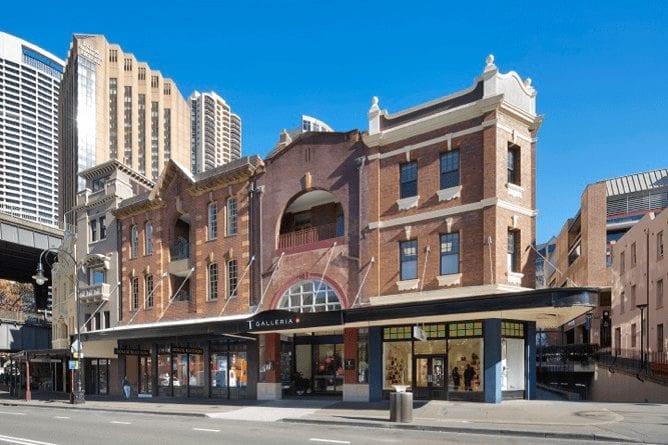
    DFS Group, the world’s leading luxury travel retailer, last week unveiled its newly renovated store, T Galleria by DFS Sydney. The modern interior, which boasts a fresh, clean look, complements the store’s attractive red-brick façade and offers customers a compelling shopping experience from the minute they step through its doors.

    Spanning over 70,000 square feet of space, T Galleria by DFS Sydney has occupied its historic George Street
    location for 29 years and is Sydney’s only duty and tax free destination, mere steps away from The Sydney Opera
    House and Harbour Bridge. Featuring more than 150 of the world’s most desirable brands, the store is a one-stop
    shopper’s paradise which aims to entice customers with its stylish layout and carefully curated collections. It
    showcases an extensive selection of products across all categories – fashion and accessories, beauty and
    fragrances, watches and jewelry, wine and spirits, food and gifts – with many items available exclusively to T
    Galleria by DFS Sydney, such as the Michael Kors x DFS collection and Tiffany & Co.’s Keys.

    Customers begin their exciting retail journey on the ground floor, which is devoted to 11 iconic brands that lead
    the way in global designer fashion. Each of these luxury retailers has created an intimate space in T Galleria by
    DFS Sydney that captures the essence of their respective flagship stores.

    An irresistible mix of fashion and accessory retailers greets shoppers arriving on the second floor. Contemporary
    fashion brands offer a younger, slightly edgier aesthetic to shoppers, whilst smart totes, travel essentials and
    suitcases cater for discerning travelers.

    With its double-height ceiling and black-and-white checkered flooring, Watch World on the third floor is the
    ultimate in retail elegance as befitting the 57 luxury watch brands that are showcased here. Bespoke joinery and
    special lighting accentuate the exquisite watches on display. Still on the third floor, warm wood flooring draws
    customers towards T Galleria by DFS Sydney’s selection of sunglasses, displayed alluringly on floating shelves.
    With 24 of the world’s most prestigious and iconic brands all in one area, travelers can be sure to find their
    perfect look.

    Beauty and fragrance lovers are well catered for too, with some of the beauty world’s biggest names positioned
    next to more niche brands on the fourth floor. Customers will also discover a tempting assortment of international
    and local food products, wine, spirits and gifts from over 50 brands. These include Ovvio organic certified teas,
    Yalumba wine, Steens manuka honey and delicious Tim Tam bites, Australia’s favorite cookies encased in
    Belgian chocolate.

    “The renovated T Galleria by DFS Sydney brings a whole new experience to visitors from all around the world,
    offering them a fresh, one-of-a kind duty free retail space in one of Sydney’s most vibrant and prestigious areas,”
    said Sibylle Scherer, President, Merchandising and Consumer Marketing, DFS Group. “With such a wide
    assortment of brands and products to choose from, we anticipate that many new customers will be eager to
    explore this beautiful city’s latest destination for luxurious shopping.”

    The refurbishment of T Galleria by DFS Sydney began in August 2016 under the direction of Australian design
    company PMDL, which was also responsible for the design of T Galleria Beauty by DFS, Studio City, Macau,
    and T Galleria Angkor by DFS in Siem Reap, Cambodia.

  • Lotte Duty Free reveals winter season retail promotions and prizes

    Lotte Duty Free reveals winter season retail promotions and prizes

    The campaign will begin 24 November and continue through to 4 January 2018, as the retailer aims to drive sales over the holiday season and New Year.

    Around 40 brands including fashion and accessories from Bally, Coach, Vivienne Westwood, Marc Jacobs and Tory Birch are on promotion for discounts between 20% and 80% at major downtown Lotte Duty Free shops in South Korea.

    The festive promotion includes the opportunity to win prizes such as tickets to film and music events with minimum purchase. Customers spending over US$2,000 at the Lotte Myeongdong store will be entered into a draw for tickets to the Gwanghwamun Sonata.

    At the Lotte World Tower and COEX stores, tickets to Hamlet: Alive are on offer. Customers spending over US$700 by 10 December at the three stores mentioned will also have the opportunity to attend the movie premiere of With God. VIP tickets for 70 winners (and a guest) to attend the premiere at the Lotte Cinema World Tower Hotel on 18 December are available.

    Lotte’s seasonal programme for customers also includes activities with Korean Wave (hallyu) models and the opportunity to collect pre-paid discount cards.

    Customers spending over US$300 at the Myeongdong, World Tower and COEX stores will receive pre-paid discount cards of up to KRW280,000 (US$221) depending on amount spent.

    For customers who spend more than US$150 with the retailer at either Incheon International and Kimpo Airports, Lotte will present a prepaid discount card of up to KRW140,000 (US$129) and KRW240,000 (US$221) respectively.

    Shoppers spending more than US$200 at Lotte stores can also receive additional discount cards by collecting stamps each time they visit.

    On 1 December, the retailer will present its ‘Lotte Duty Free Shop 2018 Play Calendar’ at the Myeongdong, World Tower, COEX, Busan and Jeju stores. The calendar features images of hallyu stars Lee Min Ho, Lee Jong-suk, Exo and Twis that customers can colour-in with pencils provided.

    The retailer is also running a lottery for five winners to win a flight to Vietnam in celebration of the launch of flights between Incheon and Nha Trang airports. Customers need only spend US$1 at the airport Lotte Duty Free store to enter.

  • Victoria’s Secret pins hopes on Shanghai show to enhance Chinese market share

    Victoria’s Secret pins hopes on Shanghai show to enhance Chinese market share

    Victoria’s Secret understands “sexy”.

    And with the retail market for women’s lingerie in China estimated at $25 billion – nearly twice that of the United States – China is the new “sexy”.

    Shanghai maga show

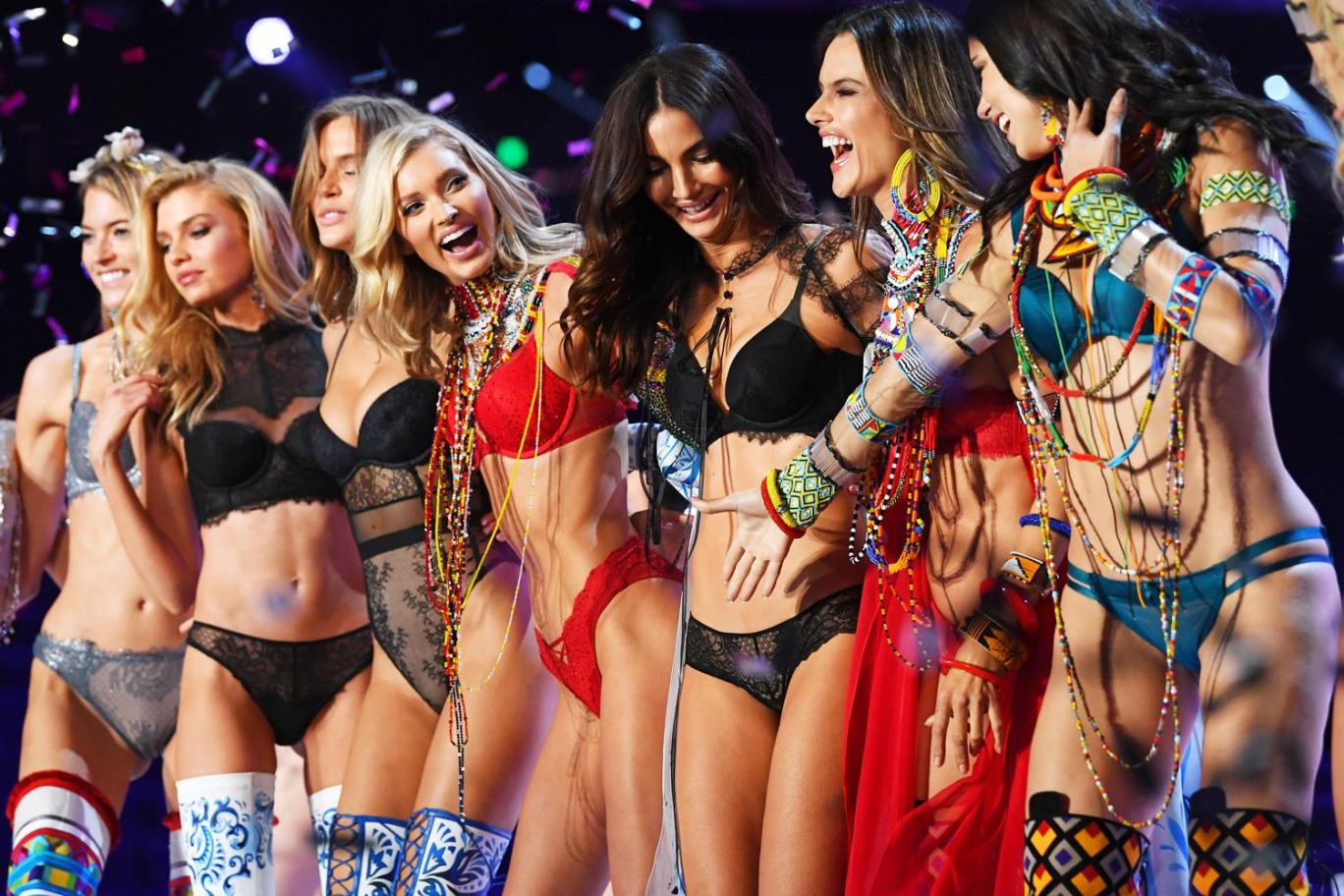
    This month, the retailer is debuting its Victoria’s Secret Fashion Show featuring its “angels”, young models clad in whiffs of lace and exotic, bejeweled wings, in Shanghai. The show will be globally televised on Nov 28 on CBS in 190 countries and regions worldwide.

    After the 2016 Victoria’s Secret Fashion Show in Paris, the company received complaints from Chinese bloggers about the use of Chinese-themed dragons and other Chinese cultural symbols. So a lot is riding on the success of the inaugural effort in Shanghai.

    Ed Razek, executive producer of the fashion show and Victoria’s Secret chief creative officer, told Xinhua that there will be performances by former One Direction boy band member Harry Styles, Grammy-winning artist Miguel, Tony Award winner Leslie Odom Jr., and Chinese popstar Jane Zhang and solo pianist Yundi Li.

    In addition, 55 models from 18 countries and regions will be strutting the catwalk, including top Chinese models Ju Xiaowen, Liu Wen, He Sui, Ming Xi, Wang Yi, Xie Xin and Estelle Chen.

    Founded in San Francisco in 1977, Victoria’s Secret burst onto the American market by styling itself as an alternative to more humdrum, purely functional women’s inner wear. The core strategy was to inject sex appeal into mass-market undies.

    The strategy paid off and it became the largest American retailer of women’s lingerie, pulling in $8 billion in revenue in 2016 despite an 11 percent dip in sales.

    Still, all is not rosy in the Victoria’s Secret boudoir.

    Women’s groups have long decried its objectification of women’s bodies. In “Victoria’s Dirty Secret”, a research article published by Canada’s Wilfrid Laurier University and the University of Waterloo, its authors asserted, “Victoria’s Secret sends a message to these adolescent girls and women that their models are the standard of beauty. Women in these ads are highly objectified, idealized, and sexualized. If women feel they have to live up to this sociocultural norm standard, it is only telling men that it is okay to objectify and sexualize women.”

    As varying body types have become more accepted, competitors have gained ground, and the athleisure movement is luring more women to place stylish comfort over high-maintenance sex appeal.

    Add to that the growing trend to shop online and even leading brands are feeling the burn. To trim corporate fat, Victoria’s Secret recently canceled its print catalogue, dumped its swimwear line, and announced plans to lay off 200 employees.

    So the booming Chinese market could be manna from heaven. Rapid economic growth and higher disposable income, combined with widespread exposure to leading global luxury brands has given Chinese consumers a taste for international brands and luxury merchandise.

    Big but no easy market

    After expanding internationally in the 1990s and 2000s in 38 countries and regions, Victoria’s Secret entered China in 2015, opening its first storefront in Shanghai. Plans for a second store in Chengdu are in the works.

    Spurred on by trends in social media and fashion-forward celebrities, Chinese women are increasingly embracing luxury lingerie, and are willing to pay a premium for it.

    In Victoria’s Secret’s pink glass-fronted, four-story flagship store on Huaihai Road near Shanghai’s fashionable Xintiandi shopping district, prices range from 300 yuan ($45) to 4,000 yuan ($605) or more.

    The store also features “The Angel Suite”, one of only three in the world, with the other two being in New York and London, catering to VIP customers seeking to view the latest in lingerie fashions in a private and exclusive setting.

    However, while the Shanghai fashion show may create greater exposure, it can’t solve the pressing issue of growing global competition.

    Luxury Italian lingerie maker La Perla already has eight stores in China with additional outlets coming down the pike. Canada’s athleisure yoga brand leader Lululemon is also weighing in with a flagship store in Shanghai. And China’s own Guangdong-based mass-market lingerie brand Cosmo Lady has already staked claim to 4 percent of the domestic market.
  • Sa Sa to open more stores after getting confidence

    Sa Sa to open more stores after getting confidence

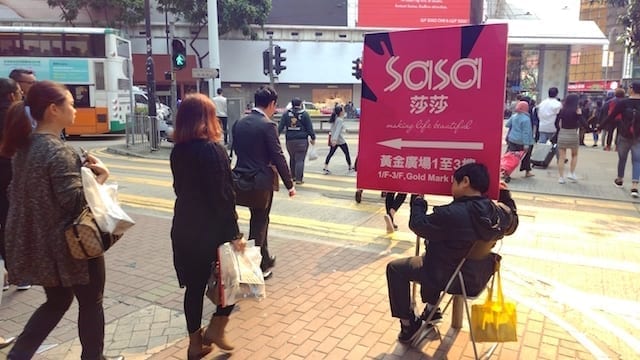
    Skincare and cosmetics retailer Sa Sa International Holdings Ltd on Thursday posted a 14.5 percent rise in first-half net profit as consumer sentiment and mainland tourist arrivals improved.

    The Hong Kong-based retail chain operator’s net profit rose to HK$109.9 million ($14.1 million) for the six months ended in September from HK$96 million a year earlier. Analysts were expecting HK$118 million, according to Thomson Reuters SmartEstimate.

    Revenue climbed to HK$3.66 billion from HK$3.60 billion a year earlier.

    “We aim to capitalise on weakness in the rental cycle to establish more strategic locations to improve our brand exposure and stimulate sales,” Chairman Simon Kwok said in a filing to the Hong Kong bourse.

    Retail sales in Hong Kong and Macau rose 2.2 percent, while gross profit margin improved to 42.2 percent from 41.4 percent. The company operated a network of 283 stores and counters as of end-September, unchanged from the year-ago period.

    Sa Sa had earlier said that for the July-September quarter its retail and wholesale turnover rose 1.1 percent year-on-year, narrowing from a 2.1 percent growth in the previous quarter.

    In its home base of Hong Kong, retail sales grew in September at the fastest year-on-year pace in more than 30 months, government data showed, as increasing numbers of mainland visitors helped boost spending, particularly on watches and jewellery.

    Benefiting from improved consumer sentiment, China’s top jeweller Chow Tai Fook Jewellery on Tuesday posted a 46 percent profit rise in the first half and said it aimed to continue expanding in mainland China in the second.

    Sa Sa shares rose 2.5 percent on Thursday prior to the results announcement, outpacing a 0.1 percent gain in the benchmark index.