Category: Fashion

Retail News Asia is committed to providing both local and global retailers with the latest Fashion news throughout the Asian market. This on a daily base.

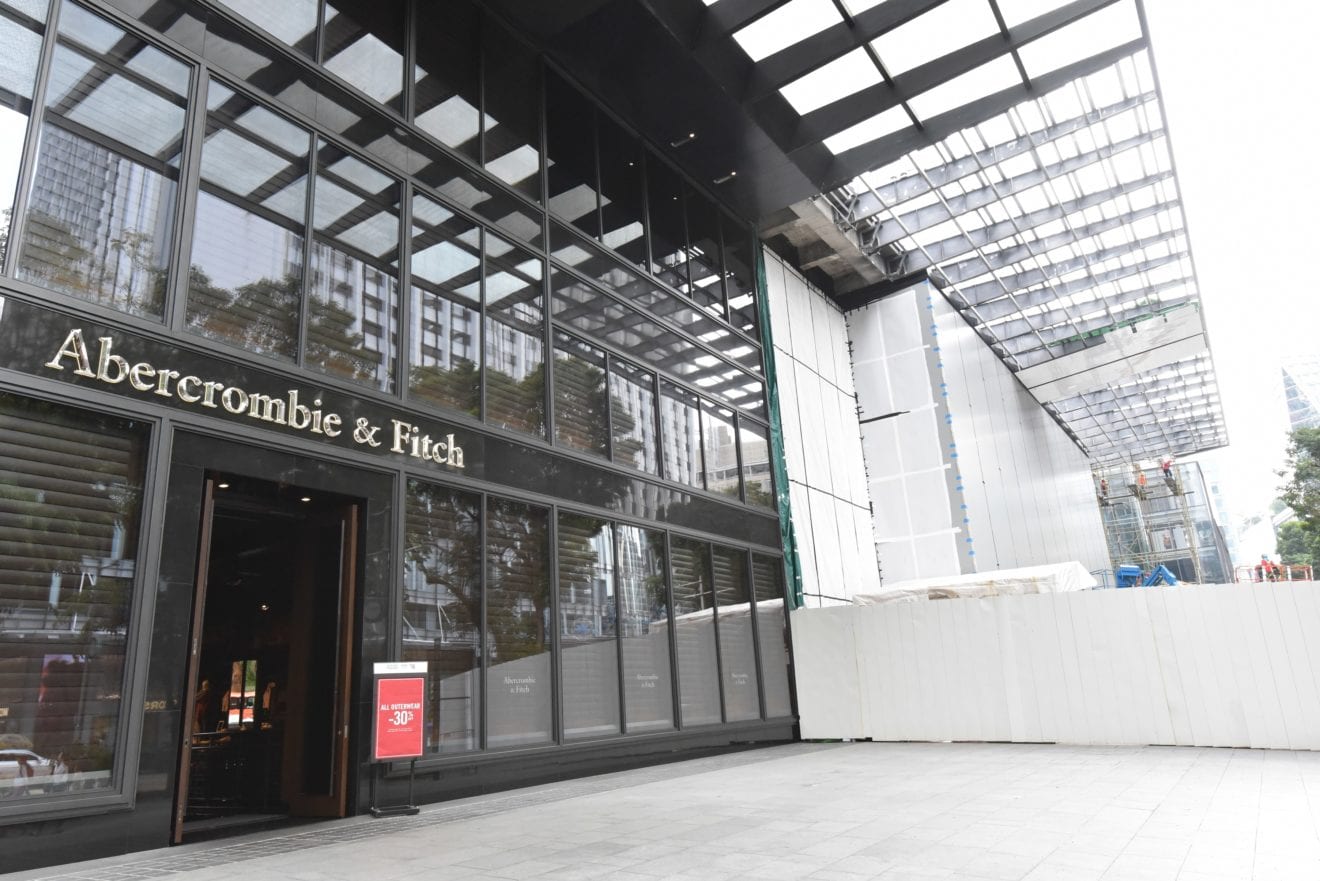
  • Abercrombie opens eyes after a long sleep

    Abercrombie opens eyes after a long sleep

    After an extended run of decline, Abercrombie & Fitch is finally back with a market-beating 4.5 per cent uplift in total sales.

    Although the result comes off the back of a weak prior year comparable, it nevertheless provides comfort that the group’s strategies are starting to bear fruit.

    As good as the headline figure is, it masks disparities between A&F’s two core brands. Hollister’s 8 per cent increase in comparable sales is impressive and represents a significant acceleration from the first half of the year. Meanwhile, Abercrombie is still in the red with a 2 per cent drop in same-store numbers – a disappointing outcome, but one that marks a significant improvement over the double-digit declines the brand was previously recording.

    That Hollister is performing better than Abercrombie is not surprising. Hollister’s brand reinvention program is more advanced, and initiatives like the Club Cali loyalty program have had much longer to play out. As a result, the brand is engaging far more with its customer base and enticing them with relevant on-trend product across categories like denim and intimates.

    Abercrombie has not been neglected, but the division’s reinvention is at an earlier stage and so financial results are nowhere near as positive. Arguably, the task of finding a new voice and pitch for a brand that carries so much baggage has been far more difficult than Hollister’s reasonably gentle evolution. However, having seen the work undertaken at Abercrombie, it is clear that progress is being made and that the direction of travel is correct.

    Ditching the logos

    On the product front, there have been significant improvements in quality, especially to fabric and stitching. Subtle detailing, like more stylish buttons on shirts, has also helped to give basic garments a lift. On top of this, the big logos of the past have been firmly ditched in favour of no-branding or very subtle A+F monograms. The net effect is a range that is more mature and sophisticated, with much more emphasis on fit and function than branding.

    The new Abercrombie prototype store, which has been opened in a select number of locations, is impressive. It is revolutionary rather than evolutionary and is a significant step forward for the brand. The two most immediately striking things about the new design are how light and open it is, and how subtle the branding is. Alone, these make the shops almost unrecognisable as A&Fs.

    Beyond these significant shifts, there are more subtle changes, foremost among them a smaller footprint, with some new prototypes being around half the size of older stores. This is made possible by a much more efficient use of space and also because ranges have been thinned out.

    A&F is now putting more weight behind key items and cutting back on slower, less relevant lines.

    The consumer impact of all these changes is positive. The new format is more pleasant to shop, and the ‘less is more’ approach makes putting outfit ideas together easier. From A&F’s perspective, the new format provides financial benefits, with higher sales densities and lower rents.

    With only a few new stores open so far, the impact on Abercrombie’s sales is currently small.

    However, this should grow as the concept is rolled out further. In the meantime, there is much more work to do to reconnect the brand with customers. While initiatives like the loyalty scheme are working well, Abercrombie needs to communicate its new essence more effectively and more widely.

    Overall, Abercrombie & Fitch is still a company in transition and is not back to full health.

    However, it is now showing some encouraging signs of life.
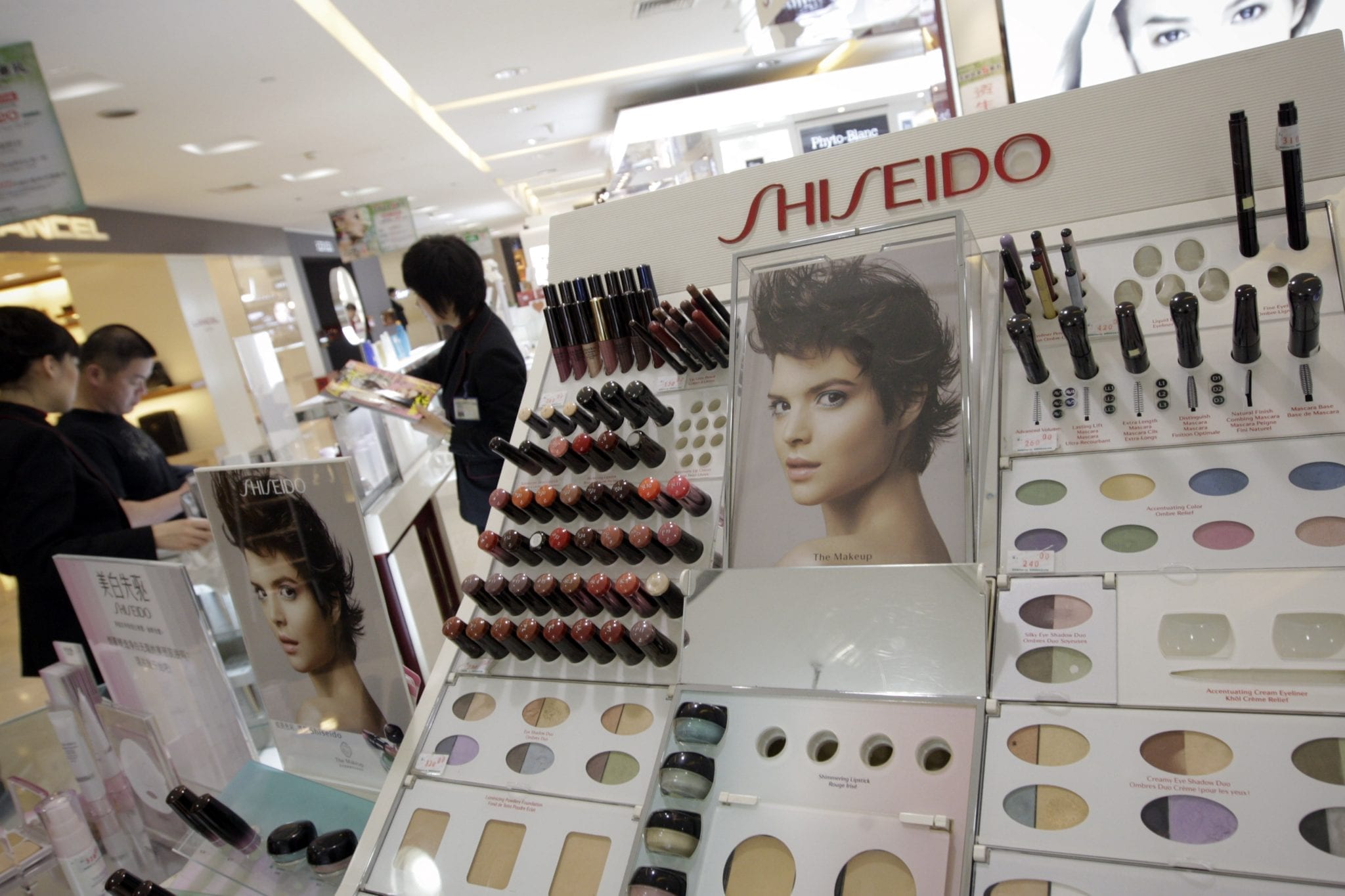
  • Shiseido Japan and China sales jump, despite Q3 net loss

    Shiseido Japan and China sales jump, despite Q3 net loss

    Shiseido published a third quarter net loss, despite notable growth for the first nine months of 2017, pushed on by Asia revenues, particularly in Japan and China.

    The Japanese cosmetics group said combined turnover over the nine months rose 17.4% to 731.2 billion yen, close to 6 billion euros, according to a press release.

    However, depreciation of assets related to its struggling American subsidiary Bare Escentuals pushed Shiseido into a net loss of 17 billion yen over the nine months, compared to a net profit of 37.2 billion yen the year before,

    For the same period, operating profit jumped 82.4% to 70.7 billion yen over nine months (567 million euros), highlighting the US subsidiary sale’s negative impact on profits.

    Japan remained its strongest market, accounting for 44% of sales and revenues surged in China – which makes up 14% of total sales –as well as the rest of Asia, which continued to grow at a constant rate, said the press release.

    Conversely, European growth remained weak and sales slowed in the Americas, making up13.5% of total turnover.

    Looking ahead, Shiseido is predicting a modest annual net improvement of 5 billion yen (38 million euros).

    Earlier in the month, Shiseido relinquished firm Zotos— its Professional business division in North America to consumer goods firm Henkel for $485 million, saying at the time it plans to hone in on Asia’s professional market.

    Shiseido said in a press release the group would use the funds gained from the Zotos sales “to further pursue its strategic objectives of continuing to nurture its Prestige brands, reinforcing production capability and other activities.”

    Earlier in 2017, Shiseido appointed Nathalie Broussard to the newly created post of Scientific Communications Director EMEA, with the mission of bolstering relationships with the science and technology community in Europe, the Middle East and Africa.

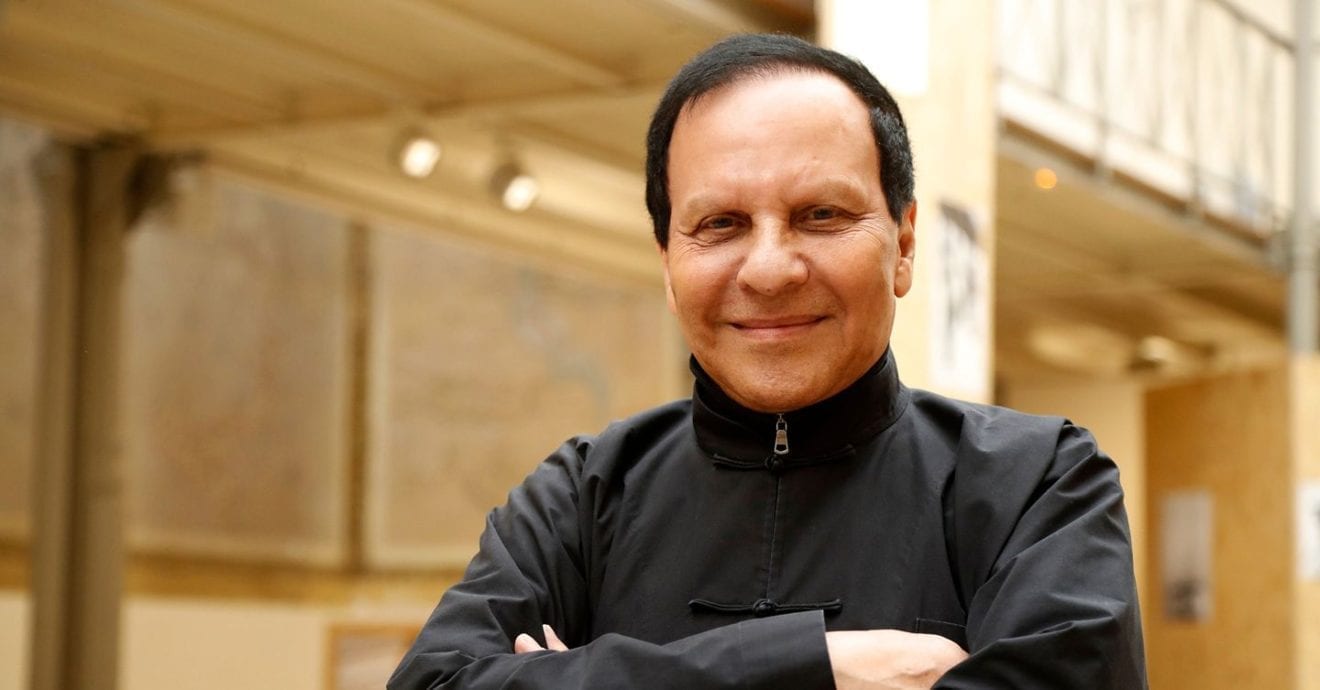
  • Azzedine Alaïa dies at the age of 77

    Azzedine Alaïa dies at the age of 77

    Alaïa was one of the industry’s few designers willing to follow his own conventions and ignore fashion schedules, creating his collections at his own pace.

    His ability to do so stemmed from his prodigious talent and fashion’s seemingly insatiable appetite for his designs.

    His skill at cutting and his idiosyncratic takes on classic silhouettes have made Alaïa popular for decades; his designs remain the aspirational zenith for many.

    “It is with great sadness that I learned of the passing of Azzedine Alaïa,” François-Henri Pinault, Kering’s chairman and chief executive, told BoF. “In the fashion world, he was a great, a major couturier. Everything was at the top with him: couture, art, the standards he aimed at, his dedication to his work, his mastering of techniques, and all the women he dressed. He was an artisan in the noble sense of the term, and a man fiercely attached to his freedom. He was a friend.”

    Alaïa’s love of fashion began through his reading of Vogue at a young age.

    Lying about his age to attend the École des Beaux-Arts in Tunis, he began working as a dressmaker after graduating, before electing to move to Paris in 1957.

    There he started his career at Christian Dior as a tailleur, but soon moved to work for Guy Laroche for two seasons and then on to Thierry Mugler.

    He opened his first atelier in his Rue de Bellechasse apartment in the late 1970s, from which he dressed his private clientele, which included Marie-Hélène de Rothschild, Louise Lévêque de Vilmorin and Greta Garbo.

    In 1980 he produced his first ready-to-wear collection, which was championed by the then doyennes of fashion, Melka Tréanton of Depeche Mode and Nicole Crassat of French Elle, who both regularly featured his work in their respective magazines.

    That same year the designer moved to larger premises in Paris and by 1988 Alaïa had opened boutiques in Beverly Hills and New York, and was soon dubbed the “King of Cling” by the media.

    During the mid-’90s Alaïa partially retired from the fashion scene for personal reasons.

    In 2000, Alaïa signed a partnership with the Prada Group. He then bought his brand back from the group in 2007 before entering an agreement with Richemont.

  • More stores for Berluti Asia

    More stores for Berluti Asia

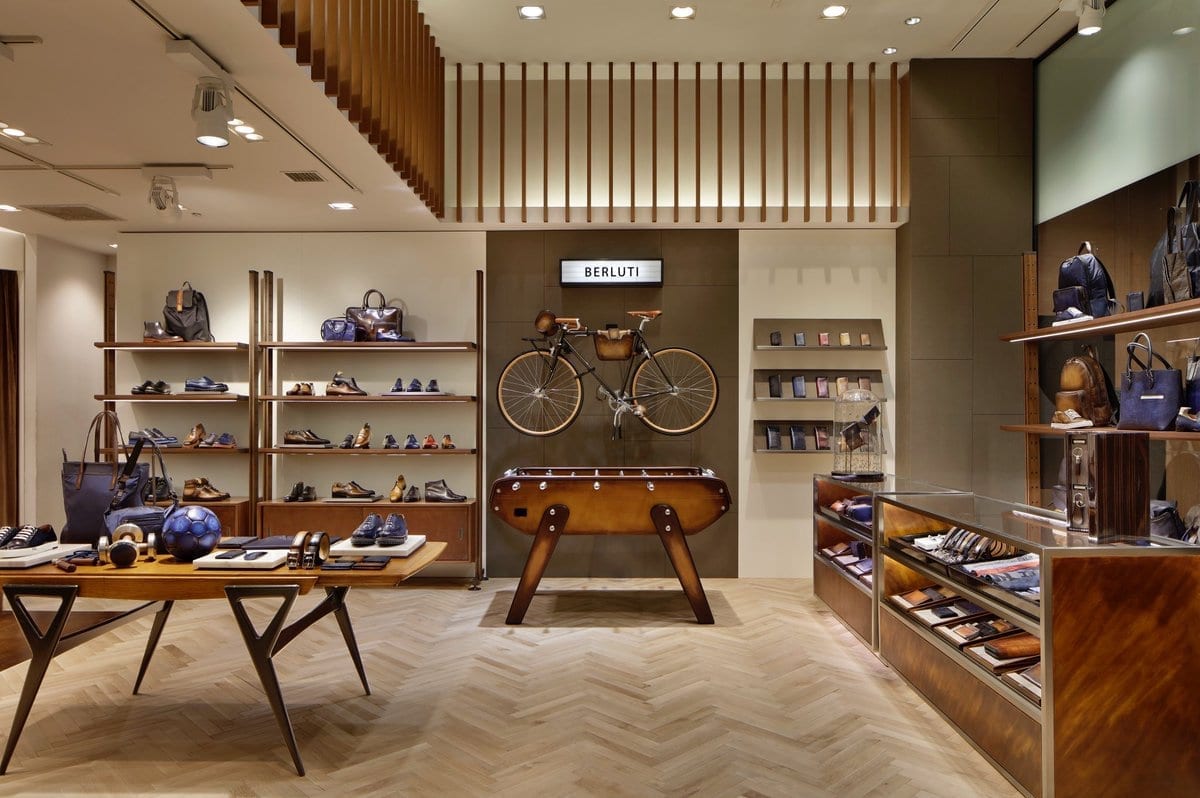
    Berluti Asia will open in India before year’s end, to be followed by a third store in Macau next year.

    It has stores in Macau Galaxy (pictured) and Macau One Central, with the third location yet to be revealed.

    In India, it is being introduced through an exclusive partnership with luxury retail group Bequest, reports Fashion Network. Bequest has exclusive rights in India already for such brands as Bang & Olufsen, and also has plans to expand the presence of UK cosmetics brand Molton Brown and Paris-based perfume house Creed.

    “Berluti is our first association with LVMH,” says Bequest group CEO Gaganmeet Singh. “We are also in advanced talks with Brunello Cucinelli and other brands.”

    Berluti will launch at Emporio mall in Delhi.

    The luxury shoe brand, which has 53 monobrand stores internationally, was founded in Paris in 1895, adding menswear to its range in 2011 as well as a bespoke service. Bought by LVMH in 2012, ,the label started to roll out globally the following year with stores in Shanghai and Tokyo as well as London and New York.

    In September last year the label appointed Colombian ready-to-wear fashion designer Haider Ackermann as creative director.

    His collections are working well with clients in all geographical areas, says Berluti CEO Antoine Arnault. “Chinese clients are swarming back, and Japan too is going very well.”

  • Joyce Boutique loses more from stagnant market

    Joyce Boutique loses more from stagnant market

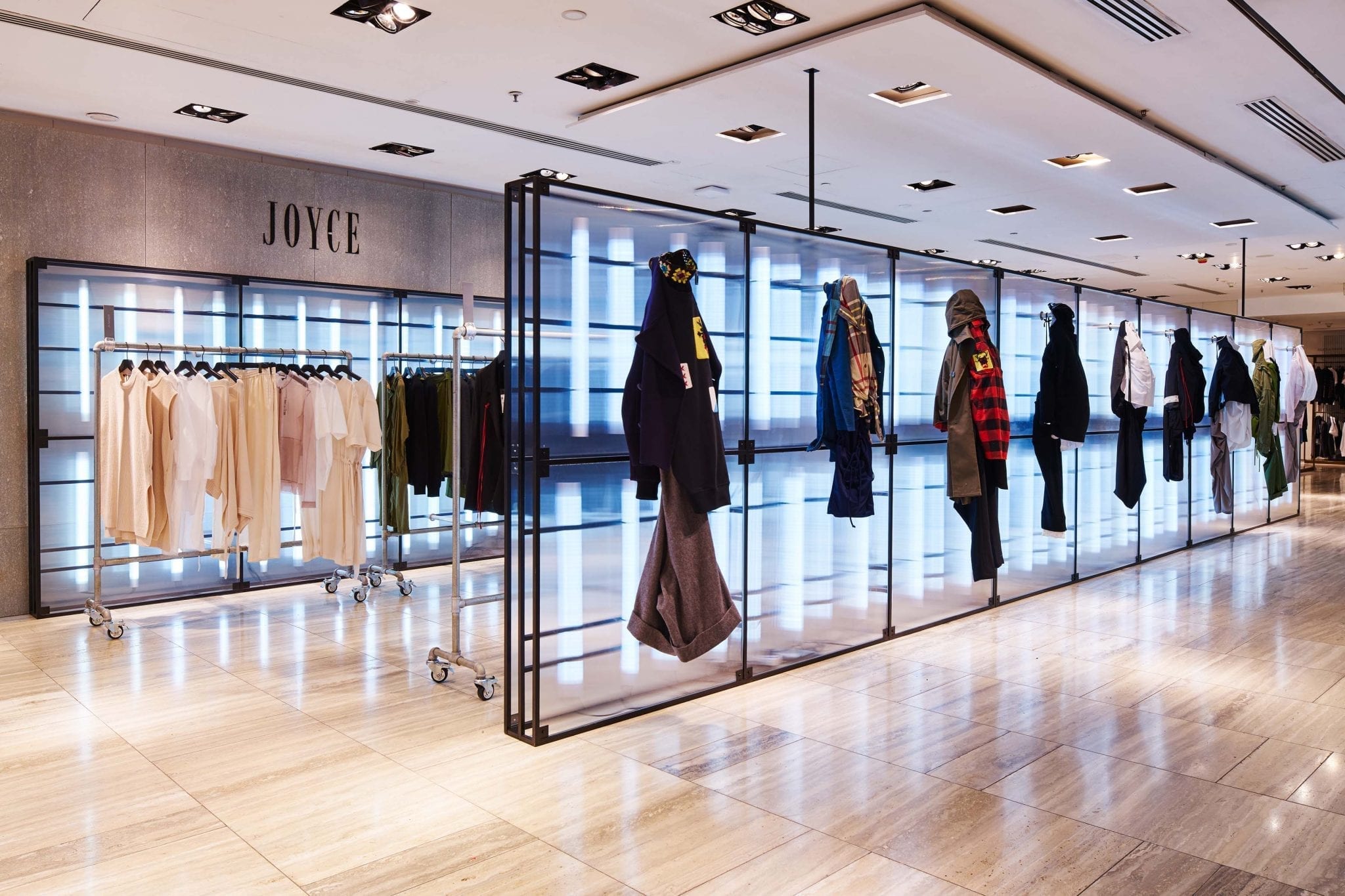
    A stagnant luxury market has made it a tough half-year for fashion retailer Joyce Boutique Holdings, its interim results showing an HK$28.1 million (US$3.5 million) net loss.

    This follows a HK$16.6 loss for the same period last year.

    The group says its results were also impacted by low visitor traffic from Mainland China as well as the closure of shops in the previous financial year. This was mitigated by the inclusion of a $5.8 million write-back of an “onerous contract provision” made for the Joyce shop at Shanghai IAPM plus the savings in running costs.

    Turnover dropped by 19.4 per cent to $386.7 million for the six months. Gross margin also fell by 1.5 points, mainly a result of a higher number of warehouse outlet sales during the period.
    Hong Kong turnover dropped by 15.8 per cent and accounted for 88.7 per cent of group turnover.

    The division pushed out its operating loss from $8.5 million the previous first half to $27.2 million, primarily caused by the decline in turnover coupled with the drop in gross margin.

    With difficult trading conditions and the closure of loss-making shops in previous year, China turnover dropped 40 per cent, but with cost efficiencies and the contract write-back, the division managed to make an operating profit of $1.6 million, a turnaround from a $6.9 million loss for the same period last year.
    Loss contribution from the Marni JV business increased from $400,000 to $600,000, mainly because of a drop in turnover.

    In July, the group opened Joyce Beauty shop in Yuen Long Yoho Mall to extend its customer base to the West and North Territories and Shenzhen. At the same time, two non-performing shops were closed when their lease expired.

    The group says its expects the retail environment will stay challenging in the near term as online specialty fashion retailing continues to impact on its core retail business. Rental levels in prime shopping malls, meanwhile, remain high relative to turnover.

  • Mr. Moncler takes over the city

    Mr. Moncler takes over the city

    Italian luxury brand Moncler has readied a special Hong Kong-based art-performance piece, entitled ‘Moncler | Destination Hong Kong.’

    The event is to celebrate the relocation of its local flagship store, the label is debuting a city activation centered around brand ambassador Mr. Moncler. With Moncler’s established history of collaborative endeavors with modern creatives and artists in mind, the energy and mix of cultures in Hong Kong has inspired this latest undertaking.

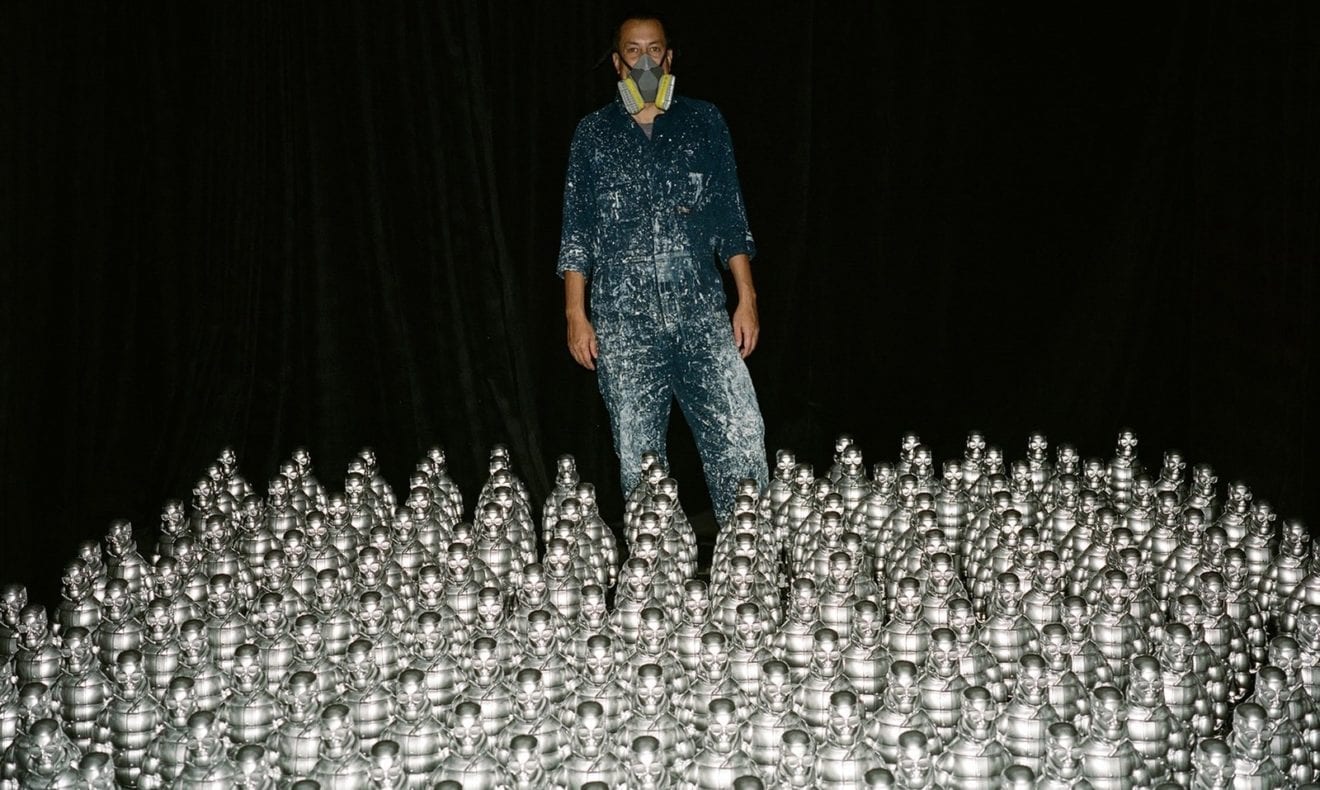
    Taking place under the city’s futuristic skyline, over 10,000 Mr. Moncler figures will be located at various landmarks throughout Hong Kong.

    At each spot, guests will be offered a chance to take home their very own collectible, with 350 sporting custom detailing, making them certified collector’s items.

    In the spirit of multiculturalism and borderless art, the silver duvet jacket worn by Mr. Moncler features the locations of and distances to Moncler’s five other flagship stores — Tokyo, St. Moritz, Melbourne, Berlin, and Los Angeles.

    Emblazoned on road signs, the locations of Moncler’s stores form a road map around the globe, which all leads to the new Hong Kong location.

    The new store, located in Canton Road, Harbour City, will feature a window display evocative of the event’s worldliness.

    The store’s exterior is decorated in white Calacatta marble and burnished brass, in accordance with the interior design, and features two large shop windows, one facing onto Canton Road and the other on the shopping mall.

    The ceilings and furniture are accented in fine woods and beige leather, creating an intriguing contrast with the white Calacatta and Nero Marquina marbles used for the floors. These fine materials contribute to creating a warm, sophisticated atmosphere inside the store, consistent with the label’s design codes and tradition.

    Alongside the contest, Moncler will release a special commemorative collection. This offering will be exclusive to the Hong Kong storefront, each item sporting the road sign motif seen on the rear of Mr. Moncler’s jacket.

    Encompassing a grey sweater, silver, down-filled gilet and duvet jacket featuring white hardware, the capsule even includes a dog-sized gilet for man’s best friend.

  • Gap results to be saved by Old Navy

    Gap results to be saved by Old Navy

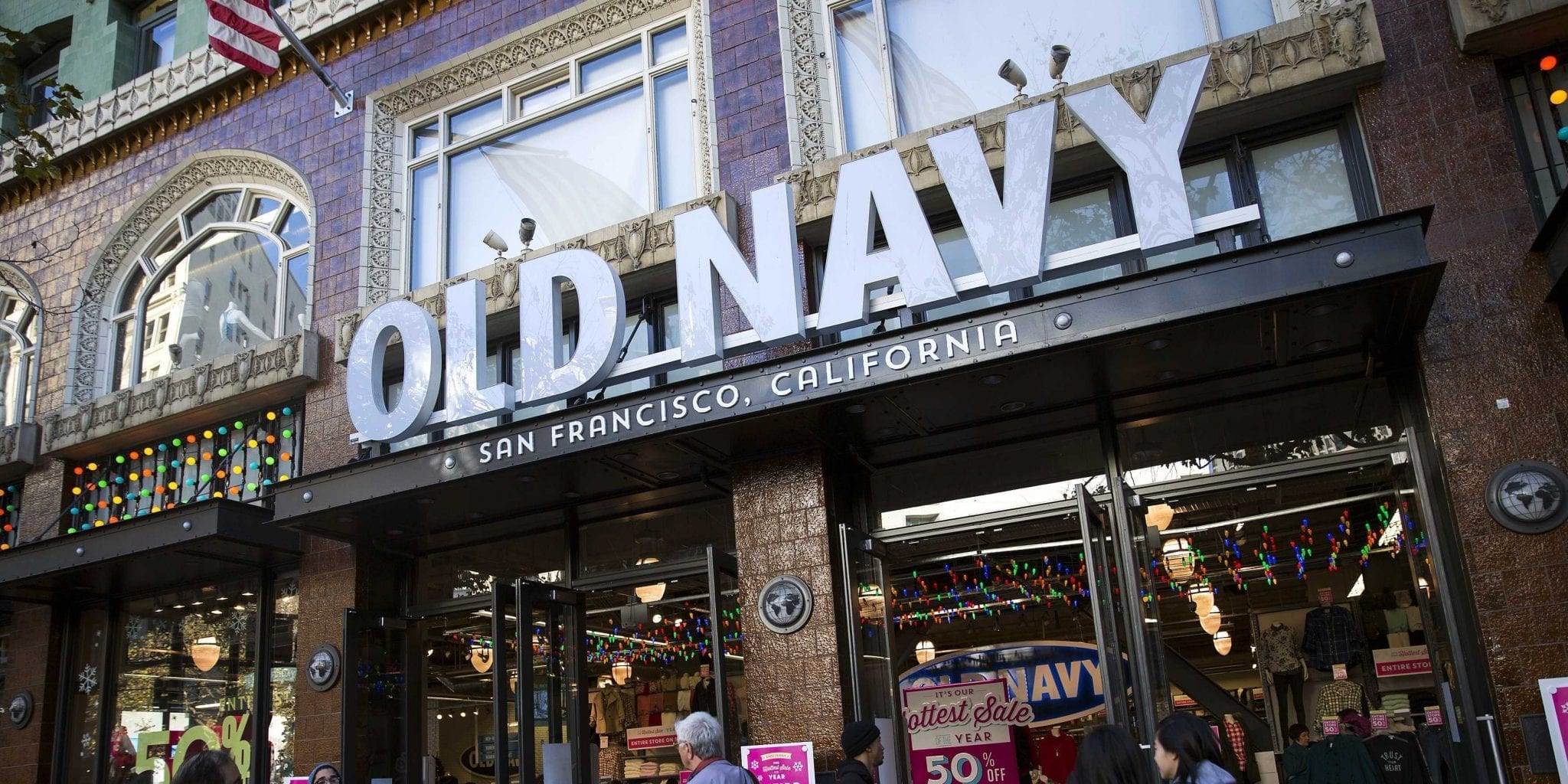
    At headline level, the latest Gap Inc results are not too bad. Overall revenue rose by 1.1 per cent, a respectable increase that is some way above that posted over the last two quarters. Net income also increased by 12.3 per cent compared to the previous year.

    Unfortunately, behind the headline, it is the same old story. Old Navy is driving group performance while the other two leading brands are struggling. Admittedly, the 0.8 per cent US revenue decline at Gap and the 2.6 per cent dip at Banana Republic are better than recent reporting periods, but neither demonstrates a fully-fledged recovery.

    Management has been keen to emphasise the changes that are being made to revitalize the challenged brands. On the ground, there is some evidence of this happening. At Gap, for example, there have been marginal improvements in quality and greater emphasis has been placed on in-demand products like athletic wear. However, the majority of the offer remains samey, as do things like store environments and point of sale material. In our view, Gap has very little newness to communicate and, as such, is still finding it difficult to inspire customers.

    The new marketing campaign, ‘Meet me in the Gap’, is not terrible, but neither is it particularly compelling. As such, while it has helped rather than hindered sales, it has not succeeded at pulling in new shoppers or getting lapsed shoppers to take a fresh look. Given the offer has not shifted very much, perhaps this is just as well.

    In essence, the change at Gap is lacklustre – especially when compared to a brand like Abercrombie & Fitch which has ripped up the rulebook and completely reinvented itself. Gap needs to emulate this bravery and do something radical to put the business back on a sustainable growth trajectory.

    Stuck in a rut

    If Gap has made some progress, Banana Republic still seems stuck in a rut. Despite a change of leadership, the proposition still lacks energy and focus. As such, it is hard to understand who the brand is targeted towards or what needs it is trying to address. Until these things are resolved, Banana Republic will remain on the back foot. To be fair, management always said that the latter part of this year would be about stabilising the brand rather than reinventing it, but this could amount to a tacit admission of not knowing what changes to make or how to make them.

    Fortunately, Gap Inc has been able to rely on Old Navy to push up performance. While sales growth moderated this quarter, the brand remains a popular destination for younger and family shoppers. The new winter and fall collections are compelling, which should benefit sales over the holiday quarter.

    There has been good progress within Gap’s stable of smaller brands like Athleta and Intermix. Both of these concepts have significant potential, with Athleta in particular positioned to grow its market share. Unfortunately, the revenue contribution of these divisions is insufficient to make a material difference to the group’s overall numbers.

    In summary, Gap has become a more stable business and sales declines appear to be starting to bottom out. However, the company has no real sense of direction or ambition for two of its major brands.

  • Korea domestic fashion market to grow in 2018

    Korea domestic fashion market to grow in 2018

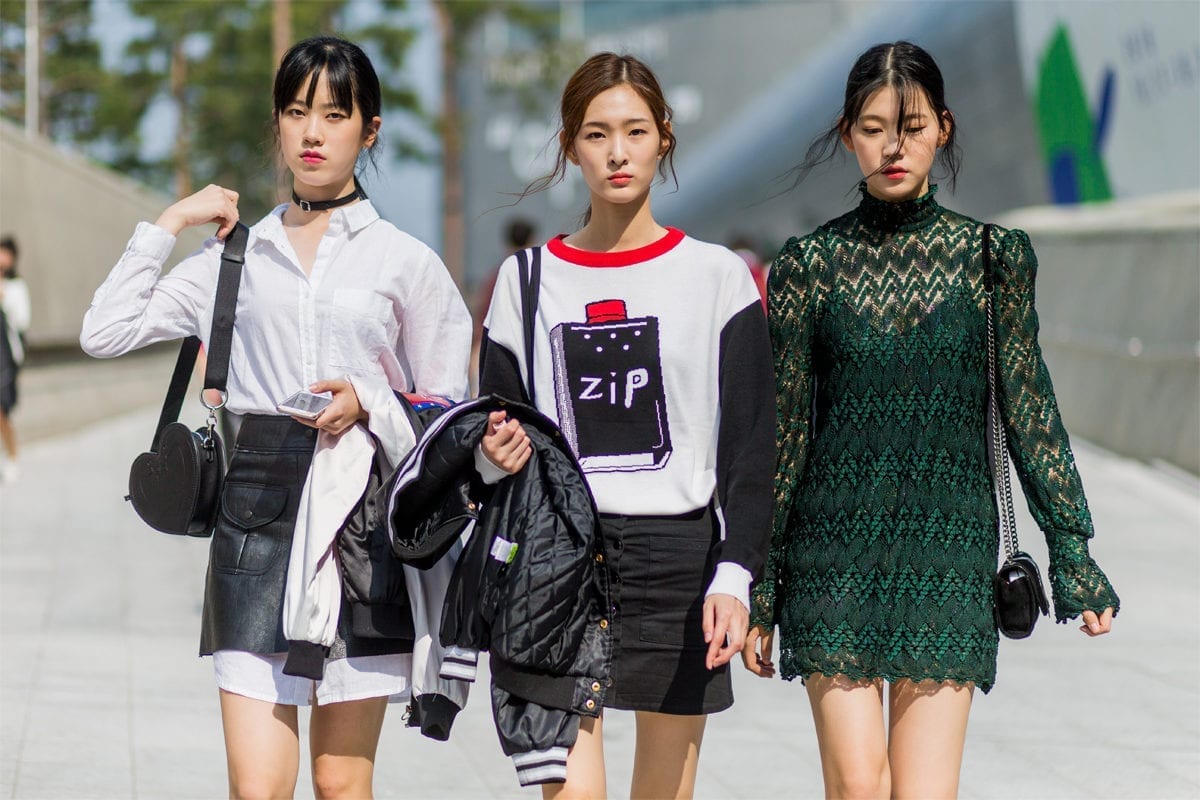
    Korea domestic fashion market is expected to reach 44.32 trillion won, up 3 percent in 2018.

    Korea Federation of Textile Industries predicted that the fashion market will recover  in the next year as the Consumer Confidence Index is improving in the second half of 2017.

    Thus, Korea domestic fashion market is expected to grow by 3 percent thanks to the recovery in consumer sentiment index affected by the 2018 PyeongChang Winter Olympics and the growth of online and outlet distribution.

    As consumers are showing signs of improvement in the second half compared to the first half of the year, this trend will last until 2018.

    In addition, the fashion product purchasing index has been steadily declining compared to 2016, but the trend is gradually rising from the bottom of 2016, which is why we are looking at the domestic fashion market in 2018 positively.

    When it comes to categories, casuals are expected to continue to grow positive thanks to global SPA and online street-based casuals, and the market is expected to exceed 15 trillion won in 2018.

    In particular, the new bag market, which is emerging as a market, is also positively analyzed. On the other hand, the price of sportswear, men’s wear and women’s wear has been declining steadily, so they will have difficult time in 2018.

    Meanwhile, 2017 domestic fashion market is expected to fall by 0.3 percent compared to last year to 43.38 trillion won, as the economic instability caused by the North Korea’s provocation and THAAD e has also affected the domestic fashion market negatively.

  • Baselworld to halve exhibitor numbers in 2018

    Baselworld to halve exhibitor numbers in 2018

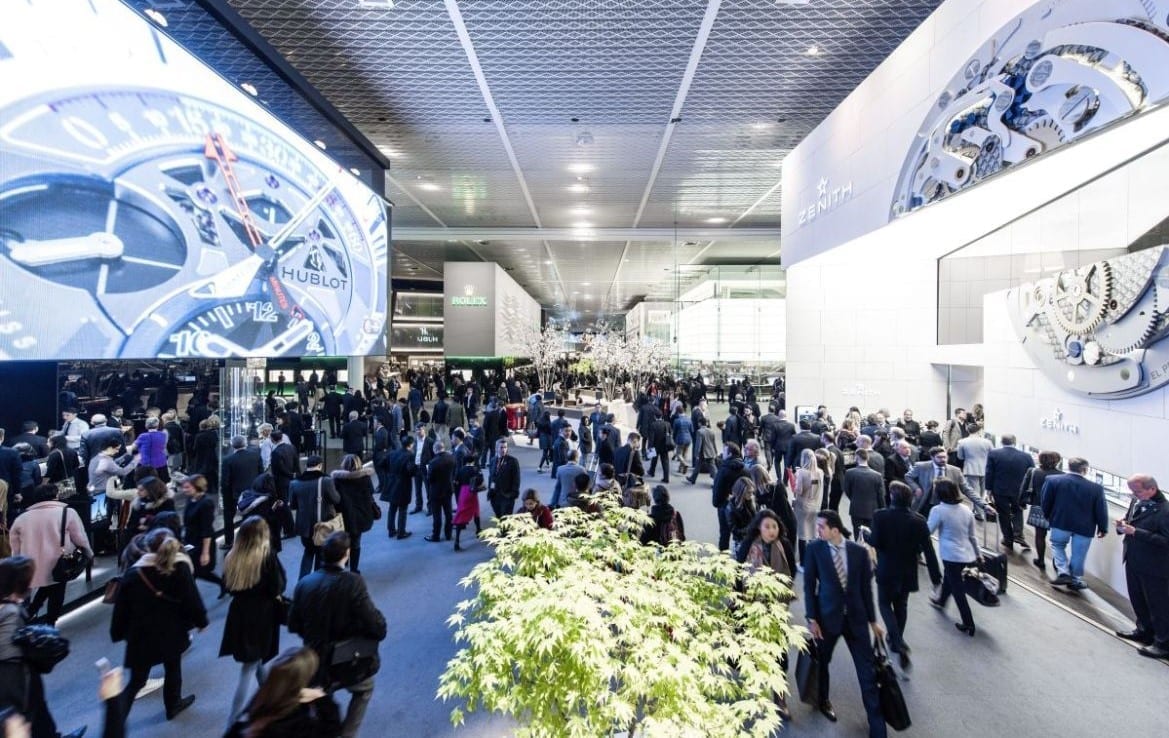
    Baselworld, the world’s leading show for watches and jewellery, will halve its exhibitor numbers and shorten the show’s duration by two days in 2018.

    The exhibitor numbers in 2018 are expected to be around 600-700, compared to around 1,300 this year. The prices for stand rental will also be lowered by -10%, the organizers revealed.

    Baselworld said the decision to reduce the number of exhibitors and length of the show is a result of market consolidation in terms of marketing and production and the challenges of digital technology.

    In a statement, Baselworld said: “Baselworld remains faithful to its strategy of quality and diversity. However, the watch and jewellery market is undergoing a period of profound change. Baselworld 2018 presents itself in a denser and more concentrated form in several respects.

    “Baselworld has decided to maintain its outstanding quality for the next edition. The show does not rely on quantity, but will remain the leading event for premier global brands. And this in all segments.”

    According to the Federation of the Swiss Watch Industry, Swiss watch exports fell by -9.8% in 2016 – their second consecutive annual drop.

    “The environment confronting the Swiss watch industry remained difficult throughout the year 2016. Demand for personal luxury goods fell, especially for the most expensive products. Timepieces therefore had to contend with changes in the choices made by consumers who are increasingly interested in the notion of experience associated with the world of luxury and less in shopping as used to be the case,” said the Federation of the Swiss Watch Industry.

    Baselworld is scheduled to take place from 22 to 27 March 2018.

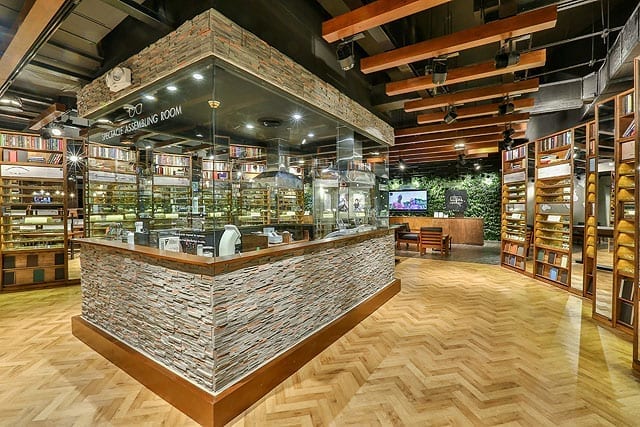
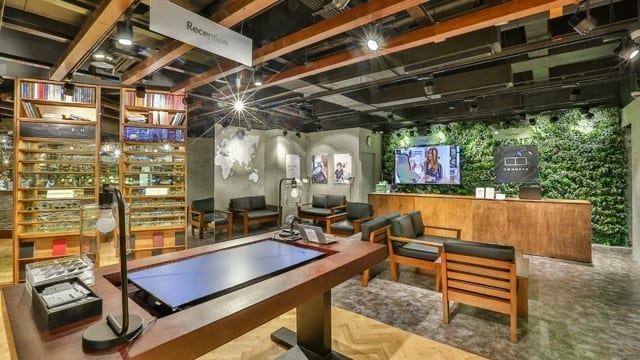
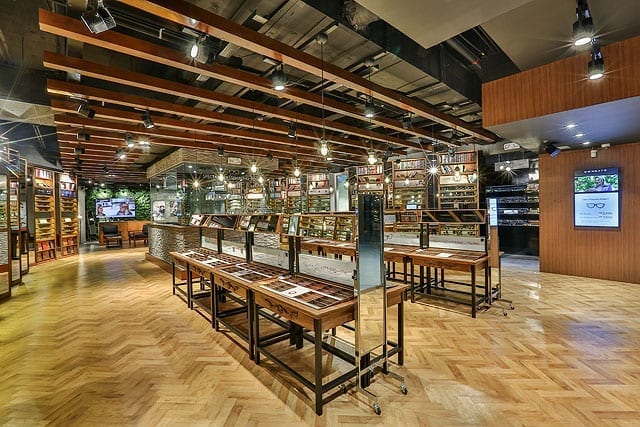
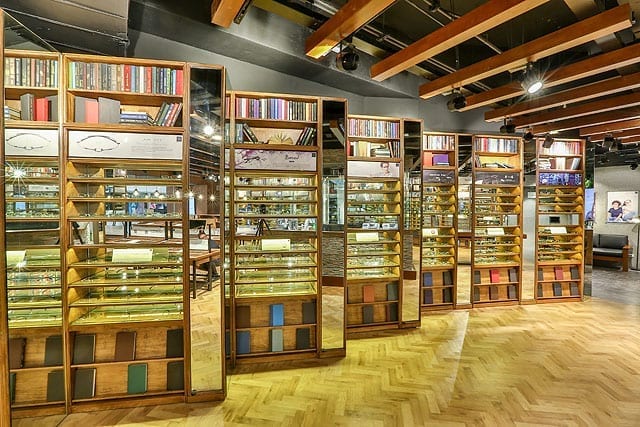
  • Owndays Philippines opens flagship store in Manila

    Owndays Philippines opens flagship store in Manila

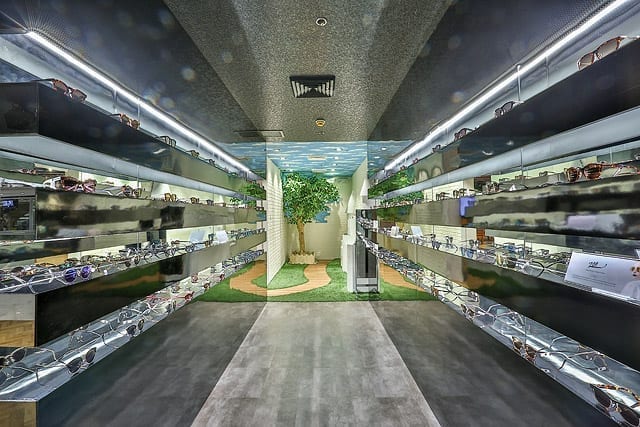
    Owndays Philippines has opened its largest optical shop yet, at SM Megamall in Manila.

    With 1500 frames to choose from, the Japanese eyewear retailer can provide prescription glasses in 20 minutes.

    Its 280sqm flagship has a children’s department featuring the Junni brand. With its open module system, it is easier to try on glasses. Its pricing model is simplified, being inclusive of frames, ultra-thin multi-coated lenses and the eye examination. All products come with a warranty and lifetime cleaning and maintenance services.

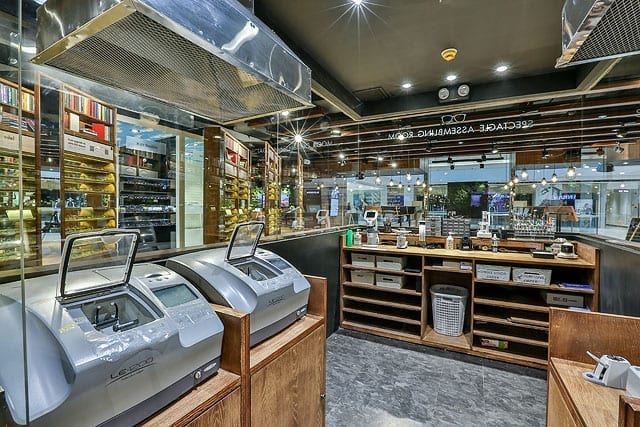
    Owndays SM Megamall also has three refraction rooms for eye tests (there are usually two), and as well as the spacious shopping area offers a lounge. At the shop’s centre is the space where spectacles are assembled.

    Owndays has 21 outlets in the Philippines, with six scheduled to open soon.

  • Kim Kardashian to launch her first fragrance

    Kim Kardashian to launch her first fragrance

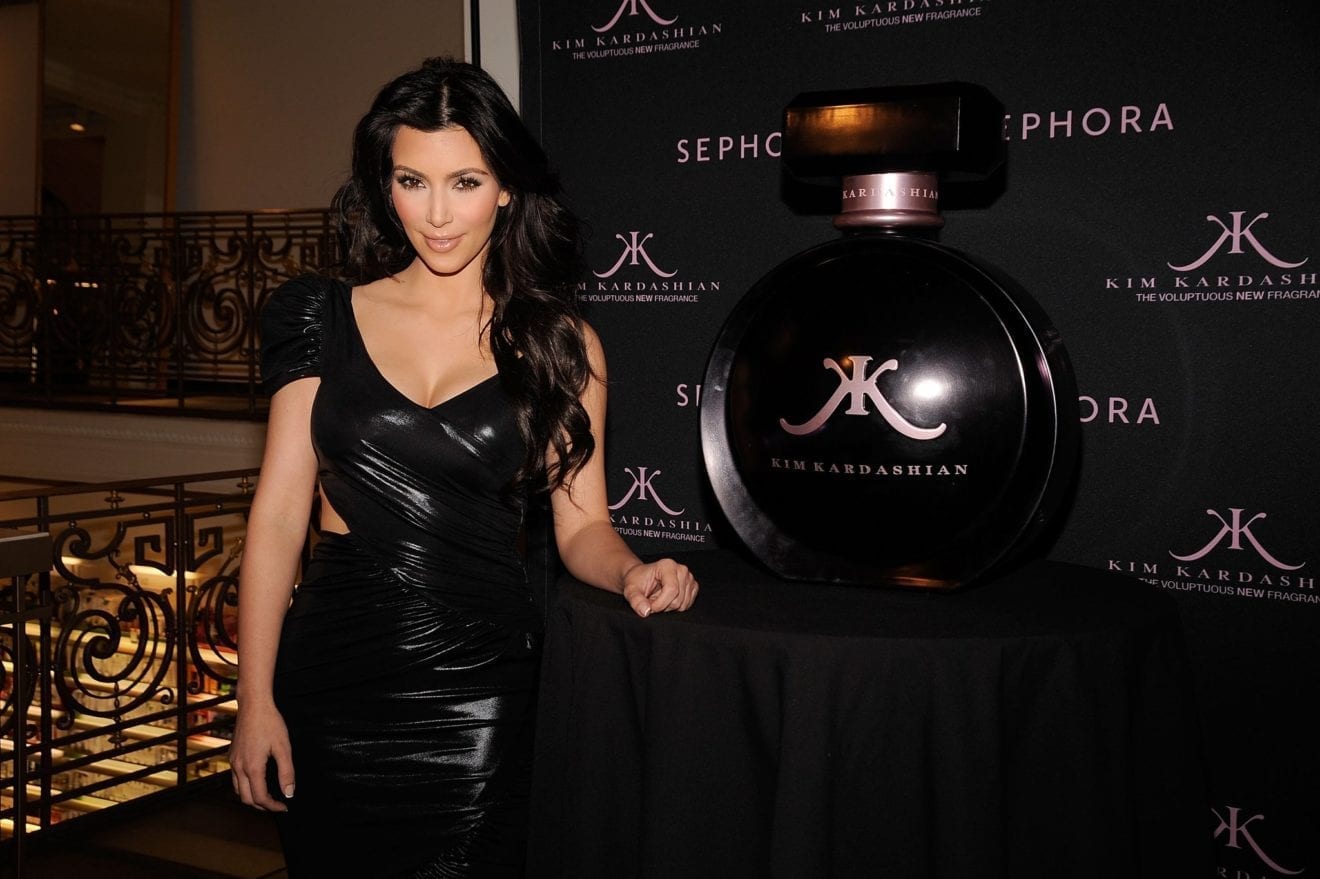
    Reality TV star and businesswoman Kim Kardashian has announced she will launch a gardenia-inspired fragrance collection under her KKW Beauty firm.

    The social media savant-turned-entrepreneur will release three eau de parfums via Kardashian’s online beauty portal kkwfragrance.com.

    Dubbed ‘Crystal Gardenia’, ‘Crystal Gardenia Citrus’ and Crystal Gardenia Oud’ – all variations on Kardashian’s preferred flower scent – the perfumes will be available in two sizes, both 30ml. and 75ml.

    For the Gardenia collection, Kardashian worked with fragrance house Givaudan.

    The brand’s signature scent, ‘Crystal Gardenia’, features notes of water lily, gardenia, tiara flower and velvet tuberose, rounded out by warm woods and skin musk for a deeper finish. ‘Crystal Gardenia Oud’ opens with top notes of bergamot, lavender, red rose and jasmine, featuring base notes of oud, patchouli and royal amber, while ‘Crystal Gardenia Citrus’ boasts top notes of sparkling citrus, woods and musks.

    Some 300,000 bottles with go on sale and are expected to sell out in minutes.

    “I think that with the social media aspect of it, [and] being able to really reach so many people, I think it’s going to work. Obviously I’m in the celebrity category, but I just wanted a bottle that was so simple that can look like it’s something sitting on your counter and be a beautiful object. I tried to make it really timeless so that it can’t just all be about a celebrity fragrance,” Kardashian told WWD, in an interview.

    Kardashian first unveiled her KKW Beauty brand in June this year, with the launch of a Creme Contour & Highlight Kit, available in four shades. The star then went on to launch a powder version of the first contour set, available in three shades.

    The businesswoman has been doing fragrance since 2009 through a licensing deal with Lighthouse Beauty that has since ended.

  • Decathlon Indonesia opens nation’s largest sports store

    Decathlon Indonesia opens nation’s largest sports store

    French sports equipment retailer Decathlon Indonesia has opened its first store, along Alam Sutera Boulevard in Tangerang City.

    Offering 2000sqm of retail space and 500sqm of community playground, it is the nation’s largest sports store. Before setting up the store, Decathlon Indonesia opened an e-commerce site.

    “In the next 10 years the local content in the store is planned to reach 50 per cent,” says Decathlon Indonesia CEO Jeremie Ruppert. “We believe the advancement of Indonesian industry can help us to localise Decathlon products with good quality.”

    He says the country’s landscapes, mountains and ocean access plus a love of sports activities ensure a potential market for the French brand.

    Founded in 1976, Decathlon has more than 1200 stores in more than 35 countries.

  • Sales plunge for Salvatore Ferragamo

    Sales plunge for Salvatore Ferragamo

    Asia Pacific, particularly China, was best dressed for Italian luxury brand Salvatore Ferragamo as it foundered overall in negative territory for the nine months to the end of September.

    Asia Pacific was its top market, with revenues growing by 2.8 per cent (3.5 per cent at constant exchange rates), despite softness in South Korea through significantly reduced tourism from China, and ongoing negative performance in Hong Kong.

    Meanwhile, says its consolidated interim report, China recorded 8.1 per cent retail grown (15.5 per cent at constant exchange rates) for the period, while there was a 6.7 per cent (4 per cent) drop in the Japanese market.

    Ferragamo says a strategic rationalisation of its wholesale channel saw revenues drop 0.8 per cent to €1 billion (US$1.1 billion), while overall retail revenue rose 1.2 per cent. The wholesale channel was also penalised by political tensions in South Korea and a strategic rationalisation in Japan.

    Its gross operating profit (EBITDA) fell by 25.1 per cent to €162 million, and its net profit by 28.3 per cent to €79 million.

    Footwear sales were down by 1.2 per cent, and handbags and leather accessories by 0.6 per cent, while fragrance sales were up 3.2 per cent.

    At the end of September, the group’s retail network comprised 687 points of sales including 407 directly run stores and 280 third-party outlets in the wholesale and travel retail channel, as well as its presence in department stores and multi-brand specialty stores.

    With a positive net financial position of  €100 million compared to debt of €18 million at the same time last year, Ferragamo says the current year is a transition period for the group which will see the introduction of strategic initiatives.

  • Global Brands Group profit jumps high

    Global Brands Group profit jumps high

    Despite a slight revenue dip, Global Brands Group Holding has almost doubled its first-half operating profit.

    Its total margin continued its upward trajectory, increasing from 28.3 to 30.5 per cent, primarily because of sourcing optimisation.

    As a result of the increased total margin and lower running costs, operating profit for the period to the end of September increased by 94.1 per cent to US$80 million.

    However, revenue eased by 3.2 per cent year on year to $1.7 billion. The branded apparel, footwear and fashion accessories company says this was largely a result of a shift of retail buying to later in the year, as well as the anticipated end of the Quiksilver children’s fashion licence because of the company’s bankruptcy, and Coach taking its footwear business in-house following the expiration of its licence in June.

    “The global retail industry continues to experience a structural transformation, with consumers becoming progressively more powerful when it comes to defining their shopping experience,” says Global Brands CEO/vice-chairman Bruce Rockowitz. To meet ever-changing expectations, he says brands are increasingly looking to work with licensing partners such as Global Brands because of their product expertise, global platforms and multi-channel distribution networks.

    “The industry has seen a growing number of specialised brand investors continue to acquire brands, while looking to separate intellectual property (IP) ownership from brand operations.

    Global Brands has continued to benefit from this trend and has forged an increasing number of long-term licensing agreements with these IP owners.”

    During the reporting period, these notably included the BCBG and Bebe brands.

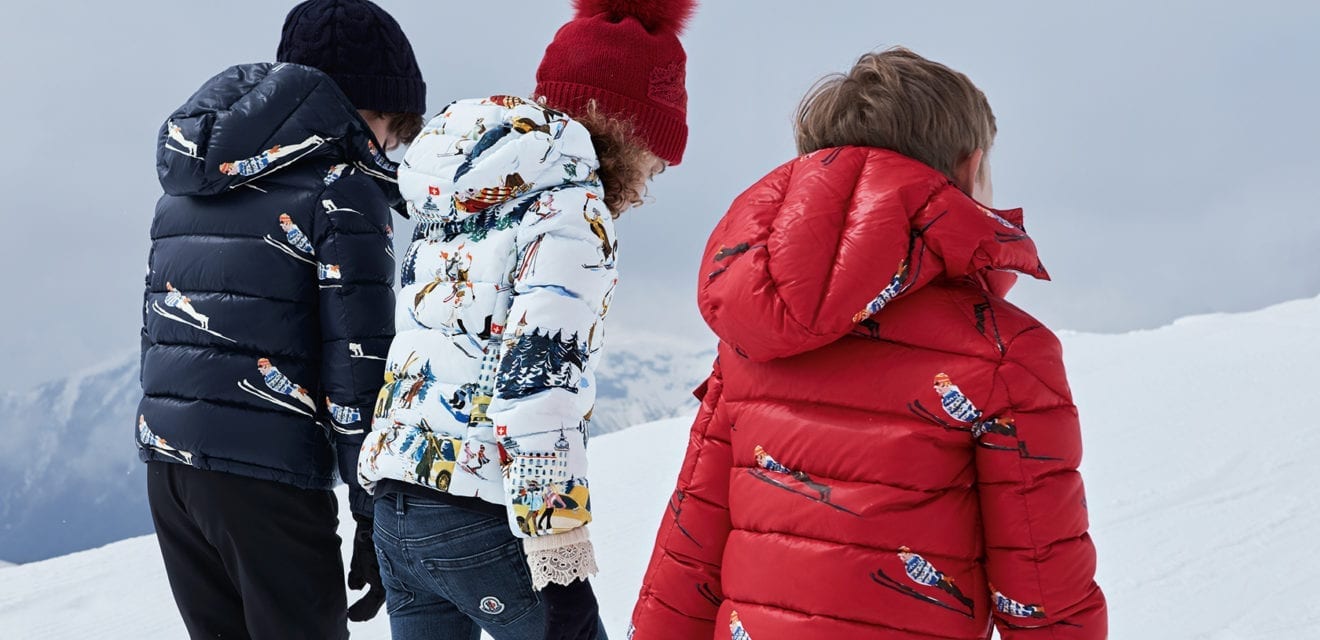
  • Moncler to end their high-end brands

    Moncler to end their high-end brands

    Luxury puffer jacket maker Moncler announced on Monday it has ditched its two high-end secondary brand names, Moncler Gamme Bleu and Gamme Rouge, as well as saying goodbye to the their respective creative directors.

    “The group must vary and open up towards different horizons,” Chief Executive Remo Ruffini said in the statement from the brand.

    Moncler confirmed the end of its ready-to-wear catwalk collections Gamme Rouge and Gamme Bleu, meaning the high-end outfits would no longer take part in the Paris and Milan fashion shows in 2017.

    Moreover, fashion designers Giambattista Valli and Thom Browne will leave the brands to work on their own namesake brands, said Moncler.

    With the launch of a Milan flagship store last month, Moncler stores will become venues for more frequent launches of new designs, Ruffini told the Financial Times, in an interview.

    Without signalling more future plans, the move looks to increase Moncler’s digital strategy with a focus on Instagram-worthy events, as more digital-savvy fashion buyers emerge worldwide.

    A recent report on the luxury goods’ sector by global consultants Bain, found a huge percentage of growth – 85% – in the luxury goods market was coming from the younger generation.

    For the nine-month period ending September 30, Moncler posted a higher-than-expected 15 percent rise in total sales, adding it was working on “important projects.”

    The group’s 2016 sales topped 1 billion euros ($1.16 billion) and it expects further growth this year.

    Founded in the 1950s as a traditional skiwear brand in the French Alps, Moncler has gone on to establish itself as fierce fashion house. It was taken over by Ruffini in 2003 and then launched on the Milan stock market in December 2013.