Category: Fashion

Retail News Asia is committed to providing both local and global retailers with the latest Fashion news throughout the Asian market. This on a daily base.

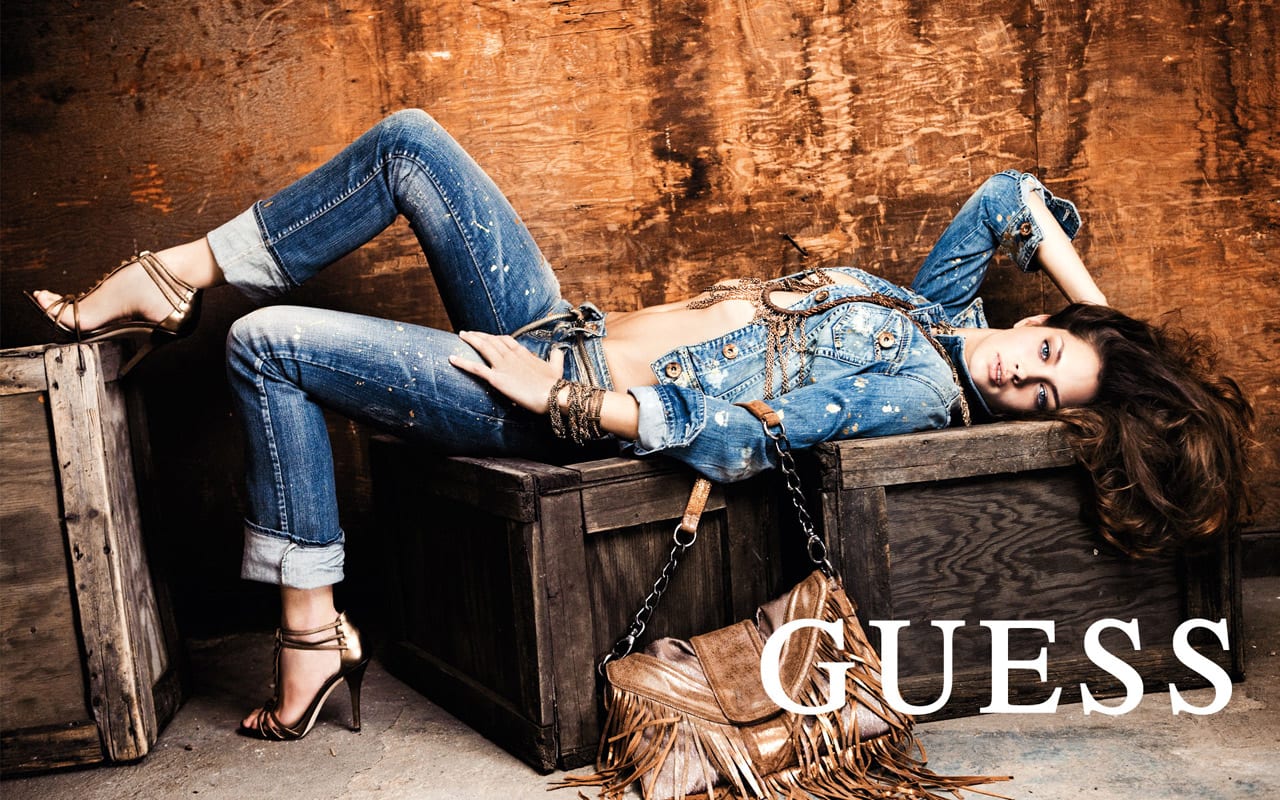
  • Europe and Asia give Guess strong quarter

    Europe and Asia give Guess strong quarter

    American fashion brand Guess’ third quarter turnover grew more than 3 %, mainly thanks to excellent sales in Asia and Europe. It did post a net profit loss however.

    Drop in America

    Guess’ total third quarter turnover reached 554.1 million dollars (470 million euro), which represents a 3.3 % turnover growth. European and Asian sales grew 19 and 17 % respectively, thanks to new stores and a good wholesale performance. North and South American sales did not fare as well: retail turnover dropped 13.4 % and wholesale turnover even dropped 16.8 %.

    “Looking at our company’s future, I can see more opportunities in Europe and Asia and we should achieve strong growth there next year as well”, CEO Victor Herrero said

    Despite that higher turnover, Guess did not manage a profit in the third quarter: it published a 2.9 million dollars (2.5 million euro) net loss, compared to a 9.1 million dollars (7.7 million euro) net profit the year before.

  • E-Mart to tap Saudi Arabia with beauty specialty store

    E-Mart to tap Saudi Arabia with beauty specialty store

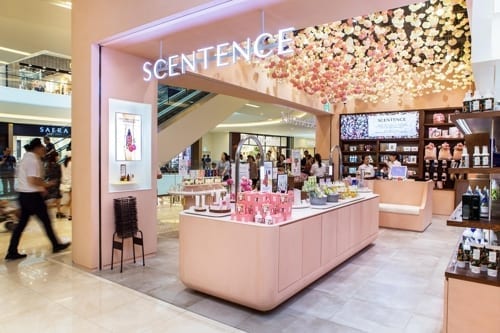
    E-Mart Inc., South Korea’s largest discount chain operator, said Thursday its beauty brand will open a store in Saudi Arabia next year, as the retailer attempts to expand its presence in the overseas market.

    The company said it signed an agreement with the Middle Eastern country’s major retail group Fawaz Alhokair to open its beauty store Scentence at a shopping mall operated by the Saudi firm.

    The store is likely to open in the Saudi capital city of Riyadh in March next year at the earliest, E-Mart said. It plans to open up to five more stores by 2018.

    The South Korean retailer has been pushing to tap deeper into foreign markets after withdrawing its business from China.

    This undated photo provided by E-Mart Inc., the operator of South Korea’s largest discount store chain, on Nov. 23, 2017, shows its beauty specialty store at a shopping mall in Goyang, northwest of Seoul. 


  • Desire for cheap luxury drives counterfeit market in Vietnam

    Desire for cheap luxury drives counterfeit market in Vietnam

    Le Thu Trang recently switched from a Gucci bag to a Prada design for a fresh look, but the decision did not put a massive dent in her bank account.

    Both of her bags are counterfeits and cost 20 times less than the originals that can be found in the stores of luxury Italian brands.

    “I like to carry Gucci and Prada bags, but buying luxury goods is not easy because they’re expensive and fashion trends change quickly,” Trang said. “In that respect, fake bags are very appealing. They’re nice and quite cheap.”

    Trang’s case illustrates a trend among consumers, especially young people in Vietnam, who like buying fake products ranging from eyewear and shoes to garments and handbags. Their desire for cheap luxury has helped counterfeiters thrive in the country.

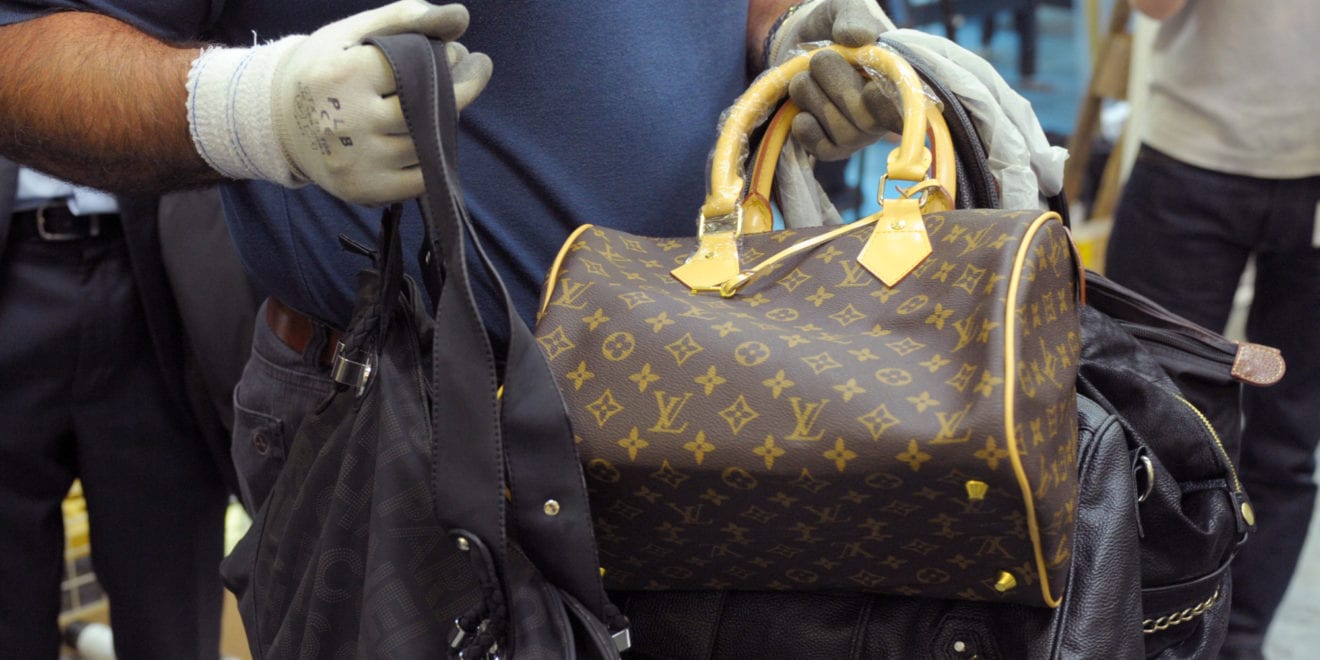
    On the streets of Hanoi and in some of its glistening air-conditioned malls, countless fake Hermes and Louis Vuitton handbags, Rolex watches and Gucci fashion accessories are openly on sale.

    Consumers who want an expensive logo or style can pick up goods for surprisingly cheap prices, even though they know the goods are illegal and might be confiscated by international customs agents who can impose heavy fines.

    Wealthy businessmen, savvy importers and even enthusiastic housewives are looking to make a profit from selling fakes from bricks and mortar stores or online, despite efforts to stop intellectual property right infringements.

    Retailers are also unconcerned about selling fake goods. “This is a knock-off, but no problem,” a woman said, pointing to a white polo shirt emblazoned with a Louis Vuitton logo.

    “Why should I have to worry about the police? I don’t sell drugs. I didn’t steal this shirt,” she said in a store on Hanoi’s Hang Ngang Street. “Lots of people here sell fake goods like me.”

    In a nearby handbag store, fake products with Chanel, Gucci and Louis Vuitton logos on them are on sale for $20-50.

    “The originals cost thousands of U.S. dollars,” the dealer said, convincing customers that her handbags look like the genuine article. “Same design. Same material. This one is made in China.”

    Fake products such as garments, footwear, eyewear, shampoo, body lotions and pharmaceuticals can be found all over Vietnam, from high-end shopping malls to street-side markets.

    Most of the knock-offs are smuggled in from China, Phan Hoan Kiem, head of the Market Surveillance Agency in Ho Chi Minh City, said at a recent meeting.

    However, some counterfeit products are made in Vietnam. Many households in Lich Dong Village, Thai Binh Province produce glasses and label them with famous international brands such as Ray-Ban, Gucci and Chanel, while Thao Noi Village in Hanoi is notorious for producing fake Chanel, Hermes and Louis Vuitton handbags.

    Without drastic measures to combat fake products, Vietnam could become a major counterfeiting center in the future, an official from the Department of the Intellectual Property under the Ministry of Science and Technology warned. Many handicraft villages that specialize in counterfeit goods have sprung up as farmland disappears as a result of the industrialization and urbanization process, he said.

    Vietnam has detected over 44,500 cases related to counterfeiting and piracy since 2014, said Truong Van Ba, a member of National Steering Committee 389, the government’s anti-smuggling body.

    Lack of enforcement

    Experts say Vietnam is not doing enough to stop the trend. Current laws do not impose fines on people who use counterfeit goods, but in many other countries buying and using these products is considered a crime.

    Hoang Van Truc, deputy director of the Investigation Bureau of Economic Crimes, said that only one in seven cases related to fake goods is prosecuted, while the rest receive administrative fines.

    Truc added that there’s a lack of cooperation between authorities, especially in border provinces, to prevent fake products from entering the local market. Many laws on counterfeiting and piracy overlap, while the current penalties aren’t enough of a deterrent.

    In addition, the fight against fake goods is made more difficult by the fact that some products are imported into the local market in the form of spare parts rather than finished products, making it almost impossible for authorities to identify them.

    Many enterprises also offer fake items that are 90 percent genuine, posing another problem for law enforcement officers.

    Even anti-counterfeiting stamps, which are used to protect trademarks, are being faked.

    The growing taste among local consumers for fake products has contributed to the market’s development in Vietnam, said Phan Thi Viet Thu, vice chairwoman of the Consumer Protection Association in Ho Chi Minh City.

    Her association rarely receives complaints about counterfeit products. “If consumers don’t say “no” to counterfeit goods, the trade will continue expanding.”

    Despite the warning, Trang is still happy with her fake bags. “I’ll buy genuine goods when I’m rich. For now, the cheap ones are still my best option.”

  • Is denim coming back?

    Is denim coming back?

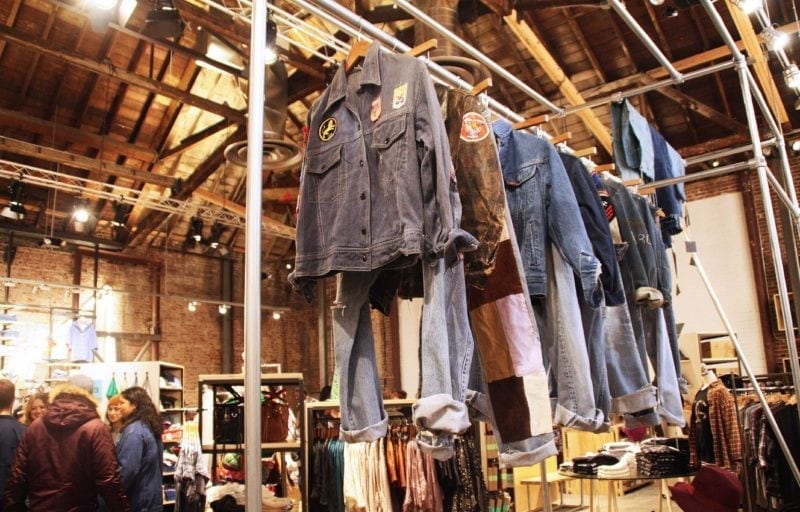
    It began at Paris Fashion Week two in 2015, when Vetements sent its Autumn/Winter 2015 collection down the catwalk, full of its instantly familiar oversized silhouettes: grunge ditzy-print dresses, bulky bikers and bombers, thigh-high leather rodeo boots and those re-worked vintage Levi’s, now the brand’s signature jeans.

    Certainly, the denim market has been enjoying a long-awaited rebound. Sales in the $13.5 billion US women’s and men’s jeans market grew 4 percent in 2016, according to market research company the NPD Group — the category’s best performance in years.

    Globally, following three years of declines, the jeans market, valued at $92.9 billion, is also expected to grow this year, with men’s and women’s categories forecast to rise this by 4.2 percent and 3.7 percent respectively, according to Euromonitor.

    And as the athleisure trend begins to cool — presenting challenges for gym-to-street brands like Lululemon, Sweaty Betty and others — it would seem denim is clawing sales away from the sportswear category.

    According to data from retail technology company Edited, the first half of 2017 saw the women’s jeans market grow by 79 percent compared to the first half of 2016. Athleisure leggings, by comparison, grew just 35 percent.

    High-fashion brands such as Calvin Klein, Y/Project, Off-White, Balenciaga and, of course, Vetements, have helped along denim’s comeback, says Kurazawa, by catering to Millennial tastes, offering customization and a move away from the typical five pocket.

    Denim stalwart Levi’s is in a prime position to capitalize on consumer demand for vintage styles, given its 164-year heritage, recent collaborations with hot labels including Off-White, Gosha Rubchinskiy and Supreme, and a licensing agreement with luxury label Re/Done, which “up-cycles” vintage Levi’s denim, revamping old designs appeal to a younger generation. “We’re seeing a huge revival in ’90s-style fashion and ‘near-now nostalgia’ sentiment,” confirms Karyn Hillman, chief product officer at Levi’s, who points to the popular high-rise Wedgie model — inspired by the vintage 505, but updated with a little more stretch — as an example. “I think collaborations have really added some sort of equity to the brand,” adds chief marketing officer Jen Sey.

    In response to the success of re-worked styles, the heritage denim label is ramping up investment in customization services. This includes expanding in-store “tailor shops,” where shoppers can customize purchases. (Currently, tailor shops are in 100 percent of Levi’s UK doors with a heavy presence across Europe; the brand is now looking to recreate this success in the US.) Beyond stores, it has also installed customization pop-ups at key music festivals, from Glastonbury to Coachella. Sey says the activation “brings value to the consumer,” who, more often than not, is already wearing a pair of Levi’s.

    In November 2017, the company launched Levi’s Authorised Vintage, a collection of 50,000 pairs of dead-stock denim it bought back from the secondary market. “Levi’s has had the number one share of the vintage market forever,” Sey says. “We just haven’t actively participated in it [before], so we think it’s high time that we did.”

    Other denim brands are also capitalizing on the demand for an authentic, vintage-style product. Frame, for example, launched a limited Rigid Re-Release collection that catered to the nostalgia aesthetic in February 2017. While the limited-edition range will not continue into Spring/Summer 2018 due to limited availability, stiff fabrics will still be a key focus for next season’s denim collection.

    American brands Lee and Wrangler — both of which come under the umbrella of US apparel company VF Corp. — are also banking on reissues and archive-inspired designs to capture a younger consumer’s attention. “One of the latest capsules that we’ve done with Lee is we’ve gone into the archive to reproduce a retail product from 70, 80 years ago,” explains VF Corp’s jeanswear president Massimo Ferrucci. Wrangler’s Retro Glory collection boasts a similar missive; European stockists of the line include Asos, Urban Outfitters, De Bijenkorf and La Rinascente. “The younger consumer is attracted very much by Americana, by originality and authenticity, by product that comes from the archive.”

    But while retro silhouettes and rigid fabrics are on the rise in denim, it would seem that athleisure’s influence has had lasting impacts on the category’s basics, which account for the volume of the market.

    When the athleisure craze first blew up, many denim brands responded by investing heavily in stretch denims to try and compete with the fast-growing sector, a focus that continues to pay off. “Stretch is here to stay,” asserts Sey, who notes that Levi’s has actually seen an increase in demand for stretch denim as the fabric has transitioned into men’s lines.

    “Consumer preferences have changed — comfort has become much more important than in the past,” agrees Hillman. “Women generally wear their jeans a little tighter today compared to the past, so we’ve evolved the fits and fabrics to cater to these evolving tastes.” She notes that skinny jeans are still Levi’s best-selling style. “We don’t see that changing anytime soon,” she adds.

    Consumer desire for comfort has given birth to the rise of performance denim, another innovation that has become a growth driver for the denim sector. Brands that range from 7 For All Man Kind to Joe’s Jeans are utilizing new technologies to enhance existing fabrics and styles.

    VF Corp’s Ferrucci says that growth of performance denim at Wrangler — which includes a range of technical fabrics that are water resistant, insulating, cooling, or extremely flexible — has been accelerating fast, “because it is actually used as a workwear item.” Levi’s too has ramped up investment in similar initiatives, most notably its recent Commuter Trucker jacket, created in partnership with Google. “[It’s] about creating products that meet a consumer need,” says Hillman of the line that was originally created for cyclists in the noughts. “It is about purposeful design and creative lifestyle solutions to improve people’s lives.”

    The casualization of dress codes — not just in the workplace, but also for smarter occasions (one has four-figure jeans to thank for that) — has given denim a space to become an every-day go-to in a way that athleisure leggings may never be. “She might wear [leggings] to brunch with her friends on a Sunday, but she wasn’t going to wear them out on a date on a Saturday night, and she wasn’t going to wear them to work,” notes Sey.

    “Denim has a foothold in certain occasions that leggings never will,” she concluded.
  • Chow Tai Fook sales is blooming

    Chow Tai Fook sales is blooming

    Growth momentum has continued for Chow Tai Fook sales as the group looks at further expansion in China.

    Revenue contribution from Mainland China has increased steadily over the past few years,
    and contributed more than 60 per cent of group revenue in the half-year to the end of September.

    China delivered 16.3 per cent growth while Hong Kong, Macau and other markets grew by 13.1 per cent.

    With improving consumer sentiment plus rising opportunities from the development of shopping malls, the company plans to expand its retail network on the mainland in the second half. With 11 point-of-sale openings, it had 2358 outlets at the end of September, including 95 outlets in Hong Kong and Macau, where 10 stores were closed during the six months, mainly in tourism areas, and two new ones opened in Tsuen Wan and Yuen Long.

    Chow Tai Fook plans to close more stores in tourist areas and open in selected residential neighbourhoods.

  • Demand for gold in China lifts profit at world’s top jeweller

    Demand for gold in China lifts profit at world’s top jeweller

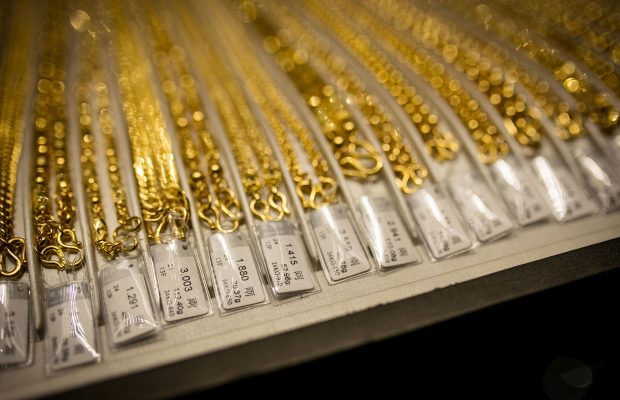
    Chow Tai Fook Jewellery Group’s profit increased for a second consecutive six-month period as demand for gold products lifted sales at the world’s leading jewellery retailer.

    Shares jumped after the company reported net income rose 46 per cent to HK$1.78 billion (S$308 million) in the six months through September. The stock rose 4.4 per cent to HK$9.19 as of 11.03am in Hong Kong on Wednesday (Nov 22), heading for its biggest two-day gain in a year.

    The results mirror the continued recovery in demand for luxury goods in China after a two-year slump amid a corruption crackdown in the country.

    Sales at the company’s stores are picking up and more customers are also purchasing its products online as the world’s second-largest economy is on track for its first full-year acceleration in seven years.

    Revenue climbed 15 per cent to HK$24.8 billion, the Hong Kong-based company said on Tuesday. Retail sales of Chow Tai Fook in mainland China increased 16 per cent, and 13 per cent in Hong Kong and Macau. Growth momentum was fuelled by gold products, the company said.

    The current financial year “will be a turning point for our business given the nascent jewellery market recovery”, the company said. “Although the recovery is gradual and mild, the industry is expected to return to a stable yet sustainable growth.”

    The retailer expanded the number of outlets in mainland China to 2,358 at the end of September. It will continue the expansion “in view of the improving general consumer sentiment, coupled with the rising opportunities from the development of shopping malls in the region”, Chow Tai Fook said.

    In Hong Kong and Macau, the company will optimise outlets in tourist centres and selectively open stores in residential neighbourhoods.

    The company expects its total rent cost declining 15 per cent in the current financial year, finance director Hamilton Cheng said at a press briefing in Hong Kong on Tuesday after the results.

    Demand for jewellery, watches and clocks, and valuable gifts has been picking up. Sales of these products in Hong Kong rose 4.3 per cent this year through September, compared with a 17 per cent plunge in all of 2016.

    Luxury-watch retailer Hengdeli Holdings said this month that it is boosting orders for the upcoming Chinese New Year, expecting stronger demand from shoppers in Hong Kong.

    Tourists from mainland China, who account for more than three quarters of arrivals to Hong Kong, grew in the nine months through September.

    With more Chinese tourists likely to travel to Hong Kong next year as the yuan strengthens against the Hong Kong dollar, retailers are poised to benefit from the rise in store sales and falling rents, according to Ms Catherine Lim, an analyst at Bloomberg Intelligence.

  • L’Occitane growth and China’s contribution

    L’Occitane growth and China’s contribution

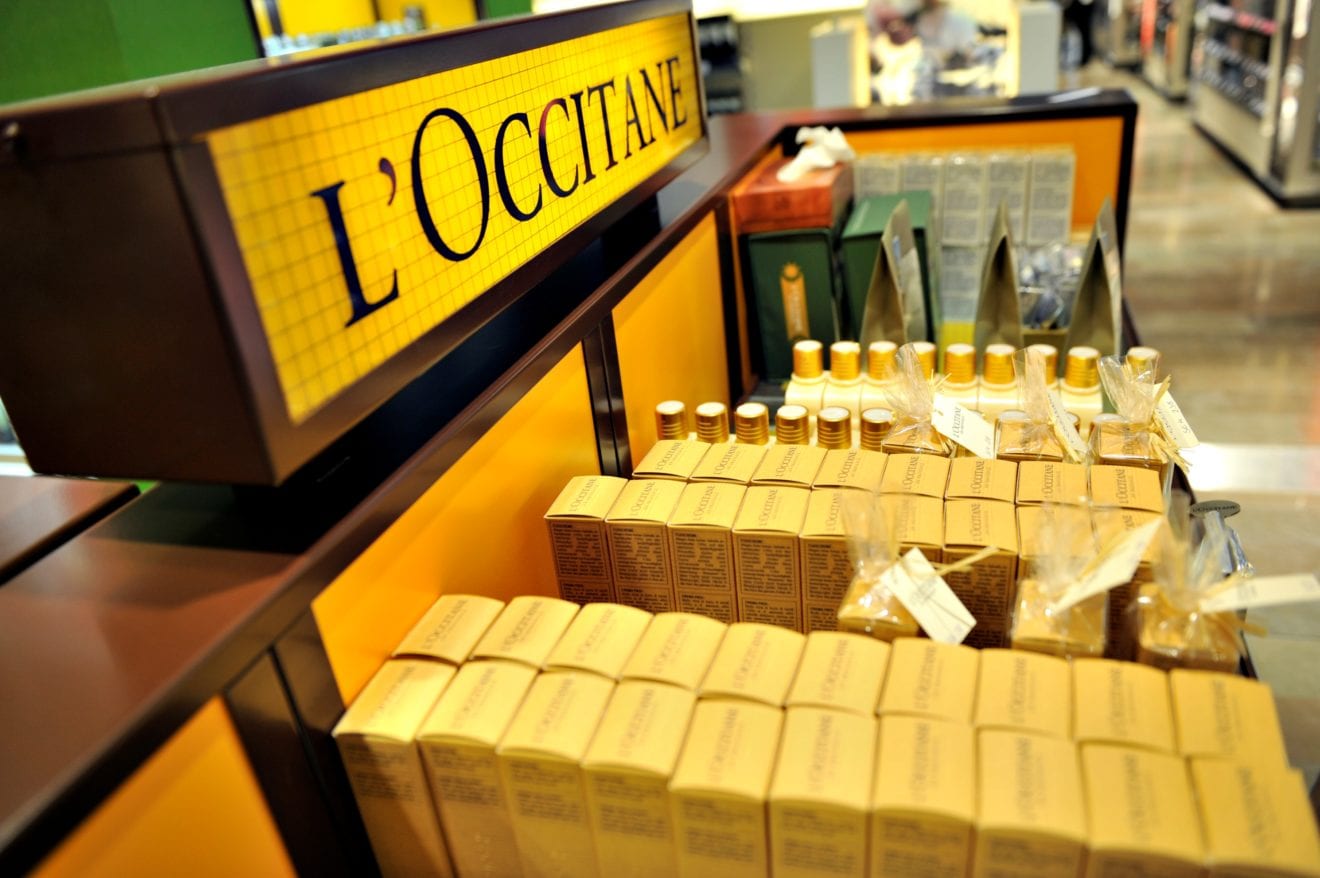
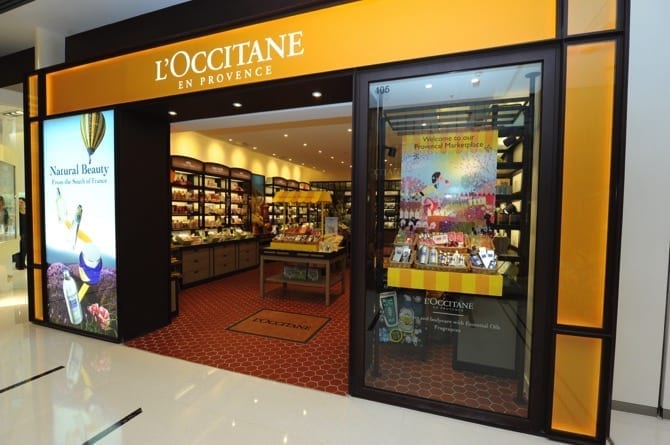
    China was among the fastest-growing markets for cosmetics and wellbeing products group L’Occitane International for the six months to September 30.

    Along with Japan and Hong Kong, it was among the key contributing countries to overall growth.

    China’s net sales rose 18.2 per cent year on year to €60 million (US$70 million), the group’s interim results show. At constant exchange rates, the growth was 22.7 per cent, driven mainly by same-store sales growth of 15.8 per cent. As well as the recovery of China’s retail market, the company says a marketing campaign featuring Chinese artist Lu Han continued to draw traffic both online and offline.

    T-mall sales continued to grow at triple digits and were ahead of plan, and B2B also delivered an excellent performance thanks to growing orders from independent hotels and the Shangri-La chain, says L’Occitane.

    In Hong Kong, net sales edged up 0.4 per cent to €51.1 million (2.6 per cent at constant exchange rates), growth being driven mainly by the travel retail channel. As well as duty free, this included airlines in China and Japan.

    The retail market was still sluggish, and two underperforming stores were closed. There were also some temporary closures for renovations.

    Hit by typhoons

    Typhoons forced store closures in Japan, where net sales fell 4.8 per cent (1.8 per cent at constant exchange rates) to €99.4 million. Same-store sales growth was 1.4 per cent. However, e-commerce showed low double-digit growth. Melvita remained the growth engine in Japan with new stores. At the end of September, Japan had 30 Melvita outlets.

    Same-store sales deteriorated by 7.9 per cent from the first quarter for Taiwan, where net sales for the six months dropped 3.6 per cent (71 per cent at constant exchange rates) to €15.3 million.

    “Retail sales were hindered by the less-generous summer promotion offered by department stores, a couple of mediocre launches and the timing difference in anniversary sales in department stores,” says L’Occitane.

    Nonetheless, sales of skincare products stayed strong, in particular the Immortelle and Reine Blanche ranges.

    Overall, despite a challenging retail backdrop, group net sales were €548.2 million, down 0.6 per cent (up 1.1 per cent at constant exchange rates), with like-for-like sales growth 2.3 per cent.

    Gross profit margin reached 82.8 per cent, 0.6 points higher, while operating margin fell by one point, mainly because of currency exchange headwinds. Profit for the period ended at €10.7 million.

    During the year the company disposed of Le Couvent des Minimes, and excluding this and a one-off deal for L’Occitane au Brésil in September last year, the group’s sales grew by 2.3 per cent at constant rates and 0.5 per cent at reported rates.

    Retail locations increased from 3037 at the end of March to 3104 as at September 30, while the group increased its own retail stores from 1514 to 1519.

  • Kendrick Lamar’s ‘DAMN.’ pop-up travels to Asia

    Kendrick Lamar’s ‘DAMN.’ pop-up travels to Asia

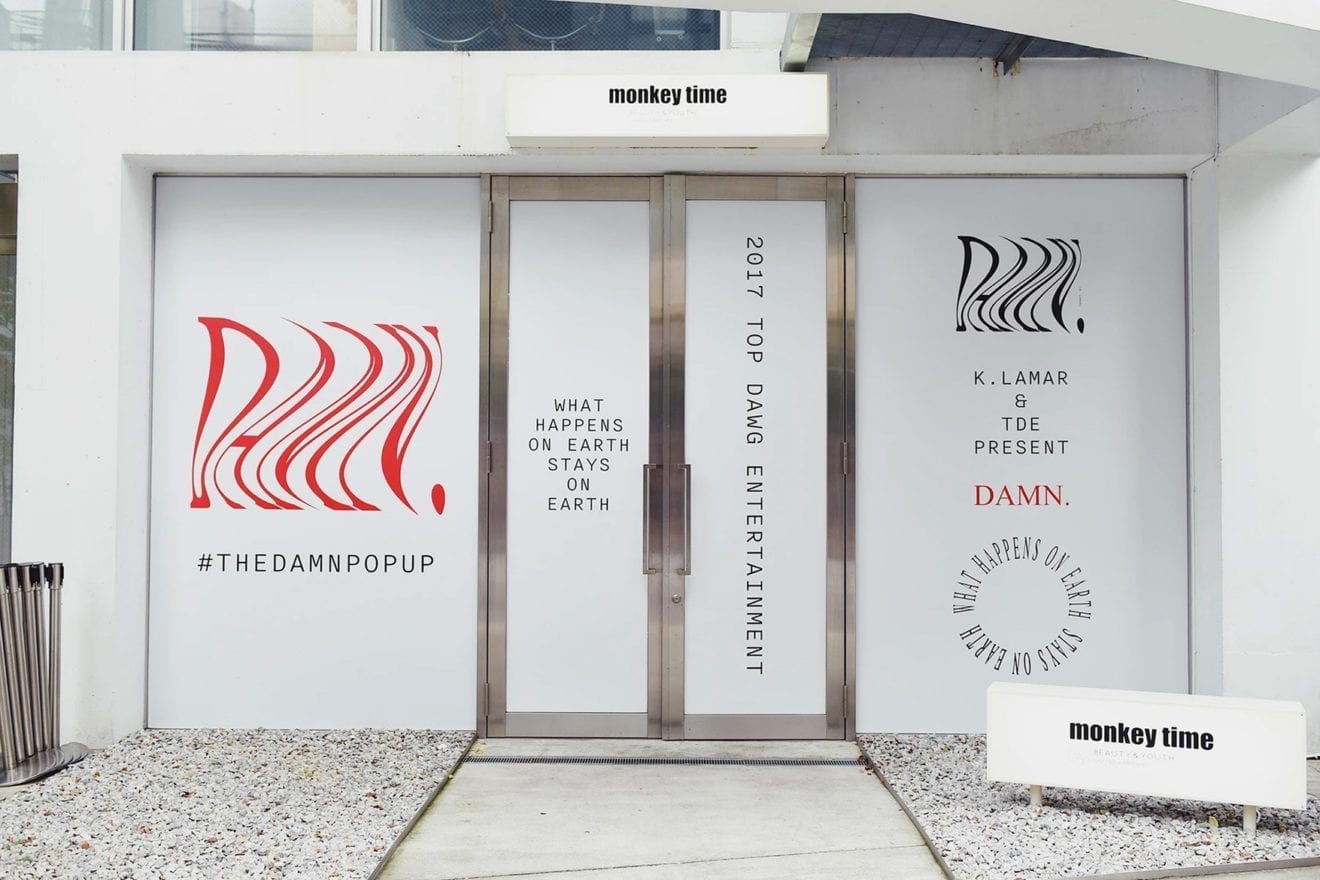
    After hitting 17 cities across North America, Kendrick Lamar‘s DAMN. pop-up tour heads to Asia. First stop: Tokyo, Japan, at monkey time‘s flagship store in Harajuku.

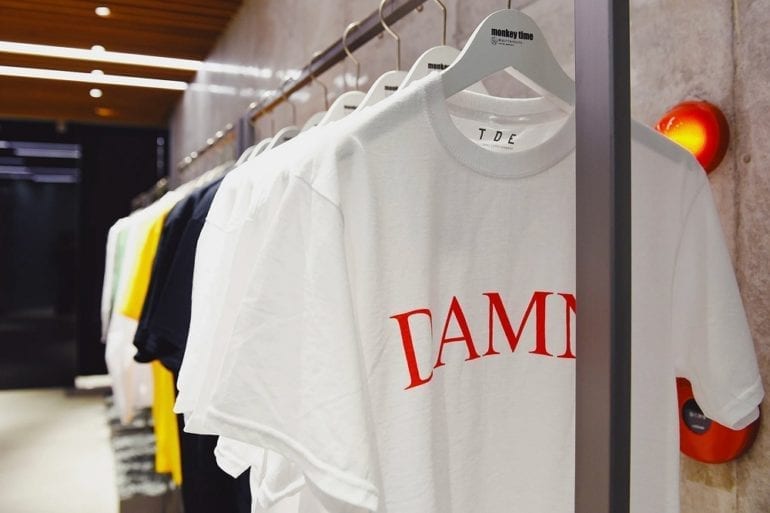
    Monkey time’s clean neutral interior was filled with vibrantly-hued DAMN. merch pieces such as lime green and yellow T-shirts, burgundy hoodies, and a range of streetwear staples in essential black, white and grey colorways.

    The product designer Jide Osifeso joined the opening of the pop-up  and shared bit more about the DAMN. collection.

    The DAMN. Tokyo pop-up took place at monkey time’s Harajuku location from 18 TO 19 November 2017, and it will travel to monkey time’s Osaka store on 26 November  2017.

    The product designer explained how this pop-up is aimed to bring the damn stuff to the fans who were not able to see the shows, especially people in Asia with the first one being in Tokyo. The pop-up will travel to Korea next and China afterwards.

    The graphics are all inspired by the music. The album has so many layers and textures.

    It is easy to draw inspiration from Kendrick and there is so much depth to everything he does.  What the merch was going to look like and how it would be represented is the result of a close collaboration. It is an easy process when you have the kind of music that Kendrick makes.

    Jide Osifeso’s favourite piece is the “Pray For Me” t-shirt, more specifically,  the “Nobody Pray For Me” verbiage throughout the album and how it was done.

    “At the live show”, Jide explains, “it really translates because there’s this echo of different people saying “Nobody Pray For Me” between two songs in the set. That’s just really gripping and amazing”.

  • JYUNKA, Homegrown Anti-Aging Skincare Brand, Opens Their First Concept Center in Singapore

    JYUNKA, Homegrown Anti-Aging Skincare Brand, Opens Their First Concept Center in Singapore

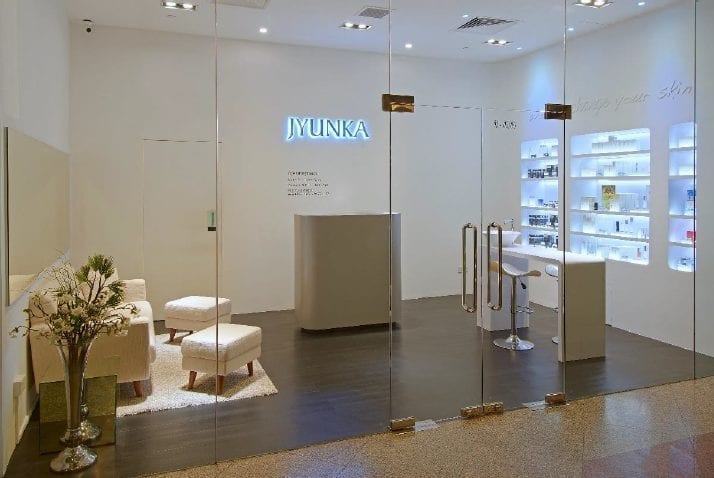
    Singapore’s best kept anti-aging secret, JYUNKA, has opened their first Concept Center for clients to fully experience the brand’s skin transformation products and pampering facial treatments.
    The intimately-appointed boutique at Pacific Plaza includes three facial rooms and carries the comprehensive range of JYUNKA’s revolutionary and efficacious products.

    “Aging skin is a key concern that everyone faces, and our products are designed to not just heal and restore but also to prevent and protect from deep within the skin. With the opening of our first JYUNKA Concept Center, we are pleased to offer our clients the complete pampering and skin-changing experience through our face treatments, complemented by our range of products that they can use at home,” shares Brand Founder Ms Jennifer Leng.

    JYUNKA aspires to bring out the inner beauty and confidence in everyone through a perfect harmony of science and nature. The products are created with patented technology that combines the safety of mass-market products and the effectiveness of professional treatment products, so skin can attain a luminous glow from within.

  • Salvatore Ferragamo revamps its website in Europe and China

    Salvatore Ferragamo revamps its website in Europe and China

    Florentine luxury label Salvatore Ferragamo is busy deploying its new, revamped www.ferragamo.com website.

    After being first introduced in the USA and Canada, the new-look site, featuring fresh design and content, is now also available in Italy, the rest of Europe and China.

    “We wanted to blend the contemporary style of the Ferragamo world today with its brand’s unique heritage,” said Eraldo Poletto, the Ferragamo group’s CEO.

    The website will go live in the rest of Asia, in Australia and Latin America in 2018.

    Once fully deployed, it will be active in 28 countries, making it possible to buy and pay for the label’s products in 13 different currencies.

    The new site hosts all of Ferragamo’s collections: menswear, womenswear, accessories, handbags and footwear.

    The site’s omni-channel functionalities allow direct access to products available in-store, with the possibility of ordering online and picking up the items at the customer’s preferred store.

    The site is mobile and tablet-friendly and also features a news section with up-to-date information on the label’s initiatives and its history.

    As of the end of September 2017, the Ferragamo group employed about 4,000 people and, through its parent company and its US and Asian subsidiaries, it operated a network of 687 monobrand stores worldwide.

  • Urban Outfitters sales more by online

    Urban Outfitters sales more by online

    The latest Urban Outfitters sales figures make for happier reading, coming after a string of poor results.

    A 3.5 per cent uplift in total sales in the third quarter is welcome, but it is the return of all brands to positive comparable sales that is most agreeable. This rise came despite the negative impact of the hurricanes on some stores: without this, comparable Urban Outfitters sales would have risen by 2 per cent rather than the reported 1 per cent.

    As good as the numbers are, there are still some weaknesses in Urban Outfitters’ performance. Foremost among these is the growing disparity between stores and the online operation. The latter continues to grow strongly, while the former is still in decline. Although the two trends balance each other out in sales terms, the impact on profit is negative because of the higher costs associated with fulfillment. This is not a new dynamic, but it is one that Urban Outfitters is still largely failing to address.

    The impact of online joined with a couple of other trends in depleting gross margin by 142 basis points over the period. One of these was the higher proportion of lower-margin furniture products in the sales mix. The other was a higher percentage of lower-profit international sales. Taken together, these things contributed to the 4.8 per cent decline in net income over the prior year. While this is a lot better than the 31 per cent decline posted over the nine months to-date, it is still one that leaves Urban Outfitters in the red when it comes to profit growth.

    Putting these issues to one side, the better performance was also delivered against a more positive backdrop for apparel where demand was stronger than it has been for most of the year. This is not to take away from some of the progress made by Urban Outfitters, but it does suggest that when put in context, the company still has some work to do to lift its performance.

    While Urban Outfitters and Anthropologie stores are not unpleasant places to shop, they do not make the process of buying easy. The customer has to do a lot of work to find the right product, which is one of the reasons increasing numbers are opting to buy online where sorting and filtering options make it easier to identify items of interest.

    Furthermore, while the fall and winter apparel ranges appear to have a little more cohesion, the overall clothing offer is too eclectic. That’s the reason Urban Outfitters, and to a lesser extent Anthropologie, are still dropping off the radar of some consumers. To remedy this, both brands need to develop a much clearer and more compelling handwriting that resonates with the core customer.

    Free People does a much better job at creating a unique and interesting offer, which is one of the reasons its performance has been so much better. However, the Urban Outfitters’ over-reliance on this brand – where comparable sales rose by 5 per cent – is problematic. If it is to sustainably boost performance, the company needs to be firing on all cylinders, not just one.

  • Tappoo Group opens Bobbi Brown Cosmetics store at Nadi International

    Tappoo Group opens Bobbi Brown Cosmetics store at Nadi International

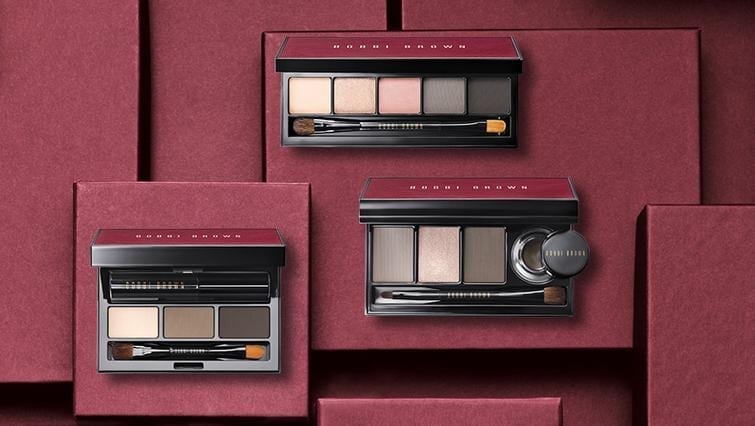
    Bobbi Brown Cosmetics has opened its first outlet at Nadi International Airport, Fiji, in partnership with traveller retailer Tappoo Group.

    The store officially opened on 19 November and offers Bobbi Brown’s range of colour cosmetics, brushes, accessories and skincare products.

    Tappoo Group Director Harnish Tappoo said: “Tappoo is extremely proud to be representing Bobbi Brown in Fiji; it is one of the best make-up brands. We have highly trained make-up artists who are fully geared up to offer the best service and advice to customers.”

    Bobbi Brown Travel Retail Asia Pacific Regional Education Manager Carina Choo said: “We are a unique brand; we are focused on building the team so that they are able to confidently talk to customers and to do it very well. The beauty industry is always very competitive but we always have to know what are our unique styling points.”

  • L’Occitane ‘bullish’ on China

    L’Occitane ‘bullish’ on China

    L’Occitane International, the French cosmetics and personal-care products company, said it was optimistic on its outlook for mainland China, despite what it called a “challenging” global retail environment.

    “We are still very bullish on China,” Andre Hoffmann, vice chairman and managing director, said at a press conference in Hong Kong.

    “Today, China is the No. 3 market globally for the L’Occitane group,” Hoffman said. “We expect by the end of the fiscal year it could reach the No. 2 market status after Japan,” surpassing the U.S.

    The comments came as the Hong Kong-listed company reported a drop in fiscal first-half net income for the period ended 30 September 2017.

    Net sales in China for the first half were 60 million euros ($70.7 million), up 18.2% from a year earlier, boosted primarily by a 15.8% increase in same-store sales, the company said in a statement, adding that a marketing campaign featuring Chinese singer Lu Han “continued to draw traffic both online and offline.”

    While the company maintains its own e-commerce website in China, Hoffmann noted that “it really cannot compete in terms of traffic and awareness with the major marketplaces like [Alibaba Group Holding’s] Tmall.”

    “It is better that we focus our energy and investments to build up the brand through Tmall,” he said.

    L’Occitane said first-half net profit fell 59.4% to 10.7 million euros compared with 26.4 million euros in the same period a year earlier.

    Thomas Levilion, executive director and group deputy general manager of finance and administration, attributed the drop to unfavorable exchange rates, one-off costs and seasonal effects.

    Those included expenses related to the opening of two new flagship stores in London and Paris, marketing and promotional costs in preparation for the important Christmas shopping season, and a tax credit of 6.5 million euros in the year-earlier period.

  • Dolce & Gabbana Vietnam flagship store opens

    Dolce & Gabbana Vietnam flagship store opens

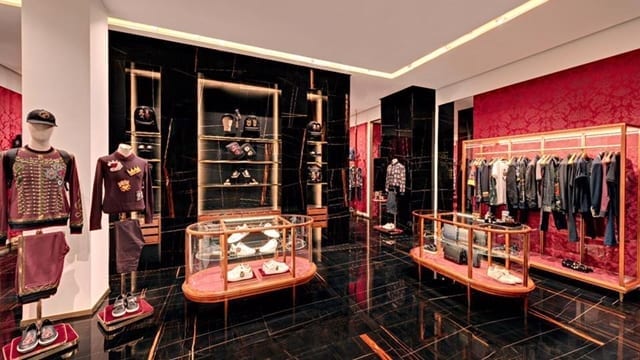
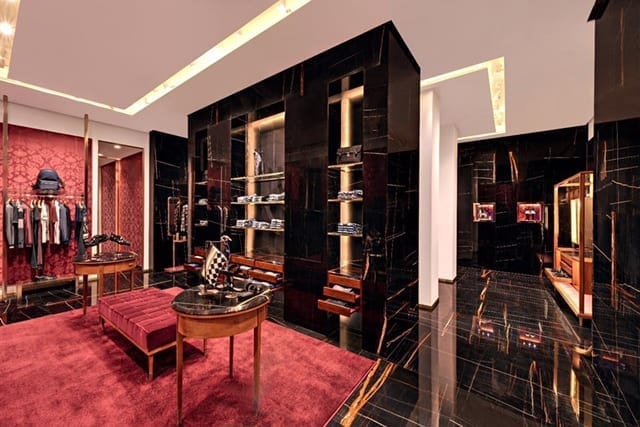
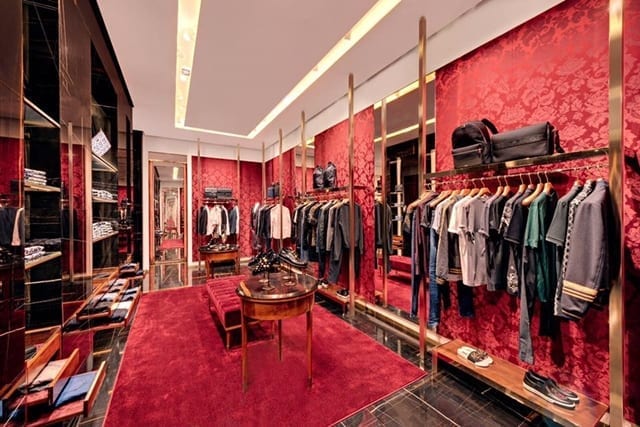
    Dolce & Gabbana Vietnam has officially opened its flagship store after testing the market with a pop-up in January.

    In Rex Arcade inside Ho Chi Minh City’s Rex Hotel, the Italian luxury fashion brand’s store offers women’s and men’s ready-to-wear, shoes and accessories.

    Dolce & Gabbana was brought to Vietnam by ACFC, a subsidiary of distribution company Imex Pan Pacific (IPP) Group, which also handles such brands as Burberry, Chanel, CK and Salvatore Ferragamo.

    To celebrate the flagship’s opening, Dolce & Gabbana Vietnam hosted a party attended by D&G CEO Alfonso Dolce and senior VP for Asia Pacific Grace Zhao, plus IPP executives and celebrities.

    Along with the opening, D&G introduced its international campaign #DGclone to Vietnam. The campaign is built around a world tour by the brand’s two mascots – lifesize characters representing D&G founders Domenico Dolce and Stefano Gabbana.

  • Victoria’s Secret gala stumbles across the line in China

    Victoria’s Secret gala stumbles across the line in China

    The glitzy Victoria’s Secret fashion show stumbled across the finish line Monday night in its first-ever China staging after a run-up marred by setbacks and reports of political interference by Beijing.

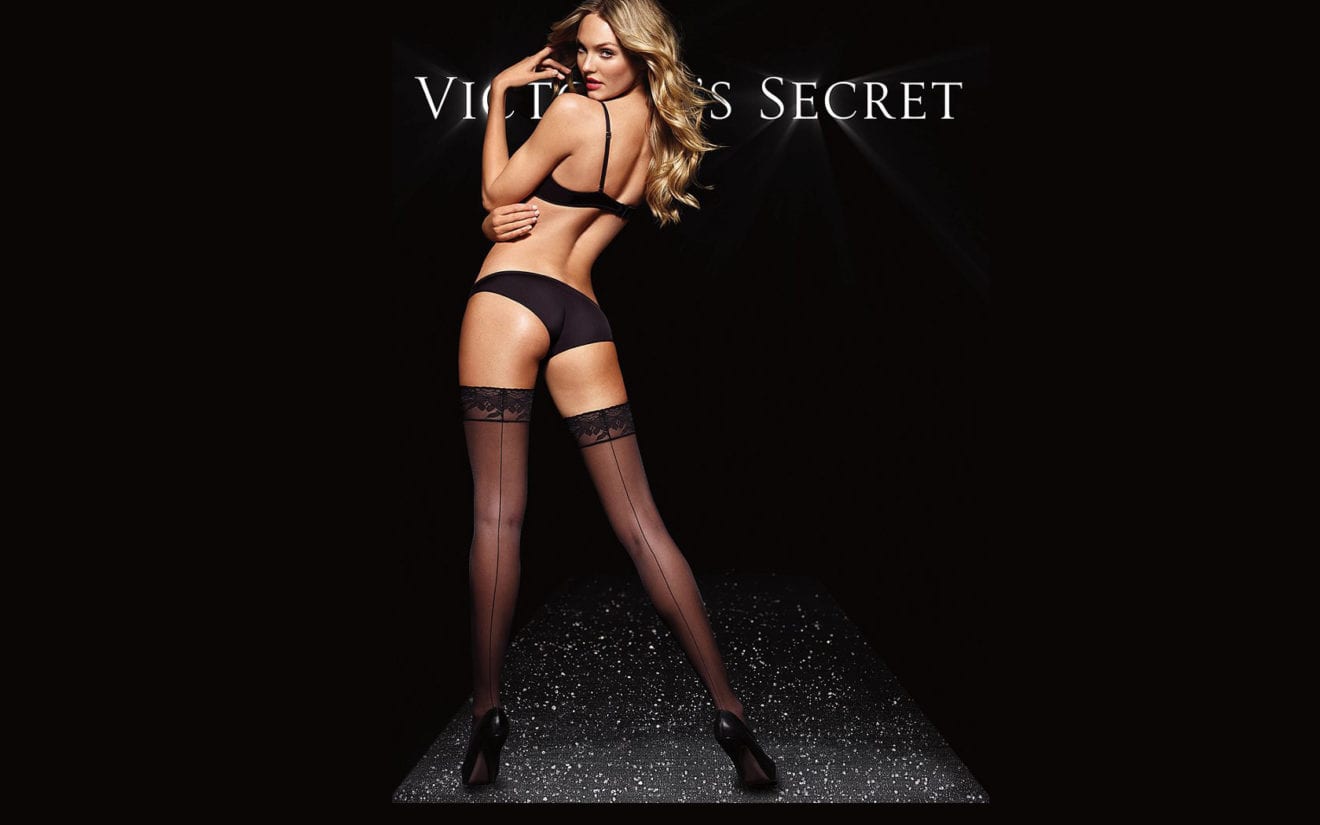
    Models breezed down the catwalk sporting elaborate feathered wings and billowing trains as the US brand held the racy show in Shanghai in hopes of making a splash in the country’s growing lingerie market to offset declining American profits.

    But the show, now in its 23rd year, suffered a blow when top US model Gigi Hadid announced Friday she was withdrawing.

    She gave no reason for the decision but it came after Chinese internet users savaged the 22-year-old over a video clip showing her squinting her eyes in an apparently derogatory facial expression.

    US media also reported that singer Katy Perry was expected to headline the musical acts but was denied a visa by China. Instead, England’s Harry Styles led the way.

    The reports suggested that China was upset that Perry had previously draped herself in the flag of diplomatic rival Taiwan and performed in colors implying support for those on the island opposing closer relations with China.

    Neither Perry, Victoria’s Secret, nor China’s government have confirmed the reports but the state-aligned Global Times suggested in an editorial Sunday that Hadid and Perry had “dropped a stone” on their own feet.

    “Payback was unavoidable. Those who are serious about developing careers in the Chinese market can draw lessons from this case and learn to abide by the rules in China,” it said.

    Tripped up

    The stumbles continued Monday night at Shanghai’s Mercedes-Benz arena, whose exterior was bathed in garish pink.

    A system breakdown slowed the entry of the thousands of invited guests, delaying the show’s start, and the Chinese crowd largely resisted entreaties to show much enthusiasm.

    According to reports, as part of its China charm offensive Victoria’s Secret selected a record seven Chinese women to be among the 55 models.

    But one of them, Ming Xi, tripped on her costume and went down hard on the catwalk, triggering an outpouring of sympathy on the Chinese internet.

    Read also: Victoria’s Secret to charm China with fashion gala

    The scene is certain to be excised when the edited production airs in more than 190 countries on November 28.

    Earlier during make-up, China’s top model Liu Wen, a veteran of several Victoria’s Secret shows, told AFP that Monday’s version was “even more special” to her this year because it was held at home.

    “We can be thankful that China is such a big market, so there could be so many Chinese faces appearing. So personally I feel proud of my own country,” Liu, 29, said.

    Victoria’s Secret is hoping to win a slice of that market, opening its first two super-stores in China this year, in Shanghai and Chengdu.

    The company’s US sales have sagged, with analysts blaming its slow-footed response to a trend away from constructed bras towards more comfortable intimate wear.

    Victoria’s Secret is banking on its name recognition and on top models like Adriana Lima and her Chinese counterparts winning over women in China who are increasingly interested in expressing their sexuality, say social and fashion analysts.

    Lingerie is one of the fastest-growing segments in Chinese women’s apparel, according to market-intelligence firm Mintel.

    Mintel predicts it will grow to 148 billion yuan ($22 billion) by 2020, up 32 percent from 2015 numbers.

    The show’s priciest piece of lingerie was the annual “Fantasy Bra”.

    This year’s version, worn by Brazil’s Lais Ribeiro, was a $2 million creation by Swiss-based luxury-goods company Mouawad, studded with nearly 6,000 gemstones.

    Matthew Crabbe, Mintel’s regional trends director, said the fashion show was “a great way to raise consumer awareness”.

    But he added that Victoria’s Secret was entering “a tough retail market with many competitors”, both foreign and domestic.

    US fashion media have also run unconfirmed reports that three Russian and one Ukrainian model were denied visas.