Category: Fashion

Retail News Asia is committed to providing both local and global retailers with the latest Fashion news throughout the Asian market. This on a daily base.

  • LANCÔME Travel Retail Asia Pacific Kicks Off ‘Declaring Happiness’ Global Campaign

    LANCÔME Travel Retail Asia Pacific Kicks Off ‘Declaring Happiness’ Global Campaign

    Leading French luxury beauty brand LANCÔME

    Travel Retail Asia Pacific is delighted to announce the launch of a global campaign,
    ‘Declaring Happiness’, which will be celebrated through a series of brand events across
    Asia. In line with the global direction to strengthen LANCÔME’s digital presence in the
    region, each of these events will leverage on the digital influence of celebrities and key
    beauty opinion leaders to engage a broader audience, and at the same time converge the
    offline and online retail experiences to foster a stronger brand engagement with
    consumers.

    Beginning in Korea, the global initiative was kickstarted with a store event
    and cocktail party graced by renowned Korean actress, Kim Go-Eun, at Lotte Hotel, the
    first 2020 concept store for LANCÔME Travel Retail Asia Pacific to offer a unique retail
    experience with its consumer centric and high retail quality that allows travellers to freely
    discover various travel exclusive products in the shop. After which, the campaign landed
    on the shores of Singapore, with a resplendent LANCÔME Holiday Wonders pop-up
    store that lit up Singapore Changi Airport in festive spirit for the holiday season. Moving
    forward, the campaign will make a stop in China, with a launch event in November at
    Haitang Bay that is set to continue the brand’s journey in sharing happiness with all
    women, before concluding with a Hong Kong event in December.

    The Soul Behind The Campaign

    “The LANCÔME ‘Declaring Happiness’ global campaign richly illustrates our passion to
    inspire and share happiness with women by making their lives more beautiful. Ultrafeminity,
    emotion, joie de vivre and beauty have always been at the heart of LANCÔME’s
    DNA. Through this series of ‘Declaring Happiness’ events across Asia, we hope to
    continue creating moments of happiness for all women by exploring different consumercentric
    innovations at our events that allows us to foster a deeper connection and
    engagement with our consumers.” says Ms. Tao Zhang, General Manager of
    LANCÔME Travel Retail Asia Pacific.

    ‘Declaring Happiness’ Kick-off Event in Seoul

    The ‘Declaring Happiness’ campaign started off in Seoul on 12 October 2017 with
    LANCÔME Travel Retail Asia Pacific’s first-ever live streaming event, attended by
    guests from all across Asia – most notably, renowned Korean actress Kim Go-Eun and
    social media influencers from China. The 11 Chinese social media influencers livestreamed
    at both the event venue and concept store through Weibo, creating organic,
    user-generated content by sharing their experience with millions of their followers and
    interacting with them during the live feed.

    At the beauty talk session, Kim Go-Eun revealed her beauty secret for porcelain skin and
    attributed it to some of her favourite LANCÔME products – the UV Expert Aqua Gel
    and Blanc Expert Cushion.

    Other highlights of the event also include activities for new product launches such as the
    ‘Génifique’ zone, which employed touch-screen gaming technology to create a unique
    platform on which guests could experience the Génifique Sensitive. Guests were also
    given the opportunity to be the first to experience the fruity floral scent of LANCÔME’s
    new fragrance, the Miracle Secret, as well as the newly launched L’absolu Gloss.

    LANCÔME Holiday Wonders Pop-Up Store at Singapore Changi Airport

    Following its launch in Seoul, the ‘Declaring Happiness’ campaign arrived in Singapore
    with a much-anticipated LANCÔME Holiday Wonders pop-up store at Changi Airport
    on 16 October 2017, the first of its kind to blend retail with entertainment to create a
    captivating pop-up experience. The launch event was officiated with a ribbon cutting
    ceremony and champagne toast graced by VIPs and partners, followed by a speech given
    by Ms. Tao Zhang, General Manager of LANCÔME Travel Retail Asia Pacific.

    Pop-up store is designed to enrapture travellers at Singapore Changi Airport with various
    multi-dimensional retailtainment. An instant crowd-favourite at the launch event is the
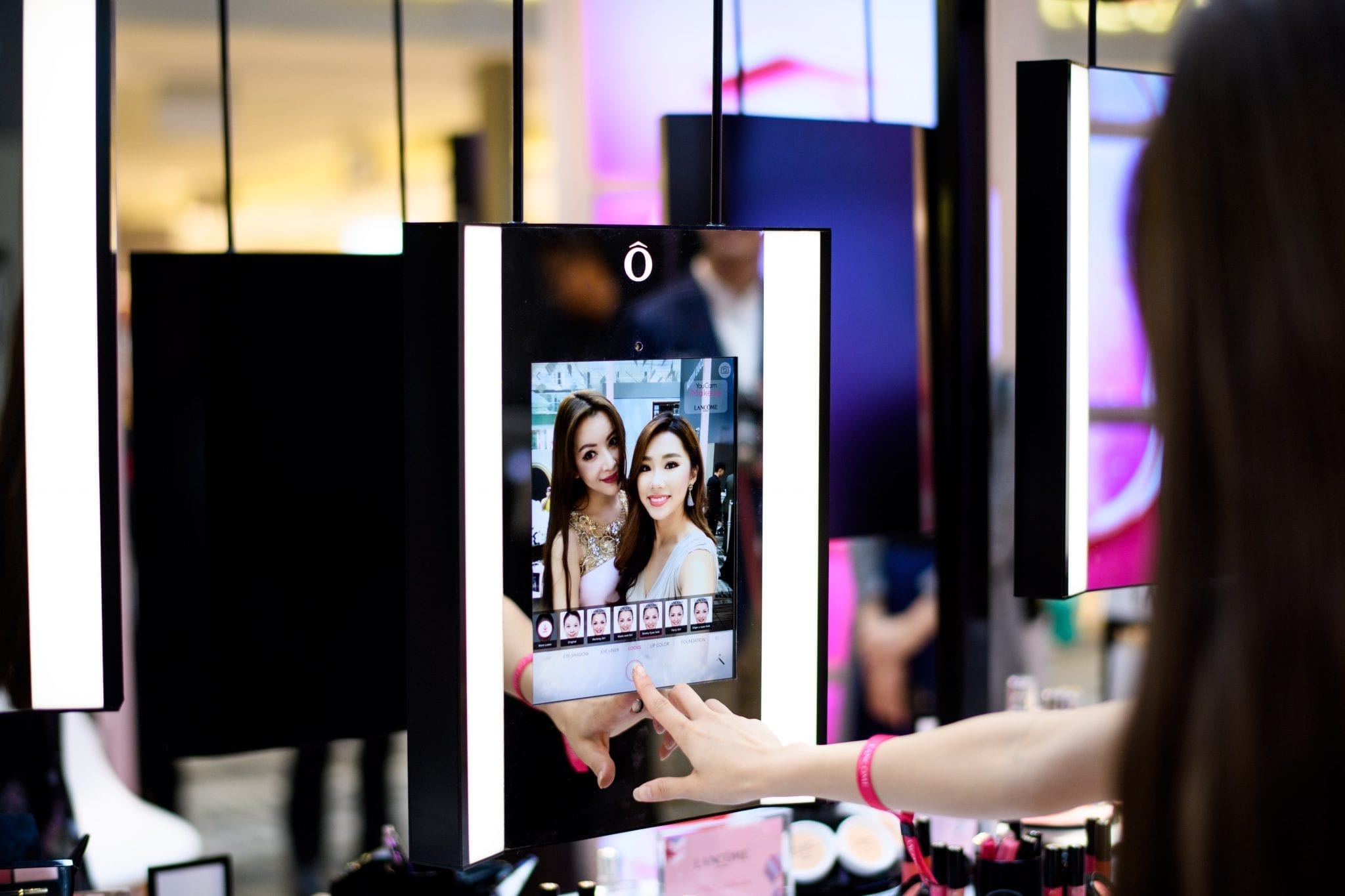
    Virtual Mirror, a LANCÔME Travel Retail Worldwide exclusive at Singapore Changi
    Airport that allows guests to try on different makeup looks via a augmented reality virtual
    makeover application. Fans of Virtual Mirror at the event included notable beauty
    personalities and key opinion leaders such as Andrea Chong, Christabel Chua, Kimberly
    Wang, Liv Lo, Mongchin Yeoh, Sheila Sim, and Chinese fashion opinion leader Lu Min,
    all of whom indulged in the exciting opportunity to experience the Virtual Mirror. Guests
    were also kept entertained with a LANCÔME photobooth at the storefront which
    featured a splendid backdrop of floating balloons over Paris. Finally, for a chance to win
    the brand’s bestselling L’Absolu Rouge lipstick samples, guests did their best to clock up
    top scores at the LANCÔME digital touchscreen game.

    Consumers at the LANCÔME Holiday Wonders Pop-up store will also be treated to a
    complimentary engraving service for the ‘LANCÔME x SINGAPORE’ luggage tag, an
    exclusive holiday collectible for those who purchase the ‘Your Perfect Travel
    Companion’ sets.

    Hereafter, consumers can look forward to a uniquely LANCÔME beauty experience
    when the ‘Declaring Happiness’ campaign makes its stop at Haitang Bay, China in
    November and Hong Kong in December.

  • Giordano post a “quite okay” result

    Giordano post a “quite okay” result

    Third-quarter sales for apparel retailer Giordano International have been edging ahead in most markets, an exception being South Korea, a 48.5 per cent JV with an independent management team.

    While e-commerce sales jumped by 17.6 per cent in Mainland China, overall sales growth reached only 2.6 per cent, with a decrease of 2.5 per cent in directly run stores. The company closed 32 non-performing outlets.

    Comparative own-store sales grew by 8.4 per cent, with an 0.5-point decline in gross margin because of a change in channel mix as the contribution from the lower-margin e-business.

    In Hong Kong and Macau, sales for the three months to the end of September grew by 3.2 per cent.

    Gross margin fell 1.6 points as a result of sales promotions to counter an unusually hot and rainy summer and late autumn. These promotions pushed up sales volume by 13.8 per cent while reducing the average selling price by 9.2 per cent.

    Comparative-store gross profit rebounded in Taiwan, where sales and gross margin rose by 2.9 per cent and 1.1 points respectively. Giordano says the improvements are sustainable for the rest of the year. Gross margin also benefited from lower product costs on a strong local currency.

    In the rest of Asia Pacific sales increased by 5.4 per cent at constant exchange rates. The acquisition of Vietnam business in July contributed to 5.1 per cent of sales in the region.

    Unusually strong sales in Thailand last year resulted in an unfavorable year-on-year comparison for the quarter.

    Ramadan effect

    Indonesia sales rose by 3.5 per cent as a result of shop expansion. While comp-store sales fell by 4.1 per cent and gross profit eased 1.8 per cent as a result of the different timing of Ramadan, comp-store sales from June to September this year increased by 9.7 per cent against the same period last year.

    Early Ramadan also affected sales in Malaysia, which grew by 4.3 per cent. Comp-store sales rose by 2.6 per cent while gross profit eased 1.4 per cent. Comp-store sales for June to September strengthened 20.4 per cent compared with the same four-month period last year.

    Both comp-store sales and gross profit dropped in Thailand, by 4.9 and 6.3 per cent respectively, against an unusually high base in the same quarter last year.

    Sales fell 3.6 per cent in South Korea while gross margin improved by 0.7 points. The decline was mainly because of summer clearance sales and unusually hot weather in September hitting fall/winter merchandise sales.

    Overall group sales rose by 3.6 per cent to HK$1.2 billion (US$153.8 million). Group gross profit increased by 3 per cent on improved sales, partially offset by a 0.3-point decline in gross margin.

    Giordano attributes this partly to the change in channel mix and selective promotional activities. Group comparable-store sales and comparable-store gross profit for the quarter grew by 2.3 and 1.5 per cent respectively.

    At the end of September, the group’s distribution network comprised 2370 stores in more than 30 countries, about half of these being standalone stores. Most stores were in Greater China, South Korea and Southeast Asia.

  • Macy’s bad days in third quarter

    Macy’s bad days in third quarter

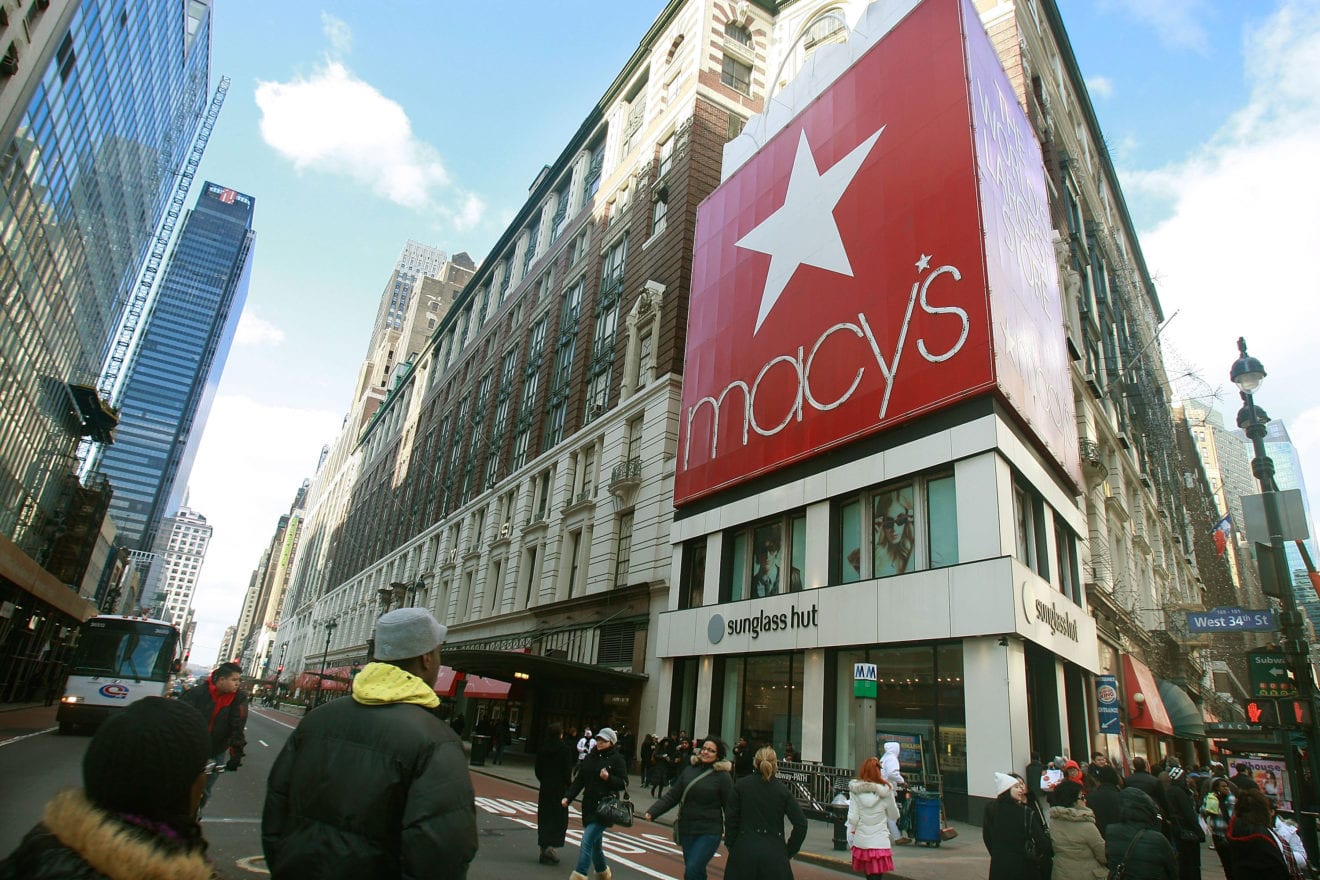
    Department store chain Macy’s has posted disappointing third quarter earnings, but tighter inventory controls has helped boost profit margins for the retailer.

    Macy’s posted a drop in sales of 6.1 per cent from $5.6 billion to $5.3 billion. Comparable store sales including licensed sales has seen a 3.6 per cent decrease. Gross margin increased from 39.8 per cent in FY 2016 to 39.9 per cent in the current year. Selling cost has remained high and has increased from 37.5 per cent to 37.8 per cent.

    Macy’s also reaffirmed its full-year outlook, citing heightened momentum heading into the all-important holiday shopping season.

    “We are excited about our plans for holiday, which is when Macy’s truly shines as a gifting destination,” said Jeff Gennette, Macy’s CEO.

    “The loyalty program, special in-store experiences and a strong mobile and online presence will help drive holiday sales.”

    During its third quarter, Macy’s opened eight new freestanding Bluemercury beauty specialty stores for a total of 135 stores and seven new Macy’s Backstage off-price stores within existing Macy’s stores for a total of 45 locations.

    During the quarter, the company announced that it will close the following stores in early 2018: Laguna Hills Mall in Laguna Hills, CA; Stonestown Galleria in San Francisco, CA; and Westside Pavilion in Los Angeles, CA.

    Neil Saunders, managing director of GlobalData Retail, said Macy’s has presented a rather mixed bag of results, with gains on the bottom line overshadowed by the continuing slide in sales.

    “Admittedly, total sales have been affected by the program of store closures, but the comparable number – which worsened since the last quarter – cannot fall back on the same excuse,” Saunders said.

    Saunders said in their view, one of the central issues with Macy’s is the patchiness of its turnaround program.

    “While there is no doubt that the company has made progress across some areas, change is far from comprehensive or far-reaching,” he said. “We get the sense that Macy’s fixes issues in a piecemeal way and that it lacks a unified vision for the future of the business.”

    Saunders said on the ground, this means it is hard for shoppers to see any material change, which is one of the reasons why Macy’s continues to suffer from customer defections.

    “None of this is to suggest that there have not been pockets of advancement: in shoes and jewellery, for example, Macy’s has enhanced its offer. However, on their own, these are insufficient to swing the top-line into growth.”

    According to Saunders, as a department store, the reinvigoration of Macy’s business means it must reinvent not only each department but the way in which all of those individual elements fit together.

    “In our opinion, the company is a very long way from achieving this and, more worryingly, seems to lack the will or the ability to do so,” he said. “Instead, Macy’s is focusing on smaller scale initiatives like the revamping of its loyalty scheme and improved marketing. As much as these things are valuable, they do not address the fundamental issues facing the business.”

    Saunders said all in all, Macy’s has made some progress, especially on the bottom-line where cost-saving initiatives are helping profit. However, the company needs to move further, faster and in a more coordinated way if it is to transform its fortunes.

  • More luxe image for Burberry marketing

    More luxe image for Burberry marketing

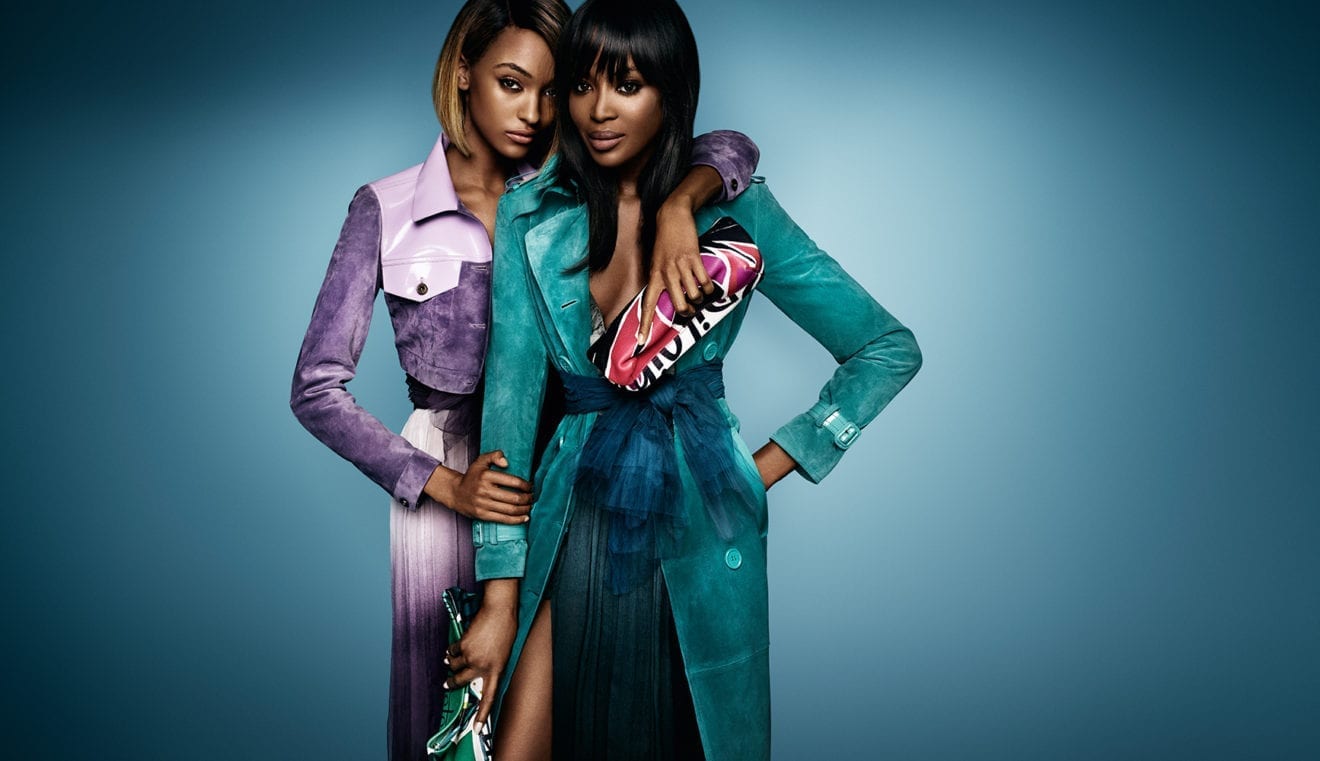
    Trumpeting solid growth in China sales in the first half year, Burberry has revealed plans to head more upmarket and cull its store network.

    Burberry marketing, retailing and communication will be refocused to meet the changing demands of today’s luxury customers, explained CEO Marco Gobbetti.

    The British-headquartered company, which achieves about 90 per cent of its own-retail sales in Asia-Pacific, reported China sales growth in the mid-teen percentages, with a “broadly consistent performance across both quarters”.

    “Hong Kong continued to improve, returning to growth in the second quarter,” the company announced, further evidence that the city’s retail sales decline is finally over.

    But the region’s overall growth was a more muted “mid-single digit”, largely due to a continuing decline in South Korea, thanks to falling Chinese tourist numbers.

    “I am pleased with our performance in the half with strong double-digit underlying profit growth,” said Gobbetti. “Consumers responded positively to fashion and newness, particularly in rainwear and leather goods. Digital revenue grew in all regions, led by mobile, while growth was strongest in our own stores in Asia Pacific.”

    Global sales for the six months to September rose 4 per cent to £1.263 billion with adjusted operating profit up 14.6 per cent to £185 million.

    New direction

    But the solid performance was overshadowed by Gobbetti’s announcement on the brand’s future. He prefaced it by saying the luxury market has changed and today’s luxury consumer demands innovation, curation and excitement from brands and creativity at every turn.

    “To win with this consumer, we must sharpen our brand positioning.  This will require us to change our approach to product, communication and customer experience.

    “We will reshape our offer, increasing and invigorating the fashion content.  We will create compelling luxury leather goods and accessories to attract new customers.  We will build on the strength of our apparel and re-energise it.  We will build our offer to provide a complete look for our customers, while continuing to simplify our ranges.”

    He said Burberry will put product “at the centre of our communication”.

    “We will leverage our extensive digital reach to convey new energy.  We will be bold in the way we engage luxury consumers, reinventing our editorial content and experiences.”

    One of the first steps will be rationalising the brand’s non-luxury wholesale and retail doors, with an initial emphasis on the US and EMEIA.

    The company has earmarked about £200 million to “transform our in-store experience” by refurbishing stores and enhancing its luxury service.

    “We will continue to lead innovation in digital, delivering personalised experiences and true omnichannel services. Our actions will be underpinned by continued focus on productivity, simplification and financial discipline.  We will engage and motivate our teams, reinforcing our culture and values.  We will continue to be an industry leader in responsibility,” said Gobbetti.

    Late last month, Burberry announced the departure of its president and chief creative officer Christopher Bailey after 17 years with the brand. His phased exit will commence in March, before he designs the Spring/Summer 2018 collection before leaving the company in December next year.

  • Fenix Outdoor Accelerates International Omnichannel Expansion  with Manhattan Associates

    Fenix Outdoor Accelerates International Omnichannel Expansion with Manhattan Associates

    Fenix Outdoor Group, a subsidiary of Switzerland-based outdoor goods specialist Fenix Outdoor International AG, has selected Manhattan Associates, Inc. to underpin its international, omnichannel growth strategy. Fenix Outdoor Group will standardise its order fulfilment operations on the Manhattan SCALE™ solution with initial deployments in its distributions centres in the U.S. and Germany, followed by the Netherlands, Norway, China and Australia.

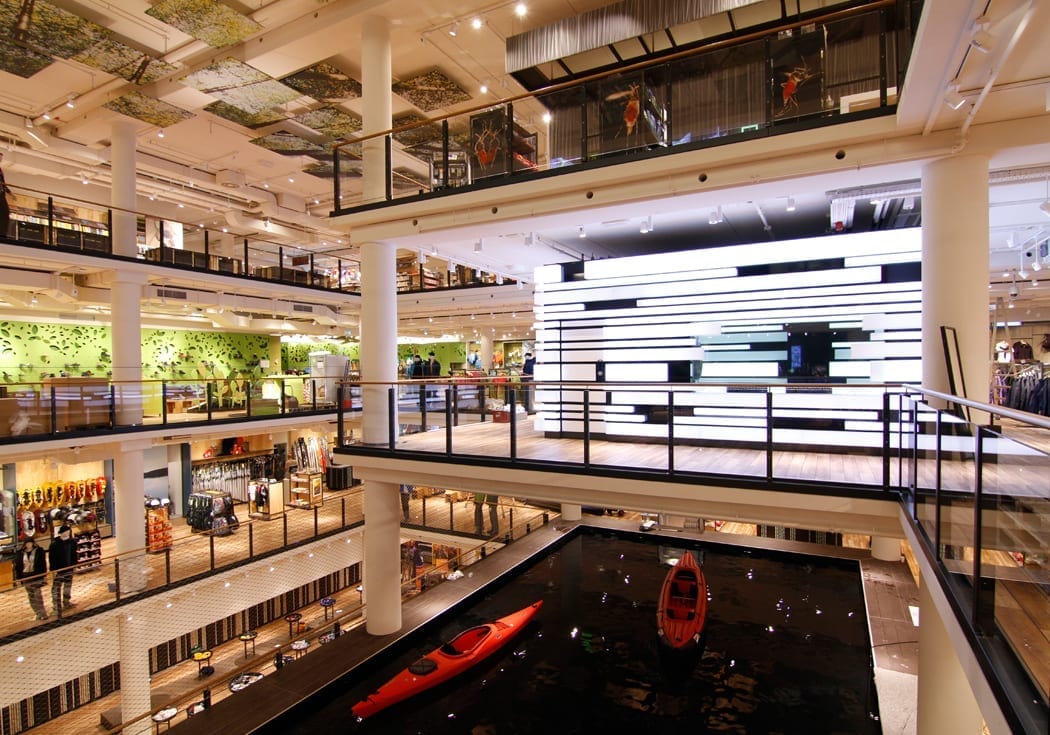
    Fenix Outdoor Group develops and markets high-quality, low-weight equipment and clothing for outdoor activities under its Fjällräven, Tierra, Primus, Hanwag and Brunton brands, and sells through a combination of its own stores, retail partner stores and a growing online operation. The company’s major markets include North America, Germany and the Nordics.

    Established in the 1950s, Fenix Outdoor has grown organically and through a series of acquisitions. Its 2015 purchase of Globetrotter, a German retail group, transformed the company from a predominantly wholesale-oriented business to a multi-channel commerce operator. The multiple, disparate systems it had inherited over the years were, however, hindering its further development. Fenix Outdoor therefore opted for a new warehouse and distribution management solution to optimise its expanded business operation and to support its broader international and omnichannel growth ambitions.

    Marcel Gerrits, Global Supply Chain Director at Fenix Outdoor Group, commented, “With today’s consumers requiring exceptional shopping experiences, we are building our capabilities to provide a ‘best in class’ omnichannel experience – offering our customers the goods they want, whenever and wherever they want them. We selected Manhattan as our chosen partner on this journey for its unmatched omnichannel commerce experience and its SCALE solution that allows us to serve multiple channels from a single inventory pool. It also has on-the-ground support teams in all the geographies where we will deploy.”

    Pieter Van den Broecke, Managing Director Benelux and Germany at Manhattan Associates, commented: “Orchestrating the complex flow of orders across multiple channels to meet the expectations of today’s increasingly demanding consumer is one of the biggest challenges facing apparel brands and retailers today. We are confident our technologies will accelerate Fenix Outdoor’s journey to omnichannel commerce maturity while also boosting the company’s top and bottom lines.”

  • Tapestry sales report

    Tapestry sales report

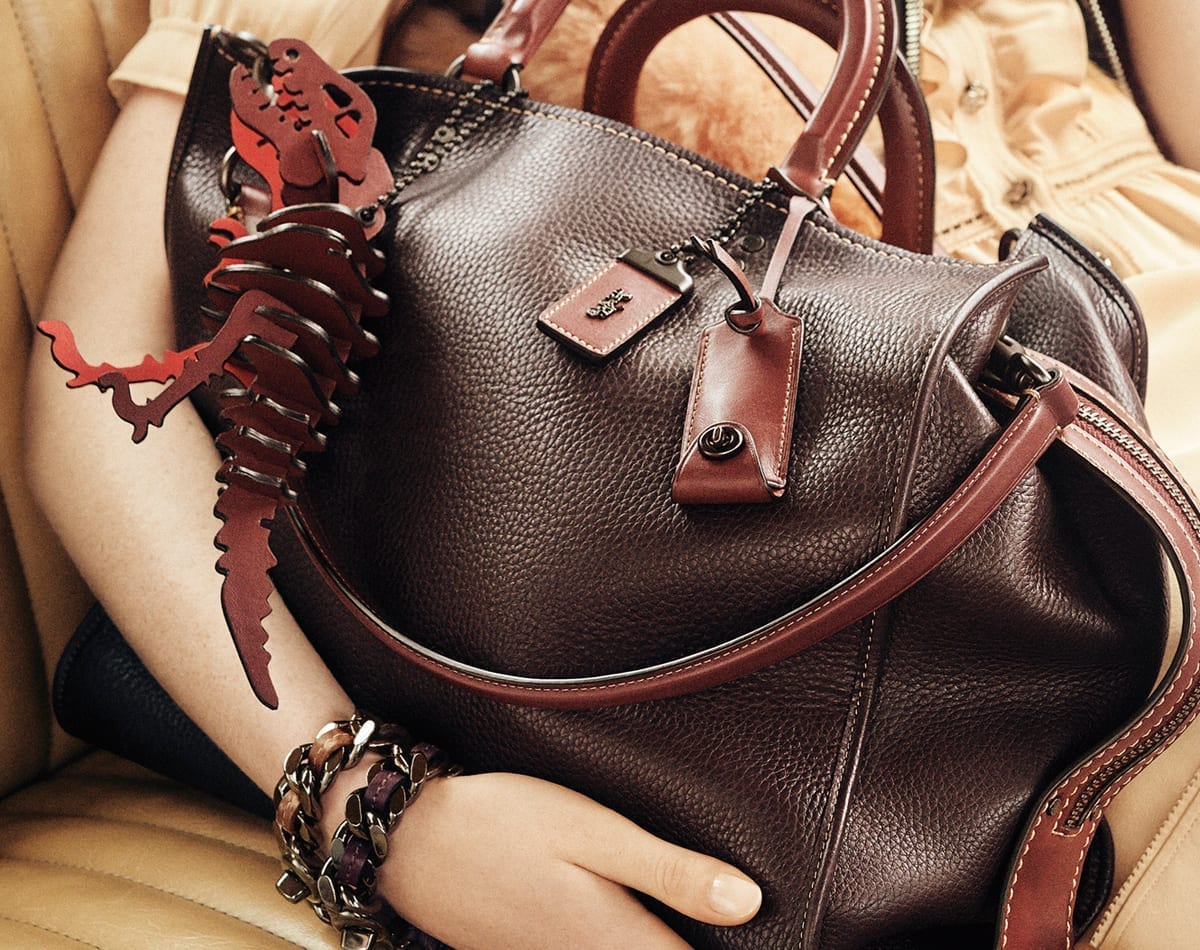
    The leather goods company formerly known as Coach Inc., Tapestry, has reported earnings for the first time since the name change.

    Tapestry, which is in the midst of a major rebranding, posted a 24.2 per cent increase in revenue to $1.29 billion and a net loss of $17.7 million compared with a profit of $117.4 million the previous year.

    Same store sales dropped two per cent for the Coach brand.

    Neil Saunders, managing director at GlobalData Retail, said the current period is one of transition for Tapestry, which changed its name from Coach last month as it grows into a multibrand lifestyle company following the acquisitions of accessories retailer Kate Spade and shoemaker Stuart Weitzman.

    “The inclusion of Kate Spade flatters the overall revenue number, which rose by almost 24 per cent,” Saunders said. “However, if this is excluded, a weaker picture emerges with sales down by 1.7 per cent over the prior year. This is solely the result of the continued revenue slide at Coach where overall sales dipped by 2.8 per cent, including a two per cent decline in comparables.”

    The pullback from department stores and other channels that Tapestry considers to be detrimental are part of the reason for the slide in Coach’s numbers. Saunders said this is not an unusual pattern.

    “However, we feel that there is an additional softness in this quarter’s results and that they indicate a slight worsening of performance since the prior period,” he said. “Fortunately, much of this appears to be down to transitory factors such as a shift in the Chinese Mid-Autumn festival and natural disasters in the United States. Even so, they serve as a reminder of the fickleness of demand when it comes to higher-end brands – which is why Tapestry wants to move away from being reliant on just one label.”

    Saunders said their recent store visits to Coach has led them to believe that the holiday quarter will be a positive one.

    “The collection is looking strong with some good gifting stories; merchandising is compelling and engaging,” he said. “Our consumer data also indicates that perceptions of Coach continue to rise and its status as a brand that people want to receive and to gift have both improved since last year.”

    Tapestry’s newest addition, Kate Spade, also suffered a sales decline, with comparables down by 9 per cent.

    “While this is a less than auspicious start, it is the result of deliberate action by Tapestry to wean the brand off its reliance on discounting and flash sales,” Saunders said. “Predictably, this had a negative impact on volumes, especially online where global e-commerce declined by 600 basis points.”

    As much as this is beneficial to gross margins, the shift put severe pressure on the bottom line.

    “Thanks to this, and the disruption and expense of the acquisition, Kate Spade fell firmly into the red,” Saunders said. “However, we are not overly concerned by this as we believe Kate Spade needs to take two steps back before it can move forward.”

    With Tapestry’s two leading brands in negative sales territory, it fell to Stuart Weitzman to try and make up some lost ground. The division duly delivered with a 10.2 per cent uplift in sales. Better collections in store coupled with improved demand for footwear drove the results.

    “We are confident that this uptick will continue into the holiday quarter and beyond, bolstered by the much-awaited collection from Giovanni Morelli,” Saunders said.

    According to Saunders, as important as the performance of the individual brands is, it is the way in which Tapestry will bring them together that will determine business performance. “Here, despite the negative revenue growth and this quarter’s net loss of $17.7 million, we are encouraged by the progress,” he said. “Synergy savings from the Kate Spade integration are ahead of schedule, which allowed the company to beat its earnings forecast. Moreover, Tapestry has increased its targeted savings out to 2019 from $50 million to $115 million.”

    Saunders added that all of this suggests that the current period is one of transition for Tapestry and that better numbers will come through over time.

    “Overall, we have confidence in the general direction and strategy of the group.”

  • Dolce & Gabbana sneakers pop-up store arrives in Vietnam

    Dolce & Gabbana sneakers pop-up store arrives in Vietnam

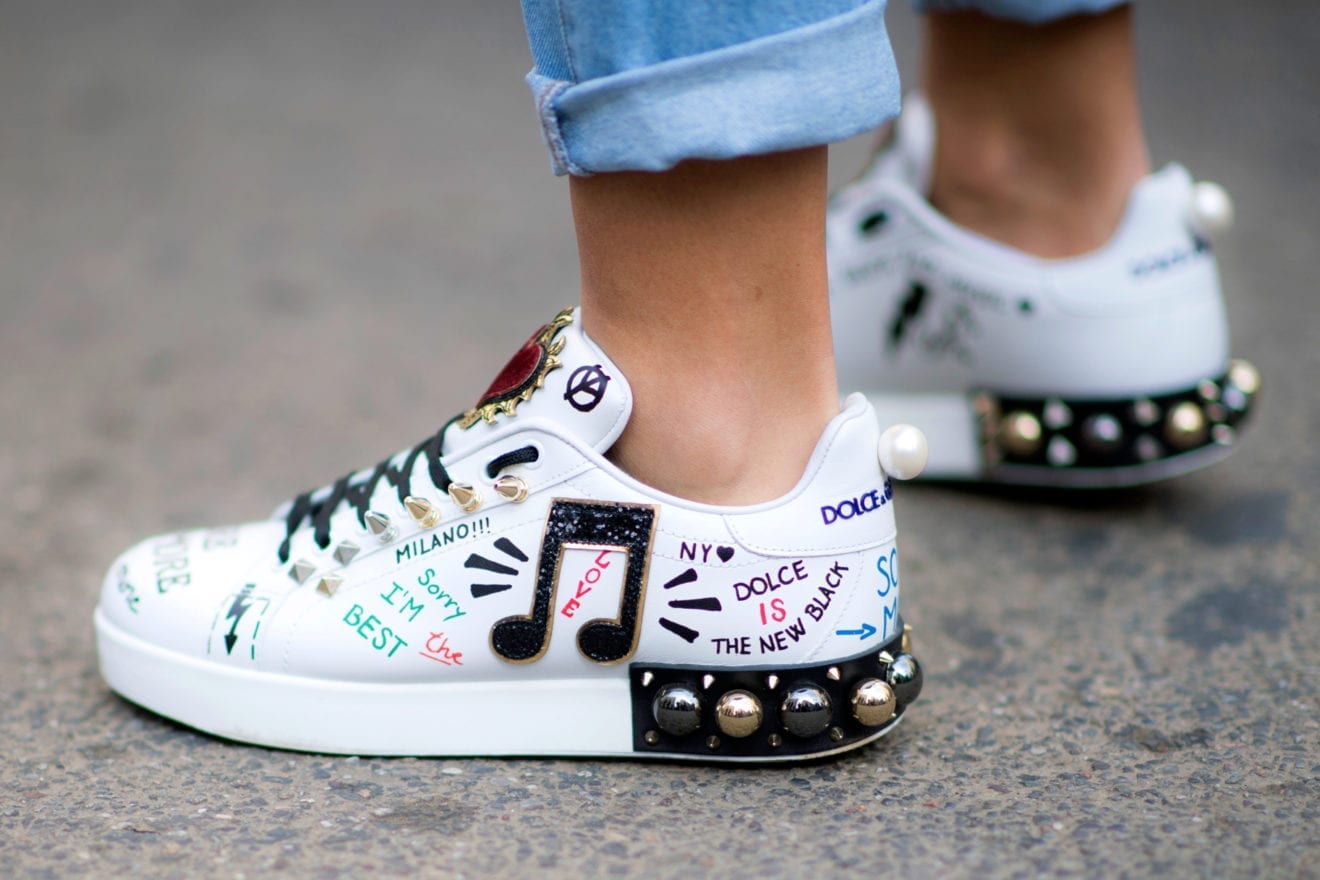
    The Dolce & Gabbana Sneakers pop-up store is to land in Vietnam for four weeks, at Trang Tien Plaza in Hanoi.

    After choosing their white sneakers, customers – both men and women – can head to the design lab where artists are waiting to help them customise their purchase.

    Options for the sneakers include color patches, stitches or written inscriptions.

    Besides sneakers, customers can also have white t-shirts customised.

    The Dolce & Gabbana sneakers pop-up store opens from November 5 to  December 3.

  • Balenciaga is the hottest fashion label

    Balenciaga is the hottest fashion label

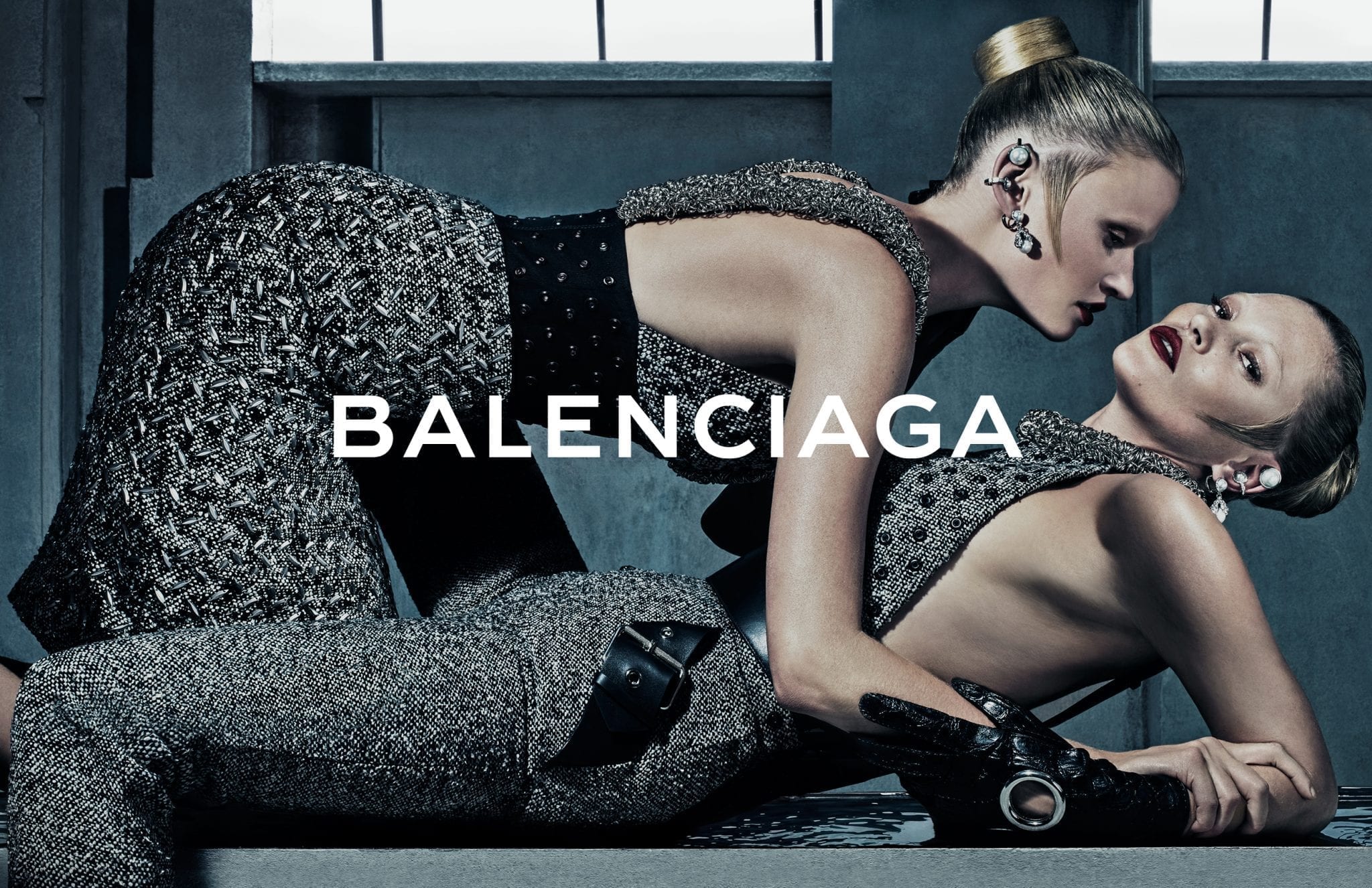
    Balenciaga has overtaken Gucci as the hottest fashion label, according to the latest Lyst Index.

    The index draws on data analysis by fashion-search platform Lyst in conjunction with the Business of Fashion website. The 4.5 million data points analysed include sales, searches and consumer perceptions of 5 million products and 12,000 brands.

    Its result is despite Louis Vuitton, Hermes and Gucci being named best fashion brands globally just last month by Interbrand consultancy.

    Ranking the world’s hottest brands and top-selling products, the Lyst Index ranked Gucci first in this year’s second quarter, followed by Kanye West’s Yeezy and Balenciaga. However, the Spanish fashion brand continued to rise, displacing Gucci in the third quarter, with Virgil Abloh’s Off-White rising to third – a jump of 31 places in three months.

    Lyst says Balenciaga’s rise was because of a new logo and the Colette residency in Paris keeping the brand top of mind “while Demna Gvasalia continues to design products that drive the fashion narrative online”.

    Additionally, the platform praised Gucci for being a “consistent performer”, reports High Snobiety.
    Rounding out the top 10 are Vetements, Givenchy, Valentino then Saint Laurent, while Stone Island leaped from 41st to eighth, followed by Moncler (previously 20th) and finally Raf Simons (previously 21st).

    Lyst Index also looked at the most influential rappers in fashion for the quarter, listing (in order) Kanye West, Nicki Minaj, Pharrell Williams, Cardi B, Drake and A$AP Rocky.

  • Ba&Sh plan for Asia expansion

    Ba&Sh plan for Asia expansion

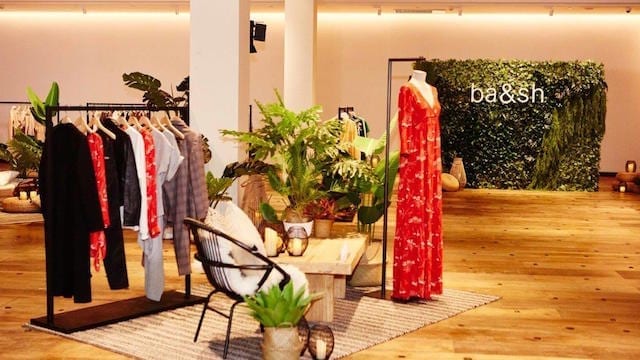
    Parisian affordable luxury brand Ba&Sh plans to ramp up its Asian presence after early success in Hong Kong.

    The region has become a top priority for founders Barbara Boccara and Sharon Krief after a cornerstone 50 per cent investment by LVMH-linked PE fund L Capital in 2015. Ba&Sh plans to open 12 more stores in China, Macau and Hong Kong next year.

    The co-founders made their first personal appearance in Asia at the recent Spring-Summer 2018 collection media preview in Beijing.

    “Ba&Sh is spreading fast in Asia and seems to match the local way of life, confirming the universal reach of its lifestyle,” said Ba&Sh CEO Asia Isolde Andouard.

    Hongkongers quickly embraced the Ba&Sh label, with growing foot traffic in the three stores which have opened since April, at Times Square, Harbour City and IFC Mall.

    “The shops are flourishing, so the brand is all the more optimistic and enthusiastic at the time of launching Ba&Sh in China,” she said.

    Five Mainland China stores have opened since September in fashionable and luxury malls in Beijing – Shin Kong Place, Galeries Lafayette and Taikoo Li – and in Shanghai – Reel and Taikoo Hui.

    The Asia roll-out is being led by Andouard, who previously headed up rival fashion operator, the Chinese-owned French company SMCP, parent of the Sandro, Maje and Claudie Pierlot.

    “Isolde is the right person to achieve ba&sh development in Asia,” explained Ba&Sh global CEO Pierre-Arnaud Grenade. “Her versatile background and her in-depth understanding of the Asian market are strong assets to support Ba&Sh implementation there.”

    Isolde Andouard, Ba&Sh CEO Asia with Pierre-Arnaud Grenade, CEO Global.

    Authenticity wins following

    Andouard says the brand’s authenticity won over French women and believes that same authenticity appeals to Asian consumers.

    Despite its LVMH-linked ownership, Barbara and Sharon remain the faces of the brand “and, as such, they do reinforce the customers’ identification with Ba&Sh. But above all, Ba&Sh benefits from its success in France and from the LVMH network to carry out a daring expansion strategy. The launch in Asia and in the US were done simultaneously, a bold move that is starting to show tangible results,” she said.

    The co-founders, high school girlfriends, have given the first two letters of their names and more than 10 years of their lives to create the brand before attracting the attention of LVMH.

    Globally, Ba&Sh now has 500 points of sale worldwide, including 163 direct retail stores.

    ba&sh SS18 press event_10

    The brand’s two core values – freedom and friendship – are at the heart of the creative process.

    “Trend books never set foot in the Ba&Sh workshop, where only refined fabrics and craftsmanship ignite the spark of the stylists’ creativity. Barbara and Sharon dreamed of building the ideal wardrobe, and that’s why our products are so versatile, in fitting with today’s never-resting metropolitan woman who parties when she’s not working or with her family.”

    The new SS18 collection mixes Anglo-Saxon and Asian inspirations to embody “the joyful and Parisian Ba&Sh spirit”.

    Most prints draw their inspiration from the heart of Asia; Japanese and traditional Chinese patterns are reinterpreted with flair.

  • Marks & Spencer to close more stores

    Marks & Spencer to close more stores

    UK department store chain Marks & Spencer is about to announce further store closures along with reduced profits amid worsening high-street trading conditions.

    Last year, the company announced the closure of 30 stores, but The Guardian newspaper reports a plan has been devised by CEO Steve Rowe and incoming chairman Archie Norman for a bolder store rationalisation plan.

    The company is struggling to regain market share in its apparel division, which is almost exclusively own-label and has failed to keep pace with design and innovation of branded rivals.

    Analysts are tipping the company to announce a further 10 per cent decline in profits for the six months to September 30, to around £201 million. That’s a far cry from the £1 billion full-year profit back in 2008.

    In place of apparel, the company is redirecting its focus onto its successful food category, with some of the full-line stores to be converted into food-only stores.

    Last year, the company exited the China market and this year began preparations to sell its Hong Kong business to Al-Futtaim under a franchise agreement.

    The Guardian suggested that if M&S decides to close more stores it will deal a blow to the towns involved, where the retailer is often the main destination store, especially following the demise of BHS.

    “But with more purchases made online, stores in smaller or less attractive town centres and shopping centres are finding life difficult especially amid rising costs for retailers.”

  • Precita flagship store in Ho Chi Minh City

    Precita flagship store in Ho Chi Minh City

    Emerging jewellery brand, Precita, has opened a stylish flagship in the centre of Ho Chi Minh City in Vietnam, designed by a Hong Kong company.

    With its traditional focus being on monetary value, the Vietnamese jewellery market is proving a challenge for international brands. With that in mind, Stefano Tordiglione, chief designer for the company bearing his name, sought to create a balance between sensitivity and boldness, introducing fashionable jewellery pieces in a modern and chic light with an eye on the classic vogue. His client was Ben Thanh Jewelry JSC.

    Stefano Tordiglione Design - Precita 10

    Visitors to the bright, 150sqm store are drawn in by the jewellery cabinets with smooth lines of subtle blue edging. The grandeur and the historical structure of the Vietnamese building is softened by soft stucco white walls and large wall cabinets reminiscent of windows, where a sense of contemporary feel is highlighted in a touch of sky blue – the brand’s colour.

    Stefano Tordiglione Design - Precita 5

    The feature wall behind the circular display unit highlights a geometric pattern reinterpreting the word ‘Precita’ in oak and glass, a unique expression of the brands identity created by the designer.

    Stefano Tordiglione Design - Precita 2

    A VIP area displays higher-value items in a secluded area inside the boutique.

    “Here transparent cabinets and mirrors are accompanied and differentiated by wooden lines, which descend to hold them suspended in an atmosphere of lightness and curiosity,” explains Tordiglione.

    “The floor is a deliberately open space that looks out over the entryway, inviting a breath upon entry and exit with an ample double-height space over the 8m-high facade.”

    The materials were chosen to represent the character of the brand. The cabinets are off-white, with subtle recalls of the Precita pattern in relief, rose-gold coloured metal edging the glass and brand pattern and colour.

    Stefano Tordiglione Design - Precita 11

    “The brand logo frame is given modern assurance by a scraped concrete background, while clean grey stone flooring is surrounded by oak to add warmth. Wood also holds the legs of the cabinets where they meet the floor, giving a sense of lightness. The store lights marry form and function, illuminating the precious pieces and also forming a starry night from the exterior.”

    Stefano Tordiglione Design - Precita 3

    The facade, inspired by American 1950s style, stands unique and clean.

    Explains Tordiglione: “It expresses the defining elements of the store in layers – the cool blue lines against clean beige stone, the unique Precita pattern that forms the visual identity of this new brand.

    Stefano Tordiglione Design - Precita 7

    Together with the repeated light fixtures, they all combine to create a tone of graceful dynamism.

    “At night the LED lights come on, framing and confirming the presence of a new brand, and a refreshed way of thinking about jewellery.”

    Stefano Tordiglione Design Ltd completed the project in May of this year. Precita currently has three stores in Ho Chi Minh City.

  • New store for Zara Vietnam

    New store for Zara Vietnam

    Zara Vietnam opens its first Hanoi store tomorrow in Vincom Centre Ba Trieu.

    According to an announcement on the Spanish fashion brand’s website, the three-storey store will face Doan Tran Nghiep street and offer styles for women, children, teens, and men. It will feature hoodies and coats as the capital faces winter.

    Zara arrived in Vietnam two months ago, launching at Vincom Centre Dong Khoi in Ho Chi Minh City, covering 2400sqm over two levels.

    Swedish fast-fashion brand H&M, which also entered Vietnam with a store in Vincom Centre Dong Khoi, will follow on Saturday with its first Hanoi store at Vincom Mega Mall Royal City Thanh Xuan.

  • New Look goes to the red zone

    New Look goes to the red zone

    Fashion retailer New Look’ has plunged into the red, posting a loss of £10.4 million in the half-year to September.

    Owned by South African investment firm Brait, New Look’s latest half-year result contrasts with a £59.3 million profit in the same period last year.

    Same-store sales fell 8.4 per cent, while total sales dropped 4.5 per cent to £686 million.

    While the company said it has “adequate liquidity and cash position to continue trading, it is reportedly in talks to renegotiate terms of a £1.2 billion debt burden.

    New Look’s former CEO Anders Kristiansen left suddenly in September and his interim replacement, executive chairman Alistair McGeorge, said the results reflected a “challenging retail environment on the UK high street”.

    “The immediate focus in this period of transition will be to deliver stability and get the business back to basics by reconnecting with the New Look customer and recovering our broad appeal. While we are not anticipating a reversal in fortunes overnight, I am confident we will implement the necessary changes to get the company back on track.”

    Like rival fashion retailers, New Look has been hit hard by the fall in the value of the pound following the Brexit vote, which has boosted import costs, fuelled inflation and dented consumer confidence.

  • Rise in sales for Ralph Lauren Asia

    Rise in sales for Ralph Lauren Asia

    Ralph Lauren Asia sales rose marginally in the second quarter as the company continued with its turnaround strategy.

    Group-wide global sales, however, fell 9 per cent to US$1.7 billion, as the troubled brand pursued initiatives aimed at increasing the quality of sales, reduced promotional activity and improved distribution. North American revenue fell 16 per cent to $877 million.

    However, on the positive side, the average unit sale across Ralph Lauren’s direct-to-consumer network was up 5 per cent year-on-year.

    Ralph Lauren Asia sales reached $217 million, up 4 per cent on a constant-currency basis, driven by strength in both retail and wholesale channels. Same-store sales rose 3 per cent driven by improved store footfall and conversion of browsers into shoppers.

    “I am pleased with the progress we are making as we continue to strengthen the foundations of our business and elevate the expression of our iconic brand,” said Ralph Lauren, executive chairman and chief creative officer. He said incoming CEO Patrice Louvet has “already proven to be an invaluable partner who is embracing our core values, bringing unique expertise and uniting and empowering our capable teams”.

    Louvet said that while there remains a lot of work to be done to restore the company to its previous level of success, he is encouraged by the early progress being made in strengthening the brand and better connecting with consumers.

    “Faint light at end of long tunnel”

    Neil Saunders, MD of GlobalData Retail, said that while the results again showed declining sales, there is “finally a faint light at the end of Ralph Lauren’s long tunnel of reinvention”. Net profit rose 215 per cent, largely due to the streamlining of the business reducing costs, favourable exchange rates and reduced product discounting, improving gross margin.

    “While the turnaround plan is delivering a bottom line improvement, the impact on the top line is less obvious,” observed Saunders.

    He also believes there is more work to do in consolidating the company’s ranges and choice.

    “The company still has too many sub-brands, capsule collections and labels. In theory, these are supposed to cater to different constituents of the market. In practice, there is no real delineation between many of the elements, and the result is a confused mass of product that is vaguely referred to as ‘Ralph Lauren.’ Trimming back here is necessary if the brand is to have any chance of cutting through in a very crowded and competitive marketplace,” he said.

    “One of the positives we take from both this and the previous set of results is that Ralph Lauren and his new CEO, Patrice Louvet, seem to be working well together. The dynamic between the two gentlemen is crucial as it will ultimately determine whether the turnaround plan succeeds or fails. As the founder and iconic head of the brand, Ralph Lauren’s input and vision are vital, but it remains important that he allows a CEO to steer the business towards more fruitful waters. After some false starts, this now seems to be happening,” Saunders concluded.

  • Muji expansion in Thailand at Siam Discovery in Bangkok

    Muji expansion in Thailand at Siam Discovery in Bangkok

    Muji Thailand has opened another store in Bangkok, its second in little more than a month.

    On Wednesday, Muji opened its doors in the Siam Discovery shopping centre.

    MUJI at Siam Discovery_3

    Yuki Yamamoto, director and GM of Muji’s parent Ryohin Keikaku Co and Naratipe Ruttapradid, senior executive VP operations division with Siam Discovery’s parent Siam Piwat (pictured) performed the opening honours.

    Mr. Yuki Yamamoto, Director and General Manager, Ryohin Keikaku Co., Ltd.  along with Miss Naratipe Ruttapradid, Senior Executive Vice President Operations Division at Siam Piwat Co., Ltd. opened the new ‘MUJI’ store at 2 nd Floor, Siam Discovery. Customers will get special offer and can buy the special exclusive tote bags at Bath of 99 only at MUJI, Siam Discovery branch.

    Muji Thailand reopened its store inside the Zen department store at Bangkok’s CentralWorld shopping centre in September. That store, which originally opened on the fifth floor of Zen in 2012, has been relocated to the fourth floor.

    It is the largest of all Muji outlets in Thailand with a floor area of 878sqm.