Category: Fashion

Retail News Asia is committed to providing both local and global retailers with the latest Fashion news throughout the Asian market. This on a daily base.

  • Asia boosts sales for Estee Lauder

    Asia boosts sales for Estee Lauder

    It says the higher sales in China reflected strong gains for every brand except designer fragrances. Estee Lauder, Mac, La Mer, Tom Ford and Jo Malone led the sales growth.

    Sales benefitted, in part, from continued demand for makeup products, an acceleration in skincare sales and targeted expansion of consumer reach.

    Hong Kong’s increased sales reflected solid domestic growth and a rise in tourism. Growth was primarily driven by Estée Lauder, La Mer and Mac.

    Operating performance was lower in Japan.

    Overall, the company achieved net sales of $3.27 billion, up 14 per cent on the same period last year.

    Incremental sales from the company’s acquisitions of Becca and Too Faced contributed about four points of reported sales growth. Net earnings rose 45 per cent to $427 million.

    “Building on the global momentum of the past fiscal year, we benefitted from continued acceleration in China, Hong Kong, travel retail and global online, strength in several developed and emerging markets in Europe, and incremental sales from Becca and Too Faced,” says president/CEO Fabrizio Freda.

    “Our online and travel-retail channels and most luxury and mid-sized brands posted double-digit sales gains.”

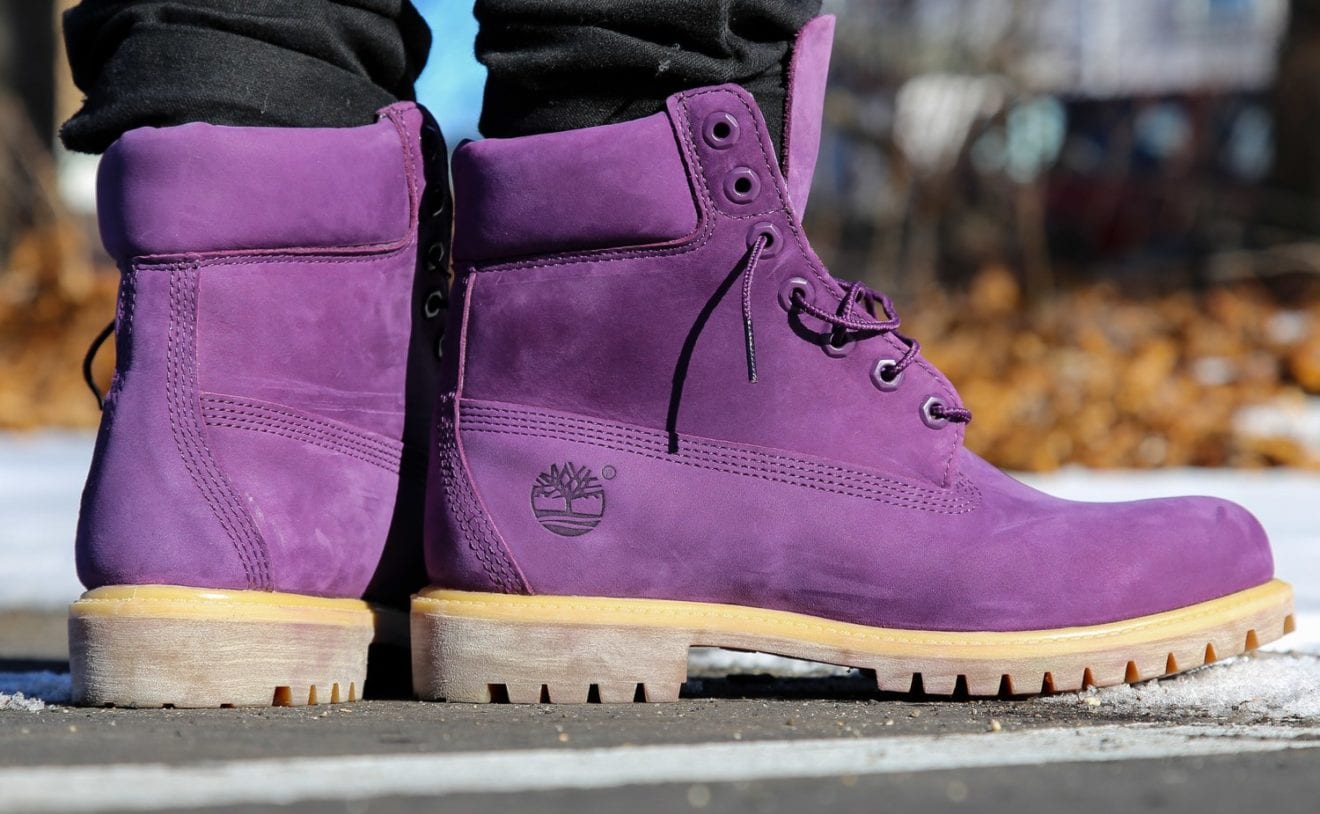
  • Timberland buys Icebreaker

    Timberland buys Icebreaker

    US-based global fashion brand owner VF Corporation has bought New Zealand’s Icebreaker Holdings.

    Icebreaker pioneered the ethical and sustainable production of natural performance apparel for men, women and children, using Merino wool, plant-based fibres and recycled fibres.

    The brand is sold in 47 countries through wholesale, branded retail stores and online.

    The company has an annual turnover of about US$150 million, however terms of the sale were not disclosed.

    Jeremy Moon, who founded the company in 1995, says it was always his plan to build a global brand from New Zealand.

    “Our partnership with VF provides us with the largest platform in the world to tell our story, access new markets and reach new consumers at an accelerated pace. This is a once-in-a-lifetime opportunity for our global Icebreaker brand team and for our wool suppliers to introduce a whole new universe of consumers to the benefits of sustainably farmed, ethically sourced, New Zealand Merino wool,” he said in a statement announcing the deal.

    “Bringing the Icebreaker brand into the VF portfolio is a special opportunity,” added Steve Rendle, chairman, president and CEO of VF Corporation. “Its natural fiber focus is an ideal complement to our SmartWool brand, which also features Merino in its clothing and accessories. Together, the SmartWool and Icebreaker brands create an advantaged position for VF as a leader in the growing and underpenetrated natural fibre category. We will have unmatched capabilities that will strengthen our ability to create innovative and sustainable natural fiber products across our brand portfolio, especially in VF’s outdoor and workwear brands.”

    VF Corporation has a diverse portfolio of lifestyle brands, including Vans, The North Face, Timberland, Wrangler and Lee.

  • New opening of MUJI at Siam Discovery

    New opening of MUJI at Siam Discovery

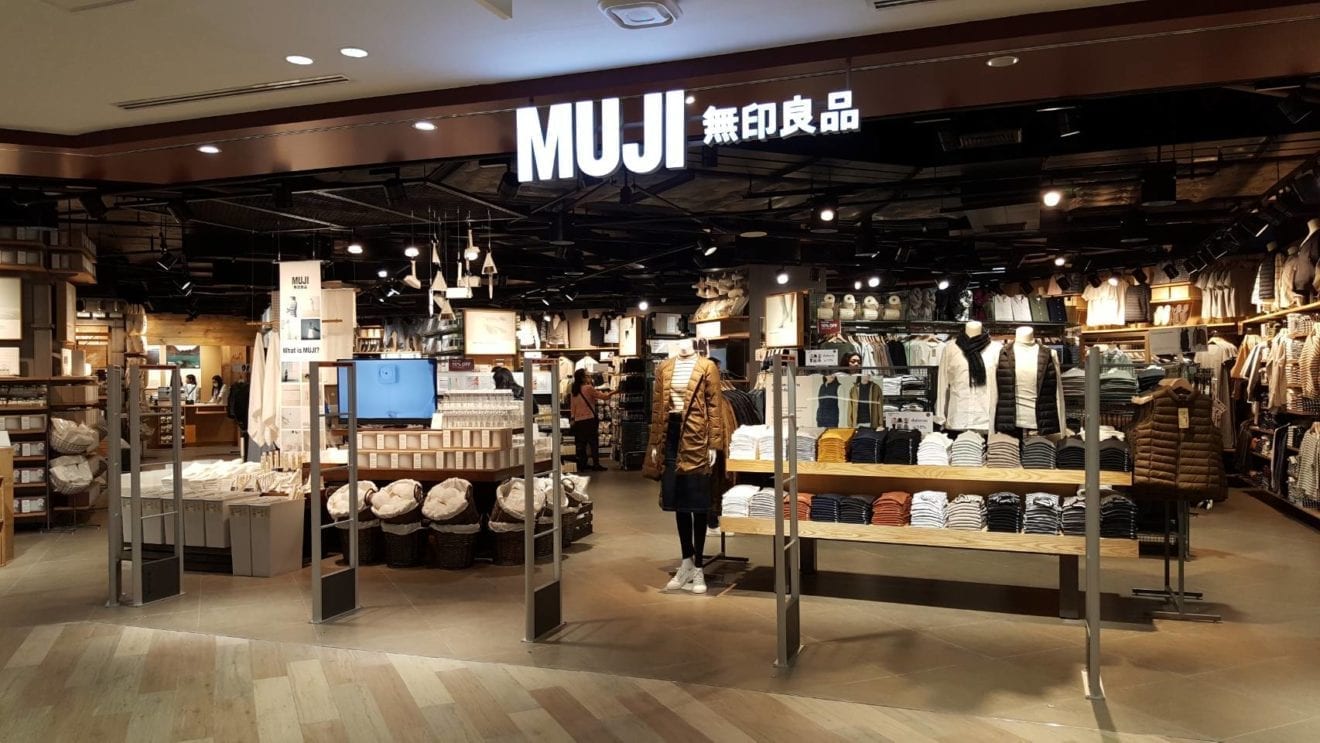
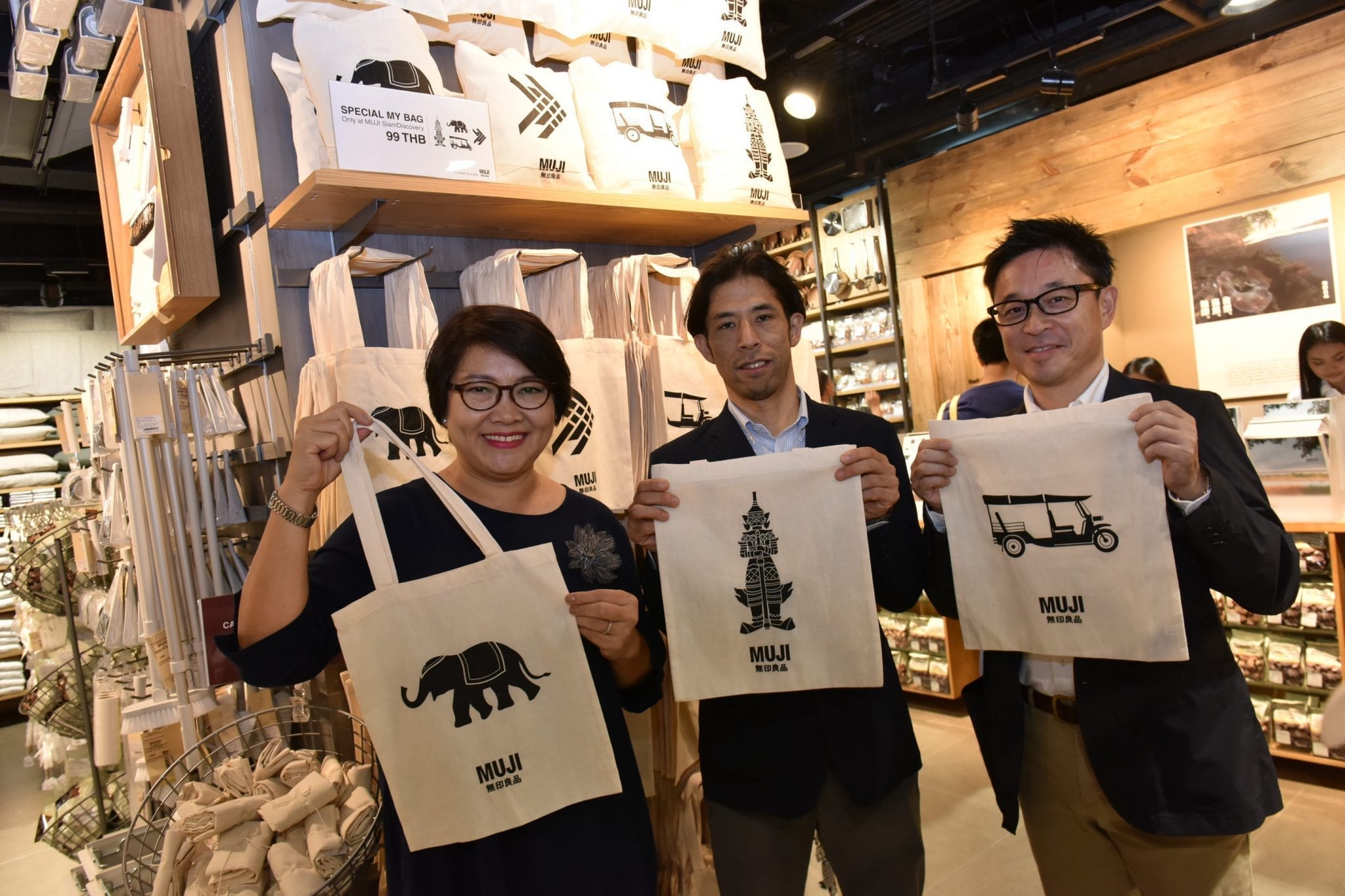
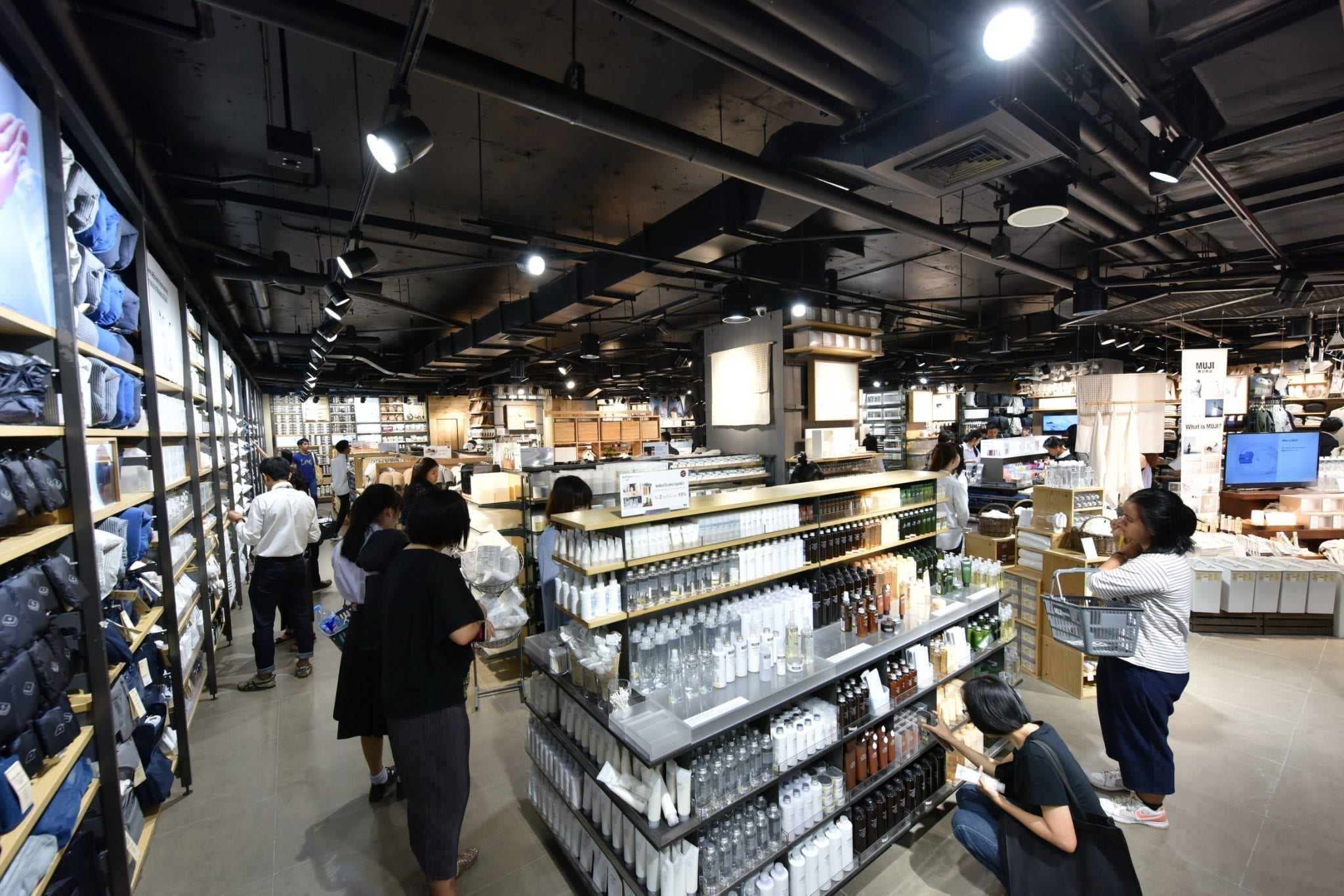
    Mr. Yuki Yamamoto, Director and General Manager, Ryohin Keikaku Co., Ltd.  along with Miss Naratipe Ruttapradid, Senior Executive Vice President Operations Division at Siam Piwat Co., Ltd.  opened the new ‘MUJI’ store at  2nd Floor, Siam Discovery.

    New opening of MUJI at Siam DiscoveryCustomers will get special offer and can buy the special exclusive tote bags  at Bath of 99 only at MUJI, Siam Discovery branch.

  • Sarah Lai opens pop-up at Pacific Place

    Sarah Lai opens pop-up at Pacific Place

    Hong Kong fashion designer/entrepreneur Sarah Lai opened a two-month pop-up store today at Pacific Place, Admiralty.

    It offers her label’s full collections of women’s ready-to-wear, usually sold online.

    Featured is her “Romance Reborn” series with its ruffles and velvet.

    After graduating from Cornell University in 2005, Lai embarked upon a career with financial services firm Morgan Stanley. It was during a summer in London that she rekindled her passion for fashion, and developed a debut collection. She formed her label in 2013.

  • Maison Trudon plans a brand new Hong Kong flagship

    Maison Trudon plans a brand new Hong Kong flagship

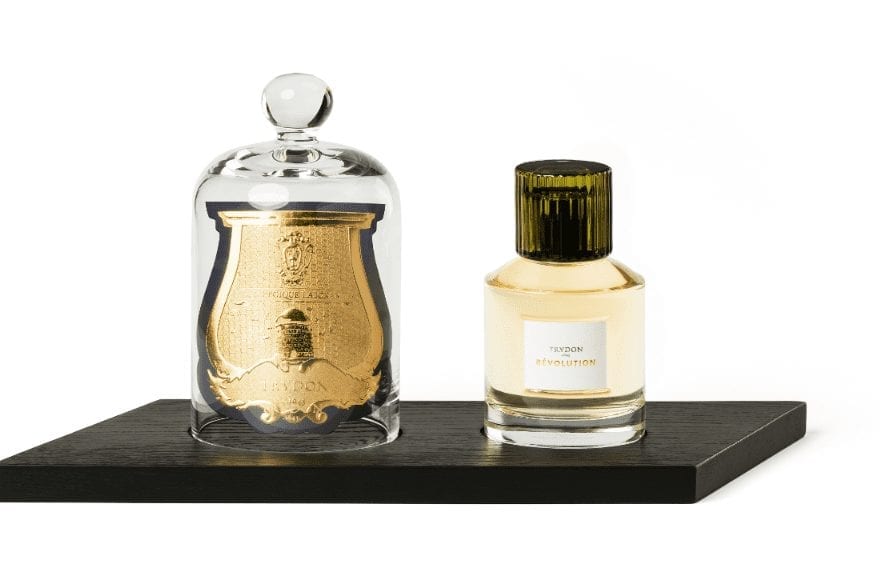
    Maison Trudon, a luxury French candle maker and retailer with a 374 year heritage, launched its first luxury perfume range in Hong Kong yesterday – and revealed plans for a flagship store in the city.

    The company has more than 700 retail sales points worldwide, including five flagships operated by itself or local distributors in Paris, London, New York City and – the most recently opened – Seoul.

    “The luxury is we are a small company, family owned. We can take time to do things and nowadays time is a luxury. (The company has just eight head office staff and 25 factory employees).

    “Asia is growing for us. Europe is a mature market for us – I wouldn’t say we have reached our limit there, but it is now getting to the top of what we can have in terms of stores.”

    But selling candles in Asia is not easy, she said, because not a lot of Asians buy them, “except around death, which is a challenge”.

    “A lot of our customers buy candles for a gift and they just sit on a shelf and are never burnt. That’s a problem for us because if they are not burned there is no repeat sale.”

    The company is already scouting for sites in Hong Kong. While two retail neighbourhoods have been selected as potential sites for the Hong Kong flagship, the company is reluctant to commit because there are many vacancies in both areas.

    “We are concerned about our neighbours. We don’t want to open a store and then after six months have a neighbour move in who doesn’t fit with our brand positioning,” Herreria said.

    For now, Maison Trudon is stocked in Hong Kong by Lane Crawford and Joyce department stores, along with some specialty stores, including Shhh on Hollywood Road, Central.

    The company has a total offer of around 150 candle products representing 29 scents. Prices range from HK$109 (€12) for a box of six table candles through to HK$3600 (€400) for a giant 3kg centrepiece. The top-selling product is a 270gm candle selling for about HK$640 (€70).

    The brand was founded in France in 1643 and in its early years supplied royal family members prior to the French Revolution. To have survived so long is astonishing when one considers it originated as a candle maker to provide light. Its point of difference back then was its composition of beeswax which burned clean and bright, unlike cheaper animal fat-based candles which stank when burned and emitted black smoke. But with a Trudon candle costing the equivalent of an average day’s pay back then, its customer base was limited.

    After the revolution, when having previously been associated with the royal family was something of a disadvantage, the company was allowed to continue in business, due to its public service outweighing any perception of luxury.

    Then came the advent of gas and later electricity, meaning candles were no longer an efficient source of light for home or office. It could have spelt the end, but instead Maison Trudon shifted its focus back to premium scented products, working with perfumeries to achieve memorable, lasting scents.

    In subsequent years, the company’s ownership passed through five different families, but it always remained privately owned.

    Perfume expansion

    The new five-piece Maison Trudon perfume collection was soft-launched in department stores Bon Marche in France, Harvey Nichols in London and Barneys in New York City, last August, along with the company’s own stores. It waited until after Fashion Week to launch in Hong Kong.

    Making its foray into perfumes after 374 years in candles, the company realised it needed to launch with more than one variant.

    “We realised that if we had three or five perfumes our displays would be bigger and more visible,” said Herreria.

    The company worked with two perfume designers, Antoine Lee and Lyn Harris for three years before the range was complete. The scents are considered niche, decidedly genderless and  bold and brave. Each has a story. For one, Bruma, Lee was blindfolded and led into a Paris museum after closing time and assisted into a relaxed, meditative state by a therapist.

    He describes the experience as his “best brief ever” as a perfume creator. The result, in his words: “A noble figure leaves the comfort of her rooms on horseback at night to discover a part of herself in another, nearly super- natural place. Her appearance is evoked by the notes that transcribe her femininity as well as her elevated rank. The rider crosses a clearing, passing from the half-dark into the nocturnal light, shrouded in mystery, enigma and a distinguished sensuality that is almost animal-like. Her beauty is suddenly revealed by a spiritual energy.”

    Another of the perfumes, Revolution, by Harris, has a deliberately strong ‘smoky’ scent.

    “Revolution captures a moment in history, a period when smells were raw and prevailed everywhere,” explains Harris. “History is alive in this composition where smoke, wood, leather and incense reign. Yet modern elements in the formula let the scent breathe. A form of harmony is born out of these contrasting notes, leaving an elegant, clean, smoky wood-scented backdrop that remains on the skin.”

    Each 100ml glass bottle of perfume will retail for about HK$1900.
  • Lancome Travel Retail pushes digital presence online

    Lancome Travel Retail pushes digital presence online

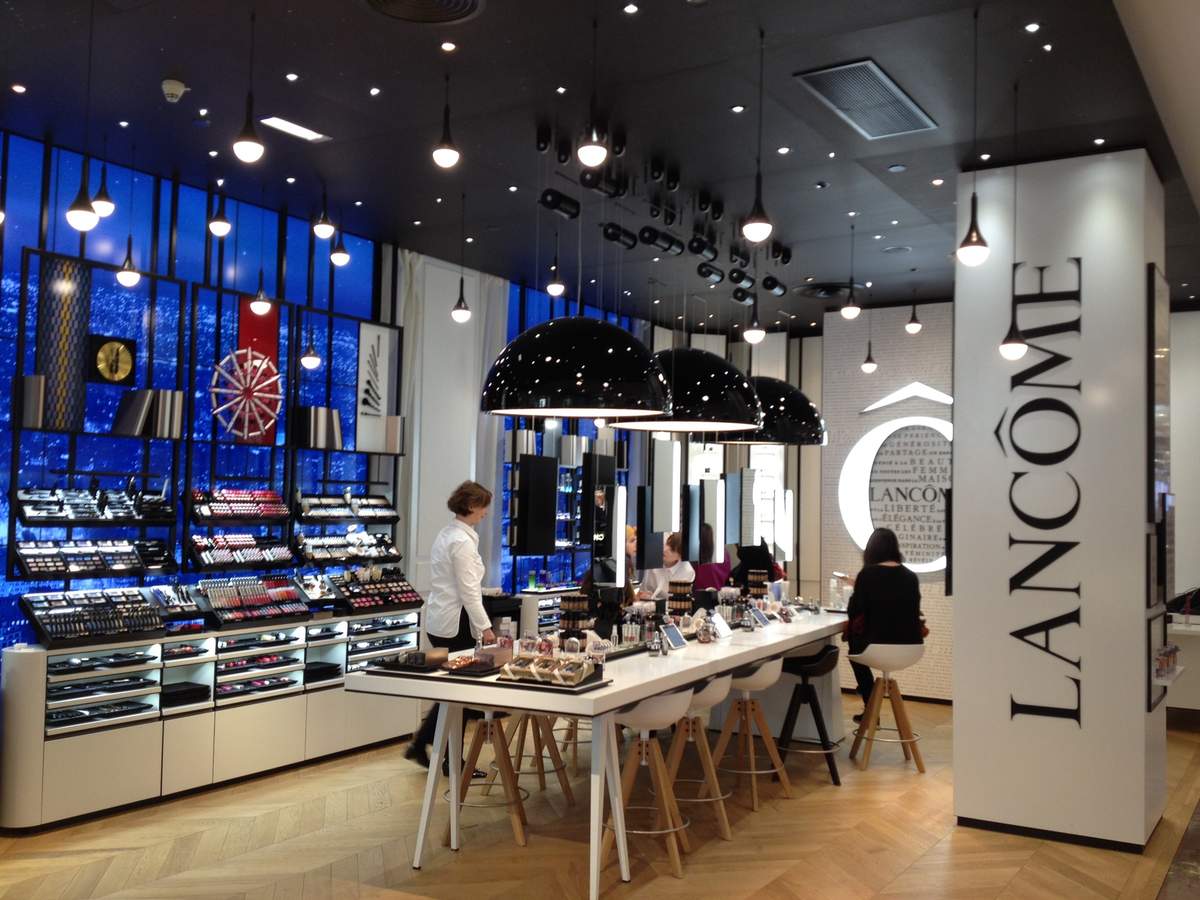
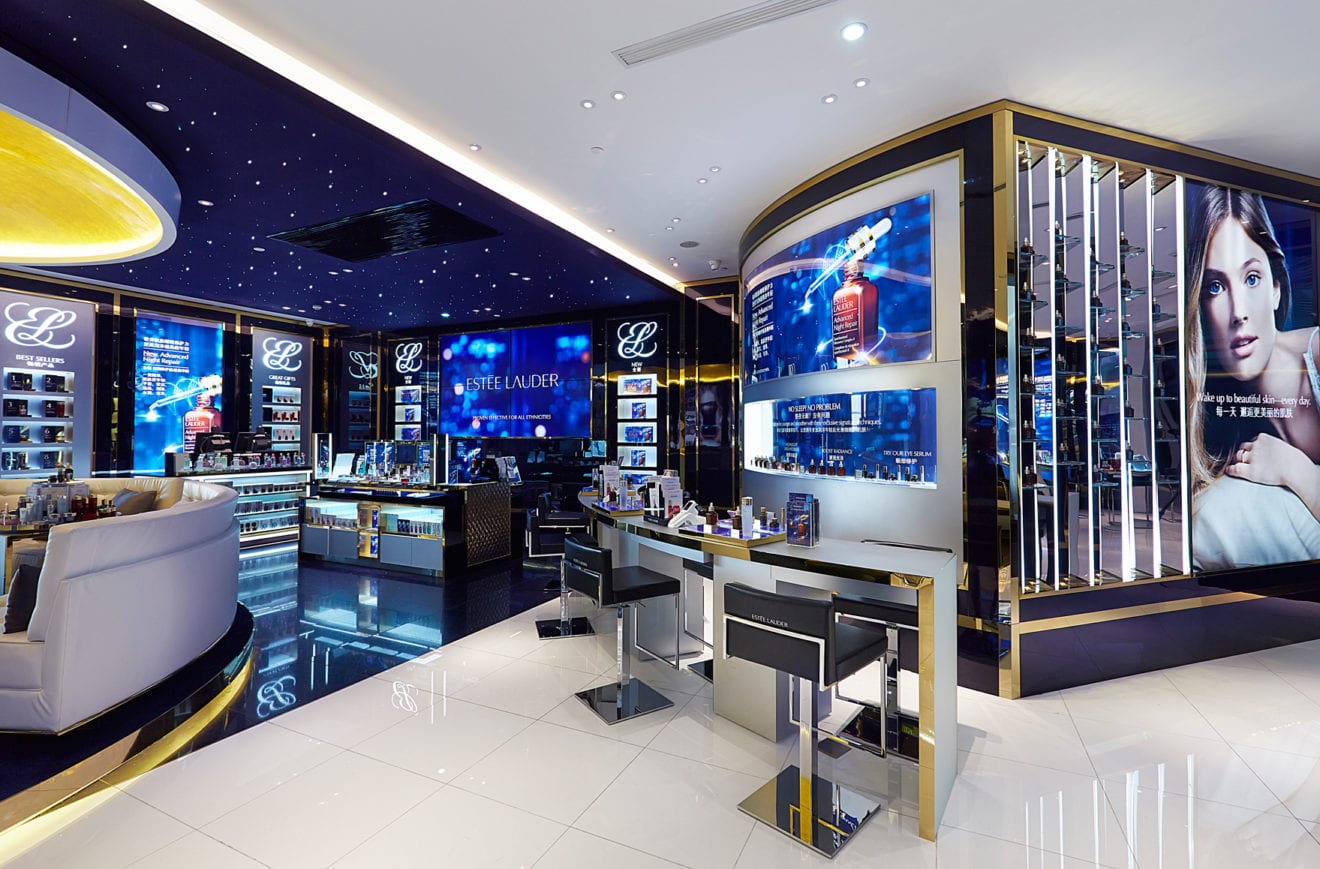
    Lancome Travel Retail Asia Pacific has launched a “Declaring Happiness” campaign aimed at strengthening its digital presence, with a focus on Hong Kong, Singapore, China and Korea.

    Celebrities and beauty opinion leaders are involved in the French luxury beauty brand’s  promotion, which converges offline and online retail experiences with the hope of engaging consumers.

    An event in the first 2020 concept store for Lancome Travel Retail Asia Pacific, at Lotte Hotel in Seoul, kicked off the initiative. Korean actress Kim Go-Eun was a special guest. The event was the company’s first venture into live streaming, with guests including 11 social-media influencers from China. They provided live coverage through Weibo of both the concept store event and the following cocktail party.

    Then the campaign moved to Singapore, with a Lancome Holiday Wonders pop-up store at Changi Airport, which is open until November 10. An exclusive at the pop-up is the Lancome Travel Retail Worldwide virtual mirror, which enables shoppers to try different makeup looks via a virtual makeover. Other attractions are a photo booth and a touchscreen game.

    Customers buying certain items at the store are offered a complimentary engraving service for the Lancome x Singapore luggage tag, an exclusive holiday collectible.

    The next stop will be at Haitang Bay in China this month, with the brand journey ending in Hong Kong next month.

    “We hope to continue creating moments of happiness for women by exploring different consumer-centric innovations at our events that allow us to foster a deeper connection and engagement with our customers,” says Lancome Travel Retail Asia Pacific GM Tao Zhang.

  • Under Armour sales numbers hit the wall

    Under Armour sales numbers hit the wall

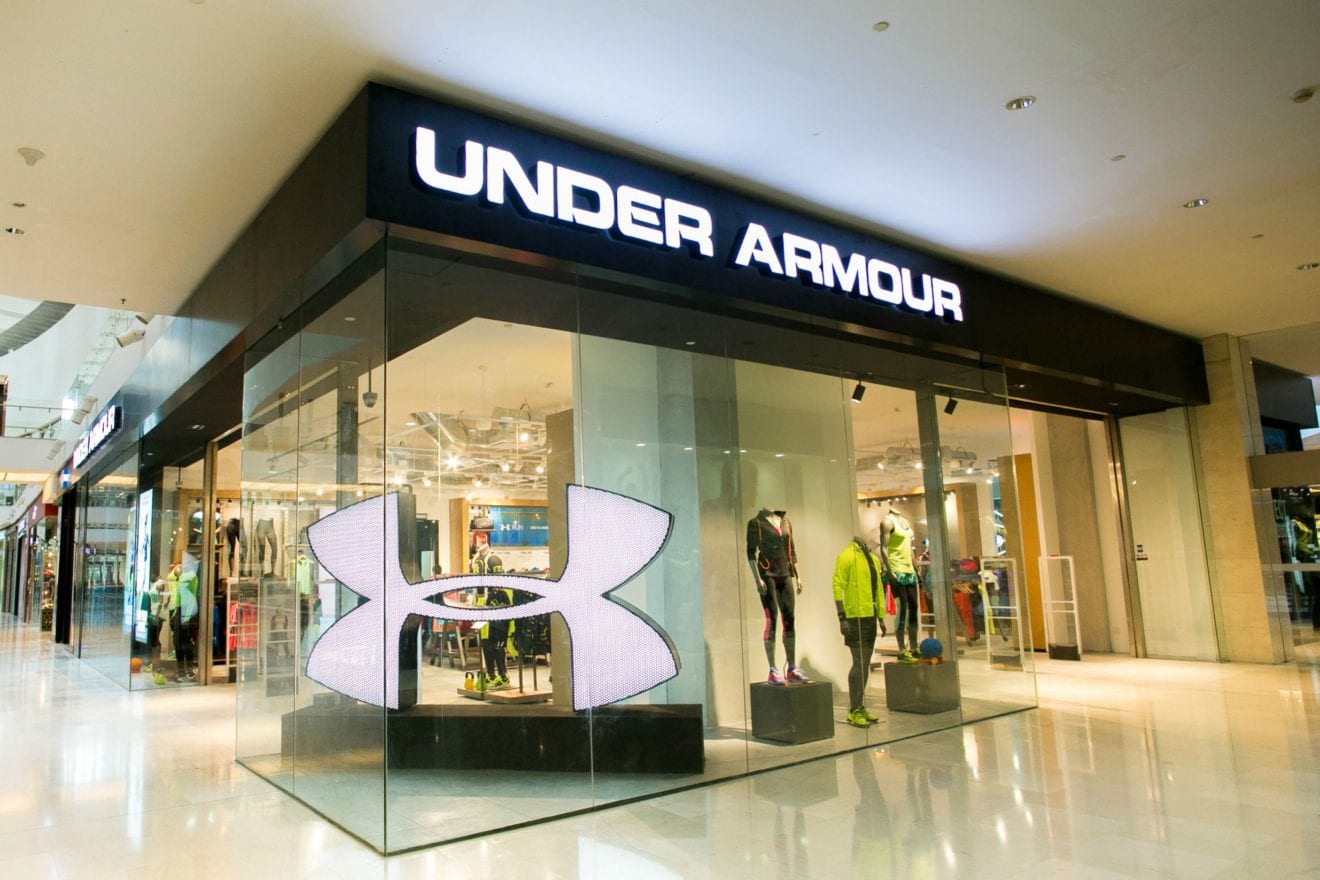
    Sportswear brand Under Armour sales have dropped by 12.1 per cent in North America, part of a worldwide trend to hit the once powerhouse brand of sports retail. In its third quarter update, Under Armour said revenue was down 5 per cent to $1.4 billion while revenue to wholesale customers declined 13 percent to $880 million and direct-to-consumer revenue was up 15 percent to $468 million.

    Profit has slumped nearly 60 per cent.

    Apparel revenue decreased 8 percent to $939 million, as growth in golf and sportstyle was more than offset by declines in outdoor, women’s training and youth. Footwear revenue was up 2 percent to $285 million, driven by strength in running and outdoor, offset by basketball and youth. Accessories revenue increased 1 percent to $123 million led by golf and men’s training, tempered by a decline in outdoor.

    “While our international business continues to deliver against our ambition of building a global brand, operational challenges and lower demand in North America resulted in third quarter revenue that was below our expectations,” said Under Armour Chairman and CEO Kevin Plank.

    “Based on these issues in our largest market, we believe it is prudent to reduce our sales and earnings outlook for the remainder of 2017.”

    “Against this difficult backdrop, our management team is working aggressively to evolve our strategy and level of execution to proactively address these challenges.

    “We understand that success in our next chapter requires managing with focused financial discipline and driving excellence into every area of our business while we amplify innovation, deliver fresh product and connect even more deeply with our consumers.”

    “The question arising from the latest set of results is: how did the one-time powerhouse of sports retail lose so much traction so quickly?”, asked Neil Saunders, managing director of GlobalData Retail, who added that with revenue growth moderating for the past couple of quarters, and with North American sales down across the first half of the year, the signs of a slowdown have been present for some time for the retailer.

    “Given the gentleness of these previous shifts, it has been easy to pin the blame on external factors such as a tapering down of demand for athleisure apparel, or the bankruptcy of leading sports retailers,” he said.

    “The third quarter numbers represent a marked deterioration from those previously modest declines.”

    “In our view, this is now about more than external factors; it demonstrates issues with the brand and its proposition. Especially so since other brands and retailers, including Lululemon, have not posted such calamitous figures.”

    “This is an abrupt about-turn for a company that, until recently, was on a mission to challenge the might of Nike and other major brands. In our view, there are several reasons for this fall from grace.”

    The first of these, said Saunders, is that Under Armour has put down very shallow roots.

    “While awareness has soared over recent years and customer numbers have risen, loyalty to the brand is not deep-rooted in the same way that it is at Lululemon and Nike. What this means is that as demand moderated, Under Armour has been quick to drop off the radar of many consumers.”

    The second reason relates to Under Armour’s focus with Saunders pointing to Lululemon and Nike possessing “a unifying purpose” to its brand.

    “As it has expanded, Under Armour appears to have lost some of its brand essence, and its proposition and purpose have become confused. Admittedly, communication in its own stores and online is better, but in third-party shops the focus is completely lost and, in some instances, Under Armour has become just another brand in a sea of brands.”

    Saunders added that a “failure to connect with women” despite attempts to increase its appeal to female shoppers – its brand remains “very masculine” and has limited appeal outside the professional sports market.

    “Under Armour is not so broken that it cannot be fixed. But the days of glory, when it would post double-digit uplifts in sales, are over,” said Saunders.

  • Made-in-China scandal plunges top Vietnamese silk brand deeper into hot water

    Made-in-China scandal plunges top Vietnamese silk brand deeper into hot water

    Widespread public backlash. A raft of looming investigations. What’s next for the once-posh Vietnamese garment brand? Garment firm Khaisilk is poised to face a series of investigations after a made-in-China scandal triggered widespread calls for a boycott of the once-posh Vietnamese silk brand last week.

    On Monday, the Ministry of Industry and Trade said it had transferred all relevant documents to the police who are set to launch a criminal probe into Khaisilk after an inspection last week uncovered fake products made in China at one of the brand’s Hanoi outlets.

    Trade minister Tran Tuan Anh also on Monday set up a joint task force charged with launching an independent probe into the case.

    “Khaisilk’s actions have violated the law, damaging the value of Vietnamese brands and deceiving Vietnamese consumers,” Anh said at a meeting on Monday.

    The scandal came to light on October 23 when a businessman in Hanoi took to Facebook to rail against products his company had bought from the brand, saying they were actually made in China.

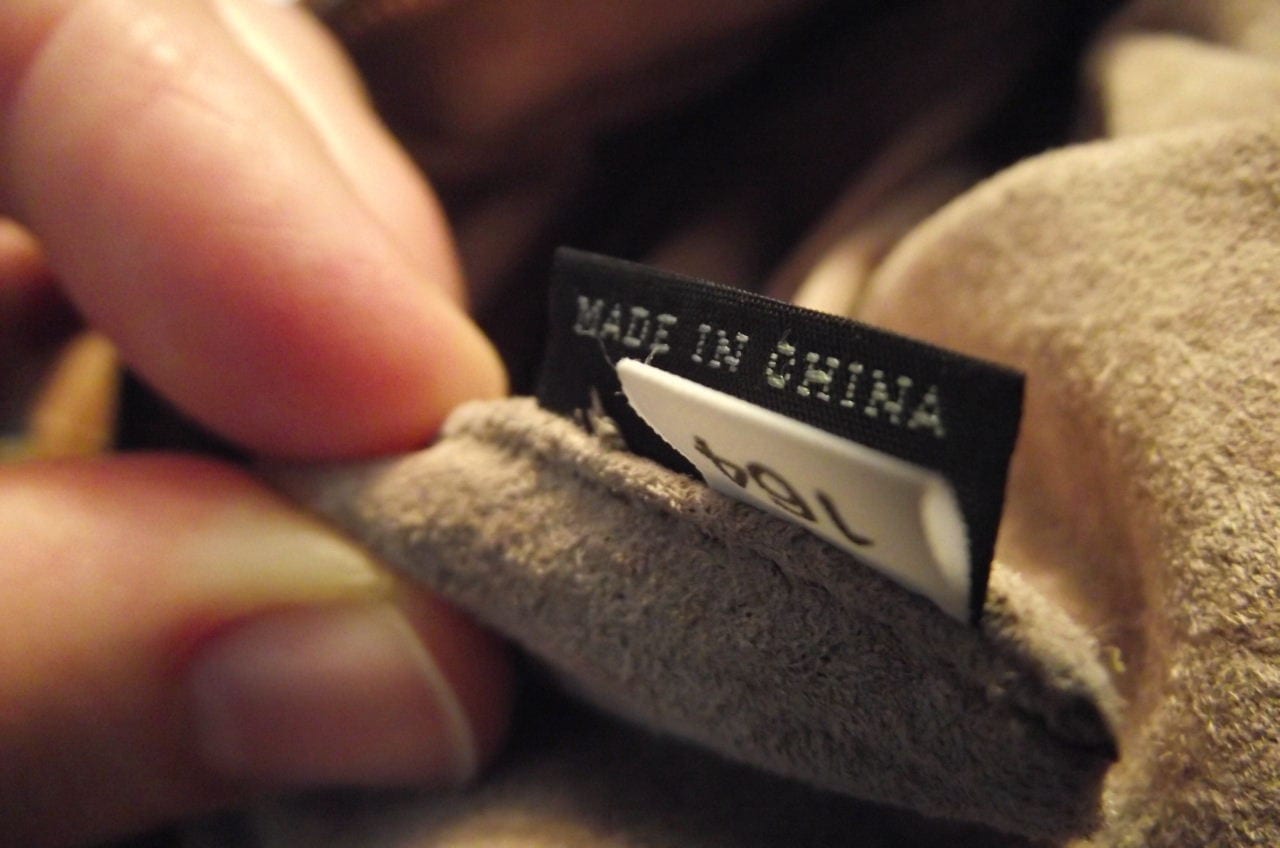
    According to the post, the company bought 60 Khaisilk-branded scarves at the Hang Gai shop in Hanoi for VND644,000 ($28) each, but one scarf had two tags: “Khaisilk Made in Vietnam” and “Made in China.”

    The company said it had checked the rest of the scarves and found signs that “Made in China” tags had been removed.

    The brand’s owner Hoang Khai later admitted that half of the silk used by Khaisilk came from China, while the rest came from Vietnamese craft villages. But he was adamant that his company always used high-quality material.

    Khai has apologized to customers and offered compensation. However, the public has started questioning whether Khaisilk had been receiving help from market watch authorities as its shops have allegedly been selling Chinese silk for years without being detected.

    Khaisilk is a renowned high-end brand with a history of over 30 years, famous for its supposedly high-quality “made in Vietnam” products.

    The scandal has triggered widespread calls to boycott its products. Vietnamese lawyers have also weighed in, saying aside from denting public confidence, Khaisilk Group, which owns the eponymous brand, could face legal action.

    Khaisilk’s outlets in both Saigon and Hanoi have been closed since Friday.

  • Dooney & Bourke launches on Tmall Global

    Dooney & Bourke launches on Tmall Global

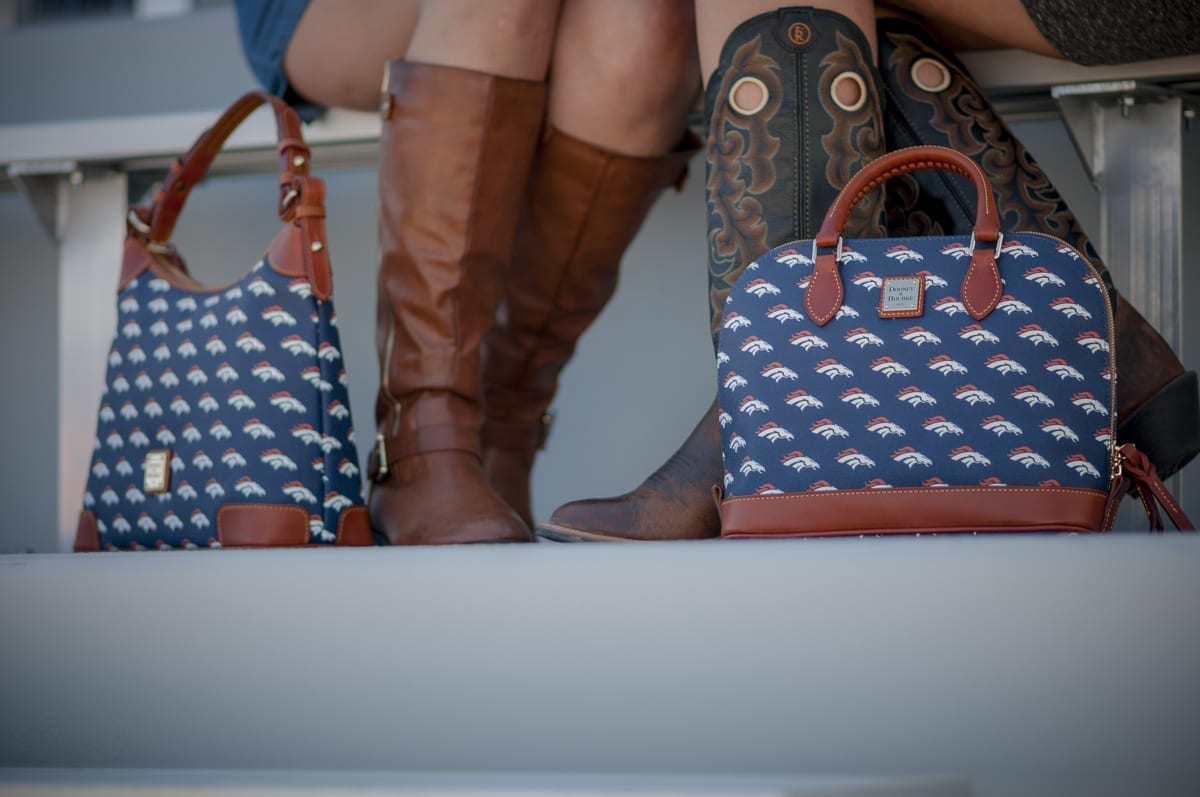
    American heritage handbag and fine leather-goods brand Dooney & Bourke has launched into China via Tmall Global.

    With more than 1000 retail stores throughout the US and 60-plus boutiques internationally, its foray online in China could be a hint at a physical presence to come.

    Dooney & Bourke is known for its designs, materials and craftsmanship, says director of advertising and PR Liz Kane.

    She describes the Tmall Global opening as a major milestone for the company.

    In its new online store, the brand will offer Chinese shoppers a range of handbags and leather accessories such as wallets, phone cases and wristbands.

    Founded in Connecticut in 1975, the brand has a client list including celebrities Indian actress Freida Pinto, singer Lady Gaga and actress Zooey Deschanel.

    Formerly Taobao Mall, Tmall Global was launched by Alibaba in February 2014 as a crossborder marketplace for foreign brands and merchants to sell directly to Chinese consumers.

  • Two new floors for Onitsuka Tiger Shinjuku

    Two new floors for Onitsuka Tiger Shinjuku

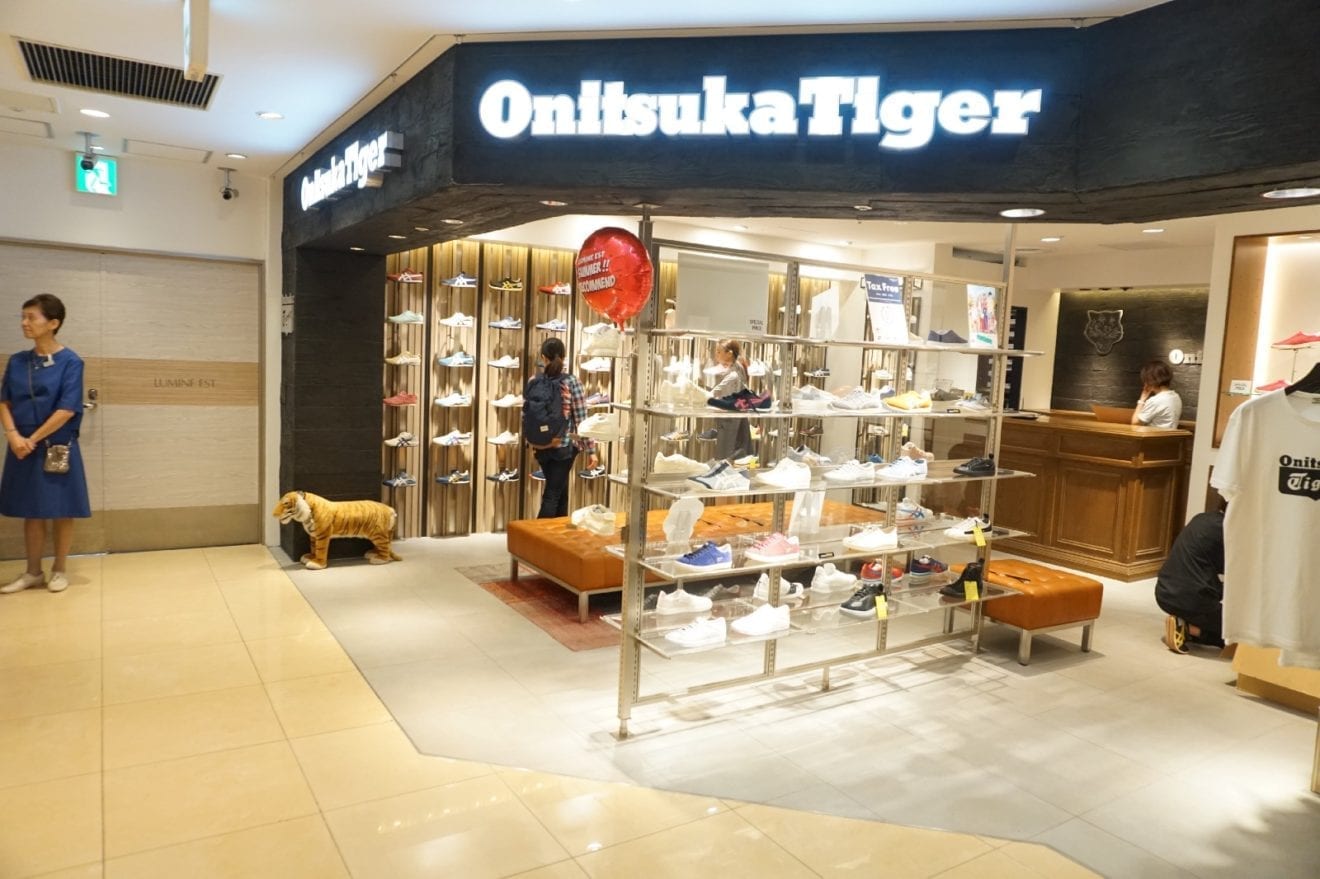
    Onitsuka Tiger Shinjuku store will open on Friday with an interior design that fuses traditional and futuristic along with eastern and western worlds, reflecting the sports fashion brand’s design philosophy.

    Its black-toned exterior makes its simple white name sign and gold logo stand out, while the entrance is framed with a subtle black and grey weave pattern.

    Staple items and the Nippon Made series are displayed on the ground floor, with clothing and accessories upstairs. The store is close to the NeWoMan shopping complex, Takashimaya Department Store and Japanese lifestyle store Tokyu Hands.

    To celebrate its opening, Onitsuka Tiger Shinjuku will offer a special on its white-and-blue California 78 Vin model. The retro design, based on shoes made when Japan was in the midst of a jogging boom, features tricolour stripes and reflective heels.

    Onitsuka Tiger India last month opened its first monobrand store, in Mumbai’s Palladium Mall.

  • Le Saunda loses anniversary shine

    Le Saunda loses anniversary shine

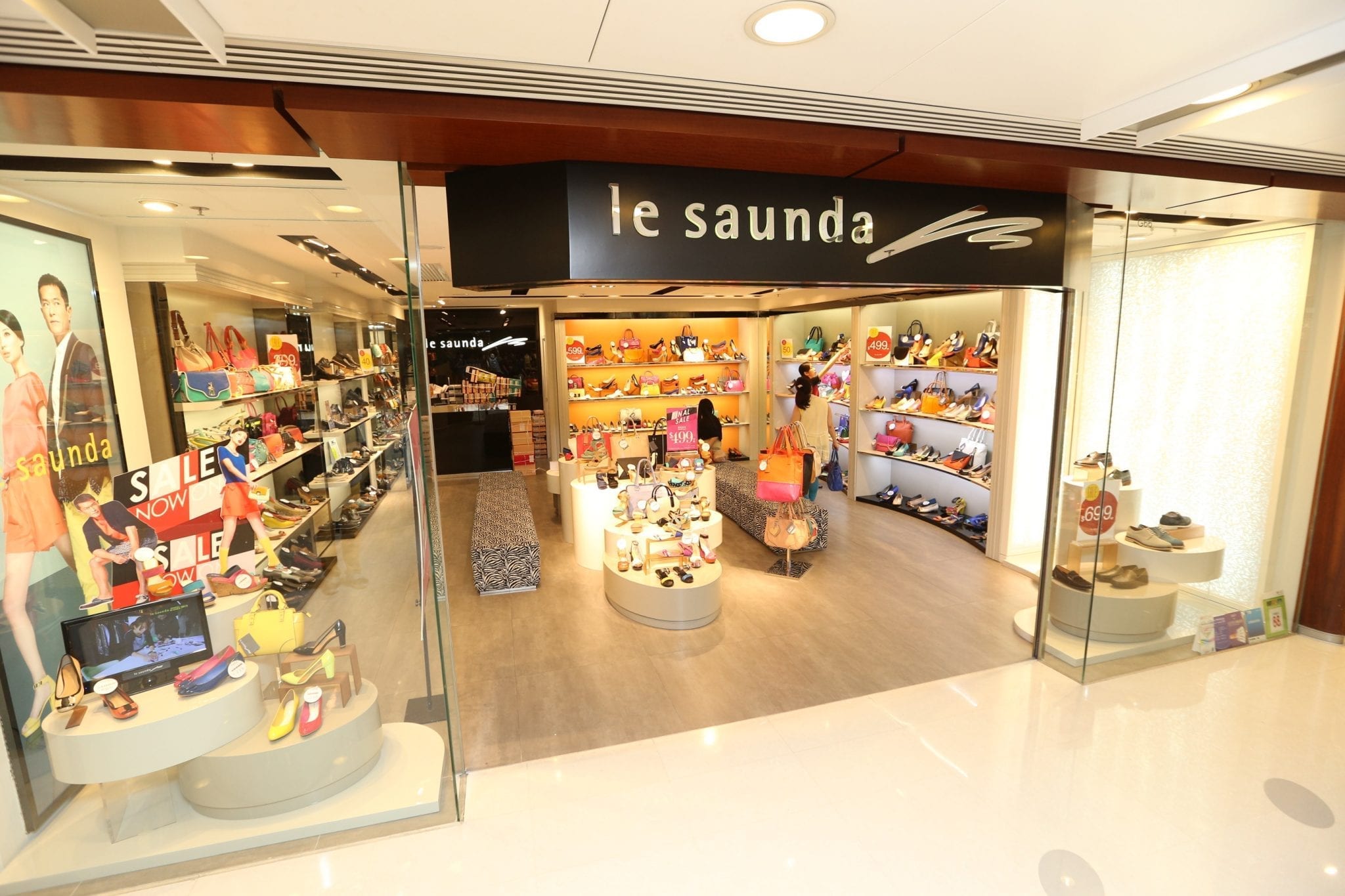
    In its 40th anniversary year, footwear group Le Saunda Holdings has little to celebrate with falls in sales and profits for its first half.

    In releasing its unaudited results for the six months to the end of August, the company says it has been hit by continuing sluggish markets in China and Hong Kong.

    Total revenue dropped by 17.4 per cent year on year to RMB537.7 million (US$81 million), while its overall gross profit margin fell 1.2 points to 66.1 per cent. Consolidated profit attributable to the owners of the company plunged 22.1 per cent to RMB32.4 million.

    In Mainland China, the total retail revenue of the group decreased by 17.3 per cent to RMB508.4 million, attributed mainly to an ongoing weakness in the overall retail market, negative growth in same-store sales and an acceleration in closing underperforming stores. Another factor was consumer demand being restrained by the ongoing booming property market.

    As shop rentals remain high in Hong Kong and Macau, the operating loss grew there with sales falling 19.2 per cent to RMB29.4 million. The group has adopted cost-cutting measures, including closing unprofitable stores and leasing cheaper office premises.

    Meanwhile, the group says it has been vigorously tapping into online retail business, expanding its online exclusive products as well as supply of men’s footwear and handbags. During the six months, the group’s e-commerce revenue dropped by about 30.6 per cent because of it becoming continuously more expensive to acquire online customers.

    A series of promotional and brand-marketing campaigns were held during the first half to celebrate the company’s 40th anniversary, and an online leisure brand, Pitta Donna, was launched.

    Le Saunda says Mainland China is still its key retail market. At the end of August it had 726 stores in China, Hong Kong and Macau – 110 fewer than at the same time last year. Self-owned stores dropped by 96 while there were 14 fewer franchised stores.

    There were 518 Le Saunda stores and 40 Le Saunda Men stores, down respectively by 86 and 17 stores. The number of high-end Linea Rosa stores was steady at 72, while CNE stores decreased by nine to 13.

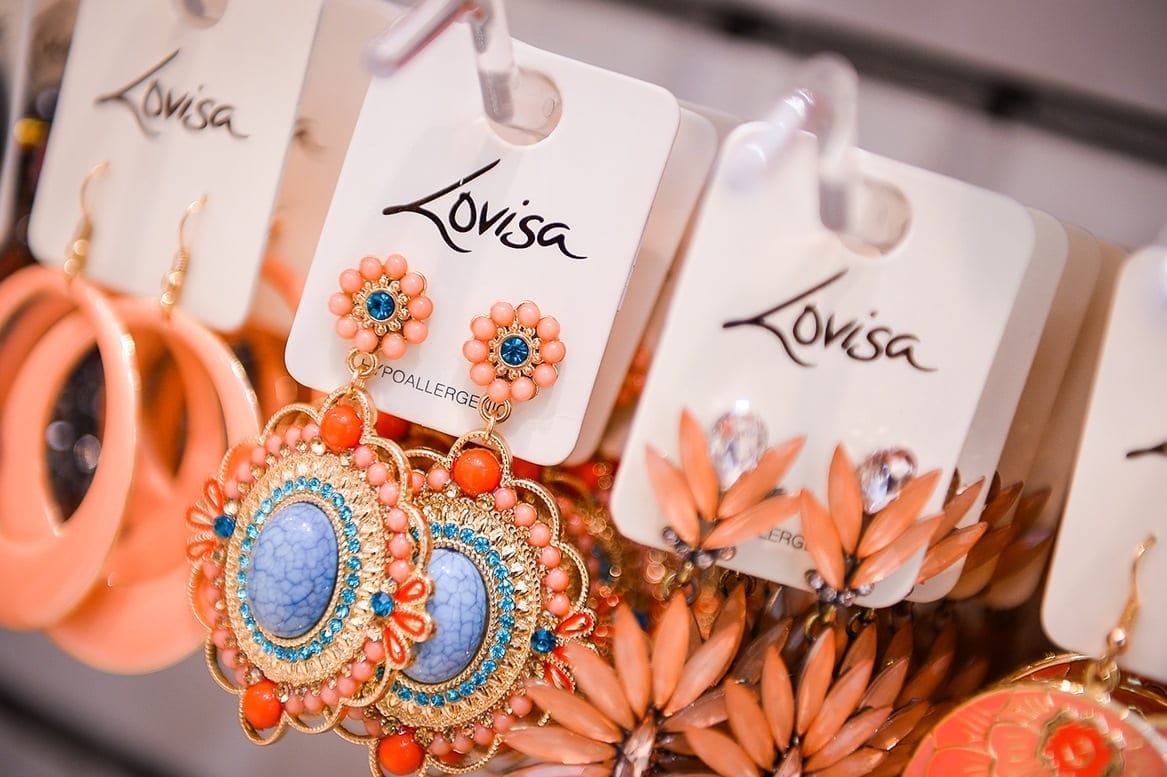
  • Lovisa positive ahead of Christmas

    Lovisa positive ahead of Christmas

    Accessories retailer Lovisa has provided a trading update heading into the Christmas trading period, telling the market on Tuesday morning that same store sales are slightly above its long-term target between 3 – 5 per cent like for like growth.

    The retailer has opened 16 new stores so far in FY18, which represents more than half of the 20-30 locations it plans to open, bringing the total network to 304 globally.

    The company did say that its mindful about trading performance on the prior corresponding period heading into Christmas, given that it’s cycling some “particularly successful ranges”.

    “As much as this is a pleasing start to the financial year, over the coming months we continue to cycle some particularly strong ranges from last year,” managing director Shane Fallscheer told investors at Lovisa’s AGM.

    “Coupled with this we remind everyone that both Spring Racing and especially Christmas are still to come and play a very large part of both our first half and full year’s performance.”

    Reflecting on FY17, chairman Michael Kay said he was “delighted” with the performance after a tough FY16, which he conceded was a difficult year for the company.

    “We said we had learned from the events of FY16, that we were building bench strength at board and management levels and were determined to invest ahead of our growth ambitions to ensure we had the capability to manage our increasing footprint and the risks inherent in businesses of this type,” he said, noting year-to-date trading is currently above budgetary expectations.

    “In that context, the board is delighted with your company’s performance in FY17.”

    Lovisa booked a 75 per cent increase in net profit after tax to $29 million in FY17, underpinned by a 10.3 per cent increase in like-for-like sales.

    Its US expansion trial will be underway from next month with the opening of a store at Glendale Galleria – a large suburban mall in Los Angeles – which is the first of a small group of pilot stores to open in California.

    “We don’t intend to talk to the performance or the duration of pilot programs which again are currently underway in Spain and soon to be the US,” said Fallscheer.

    “Once the board make any decisions in the future in regards to any markets where we are running pilot programs we will announce this to the market at this time.”

  • True Religion undergoes resurrection

    True Religion undergoes resurrection

    US denim brand True Religion has emerged from Chapter 11 bankruptcy protection after just four months, with key stakeholders agreeing to a reorganisation plan ratified by the Delaware Bankruptcy Court.

    True Religion is now free to trade with a substantially reduced debt burden. Term loans have fallen from $471 million to $113.5 million with longer term maturity.

    “With substantial debt burden removed, we are eager to turn our full attention to implementing our forward-thinking strategy, including improving our retail operations, new partnerships and growing the brand’s digital presence,” said CEO John Ermatinger.

    “We would like to thank our consumers, our employees, vendors and suppliers for their unwavering support and continued dedication to the True Religion brand,” he added.

    “With the consummation of this restructure, we are very excited and poised for the future.”

    The company has also revealed a profit of of $13.6 million in the period to September, up 46 per cent on the same period last year.

    True Religion was founded in 2002, focusing on “crafted denim” along with vintage-inspired knits, graphic t-shirts and activewear.

  • Kering Eyewear, Cartier launch collection

    Kering Eyewear, Cartier launch collection

    Jewellery retailer Cartier has teamed with Kering Eyewear for its latest eyewear collection.

    Presented at the Silmo International Optics and Eyewear Exhibition in Paris, it marks the official start of the companies’ licensing agreement.

    Described as “timeless”, the collection has three main components, Santos de Cartier, C de Cartier and Panthere de Cartier, and introduces new shapes that aim to “redefine the art of eyewear”.

    Effective from January 2, the licensing partnership will see the two luxury groups co-operate to to create a platform for product development, manufacturing and worldwide distribution of Cartier Eyewear.

    Under the terms of the agreement, Cartier owner Richemont has acquired a minority stake in Kering Eyewear, which has also integrated the Manufacture Cartier Lunettes entity in France.

    In June, a lawsuit was filed against Kering, accusing it of false advertising, unfair competition and fraud for claiming its China-produced eyewear had been made in Italy. Kering has denied all charges.

  • L’Oreal adds Paris to digital start-ups

    L’Oreal adds Paris to digital start-ups

    L’Oreal, the world’s biggest cosmetics company wants to see more beauty tech like sensory hair brushes that tell you how to care for your hair, and skin patches that let you know how much sun you are getting.

    So, it plans to launch a program of start-up collaborations in Paris as it ramps up digital investments and seeks out new beauty products like its “smart” hairbrushes.

    L’Oreal makes an ever greater slice of sales online and has rolled out services and items for tech-savvy consumers, such as a phone app for virtual make-up tests.

    The French group says it is looking to develop more inventions at a site for start-up companies in Paris, where 10 to 12 firms will work on projects with L’Oreal every year.

    “The world of beauty has already become very digitalised…this will allow us go even further than what we do today,” L’Oreal chairman and chief executive Jean-Paul Agon said, at a reconverted 1920s railway depot in Paris that now houses a start-up campus.

    Known as “Station F” and launched by billionaire businessman Xavier Niel, it will now have a L’Oreal workshop.

    Agon did not say how much L’Oreal had invested so far in start-up ventures and online development, but did say the group’s budget for all things digital was growing fast.

    L’Oreal now spends 35 per cent of its media budget on digital campaigns and had recruited 1,700 people to work in this area, he said. Five years ago staffing in this section was closer to 150.

    L’Oreal derives about seven per cent of its revenues – which totalled 13.4 billion euros ($A20.2 billion) in the first half of the year – from online sales, up from just over five per cent in 2015. It has not disclosed online growth targets.

    The company has already invested in London’s Founders Factory, a so-called start-up incubator, in 2016, and it has its own innovation program in San Francisco.

    Products developed there include an electronic UV skin patch that measures exposure to the sun.

    Aside from seeking new technology, such as developments in artificial intelligence or voice recognition software, L’Oreal will also work with start-ups developing new beauty products, be it creams or make-up, the company said.

    L’Oreal’s push comes as Paris seeks to overtake London as a leading European tech centre for investors and inventors, in a “start-up nation” championed by France’s pro-business President Emmanuel Macron.

    “We’re also happy to be contributing to that project,” Agon said. L’Oreal is France’s fourth-largest listed company.