Category: Fashion

Retail News Asia is committed to providing both local and global retailers with the latest Fashion news throughout the Asian market. This on a daily base.

  • Margins decline for Nike, but growth in China

    Margins decline for Nike, but growth in China

    Footwear giant Nike Inc lost traction in its first quarter to the end of August, its gross margin declining 180 basis points to 43.7 per cent.

    It attributes this mainly to unfavourable currency exchange rates and, to a lesser extent, more discount sales.

    Sustained revenue growth in international markets, particularly China, was offset by an expected decline in North America wholesale revenue.

    Chairman/president/CEO Mark Parker says the group captured near-term opportunities during the quarter through its new company alignment, simplifying its geographical structure from six regions to four – North America; Europe, Middle East and Africa (EMEA); Greater China; and Asia Pacific and Latin America (APLA).

    Nike’s revenues at $9.1 billion were flat on both a reported and currency-neutral basis.

    Revenues for the Nike brand were $8.6 billion, up 2 per cent, driven by growth in Greater China, EMEA and APLA, as well as growth in sportswear. Converse revenues, at $483 million, were down 16 per cent.

  • Three fashion pop-ups for Hong Kong

    Three fashion pop-ups for Hong Kong

    Three fashion pop-ups will be in full swing in Hong Kong next month. Already open is a Prada pop-up store in Harbour City offering a special selection of men’s travel goods and accessories including backpacks, pouches, wash bags, luggage tags, eyewear cases and leather patches. The space features urban graphics inspired by the avant-garde black-and-white cinema of the 1930s as well as black Saffiano trunks and three life-size “trick robots” iconic to the brand.
    The store runs until October 8.

    From October 4 to 8, Giorgio Armani will be offering a made-to-order pop-up service for its key bag of the season, the Le Jeu bag, which can be worn as a shoulder bag, a shopper, or a wrist bag. With the pop-up service, bags can be customised with various combinations of materials, colours and linings. Customers can also have their name engraved on the metal plate inside the bag.

    The service is available at Giorgio Armani Canton Road store in Harbour City from October 4 to 8, and at Giorgio Armani Central store in Chater House, Central, from October 10 to 13.

    Another made-to-order pop-up service is being run by German fashion brand MCM, its first such venture. It is based around the Patricia bag, inspired by the brand’s Patty bag in the 1970s and featuring a structured satchel-inspired silhouette. With the pop-up service, customers will be able to customise every element of the bag from the type of leather and colour of the flap, to the front panel and the two side panels.

    The metal push-lock is available in either gold or silver, and customers can opt to add a studded trim. Each bag also comes with a leather charm to which customers can add up to three initials. Each order takes about five to eight weeks to produce, and comes with a special MCM certificate.

    At the MCM shop at IFC mall in Central, the service runs until January 5.

  • Harrys of London taking steps toward India

    Harrys of London taking steps toward India

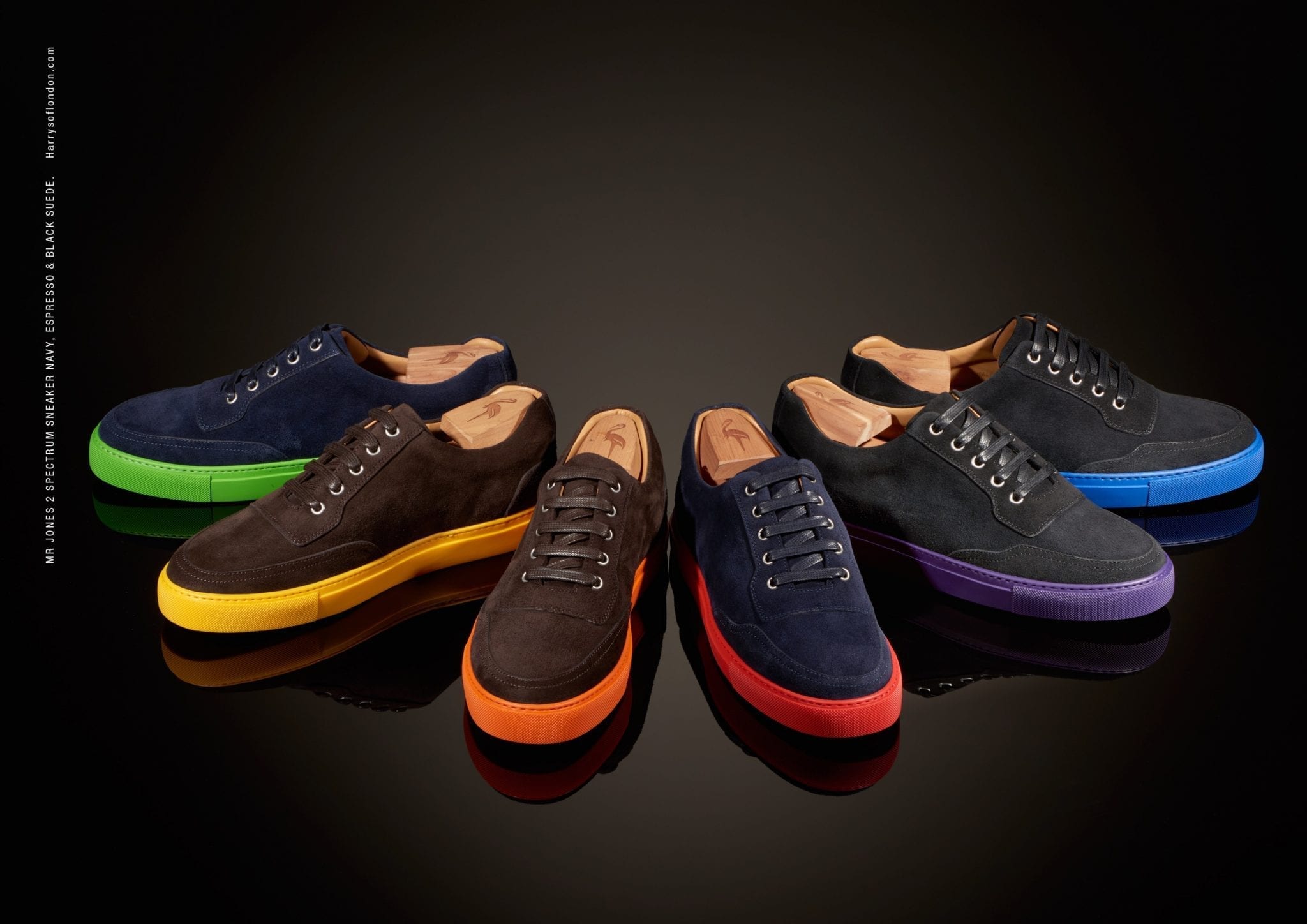
    Luxury men’s footwear and accessories brand Harrys of London has plans to enter India. Its first outlet will be in Delhi, followed by Mumbai early next year.

    Founded in 2001 and with stores in more than 20 countries, Harrys of London is seeking franchise partners in India.

    “India is an important market for us with our target group being businessmen and travellers between 25 and 60 years old,” says CEO Steven Newey. “Our collection ranges from contemporary London and formal footwear to sneakers.”

    The company also sells travel bags, wallets, shoe-care products, scarves and belts.

    Harrys plans to open five to six stores in India over the next five years and expects to earn £1 million (US$1.3 million) a store.

    “We have been growing at an annual rate of 20 to 25 per cent, and we sell 25 pairs of footwear every month, on average,” says Newey. “In five years, our India stores will be able to earn five to six million pounds.”

    The company, which has its own e-commerce platform, has its footwear manufactured in Italy.

    About 60 per cent of India’s branded footwear market is for men, according to KPMG figures.

    While the branded market is dominated by old brands like Bata, Liberty and Relaxo, much of the segment is unorganised.

    Meanwhile, with increasing disposable income and brand awareness, the men’s footwear segment is growing at a rate of 10 per cent while the women’s category is growing at 20 per cent, says KPMG.

  • Sephora concept stores debut in France and Spain

    Sephora concept stores debut in France and Spain

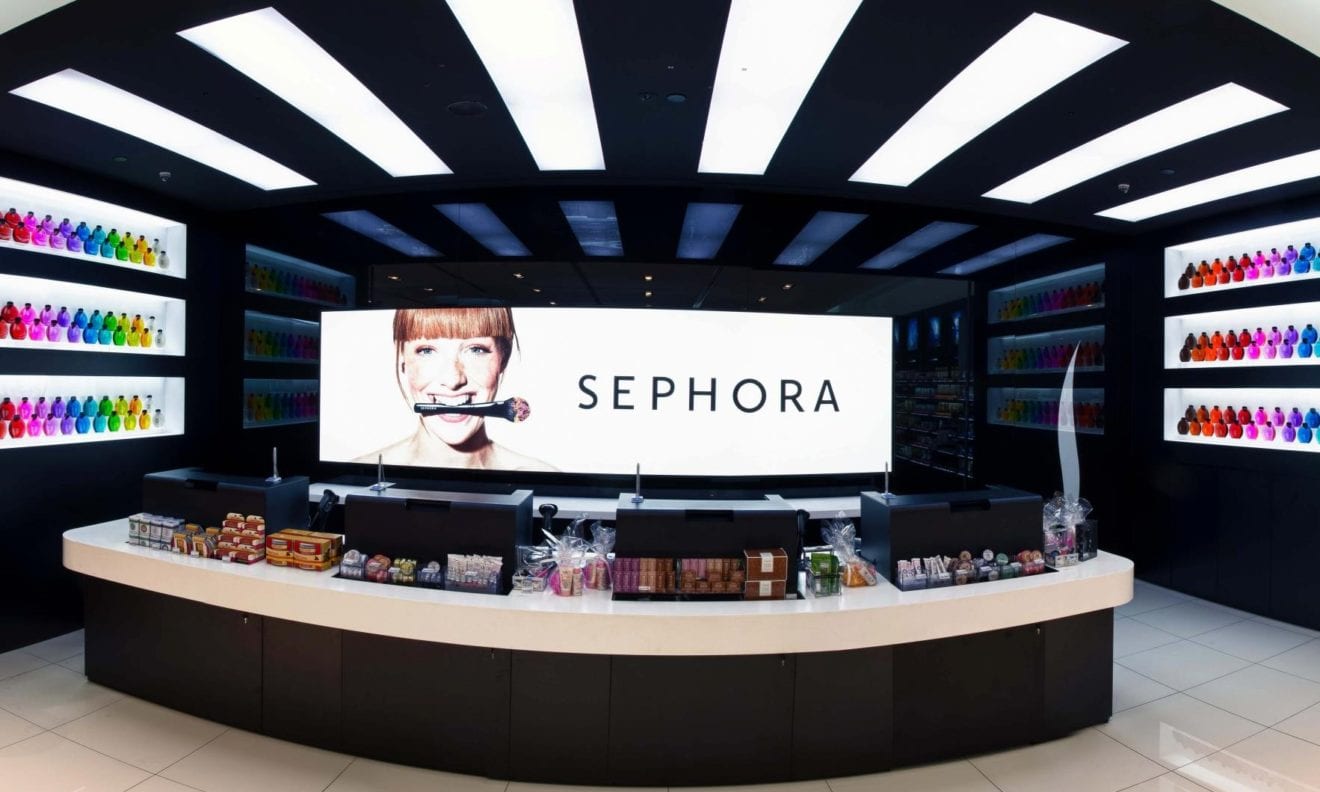
    New Sephora concept stores have opened in Spain and France, hinting at the LVMH-owned cosmetics retailer’s future design direction.

    Unashamedly targeting millennials, the brand is trying to increase dwell time in-store and encourage younger shoppers to buy into perfume.

    First introduced in France, the hyper-connected stores bring customers what Sephora describes as “a unique beauty experience in an unprecedented service-driven environment, perfectly expressing the beauty retailer’s play, share and shop philosophy”.

    “Following the tremendous success of two pilot stores opened in March in Nantes and Val d’Europe in France, Sephora has brought its new store concept to Spain. This new concept revolves around a fascinating variety of services, letting Sephora offer a groundbreaking beauty experience, transforming beauty shopping in Spain, where the brand has been present since 1998,” the company said in a statement.

    The new design engages customers right from the entrance, with a giant slide for shoppers who are happy to eschew escalators or the piano stairway.

    “As at the two French pilot stores, these newest concept stores include a trend zone with a selection of hot new products, a beauty hub for personalised advice and beauty classes to learn about specific makeup topics. With four distinct experience spaces – compared with one or two at classic stores – the new concept stores give customers access to an expanded range of brands, from the latest on-trend products from South Korea to para-pharmaceutical products, and engage with a broader audience, especially millennials.”

    New services include the Dry Bar by Rizos for a 15-minute hairstyle touch-up and the Drops fragrance experience, designed to introduce younger customers to perfume by letting them personalise the bottle of their chosen fragrance in a fun, interactive way.

    “With these two new concept stores Sephora introduces a groundbreaking shopping experience in Spain, as the brand continues to expand the concept throughout Europe, adapting it to each country for an even more exclusive experience,” the company said.

  • Cartier parent fined for violating drug kingpin sanction

    Cartier parent fined for violating drug kingpin sanction

    Cartier owner Richemont North America has been fined for shipping jewellery to a Hong Kong company blocked by the Treasury Department’s Office of Foreign Assets Control (OFAC).

    Based in New York City, Richemont has agreed to pay US$334,800 to settle its “potential civil liability” for four apparent violations of the Foreign Narcotics Kingpin Sanctions Regulations, says the OFAC.

    Richemont exported four shipments of jewellery to Shuen Wai Holding in Hong Kong in 2010 and 2011.

    OFAC had put Shuen Wai on its SDN List (List of Specially Designated Nationals and Blocked Persons) on November 13, 2008. Kingpin Act designations are tagged on the SDN List, reports the FCPA Blog.

    “On four separate occasions, an individual purchased jewellery from one of Richemont’s Cartier boutiques in California or Nevada, providing Shuen Wai’s name and mailing address to Richemont as the ship-to party,” says the OFAC.

    “Although the information and documentation provided to Richemont contained the same name, address and country location for Shuen Wai as they appear on the SDN List, Richemont did not identify any sanctions-related issues with the transaction before shipping the goods,” OFAC says.

    Businesses in the US are prohibited from doing business with people or companies designated under the Kingpin Act. The law targets “significant foreign narcotics traffickers” as identified by the President.

    OFAC says Richemont did not voluntarily self-disclose the apparent violations, nor did it “exercise a minimal degree of caution or care with respect to the conduct that led to the apparent violations”.

    Nevertheless, says the OFAC, the offences were “a non-egregious case”, and Richemont had had a clean record with the office for the previous five years. It co-operated with the OFAC investigation and took remedial action to correct deficiencies that gave rise to the apparent violations.

    OFAC discounted the penalty down from $620,000.

  • Kathmandu lifts full year profit

    Kathmandu lifts full year profit

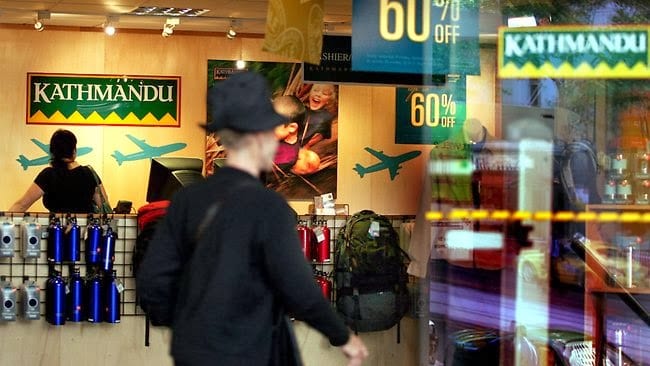
    Adventure gear retailer Kathmandu has posted a 13.5 per cent increase in full-year profit to NZ$38.04 million (A$34.8 million), helped by strong winter sales and improvements in promotions.

    Revenue for the 12 months to July 31 was up 4.6 per cent to NZ$445.35 million, the company stated.

    Earnings before interest and tax (EBIT) increased from NZ$50.9 million to NZ$57.0 million for the same period. A final dividend of NZ 9.0 cents per share will be paid, bringing the full year payout to a record NZ 13.0 cents per share.

    “We were pleased to achieve strong same store sales growth driven by innovative new products and inspiring digital content,” said chief executive Xavier Simonet. “In addition to top line growth, continued cost control and working capital efficiency delivered very solid profit growth.”

    Simonet said the company’s financial position continued to strengthen during FY2017, and they ended the year with lower inventory and record low net debt.

    According to Simonet, sales grew strongly in their two largest markets, Australia and New Zealand.

    Online sales now comprise 7.5 per cent of group sales.

    “We have now delivered two successive years of strong profit growth and four successive quarters of same store sales growth,” Simonet said. “As a product and brand led business, we are focused on engaging our customers by creating distinctive, sustainable, quality products and by promoting our brand authenticity.”

    Simonet said in the year ahead, it is their aim to continue to grow in their core markets, with gross margin and operating efficiency a key management focus.

    “As we look forward, I am excited about the wholesale trials we are conducting in Europe, and remain committed to developing new international channels for the Kathmandu brand,” he said.

  • First-Ever Knockoff ‘Yeezy’ Retail Storefront Opens in China

    First-Ever Knockoff ‘Yeezy’ Retail Storefront Opens in China

    Kanye West’s Yeezy x Adidas footwear line has witnessed paramount success and a Chinese business showed just how far brands are willing to go to get a piece of the pie. This week in Wenzhou, China, a brick-and-mortar location opened to the public, selling knockoff versions of the ever-popular Yeezy Adidas Boost shoes.

    The newly-opened retail store features a neat display of faux Yeezy Adidas Boost 350 V2s sneakers, both in original and unreleased colorways, with an added customizable option. There are, however, significant differences between the shoes: the text on the upper appears as “Yeezy 550” instead of the original “SPLY-350,” as Mashable reports, and sell at a lower price point — roughly $70 less than the authentic version.

    Though talk of opening Adidas x Yeezy retail locations has been mentioned, it has not yet come to fruition, and it seems that this situation will need to be legally handled before it does. “Some time ago, the relevant authorities have ruled that the Yeezy trademark, which we registered with our company, is valid,” Mr. Hu, owner of the counterfeit store.

    It may be a lengthy process, but can prove to be worth the hassle to take legal action, as Michael Jordan and Under Armour have succeeded in past trademark infringement cases in similar situations against Chinese companies.


  • Muji Thailand opens CentralWorld flagship

    Muji Thailand opens CentralWorld flagship

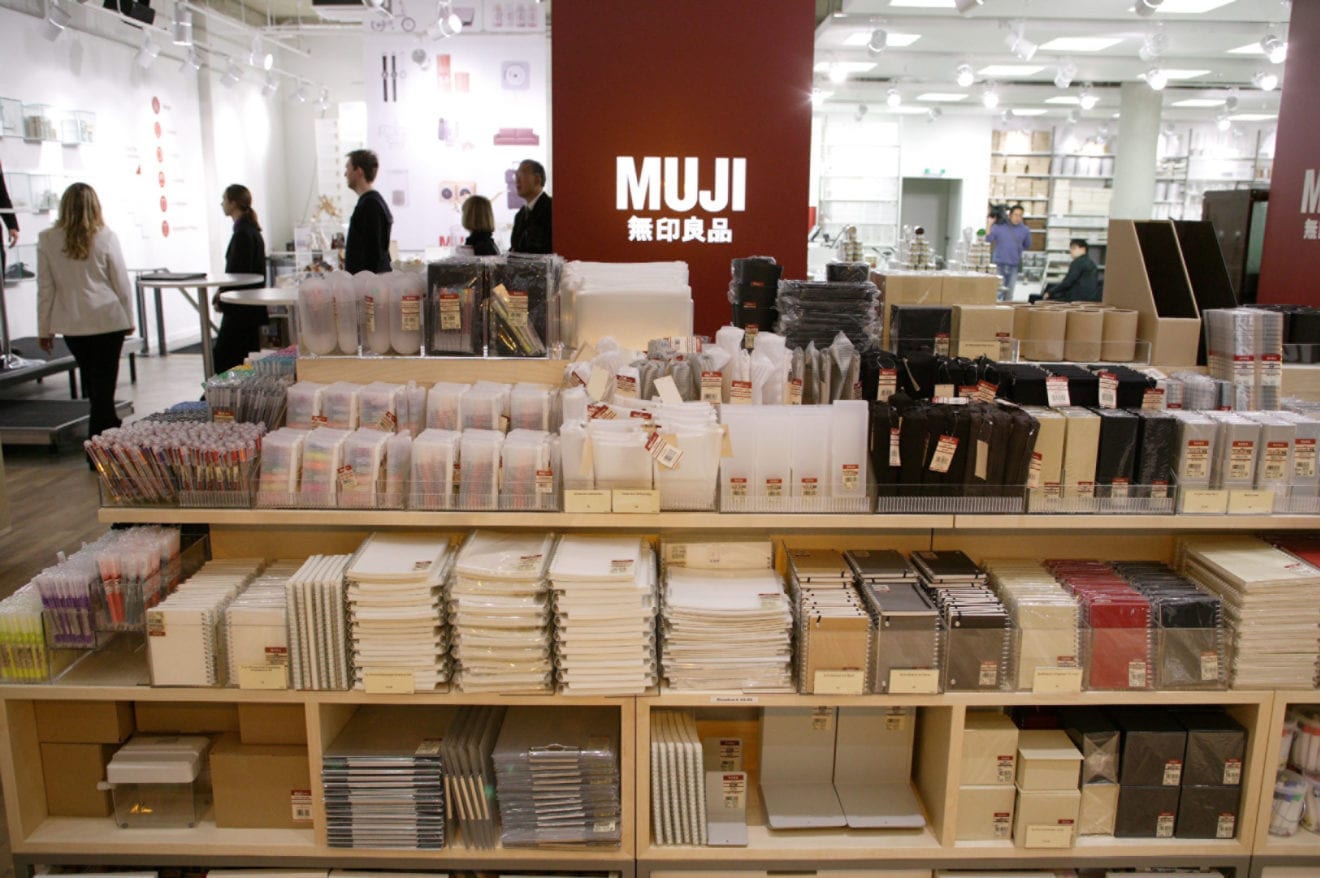
    After a decade in Bangkok, Muji Thailand has opened a flagship store at CentralWorld.

    Covering 1000sqm, it is the Japanese brand’s biggest outlet in Bangkok, offering for the first time clothing lines like Found Muji, which borrows materials and techniques from around the world, Muji Labo, which offers everyday basics in neutral colours, and ReMuji, which revives vintage garments through indigo dyeing techniques.

    There is also the first Green Space, a corner devoted to plants ideal for tiny indoor gardens. The store also offers the Muji basics of toiletries, stationery, kitchenware, clothing and bedding.

    Meanwhile, the What is Muji? exhibition at Central Embassy mall showcases Muji’s brand philosophy through a range of products. It continues until October 1.

  • H&M reveals new store layouts

    H&M reveals new store layouts

    Swedish fashion retailer H&M will open two new stores in Queensland in the coming months, the company has announced.

    The H&M at Stockland Townsville will open on October 19, followed by the H&M store at Stockland Rockhampton on November 2. The two new stores will be the seventh and eighth H&M stores to open in Queensland.

    The two H&M stores will both be set over one large floor and each will span across approximately 2,500sqm.

    The stores will offer apparel, underwear and accessories for Men, Women, Kids and Baby with the Townsville store having the addition of the Home concept.

    “We are excited to be making further progress on our expansion in regional Queensland with the launch of our H&M stores at Stockland Townsville and Stockland Rockhampton,” said Hans Andersson, Australian country manager for H&M.

    “We look forward to meeting our H&M customers in both Northern and Central QLD and engaging them with our wide range of offers.”

    H&M entered the Australian market in 2014 and now has 22 stores nationwide.

  • Kate Morris’s award-winning collection on display

    Kate Morris’s award-winning collection on display

    British designer Kate Morris has her winning collection from the EcoChic Design Award on display at Lane Crawford department store in IFC Mall.

    It will be featured until October 4.

    Also to go on display, at Hysan Place, will be the outfit designed for an indie musician by Gao Qing Zi, who took the Hong Kong Best title of the award. Other select pieces from finalists will also be featured, with the display running from October 5 to 19.

    Run by Redress, the sustainable fashion award was sponsored by Create HK and drew entries from 46 countries. It culminated in a runway finale.

  • How Mon Purse has capitalised on social media

    How Mon Purse has capitalised on social media

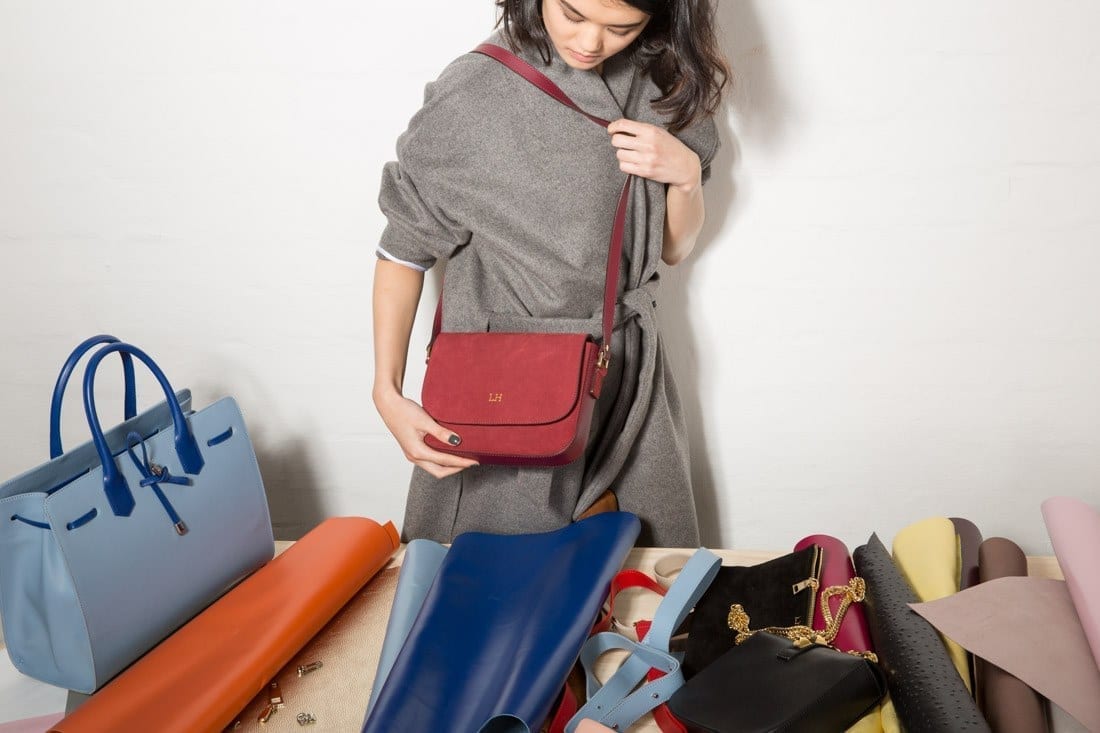
    Mon Purse’s explosive growth has become somewhat of a textbook example of ecommerce disruption in the industry after founder Lana Hopkins started the personalised handbag offer in 2014. Since then the company has expanded overseas and into bricks-and-mortar, becoming a well known retail brand amongst digital natives.

    Behind that success has been a robust social media strategy. With more than 45,000 Facebook likes and 80,000 Instagram followers, the company has invested heavily in the eyeballs of tech-savvy millennials.

    Inside Retail sat down with Mon Purse’s head of ecommerce, James Hopkins, to have a chat about how the brand has navigated the social space at a time when theories about how to maximise the value of digital marketing are seemingly endless.

    IR: Give us a bit of background James – what role does Facebook and Instagram play in Mon Purse’s business?

    JH: They’re both really important tools for us, they have been since we launched the business.

    Obviously as our audience as grown and the business has grown and the offering has evolved with both platforms we’ve stayed really across both of them to leverage the most that we can in terms of functionality and features.

    We weren’t actually using the Facebook platform to managing our campaigns originally, we we’re actually using a third party. I found that they’d not been able to keep up with what Facebook has been doing so over the last couple of months as a team we’ve had to go and re-learn how to walk, and re-think about how we plan and strategise a campaign so that we’re using what’s native on Facebook as opposed to a third party offering.

    Its a lot of trial and error. Obviously you’re not looking at 60x ROI each and every day, there’s certain conditions and factors that need to come into play to really get those numbers.

    IR:What type of campaigns have worked for Mon Purse?

    JH: We ran a campaign a little while ago that actually generated a return on investment of 121x so its double that 60 number. That was a six week campaign that was laser pointed on abandonment behaviour.

    We targeted people who’d started to design their own handbag, but they hadn’t finished that process. So we knew they had an understanding of the brand, we knew that they had gone and played with the tools, but they just didn’t actually either add the bag to cart or take it any further. From what we understood they were just having a play around.

    We spent $283, and again we’re not talking massive amounts of scale here, and it had a seemingly unsustainable cost-per-click (CPC) of $6.74, but it was interesting because we had an overall cost cost-per-acquisition (CPA) of just $5.30 and its not everyday you see the CPA lower than the CPC, which made that one quiet unique. In the end it delivered that 121x ROI, and we saw nearly $37,000 in revenue from an investment of under $300.

    We also run what we call ‘evergreen’ campaigns, which is one that’s constantly going. In the last thirty days we’ve spent $1,300 on those and have reclaimed 135 customers that have abandoned their cards – so with $10 per purchase we’ve generated nearly $17,000 in revenue.

    What’s interesting about that for me is that the creative, in this case an iPhone cover, isn’t dynamic to what the customer abandons, its just a great piece and that clearly resonates with customers, showing them that their entry level to the Mon Purse brand is quiet accessible.

    From a marketing perspective its about trying to leverage these events that happen on the site, finding a sweet spot in the moment that you’re most likely to engage with the customer and get that conversation.

    The other element we’ve also found successful on Facebook lead generation campaigns, that’s a tactic that’s worked pretty well for us in both delivering new leads that in fact make the purchase very quickly.

    We did one that had a $17,000 spend and delivered around $80,000 in new revenue through 1,350 new leads and 35 of those made a purchase in the first seven days.

    The remainder sat at around 60 per cent after 30 days, so definitely a revenue positive experience and a database growth experience and bringing those two together.

    IR: Social media has been touted for its two-way communication capabilities with customers, what’s that look like for Mon Purse in terms of customer engagement both pre and post purchase?

    JH: It evolves, and it’s really a time consuming aspect of the social media programme in terms of engaging one-on-one with your customers – which was what everyone was shouting about in the early days of social media.

    There’s obviously tools now that can be used to auto respond and all of those things – we don’t do any of that.

    We try and engage with our customers at an authentic and personal level. Given that we’re a business that’s about personalisation that’s important to us. On Instagram the functionality is getting better and better there in terms of having a thread where we can have a conversation, so we continue to use it very much as a Q&A function.

    We get a lot of questions about what bag is that? What colour is that? Where are those shoes from? So you use those opportunities to build a relationship with your customers.

    IR: What are the differences between Facebook and Instagram from your perspective?

    JH: You just have to try and leverage the functionality. From a Facebook perspective now we can tag our products in the feed, so we can include products in our posts and have that link directly back to the site.

    I’m truly excited for the day that those beta tests on Instagram come to Australia because I’m seeing some of these brands in the US getting shoppable links and I think personally that will be pretty valuable to us in time.

    Its about evolving your strategy as the functionality evolves and trying and testing new things.

    We’ve been loving using the Facebook pages app on our phones recently because If you jump into a piece of content you can actually just invite everyone who likes that piece of content to like your page, its a good little trick and is quite a cost effective way of building new likes.

    IR: What does cross-over look like between the platforms?

    JH: Where we’ve seen a lot of success in the last two months since it was released is around those new options such as re-targeting people who have been on Facebook, but have engaged with your Instagram profile. Those are the sorts of crossovers that we’ve found to be quiet useful and lucrative.

    Then of course building those out to someone who has purchased and building it out further to create a look-a-like of those audiences has been something that’s been of benefit to us.

    IR: There’s been a big conversation about organic versus paid social media spend and how that should be navigated by retailers, what are your thoughts there in terms of when Mon Purse will use one rather than the other, vice versa?

    JH: We don’t really look at it that differently, I think you have to look at what objective you want to take from the creative and what your purpose for that post, whether its a newsfeed post or whatever the content is. If you see that content is getting some engagement and is sticky then you should be putting some spend behind it.

    That’s the bottom line in reality, we haven’t found that we’ve managed to crack the code and get that piece of content that does get that massive massive organic virality or anything like that – we’re wondering on a few ideas there, but at the end of the day you’ve got to pay for your eyeballs.
  • Daniel Wellington Hong Kong opens pop-up

    Daniel Wellington Hong Kong opens pop-up

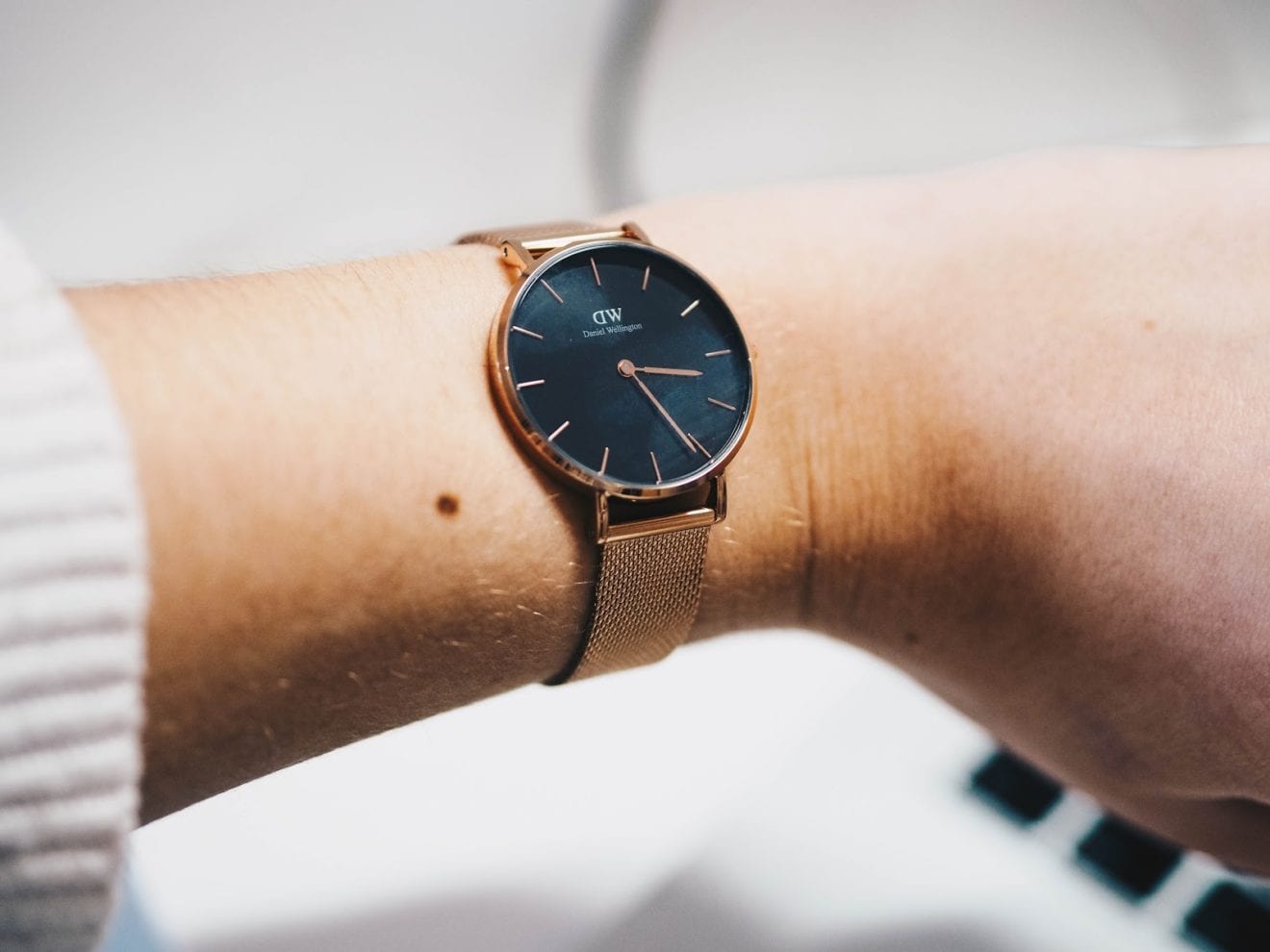
    Daniel Wellington Hong Kong has opened a pop-up store at Yoho Mall 1 in Yuen Long.

    The Swedish watch company took back the business from its from its distributor in March and now has four self-run stores in Hong Kong, at Festival Walk, Harbour City, IFC Mall and Lab Concept.

    Regional manager Jay Lam says the pop-up features a high-visibility stage design.

    He also says the brand is seeking to open more locations this year, and the aim is to eventually have up to 15 points of sale in Hong Kong.

  • Trimark Holdings introduces CH Carolina Herrera to Philippines

    Trimark Holdings introduces CH Carolina Herrera to Philippines

    Manila has its first CH Carolina Herrera boutique, launched by Trimark Holdings, which introduced Vera Wang Bride to the Philippines last year.

    Born in Venezuela, the New York designer was a favourite with the US first ladies as well as Hollywood stars.

    At Greenbelt 5, Makati, CH Carolina Herrera is the diffusion line of designer and offers womenswear and menswear, handbags, shoes, eyewear, jewellery and silk accessories.

    Next to burger outlet Lusso, the 130sqm boutique features dark shades of brown, black and gray against bold red and white walls, with gilded moldings and grained wood floors.

    Herrera, 78, has dressed such style influencers as Jackie Kennedy and Renee Zellweger.

  • Downhill slide for Bossini International

    Downhill slide for Bossini International

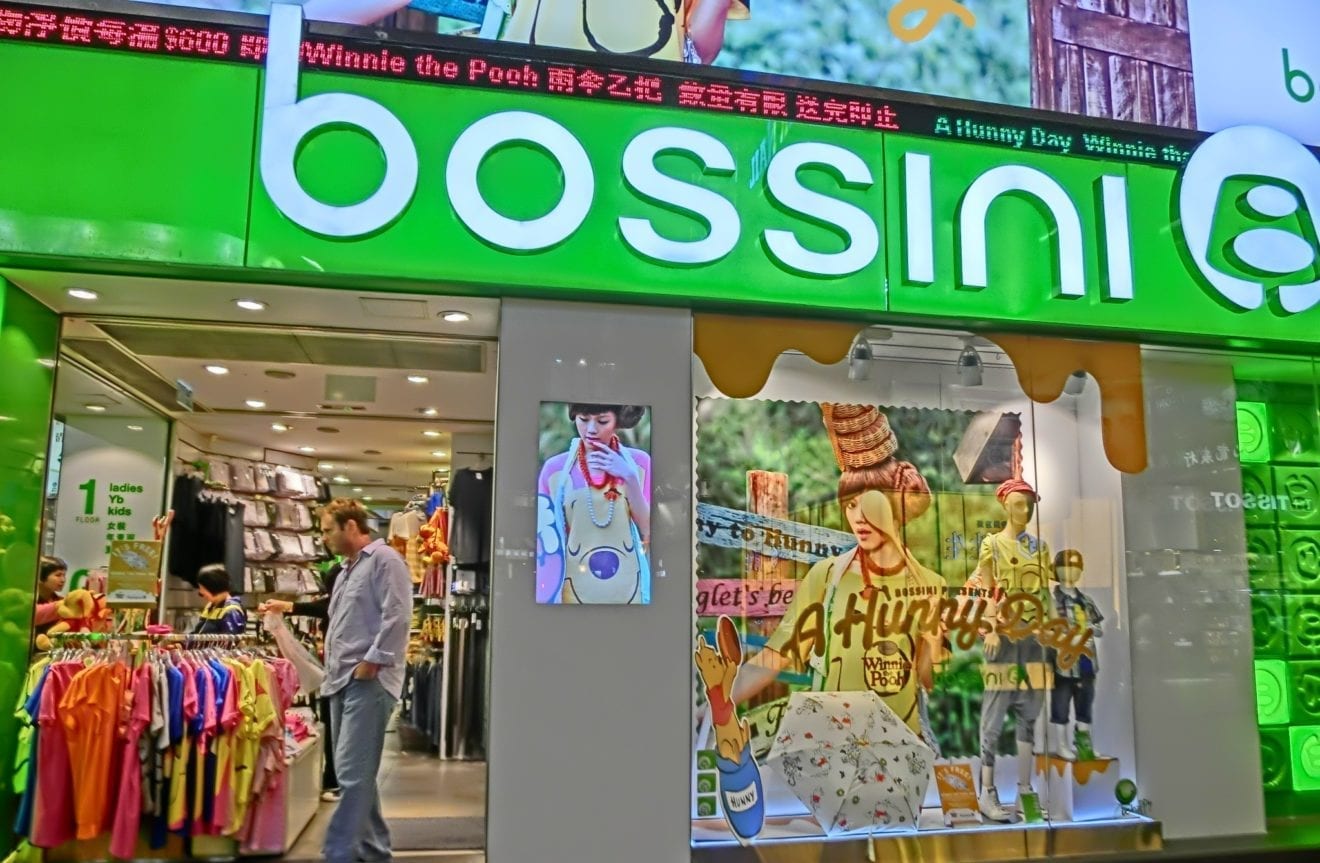
    “Severe” competition in core markets and continuing weak consumer sentiment have shredded profits for apparel company Bossini International Holdings for its fiscal year to the end of June.

    It was hit hardest at home in Hong Kong, where despite more positive business sentiment the its retail business continued to languish.

    Strong growth continued, however, in the wider Asia-Pacific market in the face of widespread concerns about growing protectionism, a rapidly aging society and slow productivity growth, says the company, which saw its overall revenue and gross profit drop 13 and 8 per cent respectively.

    Same-store sales declined 8 per cent for the year while there was a 5 per cent drop in gross profit.

    The group’s revenue for the year was HK$2 billion (US$256 million) compared to $2.3 billion last year. Gross profit dropped to $1 billion from $1.1 billion, with the gross margin rising three points to 51 per cent.

    Operating profit for the year was $10 million, EBITDA was $42 million (down from $356 million) and profit attributable to owners of the company was $5 million, compared to 4292 million the previous year.

    At the end of June, the group had a presence in 30 countries and regions with a total of 940 stores (down from 947) comprising 284 (2016: 280) directly managed stores and 656 (667) franchised stores.

    The Hong Kong and Macau market held its position as the major contributor to group revenue, with 40 stores, two down from the previous year.

    Non-performing stores in Singapore and Taiwan were consolidated, the portfolio reducing to 18 (21 the previous year) and 63 (70) respectively.

    Meanwhile, Bossini is celebrating its 30th anniversary with campaigns and events throughout this year, and launched its On-the-Go collection that targets the expanding market for travel and outdoor apparel.

  • AmorePacific is revamping products for SE Asia

    AmorePacific is revamping products for SE Asia

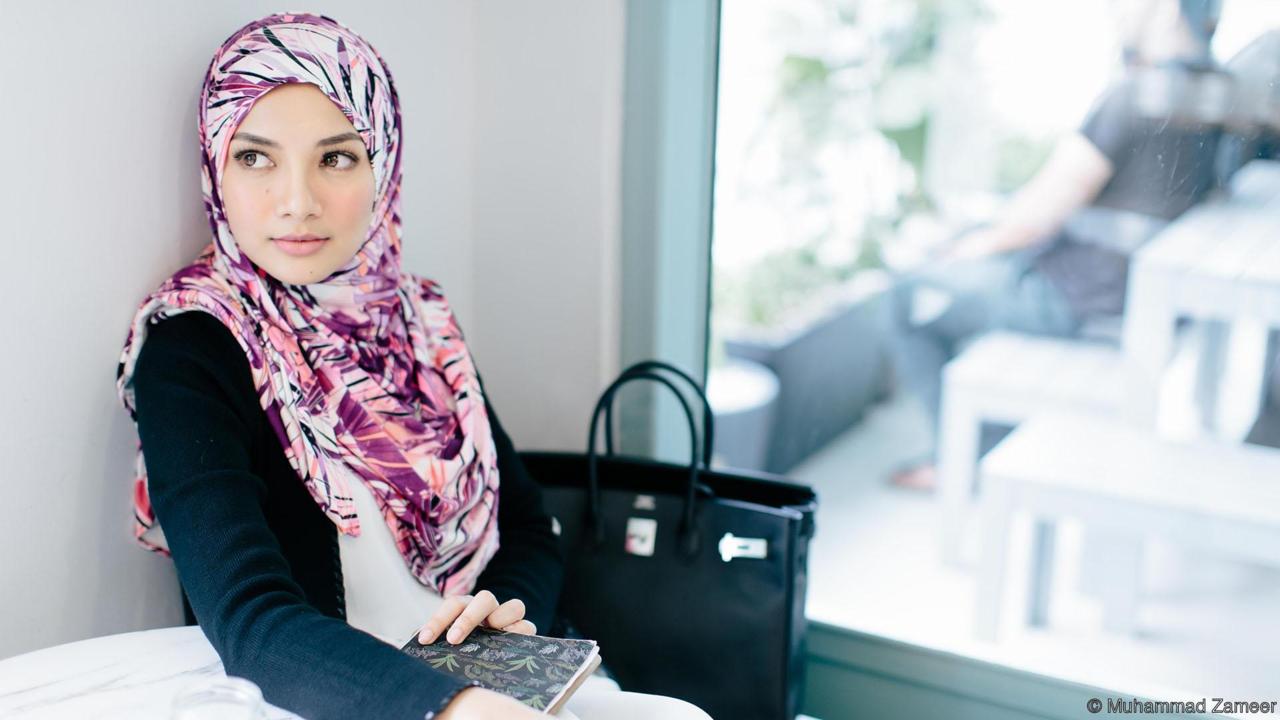
    South Korean cosmetics maker AmorePacific is revamping products to suit Muslim and darker-skinned women in Southeast Asia.

    It is pushing harder into Indonesia, Malaysia, Singapore, Thailand and Vietnam with a line-up that takes into account skin tones, the region’s humidity and the need for Muslim women to wash their faces five times a day before prayers. The Seoul-based company last year generated about 90 per cent of its revenue in South Korea and China, where many women are fairer-skinned and the weather more variable, reports The National in the UAE.

    “The diversity of Southeast Asia was a challenge,” says AmorePacific’s Southeast Asia head Robin Na.

    Southeast Asia generated just 150 billion won (US$132.9 million) in sales for AmorePacific last year, or less than 3 per cent of its total. The company aims to triple that, given the region’s cosmetics and skincare market is expected to reach $9.6 billion in sales by 2020, according to Euromonitor.

    The move is spurred in part by tensions with China over South Korea’s hosting of the US Thaad missile system, which led to Chinese travel agencies stopping sales of tour packages to South Korea.

    “The political conflict between China and South Korea is posing a serious threat to the business of South Korean beauty exporters,” says Euromonitor research analyst Sunny Um in Singapore.

    Five brands

    AmorePacific’s share of the Asia-Pacific cosmetics market doubled to 6 per cent between 2011 and 2016, overtaking Estee Lauder, Euromonitor figures show. It is now focusing its efforts in Southeast Asia primarily through five brands: Etude House, Innisfree, Laneige, Mamonde and Sulwhasoo. AmorePacific has about 250 directly managed stores in the region and plans to open another 150, says Na.

    The company opened a research centre in Singapore this year and is investing 110 billion won in a production unit in Johor, scheduled to open in 2020.

    By 2019, the annual global spending by Muslim consumers will reach $73 billion, according to the Singapore-based Institute of Asian Consumer Insight. More than 60 per cent of the world’s Muslims live in Asia.

    L’Oreal is also tapping into the Muslim cosmetics market with a halal-certified factory in Indonesia.

    As well as using focus groups, AmorePacific representatives have also visited the homes of Muslim customers, mostly in Kuala Lumpur, to better understand their makeup and skincare management routines. The customers were enlisted by market-research firms such as Nielsen.