Category: Fashion

Retail News Asia is committed to providing both local and global retailers with the latest Fashion news throughout the Asian market. This on a daily base.

  • Hermes operating margin reaches record level

    Hermes operating margin reaches record level

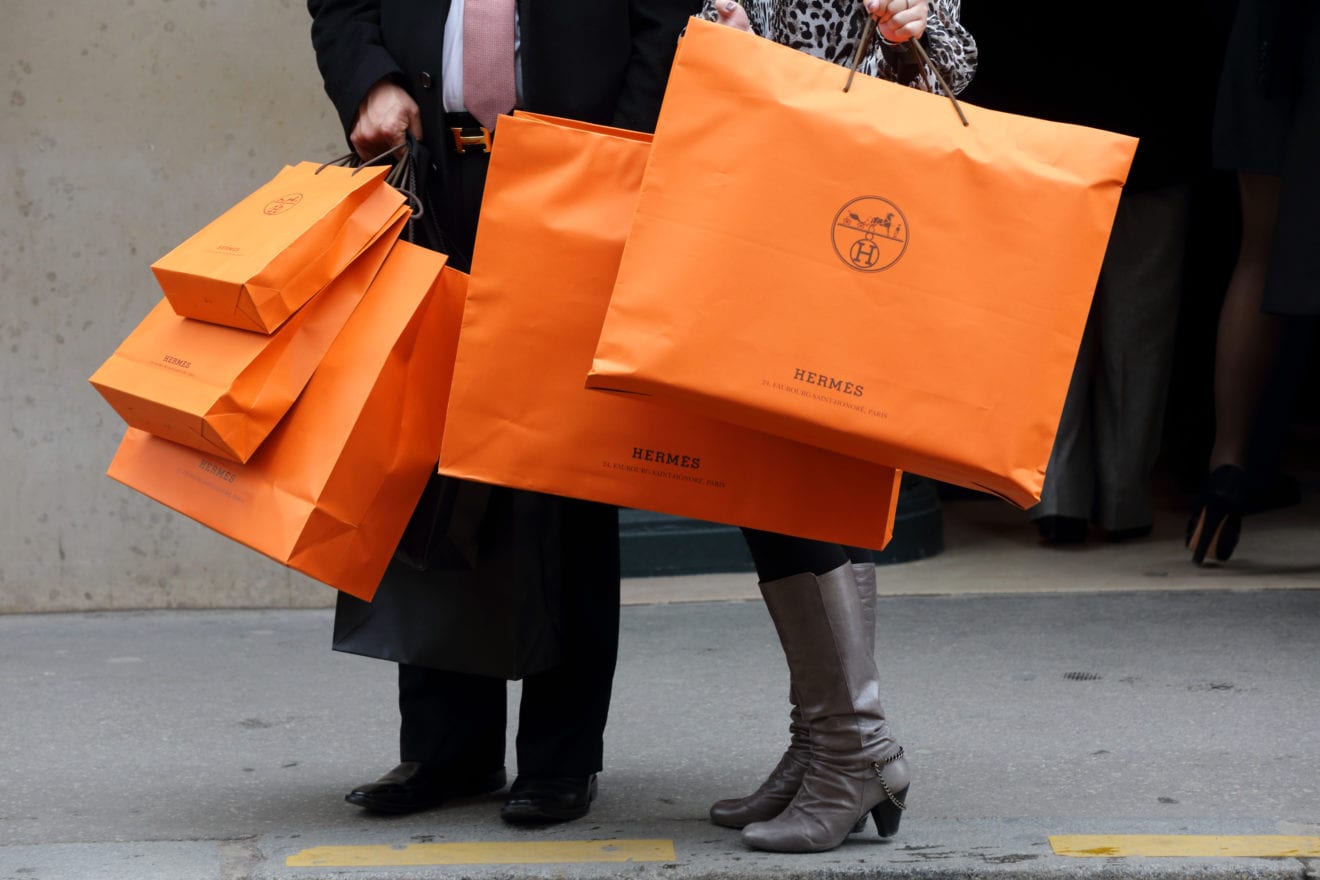
    Luxury retailer Hermes’ operating margin rose to 34.3 per cent of sales in the first half of this year – a new company record.

    And operating income from recurring activities rose 13 per cent, with Asia (excluding Japan) driving most of the growth.

    Hermes has reported consolidated revenue of €2.713 billion in the first half, up 11 per cent at current exchange rates and 10 per cent at constant exchange rates.

    Hermes’ Asian sales grew by 14 per cent, a figure the company described as “great progress, driven particularly by continental China”. Japan sales rose a more modest 3 per cent, despite the strengthening of the yen, with European sales up 7 per cent and US sales by 9 per cent.

    “The performance in the first half confirmed the positive momentum of the ready-to-wear and accessories and the silk and textiles business lines,” the company said in a statement. “Growth in leather goods and saddlery (12 per cent) was sustained thanks to the success of the collections and the diversity of models. The ready-to-wear and accessories division (up 10 per cent) performed well, driven by the success of [new] collections as well as jewellery accessories and shoes. The silk and textiles business (up 6 per cent) pursued its positive momentum, with sustained demand and creative diversity.”

    Perfumes sales rose 8 per cent, benefiting from the launches of Galop d’Hermès, Eau de Néroli Doré and Eau de Rhubarbe Ecarlate in the second quarter of last year, while the watches business slipped 1 per cent, “penalised by a still challenging market,” which nevertheless  showed a slight upturn in the second quarter.

    Sales in Hermes other business areas – essentially jewellery and homewares – rose 13 per cent.

    Hermes says its consolidated net profit increased by 11 per cent to €605 million, representing 22.3 per cent of sales.
  • Luk Fook US opens second San Francisco shop

    Luk Fook US opens second San Francisco shop

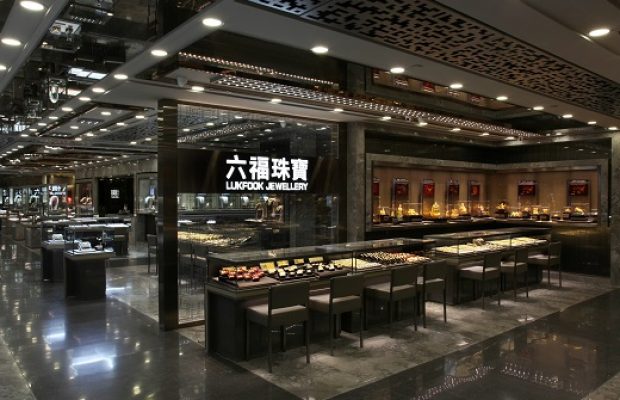
    Luk Fook US has opened its second retail shop in San Francisco with a ribbon-cutting ceremony.

    Officiating guests included California State Senator Scott Wiener, Chinese Consolidated Benevolent Association president William Yu, Miss Asia California Katie Lam, and group co-founder Pauline Yeung, a Miss Hong Kong Pageant winner.

    Group chairman/CEO Wong Wai Sheung says Lukfook Jewellery has been well received and supported by overseas Chinese customers. “This year marks the 20th anniversary of the group’s public listing, and we are dedicated to extend the network here in Chinatown, San Francisco.”

    He says the group also plans to expand further overseas to fulfil its corporate vision of “Brand of Hong Kong, Sparkling the World”.

    With shops across Mainland China and Hong Kong, the group tapped into the North American market in 2003. It has more than 1500 shops in nine countries and regions.

  • Seiko Australia opens first Melbourne boutique

    Seiko Australia opens first Melbourne boutique

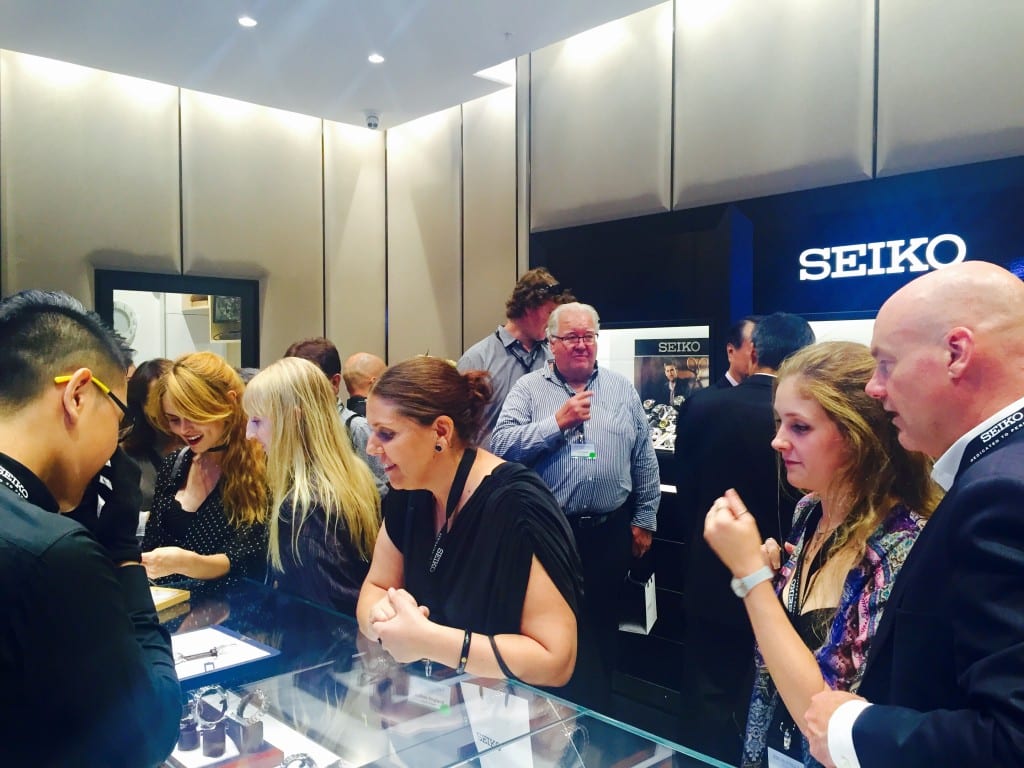
    Japanese watch brand, Seiko, has opened its first Melbourne boutique on Little Collins Street earlier this week.

    The boutique houses Seiko’s prestigious collections, Grand Seiko, Astron and Credor and will also display several watches never before offered in Australia.

    In launching the store, displayed Seiko’s Fugaku Timepiece valued at $600,000, the $400,000 Credor Spring Drive Minute Repeater as well as the Eichi ll valued at $61,000.

    The boutique will reside among Melbourne’s bustling Little Collins Street which is known for its high-end boutiques and have a resident Seiko watchmaker to assist customers with technical information.

    In March last year, the Japanese watch brand opened its first Australian boutique at the Queen Victoria building in Sydney, following openings in Frankfurt, Moscow and Tokyo last year.

  • The Kooples is looking to Asia for expansion

    The Kooples is looking to Asia for expansion

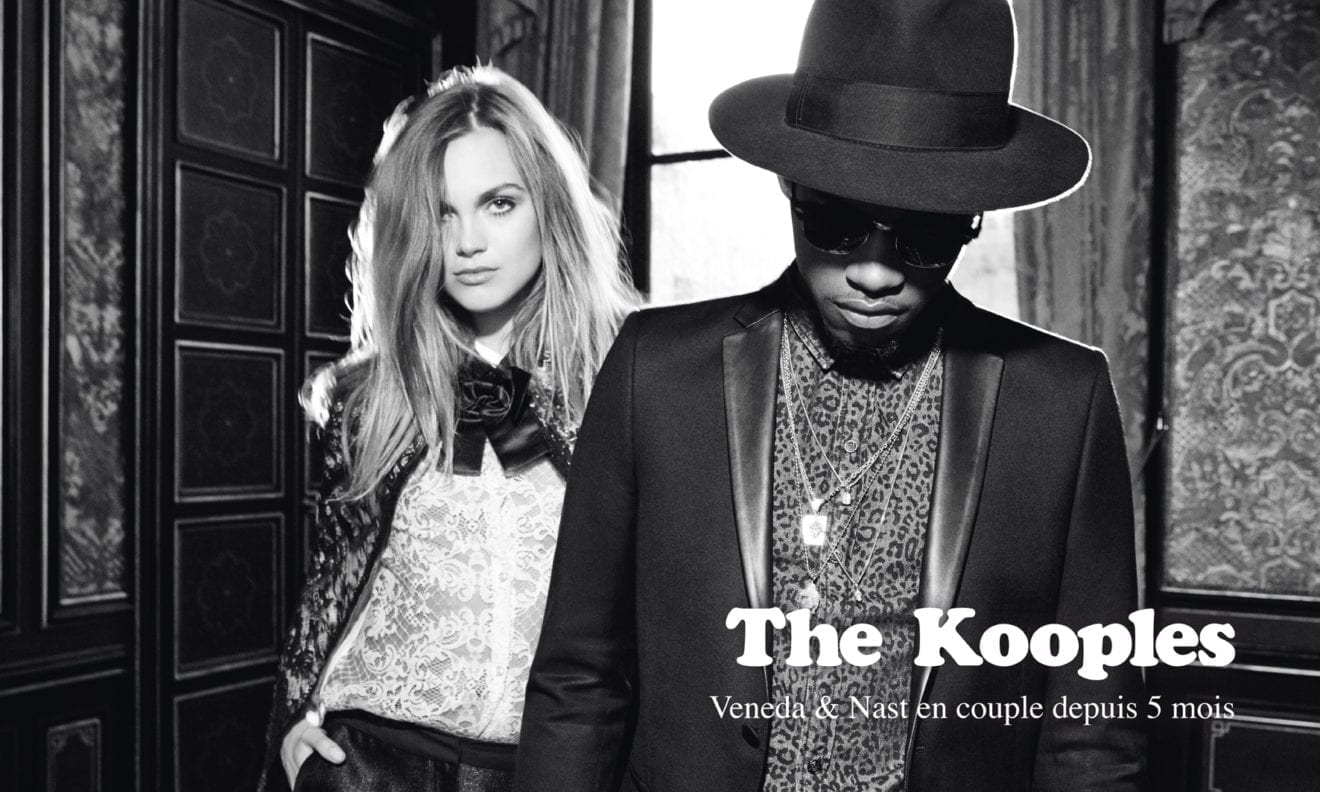
    Parisian fashion label The Kooples is looking to Asia for expansion, starting with two monobrand stores in Hong Kong in November.

    It is about to sign a partnership deal with a regional retail group, with its Hong Kong stores to be in the Harbour City and Pacific Place shopping malls.

    This will build on the handful of retail outlets it currently has in Asia, stores and retail corners mainly in Thailand and South Korea.

    Above all, the new partnership will lead to the opening of the label’s first stores on Mainland China, from next year. The Kooples’ only presence in China is a retail corner at the Galeries Lafayette department store in Beijing. Similar formats could follow as Galeries Lafayette is a partner, and is planning further stores in China.

    Meanwhile, The Kooples is evaluating the launch of a dedicated China e-commerce site.

    Following Hong Kong and China, the Parisian label and its local partner are also considering Japan.

    In the fiscal year to August 31, The Kooples’ revenue was around €220 million (US$263.1 million), on par with the previous year, and the company sees Asia as a crucial growth driver for the 400-store brand.

    “Asia’s the next challenge” says GM Nicolas Dreyfus.

    The Kooples has appointed the director for its Asian subsidiary: former Balmain Asia COO Laetitia Mergui.

  • Jung Wook-jun switches gender focus

    Jung Wook-jun switches gender focus

    On the 10th anniversary of his avant-garde fashion label Juun.J, South Korean designer Jung Wook-jun has ventured into rare territory for him: womenswear.

    His latest collection starred in the Hong Kong Trade Development Council’s Centrestage event last week, and much like his menswear it featured oversized silhouettes, excessive layering and street-style tailoring.

    Jung, 50, says the switch to womenswear coinciding with the anniversary follows his usual pattern of change and renewal. He says women have been wearing his clothes for a long time, and people around him have been asking him to make womenswear for years.

    He says his aesthetic has gradually shifted over the years from menswear with feminine elements to increasingly gender-neutral clothes. Now he is reversing the dynamic by giving womenswear a more masculine edge.

    Jung is working with Hong Kong fashion boutique Joyce again this month on a menswear-focused pop-up store inside Lane Crawford IFC as well as online. Titled “No Man is an Island”, it features collections from similar avant-garde designers Raf SImons, Rick Owens and Yohji Yamamoto.

  • In Good Company expands to the Philippines

    In Good Company expands to the Philippines

    Singapore-based fashion label In Good Company has expanded into the Philippines with its first shop in The SM Store Makati.

    The store, located on level 2, offers all seasonless clothing, classic silhouettes and accessories.

    In Good Company also brings its latest collection called Capsule 11. Using draping techniques, the collection is inspired by the 80s and 90s trends.

    “We explored new shapes and draping techniques that create more movement and dimensionality, as well as new hardware such as oversized grommets, hanging ties and d-rings that give the capsule a modern utilitarian look, in an ultra-wearable way,” said creative director and co-founder Sven Tan.

    Besides the Philippines, In Good Company has recently launched in Dubai at Robinsons Department Store.

    The brand also has standalone lifestyle stores in Hong Kong, Indonesia and Thailand

  • New Look CEO steps down after five years

    New Look CEO steps down after five years

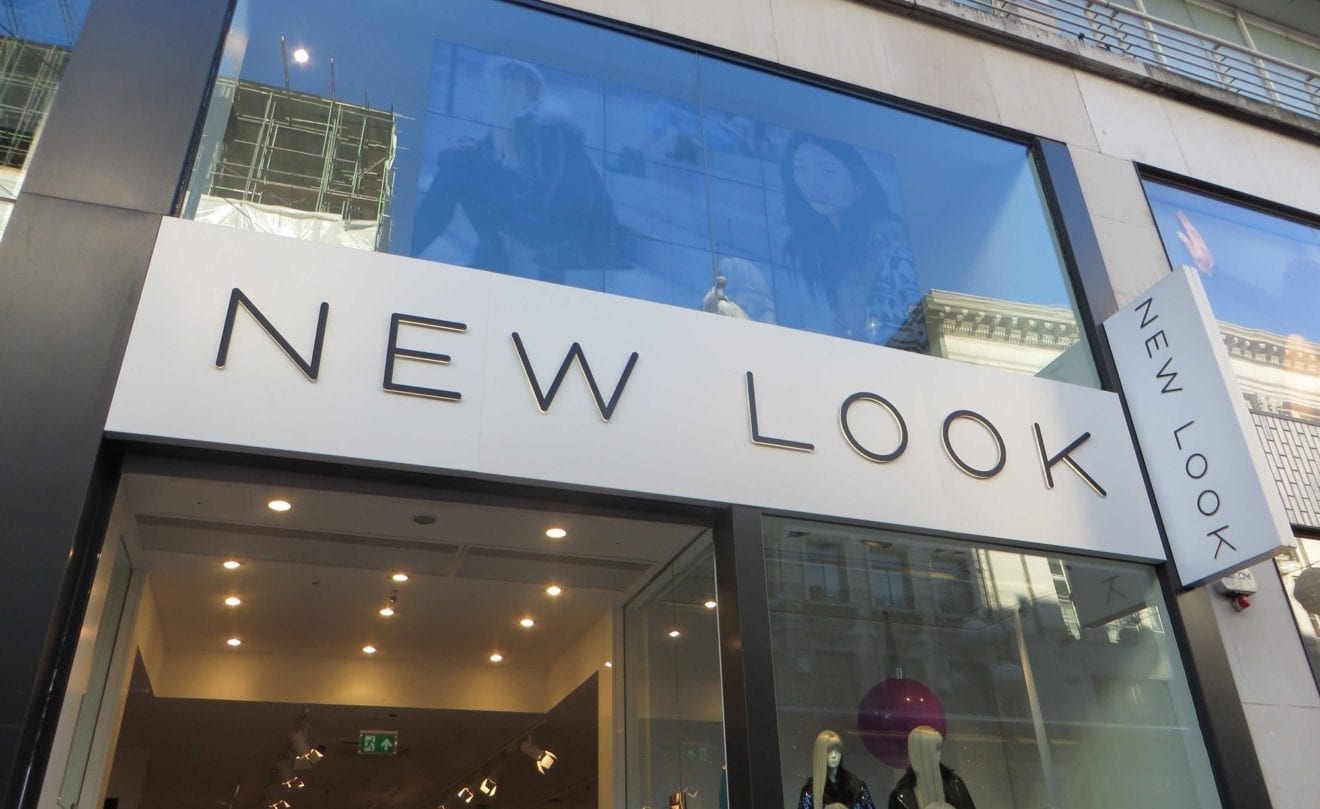
    New Look CEO Anders Kristiansen has stood down after almost five years.

    The UK fashion retailer’s board has appointed Danny Barrasso, currently MD of UK & ROI, as interim CEO with immediate effect while it identifies a permanent successor.

    Chairman John Gnodde said Anders made a “fantastic contribution” during his tenure with New Look.

    “Under his leadership, the company has made significant progress and we wish him well for the future. As New Look embarks on its next phase of development, we have mutually agreed that it is the appropriate time for a change to the leadership of the company. Danny and the wider executive team have the full support of all the shareholders to provide continued operational progress and leadership as we search for a permanent CEO.”

    Kristiansen said he had enjoyed his time with the brand.

    “I am proud of what we have achieved as a company and have every faith in New Look’s future prospects and progression.”

  • Furla sales soar in Asia-Pacific

    Furla sales soar in Asia-Pacific

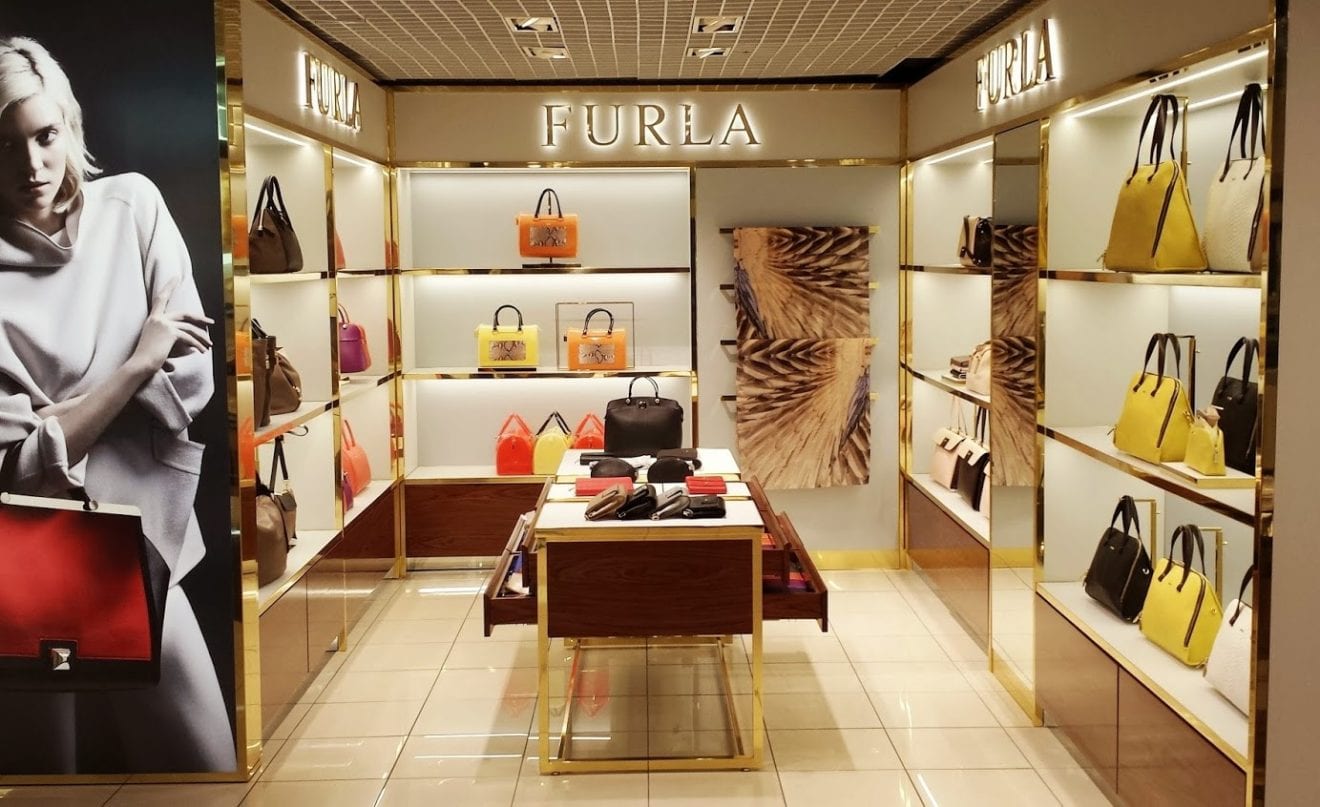
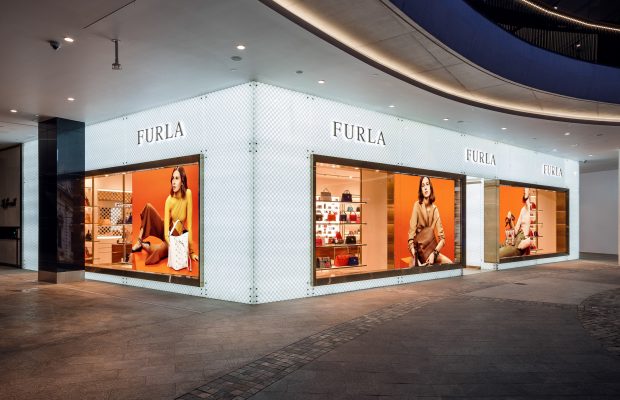
    Italian fashion group Furla continues to thrive in Asia, the region now accounting for half its global sales.

    After recording its highest-yet turnover and profit in 2016, Furla sales rose a further 23.5 per cent in the half year to June 30, reaching euro 238 million.

    The Asia-Pacific region registered 63 per cent growth, with China, South Korea and Australia standout markets. Sales in Japan rose 16 per cent.

    Furla is preparing to double its presence in Australia after buying back its Australian retail operations from Luxury Retail Group earlier this year.

    The Italian-based brand increased its Australian turnover by 64 per cent in the first half of 2017, underpinning group CEO Alberto Camerlengo’s optimism in the local market as part of a broader Asia-Pacific expansion strategy.

    “We have great expectations in Australia,” Camerlengo told Inside Retail Weekly. “Based on the results we have until now and the opportunity that we have in front of us, I think we can double our presence in Australia.”

    With products available in over 100 countries, Furla Group has 444 mono-brand stores, about half of which are directly managed, and is present in over 1200 multi-brand and department stores.

    “The results of the first half of 2017 make us very proud and underline the way turnover has doubled over the last three years,” commented Camerlengo.

    “This growth, in extremely complex scenarios, is important in all markets as is the improvement in the quality of our distribution network and of our relationship with our strategic partners,” he said.

    Our intent is to continue growing organically both in our diverse product categories and in our geographic footprint.”

    Japan is by far Furla’s largest country market, accounting for 24 per cent of its sales. The rest of the Asia-Pacific region accounted for a further 24 per cent in the half year. Europe, Middle East and Africa accounted for 45 per cent and the US for 7 per cent.

    Furla’s travel retail channel has also grown substantially: up 47 per cent, thanks to a presence in 52 countries, with a total of 292 sales points ranging from boutiques to corners, shop-in-shops, aircraft and cruise ships.

    Across all channels, organic growth was a major factor in the group’s success, but like-for-like sales in directly operated stores also registered double-digit growth.

    In the second half of this year, Furla plans to open new stores in Hong Kong, Beijing, Tokyo and Prague.

  • Kent & Curwen launches Pacific Place concept store

    Kent & Curwen launches Pacific Place concept store

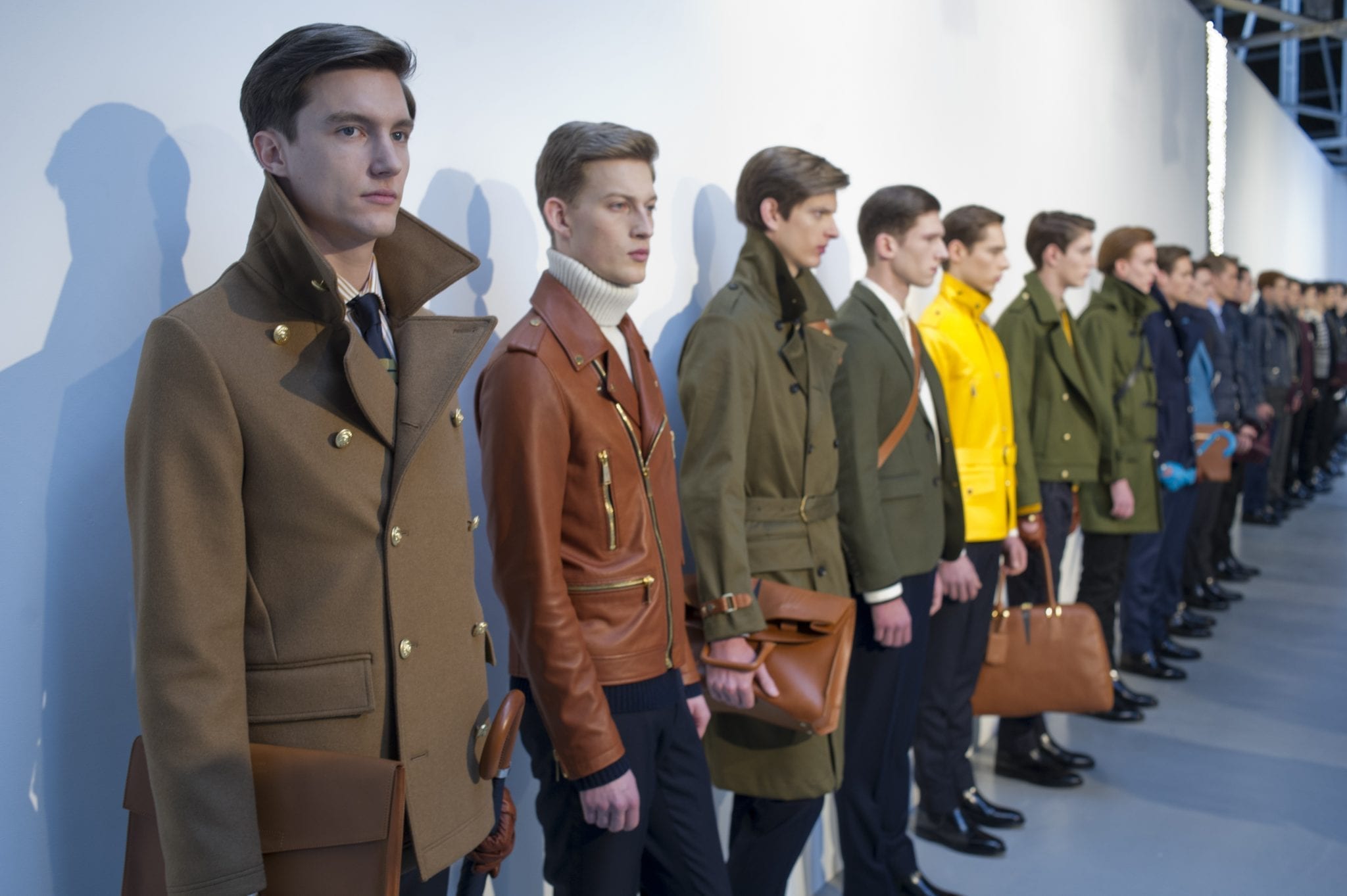
    Fashion house Kent & Curwen, known for its cricket and rugby apparel, has launched a new concept menswear store in Hong Kong showcasing a collaboration between creative director Daniel Kearns and business partner David Beckham.

    The former England soccer star has a key role with the brand under a deal he signed with its owner, Trinity International Brands. Kearns was previously with Alexander McQueen, Façonnable, Louis Vuitton and Yves Saint Laurent.

    After an international rebrand, the British heritage label is aiming at a younger, more fashionable consumer.

    Its new store concept at Pacific Place focuses on a central cube built from aged metal and hand-blown green glass, reminiscent of a decorative Victorian pub or orangery. Painted brick walls are a nod to the streets of London, from where Kent & Curwen draws much of its aesthetic.

    Displays and storage is influenced by vintage school-gym apparatus, referencing the brand’s heritage of supplying sporting attire to British schools such as Eton and Harrow. And to mark the brand’s long association with Cambridge and Oxford, university-style panelling is reinterpreted into ceiling detail.

    Kearns has taken the helm of the design of the collections, stores and packaging, working alongside Beckham.

  • China leads growth for Prada Asia

    China leads growth for Prada Asia

    Greater China was the outstanding market for Prada Asia for its half-year, while sales fell in Japan.

    Overall, the group had lower sales with conflicting trends, some markets recovering and others contracting.

    Growth for Asia Pacific edged up 0.4 per cent. While sales grew for clothing and leather good, footwear sales fell.

    Net sales in Greater China reached €301.9 million (US$362.5 million), up by 4.5 per cent, whereas other countries in the region had declines. Sales in Japan fell by 14.2 per cent, hit by a decline in both local demand and in tourist spending.

    Global net revenues for the period were €1.4 billion, down by 5.5 per cent. EBIT for the half-year was €166.8 million, or 11.4 per cent of net revenues, down from €213.7 million (13.8 per cent) for the same period last year.

    Miu Miu shines

    Clothing sales rose by 4.3 per cent overall, with the Miu Miu brand recording double-digit sales growth. Leather goods sales fell by 7.4 per cent, with a lesser decline for the Prada brand. Footwear sales were down by 9.7 per cent.

    Net sales of the Prada brand fell by 4.6 per cent, with the Asia Pacific region reporting sales in line with those of the same period of last year, while the other regions had lower sales.

    Miu Miu net sales fell by 9.9 per cent, affected by the closure of eight stores during the period.
    Net sales of the Church’s brand fell by 15 per cent, mainly as a result of the distribution channel being restructured.

    For the group’s other brands, the sales of Marchesi 1824 patisserie goods grew thanks to expansion, while the Car Shoe brand had a decline.

    Prada’s gross margin for the six months was €1 billion, or 74.1 per cent of net sales, up by 190 points. Half-year EBITDA was €279.6 million, corresponding to 19.1 per cent of net revenues, a dilution of 210 points.

    Thirteen stores were closed down during the six months (four Prada, eight Miu Miu and one Church’s), plus six stores were opened (two Prada, two Miu Miu and two Church’s).
    Sales in the wholesale channel grew by 5.1 per cent.

    Prada says its plan to bring Miu Miu stores into line with the brand’s new look progressed, and special projects were completed for Prada stores such as new layouts and extension of the “resort” concept to seaside stores.

    The group also introduced an e-commerce plan for all its brands, including an omnichannel growth strategy focusing on gradual expansion of the online sales channel in terms of merchandising and territorial coverage, plus new versions of the websites.

    Digital initiatives also involved advertising and communications, with the creation of special content and the acquisition of online space and media tools intended to create synergy among the three distribution channels.

  • Zilingo raises fresh funds for Indonesian expansion

    Zilingo raises fresh funds for Indonesian expansion

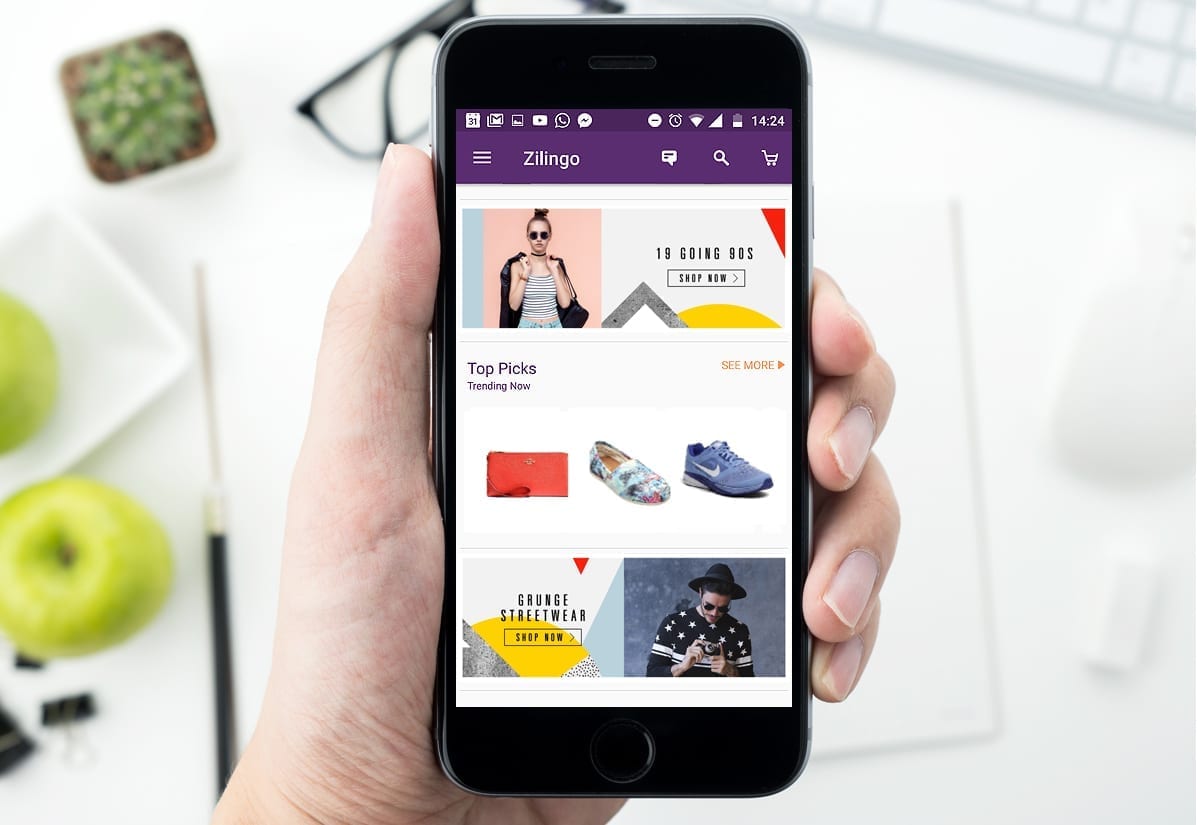
    Thai-headquartered fashion and lifestyle online marketplace Zilingo has raised US$17 million in a fresh investment round to fund expansion.

    Much of the funding came from Zilingo’s original investor, Sequoia India, with Burda Principal Investments (BPI), Venturra Capital, SIG, Wavemaker and Beenext also joining in.

    Zilingo is expanding across Southeast Asia and funds from this round are earmarked to strengthen its position in Indonesia.

    The concept is essentially an app-based solution which allows people to find fashion items, chat with vendors and shop online, within a country or cross-border. It targets small fashion retailers and labels and SMEs without the resources or scale to build their own online stores.

    One of the investors, Albert Shyy, principal at Burda, said he was “extremely impressed” with Zilingo’s growth and its focus on strong unit economics.

    “We believe there is a massive opportunity to build the leading fashion marketplace in the region and are very excited to join their journey.”

  • Zara India going online next month

    Zara India going online next month

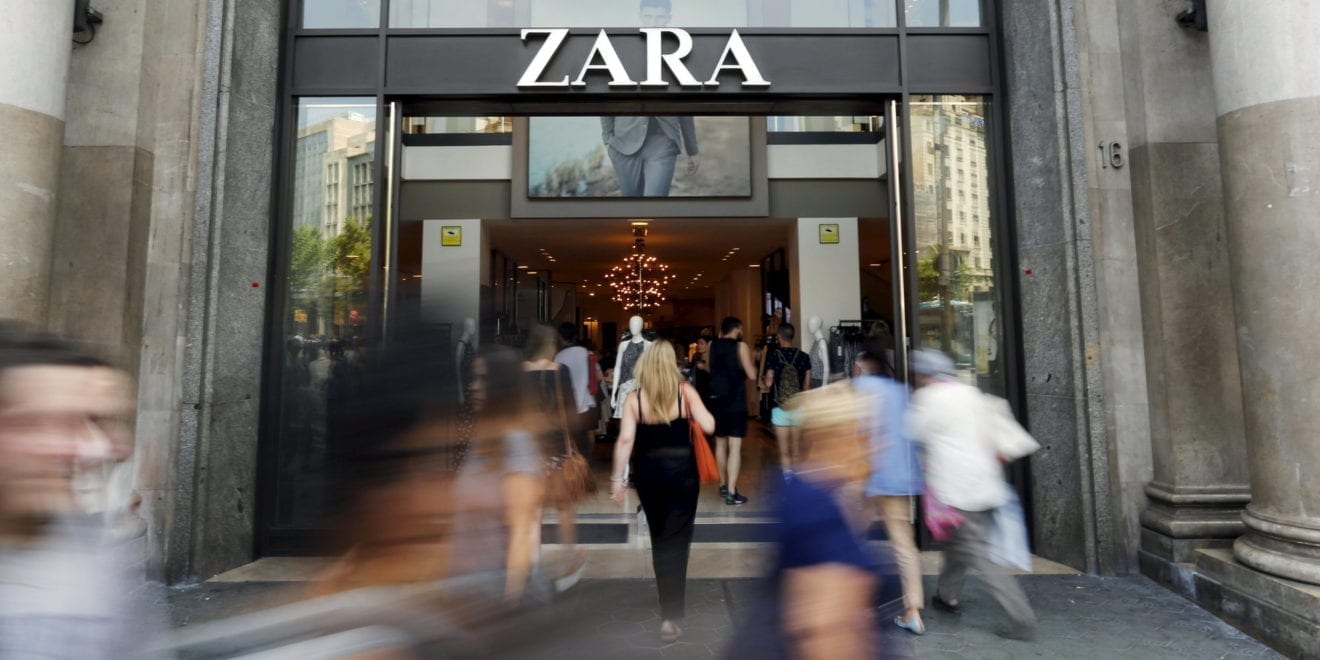
    Zara India is launching an online store on October 4, it has announced on its Facebook page.

    This follows the Spanish clothing retailer launching e-commerce sites this year for Malaysia, Singapore, Thailand and Vietnam.

    With a presence in 93 countries, the Inditex Group’s flagship brand added 279  stores last year to take its total to 7292 outlets.

    It plans to open up to 500 stores this year.

  • Queue greets H&M Vietnam launch in HCMC

    Queue greets H&M Vietnam launch in HCMC

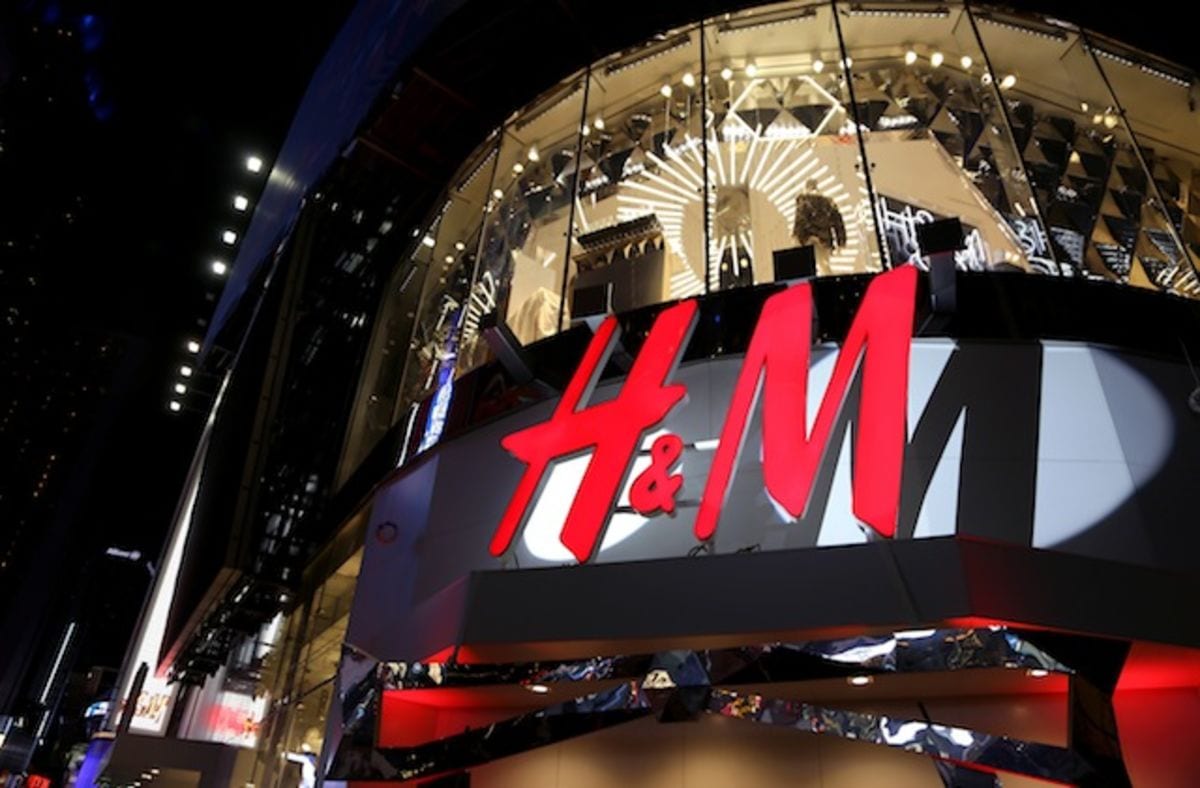
    Queues marked the official launch for H&M Vietnam, with more than 4000 customers on its first day in Vincom Center Dong Khoi, Ho Chi Minh City.

    It announced the opening a month ago on its Facebook page.

    The first 1000 customers at the Swedish fast-fashion brand’s new shop were each given a limited-edition bag, while other shoppers received shopping vouchers.

    H&M Southeast Asia CEO Fredrick Famm says the timing is right for the company to expand to Vietnam. “H&M has been researching and preparing for its Vietnam expansion for a long time.”

    Famm says H&M is looking for further locations in Vietnam.

  • Yves Saint Laurent co-founder Pierre Bergé dies

    Yves Saint Laurent co-founder Pierre Bergé dies

    Yves Saint Laurent co-founder Pierre Bergé has died at 86 years old at his country home in southern France following a long illness.

    The French businessman and art patron was the life and business partner of Yves Saint Laurent, who died in 2008 at the age of 71. They formed the famous fashion house in 1961. The two married in a civil ceremony in the final year of Saint Laurent’s life.

    “I will always remember him as a man instilled with a fertile tension between avant-gardism and the will to work relentlessly to inscribe creation in history,” says chairman/CEO François-Henri Pinault of Kering, which now owns the Yves Saint Laurent brand.

    “From the outset, he wished to preserve all the archives of Yves Saint Laurent’s work, an inestimable patrimony that will soon be made available for the public the world over to see in exceptional museums.

    “This man who has just left us was a great cultural figure, and a man with convictions he fought tirelessly to uphold. Pierre Bergé was at the same time a visionary precursor, a great patron, a creative and passionate businessman and a defender of noble and universal causes. He was a tireless patron of young creation, notably through the Andam Association (Association Nationale des Arts de la Mode) he had created. He was also a generous patron of heritage.”

    LVMH chairman/CEO Bernard Arnault says Bergé’s vast cultural knowledge and refined taste made him a great pioneer. “He made a considerable contribution to France’s spotlight in the world, both by the maison he founded and directed, as well as the cultural institutions he presided over.”

    Book specialist

    Bergé was born on the Île d’Oléron in 1930. The son of a schoolteacher and a civil servant, he took an early interest in literature. When he moved to Paris in 1948 he became a book dealer specialising in first editions. He socialised with writers including Albert Camus, André Breton, Jean Cocteau (for whose work he owned rights), Jean-Paul Sartre and Louis Aragon.

    In 1958 he met Yves Saint Laurent, then head designer at Christian Dior. After Saint Laurent had been conscripted for military service, Bergé helped stage his return with the Yves Saint Laurent haute couture house in 1961. Bergé would manage it until 2002.

    Bergé was the founding president of the Fondation Pierre Bergé – Yves Saint Laurent, which was recognised as a national institution in 2002 and works to conserve Saint Laurent’s body of work, organise exhibitions, and support cultural and educational activities.

    In the 1960s, Bergé expanded Saint Laurent’s business from haute couture into the far more profitable ready-to-wear market; he established Saint Laurent Rive Gauche boutiques in Paris, New York and other cities.

    In 1986 he sold 25 per cent of the Saint Laurent business to Italian entrepreneur Carlo de Benedetti, using the money to buy Charles of the Ritz, which owned  designer perfumes including several Saint Laurent fragrances like Opium and Rive Gauche.

    In 1993, Bergé and Saint Laurent sold the YSL Groupe for US$655 million to French pharmaceutical giant Elf Sanofi, which in 1999 sold the group to Gucci.

    Bergé’s death comes as two new major museums dedicated to Yves Saint Laurent are to be opened by the Fondation Pierre Bergé

  • Furla sales soar 63 per cent in Asia-Pacific

    Furla sales soar 63 per cent in Asia-Pacific

    Italian fashion group Furla continues to thrive in Asia, the region now accounting for half its global sales.

    After recording its highest-yet turnover and profit in 2016, Furla sales rose a further 23.5 per cent in the half year to June 30, reaching euro 238 million.

    The Asia-Pacific region registered 63 per cent growth, with China, South Korea and Australia standout markets. Sales in Japan rose 16 per cent.

    With products available in over 100 countries, Furla Group has 444 mono-brand stores, about half of which are directly managed, and is present in over 1200 multi-brand and department stores.

    “The results of the first half of 2017 make us very proud and underline the way turnover has doubled over the last three years,” commented CEO Alberto Camerlengo.

    “This growth, in extremely complex scenarios, is important in all markets as is the improvement in the quality of our distribution network and of our relationship with our strategic partners,” he said.

    Our intent is to continue growing organically both in our diverse product categories and in our geographic footprint.”

    Japan is by far Furla’s largest country market, accounting for 24 per cent of its sales. The rest of the Asia-Pacific region accounted for a further 24 per cent in the half year. Europe, Middle East and Africa accounted for 45 per cent and the US for 7 per cent.

    Furla’s travel retail channel has also grown substantially: up 47 per cent, thanks to a presence in 52 countries, with a total of 292 sales points ranging from boutiques to corners, shop-in-shops, aircraft and cruise ships.

    Across all channels, organic growth was a major factor in the group’s success, but like-for-like sales in directly operated stores also registered double-digit growth.

    In the second half of this year, Furla plans to open new stores in Hong Kong, Beijing, Tokyo and Prague.