Category: Fashion

Retail News Asia is committed to providing both local and global retailers with the latest Fashion news throughout the Asian market. This on a daily base.

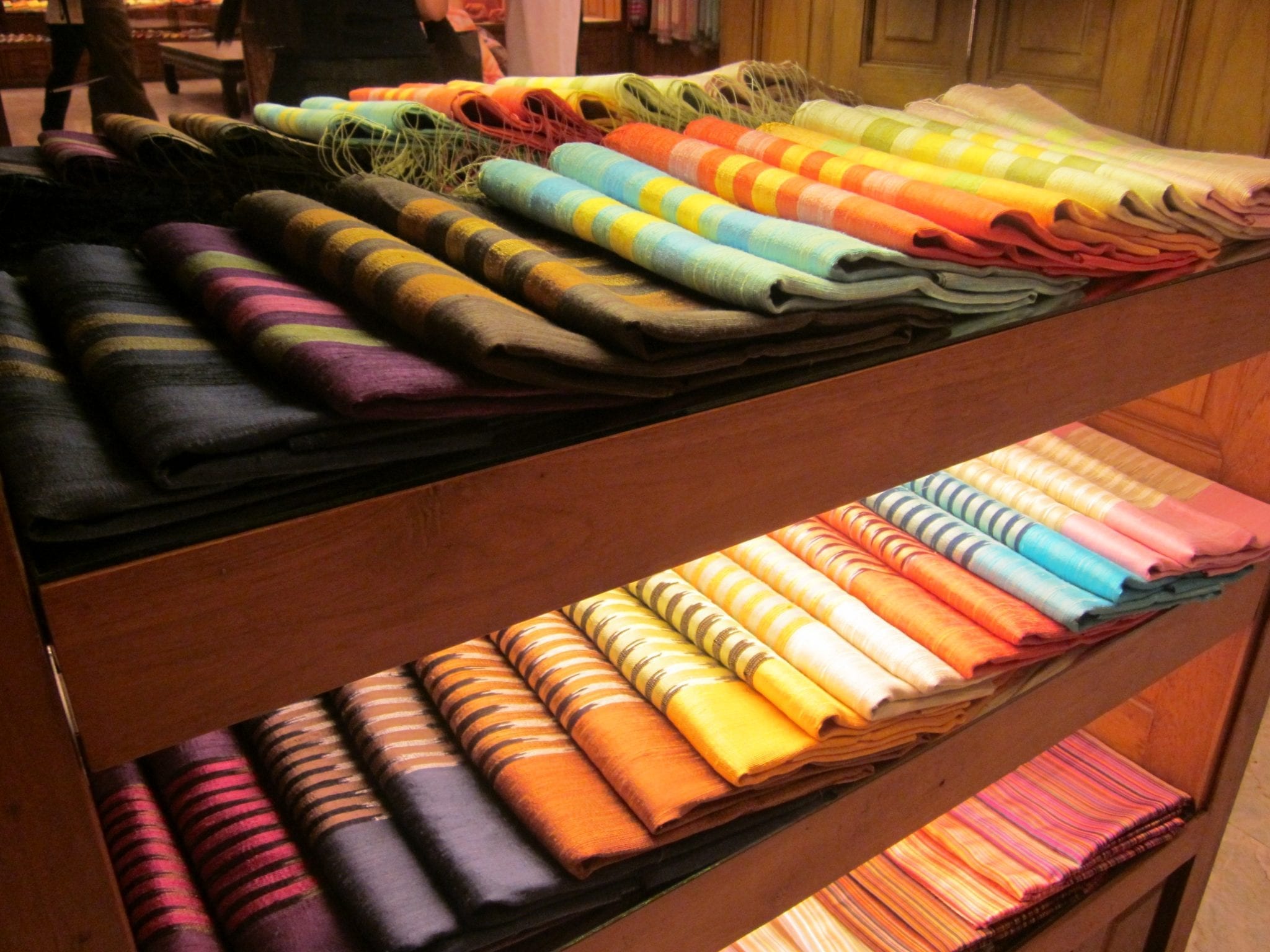
  • Thailand’s Jim Thompson plans global expansion

    Thailand’s Jim Thompson plans global expansion

    A Jim Thompson flagship store will open in Bangkok’s Siam Paragon tomorrow as a preliminary step in a five-year global expansion plan.

    Similar flagship stores have been announced for Hong Kong and Singapore, and other major international retail destinations.

    The luxury brand’s first flagship, it is next to Bombyx, one of Jim Thompson’s five restaurants, and integrates touchscreens to give customers access to the catalogue as well as animated representations of its designs.

    These adaptations reflect the brand’s commitment to going digital (just two years ago it did not have a website or sell products online). It plans to launch it first online store soon in Thailand, to be followed by online stores abroad following the establishment of physical retail locations.

    Jim Thompson’s expansion plans have been presented to the board of the owner, The Thai Silk Co, by its first chief executive Gerald Mazzalovo, who has been seeking new locations and partners taking charge two years ago. He was formerly chief executive of fashion labels Bally, Clergerie and Loewe, and group president of Salvatore Ferragamo.

    The Thai Silk Co already exhibits its Jim Thompson, No.9, Fox Linton and Studio B home-furnishing products in five countries but for now offers its clothing and personal goods only in Bangkok, Malaysia and Singapore.

    Mazzalovo says Bangkok is an obvious choice for the first flagship store, given that the brand’s history and identity are so closely connected to the Thai capital. Within the next five years the company will set up similar flagship locations in London, Paris, New York, Singapore, Hong Kong and Shanghai – in that order, says Mazzalovo.

    His idea is that expansion to Europe first will help it build its reputation as a global brand before
    moving into the Chinese market.

    He says China is one of the most profitable opportunities for the brand, but the market there is much more likely to welcome the brand when it has established a name in Europe, rather than only in Southeast Asia.

    Global ambition

    Mazzalovo believes the company has all the makings of an international fashion house.
    “We have the ambition of going global because we have a lot of the prerequisites needed, including more than 70 years of heritage, know-how and historical anecdotes,” he says.

    The company’s values of authenticity and mystery are still anchored in its founder Jim Thompson, a Princeton and University of Pennsylvania graduate who arrived in Thailand in 1946 after working in Southeast Asia for a US wartime intelligence agency. He disappeared mysteriously in Malaysia in 1967.

    Meanwhile, the company opened a fabric showroom this year in Bangkok and will open a high-end contemporary restaurant in the next few months.

    Mazzalovo says the firm is highly profitable despite competing against brands like Chanel, Ferragamo, Gucci, Louis Vuitton and Prada. He considers the company to be closest to Hermes in terms of product and brand management.

    In this first year with the company he recruited 15 designers and assistants from Korea, Italy, France, Finland and Thailand. The company employs 3000 people and has nearly 40 boutiques around Thailand.
  • Hublot Japan launches Kyoto townhouse outlet

    Hublot Japan launches Kyoto townhouse outlet

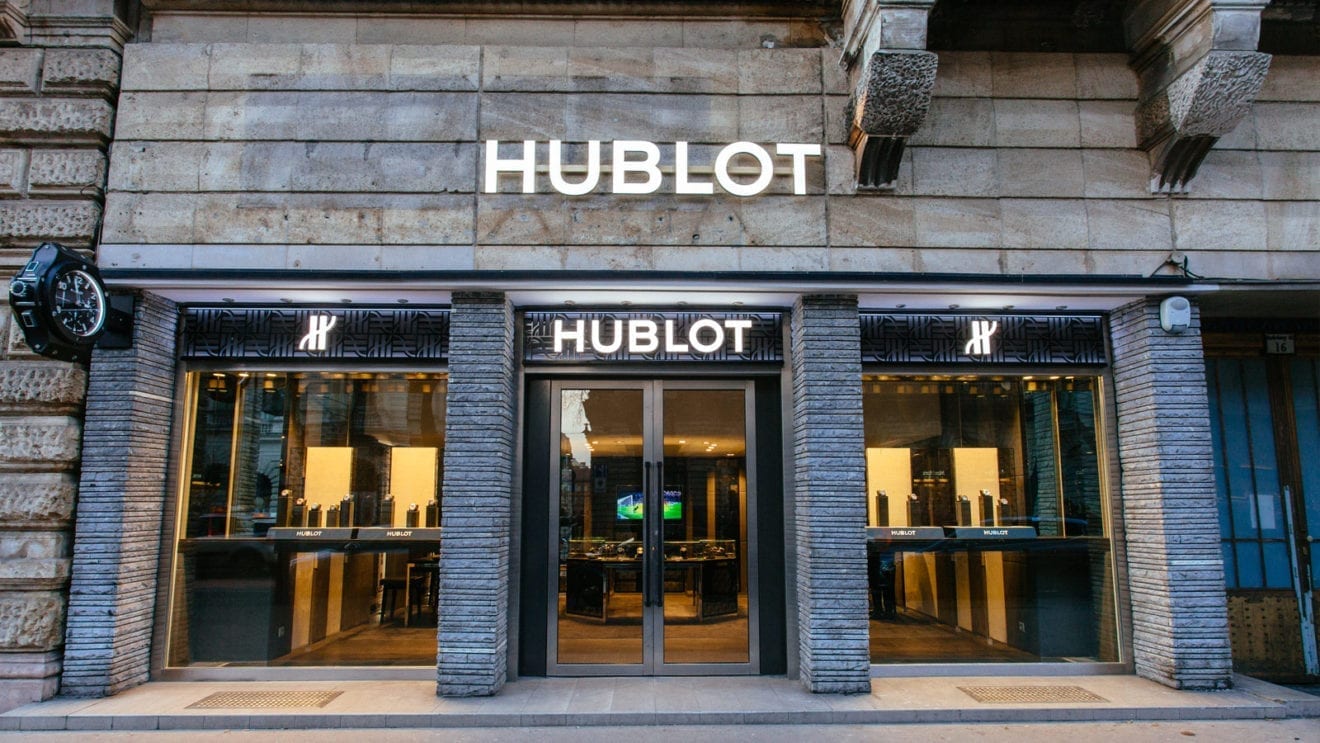
    Hublot Japan has opened a shop in Kyoto’s Gion district, its third directly run outlet.

    The Swiss luxury watchmaker has a store in Tokyo’s Ginza district and another in Osaka. The latest location is in Kyoto’s second Daimaru department store, which has just opened in a traditional Kyoto-style townhouse.

    Hublot Boutique Kyoto is on the ground floor of the two-storey townhouse store in Gion’s main street. A Japanese tearoom on the upper floor can be used for hosting events.

    Founded in Switzerland in 1980, Hublot mainly targets men in their late 30s and early 40s. The Kyoto shop will primarily carry timepieces priced at around ¥1 million (US$9080) to ¥2 million. The shop is a mixture of traditional Japan and 1970s US. A noren (traditional Japanese curtain) printed with the shop’s logo hangs at the entrance; inside, the walls are decorated with American pop art. The sofa is made from Nishijin-ori (a traditional Kyoto textile) while take-zaiku (bamboo crafts) and washi (Japanese paper) are also used in the shop.

    The shop carries some limited-edition items such as the Spirit of Big Bang All Black model.

  • Old Navy Vietnam opens second store

    Old Navy Vietnam opens second store

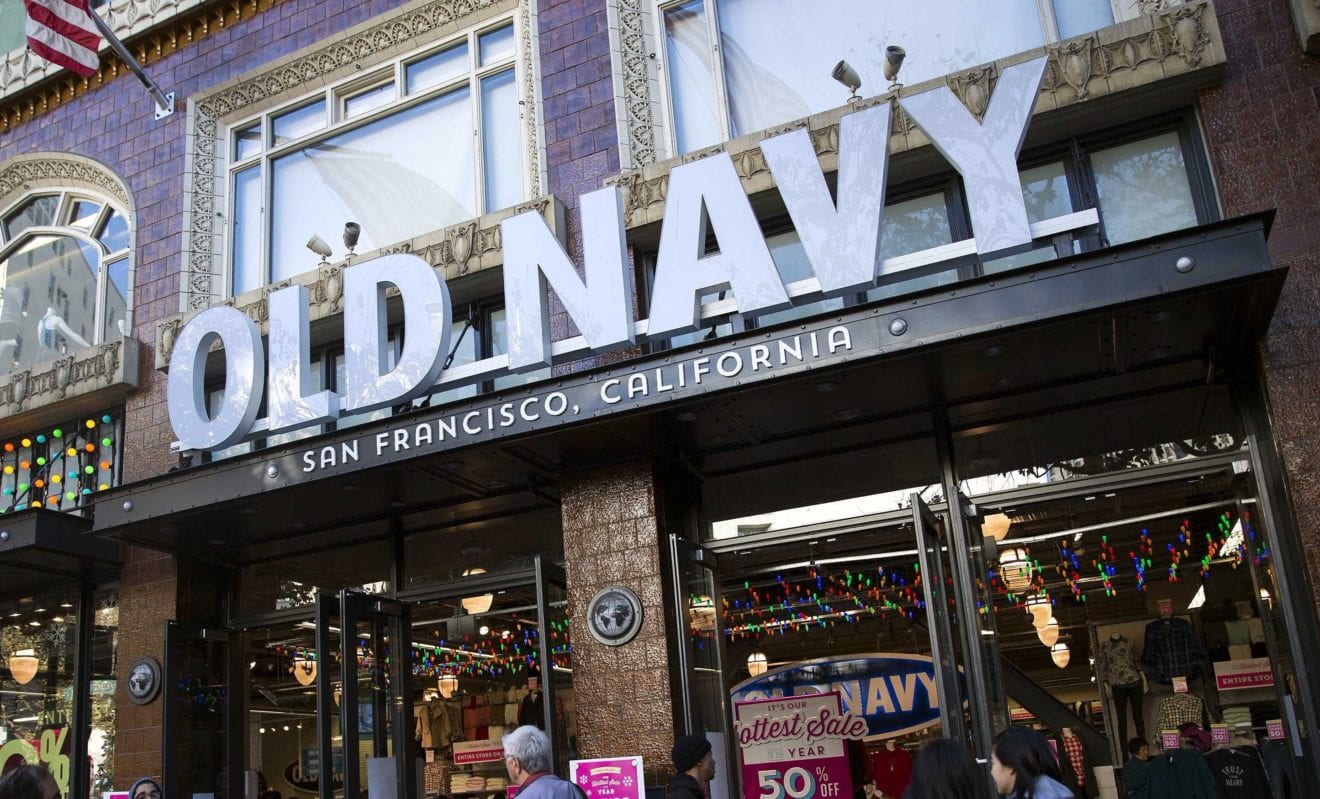
    Old Navy Vietnam has opened its first store in Hanoi, three months after its debut in the country.

    The 655sqm store is located in Vincom Nguyen Chi Thanh and offers collections for men, women, kids and babies.

    Melissa Fehlman, GM of Old Navy Vietnam, said the brand aims to open more stores throughout Vietnam in coming years, with Ho Chi Minh City’s second shop scheduled this month.

    Acknowledging that Vietnamese customers are trendy, Old Navy commits to refreshing 70-80 per cent of its products every three months, alongside core, long-term lines such as denim wear.

    Old Navy came to Vietnam under a franchise agreement between Gap Inc and Vietnam IPP’s subsidiaries ACFC and CMFC, which also hold the Gap and Banana Republic franchises in Vietnam.

    The nation’s fashion market is booming, buoyed by the recent arrival of international brands, including Pull&Bear and Stradivarius on September 1.

    H&M opens its first store in Ho Chi Minh City on September 9 and Zara will open its first Hanoi store next month.

  • Nike India still feeling pinch

    Nike India still feeling pinch

    Nike India is planning to further trim back its business activities to stem losses.

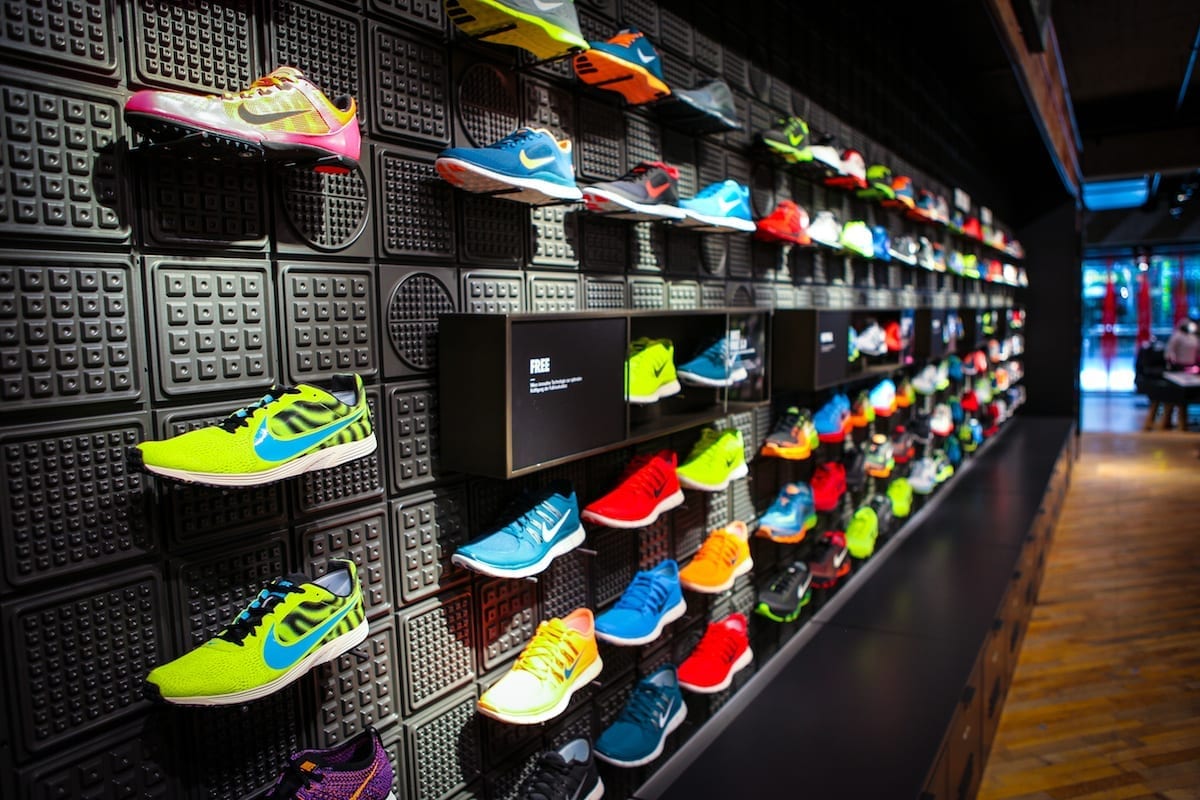
    A year ago the US sportswear major had already closed about 35 per cent of its stores, leaving it with about 200 outlets.

    While the sportswear market is expected to touch US$8 billion in sales by 2020, according to Euromonitor, global firms like Adidas and Nike are finding it hard to make profits in the otherwise lucrative Indian market, reports Fashion Network. Even the German sportswear maker Puma had losses in India this financial year, after three years of profits.

    Fashion Network says that while India is a booming market for sportswear, it is price sensitive and dominated by domestic brands like HRX, YWC and Zeven.

    Nike was an early entrant in the Indian market in 2005, but has had losses there for the past few years. It sales plummeted to Rs764 crore (about $119.2 million) last year from Rs803 crore, and its losses widened from Rs101 crore to Rs170 crore.

    In damage-control mode, the company is trying to minimise losses by trimming costs and cutting down on sponsorship deals. It has also let go of 20 per cent of its employees in India.

    It has its headquarters in Bangalore and offices in Delhi and Mumbai.

  • Competition causes Yeli China to lose footing

    Competition causes Yeli China to lose footing

    While revenue rose 47.6 per cent for the quarter ended June 30 for China Sports International, its footwear subsidiary Yeli China is facing difficulties.

    The Singapore-listed company has changed its financial year end from December 31 to June 30, meaning its current period covers 18 months.

    For the latest quarter, revenue amounted to about RMB22.71 million (US$3.4 million). For the 18 months ended the same date, revenue grew by 4.8 per cent to about RMB358.8 million. The slender increase was mainly attributable to persistent and increasing competition in the sportswear industry.

    “Our distributors continued to be wary of the intensified competition and became even more prudent in placing their orders for footwear and apparel products,” says the company.

    However, an increase in OEM orders in first half enhanced revenue performance.

    Footwear sales for the 18 months grew only 2.6 per cent to about RMB345.4 million. The company says the poor economic outlook and lack of product improvement resulted in fewer orders from Yeli footwear distributors.

    Because of the persistent weakening retail sportswear market and intensified price competition, more than half the distributor sales outlets have been closed.

    During the 18 months, Yeli footwear sales were about RMB114.5 million, representing 33.1 per cent of the company’s footwear range, down from 53 per cent.

    For the sixth quarter, Yeli footwear revenue fell 25 per cent to about RMB15.8 million.

    Apparel sales were RMB13.4 million for the 18 months, up from RMB5.83 million, and for the sixth quarter were RMB1.9 million, down from RMB2.9 million.

    Overall gross profit was up 21.5 per cent to about RMB13.9 million for the 18 months, mainly because of the high sales volume from the OEM footwear segment.

    Overall gross profit margin edged up 3 per cent for the 18 months.

  • Heuer Globetrotter exhibition rolls out in 10 global cities

    Heuer Globetrotter exhibition rolls out in 10 global cities

    Swiss watch brand Tag Heuer is launching simultaneous collections in 10 leading global cities from September 16.

    Dubbed the “Heuer Globetrotter” exhibition, it will feature a curated selection of more than 400 vintage timepieces, each of the 10 displays curated to the host city. Those cities are Hong Kong, Singapore, Tokyo, Paris, Geneva, Munich, Venice, Dubai, Sydney and Miami.

    The timepieces will be sourced from tag heuer’s museum in La Chau-de-Fonds, the Louis Vuitton-owned brand’s home city in Switzerland.

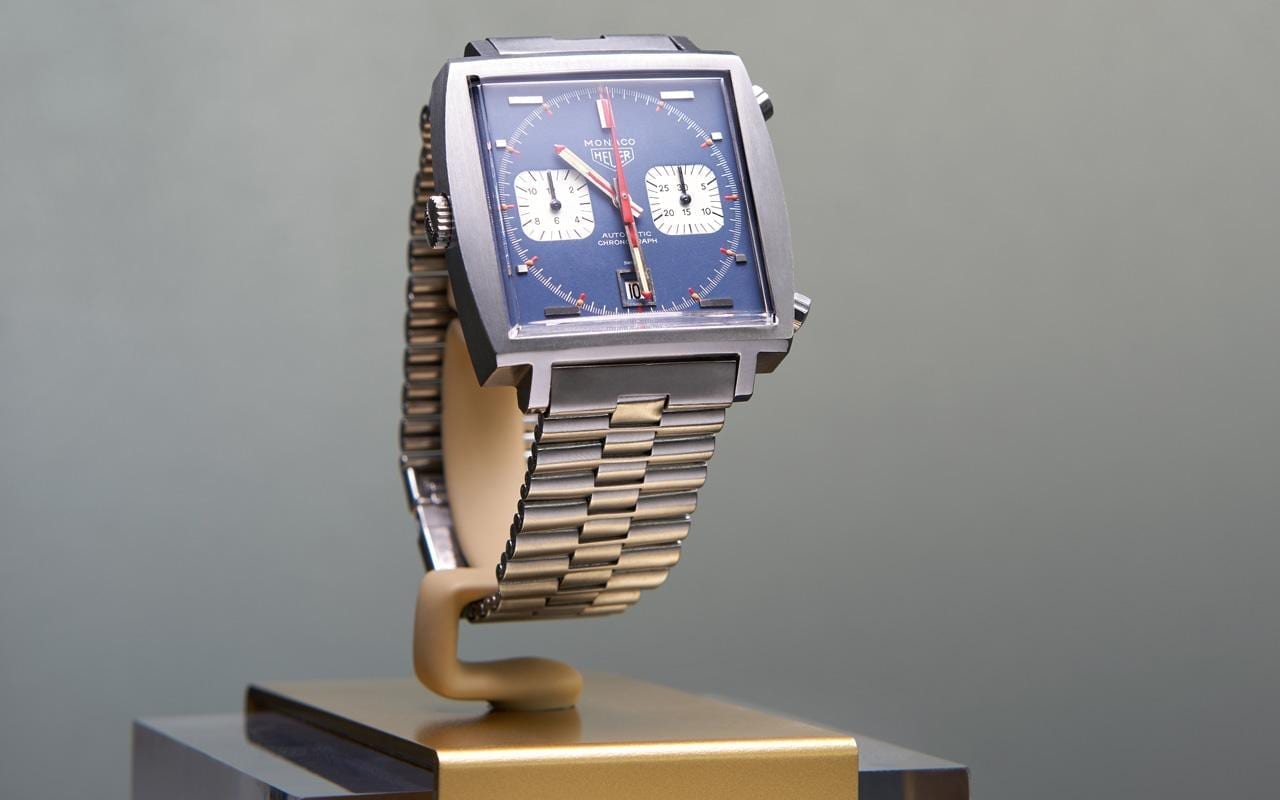
    The exhibitions are aimed at watch enthusiasts, collectors and the general public. They will feature all sorts of timepieces ranging from pocket watches to dashboard-inspired wristwatches – including the Heuer Monaco worn by Steve McQueen in the film Le Mans.

    Each city will also showcase a selection of 20 watches chosen by a local collector and sourced from collectors in the region.

    Singapore’s exhibition will include the brand’s long-running Formula One association, Hong Kong’s theme will be Automobiles Pilots, and Tokyo’s “Design throughout history”.

  • Vans/Karl Lagerfeld collaborate on capsule collection Featuring 12 styles

    Vans/Karl Lagerfeld collaborate on capsule collection Featuring 12 styles

    Featuring 12 styles, the collection reinterprets the US skateboarding shoe brand’s classic styles through the lens of the iconic German fashion house. The designs were revealed at the Bread & Butter trend show in Berlin, and launches worldwide tomorrow at Karl Lagerfeld boutiques, select Vans accounts, Vans.com and Kar.com.

    Covering both apparel and accessories, the offering makes a bold statement with a black and white palette, says Vans. Styles include a t-shirt and sweatshirt with the Vans x Karl Lagerfeld logo, a t-shirt with an image of Lagerfeld wearing a checkerboard tie, a black-and-white raglan-sleeve bomber, a leather backpack with K-quilted stitching, and a cap with a checkerboard brim.

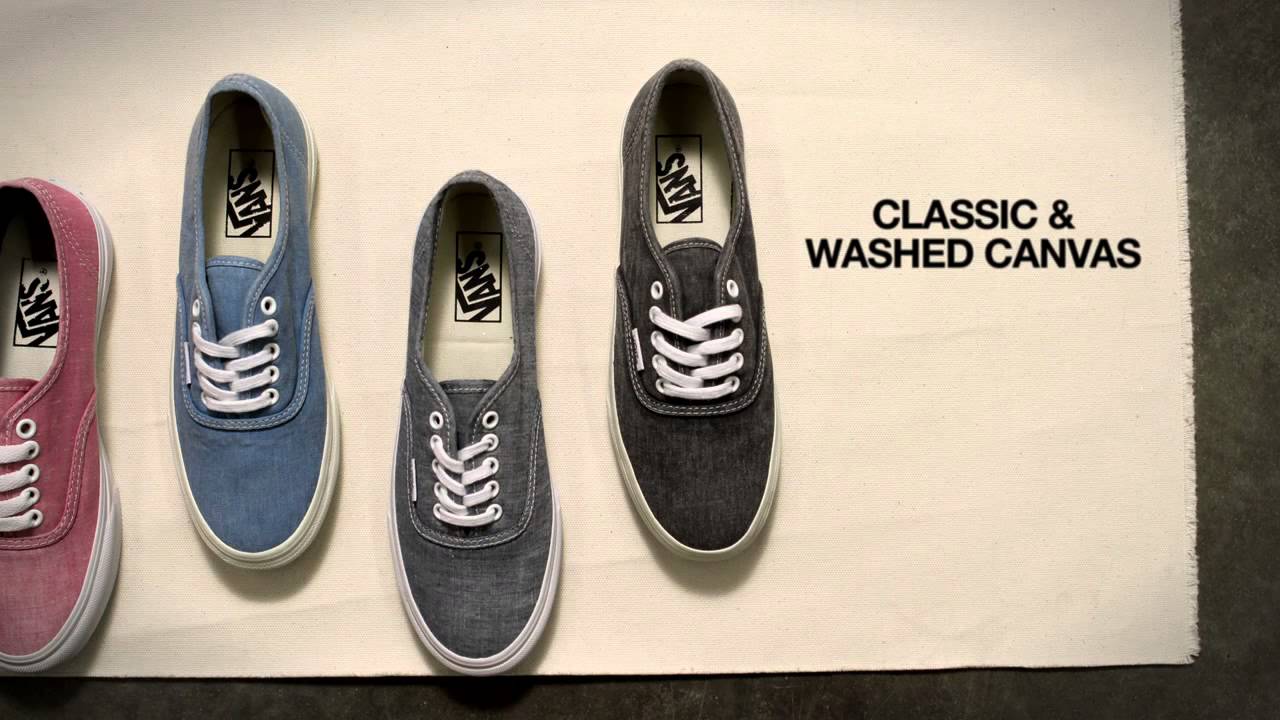
    For the footwear there are six interpretations of Vans Classic styles, including the debut of the SK8-Hi Laceless platform and the Old Skool Laceless platform, both outfitted in luxe leather with K-quilted stitching atop white platform soles.

    There is also a black leather Classic Slip-On finished with K-quilted details. The Old Skool and Sk8-Hi Reissue have leather uppers outfitted with bouclé fabric quarter-panels atop a black outsole.

    Rounding out the assortment, the Vans Checkerboard Classic Slip-On has been remastered with a Vans x Karl Lagerfeld cameo print.

    “Working in close partnership, our teams designed this collection to reflect the unique histories of our respective brands,” says Vans senior footwear designer Angie Dita. “As a tribute to Karl Lagerfeld’s fashion DNA, we highlighted elements like boucle fabric and K-quilted stitching, and we reinterpreted Vans’ signature checkerboard pattern with Karl’s cameo silhouette motif.”

  • Uniqlo confirms Westfield Chermside launch date

    Uniqlo confirms Westfield Chermside launch date

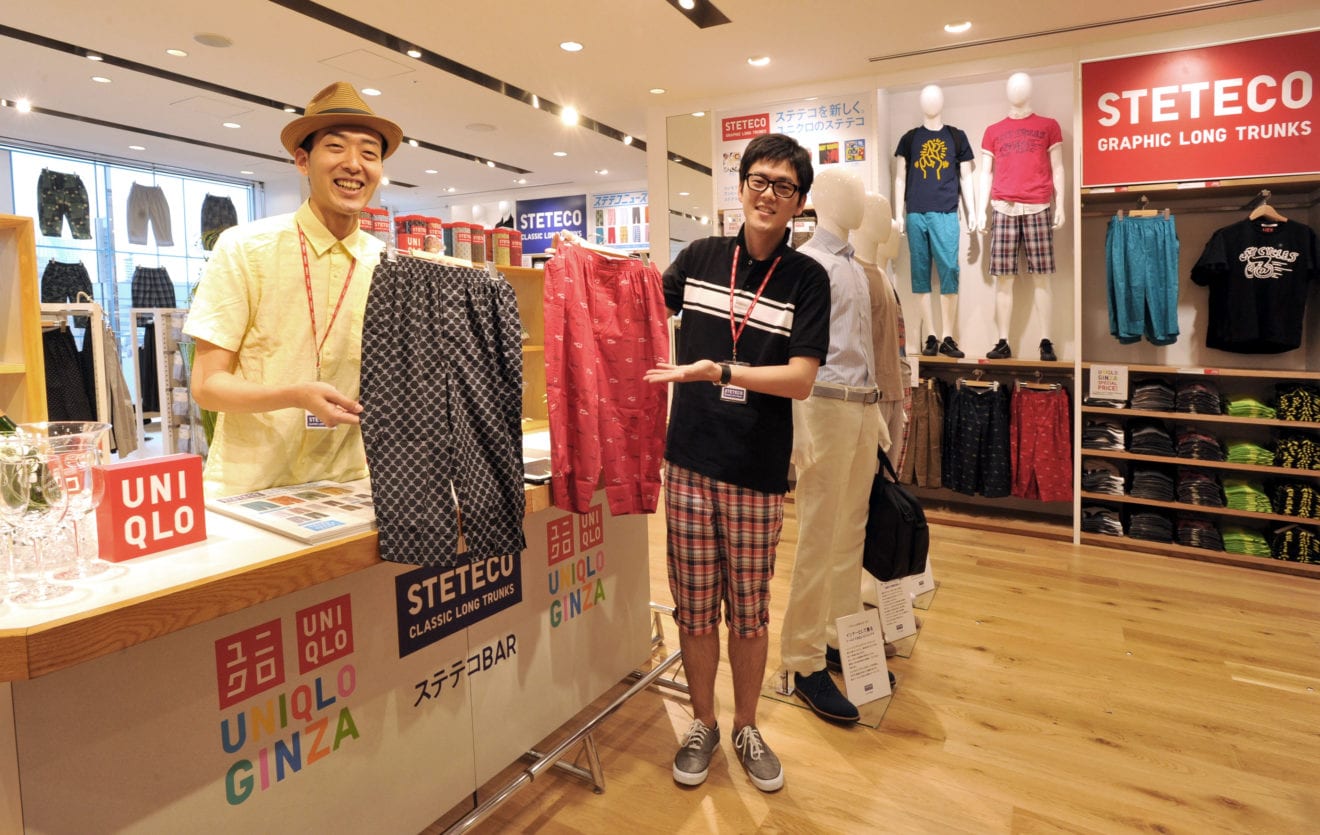
    Fast fashion chain, Uniqlo, will open its fourth Queensland store at Westfield Chermside on October 5.

    The store will cover a sales area of 792 square metres, and will be the global Japanese retailer’s fourth store in Queensland, and 13th store in Australia.

    Kenji Tsuji, chief operating officer at Uniqlo Australia, said he believes the new store will provide local shoppers with more variety as they look for high-quality yet affordable clothing.

    “Our growth strategy across Queensland has been a key focus and priority for the business since we opened our first store in Brisbane in 2015,” he said.

    “We’re thrilled to be making our products more accessible for shoppers in the city’s northern suburbs and for more locals to discover our range.”

    The store will be the first Uniqlo store in the southern hemisphere to feature the global chain’s range of Nintendo UT t-shirts.

    The range was designed as part of a global design competition that encouraged fans to submit t-shirt designs inspired by Nintendo, with over 16,000 entries received.

    Uniqlo said the Chermside location signalled the brand’s commitment to growing Australia as a key market in the Asia-Pacific region.

    In its third-quarter update, Fast Retailing, Uniqlo’s parent, reported a 9 per cent year on year rise in sales to 460 billion yen ($4.1 billion) for its March-May third quarter.

  • Gap to shift focus to Old Navy, Athleta

    Gap to shift focus to Old Navy, Athleta

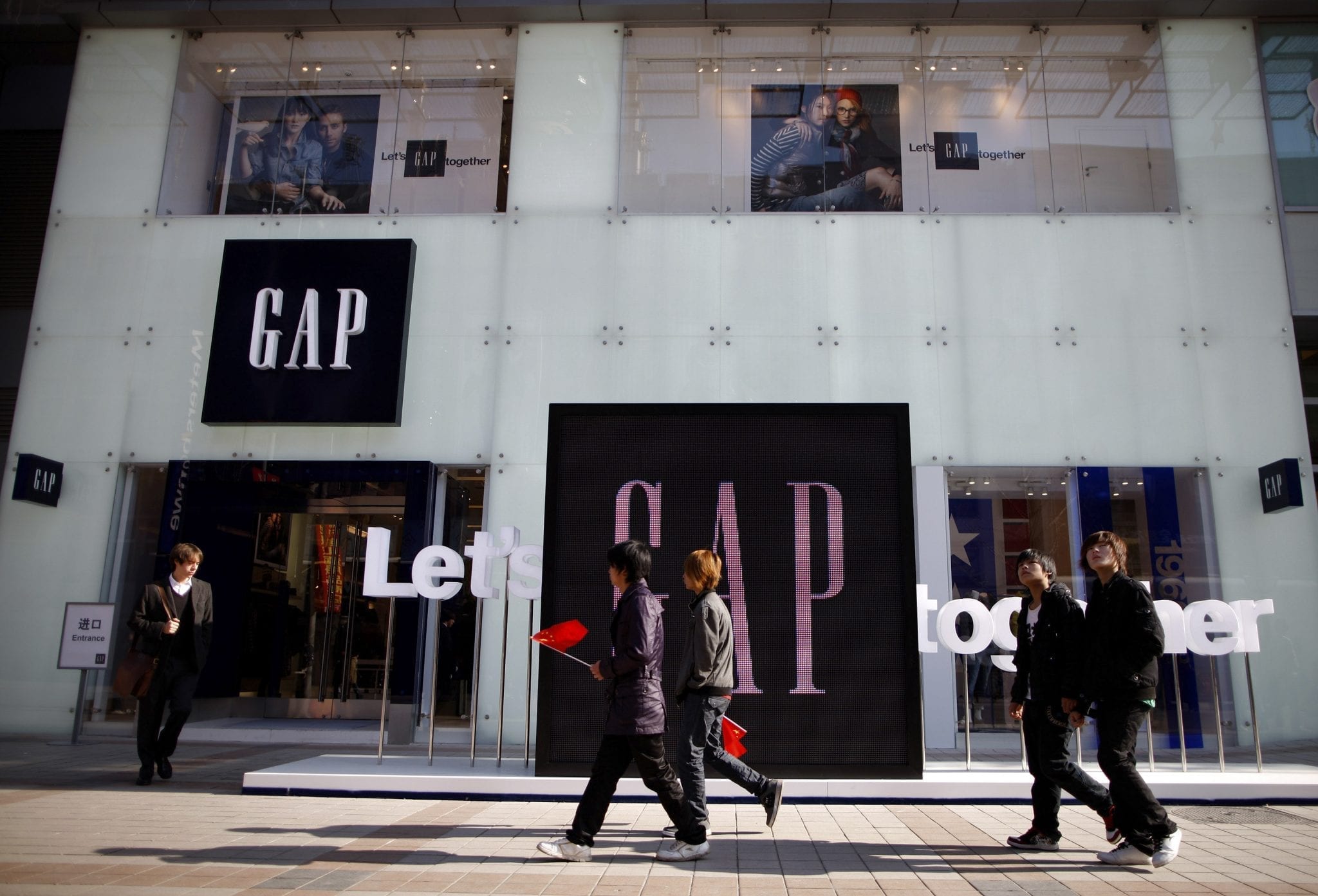
    Gap Inc says it will shift its focus to its growing brands Old Navy and Athleta, and away from Gap and Banana Republic.

    The company said on Wednesday it will close about 200 Gap and Banana Republic stores in the next three years and open about 270 Old Navy and Athleta stores during the same period.

    Low-priced Old Navy has been a bright spot for the clothing retailer, posting rising sales even as they fell at the Gap and Banana Republic.

    The company says Old Navy is on track to surpass US$10 billion (A$13 billion) in sales in the next few years. And Athleta, which sells athletic clothing, is expected to exceed US$1 billion in sales. The company expects to reap about US$500 million in savings over the next three years by better taking advantage of its scale.

    The moves are the latest to reinvent the chain and are being spearheaded by chief executive Art Peck, who took the helm in 2015. The company is facing the same problems as other fashion retailers, as shoppers buy less clothing in general and shop more at off-price chains or buy online when they do. That has resulted in sluggish traffic at the stores.

    But Gap Inc also has long struggled with its own problems, mired in a sales slump as its clothes don’t stand out in an overcrowded landscape.

    Gap has been offering frequent discounts to get shoppers to buy. It’s also been working hard to improve fit – a problem that has long bedevilled the retailer- and it’s been trying to rework its fashions. The company has been cutting its store numbers over the past few years.

    “Over the past two years, we’ve made significant progress evolving how we operate – starting with getting great product into the hands of our customers, more consistently and faster than ever before,” said Peck, president and chief executive officer, Gap Inc.

    “With much of this foundation in place, we’re now shifting our focus to growth. We will leverage our iconic brands and significant scale to deliver growth by shifting to where our customers are shopping – online, value and active.”

    The company said it expects about $500 million in expense savings over the next three years by better leveraging its size and scale, cross-brand synergies and streamlining operations and processes.

  • Sunglass Hut Opens New Store In Hangzhou

    Sunglass Hut Opens New Store In Hangzhou

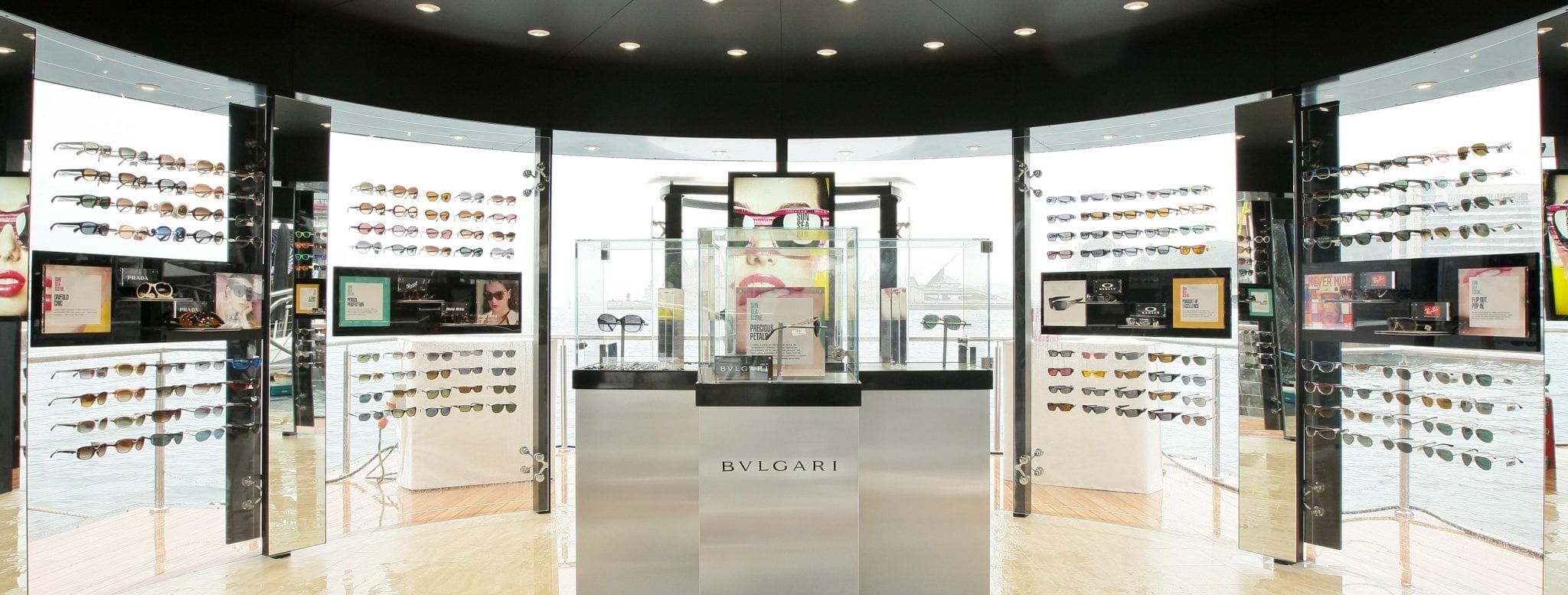
    International sunglasses retailer Sunglass Hut opened a new store in Hangzhou’s Intime Wulin store, which is the brand’s third store in the city following the ones in Hangzhou Kerry Centre and Hangzhou Bailian Outlets.

    Sunglass Hut has reached cooperation with many first-tier brands, including Ray-Ban, Prada, Dolce & Gabbana, Burberry, Tiffany & Co., and Coach.

    It started as a small independent store in Miami in 1971 and it developed 100 chain stores in Miami by 1986, reaching annual sales of USD24 million. By 1991, Sunglass Hut’s annual sales exceeded USD100 million and by 1996, the company seized 30% share of the American sunglasses market.

    By the end of 2016, Sunglass Hut already opened 3,269 retail stores in 28 countries and regions around the world, including 3,104 retail stores in North America, Asia Pacific, Europe, South Africa, and Latin America; and 165 authorized retail stores in Middle East and India.

    For the Greater China region, Sunglass Hut had nearly 40 retail stores, including 13 in Hong Kong, seven in Shanghai, and three in Beijing.

  • Tommy Hilfiger taps Hong Kong actor Shawn Yue

    Tommy Hilfiger taps Hong Kong actor Shawn Yue

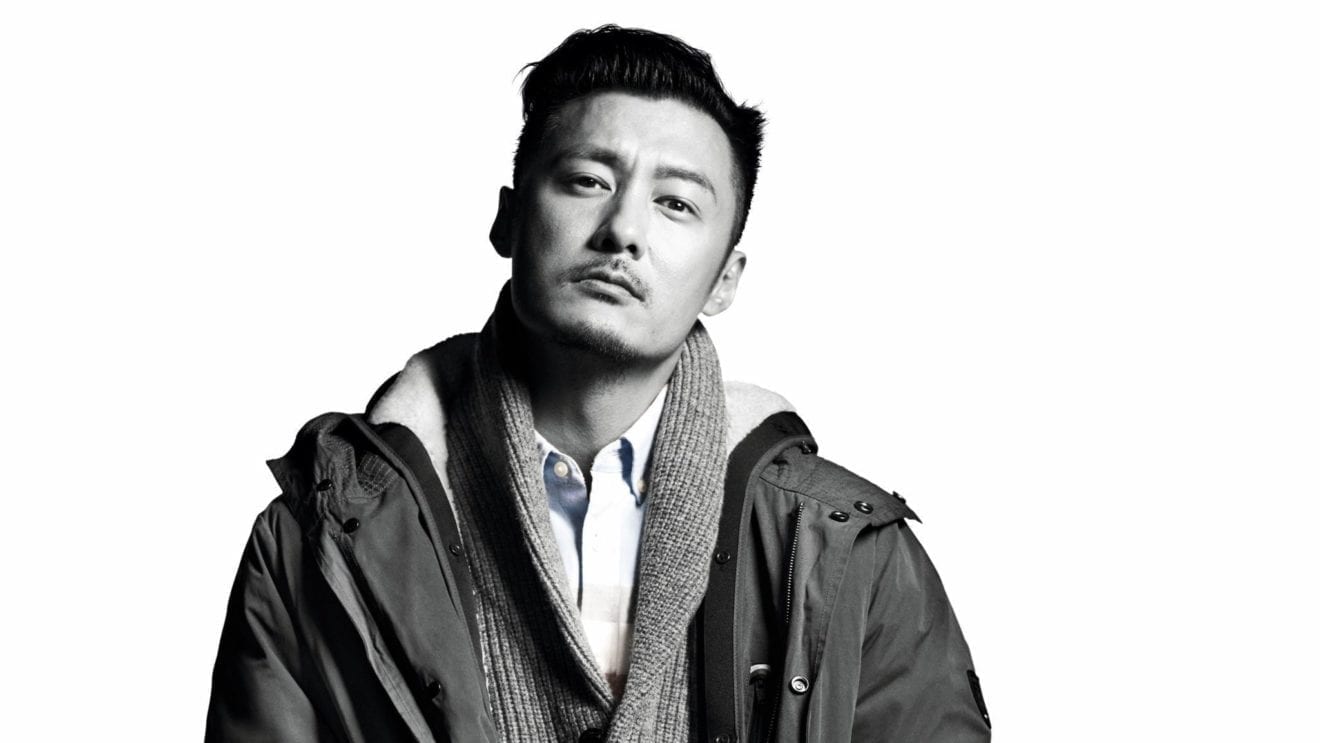
    Tommy Hilfiger has tapped Hong Kong actor Shawn Yue as its first Asian brand ambassador for its menswear range.

    Yue, 35, a former model and star of Internal Affairs II, among other movies, will represent the brand in marketing across the mainland, Hong Kong, Macau and Taiwan.

    China is a key driver of Tommy Hilfiger’s increasing sales globally after parent PVH bought back a 55 per cent controlling interest from its Chinese JV distribution partner in April last year. While the company did not reveal specific Chinese market data in its latest earnings report, it said China and Europe drove a 6 per cent improvement in the brand’s worldwide revenue, despite  North American sales sliding 5 per cent. It is targeting 405 stores in China by the end of this year.

    Fashion industry commentators says Yue’s appointment illustrates Tommy Hilfiger’s increasing commitment to Asian consumers.

    The first advertisements featuring Yue were due to appear today, (September 1). He features on a series of videos and in print commercials.

    Yue has 3 million followers on Instagram in China and 13 million on Weibo.

  • World-first 3D-printed basketball boot unveiled

    World-first 3D-printed basketball boot unveiled

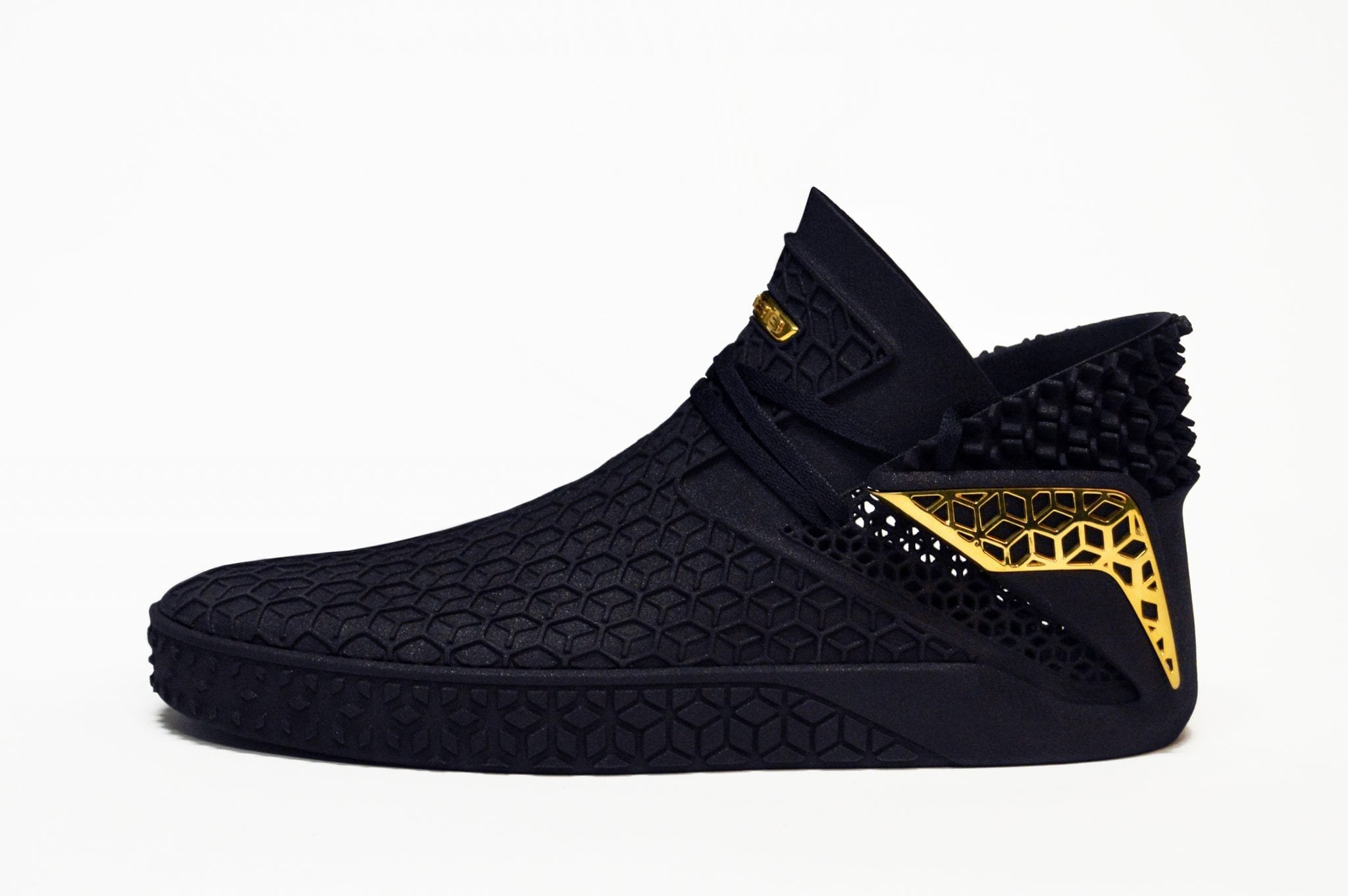
    US sports brand Peak has unveiled what it says is the world’s first 3D-printed basketball boot.

    Peak is one of the world’s first footwear brands to apply 3D printing technology to a sports shoe. Three years ago, the company acquired advanced 3D printing equipment and rolled out products based on the 3D printing concept.

    Peak launched the “Future I” 3D printed running shoes last May and believes the evolution to a 3D printed basketball boot moves the company into the position of being the world’s leading sports brand in the research and application of 3D printing technology.

    Peak uses SLS laser technology and printing prototyping of flexible and light TPU powders in the design.

    “As a new prototyping and processing technology, 3D printing is of great significance to Chinese sports brands and the country’s Made in China 2025 strategy,” said Peak GM Xu Zhihua.

    NBA professional player Dwight Howard III, who plays with the Charlotte Hornets, is impressed: “This pair of boots has obviously higher performance than traditional ones,” he said at the boot’s unveiling in China.

    “I felt that the 3D printed soles and vamp side walls enable a more comfortable wearing experience. Maybe, one day in the future, you’ll see me wearing the 3D printed basketball boots, footwear designed based on R&D carried out by Peak, during an NBA competition.”

    The Dwight Howard III 3D-basketball boot deploys a 3D-lattice structure in the middle of the sole, while using the 3D printed TPU structure for the vamp side walls, breaking existing design structure limits and expanding the room in which designers could allow themselves to be more creative.

  • A Bathing Ape launches online store

    A Bathing Ape launches online store

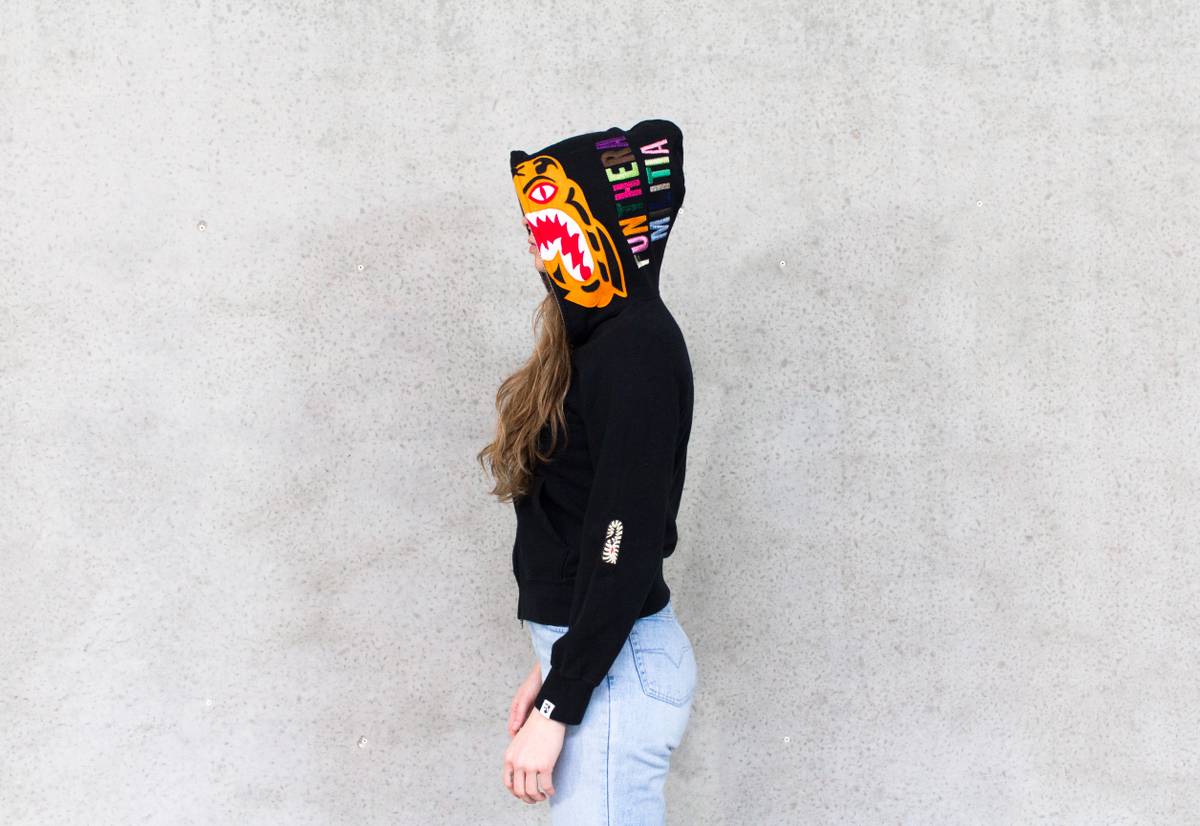
    Established in Tokyo in 1993, street-fashion brand A Bathing Ape has launched a global online store.

    Also known as Bape, the brand is known for its graphics, patterns and characters such as “Ape Head”, “Bape Camo”, “Bape Sta”, “Shark Hoodie” and “Baby Milo”. The  brand has expanded from being a men’s line to include women’s and children’s items.

    Bape has stores throughout Japan, in the UK and US, Hong Kong, China and other regions in Asia. BapeOnline is initially available for customers in Europe, with plans to expand to a more worldwide presence soon. To celebrate the launch, a special limited-edition t-shirt is being offered.

    A Bathing Ape was created by Nowhere Co, in the Tokyo suburb of Harajuku, and continues to expand with Bape Store, BapeExclusive, Bape Kids and A Bathing Ape Pirate Store.

  • Athleisure slowdown fails to dent Lululemon

    Athleisure slowdown fails to dent Lululemon

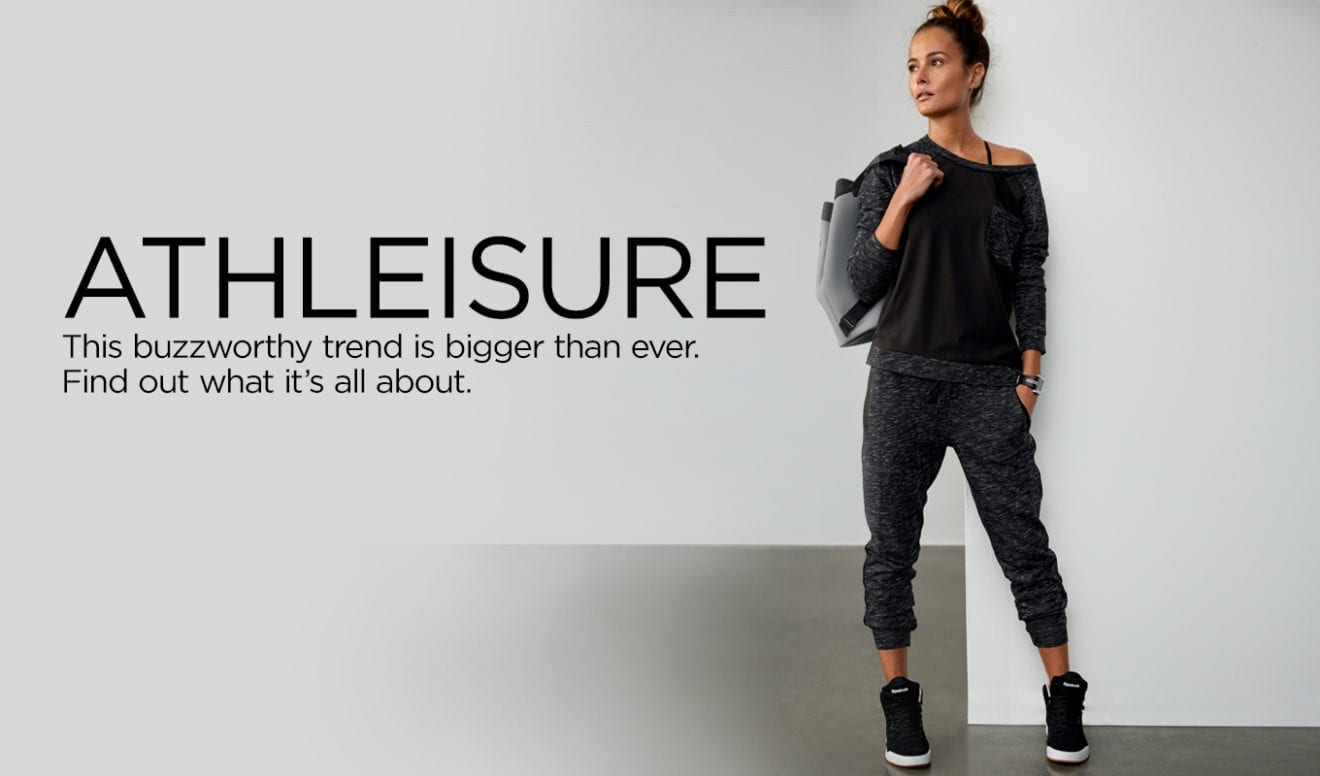
    Someone forgot to inform Lululemon there is a slowdown in the growth of the athleisure category.

    The Canadian company’s latest results stand in direct contrast to those of many other sporting retailers, with both total and comparable sales surging ahead by 13 per cent and 7 per cent, respectively. Online sales surged 30 per cent.

    The numbers are a testament to Lululemon’s brand strength, the credibility of its products, and to its constant focus on innovation. They have enabled the group to take share in a crowded, competitive marketplace where consumer demand is a little more muted than it once was.

    While the North American market is far from saturated, it is encouraging to see it pursue international growth. The brand is already a hit with younger Chinese shoppers with both new physical stores in China and the digital Tmall store performing well above expectations. Given the embryonic stage of development, there is significant headroom for future growth in China. The same argument applies, albeit to a lesser degree, in Europe.

    The latest results also underscore the fact that many of the problems faced by players like Dick’s or Foot Locker stem, not solely from the fact that athletic wear demand is more subdued, but because consumers are increasingly switching to buying directly from brands. Lululemon is proof that a well-configured, focused brand can secure customer loyalty far better than a retailer selling a diffuse range of different products with little coherence.

    Despite the great sales numbers, a slight disappointment comes from the bottom line, where operating margin and net income ($48.7 million) both fell. Some of this was down to asset impairment and resulting costs, but even when this is factored out the results were still weaker than the prior year. All that noted, the softer profit numbers are perfectly acceptable, mainly as they are a consequence of the various investments and initiatives Lululemon is undertaking to strengthen its position in the market Given these are bearing fruit, the long-term prognosis still looks good.

    Among these initiatives was Lululemon’s first global brand campaign, which launched in May, and helped to raise the profile of the company. Although the marketing focused on overtly yogic themes of breathing, letting go, self-discovery, and humility – the more general imagery resonated with a much wider audience. From our data, it is clear that Lululemon has successfully connected with new groups of customers as a result.

    Another area of success, partly but not solely driven by the marketing push, has been the number of men buying Lululemon product. Numbers have risen consistently over the past year or so, but we now see evidence that the trend is accelerating. Among Lululemon’s male shoppers, average spend is up as is the average number of products purchased. Some of this is the result of a much more comprehensive range of men’s product, especially beyond bottoms, which is the traditional entry product to the brand. The focus on performance materials and features has also proved very popular.

    In successfully pivoting from being a women’s brand to one that now appeals to both genders, Lululemon stands in marked contrast to Under Armour, which has seen only limited success in attracting women. This augurs well for the future as Lululemon has much more runway with male shoppers.

    Despite making much more effort with men, Lululemon has not lost its focus on womenswear. The complaint about bland product lines has now largely been fixed, with new colors, patterns, and styles helping to drive interest and purchases among many female shoppers. Equally, the continued investment in new fabrics and designs has encouraged upgrading and new purchases alike.

    Looking ahead, the balance of this year should be positive for sales. We are particularly encouraged about the holiday quarter as we think Lululemon will, once again, be a key gifting brand. While we caution that the restructuring of Ivivva and further investments may weigh down on the bottom line, this does not change the upward trajectory for Lululemon.

  • Jimmy Choo profits jump 174%

    Jimmy Choo profits jump 174%

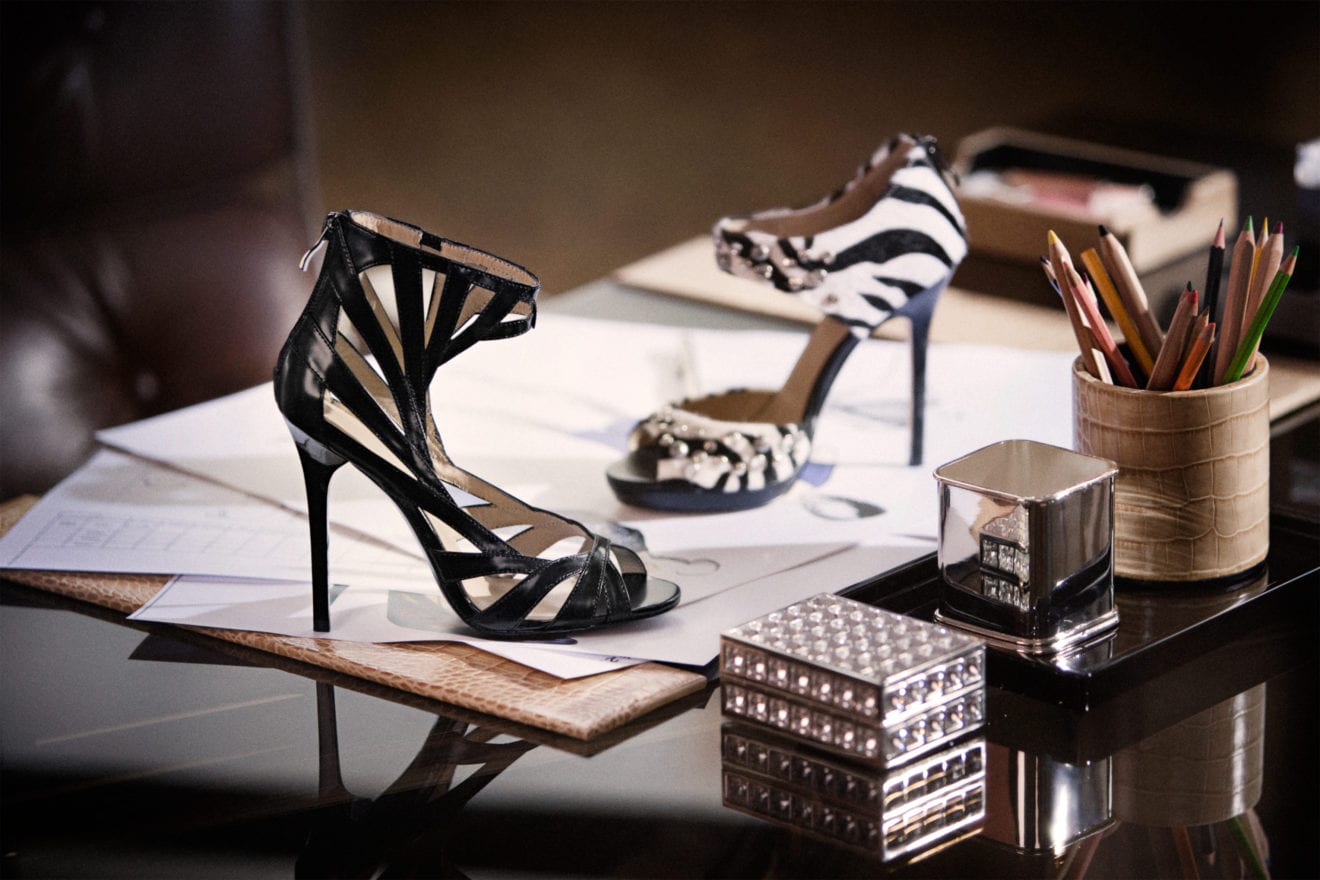
    Luxury shoemaker Jimmy Choo Plc, which is being bought by U.S. retailer Michael Kors, said its pretax profit for the half year almost tripled, helped by its retail and licensing businesses.

    Pretax profit for the six month to June 30 was 18.1 million pounds ($23.4 million), compared to 6.6 million pounds last year. Revenue for the period rose 4.5 percent to 201.6 million pounds.

    Michael Kors agreed two months ago to buy Jimmy Choo for $1.2 billion, snapping up the British company whose towering stilettos have been made famous by celebrity customers from Princess Diana to Kendall Jenner.

    Jimmy Choo Chairman Peter Harf said the deal opened up exciting opportunities.

    “The shared vision and distinctive appeal of these two iconic brands will provide an exciting platform to achieve global leadership in luxury retail,” Harf said in a statement.

    Revenue at the company’s Japan unit rose 11 percent at constant currency helped by continued growth in its Men’s section.

    Excluding Japan, the company’s Asia business grew 8.2 percent at constant currency, driven by strong demand for seasonal fashion offerings.

    Shares in the company were up about 0.2 percent at 0740 GMT on the London stock market, trading close to the 230p offer price. ($1 = 0.7747 pounds) (Reporting by Sanjeeban Sarkar in Bengaluru; Editing by Keith Weir).