Category: Fashion

Retail News Asia is committed to providing both local and global retailers with the latest Fashion news throughout the Asian market. This on a daily base.

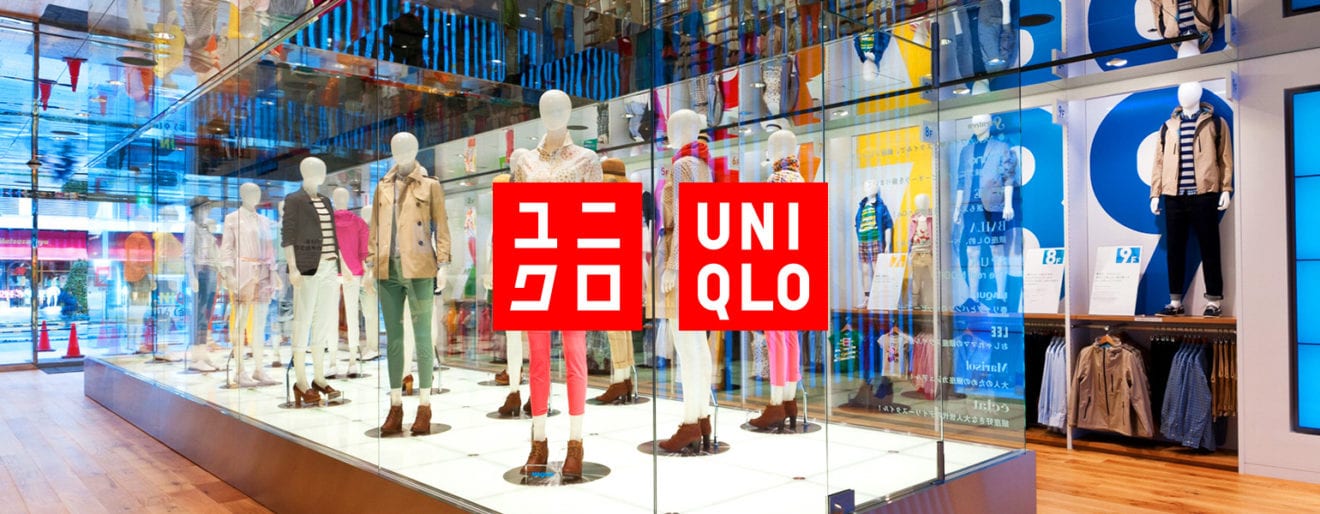
  • Uniqlo Singapore introduces Click & Collect

    Uniqlo Singapore introduces Click & Collect

    Uniqlo Singapore has launched the casualwear brand’s Click & Collect service, allowing shoppers to pick up their online purchases at any of its Singapore stores.

    Customers can choose from the Japanese brand’s full line-up of products, including extra sizes, on its online store. They can then opt to pick up their purchase from a nominated store islandwide, except for the Changi Airport Terminal 1 outlet).

    Using the free service, customers have 14 working days to pick up their orders after receiving their notification email or SMS message.

    Already available in China and Japan, the service will also be launched in Malaysia next month.

  • Solid growth for Calvin Klein and Tommy Hilfiger in China

    Solid growth for Calvin Klein and Tommy Hilfiger in China

    Strong performances by Calvin Klein and Tommy Hilfiger in China helped propel solid half-year and second-quarter sales and profit growth for parent PVH Corporation.

    Chairman and CEO Emanuel Chirico said “better than expected” second-quarter results reflect the continued momentum and ongoing operating efficiencies across the company’s diversified business model.

    “Our results reflect a planned increase of approximately $25 million of marketing compared to the prior year related to Calvin Klein and Tommy Hilfiger, which we believe will continue to drive market share gains and allow us to capitalise on the brands’ significant international expansion opportunities over the next several years.”

    Global revenue from the Calvin Klein business for the second quarter increased 8 per cent year-on-year to $786 million. But Calvin Klein’s non-US sales soared 20 per cent thanks to an “outstanding performance” in the wholesale business in Europe and China, and solid growth in the retail business, the latter due to a 6 per cent increase in international comparable-store sales and square footage expansion in company-operated stores.

    Calvin Klein North America revenue decreased 1 per cent.

    Tommy Hilfiger revenue rose 4 per cent to $892 million, with international revenue up 9 per cent to $492 million, again driven by strong performances in Europe and Asia. But Tommy Hilfiger North America revenue was down 2 per cent to $400 million compared to the prior year period.

    Consolidated group revenue was $2.1 billion, up 7 per cent year-on-year.

    For the first half year, Calvin Klein sales rose 6 per cent, Tommy Hilfiger by 5 per cent and total group revenue by 5 per cent  to $4.1 billion.

    Earnings before interest and taxes for the first six months of 2017 was $392 million, inclusive of a $17 million negative impact due to foreign currency exchange rates, compared to $371 million in the prior year period.

  • Myer expands accessory offering

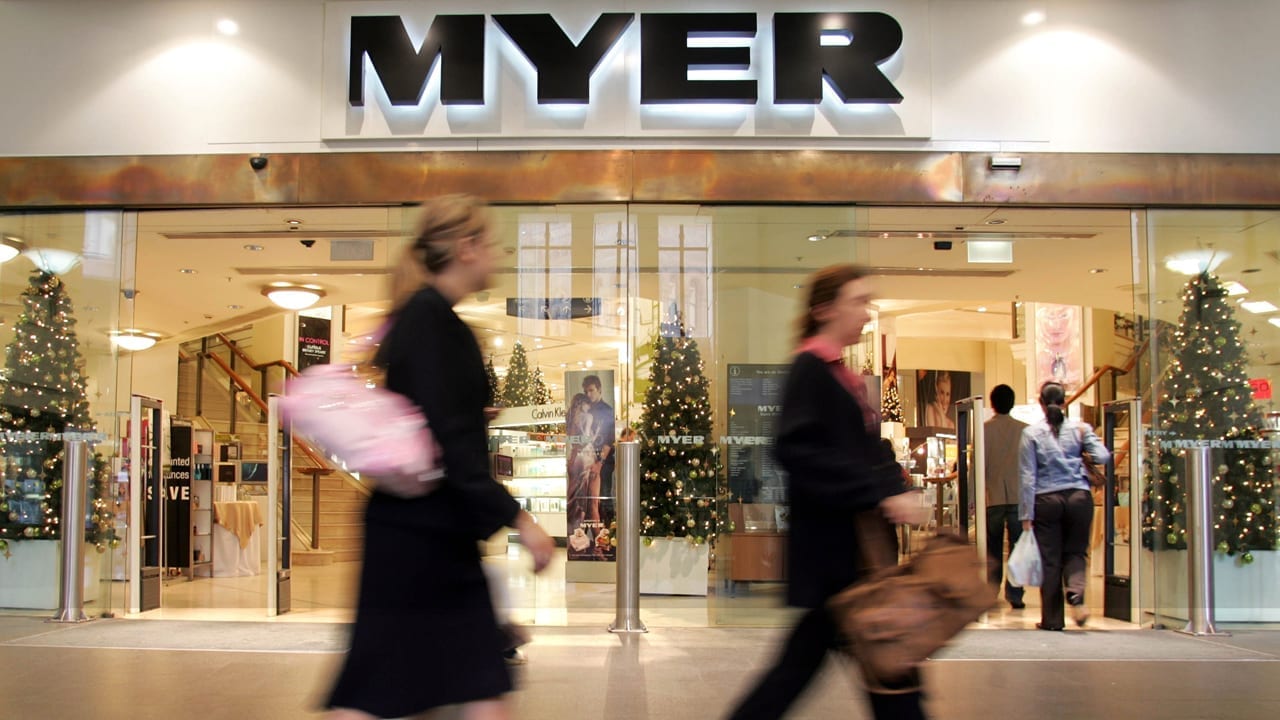
    Myer expands accessory offering

    Millers, Katies and Rivers owner Specialty Fashion has almost quadrupled its full-year loss to $8.39 million, from last year’s $2.19 million, amid subdued consumer spending.

    Revenue fell 2.1 per cent to $808.9 million for the 12 months to June 30 with comparable sales down two per cent on a year ago due to heavy discounting.

    Underlying earnings before interest, tax, depreciation and amortisation (EBITDA), excluding impairments associated with the store exit costs of City Chic USA stores, rose 6.6 per cent to $26.7 million, but comparable store sales across the group declined 2 per cent for the year ended 30 June.

    A return to positive EBITDA growth at Rivers and strengthening sales for City Chic was offset by negative growth in the Millers, Crossroads, Autograph and Katies brands, with total group sales slipping 2.1 per cent to $808.9 million.

    Gross margins improved by 0.4 per cent through the year, but CEO Gary Perlstein has signalled intensifying promotional activity in the first weeks of FY18, which is expected to continue.

    The company gave no specific guidance, but said that there have been no additional discussions with prospective group buyer Al Alifia group since it signalled that an estate bungle was preventing it from transacting the prospective acquisition in February.

    $7.4 million in exit costs and impairments were recorded in relation to a decision to close City Chic’s US stores, with strengthening presence in department stores such as Macy’s and Nordstrom “removing the necessity for City Chic standalone stores”.

    “Depite it being a difficult trading enviroment, the improved EBITDA for the year was delivered through our core continuous business improvement strategy. This strategy focussed on profitability growth across all facets of the business, underpinned with a determination to control and reduce costs of doing business wherever possible,” Perlstein told the market on Tuesday morning.

    “Our clear focus for the year was the turnaround of Rivers to a profitable brand, and we successfully achieved this. City Chic was also a standout and continues its positive trajectory both locally and internationally. Our mature brands, including Millers, Katies, Crossroads and Autograph continued their growth in online sales, however found trade challenging,” he continued.

    Online sales increased by 15 per cent to $83.7 million through the year, bringing the total proportion of digital transactions to 10.4 per cent on the back of a network wide click-and-collect rollout.

    Weakening in-store sales correlated with 79 closures through the year, offset partially by 30 openings, bringing the total portfolio to 1,044.

    Underlying cost-of-doing business decreased by $7.7 million, but increased slightly as a proportion of sales due to slowing in-store momentum.

    Perlstein said the immediate focus in FY18 will be on “rejuvenating” mature brands within the portfolio, while enhancing the group’s digital position and continuing to grow River’s profitability.

  • Tiffany & Co beats Wall St forecast

    Tiffany & Co beats Wall St forecast

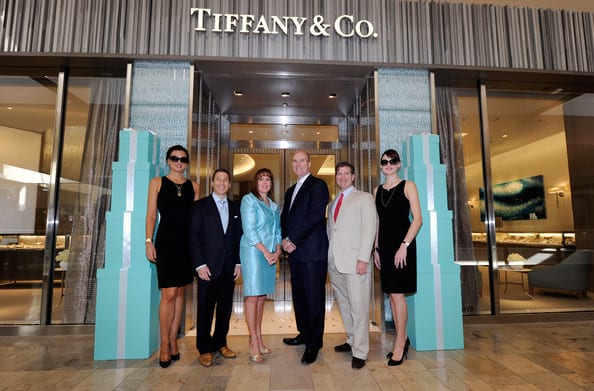
    New York-based luxury jeweller Tiffany & Co has reported improved second-quarter results, with its sales and net income both posting gains, beating Wall Street expectations.

    Tiffany’s on Thursday reported a net income of $US115 million, or 92 US cents per share, compared with $US105.7 million, or 84 US cents per share, a year ago.

    The average estimate of 10 Wall Street analysts surveyed by Zacks Investment Research was for earnings of 88 US cents per share.

    The company posted revenue growth of three per cent to US$959.7 million in the period, also exceeding Wall Street forecasts. Six analysts surveyed by Zacks expected US$933.2 million. Tiffany credited the growth to higher sales of wholesale diamonds, stronger wholesale sales in Asia-Pacific and strong e-commerce sales growth.

    However, sales in stores open at least a year, a key metric of a retailer’s health, declined two per cent during the quarter.

    Jefferies analyst Randal Konik said the results show Tiffany’s stores in the Americas are stabilising, and high-margin fashion jewellery sales are gaining momentum.

    Tiffany officials said customer traffic returned to normal levels at the chain’s flagship New York store that experienced disruption last fall because of security around President Donald Trump’s personal home and offices on the same block.

    For the full fiscal year, the retailer forecast growth in its adjusted earnings per share in the mid-single-digits-percentage with sales up in the low-single-digit percentage.

    Tiffany shares ended Thursday down US$1.17, or 1.3 per cent, at US$87.55. They have climbed 13 per cent since the beginning of the year, while the Standard & Poor’s 500 index is up 9 per cent. The stock has increased 27 per cent in the last 12 months.

    Neil Saunders, managing director of GlobalData Retail, said Tiffany’s more positive results show the early promise of progress at a company that has often struggled to remain relevant in the modern era of retail.

    “That said, there are still some areas of residual softness, especially in terms of same-store sales and particularly across the Americas,” Saunders said. “As Tiffany management recognizes, there is a lot more work to do before the company is back on the ground of firm, sustainable growth.”

    Saunders said one of the more promising areas of progress is the company’s attempts to better connect with younger consumers – a constituency with which it had lost traction. Some of this is down to improved product – with the more contemporary, fashion-focused “Return to Tiffany” collection of silver jewelry having been well received. Collections by designers like Elsa Peretti and Paloma Picasso have also stimulated interest and have added a much-needed contemporary edge to Tiffany’s product mix.

    “With improvements to the assortment, Tiffany also understands that it needs to communicate to younger shoppers to increase the resonance of the brand,” Saunders said. “Here we are encouraged by marketing campaigns, including fall advertising featuring Janelle Monáe, Zoë Kravitz, & St. Vincent (Annie Clarke). These campaigns have a much more modern feel and successfully highlight the changes that are being made on the product front.”

    According to Saunders, it will take time for the changes to percolate through to customers and to drive sales – not least because jewelry is an infrequent purchase.

    “However, we are pleased that Tiffany has made the changes in time for the important holiday season and believe the chain will reap some rewards over the final half of its fiscal year.”

    Saunders said one of the areas where they have long been critical is store design. While they are neat and well maintained, he said, many of Tiffany’s stores look old fashioned and, for the younger consumer, can be intimidating. In essence, they convey a message of old-world luxury which is increasingly at odds with what consumers want and with what many competitors are delivering.

    “The company now seems to have recognized this with the ongoing remodeling of some of its main stores,” he added.

    Saunders said the Union Square shop in San Francisco, which was redesigned earlier in the year, has been well received and is delivering results.

    “In our view, the design strikes exactly the right balance between something that feels youthful and modern but which maintains an air of exclusivity and luxury,” he said. “If this thinking can be rolled out to other stores, including non-flagship locations, we believe Tiffany can make real progress in terms of driving up same-store numbers.”

    He added for all of the advancements, there is much more to be done, and Tiffany remains a work in progress.

    “However, we believe that there is now a sense of momentum and energy at the company that was simply not there a few years ago. The new management team is responsible for this, and the recent appointment of Alessandro Bogliolo as CEO should ensure that change continues at pace.”

  • New Era Philippines opens second Cebu store

    New Era Philippines opens second Cebu store

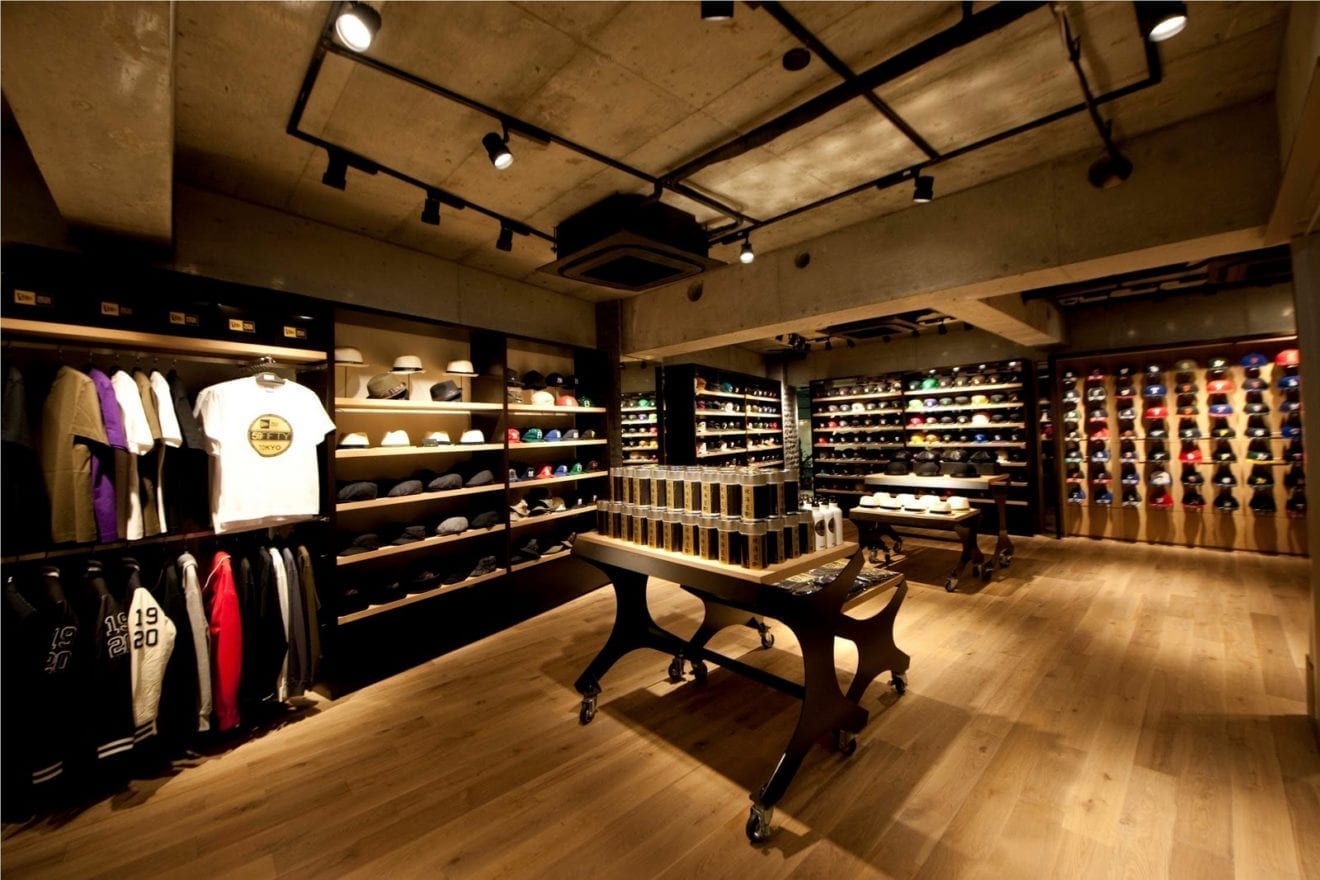
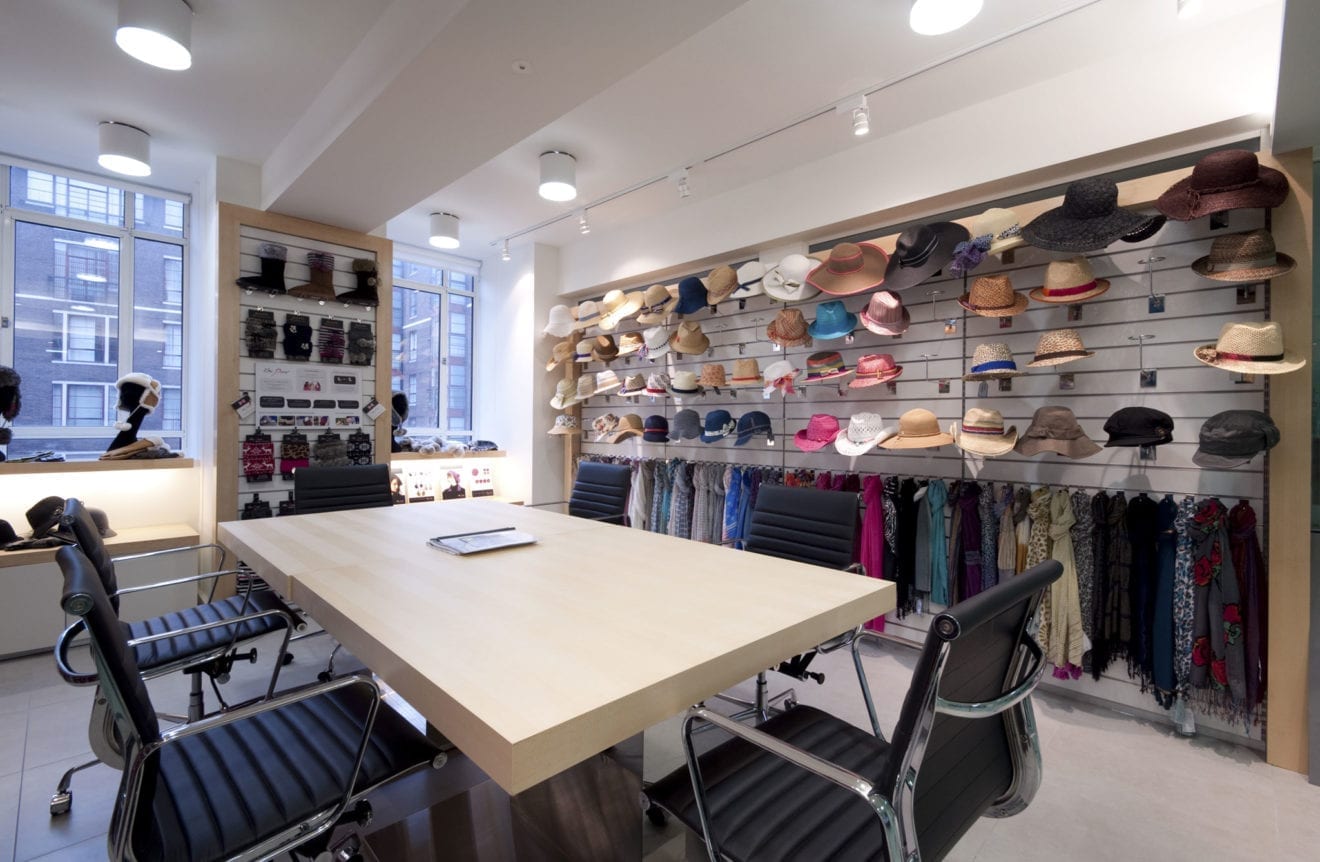
    New Era Philippines has opened its second store in Cebu, the Queen City of the South.

    The global lifestyle brand, which is the official headwear of sporting organizations including the US NBA, Major League Baseball and the NFL, has opened at Ayala Center Cebu.

    “Cebu is one of the most exciting destinations in the country today. With its unique history, heritage, and culture, we saw that the Queen City of the South is the perfect location for New Era to expand as it reaches out to more Filipinos,” said Beatrice S Lim, New Era Philippines marketing director.

    “Aside from this, we are greatly encouraged by the reception of Cebuanos to our brand, thus we’re giving them a second store that they can visit.”

    The store is the brand’s ninth in the Philippines.

  • UK parent steps into salvage Topshop in Australia

    UK parent steps into salvage Topshop in Australia

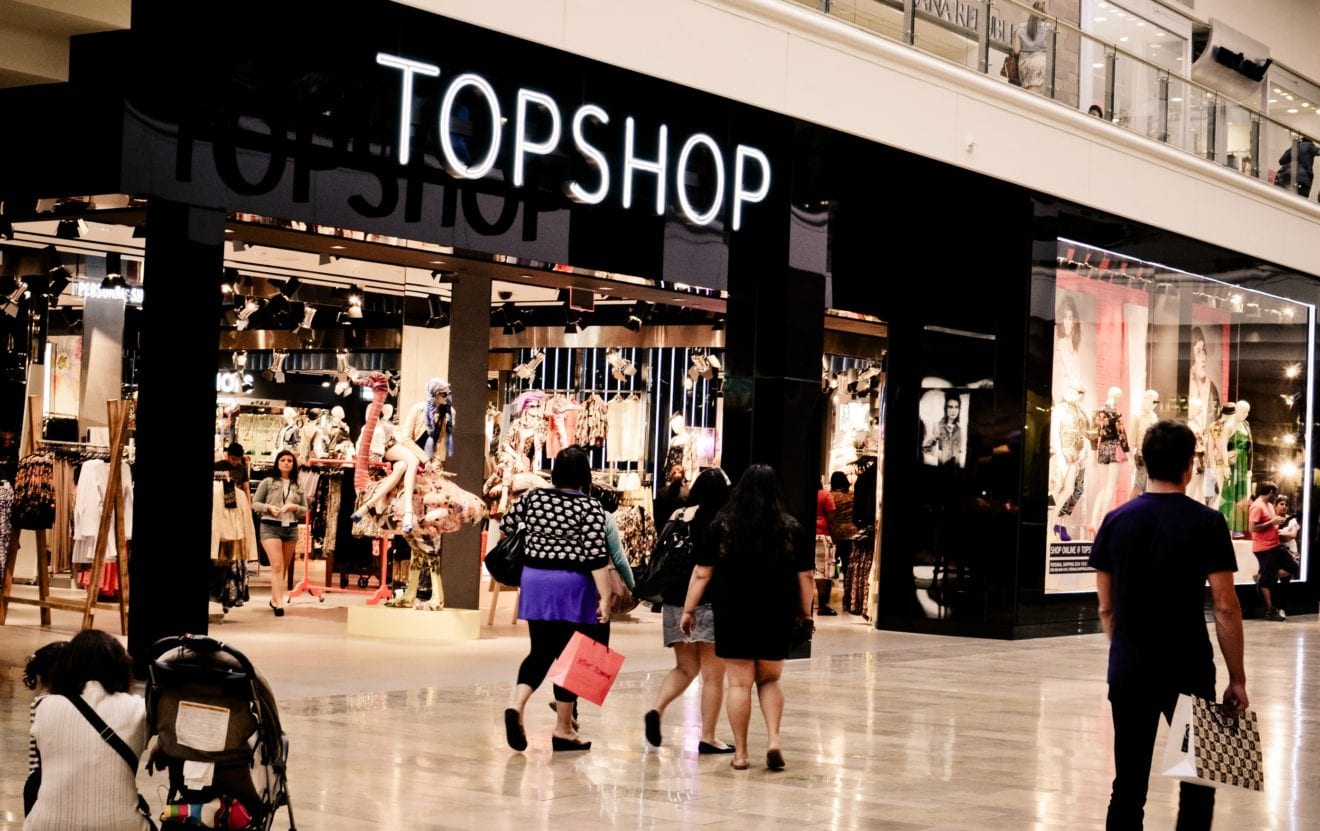
    Topshop and Topman have been salvaged in Australia, with Sir Philip Green and his UK-based Arcadia Group stepping in to take over the business.

    Administrators, Ferrier Hodgson, today made the announcement of the successful restructure of the fashion chains in Australia, which sees the sale of certain assets to Top Shop / Top Man (Australia) Limited, an entity controlled by the Arcadia Group.

    Four retail stores located at Gowings and Bondi Junction in Sydney, Emporium in Melbourne and Brisbane City will now be operated by the UK based retailer.

    “The Administrators are delighted with the outcome of our discussions with Topshop/Topman as it finalises a successful restructure and right-sizing of the business in Australia,” said Ryan Eagle, joint administrator alongside Ferrier Hodgson partners James Stewart and Jim Sarantinos.

    “Throughout this process we have considered the optimal operational structure of the business, ensuring the brand will continue in the local market and to preserve a significant number of jobs within the business”

    A Topshop/Topman spokesperson said the company is “excited to operate directly in the Australian market and look forward to delivering unparalleled fashion to our customers”.

    “We are delighted to be offering more than 290 jobs within the Australian market at Topshop and Topman.”

  • H&M’s new brand opens first stores in London and online

    H&M’s new brand opens first stores in London and online

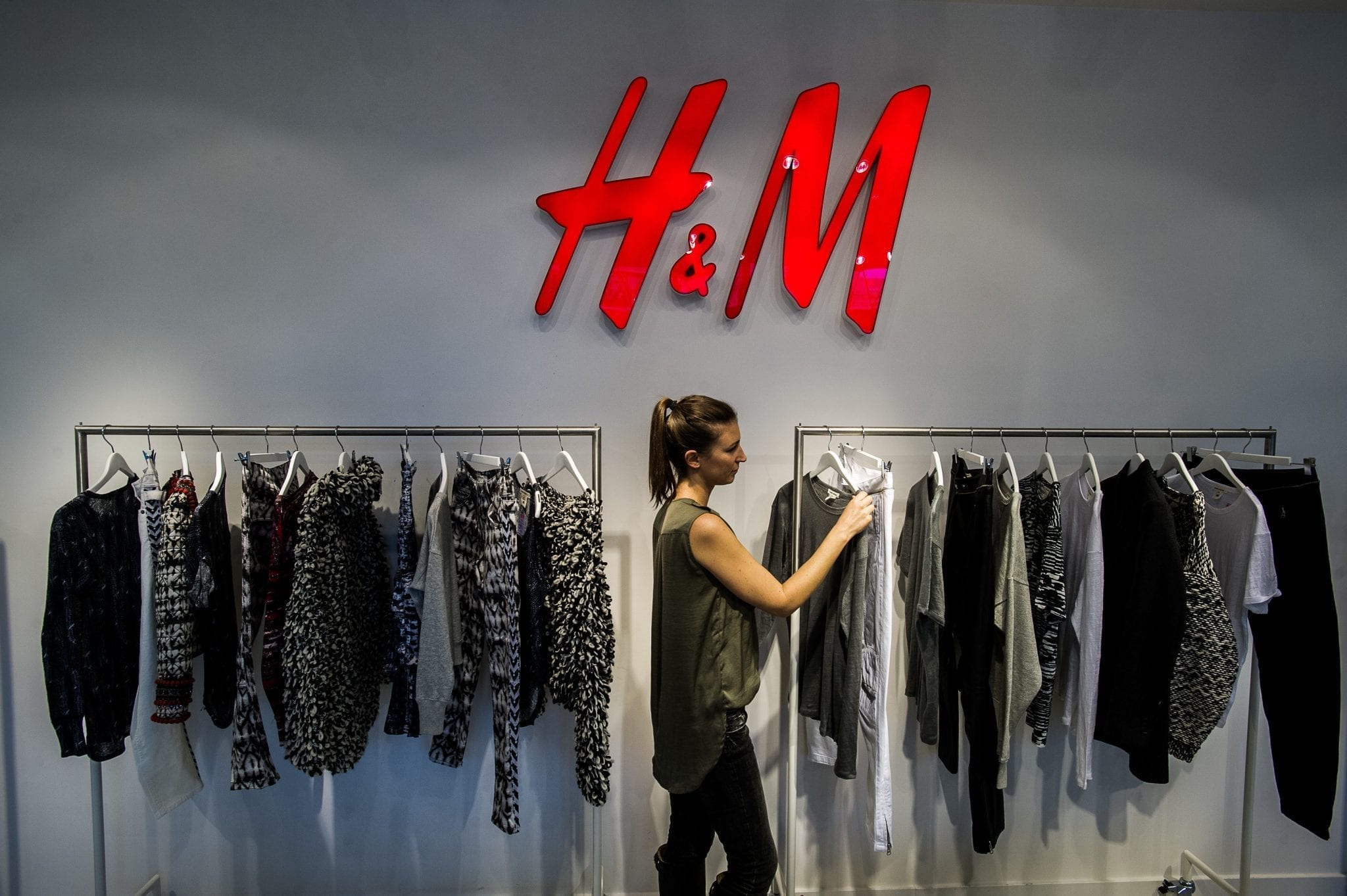
    Swedish fashion retailer H&M’s new brand, Arket, has launched its online store and first physical store on Regent Street in London last Friday.

    According to the fast-fashion giant, the new brand is a modern-day market, offering essential products for men, women, children and the home. The brand’s online store caters to 18 European markets.

    The Regent Street store occupies two storeys of a former department-store corner building, with womenswear and the children’s collection located on the second floor, and menswear, homeware and an Arket cafe on the ground floor. The vegetarian cafe menu is based on the New Nordic Food Manifesto and blends traditional Scandinavian flavours with modern and global influences.

    “We are incredibly happy to introduce Arket and its collections, and welcome our first customers into our stores on Regent Street and online at arket.com,” said Lars Axelsson, managing director.

    “Our team has been working towards this day for over two years, and we are excited to finally share the results.”

    The new brand has accumulated over 28,000 followers on Instagram and 5000 on Facebook, ahead of the launch.

    Ulrika Bernhardtz, creative director, recently said they picked the name Arket,which means ‘sheet of paper’ in Swedish, because it relates to both their origin in the Nordic tradition of functional, long-lasting design and symbolises the blank sheet, “the sense of optimism and possibility they felt when creating the new brand.”

    The launch of the London store will be followed by the opening of Arket in Copenhagen on September 1, then by stores in Brussels, Munich and in London’s Covent Garden during the coming weeks and months.

    The Swedish fashion retailer will launch its first hometown store in Sweden at Biblioteksgatan 9, in the heart of Stockholm’s shopping district Bibliotekstan and will open in the spring of 2018.

  • Guess Asia sales rise in second quarter

    Guess Asia sales rise in second quarter

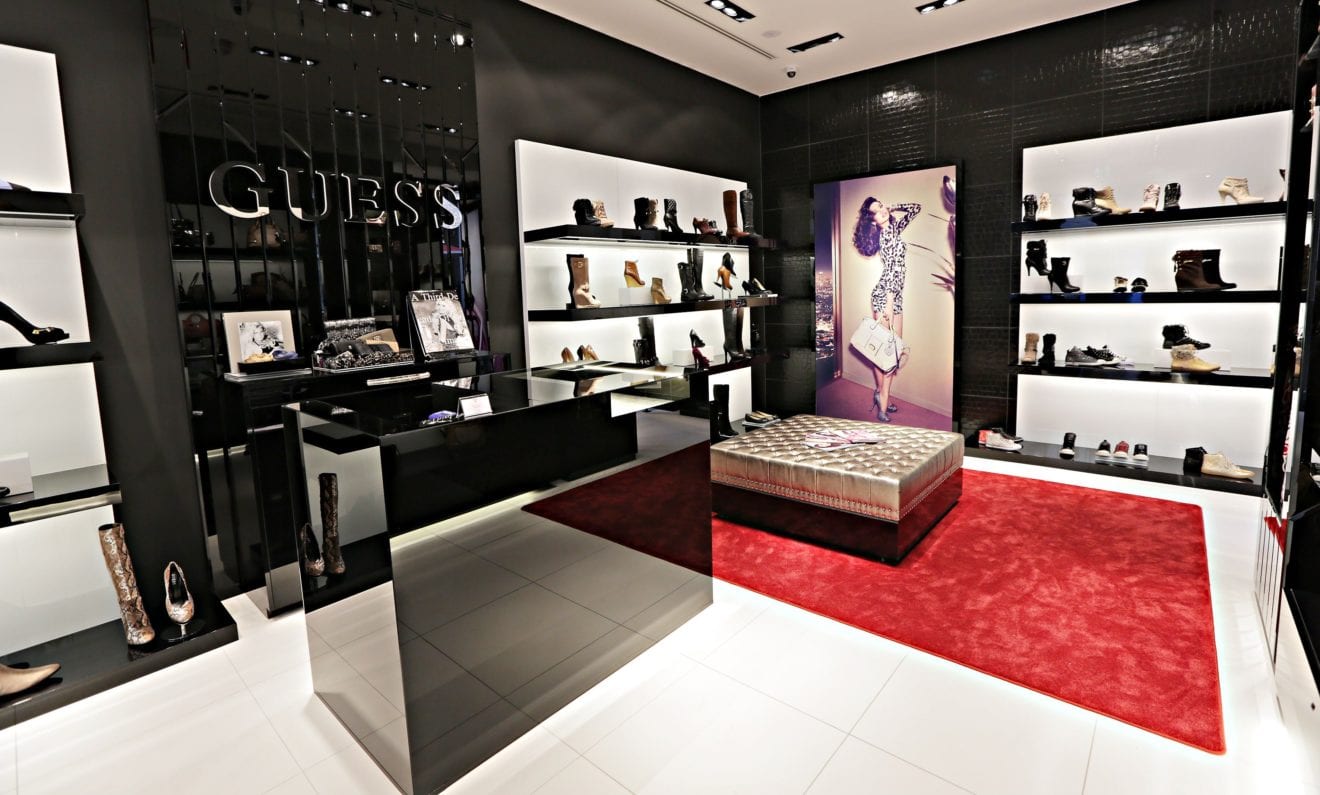
    Guess Asia sales rose 17.5 per cent in the second quarter – and its operating margin improved in the region as well.

    Reporting its results for the three months to July 29, CEO Victor Herrero said global revenues rose 5.3 per cent to US$573.7 million and operating profit by 49 per cent year-on-year, both figures at the high end of the company’s expectations.

    “We continue to see the results of our efforts in Europe and Asia… mainly driven by new store openings, wholesale growth and positive comp sales. We are also encouraged by the trends in operating margins for these two regions, as they expanded in the quarter relative to last year.”

    Operating margin for in Asia increased 870 basis points to 2.4 per cent in the second quarter of fiscal 2018, compared to negative 6.3 per cent in the prior-year quarter, as the US-based fashion retailer reduced expenses.

    Herrero described the quarter as a “truly exciting time” for Guess.

    “We have now increased revenues for four consecutive quarters and we expect consolidated revenues to continue to increase despite store closures in North America. In Europe and Asia we have seen not only strong double digits growth for several consecutive quarters but also continuing margin expansion. We have achieved meaningful cost reductions, especially in our supply chain.”

    In the US, Guess is speeding up the culling of its store network, that market now representing less than 36 per cent of Guess’ global sales.

    For the second quarter, Guess reported net earnings of $15.2 million, a 52.8 per cent decrease from $32.3 million for the same time last year, but those results included a one-off gain of $22.3 million, related to the sale of an investment.

    Adjusted net earnings of $16.1 million, represented a 30.4 per cent increase on the $12.3 million of the same quarter last year.

  • Bonjour loss grows, as expected

    Cosmetics company Bonjour Holdings’ first-half operating loss expanded to HK$50.3 million (US$6.4 million) from $22.3 million for the same period last year.

    This follows a warning last month projecting a “substantial” Bonjour loss.

    The company’s gross profit margin dropped from 40.3 per cent to 36.6 per cent, and it had a 9.3 per cent drop in turnover to $916.8 million.

    Included in the operating loss was a loss on disposal of available-for-sale financial assets amounting to $6.1 million. Excluding this, the operating loss narrowed down from the figure of $55.6 million at the end of last year’s second half to $44.2 million.

    Bonjour says its performance reflects the plummeting of Hong Kong retail sales to all-time lows over the past few years. It has been hit by the steep drop in mainland visitors, an “inharmonious” political climate in Hong Kong and cross-border conflicts.

    It also says Chinese tourists no longer consider high-value, big-ticket shopping as a top preference, instead focussing more on experiencing Hong Kong’s culture and history.

    In response to these trends, the group says it has adjusted its product portfolio, pricing and sales network, and has been involved in exhibitions around the world in order to expand its sourcing network. 

    E-commerce strengthened

    Bonjour has also strengthened its e-commerce sales channels. In addition to its official online shopping website and long-established shopping platforms at Tmall and WeChat, the group has cooperated with China-post Cross-border eCommerce to launch an online cross-border shopping platform that has further integrated online and physical stores. First-half online retail sales in the Hong Kong and China markets grew by 2 per cent.

    Bonjour also rationalised its retail network. With sharply falling rents offering retailers more affordable choices, it seized opportunities to renew existing leases at “considerable” concessionary rent reductions and to spread the store network to different neighbourhoods.

    At the end of June, the group had a combined overall store count in Hong Kong, Macau and Guangzhou of 43, down three from the same time last year. The retail store rent-to-turnover ratio improved to 20.4 per cent from 21.1 per cent.

    The group now distributes 180 brands of global cosmetics, skincare and healthcare products, including Auslin, Dr Bauer, Dr Schafter, Suisse Reborn, WowWow and Yumei. Because of changing customer preferences, the group’s own product sales mix underperformed, decreasing by 1.8 per cent year on year.

  • Li & Fung profit jumps to $170 million

    Li & Fung profit jumps to $170 million

    Global supply-chain manager Li & Fung saw its half-year core operating profit jump by 11.9 per cent to US$170 million.

    Profit attributable to shareholders increased by 51.3 per cent to $101 million, while total margin percentage increased by 0.1 point on a like-for-like basis to 11.5 per cent.

    Excluding the impact of the strategic divestment of the group’s Asia consumer and healthcare distribution business, turnover decreased by 2.1 per cent to $7.3 billion. On a reported basis, the fall was 9 per cent.

    “Subdued retail sentiment resulting from economic and geopolitical uncertainties continued to weigh on our brand and retail customers,” the group says.

    Its first half was the first execution period of its three-year plan (2017-2019). “At the core of this plan is our goal to build the supply chain of the future.”

    Accounting for 73 per cent of total turnover, its supply-chain business offers end-to-end services from product design and development to raw material and factory sourcing, as well as manufacturing control.

    Diversified clients

    Li & Fung says its diversified customer base includes brands, specialty stores, department stores, big-box retailers, e-commerce players, hypermarkets, off-price retailers and clubs. “We also converted our vendor base of more than 15,000 to a new customer base for services that
    can improve their efficiencies and compliance levels.”

    Previously its principal-to-principal business under its trading network, products has became an independent business segment under the group’s new structure. It mainly comprises sweaters, furniture and beauty verticals as well as onshore wholesale businesses, each with its own management team.

    “Our sweater vertical also announced a joint venture with South Ocean Knitters Holdings [Hong Kong], combining the resources of both entities to become one of the largest and most innovative knitwear suppliers globally,” says the group.

    Turnover for the segment fell by 8.1 per cent, however, to $1.5 billion, “largely because of anaemic consumer sentiment and an unstable economic environment”.

    Core operating profit tumbled by 28.6 per cent to $33 million while the core operating profit margin eased by 0.7 points to 2.2 per cent. Total margin decreased by 7 per cent to $318 million.

    The US remained the largest contributor to the business, accounting for 65 per cent of total turnover. Asia accounted for 10 per cent.

    Four verticals

    The group’s logistics business focusses on four core verticals: footwear and apparel, fast-moving
    consumer goods, F&B and healthcare.

    In April the group opened a 1 million sqft distribution hub in Singapore, the largest bonded warehouse in Asia. It has 212 distribution centres around the world and 21.5 million sqft of warehouse space. India, Japan, Korea and Vietnam have joined the network to take the group’s reach to 17 markets.

    “Our global network of more than 15,000 vendors, spanning more than 40 economies, allows for flexibility when moving orders from one production country,” says Li & Fung. During the first half, its top three sourcing countries continued to be China, Vietnam and Bangladesh.

    “While China accounted for more than 50 per cent of our sourcing unit volume, we have sizable sourcing operations in Vietnam, Bangladesh, Indonesia, India, Cambodia and other countries.”

    Meanwhile, the group’s strong balance sheet, including $1 billion raised last year via the strategic divestment of its Asia consumer healthcare and distribution business, has provided it with maximum flexibility to fund future growth, the group says. This includes $150 million for digitalisation over the next three years.

  • Cole Haan signs China deal with Sitoy Retailing

    Cole Haan signs China deal with Sitoy Retailing

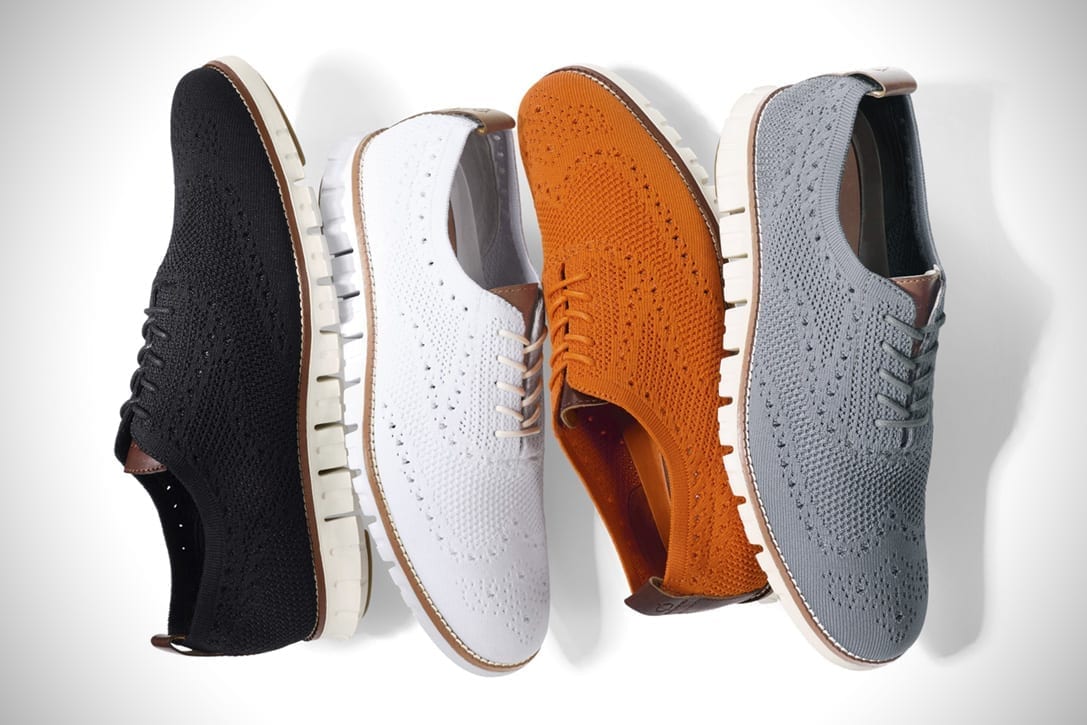
    US lifestyle group Cole Haan has signed a deal for distribution of its apparel, footwear and accessories in Greater China.

    It has formalised a long-term retail, wholesale and e-commerce distribution agreement with the Sitoy Group Holdings subsidiary that will introduce the Cole Haan brand in China, Hong Kong and Macau through all major retail channels from this summer.

    Active for nearly 90 years, Cole Haan has a retail presence in more than 40 countries across five continents as it focusses on a strategic initiative of global expansion.

    Beyond its direct retail businesses, the company has stores within top-tier shopping malls, department stores and specialty retailer locations in North America and Japan, as well as through distributor-run shops in Asia.

    In Hong Kong, it has stores in Harbour City, Festival Walk, Sogo Causeway Bay and Times Square, and nine in Mainland China, four of which are in Shanghai. Sitoy plans to launch more than 20 outlets in Greater China next year, and will also work through diversified e-commerce platforms.

    With its global headquarters in New Hampshire and its creative centre in New York City, Cole Haan retails men’s and women’s footwear, handbags, leather accessories, outerwear and eyewear.

    Sitoy Retailing has distribution agreements with such brands as A. Testoni, Bruno Magli, Jockey and Kenneth Cole. Its house brands include Fashion & Joy and Tuscan’s.

  • Belstaff Japan opens in Hankyu Men’s Tokyo

    Belstaff Japan opens in Hankyu Men’s Tokyo

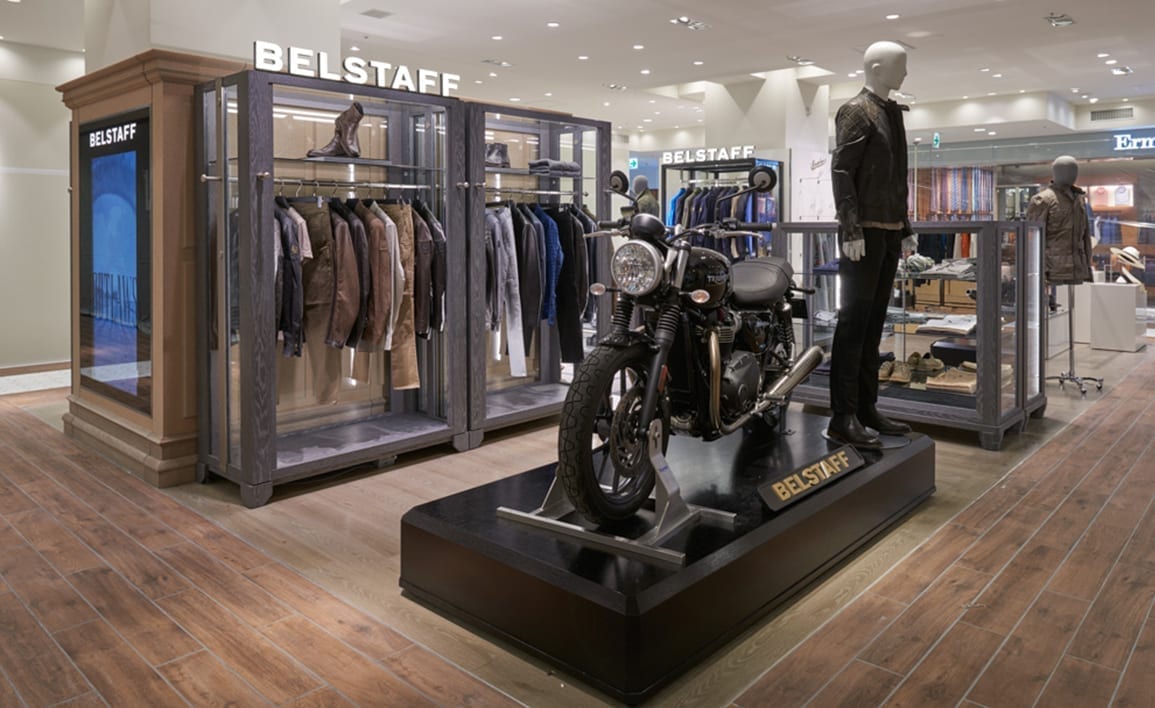
    Belstaff Japan has opened its fifth store, in Hankyu Men’s Tokyo, 18 months after the British fashion brand’s arrival in the nation.

    As well as the men’s AW 17 collection, the new outlet features a limited-edition leather jacket, and from next month will offer a limited-edition capsule collection in collaboration with Japanese street label Sophnet.

    The new store’s interior features black raw-steel rails offset by a brighter light concept that highlights products and materials.

    Belstaff will launch a men’s pop-up store in Hankyu Men’s Osaka from October to November.

  • FJ Benjamin’s net loss narrows to $17 million

    FJ Benjamin’s net loss narrows to $17 million

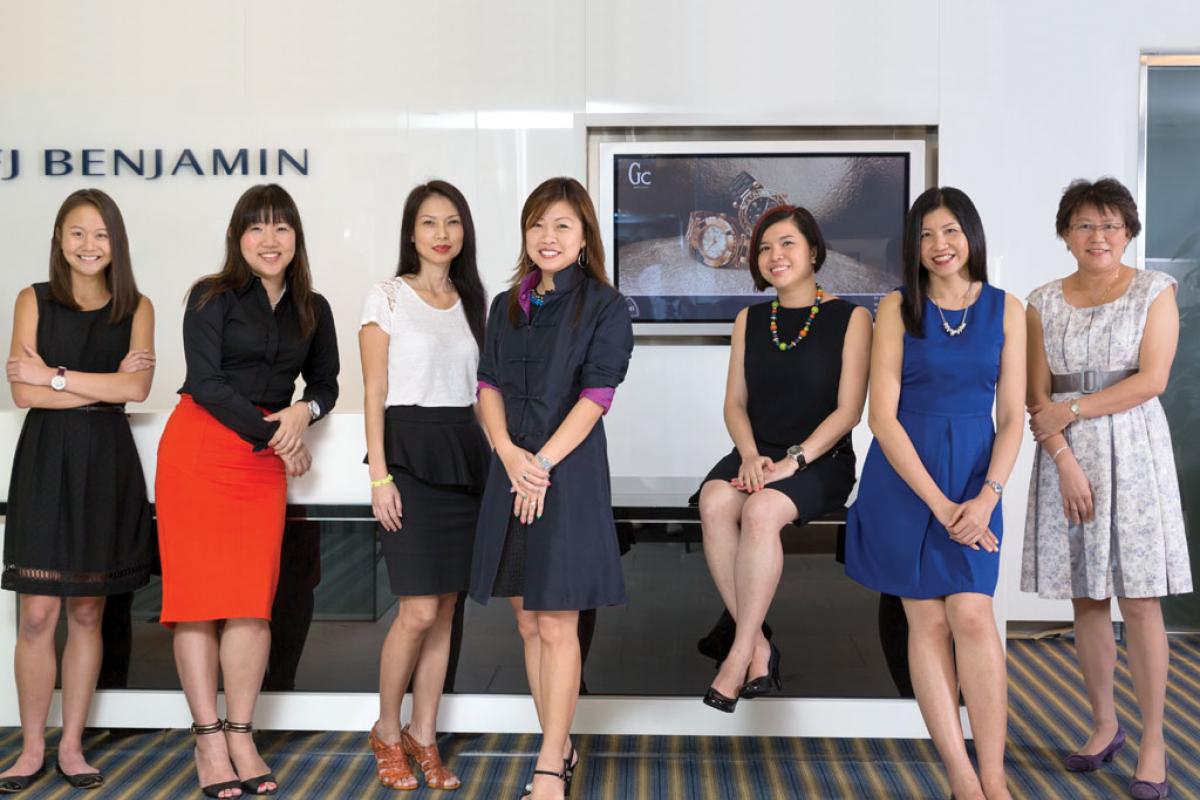
    Despite a drop in revenue, Singapore luxury retailer FJ Benjamin’s net loss for its latest fiscal year has narrowed to S$17.42 million (US$12.7 million) from $22.96 million.

    Turnover slipped 18 per cent to $207.49 million mainly because of discontinued businesses and a drop in sales to an Indonesian associate. However, the gross profit margin improved to 42 per cent from 39 per cent a year ago thanks to tighter inventory management and improved sell-throughs, says the group.

    “Management expects the operating environment to remain challenging in Singapore as economic growth stays sluggish and the Singapore dollar continues to strengthen relative to regional currencies.

    “While management is conscious of the challenges and will remain vigilant on costs, we will continue to identify new business opportunities that will enhance the group’s portfolio and help the group return to profitability.”

    FJ Benjamin Holdings offers brand building and management, and develops retail and distribution networks for international luxury and lifestyle brands across Asia. It has offices in eight cities, manages more than 20 brands and has 226 stores.

    According to its website, it exclusively retails and distributes brands such as Banana Republic, Celine, Gap, Givenchy, Guess, La Senza, Loewe, Sheridan, Superdry and Tom Ford. Its retail footprint includes Southeast Asia and Hong Kong.

    It also distributes timepieces for such brands as Bell & Ross, ChronoSwiss, Frederique Constant, Guess, Nautica and Victorinox Swiss Army.

  • Record number of Chinese models to star Victoria’s Secret show 2017

    Record number of Chinese models to star Victoria’s Secret show 2017

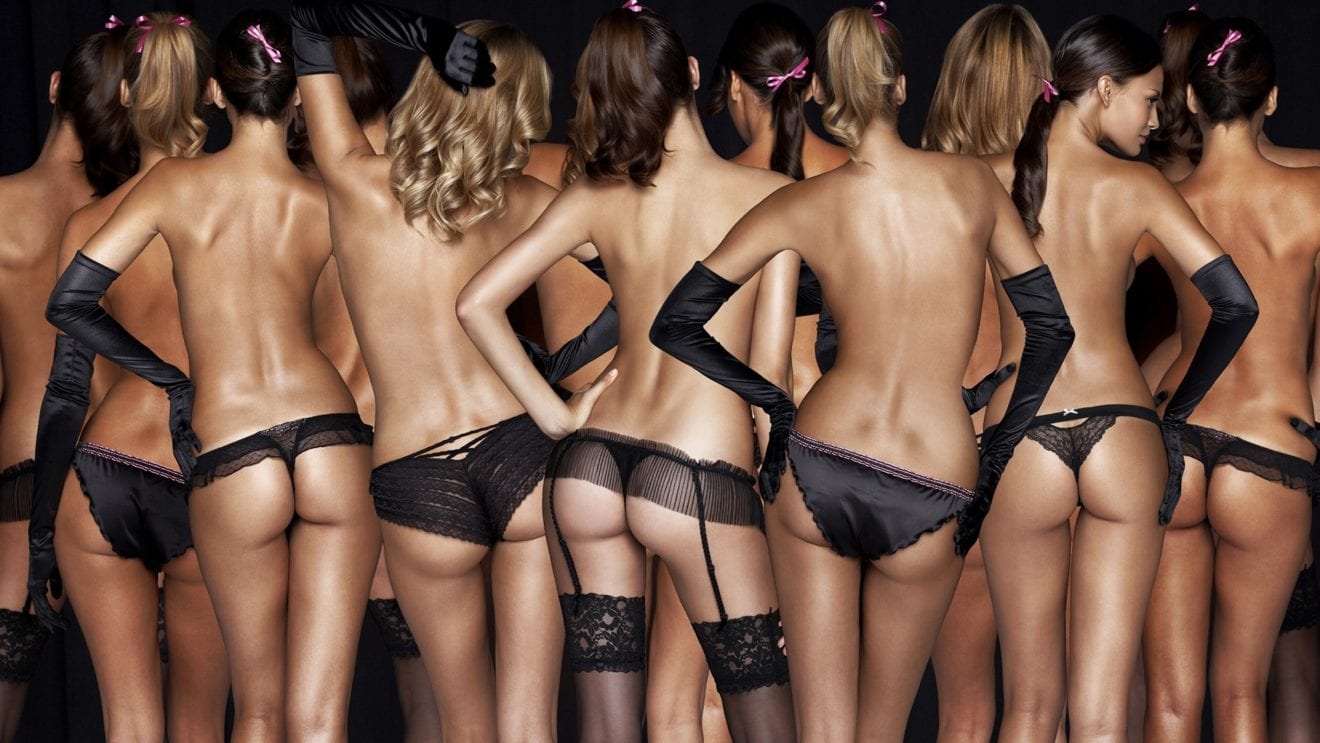
    The Victoria’s Secret Fashion Show this year is still months away. As the date and location are still shrouded in secrecy, 57 beauties have already been confirmed as part of the lineup, with a record number of Chinese faces announced to walk the more-diverse-than-ever runway.

    In addition to some veteran western super models, such as Adriana Lima, Candice Swanepoel, so far a total of six angels from the east, for the first time ever, is expected to shine in one of this industry’s most-watched shows, according to a full list released by Fashionista.

    The gorgeous girls who are making history for the brand are:

    Liu Wen

    This year, Liu will walk in her fifth Victoria’s Secret Fashion Show. When she first walked the VS runway, she was the only Asian model ever to do so.

    Ming Xi (Xi Mengyao)

    Ming Xi has already walked in the past four shows for Victoria’s Secret, regularly modeling during the section of the spectacular that showcases the brand’s little sister line, PINK.

    He Sui

    He Sui is no stranger to the Victoria’s Secret Fashion Show. She has walked in the show six times already, beginning in 2011. When she first stepped on the stage, she was only the second Asian model for the brand, after Liu Wen.

    Ju Xiaowen

    This year will mark Ju’s second walk on Victoria’s Secret runway. Before her cooperation with the brand, she has helped other brands break racial barriers, for example, she was the first-ever Chinese model to be the face of Marc Jacobs.

    Xie Xin

    While this will be her premiere walk on Victoria’s Secret show, she’s fronted numerous ad campaigns and walked some of the top runways.

    Estelle Chen (Chen Yu)

    Chen is a French model of Chinese descent born in Paris. The 17-year-old is the only Asian face among the 15 other newly-minted Victoria’s Secret models. This newcomer started out in 2013 but has already walked for fashion powerhouses Dior, Dolce & Gabbana, Elie Saab and Fendi.

    A more racially inclusive runway

    Victoria’s Secret has long been criticized for not featuring a more racially diverse lineup of models over the course of the fashion show’s 22-year history.

    No Asian model has walked the VS runway until 2009, according to Yahoo Style. However, the lingerie giant in recent years has been ramping up its efforts to be inclusive.

    An expanding market in China

    China’s female lingerie market is lucrative with a retail value of 25 billion US dollars in 2017. However, the market is highly fragmented with no major brands leading the way. Currently, a Guangdong-based mass market lingerie brand Cosmo Lady has just a four percent share of the market, revealed Business of Fashion.

    As a representative from Victoria’s Secret China told Jing Daily, the brand is feeling “very positive about the potential of the China market,” as they expect three stores alone, including the one planned in Beijing, are anticipated to generate 150 million US dollars in annual sales for the 7.78 billion US dollar brand.

    China is expected to equal, if not exceed the US, in sales in the long term, according to this representative.

    Efforts to woo Chinese customers

    Considering the first Victoria’s Secret model of Asian descent didn’t walk in its fashion show until 2009, and the only two and four Chinese models strutting down the catwalk in 2015 and 2016, this time the six Chinese faces could be reflective of the brand’s growing focus in the Chinese market.

    As a matter of fact, the retailer’s presence hasn’t started till 2015. Adding to the 26 concept stores in China, which are shops that sold only beauty products and accessories, the company has opened two flagship fully-stocked retail stores in Shanghai and Chengdu in 2017. As the VS China representative suggested, one more store is expected in Beijing later this year.

    The brand’s additional attempts to woo Chinese consumers are through their dragon-themed outfits throughout its annual fashion show last year.

    Although the show’s so-called Chinese elements fell flat on China’s Internet, with social media users complaining about the “appropriated Chinese culture” and the “ugly bikini outfit”, the full video of the show boasted an estimated 162 million viewership compared to last year’s 127 million on Tencent video.

    From this perspective, the Chinese cultural emblems, for example, the dragon-themed costumes, have already prevailed angel wings.

  • Lovisa buoyed by expanding store network

    Lovisa buoyed by expanding store network

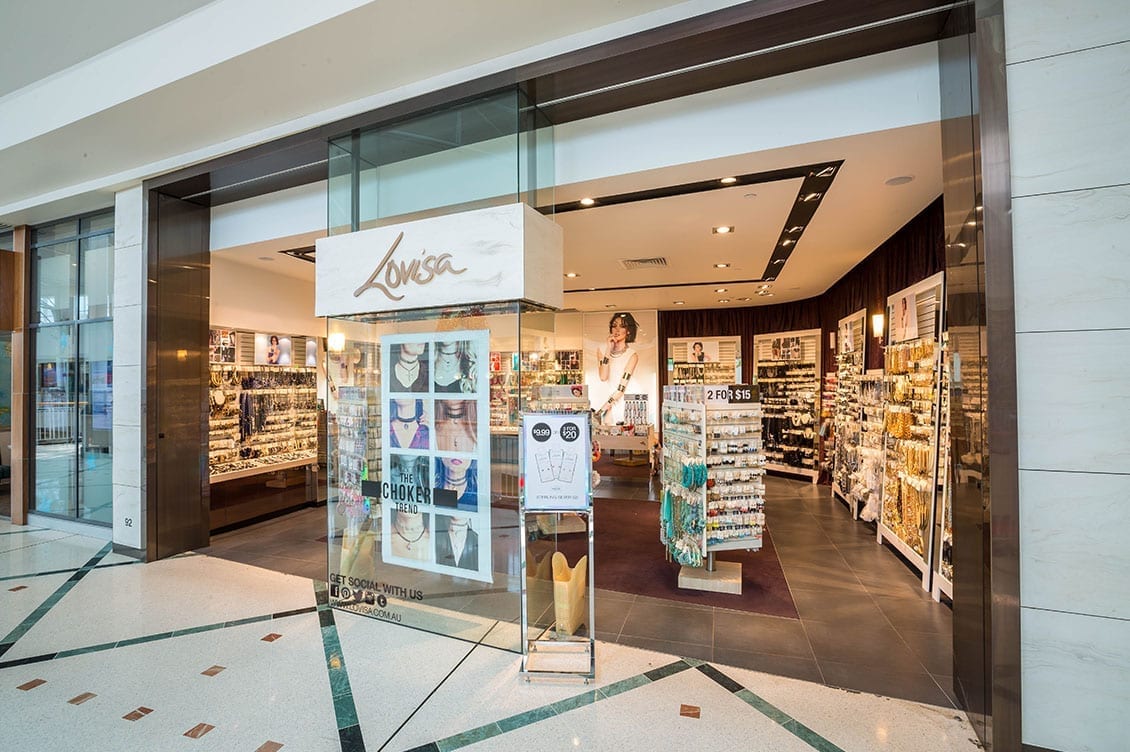
    Jewellery retailer, Lovisa, has exceeded consensus forecasts by booking double-digit revenue, earnings and profit increases, signalling a strong start to FY18 trading.

    Revenue increased by 16.5 per cent to $178.7 million for the year ended 30 June on the addition of 38 stores to the company’s network, while same-store sales increased 10.3 per cent.

    Strong top line sales drove a 68 per cent increase in earnings before interest and tax (EBIT) to $40.7 million and a 75.5 per cent increase in net profit after tax (NPAT) to $29 million.

    Momentum has continued into FY18 and is above management’s long term same-store growth target of 3 – 5 per cent for the first eight weeks of trading.

    CEO Steve Doyle declined to provide specific guidance, but said Lovisa plans to open between 20 and 30 stores in FY18 and will consider non-organic growth opportunities as it attempts to cycle strong results from the prior year.

    South Africa remained Lovisa’s fastest growing market in terms of store openings, with 14 new locations in the country, alongside a company-owned pilot in Spain and franchise launches in Vietnam and Bahrain bringing the total network of stores to 288.

    Doyle wouldn’t comment when asked whether additional investment would be made in Spain, but told investors on Thursday morning that the market fundamentals were positive for the company.

    “What we like about Spain is its fashionable,” he said. “One of the key things we look for is that fashionability, that our customer is there and she wears the kind of product that we sell – we certainly see that in Spain.”

    Doyle said planning is underway for the upcoming spring racing period, but that Australian-based events were becoming less important to the company as the proportion of offshore stores to local ones reaches 50 per cent.

    “The continued strong comparable sales growth in the second half was particularly pleasing, as we had initially anticipated some softening following the cycling of retail price increases in 2016,” Doyle said.

    “We continued to expand and optimise our store network to drive growth and performance…due diligence in other markets and opportunities to generate new country growth continues and we are optimistic about Lovisa’s global rollout plans.”

    Gross margins increased by 78.8 per cent during the year, as currency headwinds normalised, prices increased and markdowns became less frequent.

    Cost of doing business (CODB) as a percentage of sales reduced to 53 per cent, despite growth in stores on efficiencies in labour, distribution and occupancy.

    Capital expenditure came in at $8.8 million, impacted by continued international expansion, although a net cash position of $11.0 million was declared at years end.