Category: Fashion

Retail News Asia is committed to providing both local and global retailers with the latest Fashion news throughout the Asian market. This on a daily base.

  • David Jones’ profit drop amid slowing sales

    David Jones’ profit drop amid slowing sales

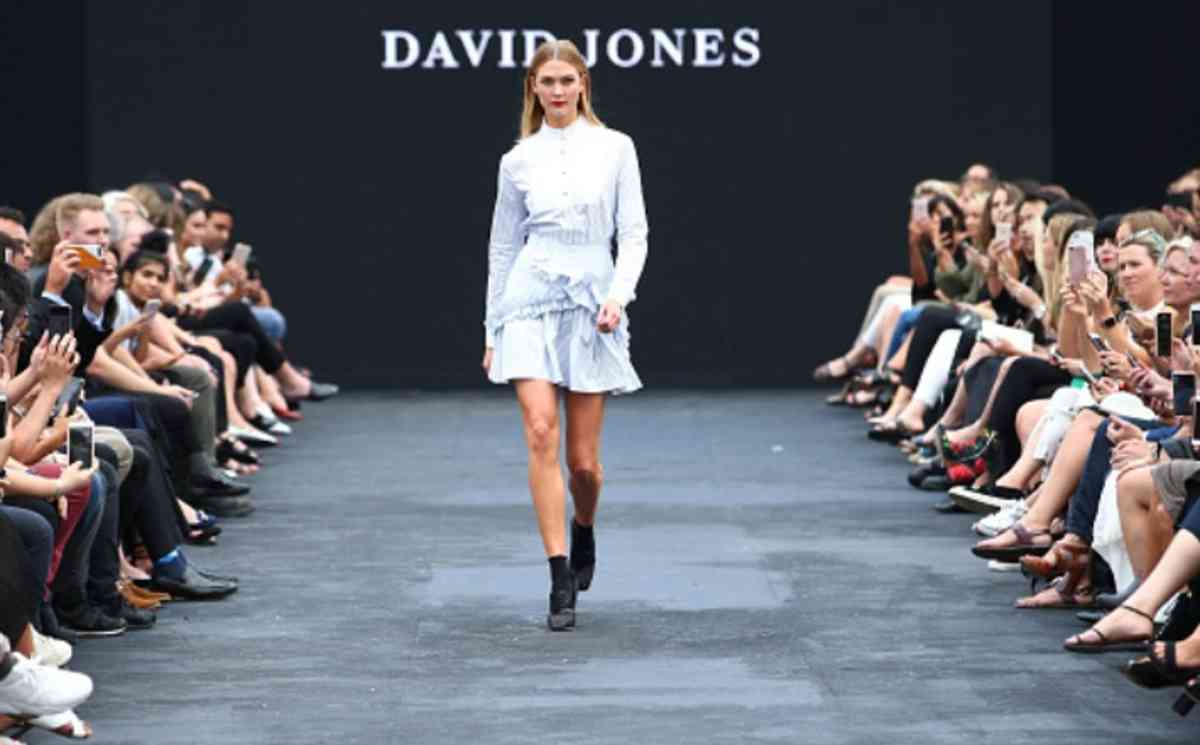
    Department store giant David Jones’ sales growth has weakened markedly amid a decline in consumer spending and a poorly received private label clothing range.

    DJs recorded a 25 per cent drop in operating profit while total sales edged up one per cent in the year to June 25 compared to the prior year, which enjoyed sales growth of 8.4 per cent.

    South African parent company Woolworths Holdings – not related to the Australian supermarket chain – said the collapse of electronics retailer Dick Smith last year, which had concession stores inside David Jones stores, impacted growth by one per cent.

    The high-end retailer’s crucial comparable store sales, which excludes Dick Smith, declined 0.7 per cent – sharply lower than the prior year’s seven per cent growth in comparable sales.

    “Sales growth slowed in the second half as consumer sentiment worsened, although our share of the department store and specialty market grew marginally,” the company said in a statement on Thursday.

    Woolworths Holdings chief executive Ian Moir said David Jones suffered a disappointing private label performance but lessons had been learnt and remedial action was being taken.

    The group’s other Australian business, the Country Road Group – which includes the Country road and Witchery apparel brands – had a 5.1 per cent lift in sales and showed a marked improvement in the second half, with newly acquired Politix adding 3.7 per cent to growth.

    Sales in comparable stores however declined by 0.4 per cent.

    Moir said Country Road’s “above-market performance” reflected changes made to the business over the past 18 months and ongoing improvements to ranges during the year.

    Woolworths stated it’s in the process of rolling out its new beauty offering across its clothing and general merchandise division, which will include international brands Chanel and Estee Lauder for the first time.

    “Sales growth slowed in the second half, as consumer sentiment worsened, although our share of the department store and specialty market grew marginally,” said Moir.

    Looking ahead, Woolworths expects market conditions in the year ahead “to be constrained by the same economic and political conditions that impacted our performance during the year under review”.

    “We will continue to invest in various transformational initiatives, most notably in David Jones, and remain  confident that our strategies will deliver future – fit businesses capable of long-term profitable growth. We expect our food and clothing businesses in both South Africa and Australia to continue to outperform their respective markets.”
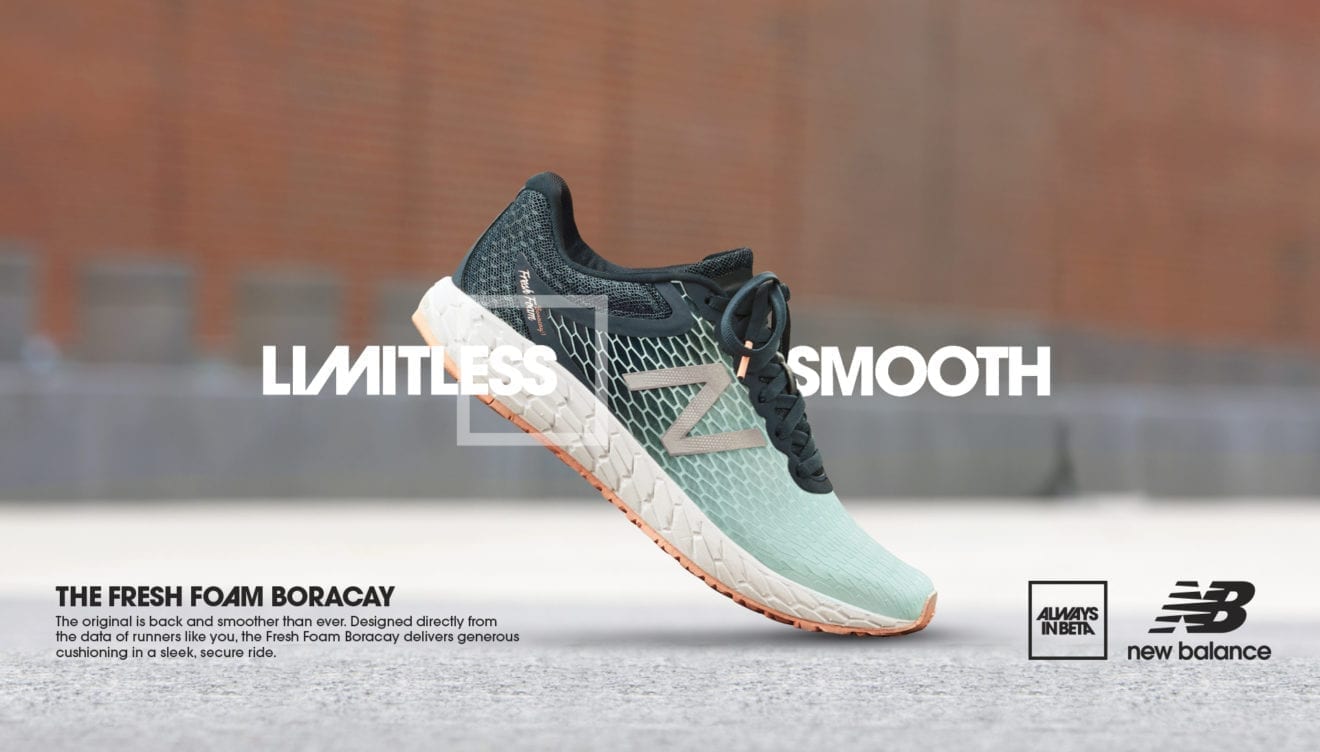
  • Chinese shoemakers ordered to pay New Balance $1.4 million

    Chinese shoemakers ordered to pay New Balance $1.4 million

    Three Chinese shoemakers have been ordered by a Chinese court to pay US sportswear company New Balance US$1.5 million in damages and legal costs for infringing its logo.

    It is believed to be the largest trademark infringement award ever granted to a foreign business in China.

    Suzhou Intermediate People’s Court, near Shanghai, ruled that the three defendants, who made shoes under the brand New Boom, “seized market share from New Balance” and “drastically damaged the business reputation of New Balance”.

    Zheng Chaozhong, Xin Ping Heng Sporting Goods and Bo Si Da Ke Trading had relied on the “malice of free-riding”, says the ruling. Their actions had led to “confusion by a large number of consumers”.

    The decision can still be appealed.

    New Balance has also taken on such Chinese brands as New Barlun and New Bunren since it started selling shoes on the mainland in 1995, reports The New York Times.

    In April, a court in Hangzhou awarded New Balance $500,000 in damages after ruling that a company making New Bunren shoes infringed its trademark. The same month, the Suzhou court fined five companies for breaching an injunction prohibiting them from selling shoes with New Balance’s “N” logo.

    However, New Balance once tried to reclaim intellectual property from a man using its Chinese name and was itself fined $16 million. The amount was later reduced to about $700,000, and a further appeal will go before China’s Supreme Court.

    Regarding the aggressive protection of its trademarks, New Balance’s senior counsel for intellectual property, Daniel McKinnon, says that if the China marketplace can be thought of as a schoolyard, “New Balance wants to make it abundantly clear we are the wrong kid to pick on”.

  • G-III Apparel taking DKNY, Donna Karan to China

    G-III Apparel taking DKNY, Donna Karan to China

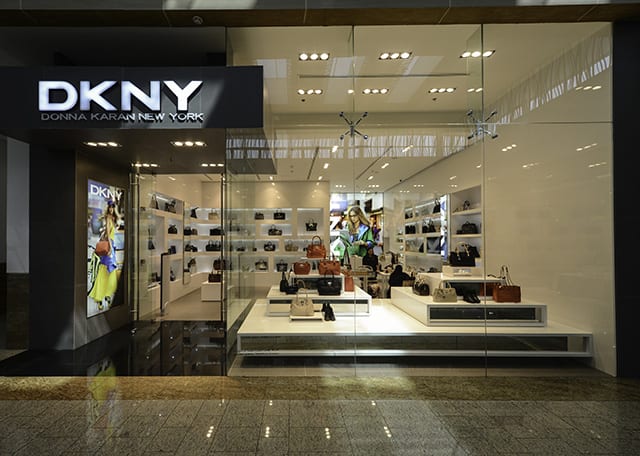
    American apparel brands DKNY and Donna Karan are about to invade Greater China via a JV between New York’s G-III Apparel Group and investment fund Amlon Capital.

    As well as the mainland, the venture is targeting Hong Kong, Macau and Taiwan, with January 1 as lift-off date.

    G-III owns 49 per cent and Amlon the balance of the JV, which will have $25 million in funding. It is being chaired by Tommy Hilfiger chairman Fred Gehring with Steve Shen from Nanjing Datex fashion as CEO.

    G-III chairman/CEO Morris Goldfarb says the collaboration offers a “major strategic opportunity”.

    G-III makes and distributes apparel and accessories under licensed, owned and private-label brands. Its owned brands include DKNY, Donna Karan, Jessica Howard and Vilebrequin. It has fashion licences for such brands as Calvin Klein, Dockers, Guess, Ivanka Trump, Karl Lagerfeld, Kenneth Cole, Levi’s, Tommy Hilfiger and Vince Camuto.

    Amlon was set up last year by Gehring together with partners and private equity firm Apax Partners. The private investment vehicle already has stakes in Denham Jeans, Karl Lagerfeld and childrenswear brand Vingino.

  • LVMH’s Cha Ling opens first China store

    LVMH’s Cha Ling opens first China store

    Luxury high-end skincare brand Cha Ling has launched its first store in China, opening a flagship outlet in Shanghai.

    Cha Ling, which means ‘tea forest’ in Mandarin, is inspired by the rare Chinese Pu’er tea — a type of tea known for its anti-oxidant and anti-ageing properties

    The LVMH Group-owned cosmetic venture launched in Paris just 18 months ago, and is the brainchild of Guerlain president and CEO Laurent Boillot.

    The brand is created in the Guerlain labs in France, with ingredients from Yunnan where farmers harvest 500-year-old tea trees.

    Products include Pu’er-infused cleansing powder, serums, massage cream and a “steam tablet” for purifying pores. Prices range from $20 to $200.

    Cha Ling is also planning to expand to Beijing and Chengdu soon, according to local media reports. Meanwhile, following the move into China, other stores are slated to open in international markets.

    Cha Lang first launched in French department store Le Bon Marché in January 2016. In February 2016, it opened its first standalone in Hong Kong inside the Harbour City shopping mall.

    It now has a second Hong Kong location in Causeway Bay and plans to open a standalone Paris boutique this year.

  • Prada duo launches exclusively with The Shilla Duty Free

    Prada duo launches exclusively with The Shilla Duty Free

    Puig is partnering with The Shilla Duty Free and Changi Airport to exclusively launch the latest Prada fragrance duo: La Femme Prada L’Eau and L’Homme Prada L’Eau.

    The scents are available exclusively at The Shilla Duty Free for two weeks before a wider roll-out. It is the first time that Prada fragrances have been available at Changi Airport before launching anywhere else.

    La Femme Prada L’Eau and L’Homme Prada L’Eau are said to offer a new olfactory signature to Prada Parfums.

    To celebrate the launch, Puig and Shilla will introduce a personalisation and gifting concept at Changi Airport over the coming months.

    La Femme Prada L’Eau opens with green frangipani flower enriched by Mandarin essence and smoothed by ylang ylang notes. Tuberose gives depth to the scent. L’Homme Prada L’Eau features amber and iris mingled with red ginger and neroli. Other notes include cedar and sandalwood.

    The bottle and packaging for La Femme Prada L’Eau and L’Homme Prada L’Eau are dressed in Prada’s signature Saffiano leather: Pink for the feminine scent and light blue for the masculine.

    Changi Airport Group Airside Concessions Group Senior Vice President Teo Chew Hoon said: At Changi Airport, we take pride in delivering newness, surprise and excitement to our savvy shoppers.

    With the first-in-the-world launch of the La Femme Prada L’Eau and L’Homme Prada L’Eau, we are confident that these distinctive, curated fragrances will resonate with the modern woman and man, and invite travellers to be amongst the first to embark on this journey of self-discovery with us.”

    The Shilla Duty Free Vice President of Global Merchandise Division Raelene Johnson commented: “The Shilla Duty Free has always been committed to creating exclusive retail experiences for our travel shoppers.

    This time, we are proud to partner with Puig to announce the first-in-the-world launch for its new Prada fragrances.

  • Thai retailers arrested for counterfeit footwear

    Thai retailers arrested for counterfeit footwear

    Thai authorities have arrested two men and seized 160,000 pairs of counterfeit footwear from six retail outlets.

    The footwear has a market value of about THB20 million (US$601,000), says Department of Special Investigation (DSI) deputy-chief Suriya Singhakamol.

    The DSI obtained warrants from the Central Intellectual Property and International Trade Court to search four locations in Samphanthawong and one in Rat Burana in Bangkok, plus another in Nakhon Pathom province.

    Suriya says 160,000 pairs of sneakers and other footwear were found falsely labelled as Adidas, Converse and Nike, as well as other brands.

    Two Chinese shop owners, Hongbin Lin and Lin Sow, have been charged with possession of products falsely labelled with registered trademarks, and with smuggling those products into Thailand in breach of trademark and customs laws.

    The men had set up companies to import counterfeit products, and traded them around the clock, says Suriya.

    The DSI has been talking with retail space owners over the past month, asking for their co-operation in not renting space to traders selling counterfeit products.

  • Sephora’s latest store “completes omnichannel loop”

    Sephora’s latest store “completes omnichannel loop”

    Cosmetics retailer, Sephora, will open its 11th Australian store at Westfield Bondi Junction in September.

    The new location adds to the beauty chain’s five Sydney stores, located at Pitt St, Broadway, Macquarie, Warringah, Macarthur Square, as well as the soon to open Charlestown (Hunter Valley) location.

    Sephora country manager, Libby Amelia, said it had been a “big year” for the brand and that there was “no sign of us slowing down yet.”

    Brands including KORA Organics, The Beauty Chef and WelleCo, alongside luxe hair care brand Ouai and natural efficacious skincare like Peter Thomas Roth and Ole Henriksen will be offered at the store.

    According to Amelia, the Bondi location will house niche, luxe and natural offerings from local and international brands, with the store set to one of the first retail locations to include Sephora’s new in-store ‘Wellness’ hub, which completes “the loop on our omnichannel offering.”

    “In 2017, ‘Wellness’ became the new black – far from a trend, this beauty essential is a staple in the routines of women across the globe,” said Amelia.

    “Instead of buying quick-fixes and synthetic supplements health-conscious consumers are turning to products with ingredients that promise to combat the effects of an always-on lifestyle.”

    As the first market globally to adopt the Wellness vertical, the global retailer said “it’s only logical that the Australian market would select from the wealth of Aussie wellness brands,” offering a selection from Miranda Kerr’s KORA Organics and Elle Macpherson’s WelleCo, Carla Oates’ The Beauty Chef, James Duigan’s Bodyism, and Chanelle Louise’s Cilk Rosewater.

    “Our customers always want the next big thing, and the demand for wellness has been growing for some time”, said Alice Macdonald, Sephora Australia’s digital category manager.

    “Women are seeing beauty as a natural extension of their health, and are scanning beauty labels just as thoroughly as they do the labels on their food. The social movement for the wellness category is really strong with our customers, and we are so excited to be able to cater to their needs.”

    Sephora Australia retail category manager, Kirrily Bird, said its customers “know that Wellness isn’t an add-on or an afterthought, but a key step in her daily beauty routine” and that the retailer was “really conscious of partnering with brands and products that had a strong link back to beauty and skin health.”

    Of the future plans for the category, Amelia said that, “Wellness isn’t a moment, but a mainstay at the core of our business”.

    “The launch is one moment in the journey of Wellness for Sephora and for our brands and offering. Watch this space,” she said.

  • Struggling Surfstitch slips into administration

    Struggling Surfstitch slips into administration

    Struggling surfwear chain, Surfstitch Group, has today entered administration after appointing John Park, Quentin Olde and Joseph Hansell of FTI Consulting effective immediately.

    The retailer’s online companies, SurfStitch (Aus), SurfDome (UK) and Swell (US), and publishing businesses MagicSeaweed (UK) and Stab (Aus & US) will continue to trade while the administration process takes place.

    Sam Weiss, chairman of Surfstitch, said that the companies “reluctantly made the appointments due to several significant external challenges including two Class Actions, protracted litigation and an ASIC investigation which have brought high levels of uncertainty impacting the companies’ trading position.”

    “The administrators have been appointed with the intention of preserving value for stakeholders in the business whilst recapitalisation options are pursued.”

    John Park, leader Australia, corporate finance & restructuring of FTI Consulting, said the administrators will work closely with the operating businesses to preserve value for stakeholders.

  • Spanish fashion brand El Ganso heads to Middle East

    Spanish fashion brand El Ganso heads to Middle East

    Spanish fashion brand El Ganso is to expand into the Middle East, opening its first store in Kuwait.

    The store – to be located in The Avenues shopping centre, will be operated in partnership with retail franchise business MH Alshaya.

    El Ganso was founded in 2004 in Madrid and specialises in “fun, elegant clothing for individuals with class, in search of a unique style”.

    The brand says its style is a cosmopolitan look, with colours and ranges from preppy American looks to the more alternative Berlin style, “and not forgetting a touch of English elegance”. Every collection is designed and manufactured 100 per cent in Europe from local raw materials, using new fabrics and yarns from quality Italian houses such as Subalpino.

    Co-founder and CEO Alvaro Cebrian said the company is excited to be introducing El Ganso into Kuwait and the wider region.

    “The brand’s design ethos is rooted in on our experiences of global culture and we are sure its hallmarks of confident colour, quality and innovative detail will appeal to fashion-forward consumers in this region. We look forward to welcoming customers to our store.”

    Kuwait will join 190 stores in 11 countries, including cities like London, Paris, Milan, Madrid, Amsterdam, Berlin and Lisbon.

    “The new El Ganso store will stock collections for both men and women, boasting styles and designs that reflect the individuality of nonconformists, who are in search of unique attire with a clear focus on design, quality, innovation and attention to detail,” said Cebrian.

  • Leaked report shows loss for Chanel International

    Leaked report shows loss for Chanel International

    Chanel International, the Dutch holding company that has the French luxury brand under its wing, had a 9 per cent year-on-year loss with turnover of US$5.67 billion last year, according to a leaked document.

    Chanel International does not publicly disclose its earnings, but two publications have been able to access a confidential 91-page document audited by Deloitte and filed at the Amsterdam Chamber of Commerce.

    This showed the company’s net income fell nearly 35 per cent from $1.34 billion to $874 million. The publications say its operating income slid 20 per cent to $1.28 billion, resulting in a 22.5 per cent decline in profitability – a slight improvement on its 25.7 per cent decline the previous year.

    According to the document, Chanel International’s decline is partially explained by the sale of its subsidiary Chanel UK, which represents about 11 per cent of its sales, to another entity also under its control. “On an equivalent benchmark, at constant exchange rates, the results are stable.”

    Terrorism impact

    It also attributes the revenue drop to terrorist attacks in Europe hitting the flow of tourists. The impact of the company’s sale of the Bourjois beauty brand to Coty in April 2015 also impacted sales for the first quarter of last year. Chanel received 15.43 million Coty shares, equivalent to about $240 million at the time.

    Figures in the leaked report probably also include Chanel’s fragrance and beauty sales, as well as earnings from other brands owned by the Wertheimer family, including swimwear brand Eres and British gunmaker Holland & Holland.

    But while results dropped, dividends to Chanel International’s shareholders, Alain and Gérard Wertheimer, increased. Bilan says the brothers received $3.41 billion last year, more than double the $1.64 billion for the previous year. Alain has been global chief executive of Chanel since January last year, while Gérard oversees Chanel’s watch division. Their grandfather, Pierre Wertheimer, was the business partner of Chanel founder Gabrielle “Coco” Chanel.

    Meanwhile, the luxury goods market is expected to return to growth this year, driven by domestic spending in China and tourism in Europe, according to a May study by US advisory firm Bain & Co.

  • ‘Dire’ Foot Locker results reflect sudden fall from grace

    ‘Dire’ Foot Locker results reflect sudden fall from grace

    A dire set of Foot Locker results have blown the company firmly off track and mean that the outcome for this fiscal year is going to be poor.

    Foot Locker was already down on its forecast thanks to a slow first quarter, but the latest comparable sales dip of 6 per cent along with the total sales slide of 4.4 per cent represent a significant deterioration. Moreover, the outlook is also weak, with the company cautioning that more negative results could follow as it moves into its second half.

    Given that Foot Locker has been investing in things like new store formats and growing its apparel business, the extent of the negative results come as something of a surprise. This is all the more so because while overall consumer demand for sneakers was a little soft during the quarter, it did not fall by anywhere near the level of Foot Locker’s decline. In other words, the company lost market share.

    The main issue is that Foot Locker was a little off-pitch in terms of the styles it showcased and did not have anywhere near enough stock of the key lines and items that consumers wanted. Taken together, these things reduced conversion rates and average spend. Admittedly some other unhelpful trends exacerbated this, including footfall declines at some locations where Foot Locker has stores, but these were relatively minor in comparison to the range issues.

    Foot Locker’s sudden fall from grace points to a truism in today’s sports market: customers want and demand constant newness and innovation and punish firms that don’t deliver it. This is something that Nike has spoken about on several occasions, alluding to the fact that new technical capabilities and new iconic styles are essential ways to get consumers to buy new things like sneakers when their existing pairs are still functional.

    Nike itself has been at the forefront of these innovations, pushing lines like its Air Vapormax Flyknit sneakers.

    While Foot Locker carried this line, stock levels were not always good across the business during the second quarter. This follows on from very poor availability during the first quarter when only a few SKUs of the range were carried – disappointing some customers who then didn’t return.

    On top of availability issues, Foot Locker was not able to offer the excitement of the customisable and more expensive iD element of the Vapormax range, which Nike facilitates via its website. As much as this isn’t in the company’s control, it represents a significant problem that suggests Foot Locker needs to work much harder at creating its own points of experience and interaction.

    The negative sales numbers took their toll on the bottom line. Unfortunately, this decline was exacerbated by a $50 million litigation fee related to a court decision about its pension scheme. Without this, net income would have been down by 28 per cent, but including the fee, it tumbled by a dramatic 60 per cent.

    Looking ahead, expect Foot Locker to regain some momentum. However, making up the ground lost this quarter is almost impossible. As such, this outlook for this year is fairly bleak.

  • Cos to open third store in Melbourne

    Cos to open third store in Melbourne

    H&M-owned Cos is opening its third Melbourne store in the inner suburb of Armadale this spring.

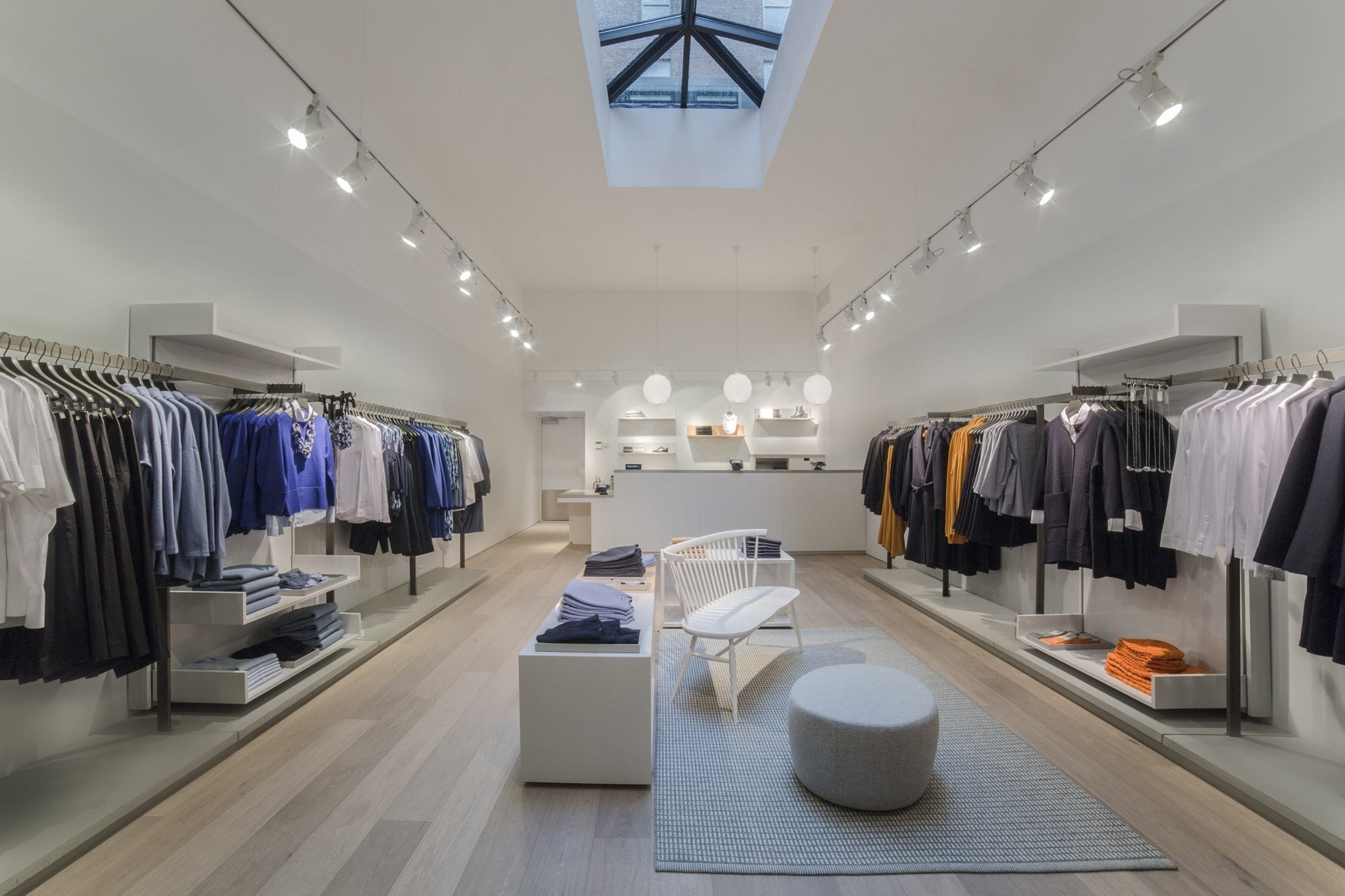
    Spanning 248sqm, the single-level store will hold the brand’s SS17 collection and feature an internal courtyard and skylight space.

    The fashion brand said it will use the original Edwardian architectural features of the early 20th century building and incorporate its “aesthetic of clean and modern lines combined with natural elements.”

    “We hope that this new store will allow our customers to continue to explore Cos in a great new environment,” said Marie Honda, managing director of Cos.

    Cos, which stands for Collection of Style, is H&M’s second-largest brand and targets a slightly older consumer with its minimalist aesthetic and higher price points.

    It is positioned alongside the Swedish company’s other brands, Other Stories, Cheap Monday, H&M Home, Monki and Weekday.

    “An important part of the H&M group’s strategy is to develop, launch and build new global brands,” said H&M CEO Karl-Johan Persson in July.

    “A good example of this is Cos, which will reach revenues of around 10 billion Swedish krona this year with profitability in line with that of the H&M brand. The value of Cos today already far exceeds the amount we invested in it, and this is just the beginning of the journey.”

    Cos’s opening at Armadale follows a recent spate of fashion brands moving into the area, with Decjuba Kids and Rebecca Valance recently opening in the suburb.

  • Michael Hill books profit, despite US weakness

    Michael Hill books profit, despite US weakness

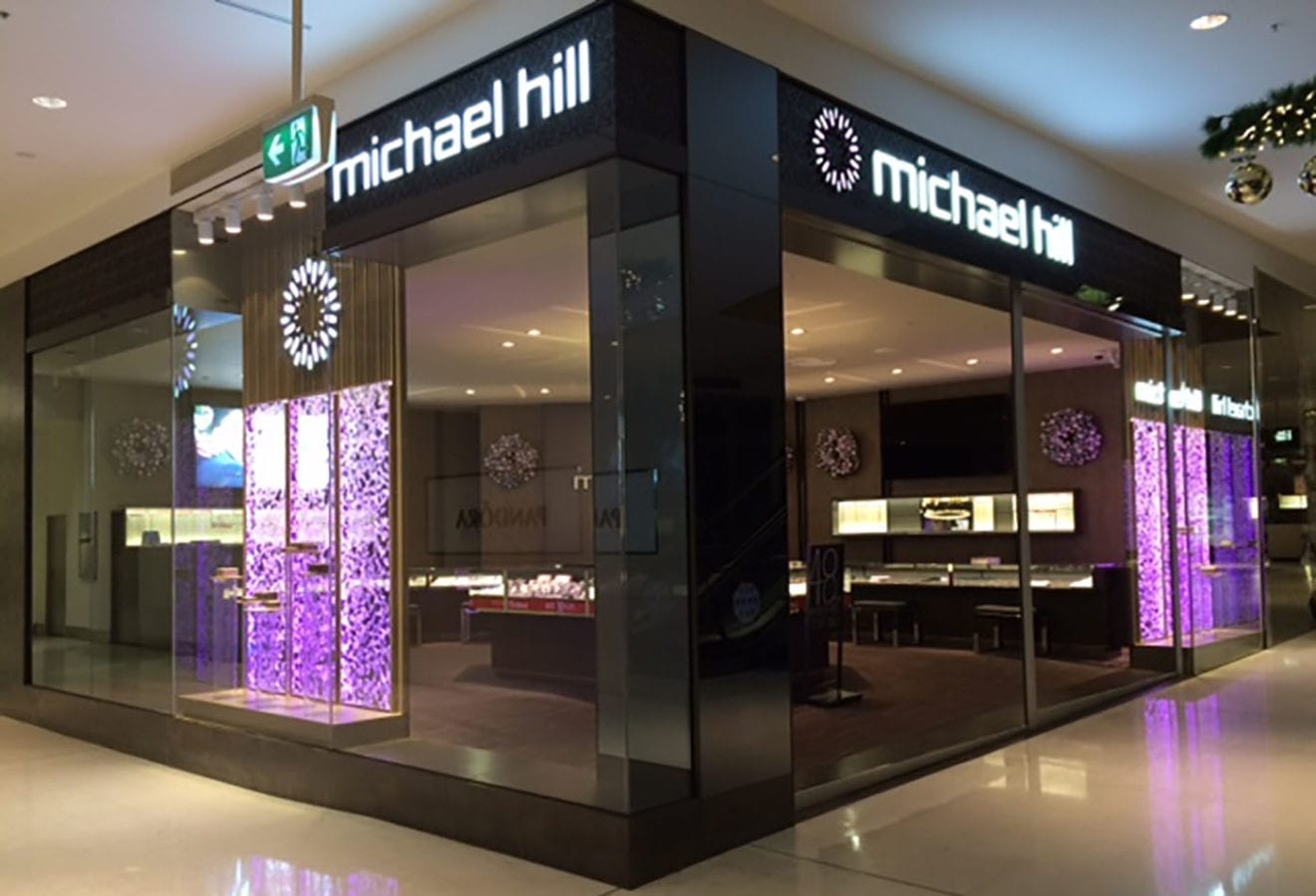
    Michael Hill CEO Phil Taylor has booked a 66.8 per cent increase in net profit after tax (NPAT) to 32.6 million for the year ended 30 June, amid a repositioning of its Emma & Roe brand and the introduction of proprietary lines to Michael Hill.

    The company recorded a 5.8 per cent increase in revenue to $582 million for the year, while earnings before interest and tax (EBIT) was up 2.3 per cent to 48.1 million.

    As it advised the market in July, comparable sales were up 1.5 per cent across the group, with 8.8 per cent same-store growth in Canada and 1.2 per cent growth in Australia driving the positive result.

    Taylor told investors on Monday morning that the introduction of proprietary lines into Michael Hill would cause some short-term pain for the company, including capital expenditure associated with design and margin pressures due to the clearance of old stock.

    He is, however, confident that the new “collections” range will be a pillar of the brand’s future growth, providing it with a key point of differentiation in the market and more flexibility around fashionability – an area of the market that’s growing relative to the traditional fine segment.

    “We do have a commitment to the branded collection strategy, we see it as the major differentiator for our brand in the mid-market,” Taylor said.

    “The flipside to that is that we need to make space for that in the store as well as funding that via capital requirements,” he continued, referencing a 35 per cent increase in capital expenditure for the year to $33.1 million, which was also impacted by legal costs from the last calendar year.

    At the more fashion-focused Emma & Roe brand, a review has been kicked off after significant investment yielded a 1.9 per cent decline in same-store sales and involves a repositioning of price and style.

    Still “opportunity” in the US

    Taylor still sees an opportunity in the US, despite comparable sales declining 8.8 per cent for the year, saying that the disruption associated with management changes, including the appointment of Brett Halliday as CEO, have now “settled”.

    “If we can stabilise [US operations], get some growth back in it gives us some options to look at what else we can do with the business [and ask] where else we can take it,” Taylor said.

    “It’s very much a case of exploring and thinking about the options, because it is a very large market and it is strong in our category – if we can find the right model it’s a huge opportunity for the business.”

    Taylor has previously said it will be “hard to justify” continuing the US venture to the board if a material improvement can’t be achieved by the end of FY18.

  • First-half revenue dip for Cosmo Lady

    First-half revenue dip for Cosmo Lady

    In a challenging market, intimate-wear enterprise Cosmo Lady (China) Holdings had a 6 per cent dip in revenue to about RMB2.07 billion (US$310.9 million) for its first half.

    Announcing its interim results, the company says the decline was mainly because of loss-making retail stores being closed, coupled with weak sales of sleepwear and loungewear.

    Gross profit fell from RMB1.05 billion for the first half last year to RMB937.1 million, with gross profit margin easing to about 45.1 per cent from 47.7 per cent.

    Sales of bras and underpants returned to growth for the six months, following last year’s decline. Adjustment is still in progress for sleepwear, loungewear and thermal clothes.

    Cosmo Lady says its group profit of about RMB144.8 million, while lower than the RMB174 million for the same period last year, was a significant improvement over the RMB67.9 million for last year’s second half.

    “During the first half of this year, Cosmo Lady’s business was consistently challenged by economic and industry uncertainties,” says chairman/executive director/CEO Zheng Yaonan.

    Stores closed

    A “large number” of loss-making retail stores, mainly department store concessions and high street locations, were closed. At the end of June, the group’s distribution network comprised 7307 outlets, of which 1295 were self-managed retail stores and 6012 were franchised stores. Meanwhile, the group further developed its e-commerce business, continuously boosting sales and has been expanding partnerships. In May, it signed a co-operation agreement in Japan to distribute Kimuratan Corporation apparel for infants and children in Mainland China.

    Cosmo Lady also issued new shares to a wholly owned subsidiary of Fosun International, raising gross proceeds of HK$600 million (US$76.6 million). The two parties entered into a strategic co-operation agreement to explore development possibilities in the intimate-wear industry in China.

    Also, the group has also started developing the Indonesian market with a business partner.

    It has also engaged Rowland Berger Strategy Consultants (Shanghai) for help in preparing and implementing a five-year development plan

    During the rest of this year, Cosmo Lady will be working with partners to develop the markets of Thailand, Vietnam and other developing countries in Southeast Asia, as well as opening discount retail stores in third- and fourth-tier regions in China.

  • Nixon appoints Athleta founder Scott Kerslake as new CEO

    Nixon appoints Athleta founder Scott Kerslake as new CEO

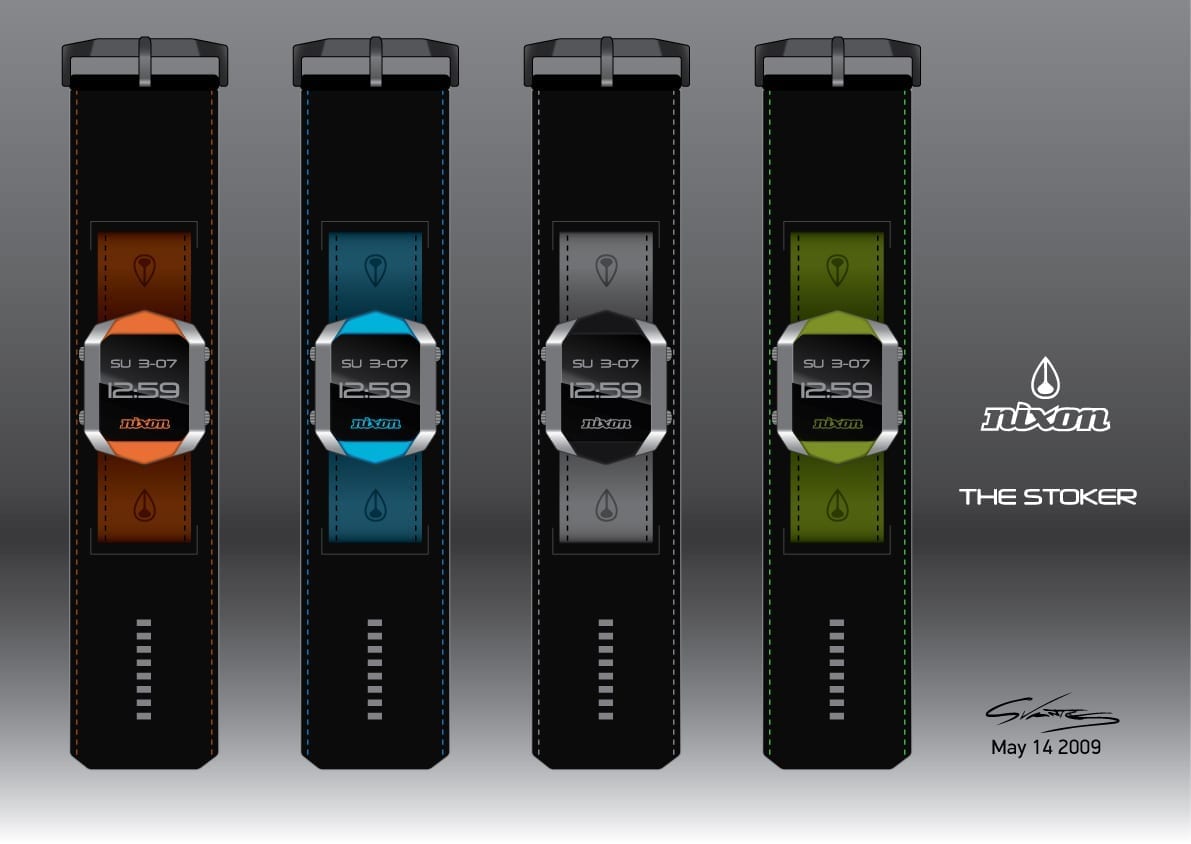
    Nixon on Monday welcomed its new CEO Scott Kerslake, whose appointment was effective on August 21, 2017.

    At Nixon, Kerslake will play a key role in the watch and accessories brand’s new focus on digital. The brand announced in June that it cut 13 jobs and will add 11 new positions that will be focused on its digital business in the coming year. A few of the new positions include VP of E-commerce and various digital marketing roles for social media.

    “I am beyond excited to join the Nixon team. The brand has enormous global potential and is well-positioned for the futur as a leader in the youth market,” said

    “I have been a fan of the brands’ ability to consistently harness the energy and creativity of the team from around the world into a distinct and leading point-of-view via the products they create.”

    Kerslake brings to Nixon 25 years of experience growing consumer brand products. He joins the California-based watch brand from Prana, where he served as CEO since 2009.

    Prior to joining Prana, Kerslake served as President of Miraval, a destination wellness spa and resort in Arizona, and he founded Athleta where he also served as CEO.

    In addition, Kerslake will be based in Nixon’s headquarters in Encinitas, CA.