Category: Fashion

Retail News Asia is committed to providing both local and global retailers with the latest Fashion news throughout the Asian market. This on a daily base.

  • Brazilian Flip Flops Brand Enters Suzhou Jiuguang

    Brazilian Flip Flops Brand Enters Suzhou Jiuguang

    Brazil’s well-known flip flops brand Ipanema opened a new store in Jiuguang Department Store, Suzhou, which is reportedly Ipanema’s seventh store in the city.

    Established in 2001, Ipanema provides four major series of products, including women’s products, men’s products, children’s products, and brand-partnered products; and its product lines cover flip flops, sandals, and slippers.

    The company started expanding into international markets in 2003 and over the following ten years, Ipanema became a popular high-end sandals brand in over 90 countries with its unique designs and comfortable products.

    Ipanema’s sandals are mainly made from PVC materials and processed with a special soft rubber compound technology.

    At the same time, 99% of its materials are claimed to be recyclable, which meets the environmental standard of developed countries. The brand will launch new products each season and about 400 new products are available annually.

    Ipanema’s manufacturer is the large sandals maker Grendene. Grendene was founded in Farroupilha in 1971 and it currently has 13 large factories and over 30,000 employees.

    The company is a large group enterprise which integrates material production, abrasives development, design, and brand management.

    At present, Ipanema products are well received in countries like United States, France, Italy, Spain, the Netherlands, Portugal, India, Germany, Ireland, Switzerland, the United Kingdom, Paraguay, and Mexico.

  • Giorgio Armani brings made-to-measure service to Hong Kong

    Giorgio Armani brings made-to-measure service to Hong Kong

    Since its launch, Giorgio Armani’s made-to-measure service has captivated a lot of customers.

    It also has a celebrity following, including Leonardo DiCaprio, Paolo Sorrentino, Christian Bale, Tom Cruise, Will Smith and George Clooney.

    Made-to-measure suits combine the spirit of Armani with the premium quality of craftsmanship.

    “To qualify as a true bespoke, or hand-made garment, there are certain elements you need to deliver,” Giorgio Armani says.

    The customer is able to select from a number silhouettes, and choose the material, the lining, the lapel the style of buttons and pocket combinations.

    Specialised tailors from Italy will provide the exclusive made-to-measure service in Hong Kong at Giorgio Armani’s Central store from September 22 to 23 and at Giorgio Armani’s Canton Road store on September 24. Appointments are necessary.

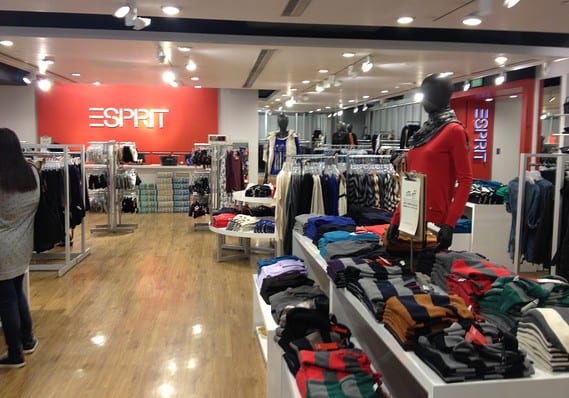
  • Esprit Holdings expects profit to more than double

    Esprit Holdings expects profit to more than double

    Fashion group Esprit Holdings expects to more than double its net profit for its financial year to the end of June, it has announced in a profit estimate for The Stock Exchange of Hong Kong.

    In a preliminary review of its unaudited consolidated management accounts, the company expects a net profit in the range of about HK$50 million (US$6 million) to $80 million, compared to the previous year’s $21 million.

    Company secretary Florence Ng Wai Yin says the overall development is attributable to two main factors:

    (i) an improvement of the financial performance of the group’s underlying business (excluding exceptional items), estimated to be about $370 million to $400 million; and

    (ii) less favourable taxation credit, which has been reduced to roughly between $156 million to $186 million compared to last year’s $606 million.

    The company expects to release its final results announcement next month.

  • New Look has tough Q1 as sales and profits plunge

    New Look has tough Q1 as sales and profits plunge

    Fashion retailer New Look’s bonds hit fresh lows on Tuesday on the back of poor quarterly results it had just released.

    The UK chain’s results showed the company’s adjusted Ebitda declining 37.3% to £27.2m, for the 13 weeks ending June 24.

    It said this was due to the challenges it faced in UK sales and investment in strategic initiatives.

    Revenue fell 4.4% to £338.7m with New Look Brand like-for-like sales down 8.2%, UK like-for-like sales down 7.5% and own website sales down 0.6%.

    While Third Party E-commerce sales rose 15.7%, that was the best news as underlying operating profit fell 60.3% to £12.1m and the loss after tax was £15.2m after a profit of £5.8m a year ago.

    CEO Anders Kristiansen said: “As expected, the UK market has remained difficult, which has resulted in a disappointing quarter of trading.

    We have managed the business accordingly by controlling costs, tactical investment in our strategic initiatives and enhancing our product proposition.”

    He added: “The evolution of our product proposition continues, and will be bolstered by the arrival of our new Chief Creative Officer, Paula Dumont Lopez, in September.

    We are pleased with our continued expansion in China, where we opened another 17 stores taking the total number to 127. In the UK, we are now trialling our new store concept and are encouraged by the early results.

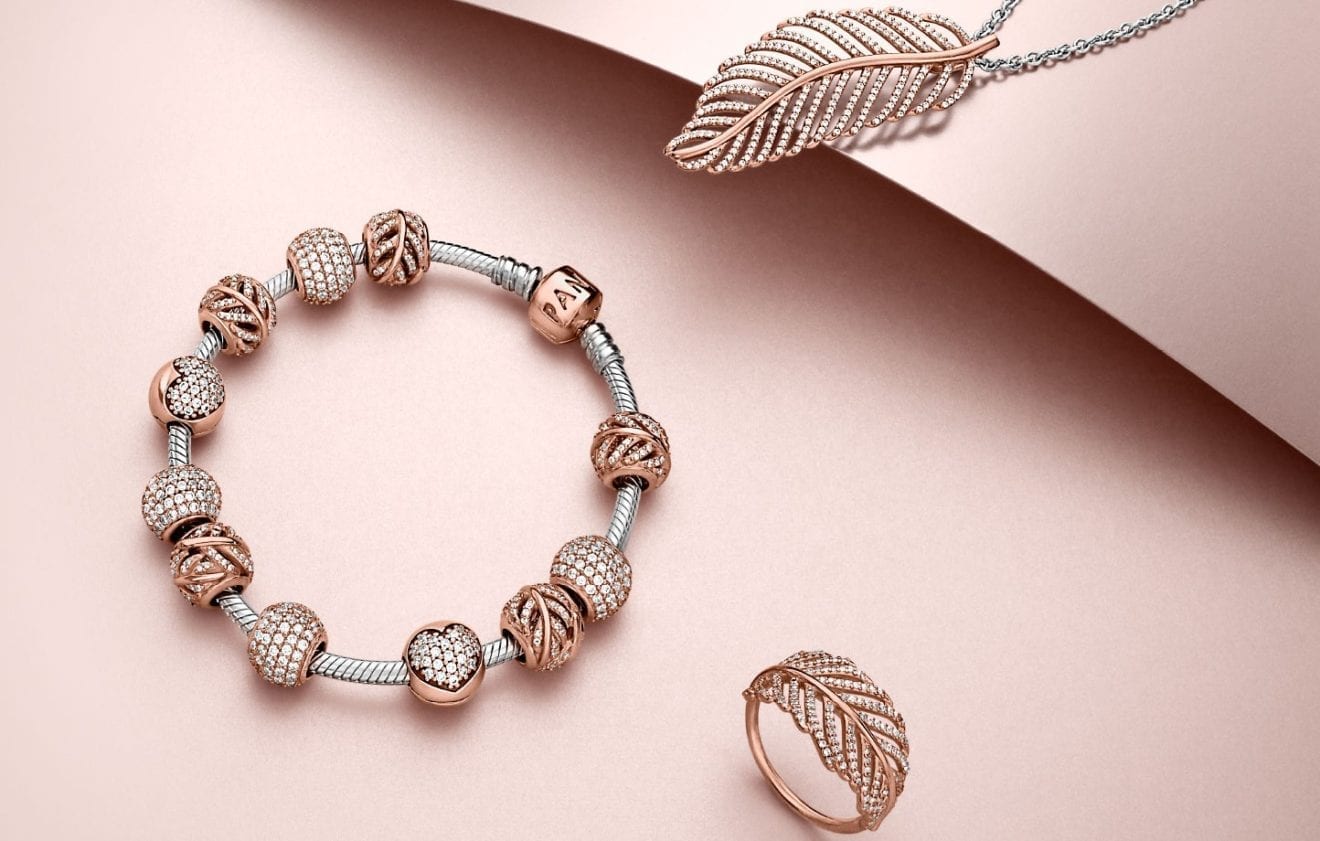
  • Pandora APAC sales up 34%, eyes 60 more China stores

    Pandora APAC sales up 34%, eyes 60 more China stores

    Danish jeweller Pandora posted a surge in its APAC sales for the second-quarter period, as the Copenhagen-based firm signalled a shift toward the Chinese market to fight trading headwinds in the U.S.

    The jewellery maker known for its customisable charm bracelets said total revenue hit DKr4.83bn ($770m) – a 12 per cent gain on the previous year, but short of analysts’ expectations for DKr4.91bn.

    Net profit for the period dipped from DKr1.2bn to DKr1.1bn – analysts had expected it to be flat, said the news source. EBITDA reached DKr1.61bn, compared with an expected 1.74 billion.

    “We are pleased with the results for the second quarter delivering double digit top-line growth and continued healthy profitability,” said Anders Colding Friis, chief executive of Pandora.

    By market, Pandora said the US “remains challenging,” despite a comparable sale increase of 8 per cent. The EMEA increased 10%, driven by the UK, while APAC (China and Australia) revenues grew 34 per cent.

    “Markets like China, Italy, the UK, and Australia performed well, reflecting the significant growth potential for our product offering in both our newer and more developed markets. We also continue to make strides in improving the quality of our global store network and added net 70 new concept stores during the quarter.”

    The news follows on from Pandora’s first quarter period announced earlier in the year where it was reported that China revenues grew 91% in local currency.

    As a result, the company elevated its strategic focus in China to open 60 Pandora-branded stores in the nation this year, up from its previous estimate of 50.

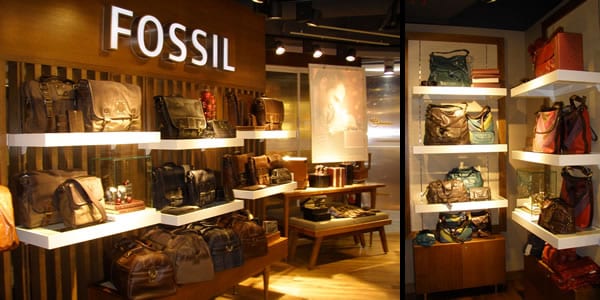
  • Fossil Group Asia sales down 9%, CFO quits

    Fossil Group Asia sales down 9%, CFO quits

    American watchmaker Fossil Group said total revenues took a dive in the second-quarter, on the back of soft sales in traditional watches and retail disinterest across all regions including Asia.

    For the three months ended July 1, the company’s net sales slipped 12.9 per cent to US$596.8 million from $685.4 million.

    By region, Asia was the best performing market, but still recorded a 9 per cent dive in revenues. This bettered the Americas down 16 per cent, while sales in Europe fell 10 per cent, said Fossil Group.

    By category, watch sales decreased 9 per cent, despite an increase in the connected watch business.

    Sales also declined in the company’s leather category, which was down 25 per cent, and in the jewellery category, slumping 22 per cent.

    “With the first half of 2017 now behind us, we believe that our traction in wearables, our significant progress in our supply chain evolution and our reduction in infrastructure costs show that we are pursuing strategies that can improve our profitability and return the company to solid growth over time,” said Kosta Kartsotis, chief executive officer, Fossil Group.

    The company’s net loss came to $344.7 million, or $7.11 a diluted share, compared with net income of $6 million, or 12 cents, a year earlier.

    Moreover, Fossil’s chief financial officer Dennis Secor has left the company due to personal/family reasons. The company said Jeff Boyer is set to join Fossil on October 16 as the new CFO. He is already a board member.

  • Cartier launches Pavilion KL store

    Cartier launches Pavilion KL store

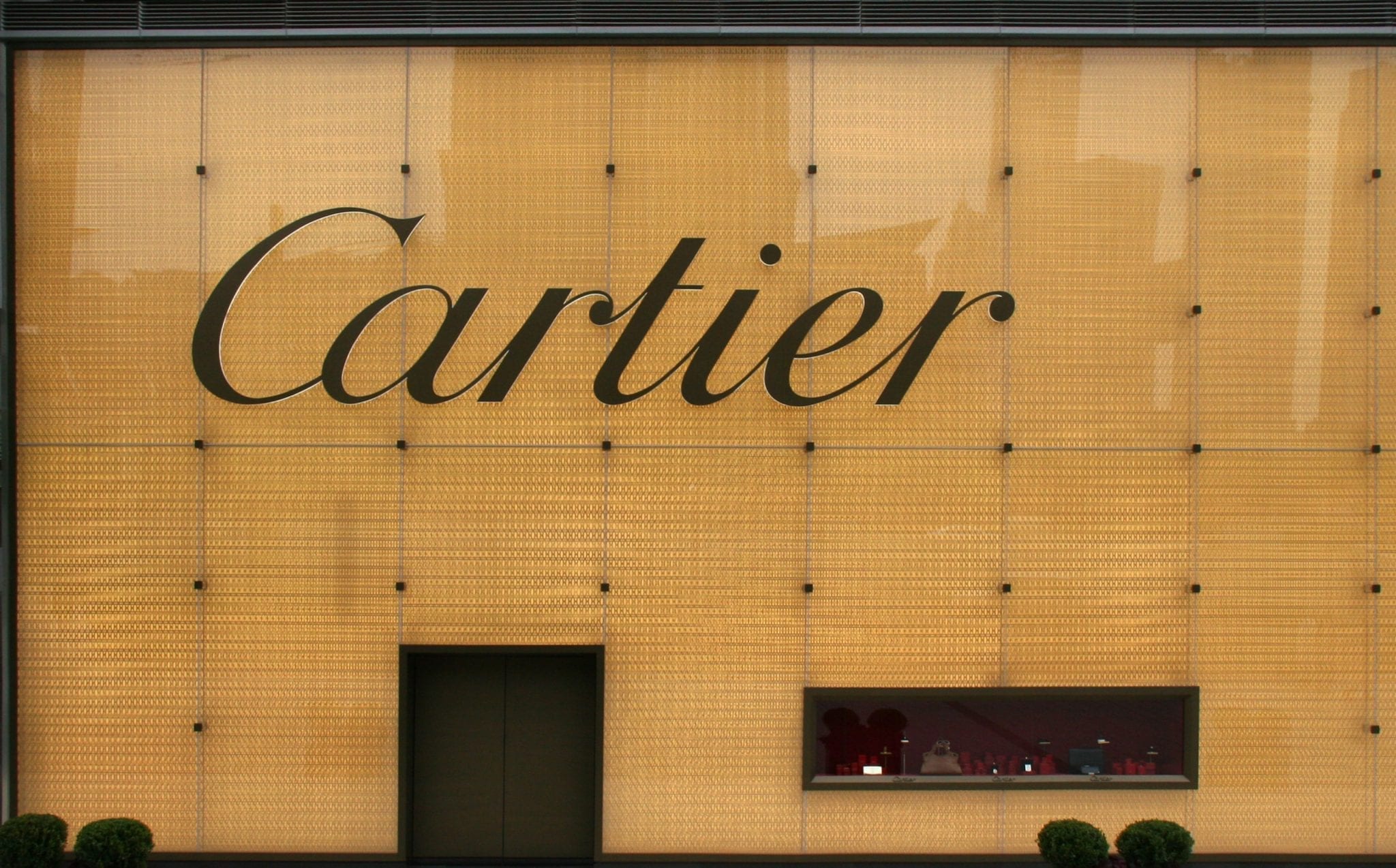
    Fine jewellery retailer Cartier has unveiled its newest store in Kuala Lumpur.

    Located at the Pavilion KL, the French maison’s two-storey duplex boutique is set on Level 2 and Level 3.

    Designed to emulate the Cartier flagship, the Bukit Bintang entrance features a 3-storey LED display that lights like liquid gold.

    Inside, the High Jewellery Salon serves as exclusive addition to the store, a jewellery-first for the high-end brand with the KL store being the first in South East Asia to offer this luxurious shopping experience.

    Meanwhile, a carpeted marble staircase leads connects the top to the lower floor, which houses the latest collections and the Accessories Salon, as well as the debut Cartier Client Service Counter in Malaysia.

    The boutique also offers big spenders to opt for a VIP salon to shop in privacy.

    Cartier is slowly becoming more active in Asia’s retail landscape. In January, Cartier unveiled its first pop-up boutique at the Macau Four Seasons T Galleria by DFS.

    In December last year, the Paris-based brand announced the opening of its flagship in Ginza in Japan. The 10,764-square-foot retail location first opened in 2003 and was refurbished in 2007.

  • Bally opens first-ever India store

    Bally opens first-ever India store

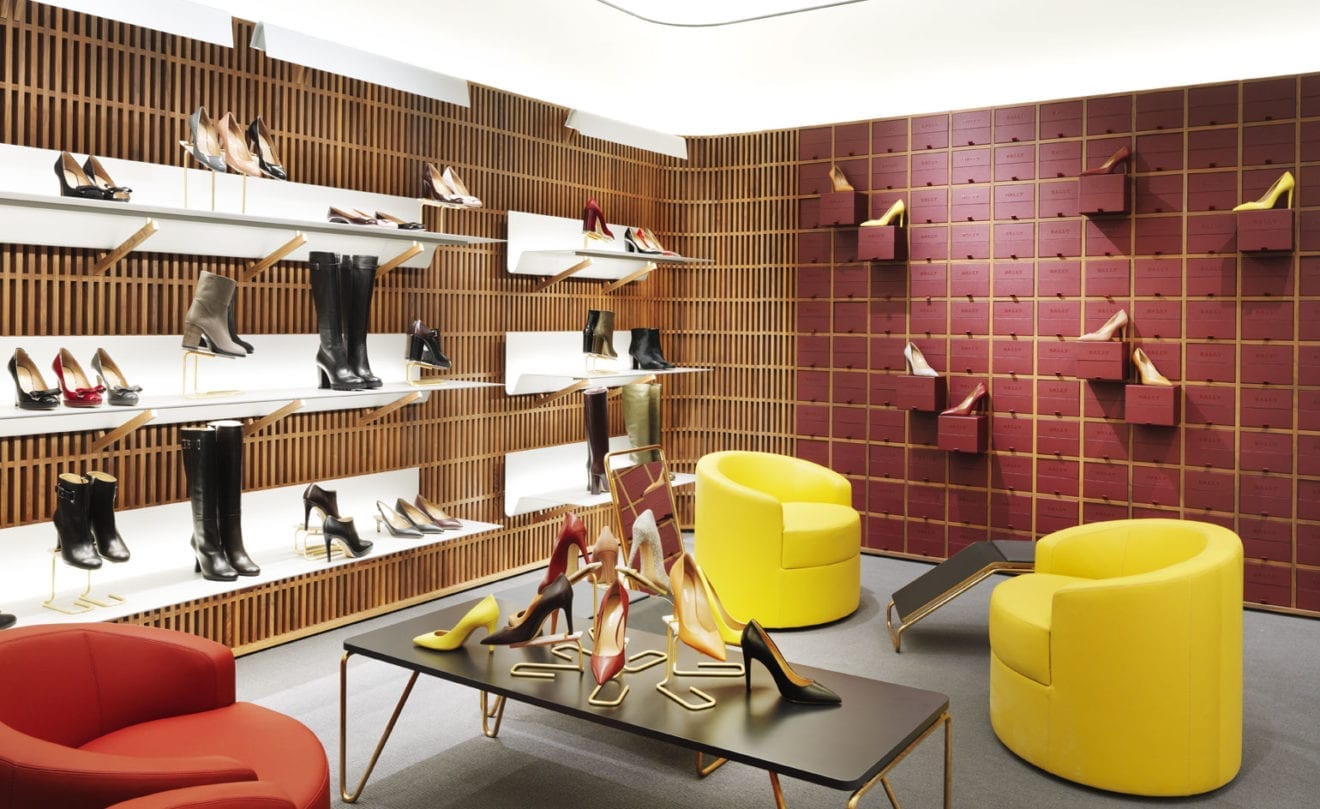
    Bally has brought its luxury offerings to India, opening its debut location in New Delhi in partnership with local licensee Reliance Brands.

    Situated in Delhi’s DLF Emporio, the flagship store is lavishly designed with a focus on the high-end products consisting of bags, belts, shoes, jackets, and accessories.

    Opening its doors inside the high-end mall August 2, the Swiss luxury brand joins fellow international brands such as Louis Vuitton, Burberry, Dior, and Giorgio Armani.

    The launch of Bally’s brick and mortar store comes after twelve months worth of talks with Reliance Brands, part of Reliance Retail and the Reliance Group.

    Founded in 1851 in Switzerland, Bally rose to fame in 1890 for inventing the Zurich pump, before launching its ready-to-wear and accessories lines in 1976.

    After launching internationally in 1990, Bally has launched in many Asian countries and with India the latest market entry.

    It is also due to open up an outlet store in Australia this month, with the reopening of Sydney discount centre, Birkenhead Mall.

  • Jeanswest continues Jeans for Genes Day partnership

    Jeanswest continues Jeans for Genes Day partnership

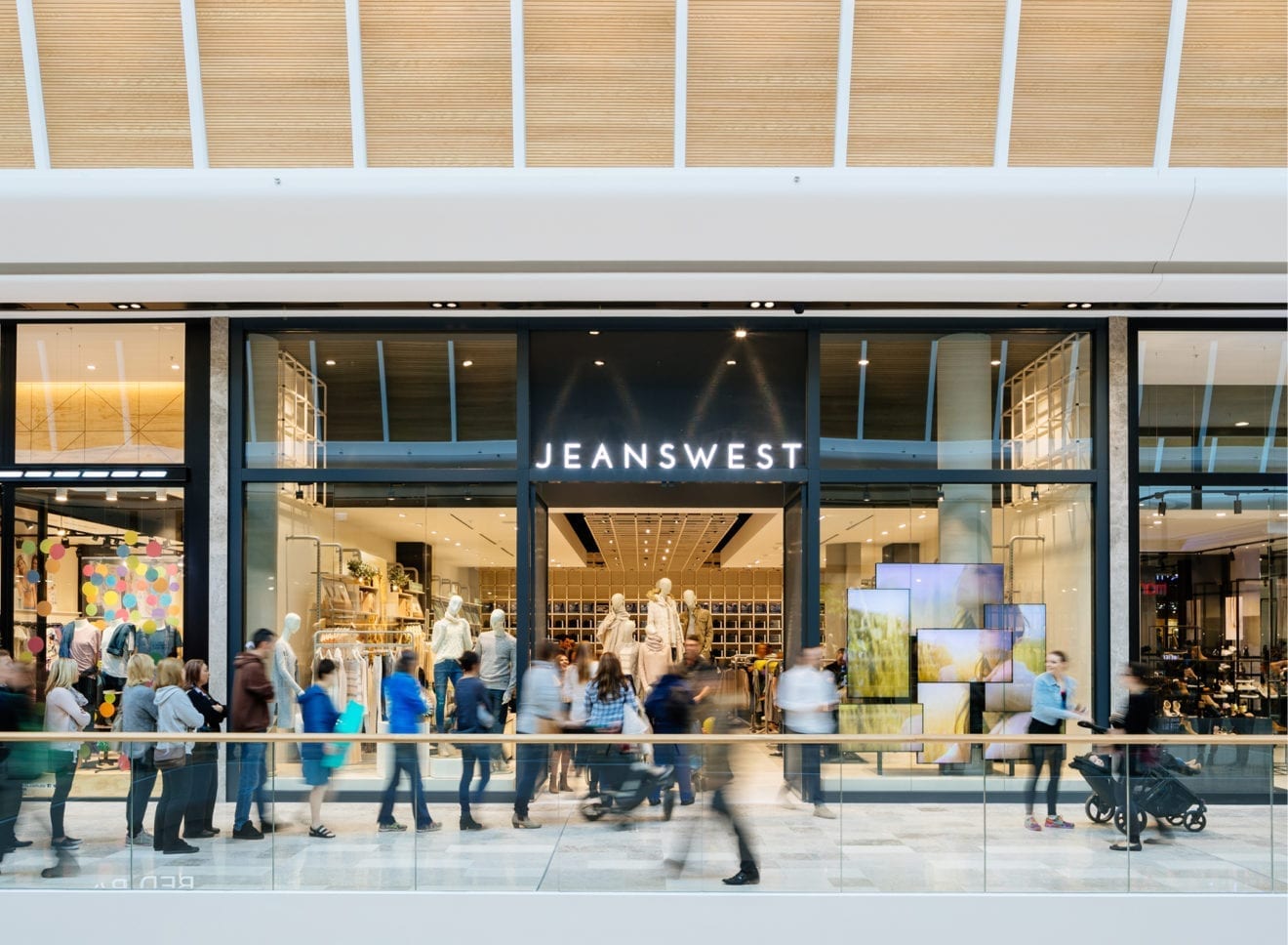
    Apparel chain, Jeanswest, has continued its long term partnership as official denim partner for Jeans for Genes Day, looking to raise funds for research into childhood diseases.

    The denim retailer has launched a variety of campaigns including an Instagram competition, blog posts, eDMs, in-store activations and jean giveaways in conjunction with selling a range of Jeans for Genes Day merchandise across its Australian network of over 180 stores.

    All proceeds go directly to the Children’s Medical Research Institute to support their work discovering treatments and cures for a host of diseases.

    Belinda Waller, GM marketing at Jeanswest said it was important for major retailers to engage in such initiatives.

    “We have the capacity to give back and support the amazing work of a not for profit such as the Australian Children’s Medical Research Institute, so including corporate social responsibility in our business strategy is important to us,” Waller told Inside Retail.

    “There are ways retailers can use their resources to support community initiatives without diverting focus from the core business.”

    Waller said the campaign has strengthened the brand’s loyalty ties with customers.

    “While there’s an obvious brand alignment between Jeanswest and Jeans for Genes Day, our partnership is not just about the denim,” she said. “On the mission to beat childhood disease, the Jeans for Genes campaign is about improving the lives of children, families, and communities; these are a reflection of our customers’ own values, and each July and August we are reminded of their passion as they offer their support and generosity to the Children’s Medical Research Institute.”

  • Surfstitch chairman survives shareholder’s removal attempt

    Surfstitch chairman survives shareholder’s removal attempt

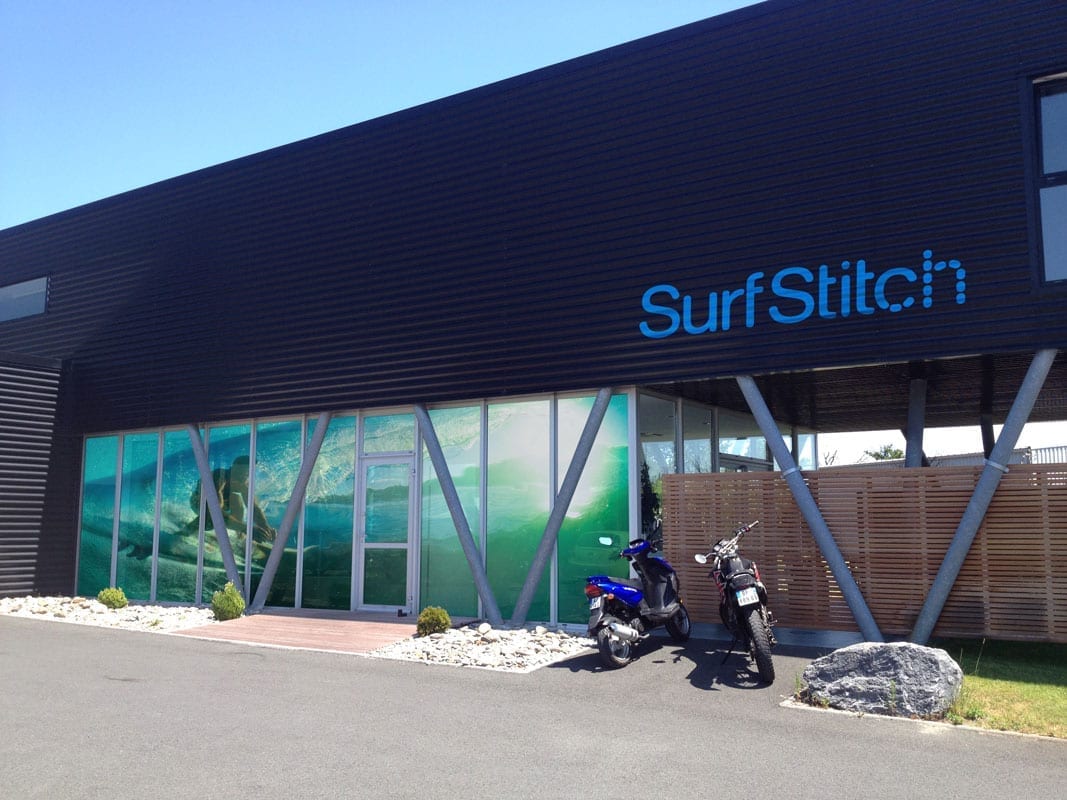
    Sam Weiss, chairman of struggling surfwear retailer, Surfstitch, has survived a shareholder’s attempt to remove him from the post.

    Crown Financial, which has a more than a five per cent stake in Surfstitch, had sent the company a notice of requisition to hold the shareholder meeting, after taking legal action against Surfstitch related to a fallout over a content sharing deal, and wanted Weiss removed as a director of Surfstitch.

    The board backed Weiss and earlier urged shareholders to vote against the proposal, which the majority did, with 91.78 per cent of the votes cast in favour of keeping the chairman.

    Surfstich says it is exploring the option of selling media assets and other asset sales as it faces litigation from Crown Financial group, separate class actions in the Queensland and NSW supreme courts and a continuing ASIC investigation – all of which are expected to impact its cash position.

    “I have been involved in the retail trade for the past forty years and have experience in it in Europe, the United States and Asia and have been actively engaged in e-commerce virtually since the beginning of it nearly twenty years ago,” Weiss said prior to the vote.

    “I was under no illusions about the degree of difficulty of the task ahead, nor was I when I commenced my appointment with the company.”

    Surfstitch went into a trading halt in late May after shareholders launched a potential $100 million class action.

    The action launched by law firm Quinn Emanuel in Queensland’s Supreme Court accuses Surfstitch of making misleading statements and forecasts of its 2015/16 earnings.

    The company last traded at 6.8 cents a share, significantly lower than its peak of $1.90 a share in December 2015, and is expected to resume trade when it reports its full-year results in August.

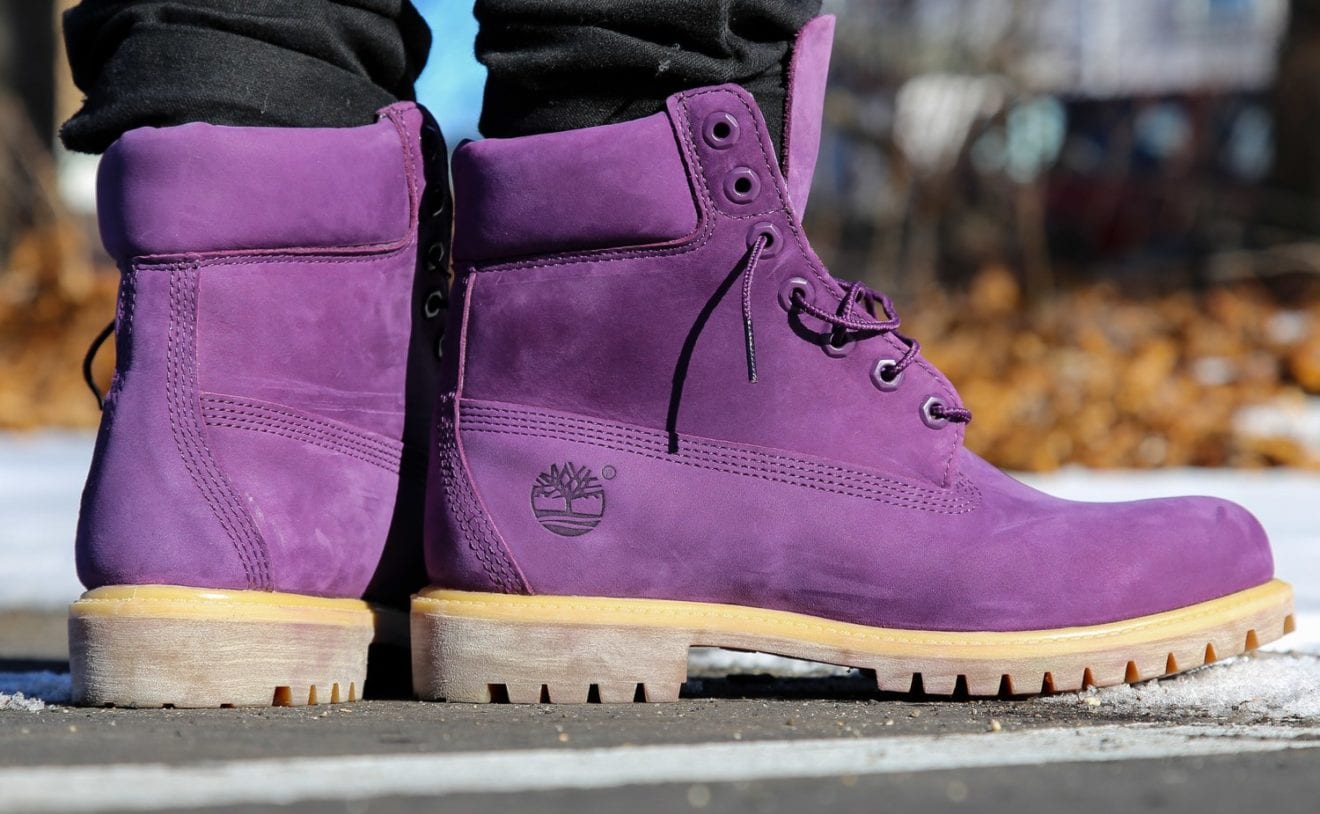
  • Timberland US opens Tree Lab concept store

    Timberland US opens Tree Lab concept store

    Timberland US has opened the doors of its first specialty concept store: The Timberland Tree Lab.

    Located in the King of Prussia mall in Pennsylvania, the experiential Tree Lab features carefully curated product collections and brand stories in a gallery-style setting that will completely change every six weeks.

    The Tree Lab debuts with the theme Streetology – where versatile style for city streets meets hidden technology that’s been tested and proven for long days (and nights) in the city. Highlighting the Streetology launch will be the new men’s FlyRoam collection featuring the AeroCore energy system, as well as several new styles featuring SensorFlex comfort technology.

    Upon entering the Tree Lab – which is tagged by the brand’s signature tree logo followed by the word “Lab” – guests will immediately sense that this is something new from Timberland. Sleek, angular design elements combine with minimalist product displays for a fresh and modern brand presentation.

    Fun creative executions, like an oversized, Timberland-style periodic table, casually reinforce the science of comfort behind the new technologies. While testing the products in the Tree Lab, guests are invited to sample a local craft beer from Tröegs Independent Brewing (ages 21+) or enjoy a bottle of water that may one day be recycled into Timberland linings or shoelaces. And store associates, sporting custom Tree Lab hoodies, are always on-hand to help connect visitors to everything from the latest style trends to local city events. Every detail, down to the premium Tree Lab drawstring shopping bags, has been considered.

    “A shopping experience today reflects a journey through a hyper-connected world that’s constantly seeking something new, and our stores need to deliver on that, every day,” said Kate Kibler, VP of Timberland US’ direct-to-consumer business in North America.

    “The Tree Lab is more than just a place to shop – everything a consumer experiences from the moment they enter has been designed to enhance their visit, expand their horizons, and leave them with a great memory to go along with that beautiful new pair of shoes.”

    Following the Streetology installation, in late September Tree Lab will transform virtually overnight into SHEvolution. The entire store will be dedicated to women, with a curated selection of boots and shoes that offer everything she wants without giving up anything.  Feminine. Tough. Beautiful. Well-crafted.

    Comfortable. On the heels of SHEvolution will be a holiday-themed installation, opening early November.

    Tree Lab – the first of its kind in the world – is one of many initiatives Timberland plans to introduce this autumn. The brand plans to open a series of “flex retail” stores across the US, starting with a Mall of America location debuting on September 1.  In addition, Timberland plans to open specialty stores in Stanford, CA at the Stanford Shopping Center (August 18) and in the heart of Portland, Oregon along popular Couch Street (September 1).

  • Uniqlo deploys apparel vending machines

    Uniqlo deploys apparel vending machines

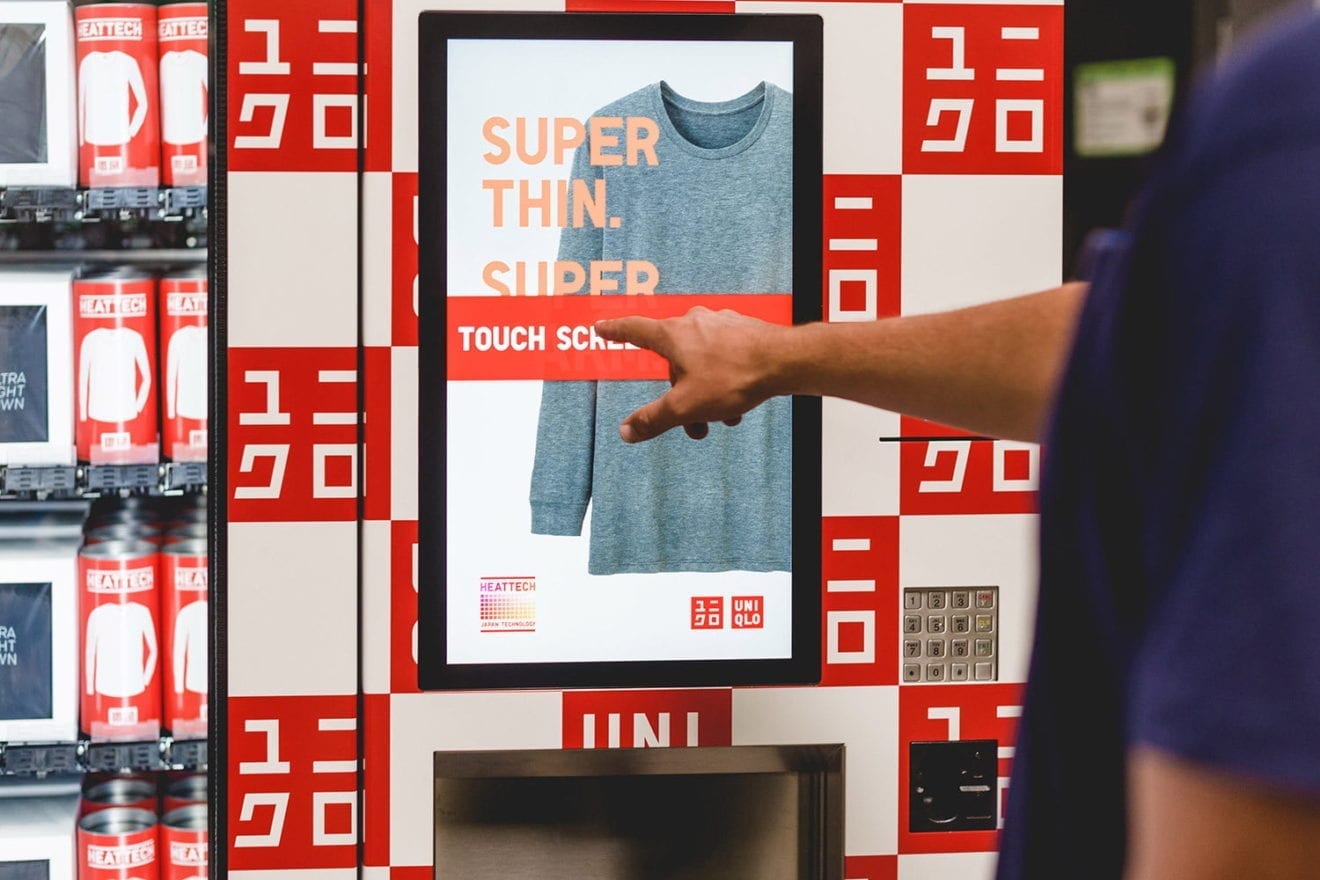
    Uniqlo has deployed its first apparel vending machines at key locations across the USA, as the Japanese retailer looks to enter new markets.

    Dubbed ‘Uniqlo to Go’, the fashion vending machines are popping up in select American airport terminals during August.

    According to the Fast Retailing-owned brand, the first ten are scheduled for Oakland Airport, where the vending machine bowed on Wednesday, followed by one in the Hollywood and Highland Centre in Los Angeles on August 10; Houston Airport, August 17, and Queens Center, Elmhurst, New York, August 22.

    The six remaining locations will be revealed soon, a Uniqlo spokesperson told WWD this week. Locations have been decided upon based on their potential for high-traffic and customer visibility.

    “We’re already talking with amusement parks, train stations, entertainment conventions and movie theatres about additional opportunities,” said the spokesperson. “The goal is to open new markets and use machines as an introduction to our products.”

    As for the operation of the vending machines, customers can use both debit or credit cards and access product via touch screens and a user interface.

    After browsing products, selecting and completing the transaction, a robotic arm retrieves the product. A conveyor shelf moves the item onto the robotic arm and the arm brings it to a window. From here, the customer can access the items.

    Apparel available for purchase includes Uniqlo’s Heat Tech Ultralight down jackets (US$69.9) and Heat Tech tops ($14.90). Both items are available in a variety of colours and styles for men and women.

    The company said it plans to expand to graphic t-shirts, Airism, and then innerwear items such as socks and underwear.

    Earlier in the year, Uniqlo said it plans to double its store count in Europe to 100 outlets over the next three years, in a bid to strengthen its retail presence outside of Asia.

    Uniqlo is eyeing global sales of 3 trillion yen ($26.6 billion) by the fiscal year ending August 2020.

  • Subway theme for Coach Hong Kong pop-up

    Subway theme for Coach Hong Kong pop-up

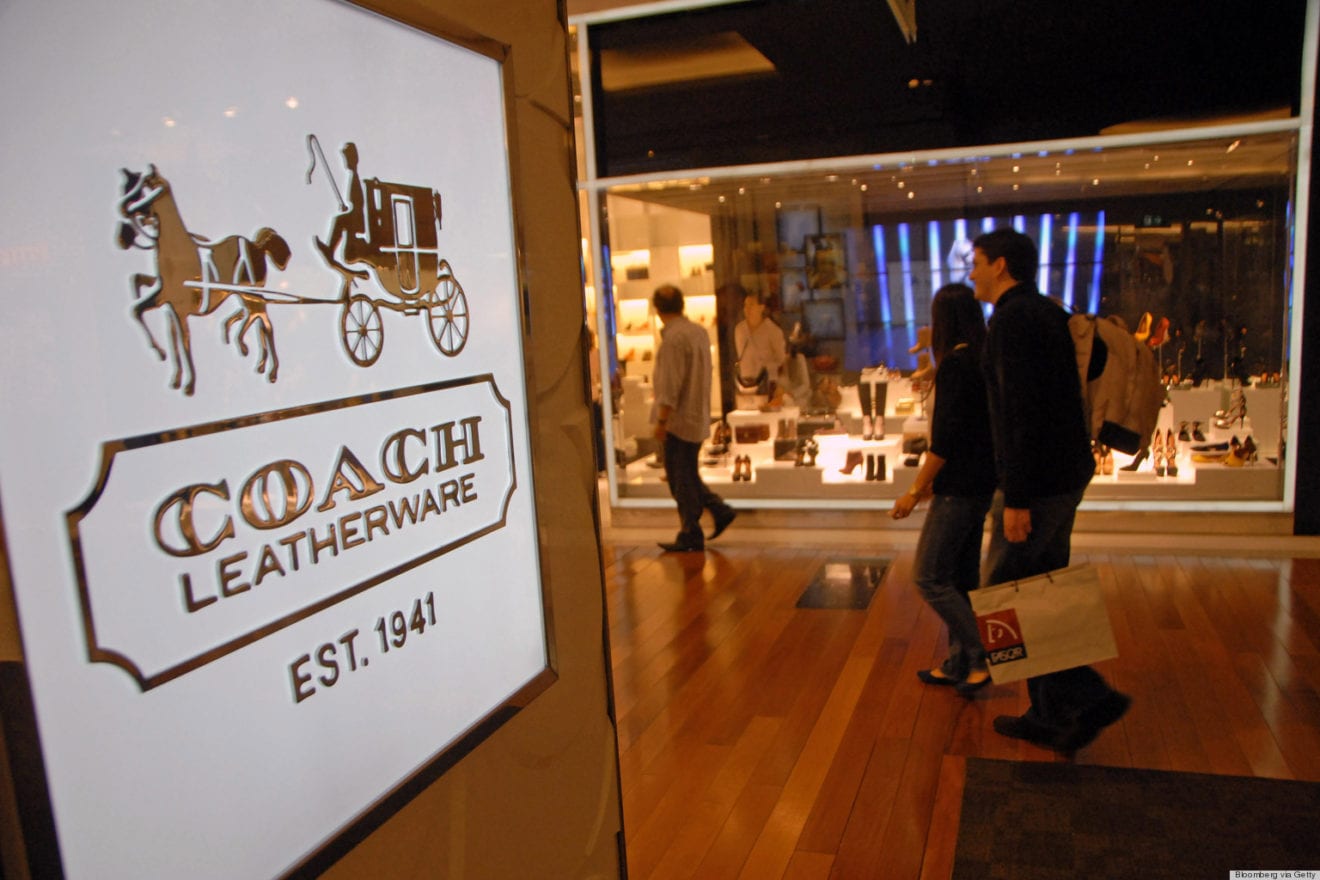
    A pop-up shop designed like a New York subway car has been launched by luxury brand Coach Hong Kong at Lane Crawford in IFC, Central.

    As well as showcasing Coach’s latest collections, the Art of Expression pop-up shop offers customisation of leather bags for customers.

    Running until August 22, the rose gold pop-up shop pays homage to the home of Coach, New York City, and features graffiti and music to match. The life-size subway recreation also includes a mosaic wall ideal for selfies, which can be pimped in an interactive photo booth by adding Coach stickers, graffiti and other effects before being emailed.

    Inside the subway car, Coach showcases its pre-fall and fall collections for women and men, including floral print dresses and skirts reminiscent of the ’30s, embellished t-shirts and high-top trainers with NASA details.

    A Coach craftsman is available to add the brand’s signature leather Tea Roses to iconic Dinkys, personalise leather bags and wallets with a monogram or Coach stamp, or add a new glove-tanned leather strap of choice to bags.

  • H&M Philippines opens in SM Mall of Asia

    H&M Philippines opens in SM Mall of Asia

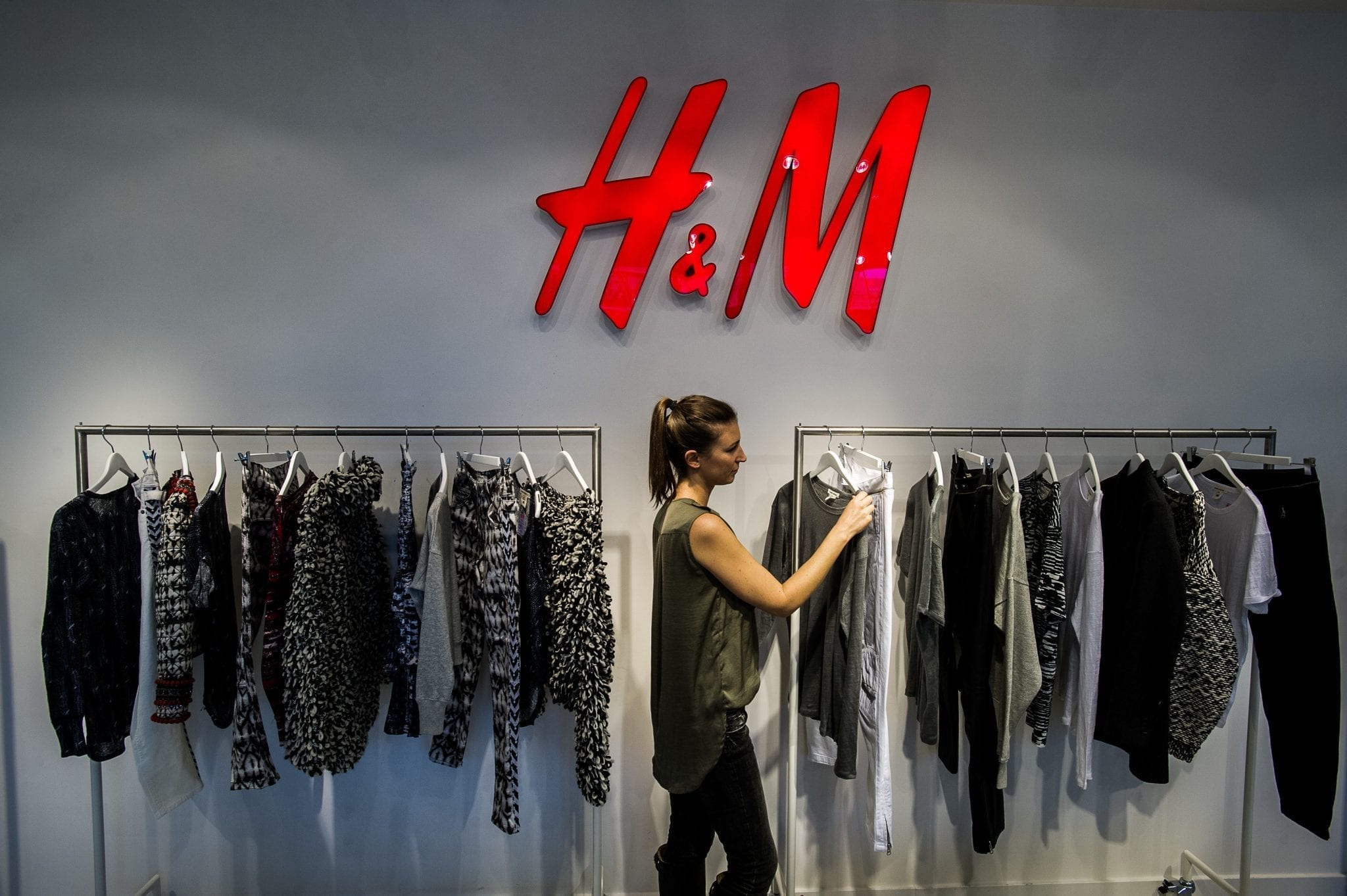
    H&M Philippines opens its first SM Mall of Asia branch today, with plans to open two more stores in Metro Manila before the end of the year.

    The other outlets for the Swedish fast-fashion giant will be at Greenbelt 4 in Makati City, and Robinsons Galleria in Ortigas, taking the company’s total to 29 stores nationwide.

    “We have more than 700 colleagues working in the stores, distribution center and support office,” says H&M Philippines communications chief Dan Mejia.

    H&M Philippines last year generated about PHP5.38 billion (US$107 million) in sales from 21 stores – an increase of more than 50 per cent over the PHP3.45 billion from 15 stores in 2015.

    Mejia says the retailer will also launch an online shop this year.

    At the end of last year, H&M had 4351 stores in 64 markets.

  • Hugo Boss China proves best dressed

    Hugo Boss China proves best dressed

    With second-quarter sales rising by 14 per cent, Hugo Boss China has shined for German luxury fashion house.

    With double-digit sales growth on a like-for-like basis, the Chinese mainland continued to perform significantly better than Hong Kong and Macau, says the company. Sales were also up in Japan.

    In Asia, sales grew by 12 per cent in local currencies to ¥90 million (US$800,000).

    It was Asia/Pacific’s growth that mainly contributed to overall Hugo Boss sales increasing by 3 per cent for the quarter on a comparative store and currency-adjusted basis.

    Sales in freestanding stores and shops-in-shops were 2 and 7 per cent respectively above the previous year’s figures on a currency-adjusted basis. Outlet sales rose by 10 per cent, while online business increased by 9 per cent.

    Despite higher marketing expenses and spending on digital transformation, operating profit was steady.

    At its Investor Day at its head office in Metzingen yesterday, the company announced the implementation of its two-brand strategy, Boss and Hugo. Previously independently managed, the Boss Orange and Boss Green lines have been integrated into the Boss core brand, with the first parts of the new collections going into stores from the end of this year.

    Hugo Boss says it is widening its commercially important entry-level price ranges, continuing to expand its omnichannel services and systematically investing in sales staff training and development. It will also start a step-by-step roll-out of new store concepts for Boss and Hugo.

    In the first half of the year, the group’s store numbers fell by four to 438. As at June 30, five of the 20 store closures agreed upon last year had been completed.

    Its store network in Asia/Pacific was reduced by one. There were five new openings in Korea and Singapore plus six closures in various markets.

    “Our strategic realignment is beginning to take effect with business in the second quarter encouraging,” says CEO Mark Langer, who noted “considerable headway” in its online business. “We are facing the future with confidence.”