Category: Fashion

Retail News Asia is committed to providing both local and global retailers with the latest Fashion news throughout the Asian market. This on a daily base.

  • Fast Retailing Indonesia taking Uniqlo to East Java

    Fast Retailing Indonesia taking Uniqlo to East Java

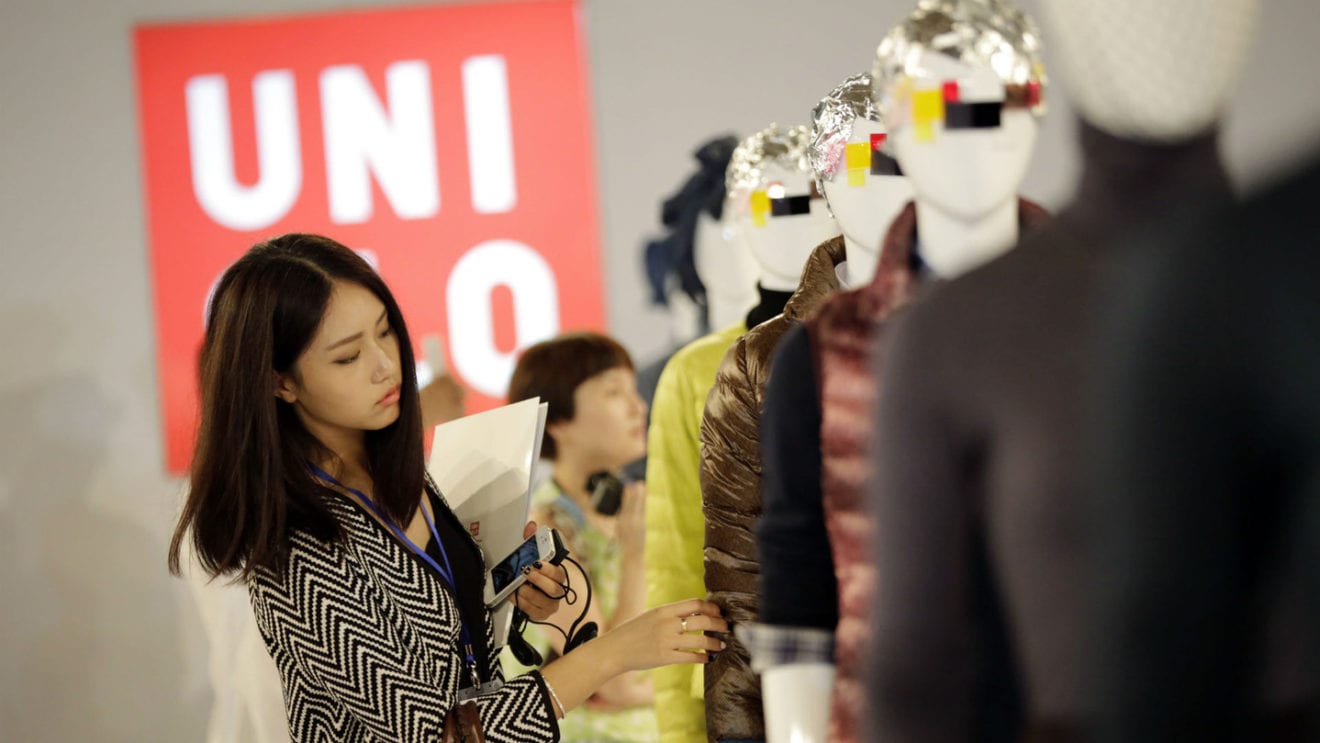
    Fast Retailing Indonesia is reaching out to new markets with the impending opening of two Uniqlo fashion stores in Surabaya, East Java.

    The Japanese retail giant’s expansion to the provincial capital adds to the 11 Uniqlo stores already in Indonesia.

    Fast Retailing Indonesia president/director Michiaki Tanaka says the Surabaya stores are part of his company’s plan to reach all customers across the country.

    Being launched next month, the stores are being built in Surabaya’s biggest shopping centres, Pakuwon Mall and Tunjungan Plaza.

    Uniqlo has 1800 stores in 18 countries.

  • Cabbeen Fashion scrambles for market share

    Cabbeen Fashion scrambles for market share

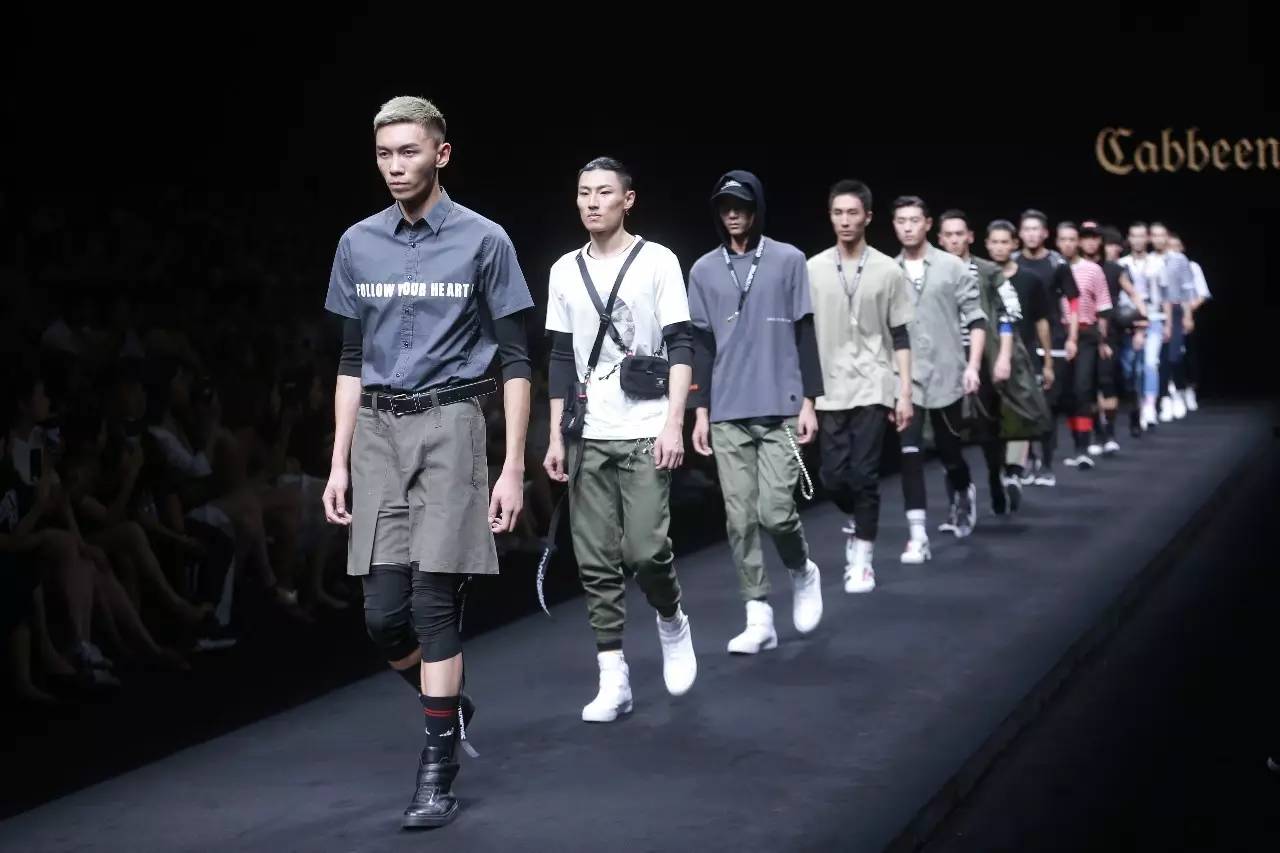
    Both revenue and net profit for Chinese menswear designer brand Cabbeen Fashion fell for its half-year to the end of June.

    In the face of China’s economic slowdown plus fierce competition, the company initiated restructuring and cost-saving measures during the period, also streamlining its retail network with a greater focus on shopping malls. It closed 59 underperforming shops to end the half-year with 840 outlets.

    Its unaudited consolidated results show the group achieving 24.3 per cent less revenue at RMB406 million (US$60 million). Operating profit fell 3.7 per cent to RMB138.1 million.

    Gross profit margin increased to 53.5 per cent from 50.2 per cent.

    Total retail revenue generated by stores declined by 11.8 per cent, compared to 5.3 per cent for the same period last year, mainly because of the shop closures. This also resulted in same-store sales growth declined by 4.9 per cent, compared to 6.9 per cent for the same period last year.

    However, retail sales revenue from online shops grew by more than 32 per cent to RMB128.2 million. Its online stores include JD.com, Tmall, Wechat and the official website.

    With consumer preferences becoming more sophisticated, the company says it invested in its in-house design and R&D capabilities. It tightened the team to 72 from 133, including 21 (down from 28) designers from Mainland China, Hong Kong, other Asian countries and Europe. The company also works with design institutes and contract designers around the world.

  • Under Armour Asia sales skyrocket

    Under Armour Asia sales skyrocket

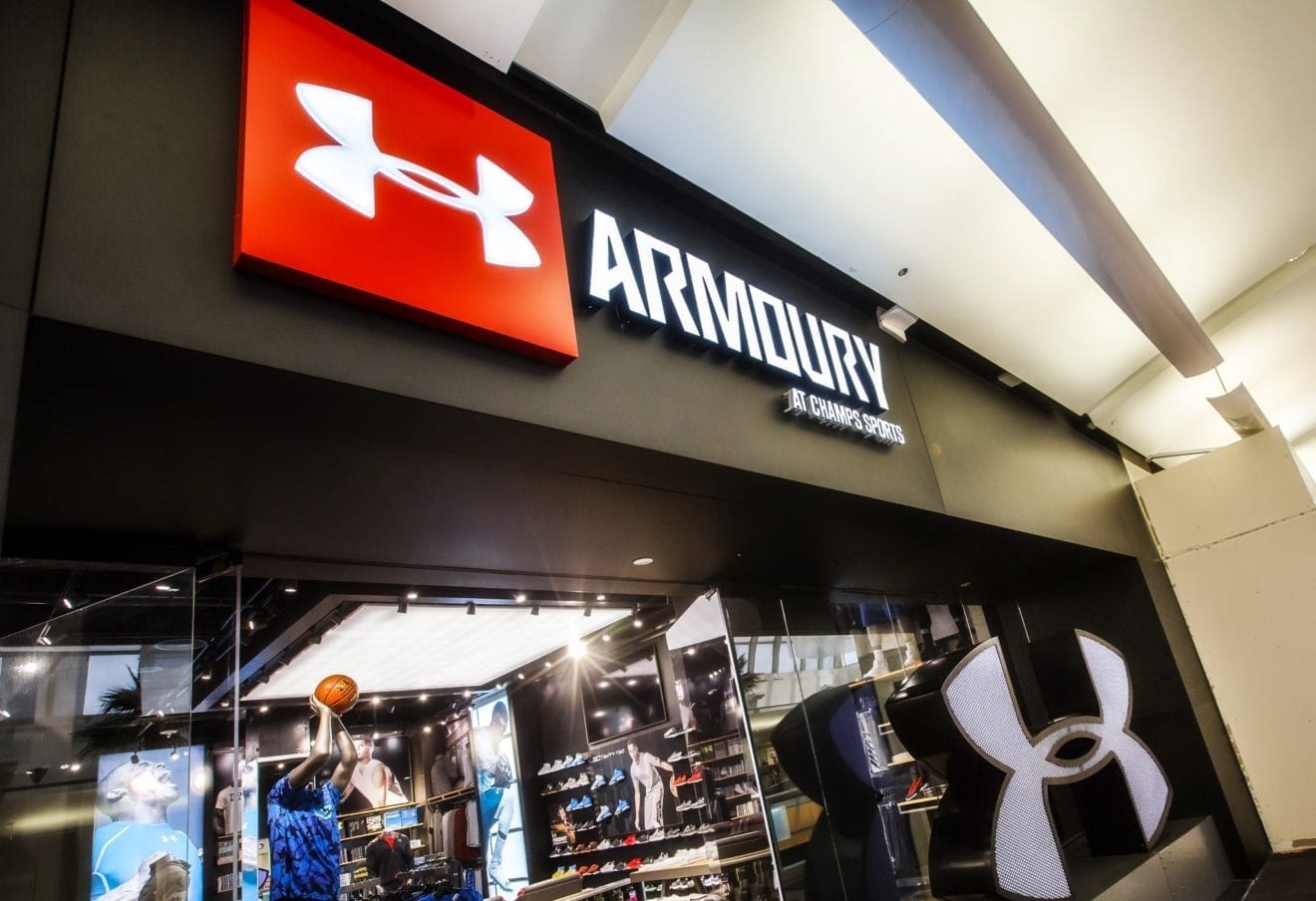
    Under Armour Asia sales soared 89 per cent in the latest quarter to US$93.6 million as Chinese continued to embrace the sports brand.

    Profit in the region rose an equally spectacular 53.8 per cent to $15.2 million.

    The US-headquartered sportswear company said the Asian regional performance was driven by China, Taiwan and Korea as it continued to resonate with consumers in key categories such as basketball and running.

    But the Under Armour Asia results were a bright spot in an otherwise disappointing quarter which ended with the company downgrading its sales and profit expectations and announcing a restructure which will reduce its workforce by 277, or about 2 per cent. Investors responded by punishing the company’s share price, which fell 10.4 per cent on Tuesday.

    Ironically, the second-quarter sales results were actually better than Wall Street had expected – it was a surprise decline in the footwear category and the decrease in growth projection for the full year from between 11 and 12 per cent to between 9 and 11 per cent which gave the market the jitters. Under Armour had previously targeted $10 billion in annual sales by 2020 – a huge increase from last year’s $4.8 billion.

    “We enjoyed hyper-growth for several years and I want to be clear we still believe we’re a growth company,” CEO Kevin Plank told analysts on a conference call, describing the layoffs and restructuring program as “a demonstrative sign that we’re not standing still, but acting quickly to evolve Under Armour to become a stronger, faster and smarter company”.

    “Some of the growing pains that we feel, while difficult, are the ones we believe necessary in securing the infrastructure, systems, processes, leadership and discipline to realise the full strength and potential of the Under Armour brand. Reinforcing and building the Under Armour brand remains a vision for our company, and we’re in this fight. We’ve got a couple of competitors in front of us, there’s a number behind us, and you’ll see us continue to separate ourselves as we move forward in building the brand that we believe is the brand of the future.”

    Total second quarter sales rose 8.7 per cent to $1.1 billion. Gross margin declined 190 basis points to 45.8 per cent, hit by currency rates, rising air freight costs and the implementation of a new enterprise resource planning system. The company posted a net loss of $12.3 million, significantly lower than the $52.7 million loss of the same quarter last year.

    Regionally, North America sales rose a mere 0.3 per cent and Latin America by 10.4 per cent. Total revenues outside the US rose 57 per cent.

  • Saint Laurent China signs up with Farfetch

    Saint Laurent China signs up with Farfetch

    Saint Laurent China is forming an e-commerce partnership with online fashion retailer Farfetch.

    The French fashion house’s merchandise will be sold on a new online platform set up by Farfetch in a JV with JD.com, says Saint Laurent CEO Francesca Bellettini.

    Farfetch’s partnership with JD.com has helped ease concerns about knockoffs, says Belletiini. “Protecting the brand from counterfeiting is fundamental for Saint Laurent.”

    She says Saint Laurent’s sales to Chinese consumers have surged in recent years despite a slowdown in the global luxury market.

    Kering, which owns Saint Laurent as well as other brands including Gucci, last week reported a sharp rise in sales across Asia, particularly in Mainland China. Saint Laurent has 18 stores in China, mainly in Beijing and Shanghai. Bellettini says the online sales push will help the brand reach customers in smaller cities without the risk of overexpansion.

    Saint Laurent is pledging same-day delivery in Beijing and Shanghai as well as Hong Kong. From October, the brand aims to offer delivery within 90 minutes in those three cities.

    In New York City in 2015, Kering sued Alibaba, claiming the firm was conspiring with Chinese manufacturers to produce and sell counterfeit versions of its brands. Alibaba has denied the accusations, and a judge dismissed part of the complaint 12 months ago.

  • Mixed half-year for Salvatore Ferragamo Group

    Mixed half-year for Salvatore Ferragamo Group

    While retail revenue rose, net profit fell 15.4 per cent for Italian luxury goods company Salvatore Ferragamo Group for its first half to the end of June.

    Retail revenue was up 4.7 per cent, offset by a 4.7 per cent drop in wholesale revenue because of destocking activity.

    Revenues reached €718 million (US$848 million), up 1.1 per cent year on year, yielding a net profit of €76 million compared to €90 million for the same period last year. Revenue growth at constant exchange rates was 0.1 per cent.

    Led by China, Asia Pacific was the group’s top market in terms of revenues, increasing by 6.1 per cent (4 per cent at constant exchange rates), despite a soft trend in South Korea mainly because of a significant drop in the number of Chinese tourists, and a still negative performance in Hong Kong in particular.

    China’s retail revenues grew 12.2 per cent (15.5 per cent at constant exchange rates) for the half-year.

    In Japan, the company’s sales fell 3.4 per cent (3.5 per cent at constant exchange rates) because of a strategic rationalisation of the wholesale channel. Retail stores had a positive performance.

  • Debt deal secures Oroton funds extension

    Debt deal secures Oroton funds extension

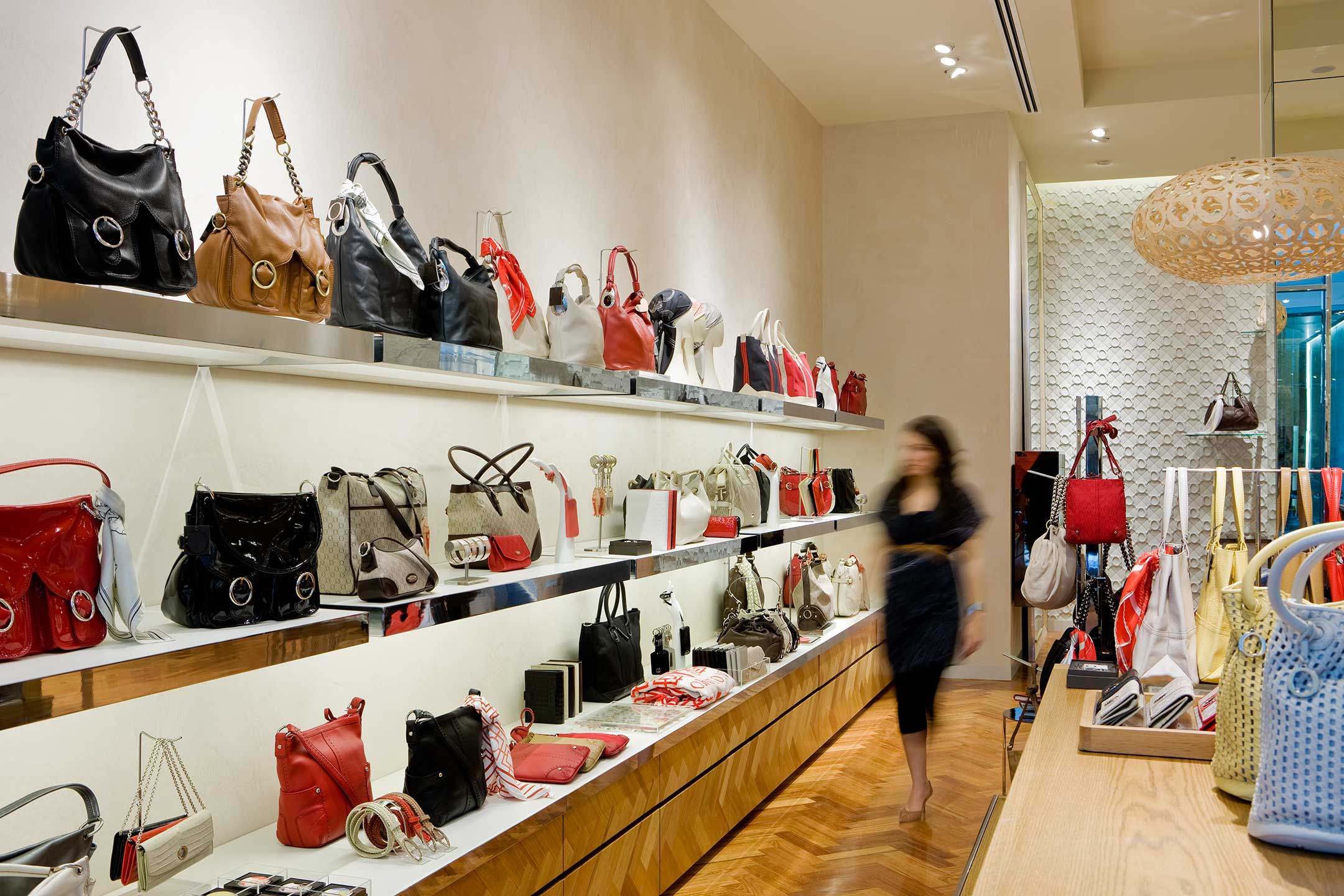
    Troubled luxury handbag retailer Oroton has secured a six month extension of a $35 million finance package with Westpac in a deal that could result in a major shareholder controlling the company’s debt.

    Oroton’s former director Will Vicars, a fund manager who holds an 18.2 per cent stake in the retailer, and Westpac have agreed on a put and call arrangement that extends the maturity date of the debt by six months to October, 2018.

    The call option enables Vicars Entities to purchase all of the Westpac debt any time until one month after April 16, 2018, while the put would allow Westpac to transfer a $20 million working capital component of the facility to Vicars if there is a default.

    The funds will be used in the lead up to Christmas and post-Christmas sales amid Oroton’s ongoing sales slump, with the retailer’s revenue down 11 per cent in the nine months to April 30.

    In a trading update to the ASX on Tuesday, Oroton said the arrangements with Westpac and Vicars Entities will not stop it from pursuing other corporate or financing arrangements.

    “Oroton Group has had commercial-in-confidence discussions with numerous substantial shareholders gauging their interest in providing a measure of credit support to Westpac in order to secure the continuation of the company’s facilities,” the company said in a statement.

    The statement thanked Mr Vicars for his ongoing support, which included a $3 million line of credit to Oroton which expired, without being used, on July 31.

    Vicars resigned from Oroton’s board in May, saying he wanted to reduce the number of his directorships.

    Oroton has reaffirmed its previous guidance for underlying full-year earnings before interest, taxes, depreciation and amortisation of $2 million to $3 million.

    However, it said the group’s net debt was forecast to be about $6 million, down from its previous guidance of $10 million, with the improvement largely due to the timing of tax payment refunds.av
  • Kering revenues soar 28 per cent, fuelled by Asia-Pacific

    Kering revenues soar 28 per cent, fuelled by Asia-Pacific

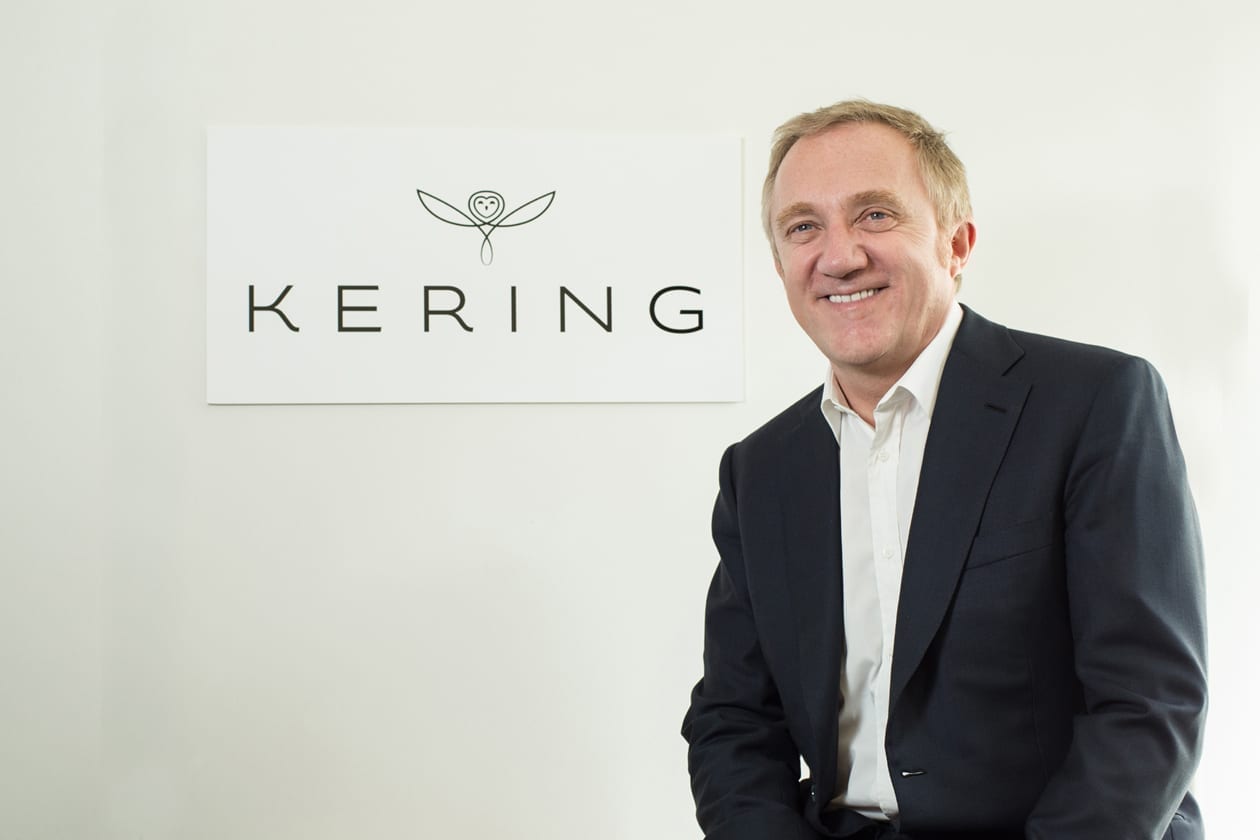
    Luxury brand and sportswear retailer Kering has reported first-half consolidated revenue up 28.2 per cent to €7.296 billion.

    Kering revenues in Asia-Pacific, (excluding Japan), soared 34.4 per cent and that market now accounts for 28 per cent of the group’s total sales. Japanese sales rose 20.7 per cent.

    Sales in its luxury division rose 29.7 per cent (28.3 per cent on a comparable basis) and in the sports and lifestyle arm – largely Puma – by 16.1 per cent (14.3 per cent).

    Recurring operating income of €1.27 billion was up 57.1 per cent.

    “Thanks to the execution of our strategy, we achieved outstanding revenue growth in the first half, clearly outperforming the sector, and delivered record profits and operating margins,” said chairman and CEO François-Henri Pinault.

    “These remarkable performances in all regions of the world and across all of our activities underscore Kering’s ability to innovate, create value, and gain market share. Our vision of luxury, grounded in creative audacity and in the sincerity of our brands’ values, is more relevant than ever.”

    A global luxury group, Kering owns a diverse portfoilo of luxury brands, including Gucci, Bottega Veneta, Saint Laurent, Alexander McQueen, Balenciaga, Brioni, Christopher Kane, McQ, Stella McCartney, Tomas Maier, Boucheron, Dodo, Girard-Perregaux, Pomellato, Qeelin and Ulysse Nardin. In the sports and lifestyle sector, it owns Puma, Volcom and Cobra.

  • Wolverine World Wide sells Sebago

    Wolverine World Wide sells Sebago

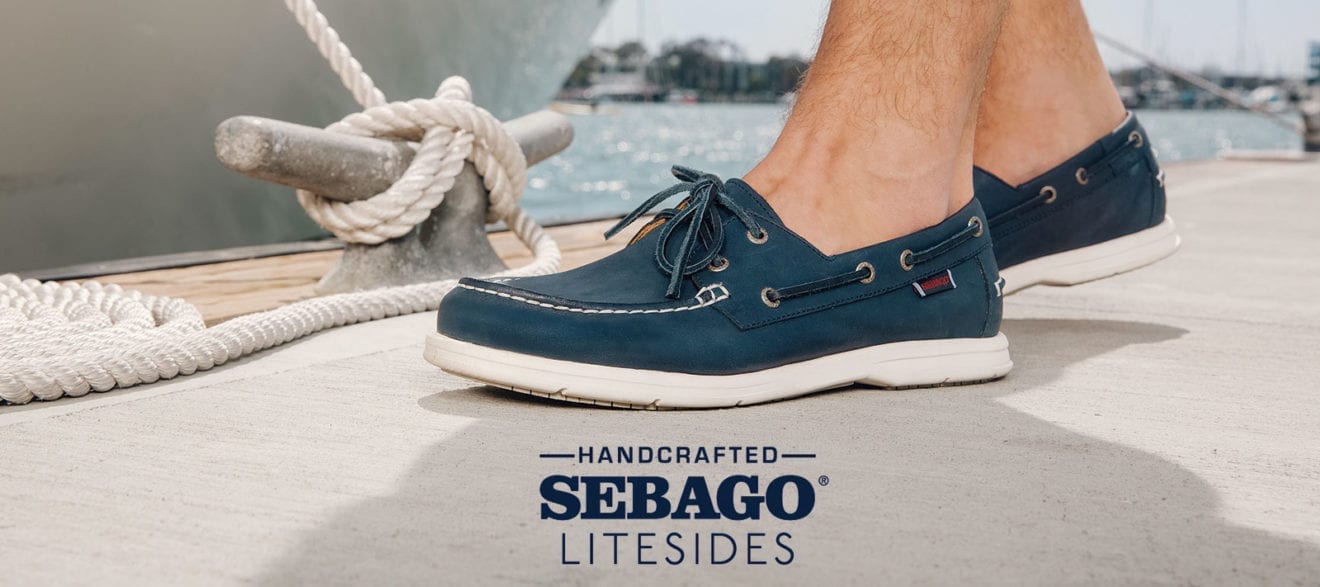
    Wolverine World Wide has sold its Sebago brand to BasicNet, an Italian corporation with a global footprint and a portfolio of brands including Kappa, Robe di Kappa, K-way and Superga.

    “As an organisation, we have always been active portfolio managers, with a sharp focus on our highest-value opportunities. We have recently completed a strategic review of our existing portfolio and have been exploring a variety of alternatives for some of our smaller brands and businesses,” said Blake Krueger, chairman, CEO and president of Wolverine World Wide.

    “We believe the decision to divest Sebago will allow us to focus on accelerating our most important opportunities while enhancing shareholder value.”

    Wolverine World Wide is a marketer of branded casual, active lifestyle, work, outdoor sport, athletic, children’s and uniform footwear and apparel. Its brand portfolio includes Merrell, Sperry, Hush Puppies, Saucony, Wolverine, Keds, Stride Rite, Chaco, Bates and Soft Style.  The company is also the global footwear licensee of popular brands including Cat and Harley-Davidson.

    Sebago, founded in 1946, is based in Michigan, US where it produces a variety of higher-end boating shoes, outdoor shoes and dress shoes.

  • Dover Street Market opens in Singapore

    Dover Street Market opens in Singapore

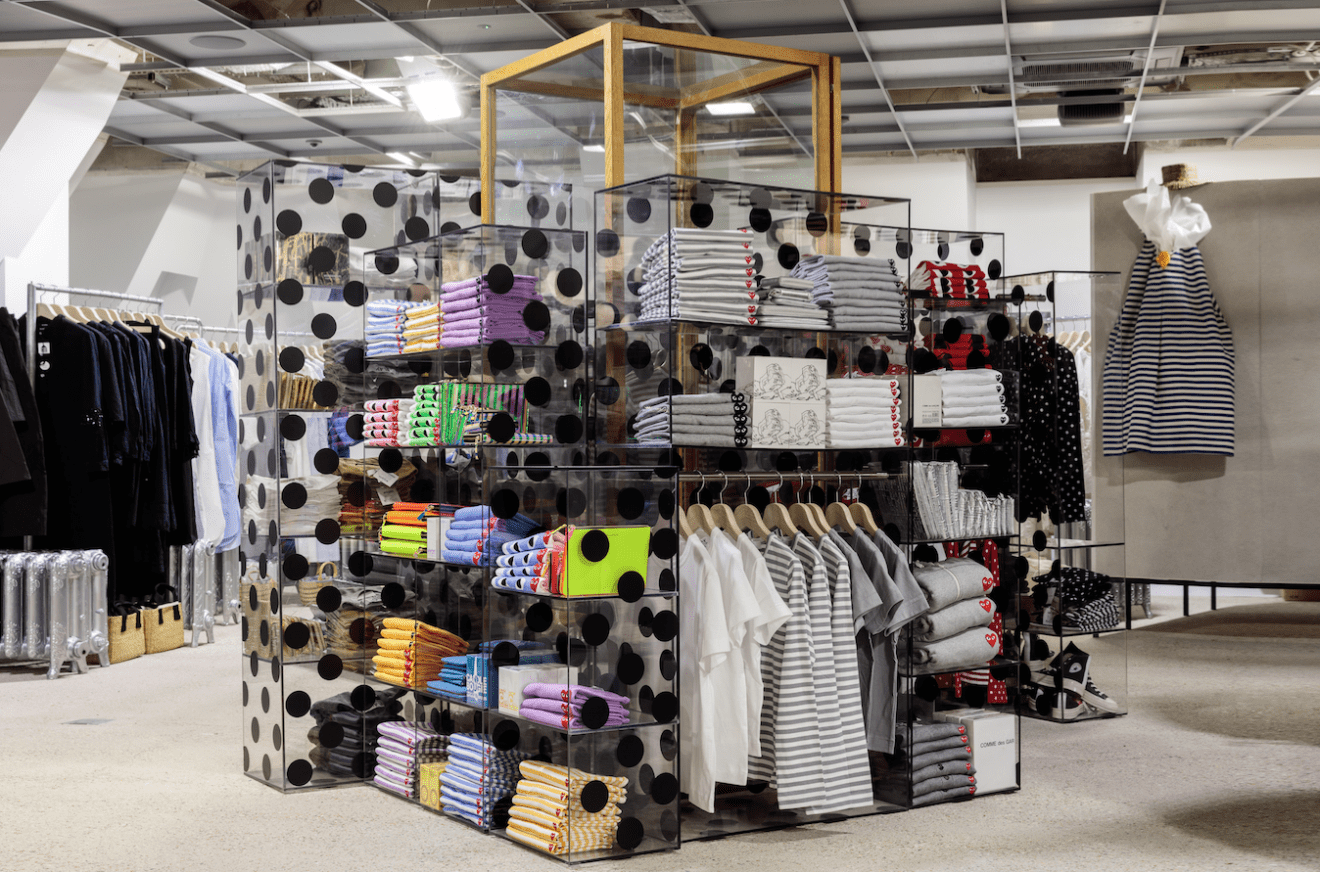
    Dover Street Market has finally opened its doors in Singapore, the fifth location for the Japanese fashion retailer, conceived by fashion designer Rei Kawakubo, the founder of luxury label Comme des Garçons.

    Located inside an old army barrack, the latest market addition officially opened on Saturday, after it was first announced in December 2016.

    DSM Singapore is housed in a building that forms part of the COMO Dempsey complex.  The complex has been hailed as a “lifestyle destination” in Singapore, stocked with designer shops and restaurants.

    “I want to create a kind of market where various creators from various fields gather together and encounter each other in an ongoing atmosphere of beautiful chaos; the mixing up and coming together of different kindred souls who all share a strong personal vision,” said the Japanese designer, who designed the new store.

    DSM Singapore sells a curated range of luxury streetwear labels. Inside, Balenciaga, The Row, and Thom Browne are in their self-designed individual sections, alongside the mainstay Comme des Garçons — hung within two large glass-meets-steel fittings.

    Elsewhere, the Wire Fence Labyrinth boasts metal mesh walls and hosts women’s fashion from Jacquemus, JW Anderson, Molly Goddard and Vetements, while the store’s men’s apparel is found inside solo steel towers.

    DSM opened its first location in London in 2004. Today, it has locations in Tokyo, New York and Beijing.

  • Le Pan at Kowloon Bay introduces French fine dining

    Le Pan at Kowloon Bay introduces French fine dining

    A new fine-dining experience has arrived in Hong Kong with the opening of French restaurant Le Pan at Kowloon Bay.

    It is hidden away behind 1920s-style doors in the Goldin Financial Global Centre, a commercial building. Covering 10,000 sqft (930 sqm), the restaurant has a white theme – as well as the tablecloths, there is white marble plus white leather seating. Four private dining areas can booked for private events, and guests can book a seat at the chef’s table where they can watch head chef Edward Voon at work.

    Once you are seated, the attentive staff makes sure you want for nothing. Home-baked bread in a range of styles is offered still warm from the oven, before canapes arrive.

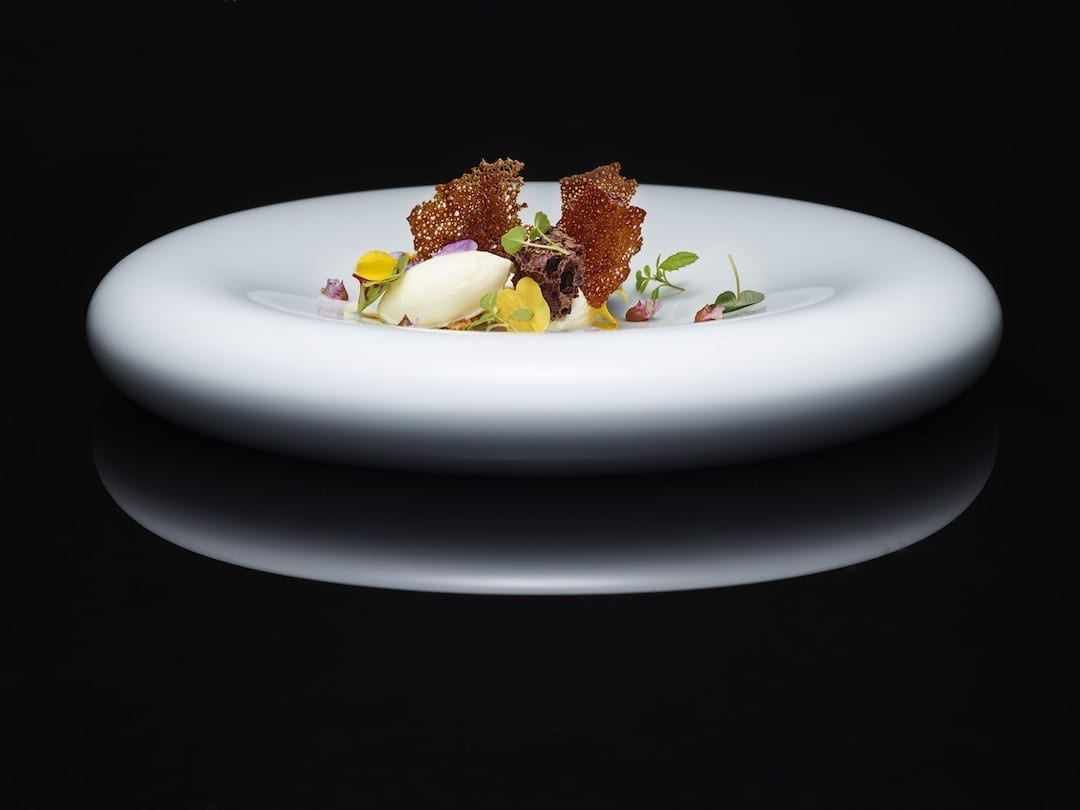
    Le Pan’s offering changes on a seasonal basis and it serves a selection of tasting menus running up to five courses. Dishes include Kaluga Queen Hybrid caviar with sea urchin, botan shrimps and crustacean jelly; bouillabaisse with stewed fish tortellini; and crispy-skin Kuhlbarra barramundi with herbs, braised fennel and beurre blanc.

    Each dish is introduced by the servers, even with eating suggestions.

  • Billabong shares dive on omni write-off

    Billabong shares dive on omni write-off

    Shares in Billabong have skidded as the struggling surfwear retailer said it will take an $11.7 million hit after terminating the service provider engaged to integrate its wholesale, retail stores, e-commerce and social media platforms on line.

    Billabong shares finished six cents, or 7.3 per cent, lower at 76 cents on Friday.

    The retailer said despite the impairment it remains committed to rolling out its “omnichannel solution” – part of a strategic turnaround implemented over the past 12 to 18 months.

    The company says it expects to do so close to its original budget estimate and anticipates the first of its new e-commerce websites, Surf Dive ‘n’ Ski, will be launched before the end of 2017.

    In February the retailer downgraded its full-year earnings guidance after its first-half loss widened to $16.1 million.

    The Gold Coast-based retailer said at the time it expected full-year earnings before interest, tax, depreciation and amortisation (EBITDA) of between $52 million and $57 million, down from the previous forecast of $60 million to $65 million.

    The company had flagged that full-year earnings would rely heavily on the second-half, when the Americas business is expected to pick up significantly.

    Billabong will release its full-year results on August 30.

    In June, the surfwear brand appointed ex-Nordstrom executive Jim Howell as its chief financial officer, replacing Peter Myers who has served in the role since January 2013.

    Billabong also recently sold off the Tigerlily brand from its portfolio, as part of trimming the business and paying down debt.

  • American Eagle Outfitters exits UK

    American Eagle Outfitters exits UK

    After three years trying to crack the UK market, US fashion retailer American Eagle Outfitters is heading home.

    The Daily Telegraph reports online that stores at Bluewater shopping centre in Kent, Westfield Stratford and Westfield Shepherd’s Bush have all ceased trading.

    The first American Eagle Outfitters UK store opened in November 2014 and at the time the brand said it planned as many as 30 stores across the region. But the brand has failed to gain any brand traction with London’s 15- to 25-year-olds.

    Confirming the exit, an American Eagle Outfitters spokesperson said UK customers would still be able to buy its products online.

    Based in Pittsburgh, the company has about 950 stores in the US.

  • Fiorucci names new design directors

    Fiorucci names new design directors

    Fiorucci has hired Annabelle Lacuna and Max Hörmann, who worked together for four years at Kenzo, to head up its design team, as the Italian brand continues to plans to reboot as a successful fashion brand.

    The Italian label, which rose to fame in the 1970s and 1980s for its leopard print designs and tight jeans, said it has also poached a string of top executives from luxury’s LVMH, Burberry and Michael Kors.

    The first is Priya Downes, previously from Burberry, Chanel and Tommy Hilfiger, wo has been named head of merchandising.

    Next, having worked at Pringle of Scotland, Kilgour and Jonathan Saunders, Antonio Guerra has been given role the product development manager.

    Moreover, John Spriggs, is Fiorucci’s director of wholesale – Spriggs was formerly director of sales for accessories at Michael Kors, while the new finance and operations director Frankie Herbert had previously spent six years at LVMH.

    All four will report to co-chief executive officers Stephen and Janie Schaffer – founders of Britain’s Knickerbox retail in the Eighties — who bought Fiorucci in 2015.

    The news comes as Fiorucci plans to open a new flagship store in London’s Soho in October this year, with another store due for New York in 2018.  Asia stores could be on the cards, but nothing has been confirmed.

    The brand was founded by Elio Fiorucci in Milan in 1967. Today, it boasts several major stockists including Barneys New York and Opening Ceremony, 10 Corso Como in Milan and Selfridges in London. It is also operating a pop-up online shop at Fiorucci.com.

  • AmorePacific Q2 profit and sales fall sharply

    AmorePacific Q2 profit and sales fall sharply

    South Korean cosmetics company AmorePacific has reported a -58% fall in operating profit and a -16.5% drop in sales in Q2 2017, compared to the same period in 2016. Net profit plummeted by -59.8% year-on-year.

    Operating profit was KW101.6 billion (US$91.13 million) compared to KW240.6 billion in Q2 2016 and sales amounted to KW1,205 billion (US$1.1 billion).

    The company said revenue and profitability decreased for its South Korean business, including duty free stores, due to a decline in the number of foreign tourists.

    Chinese visitor numbers have fallen dramatically since mid-March because of the well documented THAAD anti-missile dispute between South Korea and China.

    On 15 March China imposed a ban on group tours to South Korea, leading to a -40% year-on-year fall in Chinese arrivals in March, a -66.6% decline in April, and a -64.1% decrease in May.

    “Revenue decreased for key luxury brands [such as Sulwhasoo and Hera] from a slowdown in the duty free channel,” said AmorePacific in a statement.

    “Revenue for premium brands [Laneige, Mamonde etc] decreased due to a decline in number of tourists affecting key commercial areas and the duty free channel.”

    The company said the slowdown in sales growth in Asia was a result of “geopolitical uncertainties”, while revenue and profit in North America declined as a result of increased investment in brands and channel portfolio restructuring.

    In Europe, sales and profit fell due to the termination of the Lolita Lempicka licence, said AmorePacific.

  • LVMH global sales soar 15 per cent

    LVMH global sales soar 15 per cent

    LVMH global sales soared 15 per cent in the first half year, largely driven by strong sales in Asia and France.

    Revenue totalled  €19.7 billion in the first half of 2017, and profit from recurring operations was €3.64 billion, up by 23 per cent. The group’s operating margin reached 18.5 per cent, up 1 per cent.

    “LVMH has enjoyed an excellent first half, to which all our businesses contributed,” said Bernard Arnault, chairman and CEO.

    “In the current climate of geopolitical and economic instability, creativity and quality, the founding values of our group, have more than ever become benchmarks for all. The increasing digitalisation of our activities furthermore reinforces the quality of the experience we bring to our customers. In an environment that remains uncertain, we approach the second half of the year with caution.”

    Highlights of the first half of include:

    • Solid growth in the wines and spirits division, with sales up 10 per cent and improved momentum in China.
    • Sales up 14 per cent in the fashion and leather goods division, thanks to solid creative momentum at Louis Vuitton and further strengthening of other brands. “The momentum at Louis Vuitton, driven by its exceptional creativity, was demonstrated across all its product categories. The Cruise Collection presented at the Miho Museum in Kyoto, Japan, was a great illustration of this. The launch of new models resulting from the collaboration with the artist Jeff Koons and the cult New York skatewear brand, Supreme, were the highlights of the first half. Fendi continued its strong growth and enriched its leather goods lines, notably with the new Kan-I model. Loro Piana strengthened its presence in Asia with several openings. Céline, Loewe and Kenzo experienced good growth. Marc Jacobs strengthened its product offering and continued its restructuring. Other brands continued to grow. Rimowa, which joined the LVMH Group, is consolidated for the first time in the first half-year accounts.”
    • The perfumes and cosmetics business posted organic revenue growth of 12 per cent. “Christian Dior showed strong growth momentum, sustained by the vitality of its iconic fragrances J’adore and Miss Dior, the continued success of Sauvage and the performance of its latest makeup creations. Guerlain enjoyed a successful launch of its new perfume, Mon Guerlain, represented by Angelina Jolie. Parfums Givenchy experienced rapid growth in makeup, especially its line of lipsticks. Benefit continued to roll out its Brow Collection.”
    • In the watches and jewellery division, Bvlgari had a strong first half and the successful development of Tag Heuer’s core range had an impact, helping at 13 per cent overall increase in sales. “Bvlgari enjoyed an excellent first half and continued to gain market share. This dynamic is notable in both jewellery and watchmaking, especially in China and Europe, thanks to the success of the iconic Serpenti and B-Zero 1 lines and the new Octo Finissimo watch. Tag Heuer experienced solid revenue growth in a tough watch market. The new products created in its flagship Carrera, Aquaracer and Formula 1 collections were very successful and a new generation of the smartwatch was launched. Hublot continued its growth.
    • Strong growth Sephora and improved momentum of DFS in Asia, helped LVMH’s selective retailing business group achieve organic revenue growth of 12 per cent. “Sephora continued to make progress and reinforced its omnichannel strategy. While increasing its share of online sales, Sephora continued to invest in extending its network and renovating existing stores, particularly in New York and Dubai. Le Bon Marché developed a new online shopping experience by launching its digital platform 24 Sèvres. DFS experienced better momentum in Asia, while the T Galleria, which opened in 2016 in Cambodia and Italy, continued to develop.”