Category: Fashion

Retail News Asia is committed to providing both local and global retailers with the latest Fashion news throughout the Asian market. This on a daily base.

  • Degussa GoldHandel exits Singapore after two years

    Degussa GoldHandel exits Singapore after two years

    Two years after opening its first precious metals store in Asia, on Orchard Road, German company Degussa GoldHandel has decided to close it at the end of the month.

    Its website carried the surprise one-sentence announcement.

    When it opened the branch in October 2015 as part of an international expansion strategy, the company said it saw Singapore as an “ideal market”.

    Near Dhoby Ghaut MRT station, the 93sqm Degussa Singapore store was run by Degussa Precious Metals Asia, offering branded precious-metal bars, coins and collectibles, plus safety deposit boxes and other secure storage.

    Degussa GoldHandel has 10 bullion product stores in Germany as well as branches in Spain and Switzerland.

    Degussa Precious Metal Asia last year had a net loss of S$2.8 million (US$2 million) on revenues of $59 million. At the same time, Degussa Singapore’s total liabilities exceeded total assets by $4.35 million.

    World Gold Council (WGC) data shows overall gold demand in Singapore this year totalled 17.1 tonnes, compared to 18.1 tonnes last year, while the demand for gold bullion has dropped to five tonnes from 5.9 tonnes.

  • Pure Group looking to sell majority stake

    Pure Group looking to sell majority stake

    Hong Kong gym chain Pure Group is seeking to sell, with insiders saying its value could reach as high as US$500 million.

    The company’s investors, including buyout firm Leonard Green & Partners and businessman Bruce Rockowitz, are working with an investment bank to find a buyer for a controlling stake.

    Founded in 2002, Pure Group has Pure Yoga and Pure Fitness centres in prime spots in Hong Kong such as IFC Mall, as well as Shanghai, Singapore, Taipei and New York. It also has the rooftop Red Bar + Restaurant with views over Victoria Harbour, and sells its own branded activewear and organic food.

    According to its website, the company has more than 70,000 clients and employs 1400 staff.

    Global Brands Group Holding CEO Rockowitz, who is married to Chinese pop singer Coco Lee, is believed to own about half of Pure Group.

    Fung Group is also seeking to offload its stake of about 10 per cent, insiders say, while Pure Group management is expected to keep a minority interest.

  • Makeup brand 3ina arrives from Singapore

    Makeup brand 3ina arrives from Singapore

    Spanish makeup brand 3ina has arrived in Singapore, opening stores in Ion Orchard and Tampines Mall.

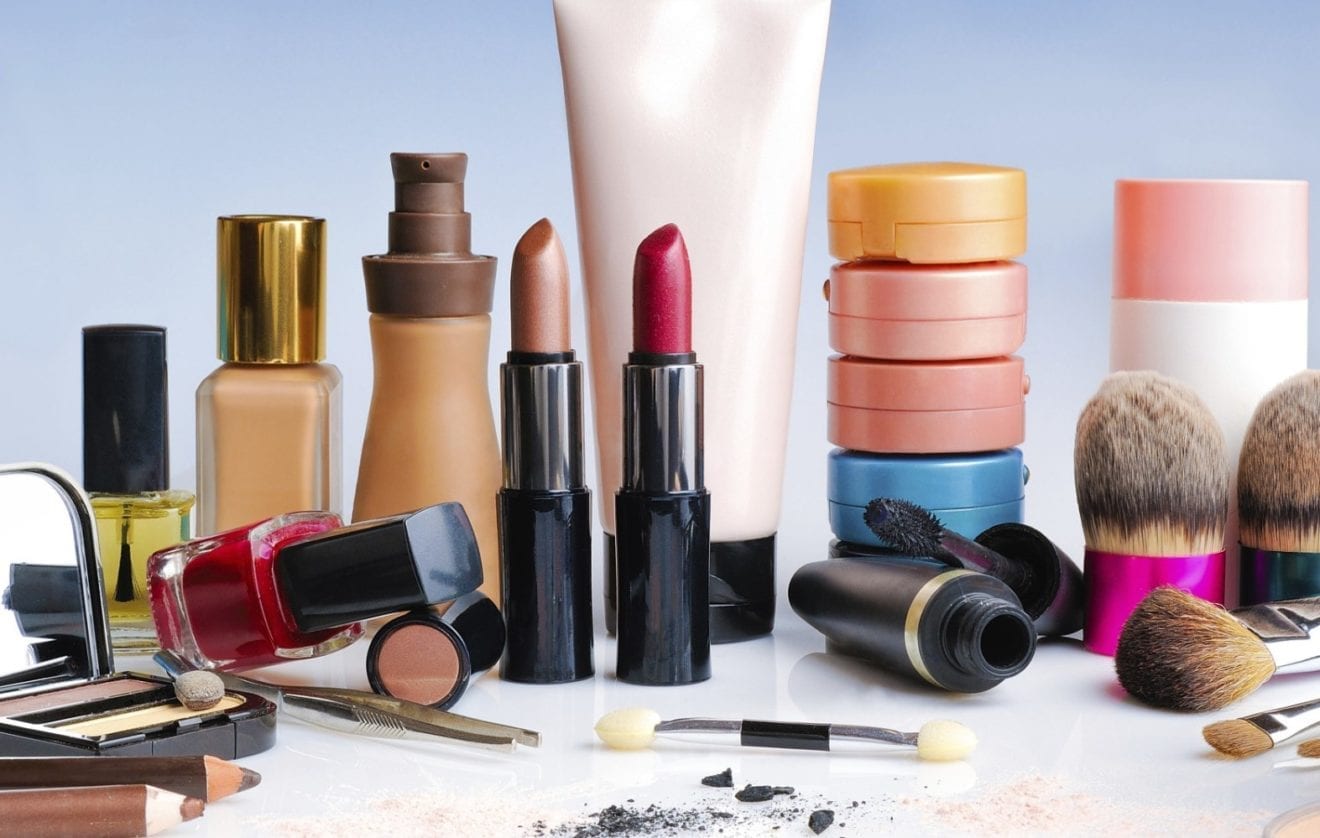
    Pronounced Mina, the brand offers products in trending colours especially suited to younger women and those who like experimenting. Standouts include coloured mascara, liquid liners in iridescent finishes and nail polishes.

    All products are made in Europe, and as well as being vegan are free of paraben and are “cruelty-free”.

    There is also makeup for the less adventurous with staples such as a three-in-one foundation to brow pencils, matte lipsticks, chubby lip pencils, brushes and other makeup tools.

  • Debenhams kicks off at St Collins Lane

    Debenhams kicks off at St Collins Lane

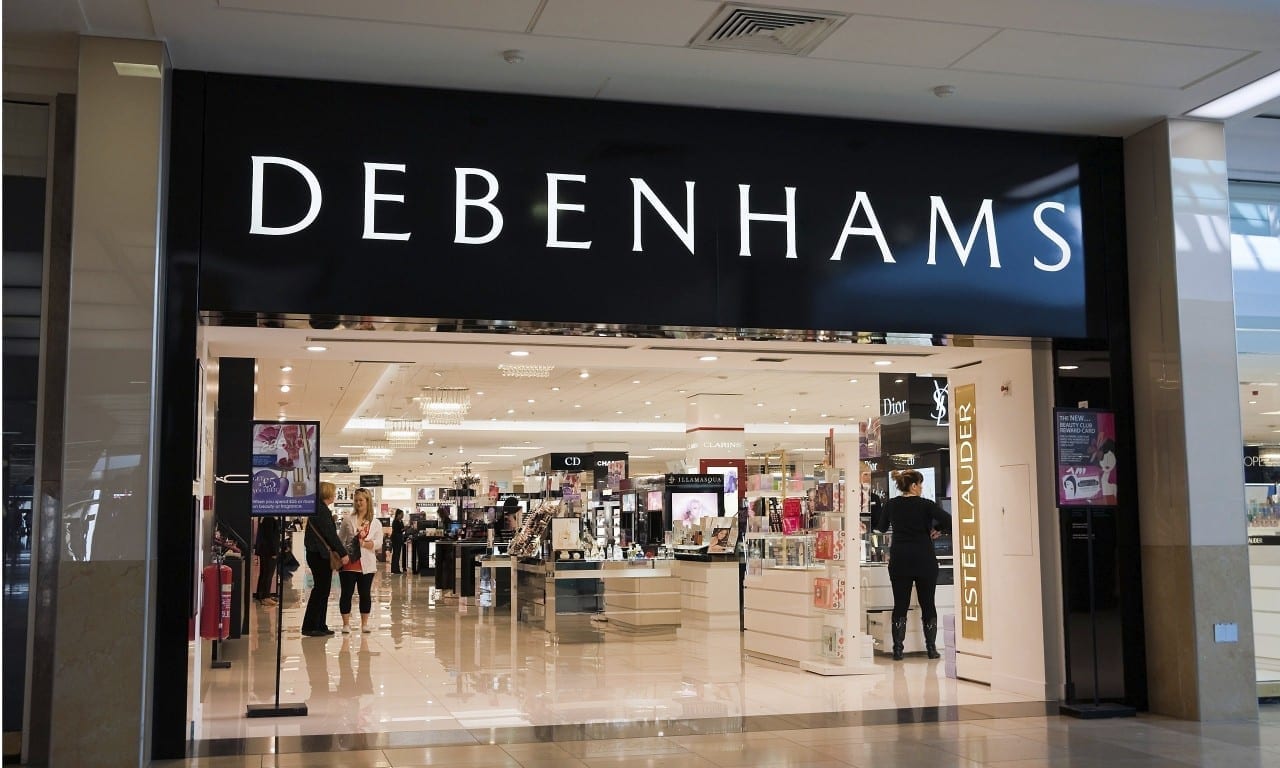
    British retailer Debenhams has kicked off in the Australian market, today launching its first local department store at St Collins Lane in Melbourne.

    The heritage name said it has taken a deliberate shift away from the traditional department store format in Australia and will offer exclusive brands in a small-format layout – across two storeys and 3600sqm – which represents a new concept specifically developed for the Australian market and draws on over two centuries of experience.

    “Debenhams St Collins Lane is not a traditional department store – it is a new destination for the contemporary customer in Australia,” said Graham Dean, managing director of Debenhams Australia.

    “Our research shows that a Debenhams customer wants to not only enjoy the latest seasonal trends, but find the right item at the right time, and always have our store at their fingertips.

    “They are also frustrated by traditional department stores with limited assistance on the floor, confusing layouts and unnecessary waiting times.

    “We will complement world-class service and in-store services such as a style suite, beauty rooms, mobile POS and a café, with a new Debenhams Australia mobile app that will provide a better experience and ensure we are always there, where-ever and whenever our customers need us.”

    Dean told Inside Retail that the UK brand has curated a bespoke merchandising mix to the Melbourne demographic, both in mix and format.

    “We’re not a traditional department store in the way that you would view a David Jones, Myer, or indeed a Debenhams back in the UK. This is a new format, new proposition to market. A curated offer with majority exclusive products.”

    The smaller format is an aspect that the head office in the UK will be monitoring closely, with key executives set to see first-hand how the store is performing while in town attending the upcoming Melbourne Cup.

    “They definitely see this as the way of the future for department stores and super keen to see how it trades.”

    The offering will include an extensive collection of women’s and men’s apparel, sleepwear and intimates, athleisure, accessories and contemporary homewares, along with established beauty and fragrance brands including the likes of MAC, Tom Ford, Bobbi Brown, Gucci, Chloe and Valentino.

    The Designers at Debenhams collection for women and men will offer exclusive brands not available anywhere else in Australia and feature J by Jasper Conran, Star by Julien Macdonald, Nine by Savannah Miller, Butterfly by Matthew Williamson and Kate Middleton favourite, No. 1 Jenny Packham.

    Debenhams St Collins Lane will join a portfolio of 243 Debenhams stores across 28 countries worldwide, and supports the retailer’s Debenhams Redesigned global strategy launched in early 2017 to drive the business forward.

    The store will anchor the new St Collins Lane retail precinct, in a popular area of the Melbourne CBD considered by many to be the city’s traditional home of fashion and beauty.

    “The opening of Debenhams St Collins Lane is an evolution of our success with the Australian market, with online sales to Australia already the largest outside of the United Kingdom,” Mr Dean said.

    “There are more than 840,000 people in the Melbourne CBD every day and more than 2.2 million international visitors to the city each year, many of whom would have already been a customer in one of our Debenhams stores around the world.

    “We have a track record of getting retail right, and we are confident in this new offering for Australia.”

  • Sephora to open new Highpoint Shopping Centre store next month

    Sephora to open new Highpoint Shopping Centre store next month

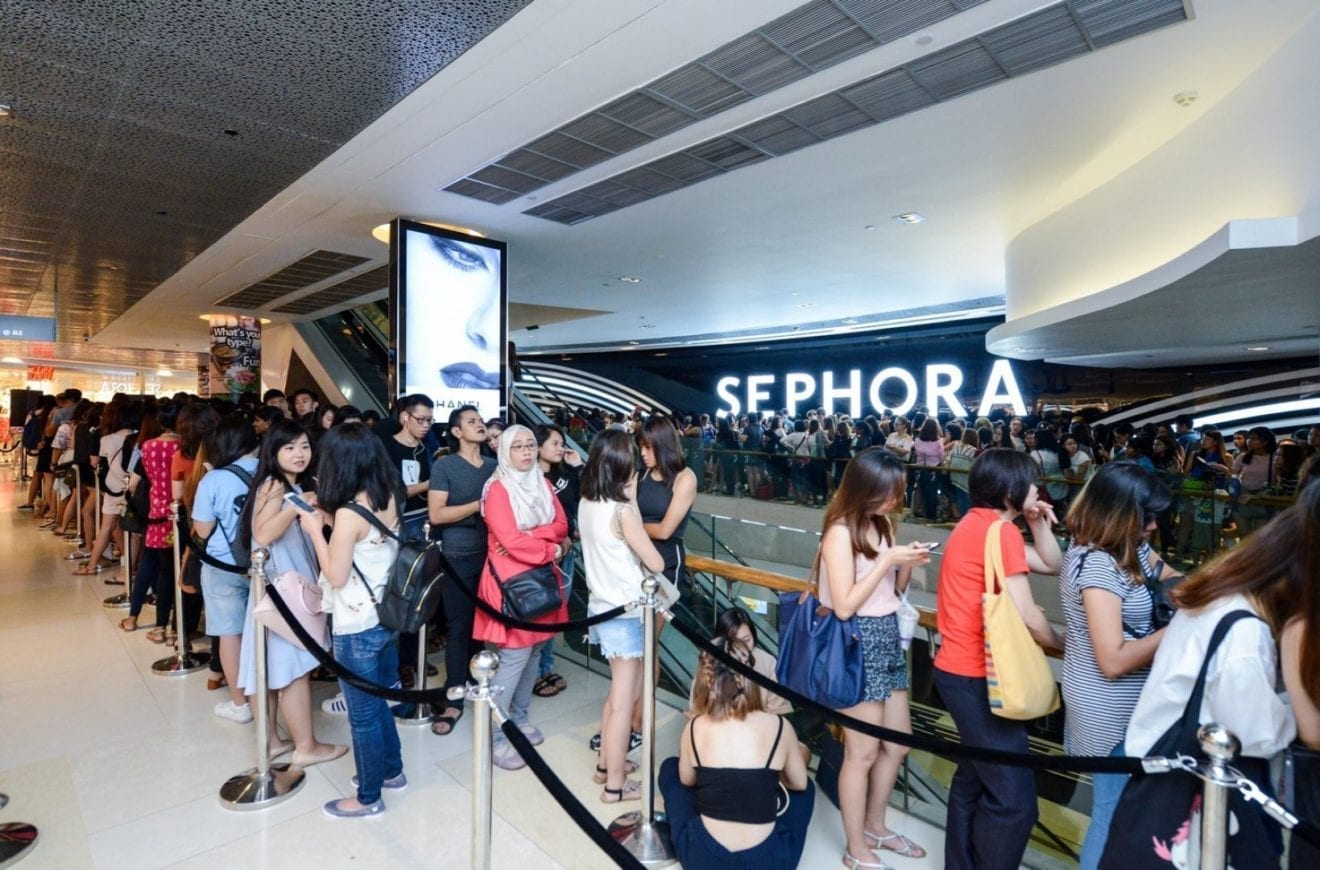
    Global beauty giant ,Sephora, is continuing its expansion in Australia as it opens its new store at Highpoint Shopping Centre on November 2.

    This will be the global retailer’s 13th Australian store and third in Victoria, (Melbourne Central and Chadstone).

    The new store will feature over 100 cosmetic brands including exclusive lines from Marc Jacobs Beauty, Givenchy, Tarte, Anastasia Beverly Hills and the new Fenty Beauty by Rihanna.

    “We can’t wait to bring another Sephora store to Victoria,” said Sephora country manager Libby Amelia.

    “The demand for more Melbourne stores has been considerable and we want to be able to meet the expectations of our local beauty aficionados. Highpoint Shopping Centre is a great fit for us and we’re looking forward to launching there next month.

    Sephora is also expanding its product offering in-store and online, with the recent launch of its new Wellness Category. The all-new Wellness Category features health and wellness brands including; KORA Organics, The Beauty Chef & WellCo.

  • New Look founder backs emerging sportswear brand

    New Look founder backs emerging sportswear brand

    New Look founder Tom Singh is among a group of private investors backing emerging men’s sportswear brand Castore.

    Singh remains a non-executive director of the high street chain he founded in 1969 and is also a member of the advisory board of Bridges Fund Management. He is one of a team of five investors to back Castore to the tune of £1.2m.

    Castore was founded by former professional athletes Tom and Phil Beahon, who are both in their 20s, and offers performance sportswear for “the most discerning athletes who value the attention to detail and precision performance features that underpin all garments”.

    The brand is currently sold on its website but there are plans for stores in London’s Canary Wharf, Bank and Chelsea and it also has international retail ambitions with stores in Hong Kong, Shanghai and New York in its sights. Prices range from £85 for a vest to £245 for a jacket.

    “The premium sportswear market continues to expand rapidly and although currently dominated by a small group of multinational companies, there is undoubtedly appetite for a premium brand committed to superior product quality like Castore,” Singh told.

    High end British cycling brand Rapha was recently acquired by RZC Investments, a private equity firm run by Steuart and Tom Walton, heirs to the Walmart fortune, for £200m.

  • Global sourcing has stuffed fashion – globally

    Global sourcing has stuffed fashion – globally

    Like all good things, global sourcing was a seductive morsel that led to a kind of economic gluttony that has had huge ramifications. Most of them for the worse.

    While the idea of sourcing at a lower cost than a business could make themselves on paper looks like an obvious endeavour to exploit, taken to the level that has now occurred, the only sustainable benefits have been achieved by the owners of the factories and supply chain providers to which production and distribution has been outsourced.

    Global fashion for the mass market has denigrated to the lowest common denominator. “Disposable fashion” is no longer an option but pretty much all you can buy at mass market and has led to the destruction of quality, embellishment, differentiation and true innovation.

    The fashion industry – globally – is caught in a deflationary cycle of its own making, producing an endlessly recycled ‘play-book’ of looks from mass-produced fabrics, made to standard blocks and production techniques in order to hit buy-sell prices and margins that are creating nothing but increasing volumes and decreasing profits.

    On top of that, the customers are bored.

    Even Zara – arguably the master of ‘cheap chic’ disposable fashion – has dulled its armoury. Once upon a time, Zara made its goods in Spain – when Spain was a country that had a low labour cost. Thanks to European equalisation laws, Spain’s minimum wage compliance destroyed that advantage. Zara now produces most of its products outside the European Union in cheap labour zones like China and Vietnam. As a result, both quality and an important part of the DNA of the product have evaporated leaving scale and stock turn as its primary weapons. But Zara is lucky that it still sustains those two weapons.

    For those without the armoury of global reach and massive scale, the allure of global sourcing has left them exposed as peddlers of the ‘emperor’s new clothes’. Forced to choose the same fabrics, the same trends, the same blocks and the same factories, the outcome is (you guessed it)…sameness.

    Fashion is about design and look. Without new ideas, individual personality and real choice every season it becomes functional at best. Functional fashion is not what excites customers to spend up. Instead they shop down. And ‘bagging bargains’ favours the few who have and can maintain scale advantage. Everybody else needs to seduce customers to buy with something they can’t get everywhere else. The current cycle of formulaic trend to factory source will not survive the next decade without massive casualties.

    And don’t blame the customer. That is a cop-out. Time for the fashion industry – outside the scale monsters – to rediscover how to design again. How to create original looks. How to invest in monetising quality. How to find a manufacturing advantage outside pure cost. How to create real differentiation and real integrity.

    That – and only that – will save the fashion industry from the massive failure that global sourcing is going to deliver.

  • Juice Hong Kong in sneaker collaboration

    Juice Hong Kong in sneaker collaboration

    Hong Kong clothing shop Juice and London’s Footpatrol sneaker shop have collaborated on a collection for the Adidas Consortium Exchange.

    The exchange is a project that pairs two retailers to co-design limited-edition sneakers, with the latest match featuring two Adidas cult classics, the Handball Top and Matchcourt Mid. Juice and Footpatrol have drawn inspiration from tourism and street-vendor souvenirs for their collaboration.

    The Handball Top is dressed in a royal-blue suede with embroidered details on the tongue, inner lining and heel, plus gold shop logos on each tongue tab, gold Adidas branding on the lateral heel, snakeskin branding on the medial side and pony-hair stripes on the lateral side. The shoe is finished off with a leather insole and off-white midsole.

    The Matchcourt Mid has a black canvas upper covered in embroidery representing each shop’s city. Other details include a rubber toecap, gold eyelets, zippers on each heel, gold shop logos on each tongue, leather insoles and an off-white vulcanised outsole.

    The Juice x Foot Patrol Adidas Consortium Exchange collaboration will be released tomorrow week exclusively at the two stores and their websites, with a select global release scheduled for November 4.

  • The BonBonist debuts with truly tasteful design

    The BonBonist debuts with truly tasteful design

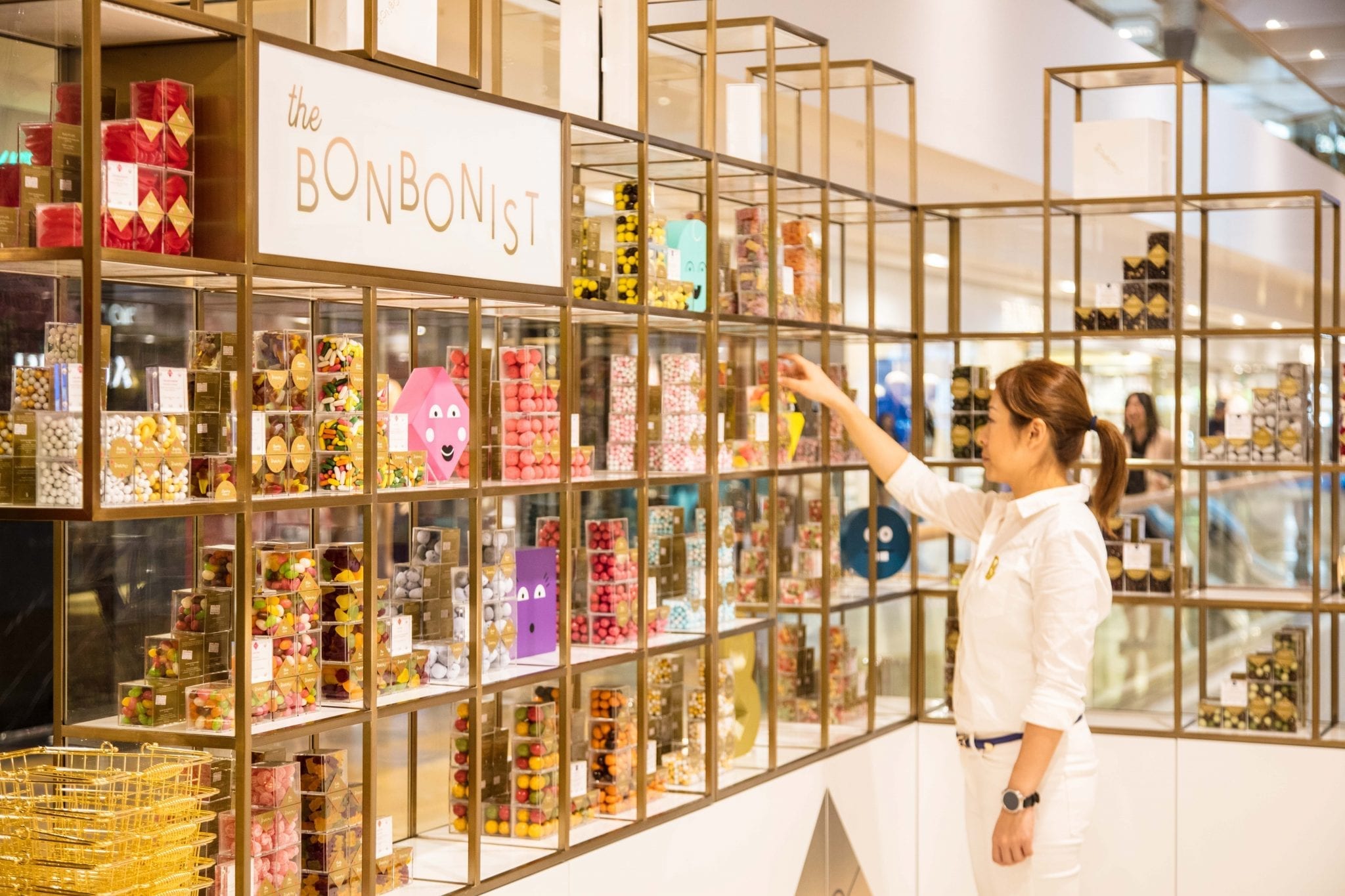
    In time for the festive season, The BonBonist confectionery shop has launched at Pacific Place.

    Bright white with gold touches, the shop plays on geometry with glass display cubes stacked around two sides of the open-plan store.

    A white circular table used as a wrapping station is the only furnishing apart from the counter along the right-hand side of the shop, behind a tall, stylised “B” at the front.

    Inside the display cases, the sweets themselves add colour accents to the overall neutral decor.

    Customers can mix and match bonbons from three or eight crystal cubes into a sweet box to take with them. They can personalise their candy boxes with ribbons and stickers at the gift-wrapping station.

    “The BonBonist’s idea is to create a special confectionery experience that enlivens all our senses – to reveal the inner child in each and every one of us,” says the shop’s founder and curator Olivia Niddam, who has had more than 10 years of international experience in confectionery.

    More than 70 sweets and chocolates from Europe make up the range at the shop, which also features 10 confectionary characters. Flavours include cola, cinnamon, corn, chili, coconut and ginger, and there are vegan as well as lactose- and gelatin-free offerings.

  • Parfums Christian Dior and DFS Group launch new Dior Rouge collection in Hong Kong

    Parfums Christian Dior and DFS Group launch new Dior Rouge collection in Hong Kong

    DFS Group and Parfums Christian Dior have partnered to introduce two new Dior make-up products, Dior Double Rouge and travel retail-exclusive Dior Rouge Liquid, at T Galleria Beauty by DFS, Causeway Bay Hong Kong.

    The new products were unveiled at a Rouge Dior Exceptional Makeup Event, running from 5 to 14 September. As part of the event, a team of Parfums Christian Dior make-up artists from Korea and Hong Kong offered customers professional flash or full makeovers. Four exclusive Dior looks – Rouge Ombré, This Miss Has a Crush, Metal is the New Matte and Iconic 999 – were demonstrated live, with details amplified on a big screen for guests to observe and learn from. Customers were also able to sign up for exclusive services by professional make-up artists.

    The Rouge Dior Exceptional Makeup Event also featured a multi-sensorial journey which provided guests with a “one-of-a-kind” experience. Guests could explore the Dior Rouge collection within the event’s setup, including the ‘Lip Studio’, an artfully constructed ‘piano’ featuring all the shades of Double Rouge and Rouge Liquid. A virtual reality headset, ‘Dior Eyes’, used immersive digital technology to transport guests backstage at Christian Dior’s Spring/Summer 2017 show.

    Dior Double Rouge is the first Dior lipstick with a matte metallic effect, enveloping a metallic core with a highly pigmented matte outer ring to deliver an ombré effect with just one application. The two shades and effects harmonise to provide dimension and volume, according to the brand.

    Dior Rouge Liquid is said to be the first Dior liquid lip stain with a long-wear intense couture colour. The products are claimed to deliver a trio of “pure and vibrant” finishes in matte, metal and satin.

    Both Dior Rouge novelties are available now at T Galleria Beauty by DFS, Causeway Bay, with other DFS locations soon to follow.

    Parfums Christian Dior Regional Travel Retail Director Alireza Danai commented: “We would like to thank all the stakeholders who have partnered with us to set up this unique and spectacular event. The Rouge Dior event conveys Dior’s strong colour statement, with the launch of Double Rouge and Rouge Liquid. We trust that this event will provide a memorable and colourful experience for all customers.”

    DFS Group Senior Vice President Beauty Christophe Marque said: “At DFS, we want to capitalise even further on the lips category which continues to be our fastest beauty trend. We are delighted to partner with Parfums Christian Dior to feature these two new products at this amazing pop-up, which are sure to become new icons, at T Galleria Beauty by DFS, Causeway Bay.”

    “One-of-a-kind experience”: A virtual reality experience plus a Lip Studio enabled customers to discover the new products and feel part of Dior’s fashion show

  • Louis Vuitton Masters continues Jeff Koons collection

    Louis Vuitton Masters continues Jeff Koons collection

    More famous painters are referenced in the second Louis Vuitton Masters collection in collaboration with US artist Jeff Koons.

    While the first wave of the collection celebrated Da Vinci, Fragonard, Rubens, Titian and Van Gogh. Koons chose Edouard Manet’s 1863 work Luncheon on the Grass as his main inspiration, to be featured on LV staple handbags like the Keepall, Neverfull and Speedy as well as accessories and small leather goods.

    “Manet has always been one of the most important artists to me,” says Koons. “To work with the image of The Luncheon on the Grass gave me the opportunity to emphasise the importance of artists giving it up to each other.”

    JMW Turner’s Ancient Rome, Francois Boucher’s Reclining Girl, Paul Gauguin’s Delightful Land and Claude Monet’s Water Lilies, round up the series. Exclusive for Maison Louis Vuitton Vendome will be The Triumph of Pan by Nicolas Poussin.

    French actress Lea Sedoux will feature in the campaign for the collection, which will be released next week.

    As with the previous collection, the bags feature the LV monogram motif, the painter’s name and Koons’ initials along with the LV logo.

  • Marc Jacobs China launches online flagship

    Marc Jacobs China has launched its first online flagship store with VIPlux, which carries international luxury and premium brands.

    The US fashion label is offering its hip hop-inspired autumn collection to VIP.com’s 300 million members.

    Marc Jacobs says it chose VIPlux as its partner because of its dedication to creating end-to-end shopping experiences.

    VIP.com co-founder Arthur Hong says VIPlux understands how to “become one” with the spirit of specific brands and match that with market growth.

    VIP.com launched with VIPlux in 2008. Other fashion labels with flagship stores on the platform include Armani, Diesel, Roberto Cavalli, Salvatore Ferragamo, Sergio Rossi, Trussardi and Versace.

  • Swatch Group rent coup underlines landlord challenge

    Swatch Group rent coup underlines landlord challenge

    Swatch Group has secured two prime Central stores at rental rates less than half the previous tenants were paying – evidence that retail rents in Hong Kong may not yet be levelling out as the market is being told.

    According to a report in the Hong Kong Economic Times (published in Chinese), Swatch is paying HK$1.4 million (US$179,300) per month to rent two shops covering some 4000sqft (372sqm) in the Central Building on Pedder Street.  That equates to HK$350 per square foot.

    The previous tenant was Hugo Boss, which the HKET says was paying about $3 million per month. That equates to a reduction of more than 53 per cent

    The rent stress has been brought about by the collapse of luxury watch and jewellery sales in Hong Kong over the last three years, as the Chinese government clamped down on gift-giving and cashed up mainlanders started travelling to Japan and Europe instead of Hong Kong, lured by favourable exchange rates.

    Pascal Martin, Partner, OC&C Strategy Consultants, describes the current rental environment as “a re-basing to a new reality”.

    “This year is an interesting year because it is three years after 2014, which marked the peak for Hong Kong retail rents. Rental contracts are often renewed after an initial period of three years, so we also see this year as the peak of “cut-down” in rent levels versus contracts signed in 2014.”

    While Hong Kong retail sales have started to regain ground this year, they are still well below the so-called Golden Era and many chains have trimmed back their store networks leaving retail landlords seeking new tenants from affordable luxury brands, fashion concepts and other categories. Those tenants have been attracted to high street locations by lower rents which make the locations more commercially viable.

    “Some would say that retail growth is back, but we think that it is at a level which is not comparable to what was experienced before 2014,” Martin told.

    While most major retail precincts have been affected by the trend, Central appears to be hardest hit. On Pedder Street, Abercrombie & Fitch’s former  25,600sqft flagship remains empty more than six months after the US fashion brand abandoned the HK$7 million (US$903,000) a month site, despite having to pay a reported US$16 million early termination fee.

    And in September 2015, Adidas took over a Coach store on Queen’s Road, paying 22 per cent less than Coach had.

    Mingtiandi reports that Hong Kong’s Puyi Optical is paying HK$600,000 per month to lease two basement units totalling 1285sqft in the same building as Swatch, a 60 per cent drop from the HK$1.5 million paid by the previous tenant, luxury phone brand Vertu.

    Martin says Forever 21 is another interesting example of the rental re-basing.

    “When Forever 21 set up its flagship store in 2011 in Causeway Bay, it was the golden period, where we saw approximately 30 million mainland tourists in 2011 with 20 to 30 per cent growth every year. Causeway Bay was – and is – one of the top locations for mainland tourists in terms of shopping. Therefore, the high rent Forever 21 was charged for that location was partially based on the significant growth potential in mainland tourists.

    “However, given the decrease over recent years, traffic – and therefore revenue – were not as expected and Forever 21 had to make the painful decision to close its Causeway Bay flagship store.”

    That space has been gutted in anticipation of lingerie brand Victoria’s Secret opening a flagship at the site. But work seems to have stopped, raising questions as to when the store will open. Given the current state of the site it would appear impossible the store will be trading by Christmas.

  • Supreme to become the coolest streetwear brand

    Supreme to become the coolest streetwear brand

    It was 1994, when James Jebbia opened the doors to his Supreme skate store on Lafayette Street in downtown Manhattan, in its own way also an incredible NY moment.

    Without realizing it, Jebbia managed to bottle the energy of the city and the style of the streets with his skate and fashion brand.

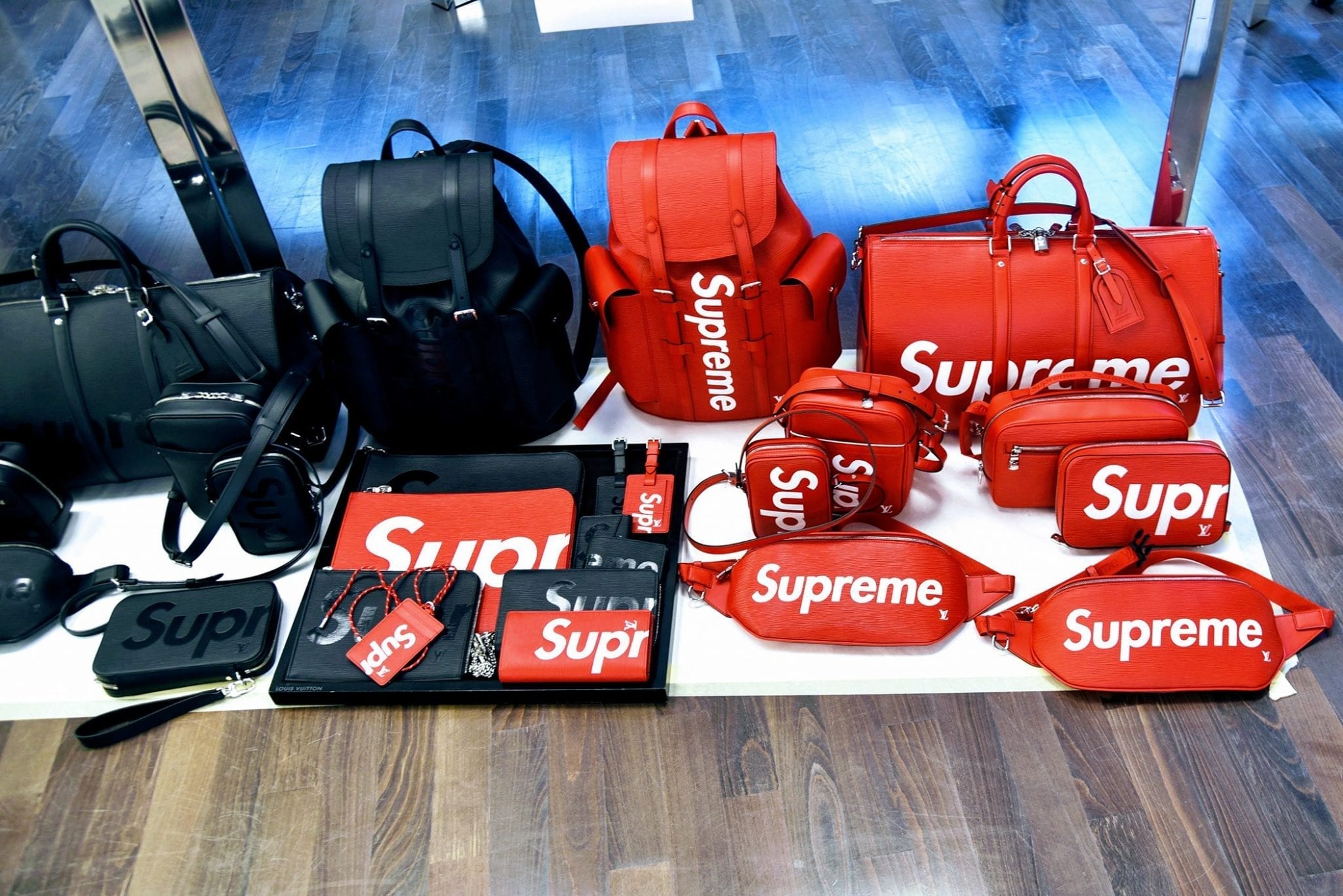
    Throughout its 18 years, Supreme has defined and refined what it means to be cool. The brand’s effortless logo – a Barbara Kruger-influenced red box surrounding a white block typeface – is an iconic emblem for a worldwide gang as recognizable as the LV Monogram or Hells Angels’ rocker for those who know.

    Jebbia’s personal style is understated, neat and crisp, today’s outfit being a grade-four buzz cut, worn with a button-down Oxford shirt and dark jeans. His accent has a transatlantic shade, yet is still resolutely British. Born in the States to a British mother and American father who worked in the US Air Force, James and his family moved to Britain when he was just 18 months old, before he gravitated back to New York aged 19.

    “I came over here with $100; it was 1983 and I just ended up staying. New York at that time was very inexpensive and it was very easy to get a job. We lived on Staten Island and you could get cheap rent. It was a good time to be in New York,” James said.

    Sitting behind his desk in the Supreme office in Soho, James’ work space is bright and airy, with KA WS artwork and a framed photo of the Godfather of Soul, James Brown, sitting on the bonnet of his silver ghost Rolls Royce with an MVP license plate hanging on the walls. On the floor in the corner sits a collection of new boot samples and a pair of legendary rapper and graffiti artist Rammellzee’s 3-D tracers pieces.

    James’ office is located above the space where he first found work in fashion: a store then known as Parachute, where he was taken under the wing of its owner, Morgan. “He was a good boss, a real mentor. Parachute was a bit futuristic, it was kind of cool; Gary Numan came in and Michael Jackson wore the leather jacket with the big epaulettes. It was a great time but I just wanted to do more,” he told GQ.

    With his girlfriend at the time, James started a market stall on Broadway and West 4th, making and selling backpacks. In 1989, he opened his first seminal store, Union, on Spring Street.

    The key stores then around the Downtown area were X-Large, Stüssy, Triple Five Soul and Union. While James was trying to stock Stüssy, a chance meeting with Shawn Stüssy led to James running the Stüssy store on Prince Street. “I wouldn’t be doing what I’m doing without what Shawn has done,” James admitted.

    Shawn Stüssy was the forefather of what would become streetwear as we now know it.

    With an eye on the skate and surf cults, Shawn created a style with Stüssy that was coveted globally not just as clothing but as a way to join Shawn’s posse, the Stüssy World Tribe. Setting up teams in NY, London, LA and Tokyo, his collaborators included the brains and brilliance of designers Paul Mittleman, Hiroshi Fujiwara and distributor Michael Kopelman. From hip-hop kids to ravers, surf dudes and grebos, they were all drawn to Shawn’s baggy denims and signature hand-written emblems.

    When Shawn moved on from Stüssy and sold his share of the business, Jebbia made the decision to launch Supreme.  Everybody who worked in the store was a skateboarder. And there were a lot of young people starting to skate and they would gravitate towards the store because of the crew who worked there, so the store became like a hangout.

    The architecture of the Supreme stores and their sales assistants have always played a crucial role in establishing the brand identity, with the staff bringing the ubiquitous, middle-finger-to-the-world attitude. The shop kids were gnarly and raw and generated an intimidating, real vibe where skate videos played all day and the freshest hip-hop mixtapes blasted -out on to the sidewalk. But such intimidation never discouraged customers from visiting.

    Gravitating to the store were a host of locals and downtown rebels. There was Justin Pierce (Casper in Kids), skateboarders including Harold Hunter and Jason Dill, artist and illustrator Gio Estevez (who was also the store manager) and Aaron Bondaroff, CEO of the anything brand, co-founder of the OHWOW art collective and model in this feature.

    There was also the art and photography crowd, such as Ari Marcopoulous, Kenneth Cappello and Terry Richardson. Ari and Terry’s photography established an identity for Supreme, their images becoming synonymous with the brand. Ari’s documentation of the mid-Nineties scene forms a collaged backdrop at Supreme’s stores in Tokyo and London, while Terry and Kenneth have shot lookbooks for the brand and fly-poster campaigns and T-shirts that have seen the legendary box-logo tee worn by Lou Reed, Kermit the Frog, The Diplomats, Raekwon, Lady Gaga, Mike Tyson and the latest with rappers Three 6 Mafia.

    The word-of-mouth excitement among guys interested in stylish clothes is – in this day and age – breath-taking to see. The customers know that each product comes in such limited quantities that once a particular item has gone that is it.

    The Supreme look is delivered between the styles continuously appropriated by the hip-hop and skate worlds: Ivy League, collegiate, military and sports­wear themes, denim, checks, plaids and stripes, alongside a classic workwear influence. The collection weighs in with a referenced knowledge that goes into fabric, cut, details and durability, making each piece often feel and look like perfectly preserved vintage.

    Over the years, Supreme has collaborated with (among many others) Levi’s, Vans, The North Face, Nike, Comme Des Gargons, Adam Kimmel, Malcolm McLaren, A Bathing Ape and W Taps on their fashion – and skateboard graphics with Damien Hirst, Jeff Koons, Takashi Murakami, Harmony Korine and most recently Jake and Dinos Chapman.

    As James expands the business with additional stores around the world, (LA, London, Nagoya, Osaka, and Fukuoka, with the third Tokyo store recently opening in Shibuya), he is quick to establish that his ambition for his company is to maintain its integrity. “If I was to stop working tomorrow, I would be like, OK. I did what I wanted to do; I did what I liked, what I really believe in, and I’m fine with that. In an ideal world, we can just remain a small but tight business that grows naturally.”

    James’ philosophy behind Supreme is straightforward: “We just want to make really great-looking clothes that are well-made, fit well that you can skate in.”

  • Bershka SoHo pop-up covers two floors

    Bershka SoHo pop-up covers two floors

    Everything in New York always seems bigger than in real life – even the definition of a pop-up store…

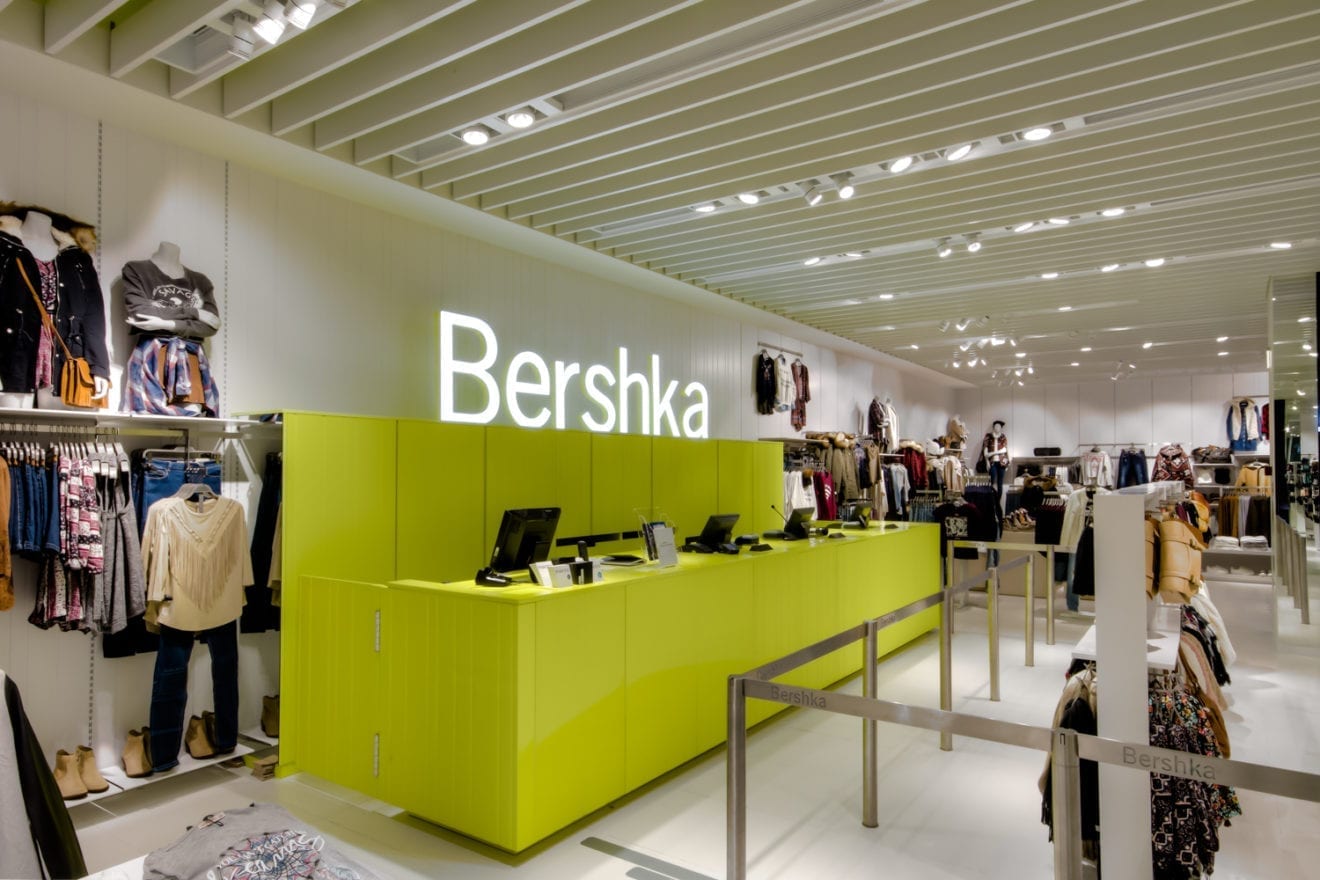
    An 8180sqft Bershka SoHo pop-up which opened its doors this week at 580 Broadway covers two stories of a previously empty retail space. The store is intended to boost the Inditex brand’s image in the US, where it launched an e-commerce platform six months ago.

    Bershka chose the heart of SoHo, one of the world’s most emblematic fashion districts, as the location, where it will trade until the end of the year, displaying all of Bershka’s FW17 collections – Bershka, Bsk and Man, as well as the sports lines, Start Moving, for young men and women.

    Features of the store include leading initiatives to be as eco-efficient as possible, guided by the Leed sustainable building criteria. Additionally, within the store, the Bershka Stage store image has guided all of the furniture and decoration designs. The layout has been similarly adapted for the store space specifically and with the US consumer in mind, offering the trendiest current looks, complete with accessories and footwear.

    Bershka Stage is the latest store design concept being rolled out internationally.

    “Inspired by the world of music concerts and what goes on behind the scenes, the Stage aesthetic epitomises Bershka’s DNA: music, fashion and youth,” the company said. “The result is an interior design that is industrial yet airy, with open ceilings that reveal the establishments’ skeletons. The structure is framed by truss scaffolding that runs around its entire perimeter and is used to hang the lighting, speakers and some of the screens that make up the whole look..

    “The Stage concept facilitates the shopping experience by means of more user-friendly and versatile furniture and fittings, making it easier to get around the store and providing a better way of displaying the brand’s garments and, by extension, each season’s new looks.”

    Bershka has 1098 stores in 75 markets across Europe, the Americas and Asia. The brand is forging ahead with an international expansion strategy that has been marked by high-profile openings in recent years in markets such as China, Japan, Taiwan and South Korea, along with flagship store openings on some of the world’s most important shopping streets, including Oxford Street, London, Via Vittorio Emanuele, Milan, Nanjing East, Shanghai, Gran Vía, Madrid, Rue Rivoli, Paris, and Shibuya, Tokyo.