Category: Fashion

Retail News Asia is committed to providing both local and global retailers with the latest Fashion news throughout the Asian market. This on a daily base.

  • International fashion brands target Vietnamese market

    International fashion brands target Vietnamese market

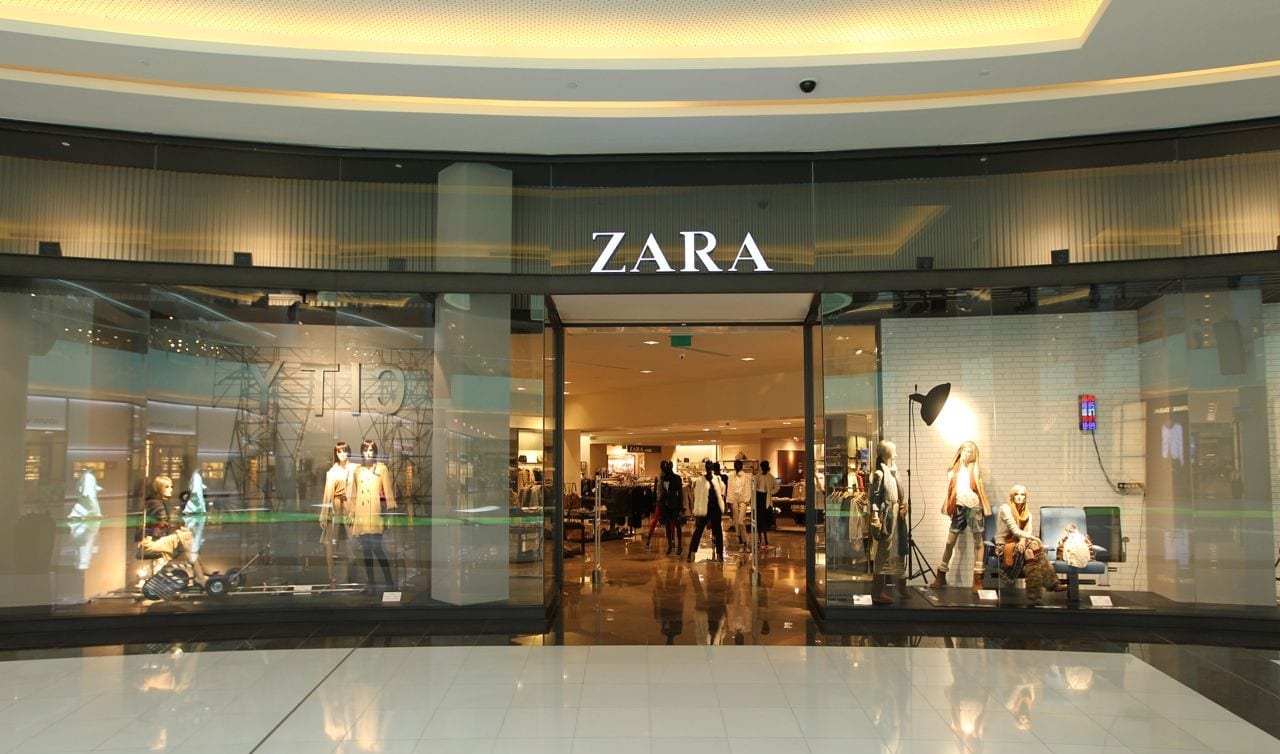
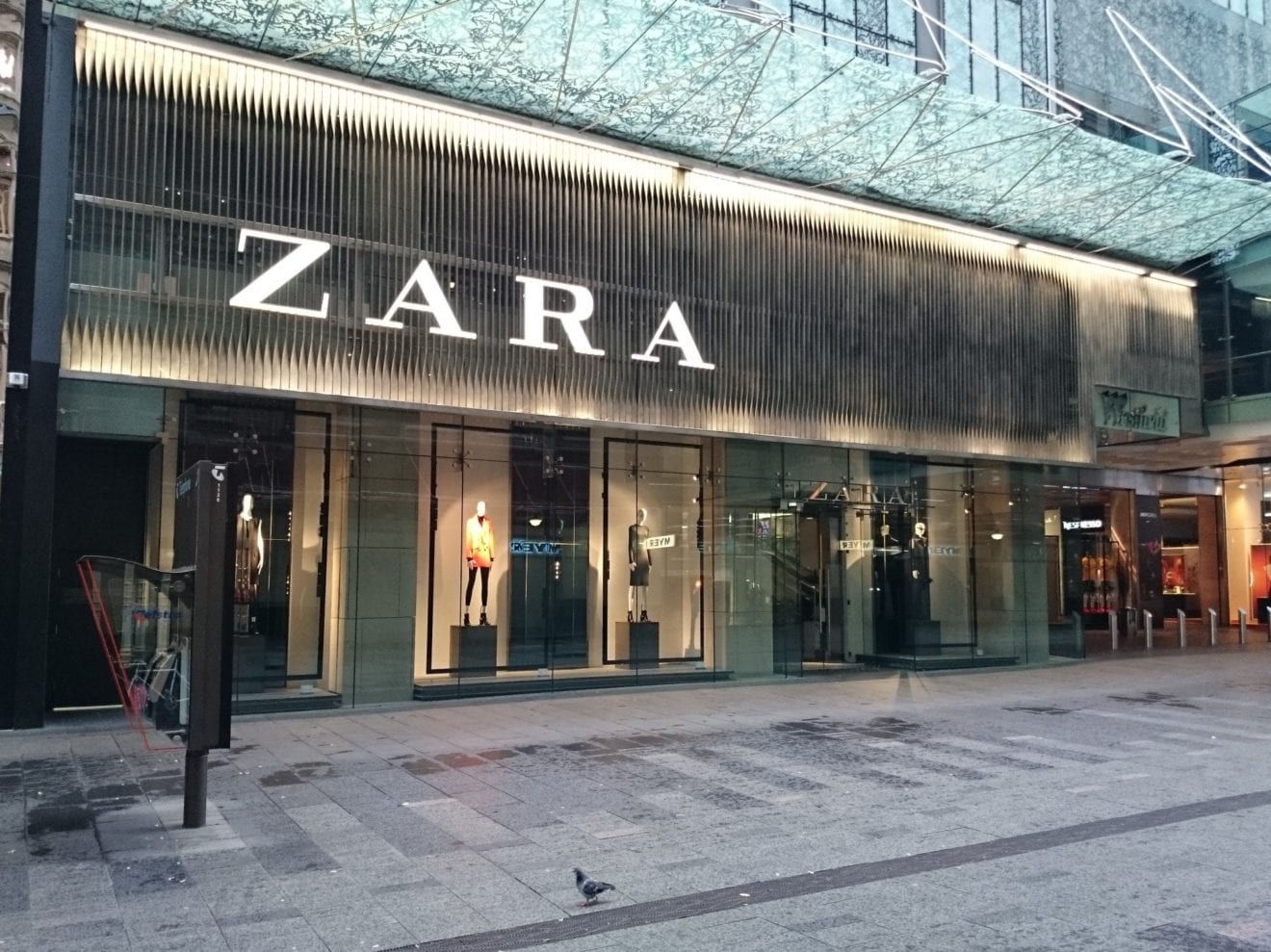
    International brand names are starting to grab the attention of HCM City’s fashion-conscious people, clearing the way for more ready-to-wear clothing stores in Vietnam.  More than 50 well-known brand names, such as Giordano, Mango, Zara, Topshop, Gap and Old Navy, have opened stores in HCM City.

    While Old Navy opened its first store last month, H&M launched its brandname last weekend with a fashion show at a leading shopping centre in the city.

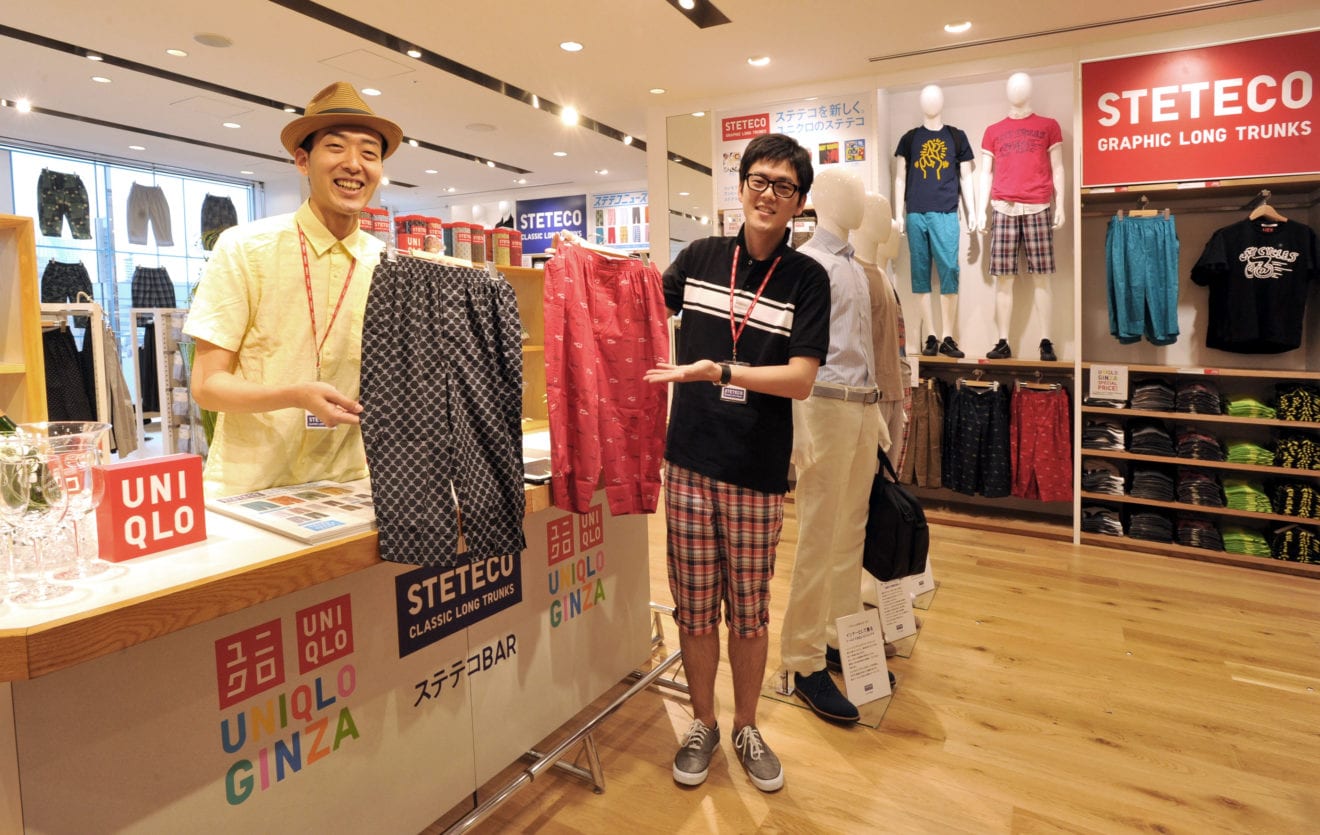
    Other fashion companies, including Pull&Bear, Uniqlo and F21, will also enter the market this year with their own stores scheduled to open in Hà Nội shopping centres.

    “Before launching our designs in Vietnam, we spent time researching the country’s economic development, culture and living conditions,” said a representative of Zara, who noted that the country would become one of the most important  markets for the popular fashion brand from Spain.

    Although their prices are higher than local products, ranging from VNĐ300,000 (US$15) to over $1.5 million ($70) with accessories sell for an average of VNĐ100,000 ($4) per item yet customers, particularly young people, are thrilled they are here.

    Customer Tran Thi Anh Nhung of District 3 spent almost VNĐ5 million (US$230) on nine items at Zara after discounts last weekend, saying she was delighted she no longer had to go Singapore or Bangkok for the latest styles.

    Nhung, a senior marketing executive for a foreign-owned advertising agency in District 1, said: “Zara and Topshop offer ready-to-wear products in the trendiest styles at reasonable prices. A mini-dress sells for VNĐ500,000 ($22) compared to a Vietnamese one at VNĐ300,000 ($15). Customers aged 18 to 30, who change their clothes every season, are interested in that kind of stores.”

    Another customer, Vu Chi Hung, 32, said she was a fan of Topshop because their merchandises are both stylish and practical and can be purchased for around $22 a piece.

    “The foreign brands located in shopping centres like Diamond, Vincom and Takashimaya guarantee their services and quality are the best for customers,” he added.

    Hồ Trần Dạ Thảo, brand name creative director of the Tsafari Fashion Company, said: “The appearance of international fashion houses in Việt Nam and so-called ‘fast fashion’ or ’casual wear’ brandnames is sure to create fierce competition in the country’s fashion industry.”

    “Vietnamese brands should try to capitalise on the shopping seasons and spend more money on advertising to grab the attention of consumers,” she added.

    “Many of our collections cost as little as VNĐ150,000 ($7) for both men and women and offer high quality and modern style pieces. Some designs start at over VNĐ700,000 ($35), but customers with more to spend are thrilled that sophisticated designs can now be made by Vietnamese,” she said.

    Thảo said that collections under the brand name Tsafari are offered at shops by young designers, led by a group of trendy creators in Singapore. They offer clothes in the latest fashion trends to attract the interest of young customers.

    “With these changes, we hope to popularise and diversify our products in the local market,” she said.
  • Moschino appointed a new worldwide Sales Manager

    Moschino appointed a new worldwide Sales Manager

    Moschino just named a new worldwide Sales Manager, Marko Jovanovic, age 40.

    With a Degree in Economics at University Bocconi Milan, he started his career in fashion as Benetton Area manager for Balkans and continued in the luxury with Gucci where he occupied growing responsibility roles in franchising and wholesale divisions until he became Sales Manager focused on emerging market (East Europe, Turkey, Cyprus, Lebanon, Israel) then in retail as Area Manager India, until 2013.

    Afterwards, he was appointed Country manager Louis Vuitton India until 2015 followed by LV Director of Retail Development SEA.

    In December 2015, he became LV Retail Director Singapore until last week Ralph Lauren VP Retail Performance Europe in London.

  • Myer walks away from Topshop concessions

    Myer walks away from Topshop concessions

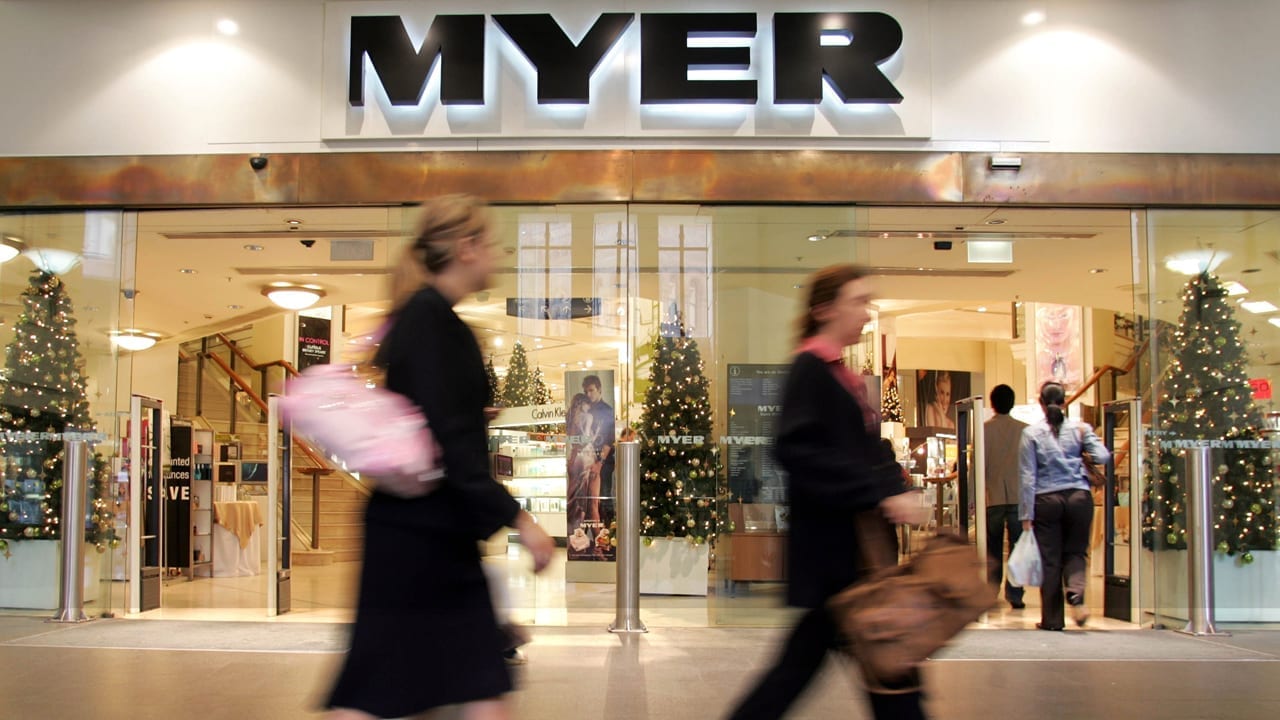
    At the time of writing, the company still lists the concessions on its website, but local reports said that there is little sign the brand had ever been there inside the 17 Myer stores that carried the women’s and men’s brands.

    The news comes just a few days after it emerged that the Australian Topshop/Topman administrators are closing as many as five of its standalone stores, including the first location the brands opened in the country. Only Emporium Melbourne, Gowings Sydney, Bondi Junction and Brisbane will continue.

    Arcadia has been talking to administrator Ferrier Hodgson since debts of A$35 million led to franchisee Austradia collapsing in May. Myer had bought a 25% stake in the business during 2015, four years after the brands’ Australian debut, and this was diluted to a still-substantial 20% holding last year. In its latest half-year results, Myer had written-down its A$9.2 million stake to A$7.2 million and the firm is also believed to be a major unsecured creditor of the failed business.

    It has also emerged that Austradia’s major shareholder Hilton Seskin had been holding talks with Arcadia about a restructure for some time before the collapse. While he said little at the time of the collapse, he has more recently been quoted criticising Arcadia’s Australian operating model saying the supply chain was too complex and the product made available in Australia, which was controlled by the UK business, was not strong enough.

    Arcadia is still expected to take direct control of the Australian business and reports have said it had been keen to retain the Myer link.

    The administrator has made little comment on the issues surrounding the Topshop and Topman brands but said its priority is still to find an “appropriate operating model and structure” to continue the brands in Australia.

  • J&F Investimentos gives up Havaianas control

    J&F Investimentos gives up Havaianas control

    J&F Investimentos has agreed to sell a controlling stake in Havaianas flip-flop maker Alpargatas to the investment firms of Brazil’s most prominent banking families for 3.5 billion reals (US$1.1 billion), according to securities filings.

    Under terms of the deal, Cambuhy Investimentos, Itausa Investimentos and the fund Brasil Warrant will split J&F’s 86 per cent stake in Alpargatas, the filing said. Both had bid 3.3 billion reals for Alpargatas before talks appeared to have collapsed, reports Reuters.

    It is the first sale by J&F, the holding company overseeing the fortune of Brazil’s billionaire Batista family, since it was hit with a record-setting fine linked to a corruption investigation, reports CNBC. Proceeds from the sale will help repay J&F’s debt and speed up payments on the 10.3 billion-real fine, insiders say.

    Sao Paulo-based Alpargatas makes Havaianas flip flops, favoured by celebrities. The company also manages a swathe of Brazilian fashion brands including Osklen beachwear.

    Itausa oversees the fortune of the Villela and Setubal families, who control Itau Unibanco Holding, Latin America’s largest bank by assets. Cambuhy is the family office of Brazil’s billionaire Moreira Salles family, also a major Itau shareholder.

    Insiders say J&F’s owners Joesley and Wesley Batista will use proceeds from the transaction to repay a 2.7 billion-real acquisition financing loan they took with state-controlled lender Caixa Economica Federal. The loan is under investigation by Brazil’s audit court TCU for potential irregularities.

    The brothers signed a leniency deal in May after admitting to bribing almost 1900 politicians to obtain cheap government loans for their businesses.

    The Batistas had acquired Alpargatas in December 2015 from construction conglomerate Camargo Correa, which was ensnared in the same scandal, dubbed “Operation Car Wash”. As well as the Caixa loan, the Batistas will also have to pay for financing they took to buy out minority shareholders.

    Other J&F-controlled assets up for grabs include a dairy company and a pulp manufacturer.

  • Blackstone exits German outdoor clothing brand Jack Wolfskin

    Blackstone exits German outdoor clothing brand Jack Wolfskin

    Blackstone is handing over control of German outdoor clothing brand Jack Wolfskin to hedge funds in exchange for debt after the business failed to attract bidders.

    The largest of the shareholders will now be Bain Capital Credit, HIG Bayside Capital and CQS, who will jointly own more than 50 per cent of Jack Wolfskin. They will also inject further financing of US$29 million to boost its liquidity.

    The debt for equity swap will leave Jack Wolfskin with $110 million in debt, less than one third the level pre-sale. Blackstone bought the brand in 2011, reportedly paying nearly $1 billion and with ambitions to take it global

    Jack Wolfskin CEO Melody Harris-Jensbach said in a statement the move completes the financial restructuring and leaves the company in a stronger shape to pursue expansion.

    “Added to this is an encouraging trading scenario. Following a positive business performance in line with our budgets, we are starting to see growth again in the German-speaking countries, which are traditionally our core market, as well in our focus markets.

    “This trend is gathering additional momentum due to the high level of orders for our 2017 autumn and winter collection and positive feedback from our customers on our new product developments.”

    Bain Capital Credit’s Gauthier Reymondier described Jack Wolfskin as “a very strong outdoor brand”, number one in German-speaking countries and number three among the international outdoor brands in China.

    “We are committed to supporting Jack Wolfskin and now that the restructuring has been completed, we are well positioned to develop the company further in the coming years.”

    While the general international retail environment has proved challenging for Jack Wolfskin, it has also been struggling with the transition to taking direct control of its China operations.

    In 2015, the brand had 700 outlets in China. In Hong Kong, its products are impossible to buy, even though the company’s website lists about a dozen resellers, none of whom still stock it.

  • Over 50 retailers eyeing New Zealand

    Over 50 retailers eyeing New Zealand

    International retailers are continuing to fuel a race for space in the Pacific region, with over 90 groups seeking to roll out stores in Australia and 50 retailers eyeing New Zealand, according to a new CBRE report.

    According to the property firms research, despite the pick-up in activity in recent years – international brand penetration rates in Australia and New Zealand remain low relative to other developed nations.

    The penetration rate in Australia is 28 per cent, which is low relative to other countries in the region including China, Singapore and Hong Kong, all of which have penetration rates in excess of 45 per cent.

    New Zealand’s penetration rate is even lower at 16 per cent, which CBRE said highlights significant catch-up potential in both countries.

    Alistair Palmer, national director of CBRE’s Retail Services Group, said the research also highlighted that international retailers were increasingly viewing the Pacific as one region.

    “Previously, international retailers focused on Australia followed by entry into New Zealand, usually after a few years,” Mr Palmer said.

    “Recent developments indicate that international retailers increasingly view the Pacific as one region, with an initial target of the three main gateway cities of Sydney, Melbourne and Auckland followed by secondary cities in both countries. This is evident by the international penetration rate of Auckland being on par with Brisbane but growing at a more significant pace, on par with Sydney, in the past year.”

    One of the downsides for domestic retailers has been a significant increase in competition for sites and a related increase in rents.

    However, CBRE said that displaced domestic retailers could increasingly seek secondary centres and this will have a positive impact on centres and locations that currently struggle as a result of low retailer demand.

    The report also tips that there will be a shift in the type of international retailers entering the region.

    The head of CBRE’s Pacific Retail Occupier team, Tim Starling, said luxury retailers were the largest group to enter Pacific last year and this trend was expected to continue for a further two to three years. However, a slow-down was then expected as these groups approach their store targets.

    “Over the next five years, we expect mid-range fashion and specialist clothing brands to show a rising contribution to brand entry rates in Australia and New Zealand,” Starling said.

    “These retailers will have a more wide-ranging impact than the luxury brands, as they tend to focus only on CBD or prime regional centre locations.”

    CBRE’s report highlights that the retail landscape in Australia and New Zealand has already undergone significant change, with the arrival of international brands having driven up CBD rents, leading to regional shopping centre redevelopments and the activation of new retail precincts in both countries.

    McNabb said a strong preference for international brands, food and beverage and retail-tainment from the younger demographic was supporting this change, as was an increase in tourist arrivals from China.

    Chinese tourist arrivals have tripled in Australia and quadrupled in New Zealand over the past decade, which is supporting retail trade, particularly in the major CBD markets.

    “Chinese tourists not only spend more per visit, but they also have a higher appetite for goods purchase to take home, as opposed to western tourists,” McNabb said.

    “Another market driver has been Australia and New Zealand’s consumption per capita, which has grown at twice the rate of the U.S. over the past decade. This has contributed to the sales productivity of some international brands being among the highest in the world which, coupled with low international brand penetration rates, is making this region highly attractive.”

  • APAC boosts Uniqlo’s Q3

    APAC boosts Uniqlo’s Q3

    Fast Retailing, Uniqlo’s parent company, has reported consolidated revenue totaled ¥1.4779 trillion (+3.0 per cent year on year), with operating profit expanding to ¥180.6 billion (+23.9 per cent) in its latest financial results.

    In the third quarter from March to May, Uniqlo Southeast Asia and Oceania and South Korea reported a doubling in operating profit.

    The apparel chain said that its sports goods, new women’s blouses, dresses and clothes designed to “suit the Southeast Asian climate and culture sold especially well.”

    In the US, Uniqlo  reported a lower operating loss in the third quarter after same-store sales recovered, with business cost ratios improving under a new operational structure.

    In Europe, investment in 10 new store openings over three months inflated costs and knocked operating profit slightly lower.

    Uniqlo’s international network increased by 143 to 1,071 stores at the end of May.

    Japan reported a rise in revenue but a contraction in profit in the nine months to May 2017. Revenue rose 1.2 per cent year-on-year to ¥653.4 billion while operating profit dipped 0.6 per cent year-on-year to ¥92.6 billion.

    The global chain said it expects to achieve strong revenue and profit gains, “with Greater China, Southeast Asia, and South Korea acting as the key drivers of growth.”

  • Fashion group fails to block Mango Seed trademark

    Fashion group fails to block Mango Seed trademark

    Spanish fashion retailer Mango has failed to block Korean skincare brand The Face Shop from registering a trademark in Singapore for its Mango Seed range.

    Consolidated Artists, the trademark owner of Mango, objected to The Face Shop bid on the basis of its earlier trademarks for Mango and Mango Adorably, under which it produces goods such as soap, perfumes and cosmetics.

    However, the Intellectual Property Office of Singapore (IPOS) registrar has ruled that the trademarks look and sound different, and are “more dissimilar than similar in totality”.

    While the Mango trademark had “some level of distinctiveness” in terms of its font, it was nevertheless “not highly distinctive” as it could otherwise be considered descriptive of the products in that they could be mango-flavoured or scented.

    The registrar said the same considerations applied to the Mango Seed trademark of The Face Shop, as the retailer was legally defined in the application. The registrar noted the Korean brand’s trademark included the “particularly long word The Face Shop”, which was “allusive and can be regarded as distinctive of the relevant goods”.

    Regarding the likelihood of confusion, the registrar ruled there was no risk of misperception of co-branding or any likelihood of confusion in the sense of an economic link between the parties.

    While Mango had consistently used its trademark in a particular font, it could not be confused with the Mango Seed trademark, even though the word “seed” was related to the word “mango”.

    IPOS also said that cosmetics and self-care products were “highly personal” and consumers would be more particular about the origin or trademarks of such goods, and trust some brands more than others.

  • Colette Paris flagship to close

    Colette Paris flagship to close

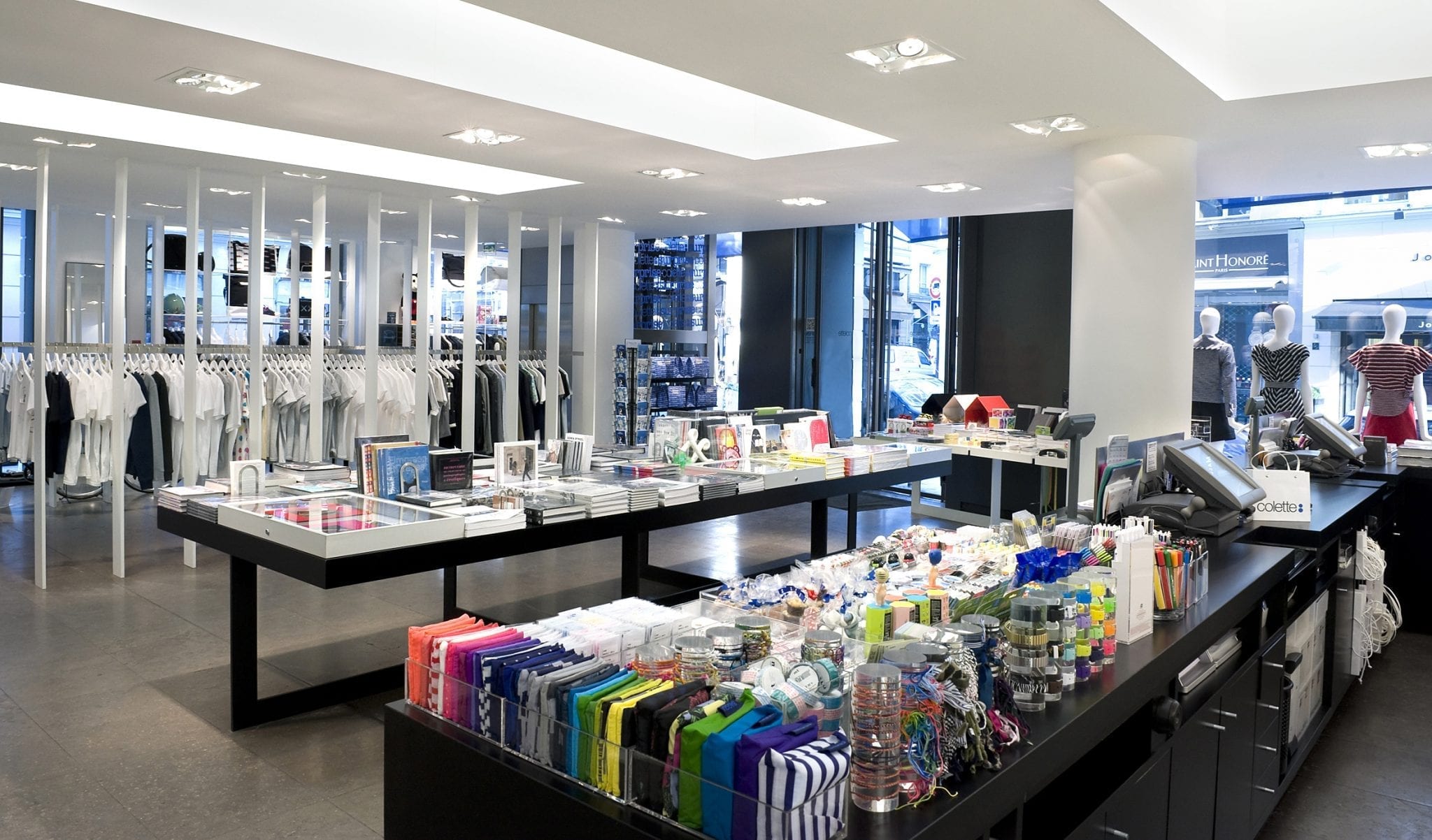
    The iconic Colette Paris flagship store is to close on the 20th anniversary of its opening. The news came as a shock as the retail brand has continued to flourish in the internet era, and continues to work with brands on collections – the most recent with Swedish fast-fashion brand H&M announced this week.

    “As all good things must come to an end, after 20 wonderful years, Colette will be closing its doors on December 20th of this year,” the company said in an Instagram post.

    “Until our last day, nothing will change. Colette will continue to renew itself each week with exclusive collaborations and offerings, also available on our website colette.fr We thank you for your support and see you soon at Colette – until December 20,” the post concluded.

    The reason for the closure is that founder Colette Roussaux has decided to step back from an active retail management role, and “Colette cannot exist without Colette”.

    The 8000 sqft, three-storey store in trendy Rue Saint Honoré, is likely to be taken over by Saint Laurent.

    “We would be proud to have a brand with such history, with whom we have frequently collaborated, taking over our address.” Employees may transfer to the luxury fashion brand.

    Roussaux has largely left the day-to-day running of the store to her daughter Sarah Andelman during the past few years.

    The Business of Fashion said the store’s success was down to its “discerning fashion edits and quirky mix of lifestyle products that have turned the store into one of Paris’ premiere fashion pit-stops”.

    Among its fans is fashion designer Karl Lagerfeld who once declared it was the only store he ever shopped at “because they have things no one else has”.

    “I buy watches, telephones, jewellery there – everything really! They have invented a formula that you can’t copy easily, because there is only one Colette and her and Sarah are 200 per cent involved.”

  • China helps power Burberry quarterly sales up 5 per cent

    China helps power Burberry quarterly sales up 5 per cent

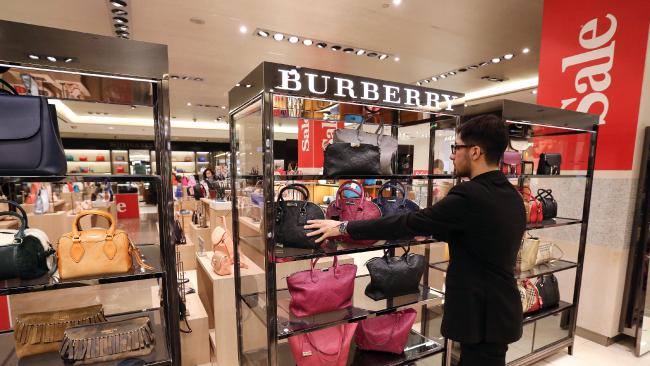
    Burberry quarterly sales have jumped by a solid 5 per cent, largely buoyed by a doubling of turnover in China.

    Greater China is a key market for Burberry, accounting for almost a quarter of total sales.

    A social media campaign – including activity by Beijing blogger ‘Mr Bags’ – helped boost brand awareness and sales through the WeChat channel.

    Globally, retail revenue rose 3 per cent to £478 million (US$613 million) and like-for-like store sales rose 4 per cent during the three months to June 30.

    The figures impressed analysts, outperforming expectations and providing a welcome background to incoming CEO Marco Gobbetti’s first investor presentation today.

    However, Bloomberg columnist Andrea Felsted urged caution, writing that Gobbetti “still has the task of reigniting interest in the tired brand”.

  • Mecca Maxima to launch in Auckland

    Mecca Maxima to launch in Auckland

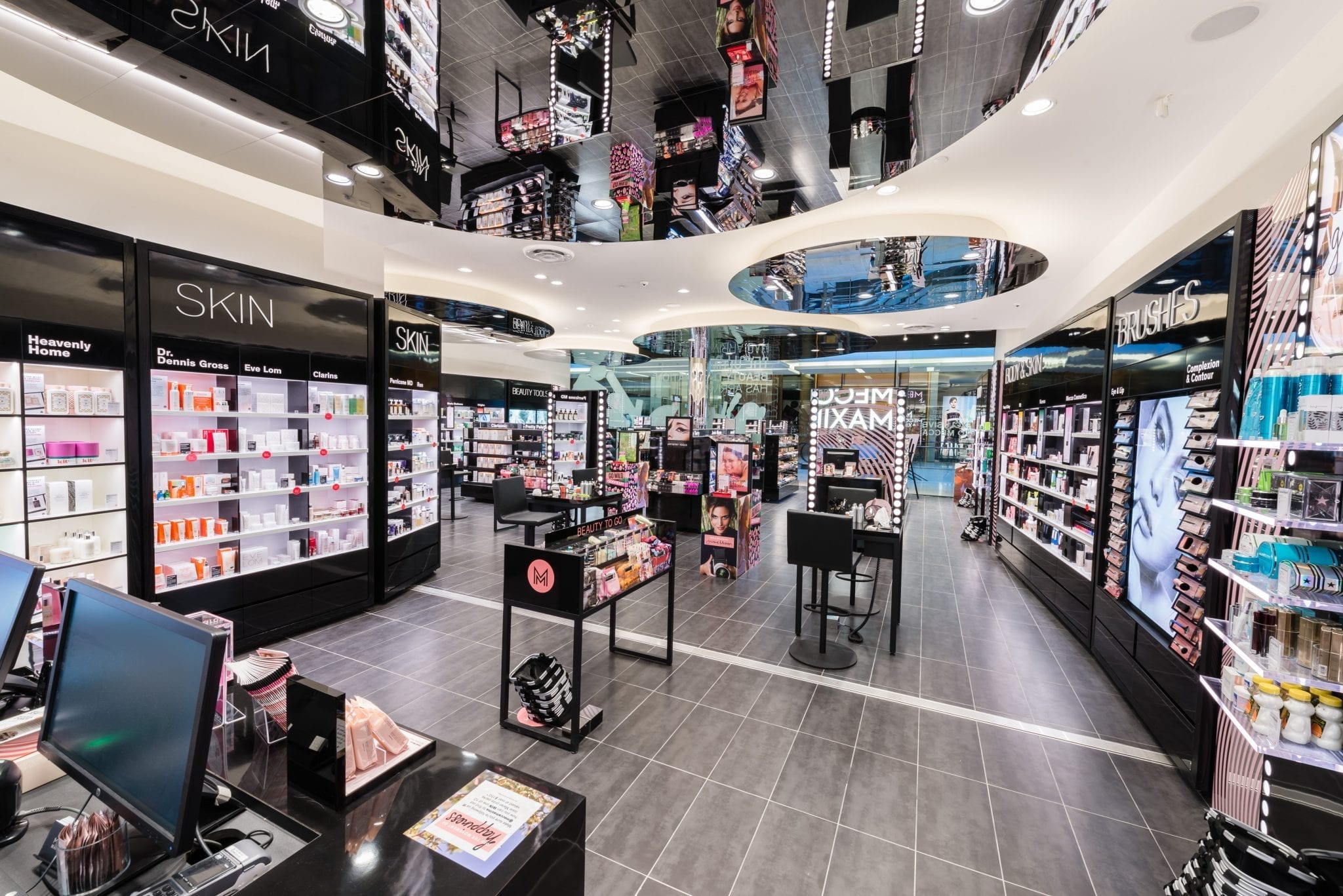
    Cosmetics brand, Mecca Maxima, will open its first Auckland store in the first week of August.

    The 263sqm beauty emporium will stock over 50 global brands in makeup, skin, hair and fragrance categories. It will have 12 stations for makeup applications and skin consultations.

    After first launching in Christchurch then Wellington, the Auckland store will be the first of many to open in the region.

    “New Zealand, you have embraced us with open arms,” said Jo Horgan, Mecca founder. “I have been nothing but humbled by your response to Mecca Maxima and I am very much looking forward to opening more of our stores in this beautiful part of the world and delivering more of our inimitable beauty experiences to you.”

    Mecca Maxima Auckland is the sixth in New Zealand’s Mecca store network of Cosmetica and Maxima beauty destinations, with the company planning on significantly expanding its footprint over the coming years.

  • New Zealand’s Trilogy sets up T-Mall flagship

    New Zealand’s Trilogy sets up T-Mall flagship

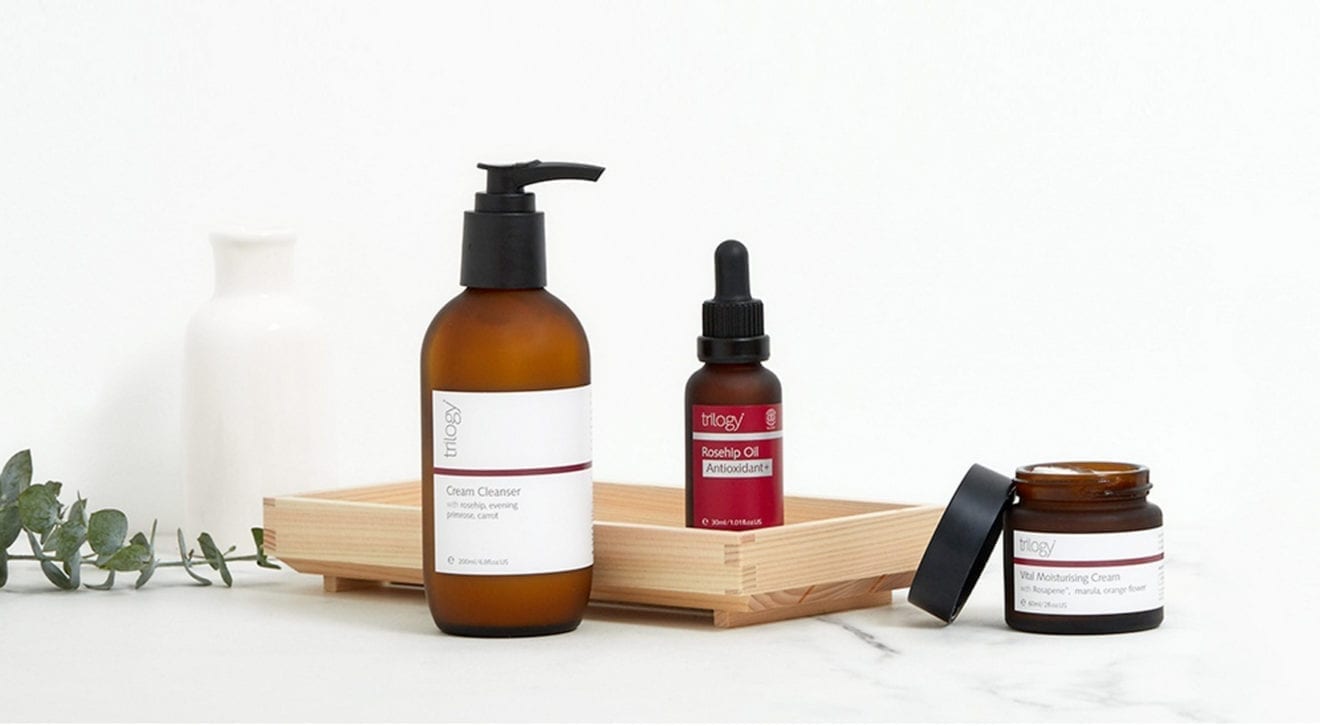
    New Zealand skincare company Trilogy has set up a cross-border e-commerce flagship store on Alibaba’s T-Mall platform.

    Trilogy has been exporting to eight countries across Asia, raking in NZ$4 million (US$2.9 million) in sales last year, almost double from the previous year’s $2.8 million.

    CEO Angela Buglass says the online store was set up after the company found a distributor in China.
    Buglass says the T-Mall store is a more formal route to market than the daigou channel, where products are shipped through Chinese personal shoppers recruited by consumers in China to buy and send goods individually.

    T-Mall’s platform means the business has control over the content, price and products being sold. Alibaba this year opened its Australia/New Zealand head office in Melbourne, and Trilogy’s T-mall manager is based there.

    While China is Trilogy’s oldest market in the region, Japan continues to be a strong focus, says Buglass. The Japanese beauty market was worth $84 billion last year, and it has been estimated that while Chinese consumers spend about $30 average a year on cosmetics, Japanese consumers spend about $234.

    Trilogy has also created bespoke products for its Japanese and South Korean customers that better suit humid climates, such as lighter formulations of its rosehip oil and face sprays.

    “You try to keep things as homogenised as possible, but the reality is that Japan needs something different to Korea and Vietnam,” says Buglass.

    She says Asian consumers are very suspicious of products because of counterfeit or fraudulency issues, but New Zealand’s reputation “puts us a step ahead”.

  • H&M Beauty is coming to Malaysia this Fall 2017

    H&M Beauty is coming to Malaysia this Fall 2017

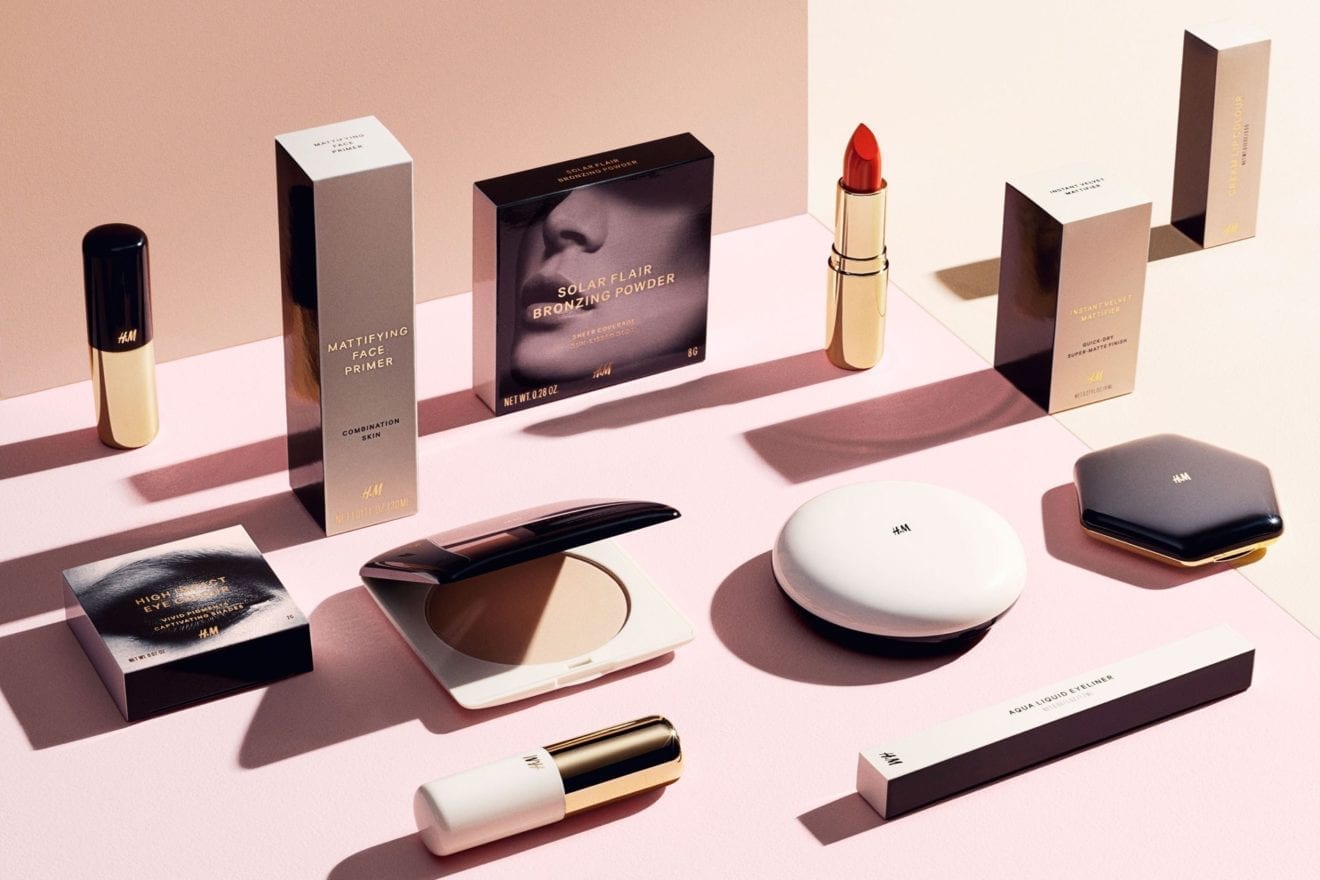
    An affordable cult beauty line worldwide, H&M Beauty is finally making its way to Malaysian shores and it is set to launch in the coming Fall 2017, which means September onwards.

    Featuring over 1,000 makeup and beauty products, H&M Beauty will be launching in selected Malaysian stores, where it will have its own dedicated area within.

    Packed in its signature ivory, black and gold cases inside makeup/toiletries bags, the collection will also include an assortment of fragrances, bodycare, hair care and styling products.

    To top it off, H&M Malaysia will also bring in two subsidiary collections: a premium bodycare range, and the ‘Conscious’ range of Ecocert-approved sustainable products.

    And not to forget, seasonal limited edition collections, much like its fashion designer collaborations.

  • Two luxury names to open at revamped centre

    Two luxury names to open at revamped centre

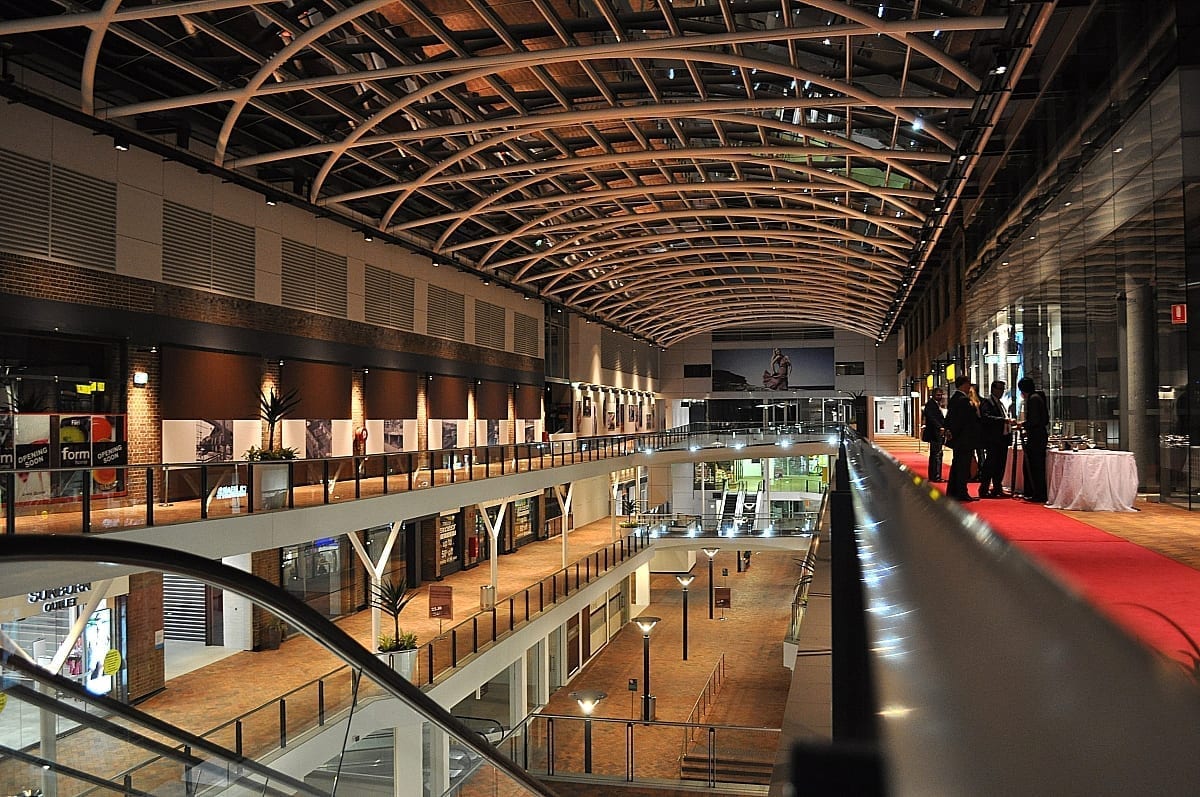
    Luxury retailers, Bally and Harrolds, are set to open their first outlet stores at Birkenhead Point this spring, alongside global designer giants Coach and Michael Kors, and Australian brands Peter’s of Kensington and progressive streetwear designer Zanerobe.

    Mirvac made the announcement yesterday, as the centre prepares for the launch of its multi-million dollar makeover, which will open to the public in early August.

    The fashion brands will join other  international names including Armani, Hugo Boss, Polo Ralph Lauren, Calvin Klein and Victoria’s Secret; plus local Australian designer Oroton.

    Pharmacy chain,  Chemist Warehouse recently expanded its footprint to 580sqm along with Shoe Warehouse returning in its new location on Level 1.

    Mirvac said the revamped centre appeals to locals, domestic and international visitors.

    “This latest development responds to our customers’ wants and desires and greatly enhances the appeal of Birkenhead Point, Christina Nelson, Mirvac senior development manager. “We have improved the customer experience by delivering a sophisticated and contemporary palette of finishes in the main mall on Level 2, including new mall flooring and ceilings, bespoke furniture and shopfront upgrades, whilst embracing the heritage backdrop  of this unique and much-loved building.”

    The redevelopment also includes incorporate a new ‘entry statement’, with a  glass window display and state-of-the-art digital screen technology using content designed by creative agency, Vandel. The display, at the Roseby Street entrance, will play host to the Birkenhead Art Project, exhibiting work from some of Australia’s artistic talent in collaboration with Art Pharmacy Founder, Emilya Colliver.

    The art will sit in the giant window display and be interpreted digitally on a large screen.

    Sydney based paper artist, Jo Neville, is first up, showcasing a bespoke paper floral installation.

  • Calvin Klein operator ups stake in struggling retailer

    Calvin Klein operator ups stake in struggling retailer

    Apparel supplier and retailer, Gazal Corporation, has upped its stake in struggling luxury handbag retailer, Oroton, confirmed in an announcement yesterday.

    Gazal – which jointly owns and manages PVH Brands Australia, a joint venture company in partnership with PVH Corp – confirmed it has acquired a 7.35 per cent shareholding in Oroton at $1.00 per share.

    The apparel operator said it noted the current strategic process in place for the ailing handbag retailer, which is negotiating with Westpac the terms of a $35 million facility that is due to expire in 2018, will receive up to $3 million credit support from its major shareholder and former director James Vicars, who holds an 18.2 per cent share.

    “Gazal has no proposal to put to Oroton but may consider opportunities arising from the strategic process as well as other opportunities as they arise,” the company said in its statement to the ASX.

    The company holds the licenses and operates PVH’s brands including Calvin Klein and Tommy Hilfiger as well as other licensed and JV owned brand names such as Van Heusen, Pierre Cardin, Bracks, Nancy Ganz, Spanx and Hold Me Tight. It also operates the Bisley Workwear brand.