Category: Fashion

Retail News Asia is committed to providing both local and global retailers with the latest Fashion news throughout the Asian market. This on a daily base.

  • AWPL opens outdoor apparel store at Sydney Airport

    AWPL opens outdoor apparel store at Sydney Airport

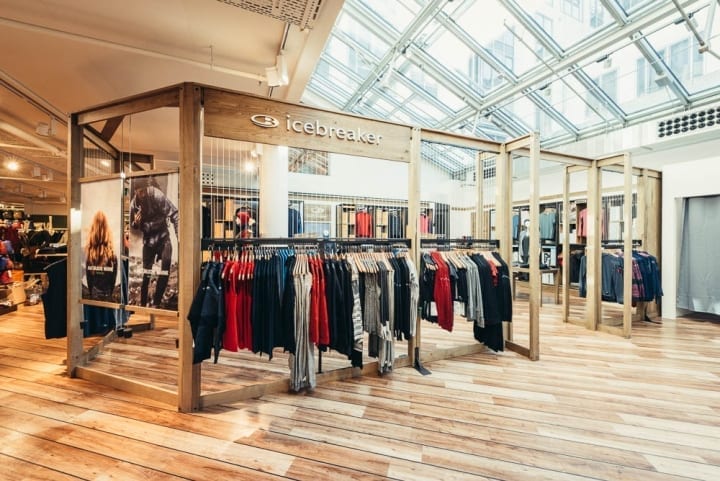
    AWPL has opened Australia’s first Icebreaker airport store in Sydney Airport’s T1 International Departures.

    New Zealand’s Icebreaker offers a range of outdoor apparel. The Sydney Airport concept store will feature Icebreaker’s merino wool apparel, including socks, underwear, base layers, performance ski gear and travel wear.

    The products are made from merino wool sourced from over 180 stations along New Zealand’s Southern Alps. According to the company, the lightweight fabric breathes in hot weather and locks in heat during icy spells, making the gear suitable for all conditions.

    “We are delighted to be the first airport in Australia to welcome Icebreaker to T1 International Departures, further bolstering our selection of global brands and offering our customers the opportunity to shop a great range of high-performance outdoor clothing,” said Sydney Airport General Manager Retail Glyn Williams.

    AWPL Managing Director Costa Kouros commented: “We at AWPL are proud to further strengthen our relationship with Icebreaker – one of the world’s most wonderful brands. Our commitment to enhancing the customer experience at Sydney Airport is unwavering, and our Icebreaker concept is another step on that journey.”

  • H&M India to debut e-commerce, plans 8 new stores

    H&M India to debut e-commerce, plans 8 new stores

    H&M plans to launch an India-dedicated e-commerce this year, as well as several new store openings, in a bid to reach customers across all of India, not just major metropolitan hubs.

    The Swedish fast-fashion giant is planning to add 8 new stores within the next 6 months, adding five more stores in Tier 1 cities like Mumbai, Delhi and Bengaluru, and three and in Tier 2 cities.

    H&M will add two new stores in Mumbai, two at Bengaluru and one in Delhi’s National Capital Region (NCR) of Ghaziabad.

    The brand will also foray into new cities of Coimbatore, Indore and Amritsar this year, the company said in a statement.

    “H&M is especially excited to expand its reach in India, a market that poses tremendous potential both in Tier I & Tier II cities”, said Janne Einola, Country Manager at H&M India.

    Meanwhile, H&M’s online vertical is on the verge of deployment. The venture into online market would see it cater to Tier 2 and tier 3 cities where H&M does not have any physical presence as of yet.

    The group’s Indian operations turned profitable this year, posting remarkable sales of Rs 435 crore (US$67 million) in six months from December 2016 to May 2017.

  • SK-II launches exclusively at Changi Airport

    SK-II launches exclusively at Changi Airport

    Japanese beauty brand SK-II will launch new Magnetic Booster, part of its Radical New Age Power (R.N.A) line, exclusively with The Shilla Duty Free at Changi Airport on 1 July.

    The Magnetic Booster will be sold in sets with the R.N.A Power Cream (80g) in the R.N.A Power Magnetic Kit (S$200/US$145) or with the R.N.A Power Essence (50ml) in the R.N.A Power Essence Magnetic Kit (S$187/US$136). Magnetic Booster will be available at all Singapore SK-II counters from September.

    Magnetic Booster features Magnetic Micropulse Technology which is claimed to deliver consistent yet gentle pulsations at 7,000 magnetic vibrations per minute with magnetism. According to SK-II, the product is three times better at improving penetration than finger application.

    To support the launch, top Chinese celebrity make-up artist Wu Miao will host sessions on 7 July for beauty media, influencers and selected customers at the SK-II PITERA Lounge at The Shilla Duty Free. Miao, who contributes to Marie Claire, SELF and OnlyLady magazines, was named as one of the top ten beauty bloggers by Weibo. SK-II Associate Director Travel Retail Global Shweta Sharma, The Shilla Duty Free Head of Global Merchandise Division Raelene Johnson and Changi Airport Group Senior Vice President Airside Concession Division Teo Chew Hoon will also attend the event.

    The SK-II PITERA Lounge, which launched in October 2015, is the brand’s first and only lounge facility in an airport and offers facial and massage services. Miao will share his tips for using the Magnetic Booster along with the R.N.A Power Cream and will provide insight on his inflight and travel skincare regimen by curating his own inflight beauty essentials. Guests will then be invited to experience the new Magnetic Booster and curate their own inflight beauty essentials followed by a shopping tour at The Shilla Duty Free.

    SK-II Associate Director Travel Retail Global Shweta Sharma said: “We are again honoured to be celebrating our ninth year of solid partnership with Changi Airport Group, and our fourth with The Shilla Duty Free with the first-in-the-world launch. We are excited to delight travellers with this exclusive access to our latest skincare innovation and for them to experience the power of the award-winning SK-II R.N.A Power anti-ageing range.”

  • The Region’s Largest Consumer Jewelry Show

    The Region’s Largest Consumer Jewelry Show

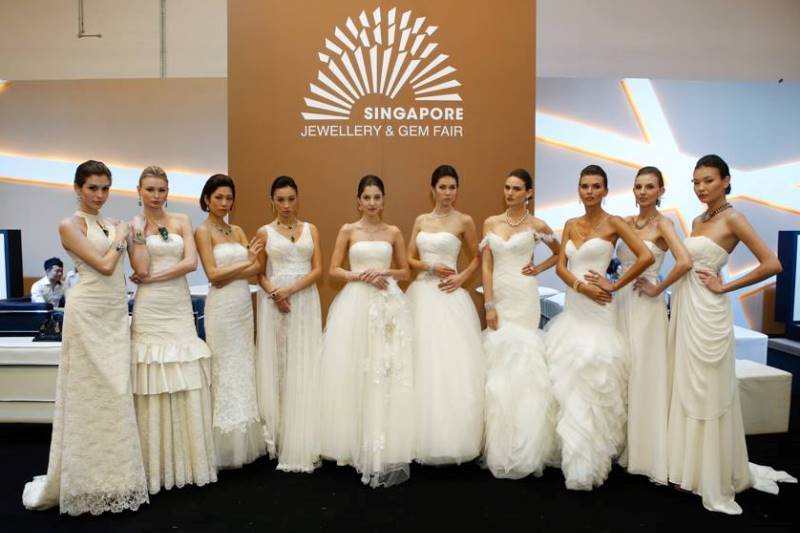
    The Singapore International Jewelry Expo (SIJE) 2017 is back larger than ever. This year SIJE 2017 celebrates the love of jewelry, stunning gemstones that make a statement. Several of the ‘gifts from the heart’ celebrations by the offsprings of well-known jewelers will make their debut at the show. They will present their own creations for a new generation of jewelry enthusiasts.

    Over four days, from July 6 to 9, 2017, some 15,000 visitors are expected to visit more than 200 jewelers from 25 countries. With more than US$150million in exhibits spread over 8,000 square metres, there will be something to intrigue every visitor.

    SIJE 2017 gathers the world’s leading jewelers from the jewelry capitals of the world. The country pavilions and contingents are made up of jewelers from Italy, Hong Kong, India, Singapore, Cambodia, Indonesia, Japan, Thailand, Myanmar and newcomers Portugal and Mongolia, among many more jewelers from 25 countries in all.

    This year, the organiser has commissioned some of the most exquisite and affordable jewelry from jewelers from all over the globe, for buyers here in Singapore. These start from S$250 and are crafted by some of the most talented jewelers from Italy, Hong Kong, India, Malaysia, Singapore and more.

    On the industry front, jewelry has been the most significant contributor to the global sales of personal accessories, largely driven by retail sales of fine jewelry which accounted for 87% of total jewelry sales in 2016. Jewelry growth has remained resilient in tough times, registering the fastest growth within the personal accessories category in 2016.  At the fastest growth rate of 10%, Asia Pacific remains a key growth region in the world for the industry. While China and India continue to account for a large proportion of the demand for jewelry in Asia Pacific, other emerging markets, in particular within Southeast Asia, have grown in importance.

    SIJE has an important role for the industry in this region. It is a hub for fine jewelers and jewelry designers from around the globe to present their collections to a fast expanding Asian market.

    The largest and most sustainable consumer jewelry show in this region, offers its visitors so many reasons to visit it this year.

  • Richemont sells Shanghai Tang

    Richemont sells Shanghai Tang

    Richemont has sold Hong Kong-based dressmaker Shanghai Tang, showing that a Chinese name still doesn’t have the same ring to luxury shoppers as a French or Italian one.

    Italian fashion entrepreneur Alessandro Bastagli and private equity fund Cassia Investments Ltd. bought the brand, one of the first Chinese fashion labels to seek a global presence, according to a statement Monday. It’s the first sale of a luxury unit by Geneva-based Richemont since 2007, and follows a pledge by Chairman Johann Rupert in November to fix or sell underperforming businesses.

    “The disposal of Shanghai Tang is a logical step,” Rene Weber, an analyst at Vontobel, said in a note. “The brand was neither material in terms of sales nor of profit.”

    Shanghai Tang attracted stars such as Nicole Kidman and Kate Moss with its 1920s-inspired dresses — some costing more than $2,000 — but struggled to gain a broader following in the west, while consumers in China have preferred western luxury brands. In a ranking by researcher Hurun of the top fashion brands for Chinese women, Shanghai Tang ranked 10th, behind nine European brands including Chanel, Dior and Gucci. It didn’t show up on the top 10 for men, which was led by Giorgio Armani.

    Richemont acquired a controlling stake in Shanghai Tang in 1998, a year after sovereignty over Hong Kong was transferred from the U.K. to China. It bought the rest in 2008. The luxury company is revamping its portfolio, having merged its Net-a-Porter online unit with Yoox SpA in 2015 after disposing of Italian penmaker Montegrappa in 2007. It now owns 18 brands, including Cartier, Montblanc and IWC.

    Richemont didn’t disclose the price for Shanghai Tang, one of four labels that Sanford C. Bernstein analyst Mario Ortelli said in 2013 he expected might be sold. The others were Dunhill, Chloe and Azzedine Alaia. Richemont said that year that it decided against any divestments, and has since reconsidered. Its shares were up 0.7 percent at 15:04 p.m. in Zurich.

    The company has restructured Dunhill and rejuvenated Chloe’s management with a new creative director. Other small Richemont brands include Purdey, a maker of luxury shotguns, and Lancel, a French pursemaker that the company considered selling in 2013.

    Sir David Tang, who now writes a column in the Financial Times, started Shanghai Tang as a bespoke tailor shop in 1994, combining Chinese and western design influences and expanding into accessories and housewares. While the brand attracted buzz about China’s growing cultural and design influence around the turn of the millennium, when its form-fitting qipao dresses were worn in Wong Kar-Wai’s film “In the Mood for Love,” its Mandarin collars never caught on in a big way in Europe or the U.S.

    The original Shanghai Tang location in Hong Kong closed in 2011 due to high rents, and the brand also shut a New York shop. The fashion maker has 32 stores currently. Rival Hermes International has provided competition with its Shang Xia brand since 2010.

    Cassia, which focuses its investments on consumer companies, is based in Hong Kong. Bastagli is the chairman of Italian fashion producer and distributor A. Moda SpA, and of Lineapiu Italia, a maker of luxury yarn. A.Moda’s clients have included Versace, according to its website.
  • Hong Kong female consumers spend over HK$4000 on skincare products

    Hong Kong female consumers spend over HK$4000 on skincare products

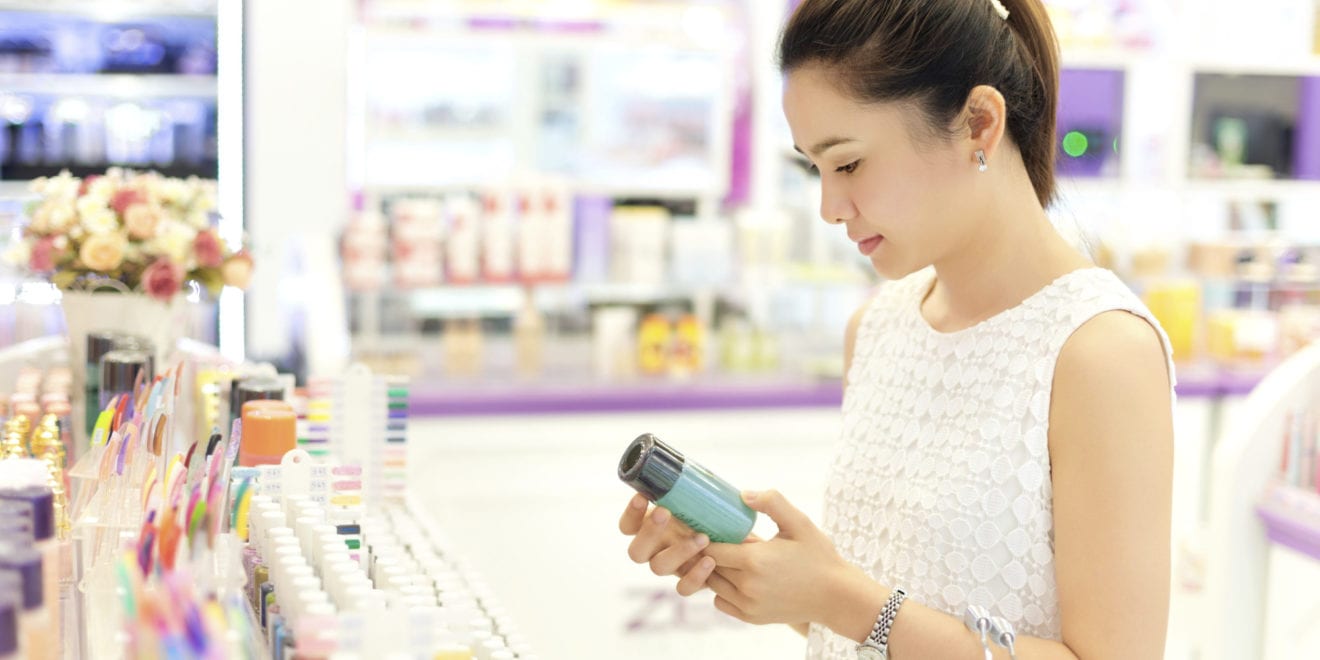
    “Beauty is bought by judgment of the eye” said Shakespeare, but every woman can use her beloved Cosmetic and Skin Care products to further enhance her look. With a plethora of trendy and fashionable female inhabitants, Hong Kong is a perfect base for international skincare and cosmetic brands. 96% of Hong Kong female consumers purchase skincare or cosmetic products, with the age group 35-44 spending over HK$5,000 in the past year. While Brand flagship stores still take up most of the sales, overseas purchase is also on the rise, according to Nielsen’s Cosmetic Consumer Panel.

    Frequent buyers are not necessarily the highest spenders
    As the survey reveals, 96% of Hong Kong female consumers have purchased skincare or cosmetic products with an average spending of HK$4,021 per year. Among which, penetration on skincare products (93%) is higher than that of cosmetic products (81%). Across all age groups, ladies aged 25-34 make the most trips to buy skincare or cosmetic products, averaging 11.0 trips per year, followed by those who aged 18-24 who make 10.7 trips per year. However, in terms of the amount spent on skincare and cosmetic products, female consumers aged 35-44 are the biggest spenders, approximating HK$5,000 in the past year, followed by those aged 25-34, who spent about HK$4,700in the past year. Results indicate that ladies aged 25-34 and 35-44 have the deepest wallets for skincare and cosmetic products.

    Overseas purchase on the Rise
    While brands always wonder if it is worthwhile to increase investment in operating their own shops given the high rent and operation cost in Hong Kong, the compelling results shows that, four in 10 dollars spent on skincare and cosmetic products are through brand shops. However, it is worth-noting that many female consumers are purchasing these products during travel overseas. This overseas purchasing accounts for more than 10% of their spending, so brands should watch out on price and assortment gap between Hong Kong and other countries. Brands struggling to grow their online business can look at shopping behaviors of specific age segments and target other groups in different methods. For example, while younger females (aged 18-24) are likely to use online more, more mature women (aged 45-55) prefer chain drug stores. Despite their preference on purchase channels, the top 18% of consumers account for approximately 40% of spending, indicating their high spending as compared to the rest of the buyers. Brands should target these highest spending groups.

    What are the highest spending categories?
    The most frequently purchased item is not necessarily the one where consumers dedicate most of their spending in. Among cosmetic product categories, lipstick is the most purchased item, yet perfume is the category where consumers spent the most. For skincare products, moisturizer is the most frequently purchased item while face mask is the highest spending category. Take functional serum for example: while it is not in the top five in terms of penetration, but due to high price and higher than average purchase frequency, it comes in as the second largest category in skin care products in terms of spending.

    Who should brands target?
    When comparing the total spending on cosmetic and skincare products, more than half the spending is on skincare products (57%). Among all age groups, ladies in the mid to mature age groups (35-44 & 45-55) spend more money on skincare products whereas younger groups (aged 18-34) generally spend more on cosmetics than skincare products. It is therefore critical for brands to identify and reach the right target customers to maximize brand growth.

    “While female consumers from all age groups use both cosmetic and skincare products, purchase frequency and total spending increases with age. We are seeing that consumers aged 35 to 44 are generally the biggest spenders. At the same time, different age groups vary in their preferences of purchase channel. So, it’s really important for brands to tailor their marketing strategies and sales channels to focus on the most relevant age groups,” said Michael Lee, Vice President, FMCG and Retail verticals, Nielsen Hong Kong.

  • Alibaba denies links to luxury e-tailer Yoox Net-A-Porter

    Alibaba denies links to luxury e-tailer Yoox Net-A-Porter

    the Chinese conglomerate, led by founder and chairman Jack Ma, had contacted Yoox Net-a-Porter over possible capital cooperation or even a takeover, adding it had not ruled out buying shares. This news was quickly denied by sources in the company, who stated this was “not true”.

    The suggested tie-up between Alibaba and YNAP comes just days after a mega deal that saw JD.com spend a whopping US$397 million on luxury fashion e-commerce site Farfetch.

    Dubbed by some the Amazon of fashion, YNAP saw its shares jumped 9.24 per cent on Monday and Tuesday on the back of the Alibaba rumour – its biggest two-day rise since last September.

    The rally was just in time to mitigate investor concerns over mounting short interest in the stock, as the luxury e-commerce market became increasingly crowded.

    “Alibaba should still be looking into cultivating its luxury e-commerce businesses at home,”said Tang Xiaotang, founder of luxury retail consultancy Nofashion. “The market is overwhelmed by noise right now.”

    YNAP is the result of a merger between Yoox and Net-A-Porter, two of the biggest Western online luxury fashion retailers, boasting of a client base of more than 2.9 million high-splenders.

    It booked a 16 per cent increase in adjusted net profit of 69 million (US$77.6 million) last year, with a market capitalisation of 3.48 billion euros.

    Online luxury sales are predicted by Bain & Co to be the fastest-growing channel for retailing of premium goods, and top luxury fashion houses such as Prada and Burberry have been scrambling to ramp up their own online offerings.

    The most notable of all is 24 Sevres, a multi-brand online retailer launched in June by LVMH, the world’s largest luxury conglomerate that owns Louis Vuitton and Dior.

    Competition has also heated up with an influx of new market share grabbers including Shopbob and Zalando, both of which are gaining popularity for their designer fashion clothing offerings.

    However, analysts believed Alibaba could still be eyeing overseas deals in an attempt to build up a global logistics network, following the move to set up an e-hub in Kuala Lumpur as well as the buyout of Southeast Asian e-commerce operator Lazada, last year.

    “After all, Alibaba still has a ‘go global’ agenda, which can be pursued through M&As”said Ray Zhao, an analyst with Guotai Junan Securities.

  • Vinatex invests in technology to expand market share

    Vinatex invests in technology to expand market share

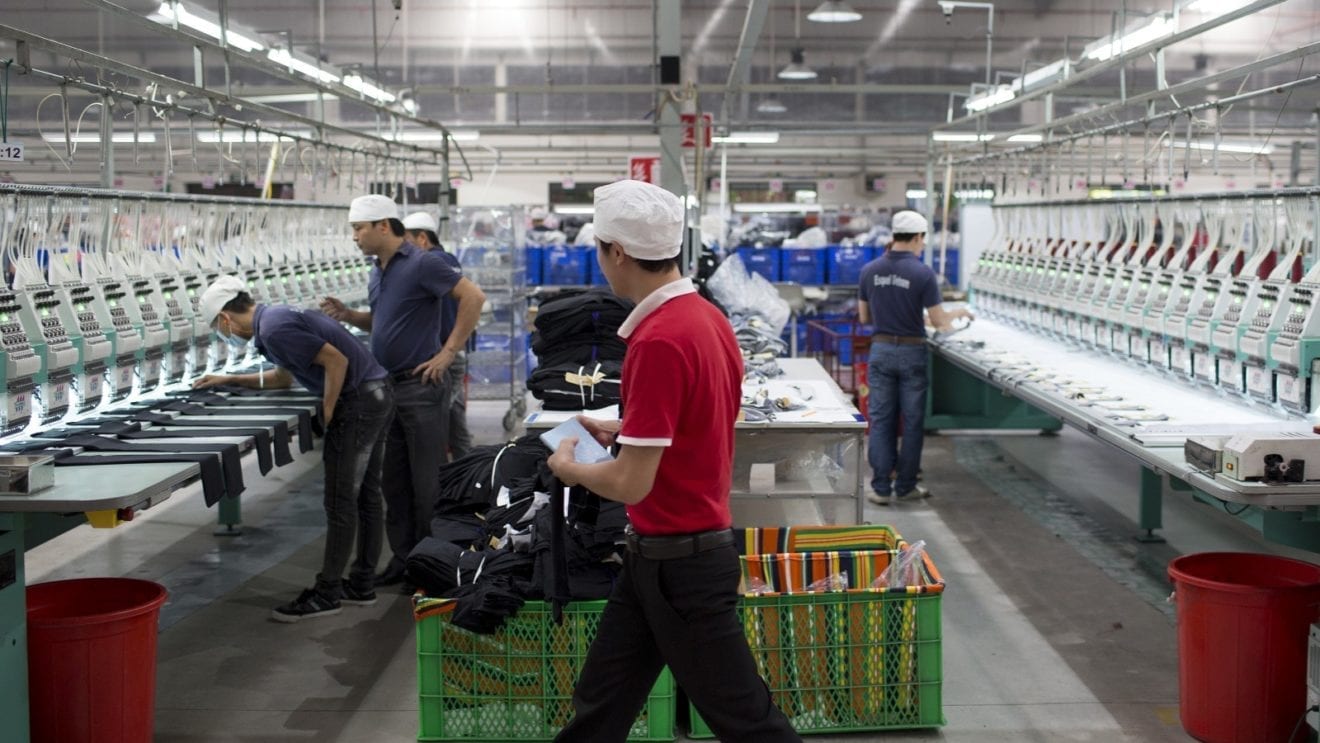
    The Vietnam National Textile and Garment Group (Vinatex) must innovate its technologies as soon as possible in order to increase its market share, said Le Tien Truong, the group’s General Director, at its share-holders’ meeting held in Hanoi on June 29.

    Vinatex will focus resources on investing in technology during the 2017-2020 period

    Therefore, during the 2017-2020 period, Vinatex will focus resources on investing in technology, Truong affirmed.

    According to him, the world economy is likely to grow by 2-3 percent this year, while the world demand for garment and textiles may recover slightly, at about 0.5 percent.

    In addition, the US may adjust up import taxes on commodities from China, including garment and textiles, which can be a positive sign for Vietnam’s garment and textile export by expanding its market share in the US.

    However, the Vietnamese garment sector is facing fierce competition in attracting orders as domestic businesses are unable to provide package services and face difficulties in meeting importers’ shipping requirements.

    The country’s major competitors such as China, India, Bangladesh, and Indonesia continue attracting a lot of orders thanks to their preferential policies on tax and exchange rate, while the European Union-Vietnam free trade agreement (EVFTA) and Trans-Pacific Partnership (TPP), which are hoped to help with Vietnam’s exports, have yet to become effective in 2017.

    Other problems for the sector include rising input costs and falling selling prices, plus the lack of high-quality human resources who can operate modern machines, especially in weaving and dyeing phases.

    Therefore, the Vinatex will exert efforts to increase management capacity and administration in a modern and professional manner, while continuing to expand markets in East Europe, and optimise advantages offered by valid FTAs.

    In 2016, Vietnam’s apparel industry saw lower than expected results, with 28.3 billion USD in exports, up 5.7 percent year on year. Vinatex earned over 2.5 billion USD, an increase of 5 percent over 2015, with a pre-tax profit of over 41 trillion VND on a 5 percent year on year increase.

    In 2017, Vietnam’s textile-garment sector aims for a growth rate of 7-8 percent, and 30 billion USD in export earnings.

  • YSL Beauty opens largest store in Kuala Lumpur

    YSL Beauty opens largest store in Kuala Lumpur

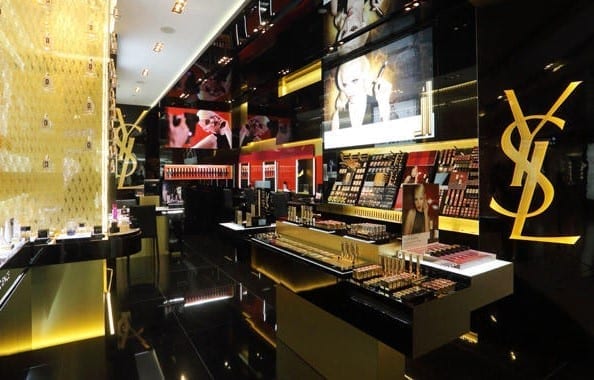
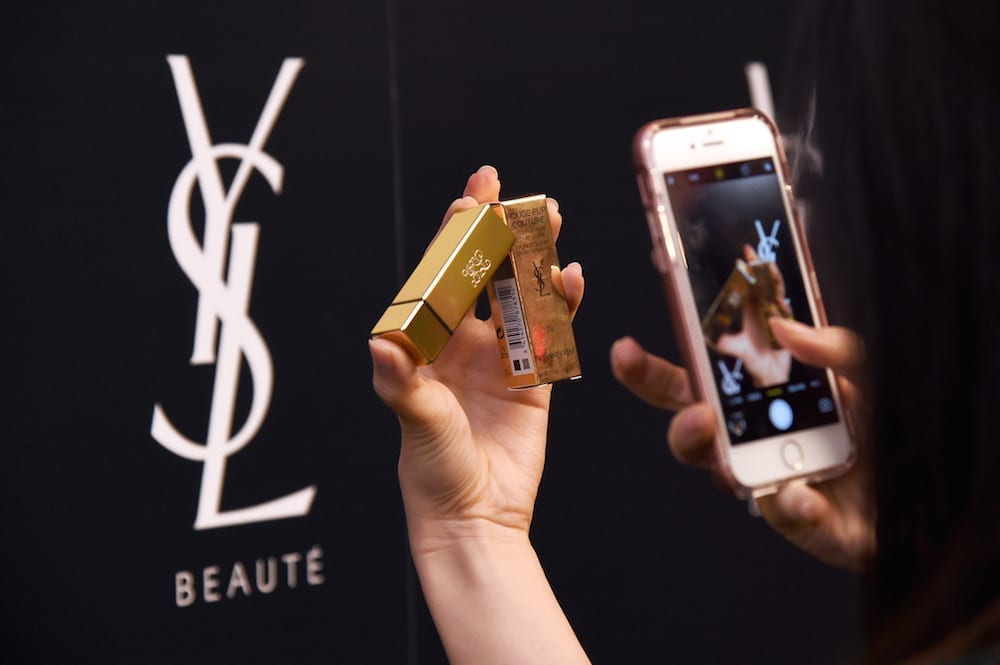
    YSL Beauté has officially opened its first flagship boutique in Malaysia, the luxury retailer’s flagship store for Asia.

    It’s a milestone move for YSL. Spanning over 1,057 square feet, the new boutique is currently the largest YSL Beauté boutique in the world and also the first in Asia to offer gifting and engraving services to its patrons.

    Conveniently located in the Pavilion Kuala Lumpur, the new French cosmetics store boasts glossy black panelling licked with the iconic YSL gold embellishments.

    Better still for local shoppers, it offers the full range of YSL Beauté products, including the bestselling YSL Touche Éclat concealer and its new summer 2017 collection.

    Dubbed “Solar Pop,” the new line features four of YSL’s flagship products revamped for the season with exclusive packaging and colours.

    This includes Yves Saint Laurent’s “Les Sahariennes Bronzing Stones,” a bronzing palette formulated with ultra-fine pigments to smooth and illuminate skin with a natural effect, and YSL’s “Full Metal Shadow” glossy eye colours, which get two new shades: Gold Source and Violet Wave.

    YSL classic “Baby Doll Kiss & Blush” comes in two bright new shades with Orange Intrépide and Mauve Aventureux, and for nails, the new Malaysia store will sell “Laque Couture” in two new colours: Jungle Green and Jungle Orange.

    With scores of YSL Beauté counters and concessions already open across Asia, including Hong Kong, Singapore, South Korea and Japan, no further indication has been given from the brand regarding more standalone boutique openings in the near future.

    The new YSL Beauté is located at Lot 3.63.00, Level 3, Pavilion Kuala Lumpur.

  • Louis Vuitton and Supreme to host first collaboration pop up in Sydney

    Louis Vuitton and Supreme to host first collaboration pop up in Sydney

    The long-awaited collaboration between Louis Vuitton and Supreme has finally come, and the two labels announced the location of the first collaboration pop up shop.The LVxSupreme collaboration debuted in January at the Louis Vuitton fall 2017 show.
    Louis Vuitton and Supreme fans in Sydney, Australia will be happy to hear that the world’s first LVx Supreme pop up will be located at 95 Roscoe St in Bondi Beach, and the pop up will be open from June 30 through July 13, 2017.

    The fashion world went into frenzy in January when the LVxSupreme collaboration collection debuted at the Louis Vuitton fall 2017 show in Paris.

    Rumors of a New York City pop up began circulating and looked real for a period of time, until a Manhattan community board unanimously voted against the idea, citing preparedness concerns. The board felt that those manning the event would not be ready for the number of shoppers that would line up for the pop up, which was originally planned to be located at 25 Bond Street.

    Since the possibility of a New York City pop up has been shut down, Sydney will host the first pop up for the collaboration, and more pop up locations are to be announced soon.

  • YSL Beauty opens largest store in KL

    YSL Beauty opens largest store in KL

    YSL Beauté has officially opened its first flagship boutique in Malaysia, the luxury retailer’s flagship store for Asia.

    It’s a milestone move for YSL. Spanning over 1,057 square feet, the new boutique is currently the largest YSL Beauté boutique in the world and also the first in Asia to offer gifting and engraving services to its patrons.

    Conveniently located in the Pavilion Kuala Lumpur, the new French cosmetics store boasts glossy black panelling licked with the iconic YSL gold embellishments.

    Better still for local shoppers, it offers the full range of YSL Beauté products, including the bestselling YSL Touche Éclat concealer and its new summer 2017 collection.

    Dubbed “Solar Pop,” the new line features four of YSL’s flagship products revamped for the season with exclusive packaging and colours.

    This includes Yves Saint Laurent’s “Les Sahariennes Bronzing Stones,” a bronzing palette formulated with ultra-fine pigments to smooth and illuminate skin with a natural effect, and YSL’s “Full Metal Shadow” glossy eye colours, which get two new shades: Gold Source and Violet Wave.

    YSL classic “Baby Doll Kiss & Blush” comes in two bright new shades with Orange Intrépide and Mauve Aventureux, and for nails, the new Malaysia store will sell “Laque Couture” in two new colours: Jungle Green and Jungle Orange.

    With scores of YSL Beauté counters and concessions already open across Asia, including Hong Kong, Singapore, South Korea and Japan, no further indication has been given from the brand regarding more standalone boutique openings in the near future.

    The new YSL Beauté is located at Lot 3.63.00, Level 3, Pavilion Kuala Lumpur.

  • Jaeger-LeCoultre reopens Philippines store

    Jaeger-LeCoultre reopens Philippines store

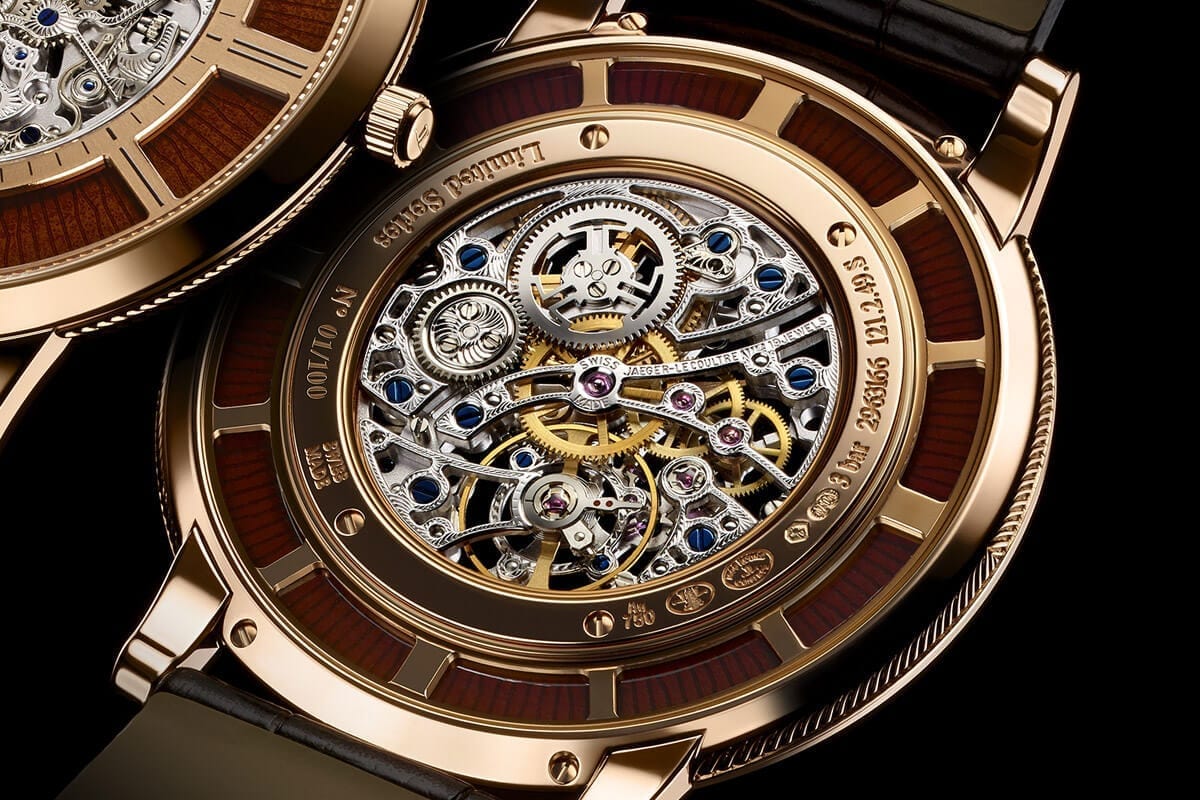
    Luxury watchmaker Jaeger-LeCoultre has reopened its flagship store in Makati City in the Philippines, enhancing the experience for local timepiece gurus.

    Located in Ayala Center’s Greenbelt 5 in Makati, the 40-square-metre boutique was reopened last week with an official relaunch party attended by company executives including Jaeger-LeCoultre’s managing director for Southeast Asia and Oceania, Maxence Kinget.

    “It’s not a store, it’s a boutique with an experience,” Kinget told the Philstar, when describing the new store at the party.

    “For us it’s very important that there is emotion and discovery, the two key mindsets when we designed the boutique.”

    The newly reopened Philippine boutique will carry the watchmaker’s complete range of watches and accessories, as well as the famous Geophysic Tourbillon Universal Time, of which just one will be stocked.

    Jaeger-LeCoultre has also launched a new Geophysic collection for men with a steel metal bracelet, said to be “very good for South Asia because with the humidity and warm weather sometimes you want a stainless-steel bracelet instead of the alligator strap,” according to Kinget.

    There’s also a women’s range, with a new take on the iconic ‘Rendez-Vous’, a round watch with diamonds around the bezel.

    Finally, the new store will stock boutique-exclusive pieces, made in collaboration with Jaeger-LeCoultre and Lucerne – the distributor of Jaeger-LeCoultre in the Philippines — that aren’t available anywhere else in the world.

    Moreover, timepiece aficionados can create their own one-of-a-kind watch with Jaeger-LeCoultre’s new bespoke service on offer.

    “There is in the Philippines a very high level of watchmaking knowledge, a very strong appetite for watches and a very strong Maison in the Philippines,” said Kinglet. “Jaeger-LeCoultre is considered a reference in fine watchmaking, as well as having a very high level of craftsmanship. Within our manufacture we have developed the biggest collection of movements — 1,200 calibers developed in our history, which is absolutely crazy — and we still produce more than 50 calibers in the collection today. We spend a lot of time trying to make sure there is a very strong connection between respect for our tradition, our heritage, as well as being oriented towards the future.

    The Swiss watch group entered The Philippines in 2000, after striking a deal with Lucerne. But it only opened its first store in 2008, which is the newly fitted Greenbelt 5 store.

    Jaeger-LeCoutlre is also sold at Lucerne Jewellers in Taguig City and at the recently opened L’Atelier Lucerne at Shangri-La at the Fort.

  • Eres opens first Hong Kong store

    Eres opens first Hong Kong store

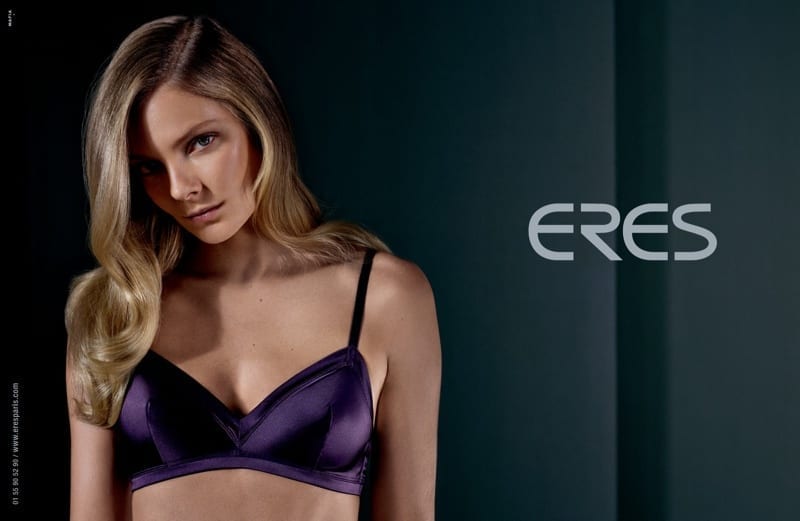
    High-end women’s swimwear and underwear brand Eres has opened in Hong Kong, the first official Eres store in Asia.

    Located in the Harbour City Shopping Mall in Tsim Sha Tsui, the French retailer has brought all its current swimsuits, bikinis and lingerie collections to the shopping hub city and will follow the aesthetic of other Eres boutiques across the globe.

    Part of the prestigious Chanel group since 1997, Eres was founded by Irene Leroux in 1968 as a swimwear label. In 1998, Chanel expanded the brand into lingerie and in 2011, the French brand started opening across the globe, opening stores in Las Vegas, Toronto, Antwerp, Kiev, Saint Bart’s and Sao Paulo.

    In 2013, it ventured into Amsterdam, Moscow, Athens and Connecticut, and opened its first German store in Hamburg in 2014.  In the same year it was scooped up by luxury e-tail giant Net-a-Porter.

    Before Hong Kong, the last Eres store was opened in Houston last year, with more U.S. openings in 2017. In Asia, Eres has a Singapore shop inside the Four Seasons Hotel on Orchard Boulevard and a concession in Japan inside the Isetan department store.

    The brand also recently created a capsule swim collection inspired by Ursula Andress, the Swiss actress who played the first Bond girl.

    Eres Hong Kong is located at 260A, Ocean Centre in Tsim Sha Tsui’s Harbour City complex.

  • La Chapelle gets green light to list in China

    La Chapelle gets green light to list in China

    Chinese multi-brand apparel group Shanghai La Chapelle Fashion Co., Ltd., backed by Legend Capital, Goldman Sachs and other investors, have received approval from Chinese security regulators to list on domestic Chinese stock exchanges three years after it completed an IPO in Hong Kong.

    Founded in 1998, La Chapelle is often called “China’s ZARA” as it focuses on fast fashion for young female consumers in China. Receiving regulatory approval for its IPO is welcoming news for La Chapelle, and its investors, as the company has previously tried and failed to list on domestic exchanges. Its Hong Kong-traded shares have long traded below its IPO price and are currently valued at a price-to-earning ratio of 3.5, compared to a projected PE ratio of around 29 for its planned A-share IPO.

    With the more favorable valuation, La Chapelle can raise RMB1.64 billion (US$240 million) in fresh capital to fuel its expansion. Its venture investors will also be handsomely rewarded. Goldman, in particularly, will finally be able to make a positive return on investment after suffering significant paper losses.

    Legend Capital invested RMB45 million to acquire a 25% stake in the company in 2009. A year later, as the company reached its earnings target, Legend invested another RMB46 million to remain its stake as required by a valuation adjustment mechanism embedded in the investment contract.

    At the same time, Le Chapelle grew rapidly, quadrupling its sales to RMB2 billion in 2011 from RMB500 million in 2009. But its road to IPO did not go as well. In 2013, its IPO application was rejected by the China Securities Regulatory Commission as the domestic IPO market was suspended.

    That year, Goldman invested RMB300 million for a 5% interest in the company, valuing the company at RMB6 billion, before the company moved its focus to a Hong Kong IPO. Other investors in the company from previous financing rounds include Orchid Asia Group Management Ltd., Boxin Capital, Shanghai Ronggao Venture Capital and Asia Alternatives Management LLC.

    The company completed a Hong Kong IPO in October 2014, raising a total of HK$1.7 billion (US$220 million) by offering 121.58 million ordinary shares at HK$13.98. Its shares subsequently tanked and reached as low as HK$7 apiece last July despite a HK$120 million share buy-back aimed to improve sentiment. The poor performance also put Goldman at a significant paper loss.

    In April 2015, shareholders approved a plan to list on the A-shares market during one of the biggest ever bull markets in the domestic Chinese stock market. Over two years later, the newly approved plan calls for the company to issue no more than 54.77 million new shares to raise RMB1.64 billion.

    Le Chapelle plans to use the IPO proceeds on opening more retail stores. The company has expanded its network of retail locations, which are 100% self-owned, to nearly 9,000 last year from 1,841 in 2011.

  • John Hardy opens second Hong Kong store

    John Hardy opens second Hong Kong store

    Artisan jeweller John Hardy has opened a second Hong Kong store this month, setting up shop on China’s Pearl River Delta.

    Located at Gateway Arcade, the Harbour City shopping area on Hong Kong’s Kowloon, the new store covers 391-square feet and joins John Hardy’s debut store at Landmark (Central) on Hong Kong Island.

    The jeweller is also stocked in multi-brand retailer Lane Crawford, but sees the Gateway standalone store as a prime move due to it interconnected location.

    “The Gateway is one of the most popular destinations,” John Hardy chief executive officer Robert Hanson, told WWD. “It attracts locals, professionals, expats and visitors from mainland China. They’re drawn to the energy and the traffic of the mall. This is our only location on the Kowloon side.”

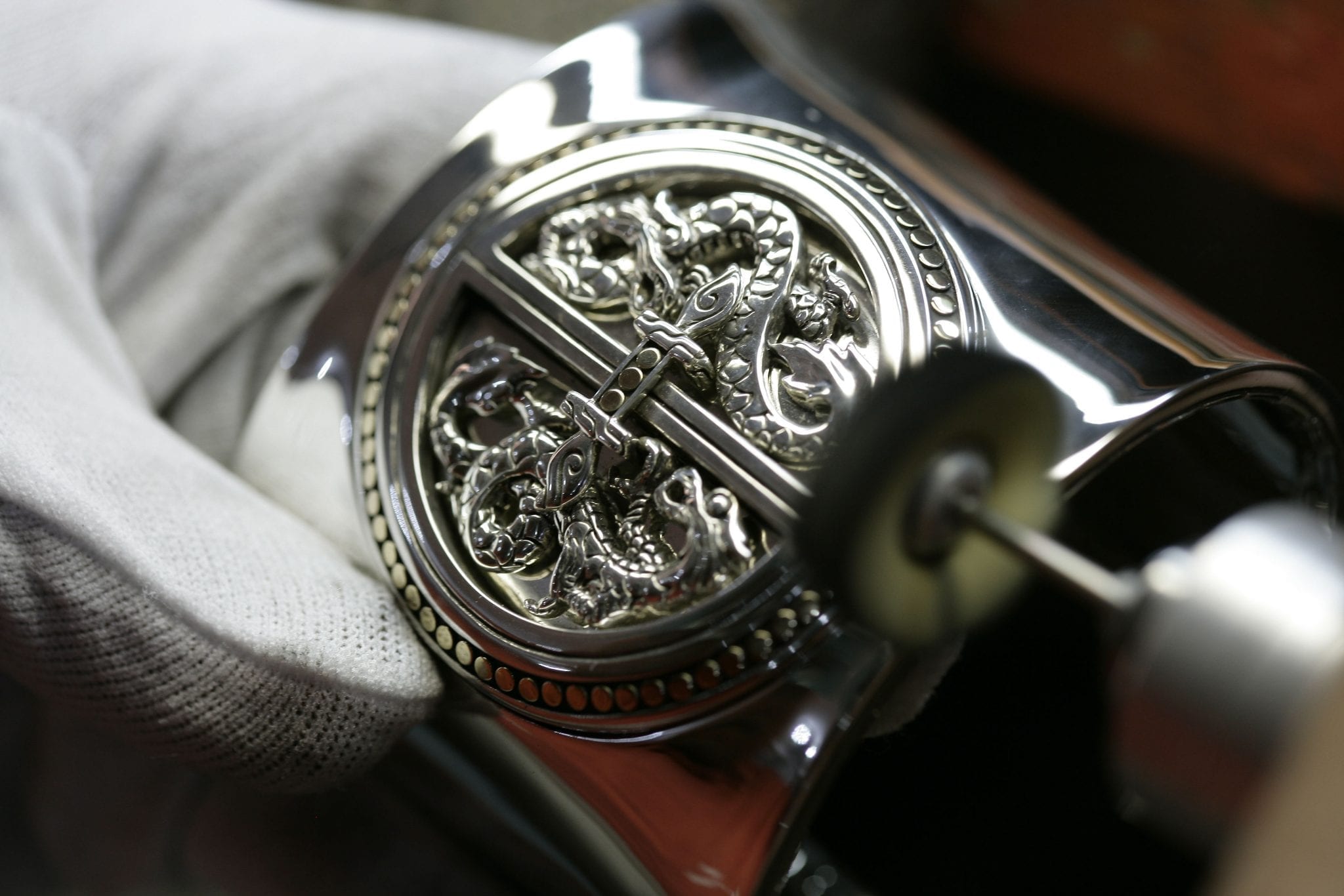
    Headquartered in Manhattan, New York, John Hardy jewellery is designed and produced at the brand’s Balinese workshop and studio, maintaining a connection with Asia.

    Which is why inside, the new store boasts boards displaying tools, raw stones, paint-brushes, pigments and photos of craftsmanship, displayed throughout dark coloured store. The jewellery is displayed in glass display cases set on pedestals.

    Interestingly, the Hong Kong store also implements John Hardy’s special front drawer system – something already established at the jeweller’s SoHo boutique, which allows sales associates to be alongside clients rather than behind a counter; a more informal model of selling that allows clients to explore products.

    John Hardy now has stores two stores in Hong Kong, and three in Bali, including one Duty Free location. It is eyeing distribution partnerships for China, Hanson told WWD.

    “The Southeast Asia area has always been vital to the brand,” he said. “We opened Gateway Harbour City to build more awareness with mainland Chinese.”