Category: Fashion

Retail News Asia is committed to providing both local and global retailers with the latest Fashion news throughout the Asian market. This on a daily base.

  • ‘Customer-centric’ Giorgio Armani counter opens at Lotte Hotel

    ‘Customer-centric’ Giorgio Armani counter opens at Lotte Hotel

    L’Oréal Travel Retail has partnered with Lotte Duty Free to open a 23sq m counter at the Lotte Hotel in Seoul.

    The counter, based on Armani’s “from fashion dress code to beauty dress code” concept, is the first in travel retail to showcase the brand’s new retail expression. The space, which features curved lines and an open feel, allows customers to try the brand’s products and services.

    From fashion dress code to beauty dress code: The counter features splashes of red, inspired by the iconic lipstick colour Rouge #400.

    The counter enables customers to discover a complete beauty dress code through make-up and skincare (dress code for lips, dress code for face) and perfumes (fragrances dress code). Giorgio Armani Face Designers also offer customers tailor-made advice.

    Lotte Duty Free Merchandising Innovation Team Merchandising Director Jeffrey Davis said: “We are very pleased to open the very first Giorgio Armani Cosmetics beauty concept counter at Lotte Duty free. It breaks the rules of retail standards in travel retail as it is fully customer-centric enabling each customer to play with the products and indulge in the full universe of Armani.

    “The revolutionary design sets itself apart from all of the other beauty counters with its signature red and black design and fabric swatches above the foundation bar that ties back to Armani’s runway fashions. Sales have already improved since opening and you can see the smiles and joy from customers that love the new look and freedom to navigate in a more playful manner.”

  • Canterbury open new stores in Bangkok

    Canterbury open new stores in Bangkok

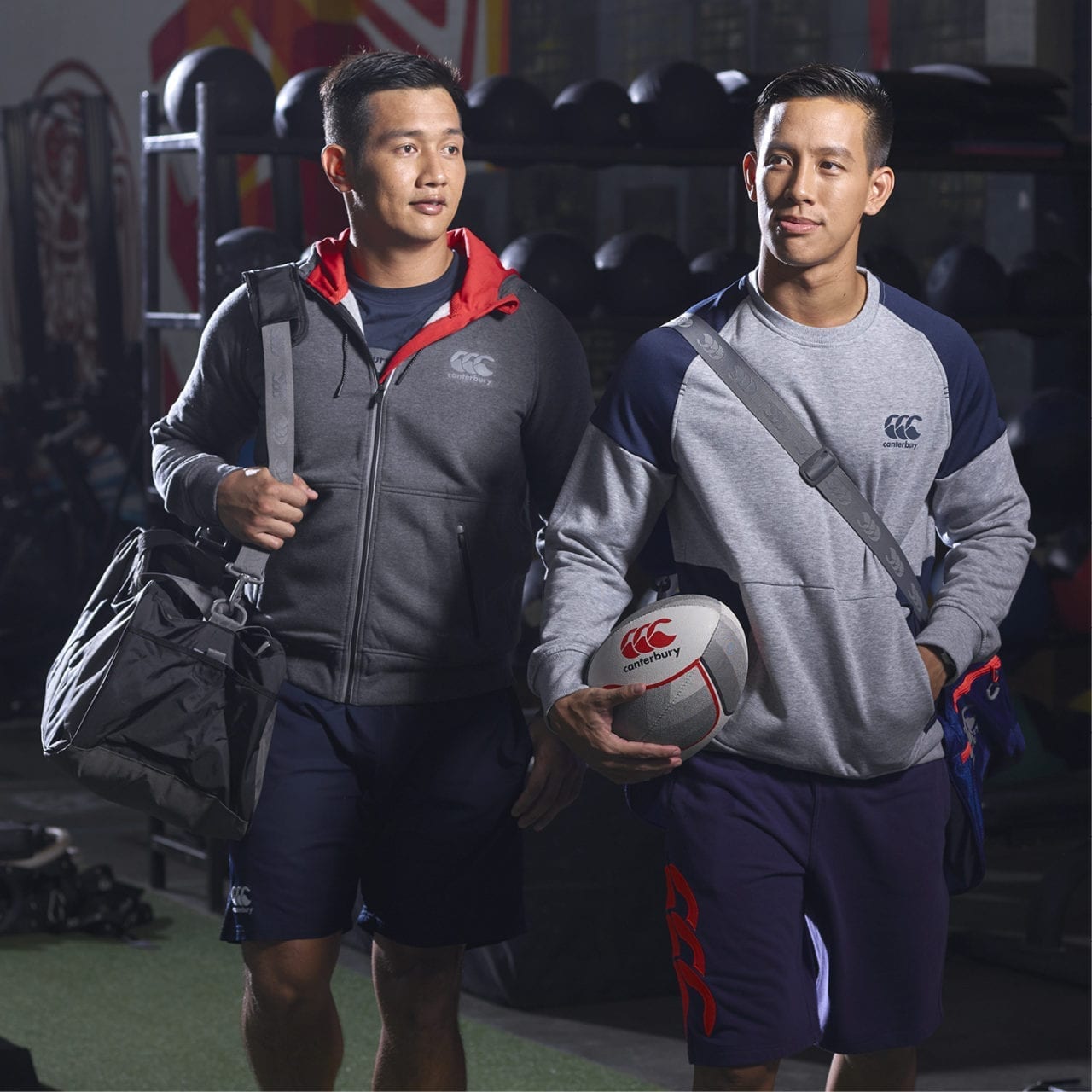
    Leading sports brand Canterbury has opened its latest store in Bangkok, bringing the total number to five since the New Zealand-founded company launched its flagship store in February this year.

    Canterbury’s expansion in Thailand reflects the increasing popularity of the sport of rugby and the fitness industry, and showcases how attitudes towards healthy living and exercise have shifted in recent years. Rugby is the fastest growing team sport on the planet and player numbers in Thailand are rapidly increasing due to initiatives of the Thai Rugby Union.

    The latest store opening at Go Sports Mega Bangna follows four successful store openings in Bangkok in just five months: Supersports at CentralWorld, Sports Mall at Emporium, the lifestyle section of EmQuartier, and the flagship Phayathai Building shop.

    “We have expanded our footprint here in response to the flourishing rugby, and fitness industry, and are proud to be able to play our part in advocating a healthy lifestyle,” said Mark Bennett, Managing Director, Silver Fern Holding Ltd., the exclusive distributor of Canterbury.

    Although Canterbury is widely recognized as the “world’s original rugby brand”, its product line goes beyond rugby essentials, and includes a wide range of quality sportswear featuring innovative technology that is both practical and stylish. Canterbury’s latest Vapordri+ collection, for example, has been specially engineered to help regulate the wearer’s body temperature, and is especially useful in tropical climates like Thailand.

    All pieces in the Vapodri+ range are made with a special fabric that features advanced wicking properties that help evaporate sweat, allowing garments to dry quickly. The Vapodri+ technology provides dynamic cooling and this adaptive technology reacts to the wearers’ changing body temperature to ensure they can focus on performance.

    “Eating right and exercising regularly is the core to any healthy lifestyle, but it is also essential that people wear the right sporting gear when they exercise, in order to train better and maximize performance.” said Mr. Bennett.

  • Lacoste pops up at Haitang Bay’s China Duty Free Mall

    Lacoste pops up at Haitang Bay’s China Duty Free Mall

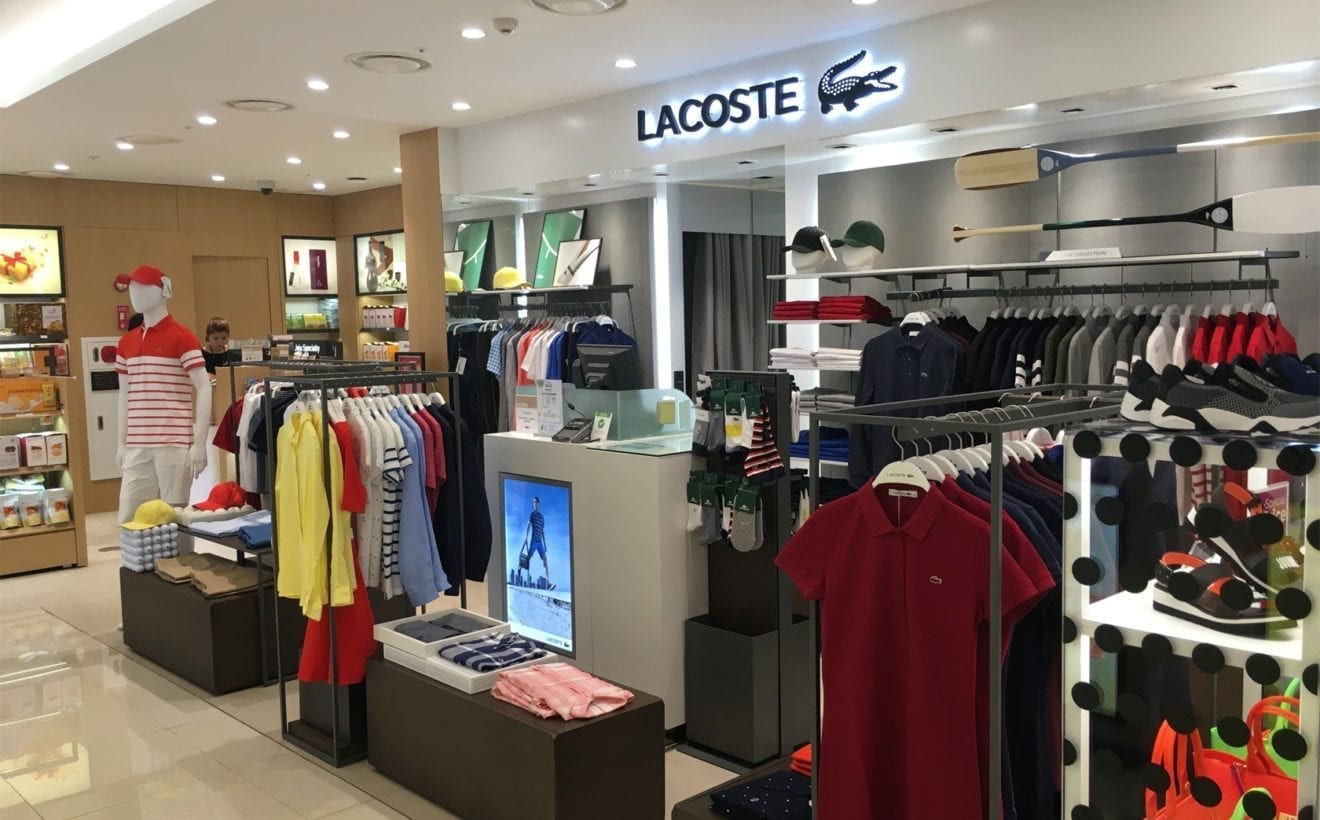
    Lacoste has opened a pop-up store this month in the China Duty Free Mall, the centrepiece of the CITS Haitang Bay Duty Free Shopping Complex.

    Tennis time: Lacoste’s pop-up outlet in the China Duty Free Mall includes an interactive game.

    The 64sq m outlet is celebrating the recent French Open championships and the announcement of Lacoste’s new ‘Crocodile’, Serbian tennis ace Novak Djokovic. It includes an exhibition dedicated to legendary French tennis champion René Lacoste, a retail area featuring the brand’s latest collection, and an interactive game.

    Customers are being encouraged to play tennis on digital screens and they stand a chance of winning a gift. The pop-up will operate until 26 June.

  • Nars comes to Vietnam

    Nars comes to Vietnam

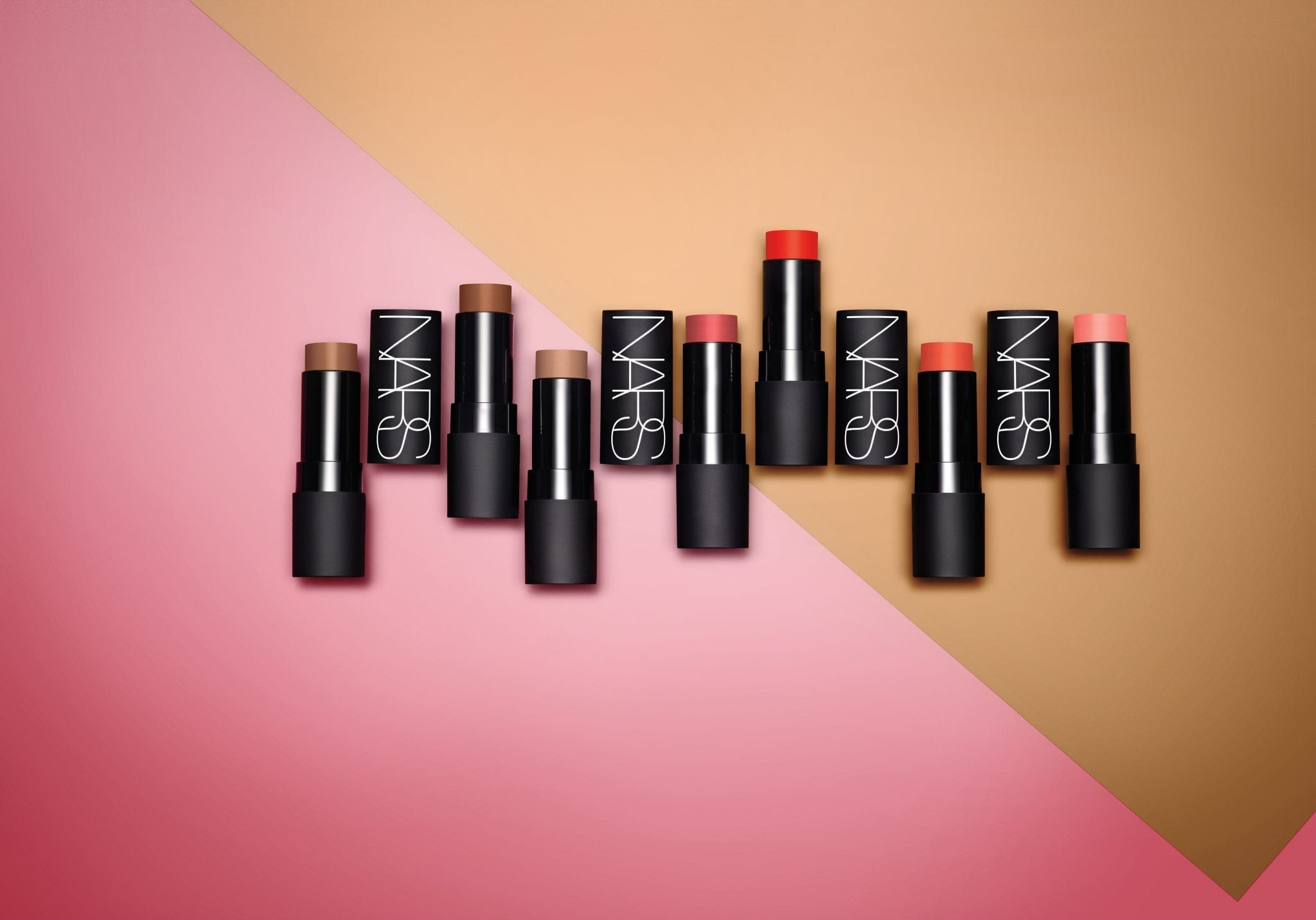
    Japanese cosmetic brand Nars has landed in Vietnam, opening a brand new store in Ho Chi Minh City. Located on Dong Khoi Street inside Vincom Center mall, Nars’ debut store offers Vietnamese customers all of the makeup brand’s newest and most popular items.

    According to Nars’ brand president, Barbara Calcagni, the new store signals the local market’s growth, and therefore, readiness for a fresh cosmetics entrant such as Nars.
    “Vietnam is a potential market for growth thanks to the rapid development of the country,” Calcagni said.

    With more than 250 shops, Vincom Center is Ho Chi Minh City’s biggest shopping mall. It is split into two separate buildings, Vincom Center A and Center B, as houses the largest array of international luxury brands and retailers.

    Nars is on an Asian retail rollout. The latest Vietnam store succeeds a new retail venture for Nars in Malaysia. Earlier this month, Shiseido Travel Retail partnered with Colours & Fragrances to open a Nars cosmetics stand-alone boutique at Kuala Lumpur International Airport (KLIA).

    The boutique is Nars’ first travel retail location in Malaysia.

    Founded in 1994 by French make-up artist and photographer Francois Nars, Nars was acquired by Japanese cosmetics giant Shiseido in 2000.

  • Dolce & Gabbana names Fabrizio Cardinali COO

    Dolce & Gabbana names Fabrizio Cardinali COO

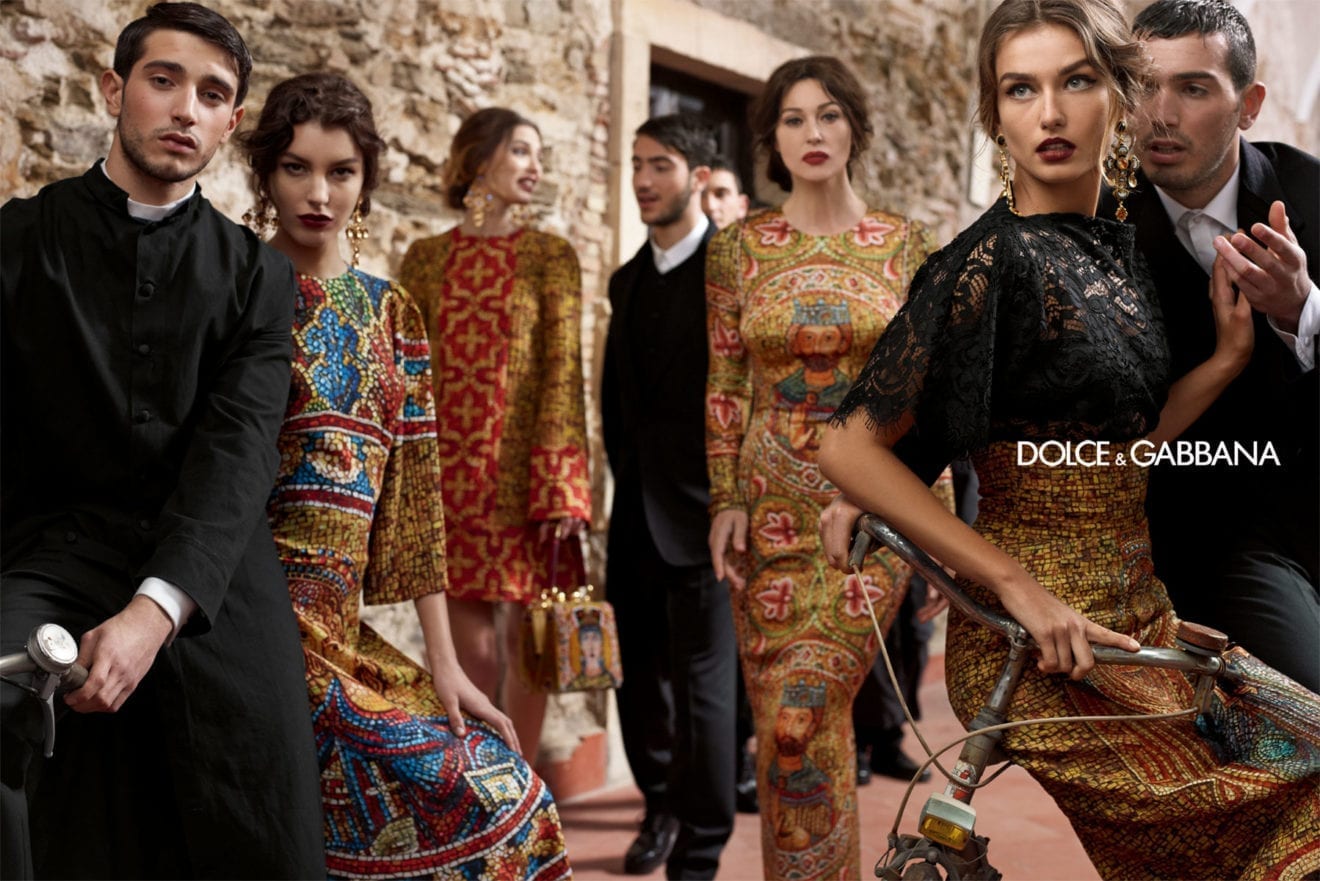
    Italian fashion house Dolce & Gabbana has appointed Fabrizio Cardinali as chief operating officer and board member.

    Prior to joining the luxury brand founded by the Sicilian design duo, Cardinali was the chief executive of Alfred Dunhill. As the chief of the British men’s brand, Cardinali was replaced by Andrew Maag back in January 2017.

    During his four-year tenure at Dunhill, Cardinali lead the expansion of Dunhill’s specialist product range and focused on growing the British brand’s retail presence, which included the opening of its flagship store in Mayfair, London.

    Prior to Dunhill, Cardinali served as Dolce & Gabbana’s sales and marketing director, before taking up the role of chief executive at Richemont-owned Lancel.

  • MCM offers made-to-order designs at Tokyo pop-up

    MCM offers made-to-order designs at Tokyo pop-up

    Global fashion brand MCM said that it offered made-to-order designs of its most popular products for the first time at its pop-up store in Isetan department store in Tokyo.

    The store, located in the luxury Isetan Shinjuku department store in Tokyo, Japan, allowed customers to pick up customized items they had designed through the brand‘s mobile app. Customizations included being able to change the color of the leather, handle or studs on MCM’s most popular products, as well as monogramming.

    The digital MTO service is expected to attract great interest in the twenties and thirties with a strong desire to express their individuality in fashion.
    Sungjoo Group, which holds global accessories brand MCM, has gone through a hard time. Since the Korean firm acquired the German brand in 2005, MCM’s sales revenue increased from 61.4 billion won in 2005 to 121.9 billion won in 2007. It posted 370 billion won in 2012, 450 billion won in 2013 and 589.9 billion won in 2014.
    However, the trend began to move downward after 2014. MCM posted 579.1 billion won in sales last year. The luxury brand has gone through a hard time in Japan as well. Its two subsidiaries there have suffered net losses for four consecutive years, recording 17.6 billion won in cumulative losses.

    “The result is because of our initial investment in the country. We do not worry about the result, as we are positive of successfully entering the fiercely competitive Japanese market,” a Sungjoo official said.

    Recently, MCM is strengthening its global business in order to make a second leap.

    Starting in July, the MTO service will be available at the brand‘s two stores in Ginza in Tokyo. The service will be expanded globally to cover MCM’s 35 markets in the second half of 2017.

  • For some Indie beauty brands, getting into Sephora can be better than getting into an incubator

    For some Indie beauty brands, getting into Sephora can be better than getting into an incubator

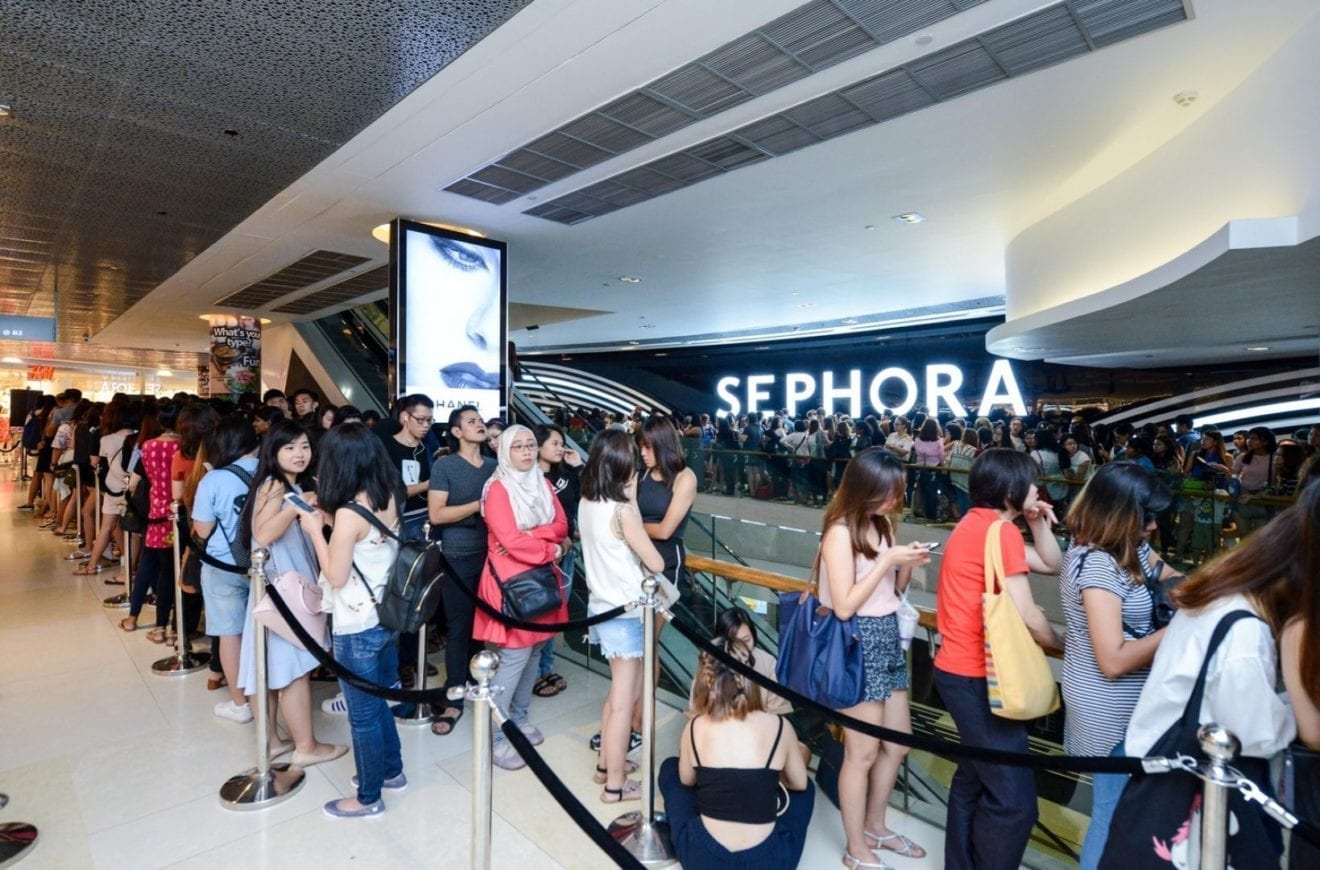
    For Supergoop’s Holly Thaggard, getting into Sephora helped her small sunscreen brand look bigger than it was. Over the six years since she got onto the shelves of Sephora – the world’s largest beauty retailer with more than 2,300 stores worldwide, including more than 350 in the United States – Sephora has been especially helpful in promoting the brand, developing new products and navigating the regulatory complexities of launching in multiple countries in Asia.

    That’s typical of how Sephora deals with the small brands it helps launch. Think of Sephora as part retailer, and part incubator for indie beauty brands.  To get in to Sephora, startups need to have not only a strong product, but also a strong story the beauty retailer can tell. Sephora, a division of luxury conglomerate LVMH, has gotten flack for stocking LVMH brands over those of cosmetics giants L’Oréal and Estee Lauder.

    But for the startup brands it works with, its execs will brainstorm on product development, help with social-media promotion, and offer a roadmap for how to go from small to big based on a template it’s been using successfully for years. “We work very closely with these brands,” says Priya Venkatesh, Sephora’s vice of merchandising for skincare and haircare. “That is the model of Sephora.”

    Over the years, it’s given big boosts to indie makeup brands like Urban Decay, a cult favorite purchased by L’Oréal in 2012, and Too Faced, a popular indie brand bought by Estee Lauder last year for $1.4 billion. “Sephora is constantly looking to support new and indie brands,” says Amanda Davenport, a retail consultant at The Grayson Co. For the brands that make it onto the shelves, she notes, “they have done a lot of things right, and they have the opportunity to scale.”

    Consider a startup haircare brand, Ouai (pronounced “way”) added the name of celebrity stylist Jen Atkin, who founded the line, to its products’ packaging at the urging of Sephora. “Jen didn’t want that,” says Ouai co-president Andrew Knox. “If Sephora didn’t push that, we might not have done it.” The startup, which expects sales above $20 million this year, also worked closely with Sephora on the launch of a dry shampoo foam in February, creating how-to videos and Instagram content for the retailer about it. As co-president Deanna Kangas says: “They understand small brands, and how to build small brands. That is part of Sephora’s DNA.”

  • Tiffany & Co. opens Hong Kong airport pop-up

    Tiffany & Co. opens Hong Kong airport pop-up

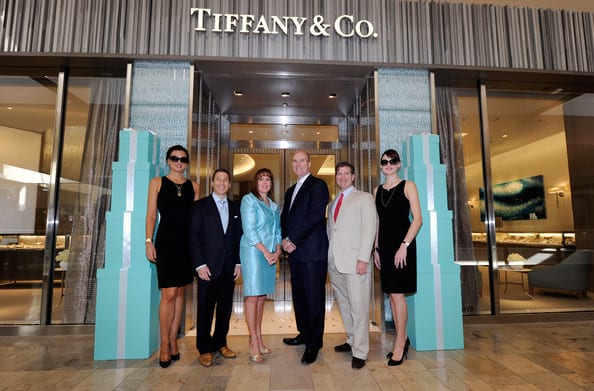
    Tiffany & Co. has opened its Hong Kong international airport pop-up store earlier this month.

    Located at Shop 6E188A, Departures East Hall on Level 6 of Terminal 1, the temporary boutique is situated right next to the famous New York jeweller’s standalone airport store.

    Inside, the pop-up store is divided by floor-to-ceiling glass panels, to increase openness and light. From a bird’s eye view, the store is designed like a diamond and is mostly white, with graphic embellishments coloured in the house’s signature Tiffany blue.

    Moreover, the store hosts special Tiffany’s collections, which will be launched consecutively to maintain interest in the store. First up, is the Wedding Diamond Series, followed by the themes Stylish Accessories, Christmas Season and Valentine’s Day.

    The new Tiffany’s pop-up serves as a convenient second shopping avenue for departing travellers leaving Hong Kong, in particular, tourists returning to mainland China.

    Hong Kong’s visitor numbers increased 1.9% in April 2017 on the same month last year, according to data from Hong Kong Tourism Board. Mainland Chinese visitor numbers increased 1.8%, while non-mainland visitor numbers lifted 2.2%, said HKTB.

  • Bebe to revive e-commerce through new Global Brands Group partnership

    Bebe to revive e-commerce through new Global Brands Group partnership

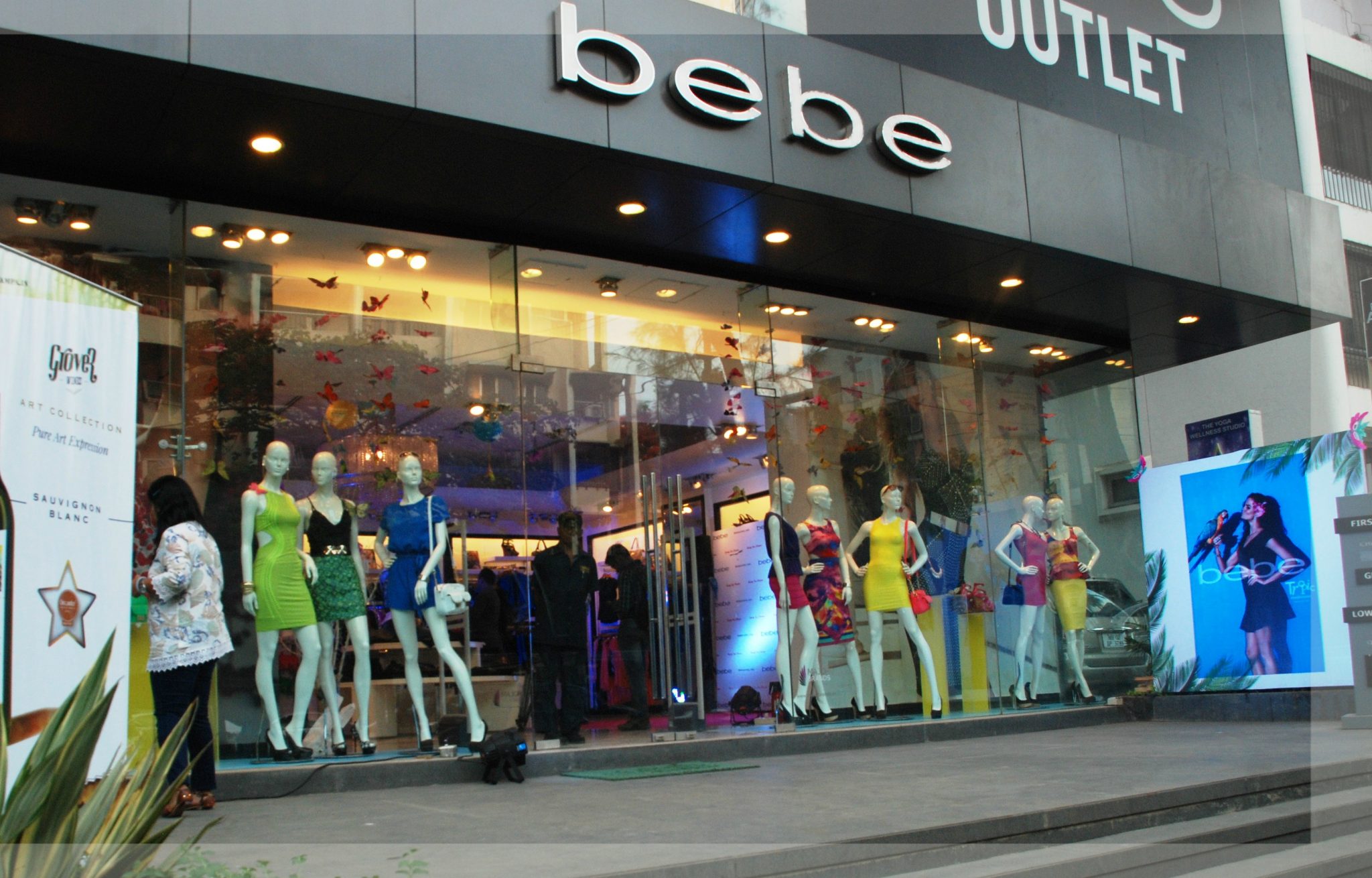
    Bebe Stores may have terminated its store leases this month, but the company is not totally out of commission. The retailer announced on Thursday that it is partnering with Global Brands Group to relaunch the Bebe e-commerce platform and its international brick-and-mortar stores.

    Global Brands has been a licensee of Bebe, alongside Bluestar Alliance, which forged a joint venture with Bebe in 2016. Bluestar Alliance CEO Joseph Gabbay said that Global Brands will focus on e-commerce while Bluestar will “continue to build out the wholesale and department store distribution for the Bebe brand,” as well as continue managing the brand.

    Gabbay added, “Our efforts will concentrate on an omni-channel distribution approach to service and expand the bebe customer, both domestically and internationally.”

    The agreement marks as the first initiative of Global Brands’ direction for Bebe’s e-commerce, direct-to-consumer divisions and international operations. Global Brands also appointed Nathan Jenden as Creative Director. The designer studied at Central Saint Martins and the Royal College of Art, served as an apprentice under John Galliano, served as Creative Director of DVF and operated his eponymous label.

    “Bebe is an iconic fashion brand with a loyal, global following,” said Sandra Campos, the recently appointed President of the Bebe division at Global Brands Group. “With Global Brands’ renowned expertise behind us, we see a tremendous opportunity to relaunch a new e-commerce platform that best reflects who our global customer is and how she shops.”

    The partnership between Bebe and Global Brands is very similar to a deal Global Brands made with BCBG and Marquee Brands in June. The company reached a deal with BCBG and Marquee Brands to acquire some rights of the BCBG and keep the company in business.

    New partnership deals with Bebe and BCBG are part of Global Brands’ new three-year plan that it announced in June designed for the company to achieve $5 billion in revenue by 2020.

  • Chanel opens Singapore pop-up store

    Chanel opens Singapore pop-up store

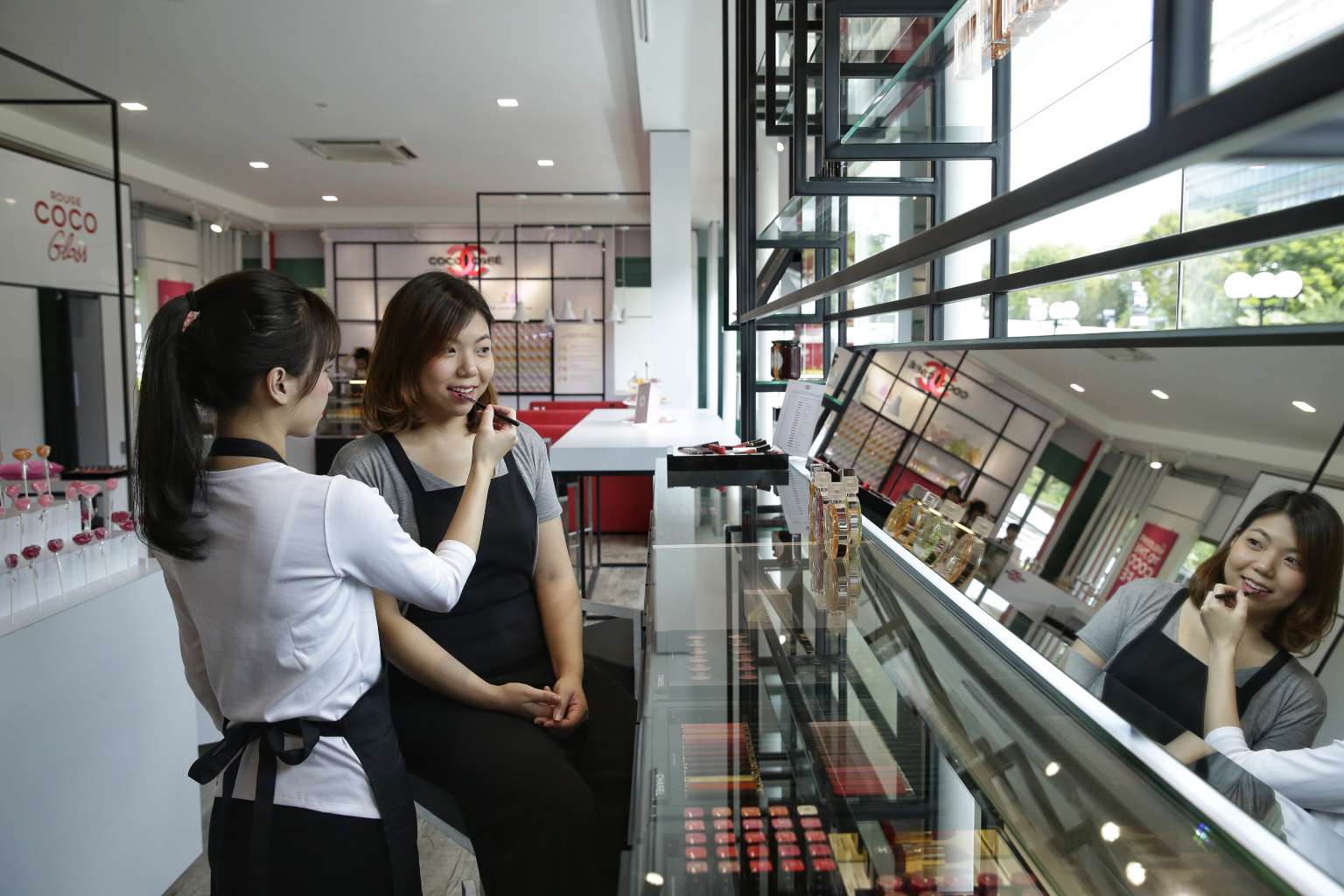
    Chanel has opened new standalone ephemeral boutique at The Shoppes at Marina Bay Sands (MBS). It’s the first of its kind to come to Singapore, in a bid to attract new customers with a hotel-esque retail experience and expanded product offering.

    The French luxury house has opened the Ritz-inspired, 3,000 square-foot-space, as a temporary replacement for the MBS Chanel store, which is currently closed for renovations.

    Split into four rooms, the boutique boasts the Parisian couture brand’s signature black, white and beige palette for an Art Deco-themed store that represents Chanel’s latest collection of women’s fashion and accessories.

    However, Chanel Singapore was very selective with the store pieces, allowing the pop-up to offer a wider selection of items.

    Of particular interest is Chanel’s Paris Cosmopolite 2016/17 Metiers d’art ready-to-wear collection. The Ritz Hotel in Paris, as well as the French capital’s cafe culture and the personal style of Chanel founder Coco Chanel inspired the new line.

    “We wanted the pop-up to not only offer something exciting and unique for our existing customers, but also to encourage new customers, who might not have visited our previous stores,” Stephanie Nussmann, managing director of Chanel for Singapore, told the Strait Times.

    The new MBS Chanel boutique will reopen in November, at the closure of the pop-up. Once completed, the renovated store will cover 9,277 square feet — from its original 6,509 square feet — with extra floor room for ready-to- wear collections. Meeting the needs of a more discerning Singapore customer, it will also offer a wider line of jewellery and watches.  Styling services, allowing customers to have personalised shopping experiences, will also be available.

  • Japan’s Aube comes to Australia

    Japan’s Aube comes to Australia

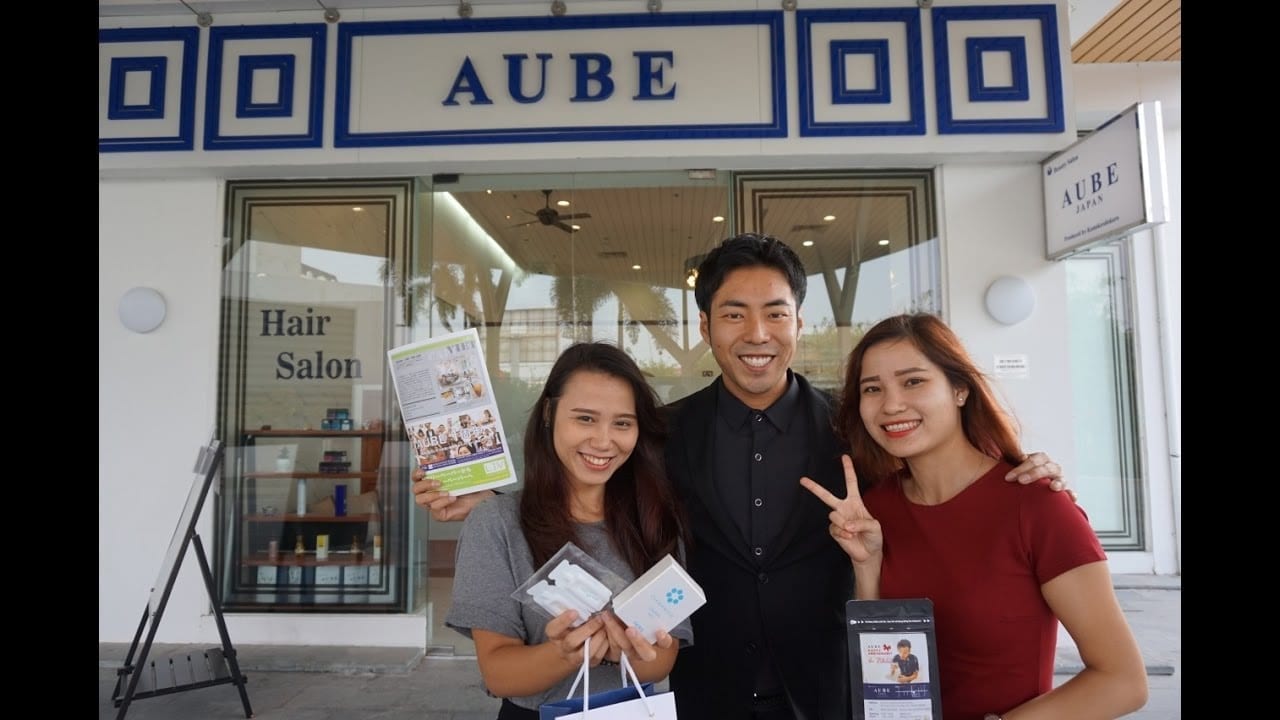
    Japanese beauty and retail group Aube is opening its first Australian store, bringing its unique brand of Japanese style to Sydney.

    Located in Sydney’s CBD, the retail space covers 75 square metres on the ground floor of 28 Market Street, a heritage building between Clarence Street and Kent Street.

    The property was leased by Ray White Commercial South Sydney’s John Skufris on behalf of Samka Pty Limited, with Aube represented by Tamaki Terada from Starts International.

    “The property offers excellent pedestrian traffic between Queen Victoria Building to Cockle Bay where many Sydneysiders have commuted this month for Vivid,” said John Skufris from Ray White Commercial, adding Aube has signed for a five-year term at $100,000 per annum.

    Known for its innovative equipment, treatments and state-of-the-art products,
    Aube Hair group operates 110 beauty hair salons in Japan as well as overseas, including nearby Singapore and Hawaii.

  • French fashion brand ba&sh says bonjour to Asia

    French fashion brand ba&sh says bonjour to Asia

    Once the best kept secret of a generation of modern French women, ba&sh, a leading affordable luxury brand for women seeking effortless, carefree elegance, has arrived in Hong Kong, its first stop in Asia.

    Building on the brand’s strong success in Europe, the Parisian fashion house is now focused on international expansion. To capitalise on Asia’s growing appreciation for all things French, the brand’s unique take on feminine, joyful chic is now available in three boutiques of prime shopping destinations in Hong Kong, the brand’s Asia headquarters:the IFC mall in Central, Times Square in Causeway Bay and Harbour City in Tsim Sha Tsui. Besides, ba&sh’s famed ideal wardrobe of everyday pieces in sumptuous fabrics is also available online via a dedicated site.

    Considering the McKinsey consultancy group estimates the current size of China’s middle class at around 225 million households-compared with just 5 million in 2000-this exploding growth entails soaring demand for affordable luxury. By the end of 2017, ba&sh will have opened six stores in key strategic locations across China’s tier one cities, thus reaching a new generation of style-conscious women who want uncomplicated feminine yet urban designs for work and play. Flagship stores will open in fashionable destinations in Beijing and Shanghai.

    Barbara Boccara & Sharon Krief, two childhood friends, did create ba&sh out of a shared love for fashion, which accounts for the name of a brand that takes after the first two letters of the founders’ names. Their idea was to bring their dream wardrobe to life, so that they could share it with other women. A little more than 10 years later, their designs can be found in more than 400 point of sales worldwide, among which 90 point of sales in France and flagship stores in prestigious locations such as London, Madrid and Berlin.

    Confirming their success and the power of Barbara and Sharon’s vision, private equity fund L Catterton acquired a 50% stake in the brand in 2015, which has enabled its international growth. The fund was established with the sponsorship of LVMH and Groupe Arnault, the latter also being ba&sh shareholders. For Greater China, ba&sh has entered into a management service partnership with ImagineX Group, the brand distribution arm of The Lane Crawford Joyce Group, in order to leverage their local fashion retail, marketing expertise and operational efficiency. Besides entering Asia, the brand is also expanding towards the US and Middle East.

    To celebrate the brand’s arrival in Asia, Barbara Boccara & Sharon Krief hosted an intimate private party to introduce Hong Kong’s leading fashionistas to the world of ba&shon June 8, 2017. The informal event turned out to be a huge success, the two founders previewed their latest collection,which is distinctly Parisian, as it combines an expression of freedom with an easy, joyful elegance.

  • Nike to cut 1,400 jobs in reorganization

    Nike to cut 1,400 jobs in reorganization

    Sports apparel and footwear giant Nike will cut about 1,400 jobs, part of a plan to expand direct selling to consumers as e-commerce roils the retail sector, the company announced Thursday.

    Nike said it would cut about two percent of its global workforce as it implements the “Consumer Direct offense,” a reorganization initiative that targets customers in 12 key cities.

    “In the new alignment, the company will drive growth by deeply serving consumers in 12 key cities,” the company said in a news release. “Nike is moving closer to the consumer — creating a local business, on a global scale.”

    The focus cities — New York, London, Shanghai, Beijing, Los Angeles, Tokyo, Paris, Berlin, Mexico City, Barcelona, Seoul and Milan — are expected to account for more than 80 percent of the Nike’s growth through 2020.

    The company restructured its global business, cutting the number of geographies from six to four and creating new employee teams so that digital and merchandising will be more responsive to key markets.

    Other changes include the goal of cutting product cycle times in half and new investments in categories seen as offering the greatest growth potential, including running, basketball, global football and young athletes.

    The changes come as department stores and other retailers close hundreds of stores due to the growth of e-commerce and mobile technology.

    “Today we serve our athletes in a changing world: one that’s faster and more personal,” said Trevor Edwards, president of the Nike Brand.

    “This new structure aligns all of our teams toward our ultimate goal — to deliver innovation, at speed, through more direct connections.”

  • Japanese ‘lifestyle retailer’ opens first foreign brand store in North Korea

    Japanese ‘lifestyle retailer’ opens first foreign brand store in North Korea

    A four-year-old retail company which claims to be headquartered in Japan and has branches in South Korea and the United States recently opened the first ever foreign brand chain outlet in North Korea confirm. A branch of Miniso, a Uniqlo-style Japanese-Chinese low-cost retail brand that sells everything from umbrellas and humidifiers to computer mice and neckties recently opened on Pyongyang’s Ryomyong Street, a showcase development featuring over 3,000 new and refurbished apartments which was completed in April this year.

    But the firm’s claims to have stores in the United States and a headquarters in Japan – despite the majority of its factories and distribution network being based in China – could mean its presence breaches tightening unilateral sanctions from Washington and Tokyo against the North.

    North Korean state media is yet to report on the store, but sources in Pyongyang told that news of its existence is quickly spreading throughout the city.“It’s a huge hit with the younger Pyongyang crowd,” one source said, requesting anonymity due to the sensitivity of speaking to media about the issue. “All items are two or three dollars and it’s legit.”

    Observers familiar with the North Korean economy told on Tuesday that the branch’s presence was a significant development in light of Pyongyang’s traditionally sparse range of retail options.“I think the most notable thing is that it appears to be a foreign chain operating a modern, branded store in Pyongyang, there’s nothing else quite like that,” said Andray Abrahamian, an honorary fellow at Macquarie University.

    “As far as I know, their products are quite cheaply sold in most markets – cheap enough to be competitive in the DPRK,” he said. “I think the shop will be seen by Pyongyangites as modern and affordable: I’d bet it does quite well.”Benjamin Katzeff Silberstein, an associate scholar at the Foreign Policy Research Institute, and co-editor of North Korean Economy Watch, described the new store as a “really interesting development both from an economic policy point-of-view, and from a consumer’s perspective.”“In the first realm, it is a telling sign of how much the North Korean economic landscape really has changed, from a time when the opening of a pizza restaurant was considered a radical breakthrough, to a foreign retail chain opening up shop,” he said.“It also says something about the changed character of North Korean consumption, from goods like these being sold only on marketplaces sometimes in a semi-clandestine way, to them being offered front and center in a chain store in the capital of the revolution.”

    While the firm’s Japanese representatives claimed ignorance about the new Pyongyang branch during Tuesday calls, a January 2017 press release issued by the company’s Chinese office specifically confirmed the connection.“On 18 January, 2017, Japanese fast fashion designer brand MINISO took another step forward, signing strategic cooperation agreement with North Korea…” the notification said, describing the deal as having been made with the “North Korea Economic and Trade Department”.

    But while Miniso has come under fire both for appearing to be a Chinese company only feigning Japanese ownership for branding purposes, as well as for a low-level quality of advertising copy often associated with Chinese companies, it nevertheless continues to claim it is a Japanese company in media and press releases.“On the face of it Miniso’s activities in Pyongyang are not a violation of UN Security Council sanctions,” said Tristan Webb.“The more relevant issue here is unilateral sanctions: Miniso’s business operations in the DPRK bring it within the remit of Japanese and U.S. unilateral sanctions because, according to a press release apparently issued by Miniso, it has company headquarters in Japan, produces at least some of its products there, and also has a U.S. presence.

    ”Therefore, if Miniso hasn’t obtained permission for its DPRK operations from Japanese authorities, Webb said, then it may well be breaking the law.“Specifically, since Japan’s Cabinet decision of 7 April 2017 to renew unilateral sanctions which go back at least as far as 2013, Article 48 paragraph 3 of Japan’s Foreign Exchange and Foreign Trade Act prohibits any exports from Japan to the DPRK without METI approval, and Article 25 paragraph 6 prohibits any transactions involving the movement of goods between the DPRK and a third country without METI approval,” he said.“If Miniso does not have permission from METI to trade with the DPRK like this, then its only defense under Japanese law is if the goods are for humanitarian purposes: the claim could be made, but I wonder if METI would be persuaded by it.”
  • Sa Sa hit by China-South Korean political fallout

    Sa Sa hit by China-South Korean political fallout

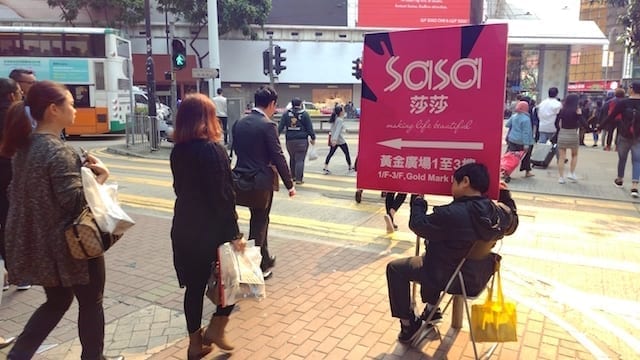
    Leaders of businesses that have interests in China generally do not like to talk politics but the chairman of Hong Kong cosmetics chain Sa Sa International is an exception. He said Thursday that China’s tighter border security and Beijing’s rocky ties with South Korea have taken a toll on Sa Sa.

    With the Chinese economy slowing, Sa Sa has been filling its shelves with mass-market cosmetics products from South Korea to cater to price-sensitive Chinese tourists. About 21% of the company’s products come from South Korea, more than doubled from last year, but that strategy will change soon.

    “The THAAD (Terminal High Altitude Area Defense) missiles have affected the sales of our key growth driver — Korean products,” Sa Sa Chairman Simon Kwok Siu-ming told reporters on Thursday, referring to the deployment of a U.S. anti-missile system in South Korea that has strained relations between Beijing and Seoul.

    Kwok added that the company would switch to selling more low-cost cosmetics from Taiwan and Japan instead.

    But this change in strategy comes at a cost. Sa Sa saw a 2.8% drop in average spend per purchase despite a 2.9% growth in transaction volume. “Gone is the trend of conspicuous gifting. Chinese customers are shopping for self-consumption these days,” Kwok said.

    Security at Chinese borders has also been reportedly tightened ahead of an expected visit by President Xi Jinping to mark the 20th anniversary of the territory’s handover to Chinese rule on July 1.

    “If you asked me in May, I’d expect a rebound in retail sales in Hong Kong. Now, the market is at most stabilizing but with the recovery slowing,” Kwok said. He added that more stringent border checks have discouraged mainlanders to shop in Hong Kong. “I hope the impact is only short-lived.”

    Sa Sa operates a growing sales network of some 280 shops in Hong Kong, mainland China, Singapore, Malaysia and Taiwan. Its profit dropped 14.8% to 326.7 million Hong Kong dollars ($41.9) in the year ended in March from a year ago.

    Turnover slipped 0.6% to HK$7.75 billion as retail sales in Hong Kong and Macau, both of which accounted for 80% of the total, remained flat. Its sales on the mainland fell 4% on the year.

    Investors reacted negatively to Sa Sa’s results, sending its shares 8.3% lower to a one-month low of HK$3.32. It proposed a final dividend of HK$0.08 per share, bringing its annual dividend to HK$0.17 per share, down 28% from a year ago.

    The company said it would not pay a special dividend for the first time since 2002 due to hefty costs required to relocate its warehouse in Hong Kong and HK$35 million it expects to spend on upgrading its e-commerce platform.

    Sa Sa’s e-commerce sales grew 9.5% to HK$475 million last year, contributing to about 6% of total sales. But the company, which operates its own online sales platform, started to hike prices from April in a bid to contain losses in e-commerce. It has also doubled the minimum spend for free delivery to 530 yuan ($78) per order.

    “Our platforms were selling too cheaply before and we have to survive,” said Kwok. Inefficiency has been the “biggest weakness” of Sa Sa’s online platform as it would typically take nine to 10 days for goods to be delivered. “Our target is to make it happen in seven days,” he added.