Category: Fashion

Retail News Asia is committed to providing both local and global retailers with the latest Fashion news throughout the Asian market. This on a daily base.

  • Two luxury names to open at revamped centre

    Two luxury names to open at revamped centre

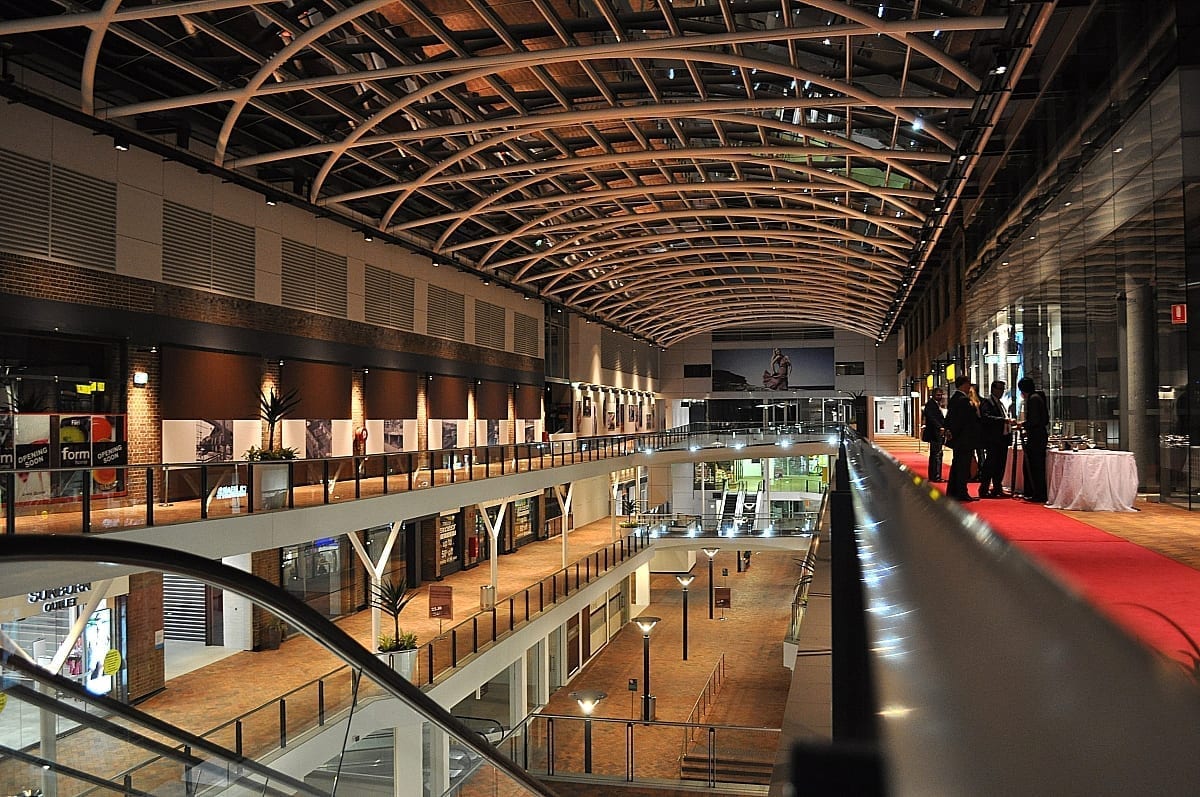
    Luxury retailers, Bally and Harrolds, are set to open their first outlet stores at Birkenhead Point this spring, alongside global designer giants Coach and Michael Kors, and Australian brands Peter’s of Kensington and progressive streetwear designer Zanerobe.

    Mirvac made the announcement yesterday, as the centre prepares for the launch of its multi-million dollar makeover, which will open to the public in early August.

    The fashion brands will join other  international names including Armani, Hugo Boss, Polo Ralph Lauren, Calvin Klein and Victoria’s Secret; plus local Australian designer Oroton.

    Pharmacy chain,  Chemist Warehouse recently expanded its footprint to 580sqm along with Shoe Warehouse returning in its new location on Level 1.

    Mirvac said the revamped centre appeals to locals, domestic and international visitors.

    “This latest development responds to our customers’ wants and desires and greatly enhances the appeal of Birkenhead Point, Christina Nelson, Mirvac senior development manager. “We have improved the customer experience by delivering a sophisticated and contemporary palette of finishes in the main mall on Level 2, including new mall flooring and ceilings, bespoke furniture and shopfront upgrades, whilst embracing the heritage backdrop  of this unique and much-loved building.”

    The redevelopment also includes incorporate a new ‘entry statement’, with a  glass window display and state-of-the-art digital screen technology using content designed by creative agency, Vandel. The display, at the Roseby Street entrance, will play host to the Birkenhead Art Project, exhibiting work from some of Australia’s artistic talent in collaboration with Art Pharmacy Founder, Emilya Colliver.

    The art will sit in the giant window display and be interpreted digitally on a large screen.

    Sydney based paper artist, Jo Neville, is first up, showcasing a bespoke paper floral installation.
  • Calvin Klein operator ups stake in struggling retailer

    Calvin Klein operator ups stake in struggling retailer

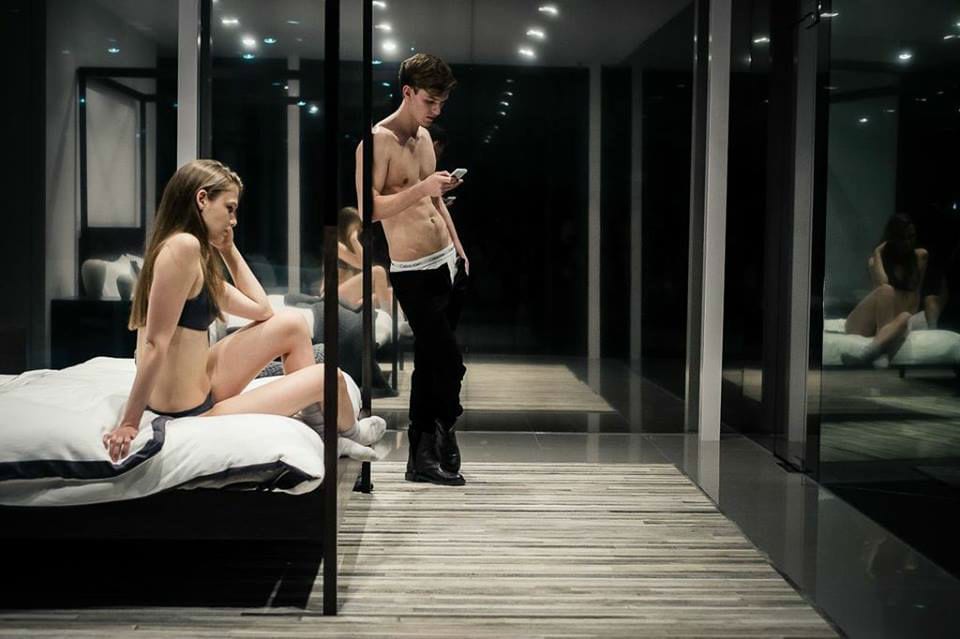
    Apparel supplier and retailer, Gazal Corporation, has upped its stake in struggling luxury handbag retailer, Oroton, confirmed in an announcement yesterday.

    Gazal – which jointly owns and manages PVH Brands Australia, a joint venture company in partnership with PVH Corp – confirmed it has acquired a 7.35 per cent shareholding in Oroton at $1.00 per share.

    The apparel operator said it noted the current strategic process in place for the ailing handbag retailer, which is negotiating with Westpac the terms of a $35 million facility that is due to expire in 2018, will receive up to $3 million credit support from its major shareholder and former director James Vicars, who holds an 18.2 per cent share.

    “Gazal has no proposal to put to Oroton but may consider opportunities arising from the strategic process as well as other opportunities as they arise,” the company said in its statement to the ASX.

    The company holds the licenses and operates PVH’s brands including Calvin Klein and Tommy Hilfiger as well as other licensed and JV owned brand names such as Van Heusen, Pierre Cardin, Bracks, Nancy Ganz, Spanx and Hold Me Tight. It also operates the Bisley Workwear brand.

  • L’Oréal targets middle class Chinese travellers with Bangkok upgrade

    L’Oréal targets middle class Chinese travellers with Bangkok upgrade

    L’Oréal Paris has revamped and upgraded its Bangkok Downtown duty free store and is particularly aiming to appeal to the Chinese middle class traveller. It describes the segment as “the driver of today’s growth in travel retail”.

    The refit is in line with L’Oréal’s travel retail strategy “to enhance desirability by increasing retail effectiveness in travel retail shops”.

    Based on the idea of making a premium product accessible, the new store offers a showcase of  L’Oréal Paris’ key products for the market including its anti-ageing and moisturising ranges, an expanded make-up area and a focus on global best-sellers Revitalift and Men Expert.

    Described by the brand as the number one men’s grooming brand in China, Men Expert was given a prominent display featuring Hydra Energetic, the campaign for which stars celebrity Daniel Wu, alongside Pure & Matte and Hydra Sensitive.

    A spokesperson for King Power explained: “The overall look is now more attractive with multi-colour impact. The make-up zone is magnificent and delivers a better shopping experience. Traffic flow inside the shop is improved and customers have better access to their favourite products. Customers are given more insight to the products with a product box display provided for each travel retail exclusive best-seller.”

  • Levi Strauss net revenue up 6 percent in Q2

    Levi Strauss net revenue up 6 percent in Q2

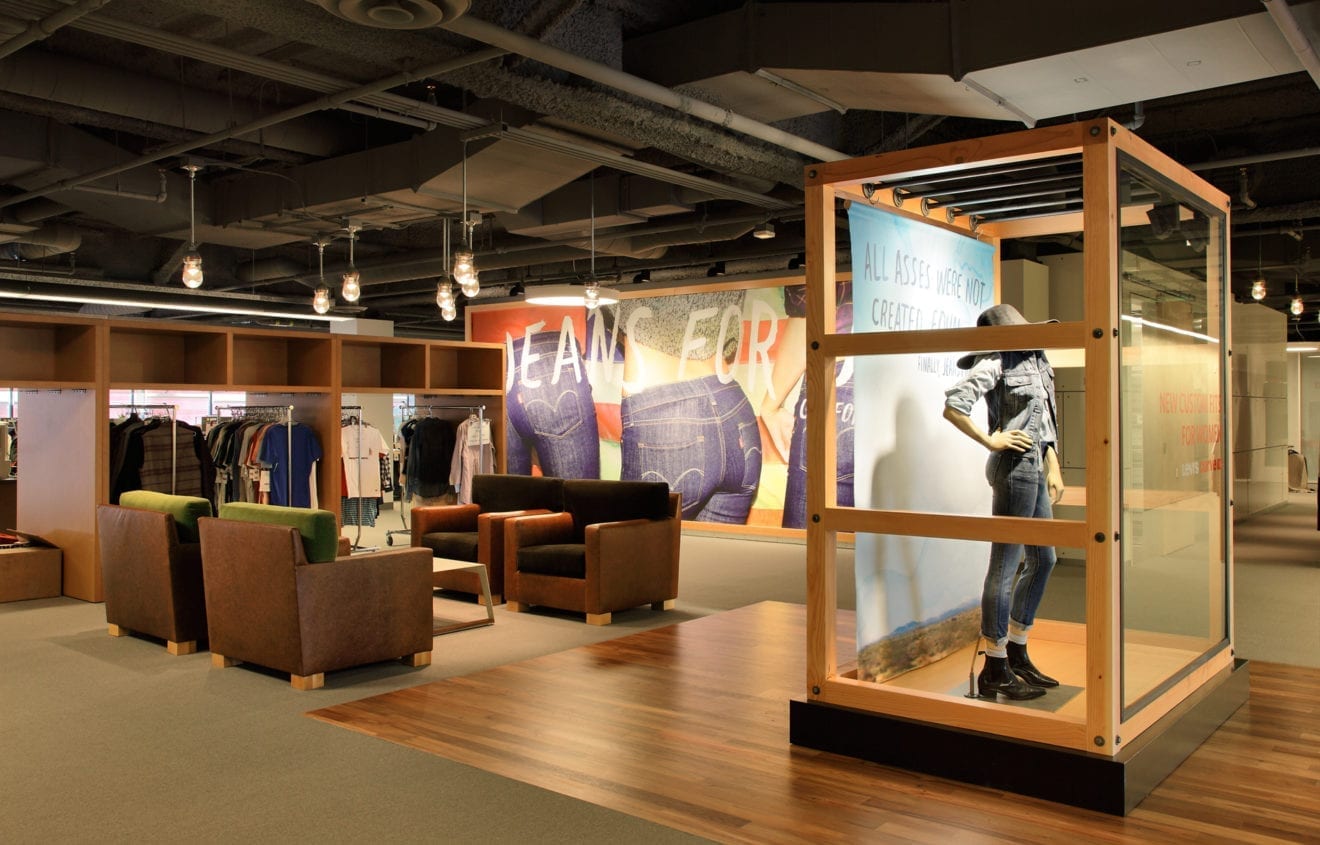
    Levi Strauss saw its second quarter revenue grow 6 percent across regions and channels, the company announced on July 12th.

    Net revenue grew to $1.07 billion compared to $1.01 billion, for the second quarter ended May 28, 2017.

    Net income declined $13 million from 30.7 million to $17.5 million, primarily due to a $23 million loss related to debt refinancing activities taken during the quarter.

    Net revenue was the strongest in Europe for the second quarter, up 20 percent due to solid growth in the women’s and tops business, while operating income grew 31 percent.

    In the Americas, Levi Strauss also reported a net revenue growth of 3 percent reflecting higher direct-to-consumer revenues in the U.S. and higher revenues in Canada and Mexico. Still, the gain was partially offset by a decline in U.S. wholesale due to lower Dockers revenue.

    Meanwhile in Asia, net revenues grew three percent.

    “Our business is more diversified than ever before, driven by disciplined execution of our long-term growth strategies, and investments in product innovation and the consumer shopping experience,” said Chip Bergh, president and chief executive officer, Levi Strauss & Co, in a news statement. “Our strong year-to-date revenue growth reinforces the benefits of a more balanced portfolio as our women’s, tops, direct-to-consumer and international businesses delivered solid results, despite a slight decline in the U.S. wholesale business.”

    Bergh added that based on the performance of the company’s first half of the year, the company has raised their revenue growth guidance for the full year to 2-4 percent range in constant currency.

  • H&M to open in Wellington, New Zealand

    H&M to open in Wellington, New Zealand

    Wellington’s fashion scene continues to grow as H&M (Hennes & Mauritz) opens in Queensgate Shopping Centre, Lower Hutt, later this year.

    The fashion retailer made waves in 2016 when it opened its first store in Sylvia Park shopping centre, drawing in crowds from all over Auckland.

    Now Wellington is getting a slice of the Swedish retailer with plans for the store to open late this year, with more information to be realised closer to the yet-to-be-confirmed opening date.

    Queensgate Shopping Centre was closed late 2016 after the Kaikoura-centred earthquake damaged the building’s infrastructure.

    The centre re-opened early April of this year after parts of the complex were redesigned with shock absorbent technology.

    At the time Diversified NZ Property Trust acquired the shopping centre late November of 2015, the centre was the largest enclosed shopping area in the lower North Island. It is managed by Stride.

    Stride’s general manager shopping centres, Roy Stansfield, says this announcement marks an important milestone in a large project, which has been a long time in the works.

    “We’re incredibly excited that a world-renowned brand like H&M has chosen Queensgate as the location for its first Wellington store. It’s testament to the standard of the centre and the opportunities in the region as a whole.

    “Customers and retailers alike have been curious about the works going on in the centre as we prepare for H&M’s opening, so we’re very happy to be able to finally confirm who this new tenant is,” he said.

    Leading up to the store’s launch, Stansfield says Stride will continue to share information through the company’s website, Facebook page and within Queensgate.

    “We’re very much looking forward to seeing the new store take shape.”

  • Australia, major destination for luxury brands in APAC

    Australia, major destination for luxury brands in APAC

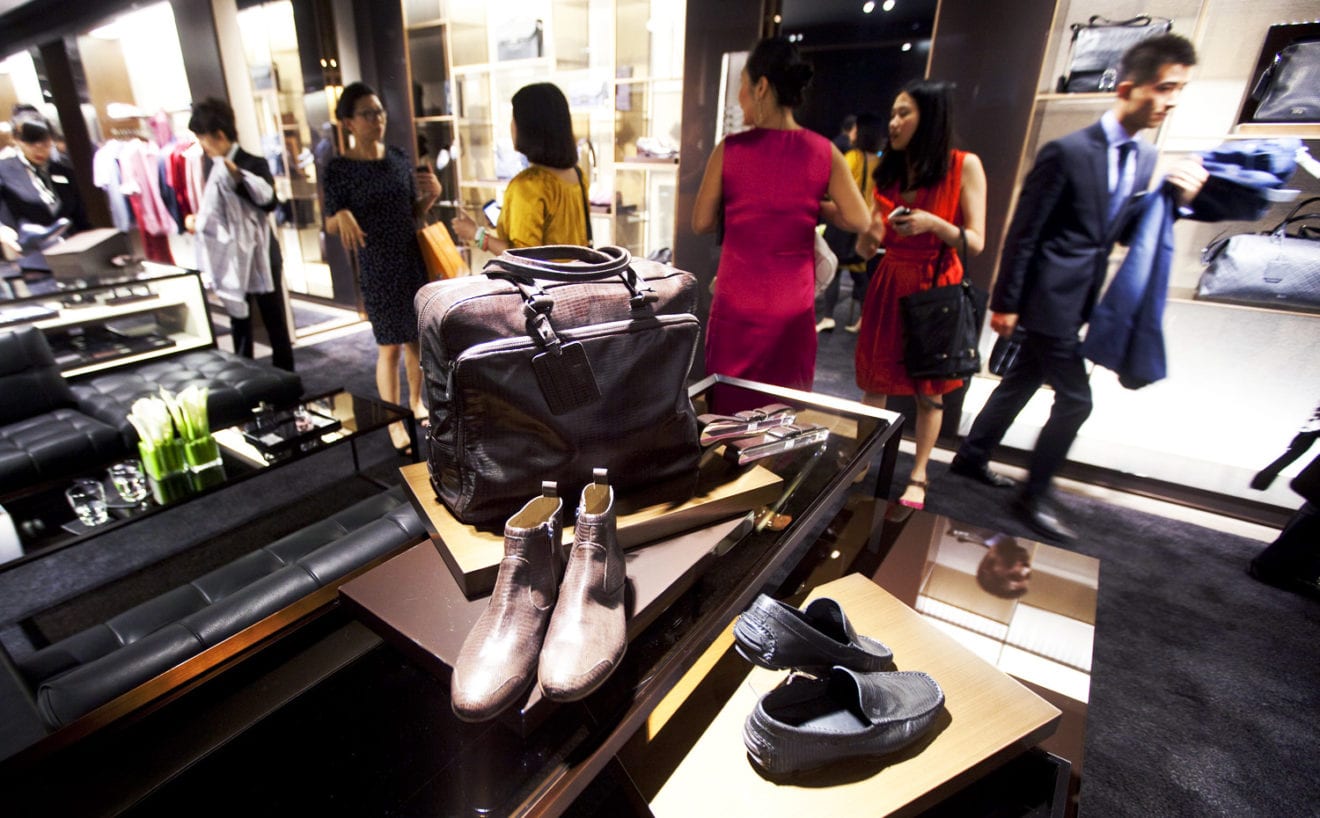
    Luxury international brands are looking to open flagship stores on the east coast of Australia in the coming months, as the nation’s capital cities remain one of the safest investment destinations in the Asia-Pacific region.

    Italian designers Brunello Cucinelli and Roberto Cavalli are looking for space to rent, as are French leather goods house Goyard, shoe empire Hogan and fashion and jewellery brand Marni, according to CBRE.

    Moreover, Venezuelan-American designer Carolina Herrera, known for designing wedding dresses for Caroline Kennedy, is also said to be hunting a space.

    The global brands are looking to bow retail stores in Melbourne and Sydney — starting with whichever offers the first leasing opportunity, CBRE head of Victorian retail leasing Zelman Ainsworth told the Australian.

    “The feedback’s been that Australia’s one of the only markets in Asia-Pacific that’s consistently growing year on year,” Ainsworth told reporters.

    “It’s a politically and economically safe country to do business in. The Chinese tourists coming to Australia, which is the primary luxury customer, has consistently been growing at double digit levels each year.”

    The news comes as the local arm of British clothing chain Topshop went into voluntary administration in May. Topshop has already confirmed five stores will close this year as administrators try to salvage the chain.

    Several Australian fashion chains have also fallen prey to administrators in 2017 including Rhodes & Beckett, Herringbone, Payless Shoes and Pumpkin Patch.

    Adding extra pressure to the local retail scene, especially physical stores, is the impending entry of US-based e-commerce giant Amazon.

    Australia is also facing flat retail sales growth and a rather stagnant consumer confidence, as residents grapple with large personal debt and mortgages.

    However, luxury retailers can still profit from being in Australia. CBRE said prices for retail space in Australia look affordable compared to other global cities, another attraction for offshore brands.

  • Topshop Australia closes five stores

    Topshop Australia closes five stores

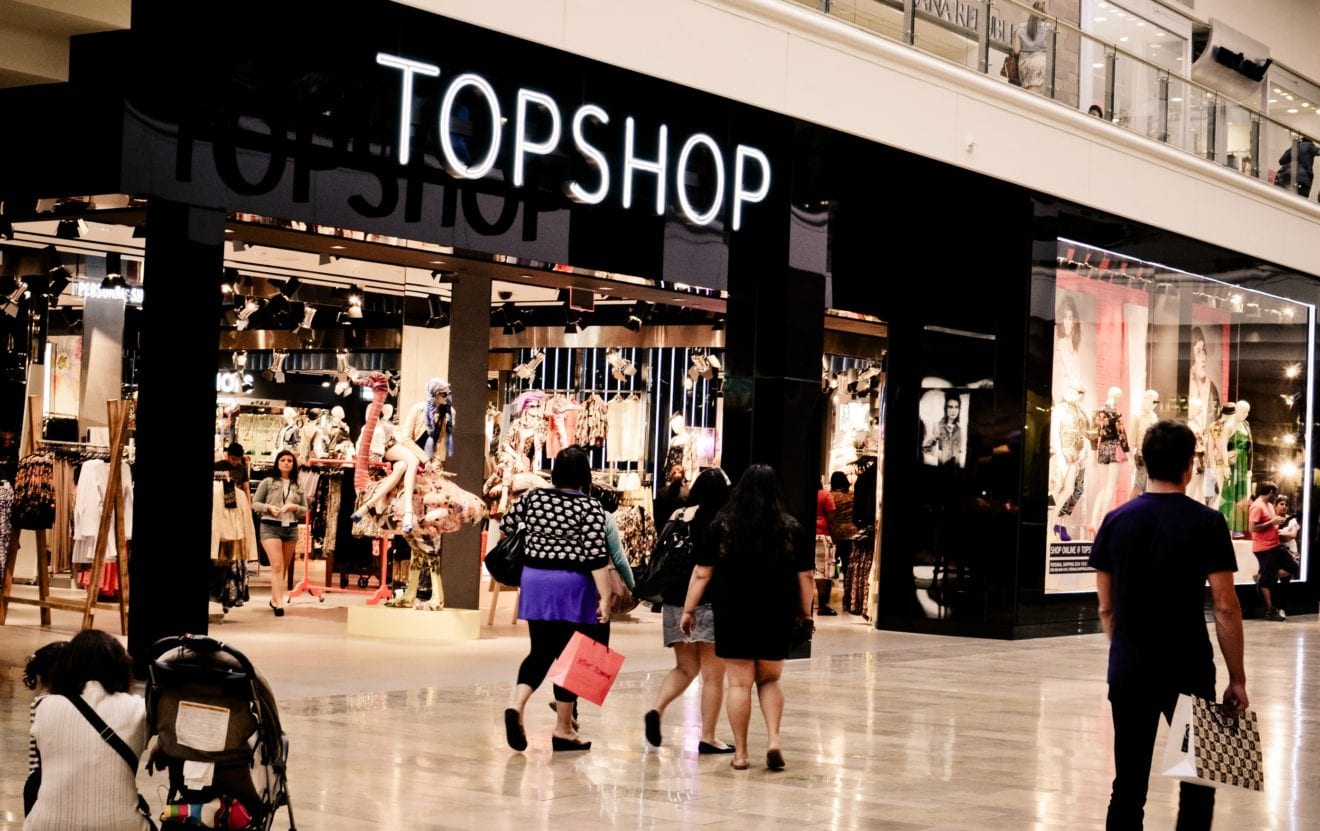
    Topshop Australia has bid adieu to five of its stores in the past two weeks as administrators start to tie up lose ends, in a bid to save the UK fast-fashion retailer in Australia.

    Topshop stores at Chatswood and Miranda shopping centres in Sydney, Highpoint in Melbourne, and Perth have all closed in recent days. And another store closure is due to happen, this time in South Yarra, on Melbourne’s iconic Chapel Street.

    The Chapel Street store was Topshop’s debut Australia store, but since opening, the flagship has failed to garner traction with locals, due to fierce competition from other shopping strips, the CBD and online.

    Topshop Australia has also ceased its Australian e-commerce store.

    The closures are result of the Australian franchise of Topshop being entered into administration on May 25 With debts totalling A$35 million, Topshop Australia was forced to appointed Ferrier Hodgson as administrators, in a bid to rescue the business.

    Experts have blamed the retailer’s illogical supply chain, poor quality product, and delayed entry into the local e-commerce market, for its Australian demise.

    Talks to try to save the business continue between its Australian owners and the UK owners of the business, including Sir Philip Green.

    With the recent store shutters, Topshop Australia has four stores remaining.

    Topshop was launched in Australia by a company trading as Austradia in 2011.

  • Mulberry links with licensee Onward for Japan joint venture

    Mulberry links with licensee Onward for Japan joint venture

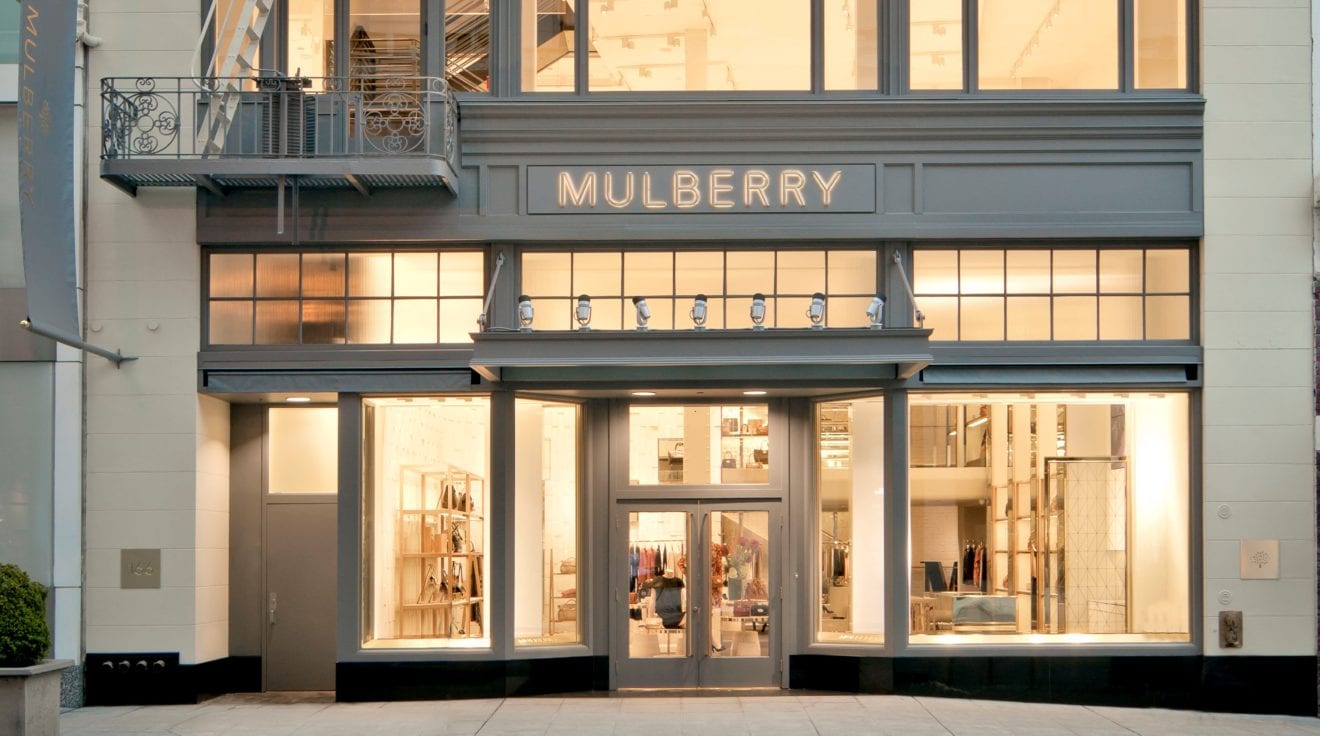
    Luxury fashion and accessories brand Mulberry has added another joint venture (JV) in Asia with news that it has signed an agreement with existing license partner Onward Global Fashion to form a 50:50 JV company to operate its business in Japan.

    UK-based Mulberry said the new company will benefit from its digital and brand building capabilities coupled with Onward’s experience in distributing luxury brands across the Japanese market.

    “The joint venture will advance the group’s strategy of directly participating in key international luxury markets while continuing to refine its positioning in the UK,” it said on Friday.

    The new company will be called Mulberry Japan Co Limited and will have its HQ in Tokyo. It will develop the Group’s retail, digital, omnichannel and wholesale business in the Japanese market and is expected to be “profit-neutral” for Mulberry during the initial two-year development phase.

    Mulberry and Onward will be equal partners, each owning 50% of the share capital of the new company. Between them they will invest ¥400 million (£2.8 million) to provide funds to develop the distribution network and build the brand’s presence in the country.

    Mulberry’s CEO Thierry Andretta said the luxury firm sees Japan as a “significant growth opportunity” and that in Onward it has “a partner which has extensive luxury goods experience and a robust infrastructure which will enable us to advance our international retail and omnichannel strategy in this key market.”

    So how will it all work?  Mulberry Japan will manage all retail, digital fulfilment and wholesale distribution for the Japanese market.  A general manager has been appointed to build a local team, based in the Tokyo head office with the firm expected to be up and running later this year.

    The distribution platform currently consists of a new Mulberry store in Tokyo Ginza G6, two concessions (one in Tokyo, one in Osaka), wholesale and the Group’s mulberry.com site.

    The Japan deal comes as Mulberry makes growth in Asia a priority. Earlier this year it set up Mulberry (Asia) Limited as a JV with Challice Limited to operate the group’s business in Hong Kong, China and Taiwan. That launch also came along with “significant” marketing investment in North Asia. In addition to local marketing initiatives, Mulberry plans to invest around £3 million in additional support over the next two years.

  • Gucci launches China e-tail site

    Gucci launches China e-tail site

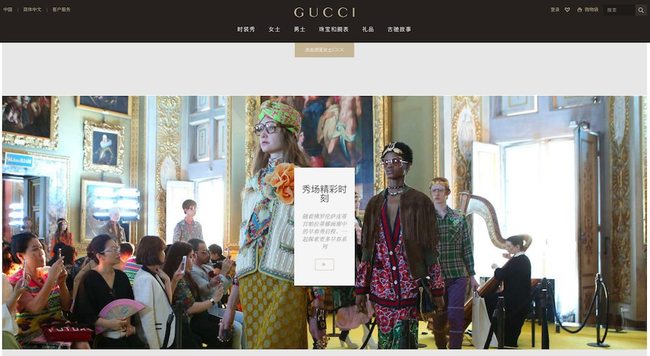
    Gucci has launched gucci.cn, its e-tail site for the Chinese market. In the words of the Italian luxury label, it will be Gucci’s only official Chinese website, created to “allow consumers a better access to Gucci products, without the limitations imposed by store location or opening hours. To optimise service speed, goods are shipped from local warehouses, and each transaction is assisted by a China-based customer service team, via live chat or phone.” In addition, payments on gucci.cn can be made using popular providers such as Alipay and WeChat.

    Content-wise, the site offers a wealth of images and a narrative with a strong visual impact, culminating in the ‘Stories’ section, which takes an in-depth look at  the sources of inspiration which influenced Creative Director Alessandro Michele’s collections, offering an exclusive glimpse of the designer’s own world.

    “Combining editorial content with commercial features – said Gucci – is an approach which has already proved effective in North America, Europe, the UAEs and Australia, where the new website was launched back in 2015.”

    As of today, Gucci’s e-tail sites are active in the USA, Japan, South Korea, Australia, Canada, the UK, Italy, Ireland, France, Germany, Spain, Portugal, Switzerland, the Netherlands, Austria, Belgium, Sweden, Norway, Denmark, Finland, the Czech Republic, Poland, Hungary, Romania, Bulgaria, Slovenia, Turkey and the UAEs.
  • Bouchra Jarrar to leave Lanvin

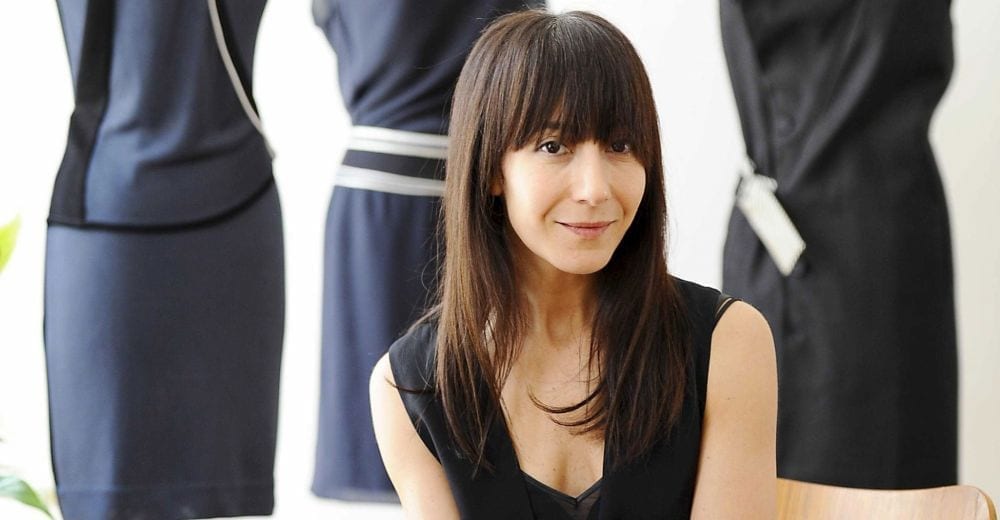
    Bouchra Jarrar to leave Lanvin

    Bouchra Jarrar is to leave her role as artistic director at Lanvin after just 16 months. Jarrar succeeded Alber Elbaz, who left the brand after 14 years in October 2015 following disagreements with its Taiwan-based Chinese owner, Shaw-Lan Wang.

    Jarrar, a talented couturier who shuttered her namesake house to focus on Lanvin, and was last week made an Officer of the Order of Arts and Letters, one of France’s highest honours, has been unable to single-handedly revive the brand, which has suffered from falling revenues amidst a lack of investment since the days of her predecessor.

    “I have pressure,” she admitted in a March interview with the South China Morning Post. “I wanted to dedicate my whole self to Lanvin, to relaunch the maison and brand, so I shut my own label down… But I need the whole house’s support; alone it’s impossible.”

    Meanwhile, her minimal, tailored aesthetic was a departure from Elbaz’s much-loved draped eveningwear, and a new direction was always going to take time to resonate with consumers in a way that came anything close to what Elbaz achieved in his 14-year tenure. “That personal connection that Alber fostered between the brand and the audiences was deep,” said Caroline Issa, chief executive and fashion director of Tank magazine, in a September interview with BoF.

    Ultimately, initial sell-through has been underwhelming, and in June Lanvin reported a 23 percent fall in revenue for 2016, down to €162 million after a net loss of €18.3 million. By comparison, in 2015 it reported a profit of €6.3 million, and in 2012, at the label’s peak, revenues were reported at €235 million.

    The news of Jarrar’s departure follows a catalogue of issues at Lanvin. The company is said to have appointed advisory firm Long Term Partners to conduct an audit and recommend ways to reduce the company’s costs, prompting rumours of layoffs.

    Founded in 1889, Lanvin is one of France’s last major independent fashion brands. Wang, who became the brand’s controlling shareholder in 2001, has been reluctant to invest in the brand for many years. According to reports, she would not let her associate Swiss investor Ralph Bartel, who owns 25 percent of Lanvin, inject more cash into the business to support the brand as it would dilute her stake.

    “He disagrees with the options chosen by the management and wants an urgent change in strategy,” a source told Reuters of Bartel.

    Updated 7:45pm GMT on 6th July, 2017:

    In a statement issued to press Thursday evening, Lanvin confirmed Bouchra Jarrar’s departure. It read:

    Lanvin and Bouchra Jarrar have mutually decided to put an end to their collaboration. This decision is effective as of today. Madame Wang wishes to thank Bouchra Jarrar who since her arrival brought her talent to serve the company. Bouchra Jarrar thanks Madame Wang for her trust. She wishes most particularly to acknowledge the work of the teams with who she collaborated to express creativity and French know-how. Bouchra Jarrar will now concentrate on new projects.

  • Aigle opens store in Suzhou

    Aigle opens store in Suzhou

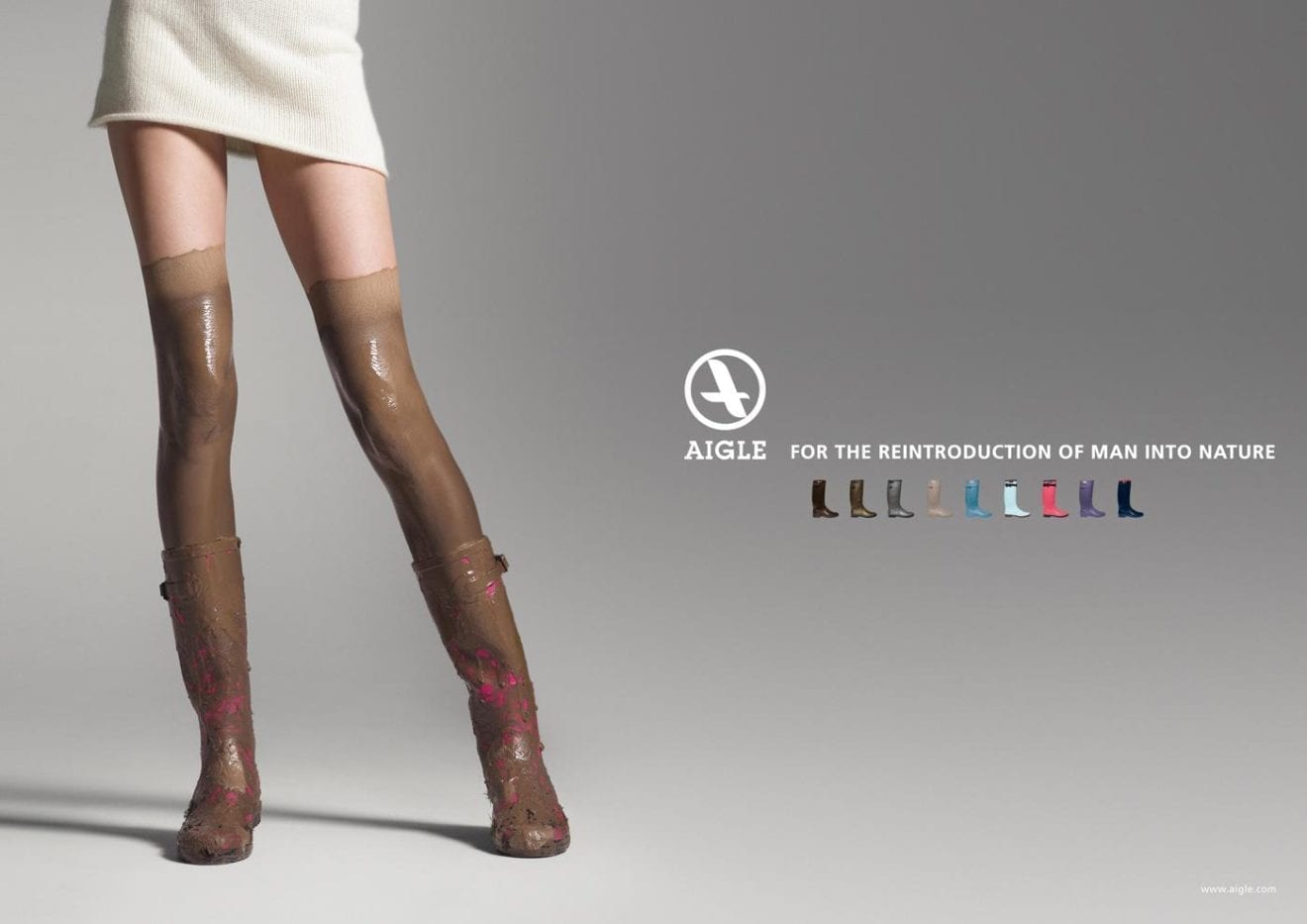
    Aigle, a French outdoor leisure brand with a history of over 100 years, has opened a store in Jiuguang Department Store, Suzhou.

    Founded in 1853, Aigle is sells leisure jackets and rain boots with both fashionable designs and functions. Its classic works include the handmade rubber boots “Miss Juliette” and “Miss Julie”. The brand entered the Chinese market in 1998, with the Chinese sportswear brand Lining as its agent.

    As a master brand of handmade rubber boots, Aigle’s craftsmanship is over 100 years old. The materials of its rain boots are all from rubber plantations in Southeast Asia and Africa, featuring unique molecular structures to ensure superior durability and tear resistance. Even in extremely cold conditions, they can still provide unparalleled comfort and flexibility.

    In regards to functional casual clothing, Aigle used new patterns in its Full Summer series of the latest season. It added linen shirts, oriental cherry blossom patterns, and sailing elements like anchors in its details.

  • Ksubi returns to retail with global flagship

    Ksubi returns to retail with global flagship

    Ksubi is on a fashion comeback with the opening of its global flagship store in Sydney. Located on the prime shopping strip of Oxford Street in Paddington, Ksubi has set up its return to retail within the coveted ‘The Intersection’ shopping hub in Sydney’s inner east

    The new boutique adds to the current distribution of Ksubi, which sees its jeans, apparel and accessories stocked inside the store walls of youth fashion retailer General Pants Group, who acquired distribution rights to the brand in 2014.

    The new Ksubi store comes after years of financial woes for the Sydney fashion label, after it was rescued twice from administration.

    Ksubi was founded as a streetwear label in 1999 by Gareth Moody, Dan Single, George Gorrow, Paul Wilson and Oscar Wright. Known for its impeccable denim cuts and high-octane aesthetic, the label soared to cult status among trend-lead fashionistas for several years and was stocked globally in niche boutiques.

    However, in 2010, claims of mismanagement and quarrels internally saw it fumble into administration, and it was sold to clothing manufacturer Bleach Group for around A$5 million.

    In late 2013, the Australian fashion label was then placed in receivership again after 14 years in the business, with Bleach Group chief executive Mark Byers blaming challenges in the Asian supply chain. Some 60 staff were fired from the brand’s head office, while its seven stores were also closed.

    US-based firm Breakwater Management Group took on Ksubi soon after and at the time said it would focus on the brand’s online sales. Breakwater then inked a distribution agreement with Australian multi-brand retailer General Pants Co in 2014, to sell Ksubi items from its 40-plus Australian stores, thus reviving Ksubi’s brand reach in store.

    With the news of the latest Ksubi store in Sydney, no information has been disclosed concerning future store openings for the brand in Australia or overseas. Today, Ksubi is sold in the US, Japan, the UK, and New Zealand and in Bloomingdales in Kuwait.

  • Sephora to open store in Doota mall in Korea

    Sephora to open store in Doota mall in Korea

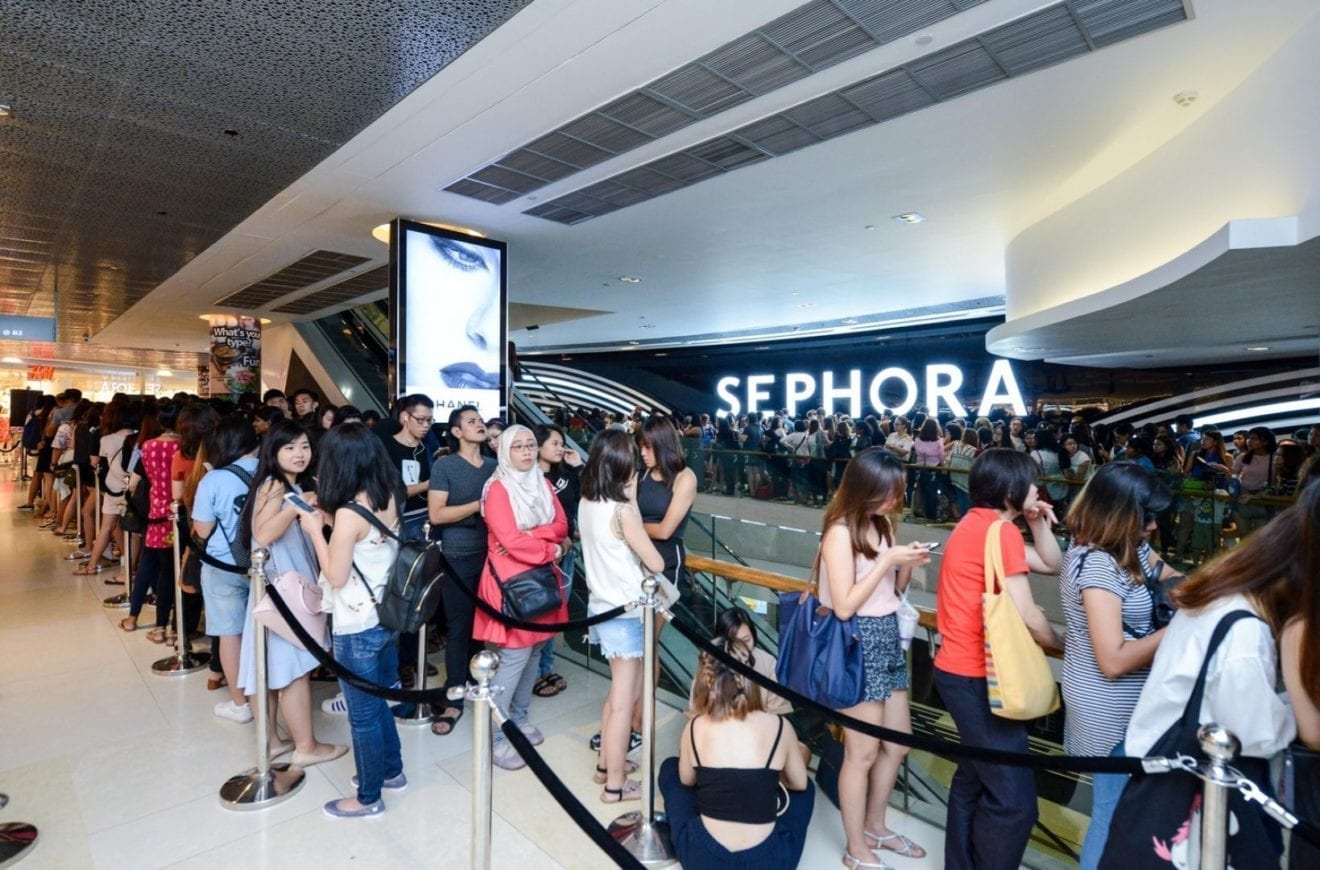
    Sephora, the world’s largest cosmetics multi shop, will open a store in Doota Mall, Dongdaemun, Seoul.

    According to officials, Sephora is in the process of making contract with Doota Mall.

    Sephora, that started in 1969 as a small cosmetics shop in France, is a famous cosmetics shop that is often found in famous shopping streets around the world, where customer can buy and test various cosmetic brands.

    Especially in 1997, the power of Sephora became stronger when it was sold to the LVMH group of world famous brand Louis Vuitton.

    It has been reported that Doosan’s owner, Park Seo-won, in charge of distribution strategy of Doosan (CSO), has contacted officials of Louis Vuitton and It is now presumed to open Sephora in Doota Mall.

    Park Seo-won met Bernard Arnault, who is president of LVMH group in the eve of Louis Vuitton Exhibition held at Dongdaemun Design Plaza in Seoul in early June, and also attended the “Viva Technology” conference, a start-up company road show held in Paris, France.

    At the time of opening the Doota Duty Free Shop, Park visited Louis Vuitton and Chanel‘s headquarters to try and attract luxury brands. However, one year later, they are facing difficulties in attracting luxury brands compared to other duty free shops. In addition, Doota duty free sales was directly affected by Thaad.

    However, it is now possible to expect to boost the Doota mall through the opening of Sephora.

    Sephora is expected to attract not only foreign customers but also Korean customers by having a PB brand that can be sold only in Sephora as well as luxury cosmetics brands such as Dior, Hermes, Prada and Tom Ford.

  • India to double apparel, textile market by 2025

    India to double apparel, textile market by 2025

    The textile and apparel industry in India is worth some $110 billion, and is the nation’s second largest employer, after agriculture, providing direct employment to more than 45 million people and indirect employment to another 60 million.

    All this is set to soar by 2025, according to Indian Prime Minister Modi, who addressed attendees this week at the Textiles India 2017, a three-day event, which saw the PM map out a series of targets for India’s textile industry.

    Modi said that the domestic market for apparel and lifestyle products is worth $85 billion and is expected to grow to $160 billion by 2025, boasted by increased spending from wealthier Indians.

    “This growth will be driven by the rising middle class,” he said.

    Modi also hailed his nation’s liberated direct investment policies, allowing international firms to inject money into the burgeoning sector.

    “We have one of the most liberal investment policies for foreign investment in the textile and apparel sector,” said Modi.

    “We allow 100% foreign direct investment through automatic route in the textile and apparel sector. I think the time has now come for us to concentrate on textile exports in a big way,” he added.

    Moreover, the textile industry is expected to create about 35 million more jobs by 2024-25, with exports rising from $39 billion to $300 billion by that time, said Modi.

    India is the world’s second-largest exporter of textiles, after China. Apparel exports accounted for an estimated $17 billion, making India the sixth-largest exporter of garments in the world.

  • Local fashion brands face fierce competition with foreign rivals

    Local fashion brands face fierce competition with foreign rivals

    The influx of foreign fast fashion brands into Vietnam is threatening local retailers’ market share, forcing the firms to move to keep their foothold in the market.

    Le Thi Quynh Trang, General Director of the Multimedia JSC – which runs many fashion programmes in Vietnam, said the country is becoming more popular in the global fashion industry as most fashion brands, from high-end to fast fashion ones like Chanel, Giovanni, Salvatore Ferragamo, Versace, Burberry, Topshop, Mango and Zara, have come to Vietnam. H&M and Uniqlo also plan to enter this market.

    “Vietnamese consumers’ demand is now ripe for them to make inroads into Vietnam,” she said.

    H&M is scheduled to open its first outlet in Ho Chi Minh City in the next few days. The Swedish brand said Vietnam is one of its five key future markets.

    There are nearly 200 foreign fashion brands in Vietnam, accounting for more than 60 percent of the market share. Mid-end brands like Giordano and Bossini and high-end ones such as Mango, Dolce & Gabbana, Topshop, Gap, Banana Republic and Tommy Hilfiger post the strongest sales.

    Competition pressure

    Foci, a domestic brand that debuted in 1999 and gained a strong foothold in the affordable segment, folded in 2014.

    Ngo Thi Bau, General Director of Nguyen Tam Textile & Garment Company – Foci’s owner – switched to opening a Japanese-style restaurant chain in HCM City. She said aside from high ground rent, Foci had to give up due to falling sales caused by cheap clothing from China and counterfeits.

    The Viet Fashion Joint Stock Company, which owns Ninomaxx and N&M brands, has been making strategic steps to develop. It has 62 retail outlets across the country at present and plans to increase store numbers soon.

    However, some insiders said Ninomaxx may lose its status to foreign rivals. They said in addition to cost-related problems, Vietnamese firms struggled as they were unable to grasp the latest fashion trends or change their promotion methods.

    Zara earned 5.5 billion VND (nearly 242,000 USD) on the opening day of its outlet at Vincom Dong Khoi shopping mall in HCM City on September 8, 2016. That reflects Vietnamese consumers’ interest in foreign fast fashion, which pressures domestic brands to make changes.

    The force to change

    Among Vietnamese brands, Canifa has emerged as an affordable fashion brand with the leading growth rate and store number in the country. The presence of Zara, H&M and Uniqlo has forced Canifa to change, especially with their target markets similar.

    Canifa has raised the number of its outlets to 96, many of which are based in major shopping malls or ideal locations in big provinces and cities. An advantage of this firm is that its factories are in Vietnam, helping cut time from design, production to sale.

    Nguyen Van Thoi, Chairman of TNG Investment and Trading Joint Stock Company, said the entrance into Vietnam by H&M, Zara and Uniqlo is a chance for Vietnamese brands to develop their designs but also a big challenge.

    TNG used to manufacture apparel ordered by Walmart, Zara, Levi’s, GAP, CK and Puma. However, it decided to abandon this and specialise in selling TNG-branded products. TNG outlets are expected to increase to about 100 this year, he said.

    The decisive factor is keeping up with consumers’ taste, thus Vietnamese firms need professional designers. TNG has partly satisfied the market’s demand and gained a market share, he noted.

    Thoi said TNG products are sold at competitive prices and will outpace foreign brands in this regard.