Category: Fashion

Retail News Asia is committed to providing both local and global retailers with the latest Fashion news throughout the Asian market. This on a daily base.

  • Worst over for jewelry sector

    Worst over for jewelry sector

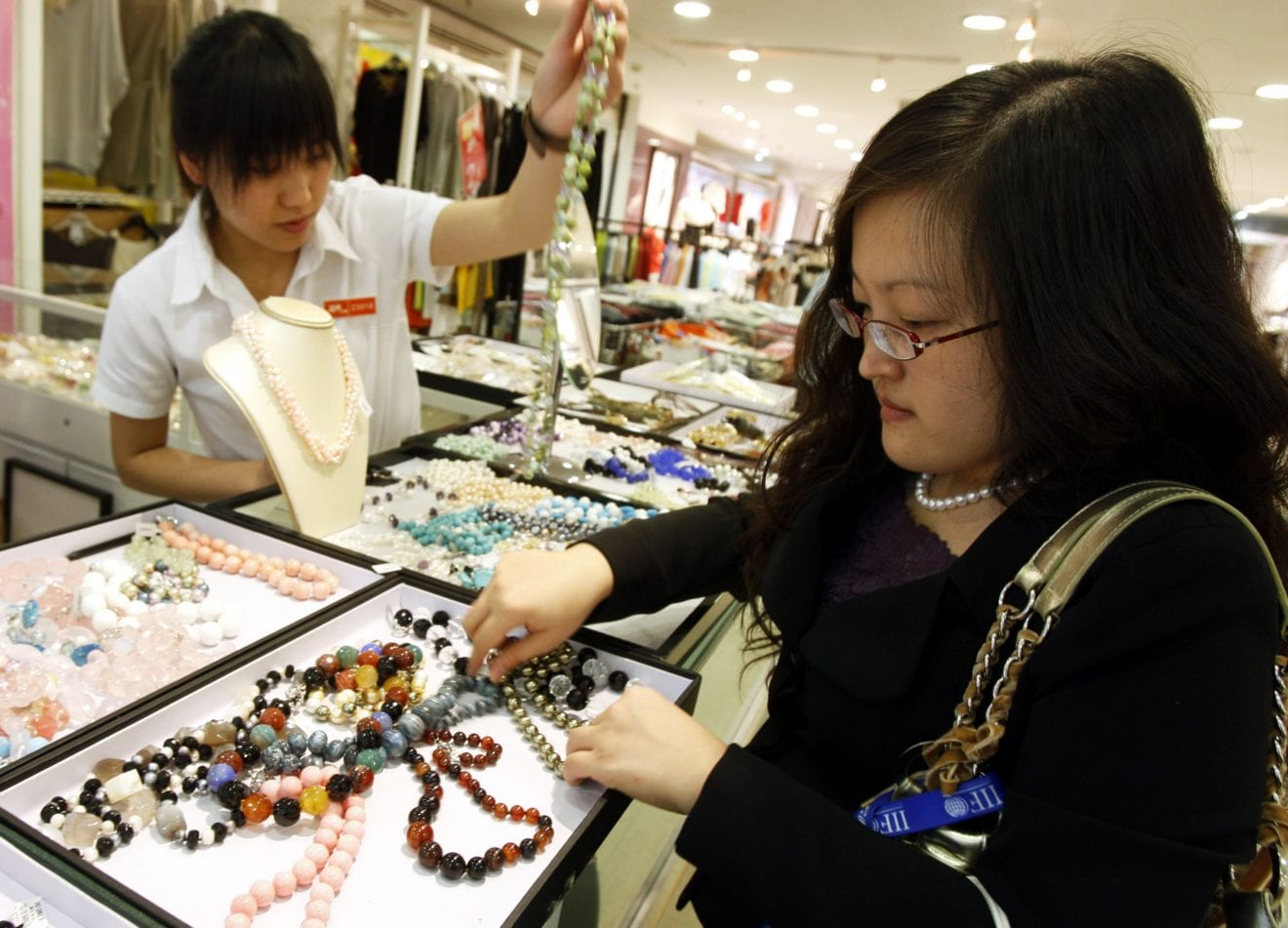
    Chow Tai Fook Jewellery Group yesterday reported a 3.9 percent rise in profit, buoyed by a sales rebound in the second half of the year as consumer sentiment improved.

    Executive director Adrian Cheng Chi-kong said Hong Kong’s retail and jewelry industry has already bottomed out. He also expects a single-digit increase in sales in 2018.

    Cheng said the company is planning to target local VIP customers and residents of the New Territories instead of tourists, as the company’s performance was previously affected by the decrease in visitor numbers.

    To tap the demand of Chinese customers overseas, China’s largest jeweler by market value launched three points of sale in Korea, Malaysia and the United States in the fiscal year that ended in March.

    Net profit came in at HK$3.06 billion for the year ended in March, from HK$2.94 billion profit a year ago, snapping two consecutive years of decline. That matched a HK$3.1 billion forecast by SmartEstimate.

    Revenue for the 12-month period slipped 9.4 percent to HK$51.25 billion from HK$56.59 billion in the same period last year as lower purchases by mainland tourists continued to affect the sales volume.

    Meanwhile, same-store sales of its jewelry business in mainland China fell 5.2 percent for the year, while those in Hong Kong and Macau plunged 12.4 percent.

    Chow Tai Fook plans to launch 70 to 100 sales points in China this fiscal year, but may close five non-efficient stores in Hong Kong due to high rent and feeble sales.

    As of the end of March, the company’s retail strength expanded to 2,381 points of sale, including China, Hong Kong, Macau and Taiwan, compared with 2,319 in the year before.

    Analysts are holding positive views on the city’s retail segment, aided by signs of improvement in the operating environment.

    Last week, Hong Kong posted a second month of growth in its retail sales, rising 0.1 percent in value in April. Sales of jewelry and watches edged up 0.5 percent in value.

    Hong Kong’s tourist arrivals in April rose 1.9 percent from a year earlier, according to the Hong Kong Tourism Board.

    However, some retailers remain conservative. Cartier owner Richemont said in May that it was too early to say the worst was over in the Hong Kong market, which has collapsed over the past two to three years.

    Shares of Chow Tai Fook have surged more than 40 percent this year, outpacing an 18.5 percent rise in the benchmark index.
  • Toshop creditors are owed at least A$35m after Australian collapse

    Toshop creditors are owed at least A$35m after Australian collapse

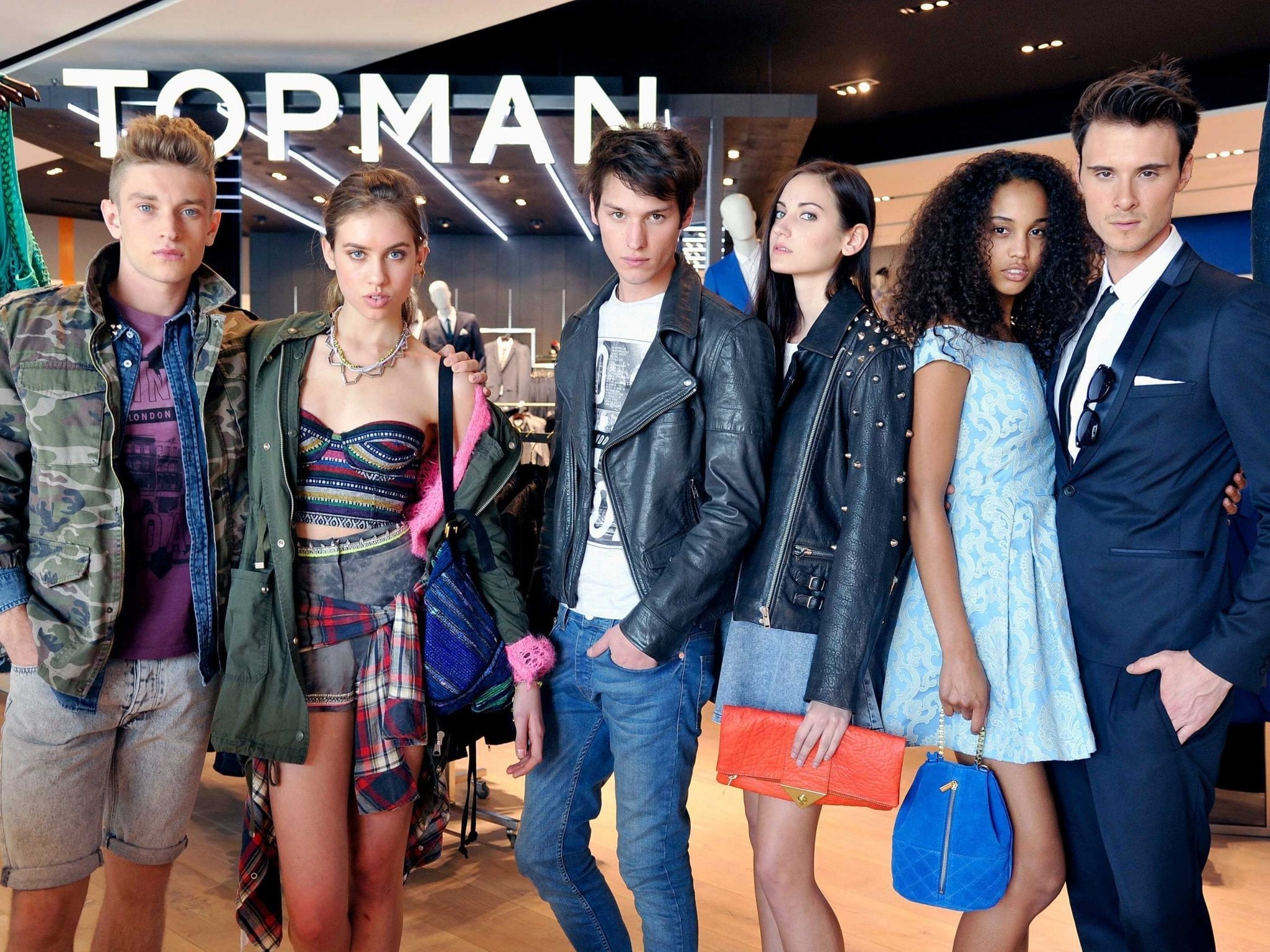
    The creditors of Austradia Pty Ltd, which operated Topshop and Topman in Australia before its voluntary administration filing, are owed at least A$35 million following the collapse of the business, it has emerged.

    But Myer, the Australian department stores giant that held a 20% stake and also hosts Topshop and Topman concessions in its stores, is not listed among theAsia  creditors.

    The Australian Financial Review reported that rescue negotiations with the UK brand owner Arcadia Group are dragging on with no resolution yet in sight.

    The first creditors’ meeting saw the Commonwealth Bank of Australia emerging as the biggest creditor on A$12.1 million with Arcadia itself claiming A$8.8m (just over £5 million).

    But while Myer is not on the list, it it believed to be owed several million dollars and had already written down its A$9.2 million equity stake to A$7.2 million, with further losses linked to the failure a possibility.

    Although negotiations have not yet concluded, Arcadia is expected to take over the Australian business and buy back around A$12 million worth of inventory as part of a deal. It is unclear how much creditors would get back.

    The Australian market is as tough as many other global markets at the moment and while Topshop was an early mover in the foreign invasion of its retail sector, the size of its operation was dwarfed by that of global giants H&M and Inditex.

    With estimates that per capita spend on clothing in the country has risen just 0.1% in the past year, and that H&M, Uniqlo and Zara have been behind most of that, it is unsurprising that other retailers have struggled.

  • Asia is turbo boosting luxury bag maker Mulberry’s profits

    Asia is turbo boosting luxury bag maker Mulberry’s profits

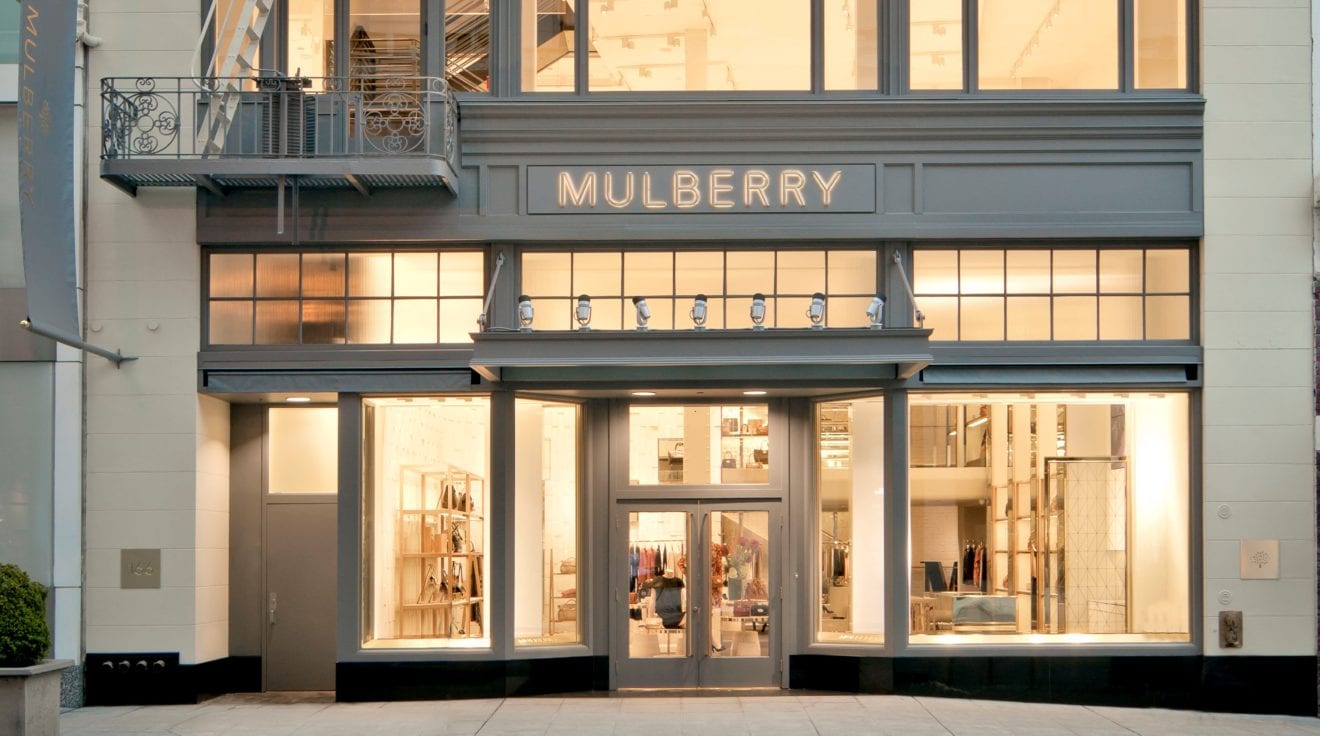
    Luxury fashion brand Mulberry saw profits jump due to expansion in Asia, a rise in digital sales, and increased efficiencies, the group reported on Wednesday.

    Profit before tax was up 21% at the end March 2017, compared to a year previously. Sales from digital grew by 19%, and now make up 15% of the Group’s revenue. Total revenue is up 8% to £168.1 million, compared to £155.9 million in 2016.

    The brand also created a new entity, Mulberry Asia, to manage its business in China, Hong Kong and Taiwan, with stores opening in Shanghai and Hong Kong earlier in the year.

    “During the year we have made good progress. Our sales and profits are growing, enhancing our strong cash position. We have advanced our international growth strategy with a new partnership in Asia and the continued expansion of our omni-channel offer in key markets,” said CEO Thierry Andretta.

    The rise in profit comes despite fears, over the past two years, that luxury brands expanding in Asian markets might suffer from slowing growth in China. The group also seems to have recovered from having slipped into the red in December 2016: despite upfront costs caused by expanding in Asia, Mulberry reported it now has no debt. Despite the good news, Mulberry’s shares dropped 2% as of 09:05 a.m. (BST) on June 14.

    In the UK, two stores (Covent Garden and Bicester) were relocated, while two closed in North America (in New York and Washington), to focus instead on digital sales.

    “Looking ahead, we will continue to invest in advancing our international development and increasing Mulberry’s relevance to our customers’ rapidly evolving lifestyle,” said Andretta.

  • Zara looking to zip up fashion market with new store in Hanoi

    Zara looking to zip up fashion market with new store in Hanoi

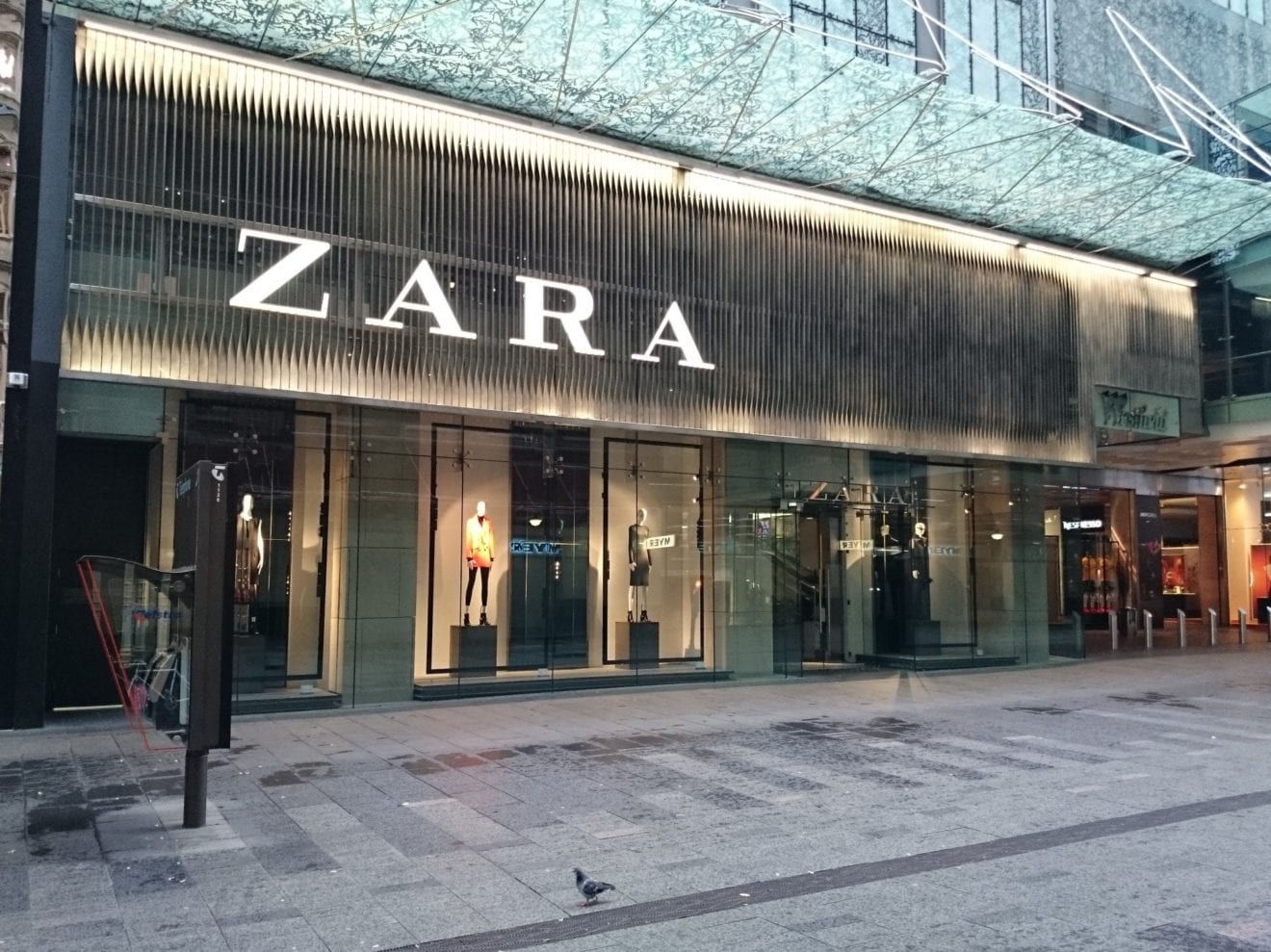
    Fashion lovers will have yet another reason to go shopping with the brand’s first store opening in the Vietnamese capital. High street retailer Zara has announced plans to open its first store in Hanoi in October.

    The world’s leading clothing and accessories retailer has selected the Vincom complex on Ba Trieu Street for the location of its first store in Vietnam’s capital.

    Zara opened its first store in Vietnam in Ho Chi Minh City’s Vincom Dong Khoi commercial center back in September 2016.

    The source also said Zara has spent months preparing for the launch of its Hanoi store.

    Established in Spain in 1975, Zara now has 2,213 stores strategically located in leading cities across 93 countries. The brand is popular thanks to its diversified products and reasonable prices.

    Zara is following in the footsteps of Sweden’s H&M, which has also confirmed the opening of its first store in Ho Chi Minh City’s Vincom Dong Khoi center.

  • Porter Stand opens pop-up store in Osaka

    Porter Stand opens pop-up store in Osaka

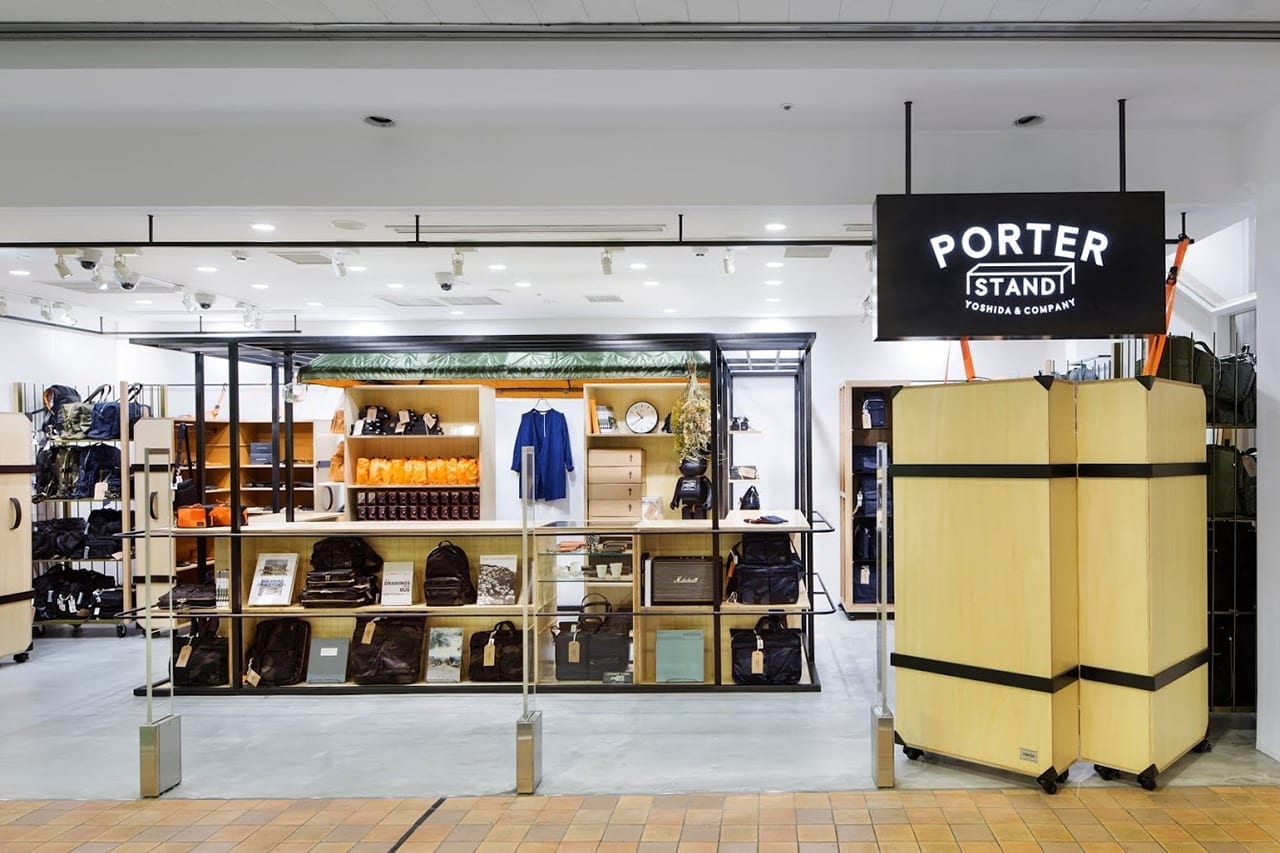
    Japan’s Porter Stand has opened up a temporary store in Osaka. The new Porter Stand pop-up will open for a limited-time at the Hankyu Umeda head office in Osaka. It is the first time the brand will open a store in the western Japan area. 

    Inside the new pop-up shop, customers will find Porter Stand’s classic series, including original items and collaborative pieces including the Orgabits × Porter Tote Bag, co-designed with organic cotton brand Orgabits. 

    The shop also stocks limited-edition items in the form of bags, wallets and pouches. Inside the store, the colourway is minimal and woody. Trunk type fixtures are placed around counters, matching the retailer’s concept of being a porter stand or “a baggage check room where many bags gather,” as per the brand’s website.

    Porter Stand is also located in Tokyo Station and Shinagawa Station, one of the busiest transportation hubs in Tokyo.

    Earlier in the year, the retailer took its concept to Paris in January, opening its ‘Trunk Store’ pop-up inside the Bows & Arrows store in the Marais area of the French capital.

    Owned by Yoshida & Co., a Japanese manufacturer of bags and accessories since 1935, Porter Stand sells the firm’s Made In Japan accessories line Porter and Porter Girl, as well as the Luggage Label line.

    The Porter Stand Osaka store will run from June 14 to 20.

  • Shiseido Travel Retail challenges the status quo with WASO Millennial skincare line

    Shiseido Travel Retail challenges the status quo with WASO Millennial skincare line

    Shiseido Travel Retail is set to extend its skincare offer with a new and “completely different” range aimed at Millennials. The WASO line, which aims to change the way beauty is seen and made, will be available in travel retail Asia Pacific in August and in the Americas, Europe, Middle East & Africa in September.

    WASO means skincare that is inspired by Japanese aesthetics, following the ‘Washoku’ philosophy, which ensures that the range has been created with respect for nature while harnessing the power of botanical ingredients. WASO’s campaign and product line aim to champion beauty from the inside out.

    Shiseido said through WASO it is redefining beauty and empowering Millennials to feel beautiful in their own skin.

    To celebrate the new approach to beauty, WASO has partnered with five Millennial brand ambassadors to change the perception of “what is pretty”. The campaign, shot by Viviane Sassen, features the five influencers in the Japanese wilderness. 21-year-old art designer, fashion designer and videographer Julian Klincewicz created the campaign’s video content. Shiseido said it chose him not only because of his talents but because of its dedication to creating an authentic voice for a new generation.

    Collaborative collective Dvein, helmed by Teo Guillem and Carlos Pardo, is behind WASO’s launch film which is a celebration of the key ingredients in each of the WASO products, showing them in their natural elements alongside technology.

    Shiseido has designed a unique method for formulating whole botanical cells into the WASO range, to deliver a total skincare solution, which is called “Whole Cell Release System W” (for moisturisers). Designed to treat the needs of Millennial skin, the product range resolves skincare concerns like dryness, oiliness, blemishes and visible pores.

  • Footwear company Red Wing opens first store in Malaysia

    Footwear company Red Wing opens first store in Malaysia

    Red Wing Shoe Company announced on Tuesday the grand opening of its first retail location in Kuala Lumpur. The store opening expands the footwear company’s retail footprint in Southeast Asia.

    The new store is a result of Red Wing’s partnership with Leeden National Oxygen (Leeden NOX), a distributor partner for over four decades. Prior to opening the new store in Kuala Lumpur, the two companies opened stores in Singapore.

    The Kuala Lumpur store, which is located in the Avenue K Shopping Mall, features an industrial work-themed interior with leather chairs, brick walls, and custom fixtures.

    In addition to offering the brand’s full product offering, including its namesake line, Vasque, the performance hiking boots and shoes collection, the Heritage collection that launched in 2008 and personal protective equipment and accessories, Red Wing Kuala Lumpur offers foot-scanning technology that identifies arch type, foot type and pressure points.

    “Red Wing Shoe Company has been a leader in the footwear industry for over 110 years, and for more than 50 years it has grown to become a top provider of head-to-toe solutions for the international energy industry,” said Paul Olson, Managing Director, Eastern Hemisphere for Red Wing. “From oil rigs to shipping docks, factory floors to refineries, we’ve supported Malaysian oil and gas workers for over three decades through our distribution services, and we’re now excited to offer those workwear products as well as new offerings for lifestyle and hiking footwear through our Kuala Lumpur retail store location.”

    Established in Red Wing, Minnesota in 1905, the Red Wing Shoe Company is a global designer, producer, and distributor of work, safety and lifestyle and work apparel. Today, Red Wing is distributed in over 110 countries in a multi-channel environment of 500+ stores, third party partners, and owned e-commerce platforms.

  • Swarovski debuts Perth flagship store

    Swarovski debuts Perth flagship store

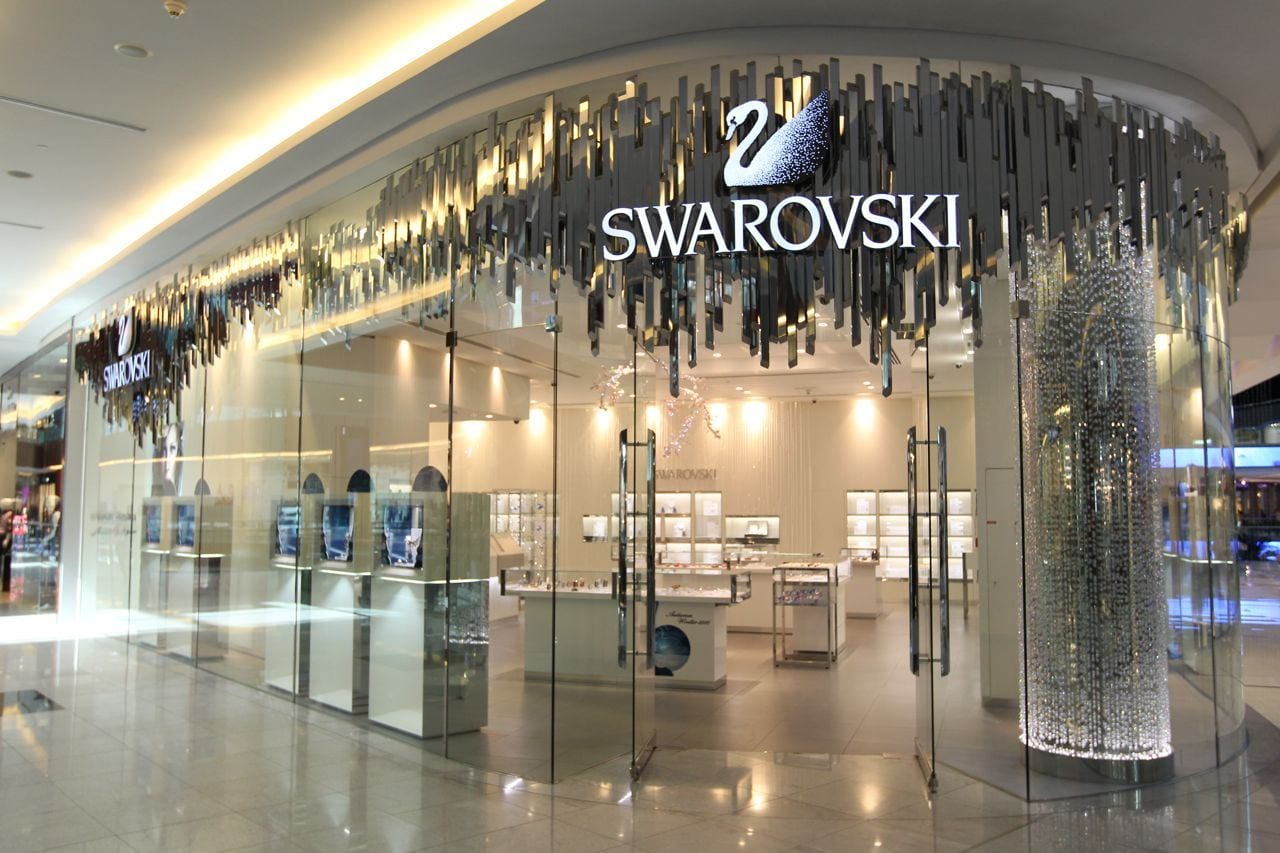
    Crystal maker and jeweller Swarovski has opened its Perth flagship store, the second store in Australia to feature the brand’s crystal drop chandelier, as part of its new retail design.

    Located in Perth Hay Street Mall, the new Western Australia store boasts Swarovski’s new ‘crystal forest’ outfit, which was unveiled at the opening of the Austrian firm’s Sydney store in May.

    Updating the store layout, Swarovski employed renowned architect Tokujin Yoshioka as part of the brand’s plan to improve aesthetics across its distribution network.

    Robert Buchbauer, member of the Swarovski Family and of the company’s CEO, said the new store design is “a tremendous illustration of Swarovski’s contemporary vision and taste for design.”

    In an interview earlier in the year, Australia managing director of Swarovksi, Brett Spinks, said Australia was a “growing” market, adding that the high-end jeweller plans to roll out more new store in 2017.
    “We see robust growth in our retail channel both online and in our physical [stores],” Brinks said.

    “Due to this significant growth, we are delighted to be able to further meet our consumer demand by opening a number of new stores in 2017.”

    The Australian watch and jewellery retailing industry grew by an annualised 2.9% over the five years through 2016-17, to reach $3.3 billion, according to Ibis World.

  • Michael Kors eyes 100 more China stores on new retail strategy

    Michael Kors eyes 100 more China stores on new retail strategy

    Michael Kors plans to open around 100 new stores in China in next three years, as the US brand continues to plan for mass global retail closures, forming part of its recently revealed “Runway 2020” restructuring program to turn dwindling sales around.

    Michael Kors’ initial restructuring announcement came in early June, after the brand posted a double-digit same-store sales percentage decline in the fourth quarter ending April. It was here that Michael Kors said it would shutter 125 stores worldwide.

    “We think that the [accessories market] is down slightly in North America. We think it’s flattish in Europe. We think it’s up slightly in Asia,” John D. Idol, Michael Kors’ chairman and chief executive officer, told WWD in a recent interview.

    The New York-based luxury leathergoods and accessories added that its main growth drivers moving forward will be its retail presence in Asia and its surging men’s category — each of which have the potential to become $1 billion segments of the brand.

    Growth in Asia is the main, most achievable goal, according to Idol, with plans for 100 stores to be added in China alone and more elsewhere in the region over the next few years. There are 111 Michael Kors stores in Asia in operation now.

    In addition, some 100 global stores will be renovated to sell better a new Michael Kors luxury collection, and reposition the high-end factor of Michael Kors to a bored clientele. Speciality salons for shoes are another area of planned growth for the brand.

    The company also wishes to minimise wholesale, aiming for a revived Michael Kors brand that is 30 per cent wholesale and 70 per cent retail.

    With the aforementioned retail and product changes in put in place, Michael Kors said it expected revenue of $4.25 billion for fiscal year 2018 and also forecasts a high single-digit drop in same-store sales.

    For the fourth quarter ended April 1, total sales fell 11.2 per cent to $1.06 billion. Analysts had expected $1.05 billion.

  • Ted Baker sees e-tail surge, US, Europe and Asia stores also drive growth

    Ted Baker sees e-tail surge, US, Europe and Asia stores also drive growth

    Ted Baker proved once again on Tuesday why it’s one of the most buoyant names in an otherwise-under-pressure UK fashion retail sector. The mid-market women’s and menswear chain detailed a double-digit sales rise, further global expansion, yet another e-commerce spurt and a healthy wholesale business.

    That’s some achievement given the backdrop of increasing consumer caution, a focus on experiences over ‘stuff’ and UK uncertainty about Brexit, the election and inflation. The company is not immune to the effects of these negative pressures and to the slowdown that is hitting the rest of the industry. But it’s most definitely outperforming many of its peers, which can only bode well for the time – if it comes – when sector conditions improve.

    So, what did we learn Tuesday morning? In the 19 weeks to June 10, its group revenue rose 14.2% year-on-year with total retail sales up 14.3% and up 8.4% on a constant currency basis. That was “despite external factors continuing to impact trading conditions across some of our global markets.”

    Its e-commerce business continued to perform well with sales increasing an undeniably impressive 35.9% (or 32.3% in constant currency) “reflecting continued growth across our e-commerce sites as well as the strength of our retail proposition.”  Average retail square footage rose by 4.9% to 398,000 sq ft, which means comparable sales are clearly rising ahead of the chain’s overall space expansion.

    As well as performing well at home, global growth is key and this expansion of the brand continued with successful openings in Los Angeles, Paris, and Shanghai, its first Dutch store in Roermond and further concession openings in premium department stores in France, Germany, Japan, South Korea, and the Netherlands. It opened new concessions in the UK too and also relocated its Miami Aventura and Tokyo stores.

    Wholesale, which is a lower-margin channel from which many higher-end brands have chosen to retreat, is performing well for Ted Baker, as it is for a number of its most buoyant UK peers (such as the Superdry label).  Sales for the period increased 13.8% (or 8.9% in constant currency) reflecting good performances from both its UK and North American businesses.

    The company said that both its retail and wholesale gross margins were in line with its expectations and that its product and territorial licensees continue to perform well, reflecting the global strength and appeal of the brand with licensed store openings in Dubai, Kuwait and Mexico.

  • De Beers Inks Japan Retail Grading Deal

    De Beers Inks Japan Retail Grading Deal

    The International Institute of Diamond Grading & Research (IIDGR) has partnered with Japanese bridal-jewelry retailer I-PRIMO to provide it with polished grading reports.

    The De Beers-owned laboratory will grade diamonds showcased at all 68 I-PRIMO stores in Japan, with the aim of boosting consumer confidence, IIDGR said last week. The reports will use De Beers’ “Ideal Optical Symmetry” technology, which provides a magnified image of a stone’s light performance. The companies plan to extend the program eventually to I-PRIMO’s stores in Taiwan, Hong Kong and Shanghai.

    IIDGR has previously entered partnerships with Singapore’s Soo Keep Group, as well as Hong Kong-based retailer Luk Fook, with which it issues co-branded grading reports.

    “Our ability to tailor bespoke solutions for our customers, backed by our innovative proprietary technologies, has been well-received and is supporting our growth in the region,” said IIDGR president Jonathan Kendall.

  • L&K expanding cosmetics presence in Asia

    L&K expanding cosmetics presence in Asia

    L&K Cosmetic CEO Kwon Yong-soo hopes to turn the company into one of Asia’s leading beauty brands by expanding its private label product lineup.

    Kwon, 50, started his business in 1993 as a Seoul-based cosmetics retailer, going through a series of ups and downs before launching the cosmetics retail and manufacturing brand in 2013.

    “My first online cosmetics site generated more than 15 billion won ($13.33 million) in annual sales back in the early 2000s when the internet shopping industry began to take shape,” he said in an interview at the firm’s Tokyo branch, Friday.

    But he said it was not long before he ended up with mounting debt due to burgeoning rivalry and the lack of private brand products.

    “As a retailer, I could not pile up enough margins by selling products from other companies,” he said. “But I was confident if we develop and manufacture our own products, the quality will be more trustworthy, helping us to generate more revenue.”

    He has experience running some cosmetics retail stores in one of Korea’s largest shopping districts, Myeong-dong in central Seoul.

    “Overseas travelers — mostly from China and Japan — are the major revenue source for most cosmetics stores there. But the Myeong-dong stores always come with risks — such as cross-border political conflict or the spread of infectious diseases,” he said.

    “For example, when the Middle East Respiratory Syndrome (MERS) hit Korea in 2015, we had to suffer deficits for almost half a year when foreign travelers were reluctant to visit the nation.”

    Such unexpected risks were the key reasons for his decision to tap into the Japanese market.

    L&K Japan was established in 2013 when Kwon turned his eyes on manufacturing private label products.

    The decision came as he has sought to create a stable and profitable source of income for the long term, which he thought would prevent the recurrence of his previous downfalls.

    “We launched our private mask sheet pack brand, Mask Diary, in 2014, with our Japanese subsidiary running three retail stores there,” he said. “Mask Diary will also be available in the Chinese market soon.”

    Other private products of the company include wrinkle essence, regenerative skin cream and UV protection BB cream.

    In a bid to seek new revenue areas, L&K Japan also opened an aesthetic skin massage therapy store in Tokyo’s commercial center of Shinjuku last week.

    “Demand for Korean beauty services and products remains strong in Japan,” he said. “That is why I decided to start the new business here.”

    The company also seeks to continue its winning streak in China. In 2015, L&K opened its online mall at the country’s largest online marketplace, Taobao. The Korean firm has since forged partnerships with such local internet titans as Alibaba and Alipay.

    “Our ultimate goal is to diversify our product lineup and enhance our brand image, so we can set foot in other territories such as North America and Europe,” he said. “Toward that end, L&K will continue to spare no efforts in cosmetics R&D.”

  • David Jones poaches Self-Portrait from rival Myer as fashion war continues

    David Jones poaches Self-Portrait from rival Myer as fashion war continues

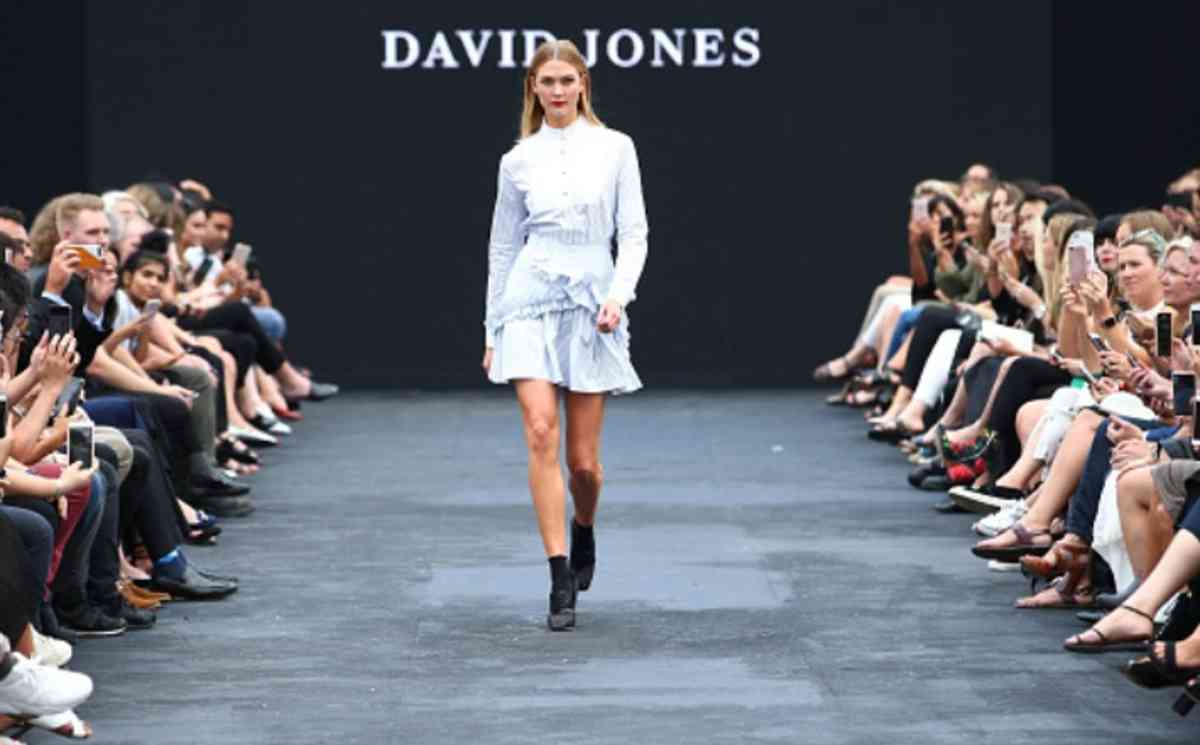
    Australia’s department store giants David Jones and Myer are at it again. In the latest war of the women’s ready-to-wear brands, high-end retailer David Jones has poached Britain’s Self-Portrait label from competitor Myer.

    David Jones group executive of merchandise David Collins told the Sydney Morning Herald the London-based Self-Portrait was picked up to bolster the department store’s current bridal offering in its Sydney flagship, as well as its regular women’s fashion fold.

    “Self Portrait has become a fast favourite within our bridal category and a brand that we believe will strongly perform in the womenswear ready-to-wear space,” Collins told SMH.

    Founded by Malaysia-born, London-based Han Chong in 2013, Self-Portrait is fashion favourite of the Duchess of Cambridge. Known for its modern lace designs, the brand looks set to be better positioned with a David Jones listing, considering the department store’s brand position as more high-end, compared to Myer.

    “David Jones’ vision to amalgamate the most innovative designers from around the world under their roof is inspiring and we look forward to partnering with them in Australia,” said Chong, in a statement.David Jones said Self-Portrait would be available in store from June 11. Myer started stocking Self-Portrait in 2015.

    In recent months, Australian labels Aje, Karen Walker and By Johnny have also changed sides, heading from Myer to David Jones. As the fashion war roars on, Myer took another blow late last month in its youth fashion segment, following the collapse of Topshop Australia, of which it owns one fifth.

    However, the department store chain said had begun investing in its own Maticevski label and Misha Collection, and was growing its network of shop-in-shops, including Morrison and Skin & Threads. It has also opened concessions for French brand The Kooples and Zadig & Voltaire, and most recently announced a one-year distribution deal with up-and-coming women’s brand We Are Kindred.

    The Australian retail market is facing one of its most frenzied phases. While fast-fashion moguls H&M and Zara continue to steam roll homegrown fashion retailers — including David Lawrence and Marcs, which were recently rescued by Myer after entering administration — the impending arrival of American e-commerce Amazon in Australia is adding to local business blues.

    And consumer fashion spending is bleak. While Australian retailers enjoyed their best monthly sales in nearly three years in April, up 1%, sales growth in clothing and footwear was an anaemic 0.3%.


  • Jimmy Choo Tokyo Omotesando Hills by Christian Lahoude Studio

    Jimmy Choo Tokyo Omotesando Hills by Christian Lahoude Studio

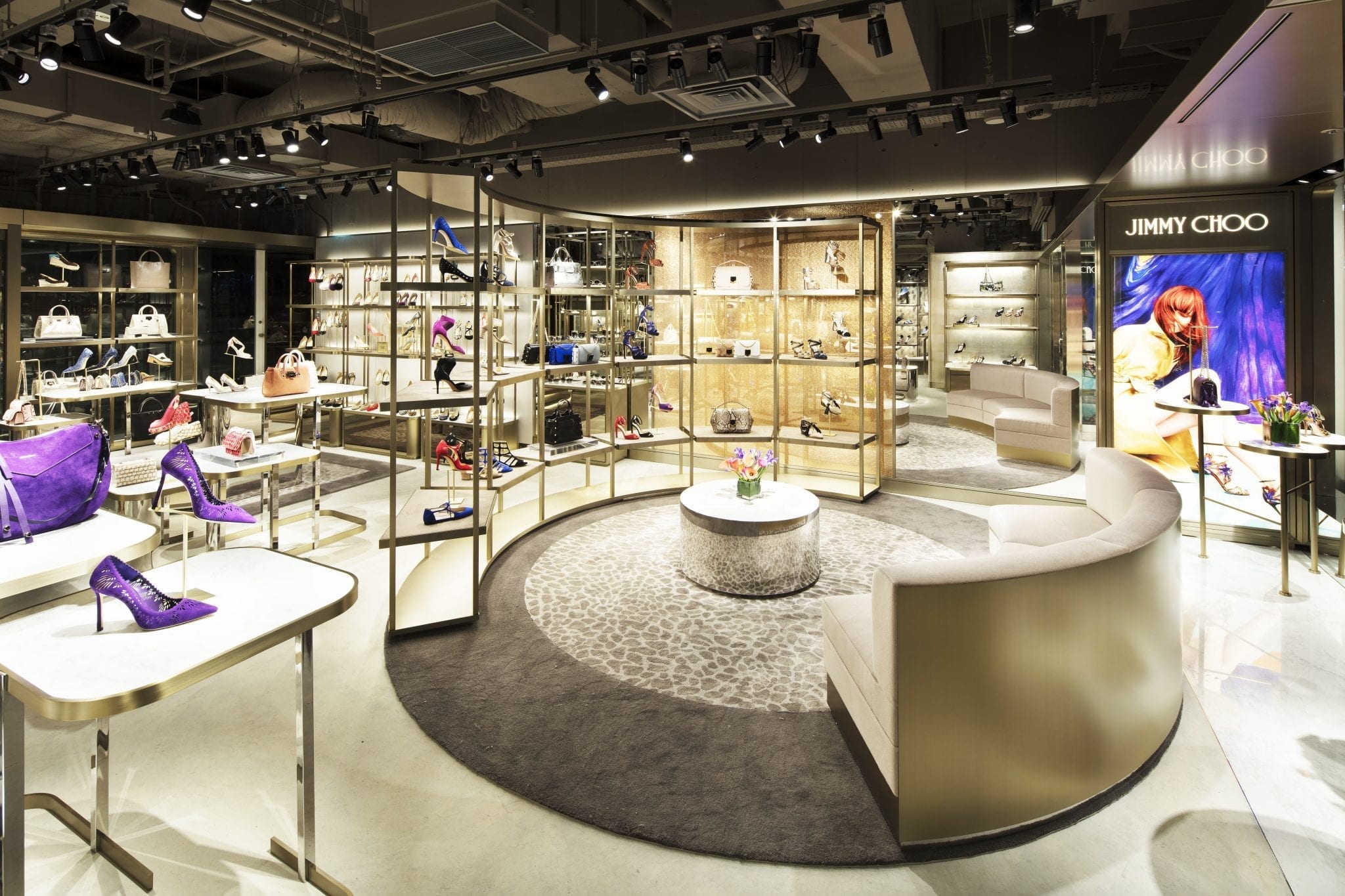
    Jimmy Choo’s 140 square-meter flagship dual gender store in Omotesando Hills Mall, Tokyo, Japan introduces its open floor plan with 2 grand facades. The main façade invites people from the street to enter the luxury store to experience a unique design combining industrial elements with the luxury materials Jimmy Choo is known for. Two entrances – one for men’s and one for women’s – from the mall’s interior are framed in gold metal and invite with lit signage and campaign images.

    Project manager Katharina Hoerath created a continuous flow between the multilevel spaces by designing dynamic curve inspired fixtures. The luxurious environment is warm and welcoming, featuring gold mesh panels on light washed walls juxtaposing the grey painted exposed ductwork ceiling. The marble floors with gold accents and light implemented in the steps are adorned with rich grey carpeting.

  • Design your own shoes at Asia’s first Tod’s pop-up

    Design your own shoes at Asia’s first Tod’s pop-up

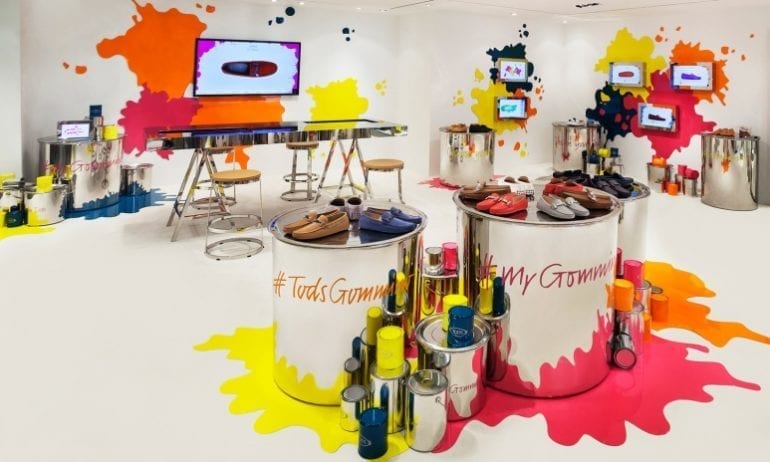
    Tod’s Gommino loafers are a style staple for celebrities, models, royalty and fashionistas the world over. It is now possible to buy a pair adding an own personal touch, as Tod’s is offering customers the chance to create their own pair of the iconic Gommino, complete with stamped initials.

    Hong Kong has been picked as the first city in Asia for a pop-up store that enables customers to create their own personalised pair of the Italian brand’s signature shoe.

    The custom loafers take just three steps to create. First, customers choose from 11 different styles of the brand’s signature shoe (there are five models for women and six for men). Next, clients decide on each of the design elements, from leather, colour and stitching, to the lining, pebbled outsole and any accompanying accessories.

    Once people confirm their initials for the hot-stamped monogram, the creation process is complete. Production takes about 10 weeks.

    With 133 rubber studs under its sole, Tod’s iconic Gommino has been a style staple since the 1970s, drawing widespread appreciation as a lightweight, unisex shoe suitable for all occasions.

    The MY Gommino pop-up is now open at Shop G309 in Harbour City, Tsim Sha Tsui for a limited time.