Category: Fashion

Retail News Asia is committed to providing both local and global retailers with the latest Fashion news throughout the Asian market. This on a daily base.

  • La Perla opens Takashimaya store in Singapore

    La Perla opens Takashimaya store in Singapore

    Italian lingerie retailer La Perla has opened a second Singapore store. Located on Orchard Road inside the Takashimaya Shopping Centre, the new store spans 182 square metres and was designed by the Italian architectural studio Baciocchi Associati.

    Consistent with La Perla stores around the world, the Singapore boutique boast three rooms with white marble floors, overlayed by lilac, blue and nude tones.

    Geometric prints and metallic accents cover the walls with golden mesh detailing, meant to look like tulle – a moniker of La Perla lingerie. Velvet couches and gold displays finish the store look.

    In August 2016, the Italian luxury lingerie label announced the appointment of Julia Haart as its new Creative Director. At the time of her appointment, Haart promised to revolutionise La Perla’s ready-to-wear line, intending to make it more comfortable while respecting its glamorous, sexy DNA.

    Founded in 1954 by Ada Masotti, the Bologna-based fashion label was acquired in 2013 by Italian businessman Silvio Scaglia.

    La Perla counts 36 points of sale in Asia, with 150 worldwide.

  • Amazon appoints new fashion head

    Amazon appoints new fashion head

    US e-commerce conglomerate Amazon has appointed a new head of its fashion division. The Seattle-based Amazon has selected Christine Beauchamp to be president of Amazon Fashion, the section that operates the corporation’s online fashion marketplace.

    Beauchamp replaces Catherine Lewis Beaudoin, following her departure last month. Beaudoin had held the role since 2013.

    Beauchamp has an extensive professional resume. She was previously CEO at Victoria’s Secret Beauty; served as brand president at Ann Taylor; and spent nine months as global brand president for the brands Lauren, Chaps, American Living and Ralph for the Ralph Lauren group in 2015.

    Beauchamp returned to the Boston Consulting Group as a senior consultant back in 2016, where she was most recently.

    A Harvard and Princeton graduate, she will oversee Amazon Fashion and continue to promote its current range and by seeking out partnerships.

    Beauchamp will take up the role as president of Amazon Fashion before the start of the summer.

    Amazon has made its fashion presence well known by sponsoring the Met Gala in 2012 and sponsoring CFDA’s NYFW: Men’s fashion week alongside Cadillac and Samsung. The deal with the CFDA ended after NYFW: Men’s in February 2017. In addition, the online retailer announced plans to launch private-label intimates and an athleisure line.

    Amazon has been reported by Yahoo to be larger than the 8 largest retailers in the U.S. combined (Macy’s, Best Buy, Target, Nordstrom, JCPenney, Walmart, Kohl’s and Sears), and is poised to surpass Macy’s this year as the biggest apparel retailer in the U.S.

  • Massimo Dutti Opens a New Global Concept Store at Vivocity

    Massimo Dutti Opens a New Global Concept Store at Vivocity

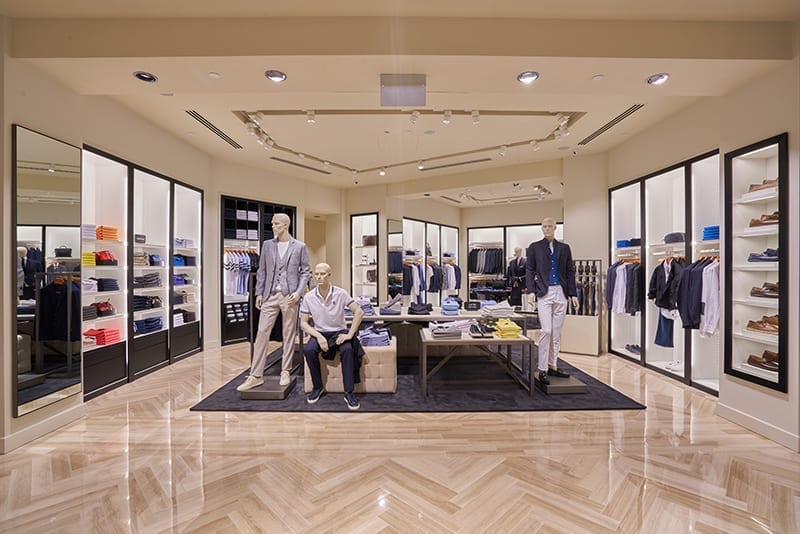
    The establishment, with over 518 square metres of retail space on one floor, hosts the collections for both men and women.

    Interiors project

    The interior design, entirely developed by Massimo Dutti, was based on the use of new material, details and lighting. The floors are set with Serpeggiante’s Italian marble in beige and placed in spike, it contributes a note of elegance in an example of modernity and contemporaneousness mixture. The lighting has also project with supreme detail, zenith areas give the protagonist to the collections and different lamps give the perfect dose of environmental light, creating a warm atmosphere that yields the protagonist to the collection. In this new shop all the details line up to consolidate the identity and the lifestyle of the brand, sending a message of quality, a value inherent in all the Massimo Dutti’s collections. Also the furniture contributes to the warmth of the environment with the balanced combination of Krion’s big central tables with style 50’s armchairs and clear carpets.

    Advanced technology 

    Technology at the service of customers. The explosion of 3.0 technology including social networks and mobile services has led to the appearance of new, omni-channel trends that serve to connect the virtual and online world with brick-and-mortar stores, making the point of sale a space where emotions can take flight.

    Always at the cutting-edge of where fashion and technology meet, Massimo Dutti has implemented a series of activities with the aim of offering new purchasing experiences based on innovation and adaptation to customers’ new needs. These activities include:

    Dynamic marketing screens. These allow the continual publication and broadcast of the brand’s own contents, reflecting its physical and aspirational world.

    Eco-efficiency: a brand commitment

    The new store is in line with the Inditex Group’s most advanced concepts of sustainability, principles that have been followed both in the restoration project and in the store’s commercial operations. Electricity consumption has been reduced by some 30% and water consumption by 40% in comparison with conventional stores. The eco-efficiency measures implemented include a store lighting system that optimizes the lighting of the furnishings, and the exclusive use of LED bulbs. The lighting system also enables partial lighting of store spaces depending on the time of day and tasks to be carried out, as well as automatic activation when a presence is detected in internal working areas.

    Optimal air conditioning and ventilation are achieved using thermal insulation, and a ventilation control that varies according to space occupation, calculated using CO2 measurements. The equipment installed employs inverter technology capable of regulating itself depending on the demand for heating or cooling, adapting at all times to consumption needs. The air curtain is controlled by probe and allows three working levels depending on the air temperature on the premises. Finally, control and monitoring devices allow instant distance readings of consumption levels, making it possible to detect and correct any anomaly affecting the use of the facilities and their consumption.

  • Shoes Of Prey delivers women’s custom footwear in two weeks at retail prices

    Shoes Of Prey delivers women’s custom footwear in two weeks at retail prices

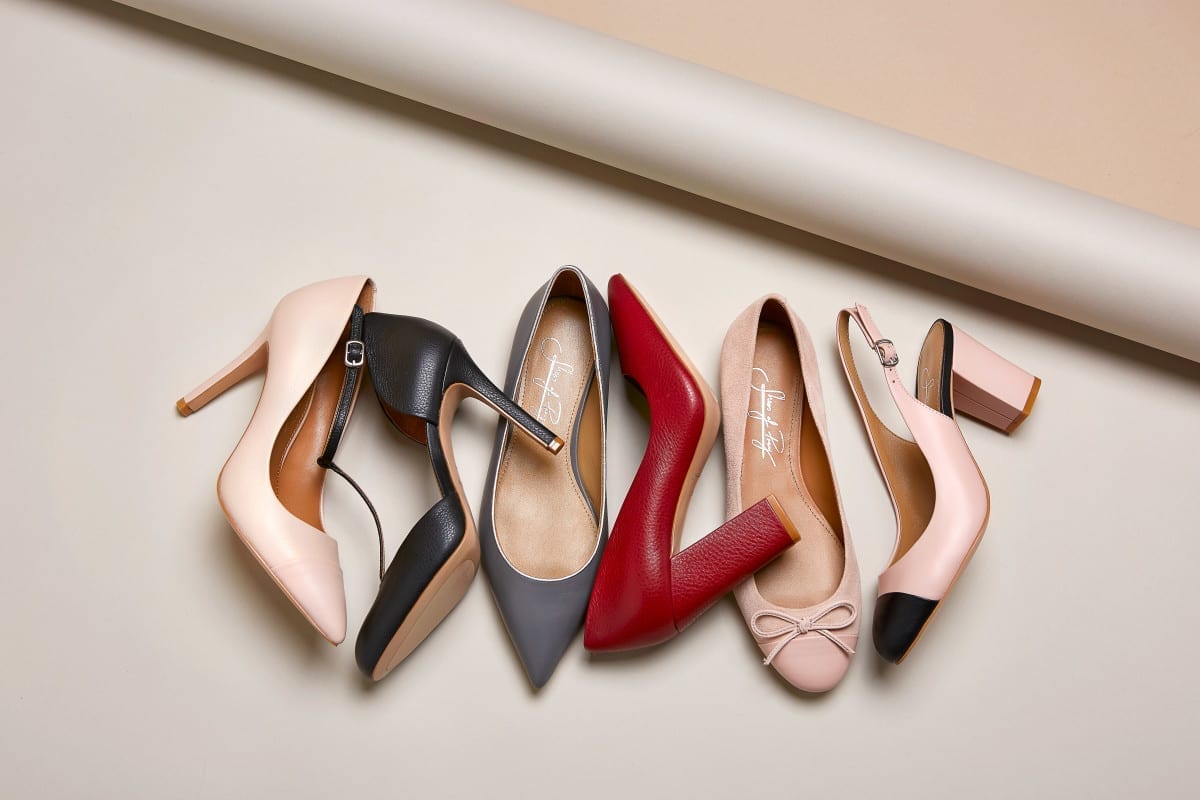
    The future of shoes is two weeks away. That’s how long it takes Shoes of Prey to build and deliver custom-made women’s footwear in just about any size, color and style imaginable.

    Founded in 2009 in Australia but now based here in Los Angeles, Shoes of Prey lets women choose from millions of design options, from gold metallic stilettos to purple fishskin peeptoes, at prices in step with everyday retail.  The company has designed more than six million shoes, according to the company’s 2016 end-of-year report, after raising $26 million in venture funding. Manufacturing is outsourced to China but plans are, ahem, afoot to speed delivery by adding factories in North America and Europe.

    Customers usually appreciate the idea of designing shoes. Psychologist Barry Schwartz famously talks about The Paradox of Choice and how option profusion makes consumers less happy rather than more. But the Shoes of Prey 3D design interface keeps people on track with recommendations for heel height, colors, materials… Possibilities are limitless, but framed pre-designed shoe options, hence helping clients.

  • Los Angeles’ Dita opens second store in Tokyo

    Los Angeles’ Dita opens second store in Tokyo

    Los Angeles eyewear brand Dita has opened its latest Tokyo store this week, marking its second Japanese and global location.

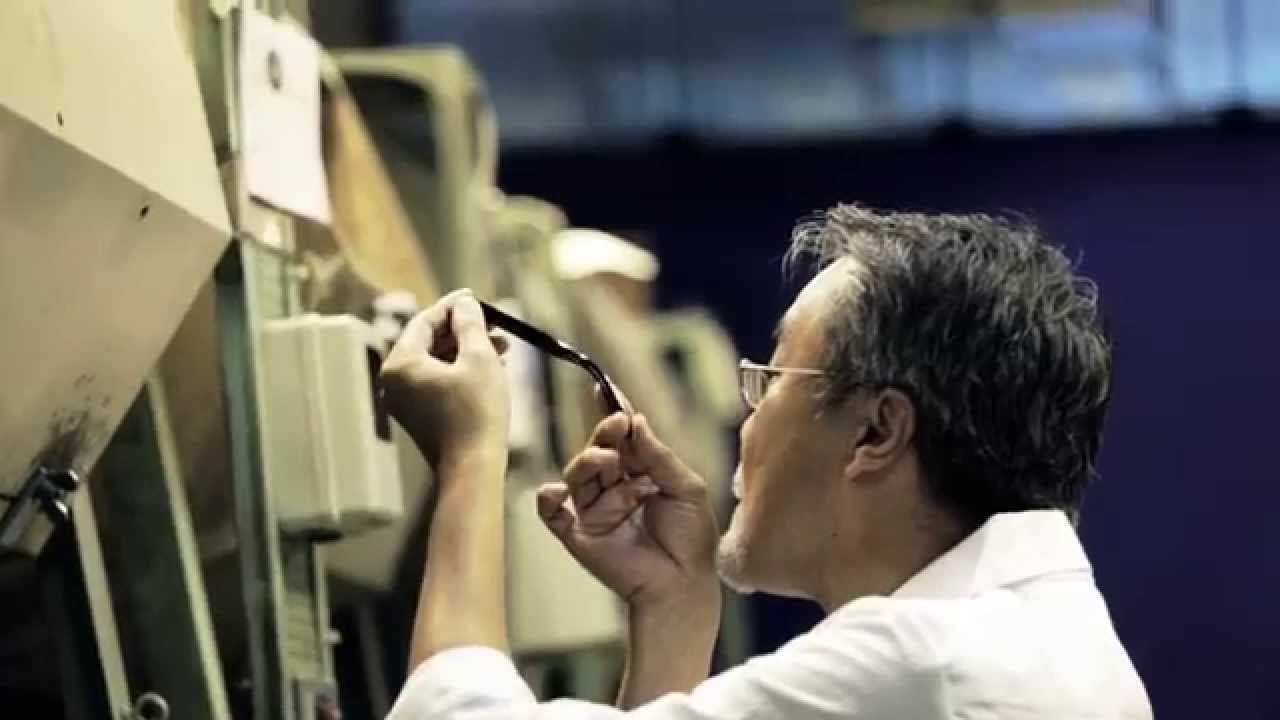
    Located in the capital’s Minami Aoyama 5-chome, the Dita store covers 69 square metres andrepresents Dita’s latest retail concept, combining “the focus of a design showroom with the attentive service of an optical laboratory,” according to the company.

    Dita stores have been conceptualised by Mandi and Mehdi Rafaty of West Hollywood’s Tag Front. Italian stone mingles with plated aluminium, for a contemporary simplicity known to the America design dup. The Aoyama store also boasts a window on the south-facing facade extending from the floor to the ceiling.

    “We focused on materials and techniques that combine the warmth of turn-of-the-century design movements, like the Vienna Secession, rendered with contemporary technology and materials,” Dustin Edward Arnold, creative director of Dita Group, said in a statement.

    As well as Dita’s premium sunglasses, the store offers a range of technical services as part of its specialised ‘Dita Lab,’ including the provision of lens and frame prescriptions. Collections from Thom Browne Eyewear and Christian Roth, which Dita acquired last year, will also be on sale.

    Dita first entered the international retail space with a store opening in Daikanyama, Tokyo, in 2003.

  • Michael Kors to shut over 100 stores

    Michael Kors to shut over 100 stores

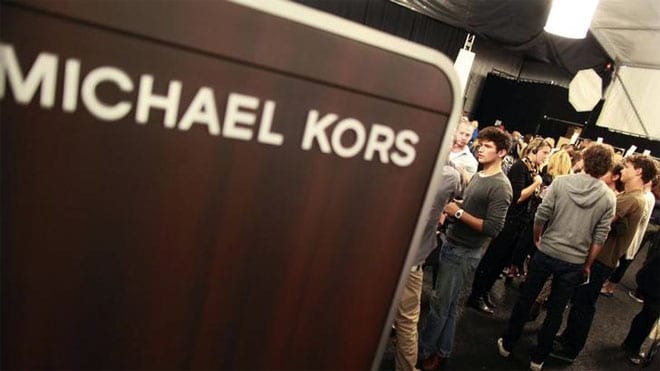
    Michael Kors, the once-popular retailer that has been trying to turn itself around, said it expected same-store sales to continue to fall in 2018, and that it would shut more than 100 full-price retail stores in the next two years.

    Shares of the company slumped nearly 11 percent to $32.38, their lowest in more than five years.

    Michael Kors Holdings Ltd, once the hottest name in affordable luxury, has been grappling with declining same-store sales for the past seven quarters as fewer people visit its stores, flocking instead to rival Coach Inc and shopping online.

    Kors said on Wednesday sales at stores established for more than a year fell 14.1 percent in the fourth-quarter ended April 1. Analysts had estimated a fall of 13.4 percent, according to research firm Consensus Metrix.

    To deal with the lull in sales, the retailer has been expanding into dresses and menswear, investing in its online business, and reducing supplies to department stores, which have been discounting heavily to bring back shoppers.

    These efforts, however, are yet to show the results that investors are looking for. Kors said it expected revenue of $4.25 billion for fiscal year 2018 and also forecast a high single-digit drop in same-store sales.

    Analysts on average had estimated revenue of $4.37 billion. “If you walk into a Michael Kors store, they basically have the same handbags over and over again,” said Gabriella Santaniello, founder at research firm A-Line Partners.

    “It is basically an entire wall of the Mercer handbags -small and large – and another wall of Hamilton bags,” she said, referring to Kors’ flagship handbag lines.
    The company said on Wednesday it would close 100-125 full-price stores over the next two years due to intense price competition from other retailers. It expects to take $100 million-$125 million in related one-time costs.

    For the fourth quarter ended April 1, total sales fell 11.2 percent to $1.06 billion. Analysts had expected $1.05 billion.

    Excluding certain items, Kors earned 73 cents per share, while analysts had expected 70 cents per share. Kors, whose shares have fallen nearly 16 percent this year, also said it would buy back $1 billion worth shares.
  • Jabong adds international fashion wear brand Esprit to its product portfolio

    Jabong adds international fashion wear brand Esprit to its product portfolio

    India’s leading fashion etailer, Jabong has announced the addition of another leading international fashionwear brand, Esprit, to its product portfolio. A publicly owned manufacturer of clothing, footwear, accessories, jewellery and housewares, Esprit will be available on Jabong for men and women in more than a 1000 variants across categories such as apparels, watches and bags with the prices ranging from Rs. 499 to Rs. 16999. The Esprit launch will be supported by digital and social media campaigns and through Esprit logo promotion on Jabong’s latest TVC.

    “We are delighted to partner with Jabong, which is credited with bringing top premium global fashion to India. Effortless style, authenticity and easy-going living are a part of the ethos of Esprit’s brand philosophy which resonates well with Jabong’s brand philosophy of ‘be you’. Jabong’s upmarket, fashion forward customer base is the exact target audience to optimize our online presence in India, and we look forward to our lasting partnership with Jabong,” said Guillaume Thery, General Manager Asia-Pacific, Esprit.

    Gunjan Soni, Head of Jabong, adds, “Esprit is an excellent addition to our finely curated international casual fashion portfolio. Through its natural materials and made-to-last quality, Esprit offers effortless style, authenticity and easy-going living. Jabong has come to be known for its selection of premium, luxury brands and we will continue to add the hottest fashion brands to our collection in the coming months.”

    Esprit has been representing style and quality since 1968 and has a presence in 40 countries. It works on a basis of creativity and responsibility, fused with a sunny Californian attitude, that is expressed in its effortless, relaxed and comfortable Esprit style. It is a member of the Business Social Compliance Initiative (BSCI), which works against child labor, and is a founding member of the Sustainable Apparel Coalition (SAC).

    Jabong is expanding its product portfolio aggressively and has earlier added 35 brands in this year including New Era Caps, Forever 21, Aeropostale, Scotch & Soda, Antony Morato, Forever New, Mothercare, Gstar, Elle, Columbia, Speedo, All About You, Roadster and Wrogn among others. It also recently launched the Jabong Mood Store, which is India’s first-ever innovative comprehensive online store that allows the entire look to be shopped together, rather than buying different clothes and accessories separately and then pairing them.

  • European firms lose confidence in Vietnam’s market

    European firms lose confidence in Vietnam’s market

    The overall business climate index has fallen 7 points since the last quarter. The number of European businesses and companies with links to Europe that have a positive outlook about their futures in Vietnam has fallen slightly, according to the Vietnam Business Climate Index (BCI) for the first quarter released on Monday by the European Chamber of Commerce (EuroCham).

    When asked about their business outlook for the next quarter, 9 percent said the outlook was “excellent”, compared to 10 percent the previous quarter, and 60 percent said it was “good”, compared to 67 percent.

    The number of firms that forecast their outlook as “not good” jumped from zero to 7 percent, and “very poor” climbed from 2 to 4 percent.

    With regards to their current business situation, 67 percent of respondents described theirs as “excellent” and “good”, around a 5 percent drop from the previous quarter.

    A slight rise was seen in the “not good” and “very poor” answers, with 9 percent and 3 percent, respectively, compared to 3 percent and 2 percent in the last quarter.

    EuroCham members that expressed confidence in a stable and continuously improving macroeconomic scenario for Vietnam in the next quarter have dropped by around 10 percent to 43 percent.

    Conversely, businesses that believe the macroeconomic conjuncture could get even worse has risen 11 percent to 18 percent.

    In general, the index for the first quarter stood at 78, dropping 7 points.

    In an interview with Bloomberg at the Government Office in Hanoi on Saturday, Vietnamese Prime Minister Nguyen Xuan Phuc said he is confident that Vietnam’s economic growth this year will meet the government’s goal of 6.7 percent without adding to inflation, despite weak expansion in the first quarter.

    “The main economic indicators in May are all very good with a strong pickup in exports, foreign investment and agriculture production, laying the ground for faster growth in the third and fourth quarters,” he said, adding that the growth target was difficult but not impossible.

  • Blue Chip Group targets travel retail expansion for its emerging Korean brands

    Blue Chip Group targets travel retail expansion for its emerging Korean brands

    Asian travel retail distribution company Blue Chip Group is aiming to expand its business with existing and new travel retailers following its debut at this year’s TFWA Asia Pacific Exhibition.

    The company, which specialises in travel retail distribution of emerging Asian – in particular Korean – brands, also offers advertising and media, e-commerce and logistics services. Its headquarters are in Hong Kong and has offices in Shanghai, Seoul and Singapore.

    At TFWA Asia Pacific, Blue Chip Group highlighted leading Korean beauty brands CLIO, SNP, Jayjun and Papa Recipe. Colour cosmetics brand CLIO ran an advertising campaign at Singapore Changi Airport to drive traffic to the distributor’s stand at the show. Blue Chip Group also represents Banila co, Missha, Dr Jart + and Atopalm among other brands.

    Blue Chip Group Vice President Flora Lee said: “The show was very successful, we had a number of meetings with prospective business partners and operators and it proves that Korean beauty is in strong demand from the market.”

    Blue Chip Group has been the main distributor of Korean beauty brands to DFS Group since 2014. It has launched more than 20 brands in 22 DFS stores around the world, including T Galleria Siem Reap, T Galleria Cairns, T Galleria Hawaii, Hong Kong International Airport, San Francisco International Airport and Ho Chi Minh Airport.

    The company also partners with Shilla Duty Free, Dufry, Shenzhen Duty Free and China National Service Corporation for Chinese Personnel Working Abroad (CNSC).

    Blue Chip Group has recently launched Jayjun, Papa Recipe and Guerisson at Duty Free Americas’ Venetian Macau Resort Hotel stores. In Q3 of 2017, it will launch Leaders and Mediheal with Dufry onboard the Norwegian Joy cruise ship and will make its move into the inflight channel with Banila co.

    The company said it is targeting key Chinese customers on the Hong Kong/China border with a partnership with Free Duty at Lok Ma Chau railway station. Four beauty brands, including CLIO, are available there.

    Lee added: “This year, we have set the company objective to expand the business with existing travel retail operators as well as new partners, and to enrich their brand profiles, not limited to Korean or Asian brands but also to develop worldwide quality brands. That is why we finally made our first appearance at TFWA Asia Pacific.”

  • Jung Saem Mool beauty to open its first flagship store

    Jung Saem Mool beauty to open its first flagship store

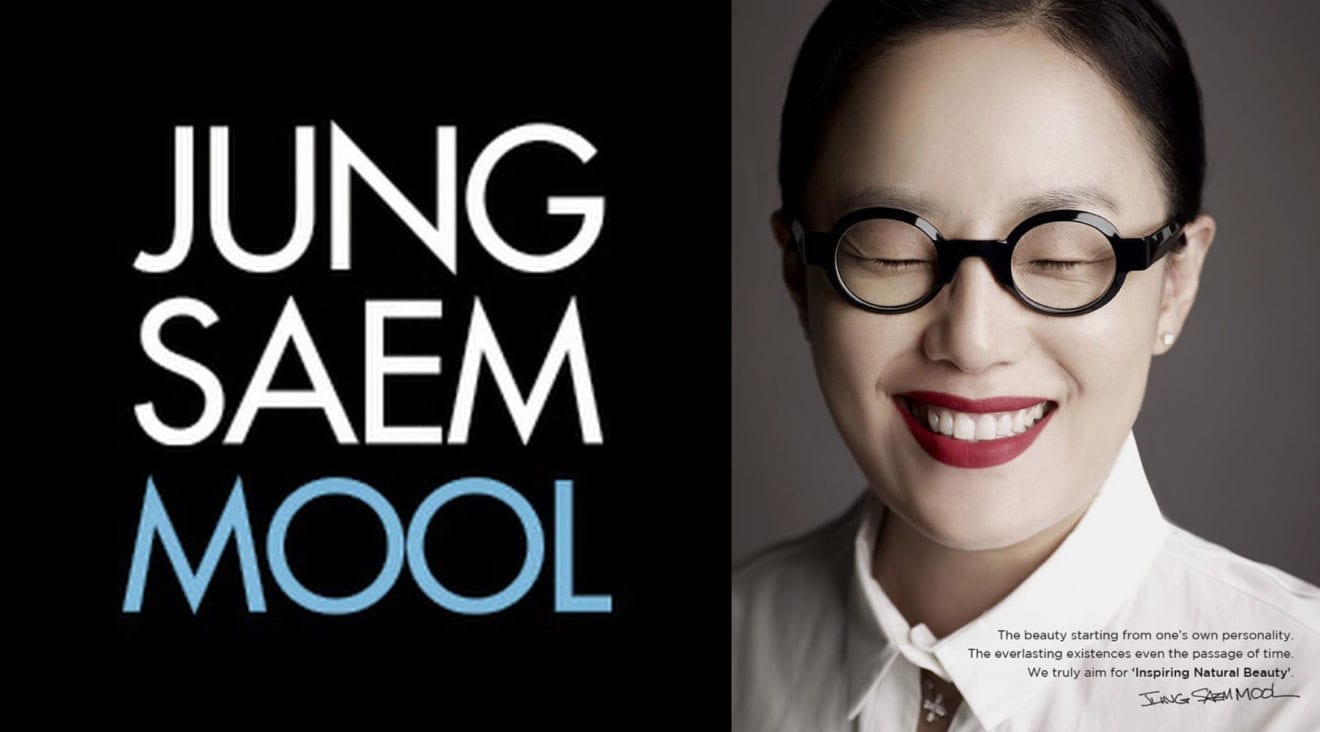
    Jung Saem Mool Beauty opened a flagship store on Boulevard Road in Sinsa dong, Seoul on May 25.

    In the three flagship stores, customers can experience brand items on the first floor, and objects inspiring makeup artists on the second floor’s artist room. There is also a cosmetic garden where customer can take a rest. The first basement, which has an exhibition zone, is designed as a space to appreciate new works with drinks through collaboration with artists.

    Jung Saem Mool Beauty launched a cosmetics brand two years ago which had no formal offline channels. It was only sold online and in Jung Saem Mool Inspiration, hair & make up shop.

    Today, a first offline store is a good opportunity to develop the brand’s philosophy, which is to become a global makeup artist company representing K-Beauty. Also, it allows customers to experience and buy products from ” Jung Saem Mool “.

    Jung Saem Mool is a brand launched under her name. She has been working as a makeup artist for 28 years, and applies all her experience and know-how to the products. It differentiates itself from other brands as it qualifies itself as being a makeup artist brand. “It is our strengths which makes it easy for beginners to put makeup on like an expert,” Jung said.

    She uses SNS channels such as Youtube to pass down the make-up know-how to people. She regularly makes makeup tutorials and looks with English subtitles on her YouTube channel; receiving positive responses from overseas customers.

    Jung Saem Mool plans to expand distribution through duty-free shops and overseas exports based on this first flagship store.

  • Louis Vuitton brings its spirit of travel to South Korea

    Louis Vuitton brings its spirit of travel to South Korea

    French leather good house Louis Vuitton is embracing its traveler heritage to bring its “Volez Voguez Voyagez” exhibit to Seoul, South Korea.

    Described as a 161-year voyage, Louis Vuitton’s Volez Voguez Voyagez retrospective opened in 2015 at Paris’ Grand Palais, a special site for the brand as it displayed its bags and luggage there during the Universal Exhibitions in 1900. The title of the exhibition translates to “Fly, Sail, Travel” to celebrate Louis Vuitton’s tradition of trunk making that dates back to 1854.

    Now a traveling exhibit dedicated to Louis Vuitton’s spirit of travel, Volez Voguez Voyagez is curated by Olivier Saillard.
    The exhibit’s story is told through nine chapters, designed by Volez Voguez Voyagez’s artistic director Robert Carsen. This starts with an antique malle from 1906, design and modern enough to carry the brand through its more than 150-year history.

    Throughout this exhibition, Louis Vuitton makes the connection between the old and new, focusing on how modern pieces were inspired by antiquities; and highlighting the people behind the brand throughout its history.

    Since its original opening in Paris, Louis Vuitton’s Volez Voguez Voyagez has traveled to Tokyo.

    The Tokyo adaptation of the exhibit gave Louis Vuitton an opportunity to interact with its Japanese consumers and demonstrate its relationship with the country. Louis Vuitton has maintained ties with Japan since the end of the 19th century, citing the Mon, or family crest, as an inspiration of its iconic Monogram canvas.

    Now, Louis Vuitton is packing its bags and heading to Seoul, South Korea to stage the exhibit.
    From June 8 to August 27, consumers in South Korea will be able to view the free Volez Voguez Voyagez exhibit at the Dongdaemun Design Plaza.
    Similar to its stop in Tokyo, Louis Vuitton has added a chapter to the exhibit devoted to South Korea. South Korea is a popular destination for luxury branded heritage exhibits. For example, nearly two years after its London debut, French couture house Chanel took its “Mademoiselle Privé” exhibit to Seoul, South Korea.

    Originally showcased in 2015 at London’s Saatchi Gallery, the public exhibit explored the spirit of brand founder Gabrielle Chanel and current creative director Karl Lagerfeld. Taking this exhibit abroad allowed Chanel to share its story with a larger, global audience.

  • Jeweler Tse Sui Luen Suffers from Hong Kong Slowdown

    Jeweler Tse Sui Luen Suffers from Hong Kong Slowdown

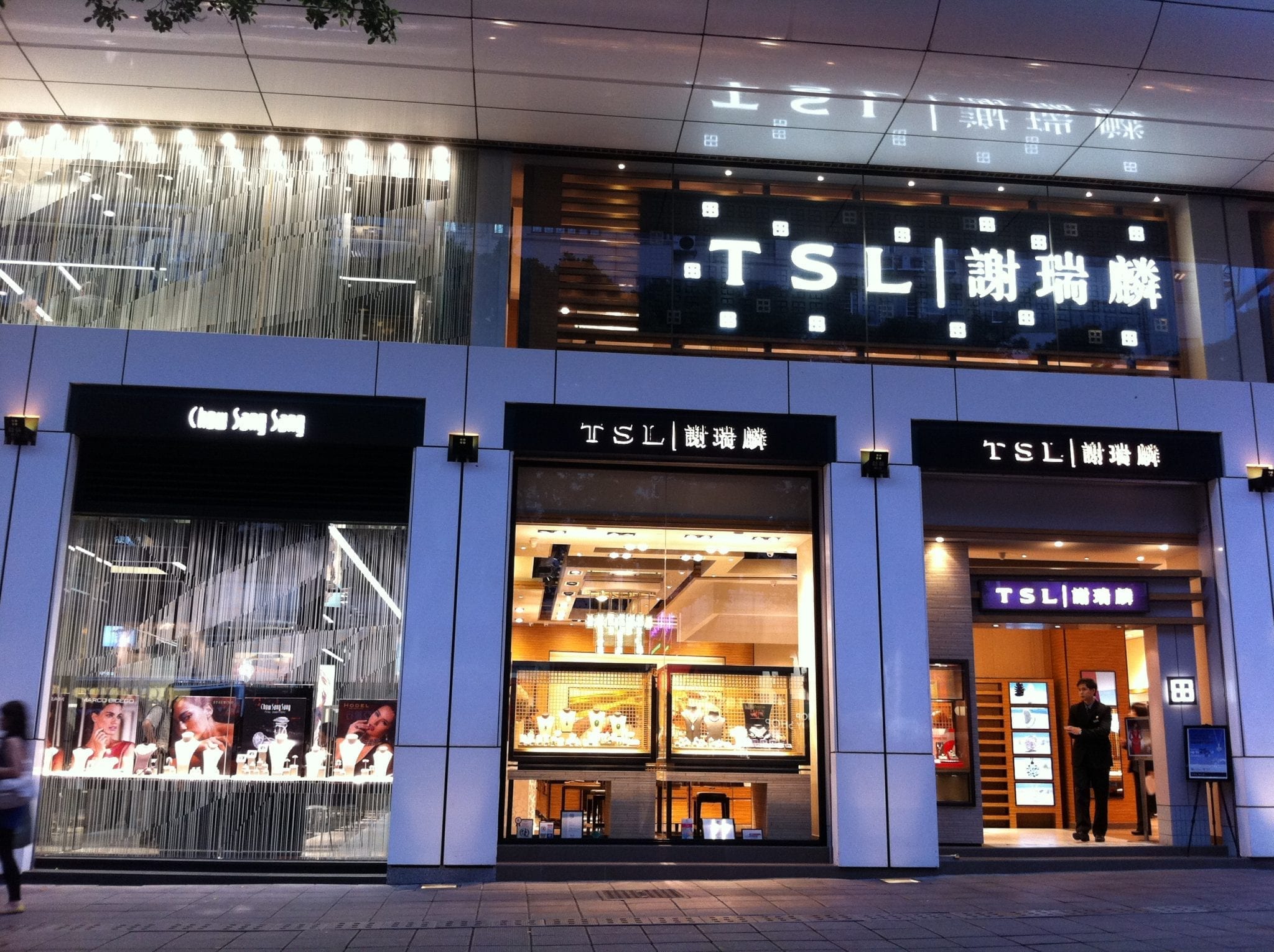
    Sales and profit at jewelry retailer Tse Sui Luen (TSL) weakened in the past fiscal year, as improved demand in mainland China failed to compensate for sustained sluggishness in Hong Kong.

    Revenue fell 3.6% to $438 million in the 12 months that ended February 28, the Hong Kong-based jeweler reported Tuesday. Profit dropped 2.6% to $3 million (HKD 23.2 million).

    “A continuing reduction in tourists visiting Hong Kong from mainland China, together with the ongoing instability of both the global and local economic and political environment, conspired to create unfavorable consumer sentiment for the group’s retail outlets during the year,” the company said.

    The devaluation of the Chinese yuan, as well as slower economic performance on the mainland — resulting from uncertainty about US trade policy — dented Chinese consumer confidence, the retailer explained. This in turn hampered the Hong Kong tourism industry, it added.

    Even so, sales in China jumped 15% to $265.5 million, partially offsetting a 23% slump in revenue from Hong Kong and Macau, which came to $167.1 million. The group had 28 self-operated stores in Hong Kong and three in Macau at the end of February, while its store network on the mainland consisted of 198 self-operated outlets and 132 franchised stores.

    Despite the stronger performance in mainland China, the company will take a “prudent” approach there, particularly given the lack of clarity over the US government’s policies, it added. The group plans to keep costs under close control and work to reduce the number of days it takes to replenish inventory.

  • Hermes’s to Debut Store in Second-Tier Chinese City to Meet Surging Demand

    Hermes’s to Debut Store in Second-Tier Chinese City to Meet Surging Demand

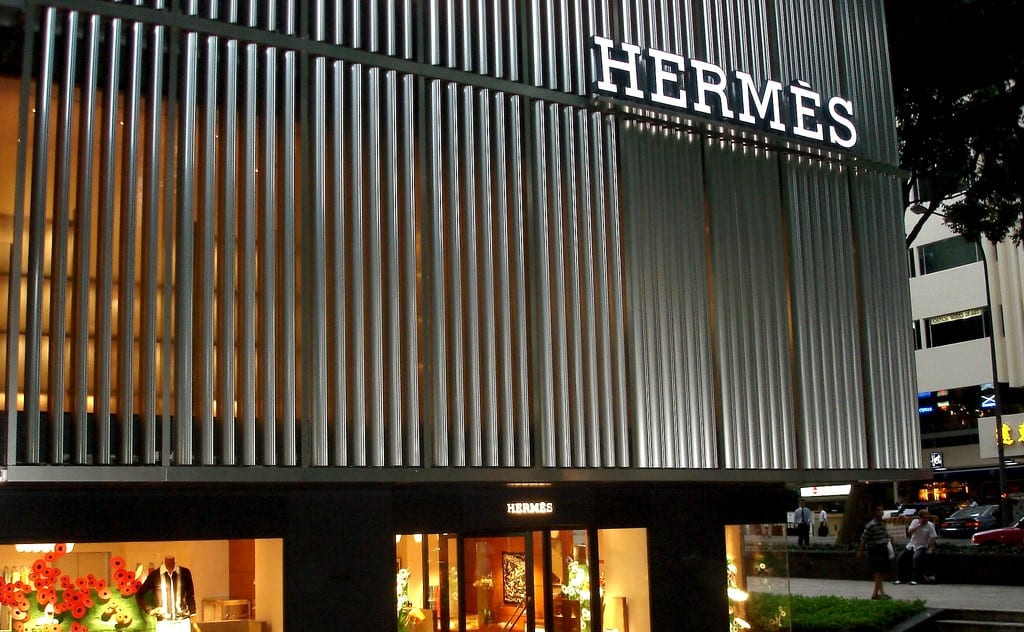
    French luxury house Hermès is set to open a new store in the city of Changsha by summer. The move marks the debut of an Hermès store in a second-tier city in China.

    Chinese cities are divided into four tiers according to their GDP and other factors. First tier cities, like Bejing, Shanghai, and Chengdu, have a GDP of over $300 billion, while second tier cities generally have a GDP ranging between $68 billion and $299 billion.

    International luxury brands have typically chosen to set up physical stores in the country’s metropolitan areas and first-tier cities. But recent studies have shown that lower-tier cities like Changsha will have more “high-income” residents and consumers than Beijing by 2030.

    Hermès has become the latest player in the sector—following the success stories of Gucci and Louis Vuitton—to benefit from the recovery of the luxury retail sector in China. According to the company’s first quarter financial report for 2017, it scored to a double-digit growth rate of 11.2 percent, growing to 1.35 billion euros. This increase was mainly driven by the strong demand of Chinese consumers for its silk scarves and Birkin bags.

    “All geographical areas have grown and we saw an acceleration of sales in mainland China, Hong Kong and Macau, which we have not seen for a while,” global chief executive of Hermès International Group Axel Dumas told.

    Dumas said that the strong China market helped to offset the downward trend in the home market of France and helped the brand re-emerge from its latest wave of doldrums.

    Hermès expanded its distribution networks in the Greater China region throughout 2016. It opened a store in the MixC Shopping Mall in Chongqing—which is one of the most popular tourist destinations in China and has garnered the nickname “Mountain City”—as the brand expected to cash in on the influx of travelers there. Hermès also launched a pop-up store in the China World Shopping Mall in Beijing, according to the annual report, and renovated its store inside the Beijing Peninsula Hotel.

    The French luxury label further stepped up its game in Hong Kong and Macau over the past year despite the fact that the retail environment in the region suffered from a “tourism winter” from mainland China. According to the firm’s annual report, in July, it re-opened the store in Hong Kong International Airport and, in August, launched a new store inside the Wynn Palace Hotel in Macau.

    The aggressive expansion into the Greater China region stands in stark contrast to Hermès’ European markets. The annual report indicated that it closed down stores in several mid-size cities in France. Another benefit to the brand, as per Dumas, is the evolving fashion taste in China, including Chinese consumers’ waning interest in showing off big logos.

  • Japanese retail brand opens store in Davao City

    Japanese retail brand opens store in Davao City

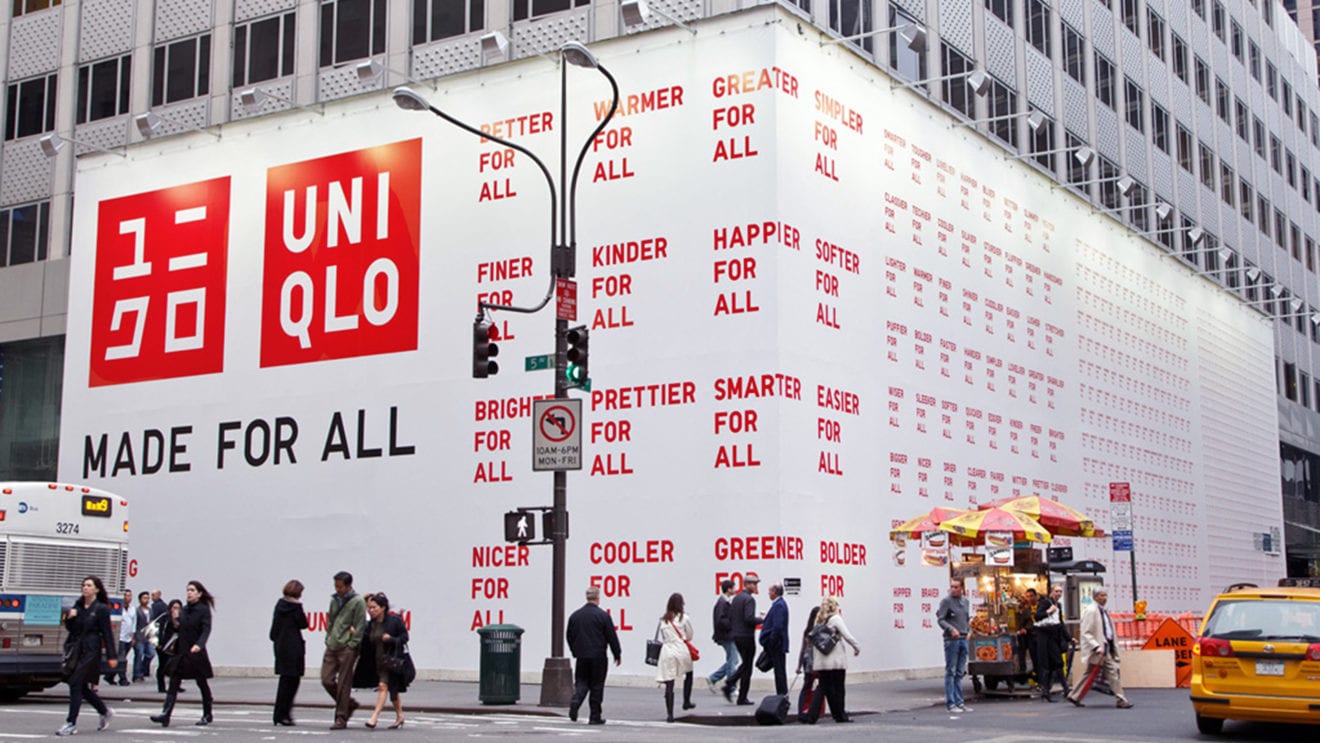
    Top Japanese fashion retail brand Uniqlo will open its first store in Davao City at SM Lanang Premiere this Friday.The store opened its doors today for a special preview to about a hundred selected shoppers mostly members of the media, bloggers, social media influencers and VIPs.

    Uniqlo Philippines chief operating officer Katsumi Kubota said the opening is in time for the 5th year anniversary of the brand’s presence in the Philippines.

    The fashion brand will open two more branches in SM City Davao located in Ecoland this June 2 and in SM Cagayan de Oro by the end of June.

    The SM Lanang branch is the 37th branch in the country. Combined the stores in the Philippines has about 3,000 square meters of retail space.

    Kubota said the three stores in Mindanao will have 100 local personnel. It will also offer the same clothes and accessories sold in its other stores.

    “We recognize the economic growth of the region, we are very excited as we are looking forward to bringing our high-quality and innovative LifeWear pieces closer to Dabawenyos.” Kubota said.

    The brand is known for its LifeWear; innovative, high-quality clothing clothing following the Japanese principles of simplicity, quality and longevity.

    The opening of the stores in Mindanao comes in the heels of the martial law declaration by President Rodrigo Duterte across Mindanao.

    Councilor Mabel Sunga-Acosta of the first district of Davao City and a guest of the store’s special preview said the opening of the store means that the current situation more or less is business as usual but with heightened security measures.

  • Coach brings Modern Luxury concept to three new Asia Pacific stores

    Coach brings Modern Luxury concept to three new Asia Pacific stores

    Coach has strengthened its Asia Pacific travel retail presence with three new store openings, two in airports and one on a cruise ship. The stores are part of Coach’s Modern Luxury concept which aims to provide consumers with an elevated shopping experience.

    The 70sq ft space at Jakarta’s Soekarno-Hatta Airport Terminal 3 offers both male and female products, with a focus on bags, wallets and small leathergoods (SLGs).

    Coach International Vice President Paulo Colino said: “This is a real milestone for Coach opening its first domestic airport store in the Southeast Asia region. We aim to capitalise on the increasing demand of the Coach brand and rising tourism in Indonesia, while building its brand equity and awareness in the country. We opened the store at the beginning of January, and initial results have been well above our expectations.”

    The new store at Changi Airport Terminal 2 is Coach’s first partnership with LS travel retail Asia Pacific outside of China. Colino noted: “We are delighted to have opened a new store at Changi Airport; Singapore is a major hub in the Asia Pacific region and a key location for Coach.”

    The third store is located on the Majestic Princess cruise ship, operated by Princess Cruises. The ship mainly serves Chinese passengers.

    Each new store features the brand’s Modern Luxury retail concept, designed by Creative Director Stuart Vevers.

    Colino commented: “Along with our new store openings, we have also been focused on the renovation of all of our stores. We have over 50% of our Asia Pacific travel retail shop fleet fitted with our new concept, with Kaohsiung Airport in Taiwan being the latest to be renovated. The performance of our renovated stores has been very strong, with the concept going down extremely well with our Asian consumers.”

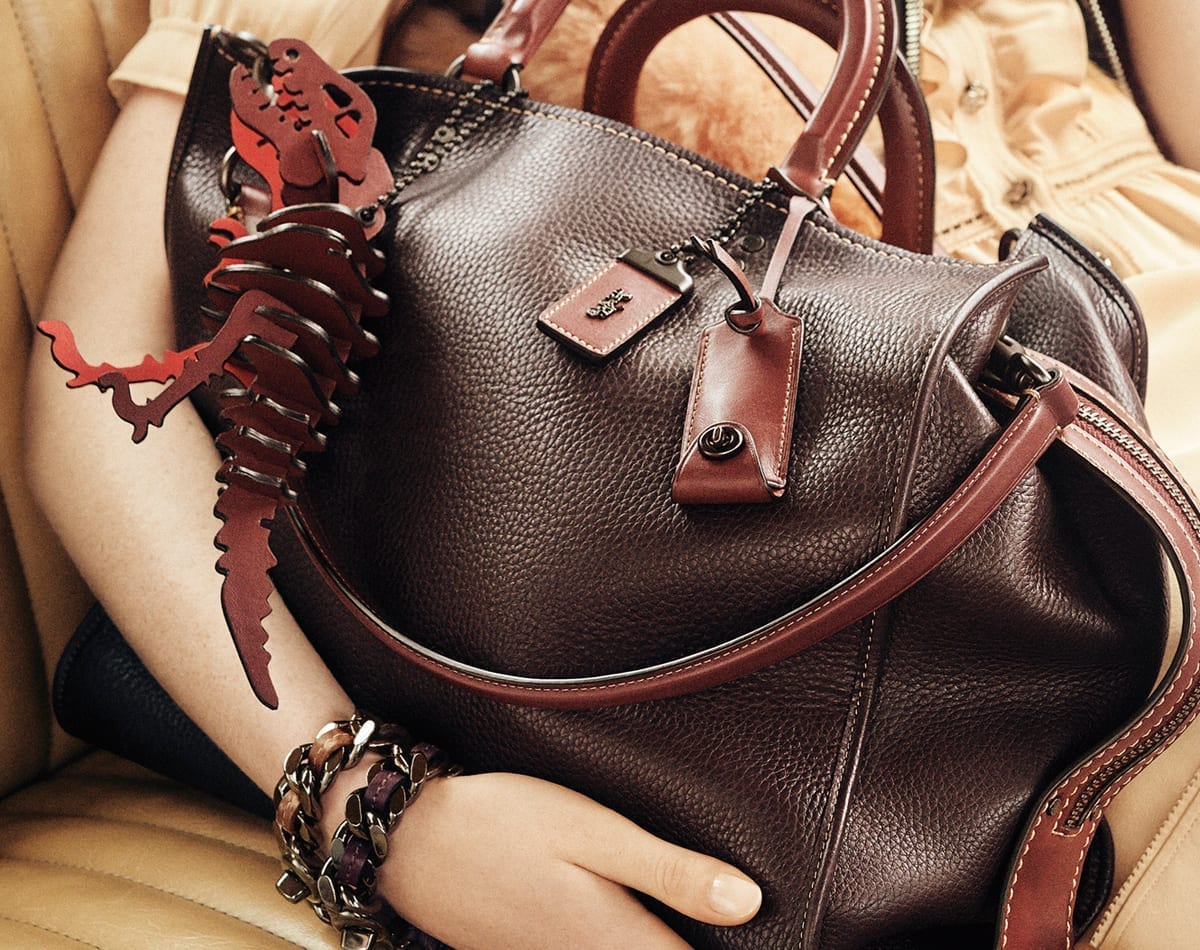
    Coach said its Modern Luxury concept, as shown here at Kaohsiung Airport, has been “very well-received”