Category: Fashion

Retail News Asia is committed to providing both local and global retailers with the latest Fashion news throughout the Asian market. This on a daily base.

  • Decathlon to open first Hong Kong stores in August

    Decathlon to open first Hong Kong stores in August

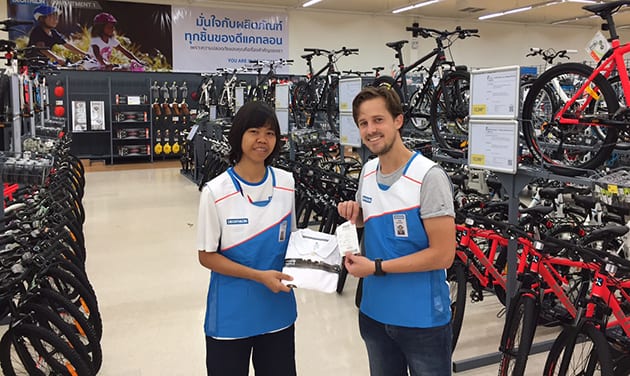
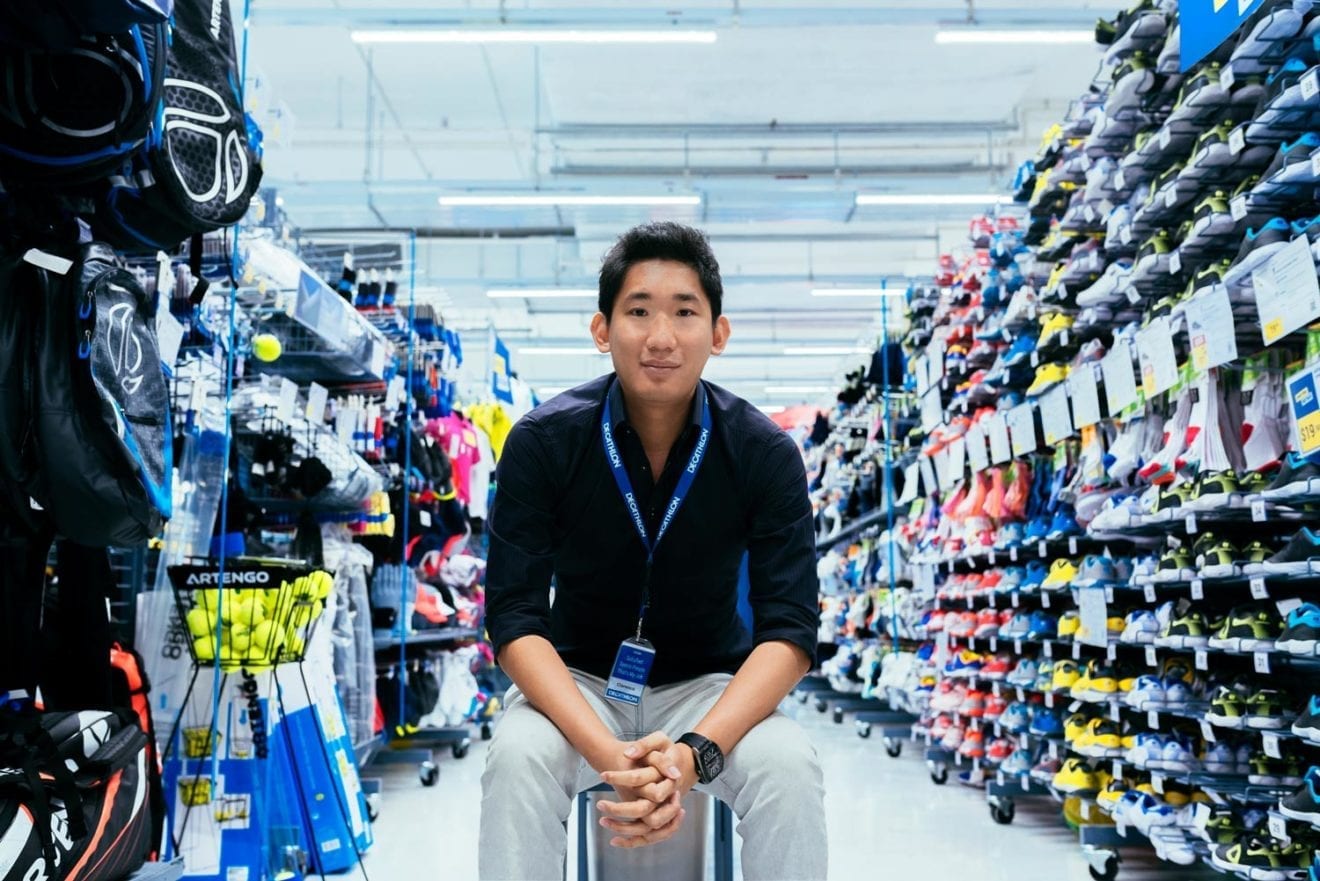
    Decathlon will open its first Hong Kong store this year, with plans for two locations – one in Mong Kok and the other in Causeway Bay.

    The French multibrand sports retailer will bow its first Hong Kong stores in Mong Kok Grand Plaza Basement and Causeway Bay Park Lane, according to a post on Decathlon Hong Kong’s Facebook account.

    While store specifics or dates have not been given, Decathlon Hong Kong said the openings would take place in August.

    “Finally, your new sports stores open in August,” said a post on Facebook.

    Decathlon first entered Hong Kong in 2015 with the launch of country-dedicated website and e-commerce platform.

    In February 2017, the French group reported a 12% lift in revenues during 2016 (+4.4% on a like-for-like basis), reaching 10 billion euros, excluding taxes.

    Earlier in the year, it launched sub-brands Itiwit — a paddle-board line, and Subea — an underwater sports brand, to bolster its current sporting goods offering

    A recent report published by corporate finance advisory firm Capitalmind pinned the global sporting goods market at $388 billion in 2015, up 5%. The report said Intersport, Decathlon and Foot Locker currently dominate the sporting goods distribution market worldwide.
  • Vietnamese footwear manufacturers ignore local market

    Vietnamese footwear manufacturers ignore local market

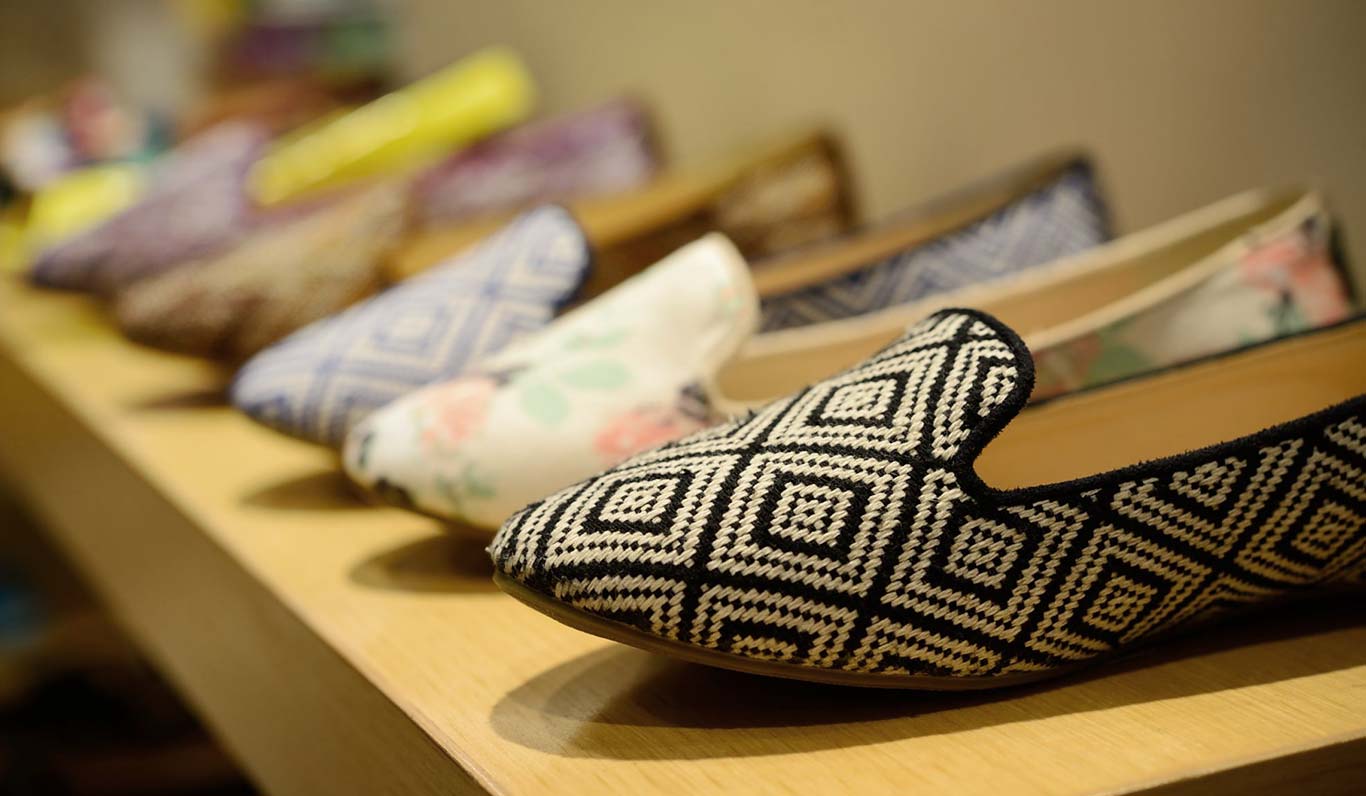
    Doan Ngoc Hieu, managing director of Leedo, confirmed that foreign countries were the target markets for most companies. Very few companies try to exploit the domestic market because they think big Vietnamese footwear manufacturers such as Asia and Biti’s hold much of the market share.

    However, there is still large room for Vietnamese manufacturers in the home market, as there is high demand for footwear makers.

    Hieu noted that the majority of Vietnamese footwear companies are household-run ones which follow old management ways. However, the companies need new management technologies to do business more effectively.

    Doan Ngoc Hai, the father of Hieu, established Le Doan Company in 1990, the predecessor of Leedo. By the end of 2015, Leedo had 300 workers and two workshops, one in Long An province and the other in Binh Chanh district of HCMC.

    Leedo provides 40 percent of PU soles in HCM City, churning out 4 million soles and 1 million pairs of footwear products a year.

    Hieu noted that with the old management method, companies didn’t pay much importance to marketing or sales. They just focused on wholesaling, supplying products to wholesalers at markets.

    However, he believes that companies need to change, because it is now the digital era, when Facebook and internet are popular.

    Hieu and his father argue about whether to bring Leedo’s products to international trade fairs to promote the brand. He also thinks that it is necessary to spend money on ISO and other certificates.

    “One cannot go far in the world market if he does not have certificates,” he commented, adding that footwear companies need to reform management to catch up with the times.

    According to the Taiwan Footwear Manufacturers Association, Vietnam’s footwear exports will increase by 20 percent this year thanks to free trade agreements, including TPP.

    Its shoe and handbag exports increased by 16 percent in 2015 with turnover of $15 billion in 2015, including $12 billion from footwear and $3 billion from handbags.

    Vietnam is the world’s third-largest shoe manufacturer, after China and India, and is the third largest exporter, after China and Italy.

    Vietnam expects a 20 percent growth rate in footwear exports in 2016 due to a number of new free trade agreements including the Transpacific Partnership (TPP).

  • Richemont acquires 5% stake in Dufry

    Richemont acquires 5% stake in Dufry

    In big breaking news, Richemont Luxury Group has taken a stake of just over 5% stake in the world’s leading travel retailer Dufry.

    Under Swiss Stock Exchange (SIX) regulations, any holding of more than 3.0% must be publicly disclosed with 24 hours. Richemont Luxury Group is the direct shareholder while the beneficial owner/persons that can exercise the voting rights at their own discretion is Compagnie Financiere Rupert of Geneva, Switzerland.

    Richemont has picked up 2,693,856 rights and voting rights, respectively and precisely 5.000001 % as a percentage of voting rights.

    The surprise news comes hot on the heels of HNA Group of China acquiring 16.79% of Dufry.

    Richemont owns several of the world’s leading luxury goods companies, with particular strengths in jewellery, luxury watches and premium accessories.

    The Group’s luxury interests encompass several of the most prestigious names in the sector, including Cartier, Van Cleef & Arpels, Piaget, Vacheron Constantin, Jaeger-LeCoultre, IWC Schaffhausen, Panerai and Montblanc.

    Richemont’s arch luxury goods rival LVMH is the majority shareholder in Dufry sector peer, DFS Group. Co-Founder Robert Miller remains DFS’s co-owner.

    In the year ended 31 March 2017, Richemont posted a -4% decrease in sales, which it said reflected a growth in retail sales offset by a decline in wholesale business. Operating profit fell -14%.

    The second half of the year, though, saw an improvement. The USA, Richemont’s largest market, resumed growth while Mainland China, now the Group’s second largest market, enjoyed strong growth along with South Korea, the UK and Macau.

  • Esprit looks to open physical stores in India

    Esprit looks to open physical stores in India

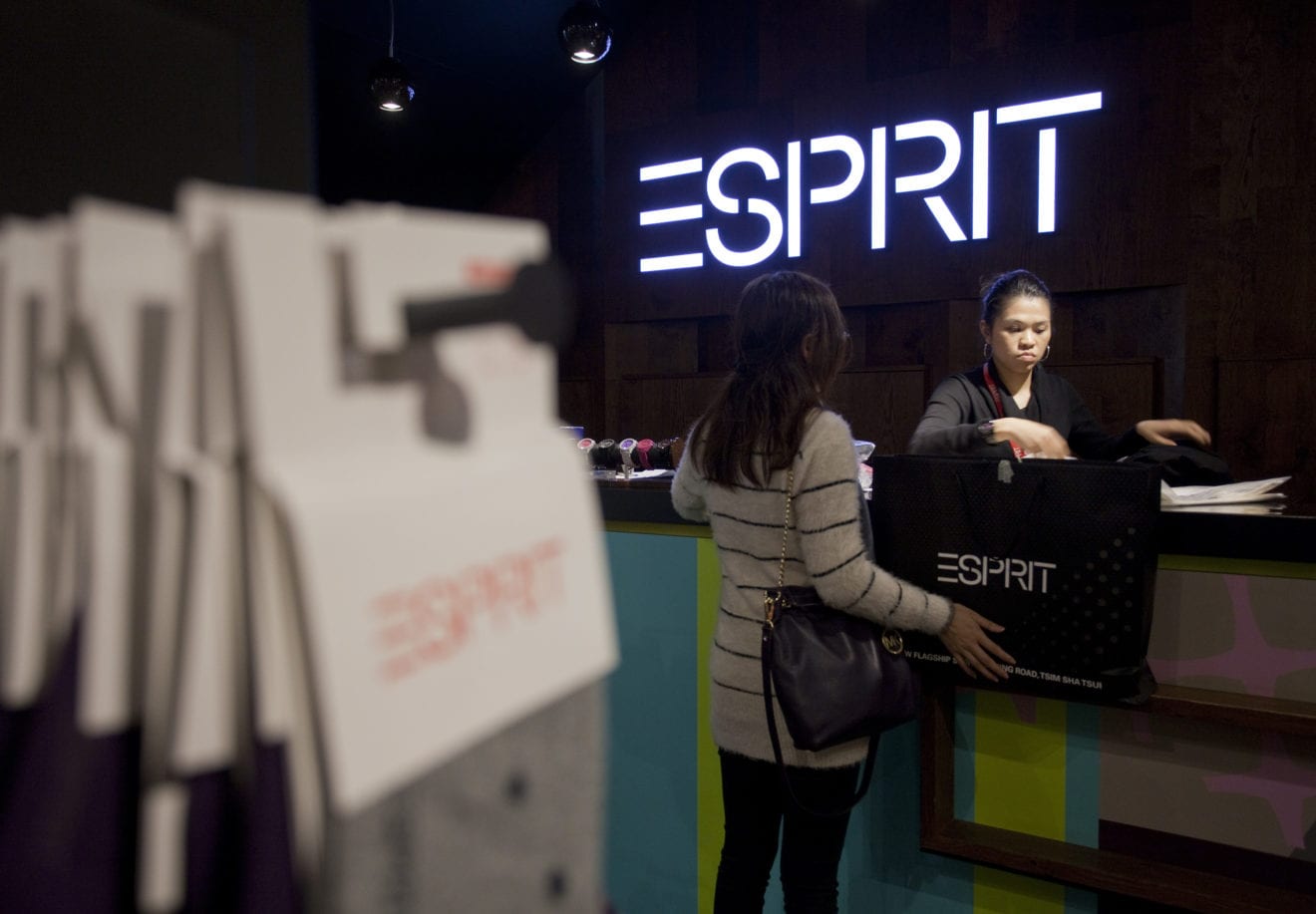
    Hong Kong-based fashion brand Esprit is planning to make a comeback in the Indian market and looking for mall space to open stores. Esprit is also in talks with online fashion retailer Myntra to boost offline presence of the brand, citing sources.

    Esprit is reportedly in talks with online fashion retailer Myntra to open Esprit-branded physical store in the country.

    “Yes, Esprit is coming back. The top guys from abroad had come about three weeks ago and they were looking for (mall) space,” a person familiar with the matter told ET.

    The second person said Esprit is in talks with online fashion retailer Myntra to open Esprit-branded physical store in the country. Myntra already sells Esprit products online through an exclusive deal signed with the fashion brand late last year. Esprit and Myntra did not respond to queries on the matter.

    Esprit had entered India in 2005 in a distribution partnership with Aditya Birla Group. However, poor business growth forced the company to shut operations in the country in 2013.

    The fashion brand operates in 40 countries through more than 700 retail stores and over 6,000 points of sale, including franchise stores and shop-in-shops in department stores.

  • Nike launches Summer 17 collection through NikeLab

    Nike launches Summer 17 collection through NikeLab

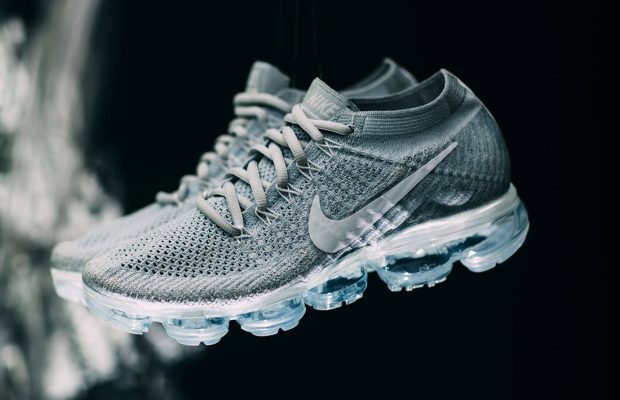
    Nike has launched a Summer 17 All Conditions Gear (ACG) collection through NikeLab which features the first brand new silhouette of the Komyuter shoe as well as apparel styles blending fashion and function.

    The shoe’s hinge design was inspired by the simplicity of parachute cords. NikeLab partnered with Acronym’s Errolson Hugh to design sleek and functional apparel for this summer’s collection. Pieces include a short sleeve hooded pancho, a sleek pullover hoodie, cargo pants and shorts, fleece shorts, a hat and a lightweight shirt jacket.

    The Komyuter shoe is the capstone piece in the collection and is creating the buzz for the entire line. It was inspired by the straightforward functionality of a brown paper bag and is designed for the urban commuter in mind.

    Nike NSW footwear designer Gerald Sullivan said, “it reduces functional elements to bare necessity — one doesn’t need the distractions of complicated entry and lockdown systems when moving around the city.”

    Technically speaking, it is a laceless shoe with a magnetic heel closure.

    Sullivan shed more light on his design process explaining, “I began thinking about how a parachute unfurls and wondered how that might operate in reverse. Ultimately what worked best was pulling the cord through the shoe via a single hinge.”

    He continued explaining the form and function of the shoe saying, “Secondary lockdown is achieved through the magnetic buckle, which is not only low profile, but adds a distinct panache to the shoe’s form.”

    The Komyuter is water resistant and offers fashionable function which the entire ACG collection stands for this summer. The initial launch offering of the Komyuter, ACG.07.KMTR, is in black and navy. Additional colorways of “golden beige” and “cool grey” have been teased for launch later this summer.

    Price points for the ACG collection range from US$119 to US$295. Nike’s Summer 2017 ACG collection is now available online through NikeLab as well as at NikeLab retail locations.

  • Korean fashion retailer Stylenanda opens a flagship store in Harajuku

    Korean fashion retailer Stylenanda opens a flagship store in Harajuku

    It is noticeable that online fashion shopping brands perform well in Japan, after China. Global women’s brand “Stylenanda” opened its first flagship store in Harajuku in the center of Japanese fashion. In the early morning of the opening day, a long line of Japanese customers were waiting  for the store to open.

    On May 11, day before the opening ceremony, various events were held for the press. Ruriko Kojima, the most popular Japanese entertainer, attended the event to celebrate the opening. The store also offered a catering service and allowed customers to take pictures with models, hence making the place popular.

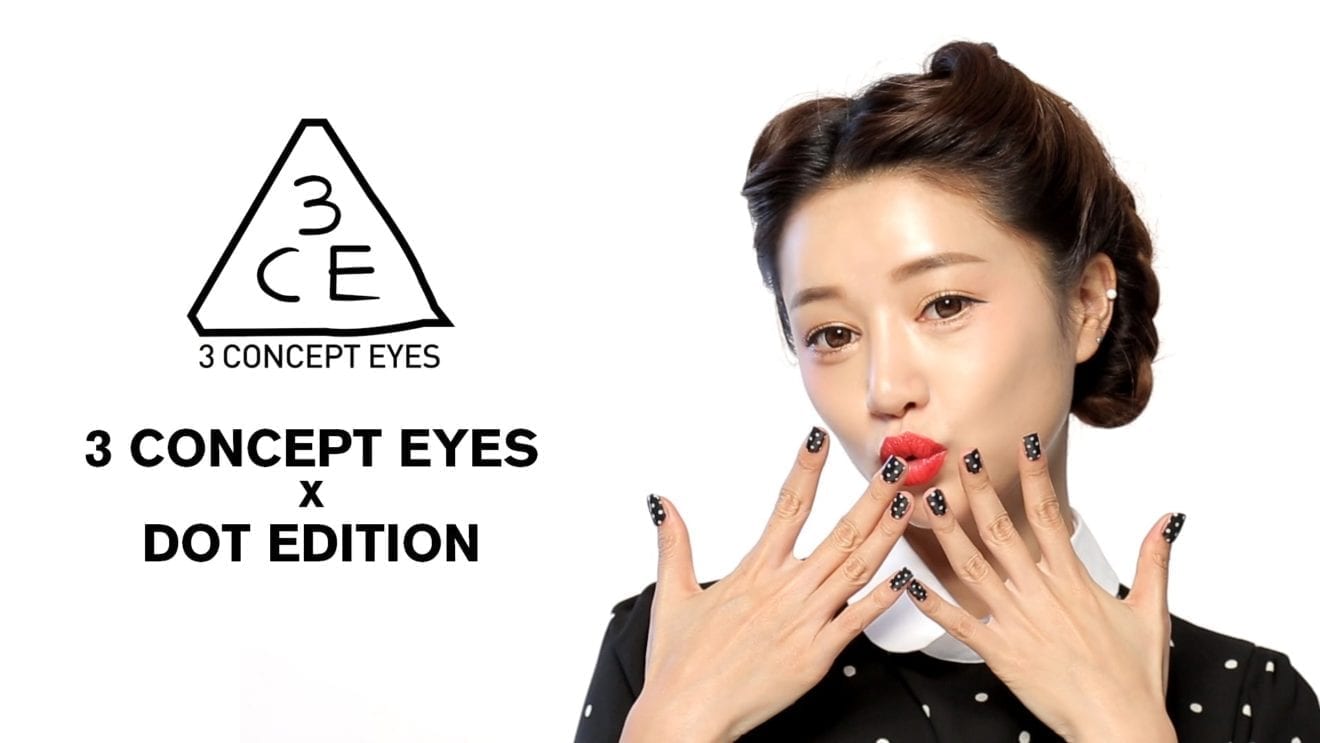
    “Stylenanda” released a 3CE Tokyo Edition design and a limited  edition bag featuring unique graphics; both can be seen exclusively  in the Harajuku flagship store. Limited edition “Lucky Box” is also available for customers.

    Stylenanda, which already had success in Korea and China, is growing every year, such as it is now responsible for trendy fashion and beauty for women.

    Stylenanda is an online shopping women’s apparel brand launched in Korea in 2005. Based on its online popularity, it opened its first flagship store in Hongdae and entered the department store for the first time as an online shopping mall brand. Since it opened in Lotte Department Store in 2012, it has recorded annual sales of more than 800 million won, and was ranked No.1 in the Chinese consumer preference brand of Lotte Department Store in 2014.

    Thanks to its international success, the company is rapidly expanding by opening stores in China, Hong Kong and Singapore, thus strengthening its presence as a global brand.

    In the same way, a few companies have been recognized as ‘Korean fast fashion brands‘ and now grow quickly by reflecting fashion trends and only selling a small quantity of products in various designs.

    Already opening a first store in the Isetan Shinjuku Department Store last year, Stylenanda hopes that the Harajuku flagship store will seduce and catch attention.

  • Myer signs We Are Kindred to exclusive one-year deal

    Myer signs We Are Kindred to exclusive one-year deal

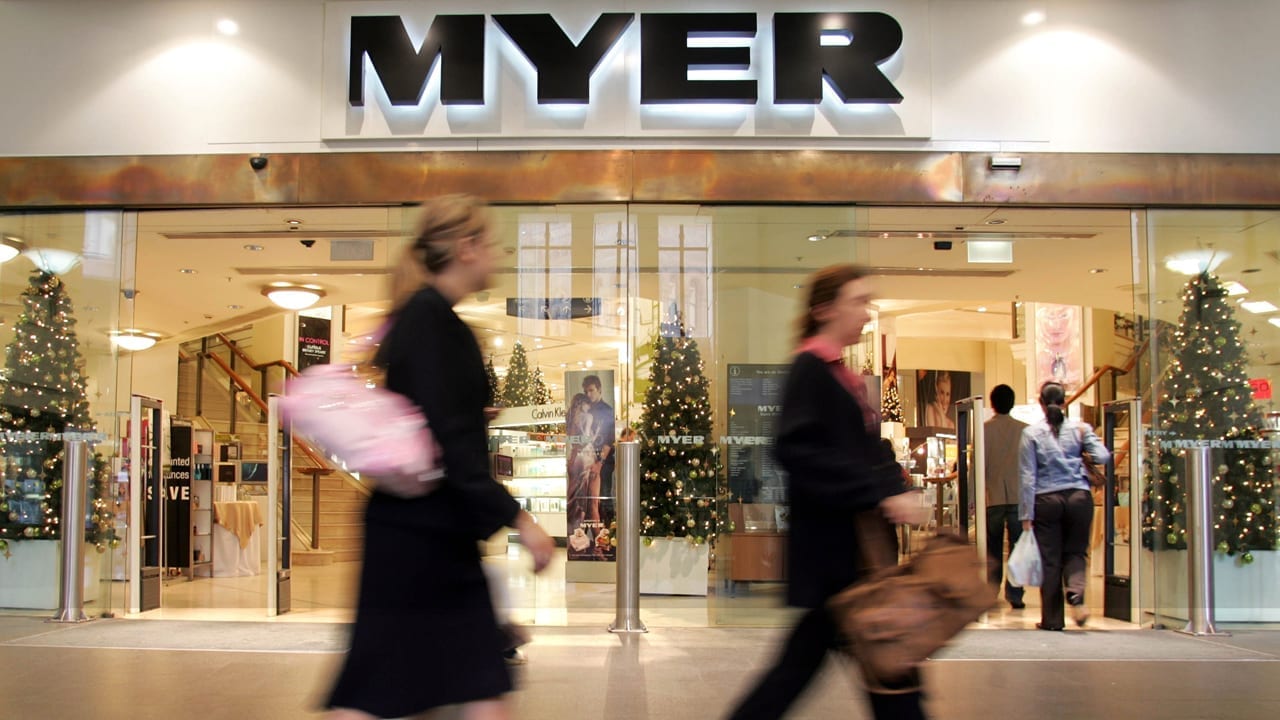
    Australian department stores giant Myer has signed growing local fashion label We Are Kindred to its roster. The three-year-old label has been signed up for an initial one-year deal with the retailer saying that two seasons are the minimum time it needs to judge a label’s appeal.

    Founded by Georgie Renkert, a fashion industry veteran, and her sister Lizzie, the latter said the We Are Kindred strategy was always to link-up with a major name retailer and they feel that the firm is ready for the increased scale this will mean in terms of logistics.

    She told the Sydney Morning Herald that Myer has “a good strategy in place for launching emerging brands like ours. We’re not a brand that they have.”

    The move comes as the Australian department store space gets increasingly competitive in terms of brands being signed to exclusive deals. Myer is also investing in its own Maticevski label and opening concessions for French brand The Kooples and Zadig & Voltaire. Meanwhile, in the past fortnight, major Myer rival David Jones has struck deals with well known labels Aje and By Johnny.

    Both Myer and David Jones are facing tough times and are positioning themselves to compete with a raft of international newcomers as well as with each other. More international fashion retail giants are opening in their market and the arrival of Amazon in Australia also means the stakes have been raised for online fashion and homewares retail there.

  • New Balance opens Tokyo concept store

    New Balance opens Tokyo concept store

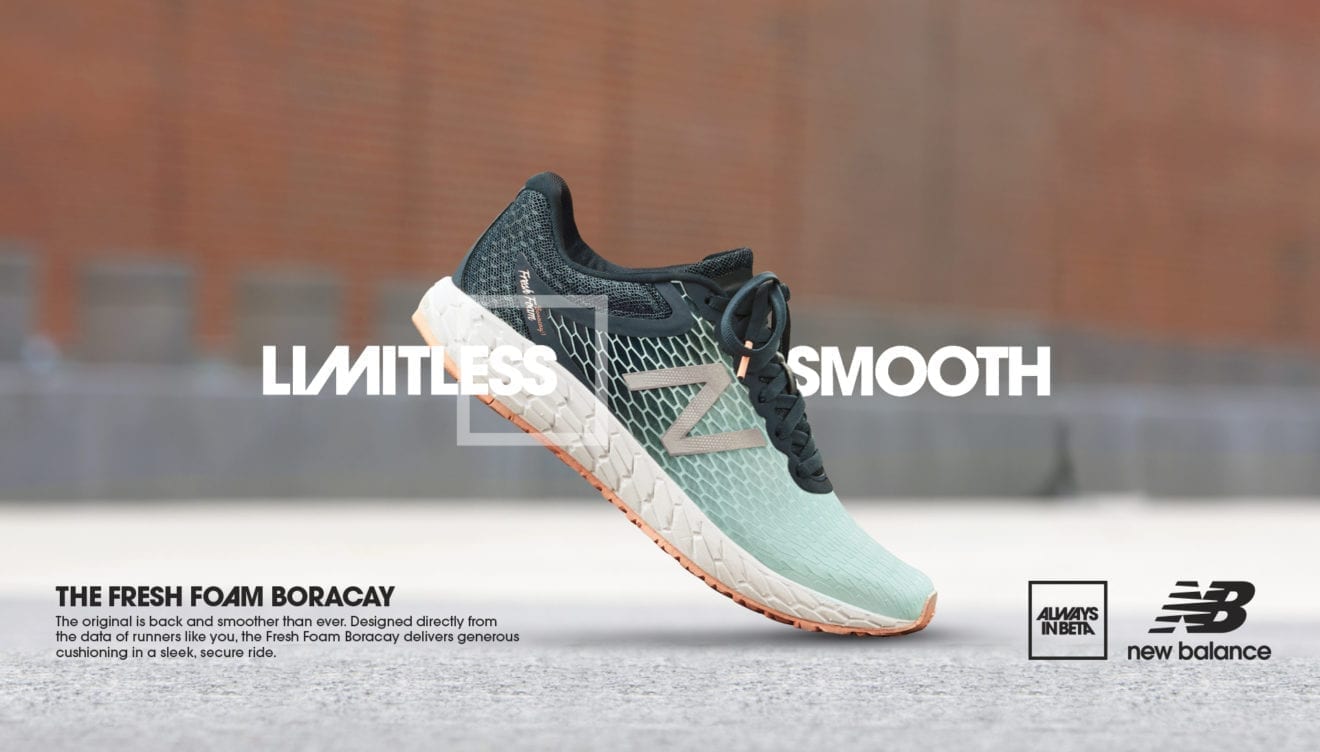
    Located in Roppongi in Tokyo’s Midtown area, the store is named after the area it is situated – Roppongi, and the year 1906, when New Balance was born. Written as ‘19: 06’, the motif is meant to look like a digital clock to express the American footwear firm’s 111-year history and how it has modernised.

    Inside, the store features warm wood panelling to create a ‘stadium’ atmosphere, and industrial concrete material construction to reflect the ‘coexistence of sports and lifestyle,’ according to the brand in a press release.

    The Roppongi 19:06 store will also offer state-of-the-art apparel and footwear, with a range of limited-edition and collaborative items.

    This includes 44 pairs of the limited edition 3D-printed MS066 shoes will be available to purchase for ¥38,000 JPY (US$335 USD). Dubbed the “Zante Generate”, the running shoes were sold ahead of the Boston marathon last year and boast a shoe upper made of a high-quality Japanese-manufactured knit, with a portion of the sole 3D-printed.

    A men’s and women’s Japanese Wholegarment apparel collection, made of an innovative seamless knit technology, will also be available at the store at a price range of ¥14,000 JPY to ¥20,000 JPY (US$123 to US$176).

    According to New Balance, the brand manufactures 4 million U.S.-made pairs of sneakers per year. Since it was founded in Boston in 1906, New Balance has made it a priority to make a certain portion of its sneakers in the U.S., giving it a point of difference of American rival Nike.

  • Asics Tiger opens in Seoul

    Asics Tiger opens in Seoul

    Japan’s Asics has taken its Asics Tiger lifestyle concept to South Korea, opening its first standalone store for the sub-brand in Seoul.

    This is the second Asics Tiger concept store to open worldwide for Asics, following the debut of the Asics Tiger Osaka Shinsaibashi store, which opened in Japan in September last year.

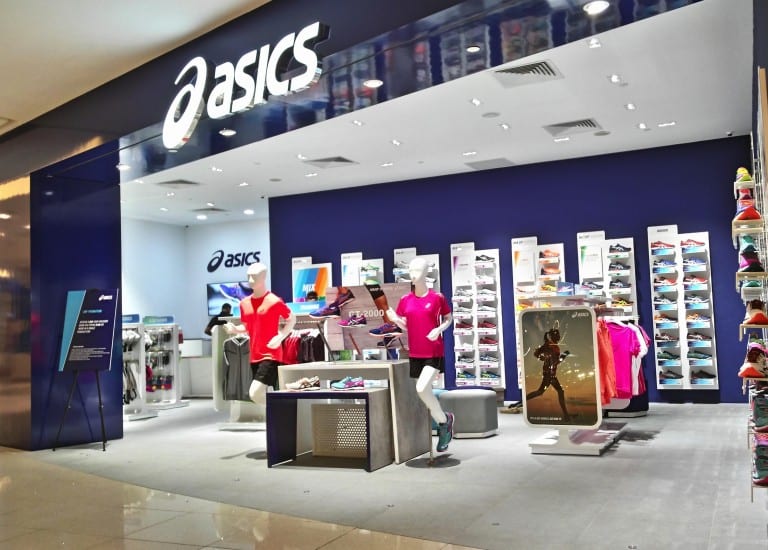
    Located on Garosugil Road in Seoul’s Sinsa-dong, the latest Korean store boasts Asics Tiger’s chic aesthetic via marble shoe walls and white centre tables. Being a trendy sneaker outlet, there are clear street elements too, such as mortar walls and guardrails. Other features include a graphic wall and a straight yellow accent line on the ceiling.

    The Asics Tiger brand was revived as the third Asics pillar brand back in January 2015, to target the global sports lifestyle market.

    At the time of the launch, a brand new logo was developed to appease the street-ier, youth-ier market. Complementing the original 1977 logo used when Asics was founded, the new brand logo added the word ‘Tiger’ in similar typography, and was developed together with graphic designer Alan Peckolick.

    “The new logo expresses the universal dynamism of our sports brand and the strengths that colour active lifestyles,” the company said, at the opening of their Asics Tiger Japan store in 2016.

    Essentially, Asics Tiger looks to mesh modern designs that integrate technology and fashion, with throwback designs from the 1980s and 1990s. The move hopes to shake-up dwindling revenues for Asics.

    In early May, Asics Corp. said during its first quarter ended March 31, consolidated net sales fell 4% or 1.3% using the previous fiscal year’s foreign exchange rate to 113,052 million yen ($993 million).

    Domestic net sales decreased 3.6% to 30,804 million yen ($270 million) due to weak sales of sportswear, said Asics. However, Asics’ Oceania, Southeast and South Asian regions sales increased 11.3% to 8,068 million yen ($70 million), due to continuing steady sales of running shoes and the strong sales of Onitsuka Tiger shoes.

  • Korean fast fashion brand “8 Seconds” is catching up ZARA

    Korean fast fashion brand “8 Seconds” is catching up ZARA

    The fast fashion brand of the fashion division of Samsung C & T has been on the brink of exceeding 40, the number of stores in Korea. The firm geared up to catch up ZARA, the third-largest fash fashion brand in Korea.

    The number of domestic stores in 8 Seconds will increase from 39 to 41 by the end of this month. It increased by 5 from 36 at the end of last year.
    8 Seconds will open three stores in the metropolitan area, including Seoul, this month alone. It opened the store in Myund-dong branch of Lotte department store in May 1, followed by Lotte Premium outlet in Icheon on May 13. It is also planning to open Hyundai City Outlet Garden Five at the end of this month.

    EightSeconds, officially launched in 2012, has been known as ‘Lee Seo Hyun Brand’ because Lee Seo-hyun, president of Samsung C & T’s fashion division, has elaborated the brand for three years.

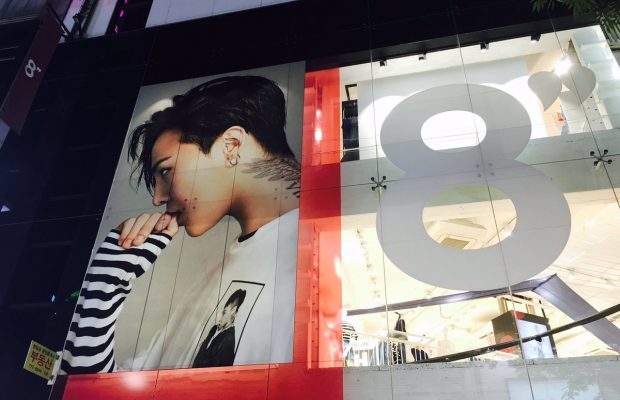
    She planned to enter the Chinese market with the goal of becoming the third fast fashion brand in Asia. Last year, it opened its first flagship store in the center of Huaihai Road in Shanghai, China. The brand gained a huge popularity in China by releasing products which collaborated with Big Bang’s GD who was a model of 8 Seconds. However, as the investment cost has been rising in the early stage of China, the two subsidiaries in Shanghai have suffered an operating loss of 7 billion won.

    8 Seconds will focus on stable operation of its existing Shanghai flagship, rather than aggressively expanding its business in China for the time being, and will aggressively boost its business by expanding distribution channels in Korea.

    The GD collection, which was first introduced in Korea and China last year and was hit by Chinese, will continue to be released. GD has been collaborating with 8 Seconds for the first time as a fast fashion brand in Korea. The third collection, released last month, featured items from the daily life of GD.

    An official from Samsung C & T 8 Seconds said, “We are pursuing a full-scale business with the release of 8 Seconds Summer Collection with model GD.” “We plan to expand distribution in China as well as domestic distribution”.

  • Peak Sport first Chinese firm to release 3D sneakers

    Peak Sport first Chinese firm to release 3D sneakers

    Sports brand Peak has released its first 3D printed running shoes in Beijing, the first-ever Chinese firm to successfully launch the innovative sneakers.

    Dubbed ‘Future I’, the sneakers are being sold on local e-commerce platform Tmall for RMB1299 (US$188).

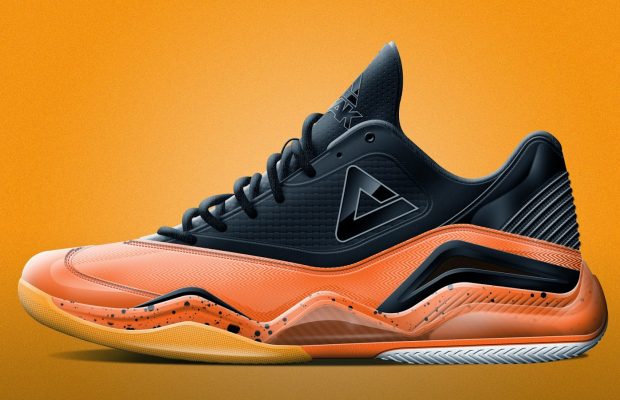
    The 3D printed running shoes are based on the most popular Peak FLY V, with 3D printed technology applied to achieve technological innovation. Promoting comfort and breathability, the shoes are made with a special lattice structure insole made via 3D technology.

    In a press release, Peak said its “SLS laser sintering technology shapes the shoes with the more elastic TPU, to ensure the lightness and flexibility… bringing an extraordinary and excellent wearing experience.”

    Peak brought in 3D printing technology in 2013, and over the past 5 years, the firm has used 3D printing technology to produce shoe molds to make 3D printed versions to create exclusive design for athletes such as NBA player Dwight Howard.

    This latest design feat crowns Peak’s design efforts, and harks a promising future in innovative sportswear.

    “This pair of 3D printed shoes is Peak’s latest outcome of Peak Innovation Strategy, our goal is to build Peak as the most international, professional and innovative sports brand in China,” said Zhihua Xu, general manger of Peak Sport.

    Peak owns five research and technology centres in Beijing, Guangzhou, Quanzhou, Xiamen and Los Angeles, with 200 staff across all campuses.

    Based on 3D printed technology, Peak’s ‘Longji’ running shoes were awarded first prize in the first China Industrial Design Competition.

    “In the future, Peak will insist on technological innovation research and release more professional sports products to meet the mass requirements, and become the leading sports brand,” added Zhihua Xu.

    Peak is the third sports brand to release and sell 3D printed running shoes after Adidas and Under Armour.

  • Decathlon opened its biggest Singapore store

    Decathlon opened its biggest Singapore store

    Sporting goods retailer Decathlon‘s biggest store yet in Singapore has opened its doors on Saturday (May 13) morning.

    Already boasting two mega stores here in the Republic – one at City Square Mall and another at Bedok, its third and largest outlet is located at the FairPrice Hub, Joo Koon.

    Spanning 4,000 square metres of sporting retail space, the outlet will also be the site of Decathlon’s new e-commerce hub which will provide a multi-channel sales experience.

    Shoppers can order items online through its new website which will be launched in June. Sports advisers on site will pick the items directly in the store and package them for delivery within the same day. It is aiming for delivery within six hours.

    Shoppers can also opt for the “Click and Collect” option and pick items up from any of Decathlon’s three stores.

    Additionally, the store has 10 experience zones and Singapore’s first slack line, golf-putting green, mini-football arena and a running track with two different surfaces. Customers will be able to test equipment before purchasing them, and can return equipment if unhappy with the product.

    “Since we launched our first e-commerce and retail store in Singapore, we have seen a remarkable response from Singaporeans,” said Bastien Grandgeorge, Decathlon Singapore’s country leader.

    “Here we have 62 sports, and all under the same roof. We want the best experience for our customers and accessible sport for all.

    “Even if you’re not wealthy, anyone should be able to access sport.”

  • Etude House opened its flagship store in Seoul

    Etude House opened its flagship store in Seoul

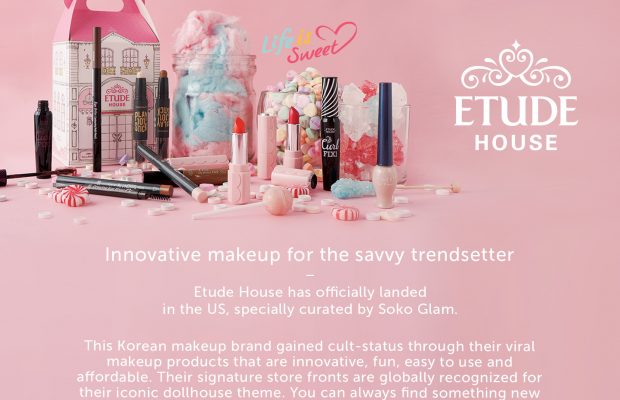
    Etude House opened its flagship store in Myungdong on May 10. The flagship store was designed as part of a customer-focused campaign that embodied the brand’s slogan “Life is sweet”, which means positive energy and value in their twenties. A three stories Etude House flagship store provides various service. The store allows customers to have a variety of experiences by trying diverse colour and to purchase all products of Etude House.

    Under the theme of “House of Colour Play”, exterior design of trendy mood stands out. There is also a special photo zone inside and outside the elevator, where customers take a picture.

    On the first floor, customers can see all Etude house products and various beauty items. There is also a “FIND YOUR LOOK” corner, which are nine different looks of Etude House brand value. The “FIND YOUR LOOK” corner is made up of visuals that allows customers to look at the nine different looks, and the make-up products used in each look are displayed on the bottom of visuals so that customers can pick up their favorite look and experience make-up.

    “Personal Colour Studio” on the 2nd floor, customers can check their personal colour tones with the colour meter, and get recommendation for ‘four season worms and cool tone shadow palette”. Four seasonal worms and cool tone shadow palette with four colour eye shadows was rolled out in four different colour.

    The ‘Personal Colour Palette’, which is currently being sold as an online exclusive product, will be sold exclusively in the second floor of Myungdong flagship store.

    The ‘Colour Factory’ in the 3rd floor, which will be released from the first of the next month, is a space where customers experience the service to make your own lipstick by choosing your own colour and design. Personalised lipstick, which is the most noticeable service, can be booked in advance and Etude House artist recommends personal colour through colour meter and colour draping service.

  • Chow Tai Fook announces cooperation with DFS Group

    Chow Tai Fook announces cooperation with DFS Group

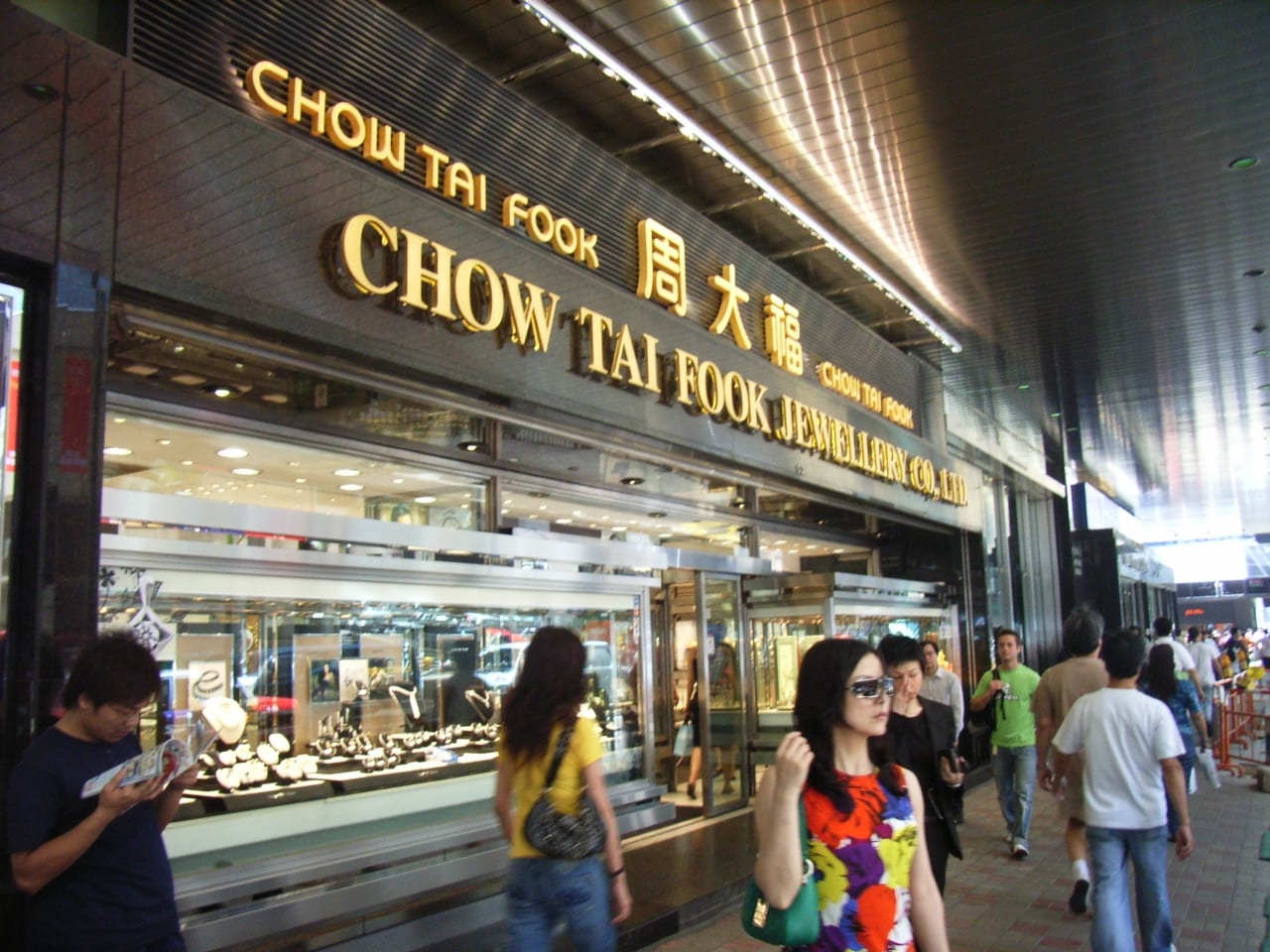
    Chinese jewelry retailer Chow Tai Fook announced a cooperation agreement with DFS Group, an American luxury retailer catering to the traveling public.

    Under the agreement, Chow Tai Fook will open a store at DFS’ T Galleria Hawaii in May 2017. This is reportedly Chow Tai Fook’s second store in America. In November 2016, Chow Tai Fook launched its first U.S. store at Macy’s in Flushing, New York.

    The new store in Hawaii will offer jewelry inlaid accessories, gold products, platinum accessories, and K-gold accessories. In addition, it will provide Chow Tai Fook’s Hearts On Fire diamond accessories and wedding jewelry.

    Chow Tai Fook has been accelerating its expansion in the overseas markets. From March 2013 to March 2014, the company only had ten retail sites outside mainland China, Hong Kong and Macau. By September 2016, the number increased to 19.

    However, compared with its total 2,326 retail points, including 2,070 in mainland China, Chow Tai Fook still needs to enhance its overseas distribution.

  • Swarovski launches WeChat Mini program for mother’s day campaign

    Swarovski launches WeChat Mini program for mother’s day campaign

    Since launching in early January 2017, WeChat mini programs offer brands an alternate avenue to develop advanced functionalities, whether it’s making purchases, finding up-to-the-minute information, or editing photos. Conceptually similar to Google’s instant apps, WeChat mini programs take away the barrier to download additional apps from an app store, and instead allow brands to offer users new and additional functionalities without having to leave the WeChat ecosystem. While it may not be relevant to serve all purposes, Swarovski is the first watch and jewelry brand to find a way to leverage the technology of mini programs and complement both their social and retail activities.

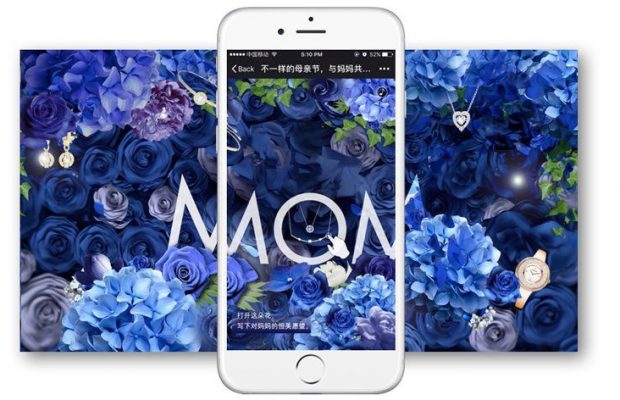
    To celebrate Mother’s Day, Swarovski launched a social media campaign on May 5, that speaks to all sons and daughters to celebrate their mother’s eternal beauty and share with them well wishes to continue living youthfully and differently. A vivid and beautiful garden design features Key Opinion Leaders’ (KOLs) wishes to their mothers and brilliant Swarovski products to inspire gift ideas among online audiences.

    “The Swarovski brand spirit of ‘Daring & Irresistible’ is not only reflected in the design of our products, but also ingrained in our marketing strategy,” said Donna Pang, managing director of Swarovski China. Pang continues to say that, “social media continuously evolves quickly, so it is important to us that we find new and innovative ways to use new technology and functionality to improve the consumer experience with Swarovski, from brand awareness to aspiration, to purchase.”

    Working together with Tencent and DLG China, Swarovski launched a mini program that serves as a 1-click solution to purchase the campaign’s featured Mother’s Day gift ideas, directly through their official WeChat account. “Working with Swarovski, a brand that embodies love and beauty, launching the ‘Swarovski’s Brilliant Gifts mini program for Mother’s Day created a smooth experience for users to express themselves on the occasion,” said Juliet Zhu, head of marketing at WeChat.

    The mini program can be shared like a contact and pinned like a chat, keeping consistent with native WeChat behaviors. Staying within WeChat means that users can also pay with their WeChat Pay for a complete consumer journey. Zhu elaborates that “thinking about the user experience at every step is a top priority. We are continuously striving to develop connections between brand products and services with users.”

    Additionally, leveraging their vast retail footprint in China, Swarovski stores are supporting the launch by driving foot traffic with key visuals featuring the scannable mini program QR code in stores.

    In the future, Swarovski plans to leverage further on its WeChat mini program and make it a sustainable component of the brand’s social media strategy. For WeChat, Zhu says they “hope to take this successful collaboration encourages more brands to leverage WeChat mini programs in their brand activities.”