Category: Fashion

Retail News Asia is committed to providing both local and global retailers with the latest Fashion news throughout the Asian market. This on a daily base.

  • Reebok to accelerate China expansion with 500 new stores by 2020

    Reebok to accelerate China expansion with 500 new stores by 2020

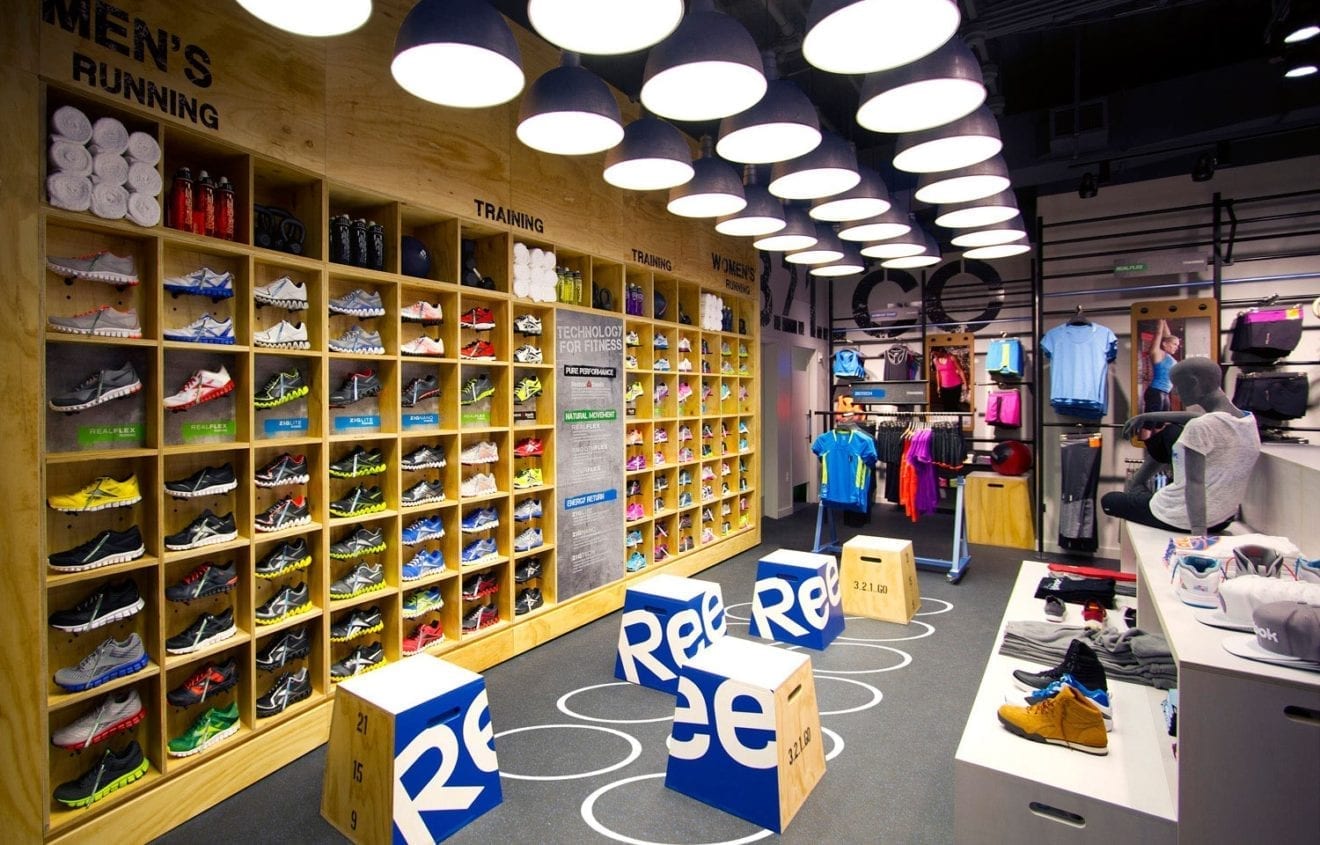
    Global fitness and lifestyle brand Reebok has unveiled plans to open 500 FitHub stores in China by 2020 as part of a major push to become the region’s leading fitness brand.
    The label, owned by Adidas, aims to expand its physical presence in China where it says the market for fitness is growing fast.

    The FitHub concept is an extension of the brand’s new positioning as a fitness-focused label and offers customers an integrated store experience with in-store classes, events and a team of product experts who can provide advice on the right gear for every workout.

    Reebok has already opened seven FitHub stores in China in the last few months, including locations in Wuhan, Qingdao, Hangzhou and Beijing.

    And 50 further stores are scheduled to open this year to meet the target of 500 FitHubs in China by 2020, according to local media reports. Reebok is collaborating with its retail partner Belle International Holdings Ltd to drive the rollout.

    “For a fitness brand, there is no better country to invest in right now than China,” said Chad Wittman, general manager of Reebok Greater China to China Daily.

    “We’ve spent a lot of time and energy putting together a China strategy that meets the specific needs of Chinese consumers in terms of product, messaging and experiences.”

    Wittman said the strategy of offering events in stores will resonate in China, where consumers “want to do fitness activities to be more healthy and more successful. There are lots of opportunities to offer Chinese consumers a better life through fitness activities.”

    In addition to its global range of fitness apparel, footwear and equipment, the brand will be working with teams based in China to design and manufacture products that meet the specific needs of Chinese shoppers.

    Reebok, a 120-year-old brand, has been shifting away from celebrity athletes and repositioning itself as a brand for fitness lovers in the past few years. It is currently focusing on three key categories: running, training and classics, and this year running will be a key category according to Wittman.

  • 2XU launches first flagship store in Hong Kong

    2XU launches first flagship store in Hong Kong

    Australian sportswear brand 2XU has opened a Hong Kong flagship store this month, located in the prestigious Causeway Bay shopping district.

    Situated in the heart of Causeway Bay, at 77 Leighton Road, the new 930 square foot store is the official Hong Kong flagship and is the first standalone store for the high-performance sports apparel brand in the city. 2XU successfully debuted a Hong Kong e-commerce platform at the end of 2015.

    Melbourne-born, 2XU specialises in technical fabrics, particularly compression wear. Its products are used by top athletes in Australia and internationally (it is distributed in fifty markets) and has been worn by basketball players in the NBA and NFL football leagues in the United States.

    It boasted an annual 40 per cent increase in sales over the past five years, and has grown EBITDA at around 25 per cent per annum for same period.

    In December 2013, L Capital Asia acquired a 40 per cent share of 2XU. In 2015, there was talk of L Capital Asia mulling a public float in either in Australia or New York that could value the business at more than $600 million.

    2XU was founded in 2005 by Clyde Davenport, James Hunt and Aidan Clarke. The founders still hold a 42 per cent share, while Lazard Australian Private Equity holding an 18 per cent stake.

  • China tops US as Swarovski’s largest market

    China tops US as Swarovski’s largest market

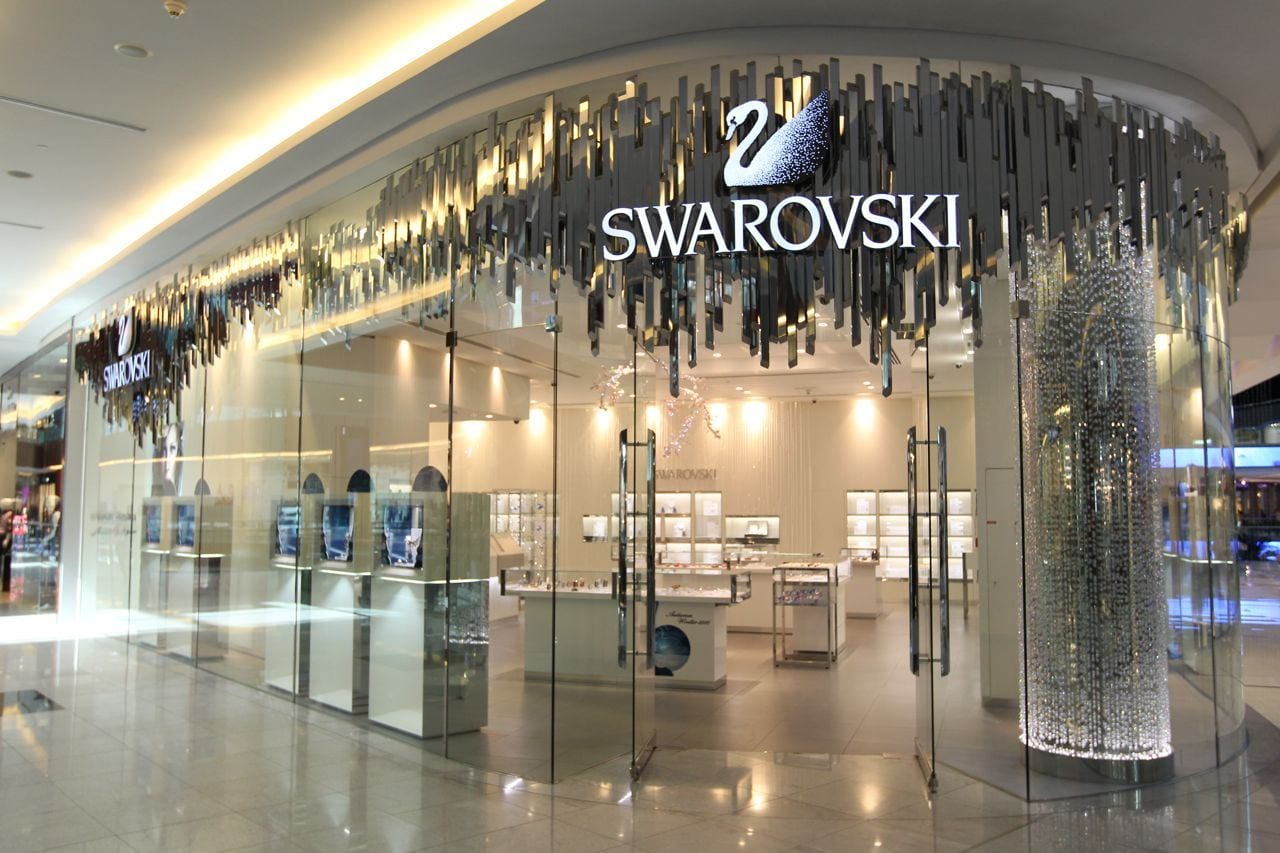
    China has surpassed the US to become the biggest market for the Austrian crystal producer Swarovski, CEO Robert Buchbauer told Ladymax in an interview. Buchbauer also said that sales in China for the company’s goods reached RMB 1.7 billion ($247 million) in 2016, a 13-percent increase from the year before.

    The brand has long placed great emphasis on Chinese consumers, according to Buchbauer, and has strategically grown and nurtured the market by focusing on three aspects: products, market distribution, and online sales.

    In recent years, China has become a key playground for the brand to gauge consumer sentiment towards their new offerings. When Swarovski decided to launch a fine jewelry line in 2015, it chose China and the US as its testing grounds. The CEO also mentioned that there is a Chinese team devoted to understanding the local culture and clients’ preferences for the products and designs.

    Swarovski has made efforts to exploit business opportunities both online and offline in China, which has greatly contributed to its growth there. Apart from opening stores in major cities like Beijing and Shanghai, the brand is active in expanding to second- and third-tier cities like Ningbo and Suzhou by building networks of local agents. According to Chinese domestic media, Swarovski opened its first flagship store in 2010 at Peace Hotel, the iconic building on the Bund, Shanghai. However, the family-run brand, which was founded in Austria in 1895, made its first entry into Chinese markets much earlier, back in the 1970s.

    Among the first wave of Western luxury brands taking advantage of China’s vibrant e-commerce market, Swarovski opened a flagship store on Alibaba’s Tmall in 2015. It is currently setting up a presence on JD.COM, another key player in the market but has been met with some setbacks, like the sale of counterfeit merchandise.

    In January this year, Alibaba sued two Tmall merchants for allegedly circulating fake Swarovski watches on the platform and claimed that it caused a loss of RMB 1.4 million. Counterfeit sales pose a potential loss to the reputation of the brand, making it imperative for Swarovski to cooperate with Alibaba to combat it. But, overall, Buchbauer sees the issue from a surprising perspective.

    “Many brands in Europe think that fake products in China have caused a billion-dollar loss to their businesses,” Buchbauer said. “But I don’t think so. Those customers who purchase knock-off goods actually do not intend to buy the real ones, that’s why I will not call it a ‘real’ loss.”

    Swarovski’s China expansion isn’t without its challenges. As Chinese luxury consumers have become more sophisticated and millennials are playing a much bigger role in the market, the brand has garnered a crop of rivals such as the Danish jeweler Pandora, which is winning the hearts of young Chinese consumers with its signature customizable charm bracelet.

    Identifying the need to appeal to younger audiences, Swarovski has appointed the supermodel Karlie Kloss to be its ambassador with the hope of leveraging her popularity among millennials.

    And of course, social media is on Buchbauer’s mind. “WeChat is everywhere in China,” he said. “We have to embrace it and make full use of it.”

  • Longchamp opens Shanghai flagship, plans more China stores

    Longchamp opens Shanghai flagship, plans more China stores

    Longchamp has opened a new China flagship store in Shanghai, with plans for the French luxury brand to open another flagship store in Beijing later in the year.

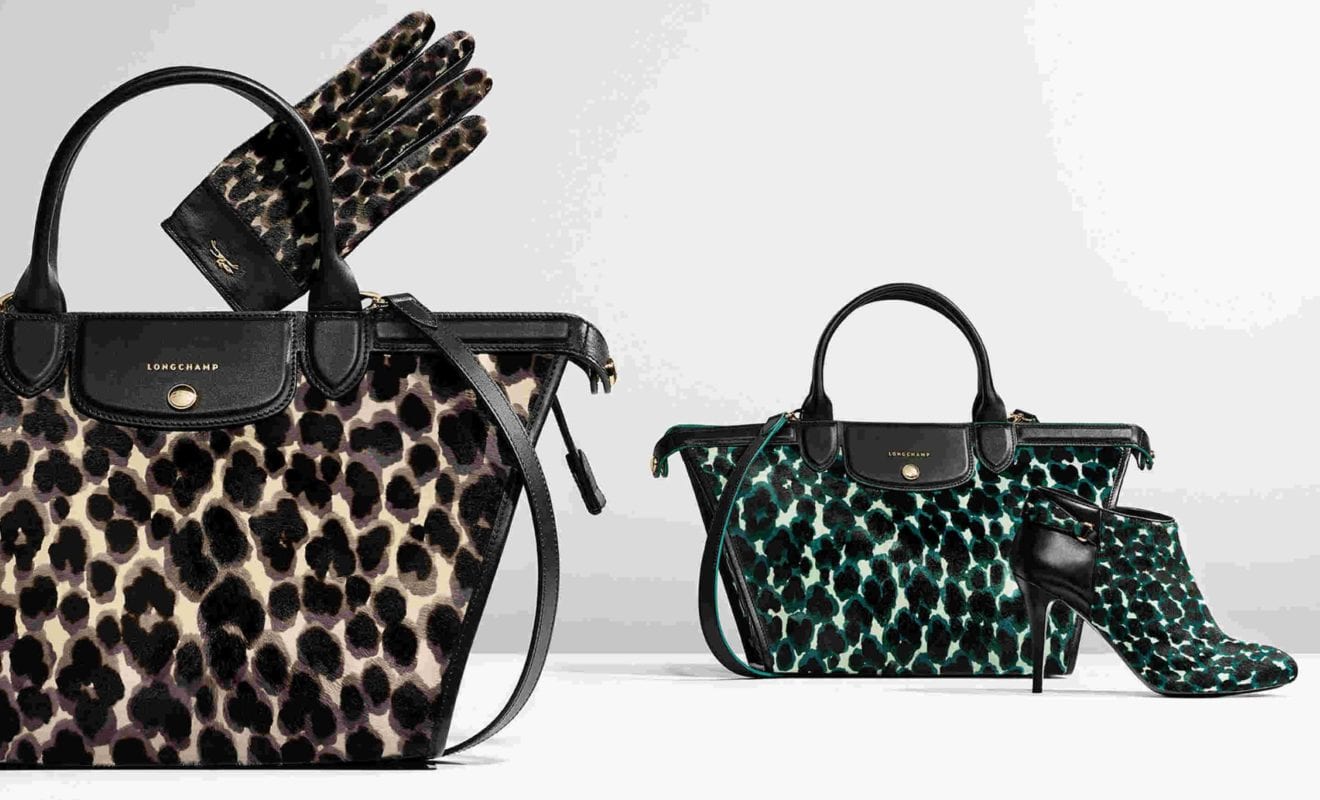
    Located at the Jing An Kerry Centre on Shanghai’s Nanjing Road West, the new Longchamp flagship offers the biggest selection of fashion, bags and accessories from the Parisian leathergoods brand. This includes women’s ready-to-wear, shoes, handbags, leather accessories, as well as men’s collections and luggage bags.

    According to Longchamp CEO Jean Cassegrain, the luxury brand is considering opening stores in the country’s capital, and in second-tier cities such a Changsha.

    “There is a potential for us to open stores at new locations and there are still cities where we are not present,” Cassegrain told China Daily this week.

    “In October, we will open a new store in Beijing, at a landmark shopping mall on Wangfujing Street,” he added.In addition to physical stores, Longchamp products are available for purchase in China on social media platform, WeChat, via the Longchamp account. According to the CEO, e- and m-commerce are yet to be fully explored in the Asian market.

    “It is our plan to continue developing online channels in China,” he said.

    Longchamp’s retail push comes as experts predict the return of luxury spending in China over the next three years. In a report, Bain Consulting Group said the proportion of global luxury consumption accounted for by Chinese consumers would increase from the current 30% to 35% by 2020.

    Longchamp currently has 18 stores in China. It counts 1,500 points of sale across 80 countries spanning exclusive brand and franchise stores, department store concessions, multibrand leathergoods stores, airport stores and online sales. The brand directly manages more than 300 points of sale through 21 distribution subsidiaries.

  • Lacoste unveils expanded retail space at Don Mueang International Airport

    Lacoste unveils expanded retail space at Don Mueang International Airport

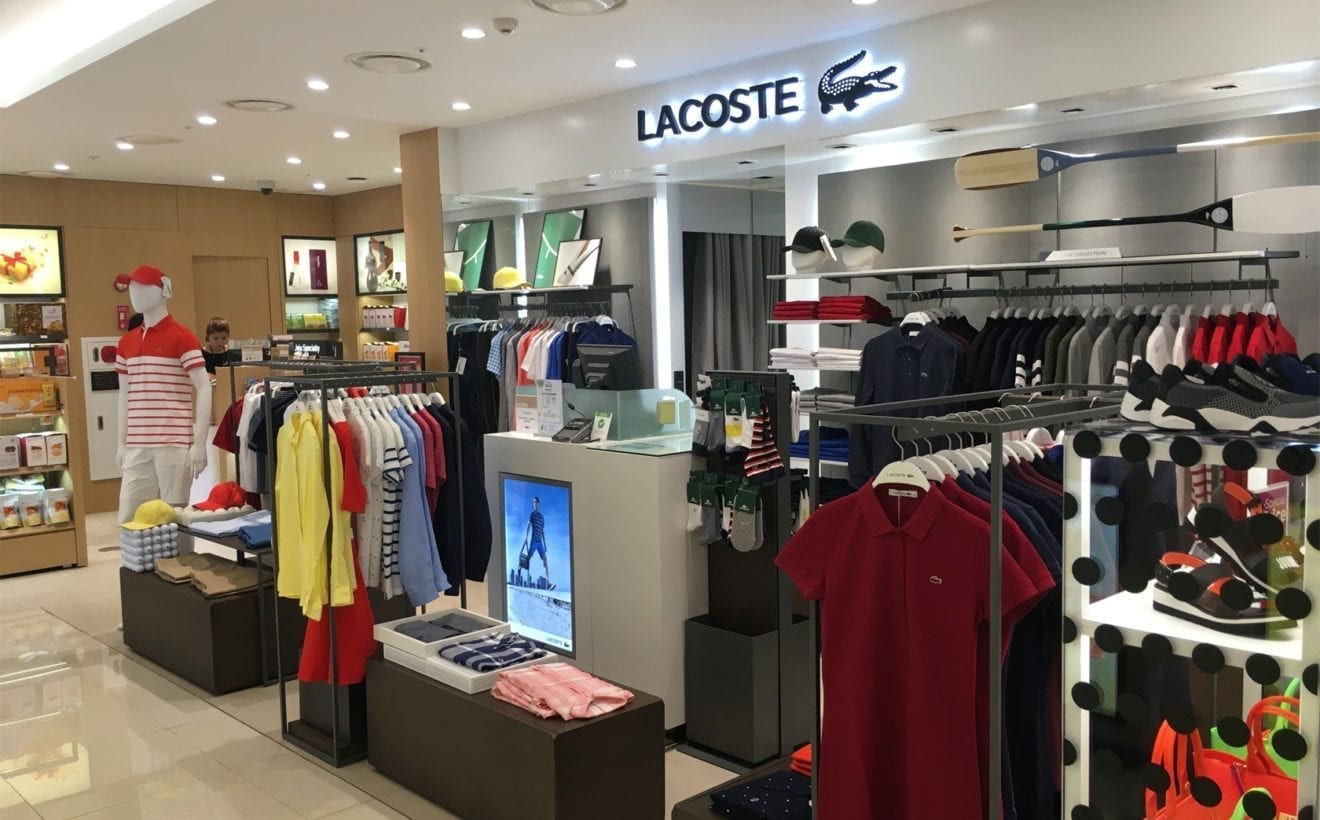
    Lacoste has opened its revamped Sport corner at Don Mueang International Airport Terminal 1.

    Lacoste kicks off its new Sport concept at Don Mueang Airport.

    The space has been enlarged and upgraded to feature Lacoste’s new Sport concept. It now offers additional options for customers alongside the brand’s signature polo shirts and leathergoods ranges.

    Don Mueang International Airport, Asia’s oldest international airport, recorded 35 million passengers in 2016.

  • Louis Vuitton plans first airport duplex boutique for Changi

    Louis Vuitton plans first airport duplex boutique for Changi

    French luxury maison Louis Vuitton will open its first duplex boutique in an airport early next year, opting to bow the store inside Singapore’s Changi Airport.

    Opening January 2018, the duplex boutique will be located in Changi’s new ‘Crystal Garden’ in Terminal 3’s Departure Transit Hall.

    Covering 530 square metres and two levels, the new space will feature tiered garden beds with a selection of flora and spheres of artisan glass sculptures. It is the first time the airport is integrating a feature garden with a retail store, and first airport boutique for Louis Vuitton to span two levels.

    The Changi debut is also the first airport store in Asia Pacific to be directly managed by Louis Vuitton.

    “Singapore Changi Airport is such an important location for us, and we are happy to offer this new store, not only to our Asian customers but also the international travelers who transit by this airport,” said Michael Burke, Chairman and CEO of Louis Vuitton, via a press release.

    Louis Vuitton will be the latest addition to Changi Airport’s retail fold, which boasts more than 360 retail stores sprawled over 76,000 square metres of floor space.

    “We are thrilled to partner with Louis Vuitton, who shares our vision to redefine the future of luxury retail in an airport,” said Changi Airport Group chief executive officer Lee Seow Hiang.

    “The revolutionary duplex store, set amidst an elegant Crystal Garden, will become a distinctive attraction for passengers who fly through Changi Airport, and we look forward to embarking on an exciting journey of discovery with them when the store opens.”

    Changi Airport generated retail sales of S$2.3bn in 2016.

  • Chloé opens a new store in Singapore

    Chloé opens a new store in Singapore

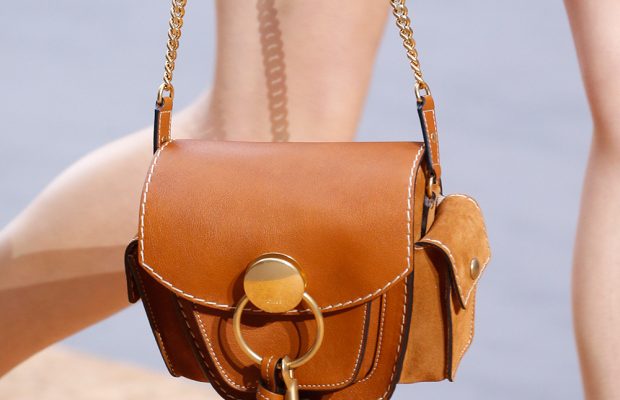
    To inaugurate the opening of the first Chloé boutique in Singapore at The Shoppes at Marina Bay Sands, the Maison has created a limited edition Faye bag inspired by the iconic local symbols of the orchid and the phoenix.

    The Faye, adorned with a colourful, decorative patchwork crafted from smooth calfskin and supple suede, is finished with light gold and silver hardware. Only eight pieces of the exquisite bag are available for sale.

    The boutique it celebrates is no less gorgeous. Situated on Level One of The Shoppes, the 184 meters square space boasts an expansive glass storefront, robust architectural details, and a play of rough and delicate textures. Also, expect Chloé’s signature palette to be present: from powdery rose beige to shades of white and a touch of mustard, all brought to life by the glow of brushed or polished natural brass.

    Accessories are the first thing you will see upon stepping into the store; handbags and small leather goods are presented in luminous shelving framed in brushed brass, or beneath the glass cabinets..

    Ready-to-wear is separated from accessories by warm wooden archways and several steps. Here, the stone floors meet a central ‘carpet’ of golden spider marble. Ready-to-wear styles are suspended on oxidised brass racks or presented on white mannequins suspended from the ceiling, with jewellery, sunglasses, and scarves displayed nearby.

    And if you are keen to try on anything, boudoir-style fitting rooms hidden behind sliding doors feature elegant textile screens for added intimacy. Very Chloé.

  • Furla buys back Australian distribution from Luxury Retail Group

    Furla buys back Australian distribution from Luxury Retail Group

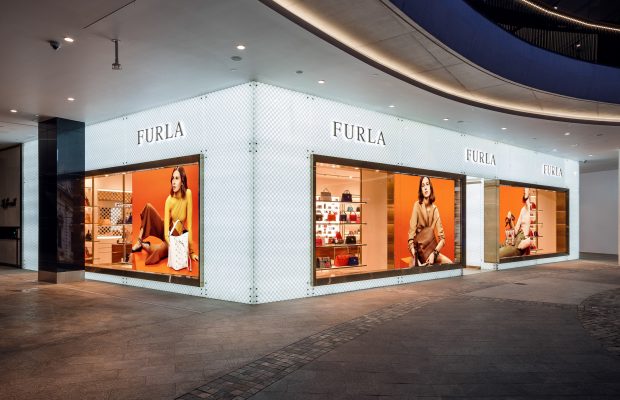
    Furla Group announced the buyback of the Australian distribution network from its distributor, Luxury Retail Group (LRG). Furla opened the first boutique in Westfield Sydney in December 2013, and now has 15 stores in Melbourne, Sydney, Brisbane and Gold Coast.

    Furla acquires 100% of the distribution network, reaffirming the brand’s vision of further strengthening its presence in Australia and New Zealand. This year, Furla plans to open 5 more stores in Australia and New Zealand, beside enlarging the existing Westfield Sydney boutique: by the end of 2017, the network will be made up of 20 Furla stores.

    “Australian market is very important for Furla and crucial in our expansion plan. Since 2013, Luxury Retail Group has been the best key partner to work with as it perfectly embodies the Furla vision, values and DNA: this is the reason why the two LRG directors will remain as board members of Furla Australia” said Alberto Camerlengo, Furla Group CEO, “We expect that in 2017 Australian business will represent the 5% of the global revenues, we are very proud to announce this acquisition. We aim to enhance the distribution in this Country given the success of the Furla retail strategy and the very positive response of Australian customers”.

    “We believe the timing makes sense for Furla to reacquire its distribution.” Nelson Mair, Managing Director of LRG also added, “After having achieved 95% sales growth in 2016, this vertical integration of Furla Australia will better equip the business for the next phase of its growth. I am extremely proud of my team and what they have been able to achieve in such a short space of time and thankful to Furla for trusting their wonderful brand to us”.

    Furla has a direct presence in 100 countries; with 444 monobrand stores that are split evenly between directly-owned boutiques and franchises. The Company also has distribution in multibrand and department stores in 1,200 international locations.

  • Under Armour braces for first loss since IPO

    Under Armour braces for first loss since IPO

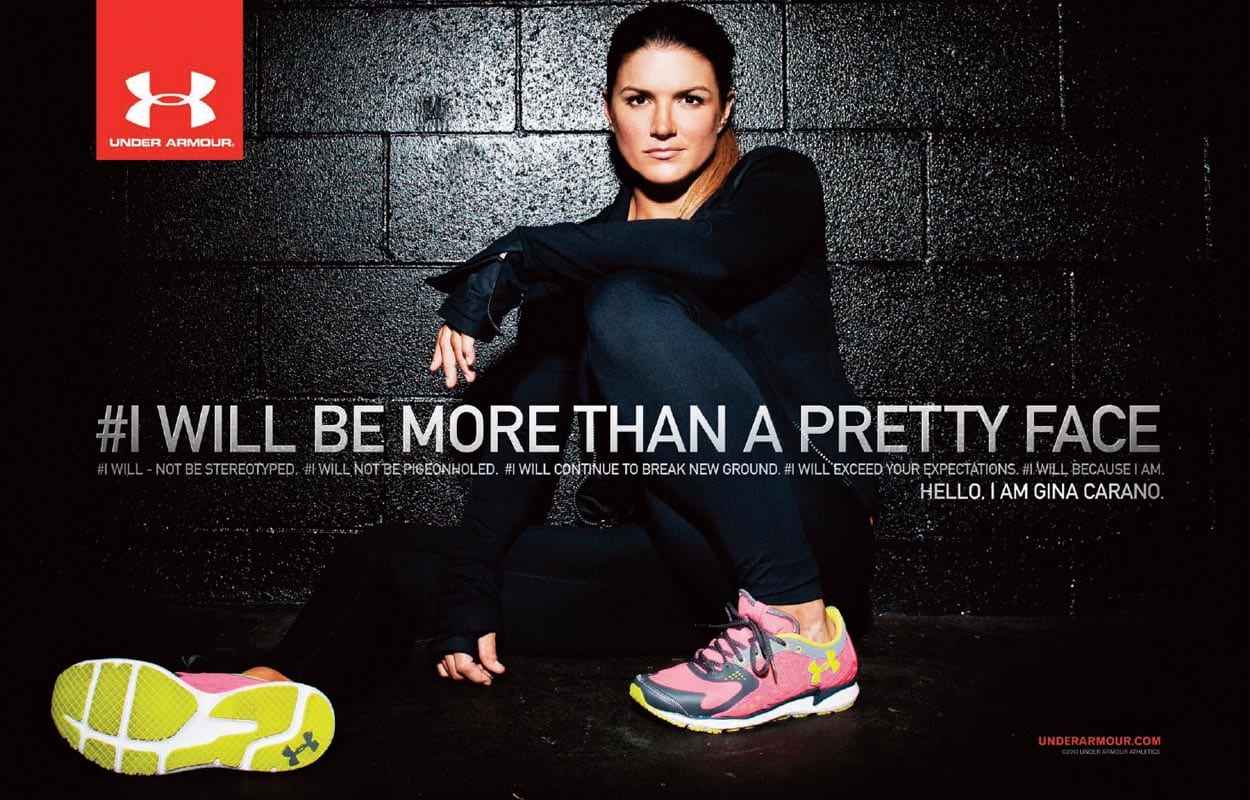
    Under Armour is poised to report its first quarterly loss since going public in 2005, a setback for a high-flying growth company that’s already had a tumultuous start to the year.

    The sports-apparel maker in January cut its growth forecast, sending the stock plummeting. Soon after, Chief Executive Officer Kevin Plank’s favorable comments about President Donald Trump sparked a consumer backlash. Plank, who founded the company, also raised eyebrows this month when a proxy filing showed that businesses he controls received $73 million in payments from Under Armour.

    “Under Armour has gone from being an incredibly loved stock to now having a lot of concern around it,” said Simeon Siegel, an analyst at Instinet LLC. Negative sentiment on Wall Street, he said, “has hit a fever pitch.”

    On Thursday, the athletic brand will probably post a loss of about 4 cents a share in the first quarter, according to the average of analysts’ estimates. Revenue projections call for 5.9 percent growth to $1.11 billion. That would mark the company’s first dip below double-digit gains since the height of the recession in 2009.

    Under Armour’s prospects have done an about-face as it struggles to recapture the rapid growth that saw revenue double about every three years. Plank has blamed the company’s woes on overall retail weakness and store closings, including the liquidation of key customer Sports Authority. The result has been a glut of merchandise, meaning profit margins took a hit as discounting was needed to clear it. In January, the company lowered its forecast of 2017 revenue growth to as much as 12 percent from the low-20-percent range.

    Under Armour shares have fallen 33 percent this year after dropping 30 percent in 2016. They slid 0.5 percent to $19.44 at 9:35 a.m. in New York on Wednesday, with its price trading at about half the level of seven months ago.

  • Dior launched new Tokyo store

    Dior launched new Tokyo store

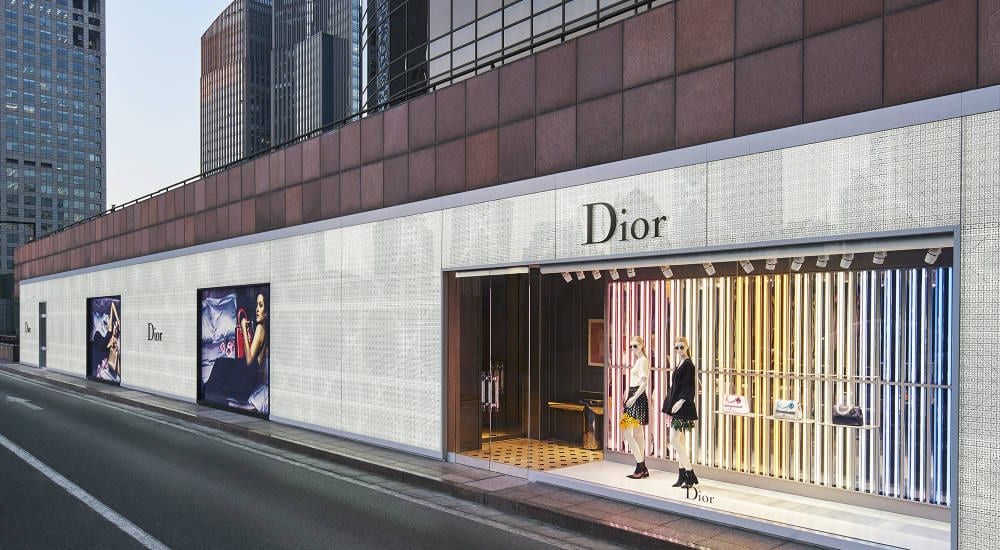
    Christian Dior launched its new Tokyo store with a fashion show in the rooftop gardens of a luxury mall, where models showed new looks from its creative director Maria Grazia Chiuri.

    Underlining Dior’s connection with Japan, which is an “important market” for the fashion brand, Chiuri drew her inspiration from cherry blossoms and Christian Dior’s 1953 “Jardin japonais” dress for her latest creations.
    Dior Ginza’s champagne-fuelled opening on Wednesday came as spending by visitors to Japan reached record levels, but growth has slowed due partly to Chinese tourists buying less.

    But Sidney Toledano, chief executive of Christian Dior Couture, said on Wednesday he was not concerned about cycles in tourism, which he has seen go through many phases during two decades running the French fashion house.

    “What we want to do in Japan is look for the local market. We look for the Japanese customers,” who have long been “super customers for luxury and high fashion,” he said.

    “Our business is not based on the tourist business … my objective always in a country is to have a very strong local plan,” said Toledano, who is also CEO of Christian Dior SE, the holding company for luxury group LVMH.

    As well as revealing the eight new lines from Chiuri, Dior used the occasion to present the autumn 2017 collection from Dior Homme for the first time.

    The new boutique occupies five floors in Ginza Six, the largest retail facility in the popular Tokyo shopping district with 241 stores, half of which are flagships. Other luxury brands’ stores include Celine, Saint Laurent and Valentino.

    Ginza Six sees tourists as a key target as the Japanese government aims to nearly double the number of overseas visitors to an annual 40 million by 2020, when Tokyo hosts the Olympics.

    Japan‘s market for personal luxury goods was worth €22 billion ($23 billion) in 2016, ranked second after the United States, with tourists accounting for 30% of revenue, according to Bain & Company.

  • Pandora opens first store in India

    Pandora opens first store in India

    Denmark-based jewellery brand Pandora has entered India’s jewellery market by opening its first store in the country. Pandora has granted exclusive distribution rights for their jewellery in India to Pan India Charms & Jewellery Private Limited (Pan India).

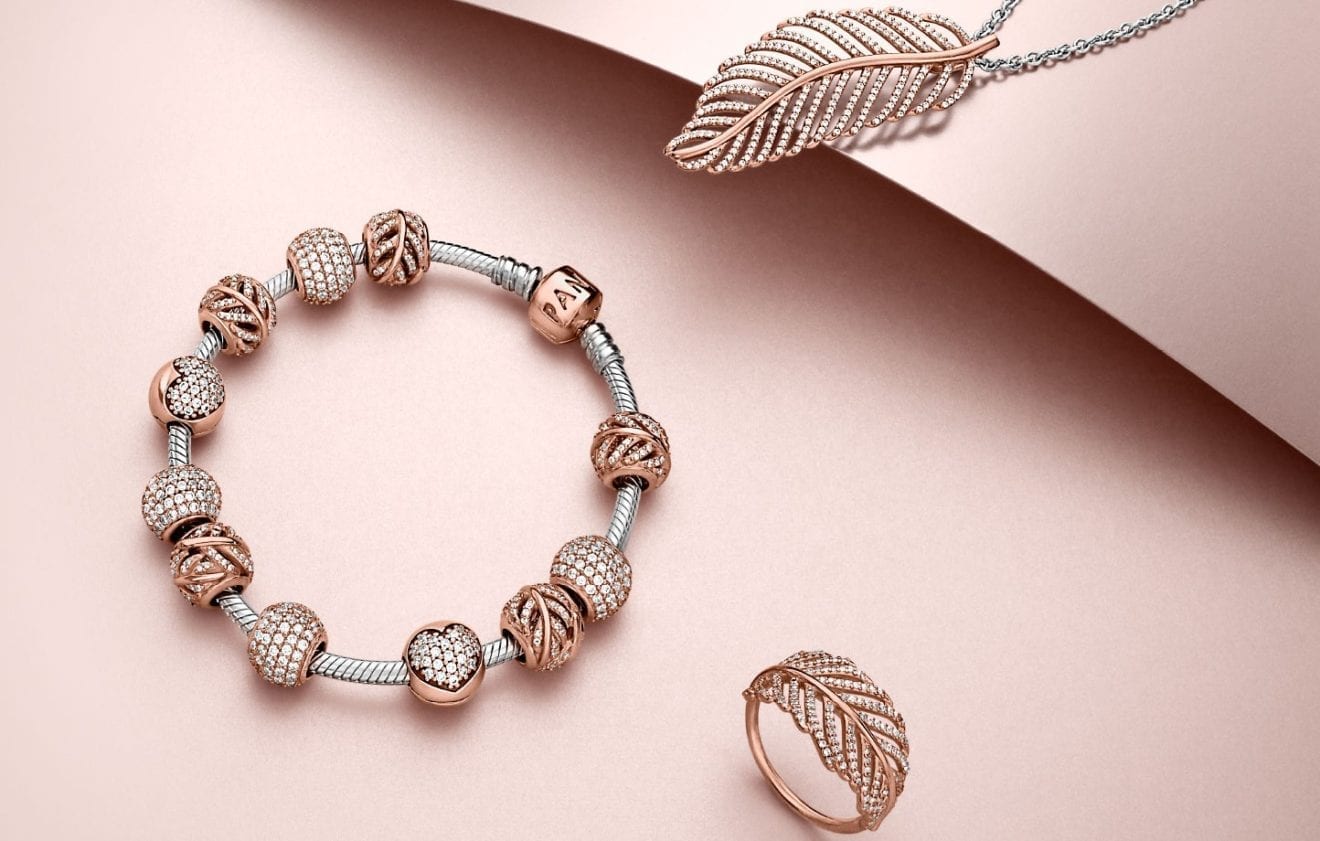
    The concept store is located on the ground floor of DLF Mall in Noida and carries Pandora’s jewellery collections, including the brand’s Moments collection, the Essence collection as well as the Rose collection.

    “The modern aspirational Indian woman is a section that represents the veering away from wearing predominantly gold jewellery and becoming more fashion conscious and finding unique ways to express their style. Making the brand Pandora accessible to these very customers is what excited us to pursue this business,” Devika Bakshi and Kanika Bakshi Talwar, Managing directors of Pan India, said in a joint statement.

    Through its distribution partner Pan India, Pandora is aiming to establish branded sales distribution focusing on concept stores and shop-in-shops, initially in Delhi, Mumbai and Bangalore.

    Pan India is expected open around 50 concept stores in India over a three year period, with around five stores expected to be opened in 2017.

    The jewellery market in India, which is predominantly a gold and diamond market, is one of the largest jewellery market in the world and in 2015 had a value of INR 2,947 billion (approximately DKK 300 billion), corresponding to an increase of 18% compared to 2014.

    In the period 2016-2021, the market is expected to grow with a compound annual growth rate (CAGR) of 7%, according to Euromonitor.

  • Victoria’s Secret to open mega store in Macau

    Victoria’s Secret to open mega store in Macau

    Victoria’s Secret will open a new mega store in Macau on April 27, as the US brand eyes further Asia expansion, following its China debut store opening last February.

    Under parent company L Brands, the 15,000-square-foot Macau full assortment store  — which not only sells its branded accessories and cosmetics but lingerie and sportswear — will bow at St Mark’s Square at The Venetian.

    In addition to the latest collections and pieces, the store will showcase five sets of Victoria’s Secret angel wings – all of which have featured on the runway of past Victoria’s Secret shows. The curate will be on display at The Venetian from April 26 to May 31.

    The news comes as the fashion lingerie conglomerate opened its first standalone store in mainland China in February. The four-story, 25,850-square-foot flagship opened in Shanghai, followed by a 12,294-square-foot store debut in Chengdu one week later. A Beijing store is coming later this year.

    Meanwhile, Victoria’s Secret’s Asia expansion is also taking on a flagship store in Hong Kong. The brand is reportedly taking up prime location in Causeway Bay, the former residence of Forever21. It is slated to open in Hong Kong next year.

    Fellow lingerie maker La Perla has already opened a four-storey flagship store in Causeway Bay in late 2015, located on the iconic, and expensive, Russell Street.

    More and more international retailers are renewing leases in the region as tents in Hong Kong continue to drop, especially in Causeway Bay.

    According to a recent report by Everbright Property Investment Consultancy. For the first quarter of 2017, major lease transaction records in Hong Kong’s high-traffic tourist areas — including Central, Causeway Bay, Mong Kok and Tsim Sha Tsui — featured drops in monthly rents of up to 72% in some cases.

    On average, Causeway Bay witnessed the sharpest rent price decline for the period, down 31%, the report said.

  • Chopard Malaysia reopens Suria KLCC store

    Chopard Malaysia reopens Suria KLCC store

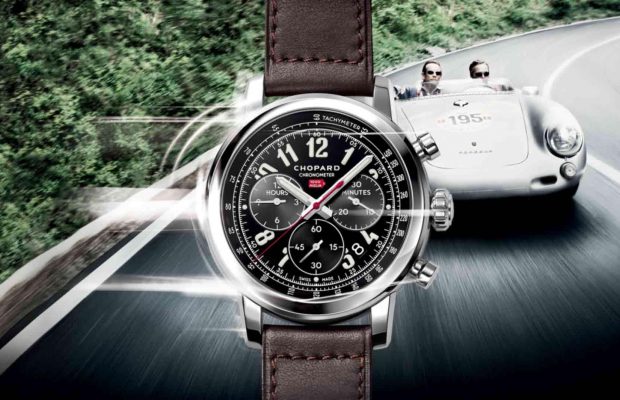
    Chopard Malaysia has reopened its store in Kuala Lumpur, showcasing a refurbished space in Suria KLCC.

    Located on the ground floor of the shopping mall, the boutique is one of three Malaysian stores for the high-end Swiss jeweller, with the other two located in the Starhill Gallery and Pavilion KL.

    Upon entry, a display island sits in the centre of the boutique, crowned by a chandelier, hanging over the cabinet. The new store, which features mid-century wooden colours and diamond-y white lights, is sectioned by both men’s and women’s corners of the store.

    The updated store returns with Chopard’s classic pieces such as Happy Diamonds and Happy Sport, featured alongside the newest Chopard collections, Happy Dreams. The latter is a classy interpretation of cloud shapes, accentuated with diamonds and mother-of-pearl.

    His Excellency the Ambassador of Switzerland Michael Winzap attended the store reopening, alongside Francis Tan, COO of Suria KLCC, and Chopard Malaysia’s general manager Karen Teh.

    Suria KLCC is Malaysia’s premier shopping destination located at Kuala Lumpur prestigious commercial address, the Kuala Lumpur City Centre (KLCC). Set over six levels, it offers an array of goods and services including fashion, food and entertainment.

    Chopard was founded some 160 years ago and remains as one of the last jewellery and watchmakers to be family owned. It is currently helmed by siblings and co-presidents Karl-Friedrich and Caroline Scheufele.

  • Kao’s net income up 16% in Q1, yearly forecasts confirmed

    Kao’s net income up 16% in Q1, yearly forecasts confirmed

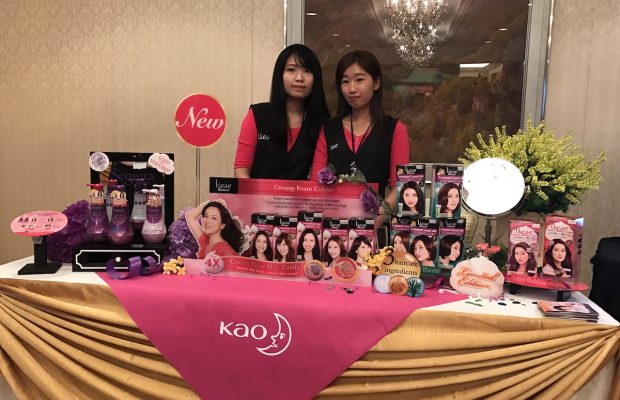
    Japanese cosmetics group Kao has posted a 16% rise in net income in the first quarter 2017, boosted by rising sales in Asia and reductions in costs, and has confirmed its prudent annual forecast.

    Between January and March, the group’s net income rose to JPY24.17 billion (nearly €200 million based on the exchange rates applied by Kao), while EBIT grew 12% reaching JPY38.6 billion.

    The profitability results come on the back of a 3% rise in revenue for Kao, up to JPY345.18 billion. Excluding exchange rate effects, revenue was actually up 8.6%, driven by solid skincare and personal care product sales in Japan and Asia.

    In Japan, where the group generates two thirds of its revenue, sales slumped slightly within a stagnating market. Demand by tourists, especially Asian ones, also recorded a shortfall, having been very strong in the last few years but being very sensitive to exchange rate fluctuations. The group is hoping to improve its performance thanks to a series of new cosmetics launches in the second part of the year.

    Elsewhere in Asia, revenue rose by 11.4%, with “solid growth in China, Indonesia and other countries.” At constant exchange rates, the increase was as high as 23.4%.

    Revenue was on the up in other regions too, growing 10.8% in the Americas and 2.2% in Europe.

    Kao’s consumer goods brands (beauty, house cleaning and diet food) were flat overall, but the chemical products division was very positive, up 14.7% as the trend of the infrastructure market improved in Japan, and Chinese automotive production was also buoyant.

    In terms of annual results, Kao has confirmed the forecasts published in February, with sales growing 0.9% to JPY1.470 trillion, a net income of JPY138 billion (+9%) and an EBIT of JPY200 billion (+7.8%), all of this within a “tough competitive environment.”

  • Adidas China to open 2,000 new stores by 2020

    Adidas China to open 2,000 new stores by 2020

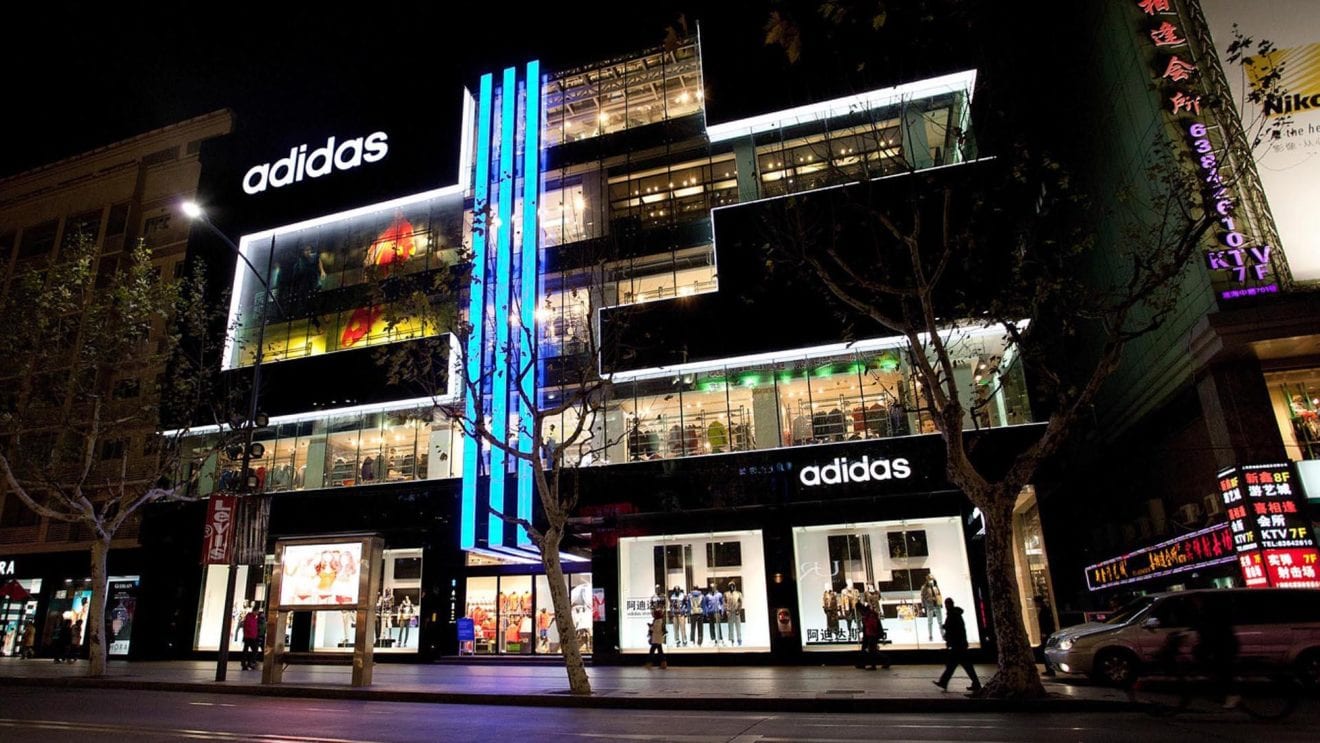
    Adidas AG plans to open 2,000 new stores in China by 2020, after the sports group’s business in the Asian nation grew nearly 30% last year, making it the second-largest market in the world after Western Europe.

    According to local media reports, Adidas AG – which covers Reebok, TaylorMade and Reebok-CCM Hockey, as well as the its namesake Adidas – is eyeing 12,000 stores in China by 2020, adding to the 10,000 stores it already has there.

    Adidas’s Reebok brand also plans to open 500 new stores in China by 2020, as per reports.

    In 2016, Adidas recorded sales of 3 billion euros ($3.26 billion) in China on the back of updated products, new stores (Adidas opened 1,000 stores in the country), and the development of e-commerce.

    Colin Currie, managing director of Adidas in China told China Daily that round 50% of the group’s revenue comes from 23 major cities in China. Adidas is present in more than 1,000 cities, and in therefore, wants to open stores across 2,000 cities in China.

    “We believe smaller cities will give us 50% of our growth in the coming years,” Currie said.

    Moving forward, Adidas CEO Kasper Rorsted also said on a recent visit to China in late April that e-commerce would be a huge driver for its business going forward in China.

    “China has one of the most sophisticated e-commerce and digital landscapes in the world, which we plan to make extensive use of,” said Rorsted.
    Adidas sold 43 million euros worth of product over China’s Singles Day last year. Rorsted said Adidas is intent on learning how to connect its physical locations to digital channels, for a smoother customer experience.