Category: Fashion

Retail News Asia is committed to providing both local and global retailers with the latest Fashion news throughout the Asian market. This on a daily base.

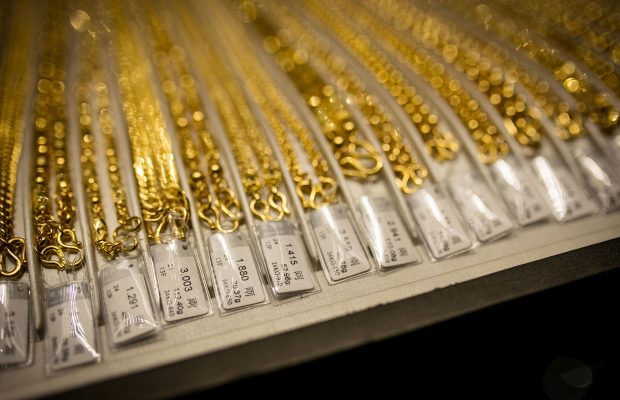
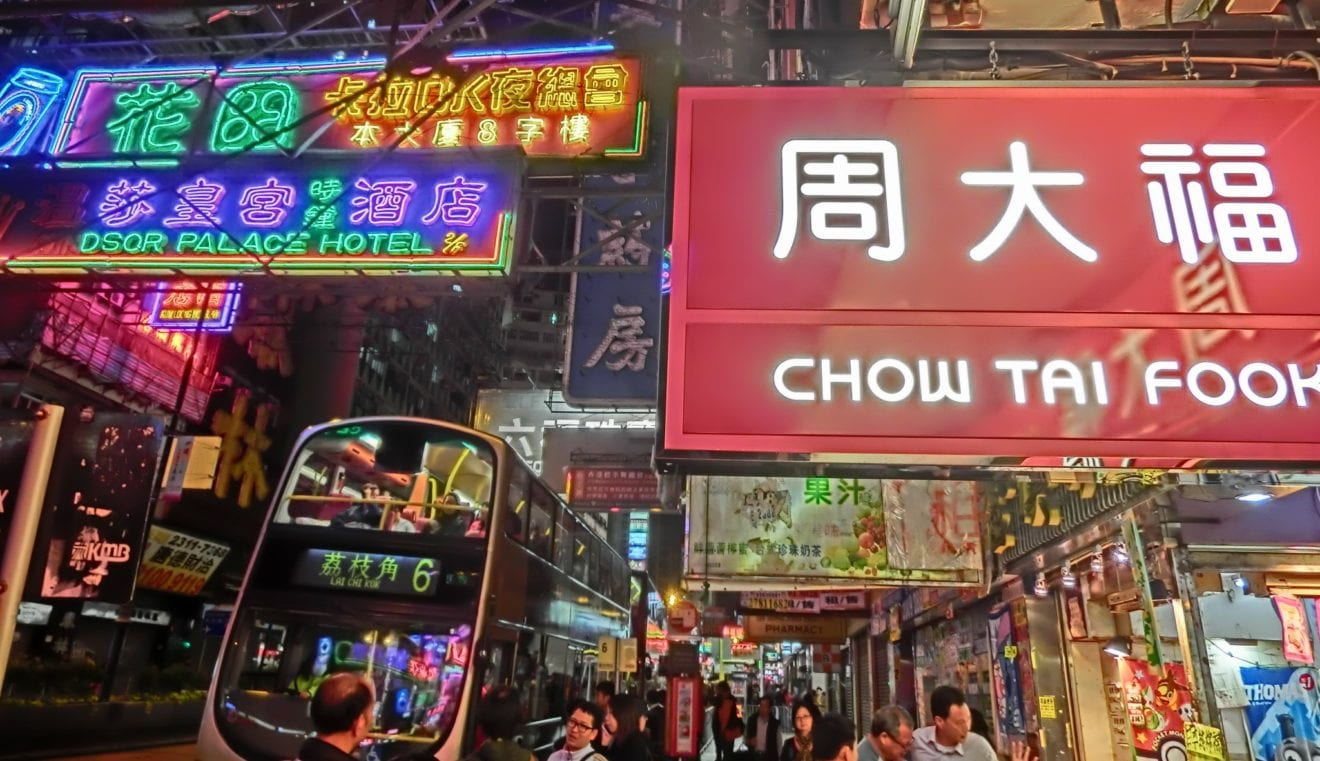
  • Chow Tai Fook to open its first branded boutique in the US

    Chow Tai Fook to open its first branded boutique in the US

    With Hong Kong-listed jeweler Chow Tai Fook recently laying claim to the world’s most expensive cut diamond ever—sold at a Sotheby’s auction on April 4—the increasingly iconic Jewellery Group this week announced the further expansion of its global footprint, with the opening of its second American retail outlet, and the company’s first own-branded boutique in the United States.

    Chow Tai Fook, who last November opened its first stateside store in Macy’s NYC, revealed on Monday that the second store will be opening in the heart of Honolulu, Hawaii, situated at T Galleria by DFS. The LVMH-owned duty-free retailer rebranded its worldwide T Galleria stores back in 2013, with the hope of attracting China’s increasingly sophisticated millennial consumers—and chose its Hawaii location in which to announce the renaming of its non-airport Galleria locations. Four years on, and the duty-free mall will next month be the location for the opening of Chow Tai Fook’s 970-square-foot-store, looking to capture the attention of wealthy travelers visiting the surrounding luxury resorts and beaches.

    With Chinese tourists recently reported as the only group of travelers for whom Donald Trump’s presidency has made it more likely than ever for them to visit the United States, the current political climate encourages luxury outlets to increasingly target Chinese consumers from within America. The Chow Tai Fook Jewellery Group currently boasts an extensive network consisting of over 2,300 retail points globally, with more than 2,000 jewelry and luxury watch outlets in Greater China.

    According to company Managing Director, Kent Wong, Chow Tai Fook will be “looking to capture the vast growth potential of leisure spending in the Hawaii market” and take advantage of the Hawaiian capital of Honolulu as both a popular holiday location, and a frequent luxury honeymoon and wedding destination. Aiming to entice consumers from both home and abroad with the opening of their first ever own-branded boutique in the United States, the agreement signed with the world’s leading luxury travel retailer promises the support of T Galleria’s 50 years of experience in the Hawaiian market.

    The news, however, comes after reports earlier this year of Chow Tai Fook choosing to target younger consumers within China, opening outlets stocking jewelry at about a third of the price of that sold at the company’s flagship Chow Tai Fook-branded stores. With jewelry at these outlets sold at an average price of 2,000 RMB ($291), Chow Tai Fook seem to be turning their attention overseas to the more affluent Chinese traveler. The Chow Tai Fook boutique in Haiwaii will offer a range of luxury products including gem-set jewelry, fixed-price gold products and platinum and karat gold jewelry, alongside exclusive collections such as Oriental Blessings and Jardin Magique. The store will also stock exclusive wedding jewelry.

    After the announcement of the store this Monday, there won’t be long to wait before the Jewellery Group can begin to determine whether its changing marketing strategy will pay off—Chow Tai Fook’s Hawaiian boutique will open this May at T Galleria, Honolulu.
  • South Korean Amore Pacific’s profit suffers from extended domestic slump

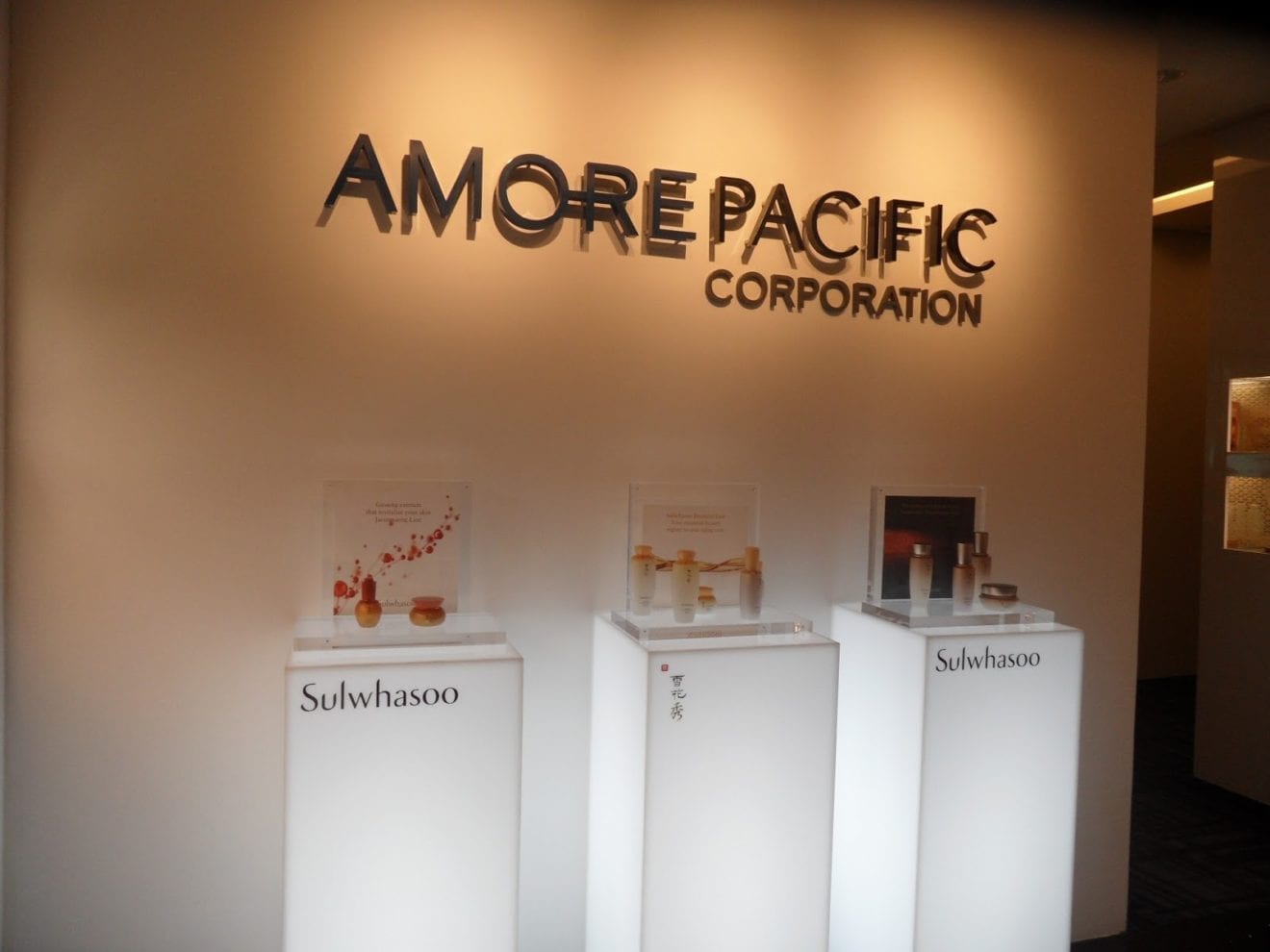
    South Korean Amore Pacific’s profit suffers from extended domestic slump

    Amore Pacific‘s first-quarter net profit shrank 15 percent from a year earlier, due largely to a protracted slump in the domestic market amid a rapid drop in Chinese tourists.

    Its net income came to 223.5 billion won (US$197.1 million) in the January-March period, compared with 262.9 billion won the previous year. The operating profit for January-March also slipped 6.2 percent on-year to 316.8 billion won, but sales gained 5.7 percent to 1.56 trillion won in the cited period from a year earlier.

    The company cited a drawn-out slump in its domestic sales, along with a decrease in inbound tourist inflow from China, which followed the ban on trip sales to South Korea by its authorities from mid-March as the main factors that weigh on the profit amid a slow economy. An increase in sales in other foreign markets, however, helped cushion a fall in sales stemming from Chinese consumers.

    South Korea has seen its tally on Chinese tourists plunge by nearly 40 percent since March 15, when travel agencies in China stopped selling tours to Korea on the behest of its government. Such a move by Beijing is seen as part of a string of apparent retaliatory measures against Seoul for the decision to station a U.S. anti-missile system, known as THAAD, on its soil.

    Its operating income from domestic sales, which include the revenue from duty-free stores, dropped 13 percent on-year to 234 billion won as of end-March. Market analysts predicted earlier that AmorePacific may suffer a blow from its mainstay duty-free sales as a result of China’s trip ban. Chinese tourists accounted for half of the foreigners who came into the country last year.

    In contrast, its overseas business posted an operating income of 88 billion won in the first quarter, up 11 percent from a year earlier, with the sales advancing 17 percent to 447 billion won over the cited period. AmorePacific will strive to improve the profitability by realigning the brand portfolio and sales channels in different markets, citing its European unit that logged a 7-percent on-year growth after it bolstered its fragrance lineup, drawing a contrast to the U.S. business which suffered a 16-percent decline in sales.

    The combined operating income of AmorePacific Group, which includes its smaller brands like Innisfree, Etude and other household products, reached 378.5 billion won in the first quarter, down 9.7 percent from a year ago. The sales on a consolidated basis also dropped 5.5 percent on-year to 1.75 trillion won.

  • Lacoste opens boutique at Indira Gandhi International Airport

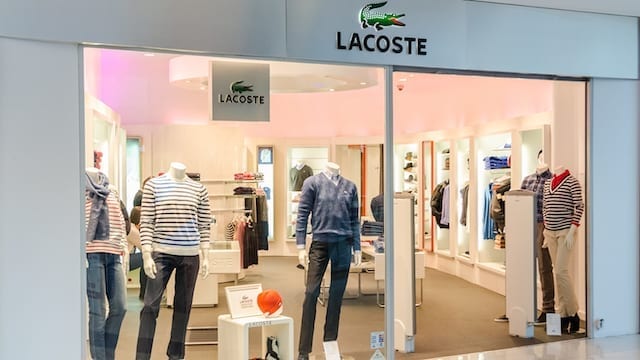
    Lacoste opens boutique at Indira Gandhi International Airport

    Lacoste has opened a 1076sq ft store at Indira Gandhi International Airport Terminal 3, Delhi, India.

    The brand said the boutique aims to offer a premium shopping experience to both local and international travellers.

    Lacoste said it reinforces the consumer experience in travel retail through channel specific products and visual merchandising

    Lacoste has more than 170 travel retail boutiques worldwide. The company said it will continue to leverage the travel retail channel to strengthen or expand in new areas, develop new channels, such as e-commerce and cruise, and new ways of connecting with consumers before, during and after their trips.

  • Luxury spenders defy Japan’s tight-fisted reputation

    Luxury spenders defy Japan’s tight-fisted reputation

    Tight-fisted shoppers, unsteady economic growth and a shrinking population: Japan doesn’t exactly fit the image of a spending powerhouse these days.

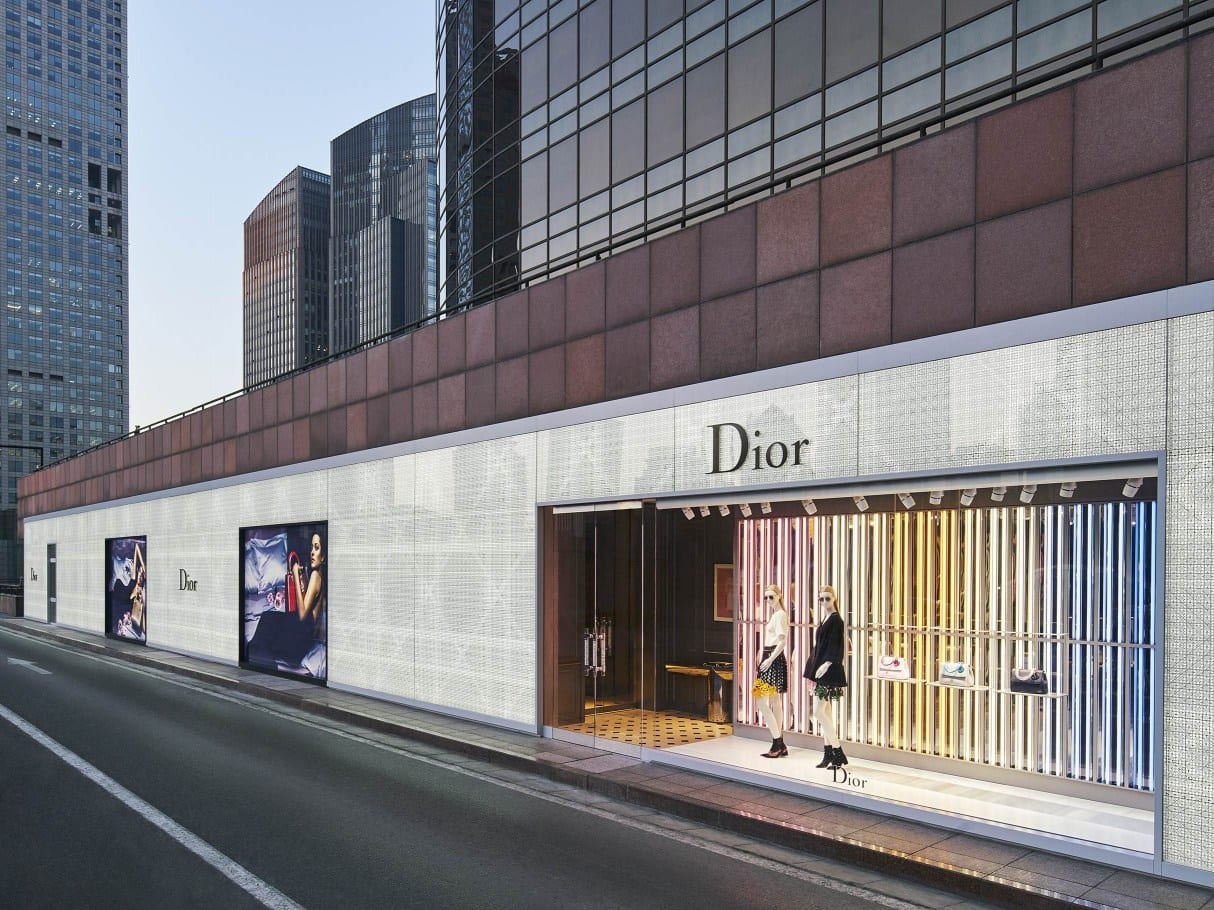
    But you would never know it in Ginza — Tokyo’s answer to the Champs-Elysees or Fifth Avenue — where a new 13-storey upscale mall is proving that Japan is still a whale in the luxury business. The country logs some $22.7 billion in annual spending on top-end goods made by brands including Chanel, Dior, and Prada, ranking it as the world’s number two luxury market behind the United States.

    “Luxury products may be more expensive, but they are very well-made,” said 79-year-old Toshiko Obu, carrying her longtime Fendi bag outside the Ginza Six building, which has been drawing big crowds since last week’s opening.

    Japan is renowned among the world’s priciest retailers for its discriminating clientele — Chanel tries to keep local customers physically separated from tourists packing more cash than class.

    “You shouldn’t forget that a big portion of the luxury clientele is here in Japan,” Sidney Toledano, chairman and CEO of Christian Dior Couture, told at the opening of the 241-store building.

    “It remains a strategic market for luxury and, I’d say, true luxury.”

    – ‘Biting their fingernails’ –

    Dior is counting on Japan’s luxury market to rise this year, while rival Chanel is also expecting an upbeat 2017, after global sales of personal luxury goods barely grew last year.

    “We did not lose our character,” said Richard Collasse, head of Chanel in Japan. “There are brands that are suffering — the ones that at some stage stopped investing in Japan because China was the new El Dorado. And today they are biting their fingernails.”

    Few brands predicted that deep-pocketed Chinese shoppers visiting Japan would support its luxury market — tourists account for about one-third of top-end spending.

    Japan is hoping to land 40 million visitors in 2020, the year that Tokyo hosts the Olympics. Last year, some six million Chinese visited, compared with 2.4 million in 2014.

    “Historically, (Japan has) been a very insular luxury market where 90 to 95 percent of the spending was by locals,” said Joëlle de Montgolfier, Paris-based director of consumer and luxury product research at consultancy Bain & Company.

    But now some 30 percent of sales are generated by foreign visitors owing to tourism, she added. A stronger yen dented visitors’ purchasing power last year, with luxury sales down one percent, after a 9.0 percent rise in 2015.

    Dior’s Toledano said it is an opportunity to refocus on Japanese clientele. “We don’t ignore tourists, of course, but we’re not a duty-free shop,” he added.

    – ‘Touching everything’ –

    Some other Chanel shops in Tokyo have a separate cosmetics and perfume section reserved for top Japanese customers, in a bid to keep them away from the nouveau riche crowd.

    It also tips off local clientele about the expected arrival time of tourist buses so they can avoid them.

    “The loyal Japanese clients tend to run away from customers who were not very well raised and are wearing whatever or lying all over the sofa, touching everything,” said Chanel’s Collasse.

    Dior’s haute couture show at the new mall’s opening featured Japanese-inspired dresses, underscoring a focus on the local market. But warning signs lurk behind smiling clerks and glitzy interiors at the new property on one of the world’s priciest shopping streets.

    Japan has struggled to reverse a decades-long economic slump while a falling population continues to shrink its labour force — and the pool of future luxury consumers.

    Younger people, many on tenuous work contracts, don’t have the money or the same interest in luxury brands anymore, especially since top-end goods can now be rented online instead, said Naoko Kuga, a consumer lifestyle analyst at Tokyo’s NLI Research Institute.

    “When you look at consumer purchasing behaviour, younger people put less value on luxury brand products” than previous generations, she said.

  • Sa Sa International’s shares decline on profit warning

    Sa Sa International’s shares decline on profit warning

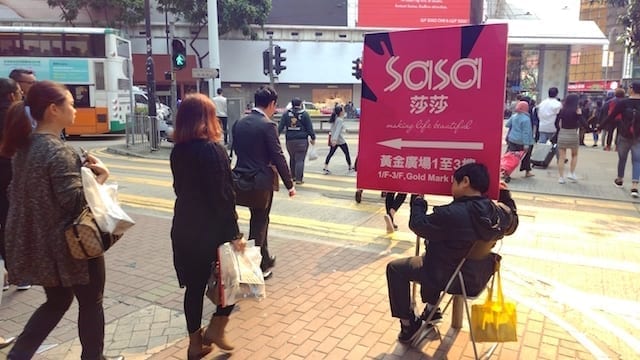
    Shares of Sa Sa International Holdings, Hong Kong’s largest cosmetics chain, declined almost 1% here on Wednesday morning after the company warned of a profit decline for the financial year ended in March.

    Although Sa Sa’s turnover during the three months through March was 2.02 billion Hong Kong dollars ($260 million), increasing 4.9% from the same period a year earlier, investors were discouraged by a separate filing that indicated net profit for the full financial year could fall anywhere from 10% to 20%.

    The group carries both its own brands and international cosmetics. It boasts over 280 stores across Asia. While sales in its major markets of Hong Kong and Macau recovered toward the end of 2016, online sales were below expectations.

    Simon Kwok Siu-ming, Sa Sa’s chairman and CEO, said in a statement that the group’s efforts to adjust its product lineups to better align with a market demanding trendy products has “caused a continued downward pressure on gross profit margin.”

    Hong Kong’s entire retail environment is facing headwinds due to fewer tourist arriving from mainland China. Retail sales in the territory last year dropped 8.1%.

    Some analysts see a recovery — at least one led by mainland tourists — as hard to come by.

    “Retail sales in Hong Kong are not going to have a strong boost from Chinese tourists like before,” said Andes S.C. Lau of Prudential Brokerage in Hong Kong.

    Still, further big drops are unlikely.

    Lau sees Sa Sa’s share price, which is hovering at a year-to-date low, as being “supported by investors buying on weakness.”

  • Indonesia`s exports of textile  and textile products growing

    Indonesia`s exports of textile and textile products growing

    Indonesias exports of textile and textile products (TPT) were valued at US$2 billion in the first two months of this year or 3 percent higher than in the same period last year.

    “TPT industry is a labor industry providing jobs for around 3 million people that it could serve as a social safety net,” Industry Minister Airlangga Hartarto said in a statement received here on Monday.

    Airlangga said in 2016 investment in TPT industry was worth Rp7.54 trillion with exports valued at US$11.87 billion employing 17.03 percent of workers in the manufacturing sector.

    The minister said he was optimistic the countrys TPT industry could compete well globally especially as the industry has been integrated from upstream to downstream sectors.

    The minister, however, said the industry needs revitalization as the majority of factories now use old machines especially weaving and knitting factories. The machines need replacement as they are no longer efficient .

    “Revitalization, we have begun by using new machines and equipment has shown positive result , but the program has to be continued,” he said.

    In addition, economic policy packages already issued by the government should be utilized by TPT industrialists by increasing investment, otherwise, in five years, the countrys TPT industry would find it more difficult to face competition such as from India, China, Vietnam and Bangladesh, he said.

    He said currently the Industry Ministry is preparing a special regulation on fiscal incentive in the form of fiscal allowance for export oriented labor intensive industry. Industrialists will have income tax discount to be used for business expansion, he added.

    He said the Industry Ministry is seeking comprehensive cooperation agreement with Europe and the United States in the hope of benefit in the form of better tax facility.

    He said small industries would also be facilitated to boost exports.

    Director General of Chemical, Textile and Multifarious Industries Achmad Sigit Dwiwahjono said imports of cloth are also a challenge hampering investment in TPT industry. The Industry Ministry, therefore, is teaming up with the trade Ministry to curb textile imports to protect the country TPT industry.

    In addition, the Industry Ministry encourages investment in the upstream sector to back up the domestic textile industry, Sigit said.

  • Mizuno Experience Center opens in US

    Mizuno Experience Center opens in US

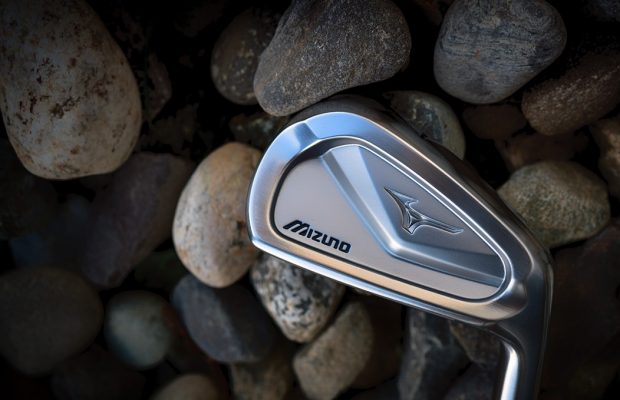
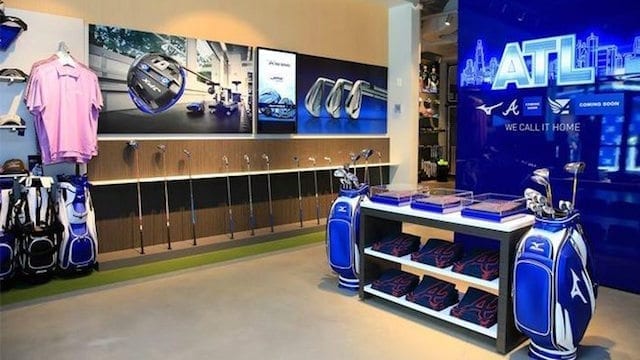
    Japanese sports brand Mizuno has launched into the US, unveiling the Mizuno Experience Center at The Battery Atlanta in Georgia.

    Designed to be an immersive environment that tells the Mizuno story through its gear, the center offers interactive displays using RFID technology with specialised labs for each sport. Customers can touch and test items, which are then customised for their fit.

    “Our goal is to provide a personalised and customised experience in a premium, one-of-a-kind environment,” says Mizuno US president Mark O’Brien.

    “The centre gives athletes the ability to find the right gear to optimise their performance and meet their personal preferences,” says O’Brien. “This is the only Mizuno centre of its kind in the western hemisphere.”

    Throughout the year, the Mizuno Experience Center will host public and private events with professional athlete appearances as well as visits by Mizuno craftsman (gloves and bats).

  • Luk Fook sales recover from three-year slide

    Luk Fook sales recover from three-year slide

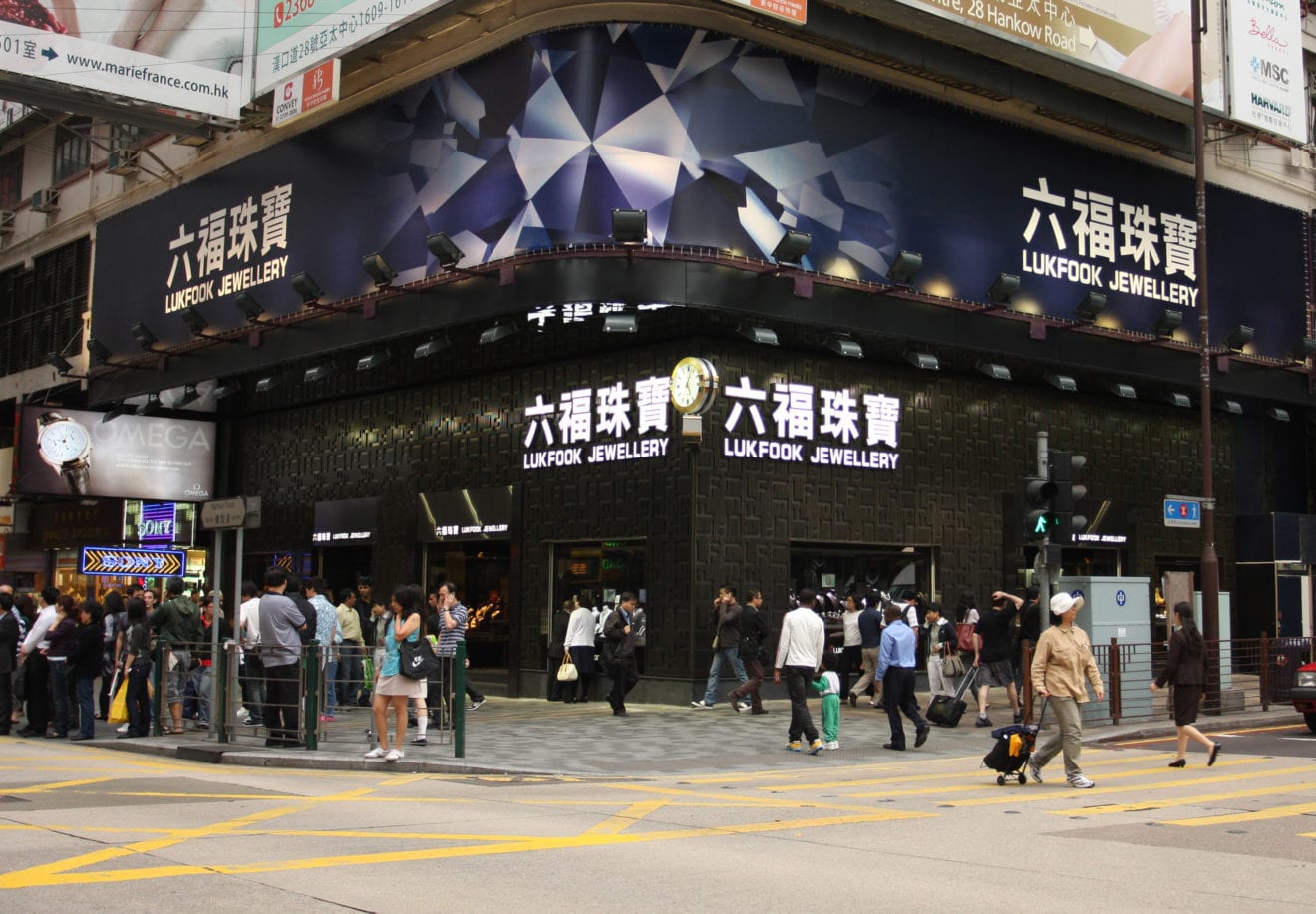
    After 12 consecutive quarters of decline, jeweller Luk Fook has recorded a 2 per cent turnaround for its fourth quarter, ended March 31.

    The retailer says that with a relatively low base and encouraging improvement in the Hong Kong/Macau market, same-store sales growth moved back into the black for its self-run outlets.

    In addition, Luk Fook sales of gold and gem-set jewellery products rose 16 per cent and 6 per cent respectively in Mainland China leading to double-digit growth for the first time this year, reaching 11 per cent.
    On the other hand, the same-store sales of gem-set jewellery products in Hong Kong and Macau also turned around from a decline of more than three years to achieve 12 per cent growth.

    During the quarter the group opened four self-run shops on the mainland and closed one licensed shop. At the end of March the group had 199 self-run shops in total – 133 in China, 47 in Hong Kong, 10 in Macau and nine in other countries. Together with 1296 licensed shops in China and one in Korea, there were a total of 1496 shops worldwide.

  • Givenchy Kids collection launched

    Givenchy Kids collection launched

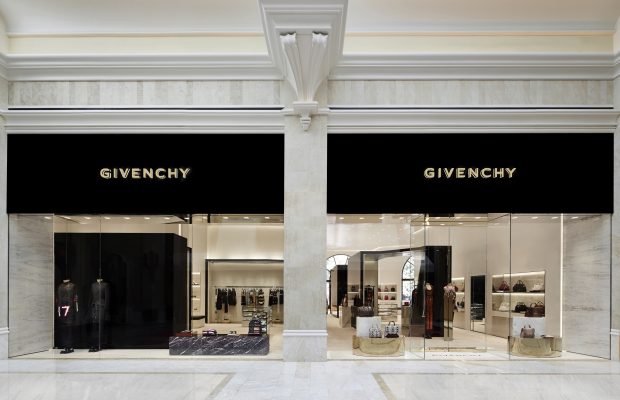
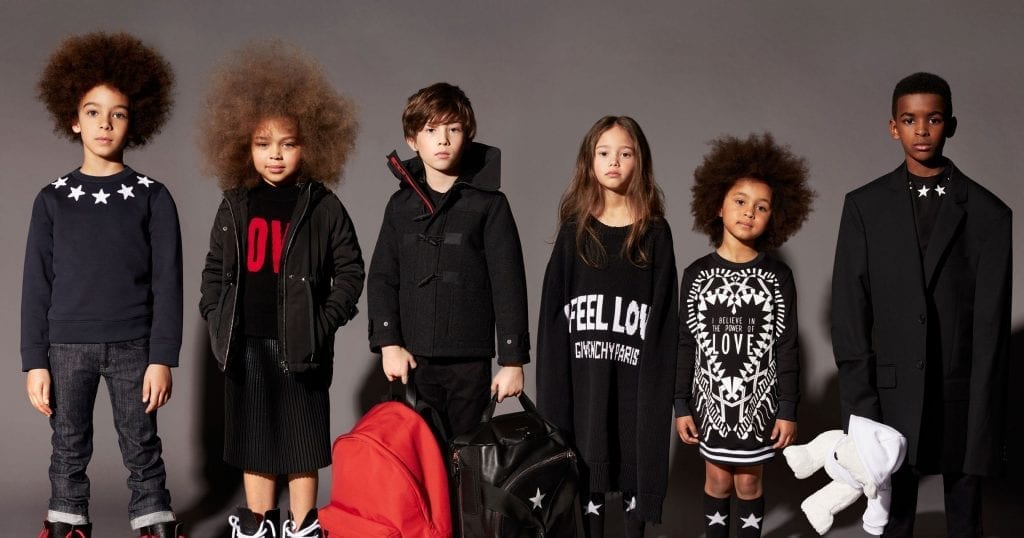
    French luxury fashion house Givenchy is launching its first childrenswear collection, for the fall/winter season.

    In the style of its men’s and women’s ready-to-wear collections, the Givenchy Kids line will offer a complete wardrobe with iconic “mini-me” pieces for babies and children up to 12 years old.
    Key looks include streetwear-inspired pieces, denim, house classics and a selection of couture looks for special occasions.

    The line will debut in July in 150 stores worldwide, including multi-brand stores and the CFW Retail concept store Kids Around. A curated selection of pieces will later be available online.

    All up there are 130 pieces in the collection – 60 for girls, 40 for boys and 30 for babies. Prices will range from €80 (US$85.75) to €300.

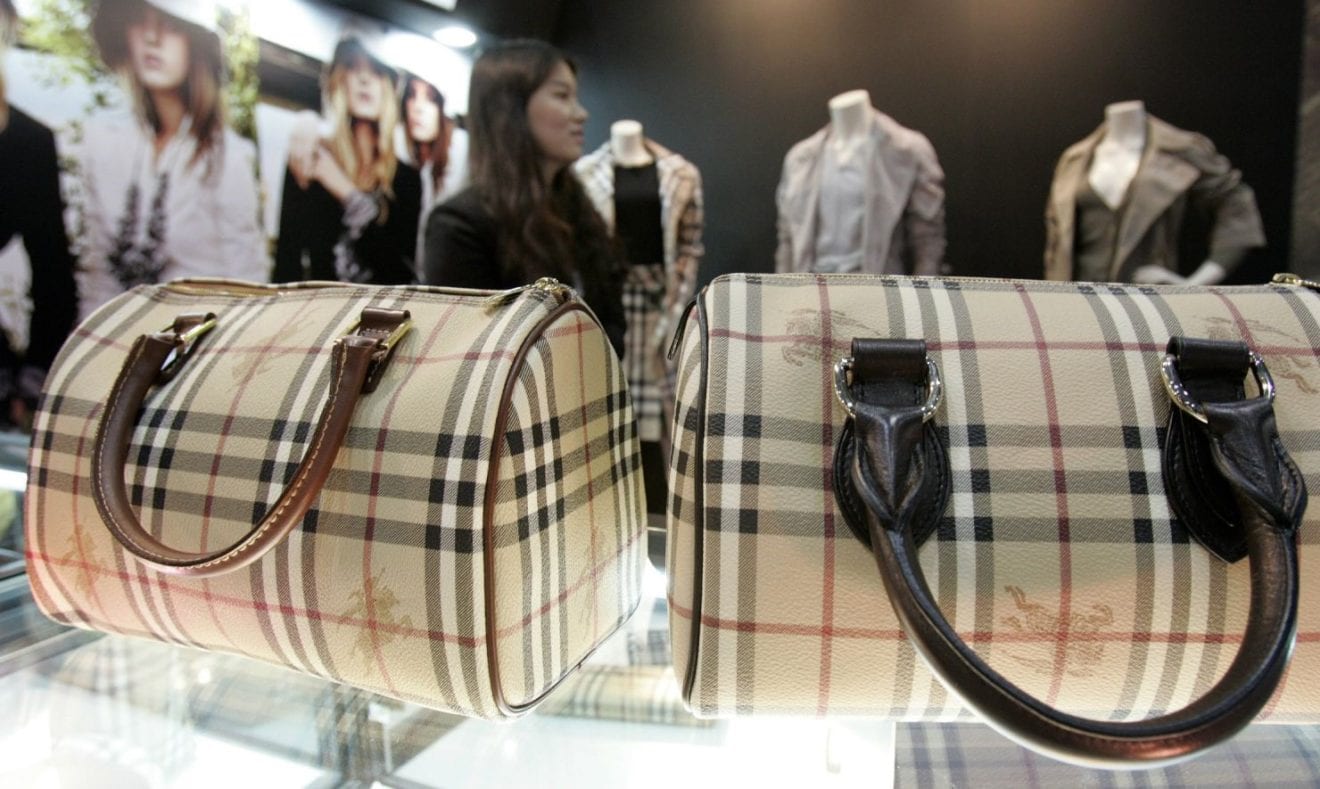
  • Burberry sales ‘lacklustre’ despite China boost

    Burberry sales ‘lacklustre’ despite China boost

    Strengthening sales in Mainland China and an “exceptional” UK performance helped UK luxury fashion retailer Burberry weather a weakening US market in its second half year.

    Same-store Burberry sales rose 3 per cent – a lesser rate than during the third quarter. The company said a recovering Mainland China market had driven growth in Asia-Pacific.

    Incoming CFO Julie Brown says UK Burberry sales soared 90 per cent during the second half year as US tourists took advantage of the weaker pound in the UK.

    But sales in its wholesale division fell by 13 per cent and licensing sales fell 38 per cent, although the latter was largely due to the company taking back control of its Japan business.

    While based in Great Britain, the bulk of Burberry’s turnover is abroad and Hong Kong and China comprise its largest market.

    Releasing its second half year sales figures, the company revised down its estimate of the sales boost from the weaker UK currency from an earlier projected £130 million to £115 million. And it warned shareholders to expect a £10 million hit in 2018.

    Charlotte Pearce, associate retail analyst with GlobalData, described the second half results as “lacklustre” following impressive third quarter figures.

    “Burberry’s international performance in the second half has proved disappointing, with declining sales in Korea and the US and a challenging market in the Middle East bringing down the brand’s overall performance.

    “However, its plan to invest in store refits will help to increase footfall, especially in areas such as Hong Kong, where trading has historically been much more positive.”

    She said Burberry’s strong digital performance, particularly via mobile, continues to drive growth for the luxury brand as it maintains its reputation as a digital innovator in the luxury market.

    “Burberry live-streamed its February catwalk show on Instagram, giving the brand a sense of accessibility and allowing the brand to engage with shoppers on a platform where many consumers are regularly active. Burberry’s investment in experiential retail, including its app which will be rolled out in English speaking countries from the first quarter, will resonate well with modern shoppers and enable it to promote new products.”

  • Chow Tai Fook sales recovering in Hong Kong, Macau

    Chow Tai Fook sales recovering in Hong Kong, Macau

    Same store Chow Tai Fook sales in Hong Kong and Macau “continued to show a sequential improvement” during the first quarter of the year.

    The trend reverses 12 consecutive quarters of decline by the Hong Kong-listed jeweller, the first increase since last last three months of 2014.

    Chow Tai Fook says Mainland China same-store sales rose 12 per cent year-on-year and in the two SARs by 4 per cent. However, sales volume declined by 2 per cent in the mainland and 1 per cent in Macau and Hong Kong.

    Performance of gold products in both Mainland China, Hong Kong and Macau benefitted from an increase in Average Selling Price, rising 19 per cent. But sales of gem-set jewellery fell 17 per cent year-on-year during the quarter in the two SARs.

    “The percentage of RSV (retail sales value) settled by China UnionPay or RMB to the total RSV of Hong Kong and Macau market, a proxy for sales contribution from Mainland tourists, declined to 45 per cent in the quarter as compared to 49 per cent of the same period last year,” Chow Tai Fook said in its stock exchange filing, adding that “such contribution was similar to that in the first half of FY2017”.

    The company had 2381 points of sale as of end-March, with 102 located in Macau and Hong Kong.

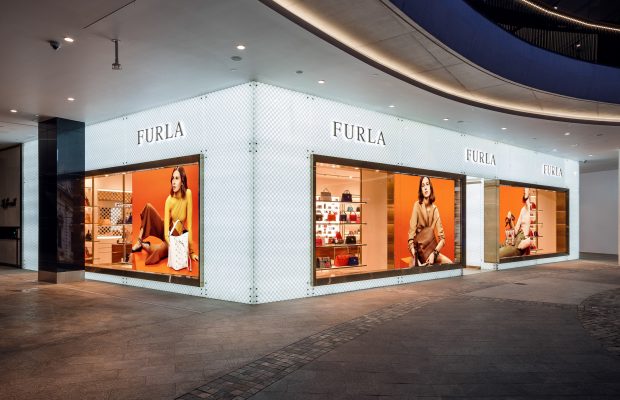
  • Furla to buy back Australian distribution from Luxury Retail Group

    Furla to buy back Australian distribution from Luxury Retail Group

    Furla Group announced the buyback of the Australian distribution network from its distributor, Luxury Retail Group (LRG). Furla opened the first boutique in Westfield Sydney in December 2013, and now has 15 stores in Melbourne, Sydney, Brisbane and Gold Coast.

    Furla acquires 100% of the distribution network, reaffirming the brand’s vision of further strengthening its presence in Australia and New Zealand. This year, Furla plans to open 5 more stores in Australia and New Zealand, beside enlarging the existing Westfield Sydney boutique: by the end of 2017, the network will be made up of 20 Furla stores.

    “Australian market is very important for Furla and crucial in our expansion plan. Since 2013, Luxury Retail Group has been the best key partner to work with as it perfectly embodies the Furla vision, values and DNA: this is the reason why the two LRG directors will remain as board members of Furla Australia” said Alberto Camerlengo, Furla Group CEO, “We expect that in 2017 Australian business will represent the 5% of the global revenues, we are very proud to announce this acquisition. We aim to enhance the distribution in this Country given the success of the Furla retail strategy and the very positive response of Australian customers”.

    “We believe the timing makes sense for Furla to reacquire its distribution.” Nelson Mair, Managing Director of LRG also added, “After having achieved 95% sales growth in 2016, this vertical integration of Furla Australia will better equip the business for the next phase of its growth. I am extremely proud of my team and what they have been able to achieve in such a short space of time and thankful to Furla for trusting their wonderful brand to us”.

    Furla has a direct presence in 100 countries; with 444 monobrand stores that are split evenly between directly-owned boutiques and franchises. The Company also has distribution in multibrand and department stores in 1,200 international locations.

  • Luk Fook Sees Improved Jewelry Sales

    Luk Fook Sees Improved Jewelry Sales

    Hong Kong-based jeweler Luk Fook Holdings recorded its first quarterly growth for same-store sales in three years, driven by its gem-set jewelry offering and an improvement in Hong Kong.

    The company reported a 2% rise in overall same-store sales across its 199 self-operated stores during the fiscal fourth quarter, which ended March 31. An 11% rise in the gem-set jewelry segment offset a 1% decline in gold sales.

    The report did not include sales at Luk Fook’s licensed shops — stores that the company licenses other parties to operate — or e-commerce sales.

    With a relatively low base and an encouraging improvement in Hong Kong and Macau in March, the group’s retail business recorded a turnaround after 12 consecutive quarters of decline, Luk Fook said.

    Same-store sales in Hong Kong and Macau, where all its stores are self-operated, went up 1%, with gem-set jewelry rising 12% and gold products declining 5%. Aside from improved market sentiment, Luk Fook attributed the growth to an increase in high-value gem-set jewelry sales in March.

    In mainland China, same-store sales rose 11% overall, with gold products increasing 16% and gem-set jewelry growing 6%.

    The jeweler opened four self-operated locations in mainland China during the quarter for a total of 133 in that locale, alongside 47 stores in Hong Kong, 10 in Macau and nine in other areas. Luk Fook also had 1,296 licensed shops in China and one in Korea at the end of the quarter.

  • Zalora to stock Abercrombie & Fitch in Asia

    Zalora to stock Abercrombie & Fitch in Asia

    Abercrombie & Fitch has entered into a wholesale agreement with Asia’s online fashion destination, Zalora.

    From next week, Zalora will stock Abercrombie & Fitch in Asia – first Hollister-branded merchandise, followed by Abercrombie & Fitch-branded lines later this month.

    The deal puts authentic Abercrombie & Fitch products into 11 Asian markets including Hong Kong, Singapore, Indonesia, Malaysia, Brunei, the Philippines and Taiwan.

    “This partnership will provide Abercrombie & Fitch access to more than 600 million of Zalora’s online customers,” said Fran Horowitz, CEO of the US fashion giant.

    “We are looking forward to partnering with Zalora to build on our strong base of loyal customers across Southeast Asia. We work hard to connect with customers wherever, whenever, and however they prefer to shop and we continue to invest in relationships and innovation to support that.”

    Horowitz said Zalora provides customers benefits including quick deliveries – as fast as three hours in some markets – and up to 100-day free returns.

  • Prada sales slip 10 per cent to US$3.3 billion

    Prada sales slip 10 per cent to US$3.3 billion

    Sales for luxury group Prada slipped 10.4 per cent for its fiscal year to January 31 to reach €3.1 billion (US$3.3 billion).

    The result is disappointing coming just 24 hours after LVMH reported a 15 per cent increase in sales across its multitude of brands in the latest quarter, albeit that Prada’s figures are for a full year.

    Royalties rose by 3.1 per cent to €44.8 million compared with the previous 12 months, and pre-tax earnings reached €431.2 million, or 13.5 per cent on net revenues. The group’s net income was €278.3 million.

    Prada says it was a challenging 12 months as it made concrete plans for brand development and launched an overhaul of its main processes. This transition phase coincides with the completion of a long-term plan for geographical expansion of its retail network and a bid to achieve an innovative form of integration with the digital universe.

    “The business climate was mired in uncertainty because of ongoing geopolitical tensions of
    global impact, as well as new events that have suddenly changed economic balances around the world,” says the Hong Kong-listed group.

    Meanwhile, stabilisation of some currency trends paved the way for a recovery in domestic consumption, as in China and Russia, although growth in these markets has not yet compensated for the drop in cross-border tourism.

    New designs

    Against this backdrop, the group says it took the initiative on several fronts, starting as always from the development of innovative products. Items were designed for Prada and Miu Miu in every category, particularly leather goods, including iconic handbags and special editions.

    The group also focussed on store renovation with a massive restyling program to create more intimate, exclusive environments, updated to meet new aesthetic guidelines for Prada and Miu Miu.

    During the year the group also made industrial changes under a three-year plan adopted in 2015, which aims to strengthen control over the production process by insourcing “some of the most delicate phases”. These investments are aimed to help preserve the craftsmanship at the heart of the group’s business model, while underscoring its ties to the Italian community and the sustainability of its manufacturing cycle.

    Based in Milan, Prada works with the Prada, Miu Miu, Church’s and Car Shoe brands in the design, production and distribution of luxury handbags, leather goods, footwear, apparel and accessories. The group also works in the eyewear and fragrance industries under specific licensing agreements. Its products are sold in 70 countries through a network including 620 directly run stores and select luxury department stores, independent retailers and franchise stores.