Category: Fashion

Retail News Asia is committed to providing both local and global retailers with the latest Fashion news throughout the Asian market. This on a daily base.

  • L Catterton Asia launches beachwear platform

    L Catterton Asia launches beachwear platform

    Australian swimwear brand Seafolly and Colombian beachwear brand Maaji are the first signings for a global lifestyle platform launched by L Catterton Asia.

    Based in Singapore, L Catterton Asia is an arm of private equity firm L Catterton, formed last year through a partnership between Catterton, LVMH and Groupe Arnault. It will be the controlling shareholder of the combined business, with the Maaji and Seafolly founders as minority shareholders.

    It is the first step in the aggregation of the fragmented swimwear/beachwear industry.

    Seafolly was founded in 1975 by Peter and Yvonne Halas, and has been led by Anthony Halas since he became CEO in 1998. He has built the business across international markets in Europe, North America and Asia. L Catterton Asia acquired a controlling interest in the brand in December 2014, and now it is sold in 41 countries (there are four stores in Singapore) as well as online.

    Maaji was founded by sisters Manuela and Amalia Sierra in 2002, and has a presence in more than 54 countries.

    “With this unparalleled combination of Maaji and Seafolly we look to grow our portfolio and create the largest independent house of beach lifestyle brands,” says L Catterton Asia chairman/managing partner Ravi Thakran. “This combination will drive many synergies, including geographic expansion, retail rollout and product sourcing.”

    L Catterton Asia’s goal is to preserve each brand’s DNA and heritage, while enabling the brands to enhance their global growth.

    Previously known as L Capital Asia, L Catterton Asia was launched in 2009 and manages more than US$1.6 billion across two private equity funds, and more than US$2 billion including co-investments. It has offices in Singapore and Mauritius, with further regional advisory presence in Hong Kong, Mumbai, Shanghai and Sydney. Its investments include Charles & Keith, Crystal Jade, Pepe Jeans Group and YG Entertainment, which promotes Korean singers and entertainers like Big Bang and Psy.

  • Pink Star diamond sells for record $553 million

    Pink Star diamond sells for record $553 million

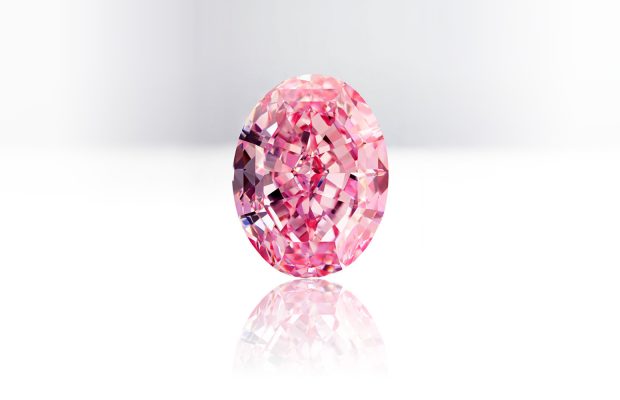
    Hong Kong jewellery company Chow Tai Fook ­has paid a record HK$553 million (US$71.2 million), including fees, for the illustrious Pink Star diamond.

    This makes the diamond the most expensive ­precious stone sold at auction. The sale relieves auction house Sotheby’s of unwanted inventory it was forced to take on three years ago.

    Measuring 2.69cm by 2.06cm and set on a ring, the 59.6-carat stone is the largest “internally flawless fancy vivid pink” diamond ever graded by the Gemological Institute of America, the industry arbiter. It is more than twice the size of the 24.8-carat Graff Pink, previously the most expensive pink diamond, which fetched US$46.2 million including fees in Geneva in 2010.

    The previous record holder for any diamond was the Oppenheimer Blue, a 14.6-carat “vivid blue”, which sold for 56.9 million Swiss francs (US$56.7 million) in Geneva last May.

    Chow Tai Fook, owned by the family of late tycoon Cheng Yu-tung, last year bought a 5.03-carat green diamond, Aurora Green, for HK$130 million at auction, and a 507-carat Cullinan Heritage rough diamond for HK$275 million in 2010. The Cullinan Heritage was subsequently cut and turned into a necklace.

    Asia overtook the US last year as the largest auction market, prompting Sotheby’s to opt for Hong Kong instead of Geneva to sell the Pink Star. The Swiss city is the traditional centre for sales to dealers.

    “Industry buyers remain the biggest market for large precious stones, but we are seeing great potential for growth among Asian private collectors. That’s why we did not sell this in Geneva,” says Sotheby’s Asia chairwoman Patti Wong.

    Sotheby’s initially sold the Pink Star in 2013 after New York cutter Isaac Wolf, acting on behalf of Ukrainian investors, made a record bid of 68 million Swiss franc for it. However, says Wong, his backers failed to come up with the money.

    Sotheby’s had made a pre-sale guarantee to the seller for the diamond, then estimated at US$60 million, and had to buy it when the sale fell through. It placed the diamond in its inventory with a value of US$72 million.

  • CVS Pharmacy introducing Korean beauty range

    CVS Pharmacy introducing Korean beauty range

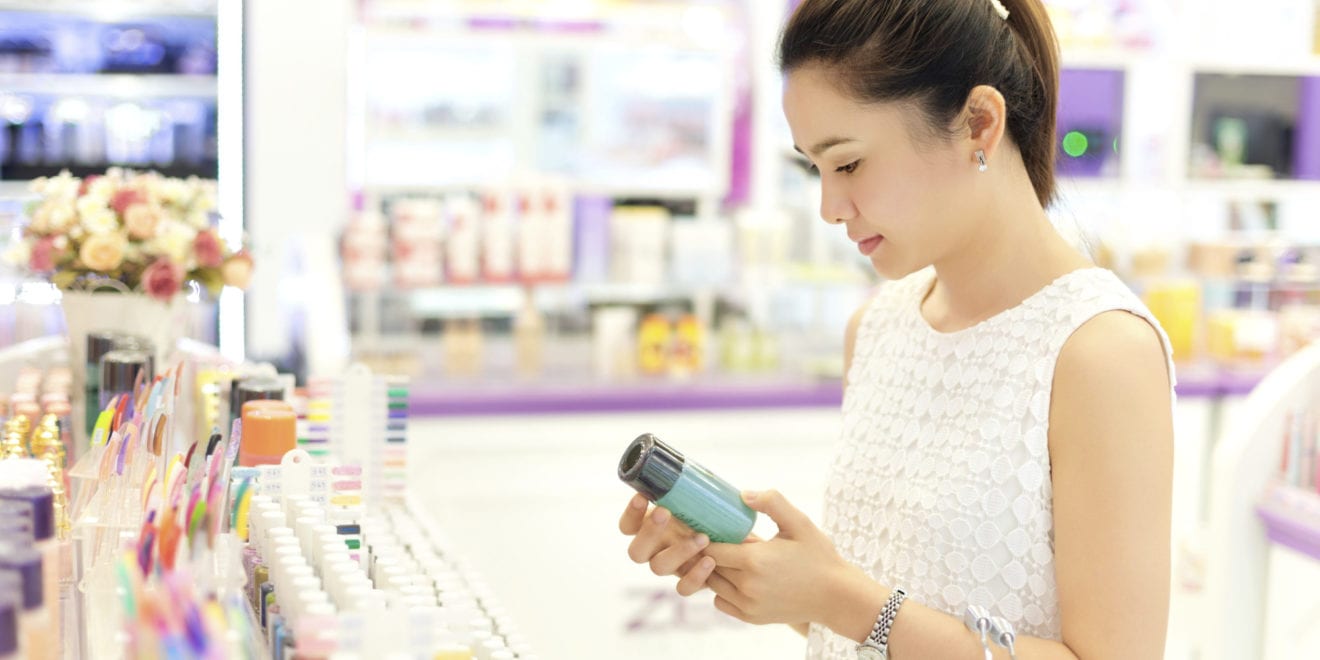
    CVS Pharmacy is introducing Korean beauty products to the US, launching its K-Beauty HQ concept at 2100 stores across the nation.

    In one of the largest Korean beauty initiatives globally, more than 100 products – some exclusive to CVS – are being rolled out from this month in a partnership with Korean beauty expert Alicia Yoon, founder of e-retailer Peach & Lily.

    CVS VP of merchandising for beauty and personal care Alex Perez-Tenessa says the curated selection features innovative products including masks, skincare regimens, “whimsical” cosmetics and innovative ingredients such as egg oil and snail mucin.

    “While Korean beauty has been steadily growing in popularity, there are still so many people who cannot easily access the products,” says Yoon. “CVS Pharmacy’s focus on health and beauty is at the core of Korean beauty ideals.”

    Yoon will also launch her Peach Slices beauty brand exclusively at CVS Pharmacy. It includes nine K-beauty products with natural ingredients like honey and yuzu, and natural cotton masks without chemicals, dyes, alcohol, parabens or sulfates.

    K-beauty brands available for the first time in the US at CVS Pharmacy include waterless fruit-based Frudia skincare, Elisha Coy with naturally derived ingredients to help replenish skin moisture and support cell regeneration, pore-focussed JJYoung by Caolion Lab, and Ariul Egg Collection to help reduce inflammation, boost elasticity and fight free radicals.

    Other brands include Ariul mask, Saem natural products, and the Holika collection with its Sanrio-inspired Gudetama peeling gels.

    As well as stores, K-Beauty HQ products will be available online.

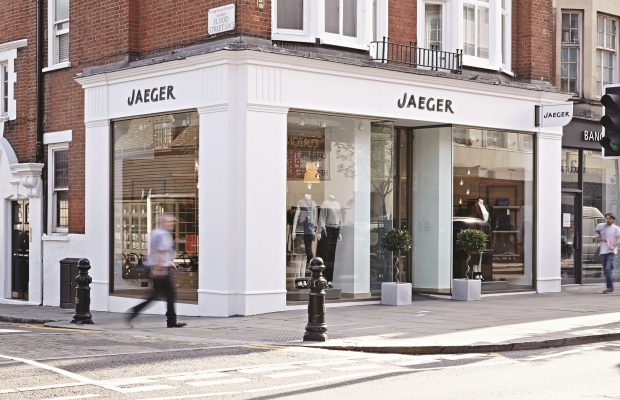
  • Fashion retailer Jaeger reportedly on brink of collapse

    Fashion retailer Jaeger reportedly on brink of collapse

    Century-old UK fashion retailer Jaeger is reportedly on the brink of entering administration.

    The 25-store strong chain was recently sold by private equity company Better Capital to an unidentified buyer, but according to a report in the Sunday Times, the business is believed to be beyond repair.

    Better Capital paid £19.5 million for Jaeger in 2012, but the business has not been profitable since.

    Jaeger received a royal warrant in 1910 and in its heyday, its fashion models included Audrey Hepburn and Marilyn Monroe. But the business entered a decline in the 1980s, overtaken by more popular brands from Europe.

    The Sunday Times reported the mystery buyer was Edinburgh Woollen Mill, which has a track record of buying distressed retail businesses and turning them around.

    “Edinburgh Woollen Mill has a history of buying troubled retailers and turning them around, and it’s one of the more credible bidders for Jaeger,” an unnamed source told the Press Association.

  • King Power Group plans THB10 billion expansion

    King Power Group plans THB10 billion expansion

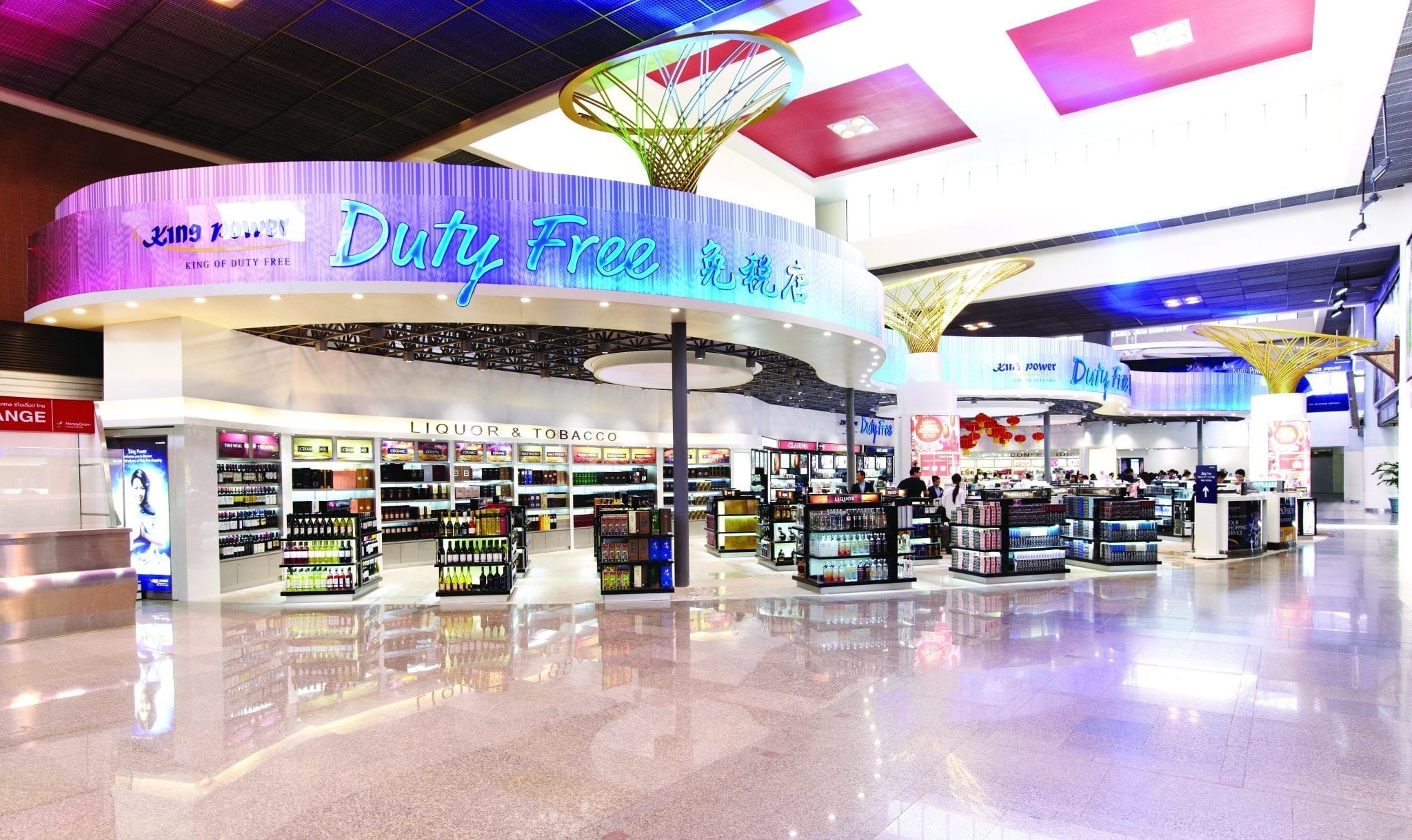
    Thai duty-free giant King Power Group plans to spend THB10 billion (US$290.4 million) for business expansion over the next five years.

    CEO Aiyawatt Srivaddhanaprabha says the budget will be used to open five branches in Thailand and overseas, bringing its total to 14 by 2021. The stores are planned for downtown in major tourist destinations, with Chiang Mai one location being considered.

    The group will also join the bidding for a duty-free shop concession at U-Tapao International Airport, which serves Pattaya and Rayong.

    King Power is also studying opportunities to open and manage duty-free shops at such Asean airports as Myanmar and the Philippines.

    “King Power is set to become a top-five duty-free chain within five years,” says Srivaddhanaprabha. “Expansion both overseas and domestically will help grow our sales by 20 per cent to reach 130 to 140 billion baht in five years, on a par with leading duty-free brands in the US.”

    The company is the world’s seventh-largest duty-free chain, with its sales of THB75 billion last year missing its target by THB11 billion because of weak spending by Thai tourists and a drop in Chinese tourists. Tourists from China, Thailand and other Asean countries contributed about 75 per cent of its total sales last year, and the group is aiming for sales of THB92 billion this year.

    “Chinese tourists have rebounded, but are not back to normal yet,” says Srivaddhanaprabha.

    King Power will allocate THB400-500 million to promote its business this year, and has already pegged THB100 million to place its logo on three Thai AirAsia (TAA) jets and put advertising inside more than 40 TAA aircraft. The group hopes the tactic will raise the number of shoppers at its branches by 20 per cent this year.

    Meanwhile, King Power is ready to bid for a new licence to run a duty-free shop at Bangkok’s Suvarnabhumi airport when its present licence expires in 2020.

    It will also allocate about THB2.5 billion to renovate its Rangnam branch in Bangkok, which will be closed for renovation from next month.

  • Louis Vuitton Changi duplex to open in January 2018

    Louis Vuitton Changi duplex to open in January 2018

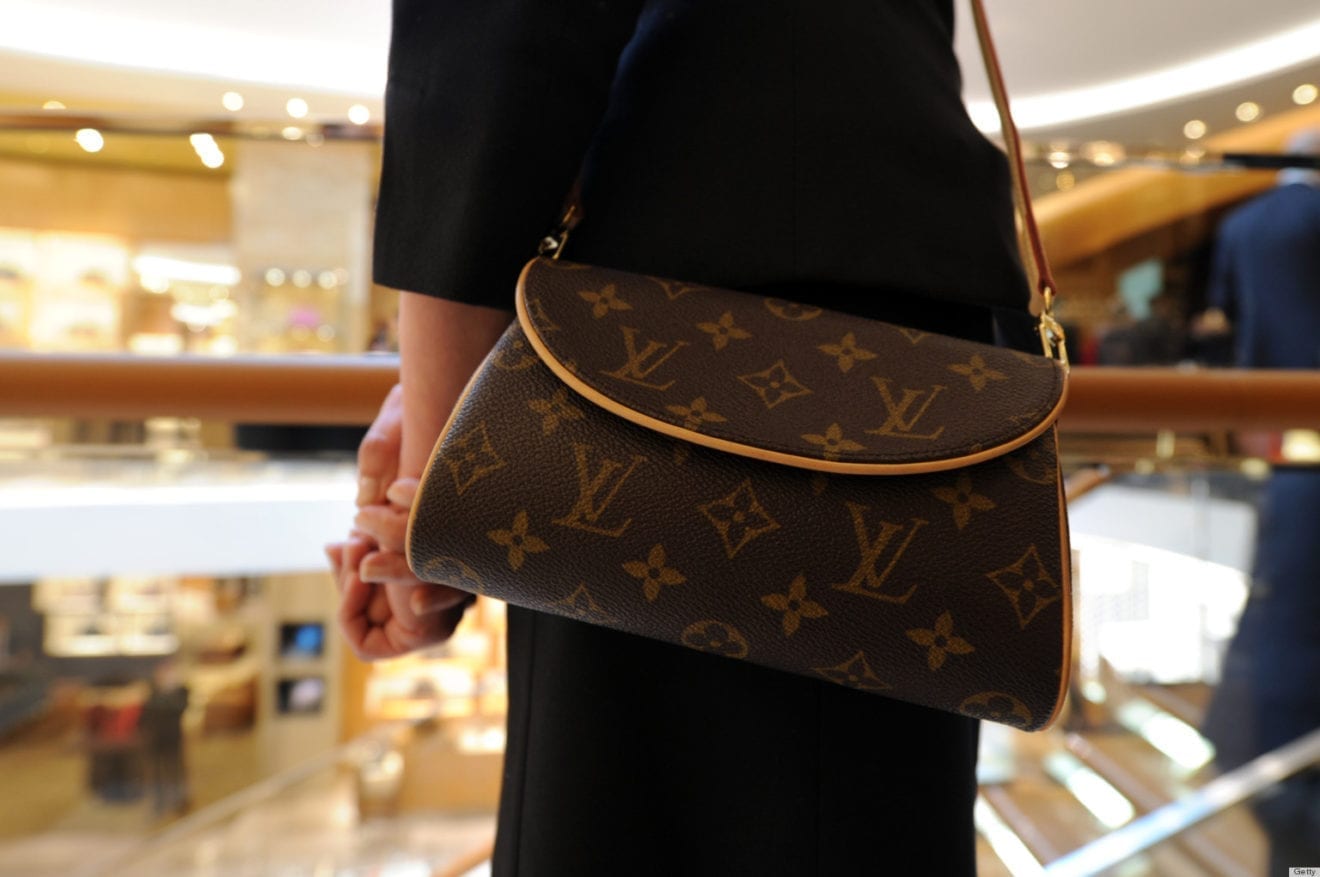
    Louis Vuitton is to open a two storey store at Singapore’s Changi Airport – its first passenger terminal duplex in the world.

    The Louis Vuitton Changi store is scheduled to open in January 2018 as the centrepiece of a new garden in Terminal 3’s departure transit hall.

    Designed as a glasshouse it will be built in the centre of the planned Crystal Garden, which Changi management say is “inspired by artistic floral centrepieces” and a new space “chicly adorned with tiered garden beds featuring a curated selection of flora and spheres of artisan glass sculptures”.

    The 530 sqm Louis Vuitton Changi store will be first the airport store in Asia Pacific to be directly managed by the French luxury retail group and feature a tailored product mix suited to travellers.

    Michael Burke, chairman and CEO of Louis Vuitton, says his company had waited for “the perfect moment” and “the perfect place” to open the new store at Changi Airport.

    “Louis Vuitton is a brand intrinsically related to the history of modern travel. Given the right place and the right timing, it was more than natural for Louis Vuitton to create a space inside Singapore Changi Airport, dedicated to modern travelers.”

    Since it opened in 1981, Changi Airport has pioneered the concept of airport gardens, now well-loved among travellers.

    “This is the first time Changi is integrating a feature garden with a retail store – a testament to how the airport constantly strives to rejuvenate its award-winning amenities and offerings to enhance the Changi Experience.”

    Changi Airport Group CEO Lee Seow Hiang says Louis Vuitton shares the airport company’s vision to redefine the future of luxury retail in an airport.

    “The revolutionary duplex store, set amidst an elegant Crystal Garden, will become a distinctive attraction for passengers who fly through Changi Airport, and we look forward to embarking on an exciting journey of discovery with them when the store opens.”

  • Study Reveals Hong Kong Shoppers Are Just Having a Fling with Fast-Fashion Retailers

    Study Reveals Hong Kong Shoppers Are Just Having a Fling with Fast-Fashion Retailers

    Global loyalty marketing agency ICLP surveyed 750 consumers in Hong Kong and asked them the brand that comes to their mind first of the retailers that they shop regularly. The survey reveals a correlation between characteristics of sectors and brand relationships, and found that the two “most named” retail sectors are supermarkets and fast-fashion retailers. The findings show that Hong Kong consumers lack passion and commitment towards supermarkets. On the other hand, though 64% of Hong Kong consumers naming fast-fashion retailers as their top-of-mind brands are Millennials, one of every three are in a ‘casual’ relationship with that brand. Brands need to understand the individual buying behaviours and purchasing decisions of their customers in order to map out suitable solutions to engage them and thus strengthen the customer relationship.

    The survey, which reveals underlying gaps in the retail experience of Hong Kong consumers, asked respondents to rate their expectation and experience of core relationship criteria to determine if their relationship contained commitment, intimacy and passion. These criteria were then mapped onto a model based on Sternberg’s Triangular Theory of Lovei in partnership with an expert on relationship dynamics, Professor Ron Rogge at the University of Rochester in the United States. While retailers should be aiming for a devoted customer relationship which incorporates commitment, intimacy and passion, the study showed that Hong Kong retailers are still far from achieving this.

    Missing Passion and Commitment towards Supermarkets

    In the ICLP survey, over 30% of the total respondents named supermarket brands as their top-of-mind brands. More than half of them are Generation Xers born between 1965 and 1980. This is may be because, while supermarkets target the mass public, their most frequent customers are from mature age groups such as the elderly and housewives. Among those who named supermarket brands in the survey, 35% are in a ‘liking’ relationship which lacks passion and commitment. They only feel intimacy towards the brand, meaning that many come into contact with the brand on a regular basis, and are willing to share information and interested in obtaining information about products.

    The nature of the business and characteristics of the sector could well be one reason for the results. Supermarkets are where consumers acquire their daily consumption needs, and players in this retail sector offer close to the same selection of products, consistent quality, standardised commodities and self-service. Supermarket customers emphasise value for money and are price-sensitive. They are likely to switch supermarket brands when the next best offer comes along. This is also reflected from the smallest gap of reliability between expectation and experience of relationship criteria according to the study. Minimal brand enthusiasm with no engagement has resulted in the large percentage of ‘liking’ relationships. 

    The study also reveals the disconnection between expectation and experience of core relationship criteria is mainly attributed to communication, followed by rewards, representing 26% and 25% of experience not meeting expectation, respectively.

    Looking into the gap in these relationship criteria, the respondents’ actual experience compared to expectation fell behind in the following areas:

         9% in getting access to special and exclusive offers

         8% in being asked how they would like to be communicated to, e.g. phone, email, SMS

         6% in feeling that their custom and loyalty is rewarded

         6% in feeling that they are rewarded with offers that are tailored to them

    Mary English, General Manager at ICLP, commented: “The distribution of relationship type for supermarkets best demonstrates the application of the Triangular Theory of Love. It is normal for supermarket to achieve ‘liking’ relationships as customers actively look for daily product information from supermarkets and emphasise value for money. However, supermarket brands should consider how to create stronger reward programmes and ensure consumers access to special and tailor-made offers in order to enhance the emotional connection between their brand and customers, thus developing ‘devoted’ relationships.

    Loyalty strategies for supermarket brands have to evolve as the market is changing. Nowadays, comprehensive personalised loyalty programmes are more significant than traditional points-based reward programmes. Supermarkets need to understand the key drivers that build more loyal relationships, which encourage customers to spend more and become better brand advocates. Communication is of paramount importance to create a reciprocal sense of passion that drives ‘devoted’ relationships. It is recommended that supermarket brands maintain a close, interactive and instant communication with customers in the way that their consumers prefer, and be mindful of the tone of communication with customers.

    Fast-Fashion Retailers Missing All Three Relationship Components

    In the survey, 15% of total respondents voted fast-fashion brands as their top-of-mind brands. Over 60% of them are Millennials born post-1980, as fast fashion targets the younger generation who keep updated of the latest trends and expect a rapid response. Among those who selected a fast-fashion brand, 33% respondents are in a ‘casual’ relationship with limited passion, intimacy and commitment; that is, they like the brand but avoid getting too engaged. This may be explained by the characteristics of the fast-fashion sector. Fast-fashion brands do not heavily emphasise brand character and identity, but focus on the availability of options and trendiness, coupled with relatively low prices.

    Disconnection between expectation and experience of core relationship criteria in this sector is mainly attributed to recognition, followed by respect, representing 42% and 33% of experience not meeting expectation, respectively. Looking into the gap in these relationship criteria, the respondents’ actual experience compared to expectation fell behind in the following areas:

         16% in sending them a message, gift or offer on their birthday

         9% in feeling that the brands have their interest at heart

         8% in feeling that their personal information is treated with respect and is used for their benefit

    Mary added: “As a majority of Hong Kong Millennials are less committed and passionate towards their favourite retailers, fast-fashion brands need a cohesive consumer engagement strategy to improve commitment and passion, and foster ‘devoted’ relationships with Millennials. While fast-fashion retailers keep customers updated with the latest trends and products information, they still have some way to go in structuring their brand character and identity, and incorporating these elements into their loyalty programmes, which are only price-driven, in order to enhance emotional connection between customers and their brand.

    As a segment with high spending potential, Hong Kong Millennials are seen as an influential generation that loves online shopping. They can easily access online shopping platforms to review product information and comment before making purchase decisions. Any brand that is able to develop an innovative online-to-offline customer engagement strategy will have a chance to stay ahead of the competition. While online shopping brings convenience to both brands and customers, the conversion of online shoppers into real-life foot traffic remains essential for brands to succeed in an increasingly digital retail environment.

    With the rise of digital platforms and e-commerce, retailers need to understand individual customers’ needs by leveraging customer data such as purchase preference and consumption habits, and by big data analysis. To build closer connections with Millennials, fast-fashion brands should fully utilise social media such as fan pages, forums and social media activities with incentives to engage Millennials who frequently use digital media during their shopping journey, and actively listen across channels to win long-term trust from customers. Relevant recommendations and insights on the latest trends from the brand based on their preferences are top of Millennials’ demands. ”

    No Standard Formula for Customer Loyalty Approaches

    When comparing the two sectors – fast fashion versus supermarkets, fast-fashion retailers have more ‘casual’ relationships than supermarkets by nearly double. The uniqueness of each sector plays a certain role in affecting the distribution of relationship type. Compared to supermarkets, the disconnection between the expectation and experience is also larger for fast fashion. However, all retailers should acknowledge their shortcomings in order to build devoted relationships with as many of their shoppers as possible.

    Mary concluded: “Despite the same backdrop, different sectors of the retail industry require different customer loyalty approaches. Brands should start by understanding individual buying behaviours and purchasing decisions with the aid of different customer data analytics, in order to map out integrated solutions to engage customers and thus strengthen the customer relationship.”

  • Here’s where K-beauty is driving Western skin care, cosmetics

    Here’s where K-beauty is driving Western skin care, cosmetics

    New research from Mintel, presented at in-cosmetics Global, is taking a look at the size of South Korea’s beauty market, the changes Korean beauty has brought to the global market and what trends to expect in the coming year.

    Mintel notes that South Korea is among the top 10 global beauty markets, with its market size sitting at $13 billion in 2017, with facial skin care composing $6.5 billion in retail sales. It’s expected that facial skin care will grow at a 5.8% compound annual growth rate for the next five years, hitting $47.2 billion in 2020. Color cosmetics make up the second-largest segment of the Korean beauty market, and Korean shoppers spend $45 per capita on color cosmetics, compared with the $37 per capita spend in the U.S.

    “The Korean beauty market remains buoyant thanks to fast-paced innovations and highly engaged consumers who don’t hesitate to adopt novel products delivering new beauty experiences,” Mintel senior beauty analyst Jane Jang said. “The success of the market has been heavily driven by the boom of facial skincare, but is also highlighted by the impressive per capita spend on color cosmetics which is more than double the global average.”

    In addition to the size of the beauty market in Korea, the trends that have driven its growth have gone global, with such retailers as CVS looking to capitalize on it with and expanded K-beauty selection that includes exclusive brands and products. Mintel projects continued influence from Korea on product innovation and launches.

    “Looking at facial skincare, 2017 will be the year of extreme segmentation. Products will become increasingly targeted and multi-functional, responding to the needs of knowledgeable and demanding consumers,” Jang said. “South Korean Beauty routines can consist of up to 10 steps, and a common obsession for specific claims – especially moisturizing, brightening, whitening and anti-ageing — means that most products combine multiple functions. The goal is to achieve the so-called ‘chok-chok’ skin, which is supposed to look bright, fair, plump, dewy and youthful.”

    Trends in skin care will include such hybrid concoctions as exfoliating moisturizers, anti-wrinkle whitening tone-up creams and nourishing oil serums, Jang said, as well as transformative textures — powder-to-serum, oil-to-foam and water-to-cream products. Jang also notes that natural is a big factor in K-beauty, with 69% of 2016 South Korean skin care launches including herbal or botanical claims.  And sheet masks are here to stay, Jang noted.

    When it comes to cosmetics, Mintel predicts that the skin care trends of hybrid textures and formats will carry over, with focuses on jellies, gels, mousses and watery oils. The main category seeing growth from hybrid formats has been the lip care category. Cushion compacts from Korea also have broken into the U.S. market, with 54% of global cushion compact launches taking place in Europe and the United States from October 2015-Setpember 2016.

    “Because of K-beauty’s growing popularity worldwide, Western brands are constantly looking to South Korea for their next inspiration, seeking to adapt popular South Korean beauty formats for Western consumers,” Jang said. “The popularity of South Korean beauty products is due to their high performance combined with fun packaging and sensorial cues, as well as affordable prices. By gaining the attention of bloggers, vloggers and the media, the K-beauty wave is spreading to retailers outside of Asia. While color cosmetics will be the active innovation area to cater to an increasing number of sophisticated beauty consumers.”

  • SMCP Group sales up 16 per cent

    SMCP Group sales up 16 per cent

    SMCP Group sales soared last year, reflecting the strength of the affordable luxury category and successful expansion in Asia.

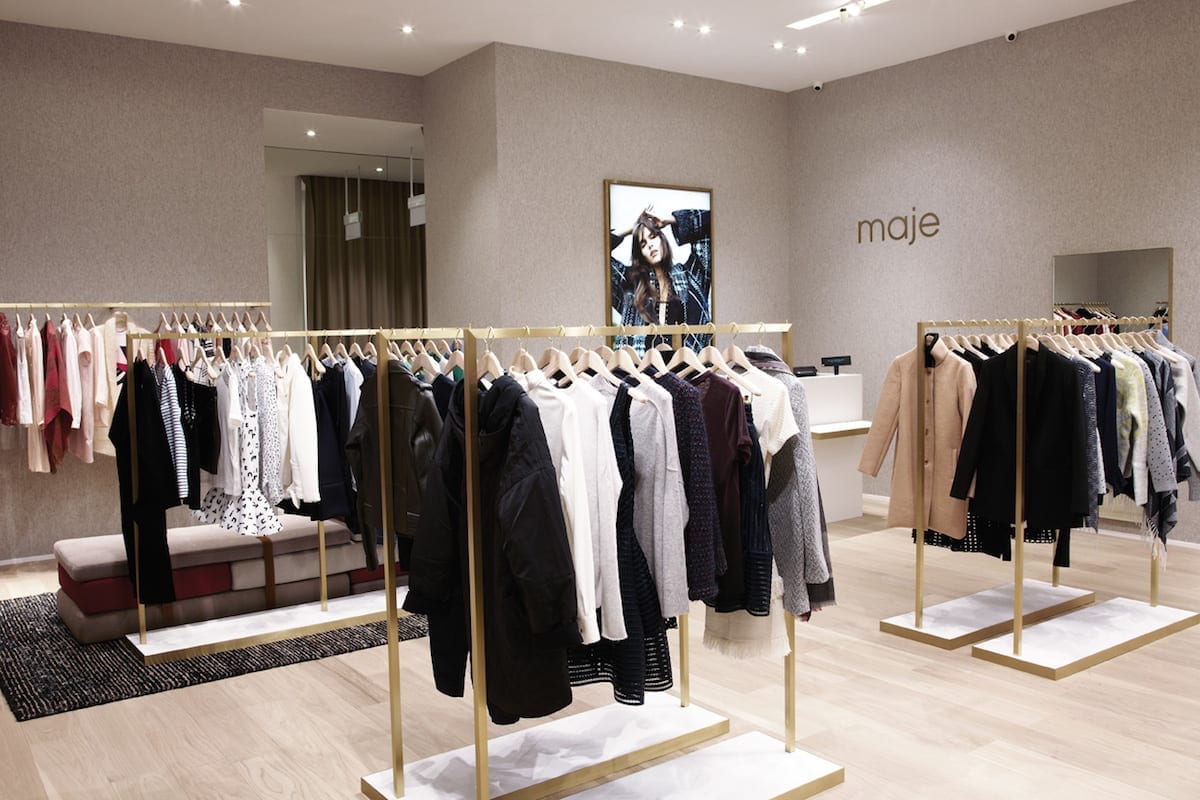
    The French fashion retailer achieved 16.4 per cent growth in sales to €786 million (US$844 million) last year. SMCP stands for its three fashion brands: Sandro, Maje and Claudie Pierlot.

    Like-for-like sales were up 7.1 per cent, which SMCP says was a reflection of market share gains as it outperformed rivals in the affordable luxury sector. Profit increased by 22 per cent to reach €130 million.

    SMCP’s e-commerce sales grew by nearly 80 per cent to represent about a tenth of group revenues. During the year the group launched two dedicated websites in China, Maje and Sandro on Tmall.com.

    The development of the accessories range is part of the group’s objective to make Claudie Pierlot, Maje and Sandro global lifestyle brands. Maje’s “M” bag was a hit last year, says the company, and sales of accessories rose by 42 per cent over the 12 months.

    Meanwhile, the group has formed a partnership this year with Mondottica to develop eyewear collections for the Maje and Sandro brands, completing the range of accessories after shoes and leather goods.

    A new concept for Sandro Homme stores was deployed in Greater China last year as part of the company’s international targeted expansion. There were 90 openings internationally during the year, including one on Fashion Walk in Hong Kong.

    Altogether, the company opened 105 stores over the year, ending with 1223 points of sale with its brands in 36 countries. SMCP says that consistent with previous years, it will introduce new points of sale at the pace of 100 to 125 a year.

  • New H&M retail brand revealed

    New H&M retail brand revealed

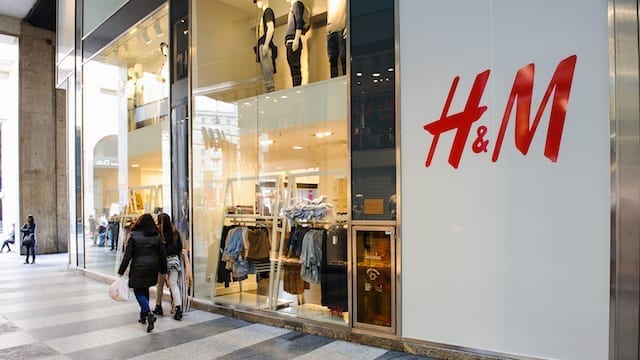
    The next new H&M retail brand will be called Arket.

    The first of the brand’s stores will open in London in late summer or early autumn this year.

    H&M CEO Karl-Johan Persson said Arket will be priced above H&M. He described the concept as “simple, yet timeless and functional”.

    Fast-fashion retailer H&M told Business of Fashion that Arket – the Swedish word for “sheet of paper” – would be positioned as a “modern-day market that will offer essential products for men, women, children and home”.

    Perhaps the most surprising feature of the new store brand is that it will sell selected lines from non-H&M brands beside its own label.

    At the release of the company’s results in January,  revealed the company would launch one or two new brands this year, joining Cos, Monki, Weekday and Cheap Monday.

    “In 2017 we are looking forward to delivering strong collections and customer experiences and launching one or two new brands. This, combined with the ongoing improvements and our investments in the omnichannel offering, the supply chain and advanced analytics make us positive towards our opportunities for reaching our newly rephrased growth target, both in 2017 and going forward,” Persson said.

    Arket is clearly the of those new H&M retail brands.

    In an interview with BoF, Arket’s creative director Ulrika Bernhardtz described the brand’s DNA as “timeless, crisp, quality and warmth”.

    “Timeless is style beyond trend. And crisp is the counterpart to that: to be always relevant, modern and fresh. Quality is not only the feel of garments; it’s also how they are produced. Warmth is about being generous and personal.”

    An Asian launch for Arket is not imminent, with BoF reporting it will be simultaneously launched in 18 European markets this year, starting with Brussels, Copenhagen and Munich. Some stores will feature a cafe serving “new Nordic” cuisine.

  • Forever 21 India opens in Kolkata

    Forever 21 India opens in Kolkata

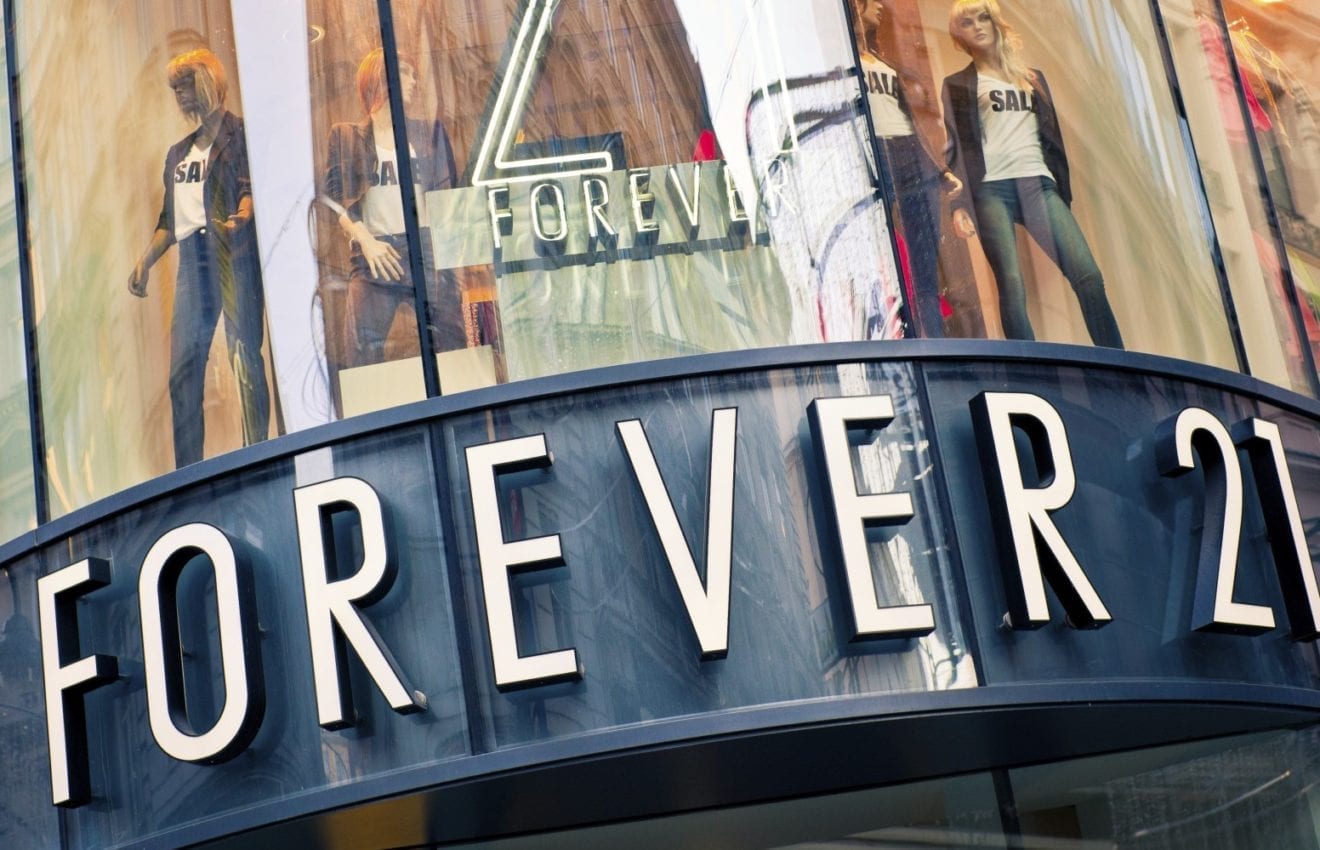
    Fast-fashion brand Forever 21 India has opened a store in Kolkata, its 16th outlet on the sub-continent.

    Covering 6000 sqft (557 sqm), the store features the latest spring/summer collection, and as well as Forever 21 apparel and accessories includes the retailer’s other brands including 21 Men and cosmetics line Love and Beauty. It also offers lingerie and shoes.

    From Aditya Birla Fashion and Retail, Forever 21 already has a presence in Bangalore, Chennai, Delhi, Hyderabad, Mumbai and Pune.

    Forever 21, which introduces new styles every week, was founded in the US in 1984 by Korean immigrants. It has more than 600 stores under the Forever 21, XXI Forever, For Love 21, Heritage 1981 and Reference brands. In Asia, stores can be found in China, Japan, Korea and the Philippines.

  • Bankruptcy looming for Payless ShoeSource?

    Bankruptcy looming for Payless ShoeSource?

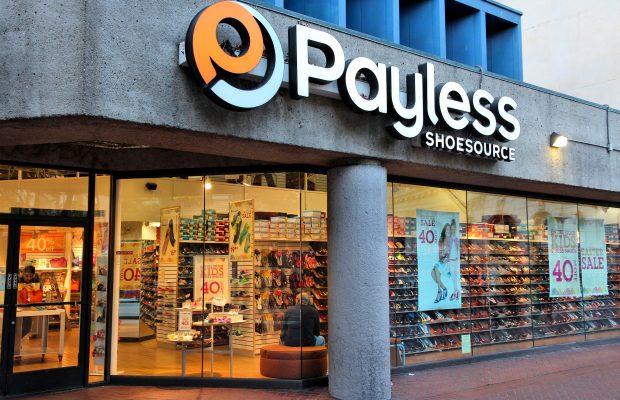
    Struggling US retailer Payless ShoeSource is headed for bankruptcy, reports Bloomberg.

    Payless, which has not commented on the report, operates some 4000 stores globally and under the reported Chapter 11 protection likely to be sought next week, will immediately shutter between 400 and 500. As many as 1000 may be closed as part of the restructuring plan aimed at rescuing the 61-year-old company.

    The company is owned by Golden gate Capital and Blum Capital Partners, who bought the business in 2012 as part of the break-up of Collective Brands. Headquartered in Kansas, it employs about 22,000 staff.

    Bloomberg cited sources familiar with the discussions but unable to comment publicly because they were not public.

  • Challenge to build engagement among a fashion-loving clientele

    Challenge to build engagement among a fashion-loving clientele

    To marketers nowadays, the major challenge is to build engagement among target groups to provide first-hand experience and brand engagement inside of their own. However, one target group found very demanding in terms of engagement building is fashion lovers as they are very unique, and hard to persuade. Indeed, they do not just follow fashion trends but adapt the trends to suit their own character. This makes marketing planning for this target group complicated and difficult.

    But not for Siam Center The Ideaopolis, a shopping destination which is a hub of fashion in Thailand for more than 44 years. No matter how edgy fashion trends would be, Siam Center will enable Thai fashion lovers to be the first to get updated on up-to-date fashion trends.

    To build engagement among a fashion-loving clientele, Siam Center has done a fantastic job as if it is simple. Thanks to its long-term experience and support of Thai designer brands as well as being a catalyst for the promotion of Thai fashion industry to be equal to world fashion cities, Siam Center meets fashion lovers’ demands. Such demands mean how to wear clothes to reflect their own identity and not to create a distinct character but to shine at getting dressed with style and being fashionable for the society to see and admire.

    Siam Center devises a strategy to reach this kind of customers by presenting the latest collections of over 40 Thai designer brands at the end of last March.

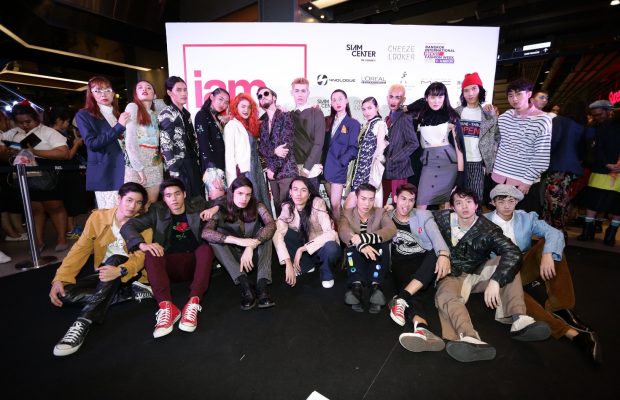
    Siam Center The Ideaoplois, joining hands with Cheeze and Looker magazines, held “#iamsiamish” campaign to fulfill the dream of youngsters who would like to become professional models. The campaign set up a casting room box to select 100 teens as #Nodels to strut on the catwalk of the fashion show of the year, “#iamsiamish Fashion Show [S/S Collection 2017].”

    Ms. Chanisa Kaewreun, Senior Deputy Managing Director for Marketing Events and Business Relations – Siam Piwat Co., Ltd., said, “Since the opening, Siam Center has always been the center of Thai fashion industry because we are the second home of many Thai designers, both top and young-blood designers. Housing many local brands, Siam Center is therefore the first place fashion-forward people think about when it comes to trend updates. As a place of inspiration for everyone, especially young generation wishing to enter the world of fashion, Siam center joined forces with Cheeze and Looker magazines in hosting “#iamsiamish” campaign. It opened a studio to cast talented teens as models. Out of 1,700 candidates, the judge panel selected 100 finalists to become #Nodels and walk in “#iamsiamish Fashion Show [S/S Collection 2017]”, which launched spring/summer collections of leading Thai brands in Siam Center.”

    “#iamsiamish Fashion Show [S/S Collection 2017]” mixed and matched the latest collections of 40 Thai fashion brands featured by 100 #Nodels. The fashion show presented the trends of this season, which encouraged fashionistas to find the perfect items that match their own style and create their own look. Moreover, the 1,600 fashion-loving candidates who did not join in walking on the catwalk were also invited to a party and enjoyed the fashion show of the latest collections. Let’s imagine that this event can gather those who are really interested in fashion to see the launch of the latest collections of 40 fashion brands. It is another fantastic marketing promotion activity that Siam Center created.

    #Nodels deserved big applause for their courage to express themselves and join a troop of professional models in “#iamsiamish Fashion Show [S/S Collection 2017].”

    At the same time, Siam Center earned praise for setting a new phenomenon to Thai fashion industry, giving customers the opportunity to have experience in fashion industry. Marketers have also realized an outstanding example of the strategy to build customer engagement and thus definitely contribute to sales of Thai designer brands.

  • Amouage Opens Second Italian Shop

    Amouage Opens Second Italian Shop

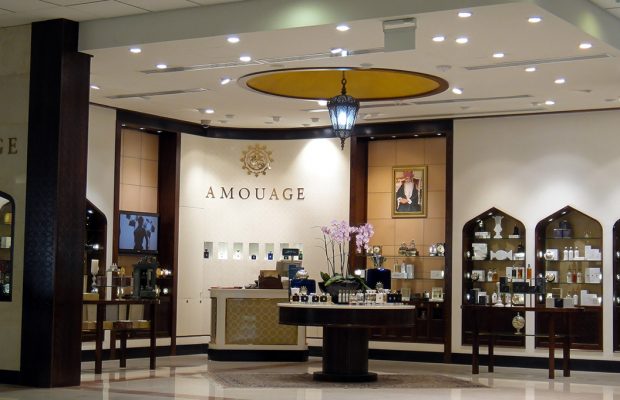
    JHP has designed a ‘beautiful stand-alone store’ in the heart of Milan for Middle Eastern luxury

    brand Amouage. It is the latest store in a ten-year relationship between JHP and Amouage, and

    the newest incarnation of its ever-evolving concept.

    Owned by the Omani Royal family, the perfume and accessories house chose Milan’s Artists’

    quarter, Brera, as a showcase for its fine ranges of eclectic fragrances. Besides the Brera

    Academy of Fine Arts and Brera Art Gallery, Brera houses numerous antique and art shops,

    restaurants, and colourful street markets. Amouage’s unique and selective collection of handcrafted

    fragrances is a natural fit in this lively street full of culture, and fashion.

    A key challenge for JHP was the complex approval process inherent in the store’s historic

    building.

    JHP embraced the philosophy of the area and aligned the depth of the store with the external

    arch of the building. Through clever planning and space usage, JHP’s creative team has

    ultimately created an illusion of more space.

    JHP’s Creative Director Raj Wilkinson commented ‘I love finding hidden spaces and exploring

    them. We are very proud to have one of our projects in such a prestigious area’.

    Designed by JHP, this new store, located on Via Fiori Chiari 7, alongside other high-end brands

    like Hermes Paris, Mac and Louis Vuitton, offers the entire Amouage line, a limited edition

    series and its latest releases Myths, Bracken and Lilac Love.

  • Celine Korea opens store in Seoul

    Celine Korea opens store in Seoul

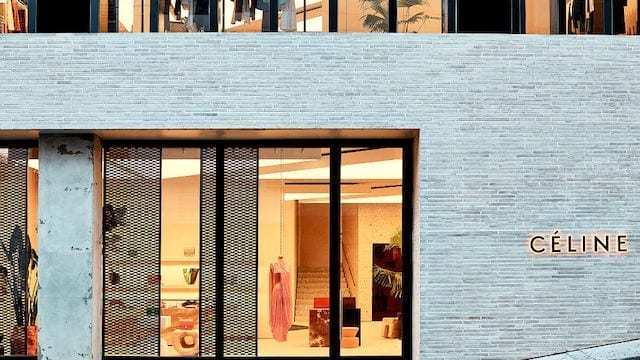
    French luxury fashion house Celine Korea has opened a store in Seoul’s fashionable Cheongdam district.

    CELINE-new-store-Seoul-Cheongdam-district-3

    In a double-storey building with a perforated brick facade, the shop has an interior furnished with bespoke ware designed by Danish artist Fos (Thomas Poulsen).

    CELINE-new-store-Seoul-Cheongdam-district-4

    CELINE-new-store-Seoul-Cheongdam-district-1


    Celine’s small leather goods and bags are featured on the first floor, while the second floor is devoted to the brand’s shoes and ready-to-wear collection.

    CELINE-new-store-Seoul-Cheongdam-district-2