Category: Fashion

Retail News Asia is committed to providing both local and global retailers with the latest Fashion news throughout the Asian market. This on a daily base.

  • Next faces a downturn

    Next faces a downturn

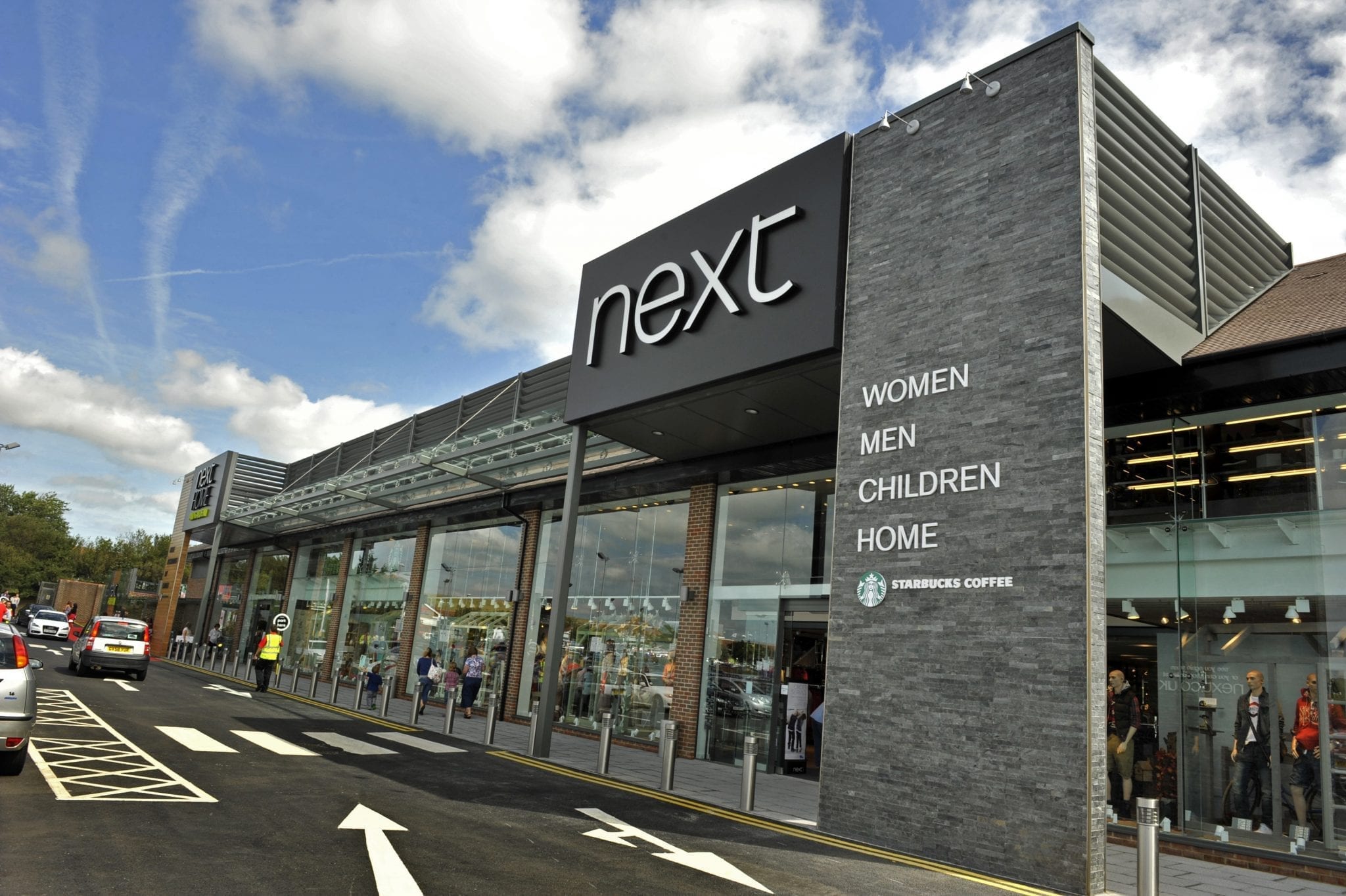
    Next profits have fallen for the first time in nearly a decade.

    The UK high street fashion retailer said pre-tax profits fell 3.8 per cent to  £790.2 million last fiscal year.

    Emily Stella, a senior retail analyst with GlobalData, says the company has faced numerous challenges over the last year: erratic weather, rising import costs as the pound depreciated, and Next Directory being hit by increased competition from online pure-plays Asos and Boohoo.

    “Not to mention a more general shift away from clothes buying in favour of spending on leisure,” she commented.

    “Next’s stance on discounting – only marking down items during sale periods – has been a good thing for the retailer, sustaining consumer perceptions of product value and allowing Next to retain high margins. However, full-price retail sales were down 4.6 per cent, indicating that shoppers are not buying into its current proposition – and Next admits it has not been fast enough at responding to new trends.”

    But she says the retailer remains one of the best-run brands on high street – the issue is that the clothing market is “far tougher than before”.

    Next says it anticipates a difficult first half of the new trading year with improved performance in the latter half.

    “But the retailer could find the next few years a challenge as competition intensifies and Next struggles to keep up,” concludes Stella.

  • Esprit announces branded jewelry collection from Versteegh

    Esprit announces branded jewelry collection from Versteegh

    Esprit has concluded a new license partnership in the area of fashion jewelry with Versteegh modeaccessoires effective 1 July 2017. With more than 60 years of experience in the wholesale trade, Versteegh brings to the cooperation valuable know-how and important expertise in the field of fashion accessories. Thanks to their excellent supplier network, Versteegh is able to guarantee short and reliable delivery times. The Esprit branded jewelry collection from Versteegh will be available internationally in Esprit’s own retail stores and e-shop.
    Maria Pambori, VP Head of Global Licenses/Product Esprit: “Together with our new partner, we want to excite our customers with a product portfolio that reflects the latest trends and interprets them through the philosophy of our brand Esprit. With Versteegh we have found a partner who attaches great importance to quality, has a keen sense of trends and thus perfectly meets our high requirements.”

    “Due to its positioning, the brand Esprit offers an ideal platform for our products. We are excited about the cooperation and are looking forward to making a great impression on Esprit customers with our collections” says Frans Lenting, Director of Versteegh.

  • Ted Baker stronger on America and China

    Ted Baker stronger on America and China

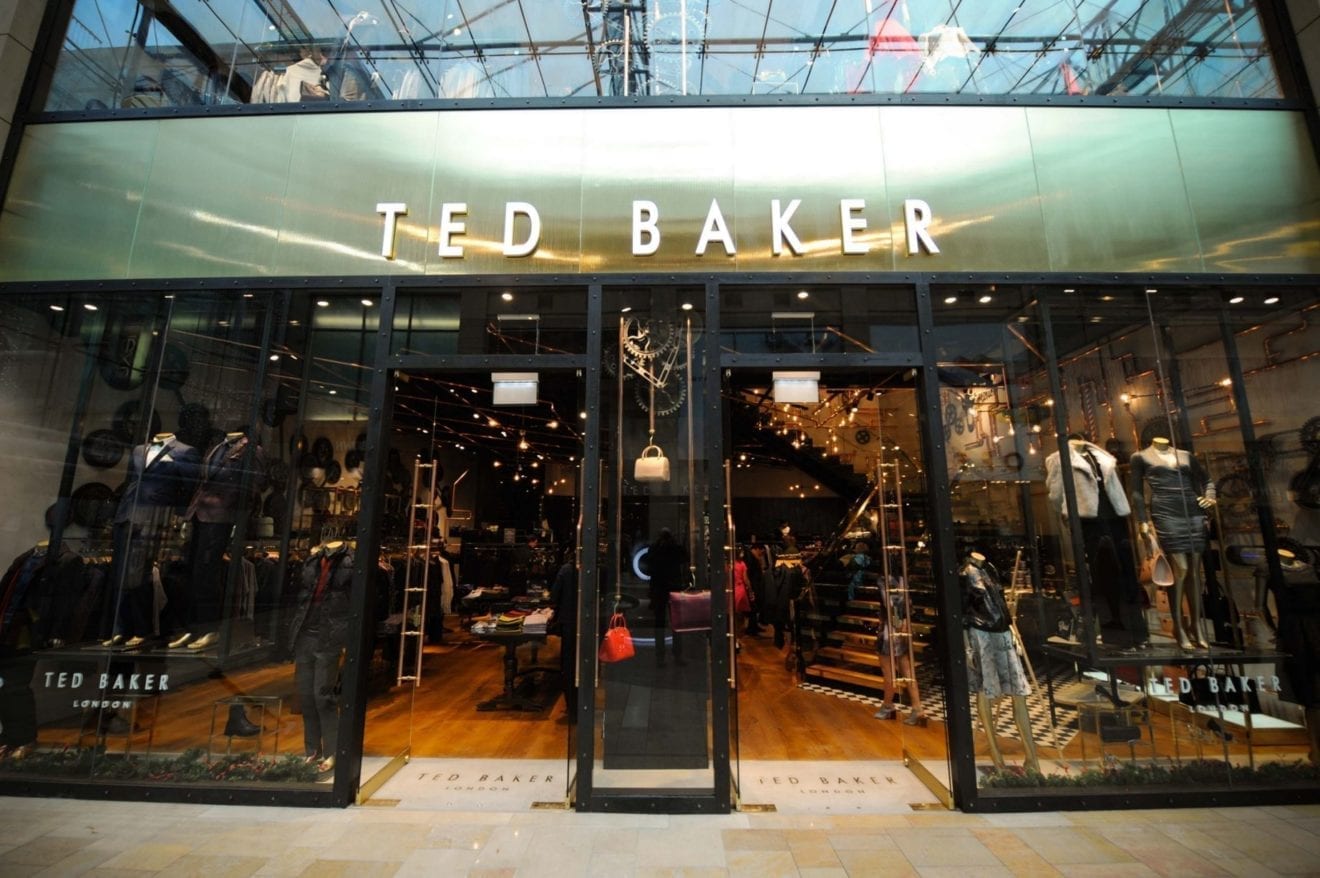
    New stores in North America and China have paid off for British fashion retailer Ted Baker, which has reported a 4.4 per cent increase in pre-tax profit, despite the challenging global retail environment.

    It achieved a profit of £63 million for the year to January 28, as total revenues rose 16.4 per cent to £531 million.

    Online sales rose 35.1 per cent, while 14 new stores in the US and Canada fuelled a 28.3 per cent increase in sales there.

    Ted Baker also commenced a new focus on Greater China, opening a store in Beijing.

    Fiona Paton, an associate retail analyst with GlobalData, says the falling demand for premium goods presents challenges in Asia.

    “However with British heritage brands remaining popular in the region, Ted Baker should lean upon this trait through its marketing and store environment while working hard to gain more exposure.”

    Even in the tough UK and European markets, Ted Baker thrived last year, sales rising 10.7 per cent.

    Observers can expect to see even better results next year, Paton believes.

    “While it has a measured approach to expansion, new stores and concessions are planned throughout Europe, North America and Asia in 2017-18, bolstering growth amid difficult domestic trading conditions.”

    In range terms, womenswear was a highpoint for Ted Baker achieving 19.7 per cent growth for the year, accounting for 57.3 per cent of sales, while menswear grew 12.2 per cent.

    “Menswear will simultaneously be a challenge and an opportunity for Ted Baker. While men are becoming more interested in fashion and buying more regularly, the sector is also becoming increasingly competitive as players such as Superdry extend their menswear ranges,” says Paton.

    “Unlike rivals such as Whistles, Ted Baker benefits from unisex appeal but will need to monitor the competition to ensure that its designs remain distinctive enough to differentiate itself.”

  • Diamond group De Beers buys out retail partner LVMH

    Diamond group De Beers buys out retail partner LVMH

    Anglo American’s diamond specialist De Beers has bought the 50 percent stake held by French luxury goods group LVM in De Beers Diamond Jewellers for an undisclosed sum, taking full ownership of the retail operation.

    Analysts said the joint venture no longer fitted LVMH’s strategy, while Anglo American, which has long dominated global rough diamond sales, has been developing its presence on the high-margin diamond retail market.

    LVMH had no comment. De Beers said in a statement that fully integrating De Beers Diamond Jewellers would enable the group to enhance value.

    Anglo American, which along with other mining companies has largely recovered from a deep commodities downturn in 2015, has put diamonds, along with copper and platinum, at the heart of its portfolio.

    One of the advantages of diamonds is that they are a counter-cyclical luxury product that can generate profits even when bulk industrial commodities are in a downturn.

    De Beers Diamond Jewellers’ retail network comprises 32 stores in 17 countries. This includes a growing business in greater China, an established presence in London and Paris, and a new flagship location in New York.

    In addition, De Beers’ Forevermark high-end diamond brand has expanded into 2,000 outlets globally and it says it expects the growth to continue this year.

    Analysts said LVMH had finally ended a joint venture that dated back to when the group did not have any branded jewelry of its own.

    “The situation is very different today, as they own one of the megabrands in this space: Bulgari,” Luca Solca, analyst at Exane BNP Paribas, said.

    “It seems appropriate therefore to turn the page on this and relegate it to the ‘experiments that didn’t work’ pile.”

  • 6ixty8ight expansion plan to Korea

    6ixty8ight expansion plan to Korea

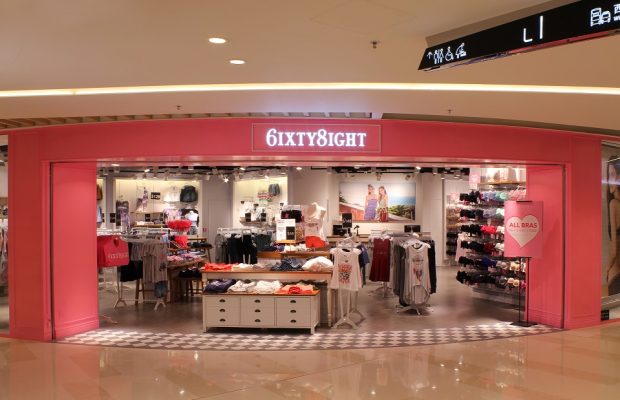
    Hong Kong-headquartered youth fashion brand 6ixty8ight has chosen South Korea for its first international foray outside Greater China.

    The company will open a flagship store in Myeongdong, downtown Seoul, at 992 sqm, its third largest footprint. A second store will follow on the fashion street of Garosu-gil in Sinsa-dong of southern Seoul.

    Owned by Hop Lun Group, which has for 25 years manufactured lingerie for many of the world’s largest brands, 6ixty8ight sells affordable, fashionable lingerie and casual wear designed specifically for the Asian female figure.

    Over the last two years, the retail brand has undergone a revamp and launched a major expansion, now numbering more than 130 stores through Hong Kong and Mainland China.

    Last year, in an exclusive interview, 6ixty8ight COO Anders Heikenfeldt said the secret to the brand’s new success has been a single-minded focus on who it is, what it stands for and who its customers are – a narrow band of 15 to 30 years.

    “We have a unique offer. Our value proposition is different to H&M, Zara, Forever 21 or Uniqlo – they go broad trying to cover menswear, women, kids – very mass – and they have something for everyone under the one roof.

    “Our strategy is to be very different and to be very true to our target. That’s our DNA. We are not going to divert into men or older customers.”

    At the time, Heikenfeldt said the company was in the final stages of planning to enter two international markets. It has not yet revealed the second.

  • WeChat’s transformative role for beauty brands in China

    WeChat’s transformative role for beauty brands in China

    Both beauty and luxury fashion brands in China have been utilizing WeChat—Chinese consumers’ all-in-one mobile app—to promote brand awareness and interact with their audiences. A new finding on audience engagement with beauty brands on WeChat in 2016 challenges the traditional role of the app as a content-producing platform. The emerging trend seems to suggest that content is no longer as important as it used to be, leading beauty brands to use a number of alternative methods to drive engagement. From a one-sided, brand-directed conversation to a more interactive, one-on-one communication tool, the change of users’ preference along with the evolving platform itself has shaped the app’s new identity—a central hub that encompasses customer relationship management (CRM), commerce, online-to-offline (O2O), content, and more.

    In the latest “Beauty China 2017” report that studies the Digital IQ Index of 98 beauty brands in China, digital intelligence firm L2 found there was a dramatic drop in viewership of WeChat posts by these brands. Statistics show 84 percent of all posts accumulated less than 25,000 views. In previous years, posts by well-known brands, including Shiseido and Lancôme, could easily generate more than 50,000 views. These brands accordingly decreased the frequency of their posts from 2.78 times per week in Q4 2015 to 1.73 in Q3 2016. In spite of the dramatic drop in post viewership, the overall level of engagement between brands and customers on the app was still able to increase slightly from the year before.

    A basic interpretation of the figures suggests that followers of these beauty brands on WeChat seemed to lose interest in reading posts in 2016. Indexed brands thus recognized the lackluster response early on and pushed out a number of alternative ways to interact with their audience so that the overall level of engagement was not largely affected. According to the report, brands that have performed well digitally have used diverse ways to prevent a sharp drop in audience engagement due to decreasing interest in blog posts last year. The methods range from sampling campaigns and live-streaming events, to daily check-ins, loyalty programs, and gamification.

    Ever since WeChat became one of the most powerful communication platforms in China, blog posting has been frequently used by brands to interact with their audience. This one-sided, content-dominated method of communication helps many brands grow their number of followers and raise brand awareness among Chinese consumers when they’re starting out.

    However, late last year, digital marketing agency Curiosity China noted that the value of WeChat had shifted away from “pushing as many messages as we can to an underdetermined audience.”

    In a content-saturated media world, Chinese WeChat followers expect to receive more value-added services and experiences from brands. A close look at the digital strategy of premium cosmetic brand Estée Lauder, the “sole genius” brand in L2’s 2016 Digital IQ Index, can provide insights into what Chinese customers like. On WeChat, the brand offers a wide range of customer-centered services. For example, followers can easily enroll in its loyalty program simply by providing their phone number.

    In 2017, if beauty and luxury brands hope to continue to benefit from WeChat, it is time for them to recognize “(the app) is not a mass communication platform, but instead ideal for one-on-one communication,”. “Instead of being a content-driven platform, for brands it is ideal for CRM and commerce.”

    -Jing Daily

  • Signs abound that the worst may be over for Hong Kong retailers

    Signs abound that the worst may be over for Hong Kong retailers

    Hong Kong’s retailers and mall operators are crossing their fingers in the hope that the signs of recovery in tourist arrivals and the return of spending aren’t flashes in the pan.

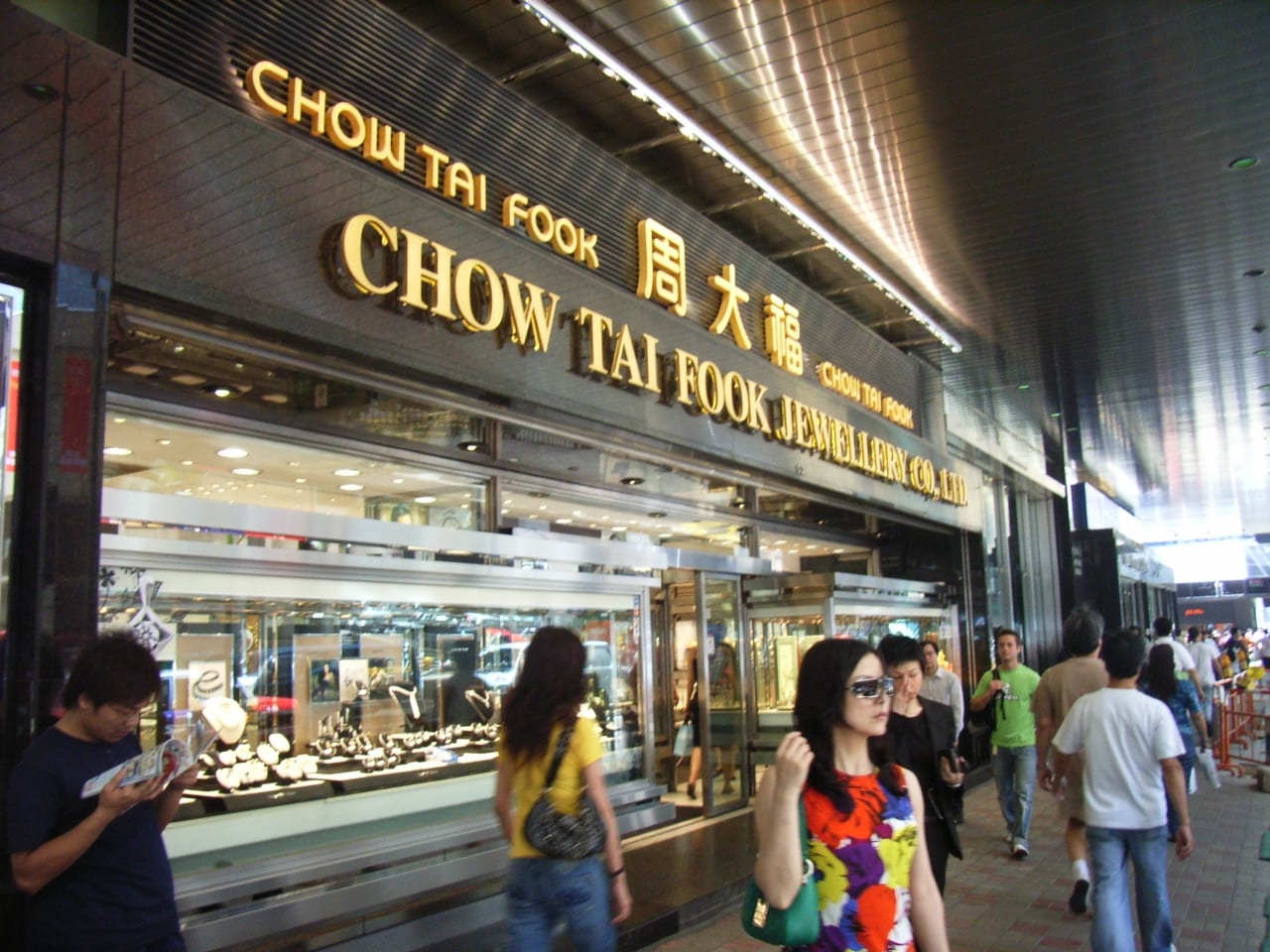
    Jewellers like Chow Tai Fook and retailers are reporting that the pace of their sales declines have slowed, indicating that the struggling industry may have finally found a bottom.

    Hong Kong used to be the favourite shopping destination for mainland Chinese tourists, lured to the city by its wide selection of tax-free brands and cheaper currency.

    Retail sales dwindled since 2014 amid Beijing’s anti-corruption campaign started a year earlier, local backlash against the hordes of mainland tourists thronging Hong Kong malls and the strength of the Hong Kong dollar.

    As tourist numbers started to recover in the past few months, mall developers and clothes vendors are becoming more optimistic towards their profit prospects.

    SEE ALSO: Red Valentino opens new Hong Kong store, debuts Walky Land collab

    “The signs of bottoming out are visible, as same-store gross profit has stopped declining, after a period of negative growth for more than one year,” said Tsin Man-kuen, chairman of fashion brand Bossini, whose same-store gross profit declines slow to 6 per cent in the second half of 2016 from the 14 per cent the same period a year ago.

    Wharf Holdings, the city’s biggest mall operator, said tenants’ 2016 sales decline at Harbour City slowed to 10 per cent at HK$27.7 billion, compared with the 15 per cent first-half slump. At Times Square in Causeway Bay, the sales drop narrowed to 11 per cent, from 16 per cent over the same period.

    The Sogo department store in Causeway Bay, which contributes to 87 per cent of the revenue of Hong Kong-listed Lifestyle International, said its sales decline slowed in the second half.

    Samsonite International, the world’s largest luggage maker, said its Hong Kong sales drop narrowed to 7 per cent in the second half of 2016 from the 16 per cent decline in the first half, adding the market has shown “early signs of stabilising”.

    Analysts largely agree with the cautiously optimistic view, citing a recovery in inbound tourism and improving consumer sentiment in the mainland.

    Mainland visitor numbers grew 6.1 per cent in December and 7.7 per cent in January, compared with a 6.7 per cent drop in the entire year of 2016.

    The city’s retailers can also benefit from a wealth effect caused by rising property price in the mainland – meaning consumers spend more because of a strong sense of financial security, analysts said. However, some warned that mainland tourists who opt for Hong Kong are no longer the wealthiest batch, and a weaker yuan means they are not able to buy as much as they used to.

    “The spending power per head for mainland Chinese tourists is decreasing,” Walter Woo, an analyst with China Merchant Bank, said. “But I’m still quite positive on the Hong Kong retail segment because the traffic has been rising.”
  • Japan duty-free on arrival shops planned

    Japan duty-free on arrival shops planned

    With upcoming tax reforms, Japan duty-free on arrival stores could soon be opened.

    A Narita International Airport Corporation official says arrival channels would be permitted as part of the update of tax regulations, says Narita International Airport Corporation retail official Hiroomi Eguchi.

    He says details still need to be worked out with Customs and Immigration at the airport, and the management team is hopeful Narita will be first to open arrivals duty-free stores in Japan, which could happen “within months”.
    Liquor, tobacco and cosmetics are likely to be key categories, with inbound Japanese the main target audience.

    “It could appeal to returning Japanese who do not want to carry bottles of liquor around on their trip, and also be a convenient last-minute shopping option,” says the airport company.

    The tax change is also seen as a big boost in particular for the newly privatised Kansai and Sendai International Airports.

  • Concept store Uniqlo Move opens in Tokyo

    Concept store Uniqlo Move opens in Tokyo

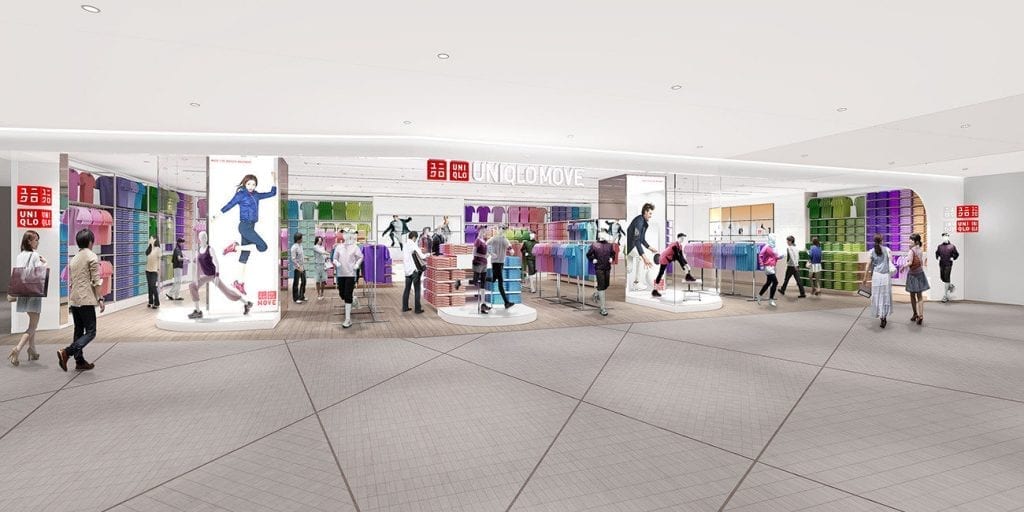
    A lifestyle-focussed concept store, Uniqlo Move, has been launched in Tokyo by the Japanese fashion basics retailer.

    It features its LifeWear range of activewear in a space on the eighth floor of Shinjuku Takashimaya department store.

    Sections of the 75 sqm store will be arranged according to movement, ranging from everyday life to exercise. Not only will the store offer products and visuals different to Uniqlo stores, but it will also act as an information hub for tips on making everyday life “more active and comfortable”, says the retailer.

    Dubbed “The Science of Lifewear” in its entirety, the brand’s first global campaign launched last year, being described by creative director John Jay at Uniqlo parent company Fast Retailing as “the ongoing innovation of simplicity”.

    As the range was developed last year, mountaineer Marin Minayama has appointed the brand’s first female ambassador.

  • Record US$1.1 billion profit for Hermes

    Record US$1.1 billion profit for Hermes

    French luxury goods brand Hermes made a record net profit last year of €1.1 billion (US$1.19 billion), doing “better than we expected”, according to CEO Axel Dumas.

    “We are entering this year on a solid base, but remain cautious in view of an uncertain environment.”
    Known for its $10,000 Birkin bags and $400 printed silk scarves, Hermes says its net profits rose by 13 per cent while its operating margin hit an historic high of 32.6 per cent of sales against 31.8 per cent in 2015.

    Its sales growth mainly stemmed from the strong performance of its leather goods, which accounts for half of group sales. Other divisions also performed well with the exception of its watches unit.

    Hermes joined other luxury companies such as Kering and LVMH in reporting an improvement in the luxury goods sector, which has been hit by slowing demand in China as well as terrorist attacks in France deterring tourism in Europe.

  • When Forever 21 join India’s Jabong

    When Forever 21 join India’s Jabong

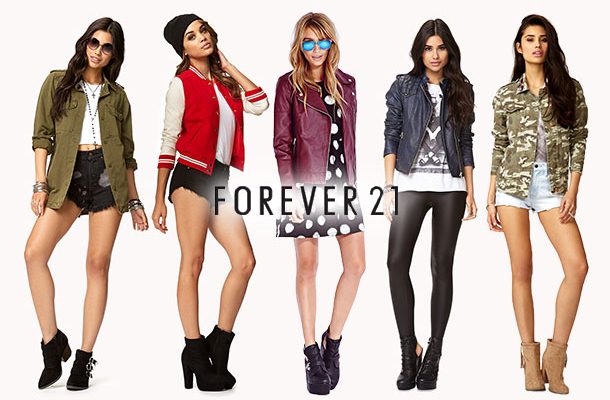
    Indian fashion portal Jabong has added American fashion brand Forever 21 to its product portfolio. It definitely will give another option for India’s shopper to check the collections of Forever 21.

    A selection of goods including play-in tops, dresses, t-shirts, cosmetics, intimates and shoes will go online on Jabong, priced from Rs.499 to Rs.2400 (US$7.50 to $37).

    Jabong has introduced 20 new fashion brands this month and says it will add a further 15 before March 31. These include New Era Caps, WROGN, Mothercare, Roadster, Cover Story, AAY, Zivame and Mast and Harbor. Jabong now has approximately 2000 brands in its product portfolio, out of which 50 brands have been launched in 2017 alone. Its portfolio also includes Topshop, Topman, Dorothy Perkins, Missguided and Next.

    “At Jabong, we continuously strive to offer the best of global fashion brands to our shoppers. Forever 21 is a pioneer and global leader in the fast fashion category and its addition will strengthen the comprehensive line of finely curated international portfolio on Jabong,” said Gunjan Soni, head of Jabong.

    Abhinav Zutshi, India business head of Forever 21, said the combined strengths of Jabong and Myntra will give the brand exposure to a major share of India’s online fashion retail market.

    “This complements our aggressive offline strategy and we are excited to herald a long association with Jabong,” he said.

    Jabong is a multi-brand fashion e-store offering some 350,000 products across footwear, apparel, jewellery and accessories.

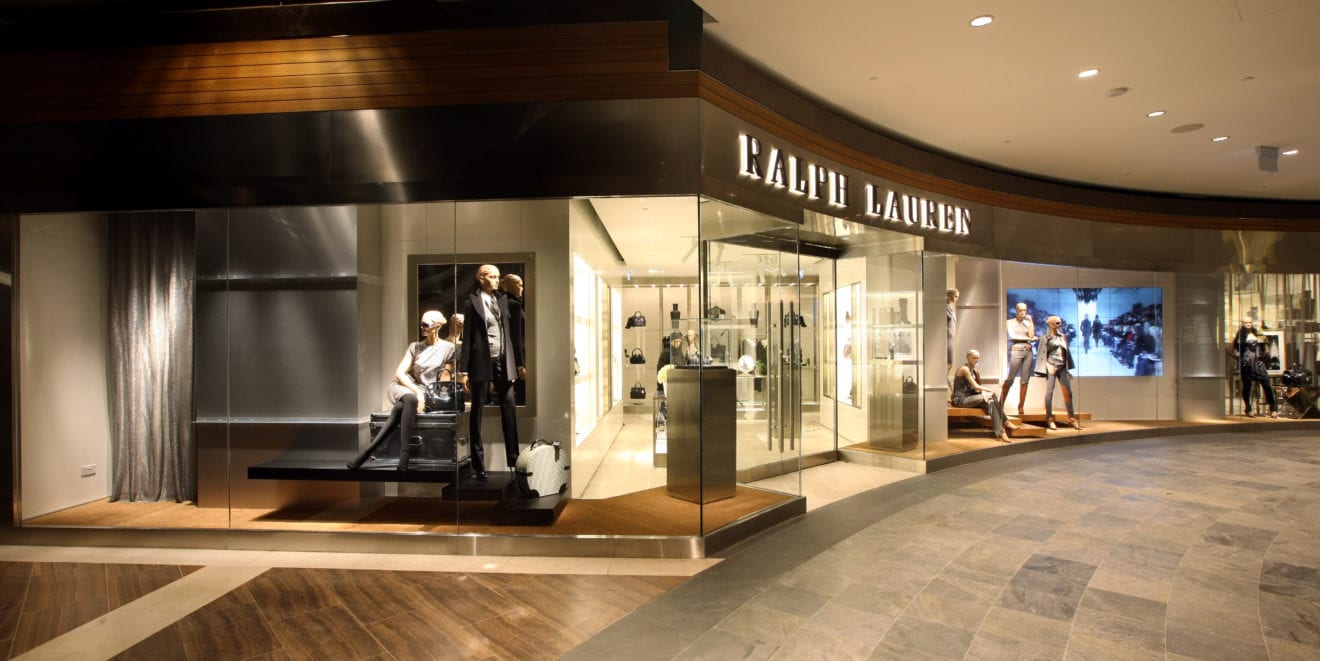
  • Ralph Lauren Indian debut on table

    Ralph Lauren Indian debut on table

    Ralph Lauren may launch into India through a franchising agreement.

    The premium US lifestyle products company is reportedly negotiating a Ralph Lauren India debut along these lines with Aditya Birla Fashion and Retail.

    Insiders say the first Ralph Lauren store in India will open in the Emporio mall at Chanakyapuri, in New Delhi’s diplomatic enclave, reports The Economic Times. The mall is owned by major commercial real estate developer DLF (Delhi Land & Finance).

    Discussions are at an advanced stage and the store should be launched in the next seven to eight months, an insider says.

    Founded 50 years ago, the New York-­based fashion giant designs, markets and distributes apparel, accessories, fragrances and home furnishings under a wide range of brands.

    According to a report by Indian industry body Assocham last year, the luxury goods market in the nation of 1.2 billion people is likely to grow 25 per cent year ­on ­year.

  • Eye-pleasant artful NikeLab exhibition

    Eye-pleasant artful NikeLab exhibition

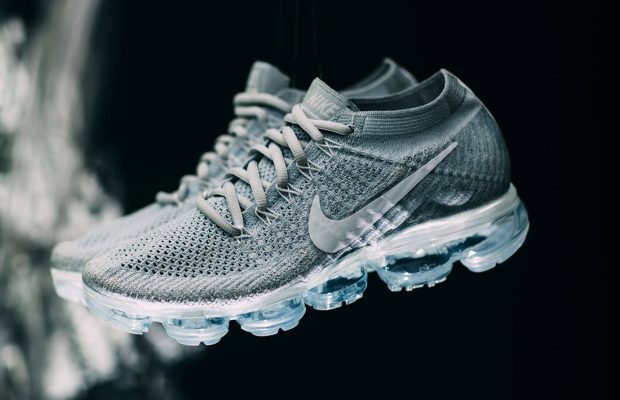
    A NikeLab exhibition in Hong Kong draws on artists to help launch its latest sneaker.

    It marks the rebirth of Nike Air via the Air Vapormax sneaker, which builds on nearly 30 years of Air Max legacy to provide lightweight, consistent cushioning that is both reliable and rigorous, says the shoe company.

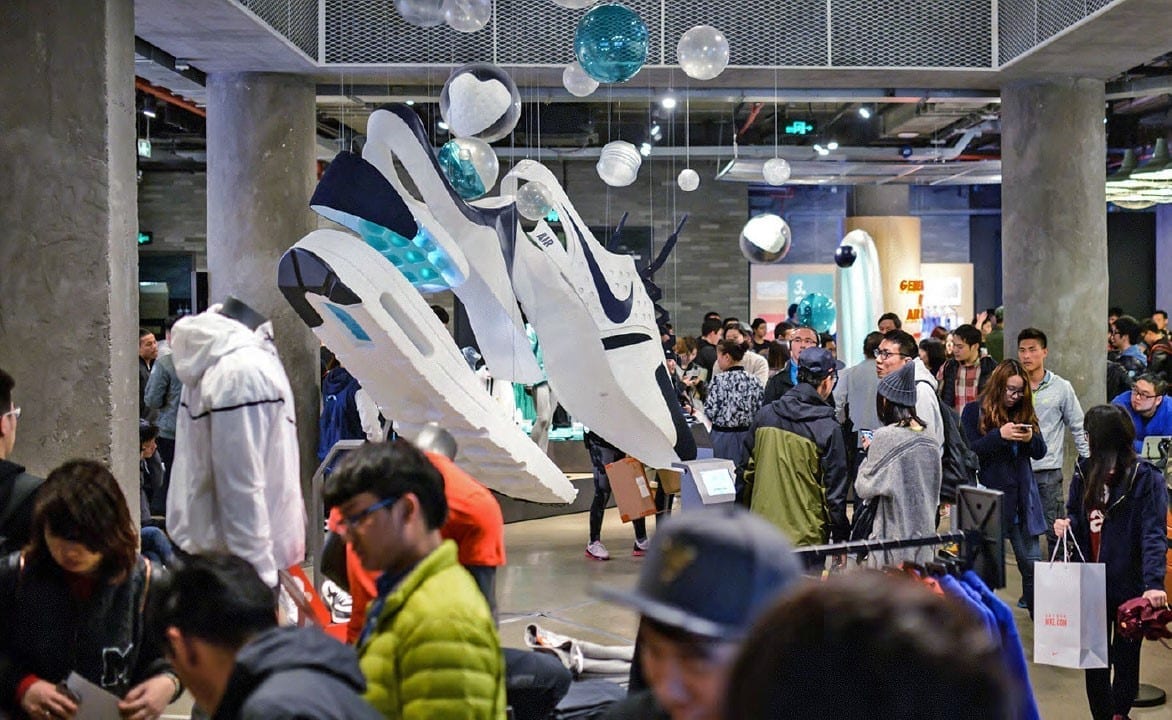
    Inside Hong Kong Art Central’s space for Art Basel Hong Kong 2017, the NikeLab exhibition is dubbed “The Vision-Airs”. The installation was designed by Collective and showcases the work of artists Feng Chen Wang, WanBing Huang and Anals Mak of Jourden, plus photographer Laurent Segretier. Sound artist h0nh1m (Chris Cheung) is also featured with his latest “vapor-reactive” piece.

    The exhibition explores the techniques used to create the shoe, as well as its possibilities.

  • China leads Nike sales growth

    China leads Nike sales growth

    Nike boosted earnings by 20.1 per cent in its latest quarter, on sales up a much more modest 5 per cent.

    While the bottom line was impressive – aided by a substantial reduction in costs – the top line growth trailed Adidas’ impressive 18 per cent growth achieved in 2016.

    In the three months to February 28, Nike sales totalled US$8.4 billion, up 7 per cent on a currency-neutral basis. Of that, the Nike brand accounted for $7.9 billion, driven by 15 per cent growth in Greater China, 10 per cent in Western Europe, 12 per cent in emerging markets and 8 per cent in Japan.

    Sales at Converse were up 3 per cent to $498 million.

    “The power of Nike’s diverse, global portfolio delivered another solid quarter of growth and profitability,” said Mark Parker, chairman, president and CEO of Nike.

    “To expand our leadership and ignite Nike’s next phase of growth, we’re delivering a relentless flow of innovation through performance and style, increasing speed throughout the business and creating more direct connections with consumers leveraging digital and membership.”

  • Jabong adds American fashionwear brand Forever 21 to its product portfolio

    Jabong adds American fashionwear brand Forever 21 to its product portfolio

    India’s leading online fashion portal Jabong has announced the addition of American fashionwear brand Forever 21 to its product portfolio. The brand, which is the 5th largest specialty retailer in the United States, will be available on Jabong in variants across the apparel, accessories and footwear categories such as play-in tops, dresses, t-shirts, cosmetics, intimates and shoes with prices ranging from Rs.499 to Rs.2400. 

    “At Jabong, we continuously strive to offer the best of global fashion brands to our shoppers. Forever 21 is a pioneer and global leader in the fast fashion category and its addition will strengthen the comprehensive line of finely curated international portfolio on Jabong,” said Gunjan Soni, Head of Jabong.

    “We are thrilled to launch on Jabong, which has carved a unique niche among the upmarket fashionistas of India who swear by the hottest international designs. The combined strengths of Jabong and Myntra help us cover a major share of the online fashion retail market and uniquely curate our products to cater to the shopper preferences on each platform. This complements our aggressive offline strategy and we are excited to herald a long association with Jabong,” said Abhinav Zutshi, India Business Head, Forever 21. Since 1984, Forever 21 has redefined fashion for the youngsters and has expanded its footprint in more than 47 countries worldwide. 

    With Forever 21, Jabong has now added 20 new brands on its platform in March itself and will be taking the number to 35 by the end of this month. Brands added to Jabong this month include New Era Caps, WROGN, Mothercare, Roadster, Cover Story, AAY, Zivame and Mast and Harbor among others. Jabong now has approximately 2000 brands in its product portfolio, out of which 50 brands have been launched in 2017 alone. Jabong’s Head, Gunjan Soni adds, “We are super-charged with an array of top label launches on Jabong this month, which has injected fresh energy in our team. We have more compelling labels in the offing and will continue to delight our shoppers with the latest and hottest in fashion.”

    Jabong is known to have introduced a multitude of fashion brands in India in the past such as TOPSHOP, TOPMAN, Dorothy Perkins, Missguided, Next to name a few.