Category: Fashion

Retail News Asia is committed to providing both local and global retailers with the latest Fashion news throughout the Asian market. This on a daily base.

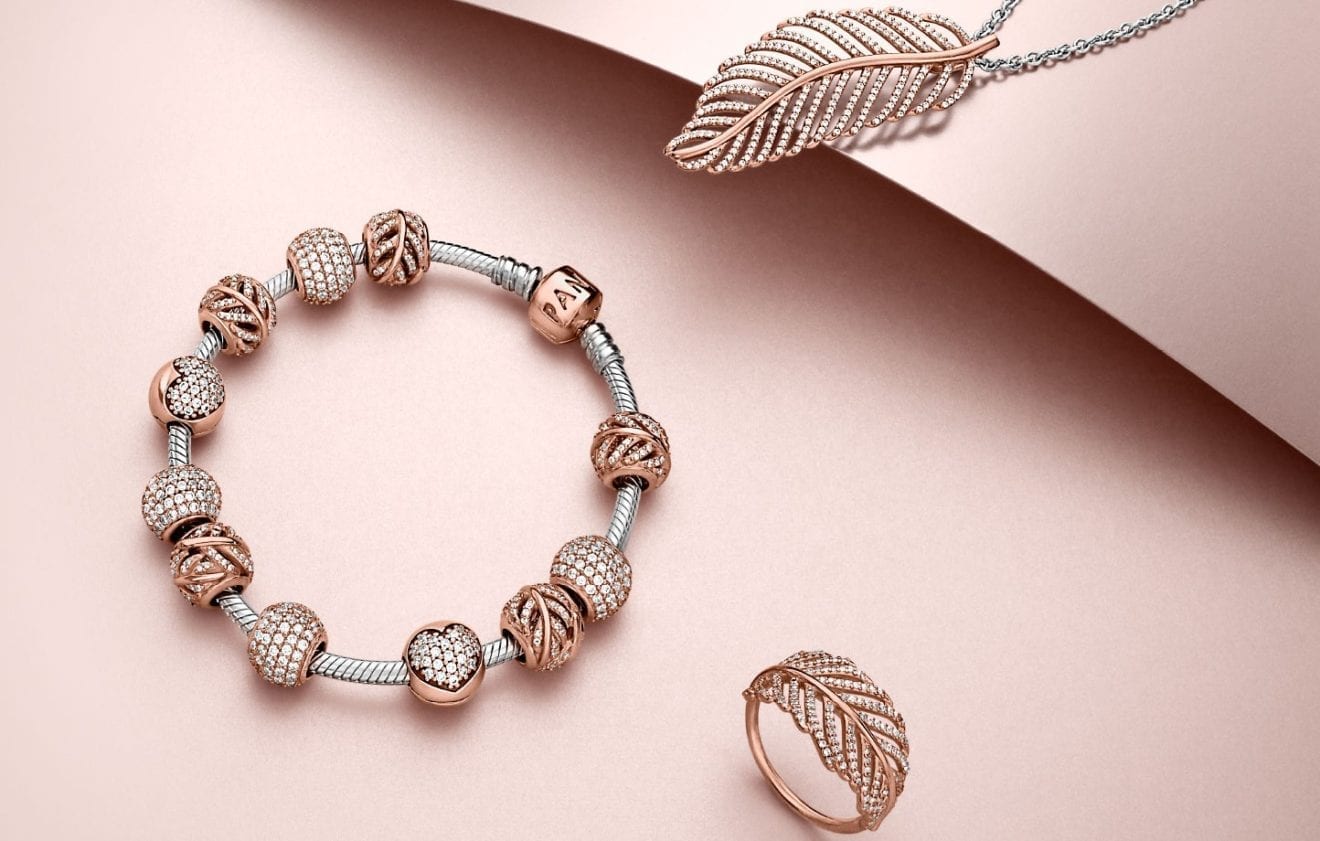
  • Pandora officially opens new factory in Thailand

    Pandora officially opens new factory in Thailand

    The new factory, which opened operationally on October 1, 2016, was officially inaugurated today (March 22) and revealed to the world’s press and key members of the global Pandora team.

    Taking design inspiration from the brand’s signature charm bracelet, the manufacturing facility is primarily optimised for the production of the more time-consuming products in Pandora’s portfolio.

    The facility, when at full capacity, will employ up to 5,000 members of staff and aims to “set new standards for the jewellery industry in terms of scale, size, green profile and modernity.” The overall aim is to incorporate flow principles and semi-automation to reduce lead times by up to 50%.

    According to the brand, the factory is a flagship green facility for the international company. Built to LEED (Leadership in Energy and Environmental Design) standards, it consumes 18% less energy and 45% less water than conventional jewellery crafting facilities.

    Pandora2

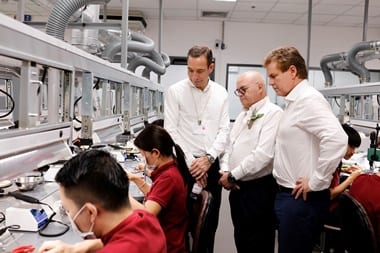
    Pandora’s new crafting facility

    Guests, including Pandora chief executive Anders Colding Friis, view the new facility on the official opening day

    Speaking at today’s factory launch, chief executive officer for Pandora Anders Colding Friis said: “It’s a proud day. I was thrilled to see how it would look and it looks even better in reality and is a reason to congratulate all of us.

    “This factory plays an important role in Pandora’s future. We need to be agile and flexible and this new factory will provide this service. We need to expand in necklaces, earrings and rings and into new markets.

    “We are one of the world’s most loved jewellery brands and this is a true statement for our future […] It’s really incredible, a state of the art centre.”

    The Lamphun factory forms part of a larger capacity project for Pandora that will potentially double the brand’s output capacity to more than 200 million pieces a year by the end of 2019.

    The project also includes building a new crafting facility in Gemopolis in Bangkok, and optimising the brand’s existing factory located in the Gemopolis region.

    In addition to the official factory opening, the Danish jewellery behemoth has also used today to officially launch its new SS17 campaign, #DOPANDORA.

    The campaign is a change in direction for Pandora with the new lifestyle imagery capturing moments in time.

  • Anya Hindmarch teams with Smiley Company

    Anya Hindmarch teams with Smiley Company

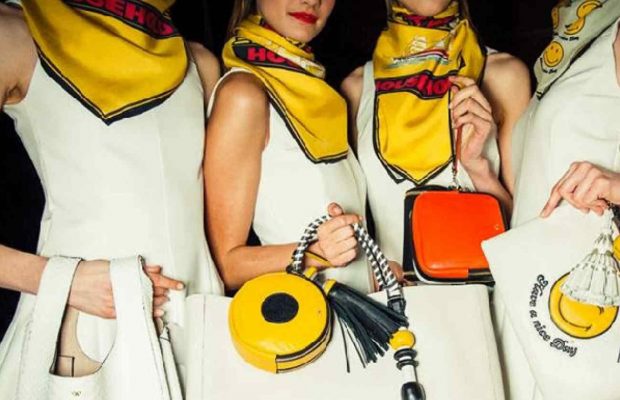
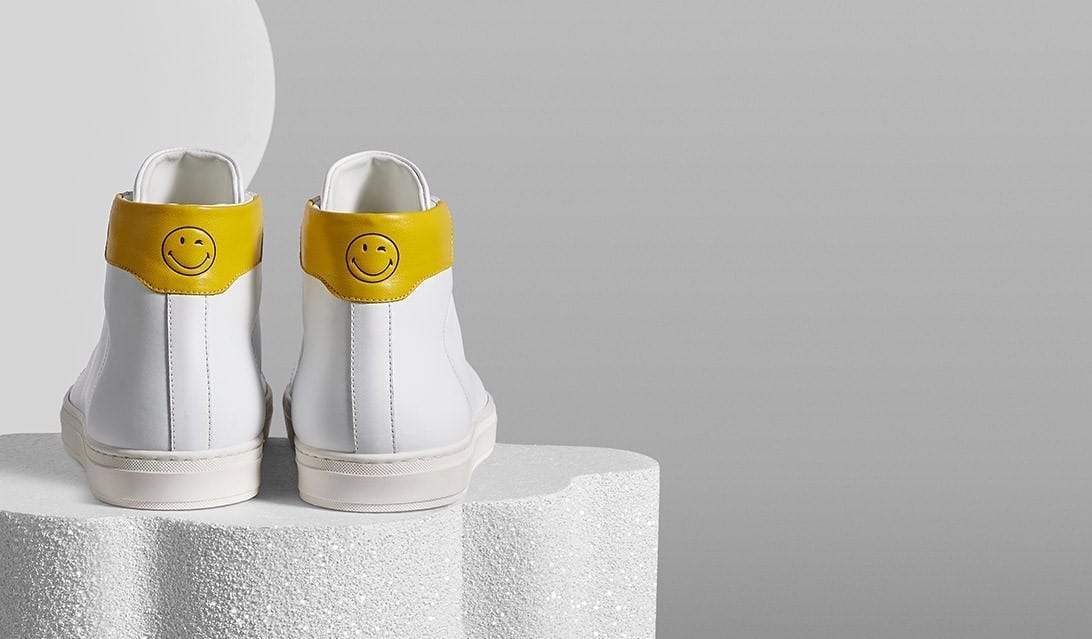
    English fashion accessories designer Anya Hindmarch has launched a marketing campaign for its partnership with the Smiley Company.

    The upscale designer’s global retail activation aims at “making the world a happier place”. It is also a social-media engagement mechanism with a call to action to “share your #smiley selfie @anyahindmarch” via a range of giant Smiley icons in window displays and on the shop floor.

    The window elements feature all-over Smiley print decals and vinyls across Hindmarch’s retail portfolio, includes stores in Aoyama in Tokyo and Lee Gardens in Hong Kong.

    “It’s great to see Anya Hindmarch spreading happiness at some of the world’s most luxurious shopping areas with her new Smiley window campaign,” says Smiley CEO Nicolas Loufrani.

    “Smiley has never been so big, so obvious, so fun and yet so chic. There is no better way to celebrate our 45th anniversary.”

  • Emerging markets like Vietnam help Inditex outpace H&M

    Emerging markets like Vietnam help Inditex outpace H&M

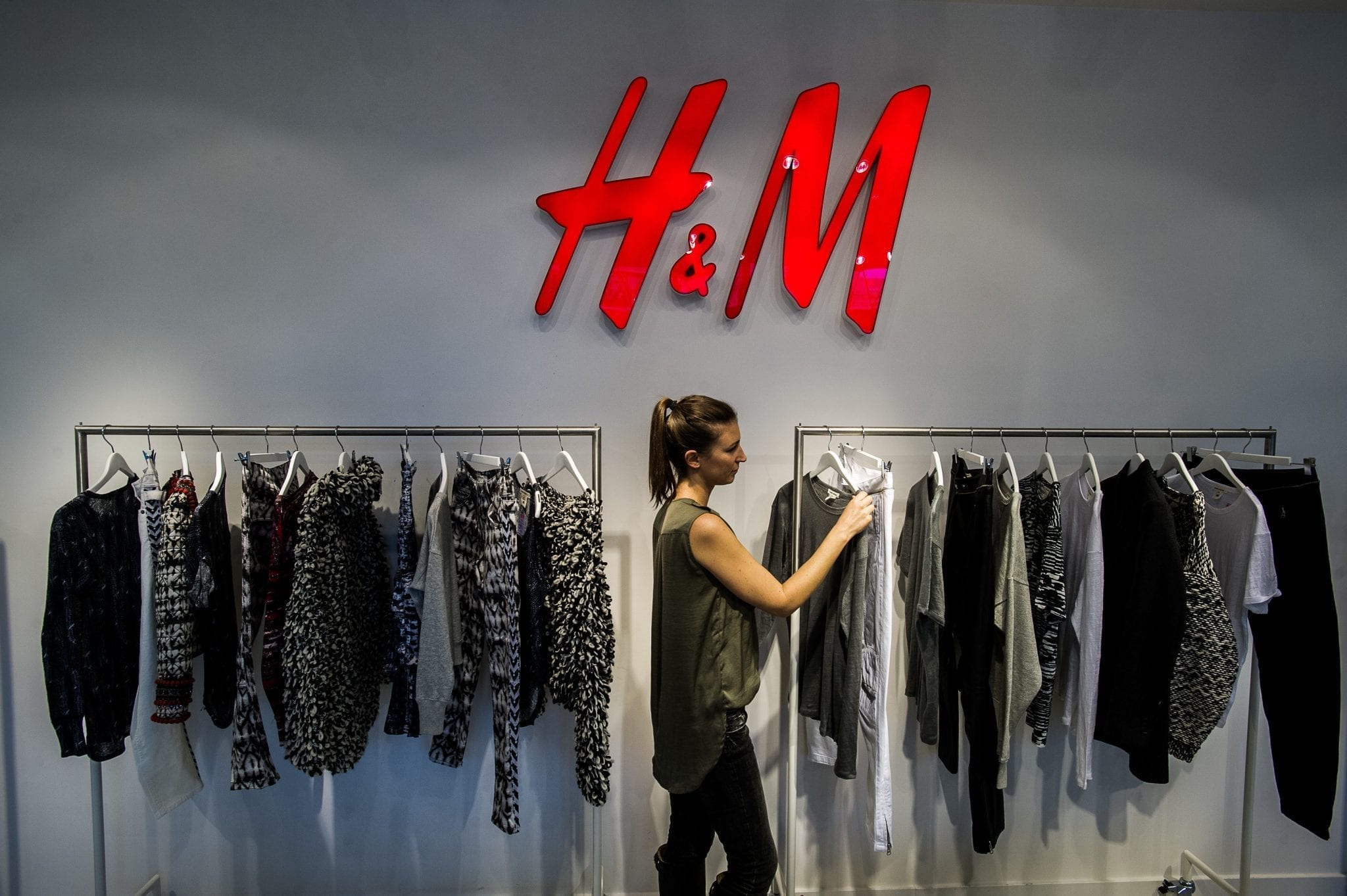
    Fashion retailer H&M’s sales fell unexpectedly in February while Inditex, which owns Zara, pulled further ahead of its Swedish rival, helped by its expansion online and a bigger emerging market presence.

    Inditex, the world’s biggest clothing retailer, has consistently outperformed H&M in the past few years as a result of online growth and its push into new markets. The Spanish company has also diversified more quickly into higher-priced brands, reducing exposure to the rise of discount chains like Primark.

    H&M has embarked on plans to roll out ecommerce in more markets this year and speed up expansion of newer brands such as the mid-market COS and & Other Stories.

    But on Wednesday H&M revealed that local-currency sales fell in February for the first time in four years, slipping 1 percent year-on-year, against a forecast in a poll of analysts for a 6 percent rise. H&M’s shares fell 5 percent.

    In contrast, Inditex’s local currency sales rose 13 percent from February 1 to March 12, as customers snapped up items from spring collections like double-breasted jackets, palazzo trousers and embroidered tulle tops.

    This was adjusted for an extra trading day in February 2016. H&M sales were up 3 percent in February, taking that calendar effect into account.

    Inditex results highlight the success of its strategy, with like-for-like sales up 10 percent in the year to end-January, helped by a shift towards opening bigger stores in prime locations that are then integrated with online operations.

    emerging-markets-like-vietnam-help-zara-owner-inditex-outpace-hm

    Inditex opened stores in 56 countries during the year, including its first opening in Ho Chi Minh City, Vietnam.

    Forex pressure

    Inditex’s gross profit margin missed analyst expectations, falling to 57.0 percent in its 2016 financial year from 57.8 percent in 2015. This weighed on the company’s shares which were down 1.4 percent by 1014 GMT.

    Inditex, known for speeding the latest trends from runway to stores in a matter of days, reports in euros but makes more than half its sales in other currencies, exposing it to falls in the likes of the Mexican peso and the Russian rouble.

    Chairman and Chief Executive Pablo Isla said this margin metric would have increased on the year had it not been for the negative currency effects.

    Analysts expect this effect to swing in Inditex’s favor over the next 12 months with a consequent boost to profit margins.

    “We are very keen buyers of Inditex for 2017,” Anne Critchlow, analyst at Societe Generale, said. She said Inditex trades on 26 times forward earnings, compared to H&M on 21 times.

    Inditex opened stores in 56 countries during the year, including first openings in New Zealand, Vietnam and Paraguay, bringing its total store count to over 7,200. It launched online sales across its stable of brands in Turkey and said on Wednesday it would start online sales in India in 2017.

    H&M is more reliant on Europe than Inditex. In Germany, for example, which is H&M’s biggest market, apparel sales fell 9 percent in February, according to trade journal Textilwirtschaft.

    “Market conditions are the main driver of the weak February number,” UBS analyst Adam Cochrane said. “There’s a fear that they are losing market share on a like-for-like basis.” UBS has a “buy” recommendation on H&M.

    H&M reported that sales in local currencies rose 4 percent in its fiscal first quarter to February 28. That compares with a new target for annual sales growth of 10-15 percent. H&M is due to publish its full fiscal first-quarter report on March 30

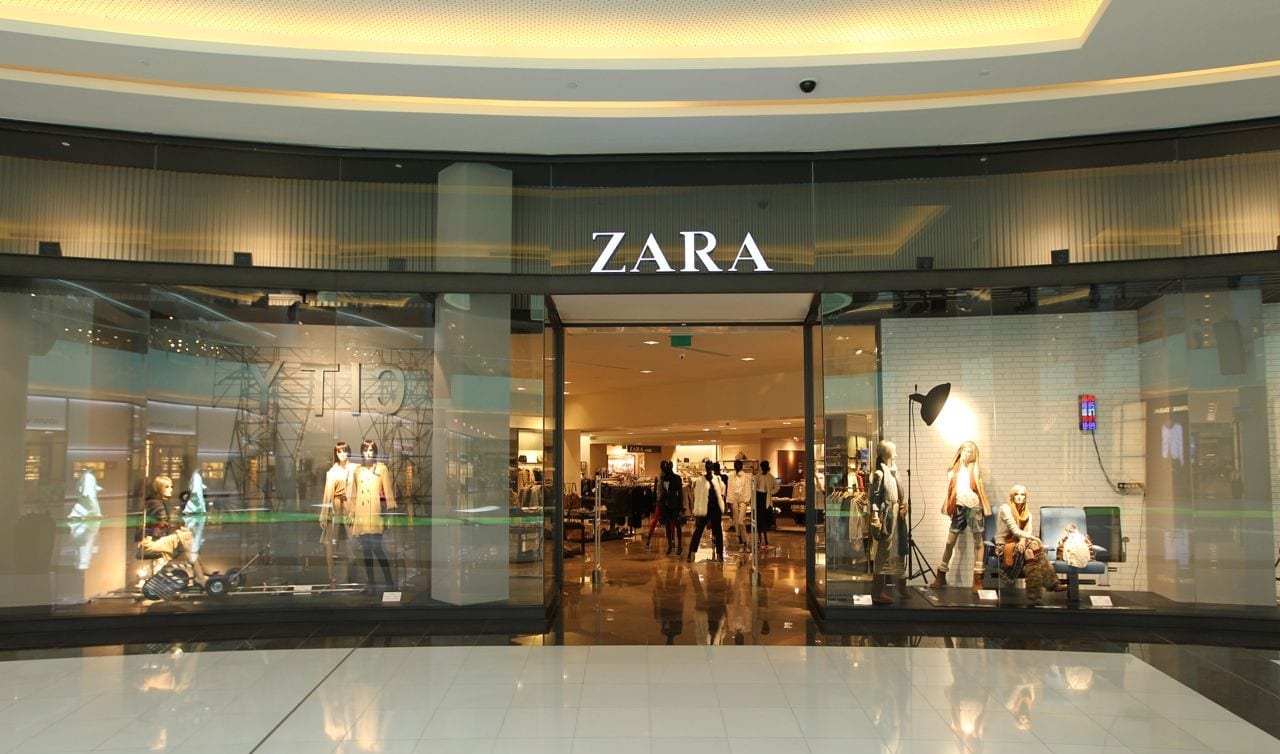
  • Zara Thailand launches online

    Zara Thailand launches online

    Zara Thailand is launching online sales in Thailand this month.

    Vietnam will follow, with the service already introduced in Malaysia and Singapore this month.

    Also this year, the brand will start selling online in India, where the Spanish fast-fashion chain is expected to reach sales of US$200 billion by 2025, according to a study by consulting firm Wazir Advisors.

    Additionally, Zara parent Inditex has said it will open a 5000 sqm flagship Zara store in Mumbai, which will be the largest of its 21 outlets in India.

    Inditex says its bottom-line profit rose by 10 per cent to €3.16 billion (US$3.3 billion) last year, beating out its main rival, Sweden’s H&M, which had a net profit of about US$2.1 billion.

    Opening 279 stores in its latest fiscal year, to the end of January, it has nearly 7300 outlets in 93 countries, with five new markets including New Zealand and Vietnam.

  • Uniqlo targets Zara in faster fashion move

    Uniqlo targets Zara in faster fashion move

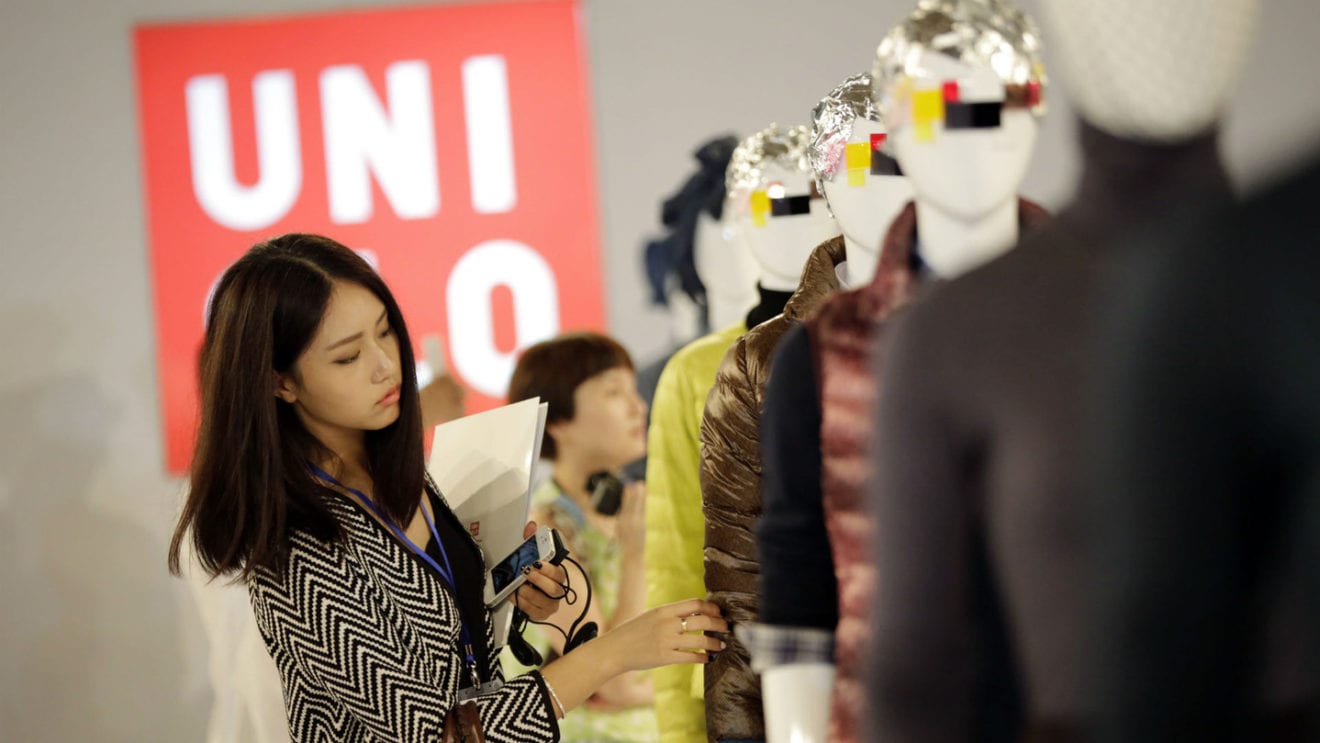
    From fast fashion to faster fashion: speed is seen as the key by Uniqlo owner Fast Retailing in its bid to outrace apparel powerhouse Zara.

    Uniqlo founder Tadashi Yanai says Fast Retailing plans to shorten the time it takes from design to delivery to about 13 days, roughly the same as Zara, owned by clothes retailer Inditex.

    He says the company’s new design and delivery centre in Tokyo will also help Uniqlo expand direct-to-consumer, custom-clothing sales and improve the efficiency of its same-day delivery in the city.
    “We need to be fast,” he says. “We need to deliver products customers want quickly.”

    Japan’s biggest clothing retailer aims to increase total revenue by nearly 70 per cent to ¥3 trillion (US$26 billion) in the fiscal year ending August 2021. While that may still not be enough to overtake Inditex, which reported sales of $25 billion last year, Yanai says Fast Retailing’s focus on clothes that meet consumers’ daily needs will help propel its growth.

    “Zara sells fashion rather than catering to customers’ needs,” he says. “We will sell products that are rooted in people’s day-to-day lives, and we do so based on what we hear from customers.”

    Overseas markets, notably in Asia, will grow to contribute about two-thirds of Fast Retailing’s revenue in the next four years, up from about half currently. Uniqlo will open 100 stores in China and another 100 in Southeast Asia annually, says Yanai.

    Concentration for speed

    The company’s new complex, in the Ariake district along Tokyo’s waterfront, houses more than 1000 employees, including designers and marketing teams, and also has a warehouse and delivery department. Yanai says that concentrating resources into one location will help speed processes.

    “The ability to provide anybody, anywhere, anytime with the ultimate, high-quality day-to-day clothing will set us apart,” he says. “We want to deliver products that customers want quickly. That’s why it’s Fast Retailing.”

    After revenue growth of more than 20 per cent for three straight years, Uniqlo sales took a hit in the latest fiscal year. The growth rate slowed to 6 per cent after the brand raised prices because of higher raw-material costs.

    Following the slowdown, the company did a U-turn on its pricing strategy, saying it was committed to delivering the lowest price possible. However, it had to roll back its 2021 revenue target to ¥3 trillion from ¥5 trillion.

  • Tissot Japan plans to double outlets

    Tissot Japan plans to double outlets

    Tissot Japan plans to almost double its stores to 300 locations over the next few years.

    The Swiss watchmaker says its aim is to broaden its brand recognition in one of its most important markets.

    Part of the Swatch Group, Tissot has its products in about 170 stores in Japan, and intends to increase that to about 220 locations this year. As well as department stores and watch stores, it is considering sales at boutiques as well.

    In July, Tissot opened its first street-level store in Japan, in Osaka. In the medium term, it is considering opening one in Tokyo as well.

    Swatch also owns other brands, such as luxury watchmaker Omega.

  • Skin care brand Mamonde opens Lazada online store

    Skin care brand Mamonde opens Lazada online store

    Korean beauty products brand Mamonde has launched an e-commerce site on Lazada to introduce its skincare and makeup products into Singapore.

    Mamonde’s USP is using flower extracts in its products. Camellia, hibiscus, honeysuckle, lotus and magnolia blooms are hand-picked and frozen or heat dried, with the active ingredients then being extracted.

    There are plans to also open a physical store in Singapore eventually, says Amorepacific, which also owns the brands Etude House, Innisfree, Laneige and Sulwhasoo.

    “Launching digitally first in Singapore was a deliberate move that allows us to observe consumer purchasing habits before scaling up operations in the market,” says Amorepacific Asean regional head Robin Na.

    “While the beauty industry in Singapore is mature, we believe that consumers there are still hungry for new brands.”

  • Tokyo boosts Valentino sales

    Tokyo boosts Valentino sales

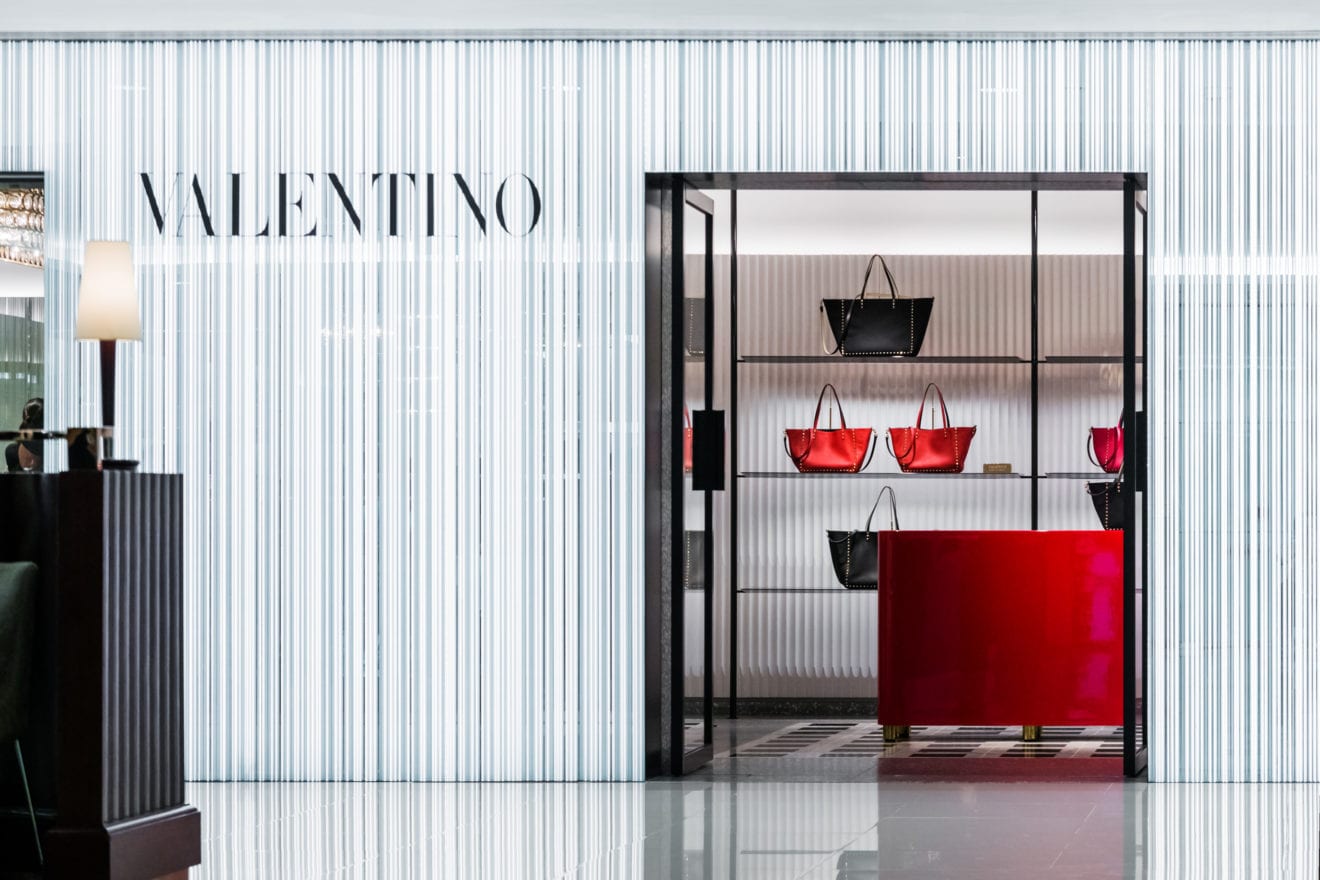
    Luxury fashion retailer Valentino boosted sales by 12.4 per cent last year, reaching €1.11 billion.

    Following a stunning 47 per cent growth in Valentino sales the previous year, the company has trebled its turnover in the four years since Qatari royal family acquired the business in 2012.

    A major factor in last year’s growth was the expansion into Japan, where it opened a new flagship in Tokyo’s Omotesando district. Two more stores are planned for the city, the first in Ginza and another in a location yet to be disclosed, but possibly Roppongi.

    The US continues to be the brand’s largest market accounting for about 20 per cent of sales.

    Valentino currently operates 175 of its own stores internationally, with retail sales accounting for 55 per cent of sales and the balance wholesaling. The company is on track to open 20 more physical stores this year, along with boosting its online presence and sales through both its own website and those of multibrand retailers.

    Profit for last year was €206 million, up 14.4 per cent on 2015.

    While privately owned Valentino sales and profit results are released due to a mid-term intention to launch an IPO. GM Stefano Sassi said in a press statement there was no decision at this time on timing for the float.

    “There is nothing planned for 2017, and the project will be re-evaluated based on the most favourable market conditions.”

  • China drives Tiffany Asia sales growth

    China drives Tiffany Asia sales growth

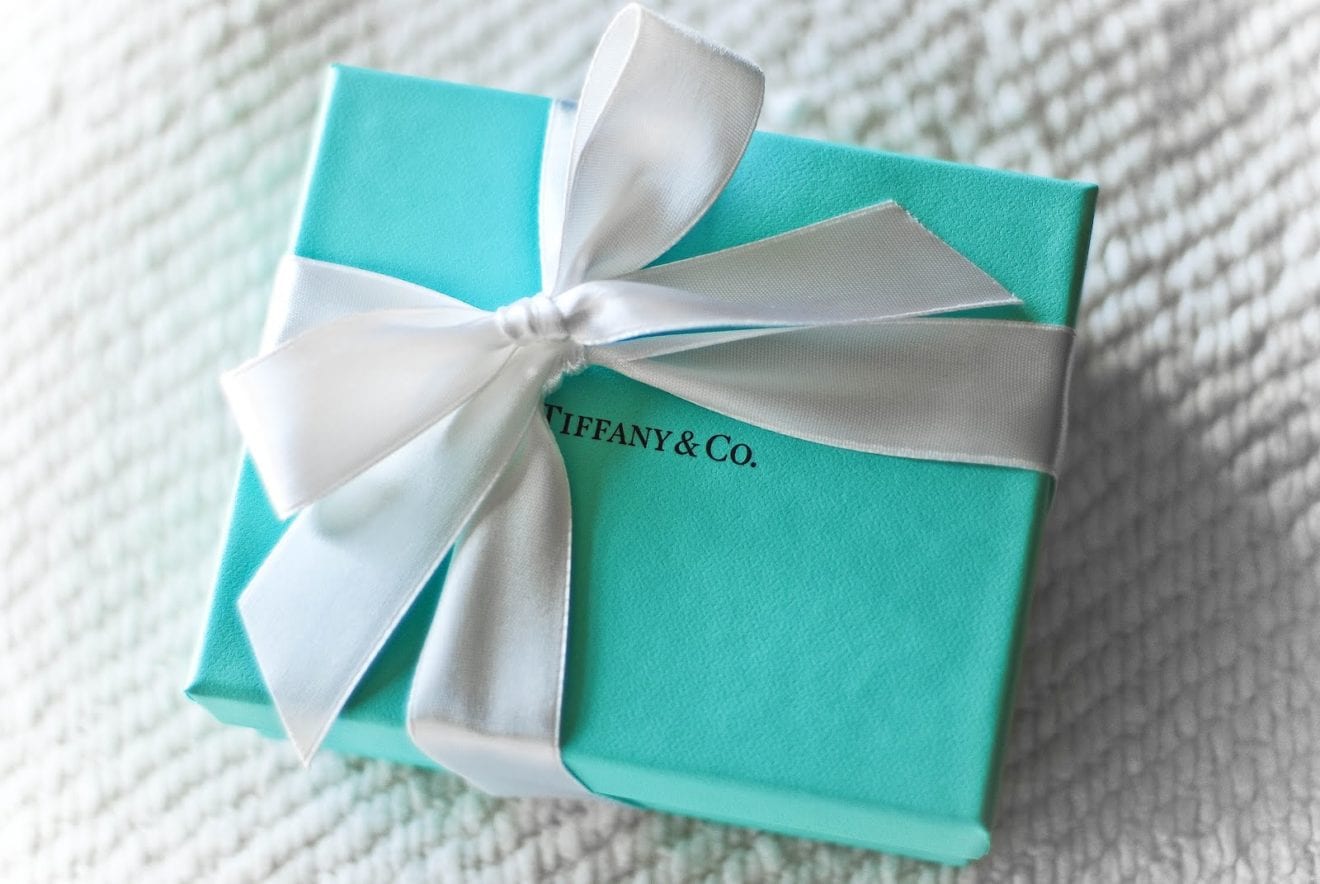
    Tiffany Asia sales rose 9 per cent on the back of new store openings in 2016, with a solid fourth quarter balancing out a difficult year.

    In the Asia-Pacific region, total sales of US$1 billion in the full year were approximately equal to the prior year and total sales of $284 million in the fourth quarter were 9 per cent up on 2015 as the company benefited from store network expansion.

    Tiffany Asia opened four new stores last year and another in Japan, taking its network to 85 in Asia-Pacific and 55 in Japan. Globally, it opened 11 and closed five.

    Same-store sales declined 9 per cent for the full year, but 2 per cent in the final quarter. On a constant-exchange-rate basis, total sales rose 1 per cent in the full year and 10 per cent in the fourth quarter, while comparable store sales declined 7 per cent and 1 per cent, respectively.

    “During the year, management attributed performance in this region to increased purchasing by local customers and declines in spending by foreign tourists. In addition, there was strong retail sales growth in China, increased wholesale sales in Korea, a decelerating rate of retail sales decline in Hong Kong and varying performance in other countries,” Tiffany said in its results announcement.

    In Japan, total sales rose 12 per cent to $604 million in the full year and 15 per cent to $185 million in the fourth quarter; comparable store sales increased 16 per cent and 19 per cent, respectively, while wholesale sales declined in both periods.

    On a constant-exchange-rate basis, total sales in the full year were approximately equal to the prior year while total sales in the fourth quarter were 8 per cent above the prior year with comparable store sales growth of 5 per cent and 12 per cent, respectively, partly offset by a decline in wholesale sales. Management attributed sales growth in both periods to higher spending by local customers, with declines in spending by Chinese tourists.

    Worldwide results

    Worldwide quarterly net sales increased 1 per cent to $1.2 billion and same-store-sales were unchanged from the prior year. Net earnings were $158 million, compared with $163 million in the prior year.

    For the full-year, sales reached $4 billion, down 3 per cent on 2015, reflecting a 5 per cent decline in same-store-sales. Performance was generally soft across all jewellery categories. On a constant-exchange-rate basis net sales and comparable store sales declined 3 per cent and 5 per cent respectively.

    Net earnings were $446 million, compared with the prior year’s $464 million.

    Chairman and interim CEO Michael J Kowalski said the company expects the macroeconomic and geopolitical challenges of the past year to continue in 2017.

    “We strongly believe that Tiffany’s strategies are sound and that we have meaningful growth opportunities. Our management team is focused on accelerating the execution of our strategies to deliver extraordinary products, communications and experiences that will delight our customers around the world. Through strong leadership and this accelerated execution, we believe we are well-positioned to deliver attractive total shareholder return over the long-term,” he said.

    Tiffany “failing to connect”

    Analyst Neil Saunders, MD of GlobalData Retail, said while Tiffany sales in the final quarter were soft, they at least indicate the declines which have plagued the company for a long period are starting to level off.

    But he maintains a lot of work lies ahead to reconnect with customers.

    “Although the business is making some progress, that progress is patchy and does not indicate a company that is back to full health. Indeed, under the detail of the numbers it is clear that Tiffany still has issues in a number of regions, including the Americas and Europe.

    “Part of the decline in the Americas is down to lower tourist spend which is impacting some flagship stores; that said, trend is now starting to dissipate and the effect on results is only slight compared to where it was at the start of the year. However, in the final quarter this was exacerbated by disruption at the Fifth Avenue flagship store which, due to its proximity to Trump Tower, saw customer traffic dip by around 14 per cent over November and December, and sales drop by 7 per cent in the final quarter. Given that this store usually contributes almost a tenth of company sales, it is reasonable to attribute some of the decline to this exceptional factor,” Saunders said.

    “The troubles, however, run wider than flagships and tourists. Tiffany is a brand that is increasingly overlooked by American consumers, especially younger demographics. Just as was the case at the start of the year, Tiffany is still failing to connect with many shoppers segments and continues to lose ground to rivals.”

    Saunders says jewellery has become a less-significant holiday purchase.

    “Jewellery is no longer at the top of the Christmas list. For a brand like Tiffany, where lavish gifting is an important driver of buying, such a trend is distinctly unhelpful.”

    Looking ahead, he says, it is clear Tiffany wants to re-establish its relevance and to project a much more distinctive image.

    “The advertising during the Super Bowl, which highlighted Lady Gaga as the face of the brand, was a good start. However, it is not enough: it needs to be accompanied by a step change in products, store environments, and the general approach to selling. There is a need for a more fundamental and deeper shift in the brand’s direction.

    “Fortunately, recent changes made to the management team, including the appointment of Reed Krakoff as chief artistic officer and the hiring of three new board members, should act as a catalyst for this change.”
  • Herr Seoul opens in Central

    Herr Seoul opens in Central

    Herr Seoul has opened its first store outside Korea.

    The prestigious Seoul barbershop has chosen bespoke menswear destination Attire House for its offshore debut, which opened this week.

    HERR_in_Seoul

    Founder Sangyoon Lee visited Hong Kong to meet customers and local influencers and share his knowledge of men’s grooming, entrepreneurship at his young age and Herr’s mission to be “the ultimate gentleman’s paradise”.

    HERR_at_AttireHouse

    Established in 2013 in Seoul, Herr believes it has “set the trend of men’s grooming in Korea as it encourages men to release their dapper potential by providing professional knowledge of personal care and offering highly skilled stylists for the finest and latest haircuts”.

    HERR_interior

    Customers are encouraged to take dwell time and build a relationship with their barber.

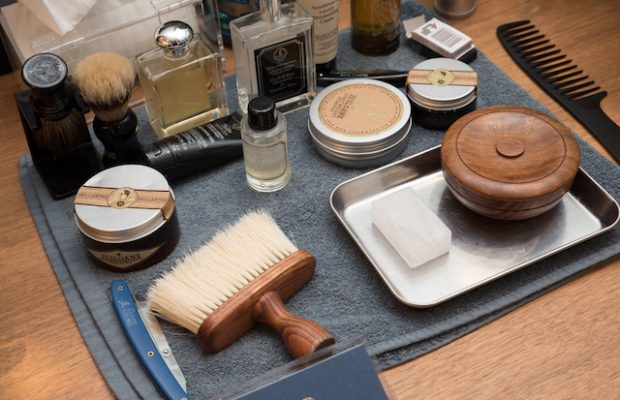
    TaylorOfOldBondStreet_grooming_kit

    Herr Seoul has collaboration projects with luxury fashion giants, watchmakers and hotels, including Louis Vuitton, Gucci, Tod’s, Club Monaco, Patek Philippe, and the Four Seasons Hotel.

    HERR_cupboard1

    Herr currently has three branches in Seoul – next to Hyundai Card Headquarter, Lotte Department Store in Myeong-dong and the Four Seasons Seoul providing full grooming services.

    HERR_sink2

    HERR_barberchair1

    Attire House, the  brainchild of Brandon Chau and Roger Chan, is a two-story, 5000 sqft ‘gentlemen’s haven’ in Central established in December 2016, offering ready-to-wear attire, bespoke tailoring, grooming and a mixologist’s bar.

  • Chow Tai Fook looks to Japan for growth

    Chow Tai Fook looks to Japan for growth

    Hong Kong jeweller Chow Tai Fook is looking to Japan for growth to compensate for its challenges in greater China.

    The company is about to open a shop inside the Laox duty-free shopping centre in Tokyo’s Shinjuku district, a prime destination for Chinese tourists to the city.

    Currently, Chow Tai Fook operates just 19 of its total 2326 stores outside Hong Kong and Mainland China.

    Chow Tai Fook’s sales fell by 25.7 per cent in Hong Kong and Macau and by 20.9 per cent in Mainland China in the half year to September 30.

    In Japan, the jeweller will targeting tourists from China, rather than Japanese consumers who are unlikely to be lured by the style of its offer. Tourism numbers from China to Japan have been rising in recent years due to more relaxed visa conditions and currency fluctuations. Last year, more than 6 million Chinese visited Japan, spending an average of US$2000, more than twice that of the average tourist.

    “With an emphasis on gold and somewhat ostentatious design, Chow Tai Fook looks unlikely to appeal to the Japanese market,” commented David Blecken of Campaign Japan. “That should not be a major problem considering the continuing growth of inbound tourism to the country and relatively high spending of visitors, although Chow Tai Fook has low awareness among non-Chinese groups.”

  • Inditex Group sales rise on new stores

    Inditex Group sales rise on new stores

    Zara parent Inditex Group sales rose by 12 per cent in its latest trading year, to January 31, reaching €23.3 billion.

    Growth was achieved in every geographic region where the group is present, and includes contributions from debut stores in Vietnam and New Zealand.

    Same-store sales rose by 10 per cent, up from 8.5 per cent the previous year, with positive same-store sales growth in all geographies and across all brands.

    Net profit was €3.2 billion, up 10 per cent year-on-year, while earnings before interest and tax grew 8 per cent to €5.1 billion.

    Chairman and CEO Pablo described the result as positive against a backdrop of strong prior-year performance.

    Inditex opened 279 stores, net of closures, in 56 markets, across all its brands, ending the year with 7292 stores in 93 countries, a large proportion of the new ones in Asia, including its first Zara in Vietnam, in Ho Chi Minh City.  Other Zara stores opened in China, Thailand, Indonesia and Japan and it refurbished it flagship in the Shinjuku district in Tokyo, one of Japan’s most important shopping districts, which reopened to the public in November.

    A flagship Pull&Bear store opened in Windsor House in Hong Kong and new stores were opened by Massimo Dutti in India and by Oysho in Indonesia. Bershka refurbished its flagship on Nanjing Road East in Shanghai and Zara Home opened a global flagship on Garosu de Seoul in South Korea.

    Since the financial year ended, it has opened online stores in Malaysia and Singapore, taking its online platform to 43 markets.

  • Samsonite sales grow despite Asia slow sales

    Samsonite sales grow despite Asia slow sales

    A soft Asian market failed to take the gloss off a stellar performance for Hong Kong-listed luggage giant Samsonite International.

    Buoyed by the addition of the Tumi business it acquired last August, Samsonite sales grew 17.3 per cent to US$2.81 billion in the year to December 31. Excluding Tumi, sales rose by a more modest 6 per cent.

    Gross profit for year increased by $242 million, or 18.9 per cent, to US$1.52 billion. Gross profit margin increased from 52.6 per cent to 54.1 per cent, partly due to the addition of the Tumi brand which enjoys higher margins. Excluding Tumi, gross profit margin increased to 53 per cent.

    In Asia, Samsonite sales rose 9.9 per cent year-on-year, including Tumi, but by just 4 per cent excluding Tumi.

    Globally, sales rose 26.8 per cent in North America (4 per cent excluding Tumi), 16.1 per cent in Europe (10.3per cent); and 17.4 per cent in Latin America (17.4 per cent).

    CEO Ramesh Tainwala described 2016 as Samsonite’s most momentous year since its IPO in 2011.

    “The acquisition of Tumi fulfilled a long-held ambition for Samsonite, and establishes a strong multi-brand platform to drive long-term growth across a broad range of price points and product categories. All of our regions delivered solid constant currency net sales growth in 2016, and looking ahead, we will continue to focus on implementing our multi-brand, multi-category and multi-channel strategy,” said Tainwala.

    “We continue to focus on growing e-commerce as a channel, and net sales in the group’s total e-commerce business increased by 19.7 per cent year-on-year in 2016, excluding Tumi. We believe that the group has the potential to become a significant player in the bags and luggage e-commerce channel.”

  • Aesop Korea opens fifth Seoul boutique

    Aesop Korea opens fifth Seoul boutique

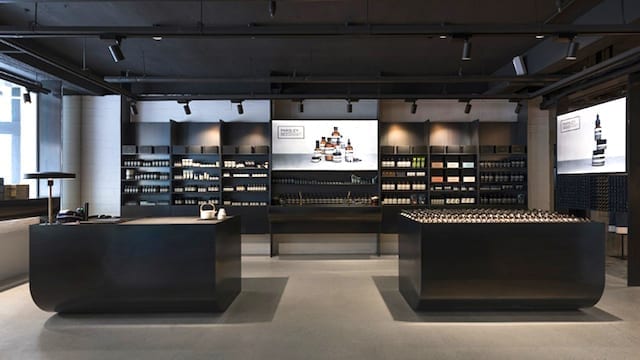
    Australian luxury beauty brand Aesop has expanded its footprint in Seoul with a fifth signature boutique.

    On the ground floor of LG Twin Towers, a mixed-use complex in the upscale riverside neighbourhood of Hannam-Dong, the store is just 45 sqm.

    Aesop-new-boutique-Seoul-at-LG-Towers-1


    The new Aesop Korea store’s interior was designed by Suh Architects, a Korean practice which has already collaborated with the cosmetics brand on two other projects. Principal/founder Eulho Suh has degrees from Rhode Island School of Design and Harvard University Graduate School of Design in the US, and worked for Morphosis Architects in Santa Monica, California, and Kohn Pederson Fox in New York.

    Aesop was established in Melbourne in 1987 and has offices and stores throughout the world, including Hong Kong, London, New York, Paris and Tokyo.

  • Fashion house Calvin Klein rebranding

    Fashion house Calvin Klein rebranding

    Fashion house Calvin Klein, a wholly owned subsidiary of PVH, plans to rebrand its men’s and women’s contemporary apparel and accessories business.

    It is changing from Calvin Klein Platinum to CK Calvin Klein, with a global roll-out of the new branding to start this month.

    In Asia and Japan, in coordination with licensing partners Club21 and Onward Kashiyama respectively, the CK Calvin Klein rebranding will be introduced with this year’s spring season. Freestanding stores opening this year in Asia will feature the new branding, while existing stores will be transitioned on a rolling basis.

    Founded in the US in 1968 by Calvin Klein and his business partner Barry Schwartz, the company had global retail sales exceeding US$8 billion in 2015 with distribution in more than 110 countries. Calvin Klein employs more than 10,000 people globally, and was acquired by PVH in 2003.

    With a history of more than 130 years, PVH is an apparel company with a presence in more than 40 countries and more than $8 billion in revenues. As well as Calvin Klein it owns the Arrow, Izod, Olga, Speedo, Tommy Hilfiger, Van Heusen and Warner’s brands.