Category: Fashion

Retail News Asia is committed to providing both local and global retailers with the latest Fashion news throughout the Asian market. This on a daily base.

  • Nike plus-sized workout range launched in US

    Nike plus-sized workout range launched in US

    A new Nike plus-sized range will expand the US sportswear brand’s reach – and appease those who criticise it for focusing on the purely athletic.

    The new workout wear range includes sizes from XL to 3XL.

    “Nike recognises that women are stronger, bolder and more outspoken than ever,” the sportswear giant said in a statement.

    “The days where we have to add ‘female’ before ‘athlete’ are over. She is an athlete, period. And having helped fuel this cultural shift, we celebrate these athletes’ diversity, from ethnicity to body shape.”

    Like Nike’s core range, the plus-size collection will use the same technology in design and fabric and includes sports bras, running tights, high-tech hoodies.

    Helen Boucher, VP of women’s training apparel, says when the company created its range it did not just make existing products larger.

    “That doesn’t work because as we know, everyone’s weight distribution is different.”

    The pressure will now be on rivals like Lululemon, Puma and Adidas to follow suit…

  • Eyewear brand MUJOSH opens first Canadian store at West Edmonton Mall

    Eyewear brand MUJOSH opens first Canadian store at West Edmonton Mall

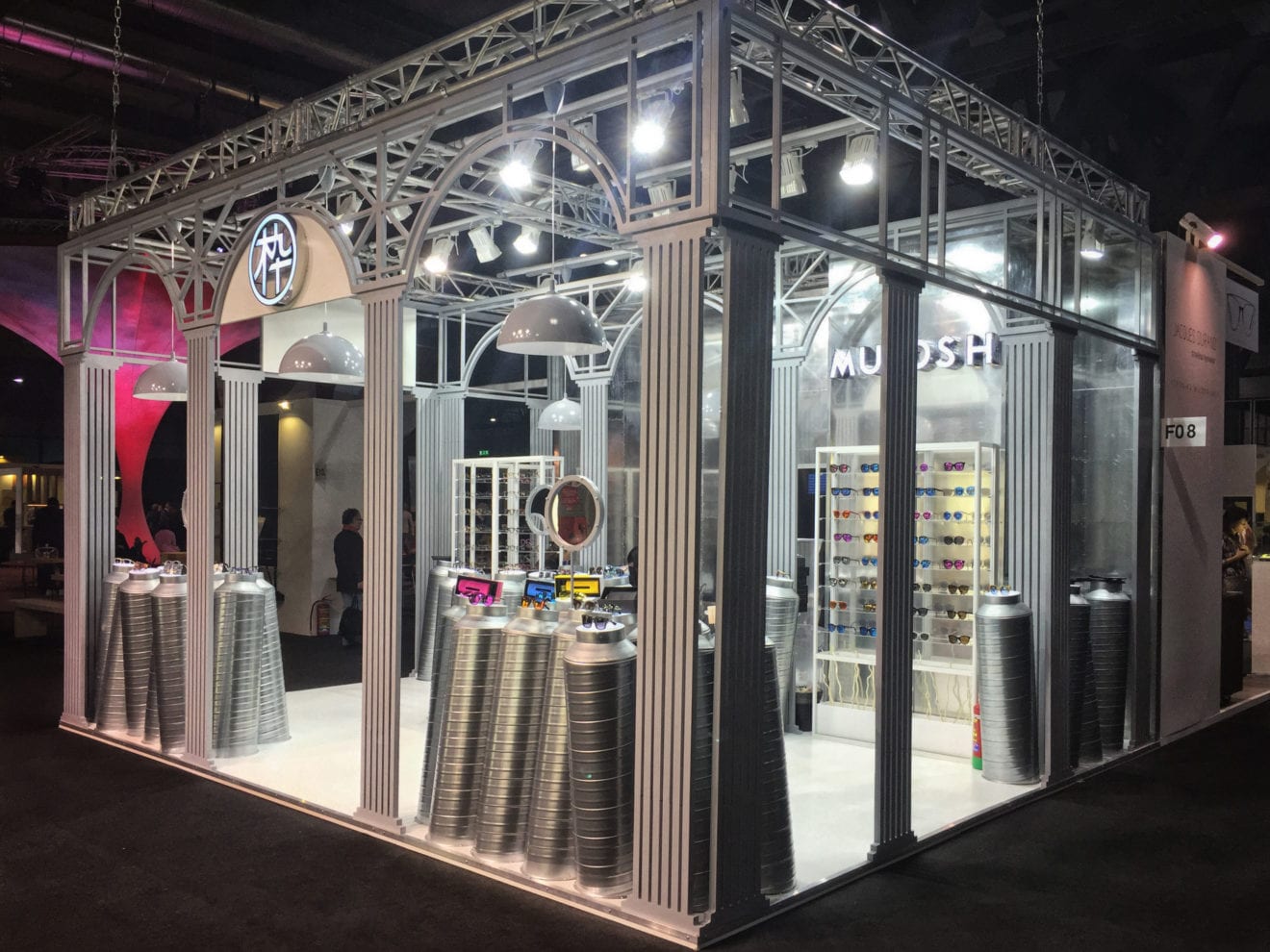
    Hong Kong-based upscale eyewear brand MUJOSH has added its first Canadian store to its portfolio of over 700 boutiques across Asia and the South Pacific. The store’s opening is in line with a recent trend of international and local expansion of eyewear brands into Canada.
    MUJOSH opened in West Edmonton Mall at the end of February and the company is planning further expansion in Canada and the Philippines, into 2017. The brand hopes to open 1,000 new outlets.
    “This successful debut in Canada marks a milestone for MUJOSH on its way to expand globally,” the company said in a press statement.
    The eyewear fashion brand was founded in 2010 and has stores in Mainland China, Hong Kong, Singapore, Thailand, Malaysia and Australia, in addition to Canada. West Edmonton Mall averages 90,000 to 200,000 shoppers daily and 32 million consumers annually.
    The deal to acquire the West Edmonton retail space was negotiated by Ben Lebrecque of Quebec-based Oakmont Real Estate Services.  Over the past year, Canadian retail saw several new eyewear brands enter the market or expand across the country. In the fall of 2016, New York eyewear Warby Parker opened its second Toronto store. Australian brand Bailey Nelson recently opened at Metropolis at Metrotown in Burnaby and the Bentall Centre and Gastown in downtown Vancouver. Montreal-based BonLook will continue to expand across Canada with 20 new stores.
    Two American eyewear retailers will soon announce the opening of their first Canadian freestanding stores, according to Retail Insider.
  • Maria Grazia Chiuri collection for Dior pop-up

    Maria Grazia Chiuri collection for Dior pop-up

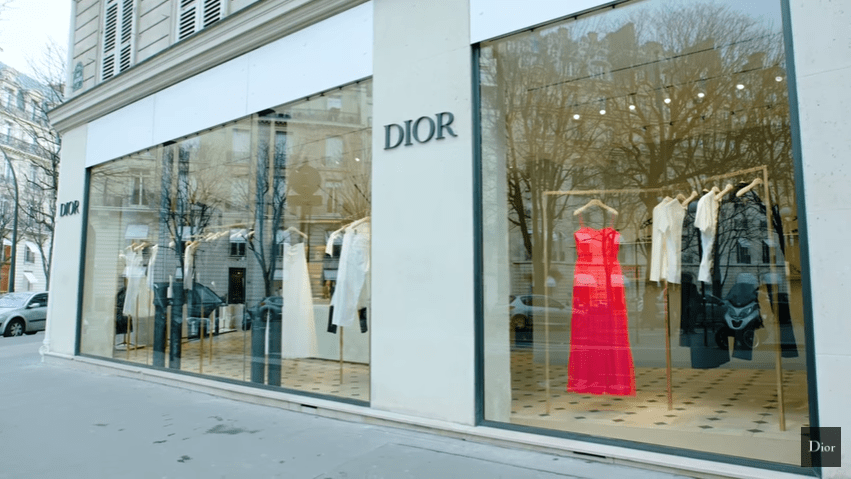
    Singapore is among seven international cities where Dior is launching pop-up stores to unveil its spring/summer ready-to-wear collection, the first designed by its new creative director Maria Grazia Chiuri.

    Dior pop up4

    Dior pop up3

    Dior pop up2

    Dior pop up

    The pop-ups revisit the Dior heritage in a contemporary spirit with a message, says the French luxury group.
    Los Angeles and Paris are first with the stores, with the roll-out continuing in Japan, Dubai, Seoul, Beijing and Shanghai.

    Singapore’s Dior pop-up opens at Ion Orchard on Thursday and will be open until March 22.

  • Jimmy Choo Asia sales soar

    Jimmy Choo Asia sales soar

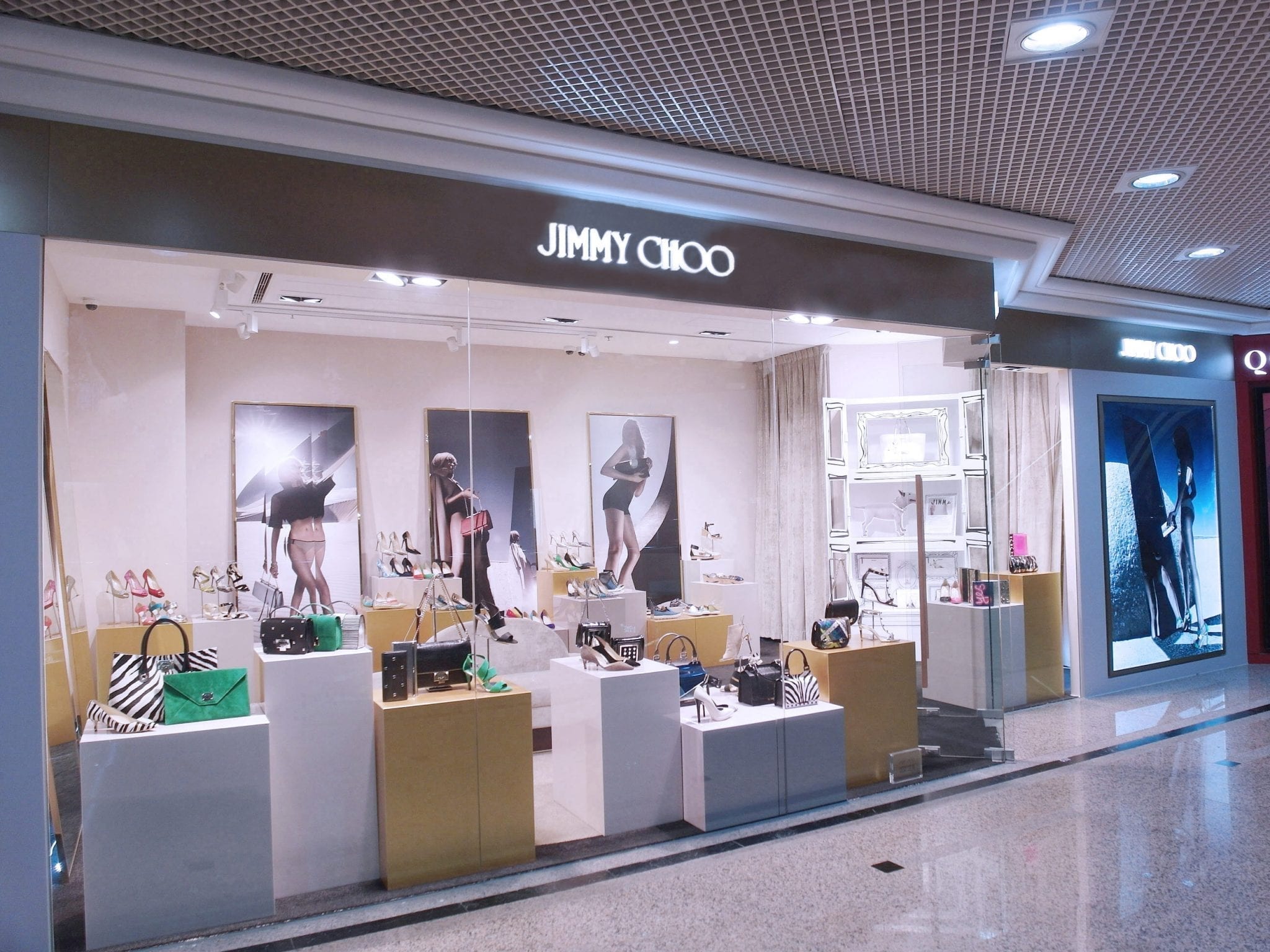
    Jimmy Choo Asia sales soared 19.2 per cent last year, according to its annual results.

    The solid performance reflects considerable investment in the Asian market – and was enough to mitigate a worrying 3.9 per cent in wholesale sales in the US.

    “While other luxury players such as Gucci and Louis Vuitton have struggled due to the demand for luxury goods falling in (Asia), Jimmy Choo’s strong British heritage has struck a chord with consumers,” observes Fiona Paton, a retail analyst with GlobalData Retail.

    Jimmy Choo CEO Pierre Denis says the brand “remains underpenetrated” in Asia and the company will continue to pursue new distribution opportunities there.

    For the year to December, Jimmy Choo’s global revenue grew at 1.6 per cent in constant currency and by 14.5 per cent in reported currency – up from £317.9 million in 2015 to £364 million last year.

    “On the surface these are an impressive set of results for Jimmy Choo with retail revenues climbing to £243.9 million and operating profits soaring 42.6 per cent,” says Paton.

    “However, the retailer’s reported high revenues were largely a result of currency changes during the year, which caused both sales values gains and changes to shopping patterns, as tourists favoured buying luxury items in the UK.”

    A foray into menswear boosted sales and broadened brand appeal during the year.

    “The move into men’s accessories and footwear comes as men show more interest in style and fashion, while its range of luxury trainers has helped leverage the lucrative athleisure trend,” says Paton.

    “The retailer reported both developments have been successful, especially men’s footwear and accessories which is now its fastest-growing category representing 9 per cent of all sales.”

    But she said Jimmy Choo’s greatest concern moving forward had to the the American market.

    “The fall in footfall to department stores’ luxury concessions caused total wholesale revenue to decline 3.9 per cent. Globally, the retailer opened 10 new format stores, but in the US the retailer relocated its New York flagship from Madison Avenue to SoHo and closed one of its new format stores. Jimmy Choo will need to develop more innovative marketing to ensure the brand still has the appeal it once did in a tougher US market.”

    With global like-for-like sales down 0.8 per cent, Jimmy Choo will be banking on Asian sales to continue to drive growth. Paton says the brand also needs to do more to boost its brand appeal.

    “Competitors like Burberry have invested in personalised marketing campaigns and teamed up with high-profile stars such as Sienna Miller to create feature-film style content. Jimmy Choo should look to create more creative campaigns and hire a well-known brand ambassador to gain more relevance and excitement.”

    Last year, the brand opened 16 new company-owned stores, taking its network to 150 worldwide, accounting for 45 per cent of revenues. Online sales account for  a further 6 per cent.

  • Valentino Opens New Flagship Store In Hong Kong

    Valentino Opens New Flagship Store In Hong Kong

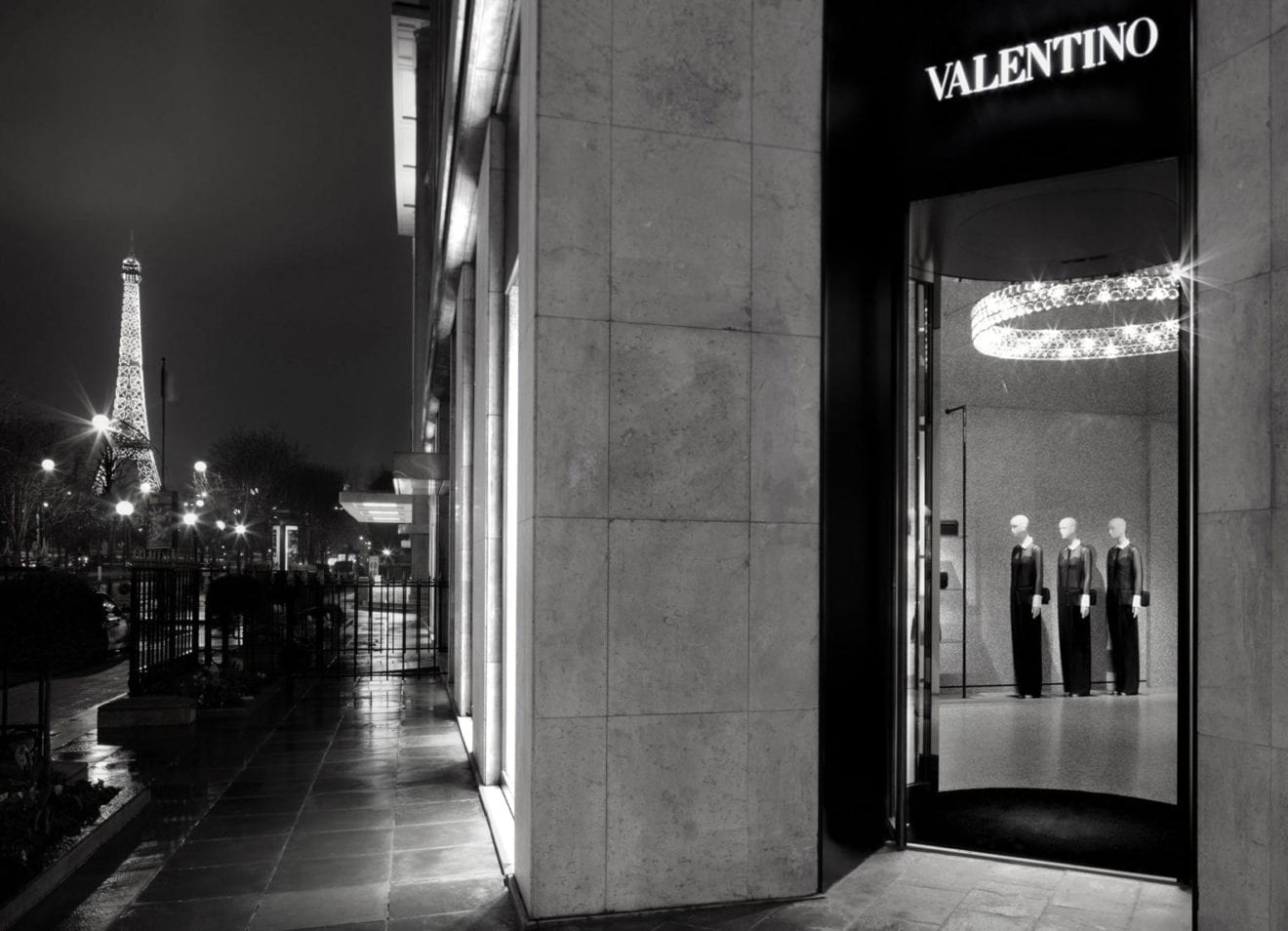
    Italian fashion brand Valentino opened a new flagship store in the first phase of Lee Gardens, Hong Kong. Located in the prosperous core area of Causeway Bay, the new Valentino flagship store has two floors and a total area of 382 square meters.

    Designed by the British architect David Chipperfield, this new store combines old and new aesthetic elements in creating a luxurious palace atmosphere, instead of a pure window display store style. Chipperfield used luxurious decorative materials, including Venice terrazzo, Athena marble, Carrara marble, and pine furniture.

    Valentino’s Lee Gardens store will sell a full range of women’s products, covering apparel, accessories, and perfume.

  • Crocs store is closing door

    Crocs store is closing door

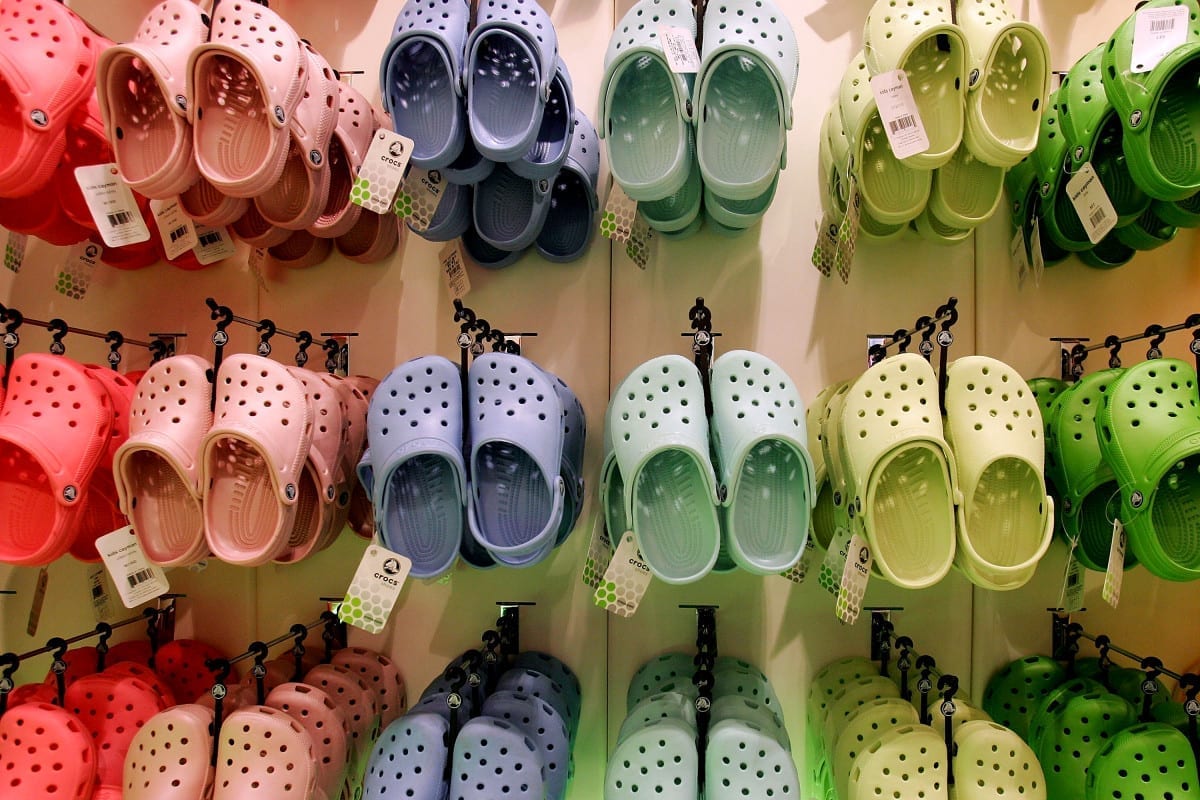
    One in four Crocs stores will be closed globally as the maker of the world’s ugliest shoes plots a survival plan.

    The store cull was announced along with another quarterly loss: the shoemaker finished its last three months US$44.4 million in the red, albeit a better performance than the same period a year earlier when it lost $73.9 million.

    Global sales were down 10.2 per cent to $187.4 million but in Asia the company says its retail sales declined by a whopping 16.6 per cent.

    Total Asian revenue was $68.8 million, down 9.8 per cent year-on-year, with wholesale revenues down 5.3 per cent (explained as a result of the sale of the South African business in April 2016). Retail sales in Asia declined 16.6 percent, despite the opening of nine stores since 2015. Online sales declined 7 per cent in Asia, which Crocs says was the result of weak sales in China on Singles’ Day.

    In Europe, revenue was down 14.2 per cent.

    As it restructures to ensure its survival, Crocs CEO Gregg Ribatt will step down on June 1, to be replaced by Andrew Rees who has for the past two years been president. The two roles will now be combined and Ribatt will remain on the company’s board.

    Rees told an analysts’ briefing that customers are responding favorably to new colors and prints added to the core Crocs molded product line.

    “We’ve also confirmed the importance of any newness to our iconic molded footwear through new color and graphic introductions, and through the expanded use of licensed characters,” he said.

    “Our spring/summer 2017 collection rolled out to warm-weather doors in November and early reads are encouraging. Going forward, our innovation and newness will be most heavily concentrated on core clogs and sandal, slips and slides where we see the greatest opportunity for growth.”

    Crocs is also banking on the endorsement of the product by celebrities Drew Barrymore, John Cena, Yoona Lim and Henry Lau who will feature in the brand’s latest Come As You Are marketing campaign launching in April.

    Full year figures

    Crocs’ full-year picture was nowhere near as bad as the last quarter’s. Total sales were $1.04 billion, down only a little from the $1.09 billion of a year earlier. On a constant currency basis, revenues declined 4.7 per cent.

    The company recorded a full-year net loss of $16.5 million, far better than the $83.2 million of 2015. Excluding non-recurring charges, the adjusted loss was $26.9 million.

    Rabat says Crocs has been reshaped into a company that :”functions more efficiently and effectively” and is in “a far better place now than two years ago”.

    “And while the operational work is critical, it is not yet, and I emphasise yet, translating into the financial gains we continue to believe are achievable.”

    Since 2014, Crocs has halved its SKU count, boosted the appeal of core sellers and added new collections.

    Once the store cull is complete in 2018, Crocs will operate about 400 outlets, adding $35 million to its bottom line in 2019. At the end of 2016 it had 558 stores.

    Carrie Teffner, Crocs EVP and CFO, says that given volatile market conditions, the company is not setting mid-term revenue and margin targets.

    “That said, we continue to believe that… longer term, the business can deliver EBIT margins in the 10 per cent range.”

  • Skin Laundry to launch in Japan, Korea this year

    Skin Laundry to launch in Japan, Korea this year

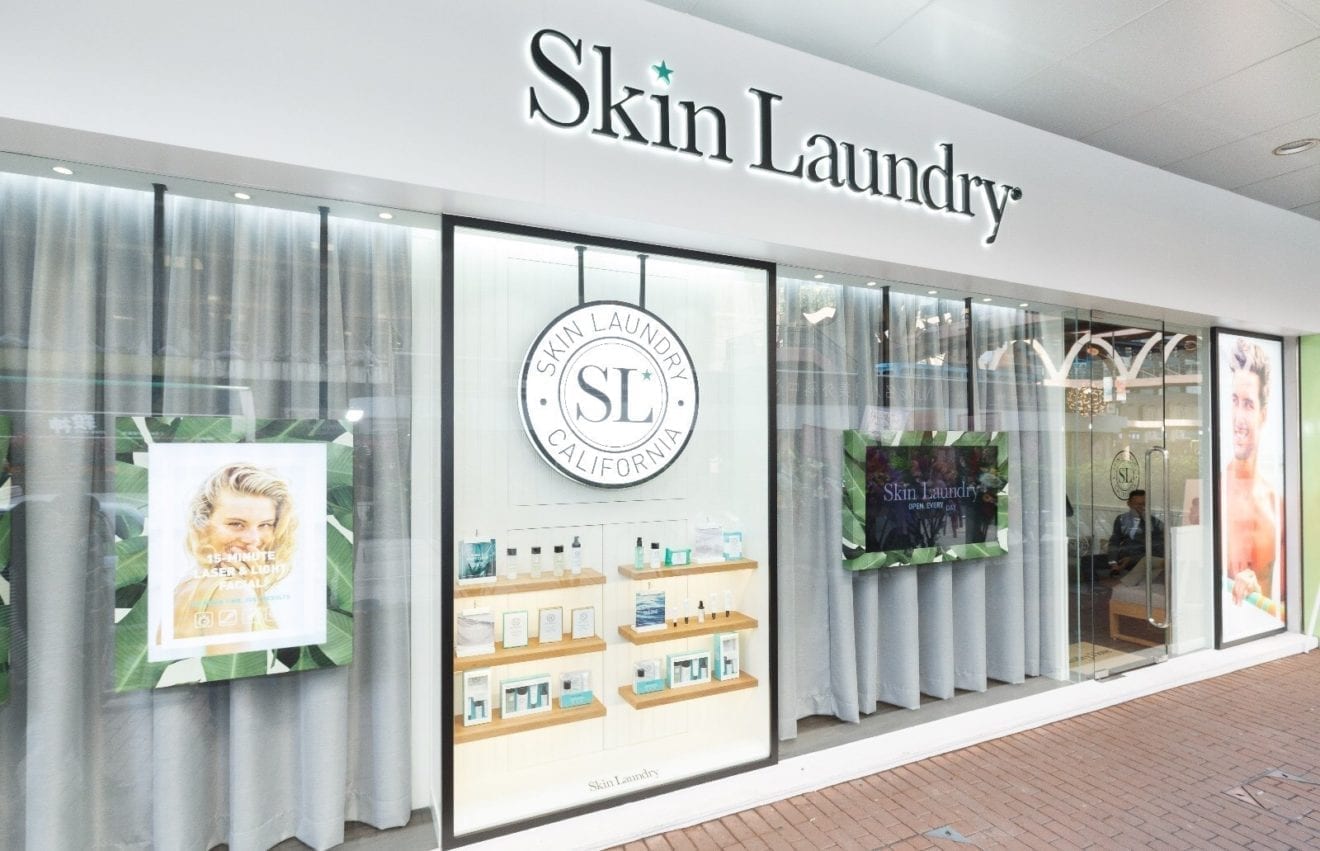
    Laser clinic and skincare product retailer Skin Laundry plans to expand into Japan and Korea this year from its Hong Kong base.

    Skin Laundry has just opened its fourth outlet in Hong Kong – at Causeway Bay. And founder Yen Reis said that at least two more will open in the city by the year’s end.

    Now four years old, Skin Laundry has 16 locations – 11 in the US, one in London’s iconic Liberty department store and now four in Hong Kong. The first two Hong Kong stores opened in Repulse Bay and Central in late 2015. A small concession with treatment room has opened in Lane Crawford at IFC Mall since. More concessions may open in other Lane Crawford stores soon.

    “We are expanding quite rapidly this year and next year. We are also looking at Japan and Korea in the third and fourth quarters of this year,” Reis said.

    Macau may follow, but it is not a focus right now given the opportunities in Hong Kong, Japan and Korea, she said.

    The smallest location is the Lane Crawford concession taking up about 215 sqft. But full size stores are typically 500 to 700 sqft with the largest around 1500 sqft.

    Reis said Skin Laundry is the first beauty brand in the world to make mild laser facials accessible and affordable to the mass market.

    “We’ve taken something usually very expensive and available only at a dermatologist’s or a laser clinic and made it available to everyone.”

    To many people, the mere mention of laser and clinic brings to mind tattoo or hair removal – services not on Skin Laundry’s menu. Its treatments are much milder.

    “Basically the idea of Skin Laundry is a beauty service. We’ve had to educate the market of the benefits of laser. Now we are hitting our four year anniversary we are starting to see traction.”

    In Asia, the whole concept is relatively new. “The idea of doing mild laser is new to the market. We believe using mild laser frequently is much better than doing something stronger once or twice a year. If you cut your hair on a regular basis, your hair looks healthier. It’s the same with mild lasers.”

    Skin Laundry Causeway Bay 1

    Skin Laundry charges US$60 on average for a treatment, substantially cheaper than traditional laser clinics or surgeries which charge up to $500.

    The brand has also developed a growing range of skincare products it retails through its stores and now through LVMH-owned Sephora online and in its US stores – products like cleansers for home use. At the moment, these products account for just 20 per cent of the turnover but with growing brand awareness, the stocking by Sephora and more stores opening, Reis believes they will account for about 40 per cent in the medium term.

    Inspired by LA’s healthy living lifestyle, Skin Laundry opened its flagship location in Santa Monica in 2013. Its clinics-come-retail-stores are designed like a California beach house, providing a contemporary and casual atmosphere for members and guests.

  • Abercrombie & Fitch ends year weak

    Abercrombie & Fitch ends year weak

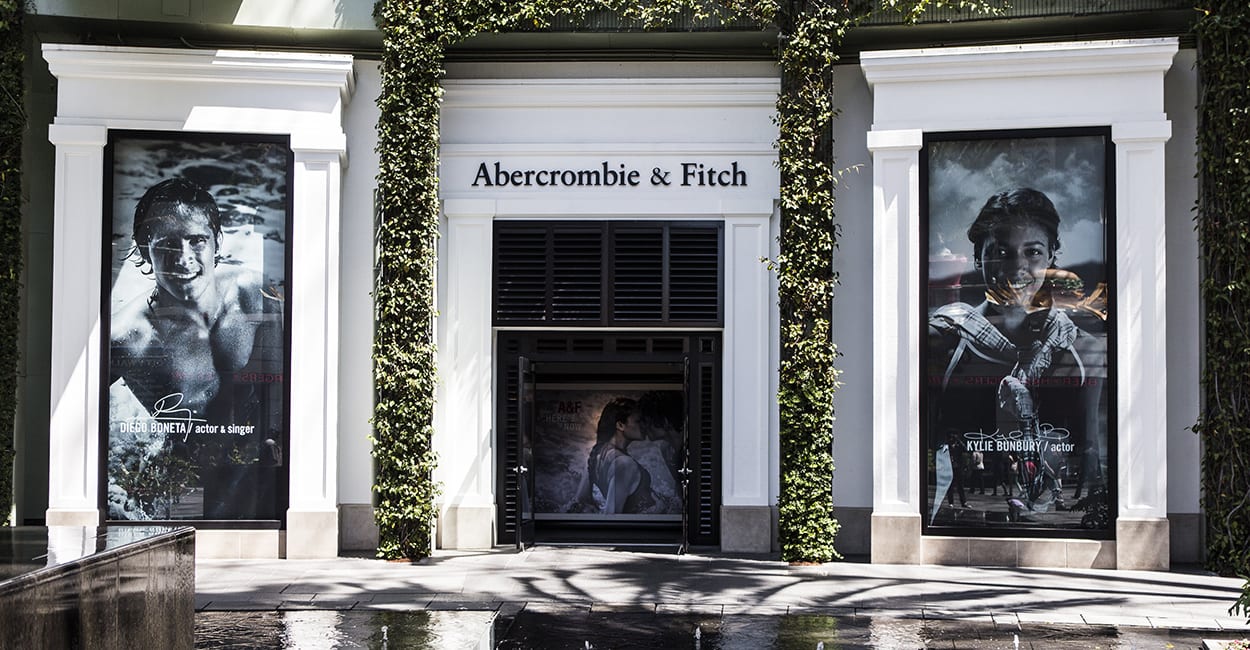
    Abercrombie & Fitch ended the year in a tailspin, with sales down by almost 7 per cent and operating profit falling 49 per cent.

    The embryonic recovery seen at the start of this fiscal is now little more than a faded memory. Fortunately, the group has a fairly strong balance sheet and remains profitable, which provides some comfort that it has the time and financial firepower to try and turn things around.

    That said, it is now clear that fairly decisive and radical action is required to reconnect the brands with consumers. Especially so for Abercrombie which has, like last quarter, seen same-store sales deteriorate at a rapid pace. While factors like reduced tourist spend at flagship stores and negative mall traffic have pushed down sales, the main reason for the decline is that Abercrombie simply doesn’t resonate with customers like it once did. In essence it has lost its reason for existing.

    This is a serious issue and is one that needs an urgent remedy. Worryingly, A&F has already tried to shift perceptions and engineer a turnaround, but this is clearly not delivering. Part of this comes down to the fact that, to date, the company’s efforts have been rather patchy and piecemeal, and this has been insufficient to cut through with consumers.

    The recent marketing campaign, with the strapline of “people have a lot to say about us, they think they’ve got us figured out”, exemplifies this approach. Not only is the message confusing and opaque, but the promise of change that it suggests is not entirely delivered on by stores which look and feel the same as they have always done. To be fair, some developments – including making products more mature and stylish – have been substantial. However, when the package they are delivered in has not evolved it is difficult to communicate such efforts effectively.

    Fortunately, A&F is making an effort to change its stores – as the new format launch in Columbus, Ohio proves. This is a step forward and is more reflective of what the brand now wants to stand for. The integration of improved customer service elements – like better fitting rooms and the ability to place online orders from the store – are also helpful in making the environment more friendly, inclusive and welcoming.

    As good as the new format looks and feels, A&F will only roll out seven of them this year, so it is unlikely they will have a material impact on sales growth. However the cautious pace is sensible given the new concept has yet to be proven. In any case, it is likely that there will be existing stores in some locations where poor performance and declining traffic does not justify significant capital expenditure on refurbishments.

    A&F is clearly hoping that all of its changes will allow Abercrombie to shift into a higher gear – much as has been the case for Hollister, where positive same-store sales were achieved this quarter. But A&F still has much more work to do in building a new base of customers and this is a long-term effort that may not have a tangible impact on sales for many quarters.

    This noted, A&F is going in the right direction. As it has shown with Hollister, which is more advanced in its redevelopment program, the reinvention work will ultimately pay dividends. However, the company cannot turn on a dime and there will likely be a number of bumpy quarters ahead before recovery comes.

  • BCBG Max Azria bankruptcy is on process

    BCBG Max Azria bankruptcy is on process

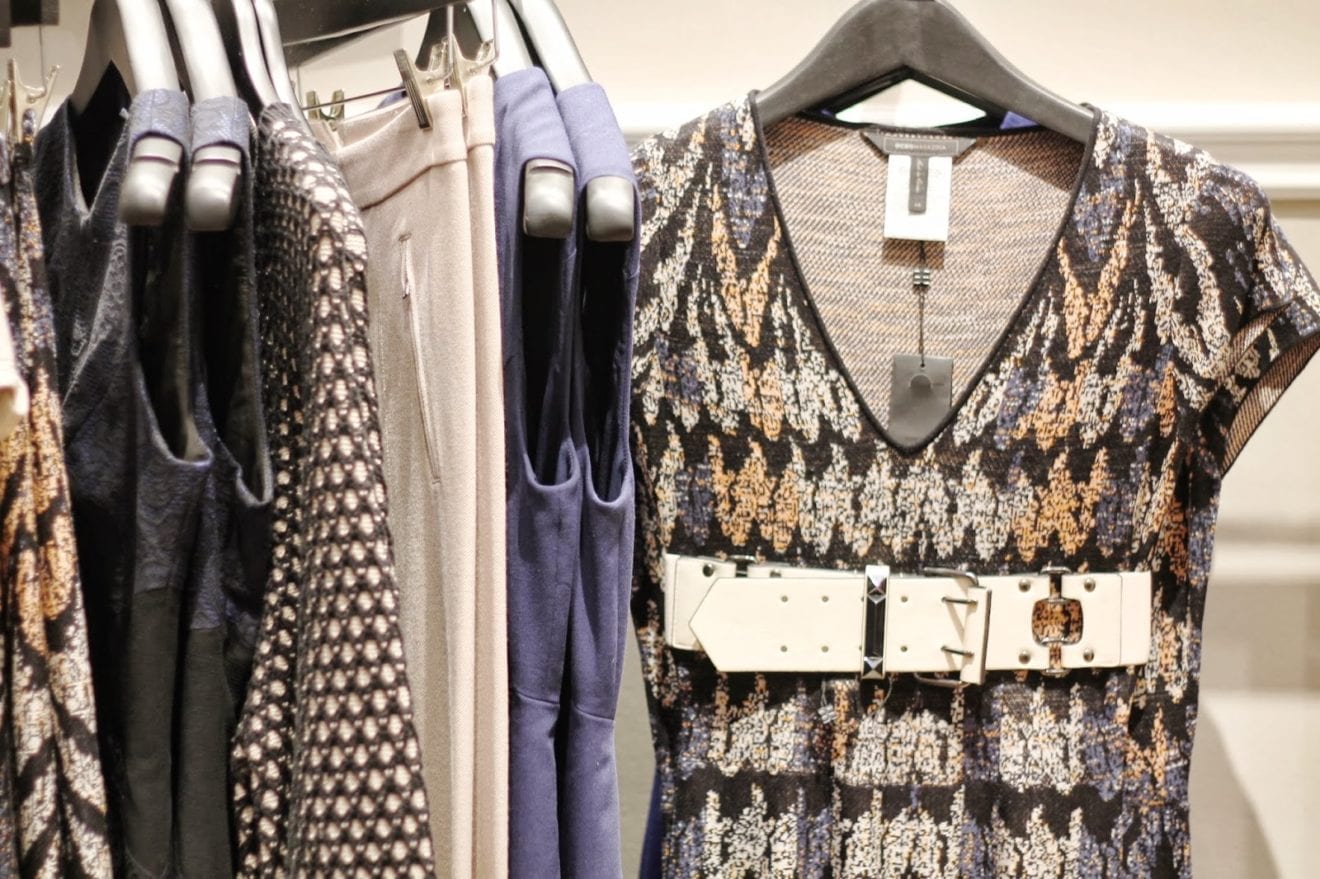
    BCBG Max Azria has filed for bankruptcy protection.

    The filing is the latest step in a restructuring plan aimed at rescuing the business, following the closure of 120 stores.

    “Like many other apparel and retail companies, BCBG has fallen victim in recent years to adverse macro-trends, including a general shift away from brick-and-mortar to online retail channels, a shift in consumer demographics away from branded apparel,” said chief restructuring officer Holly Felder Etlin in papers filed with the Federal Court in Manhattan.

    As reported in January, the fashion label is crippled with a debt said to be as high as US$665 million. More recent reports say the “secured debt” is worth about $485 million. But its total sales last year were just $600 million. The restructuring plan is dependent on a $45 million loan which must be approved by the court.

    The company had embarked on a restructure which would involve slashing its US store network and refocusing on e-commerce and wholesale sales. The company has flagship stores in Tokyo and Hong Kong, but it is the wholesale division which supplies stores bearing the brand’s name in other Asian cities, including Ho Chi Minh City. Retail accounts for 71 per cent of its turnover.

    One of BCBG Max Azria’s advisors told landlords in February that its retail sales had declined 20 per cent during the past three years – a major change of fortune for a company which in 2013 was mulling an offer valued at $1 billion.

    Under January’s restructure plan, the company was looking at closing 120 of its 200 US stores – but now reports suggest almost all of them will be closed under bankruptcy protection. The company also has mounting debt to landlords in unpaid rent.

    BCBG Max Azria Group was founded by Tunian Max Azria in 1989. Educated in France before developing a passion for fashion, he was later based in California where he drove the BCBG Max Azria brand, but he is no longer associated with the company. His brother Serge founded women’s fashion labels Joie, Current/Elliott and Equipment.

    Dresses from BCBG Max Azria have been photographed firmly fitting celebrities including Selena Gomez and Drew Barrymore.

    BCBG is an acronym for the French phrase “bon chic, bon genre” or “good style, good attitude”.

  • Asians top buyers of Moncler clothing

    Asians top buyers of Moncler clothing

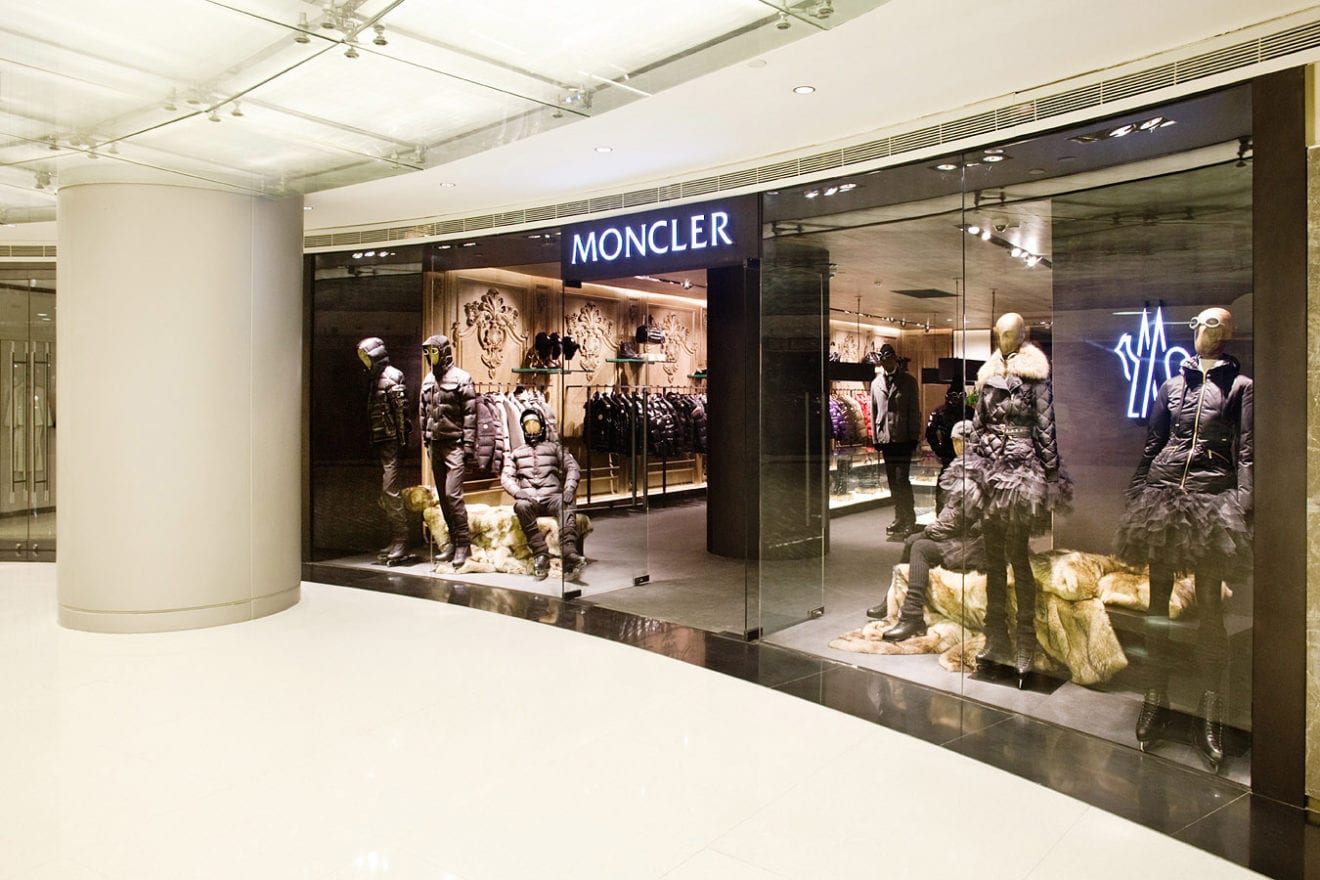
    China and South Korea were the top markets, along with the US, for Italian luxury clothing maker Moncler last year.

    Sales of Moncler clothing rose 18 per cent with revenues of €1.04 billion (US$1.1 billion). Same-store-sales were up 7 per cent, and at the end of the year the group had 190 directly owned stores, 17 more than 12 months previously.

    Moncler chairman/CEO Remo Ruffini says he is convinced the group will continue to grow this year.

    COO Roberto Eggs says the group has started talks with Swiss travel retailer Dufry to open in airports, with timing depending on opportunities.

    CCO Luciano Santel says most of the company growth last year came from volume, with prices being mostly stable.

  • @Cosme hitting debut in Taiwan

    @Cosme hitting debut in Taiwan

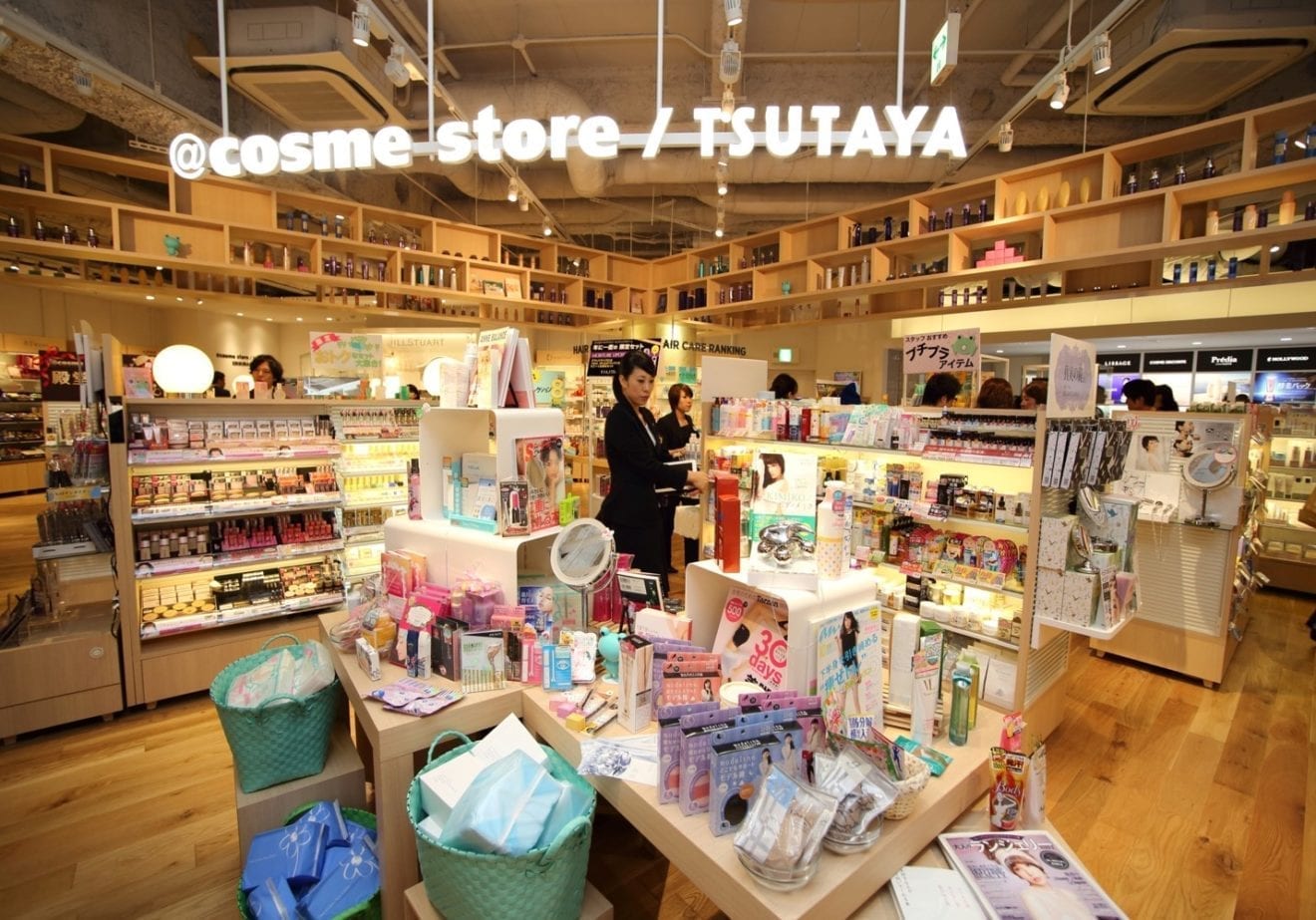
    Japanese online cosmetic store @Cosme is to open a brick-and-mortar store in Taiwan in May.

    It is the spearhead of a plan by its owner, Istyle, to open stores across Asia.

    Istyle began opening @cosme stores in Japan in 2007, bringing together drugstore and specialty store brands. The chain grew from a website that gained popularity by word of mouth, the stores making it easy for customers to find products that rank high on the site.

    However, Istyle’s business plan for the rest of Asia will follow the exact opposite path of its success in Japan: it will first open stores, then launch websites in the native language.

    “We will establish a foothold in foreign markets by first opening stores,” says Istyle president Tetsuro Yoshimatsu.

    The company plans to add three or more stores in Taiwan and Hong Kong this year.

    So far, most of Istyle’s overseas business dealings have been focussed on wholesaling cosmetics and crossborder e-commerce in China.

  • SM Simply Shoes plans 100 stores

    SM Simply Shoes plans 100 stores

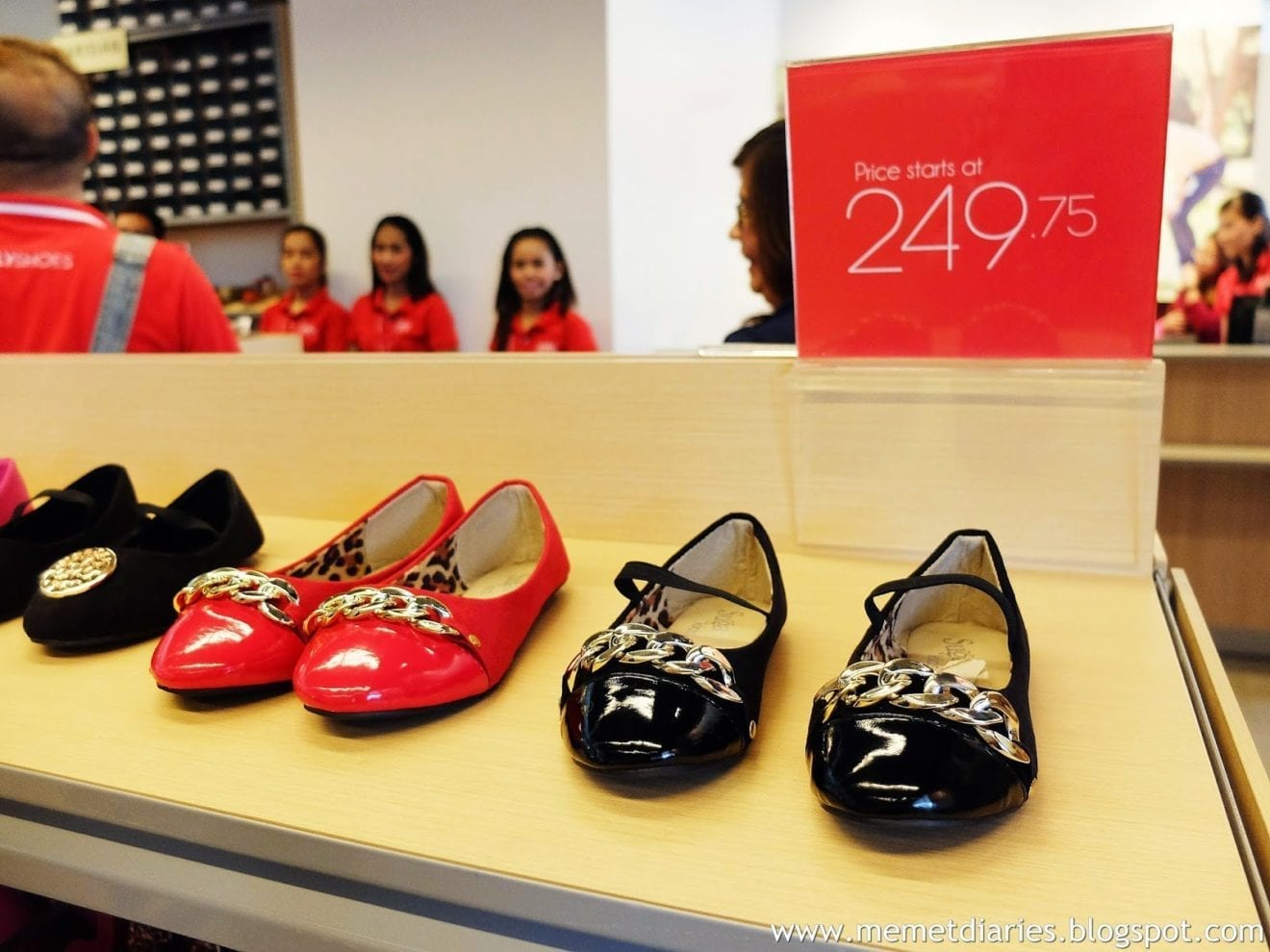
    Retail chain SM will help its footwear affiliate SM Simply Shoes reach a total of 100 stores across the Philippines by the end of next year.

    SM Simply Shoes has 24 outlets since opening in September 2014, and aims to reach its 60th store by the end of this year, says SM assistant VP Elizabeth Nathalia Tinio.

    She says the shoe store targets emerging cities and towns while the main SM malls serve the metropolitan cities and sell more expensive branded footwear.

    SM has also set a target to reach 75 stores by next year.

    Four Simply Shoes stores have opened already this year, in Kabankalan and Victorias in Negros, in Boracay in Aklan, and, this week, in the new CityMall in Tagum, Davao del Norte. It plans more stores in Bulua, Cagayan de Oro City, inside MinPro Mall in Zamboanga, inside CityMall in Dipolog City, in Lam-an, Ozamis City, and in Surigao City.

    Simply Shoes offers affordable shoes and bags and carries 20 brands including SM’s Parisian brand and Solemate.
    “The shoe industry in the Philippines is growing by 5 to 10 per cent every year,” says Tinio.

    Simply Shoes’ stock comes from suppliers in China as well as from Filipino shoe manufacturers in Marikina.

  • Impressive Primark sales growth boosted by new stores

    Impressive Primark sales growth boosted by new stores

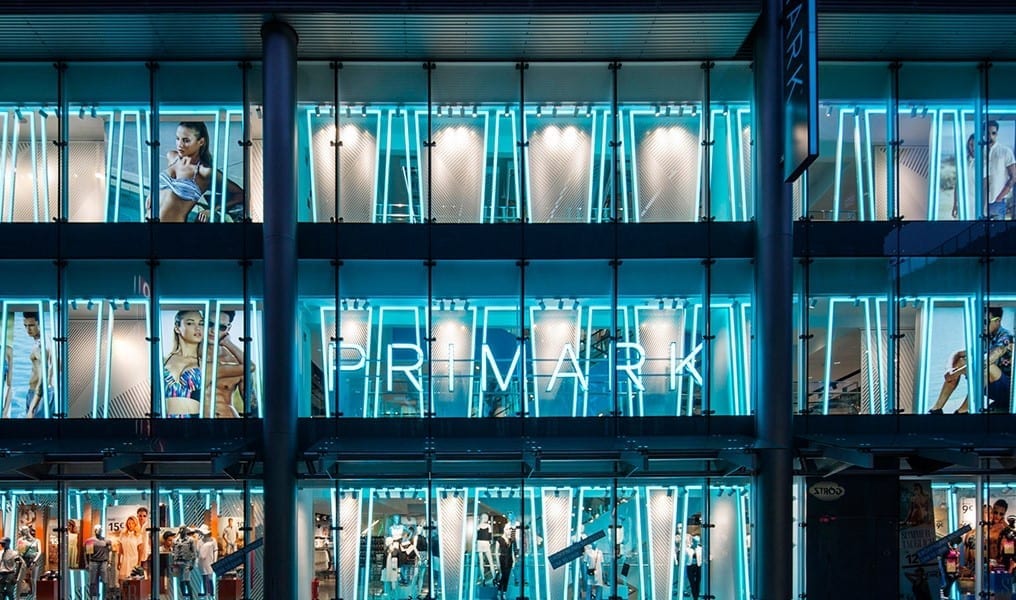
    The impressive Primark sales growth over the last half year has been boosted by network expansion with the addition of 16 stores across both Europe and the US – and exchange rates.

    The value retailer expects to end the first half with 329 stores, and 13.1 million sqft of trading space – up 12 per cent year-on-year. Like-for-like sales to date are flat compared with last year at a group level, brought down by store cannibalisation in the Netherlands, but fared better at home, up 2 per cent.

    But tourists drawn to Britain by the low pound have driven sales up 10 per cent at the company’s two London flagships.

    Parent company ABF expects Primark’s sales over the half year to be 11 per cent ahead of last year at constant currency rates. At actual exchange rates, sales are expected to be up 21 per cent.

    Kate Ormrod, senior analyst with GlobalData, says margin pressure will remain the big story for Primark in the second half, especially given its commitment to maintaining prices until August.

    “That’s a necessary move given the importance of staying price competitive at the value end of the market. As a result, operating profit margin for the full year is expected to fall. Some form of price increase can still be expected on Primark’s more expensive products, with investment in design and fit used to justify any hikes, ensuring shoppers still receive value for money,” she says.

    “Being known as the price leader affords Primark some protection at a time when disposable incomes are being squeezed; however, ensuring product ranges remain fashionable and relevant will be imperative to retain appeal.”

    Ormrod says this is particularly important as emerging players such as boohoo.com and Missguided continue to encroach on Primark’s fast fashion unique selling point, enabling them to steal customers and share.

    “Further investment in menswear to address new trends will be important to build Primark’s fashion credentials, as its offer remains more basics-driven than those of rivals such as New Look and H&M,” she concluded.

  • Ellie Goulding shoes launch this week

    Ellie Goulding shoes launch this week

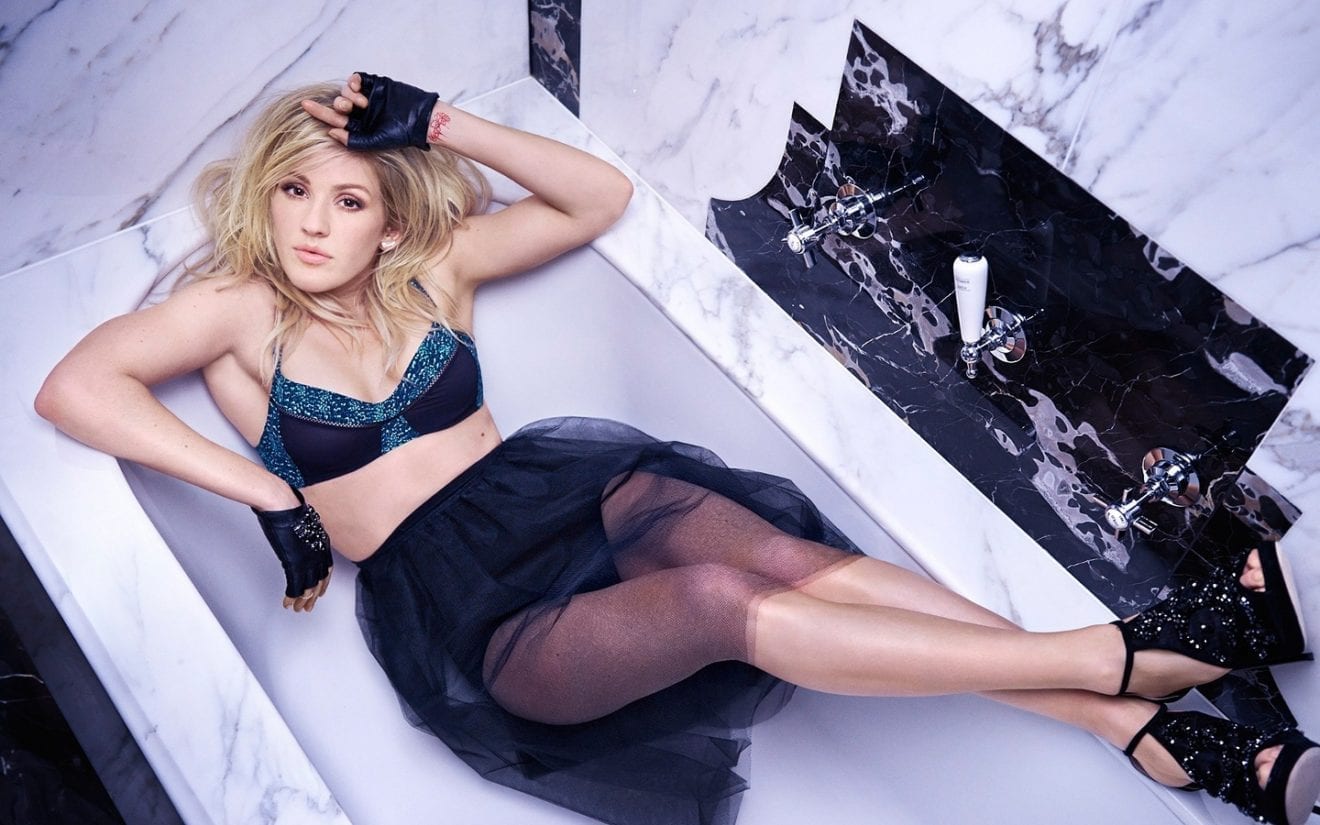
    British singer Ellie Goulding will launch a range of shoes this week, in partnership with German footwear retailer Deichmann.

    Ellie Goulding shoes go on sale Wednesday March 1, marking the singer’s first foray into fashion.

    After racing to the top of the charts with her contribution to the soundtrack of 50 Shades of Grey, she has become one of the UK’s most successful solo artists of the past decade.

    Deichmann says her move into shoes demonstrates her feel for the latest trends.

    “For me, shoes are an indication of what mood you are in,” Goulding said in a statement. “Launching a collection of my own gives me the opportunity to express my style.

    “My collection includes shoes for any occasion – I really can’t decide if I like wearing heels or flats better – I am constantly changing it up.”

    Ellie Goulding shoes include sneakers, ethnic sandals, heels, wedges, espadrilles or mules. The ‘Ellie Goulding for Deichmann’ collection is defined by the motto “Rock your Look”. Bright colours, extravagant shapes, individual trims or rock-star studs give the styles a unique look.

    The accompanying campaign was shot in London by celebrity photographer Louie Banks, and styling was the task of Cher Coulter, who has already worked with stars such as Rosie Huntington-Whitley, Kirsten Dunst and Demi Moore. The director of the accompanying TV spot was no less than Emil Nava, famous for his creation of music videos for Rihanna, Selena Gomez, Calvin Harris and Ne-Yo.

    The collection will be available in selected stores and on the online shop at www.deichmann.com. Styles cost between €19.90 and €34.90. They will be sold in 21 European countries in Deichmann Group stores and online shops.

    Deichmann SE, headquartered in Essen, Germany, was founded in 1913 and is still 100 per cent family-owned. The company is a market leader in the European retail shoe trade and employs over 37,300 people worldwide. It has retail stores in Germany, Austria, Bosnia-Herzegovina, Bulgaria, Croatia, the Czech Republic, Denmark, Hungary, Italy, Lithuania, Poland, Portugal, Romania, Russia, Serbia, Slovakia, Slovenia, Spain, Sweden, Turkey and the UK.

  • Japanese cosmetics brand Do-Best eyes Asian expansion

    Japanese cosmetics brand Do-Best eyes Asian expansion

    Japanese cosmetics brand Do-Best is looking at opportunities in the Philippines and broader Southeast Asian markets, including Indonesia.

    Do-Best CEO Daitaro Sugawara was in the Philippines for a group networking session organised by Security Bank and Japan’s Mitsubishi UFJ Financial Group. He was matched with executives from local retailers including Metro Retail and National Bookstore.

    Do-Best was founded 45 years ago to produce “high-quality, low-priced products” and is already exporting to Singapore, Hong Kong, Thailand and Taiwan.

    Sugawara says the company wants to tap into the fast-growing Asian markets with young consumers seeking low-cost cosmetics and beauty lines. Its products are already popular in Japan’s proliferation of 100 Yen shops and similar stores.

    “That’s why I was interested to have a meeting in the Philippines. My product is like my family, so I want Philippine distributors or retail stores to take care of our products.

    “I want to keep the original price as in Japan,” Sugawara said.

    Tadahiro Miyamoto, GM of BTMU’s Manila branch, says a lot of Japanese companies are now looking at the Philippine domestic market. “You should look at the shopping areas, you see a lot of Japanese products.”

    A large number of participants in the recent business-matching event were from the retail sector, agriculture and real estate.