Category: Fashion

Retail News Asia is committed to providing both local and global retailers with the latest Fashion news throughout the Asian market. This on a daily base.

  • FJ Benjamin’s losses almost double

    FJ Benjamin’s losses almost double

    Clothing retailer FJ Benjamin has deepened its losses after discontinuing some brands and businesses during its second quarter.

    Its net loss virtually doubled from S$3.7 million (US$2.6 million) in the same quarter a year ago to S$7.3 million. The group says the situation was worsened by a foreign exchange loss of S$3.2 million in the latest quarter due to the strengthening of the US dollar.

    For the three months to December 31, revenue fell 11.9 per cent to S$62.5 million.

  • Future of DKNY India in doubt

    Future of DKNY India in doubt

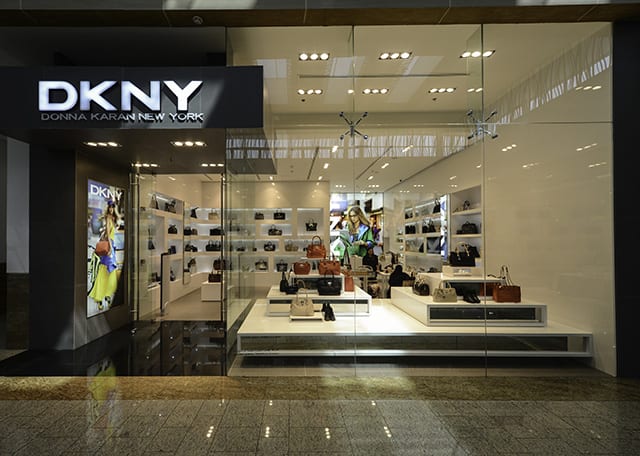
    DKNY India may quit the market after failing to generate sustainable profits.

    While mall executives and DKNY store managers have confirmed the exit, India franchisee DLF Brands has denied the US fashion brand is completely leaving the country, says the Economic Times.

    DLF Brands head Timmy Sarna says the company has closed “a few” stores but will continue to run four outlets, all in DLF-owned malls in the National Capital Region.

    He says two loss-making stores have been closed, one in Kolkata and the other in Mumbai.
    However, Fashion Network says sources have told it that the DKNY outlet in DLF’s Mall of India in Noida is closing.

    It quotes another source as saying the outlet in DLF Place Mall in Saket is closing next month.

  • Valentino Hong Kong opens flagship

    Valentino Hong Kong opens flagship

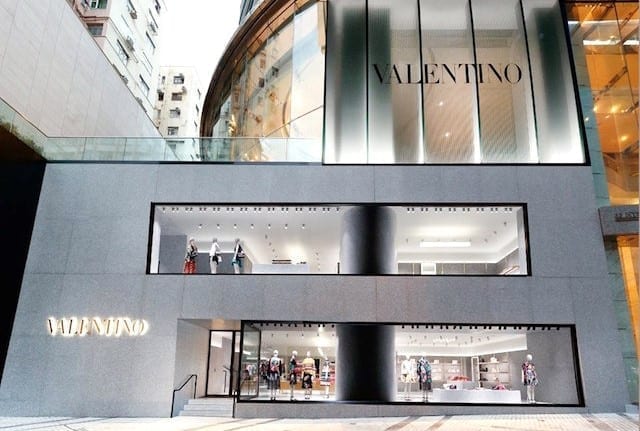
    Valentino Hong Kong has unveiled its new flagship store in the heart of Causeway Bay.

    Valentino Lee Garden one - HK 5

    Spanning 382 sqm at Lee Garden One, the Italian fashion brand’s two-storey boutique was designed by British architect David Chipperfield. Steering away from a pure showroom set-up, it combines old and new aesthetics to evoke a palazzo atmosphere. The architect has used such luxurious materials as Venetian terrazzo, Carrara marble and timber furniture.

    Valentino Lee Garden one - HK 1

    Valentino Lee Garden one - HK 7

    Three marble columns and a grand staircase set the tone for Valentino’s new global store concept.

    Valentino Lee Garden one - HK 2

    Valentino Lee Garden one - HK 6

    The flagship store carries all women’s products including ready-to-wear, accessories and fragrances.

    Valentino Lee Garden one - HK 3

    The new store follows the opening of a flagship at Landmark, and a store at Wynn Palace in Macau, reported last September.

  • Malaysia’s shooting-star bauxite industry faces burn-up

    Malaysia’s shooting-star bauxite industry faces burn-up

    Already under fire for widespread environmental damage, Malaysia’s once lucrative bauxite mining industry is facing a likely death knell from neighbouring Indonesia’s move to allow a resumption of exports.

    This time last year, Malaysia was the world’s biggest supplier of the aluminium-making raw material to top buyer China, but its exports tumbled after government action aimed at reining in the little regulated industry.

    The latest move could spell the end for a sector that only sprang to life in late 2014 after Indonesia banned ore exports, and illustrates the risks facing miners across South-East Asia from increasingly uncertain government policy.

    Copper giant Freeport-McMoRan Inc warned last week it could slash output from Indonesia amid a long-running dispute with the government, while the Philippines has ordered the closure of more than half the country’s mines on environmental grounds.

    “Policy risk is huge in mining right now,” said Daniel Morgan, mining analyst at UBS in Sydney. “In supplier policy, you’ve got changes to Indonesia’s mining policy, the Philippines and Malaysia.” A host of mining operations sprang up along Malaysia’s bauxite-rich east coast to fill a supply gap after Indonesia in 2014 barred exports of mineral ores in a bid to push miners to build smelters.

    In 2015, Malaysia shipped more than 20 million tonnes to China, well ahead of nearest rival Australia and up nearly 700% on the previous year. In 2013, it shipped just 162,000 tonnes.

    But the dramatic rise came at a cost as largely unregulated miners failed to secure stockpiles of bauxite. The run-off from monsoon rains turned rivers and coastal seas red, contaminating water sources and leading to a public outcry.

    The government imposed a mining moratorium in early 2016, and shipments to China from existing stockpiles fell to 165,587 tonnes in December, with little indication the government is set to change its mind.

    Malaysia’s natural resources and environment ministry said any decision to lift the moratorium would be based on how well miners follow regulations to preserve the environment rather than economic gain.

    Recent rains in Kuantan have caused some bauxite runoffs from existing stockpiles, minister Datuk Seri Wan Junaidi Tuanku Jaafar told Reuters.

    “The heavy rains proved that the mitigation was not adequate. Now by having this before me, I am not yet prepared to allow them to start the operations,” he said, declining further comment on the topic.

    Indonesia introduced new rules last month that will allow exports of nickel ore and bauxite and concentrates of other minerals in a sweeping policy shift, but did not specify when it would resume exports.

    The announcement could be the final nail in the coffin for Malaysia’s industry, as its miners expect China to switch to Indonesia’s better quality and cheaper ore, due to lower production costs.

    “Indonesian bauxite miners kept a lot of stockpiles … They can sell cheap,” said a miner from local company based in Kuantan, a key bauxite mining area in the state of Pahang.

    “If the volume coming out of Indonesia is over 10 million tonnes, Malaysia has to say goodbye.”

    Unlike recent ructions in nickel supply from Indonesia and the Philippines that pushed up prices, Malaysia’s near exit from bauxite has had little impact on the supply chain as new suppliers emerged, particularly in Guinea in West Africa.

    “Some of these commodities are pretty plentiful, like bauxite for instance,” noted UBS’s Morgan.

    “When we talk to aluminium companies in China, we haven’t detected that they’re worried about a bauxite shortage.” The greater effect may be on Malaysia’s export-based economy where bauxite surged to become a key mineral shipped to China, its largest trading partner. At a bauxite price of US$50 a tonne, Malaysia’s 2015 exports were worth over US$1bil.
  • Longines ambassador Lin Chi-Ling attends Macau launch

    Longines ambassador Lin Chi-Ling attends Macau launch

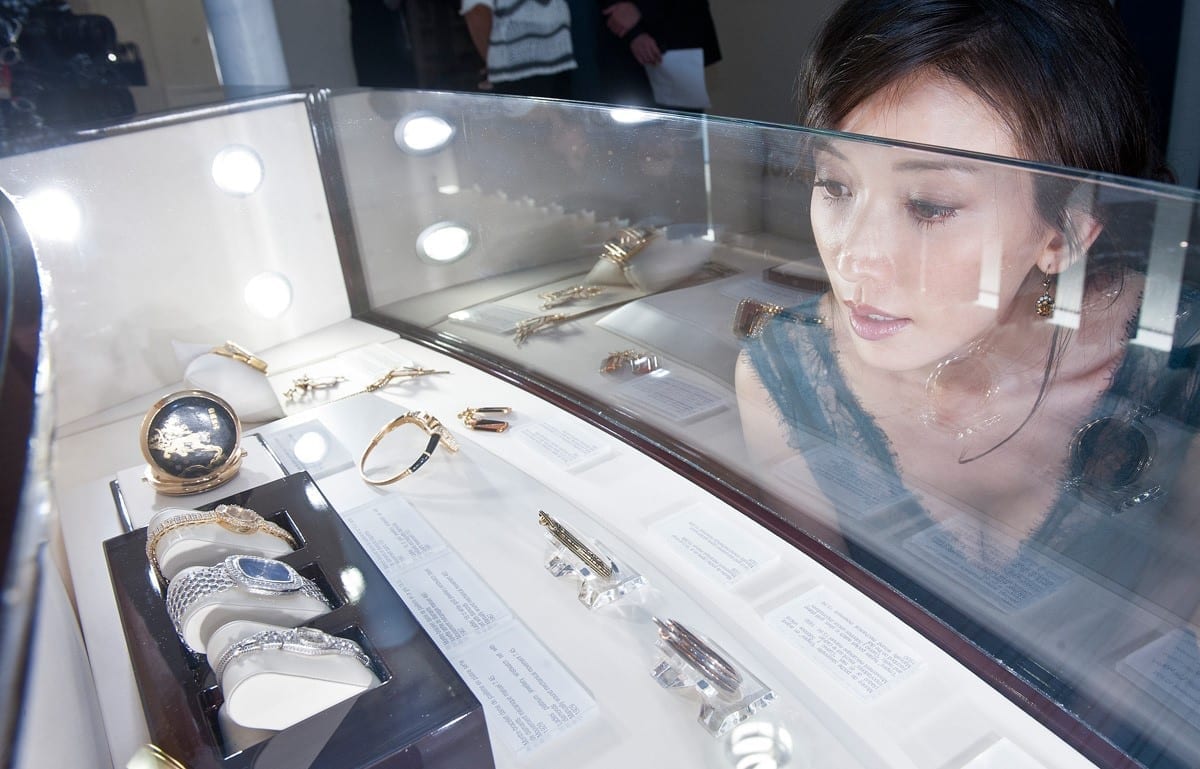
    Longines Lin Chi-Ling, the Taiwanese model and actress, was a special guest at the grand opening in Macau of the Longines boutique at T Galleria by DFS, inside City of Dreams.

    Lin Chi-Ling, Longines ambassador of elegance joined DFS Group for the grand opening of the Longines boutique at T Galleria by DFS at the City of Dreams in Macau

    The Swiss watch brand used the occasion to launch the Longines Master Collection DFS Special Edition. This dial of this watch has a pattern inspired by Venice landmark The Doge’s Palace (the first DFS store in Europe was opened in the city of canals).

    Longines and DFS Group celebrate the opening of the Longines boutique with special guest, Longines Ambassador of Elegance Lin Chi-Ling. From left: Christophe Chaix DFS Group senior VP fashion, watches, jewellery and accessories; Walter Von Känel Longines president; Lin Chi-Ling Longines ambassador of elegance; Sibylle Scherer DFS Group president merchandising and consumer marketing; Benjamin Vuchot DFS Group region president, Asia North; Sunny Yu senior VP, entertainment and projects, Melco Crown Entertainment

    Created especially for DFS and cased in steel, the watch will be released globally from March 1.

    Covering more than 500 sqft (46 sqm), The Longines boutique features timepieces from the brand’s signature collections, and augments the 29 watch and jewellery brands in the newly expanded Watches and Jewelry Hall at T Galleria by DFS, City of Dreams.

    Marking the store opening was a ribbon-cutting and celebratory toast by Longines president Walter von Känel, Lin Chi-Ling, DFS Group president for merchandising and consumer marketing Sibylle Scherer, and DFS Group Asia north president Benjamin Vuchot.

    Lin Chi-Ling has been associated with Longines since 2005 and is officially Ambassador of Elegance. Apart from modelling, she is a television presenter, awards presenter and is about to make her movie debut in the John Woo film The Battle of Red Cliff.

    Less glamorously, Chi-Ling has also written a book, with the rather technical title Emissions of 2,2,4-trimethyl-1,3-pentanediol Monoisobutyrate from Latex Paint.

  • Stunning Herman Miller store at Marina Square

    Stunning Herman Miller store at Marina Square

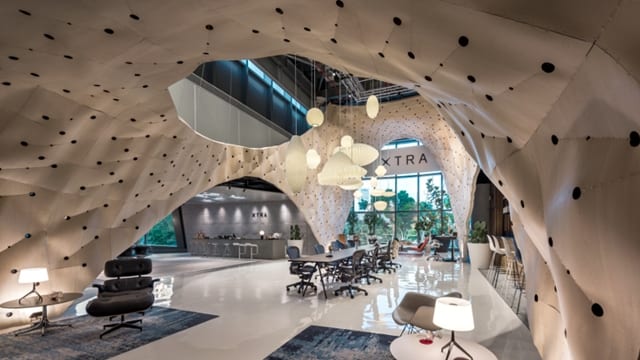
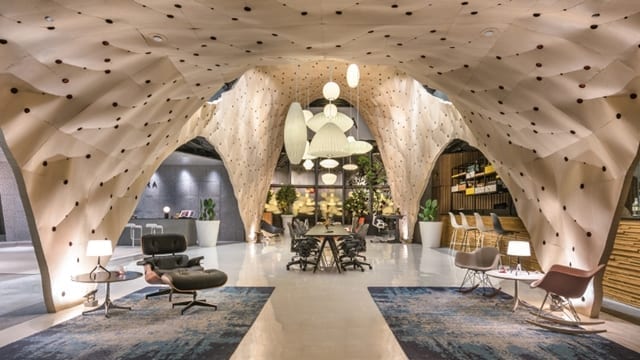
    A stunning Herman Miller store-in-store at Marina Square uses ‘fabricwood’ to frame entrances and create impact.

    Herman Miller store

    Herman Miller store 3

    Herman Miller store 4

    The store is part of furniture and lighting retailer Xtra’s latest flagship and the ‘fabricwood’ effect is created by bending 280 panels of plywood into giant arches ranging from a low three metres at the entrance to a lofty eight metres at the opposite end. It was conceived by design director Pan Yicheng from Produce.

    “Occupying a 20m long, 7m wide space, the plywood surface stretches across the entire site like a sail of tensile fabric, with symmetrical qualities that take on the proportions of the Herman Miller logo,” reports Designboom in a designer-contributed article. “The minimal surface, which reminds one of German architect and structural engineer Frei Otto’s soap film experiments, contains a series of arches that frame the entrances and connections to the rest of Xtra, the street and the adjacent cafe.”

    After extensive research for the project, Yicheng was motivated by Herman Miller’s structural and material innovation.

    Herman Miller store 5

    “Indeed, the brand’s use of moulded plywood offers light and elegant furniture, while the study of comfort and ergonomic for their working chairs results in an elastic mesh material stretched at the back of the furniture to create a doubly curved and frameless suspended surface that supports a full range of seating postures.”

    Originally used for shaping fabric to fit the human body, Yicheng has exported the technique of ‘darting’ onto plywood. The darts and their respective angles determine the eventual curvature when closed. Circular cut-outs are used at converging points of darts to allow the plywood to bend and avoid tears.

    When assembled, fabricwood forms a naturally undulated surface. The most challenging part of the project has been to translate flat pattern drawings into three-dimensional modelling and vice versa. A combination of the latest computer simulation techniques and physical modelling has helped achieve the desired curvature. The elasticity of the plywood has played a major factor in shaping the skin, while the dart angles have been re-calibrated to accommodate any changes to the plywood material.

    More images and details about the fabricwood on Designboom.

  • Aveda Malaysia launches in Kuala Lumpur

    Aveda Malaysia launches in Kuala Lumpur

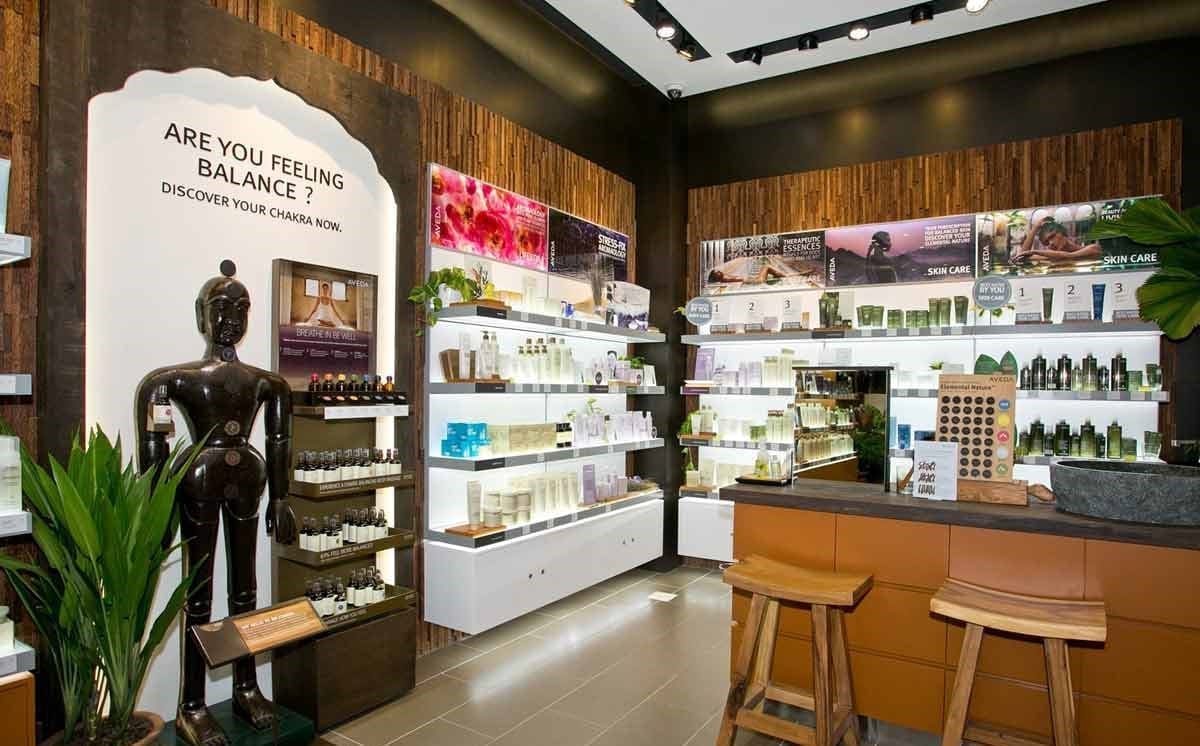
    Aveda Malaysia has opened a store in Kuala Lumpur, its second outlet in Asia Pacific.

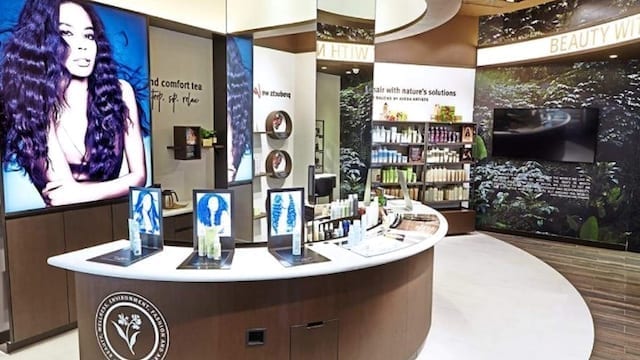
    At Pavilion Kuala Lumpur, the store has a new retail concept and is described by the US beauty product company as an “experience centre”.

    Instead of run-on shelving and glass store front, the outlet features six “experience zones” where consumers can explore products such as hair care for either men and women, skincare and bodycare.

    Founded by Horst Rechelbacher in 1978, Aveda is now owned by Estee Lauder Companies with its headquarters in Minneapolis, Minnesota.

  • Double debut for ‘& Other Stories’

    Double debut for ‘& Other Stories’

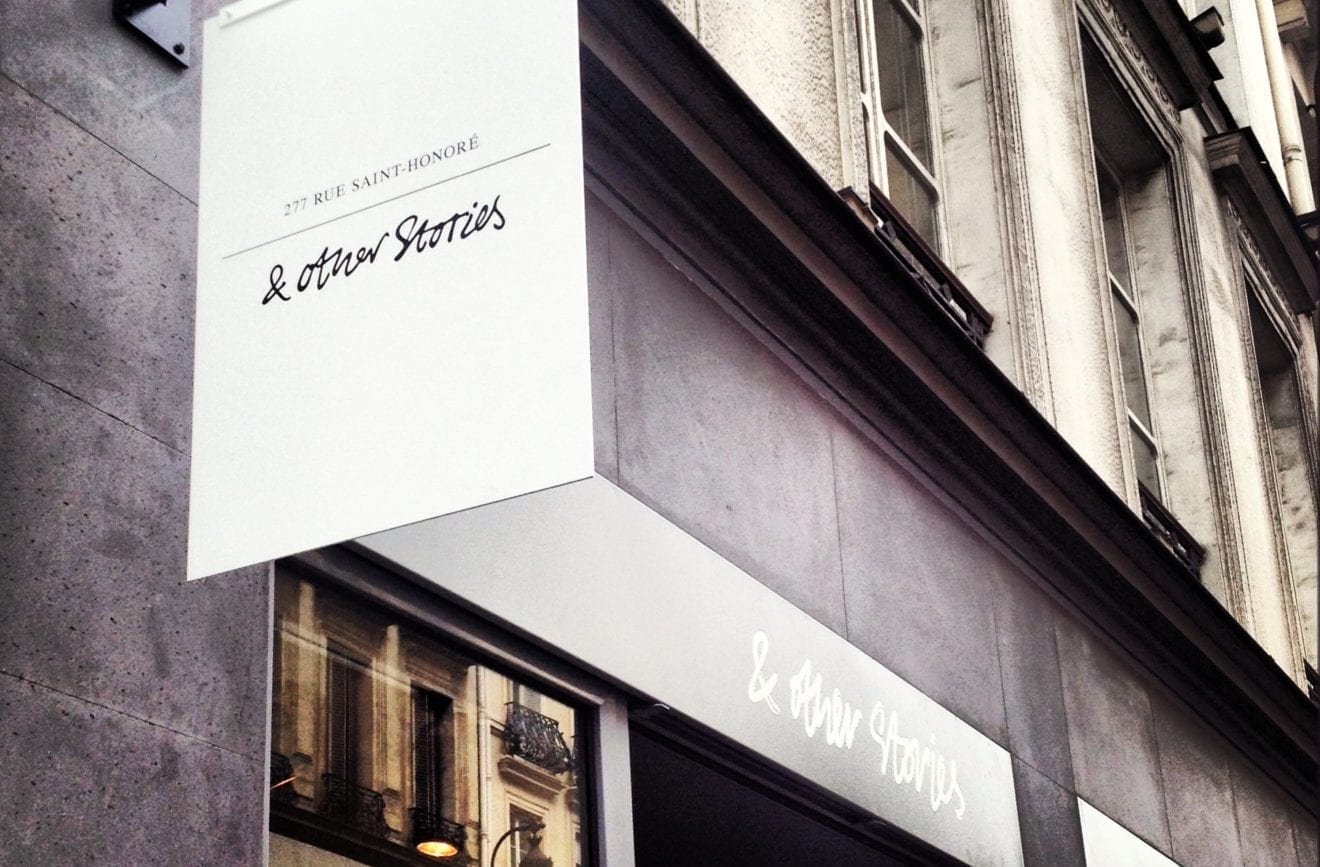
    H&M brand & Other Stories will have a double debut in South Korea next month.

    It is opening its first two stores for Asia in Seoul – in Ajotei and Starfield Henan – following stablemate Cos and H&M itself into Korea.

    Founded in 2013, & Other Stories opened in seven cities in Europe, followed by North America.

    & Other Stories MD Samuel Fernström says he is happy to be able to advance the brand into Asia.

    The brand offers women’s shoes, bags, accessories, beauty and ready-to-wear.

  • E-mart launches Marie’s Baby Circle brand and store

    E-mart launches Marie’s Baby Circle brand and store

    South Korea’s E-mart has launched Marie’s Baby Circle – a new baby brand, created by UK-headquartered Dalziel & Pow.

    The concept aims to place new and expectant parents centrestage, providing everything they need to enjoy their pregnancy and prepare for parenthood.

    Marie’s Baby Circle 1

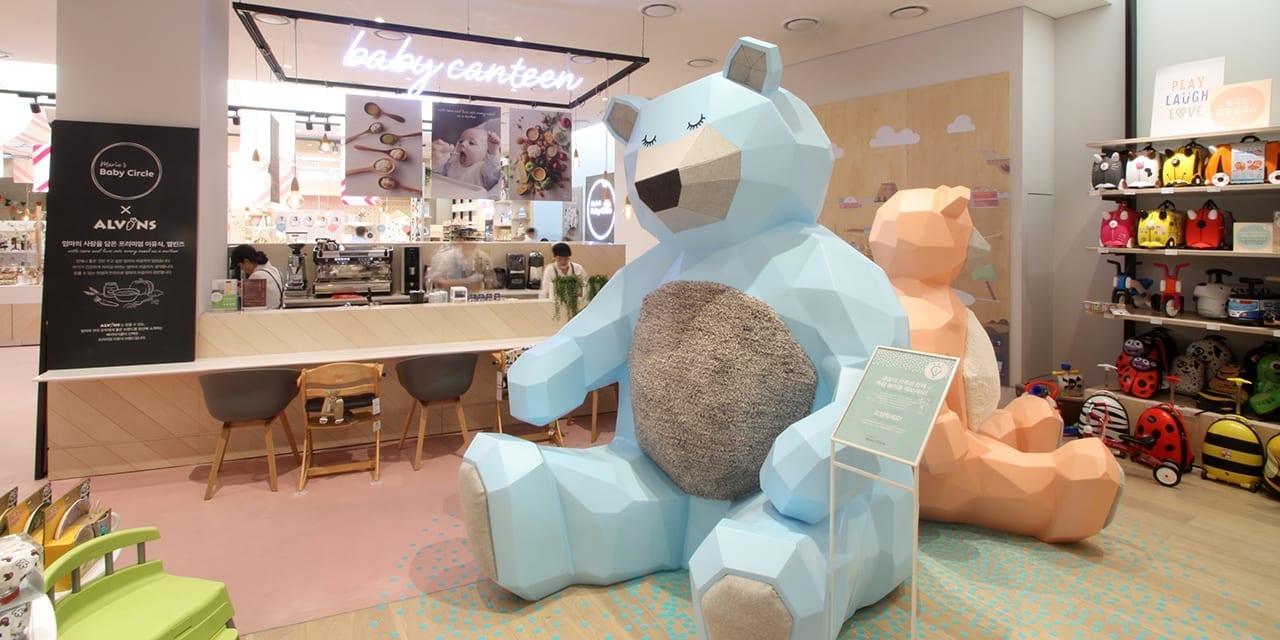
    Marie’s Baby Circle opened its doors at the launch of Starfield Hanam, Korea’s newest and largest shopping mall complex, late last year, and the brand’s first destination is far more than just a shop. In a project that spanned strategy and brand creation through to design and communications, Dalziel & Pow created an aspirational ‘home from home’, a supportive community that talks to adults about all things baby.

    Instead of the chaotic nursery feel of standard baby stores, Marie’s Baby Circle offers shoppers modern domestic furniture cues and luxurious feeding and changing facilities. At the heart of the store, pregnant women can sit back in comfort and enjoy a personal shopping experience, with products brought to them. The brand will stock a range designed ‘by mums for mums’, and works with bloggers and outside influencers – spotlighting these mothers’ recommended products in feature displays.

    Marie’s Baby Circle 6

    “This concept recognises the unique cultural and contextual needs of South Korean consumers,” said a Dalziel & Pow spokesperson.

    “The country has one of the world’s lowest birth rates at just 1.1 per woman – making the majority of modern parents first-timers who seek knowledge and reassurance. Marie’s Baby Circle answers the call as a supportive, inclusive brand that offers to hold new parents’ hands.”

    Marie’s Baby Circle 4

    Meanwhile, South Korea’s thriving mCommerce market and lightning-fast delivery can present a challenge to physical store visits. The solution? Social, interactive and supportive elements that enrich the store experience, encouraging parents to spend time with this new community of peers and credible experts.

    “Marie’s Baby Circle also captures the excitement and joy of starting a family by weaving a thread of playfulness throughout the store via interactive, sharable moments. A family of snuffling and snoring giant bears in different textures form a tactile point where children can cuddle up and hear stories, while across in fashion you can see and hear a giant toy space rocket in ‘lift off’ which also doubles as an innovative unit for displaying babywear. Over in Sleep, owl and cricket sounds echo around the department as if under the night sky.”

    Marie’s Baby Circle 2

    Digital projection wall

    One key focal point is an engaging, interactive and fun wooden digital projection wall for kids and parents alike. The wall, designed using projection and conductive ink, responds to touch, triggering different animations and sounds involving a new range of bespoke animated characters. Inhabiting their own weird and wonderful world, each character is dedicated to a different part of bringing up a baby – from Ice-cream Susan for feeding, to Lord Peter for sleep.

    Marie’s Baby Circle 3


    These bespoke characters will hopefully become a key feature in the store’s communications and beyond, tapping into the hugely popular emoji and character-driven culture that is prevalent in South Korea. The wall has been designed to appeal to all different heights of children and adults; the bottom half features more robust sound design for younger children, with simpler colours and geometric shapes triggered, while further up the wall the animations become more imaginative, colourful and fantastical.

    The store is intuitively zoned to cater to different shopping missions. Entering through an open, pushchair-friendly storefront, the first section presents collections of toys and fashion, which are most accessible to the widest range of shoppers from expectant mothers to gift givers looking for that special present.

    Marie’s Baby Circle 5


    A Baby Canteen offers a nutritious menu for both adults and infants, with recipe inspiration, ample highchairs and buggy parking. Around this space customers can browse pop-up displays, gift registry and baby shower inspiration.

    The final part of the store journey is dedicated to more in-depth purchasing of essentials, broken up into three key areas of the day: feeding, bathing/changing and sleeping. Helpful conversational communications focus on breaking down what can be an often overwhelming array of product information with intuitive adult friendly need-to-know messaging; a tightly edited approach combats choice fatigue, comprising only the best and trusted products, with room sets providing ‘get the look’ ideas.

    Designed with a new generation of aspirational parents in mind, Marie’s Baby Circle is set to become synonymous with care, credibility and celebrating pregnancy.

  • Soo Kee Group forming JV in Thailand

    Soo Kee Group forming JV in Thailand

    Soo Kee Group has sealed a deal to form a company with Thai jeweller Aurora Design.

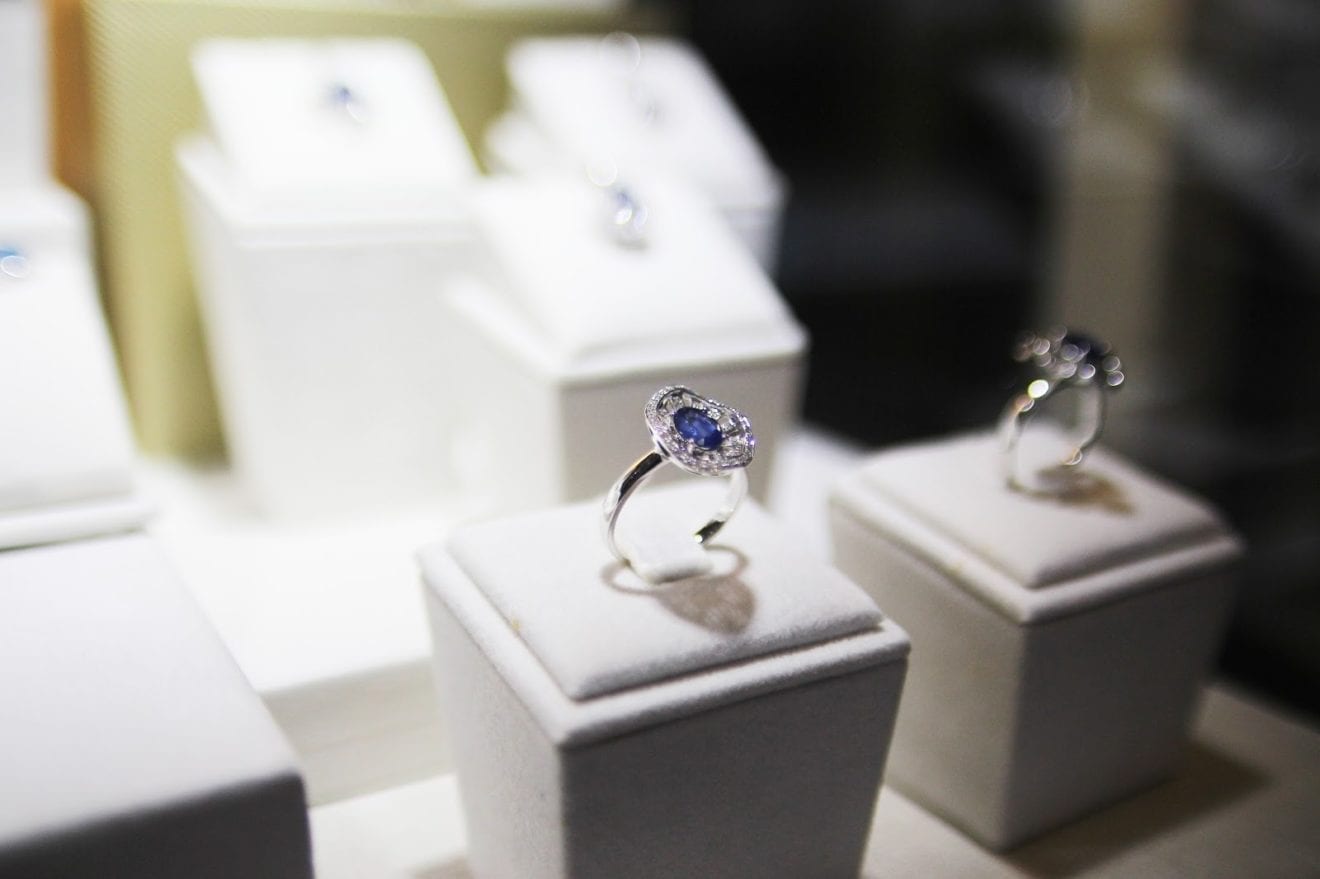
    With an initial paid-up capital of S$1.2 million (US$845,000), the JV will be set up in Thailand. Soo Kee will hold a 40 per cent stake in the company with Aurora holding the balance. The move will help Soo Kee launch its bespoke bridal jewellery brand, Love & Co, on the Thailand market. It is also in line with the group’s growth strategy to widen business networks and strengthen its market position in the region.

    Under the agreement, the JV will sell gold and diamond products under the Love & Co brand while Soo Kee will license and supply intellectual property rights, products and support to the company.

    “Thailand’s huge population and growing upper and middle classes provide a large target market for luxury spending,” says Soo Kee Group CEO Daniel Lim. “We believe the sheer size of the country also presents many untapped opportunities for the group.”

    Meanwhile, the group has entered the bullion business as part of its product diversification plan. It acquired a 70 per cent stake in DK Bullion for S$800,000 this month.

    Soo Kee, founded in 1991, has more than 60 retail stores across Singapore and Malaysia.

  • Zara China closes giant flagship

    Zara China closes giant flagship

    Zara China has shuttered its giant three-story, 3000 sqm Chengdu flagship store in what a retail commentator describes a “fine-tuning” of its retail network.

    The store, at Lesen Shopping Center, No.31, Zongfu Road, was previously occupied by luxury brands Louis Vuitton and Dior. It opened at the end of 2011 as Zara China’s single largest store and closed last weekend.

    Pascal Martin, partner with OC&C Strategy Consultants in Hong Kong, said the flagship was “probably a lower performing site”.

    “Zara recently opened another front nearby, in a trendier part of the city, which seems to be doing well. This move is probably just part of Zara’s ongoing normal fine-tuning of its store network strategy in China.”

    Martin said Zara has already built a strong brand in China and is thus now less dependent on large and expensive brick-and-mortar flagship stores to maintain their brand.

    “Also, Zara has built a powerful eCommerce capability in China. Therefore they can continue to be successful with fewer retail outlets than competitors H&M and Uniqlo.

    “The resulting lower fixed costs should serve them well during the continued retail slowdown and market saturation. We may see them selectively further reduce the size of their 190-store network or relocate some outlets to stronger locations,” he said.

    Zara China opened its first store in Hong Kong in 2004, before expanding onto the mainland two years later. It now has more than 190 stores in the country.

  • Hermes sales rise 7 per cent in Asia

    Hermes sales rise 7 per cent in Asia

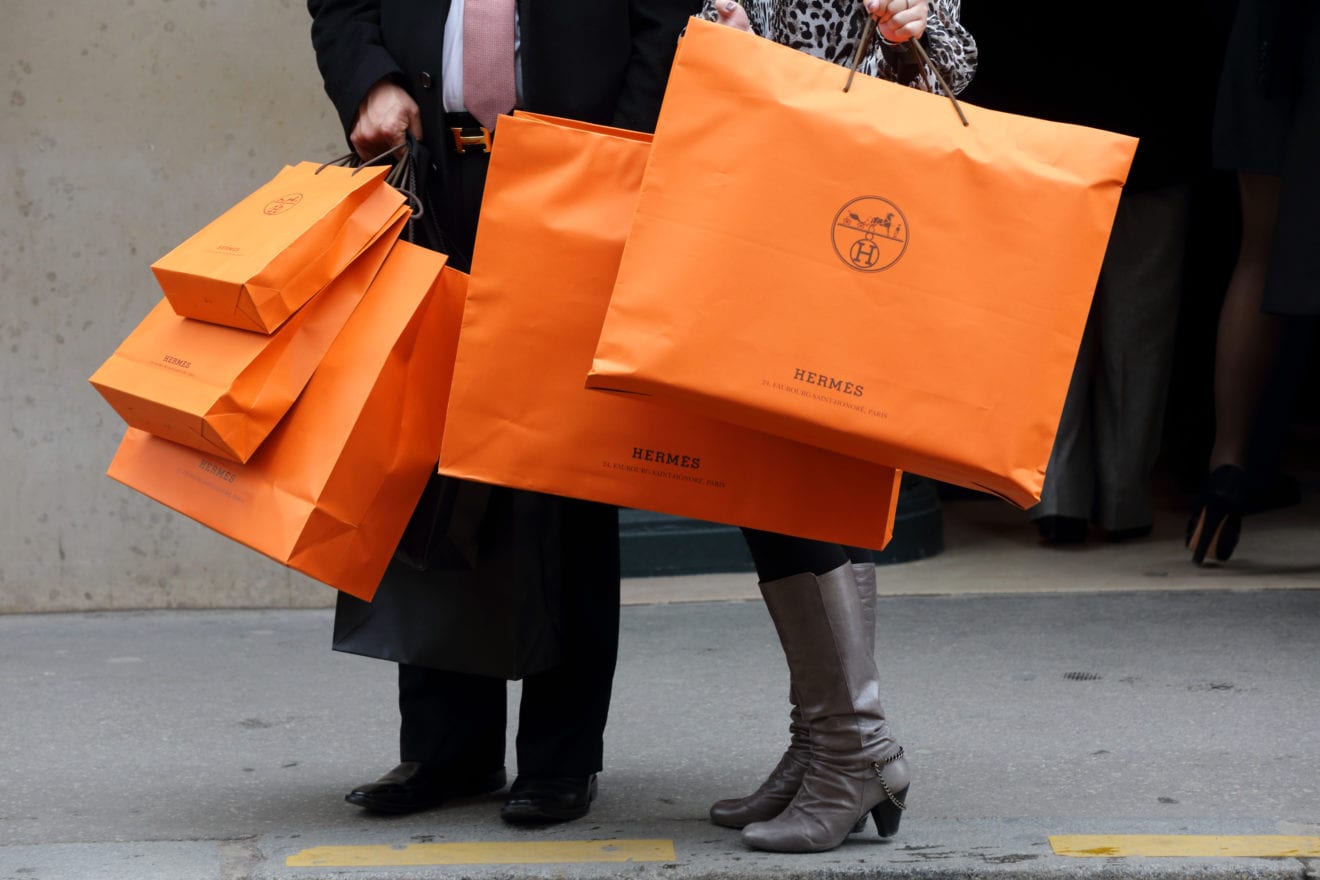
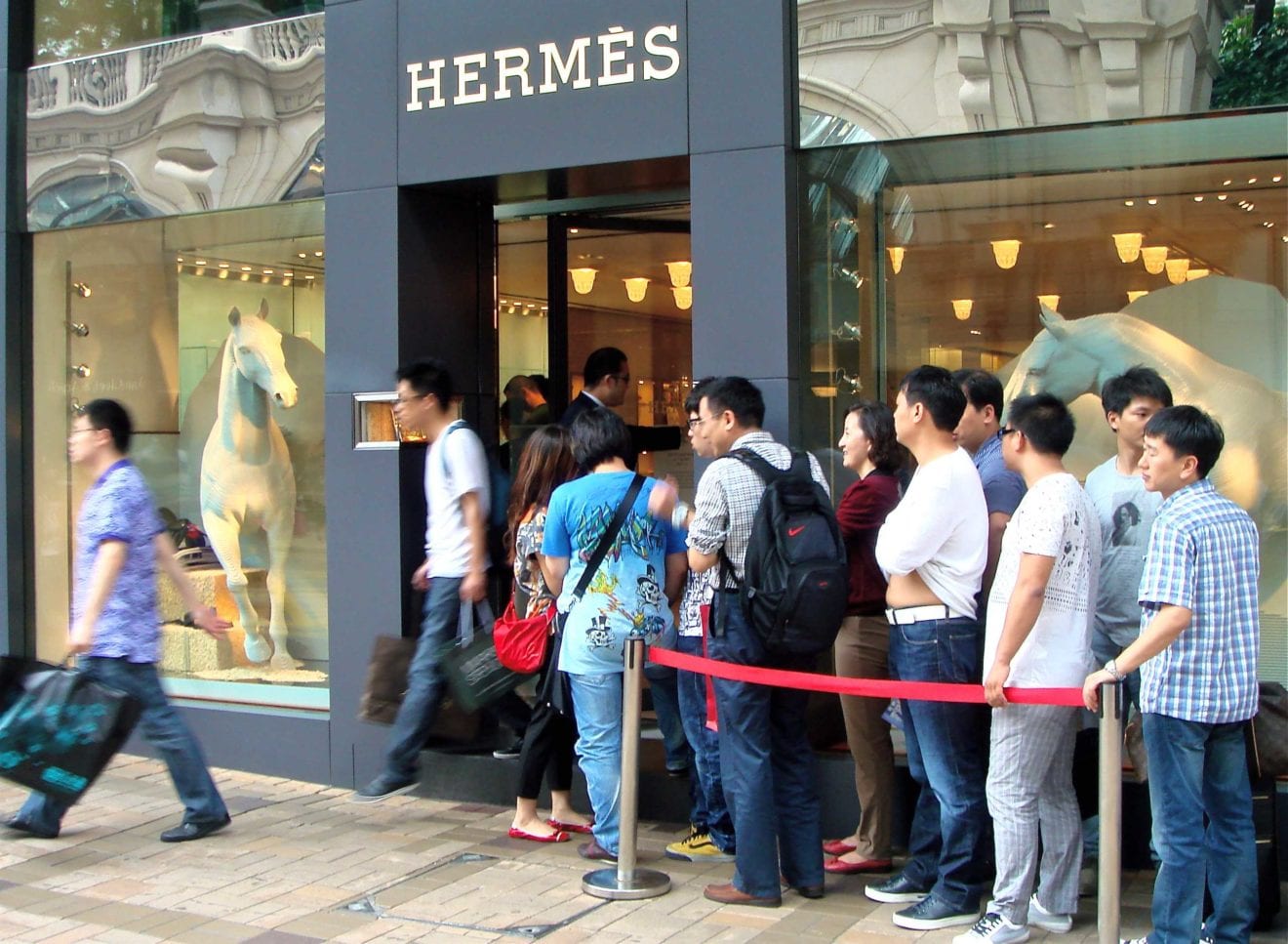
    Hermes sales rose 8 per cent last year for French high-fashion goods manufacturer Hermes International.

    In what it describes as a “difficult context”, the group’s consolidated revenue reached €5202 million (US$5.5 billion).

    Sales growth was sustained in the fourth quarter (up 8 per cent at current exchange rates, and 7 per cent at constant exchange rates), with all geographies progressing.

    Hermes continued to improve the quality of its distribution network, with four store openings and renovation and extension works.

    Japan (up 9 per cent) performed well thanks to its selective distribution network, despite the strengthening of the yen and a high comparison basis.

    Asia excluding Japan (up 7 per cent) pursued growth, particularly with extensions of the Liat Towers and Takashimaya stores in Singapore and store openings in Macau, at Hong Kong Airport and in Chongqing in China.

    In Mainland China, the group says it continued to develop even though the context remains challenging in Hong Kong and Macau.

    Growth over the year was driven by leather goods and saddlery products, which continue to be the mainstay of the group. Otherwise, sales benefitted from a positive momentum at year end in such sectors as silk and the ready-to-wear and accessories division.

    Growth “remarkable”

    Hermes says the 14 per cent growth in leather goods and saddlery was remarkable, thanks to the success of the collections and the diversity of models, particularly the Constance, Halzan and Lindy bags alongside the Birkin and Kelly.

    The ready-to-wear and accessories division was stable over the year, posting a 4 per cent increase in the fourth quarter driven by the latest women’s collections, particularly shoes.

    While sales eased 1 per cent for the silk and textiles business line in the fourth quarter, Hermes says it was a good result in the face of being penalised by events in Europe and slowing sales in Greater China during the first half of the year.

    A 9 per cent growth in sales of perfumes was driven by the success of Terre d’Hermes, the launch of Galop d’Hermes and the latest creations such as colognes Eau de Neroli Dore and Eau de Rhubarbe Ecarlate.

    Down 3 per cent, the watches division was penalised by a still challenging market and a high comparison basis at year end. Sales rose 2 per cent for other Hermes business lines, encompassing jewellery, Art of Living and Hermes Table Arts.

    Meanwhile, Hermes is pursuing its long-term development strategy based on creativity. This year it is celebrating the “Meaning of Objects”.

  • Chinese consumers crave premium products

    Chinese consumers crave premium products

    Chinese consumers are increasingly craving premium-tier products to underscore their success, says Nielsen China.

    The market research company defines premium-tier products as items that cost at least 20 per cent more than the average price for the category.

    The global information company’s retail sales data, which covers major retail chains, shows that factors on both the supply and demand side are driving the growth of the premium segment in China.

    And in a Nielsen survey, 56 per cent of Chinese said they buy premium products in order to feel successful or show their success to others.

    Also, 48 per cent of consumers said they are willing to pay a premium for electronics, followed by clothing and cosmetics (both 38 per cent).

    Many consumers have greater buying power than ever before, with purchasing power growing from 7 to 9 per cent annually in China.

    “With increasing affluence, consumers are craving products that offer an enhanced, premium experience,” says Nielsen China MD Vishal Bali. “Beyond basic needs and benefits, Chinese consumers are making purchase decisions based on how products make them feel.”

    In its study, 65 per cent of online respondents in China said they will try a new and innovative premium product based on the recommendations of friends and family. Additionally, 60 per cent said  of respondents said they are “very willing” to pay for premium products with high quality and safety standards.

    Electronics favoured

    Chinese consumers are most willing to pay a premium for electronics, says the study. Globally, 42 per cent of consumers say they are willing to pay a premium price for electronics, while in China the number reaches 48 per cent.
    Apart from electronics, 38 per cent of respondents in China said they are willing to pay for a premium offering in clothing and cosmetics. Globally however, 39 per cent are willing to buy premium clothing while only 33 per cent say they would buy a premium offering in cosmetics.

    Other key categories where Chinese consumers are willing to pay a premium include dairy products (37 per cent), cars (32 per cent), oral care (31 per cent) and meat and seafood (30 per cent).

    Status is also a more important consideration for consumers in China compared to the rest of the world, with 54 per cent of respondents saying they buy premium products because these items show other people that they have good taste. Premium products are also regarded as an important indicator of accomplishment, with 56 per cent of Chinese respondents saying they buy premium products because it makes them feel successful or (also 56 per cent) shows other people that they are successful.

    “Emotional motivation is a key factor for Chinese consumers, and we see premium products driving this trend,” says Bali. “Consumers want unique experiences they can share with their friends. They want products that express their individual taste while also projecting a positive image of success and status.”

  • Gemfields introduces Faberge to India

    Gemfields introduces Faberge to India

    Faberge, owned by UK emeralds and rubies mining company Gemfields, is the latest in a growing list of global luxury brands to enter India.

    It is following on the heels of such brands as Burberry and Rolex as India’s economic expansion spawns more billionaires than in Japan, the traditional bastion of ultra-rich in Asia, reports ET Retail.

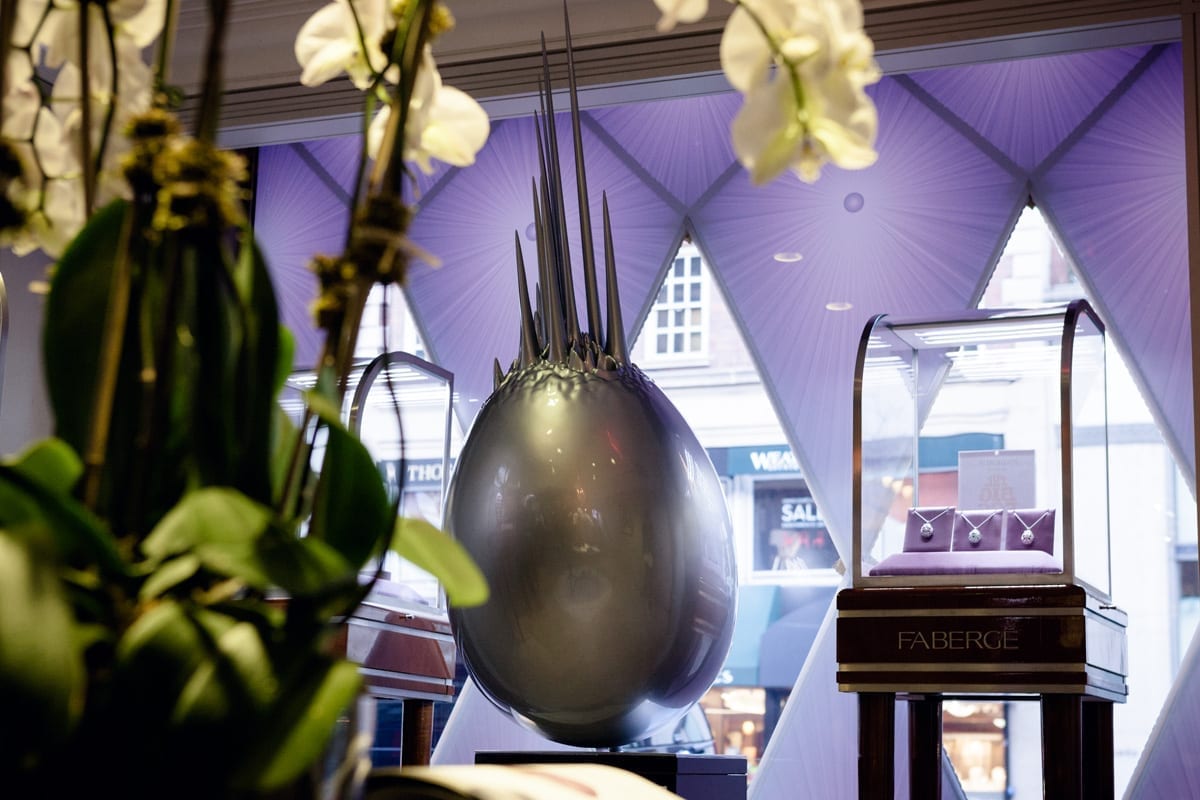
    Faberge, an ultra-luxury jeweller known for its Easter eggs and tracing its roots back to Russia in the days it had royalty, will set up in Delhi and Mumbai, selling its products through select showings for the uber-rich.
    “India and other Asian markets have tremendous potential,” says Faberge CEO Sean Gilbertson. “Asia has largely been an unexplored area for us.”

    Faberge, which retails through 39 multi-brand outlets including Harrods and Mayfair, plans to hold more trunk shows in Hong Kong, Malaysia and Singapore.

    Products being sold in India include coloured gemstones, emeralds, rubies and sapphires, and timepieces including the award-winning Lady Compliquee peacock watch. Prices range from US$5000 to $3 million.
    Founded in 1842, the company was founded by Peter Carl Faberge, who was official goldsmith to the Russian Imperial Court.

    In the quarter to the end of December, Faberge’s sales jumped by 48 per cent over the same period in 2015, says Gemfields, while the average selling price per piece increased by 12 per cent.

    Faberge has not been affected by the overall slowdown in the luxury market, says Gilbertson, as it deals with a smaller clientele with an average selling price “extraordinarily high compared with most other brands”.

  • Vietnam expects 10 percent rise in leather, shoe exports

    Vietnam expects 10 percent rise in leather, shoe exports

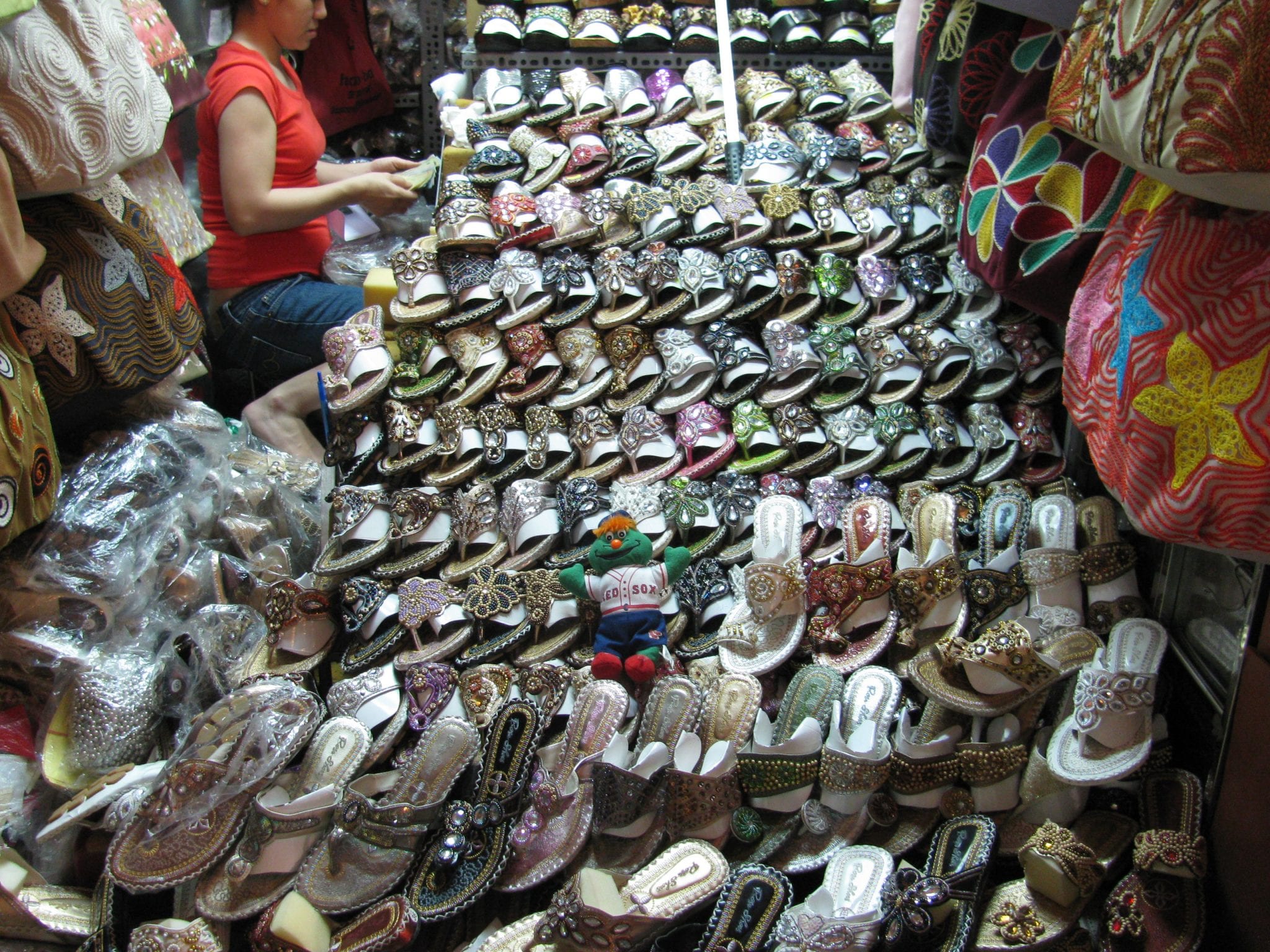
    Viet Nam’s leather and footwear industry expects to reach a total export value of US$18 billion this year, up 10 per cent from last year, said the Viet Nam Leather, Footwear and Handbag Association (Lefaso)

    According to Lefasco, there are plenty of chances for expanding exports given that orders for footwear and bag processing may be diverted from factories in China that have cut back on incentives for investment in garment and footwear manufacturing to focus on high technology.

    Another promising element is the Viet Nam-European Union free trade agreement, which will take effect in 2018 and afford Vietnamese footwear makers more opportunities to boost exports.

    To achieve this year’s target, the leather and footwear sector needs to boost technological innovation, invest in new equipment and modernise existing equipment, expand the production scale of domestic enterprises to increase productivity as well as improve the quality of products, Lefasco said.

    Lafesco reported that the sector raked in $16.2 billion from export last year, up 8.8 per cent from 2015. Of which, $13 billion came from footwear and the remaining was from handbags and leather items, marking respective annual increases of 8.2 per cent and 11.1 per cent.

    According to Lefaso, leather and footwear exports last year faced many difficulties as orders from the EU market plummeted and the sector’s export to ASEAN markets was also unstable.

    Since January 1, 2016, the tax levied on footwear and leather handbags and items circulated within the ASEAN bloc have been reduced to 0 per cent, leading to stiffer competition from regional rivals.

    Vietnamese enterprises also confronted obstacles due to the lack of capital and increasing input costs, which significantly affected the footwear sector’s export. Footwear currently ranks fourth and suitcase-bag-briefcase ranks tenth among Viet Nam’s top 10 foreign currency earners.

    The sector’s manufacturing index in 2016 rose a modest 3.7 per cent year-on-year, much lower than the 17.4 per cent and 22 per cent growth in 2015 and 2014, respectively.